
Wheeling City Zoning Code
APPENDIX D
DESIGN GUIDELINES
Contents
_____
I. General Regulations
Form, massing, articulation, proportion, mechanical screening, context & relationship
to site, windows & doors
II. Materials
Wall, roof, accent materials, review of new/innovative materials, and methods of measuring
minimum requirements
III. Colors
Walls, trim, glass, and roof
IV. Residential Buildings
Regulations for town homes and other multi-family buildings
V. Commercial Buildings
Regulations for office, retail, and restaurant buildings
VI. Industrial Buildings
Regulations for industrial buildings
VII. Mixed-Use and Special Purpose Buildings
Regulations for commercial / residential mixed-use buildings, hangars, special purpose
buildings, and developments with multiple buildings
_____
Section I. General Regulations
_____
A. Intent and Purpose
For buildings other than single-family residences, the architectural review of all
new buildings and building additions shall be subject to the review of the Plan Commission
and Village Board as described in Title 19, Zoning, of the Wheeling Municipal Code.
It is the intent of the Village of Wheeling through these Design Guidelines to establish architectural design standards for buildings throughout the Village's residential areas, commercial corridors, and industrial parks.
The purpose of these regulations is to: encourage development that is compatible with and complementary to the surrounding area, promote the use of high-quality and durable building materials, provide for an attractive built environment for Wheeling residents and businesses, and strengthen the character of each area by ensuring that development is well-planned and coordinated.
B. Relationship to site and surroundings
1. Each building shall be designed to facilitate its intended use. Entrances for the public, employees, and service/delivery shall be appropriately located with respect to streets, drive aisles, and parking areas.
2. Building materials shall be of comparable aesthetic quality on all sides, though consideration for reduced architectural detail on elevations that are not visible from streets or adjacent properties may be made during the review process.
C. Building Massing and Form
The design elements on a building shall be appropriate for the scale of the development.
Large featureless walls lacking articulation or variation in texture are not permitted
in visible locations. This section describes design guidelines related to massing
and form. See sections IV—VII of the Design Guidelines for specific requirements for
residential, commercial, industrial, and mixed-use buildings.
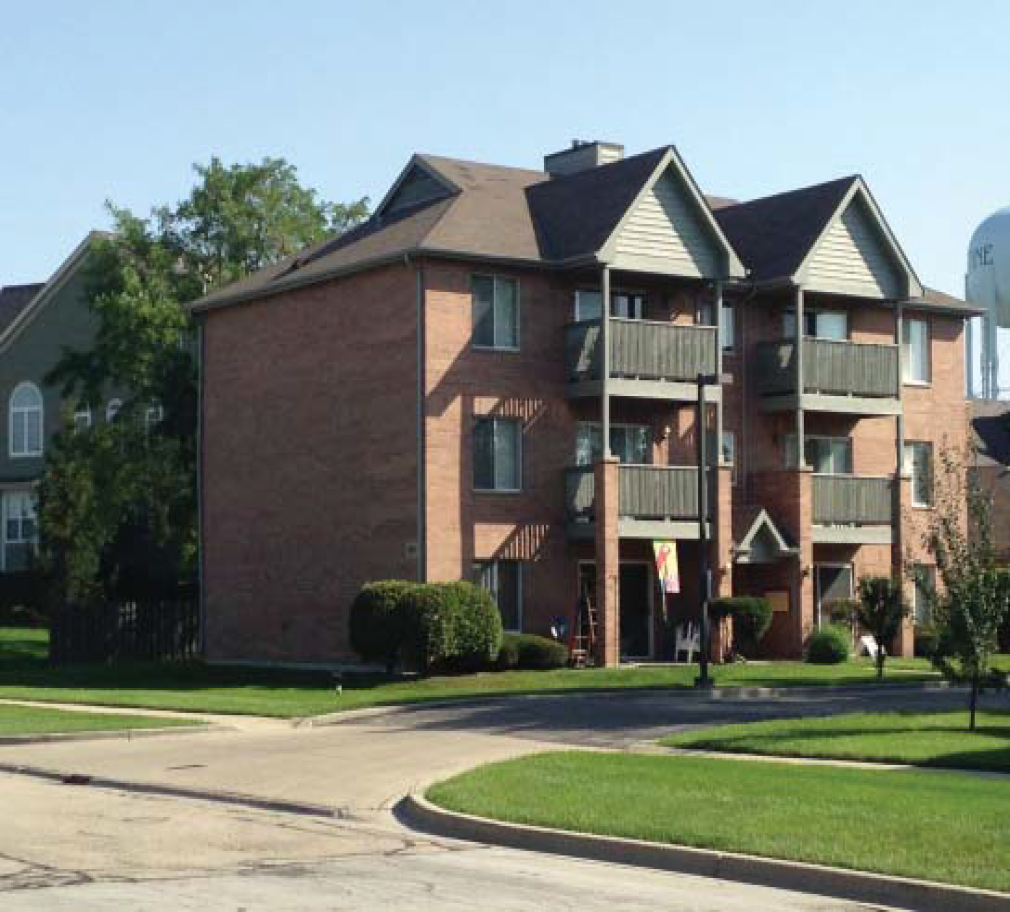
Blank walls facing the public street are discouraged
1. Articulation. Walls shall be designed with recesses and projections such that large expanses of visible walls are not on the same plane.
2. Horizontal division. Traditional architecture divides a building into a base, main body, and cap. Larger or more textured materials are frequently used in the base. The cap should distinguish the top of the building from the middle through the use of varied roof lines, accent materials, or overhangs.
3. Roof lines. Variation in the roof line can be used to break up the façade of a building and create shadows.
4. Accent lines. Subtle interruptions in the wall, such as vertical or horizontal accent lines, may also be appropriate, especially in industrial or office buildings.
5. Architectural detail. Bay windows, cornice detail, overhanging eaves, brick patterns giving the appearance of windows or doors, and similar architectural detail is encouraged.
6. Entry features. Emphasizing entry features through the use of alternate materials, a separate roof area, recesses/projections, or similar techniques is encouraged.
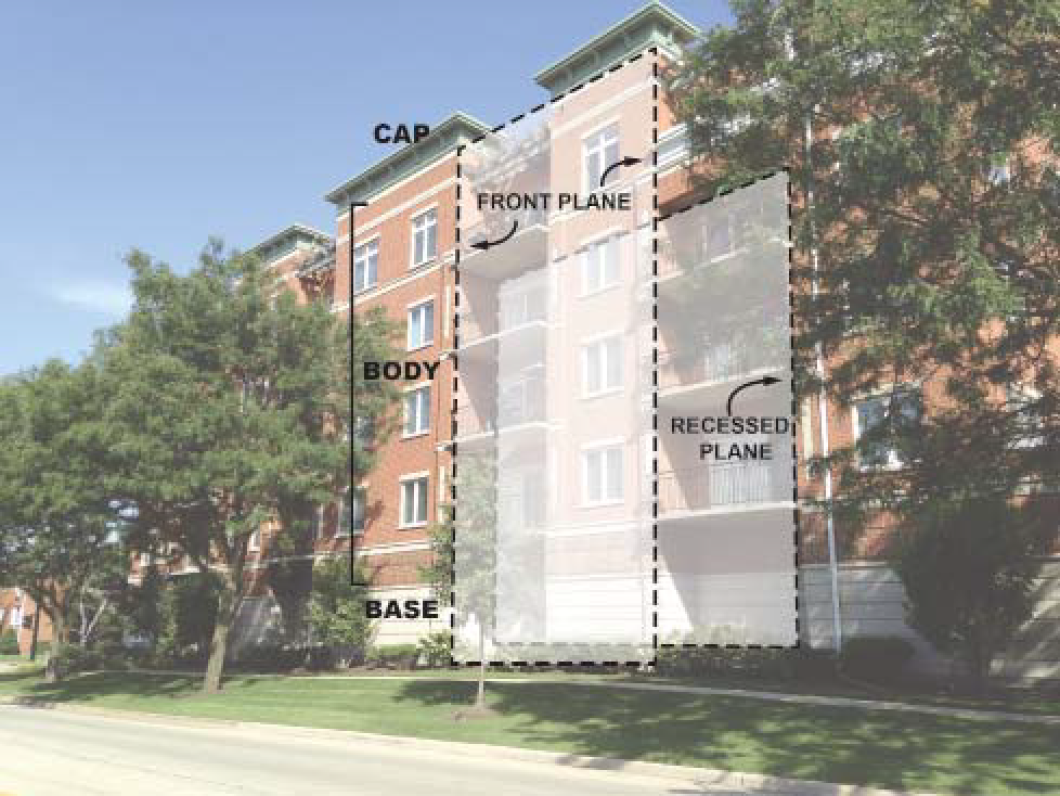
Traditional base, body, and cap building. Visual interest is produced through articulation.
Portions of the exterior wall are recessed
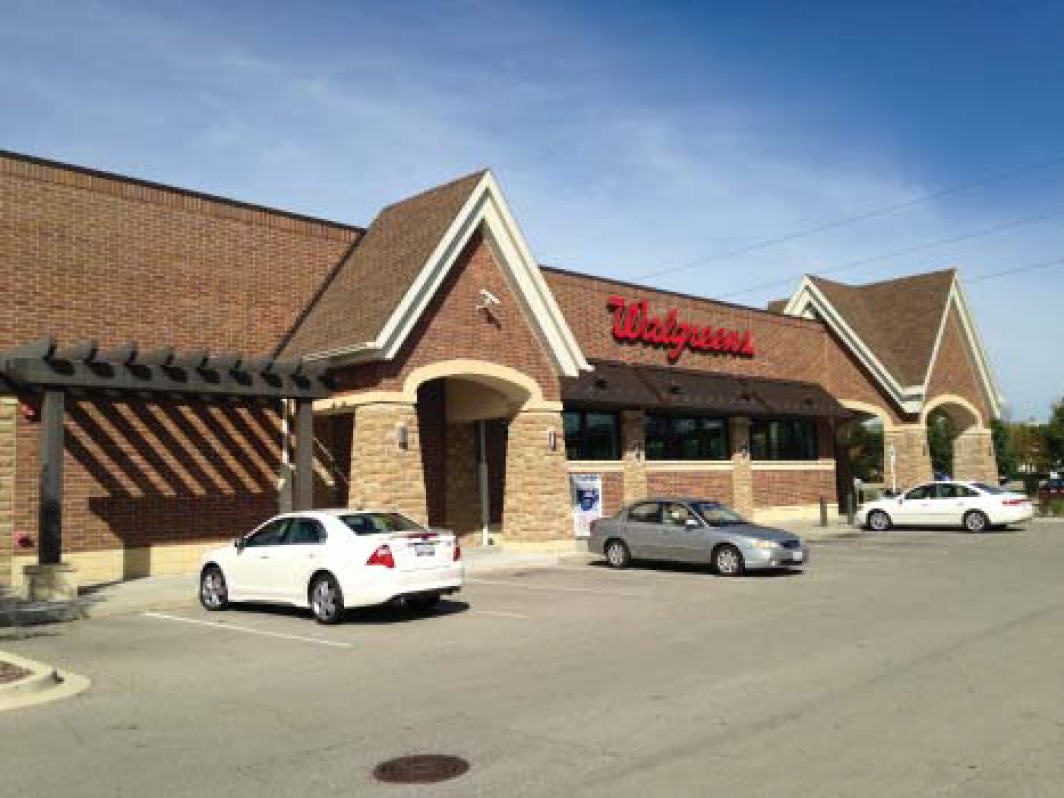
Multiple roof lines and emphasis on the public entrance
D. Windows and Doors
1. Proportion. Windows and doors shall be of an appropriate dimension for the subject wall.
2. Spacing and alignment. Windows should be spaced at regular intervals and aligned with each other. Windows should also be aligned in relationship to the other design features on the building (base material, horizontal accent lines, etc.).
3. Materials. Windows and doors shall be constructed using materials that are complementary to the building materials. The color of the windows and doors should be consistent with the trim on the building. The use of tinted or mirrored glass is strongly discouraged and must be clearly presented during the appearance review process.
4. False windows. Blank walls may be enhanced through the use of features that give the appearance of windows (spandrel glass, rectangular area with an alternate brick pattern, etc.).
5. Films and decorative covers. Window coverings are subject to appearance approval as described in Title 19 and Title 21 of the Wheeling Municipal Code.
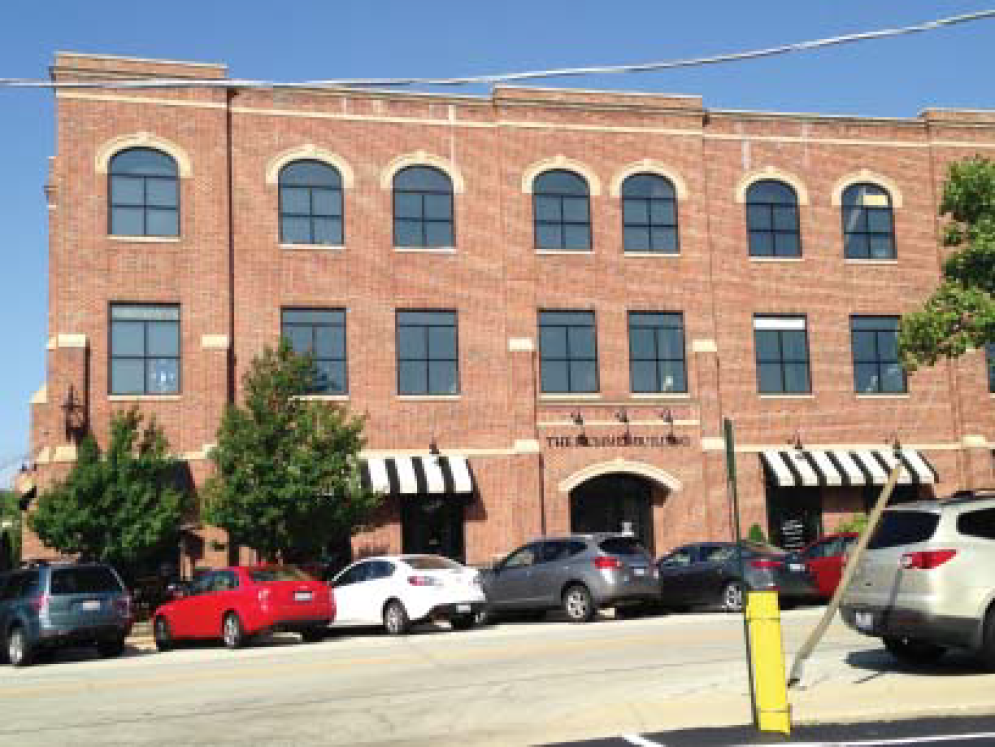
Proportional windows, spaced on each section of the facade.
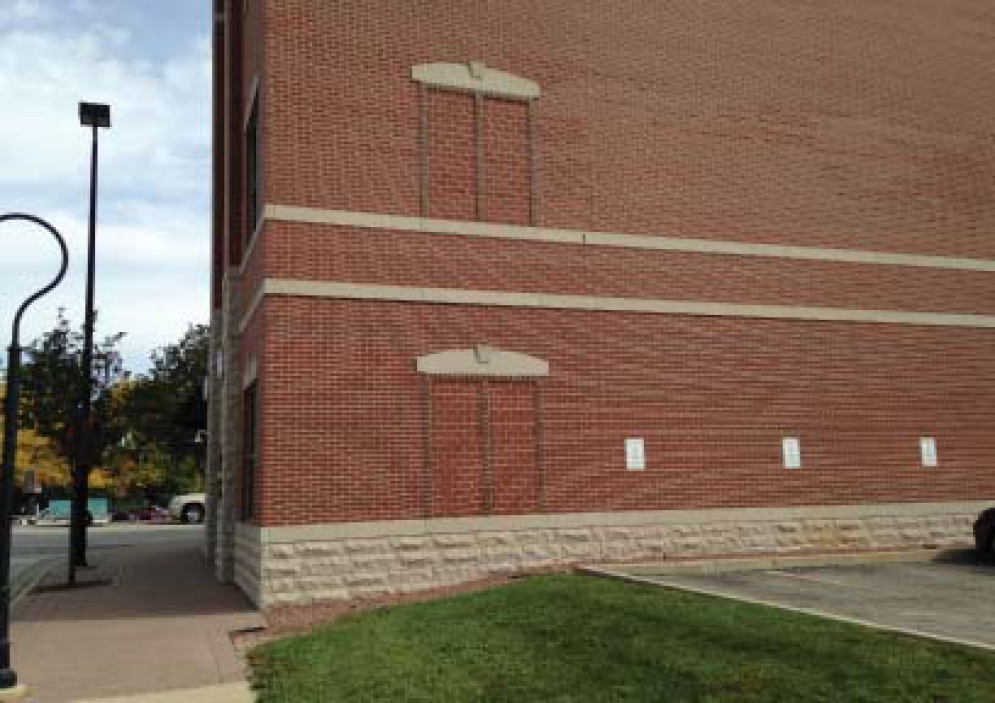
Window frame feature on blank wall.
E. Screening of Mechanical Equipment, Utilities, and Service Areas
1. Rooftop units. Rooftop units shall be screened from view from the adjacent public streets and parking areas by the use of parapet walls or pad-mounted screen systems. A sight line diagram illustrating parapet screening may be required if it is not clear that the parapet will provide adequate screening.
2. Trash enclosures, ground level units, and generators. Ground level mechanical units, such as air conditioning condensers and generators, shall be screened. The screening material shall be compatible with the overall architectural character of the development and shall be of a height to provide adequate screening. Materials such as brick, precast concrete, cedar, and composite wood are permitted. Gates should be durable and should be mounted on posts separate from the walls of the enclosure. When possible, such screened areas should also be incorporated into the site's landscaping scheme.
3. Utility connections. Utility connections should be screened from view or incorporated into the service area. Exterior gas pipes and utility meters shall not be visible.
4. Service areas. Service areas, such as delivery docks and compactor rooms, shall be located such that they are not directly visible from public streets or public parking areas. Screen walls matching the architectural design of the building shall be required for all visible service areas.
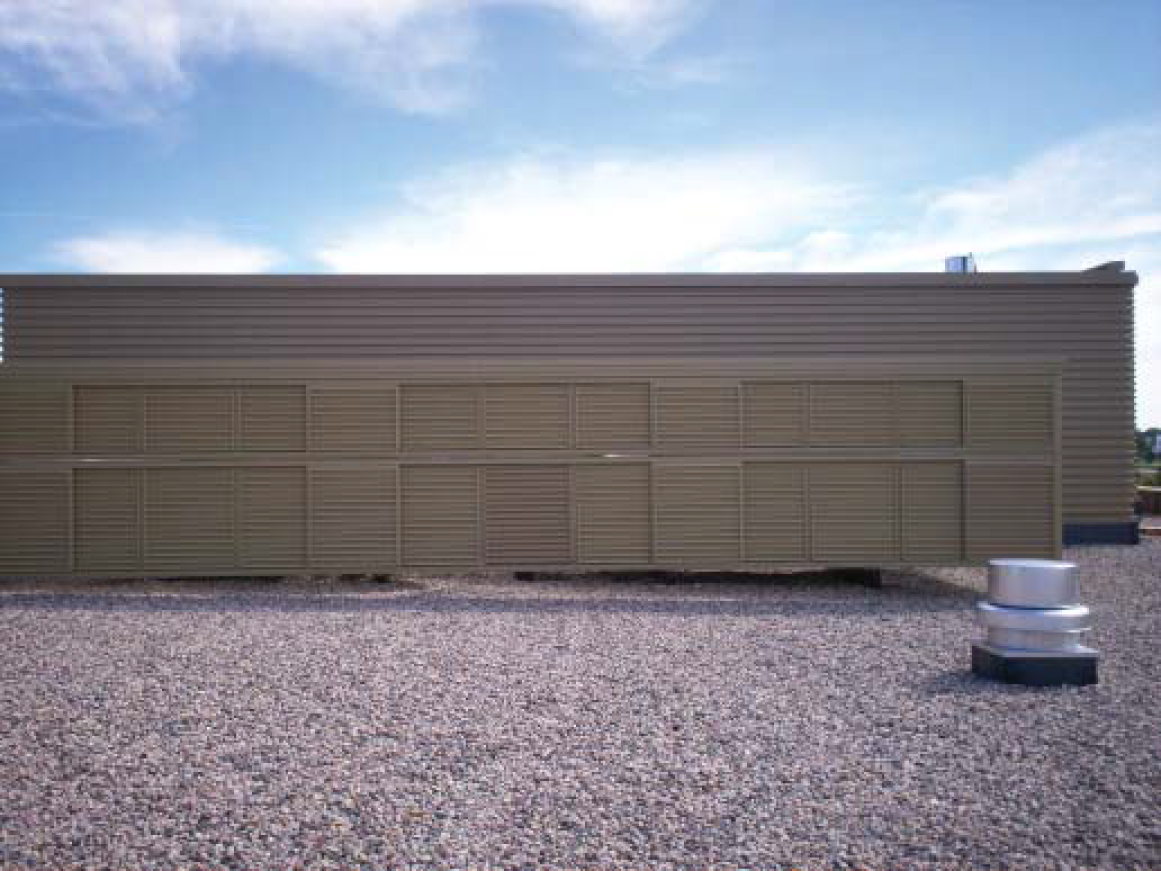
Screen system for rooftop mechanical units.
_____
Section II. Materials
_____
A. General provisions
1. Primary material. Each building shall utilize a single primary material within the main body of each elevation. Alternate materials may be used in the base and cap. Buildings which are specifically designed to give the appearance of distinct and separate buildings (such as town homes, row homes, or store fronts) may be interpreted for the purpose of this section as being separate buildings as divided along the unit lines.
2. Accent materials. Accent materials typically represent 10% to 30% of each building elevation. See Sections IV-VII for specific regulations for Residential, Commercial, Industrial, Mixed-Use, and Special Purpose buildings.
3. Features such as windows, doors, trim, gutters, and downspouts, should be included in the plans, and should be consistent with the colors and materials on the structure.
4. Durability and climate-appropriate construction. Materials shall be durable against weathering in the local climate.
5. Porous materials. Porous materials, which are difficult to clean and prone to staining, are not permitted.
6. New construction vs. renovations and additions. New buildings must comply with the regulations of the Design Guidelines. Additions and renovations on existing buildings that are eligible for Minor Site Plan and Appearance review as defined in the Zoning Code may be allowed to continue the use of materials that might otherwise be restricted. If a material is no longer available, the Plan Commission may determine that a substitute material provides a comparable appearance.
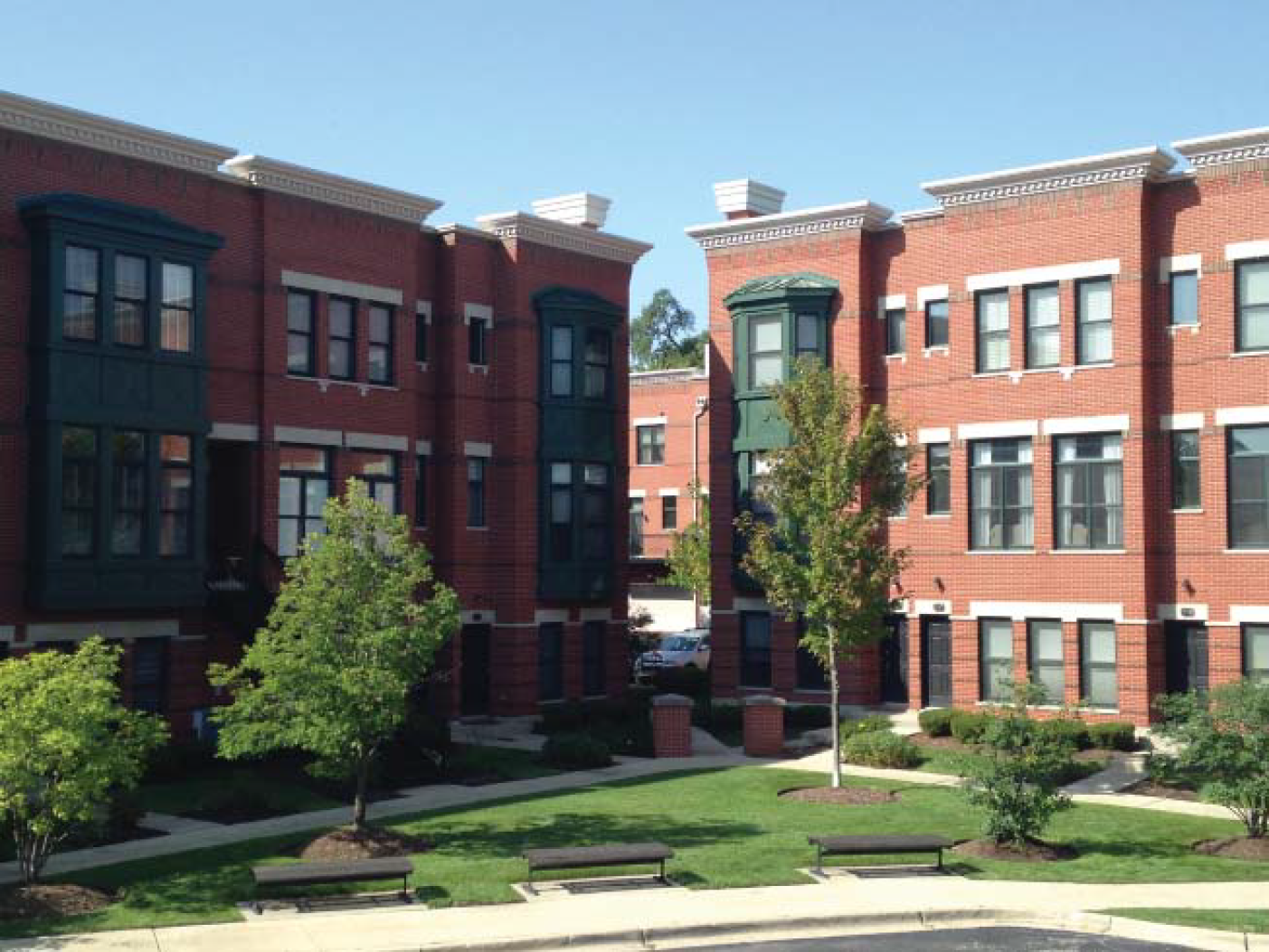
Brick rowhomes with metal accents.
B. Permitted materials
See Sections IV—VII of the Design Guidelines for specific regulations for Residential,
Commercial, Industrial, Mixed-Use, and Special Purpose buildings. The following materials
are permitted, and are listed below in order of preference:
1. Brick. Full masonry unit bricks are the preferred material for most types of construction. Utility size brick or jumbo bricks may not be used as a primary material on buildings less than 20' in height.
2. Stone. Stone is generally utilized as an accent material or in the building base.
3. Synthetic stone. Non-porous synthetic stone is permitted and used in place of natural stone. Textured synthetic stone may be used as a base or accent.
4. Concrete. Poured-in-place concrete is typically used for industrial buildings, but may also be appropriate for limited use in other buildings if it is modified with textures and stains to provide a visually interesting appearance.
5. Pre-cast concrete. Pre-cast concrete may be utilized in similar locations to poured-in-place concrete. Precast with brick inlays in the form may be utilized in place of brick.
6. Metal panel systems. Architectural panels may be appropriate for commercial structures, but are limited to use as an accent material in residential buildings. Metal panels must be durable in the given location, and may not be reflective.
7. Wood. Wood may be utilized as an accent material. Composite wood may be utilized as a trim material or in fencing/screening applications.
8. Cement-fiber board siding and cement-fiber panels. Materials such as Hardie panel may be appropriate for use in a variety of locations (see specific regulations for Residential, Commercial, Industrial, Mixed-Use, and Special Purpose buildings). Such materials may require certification of proper installation techniques, including the selection of the appropriate panel thickness for this climate.
9. Masonry panel systems. Panelized brick or cement fiberboard with a masonry unit appearance may be considered as an accent material.
10. Stucco. Stucco (cement roughly ½″ thick on lath) may be appropriate for use as an accent material.
11. Vinyl siding. Vinyl siding may be permitted as an accent material in residential construction, or in a commercial development with a traditional character (such as a decorative gable area). Such siding shall be high quality and textured, while smooth surface siding is prohibited.
12. EIFS. Exterior Insulation and Finish Systems (EIFS, a coat of cement up to ¼″ thick on a fiberglass mesh and insulation board ) are not permitted in high traffic areas, near the ground level, or as a primary building material.
13. Additional materials. Materials not listed in these Design Guidelines may be permitted through the design review process provided that it can be demonstrated that the material is consistent with the intent of the Design Guidelines in terms of durability and compatibility with the character of the area.
C. Prohibited materials
1. Aluminum siding. Aluminum siding is easily dented.
2. Concrete block/CMU.
3. Split-face CMU and porous synthetic stone. These materials are difficult to clean and are prone to staining.
4. Panels and boards not listed as permitted (sheet metal, corrugated metal, plastic, plywood, fiberglass, etc.).
D. Methods of Measuring Building Materials
For the regulations in the Design Guidelines that specify minimum or maximum percentages
of a material, the following methods of measurement shall be utilized:
1. Percentage of a wall. The wall surface area shall be measured from grade to the top of the wall. Standard windows and doors within the primary material will be included in the measurement for primary building material calculations. Sub-roof areas (such as a roof over a porch) are not included in the overall surface area of the wall.
2. Garage doors. See specific regulations in sections IV—VII regarding garage doors.
3. Maximum use of an accent material. If standard windows and doors are placed within an accent material, the window and door area will be added to the accent material surface area.
4. If a single building is intended to have the appearance of multiple buildings, such as attached row homes or store fronts in a retail building, then multiple primary materials may be used. The building wall as a whole must comply with the minimum standards for the building type as described Sections IV—VII.
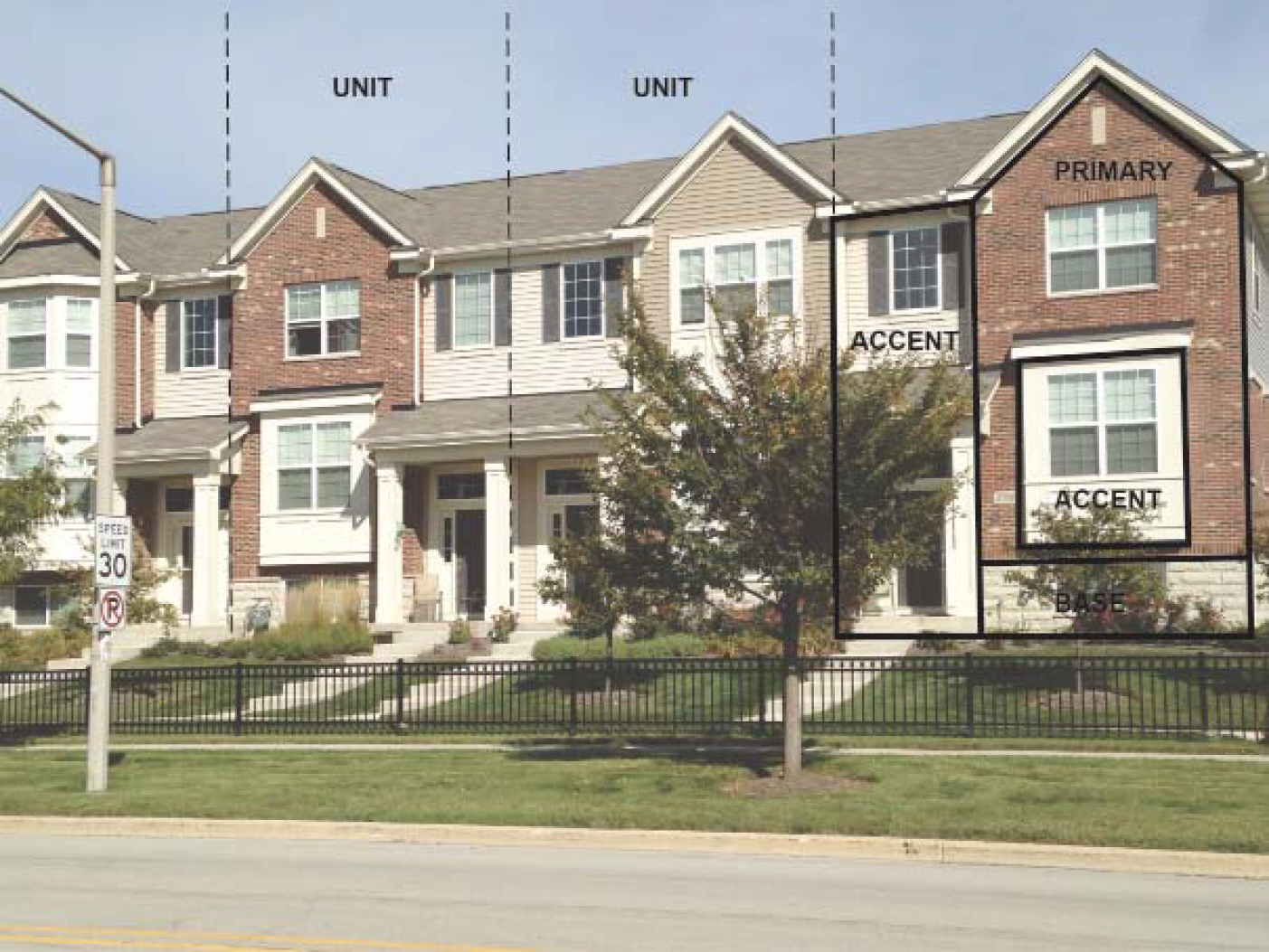
Standard windows and doors are calculated as part of the building wall. Different
units may use different primary materials, but the building as a whole must comply
with the minimum standards for the building type (see regulations for residential
structures).
_____
Section III. Colors
_____
A. Exterior building colors
1. Building colors shall be subdued in tone and of a low reflectance.
2. Simple color patterns are encouraged, with variations in colors kept to a minimum.
3. Dark colored brick is preferred.
4. Developments with multiple buildings must utilize complementary colors, but are encouraged to vary the palette to avoid monotony.
5. Accent materials may be in a contrasting color, but should be complementary to the overall design of the building.
B. Roof, trim, glass, and mechanical features
1. The roof color shall be complementary to the design scheme for the building.
2. Trim should be of a single color, and should match items such as the doors, window frames, gutters, and downspouts. Consideration will be made for decorative features, such as an alternate roof design at the main entrance.
3. Mechanical features, such as vents, shall be low gloss and blend with the wall color.
4. Visible garage doors should complement the color of the building.
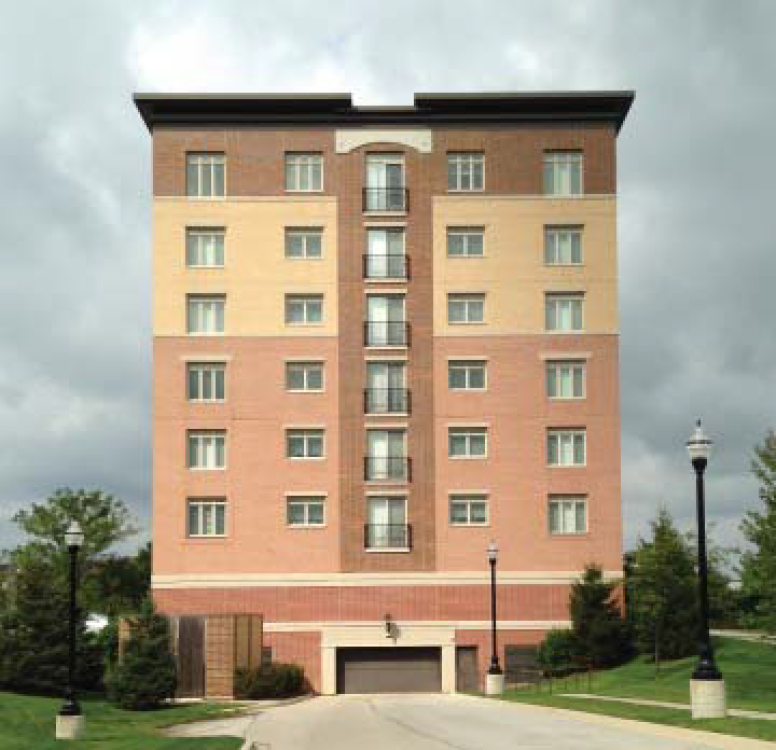
The use of multiple colors of brick, as well as light brick, can detract from the
appearance of a building.
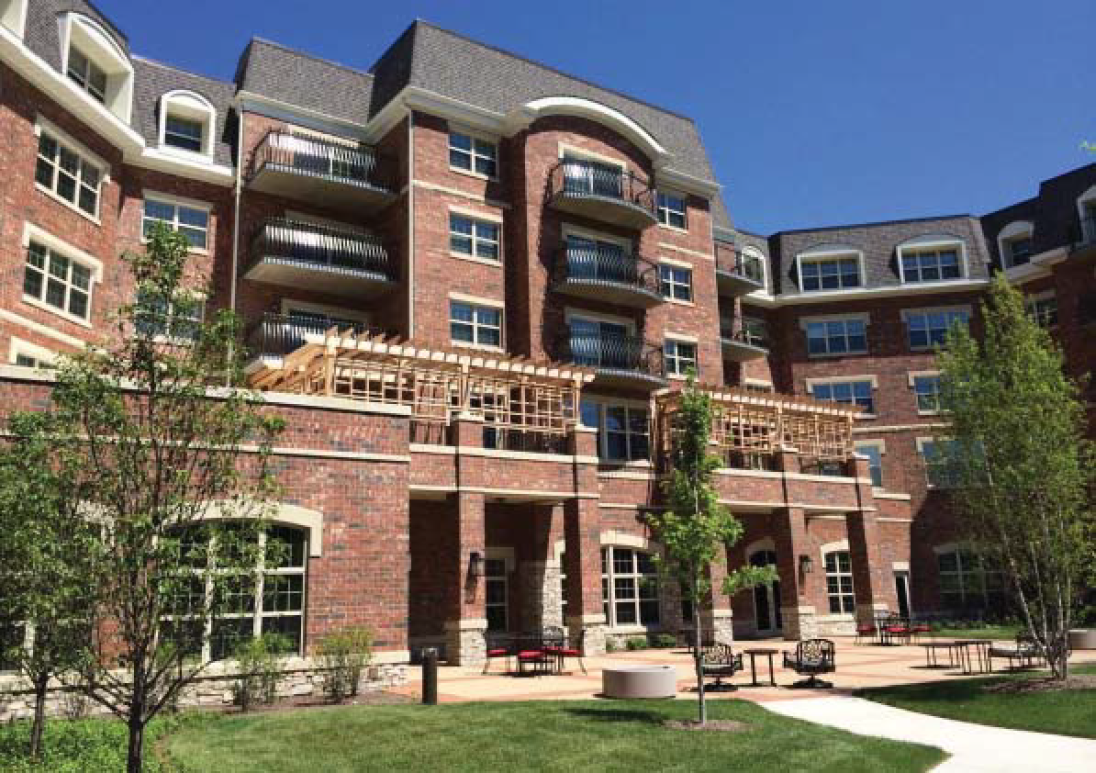
The trim within the mansard area matches the window frames, soffit, and downspouts.
Mottled brick adds character to the exterior. Limestone headers match the base.
_____
Section IV. Residential Buildings
_____
A. Town homes and row homes
1. Each elevation shall be at minimum 60% brick, as measured in accordance with Section III, Building Materials, subsection D. A base of an alternate type of brick or a stone, up to four feet (4') in height, can be included in this calculation.
2. No more than two accent materials will be permitted, the total of which may not exceed 40% of the surface area of the wall.
3. Windows should be provided on each elevation, with a comparable pattern and proportion of windows on all visible elevations.
4. Large segments of uninterrupted wall are discouraged. Recesses, projections, bays, stoops, or porches should be utilized to provide visual interest.
5. For homes with front access garages, the garage door must be integrated into the design of the building in terms of color and material. Garage doors should be separated by sections of wall to provide visual interest.
6. For homes with rear-access garages, separation must be provided periodically to allow space for garbage carts, air conditioning units, and landscaping.
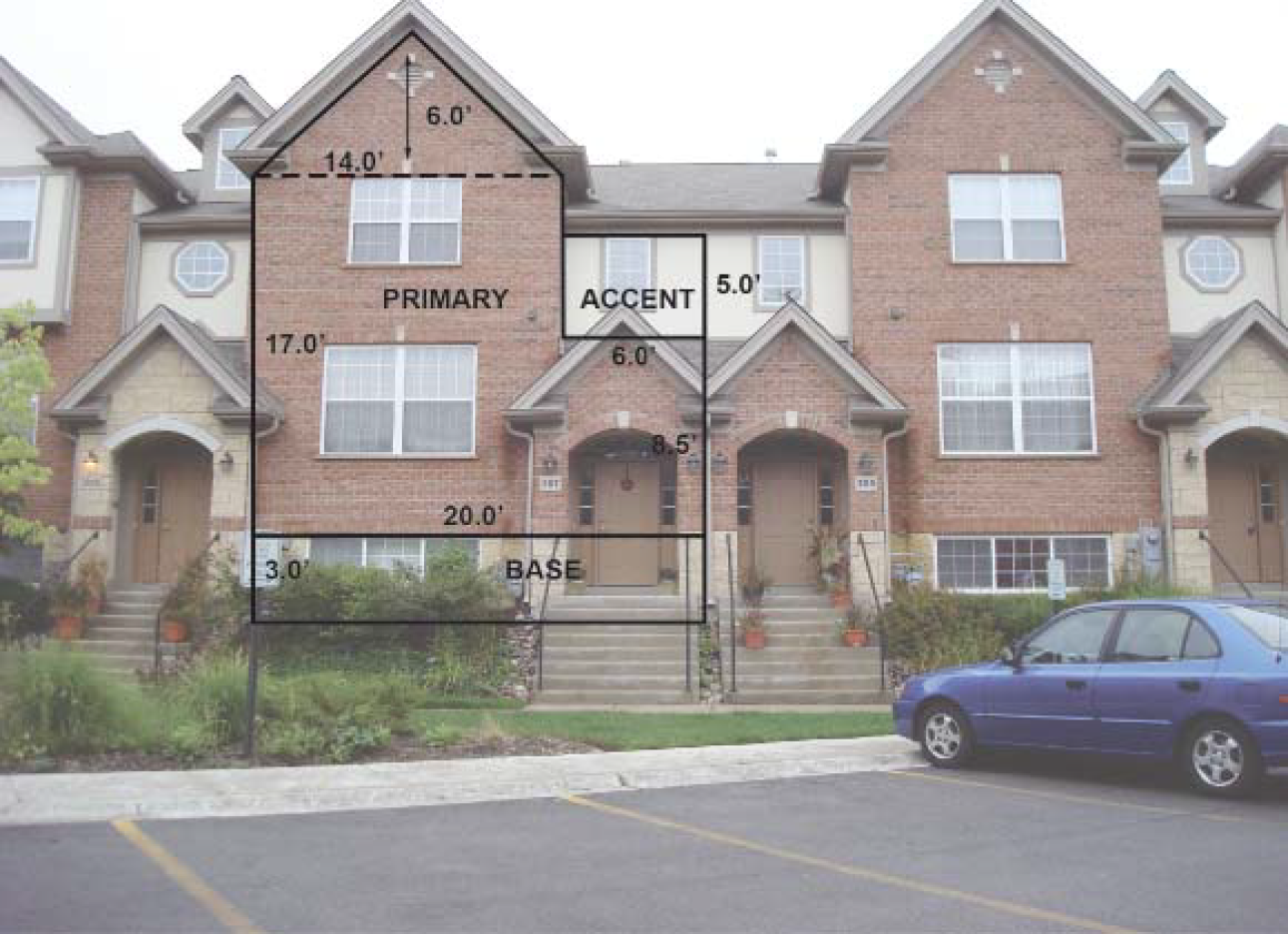
Primary material (including base) is 93% of wall surface area.
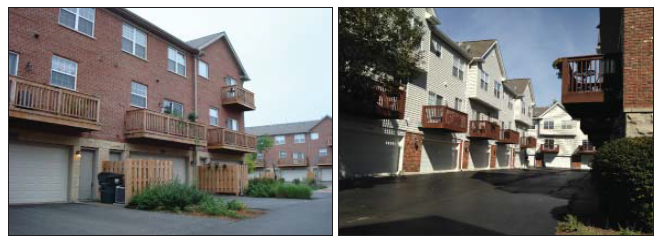
At left: Brick exterior, adequate space for landscaping, air conditioning units and
garbage carts.
At right: Limited use of brick, lack of space between garages. Not comparable to front
of building.
B. Other multi-family buildings
1. Traditional base-body-cap design is preferred.
2. Each elevation shall be at minimum 50% brick.
3. No more than two accent materials will be permitted, the total of which may not exceed 50% of the surface area of the wall.
4. Windows shall be provided on each elevation, with a comparable pattern and proportion of windows on all visible elevations.
5. Large segments of uninterrupted wall are discouraged.
Recesses, projections, bays, stoops, or porches should be utilized to provide visual
interest.
6. The base material should not extend above a height of six feet (6.0'), except to provide emphasis on an entrance.
7. The main entrance should be emphasized in the design through the use of a projection or recess, alternate materials or an alternate roofline.
C. Accessory structures
1. Accessory structures in excess of 120 square feet shall be designed to complement the primary building.
D. Trash enclosures
1. The location of any enclosure should provide convenient access to all occupied units on the property and should not face or be visible from public streets.
2. Whenever possible, a pedestrian entrance/access should be provided to enter the enclosure so that waste can be deposited without opening the large access gates.
3. Opaque materials including but not limited to pre-cast concrete, composite materials, professional grade vinyl/PVC and masonry should be used. Hollow materials such as consumer grade vinyl/PVC fence panels and chain link fencing are not acceptable.
4. It is encouraged that all gates have metal frames attached to separate metal posts.
5. Posts should be finished with end caps and the enclosure walls should be finished with a top cap/coping that complements the overall design of the enclosure.
6. Landscaping is encouraged along the external sides of the enclosure walls, especially when enclosures are located in high traffic areas or areas visible from the public way.
7. Protective bollards should be utilized around trash enclosures if located in high traffic areas.
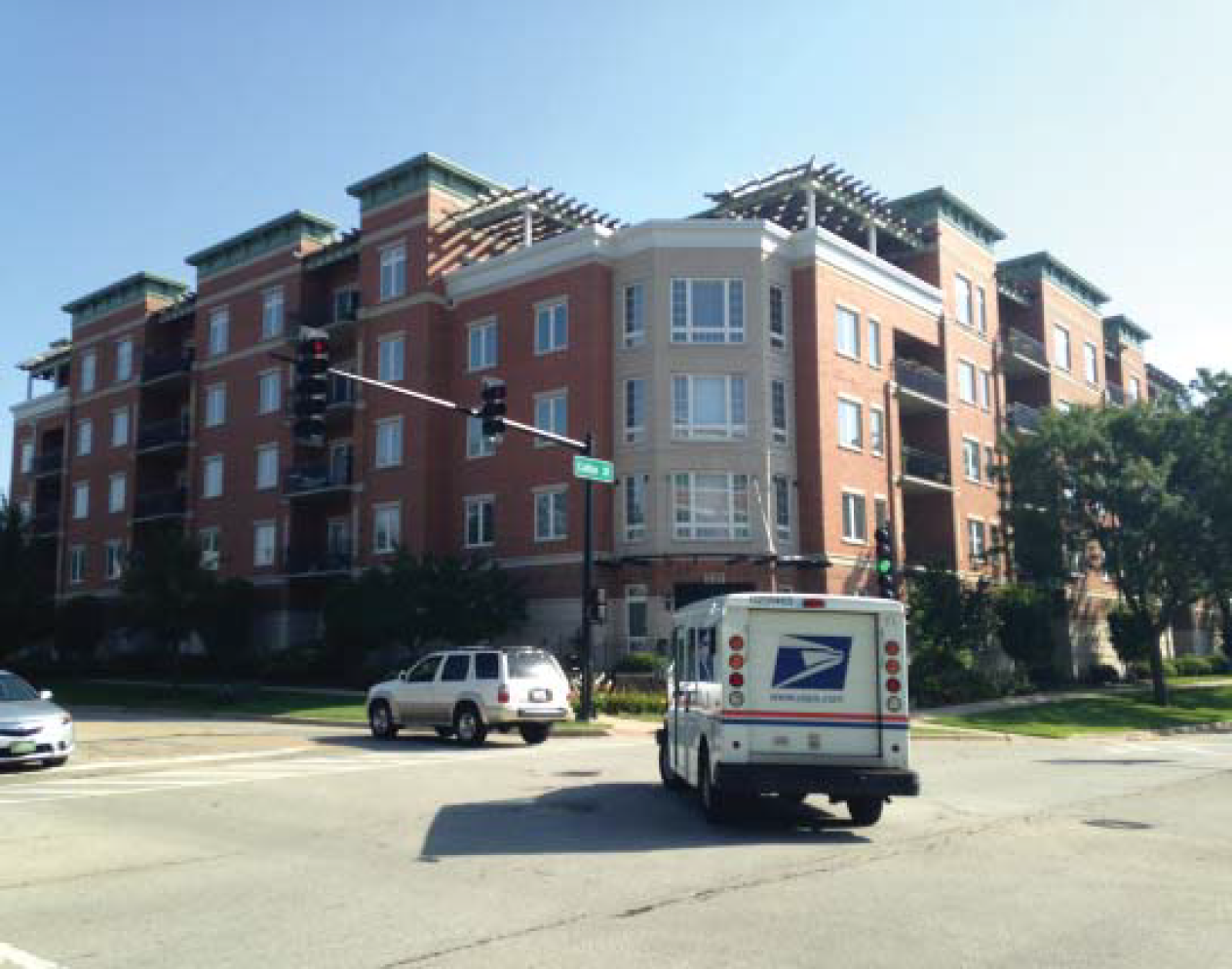
Base, body, and cap style building. Synthetic stone accent material on corner. No
large segments of uninterrupted wall.
_____
Section V. Commercial Buildings
_____
A. Contextual Design
1. Blank walls are discouraged, especially facing public streets and parking areas.
2. Windows, awnings, canopies, and arcades should be incorporated into buildings along public sidewalks and parking areas.
3. Building entrances should be defined and emphasized through the use of recesses, projections, and accent materials.
4. Sign display areas should be considered in the design of new commercial buildings.
B. Exterior building materials
1. See Section II.B. for a list of permitted building materials.
2. Primary materials. A primary material must be selected, and shall account for a minimum of 60% of each elevation.
a. Brick is the preferred primary material for commercial buildings. The use of darker toned brick is encouraged.
b. As noted in Section II.B., windows and doors will count toward the calculation of minimum surface area of the wall.
c. Precast concrete, textured concrete (poured in place), glass, and metal panel systems may also be permitted as a primary material during the design review process. The Plan Commission and Board will consider the character of the area prior to permitting a primary material other than brick.
3. Accent materials. A maximum of two accent materials can be utilized (not including awnings and glass), the total of which may not exceed 40% of the wall area.
a. Preferred accent materials include: stone, synthetic stone, cement fiber board, and metal panel systems.
b. EIFS and similar thin stucco materials should only be used above the ground level, such as the fascia above a storefront.
4. Visible elevations facing the public street or parking areas should consist of transparent glass on the first floor. Consideration for a reduction will be made for units designed to be 20,000 square feet or larger.
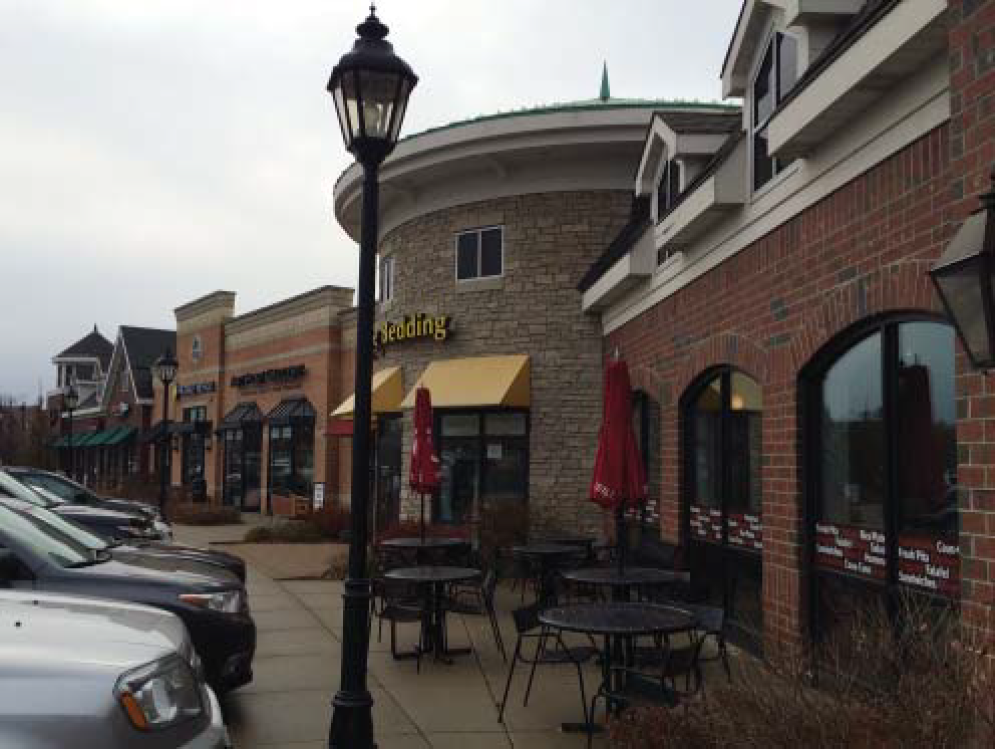
The character of the shopping center is enhanced through the use of awnings, various
rooflines, and complementary materials.
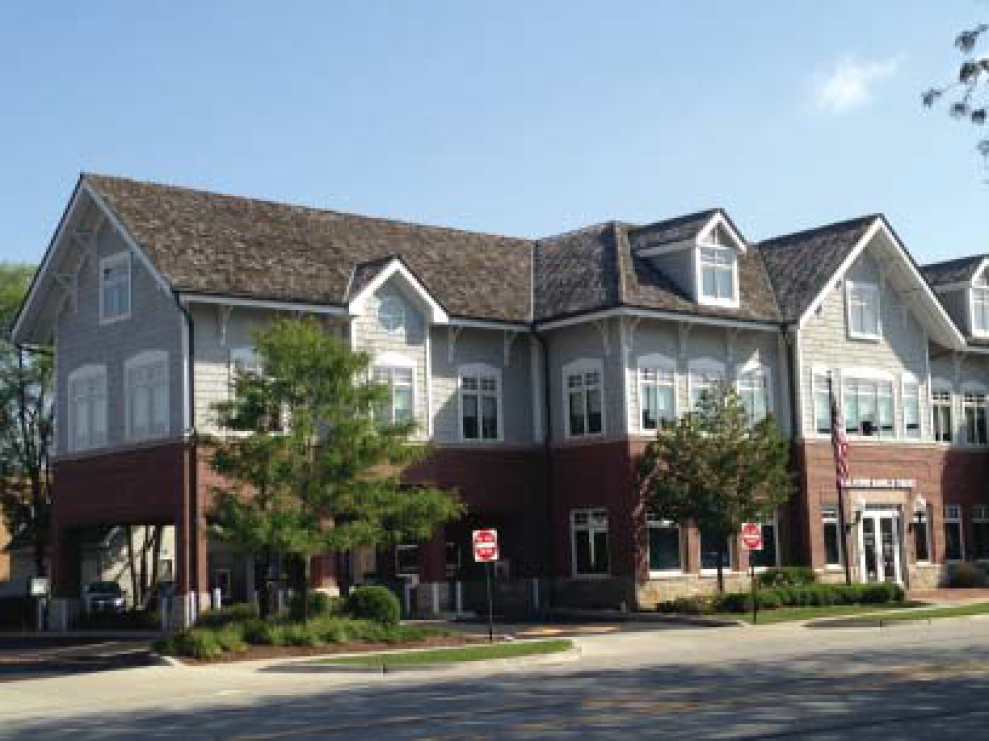
The cement board siding would be considered the primary material in this case.
5. Large segments of uninterrupted wall are discouraged. Recesses, projections, bays, false windows, pilasters, columns, or similar features should be utilized to break up the wall.
6. Spandrel glass is permitted, but must be completely opaque in order to fully screen items such as interior mechanical spaces, insulation, or similar.
C. Loading areas and service entrances
1. Permanent loading areas and services entrances should be located along rear service drives whenever possible. Overhead doors should not be visible from public streets or parking areas.
D. Trash enclosures
1. The location of any enclosure should provide convenient access to all occupied units on the property and should not face or be visible from public streets.
2. Whenever possible, a pedestrian entrance/access should be provided to enter the enclosure so that waste can be deposited without opening the large access gates.
3. Opaque materials including but not limited to pre-cast concrete, composite materials, professional grade vinyl/PVC and masonry should be used. Hollow materials such as consumer grade vinyl/PVC fence panels and chain link fencing are not acceptable.
4. It is encouraged that all gates have metal frames attached to separate metal posts.
5. Posts should be finished with end caps and the enclosure walls should be finished with a top cap/coping that complements the overall design of the enclosure.
6. Landscaping is encouraged along the external sides of the enclosure walls, especially when enclosures are located in high traffic areas or areas visible from the public way.
7. Protective bollards should be utilized around trash enclosures if located in high traffic areas.
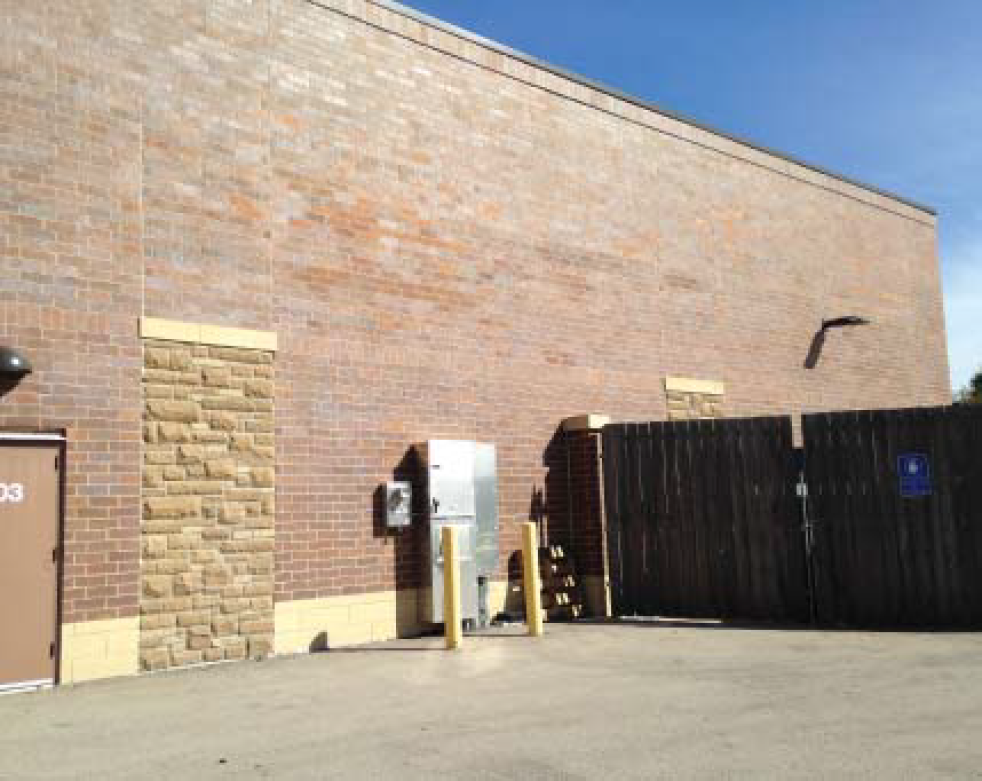
Service entrance, trash enclosure, and utilities are located outside of the public
parking area. Enclosure matches building, and gates are mounted to separate posts.
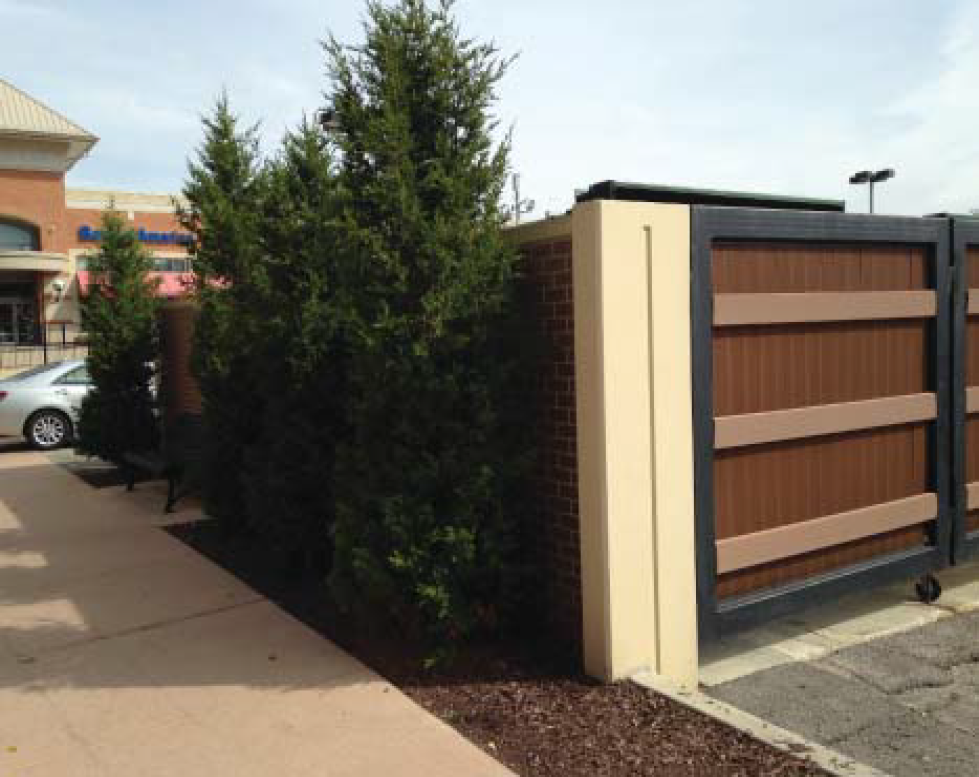
Each store has convenient access to this shared trash enclosure.
_____
Section VI. Industrial Buildings
_____
A. Contextual design considerations
1. The portions of industrial buildings in highly visible locations should be designed to include architectural details and reduce the scale of the building from the view of the street.
2. Buildings with a visible front area and less visible rear area may be permitted to select an alternate design scheme for the rear portion of the building.
B. Exterior building materials
1. See Section II.B. for a list of permitted building materials.
2. Primary materials. A primary building material must be selected, and must account for a minimum of 60% of the wall surface area on each elevation.
a. Brick and precast concrete are the preferred primary materials for industrial buildings. The use of darker toned brick is encouraged.
b. As noted in Section II.B., windows and doors will count toward the calculation of minimum surface area of the wall.
3. Accent materials. A maximum of two accent materials can be utilized (not including awnings and glass), the total of which may not exceed 40% of the wall area.
a. Preferred accent materials include: stone, synthetic stone, cement fiber board, and metal panel systems.
b EIFS and similar thin stucco materials should only be used above the ground level, such as the fascia above an entrance.
4. Spandrel glass is permitted, but must be completely opaque in order to fully screen items such as interior mechanical spaces, insulation, or similar.
5. Large segments of uninterrupted wall are discouraged. Recesses, projections, bays, false windows, pilasters, columns, or similar features should be utilized to break up the wall.
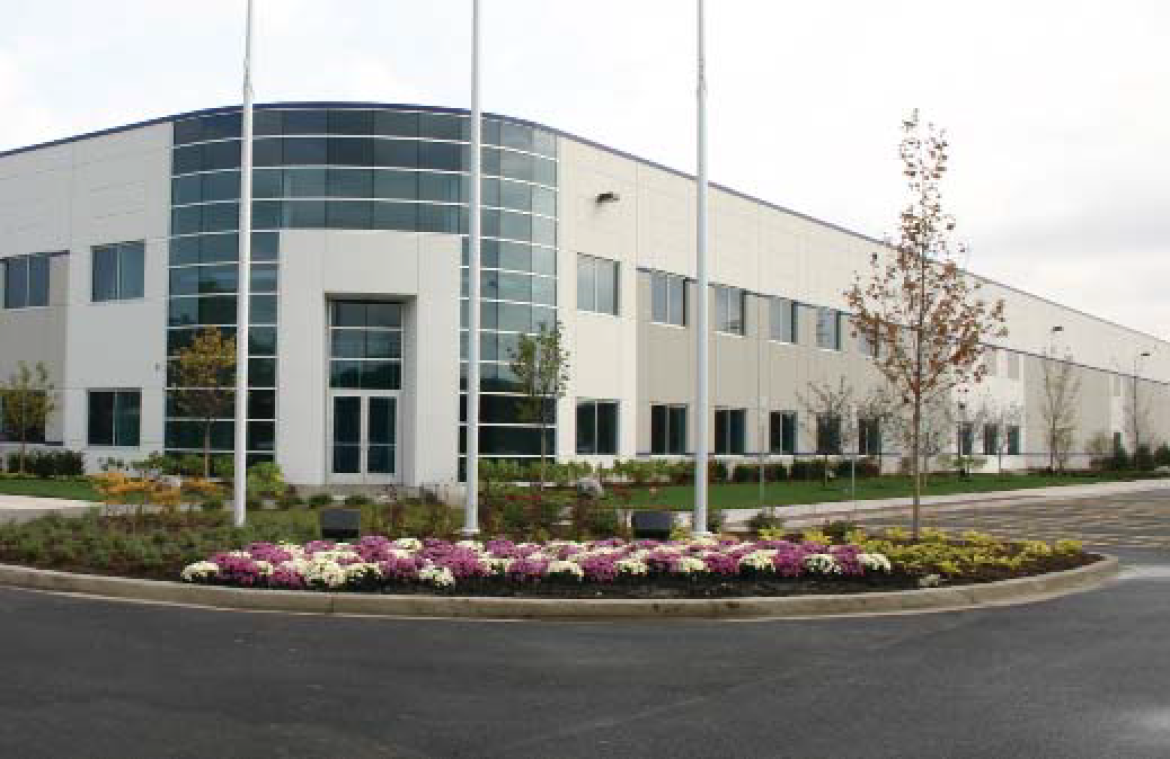
Large precast building that utilizes color and patterns in the concrete to break up
the building wall. The 2-story glass entrance has spandrel glass above the ceiling.
Less detail provided toward the rear.
C. Loading docks
1. Loading docks should not face public streets or incompatible land uses, such as residential properties or institutional facilities. Screening must be provided for any loading dock that is visible from such uses.
2. Loading dock areas should be kept free of debris and storage of materials, with overhead doors closed when not in use.
D. Trash enclosures
1. Trash enclosures should be constructed of durable materials, and should match the building in locations where the enclosure is visible from public streets and parking areas.
2. Trash enclosure gates should not face public streets.
3. The enclosure must be easily accessible for waste pickup, and should be protected with bollards if located in high traffic areas.
4. Enclosures should be located such that all units have convenient access.
5. The gates should be durable and mounted on posts separate from the walls of the enclosure.
_____
Section VII. Mixed-Use and Special Purpose Buildings
_____
A. Mixed-use Buildings
Most mixed-use buildings are anticipated to have residential units located above commercial
units (office, retail, and restaurants). For this reason, the standards for Section
IV, Residential Buildings, and Section V, Commercial Buildings, will both be applied.
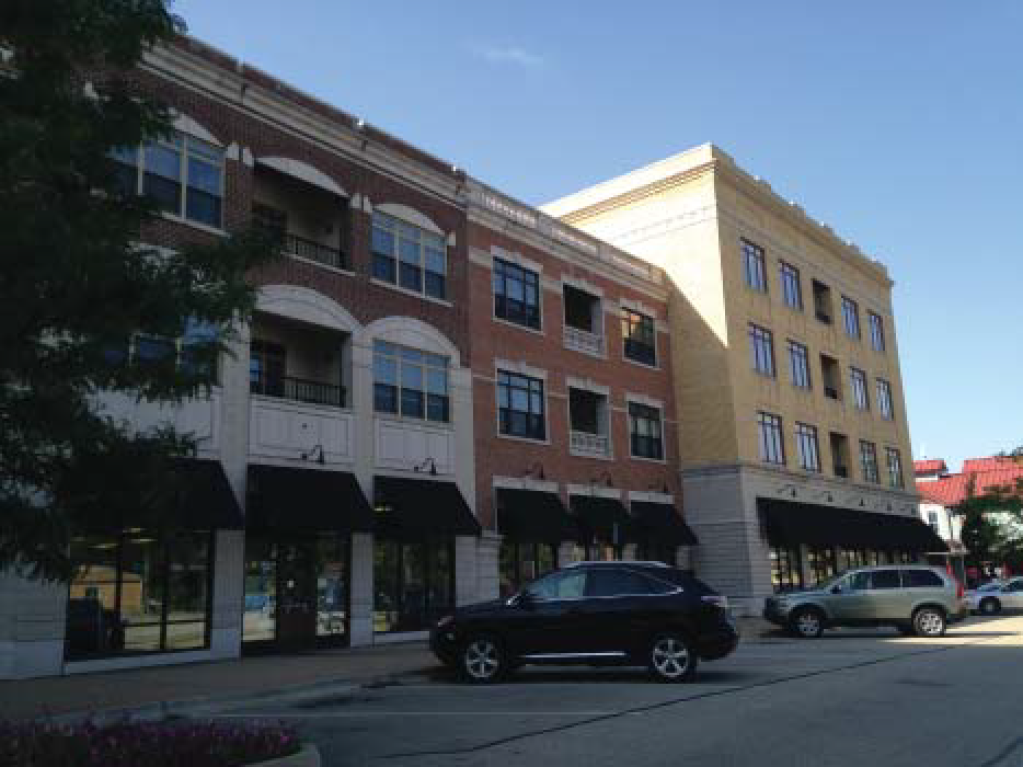
Mixed-use building with glass storefronts and awnings at the street level.
B. Airport buildings
The standards for Section VI, Industrial Buildings, will be applied to airport buildings,
with the exception that aircraft hangars may be constructed of steel provided that
there is a minimum 7.0′ concrete, stone, or brick base.
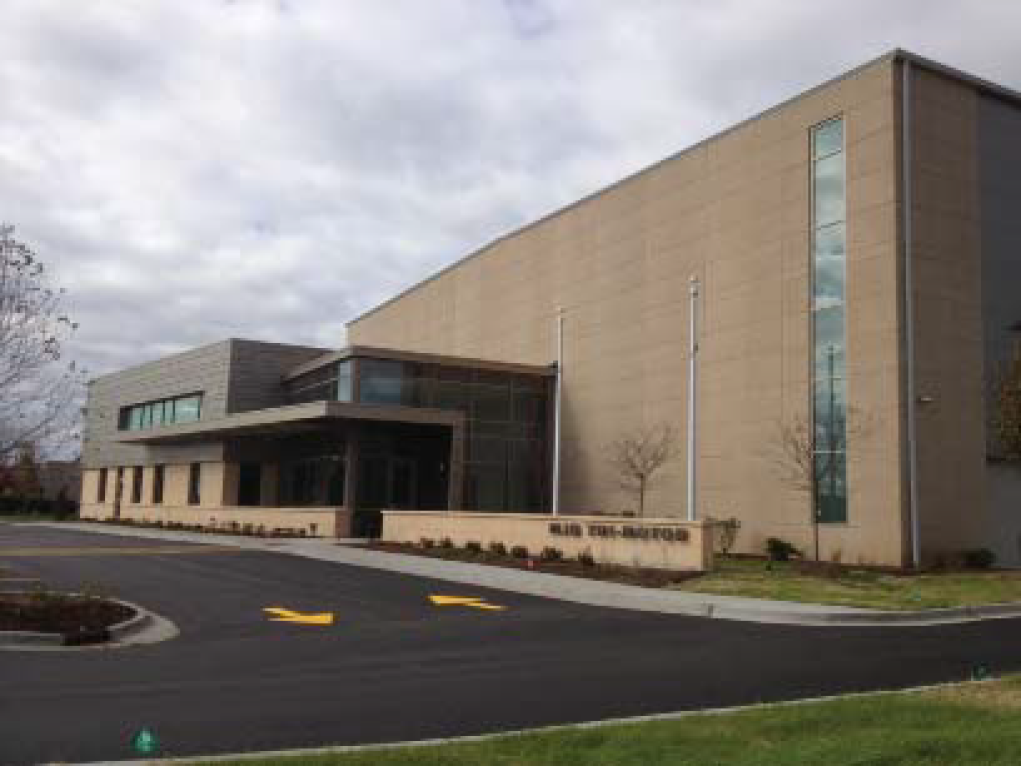
Aircraft hangar constructed of textured and stained precast concrete with metal panel
system for office area.
C. Special Purpose Buildings
Special purpose buildings, such as concession stands, utility sheds, maintenance garages,
kiosks, or transportation buildings (shelters, terminals), will be reviewed on an
individual basis. The standards of Sections I—III of these Design Guidelines will
be applied during the review process. The function and location of each such structure
will be considered.
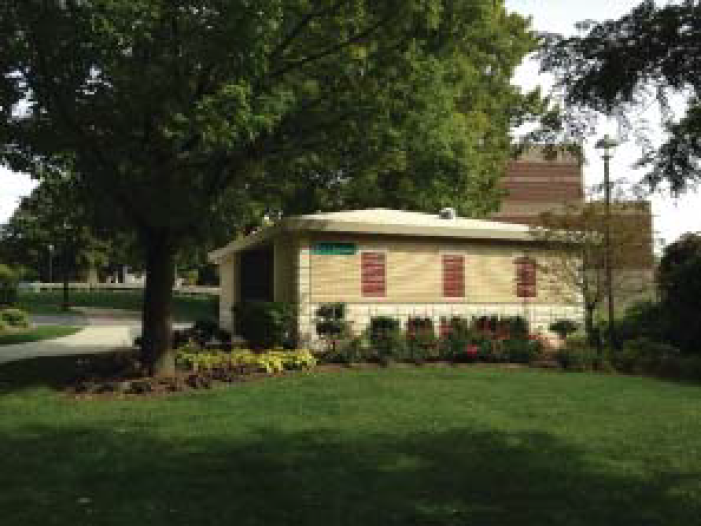
Public restroom building constructed of precast concrete.
(Ord. No. 5362, §§ B, C, 11-2-2020)

