
Apopka City Zoning Code
Appendix D
DEVELOPMENT DESIGN GUIDELINES1
Editor's note— Printed herein is the City of Apopka Development Design Guidelines, as prepared by the City of Apopka Community Development Department, July 2016.
1.- PURPOSE AND INTENT
As Apopka has gained status as the fastest growing City in Orange County, local concern has grown over the design and aesthetics of new development. Many municipalities have taken a citywide approach to achieving an attractive urban form. Our local officials have chosen to set standards that will improve the image and appearance of Apopka's community. The basic premise is that a quality appearance will beget a quality lifestyle. Design guidelines will also mutually protect everyone's investment. When the image of a community is maintained or improved, a sense of pride develops for the residents, property owners, and merchants. The appearance of the community also must to be maintained for Apopka to stay competitive in the market. In the absence of standards to ensure attractive development, other areas in the region may position themselves with a more competitive advantage to attract residents and merchants away from Apopka.
The design criteria contained in these guidelines are intended to apply to all residential, commercial, office, institutional and industrial development, including both public and private facilities. The criteria set out local objectives for site planning (such as, setbacks, site coverage, and building heights), architectural design, signage and graphics. In addition, examples are provided to evaluate the scale, mass, bulk and proportion of new development and redevelopment. The guidelines are intended to be flexible and encourage design diversity and variations.
2. - APPLICABILITY
Provisions of this division are applicable to all residential, office, commercial, industrial, and institutional zoning districts. They apply to both new development and redevelopment.
The City does not design for any development applicants. It reviews proposed projects to ensure that the design intent contained in these guidelines is achieved.
3. - RESIDENTIAL DESIGN STANDARDS
The purpose for residential design standards is to assure that Apopka's neighborhoods are safe, healthy and attractive places to live. Many of Apopka's existing residential neighborhoods were designed in the traditional grid pattern, which has proved desirable by many communities in other cities. The intent will be to encourage future development to continue the positive characteristics of existing neighborhoods and foster community pride.
For the purpose of these guidelines, single-family standards apply also to duplex and, if applicable, mobile home parks.
4. - COMMERCIAL DESIGN STANDARDS
These commercial design standards are applicable to all new development and redevelopment of retail, office, institutional, public and similar facilities as determined by the Development Review Committee.
While the City encourages economic growth and commercial development in areas with access to arterial and collector roadways, it also encourages protection of residential and agricultural interests from the impacts of commercial strip development. The integration of flowing traffic circulation and pedestrian accessibility is one primary concern for new development and redevelopment. In addition, the City encourages the design of new development to be visually sensitive to surrounding development and the environment.
Some of the design differences between small-scale developments, such as family owned restaurants, and large-scale developments, such as shopping centers, have been acknowledged and addressed in the criteria. Structures that will be over 10,000 square feet are considered large-scale developments.
5. - INDUSTRIAL DESIGN STANDARDS
Industrial uses are often the most intense land uses located within a City. The standards for industrial design identified below are in addition to all applicable commercial design standards.
The location and design of industrial uses is critical to ensure compatibility with adjacent uses. In addition, larger industrial uses typically require special access to a regional transportation system for import and export services.
Most industrial uses in Apopka are currently located along US 441 and close to the railroad.
However, there are also a few scattered industrial sites, as well as industrial areas adjacent to the downtown.
Given that US 441 is a main transportation corridor in the City, any uses located along this road should be designed to contribute to creation of an attractive image. New industrial uses closer to the downtown and redevelopment must be designed to be compatible with already established traditional urban patterns, and pedestrian character.
3.1. - Site Plan Design
The built environment should be integrated with the natural environment and character of adjoining properties. Neighborhood interaction, pedestrian safety and environmental quality must be considered during the design of the site.
3.1.1. - Neighborhood Identity
Special design elements located at the periphery and entrances of residential developments strengthen Apopka's image and also create a distinctive image for the neighborhood. These entrances shall be designed as thresholds to change from public thoroughfares to quiet neighborhood streets with slower design speeds.
•
All single family, duplex, multi-family and mobile home park subdivisions are required to construct a development entrance with appropriately scaled signage and residential characteristics, please refer to Figure 1. Entrance features are required at both primary and secondary entrances. Rural residential neighborhoods shall also construct development entrances at the primary street entrance to differentiate from surrounding uses. Gates at entrances are discouraged because of the resulting traffic congestion and the sense of isolation created by them.
•
The entrances shall utilize landscaping, streetscape patterns/furniture and integrated signage to communicate the development's planned image. An appropriately designed irrigation system with adequate water flow and coverage to maintain the landscape features is required.
•
Consistent design of primary and secondary site entrances is required for each project to enhance the visual identity of the development.
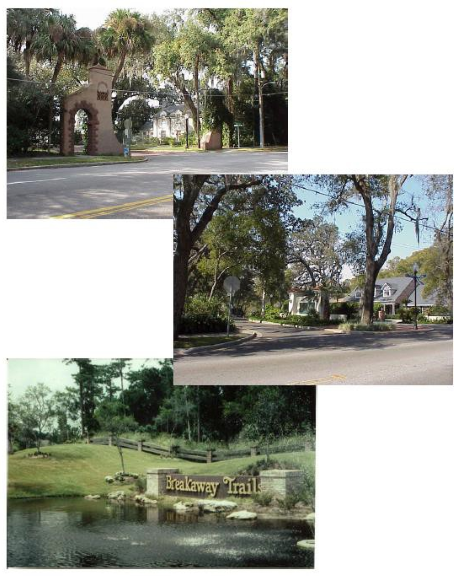
Figure 1. Examples of Development Entrance Features
3.1.2. - Residential Building Orientation
Careful consideration must be given to how the residences are placed on the land and the relationship of the residences to each other and the street. The siting of structures strongly influences the desired character of a development.
Buildings, trees and other architectural features can be utilized to form the "outdoor spaces" of the development. Street trees that are uniformly spaced along major roadways; streetscape architectural elements and furniture; and, building placement and style are elements in a development that can create an overall theme and provide continuity throughout a development. These elements can be placed to create lively parks and plazas. As well, buildings that are constructed closer to the street begin to form the "walls of the streetscape" and encourage outdoor pedestrian activity and community spirit. In addition, buildings placed closer to the street encourage reduced traffic speeds and pedestrian safety.
3.1.2.1. - Single Family Orientation
The placement of residential buildings on a site and the orientation of primary residential entrances affect the community's quality of life and create a strong visual impact in a development.
•
Single Family residences, duplexes and mobile homes should be placed as close to the street and pedestrian sidewalk as possible to encourage interaction and visual street enclosure.
•
Single-family developments should avoid locating garage doors which project from the front facade of the residences. Garages are encouraged to be located to the side or rear of a residential lot. Shared driveways are encouraged between residences to increase the amount of open space per lot.
•
Subdivisions should be designed so that the homes located at the edge of the neighborhood do not have the rear yard facing the road. A preferred alternative would be side yards or, if located along major thoroughfares, the construction of a service road parallel to the main road, please refer to Figures 2 and 3 for examples.
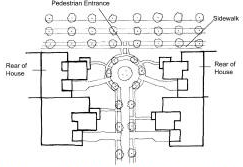
Figure 2. Example of House Orientation - Open End Cul-de-sac
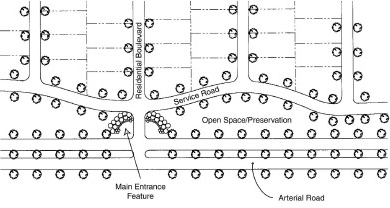
Figure 3. Example of Residential Service Road
•
Cluster housing is encouraged to provide relief from standard rows of single-family dwellings and preserve natural site features, please refer to Figure 4.
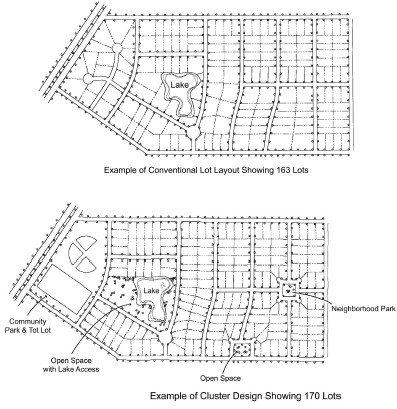
Figure 4. Comparison of Cluster Layout vs. Conventional for Same Size Development
3.1.2.2. - Multi-family Building Orientation
Multi-family buildings have many support and accessory structures that require additional design features. Special consideration for resident interaction and safety becomes even more necessary when designing multi-family residences. Multi-family developments shall be oriented in a way that is accessible to the pedestrian and also contributes to the creation of attractive neighborhoods.
•
Multi-family buildings should be oriented to face the street and form open space areas or common plazas for interaction. The main entrance should face the street. In larger developments, the entrance to apartment clusters shall be oriented toward a landscaped courtyard or plaza, please refer to Figure 5.
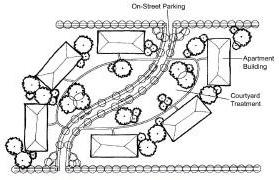
Figure 5. Apartment Complex Layout Example
•
Cluster development is encouraged to allow higher densities in suitable area sand preserve natural site features.
3.1.3. - Lakes/Waterways
The City of Apopka intends to maintain and enhance its environmental and aquatic assets.
•
Structures must be set back a minimum of fifty (50) feet from the edge of any shoreline or wetland.
•
Residential neighborhoods must preserve and enhance lakes and other waterways to maintain a natural state wherever possible.
•
Lakes and other waterways must maintain public view and access and should be utilized for scenic, recreational and educational purposes.
•
Lake amenities should be located adjacent to a street and/or a park, not the rear yard of residential lots. When the amenity is visible and accessible by the entire community, the value is distributed among all properties.
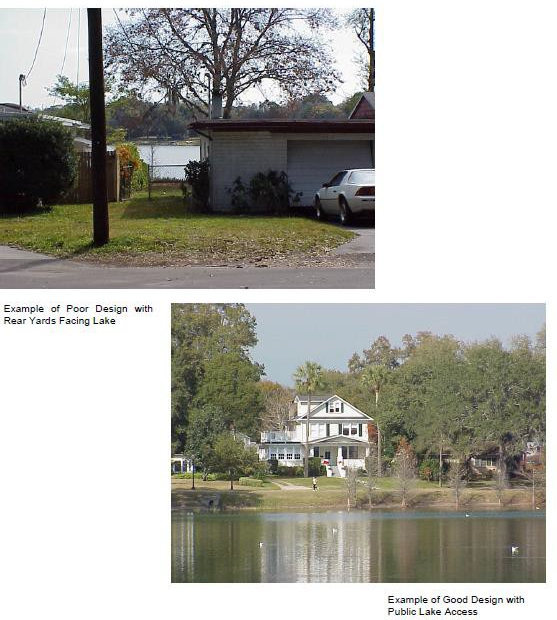
Figure 6. Public Lake Access
3.2. - Residential Architecture
There is no overall residential architectural design theme required for the City of Apopka. Architectural variety is encouraged to ensure maintenance of the quality of life and essential character of distinct neighborhoods. A sense of overall architectural continuity throughout the residential subdivision shall be achieved. Continuity can be achieved through coordinated landscaping and streetscape design. The characteristics of the new residences in the landscape will determine the quality of the space.
3.2.1. - Single Family Architecture
•
The design of individual dwellings shall provide sufficient architectural diversity to avoid monotony and provide visual interest. Earthtone colors are encouraged.
•
The addition of porches, porticos, and balconies to all types of housing are encouraged, as they contribute to healthy streets and safe neighborhoods, while serving as a buffer between the house interior and street activity.
•
A habitable porch may extend six (6) feet into the front yard setback if it is at least six (6) feet deep and comprises a minimum of thirty (30) percent of the facade. A portico may extend three (3) feet into the front yard setback it is at least four (4)feet deep.
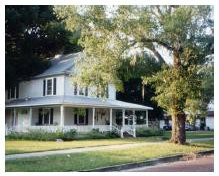
Figure 7. Example of Good Residential Design with a Front Porch
•
Primary residential entries shall face the street and shall not be recessed more than six (6) feet from the face of the primary façade. Refer to Figure 8.
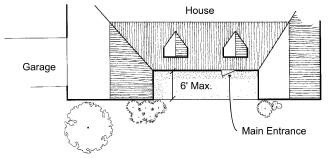
Figure 8. Front Entrance Recession
•
A front-entry garage must be set back a minimum of thirty (30) feet from the front property line.
•
The front façade length of a front-entry garage shall not comprise more than fifty percent of the length of the residential structure's building frontage, which includes the front primary façade and garage wall facing or oriented to a street. A front-entry garage shall be flush with or behind the primary residential façade or porch. A three car front-entry garage can comprise more than fifty percent of the front façade length if (1) habitable floor is located over the majority of the garage or (2) an architectural features such as dormers give an appearance of an occupied floor above the garage. However, the garage front must not exceed thirty (30) percent of the length of the residential structures frontage. If a habitable porch is provided at the front of the residential structure, a front-entry garage must be flush or behind the porch front but comply with the minimum front yard setback of thirty (30) feet. The Community Development Director or a designee may increase the front façade length of a front-entry garage by five (5) percent if the residential structure has a habitable second floor with windows visible from the street or provides architectural features such as dormers, fenestration, wall articulation that enhances the structures appearance.
•
Communities with lots having over seventy five (75) linear feet of street frontage are required to have at least fifty-percent of the residences with side-entry or courtyard-entry garages. The wall of any side-entry or courtyard entry garage facing a street or building frontage shall have windows with a design, shape, and fenestration consistent with windows on the primary residential façade.
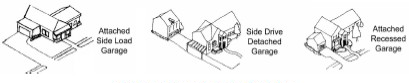
Figure 9. Garage Location Examples
•
Granny flats, guest cottages and other accessory structures, such as garages, sheds (15-foot max. shed height refer to Table 10.2.4.B), etc., shall not exceed the height of the main structure. These structures and other support structures shall be of similar style, color, design and materials as used for the principal residence.
(Ord. No. 2925, § IX, 5-18-2022)
3.2.2. - Multi-family Architecture
Multi-family developments can be designed to be compatible with lower density residential uses as well as more intense uses, and in most cases serve as a good transition between these uses.
•
Multi-family developments adjacent to lower density residential neighborhoods should be designed to architecturally resemble single-family residential styles.
•
Porches and balconies are encouraged, especially if facing a public street, as they contribute to healthy streets and safe neighborhoods. Refer to Figure 10.
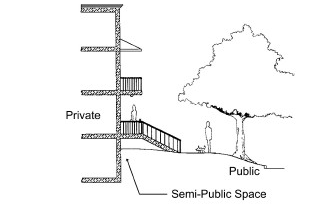
Figure 10. Example of Multi-family Private to Public Space Transition
•
Front porches are encouraged to be raised at least eighteen (18) inches above the sidewalk. However, porches which are set back more than fifteen (15) feet from the street should be higher.
•
Buildings shall have a recognizable top consisting of (but not limited to) cornice treatments, roof overhangs with brackets, steeped parapets, richly textured materials and/or differently colored materials. Colored stripes are not acceptable as the only detail roof treatment and bold colors are not allowed. Further, earthtone colors are encouraged. Figure 11 displays examples of roofline variations.
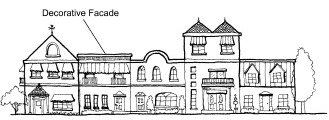
Figure 11. Example of Variations in Building Roofline
(Flat Rooflines are not Allowed)
•
Support structures shall be of similar style, color, design and materials as used for the principal structure.
•
Mechanical equipment shall be integrated into the overall mass of a building by screening it behind parapets or by recessing equipment into hips, gables, parapets or similar features. Plain boxes are not acceptable.
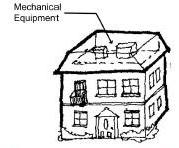
Figure 12. Example of Screening Rooftop Equipment
3.2.3. - Balconies and Porches
For any multi-residential buildings of two or more stories, balconies and porches shall adhere to the following standards:
(a)
Balconies, canopies or other similar architectural features shall be used along all second story or taller facades which front any existing public right-of-way, and such features shall make up at least fifty (50) percent of the lineal frontage along the right-of-way as determined by the City of Apopka's DRC-Development Review Committee
(b)
Balconies. Balconies shall consist of an outside space (not under heat or air conditioned) and shall be a minimum of 5-feet deep and minimum 6-feet wide (30 square feet). Luxury size balconies shall be a minimum 5-feet deep and 12-feet wide (60 square feet). Balconies may project from the facia of the principal building and cannot count toward the required minimum living area square feet. Balconies that are recessed into the building and flush with the exterior principal wall, may be counted toward the minimum living area square feet.
(c)
First Story Porch. An unscreened or screened covered porch shall be permitted on the first story of a residential building. Porches that are recessed into the building and flush with the exterior principal wall, may be counted toward the minimum living area square feet. Porches may project from the facia of the principal building and cannot count toward the required minimum living area square feet. A projecting porch may extend into the required front yard setback up to six (6) feet and into the required street side yard setback up to five (5) feet, provided that the following conditions are met:
1.
The porch has a minimum depth and width of six (6) feet;
2.
The porch does not extend more than half of any required setback
3.
Is not within any utility easement;
4.
The porch is constructed of materials similar to that of the principal facade; and
5.
The porch design is consistent with the architectural style of the principal structure as determined by the Appearance Review Officer in accordance with generally accepted architectural standards.
(d)
Second Story Balconies. An unscreened or screened balcony may be permitted on the second story of a residential building. Such balcony may encroach up to six (6) feet into the required front yard setback and up to five (5) feet into the required street side yard setback, provided that the following conditions are met:
1.
There is a first story porch directly below the second story balcony;
2.
The second story balcony has a minimum depth of five (5) feet;
3.
If covered, the second story balcony has a separate roof line which is compatible with the design of the principal structure;
4.
The second story balcony is constructed of materials similar to that of the principal facade; and
5.
The second story balcony is consistent with the architectural style of the principal structure as determined by the Community Development Director in accordance with generally accepted architectural standards.
(e)
Balconies three or more stories. Balconies on multi-story buildings three or more stores shall adhere to the following conditions:
1.
Balconies must have a minimum depth of five (5) feet;
2.
If covered, the balconies have a separate roof line which is compatible with the design of the principal structure;
3.
The balconies are constructed of materials similar to that of the principal facade; and
4.
The balconies are consistent with the architectural style of the principal structure as determined by the Community Development Director in accordance with generally accepted architectural standards.
(f)
Porch Roof Projections. Roof projections (eaves) may encroach up to two (2) feet beyond the porch or balcony into the required front or street side yard. Wherever a porch or roof extends into the front yard or street side yard setbacks, as allowed by this section, no other modification of front yard or street side yard setbacks may be approved by the Zoning Official.
(g)
Porch or Balcony Screens. Screens on windows and doors shall be stretched, fitted, and maintained without open rips or tears. Screens on porches, balconies or other appurtenances shall be maintained in good repair.
(Ord. No. 3021, § VIII, 9-20-2023)
3.3. - Vehicular Circulation and Parking
Streets within residential neighborhoods shall be designed for people, as well as vehicles. Sidewalks should be shaded and located to pass homes not parking lots and garages. Residential streets should be designed to encourage safe speeds and limit through-traffic. Residential developments are encouraged to provide vehicular connectivity among neighborhoods; therefore, gated communities are discouraged. New developments should not become barriers to hide behind, but rather should connect with and contribute to their surroundings.
3.3.1. - Single Family
•
A minimum of two points of exit should be provided for all neighborhoods to increase alternative traffic pattern options and for emergency access. Gated communities are permitted, however, a minimum of two gated access points are required to reduce traffic congestion patterns of development.
•
Cul-de-sac streets are discouraged. No cul-de-sac shall exceed eight hundred (800) linear feet.
•
Pedestrian/bicycle connections shall be provided to promote access to surrounding areas, including schools, public buildings, parks, and nearby commercial areas.
3.3.2. - Multi-family
•
Parking areas should be located behind the front building facade to prevent parking from dominating the image of the site. Where this not feasible, landscaping is required to screen the parking area. Garages or carports in multifamily developments may be grouped but shall also be located behind the residential buildings away from public view.
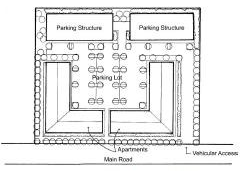
Figure 13. Example Multi-family Building Orientation and Parking Lot Layout
•
All parking lots shall be visually and functionally segmented by landscaping islands to reduce the amount of asphalt. A maximum of ten (10) continuous parking spaces may be allowed without a landscape break. The landscape break shall be a minimum of eight (8) feet wide and include at least one shade tree.
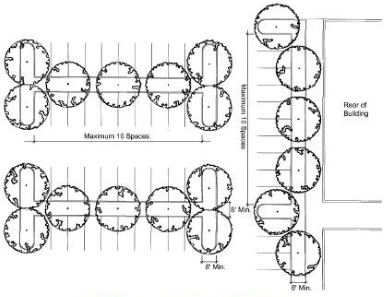
Figure 14. Parking Lot Landscape Island Example
•
As an incentive to reduce asphalt and encourage landscaping, parking space depth in multi-family developments may be reduced by two (2) feet if abutting a landscape area and the vehicle will not interfere with required plantings or encroach on sidewalks.
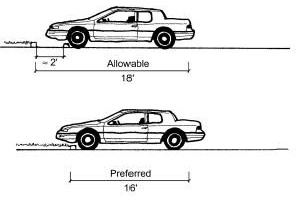
Figure 15. Example of Parking Space Overhang
3.4. - Pedestrian Circulation
Sidewalks are required along both sides of residential streets. Sidewalks shall provide access and connections from the interior neighborhood streets to the sidewalks along collector and arterial roadways at the entrance of the residential development. Multifamily developments shall provide designated sidewalks and crosswalks from the development entrance to the front entrance of the principal structures. Sidewalks shall be a minimum of five (5) feet wide in residential areas.
3.5. - Parks and Open Spaces
The relationship of public and private areas is important for the interaction of residents. Open space must be set aside to enhance the community.
•
Small open space areas scattered throughout a new development will have a limited visual impact and ineffectual value. The size of the open space must be sufficient to adequately serve its intended functional purpose.
•
Vegetation should be used to define open spaces and at the same time provide sight and sound buffers between activities in the open space and residences.
•
All new residential developments must work with City staff to provide functional linkages between major City open spaces and parks.
•
All residential neighborhoods with over fifteen (15) units should have direct pedestrian access to a neighborhood park, community park or open space.
•
All residential developments with more than twenty (20) dwelling units are required to provide a neighborhood park supplying both passive and active recreational uses.
•
Parks should be adequately lit on automatic timers without projecting a glare on adjacent residential properties.
•
Parks shall be designed for safety and located so they are visible from streets and surrounding homes. Rear yards must not surround park lands. Parks must be located centrally to maximize access to the majority of the community being served.
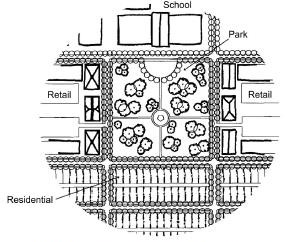
Figure 16. Example of Community Park Location
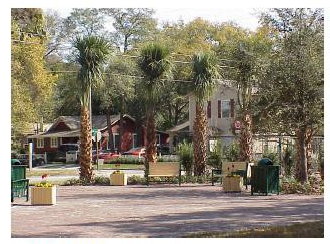
Figure 17. Example of Neighborhood Park
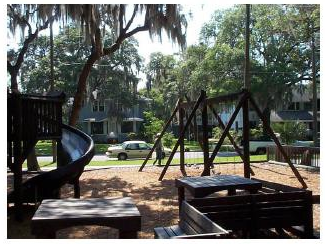
Figure 18. Example of Tot Lot
•
Maintenance Agreements are required for all common areas and open space within residential developments. Park furniture shall be constructed with durable materials and require low maintenance.
3.6. - Residential Landscaping
Landscaping provides a suitable setting for the development architecture and serves to create a unified look, define outdoor spaces, buffer from sound and weather, screen from view, and accentuates building elements and vistas. Street trees that are uniformly spaced along major roadways in a development can create an overall theme for a project, such as tropical, southern classic or Mediterranean. This theme can provide continuity throughout a development. All landscaping and irrigation shall occur consistent with the City's Land Development Code.
•
Street trees should be planted along every residential street avoiding conflicts with overhead and underground infrastructure.
•
Residential street trees must be spaced thirty (30) feet on center and at least twenty-five (25) feet from the intersection of two roads. Setbacks must be adequate to allow for healthy growth of the specimen.
•
Residential street trees shall be planted at locations consistent with the City's Land Development Code.
•
Consistency of street tree plantings to create a community theme is required.
•
Residential street trees must be a long-lived species and should be low maintenance. Native species should be planted and nuisance plants are not allowed.
•
Each single-family or two-family lot is required to plant canopy trees in accordance with 5.2.5 E. Single-family or two-family residential lot trees. The size of the trees must be consistent with the City's Land Development Code requirements.
•
Maintenance agreements are required for all common areas and open space within residential developments.
•
Artificial turf or similar products cannot be used in place of natural turf grasses unless approved by the City for specific uses.
(Ord. No. 2925, § X, 5-18-2022)
3.7. - Irrigation
All common residential landscaped areas shall be irrigated by an underground, automatic irrigation system. It shall be a quality system requiring low maintenance. Sprinkler heads shall be located to apply effective even coverage and minimum spray onto walkways.
3.8. - Buffers
To protect the health, safety and wellbeing of our citizens and neighborhoods, bufferyards are required between residential dwelling lots and adjacent uses which may be disruptive. Bufferyards vary depending upon the use of the adjacent property and must be provided in accordance with the requirements in the City's Land Development Code. In some situations the bufferyard may be reduced, per the Land Development Code, if a decorative wall with appropriate architectural features and materials is approved by the Development Review Committee. Walls are discouraged between compatible uses.
3.9. - Berms, Walls, Fences and Screening
The overall design of berms, walls, fences and screening shall present a quality image. In order to maintain overall visual continuity, it is important that the treatment of these screening devices be consistent with the overall streetscape and landscape plan.
•
Dense mature landscaping and berms are encouraged for screening residential developments from major roadways.
•
Walled communities are discouraged, unless they are adjacent to a major thoroughfare or other incompatible land use. In such case, the wall design must provide architectural diversity to avoid monotony and provide visual interest for passerby traffic and pedestrians. Walls shall be constructed of solid brick, stone, or other material that is durable and nearly maintenance free. A maintenance agreement for all periphery walls must be submitted to the City prior to construction.
•
Vertical elements, such as posts and/or metal railings, must be incorporated into the design of walls and fences. Spacing between those elements shall not exceed 12 ft. The maximum allowable height for walls and fences is six (6) feet. Posts or columns may include a cap piece extending up to twelve (12) inches above the allowable height of the wall or fence.
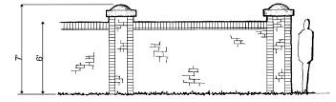
Figure 19. Brick Wall Design Example
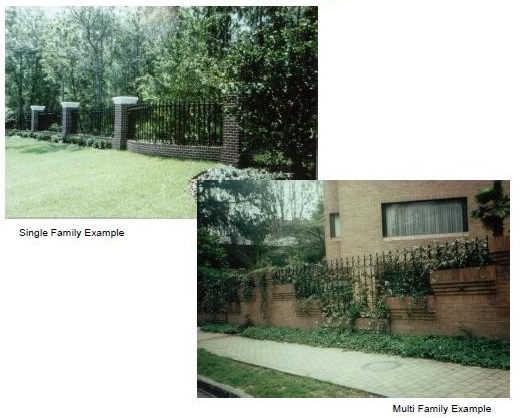
Figure 20. Example of Residential Wall Designs
•
All walls and fences shall have their finished side facing outward.
•
Walls and fences must be set back from parallel sidewalks and paths to allow for landscaping and planting in-between.
•
Chain link fences and barbed wire shall not be visible to the public nor visible from the street. Decorative wrought iron may be allowed for safety, if approved by the Development Review Committee.
•
Fences around retention ponds are discouraged unless mandatory by Public Works for safety issues. Such mandatory fences, are required to be constructed of decorative materials that are durable and nearly maintenance free.
•
All garbage dumpsters shall be screened from public streets and adjacent properties. Solid walls or fences and a gate constructed of a solid material are required for screening. A maintenance agreement for the garbage enclosure must be provided to the City prior to receiving a certificate of occupancy.
•
Air conditioning, mechanical equipment and other support equipment must be screened from view.
3.10. - Lighting
After dusk, lighting is important to ensure safety for both pedestrians and vehicles. Lighting is also important as it relates to signage to identify neighborhoods at night. These fixtures must be installed by the site developer. Lighting must be compatible throughout the development. High intensity of lighting is not allowed and should be no greater than necessary for pedestrian and vehicle safety. Lighting designs are to be produced in accordance with the Illuminating Engineering Society (IES) Standards.
Lighting schemes must be submitted for approval to the Development Review Committee, including fixture types and finishes. If lighting schemes are approved by the City for a neighborhood or redevelopment area, each new development or redevelopment project within the applicable boundaries must provide lighting in compliance with the overall scheme.
Decorative lighting adds to the theme of the development and is a cost effective device that instills a sense of community pride. Therefore, decorative fixtures are required to be provided consistently throughout all developments and must be approved by the Development Review Committee.
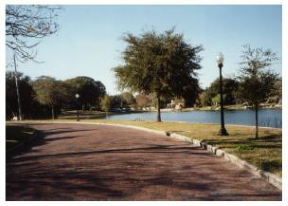
Figure 21. Examples of Decorative Light Fixtures
3.10.1. - Pedestrian Lighting
Pedestrian scale accent lighting is required. Light fixtures for pedestrians may be overhead, bollards or built into the walkways. Overhead lights should not exceed fourteen (14) feet in residential areas. The required minimum illumination for walkways and other pedestrian areas is 0.25 foot candles or as determined by IES Standards. The required minimum illumination for walkways and other pedestrian areas shall be designed in accordance with IES Standards.
3.10.2. - Vehicle Lighting
Lighting along roadways in developments should provide a smooth, even pattern that eliminates glare or light flow intrusion onto adjacent properties. Fixtures should be installed according to optimum spacing as recommended by the manufacturer. Light poles should not exceed thirty (30) feet in height. Illumination for vehicles in residential neighborhoods should be approximately 0.50 foot candles.
3.10.3. - Accent Lighting
Accent lighting of signage, landscaping and trees, water amenities and other special features is encouraged. Concealed source fixtures are preferred. The placement of fixtures, fixture types, and methods of mounting or wiring must be approved by the Development Review Committee as part of the lighting scheme.
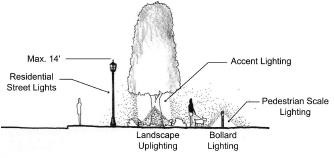
Figure 22. Example of Residential Lighting
3.11. - Utilities
Utility lines for all new residential developments are required to be located underground. Utility boxes must be totally screened from view of principal streets, residential driveways, multi-family buildings and parking areas.
4.1. - Site Plan Design
Site layouts shall be compatible with the immediate environment with special attention paid to the creation of an attractive, safe and functional urban environment.
4.1.1. - Building Orientation
The location of buildings on sites currently varies depending on the area of the City. In the older downtown areas buildings have located closer to the street, while the newer developments typically locate the buildings toward the back of the site and the parking areas in the front. The older downtown pattern is preferred and should be encouraged as it contributes to the creation of a healthier pedestrian environment and a more cohesive urban context.
•
Buildings shall be oriented to maximize pedestrian access and view of adjacent water bodies and other amenities.
•
Building placing and massing should relate to nearby buildings and to the urban context with parking areas located to the side and rear of the site.
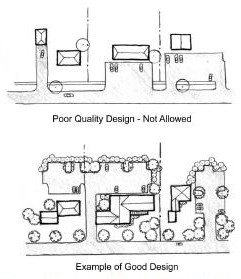
Figure 23. Examples of Rear and Side Parking Lots
•
Where parking areas are located behind the businesses, a secondary entrance must be provided in the back of the business. A rear entrance can provide direct customer access to the store from parking areas as well as improve circulation between the parking lots and the street. Architectural embellishments, awnings, landscaping and signs should be used to mark the secondary entrance and the design of the rear of the building shall be consistent with the front facade.
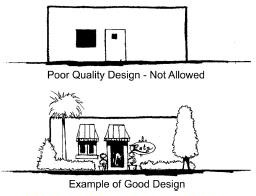
Figure 24. Rear Entrance Design Example
4.1.2. - Drive Through Window Orientation
•
Drive through facilities, if not carefully designed, can create a negative visual impact for pass-by traffic and safety hazard for pedestrians. Drive-through windows shall not be located between the principal structure and the right-of-way of a principal or arterial roadway, unless high quality architectural standards are incorporated into a canopy type structure that screens the service window(s) and heavy landscaping is provided to screen the drive through area. Interlocking pavers and similar landscape elements are encouraged to distinguish the drive through area. Crosswalks are required if pedestrians can cross the drive through lane.
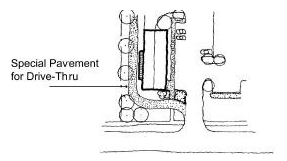
Figure 25. Drive Through Design Example
4.1.3. - Outparcels
Large scale developments that will have a primary building and/or anchor stores and secondary outparcel developments on the same site must conform to the following guidelines.
To provide a unified design with the main structure and enhance the visual impact of outparcels, all exterior facades of outparcels shall be considered primary facades and employ architectural and landscape design treatments. These design elements will be integrated and common to design treatments on the main structure.
•
Interconnection of pedestrian walkways with the main structure and adjacent outparcels is required, wherever feasible.
•
Consolidated parking with the main structure and adjacent outparcels is encouraged.
•
Vehicular connection between the outparcel, the main structure and adjacent outparcels is required to provide for safe and convenient vehicular movement within the site.
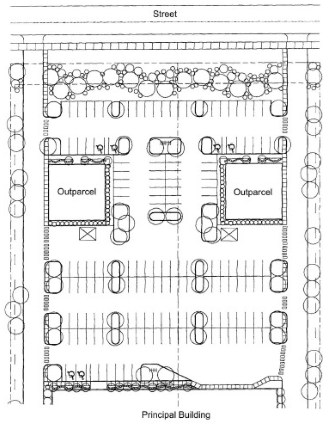
Figure 26. Example of Vehicular Cross Access and Pedestrian Connections
4.2.1. - Building Design
The purpose of the building design guidelines is to promote architectural treatments that enhance the visual appearance of development, ensure compatibility of buildings, and create a strong community image and identity.
•
Buildings shall have architectural features and patterns that provide visual interest from the perspective of the pedestrian, as well as vehicular traffic.
•
All additions, alterations and accessory buildings shall be compatible to the principal structure in design and materials.
•
Primary entrances to anchor stores shall be highlighted with tower elements, higher volumes, tall voids, special building materials and/or architectural details.
Entrances to smaller stores may be recessed or framed by a sheltering element such an awning, arcade, porch or portico.
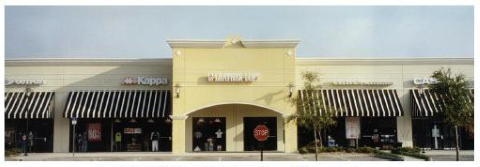
Figure 27. Example of Building Entrance Enhancement
•
Windows and display cases are encouraged along pedestrian corridors.
•
The first floors of all buildings, including structured parking, should be designed to encourage pedestrian scale activity.
•
Buildings shall have a recognizable top consisting of (but not limited to): cornice treatments, roof overhangs with brackets, steeped parapets richly textured materials and/or differently colored materials. Colored stripes are not acceptable as only treatment.
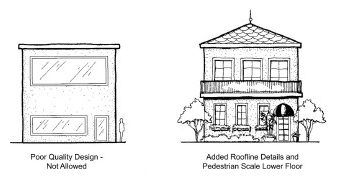
Figure 28. Typical Commercial Design Detail
•
Mechanical equipment should be integrated into the overall mass of a building by screening it behind parapets or by recessing equipment into hips, gables, parapets or similar features. Plain boxes are not acceptable.
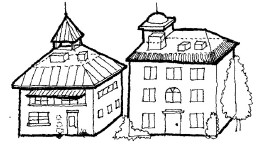
Figure 29. Examples of Screening Mechanical Equipment
•
Overhangs/awnings shall be no less than three (3) feet deep to function to protect pedestrians from inclement weather.
•
Backlit awnings used as a mansard or canopy roofs are prohibited.
•
The highest point of a first floor awning shall not be higher than the midpoint between the top of the first story window and the second story window sill, please refer to Figure 30 for an example.
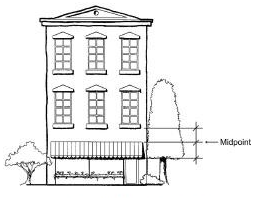
Figure 30. Awning Location Detail
•
Buildings shall include substantial variation in massing such as changes in height and horizontal plane. Horizontal masses shall not exceed a height: width ratio of 1:3 without a substantial architectural element that either projects up or away from the building, such as a tower bay, lattice, or other architectural feature.
•
Building walls shall be enhanced by the use of vertical elements, articulation and landscaping to break the monotony.
4.2.2. - Entrances
Buildings along arterial and collector streets should have their primary customer entrance facing the street. Where two major streets intersect, customer entrances shall be provided for both streets; a corner entrance will be a permitted exception to this requirement. Additional entrances are encouraged facing local streets, parking lots, plazas, lakefronts and adjacent buildings.
•
Primary customer entrances shall be clearly defined and highly visible through the use of architectural detail for all structures.
•
Protection from the sun and adverse weather conditions for patrons should be considered for the entranceways. However, awnings, canopies and arcades cannot project more than three (3) feet into the required building setback.
•
Covered visitor drop-off areas shall be provided at entries to institutional buildings.
4.2.3. - Building Facades/Fenestration
•
Continuous, solid walls are prohibited on facades adjacent to arterial or collector streets. At least thirty (30) percent of primary facade(s) shall be comprised of windows and doors. However, nearly continuous expanses of glass for walls shall be avoided. Patterns are encouraged by alternating solid elements and windows.
•
The architecture of the building must incorporate articulation to avoid monotonous blank walls.
•
Views into the interior of retail storefronts and restaurants are encouraged for pedestrian activity, safety and to create a community window shopping environment. The use of darkly tinted or reflective glass on these structures is prohibited. Reflective glass will be defined as having a visible light reflectance rating of 15% or greater and darkly tinted glass windows include glass with a visible light transmittance rating of 25% or less or as approved by the Community Development Department. All plans submitted to the City for commercial, office and institutional uses shall include the glass manufacturer's visible light reflectance and visible light transmittance ratings for evaluation.
•
Windows shall be recessed, a minimum of one-half inch, and shall include visually prominent sills, shutters, stucco reliefs, or other such forms of framing.
(Ord. No. 2877, § XXVI, 12-15-2021)
4.2.4. - Corner Lots
At the intersections of major roads, those classified as arterial or collector, the corner lots shall be designed with architectural embellishments to emphasize their location whether they function as gateways or major community transition points.
•
Buildings in corner lots are considered to have double front facades for architectural review purposes.
•
Buildings in corner lots shall include at least one of the following embellishments: cornice detail, arches, peaked roof forms, corner towers, clocks, bells and other design features.
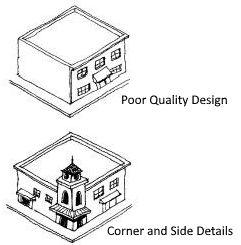
Figure 31. Example of Good and Poor Corner Lot Design Detail
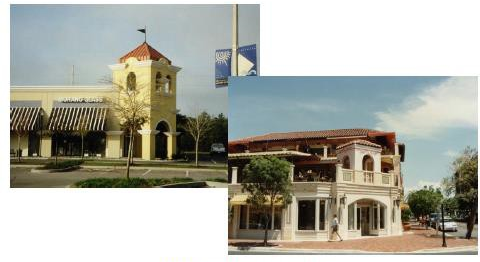
Figure 32. Examples of Corner Lot
Hardscape design, such as pedestrian plazas with artwork or fountains, may substitute for building embellishments on corner lots.
4.2.5. - Exterior Materials and Colors
Materials selected for buildings should have quality and stability in terms of durability, finish and appearance. Color has one of the strongest visual effects of all elements of building design. Therefore, they shall be selected for harmony of the building with adjacent structures.
•
Exterior building materials that are encouraged include wood siding, stucco, brick, stone and concrete masonry units. Masonry unit exteriors should be textured and tinted; they should not be ribbed or create a smooth monotonous wall.
•
Predominant materials that are not permitted include corrugated or reflective metal panels, smooth or rib faced concrete block, cedar shakes, textured plywood, and plastic siding.
•
A wide selection of exterior colors may be considered to promote variety and diversity. The general approved paint colors for commercial, office and institutional uses include light pastel and earth tone colors. Color schemes must be submitted to the Development Review Committee for approval.
•
The following colors are prohibited: use of intense, florescent or day glow colors, black as the predominant exterior building color; monochromatic color schemes (all one-paint color).
•
Building, trim and detail colors must be complimentary. As an example, yellow and red are not complimentary colors and are typically chosen by merchants that want to increase marketing advertising and stand out drastically from other merchants. Merchants often select red and yellow to draw attention to their property regardless of the impact on the character of the environment. Clashing trim colors will not be permitted.
•
A solid line band of color shall not be used for architectural detail, per the discretion of the Development Review Committee.
4.2.6. - Corporate Design
Since it is not in the best interest of the citizens of Apopka to allow corporate franchises to create visual clutter and allow the architecture and colors of their buildings to act as signage, exceptions to these guidelines shall not be made for corporate franchises. National corporate chains that typically design their buildings to read as signage have been known to modify their designs to blend with the character of the neighborhood. Examples of well-designed corporate structures are shown below. These examples shall be used as models for future corporate design within the City.
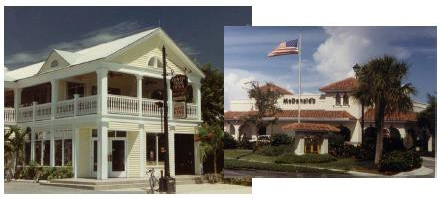
Figure 33. Examples of Good Corporate Design
4.2.7. - Gas Station/Canopy Design
Gas stations typically lack urban design values that should be present at major intersections. Gas stations should be permitted at major intersections only if the demand can be demonstrated and must provide architectural details that enhance the character of the community. Gas island canopies and car wash facilities must also demonstrate architectural style that will enhance the community character. Flat canopy rooflines are not allowed. Bands of bright or bold color are not allowed along the edge of canopies. These facilities must adhere to the additional design standards in the City's Land Development Code.
4.3. - Circulation and Access
The City of Apopka supports the use of alternative modes of transportation to provide access for all residents, including the elderly, youths and the physically impaired. Safe, comfortable and consistent pedestrian connections are required.
•
The use of joint access easements between sites to reduce the number of access points and driveway area and increase the amount of landscaping shall be required.
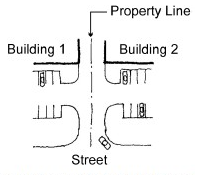
Figure 34. Example of Joint Access Driveway
•
Pedestrian ways, linkages and paths shall be provided from the building entry to surrounding streets, external sidewalks, and outparcels.
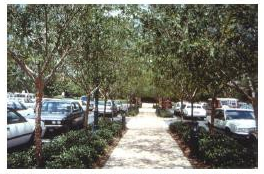
Figure 35. Example of Pedestrian Path in Parking Lots
•
Sidewalks are required on both sides of all streets. All commercial, institutional and office sidewalks shall be a minimum of five (5) feet in width, unobstructed allowing two people to walk side-by-side.
•
Sidewalks or walkways where heavy pedestrian use is likely or where opening doors may obstruct a circulation path shall be a minimum of seven (7) feet in width.
•
To increase pedestrian safety, sidewalks and walkways shall be one step up at a different grade than the vehicular parking lot, and shall be landscaped and have pedestrian scale lighting. Crosswalks must be provided in all locations where the sidewalk is crossing at grade with vehicular traffic.
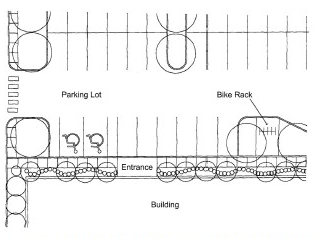
Figure 36. Example of Bicycle Parking and Pedestrian Crosswalks
•
Mixed use and large-scale developments shall incorporate bus stops and bicycle parking storage in their design.
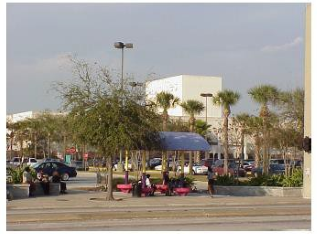
Figure 37. Example of Bus Stop Design
•
Crosswalks are required wherever a pedestrian walkway intersects a vehicular area. All crosswalks shall be a minimum of five (5) feet wide and shall be paved with concrete modular paving or integrally colored poured concrete.
4.4. - Off-street Parking
While off-street parking is necessary to accommodate automobile demands, it displaces a large percentage of the City's open space and separates structures from the main pedestrian concourses. The purpose of the following guidelines is to avoid seas of asphalt and conflicts between vehicles and pedestrians.
•
Where a mix of uses creates staggered peak periods of parking demand, shared parking may be utilized to reduce the total amount of required parking.
•
Adjacent on-street parking may be counted towards the parking requirement.
•
Large parking lots shall be visually and functionally segmented into smaller lots with landscaped islands and canopy trees.
•
Where a commercial use abuts a residential zoning district, the parking area shall not be located within the building setback abutting the residential area.
•
Parking areas should be located behind the building face to prevent parking from dominating the image of the site. Where not feasible, use landscaping to screen the parking area.
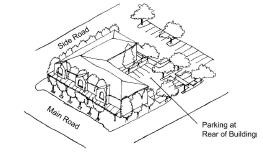
Figure 38. Commercial Parking Layout Example
As an incentive to reduce asphalt and encourage landscaping, parking space depth in commercial developments may be reduced by two (2) feet if abutting a landscape area and the vehicle will not interfere with required plantings or encroach on sidewalks, please refer to Figure 15 in the Residential standards section.
•
Parked cars shall be sufficiently screened from public rights-of-way. There are many options available to the designer including landscape berms; themed streetscape trees with landscape materials; trellis designs and low urban walls that incorporate architectural detail. Perimeter design shall be determined with the assistance of City staff to promote the community image for the area in which the development is located. Examples of recommended parking lot screening designs are shown below.
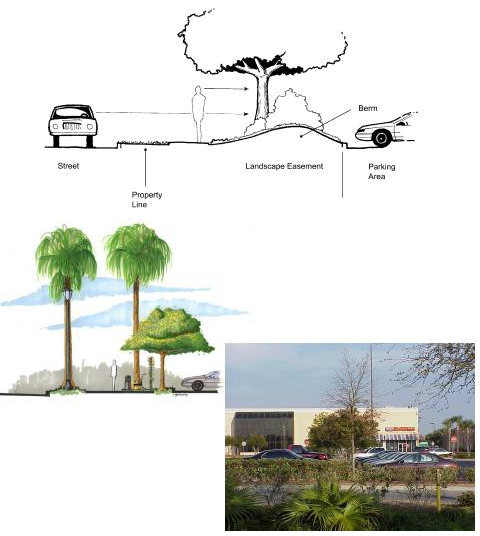
Figure 39. Parking Area Screening Examples
•
The design of parking areas should avoid the appearance of large masses of parked cars. No more than ten (10) parking spaces may be located side by side without a landscaped parking island.
•
Shade trees shall be provided for parked cars, so that an average ratio of one (1) tree per six (6) automobiles is achieved. Deciduous trees should be selected which will provide canopy over the parked cars. Examples of recommended landscape is land designs are shown in Figure 14 in the Residential Design standards section.
•
No more than fifty (50) percent of the required off-street parking can be located in front of the building line.
4.5. - Landscaping and Buffers
Landscaping provides a suitable setting for the development architecture and also serves to create a unified urban look, to define outdoor spaces, to buffer from sound and weather, to screen from view, and to accentuate building elements and vistas. All landscaping and irrigation shall meet the intent of the City's Land Development Code.
•
Existing trees shall be maintained to the extent possible and protected during construction. Landscape maintenance agreements are required for developments.
•
Landscaping and grading shall be designed to enhance the presence of each building.
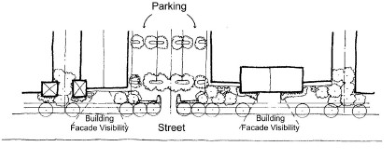
Figure 40. Utilize Landscaping to Screen Parking Areas and Enhance Building Front
•
Street trees shall be planted on every street avoiding conflicts with overhead and underground infrastructure. They shall be planted close to the curb, should be low maintenance, and should not be spaced more than fifty (50) feet apart. Street trees must be planted a minimum of thirty-five (35) feet from intersections for visibility. Trees must be set back from the curb to allow for healthy growth of the specimen.
•
Shaded areas must be provided for sidewalks at a minimum of 100 square feet of shaded area per 100 lineal feet of walkway.
•
When possible, service and utility easements shall be located away from mature trees that should be saved.
•
Buffers between land uses must be provided consistent with the Land Development Code.
•
Wet retention areas shall be designed as amenities and shall appear natural by having off-sets in the edge alignment to avoid perfect geometric figures. Landscaping is required to soften the visual appearance of the ponds edges. Features such as fountains are encouraged to accent the ponds and provide adequate aeration to prevent stagnation.
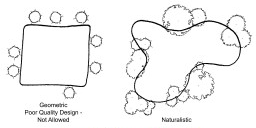
Figure 41. Stormwater Design
4.6. - Fences and Walls
The purpose offences and walls is mainly to screen elements from public view. They shall be designed in a way to visually tie various project elements together.
•
Where fences are intended to screen areas from public view, they shall be constructed of brick, masonry, wrought iron, stone or other decorative materials. Vertical elements (posts) should be incorporated into the design of the fence and shall be spaced at six (6) to twelve (12) foot intervals depending on the material and overall length of the wall or fence. All fences shall have their finished side facing outward. Posts or columns must include a cap piece extending up to 12 inches above the allowable fence height.
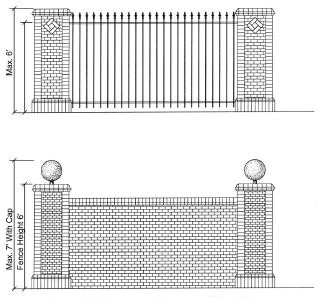
Figure 42. Examples of Fence and Wall Designs
Chain link, wooden fences and barbed wire in areas visible from roadways shall not be allowable materials.
4.7. - Service, Utility, Display and Storage Areas
•
Utilities for all new commercial developments shall be located underground. Utility boxes must be totally screened from view of principal streets, as well as pedestrian walkways and areas.
•
Loading areas or docks, outdoor storage, waste disposal, mechanical equipment, satellite dishes, truck parking, and other service support equipment shall be located behind the building line and shall be fully screened from the view of adjacent properties both at ground and roof top levels.
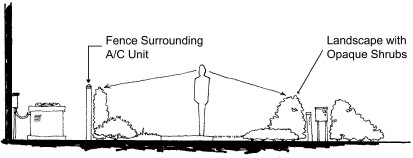
Figure 43. Utilities Screened from View
•
Shopping cart storage shall be located inside the building or shall be screened by a four (4) foot wall consistent with the building architecture and materials or a solid landscaping hedge.
•
The display area of an automobile sales outlet shall not dominate the site frontage. Cars shall not be raised above the landscaping along the front yard.
•
The storage of new car inventory shall be located behind the building line and shall be screened by a wall or fence.
•
Refuse containers, air conditioners and similar elements shall be screened from view.
4.7.1. - Automobile Sales Outlets
The display needs of dealerships are recognized by allowing a percentage of the front yard to be used for this purpose. However, the following standards must be strictly adhered to.
•
The display area of an automobile sales outlet is limited to a maximum of one vehicle per thirty (30) feet of site frontage.
•
The storage of new car inventory and vehicles being serviced must be screened from the street by a solid, decorative screen wall. The wall must be integrated with the design of the principal building and be constructed of similar materials. Where a wall is required it should be located behind a landscape strip to break up the span of the wall and provide a buffer. A berm with landscaping may also be acceptable for screening, if approved by the Community Development Department.
•
A minimum of fifty percent of the building and lot must be screened by landscaping.
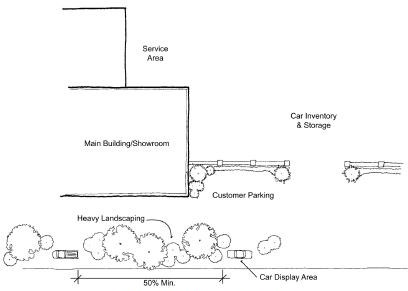
Figure 44. Automobile Sales Outlets
4.8. - Site Furniture
Site furniture performs a critical function in the appearance of the streetscape. Benches, trash receptacles, telephone booths, bike racks, bus shelters, newspaper stands often create clutter and deteriorate the aesthetics of the environment unless the items have a coherent and unified theme. These items shall be constructed from durable materials that have a long lasting quality without requiring excess maintenance. Site furniture shall be located to function properly.
•
Site furniture shall be of solid, heavy-duty construction conveying an impression of quality and durability.
•
No site furnishing shall be placed in a location where it will reduce the minimum walkway width required.
•
All site furniture shall be firmly bolted to the ground.
4.9. - Lighting
Exterior lighting shall be designed in accordance with the Illuminating Engineering Society (IES) Standards and installed in a sensitive manner which lights without been seen, illuminates without glare and colors without distorting. Decorative lights shall be installed along the roadway frontage of all non-residential structures. Examples of decorative fixtures are shown below.
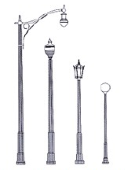
Figure 45. Examples of Decorative Light Fixtures
•
Lighting plans shall provide well-lighted sidewalks and encourage pedestrian traffic. A minimum .25 candle rating or IES standards shall be used, as determined by the city engineer.
•
Light fixtures shall be a maximum of thirty-five (35) feet high in vehicular areas and fifteen (15) feet in pedestrian areas.
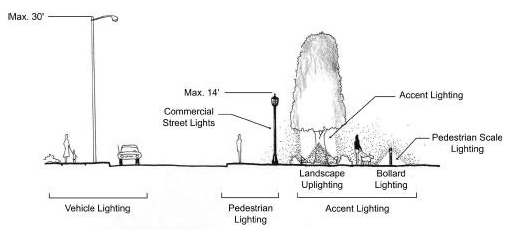
Fivure 46. Community Lighting Example
•
Lighting shall be used to accent key architectural elements and/or landscape features.
•
Light fixtures shall be designed as an integral element of the project using similar style, materials or colors.
•
Neon or neon type tubing on the building shall be allowed under limited circumstances provided that a lighting plan is submitted. The neon light colors shall be consistent and compliment the building colors and style. Neon is not permitted in windows.
•
Lighting shall be designed so as to prevent direct glare, light spillage and hazardous interference with automotive and pedestrian traffic on adjacent streets and properties.
•
No light fixtures shall be placed in a position where existing or future tree canopy will reduce the illumination levels.
•
Electrical wiring to all site lighting shall be provided underground.
5.1. - Site Plan Design
The siting of structures within a development strongly influences the character of the community. Land use should relate to the nature of the street and the access conditions.
5.1.1. - Heavy Industrial Uses
Heavy industrial uses are those industries which employ the processing of bulk materials and which may require space for open storage of materials.
•
Heavy industrial structures should be located in industrial parks and clustered to maintain an area of greenspace surrounding the high intensity development.
•
Buildings and structures in industrial parks should be oriented to form plazas and common areas for employee interaction.
•
Heavy industrial uses should located nearby major thoroughfares and, if possible, provide landscaped service roads to access the major roadways.
•
Heavy and light industrial uses are encouraged to locate directly adjacent to railroad right-of-way.
•
In high profile locations, such as along major roadways, rear elevations facing the highway should be avoided by establishing service roads which allow front elevations to face the highway.
5.1.2. - Light Industrial Uses
Light industrial uses are those industries which employ wholesale distribution, storage, and light manufacturing. Light industrial uses do not employ processing of bulk materials nor is outdoor storage of materials allowed.
•
Light industrial uses in urban areas should be located to relate to the street and pedestrian traffic. Buildings should be oriented to face the major street.
•
Buildings on corner lots should relate to both streets, and will be considered as having two front facades. Corner sites at major intersections should be reserved for more prestigious land uses.
5.2. - Industrial Building Design
Building design must display a quality appearance and details that create harmony with the desired image of the community.
•
Building massing in urban areas must relate to nearby structures and to the urban context both in height and proportion.
•
Building detail should relate to the scale of pedestrians.
•
Blank walls shall be enhanced by the use of vertical elements and windows to break the monotony. At least fifty (50%) percent of the main facade facing a major thoroughfare must incorporate architectural detail.
•
Galvanized, corrugated sheet metal shall not be permitted as exterior materials on principal structures. Any use of these materials on support structures must be screened from view of roadways and adjacent properties.
5.3. - Vehicular and Pedestrian Circulation
Adequate circulation must be provided for employees, visitors, service and delivery, fire protection and security.
•
Conflicts between employee parking and delivery vehicle circulation must be avoided through design to ensure safety.
•
Trucks and semi-trailers shall not be parked or stored within public view overnight unless it is temporary parking not to exceed forty-eight (48) hours for delivery purposes.
•
Provide pedestrian and bicycle connections from principal structures to adjacent uses.
•
If parking is provided in front of the building, walkways shall be provided to connect the public sidewalk and the building. The walkway shall be at a different grade than the parking area, and shall be adequately lit and landscaped.
•
Multi-tenant or large-scale developments must incorporate bus stops and bicycle storage areas in their design.
5.4. - Buffers
Buffers are required to ensure compatibility between adjacent uses.
•
When a heavy industrial site is adjacent to a residential zoning district, even if separated by a street, a six (6) foot solid wall shall be installed and permanently maintained. Industrial uses must comply with the buffer separation requirements contained in the City of Apopka Land Development Code.
5.5. - Landscaping
Landscaping should be provided to highlight building entries, soften building masses, provide scale to site development, and define parcel edges.
•
Provide a continuous landscape area between the street and the building, uninterrupted by the presence of parking areas or driveways, for at least fifty (50%) percent of the site frontage, please refer to Figure 40.
•
Landscaping and grading should be designed to enhance the presence of each building.
•
Street trees should be planted on every street avoiding conflicts with overhead and underground infrastructure. They should be planted close to the curb, should be low maintenance, and should not be spaced more than thirty (30) feet apart.
•
Easements should be located away from mature trees that should be saved.
•
All surface parking must screened from adjacent parcels with landscaping.
•
Canopy trees must be distributed throughout the parking area to provide adequate shade.
•
Irrigation is required for all planting areas.
5.6. - Fences and Walls
Fences and walls in industrial areas are subject to the same design guidelines as commercial areas (refer to 4.7.).
(Ord. No. 2994, § XVIII, 3-15-2023)
5.7. - Service and Storage Areas
Any type of service or storage areas shall be screened from public view.
•
All rooftop equipment must be screened from all directions in a manner integral with the design of the building in terms of color, materials and architectural elements.
•
Landscaping alone is not sufficient to screen service areas. Loading, service and garbage areas must be located where they are not visible from roadways. Otherwise, make the screening an integral part of the building by extending a wing wall and using materials consistent with the building facade.
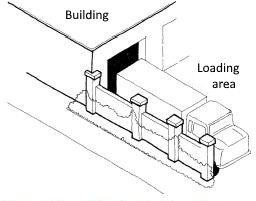
Figure 47. Example of Loading Area Screening
•
Where there are outdoor processing, service or storage areas, they shall be located behind the front building line and shall be screened with a fence or a wall placed behind landscaping.
•
No outside display of products, including vending machines, video games, newspaper boxes shall be permitted unless substantially screened from adjacent parking lots and roadways.
•
Materials shall not be stacked or stored to exceed the height of the screening wall or fence.
•
Overnight parking of commercial vehicles, tractor trailers, boats, recreational vehicles, campers or motor homes shall be prohibited within parking lots not specifically designed for that purpose.
5.8. - Stormwater Management
Stormwater management areas should be designed as site amenities. Natural edges along the perimeter are required. Wet bottom retention ponds in industrial areas are subject to the same design guidelines as commercial areas (refer to 4.5.)
Fenced stormwater management facilities will only be approved in extreme cases at the sole discretion of the City. Such fenced ponds shall be located at the side or rear of buildings to be as unobtrusive as possible. Such fenced ponds will not count as required open space within a project.
5.9. - Utilities
All new developments are required to provide utilities underground and screen utility boxes from view. In addition, easements for underground services or overland flow routes should be located away from mature trees to protect them.
5.10. - Lighting
Lighting is required for safety and security in industrial areas. However, high intensity lighting is discouraged.
•
Entrances and major driveways should be illuminated for project identity and vehicular safety, respectively.
•
Lighting along sidewalks is required for pedestrian safety. Pedestrian lighting should be a minimum of 0.25 foot candles.
•
Lighting should be provided for security and night deliveries. Wattage and spacing of lighting in delivery areas should not exceed 1.0 foot candles and must be designed to prevent spillover illumination on adjacent properties.

