
Brookhaven City Zoning Code
ARTICLE X
- REVIEW AND APPROVAL PROCEDURES
Sec. 27-994.- Applicability.
The common provisions of this division apply to all of the review and approval procedures of this zoning ordinance unless otherwise expressly stated.
(Ord. No. RZ-2018-11-06, § I, Exh. A(27.274), 11-27-2018)
Sec. 27-995. - Georgia Zoning Procedures Law.
This article is enacted pursuant to the authority of the Zoning Procedures Law, O.C.G.A., § 36-66-1 et seq., and in accordance with its requirements.
(Ord. No. RZ-2018-11-06, § I, Exh. A(27.275), 11-27-2018)
Sec. 27-996. - Developments of regional impact.
(a)
Any application for a zoning map amendment or special land use permit that constitutes a development of regional impact shall be forwarded to the Atlanta Regional Commission for review. No final local decision may be made on the zoning map amendment or special land use permit until the Atlanta Regional Commission's review is complete, within the time limit specified by state law.
(b)
Any application for a development permit or building permit that constitutes a development of regional impact shall be forwarded to the Atlanta Regional Commission for review. No final local decision may be made on the application until the Atlanta Regional Commission's review is complete, within the time limit specified by state law.
(Ord. No. RZ-2018-11-06, § I, Exh. A(27.276), 11-27-2018)
Sec. 27-997. - Procedures summary table.
Table 10-1 provides a summary of review and decision-making authority under this zoning ordinance. In the event of conflict between table 10-1 and the detailed procedures identified in this zoning ordinance, the detailed procedures govern.
(Ord. No. RZ-2018-11-06, § I, Exh. A(27.277), 11-27-2018; Ord. No. 2019-05-04, § I(Attch.), 5-28-2019)
Sec. 27-998. - Preapplication meetings.
(a)
Purpose. Preapplication meetings provide an early opportunity for city staff and applicants to discuss the procedures, standards and regulations required for development approval under this zoning ordinance.
(b)
Applicability. Preapplication meetings are required whenever the provisions of this zoning ordinance expressly state that they are required. They are encouraged in all cases.
(c)
Scheduling. Preapplication meetings shall be scheduled with community development department staff.
(d)
Guidelines. The community development director may establish guidelines for preapplication meetings, including scheduling deadlines, information that should be provided and any available alternatives to face-to-face meetings, such as telephone conversations and email correspondence.
(Ord. No. RZ-2018-11-06, § I, Exh. A(27.278), 11-27-2018)
Sec. 27-999. - Public information meetings.
(a)
Applicability. A public participation plan shall be submitted with all property owner-initiated applications for approval of a zoning map amendment, special land use permit or other zoning approval for which a public information meeting is expressly required under this zoning ordinance.
(b)
Contents. Required public participation plans shall include:
(1)
A mailing list of all property owners within 500 feet of the subject property, including name, street address, and tax parcel identification number; and
(2)
A copy of the letter to be mailed to affected parties identifying the date, time and location of the public information meeting regarding the proposed rezoning, development or use.
(c)
Timing and location of meeting. The public information meeting shall be held near the subject property within the city no later than the first business day of the month preceding the date of the planning commission public hearing on the subject.
(d)
Public information meeting summary. The public information meeting summary report shall include at least the following information:
(1)
A list of meeting attendees;
(2)
A summary of concerns and issues expressed; and
(3)
A summary of the applicant's response to concerns and issues expressed.
(4)
The requirement for a public information meeting and summary report does not mean that a consensus shall be reached on all issues.
(5)
Applicants who comply with all requirements of this section are deemed to have met their public information meeting obligations under this zoning ordinance, regardless of whether or how many invitees attend the scheduled public information meeting.
(Ord. No. RZ-2018-11-06, § I, Exh. A(27.279), 11-27-2018)
Sec. 27-1000. - Applications and fees.
(a)
Form of application.
(1)
Applications required under this zoning ordinance shall be submitted in a form and in such numbers as required by the community development director.
(2)
The community development director shall develop checklists of application submittal requirements and make those checklists available to the public.
(b)
Application filing fees. Applications shall be accompanied by the fee amount indicated in the fee schedule that has been approved by city council. Application filing fees are nonrefundable once the application has been accepted and determined to be complete.
(c)
Application completeness and sufficiency.
(1)
An application will be considered complete and ready for processing only if it is submitted in the required number and form, includes all required information and is accompanied by the required application filing fee.
(2)
The community development director shall make a determination of application completeness in accordance with the schedule established pursuant to section 27-1001.
(3)
If an application is determined to be incomplete, the community development director shall provide written notice to the applicant along with an explanation of the application's deficiencies.
(4)
Once an application has been determined to be incomplete, no further application processing will occur and the incomplete application will be pulled from the processing cycle. When the deficiencies are corrected, the application will be placed in the next processing cycle.
(5)
Applications deemed complete by the community development director will be placed in the current processing cycle and be reviewed by city staff, affected agencies and other review and decision-making bodies in accordance with applicable review and approval procedures of this zoning ordinance.
(6)
The community development director may require that applications or plans be revised before being placed on an agenda for possible action if the community development director determines that:
a.
The application or plan contains one or more significant inaccuracies or omissions that hinder timely or competent evaluation of whether the application or plan complies with applicable regulations;
b.
The application or plan contains multiple minor inaccuracies or omissions that hinder timely or competent evaluation of whether the application or plan complies with applicable regulations; or
c.
The decision-making body does not have legal authority to approve the application or plan as submitted.
(Ord. No. RZ-2018-11-06, § I, Exh. A(27.280), 11-27-2018)
Sec. 27-1001. - Application processing cycles.
The community development director, after consulting with review and decision-making bodies, is authorized to promulgate reasonable application processing cycles and schedules for processing applications under this zoning ordinance. Processing cycles may establish:
(1)
Deadlines for receipt of complete applications;
(2)
Timeframes for determination of application completeness;
(3)
Dates of regular meetings;
(4)
Timing of staff reviews and reports;
(5)
Timelines for consideration of comprehensive plan amendments; and
(6)
Other information regarding administrative practices that will assist applicants and the general public.
(Ord. No. RZ-2018-11-06, § I, Exh. A(27.281), 11-27-2018)
Sec. 27-1002. - Public hearings.
(a)
Hearing procedures.
(1)
At the beginning of the public hearings scheduled for each meeting, the presiding officer shall read the procedures to be followed at the hearing. Printed copies of all procedures shall be made available to the public at the door of the hearing room.
(2)
Thereupon, the presiding officer shall call the first case and the hearing body shall consider each application on an individual basis in succession as printed on the published agenda or as otherwise approved by the hearing body, provided, however, that the presiding officer may at his or her discretion call and consider more than one application simultaneously when more than one application involves the same piece of property, and when proceedings would be efficiently completed by combining the hearing and discussion on more than one scheduled matter.
(3)
All persons wishing to speak at a public hearing shall complete a comment card, stating that person's name, address, and identifying the hearing for which remarks are intended.
(4)
Upon opening the public hearing, the presiding officer shall recognize the city staff, who shall provide a summary of the application and present any recommendations or results of investigations. The staff shall with respect to each zoning proposal investigate and make an oral statement of its findings regarding each of the governing standards as outlined within this article and provide the hearing body with its recommendation. Any member of the hearing body upon recognition by the presiding officer may ask questions of the staff providing the report or recommendations.
(5)
Following the report of the staff, the presiding officer shall recognize the applicant or his or her agent, spokesperson, or each of them, who shall present and explain the application. Proponents and opponents of the proposed zoning action shall each be permitted a minimum of ten minutes to present their testimony and any documentary evidence. For multiple zoning actions including any combination of zoning decisions consisting of rezoning, special land use permits, and concurrent variances, an additional time frame of ten minutes for each zoning action shall be allotted to both sides. There shall be a minimum time period of ten minutes allotted to the applicant and any members of the public wishing to speak in favor of an application at the public hearing. The applicant may choose to reserve a portion of the ten minutes allocated to its presentation for rebuttal. The applicant and its proponents may present data, evidence and opinions. The city shall not be obligated to provide the full ten-minute period to the applicants and their supporters if they elect not to use that much time. Any member of the hearing body, upon recognition by the presiding officer, may ask questions of the applicant or agent of the applicant.
(6)
At the conclusion of the presentation by the applicant and any supporters, the presiding officer shall allocate a minimum time period of ten minutes per application during the public hearing for the opponents to present data, evidence, and opinions. The city shall not be obligated to provide the full ten-minute period to the proponents and opponents if they elect not to use that much time.
(7)
Each speaker shall speak only to the merits of the proposed application under consideration and shall address his or her remarks only to the hearing body. Each speaker shall refrain from personal attacks on any other speaker or the discussion of facts or opinions irrelevant to the proposed application under consideration. The presiding officer may limit or refuse a speaker the right to continue, if the speaker, after first being cautioned, continues to violate this procedure
(8)
At the conclusion of public comment, or upon the expiration of time allotted for public comment, the applicant or his or her agent, shall be allowed a short opportunity for rebuttal and final comment, provided that any time devoted to any rebuttal shall be counted toward the total ten minutes allotted to the applicant under paragraph (5) above. Any member of the hearing body, upon recognition by the presiding officer, may ask questions of the applicant, his or her agent, or both.
(9)
After the above procedure has been completed, the presiding officer will indicate that the public hearing is closed. Upon the closing of the public hearing, the applicant, his or her agent and any member of the public shall no longer address the hearing body in any way, including hand waving or motion for attention; provided, however, that at any time the presiding officer may permit hearing body members to ask questions directly to the applicant, staff, or any particular speaker.
(10)
After the public hearing is closed, the hearing body may either vote upon the application or may delay its vote to a subsequent meeting provided that notice of the time, date and location when such application will be further considered shall be announced at the meeting during which the public hearing is held.
(11)
The planning commission and city council may adopt additional procedures for the conduct of hearings held by their body in addition to and not in conflict with the above.
(b)
Applicant attendance. Review and decision-making bodies are expressly authorized to postpone public hearings at which an applicant or the applicant's authorized agent does not appear in person.
(c)
Continuances. A public hearing for which proper notice was given may be continued to a later date without providing additional notice as long as the continuance is set for a specified date and time and that the date and time is announced at the time of the public hearing; and provided further that at least one public hearing is held before city council on the date of the published notice appearing in the newspaper not less than 15 days nor more than 45 days in advance of hearing.
(Ord. No. RZ-2018-11-06, § I, Exh. A(27.282), 11-27-2018; Ord. No. RZ-2023-06-06, § I, 6-28-2023)
Sec. 27-1003. - Public notices.
(a)
Newspaper notice. Whenever the procedures of this zoning ordinance require that newspaper notice be provided, the notice shall be published in a newspaper of general circulation within the city.
(b)
Mailed (written) notice.
(1)
Whenever the procedures of this zoning ordinance require that written notices be mailed, the notices shall be sent by United States Postal Service first class mail.
(2)
Written mailed notice shall be provided to the applicant and to such other property owners specified by ordinance to receive such notice. When such notices have been deposited by staff in the U.S. mail with adequate postage attached, this mailed notice requirement is deemed complete, and failure by any person to receive such mailed notice does not constitute grounds for invalidate any action taken.
(c)
Posted notice.
(1)
When the procedures of this zoning ordinance require that posted notice be provided, at least one notice sign shall be posted on each public street frontage abutting the subject property in locations plainly visible to passers-by. If the subject application includes an area with more than 500 feet of street frontage on one or more streets, at least one additional sign shall be posted for each 500 feet of street frontage or fraction thereof on such streets.
(2)
Signs shall be double-faced and oriented so that the face of the sign is perpendicular to the street so as to allow the signs to be read from both directions along the abutting street and sidewalk.
(3)
Required signs shall be at least six square feet in area.
(d)
Affidavits. When applicants are required to post or otherwise provide required notices, the applicant shall sign an affidavit attesting to the posting of signs or the providing of notice in accordance with all applicable requirements. Dated photographs of each sign posting shall be provided.
(e)
Content of notice. All required public hearing notices shall:
(1)
Indicate the date, time and place of the public hearing that is the subject of the notice;
(2)
Describe the location of the property involved in the application and the action or relief sought;
(3)
Identify who will conduct the hearing;
(4)
Indicate where additional information may be obtained; and
(5)
When the zoning decision requested has been initiated by a party other than the city, the notice shall also state the current and proposed zoning classifications of the property (in the case of rezoning).
(f)
Constructive notice. Minor defects in required notices will not be deemed to impair the notice or invalidate proceedings pursuant to the notice. Minor defects in notice are limited to errors in a legal description or typographical or grammatical errors that do not impede communication of the notice to affected parties. If questions arise at the hearing regarding the adequacy of notice, the hearing body shall make a formal finding about whether there was substantial compliance with the notice requirements of this zoning ordinance.
(g)
Cost. The cost of all required public notices shall be paid by the applicant in addition to all other required application fees.
(Ord. No. RZ-2018-11-06, § I, Exh. A(27.283), 11-27-2018)
Sec. 27-1004. - Action by review and decision-making bodies.
(a)
Review and decision-making bodies are authorized to take any action that is consistent with:
(1)
The regulations of this zoning ordinance;
(2)
Any rules and by-laws that apply to the review or decision-making body; and
(3)
The notice that was given, provided that the decision-making body may zone to an intermediate classification between the current zoning and any requested zoning, may attach conditions, and may grant partial relief over what was sought, and such action shall be deemed to meet requirements of this paragraph.
(b)
Review and decision-making bodies are authorized to defer action or continue a hearing in order to receive additional information or further deliberate.
(c)
Decision-making bodies are authorized to refer matters back to a review body for further deliberations or to obtain additional information.
(d)
Review and decision-making bodies are authorized to defer action, continue the hearing or deny an application whenever the applicant fails to appear for a scheduled and advertised hearing or whenever the applicant fails at more than one meeting to provide the information or documentation necessary for a competent evaluation of the plan's or application's compliance with applicable regulations.
(Ord. No. RZ-2018-11-06, § I, Exh. A(27.284), 11-27-2018)
Sec. 27-1005. - Conditions of approval.
(a)
When decision-making bodies approve applications with conditions, the conditions shall relate to a situation created or aggravated by the proposed use or development and shall be roughly proportional to the impacts of the use or development.
(b)
Any conditions imposed shall comply with the following:
(1)
Conditions may be imposed to mitigate any possible adverse impacts of the proposal on neighboring persons or properties, consistent with the purposes of this zoning ordinance, the goals and objectives of the comprehensive plan and state law.
(2)
Conditions shall be of sufficient specificity to allow lawful and consistent application and enforcement.
(3)
Once imposed, conditions run with land and will be enforced on all present and future property owners and successors in interest.
(4)
Except as otherwise expressly stated, amendments or changes to approved conditions may be approved only by following the same procedures as the original approval (i.e., conditions attached to a special land use permit or variance require the processing of a new application for a special land use permit or variance, in accordance with the procedures of division 3 and division 6 of this article.
(Ord. No. RZ-2018-11-06, § I, Exh. A(27.285), 11-27-2018)
Sec. 27-1006. - Burden of proof or persuasion.
Applications shall address relevant review and decision-making criteria. In all cases, the burden is on the applicant to show that an application complies with all applicable review or approval criteria.
(Ord. No. RZ-2018-11-06, § I, Exh. A(27.286), 11-27-2018)
Sec. 27-1007. - Appeals of city council or ZBA final decisions.
(a)
Any person aggrieved by a final decision of the city council or board of appeals may seek review in the Superior Court of DeKalb County within 30 days of the date of decision, as provided by law.
(b)
When a petition for a writ of certiorari is filed appealing a board of appeals decision, the board of appeals shall be designated the respondent in certiorari and the City of Brookhaven the defendant in certiorari. The secretary of the board of appeals is authorized to acknowledge service of a copy of the petition and writ on behalf of the board of appeals, as respondent.
(c)
A person is considered aggrieved for purposes of this section only if the person or their property was the subject of the action appealed from, or the person has a substantial interest in the action being appealed that is in danger of suffering special damage or injury not common to all property owners similarly situated.
(Ord. No. RZ-2018-11-06, § I, Exh. A(27.287), 11-27-2018; Ord. No. 2019-05-04, § I(Attch.), 5-28-2019)
Sec. 27-1018.- Applicability.
The procedures of this division apply to zoning map amendments, zoning ordinance text amendments and amendments to conditions attached to previously approved zoning map amendments.
(Ord. No. RZ-2018-11-06, § I, Exh. A(27.288), 11-27-2018)
Sec. 27-1019. - Authority to initiate.
Amendments to the zoning map and the text of this zoning ordinance may be initiated by the city council following a motion and a second, official action of the planning commission or by the community development director acting on behalf of the city council. In addition, amendments to the zoning map and amendments to conditions attached to previously approved zoning map amendments may be initiated upon application by the owner of the subject property or the subject property owner's authorized agent.
(Ord. No. RZ-2018-11-06, § I, Exh. A(27.289), 11-27-2018)
Sec. 27-1020. - Preapplication meeting.
A preapplication meeting with community development department staff is required for all owner-initiated amendment applications (see the preapplication provisions of section 27-998).
(Ord. No. RZ-2018-11-06, § I, Exh. A(27.290), 11-27-2018)
Sec. 27-1021. - Public Information Meeting
The public information meeting requirements of section 27-999 apply to all owner-initiated applications for zoning map amendments.
(Ord. No. RZ-2018-11-06, § I, Exh. A(27.291), 11-27-2018)
Sec. 27-1022. - Application filing.
(a)
Owner-initiated applications for zoning map amendments and applications for amendments to conditions attached to previously approved zoning map amendments shall be filed with the community development director.
(b)
Owner-initiated applications for zoning map amendments and applications for amendments to conditions attached to previously approved zoning map amendments may be proposed with or without conditions. Conditions may include:
(1)
Written conditions;
(2)
Site plans, architectural renderings, elevations, photographs, or other graphic representations of the proposed development; or
(3)
Any combination of written conditions and graphic representations.
(c)
Any site plan filed as a proposed condition shall be prepared, signed and sealed by an architect, landscape architect or engineer licensed in the State of Georgia.
(d)
No particular format is required to initiate amendments by the city council, planning commission or community development department staff. Both text amendments and map amendments initiated by the city shall be in complete form prior to the first public hearing.
(Ord. No. RZ-2018-11-06, § I, Exh. A(27.292), 11-27-2018)
Sec. 27-1023. - Public hearings and notices.
(a)
Public hearings. Any action resulting in a zoning decision shall require a public hearing on the proposed action.
(1)
Where the proposed action includes any combination of zoning decisions under subparagraphs rezoning, special land use permits, and concurrent variances, only one hearing shall be required under this Code Section.
(2)
All decision-making powers to a quasi-judicial board to include Planning Commission and Board of Appeals shall provide for a hearing on each proposed action described for zoning decision in Section 27-1384 of the chapter.
(b)
Notice of public hearings. Notice of required public hearings shall be provided as follows (see section 27-1003 for additional information on required newspaper, mailed and posted notices):
(1)
Newspaper notice. Newspaper notice is required to be published at least 30 days before but not more than 45 days before the date of the public hearings before the planning commission and city council for all proposals to rezone property, amend the zoning map, adopt a new zoning map, amend the text of the zoning ordinance, or amend conditions previously imposed as a condition of zoning or special land use permit.
(2)
Mailed notice. Notice shall be mailed to the applicant, all owners of property included within the area that is the subject of the proposed amendment and all owners of property within 250 feet of the subject property. Notices shall be deposited in the mail at least 30 days before but not more than 45 days before the date of the city council public hearing.
(3)
Posted notice. Notice (signs) shall be posted for all property owner-initiated amendments at least 30 days before but not more than 45 days before the date of the planning commission and city council public hearing.
(Ord. No. RZ-2018-11-06, § I, Exh. A(27.293), 11-27-2018; Ord. No. 2019-05-03, § I(Attch.), 5-28-2019; Ord. No. RZ-2023-06-06, § I, 6-28-2023)
Sec. 27-1024. - Staff review.
Upon receipt of a complete amendment application, the community development department shall review the proposal and prepare an analysis and recommendation for consideration by the planning commission and city council. This review and analysis shall be transmitted to the planning commission and city council before their public hearings on the matter. The staff report shall also be made available to the applicant and the general public.
(Ord. No. RZ-2018-11-06, § I, Exh. A(27.294), 11-27-2018)
Sec. 27-1025. - Planning commission public hearing and recommendation.
(a)
The planning commission shall hold a public hearing on all proposed amendments. Following the close of the hearing, the planning commission shall act to recommend that the proposed amendment be approved, approved with conditions or denied based on the applicable review and approval criteria of section 27-1027. The planning commission may also recommend deferral of the application, or, upon request of the applicant, withdrawal of the application without prejudice.
(b)
If the planning commission determines that more information is necessary to make a recommendation, if a revised site plan is submitted after the required deadline for advertising in the newspaper before the scheduled hearing, or upon the request of the applicant or owner, the planning commission may defer the application once for one period of up to 60 days or two zoning cycles, whichever is longer, with the subsequent hearing date based upon the next available hearing on the approved hearing calendar. In the case of deferral, all materials shall be submitted at least 15 days before the subsequent hearing date. In addition, the deferred item will be subjected to an additional planning commission public hearing before being placed on the city council agenda.
(c)
If an applicant and/or staff recommends or requests a deferral of an application it shall not negate the planning commission's ability for deferment as stated in subsection 27-1025(b).
(d)
The planning commission's recommendation shall be transmitted to the city council.
(Ord. No. RZ-2018-11-06, § I, Exh. A(27.295), 11-27-2018; Ord. No. RZ-2020-04-02, (TA20-02), 4-28-2020)
Sec. 27-1026. - City council public hearing and decision.
(a)
Upon receipt of a recommendation from the planning commission, the city council shall hold a public hearing on proposed amendments. Following the close of the public hearing, the city council shall act to approve the proposed amendment, approve the proposed amendment with conditions or deny the proposed amendment based on the applicable review and approval criteria of section 27-1027. The city council is also authorized to defer action on the proposed amendment, refer the application back to planning commission for reconsideration or allow the applicant to withdraw the proposed amendment without prejudice.
(b)
Neither the recommendation of the staff or the planning commission is binding on the city council.
(Ord. No. RZ-2018-11-06, § I, Exh. A(27.296), 11-27-2018)
Sec. 27-1027. - Review and approval criteria.
(a)
Zoning map amendments. The following review and approval criteria shall be used in reviewing and taking action on all zoning map amendments:
(1)
Whether the zoning proposal is in conformity with the policy and intent of the comprehensive plan;
(2)
Whether the zoning proposal will permit a use that is suitable in view of the use and development of adjacent and nearby properties;
(3)
Whether the property to be affected by the zoning proposal has a reasonable economic use as currently zoned;
(4)
Whether the zoning proposal will adversely affect the existing use or usability of adjacent or nearby property;
(5)
Whether there are other existing or changing conditions affecting the use and development of the property that provide supporting grounds for either approval or disapproval of the zoning proposal;
(6)
Whether the zoning proposal will adversely affect historic buildings, sites, districts, or archaeological resources;
(7)
Whether the aesthetic and architectural design of the site is compatible with the intent and requirements of the comprehensive plan, the character area study, and all applicable zoning ordinance regulations; and
(8)
Whether the zoning proposal will result in a use that will or could cause an excessive or burdensome use of existing streets, transportation facilities, utilities, or schools.
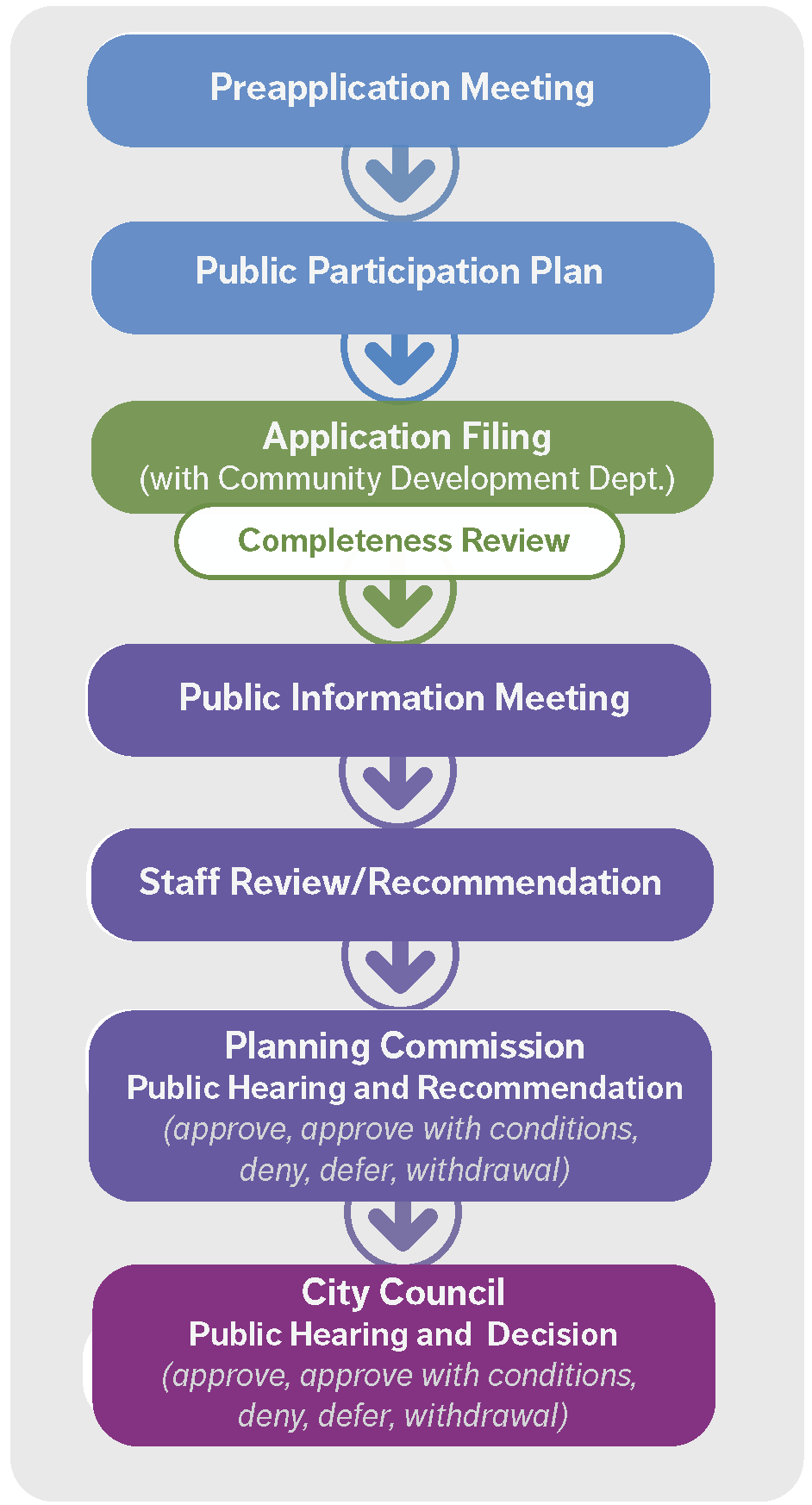
Figure 10-1 - Amendment Process (Generally)
(b)
Zoning ordinance text amendments. The following review and approval criteria shall be used in reviewing and taking action on all zoning ordinance text amendments:
(1)
Whether the zoning proposal is in conformity with the policy and intent of the comprehensive plan; and
(2)
Whether the proposed zoning ordinance text amendment corrects an error or inconsistency in the zoning ordinance, meets the challenge of a changing condition or is necessary to implement or establish policy.
(Ord. No. RZ-2018-11-06, § I, Exh. A(27.297), 11-27-2018; Ord. No. 2019-05-03, § I(Attch.), 5-28-2019)
Sec. 27-1028. - Successive applications.
An application for a zoning map amendment or an amendment to one or more conditions attached to previously approved zoning map amendments affecting all or a portion of the same property may not be submitted more than once every 24 months measured from the date of final action by the city council. The city council is authorized to waive or reduce this 24-month time interval by resolution, except that the time interval between the date of action to deny or the date that the application is withdrawn with prejudice and the date of filing of any subsequent amendment affecting the same property may not be less than six months.
(Ord. No. RZ-2018-11-06, § I, Exh. A(27.298), 11-27-2018)
Sec. 27-1029. - Modifying conditions of approval.
Conditions attached to rezoning approvals may only be modified by city council through the map amendment process, including all requirements for fees, notices and hearings.
(Ord. No. RZ-2018-11-06, § I, Exh. A(27.299), 11-27-2018; Ord. No. 2020-03-07, § I(TA20-01), 3-24-2020; Ord. No. RZ-2023-06-06, § I, 6-28-2023)
Sec. 27-1030. - Amendments to zoning ordinance involving single-family residential uses.
(a)
This section shall be applicable to zoning decisions related to an amendment of the zoning ordinance to revise one or more zoning classifications or definitions relating to single-family residential uses of property so as to authorize one of the following:
(1)
Multifamily uses of property, multi-unit buildings, master planned development or mixed use development to include multi-unit buildings, pursuant to such classification or definitions; or
(2)
Grant blanket permission, under certain or all circumstances, for property owners to deviate from the existing zoning requirements of a single-family residential zoning classification.
(b)
Zoning decisions applicable to section 27-1030 of the chapter must be adopted in the following manner:
{1)
The zoning decision shall be adopted at two regular meetings, during a period of not less than 21 days apart.
(2)
Prior to the first meeting provided for in subparagraph (b)(l) of this paragraph, at least two public hearings shall be held on the proposed action.
(3)
Such public hearings shall be held at least three months and not more than nine months prior to the date of final action on the zoning decision. At least one of the public hearings must be held between the hours of 5:00 p.m. and 8:00 p.m.
(4)
The hearings required by this paragraph shall be in addition to any hearing required under section 27-1023 of this Code section.
(5)
The local government shall give notice of such hearing by:
a.
Posting notice on each affected premises in the manner prescribed by subsection (b) of this Code section; provided, however, that when more than 500 parcels are affected, in which case posting notice is required every 500 feet in the affected area; and
b.
Publishing in a newspaper of general circulation within the territorial boundaries of the local government a notice of each hearing at least 15 days and not more than 45 days prior to the date of the hearing.
c.
Both the posted notice and the published notice shall include a prominent statement that the proposed zoning decision relates to or will authorize multifamily uses or give blanket permission to the property owner to deviate from the zoning requirements of a single-family residential zoning of property in classification previously relating to single-family residential uses.
1.
The published notice shall comply with the following:
i.
The notice shall be at least nine column inches 190 in size and shall not be located in the classified advertising section of the newspaper.
ii.
The notice shall state that a copy of the proposed amendment is on file in the office of the city clerk or the recording officer of the local government and in the office of the clerk of the superior court of the county of the legal situs of the local government for the purpose of examination and inspection by the public.
(6)
The local government shall furnish anyone, upon written request, a copy of the proposed amendment, at no cost.
(7)
The provisions of paragraph section 27-1030 shall also apply to any zoning decisions that provide for the abolition of all single-family residential zoning classifications within the territorial boundaries of a local government or zoning decisions that result in the rezoning of all property zoned for single-family residential uses within the territorial boundaries of a local government to multifamily residential uses of property.
(8)
This section of the zoning ordinance shall not apply to zoning decisions for the rezoning of property from a single-family residential use of property to a multifamily residential use of property when the rezoning is initiated by the owner or authorized agent of the owner of such property.
(Ord. No. RZ-2023-06-06, § I, 6-28-2023)
Sec. 27-1040.- Applicability.
The procedures of this division apply to all special land use permits (also known as "SLUPs") required under this zoning ordinance.
(Ord. No. RZ-2018-11-06, § I, Exh. A(27.300), 11-27-2018)
Sec. 27-1041. - Authority to file.
Applications for special land use permit approval may be filed by the owner of the subject property or the property owner's authorized agent.
(Ord. No. RZ-2018-11-06, § I, Exh. A(27.301), 11-27-2018)
Sec. 27-1042. - Preapplication meeting.
A preapplication meeting is required for all special land use permits (see the preapplication provisions of section 27-998).
(Ord. No. RZ-2018-11-06, § I, Exh. A(27.302), 11-27-2018)
Sec. 27-1043. - Public information meeting.
The public information meeting requirements of section 27-999 apply to all applications for special land use permits.
(Ord. No. RZ-2018-11-06, § I, Exh. A(27.303), 11-27-2018)
Sec. 27-1044. - Application filing.
Special land use permit applications shall be filed with the community development director.
(Ord. No. RZ-2018-11-06, § I, Exh. A(27.304), 11-27-2018)
Sec. 27-1045. - Public hearing notices.
Notice of required public hearings shall be provided as follows (see section 27-1003 for additional information on required newspaper, mailed and posted notices):
(1)
Newspaper notice. Newspaper notice shall be published at least 30 days before but not more than 30 days before the date of the planning commission and city council public hearings. In addition to the notice contents required by section 27-1003, notice of all property owner-initiated amendments shall identify the property's existing and proposed zoning classification.
(2)
Mailed notice. Notice shall be mailed to the applicant, all owners of property included within the area that is the subject of the proposed amendment and all owners of property within 250 feet of the subject property. Notices shall be deposited in the mail at least 30 days before but not more than 45 days before the date of the planning commission and city council public hearings.
(3)
Posted notice. Notice (signs) shall be posted at least 15 days before but not more than 45 days before the date of the city council public hearing.
(Ord. No. RZ-2018-11-06, § I, Exh. A(27.305), 11-27-2018; Ord. No. RZ-2023-06-06, § I, 6-28-2023)
Sec. 27-1046. - Staff review.
Upon receipt of a complete special land use permit application, the community development department shall review the proposal and prepare an analysis and recommendation for consideration by the planning commission and city council. This review and analysis shall be transmitted to the planning commission and city council before their public hearings on the matter. The staff report shall also be made available to the applicant and the general public.
(Ord. No. RZ-2018-11-06, § I, Exh. A(27.306), 11-27-2018)
Sec. 27-1047. - Planning commission public hearing and recommendation.
(a)
The planning commission shall hold a public hearing on the special land use permit application. Following the close of the hearing, the planning commission shall act to recommend that the special land use permit be approved, approved with conditions or denied based on the applicable review and approval criteria of section 27-1049. The planning commission may also recommend deferral of the application, or, upon request of the applicant, withdrawal of the application without prejudice.
(b)
If the planning commission determines that more information is necessary to make a recommendation, if a revised site plan is submitted after the required deadline for advertising in the newspaper before the scheduled hearing, or upon the request of the applicant or owner, the planning commission may defer the application once for one period of up to 60 days or two zoning cycles, whichever is longer, with the subsequent hearing date based upon the next available hearing on the approved hearing calendar. In the case of deferral, all materials shall be submitted at least 15 days before the subsequent hearing date. In addition, the deferred item will be subjected to an additional planning commission public hearing before being placed on the city council agenda.
(c)
If an applicant and/or staff recommends or requests a deferral of an application it shall not negate the planning commission's ability for deferment as stated in subsection 27-1047(b).
(d)
The planning commission's recommendation shall be transmitted to the city council.
(Ord. No. RZ-2018-11-06, § I, Exh. A(27.299), 11-27-2018; Ord. No. RZ-2020-04-02, (TA20-02), 4-28-2020)
Sec. 27-1048. - City council public hearing and decision.
(a)
Upon receipt of a recommendation from the planning commission, the city council shall hold a public hearing on the special land use permit application. Following the close of the public hearing, the city council shall act to approve the special land use permit, approve the special land use permit with conditions or deny the special land use permit based on the applicable review and approval criteria of section 27-1049. The city council is also authorized to defer action on the special land use permit, refer the application back to planning commission for reconsideration or allow the applicant to withdraw the special land use permit without prejudice.
(b)
Neither the recommendation of the staff or the planning commission is binding on the city council.
(Ord. No. RZ-2018-11-06, § I, Exh. A(27.308), 11-27-2018)
Sec. 27-1049. - Review and approval criteria.
The following review and approval criteria shall be used in reviewing and taking action on all special land use permit applications: No application for a special land use permit may be granted by the city council unless satisfactory provisions and arrangements have been made concerning each of the following considerations:
(1)
Whether the proposed use is consistent with the comprehensive plan and other adopted policies of the city;
(2)
Whether the proposed use complies with the requirements of this zoning ordinance;
(3)
Whether public services, public facilities and utilities are adequate to serve the proposed use;
(4)
Whether the proposed use will create adverse impacts upon any adjoining land use by reason of:
a.
Noise, smoke, odor, dust or vibration generated by the proposed use;
b.
Hours or manner of operation of the proposed use; and
c.
Traffic volumes generated by the proposed use;
(5)
Whether the proposed use would result in an over-concentration of the subject use type within the area of the proposed use;
(6)
Whether the aesthetic and architectural design of the site is compatible with the intent and requirements of the comprehensive plan, the character area study, and all applicable zoning ordinance regulations; and
(7)
Whether the proposed use is compatible with adjacent properties and land uses, based on consideration of the size, scale and massing of proposed buildings and the overall site design.
(Ord. No. RZ-2018-11-06, § I, Exh. A(27.309), 11-27-2018)
Sec. 27-1050. - Successive applications.
If a special land use permit application is denied, an application for a special land use permit affecting all or a portion of the same property may not be resubmitted for 24 months from the date of the denial. The city council is authorized to waive or reduce this 24-month time interval by resolution, except that the time interval between the date of action to deny the application and the date of filing of a subsequent special land use permit application affecting the same property may not be less than six months.
(Ord. No. RZ-2018-11-06, § I, Exh. A(27.310), 11-27-2018)
Sec. 27-1051. - Transfer.
Approved special land use permits and any attached conditions run with the land and are not affected by changes in tenancy or ownership.
(Ord. No. RZ-2018-11-06, § I, Exh. A(27.311), 11-27-2018)
Sec. 27-1052. - Modifying conditions of approval.
Conditions attached to previously approved special land use permits may only be modified by city council through the map amendment process, including all requirements for fees, notices and hearings.
(Ord. No. RZ-2018-11-06, § I, Exh. A(27.312), 11-27-2018)
Sec. 27-1063.- Overview.
Master planned development (MPD) zoning districts are established through the approval of a zoning map amendment in accordance with division 2 of this chapter. MPD zoning map amendments shall be accompanied by a preliminary development plan. Submission of a development plan for review and approval is required after approval of the zoning map amendment and preliminary development plan. This article sets forth the required review and approval procedures for MPD preliminary and final development plans.
(Ord. No. RZ-2018-11-06, § I, Exh. A(27.313), 11-27-2018)
Sec. 27-1064. - Preliminary and final development plan approval required.
Approval of MPD preliminary and final development plans shall occur before any building permit is issued and before any development takes place in a MPD district. Permits may be issued for a development phase if a preliminary development plan has been approved for the entire MPD and a final development plan has been approved for the subject phase pf development.
(Ord. No. RZ-2018-11-06, § I, Exh. A(27.314), 11-27-2018)
Sec. 27-1065. - Preliminary development plans.
At the option of the applicant, the preliminary development plan may serve also as the preliminary subdivision plat if such intention is declared before the planning commission's hearing and if the plans include all information required for preliminary plats and preliminary development plans.
(1)
Preapplication meeting. A preapplication meeting is required in accordance with section 27-998.
(2)
Application filing. An application to establish the MPD district shall be accompanied by a preliminary development plan that includes information as required by the community development department. The application shall be filed with the community development director.
(3)
Staff review. Upon receipt of a complete MPD preliminary development plan application, the community development department shall review the proposal and prepare an analysis and recommendation for consideration by the planning commission and city council. This review and analysis shall be transmitted to the planning commission and city council before their public hearings on the matter. The staff report shall also be made available to the applicant and the general public.
(4)
Planning commission public hearing and recommendation. The planning commission shall hold a public hearing and make a recommendation on the proposed MPD zoning map amendment and the preliminary development plan in accordance with section 27-1025. In addition to considering the zoning map amendment review and approval criteria of section 27-1027, the planning commission shall also consider the MPD review criteria of subsection (6) of this section (section 27-1065).
(5)
City council public hearing and decision. The city council has final decision-making authority on MPD zoning map amendments and preliminary development plans. Before acting, the city council shall hold its own public hearing on the matter in accordance with section 27-1025. Notice of required public hearings shall be provided as required by section 27-1023. In addition to considering the zoning map amendment review and approval criteria of section 27-1027, the city council shall also consider the MPD review criteria of subsection (6) of this section (section 27-1065).
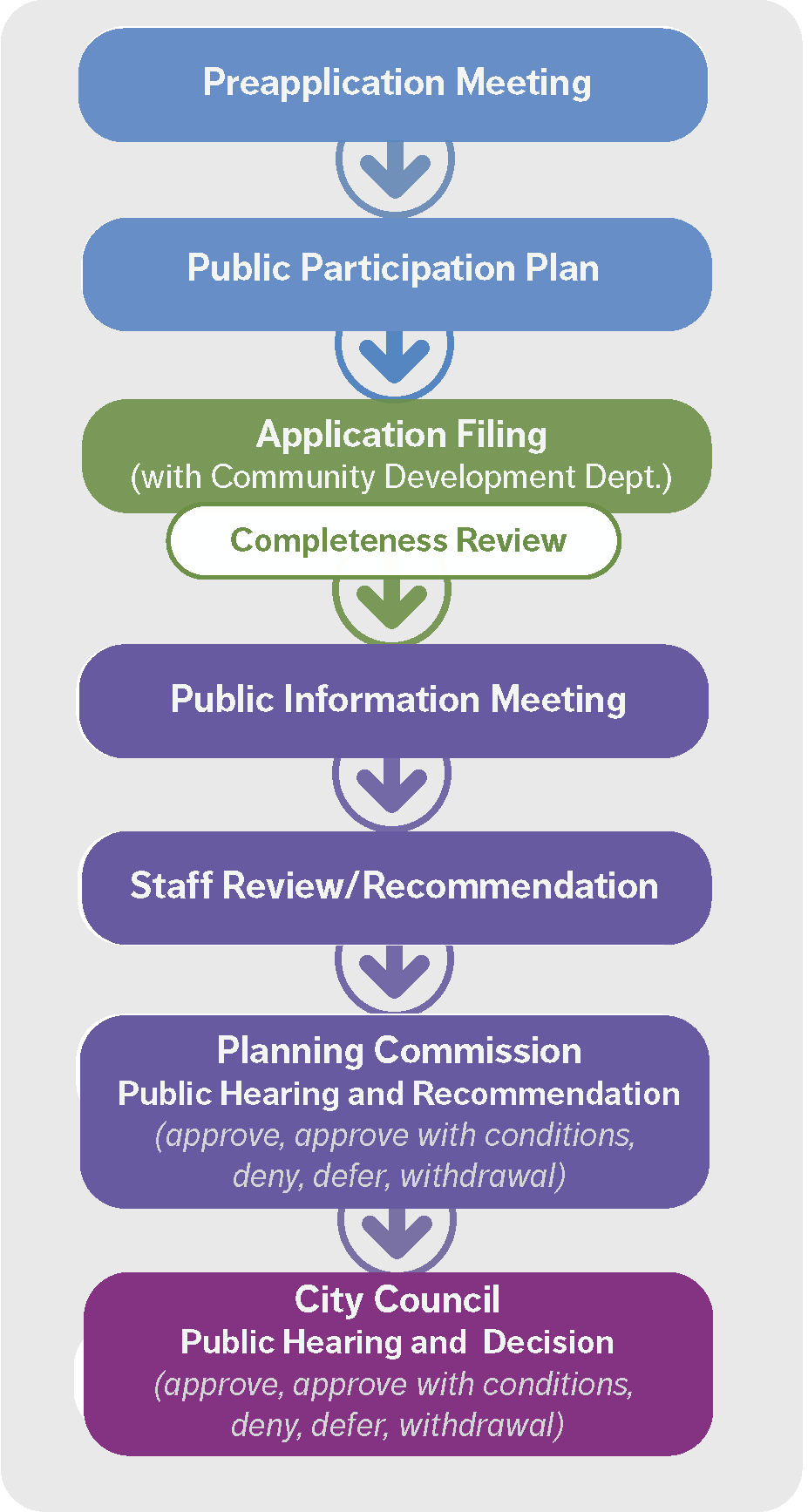
Figure 10-2 - Special Land Use Permit Process (Generally)
(6)
Review and approval criteria. In reviewing and making decisions on proposed MPD rezonings and preliminary development plans, review and decision-making bodies shall consider at least the following factors:
a.
The preliminary development plan's consistency with any adopted plans for the area;
b.
The preliminary development plan's consistency with the MPD district provisions of article VI, division 3 of this chapter; and
c.
The sufficiency of the terms and conditions proposed to protect the interest of the public and the residents of the MPD in the case of a plan that proposes development over a long period of time.
(7)
Lapse of approval. Unless a longer time period or a phasing plan is approved at the time of approval of a MPD preliminary development plan, a complete application for final development plan approval shall be filed within three years of the date of preliminary development plan approval. If an application for final development plan approval is not filed within the time required, no further final development plans may be approved for the project until the subject property owner has filed the original or amended preliminary development plan for re-review and reconsideration by the planning commission and city council. Such re-review and reconsideration shall follow the MPD approval procedures of this division (article X, division 4). Following re-review and reconsideration, the planning commission is authorized to recommend and the city council is authorized to approve any of the following actions based on surrounding land use patterns and other relevant information presented at the time of reconsideration by the planning commission and city council:
a.
An extension of time for filing a final development plan
b.
An amendment to the approved preliminary development plan; or
c.
Rezoning to another zoning district in accordance with the zoning map amendment procedures of article X, division 2.
(Ord. No. RZ-2018-11-06, § I, Exh. A(27.315), 11-27-2018)
Sec. 27-1066. - Final development plans.
(a)
Application filing. MPD district final development plan applications shall be filed with the community development director for review and approval after approval of and before the lapse of a preliminary development plan.
(b)
Consistency with preliminary development plan; major changes. A final development plan will not be considered complete and ready for processing if all approved conditions of approval have not been met or if the final development plan constitutes a major change from the approved preliminary development plan. A final development plan will be considered a major change from (and therefore inconsistent with) the approved preliminary development plan if it:
(1)
Increases the proposed gross residential density or involves a reduction of one percent or more in the area set aside for open space, recreation area or other similar non-development area, or the substantial relocation of such areas;
(2)
Increases by more than one percent the total floor area proposed for nonresidential uses;
(3)
Increases by more than one percent the total ground area covered by buildings;
(4)
Increases the height of buildings by more than five feet for areas within 100 feet of the outer boundaries of the MPD or by more than ten feet in other areas; or
(5)
Represents, in the determination of the community development director, a material change to the preliminary development plan approved by city council.
(c)
Processing of major changes. If a final development plan is submitted that constitutes a major change to an approved preliminary development plan, no further processing of the final development plan may occur. The community development director shall notify the landowner that major changes may be made only after rehearing and re-approval of the preliminary development plan.
(d)
Community development director review and decision.
(1)
The community development director shall review and take action on the final development plan. The community development director may approve the final development plan if it complies with the approved preliminary development plan, all conditions of the preliminary development plan approval and all applicable regulations of this zoning ordinance. If the submitted final development plan does not comply with the approved preliminary development plan, any conditions imposed on that plan or any applicable zoning ordinance regulations, the community development director shall deny approval of the final development plan.
(2)
If the community development director does not approve the final development plan, the landowner may either: (1) re-submit the final development plan to correct the plan's inconsistencies and deficiencies, or, (2) within 60 days of the date of notice of disapproval, appeal the decision of the community development director to the city council. If such an appeal is filed, a public hearing before the city council shall be scheduled with the same notice required for the MPD rezoning and preliminary development plan approval.
(Ord. No. RZ-2018-11-06, § I, Exh. A(27.316), 11-27-2018)
Sec. 27-1077.- Authority.
The city council is authorized to consider and approve, approve with conditions, or deny variances that would otherwise require approval under article X, division 6 simultaneously with an amendment application or a special land use permit application. In such instances, the notices published and posted as provided by section 27-1023 shall also include notice that concurrent variances are being sought.
(Ord. No. RZ-2018-11-06, § I, Exh. A(27.317), 11-27-2018)
Sec. 27-1078. - Process.
(a)
The planning commission shall make a recommendation on the requested concurrent variance in addition to its recommendation on the companion amendment or SLUP application.
(b)
The planning commission shall make its recommendation and the city council shall take action on the concurrent variance request in a separate motion after acting on the companion amendment application or SLUP application.
(c)
Any application for a variance that is not processed simultaneously with an amendment or special land use permit application shall be processed as a separate variance request in accordance with the procedures of article X, division 6.
(Ord. No. RZ-2018-11-06, § I, Exh. A(27.318), 11-27-2018)
Sec. 27-1079. - Review/decision-making criteria.
In taking action on concurrent variance requests, the city council shall apply the variance review and approval criteria of section 27-1098. The planning com mission's review shall also be based on the variance review and approval criteria of section 27-1098.
(Ord. No. RZ-2018-11-06, § I, Exh. A(27.319), 11-27-2018)
Sec. 27-1080. - Appeals.
See section 27-1007.
(Ord. No. RZ-2018-11-06, § I, Exh. A(27.320), 11-27-2018)
Sec. 27-1091.- Applicability.
Except as expressly authorized under the administrative variance procedures of article X, division 8 or the administrative permit procedures of article X, division 9, all requests for relief from strict compliance with the regulations of this zoning ordinance require review and approval by the board of appeals in accordance with the variance procedures of this division.
(Ord. No. RZ-2018-11-06, § I, Exh. A(27.321), 11-27-2018; Ord. No. 2019-05-04, § I(Attch.), 5-28-2019)
Sec. 27-1092. - Prohibited variances.
The variance procedures of this division may not be used to:
(1)
Allow a structure or use not authorized in the subject zoning district or a residential density of development that is not authorized within the subject district;
(2)
Allow an increase in maximum building height;
(3)
Waive, vary, modify or otherwise override a condition of approval attached to an amendment, special land use permit or other development approval under this zoning ordinance;
(4)
Reduce, waive or modify in any manner the minimum lot area or lot width required for any lot;
(5)
Allow the reestablishment of any nonconforming use that has been abandoned or lost its nonconforming rights;
(6)
Extend the time period for a temporary outdoor social, religious, entertainment or recreation activity approved by the community development director;
(7)
Decrease open space requirement in the Peachtree Road district, unless approved by city council;
(8)
Allow the expansion or enlargement of any nonconforming use; or
(9)
Allow customer contact for a home occupation authorized by this zoning ordinance.
(10)
Allow reduction of the 75-foot stream buffer for the following land uses:
a.
Vehicle fuel stations;
b.
Vehicle maintenance and repair; and
c.
Laundry facilities.
(Ord. No. RZ-2018-11-06, § I, Exh. A(27.322), 11-27-2018; Ord. No. RZ-2023-06-04, § I, 6-28-2023)
Sec. 27-1093. - Authority to file.
Applications for approval of variances may be filed by the owner of the subject property or the property owner's authorized agent.
(Ord. No. RZ-2018-11-06, § I, Exh. A(27.323), 11-27-2018)
Sec. 27-1094. - Preapplication meeting.
A preapplication meeting with community development department staff is required for all variance requests (see the preapplication provisions of section 27-998).
(Ord. No. RZ-2018-11-06, § I, Exh. A(27.324), 11-27-2018)
Sec. 27-1095. - Application filing.
Variance applications shall be filed with the community development director.
(Ord. No. RZ-2018-11-06, § I, Exh. A(27.325), 11-27-2018)
Sec. 27-1096. - Public hearing notices.
Notice of required board of appeals' public hearings shall be provided as follows (see section 27-1003 for additional information on required newspaper, mailed and posted notices):
(1)
Newspaper notice. Newspaper notice shall be provided at least 30 days before but not more than 45 days before the date of the board of appeals public hearing.
(2)
Mailed notice. Notice shall be mailed to the applicant, all owners of property within 250 feet of the subject property at least 30 days before the date of the board of appeals public hearing.
(3)
Posted notice. Notice (signs) shall be posted at least 15 days but not more than 45 days before the date of the board of appeals public hearing.
(Ord. No. RZ-2018-11-06, § I, Exh. A(27.326), 11-27-2018; Ord. No. 2019-05-04, § I(Attch.), 5-28-2019; Ord. No. RZ-2023-06-06, § I, 6-28-2023)
Sec. 27-1097. - Zoning board of appeals public hearing and decision.
(a)
The board of appeals shall hold a public hearing to consider all variance applications.
(b)
At the public hearing, the community development department shall introduce the variance request and outline its recommendation based on the criteria of section 27-1098. The applicant for variance shall have the right to present testimony and other evidence in support of the variance request. Proponents and opponents of the variance request shall each be permitted a minimum of ten minutes for each variance request per side to present their testimony and any documentary evidence. For multiple variance requests, an additional time frame of ten minutes for each variance request may be allotted to both sides. The applicant shall have the right to refute by rebuttal any evidence presented by the other side, such rebuttal being limited to five minutes. The session shall be recorded. If the applicant so desires, the applicant may supply a court reporter to take down testimony at the hearing at the applicant's own expense. The zoning board of appeals may ask questions and seek clarification of any testimony or evidence presented.
(c)
Following the close of the hearing and consideration of all testimony, documentary evidence and matters of record, the board of appeals shall act to approve the variance, approve the variance with conditions or deny the requested variance. The board of appeals is also authorized to defer action on the variance or allow the applicant to withdraw the variance without prejudice. The board's final decision shall be made within a reasonable period of time but in no event more than 60 days from the date of the close of the hearing.
(Ord. No. RZ-2018-11-06, § I, Exh. A(27.327), 11-27-2018; Ord. No. 2019-05-04, § I(Attch.), 5-28-2019; Ord. No. RZ-2023-06-06, § I, 6-28-2023)
Sec. 27-1098. - Review and approval criteria.
(a)
The board of appeals may authorize variances from the provisions of this zoning ordinance based on consideration of one or more of the following criteria:
(1)
The grant of the variance will not be detrimental to the public health, safety or welfare or injurious to property or improvements; or
(2)
The variance request is based on conditions that are:
a.
Unique to the subject property;
b.
Not generally applicable to other properties in the same zoning district;
c.
Not the result of the subject property owner's or applicant's actions; or
(3)
Because of the particular conditions, shape, size, orientation or topographic conditions, the strict application of the requirements of this zoning ordinance would deprive the property owner of rights and privileges enjoyed by other similarly situated property owners; or
(4)
The requested variance does not go beyond the minimum necessary to afford relief, and does not constitute a grant of special privilege inconsistent with the limitations upon other similarly situated properties; or
(5)
The literal interpretation and strict application of the applicable provisions or requirements of this zoning ordinance would cause undue hardship or practical difficulty, as distinguished from a mere inconvenience; or
(6)
The requested variance would be consistent with the spirit and purpose of this zoning ordinance and the comprehensive plan.
(Ord. No. RZ-2018-11-06, § I, Exh. A(27.328), 11-27-2018; Ord. No. 2019-05-03, § I(Attch.), 5-28-2019; Ord. No. 2019-05-04, § I(Attch.), 5-28-2019)
Sec. 27-1099. - Successive applications.
If a variance application is denied, an application to vary the same zoning ordinance provision for the same portion of the subject property may not be resubmitted for 24 months from the date of the denial. The board of appeals is authorized to waive or reduce this 24-month time interval, provided that the time interval between the date of action to deny the application and the date of filing of a subsequent variance application affecting the same property may not be less than six months.
(Ord. No. RZ-2018-11-06, § I, Exh. A(27.329), 11-27-2018; Ord. No. 2019-05-04, § I(Attch.), 5-28-2019)
Sec. 27-1100. - Appeals
See section 27-1007.
(Ord. No. RZ-2018-11-06, § I, Exh. A(27.330), 11-27-2018)
Sec. 27-1101. - Transfer of variances.
Approved variances, and any attached conditions, run with the land and are not affected by changes in tenancy or ownership.
(Ord. No. RZ-2018-11-06, § I, Exh. A(27.331), 11-27-2018)
Sec. 27-1102. - Amending conditions of approval.
A request for changes in conditions of approval attached to an approved variance shall be processed as a new variance application in accordance with the procedures of this division, including the requirements for fees, notices and hearings.
(Ord. No. RZ-2018-11-06, § I, Exh. A(27.332), 11-27-2018)
Sec. 27-1123.- Applicability.
The community development director is authorized to approve the following administrative variances:
(1)
Reduction of front or rear setback requirements by up to ten percent, but not including any transitional buffer;
(2)
Reduction of street side (corner lot) setback requirement in RS-100, RS-85, RS-75 and RS-60 districts by up to five feet on a lot that does not exceed the minimum lot width required in the subject zoning district,
(3)
Reduction of interior side setback requirements by up to one foot or 5%, whichever is greater;
(4)
Reduction of minimum building spacing requirements for multiple buildings on a single lot by up to ten percent as long as the reduction does not reduce the minimum requirement imposed by chapter 7;
(5)
Increase in the maximum retaining wall height by no more than two feet; and
(6)
Reduction of the minimum retaining wall setback and distance requirements by no more than two feet.
(7)
Reduction of minimum off-street parking and loading ratios by up to one space or ten percent, whichever is greater;
(8)
Reduction of minimum off-street parking ratios for any lot located within 1,000 feet of the boundary of a MARTA rapid transit station by up to three spaces or 25 percent, whichever is greater; and
(Ord. No. RZ-2018-11-06, § I, Exh. A(27.343), 11-27-2018; Ord. No. RZ-2023-02-03, § I, 2-28-2023)
Sec. 27-1124. - Authority to file.
Applications for approval of administrative variances may be filed by the owner of the subject property or the property owner's authorized agent.
(Ord. No. RZ-2018-11-06, § I, Exh. A(27.344), 11-27-2018)
Sec. 27-1125. - Application filing.
Administrative variance applications shall be filed with the community development director.
(Ord. No. RZ-2018-11-06, § I, Exh. A(27.345), 11-27-2018)
Sec. 27-1126. - Posted notice.
(a)
Notice (signs) shall be posted within ten days of the date of filing an application for an administrative variance. Posted notice shall comply with all applicable provisions of section 27-1003.
(b)
Citizens and residents of the city wishing to support or oppose a request for administrative variance shall file their comments in writing with the community development director. The deadline for acceptance of comments is 15 days after notice was posted on the property.
(Ord. No. RZ-2018-11-06, § I, Exh. A(27.346), 11-27-2018)
Sec. 27-1127. - Director's decision.
(a)
The community development director shall review each application for a administrative variance and act to approve the application, approve the application with conditions, deny the application.
(b)
The community development director may not take final action to approve or deny an administrative variance until at least 15 days after the notice was posted. Any comments received with respect to the administrative variance request shall be taken into account prior to the director reaching his or her decision. All decisions shall be made in writing within 30 days of the date the application was filed unless the applicant agrees to an extension of time for the decision.
(Ord. No. RZ-2018-11-06, § I, Exh. A(27.347), 11-27-2018)
Sec. 27-1128. - Review and approval criteria.
The community development director's decision to approve or deny a administrative variance shall be based on the variance review and approval criteria of section 27-1098.
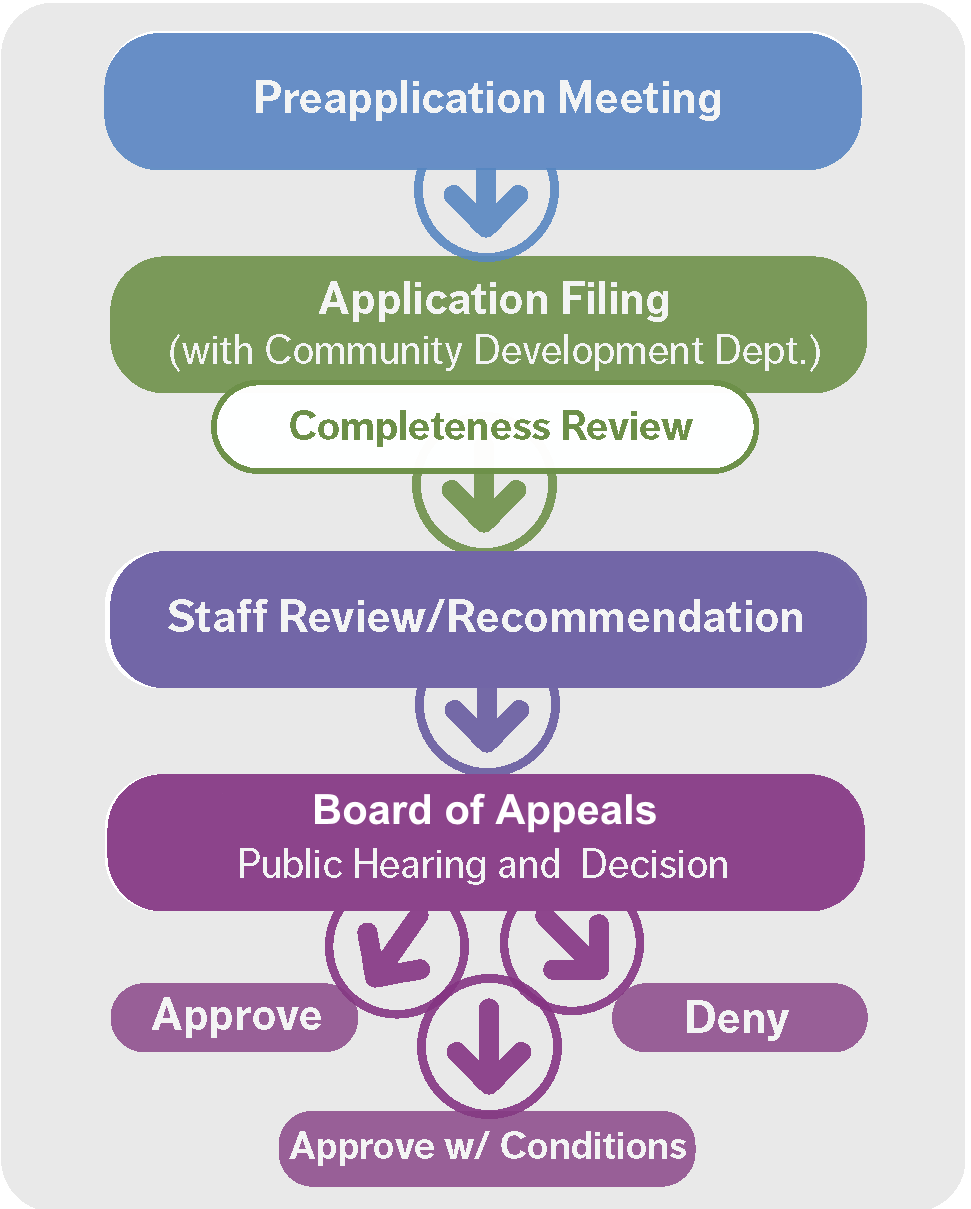
Table 10-3 - Variance Process (Generally)
(Ord. No. RZ-2018-11-06, § I, Exh. A(27.348), 11-27-2018; Ord. No. 2019-05-03, § I(Attch.), 5-28-2019; Ord. No. 2019-05-04, § I(Attch.), 5-28-2019)
Sec. 27-1129. - Appeals.
Final decisions on administrative variances may be appealed by any person aggrieved by the decision in accordance with the appeal procedures of article X, division 10.
(Ord. No. RZ-2018-11-06, § I, Exh. A(27.349), 11-27-2018; Ord. No. 2019-05-03, § I(Attch.), 5-28-2019)
Sec. 27-1130. - Transfer.
Approved administrative variances and any attached conditions, run with the land and are not affected by changes in tenancy or ownership.
(Ord. No. RZ-2018-11-06, § I, Exh. A(27.350), 11-27-2018)
Sec. 27-1131. - Amending conditions of approval.
A request for changes in conditions of approval attached to an approved administrative variance shall be processed as a new application in accordance with the procedures of this division.
(Ord. No. RZ-2018-11-06, § I, Exh. A(27.351), 11-27-2018)
Sec. 27-1142.- Applicability.
The community development director and the public works director have the authority to approve certain specified uses and activities by administrative permit pursuant to the provisions of this zoning ordinance.
(Ord. No. RZ-2018-11-06, § I, Exh. A(27.352), 11-27-2018)
Sec. 27-1143. - Authority to file.
Applications for approval of administrative permits may be filed by the owner of the subject property or the property owner's authorized agent.
(Ord. No. RZ-2018-11-06, § I, Exh. A(27.353), 11-27-2018)
Sec. 27-1144. - Application filing.
Administrative permit applications shall be filed with the community development director.
(Ord. No. RZ-2018-11-06, § I, Exh. A(27.354), 11-27-2018)
Sec. 27-1145. - Director's decision.
(a)
The community development director shall review each application for an administrative permit and act to approve the application, approve the application with conditions, or deny the application.
(b)
A decision to approve or deny shall be based on the review and approval criteria of section 27-1146.
(Ord. No. RZ-2018-11-06, § I, Exh. A(27.355), 11-27-2018)
Sec. 27-1146. - Review and approval criteria.
Administrative permits may be approved only when the community development director determines that any specific approval criteria associated with the authorized administrative permit and the following general approval criteria have been met:
(1)
The grant of the administrative permit will not be detrimental to the public health, safety or welfare of the public or injurious to the property or improvements;
(2)
The requested administrative permit does not go beyond the minimum necessary to afford relief, and does not constitute a grant of special privilege inconsistent with the limitations upon other similarly situated properties; and
(3)
The requested administrative permit is consistent with all relevant purpose and intent statements of this zoning ordinance and the comprehensive plan.
(Ord. No. RZ-2018-11-06, § I, Exh. A(27.356), 11-27-2018)
Sec. 27-1147. - Appeals.
Final decisions on administrative permits may be appealed by any person aggrieved by the decision in accordance with the appeal procedures of article X, division 10.
(Ord. No. RZ-2018-11-06, § I, Exh. A(27.357), 11-27-2018)
Sec. 27-1148. - Transfer of administrative permit.
Approved administrative permits, and any attached conditions, run with the land and are not affected by changes in tenancy or ownership.
(Ord. No. RZ-2018-11-06, § I, Exh. A(27.358), 11-27-2018)
Sec. 27-1149. - Amending conditions of approval.
A request for changes in conditions of approval attached to an approved administrative permit shall be processed as a new administrative permit application in accordance with the procedures of this division.
(Ord. No. RZ-2018-11-06, § I, Exh. A(27.359), 11-27-2018)
Sec. 27-1160.- Applicability.
The procedures of this division apply to appeals of administrative decisions.
(Ord. No. RZ-2018-11-06, § I, Exh. A(27.360), 11-27-2018)
Sec. 27-1161. - Authority to file.
Appeals of administrative decisions may be filed by any person aggrieved by, or by any city official, department, board or agency affected by any final order, requirement, or decision of an administrative official, based on or made in the enforcement of this zoning ordinance. A person may be considered aggrieved for purposes of this subsection only if they are the applicant, the owner of the property that is the subject of the administrative official's decision or they are a person with a substantial interest in the administrative official's decision who is in danger of suffering special damage or injury not common to all property owners similarly situated, as determined by the board of appeals.
(Ord. No. RZ-2018-11-06, § I, Exh. A(27.361), 11-27-2018; Ord. No. 2019-05-04, § I(Attch.), 5-28-2019)
Sec. 27-1162. - Application filing.
Applications for appeals of administrative decisions shall be filed with the community development director within 15 days of the date of the order, requirement or decision being appealed. Failure to act is not an order, requirement or decision within the meaning of this division. The appeal shall be scheduled to be heard at the next regularly scheduled board of appeals meeting for which required hearing notice can be provided, unless the applicant agrees to a later hearing date.
(Ord. No. RZ-2018-11-06, § I, Exh. A(27.362), 11-27-2018; Ord. No. 2019-05-04, § I(Attch.), 5-28-2019)
Sec. 27-1163. - Effect of appeal.
The filing of a complete notice of appeal stays all proceedings in furtherance of the action appealed, unless the official whose decision is being appealed certifies to the board of appeals, after the appeal is filed, that, because of facts stated in the certification, a stay would cause imminent peril to life or property. In such a case, proceedings may be stayed only by a restraining order granted by the superior court on notice to the official whose decision is being appealed and on due cause shown.
(Ord. No. RZ-2018-11-06, § I, Exh. A(27.363), 11-27-2018; Ord. No. 2019-05-04, § I(Attch.), 5-28-2019)
Sec. 27-1164. - Record of decision.
Upon receipt of a complete application of appeal, the community development director or other administrative official whose decision is being appealed shall transmit to the board of appeals all papers constituting the record upon which the action appealed is taken.
(Ord. No. RZ-2018-11-06, § I, Exh. A(27.364), 11-27-2018; Ord. No. 2019-05-04, § I(Attch.), 5-28-2019)
Sec. 27-1165. - Hearing notice.
Mailed notice of the board of appeals hearing shall be provided to the appellant at least 15 days before the date of the board of appeals hearing. If the applicant was not the original applicant for relief, the original applicant shall also receive notice.
(Ord. No. RZ-2018-11-06, § I, Exh. A(27.365), 11-27-2018; Ord. No. 2019-05-04, § I(Attch.), 5-28-2019)
Sec. 27-1166. - Hearing and decision.
(a)
The board of appeals shall hold a hearing to consider all appeals of administrative decisions. The hearing is not a public hearing. The only participants are the appellant, the original applicant if other than the appellant, and the community development director or other administrative official whose decision is being appealed. Participants in the hearing may present testimony, produce documentary evidence and may cross examine testimony and evidence provided by another participant. The board of appeals may ask questions or seek clarification from any participant in the hearing.
(b)
Following the close of the hearing and consideration of all testimony, documentary evidence and matters of record, the board of appeals shall make a decision. The decision shall be made within a reasonable period of time but in no event more than 60 days from the date of the close of the hearing.
(c)
In exercising its powers, the board of appeals may reverse or affirm, wholly or partly, or may modify the order, requirement, decision or determination appealed from. To that end the board of appeals has all the powers of the administrative official from whom the appeal was taken and may issue or direct the issuance of a permit provided all requirements imposed by all other applicable laws are met.
(Ord. No. RZ-2018-11-06, § I, Exh. A(27.366), 11-27-2018; Ord. No. 2019-05-04, § I(Attch.), 5-28-2019)
Sec. 27-1167. - Review and approval criteria.
An appeal may be sustained only upon a finding by the board of appeals that the administrative official's action was based on an erroneous finding of a material fact or that the administrative official acted in an arbitrary manner.
(Ord. No. RZ-2018-11-06, § I, Exh. A(27.367), 11-27-2018; Ord. No. 2019-05-04, § I(Attch.), 5-28-2019)
Sec. 27-1168. - Appeals.
See section 27-1007.
(Ord. No. RZ-2018-11-06, § I, Exh. A(27.368), 11-27-2018)
Sec. 27-1179.- Purpose.
For the purposes of this division, "reasonable accommodation" means providing an individual with a disability or developers of housing for individuals with a disability, flexibility in the application of zoning regulations (including the modification or waiver of certain requirements), when it is necessary to eliminate barriers to housing opportunities. The purpose of this division is to provide a procedure to request reasonable accommodation for persons with disabilities seeking equal access to housing under the Americans with Disabilities Act and the Federal Fair Housing Amendments in the application of this zoning ordinance.
(Ord. No. RZ-2018-11-06, § I, Exh. A(27.369), 11-27-2018)
Sec. 27-1180. - Application filing.
(a)
Applications for reasonable accommodation shall be filed with the community development director.
(b)
The application shall include a detailed explanation of why the modification is reasonably necessary to make the specific housing available to a person with a disability, including information establishing that the applicant is disabled under applicable laws, as well as other information required by the community development director to make the determination. If the project for which the reasonable accommodation request is being made also requires an additional zoning approval, then the applicant shall file the request concurrently with the application for such approval.
(c)
No application filing fees are required in connection with a request for reasonable accommodation.
(Ord. No. RZ-2018-11-06, § I, Exh. A(27.370), 11-27-2018)
Sec. 27-1181. - Review and approval.
The community development director, in consultation with the city attorney, is authorized to consider and act on requests for reasonable accommodation. The community development director shall issue a written decision in which the request is approved, approved subject to conditions, or denied. In making the decision, the following factors shall be considered:
(1)
Special need created by the disability;
(2)
Potential benefit that can be accomplished by the requested modification;
(3)
Need for the requested modification, including alternatives that may provide an equivalent level of benefit;
(4)
Physical attributes of and any proposed changes to the subject property and structures;
(5)
Potential impact on surrounding uses;
(6)
Whether the requested modification would constitute a fundamental alteration of the zoning regulations, policies or procedures of the city;
(7)
Whether the requested modification would impose an undue financial or administrative burden on the city; and
(8)
Any other factor that my have a bearing on the request.
(Ord. No. RZ-2018-11-06, § I, Exh. A(27.371), 11-27-2018)
Sec. 27-1182. - Notice of decision.
The written decision of the community development director shall be mailed to the applicant and to all owners of record of all properties abutting the property that is the subject of the reasonable accommodation request. All written decisions shall give notice of the right to appeal a decision of the community development director pursuant to article X, division 10. The decision of the community development director constitutes the final decision of the city, unless appealed. Only the applicant and property owners entitled to notice of the written reasonable accommodation determination have a right to appeal the decision.
(Ord. No. RZ-2018-11-06, § I, Exh. A(27.372), 11-27-2018)
Sec. 27-1183. - Transfer.
Approved requests for reasonable accommodation are granted to an individual and do not run with the land unless the community development director determines that the modification is physically integrated into the structure and cannot easily be removed or altered to comply with this zoning ordinance or the accommodation is to be used by another individual with a disability.
(Ord. No. RZ-2018-11-06, § I, Exh. A(27.373), 11-27-2018)
Sec. 27-1184. - Conditions and guarantees.
Before issuance of any permits relative to an approved reasonable accommodation request, the community development director is authorized to require the applicant to record a covenant acknowledging and agreeing to comply with the terms and conditions imposed.
(Ord. No. RZ-2018-11-06, § I, Exh. A(27.374), 11-27-2018)

