
Fate City Zoning Code
ARTICLE III
- ZONING DISTRICTS
Sec. 36-3.1 - General to all Zoning Districts and Zoning Map
3.1.1. Zoning Districts Established. This article establishes the zoning districts within the City of Fate, Texas. This Article (III) and Article IV, Use Standards, identify the dimensional standards established and uses allowed within the districts. Article V, Design and Development Standards, identifies any zoning district-specific standards applying to development in the districts.
The following table provides a summary of the zoning districts established.
3.1.2. Zoning District Map.
(1)
The zoning districts are shown on the "City of Fate Zoning Map" (Zoning Map). The boundaries of zoning districts established in this Ordinance are delineated upon the Zoning Map and adopted as part of this Ordinance as fully as if the same were set forth in this section in detail. Procedures for amending the Zoning Map are set forth in Article II, Procedures and Administration.
(2)
The Administrator shall keep a complete set of the Official Zoning Maps in any convenient format, either electronically or in hard copy. The Official Zoning Maps shall be kept up to date by posting any subsequent zoning changes as soon as practical after the change occurs. These maps shall be available for public inspection.
(3)
Administrative modifications to the Zoning Map shall be made by the Administrator.
3.1.3. Zoning District Boundaries.
(1)
When uncertainty exists as to the boundaries of districts as shown on the Official Zoning Map, the Administrator shall be responsible for interpretation of the zoning map in accordance with the following rules:
(a)
Boundaries indicated as approximately following the centerlines of streets, highways, alleys, or railroad rights-of-way are construed to follow those centerlines.
(b)
Boundaries indicated as approximately following platted lot boundaries or city limit boundaries are construed as following those boundaries.
(c)
Boundaries indicated as approximately following the centerlines of streams, creeks, rivers, canals, lakes, or other bodies of water are construed to follow those centerlines. The centerline is interpreted as being midway between the shorelines of the body of water or along the middle of designated floodways. If the centerlines or floodways change, the boundaries are construed as moving with the centerline or floodway.
(d)
Where a zoning district boundary line traverses a large parcel of land or acreage in a recorded subdivision, and such large parcel or acreage has been divided by metes and bounds without indication upon the recorded plat, or where it may hereafter be divided into blocks and lots, the district boundaries shall be construed to be the centerline of a street or alley or the property line resulting from such division nearest to the district line shown on the Official Zoning Map, so long as the zoning district boundary is not varied more than 100 feet from its location on the Official Zoning Map.
(2)
When the district boundary line is not otherwise determined, it shall be determined by the scale of the Official Zoning Map from a given line.
(3)
Whenever a street, alley, or other public way is vacated by official action of the City, the zoning district line adjoining each side of the vacated street, alley, or other public way automatically extends to the centerline of the vacated right-of-way.
(4)
When there is a question as to the boundary of a tract and that question cannot be resolved by the application of Subsections above, the Planning and Zoning Commission shall determine the boundary by interpreting the official zoning district map and ordinances amending the map.
(5)
If, because of error or omission on the Official Zoning Map, any property in the City is not shown to be included in a zoning district, such property shall be classified as the "A" Agricultural district until changed by a zoning map amendment.
3.1.4. Annexed Territory. When any territory is brought into the jurisdiction of the City of Fate, by annexation or otherwise, such territory shall be deemed to be in the "A" Agricultural district unless the City Council designates another zoning district at the time of annexation after review and recommendation by the Planning and Zoning Commission, giving due consideration to the surrounding existing uses, the Comprehensive Plan, and property owner request, and provides notice that complies with the notice requirements of Article II, Procedures and Administration. This provision shall not preclude subsequent rezoning of such property by amendment in the manner set forth in Article II, Procedures and Administration.
3.1.5. Fiscal Impact of Zoning Districts. Development standards within this article have been reviewed using a fiscal analysis of existing and proposed development patterns within the City of Fate. As directed by the Comprehensive Plan, the City will integrate a fiscal checklist as part of its development review and zoning changes as set forth in Article II, Procedures and Administration.
(Ord. No. O-2023-003, § 3(Exh. A), 1-3-2023)
Sec. 36-3.2 - Residential Zoning Districts
3.2.1. General Purposes of Residential Zoning Districts. The residential zoning districts are intended to:
(1)
Provide appropriate locations for residential development that are consistent with the Future Land Use Plan and Comprehensive Plan;
(2)
Appropriately address multi-modal transportation access and ensure adequate availability of public services and utilities;
(3)
Encourage development patterns that maintain and enhance the City's economic base;
(4)
Allow for a variety of housing types that meet the diverse needs of residents; and
(5)
Provide appropriate transitions between residential and non-residential development.
(6)
In all residential zoning districts, complementary uses such as parks, open space, public schools, public or private utilities, Accessory Buildings, and certain temporary uses are also allowed. Religious assemblies are allowed with approval of a Specific Use Permit.
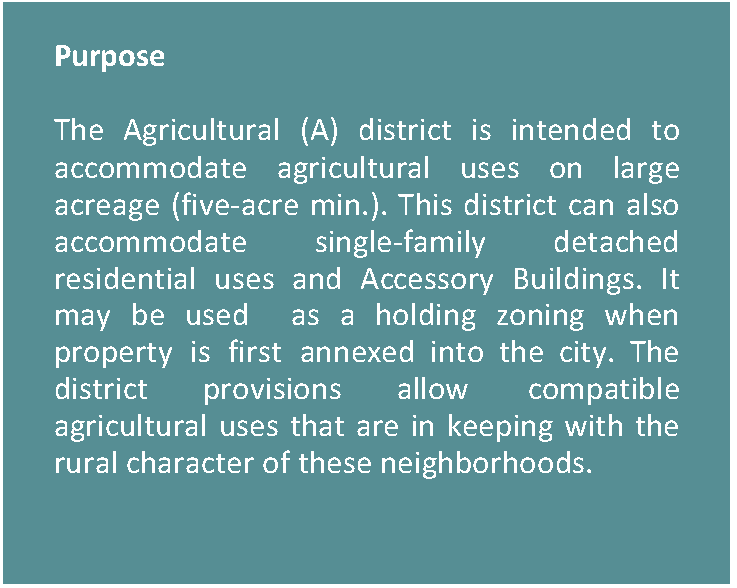
3.2.2. AGRICULTURAL (A)
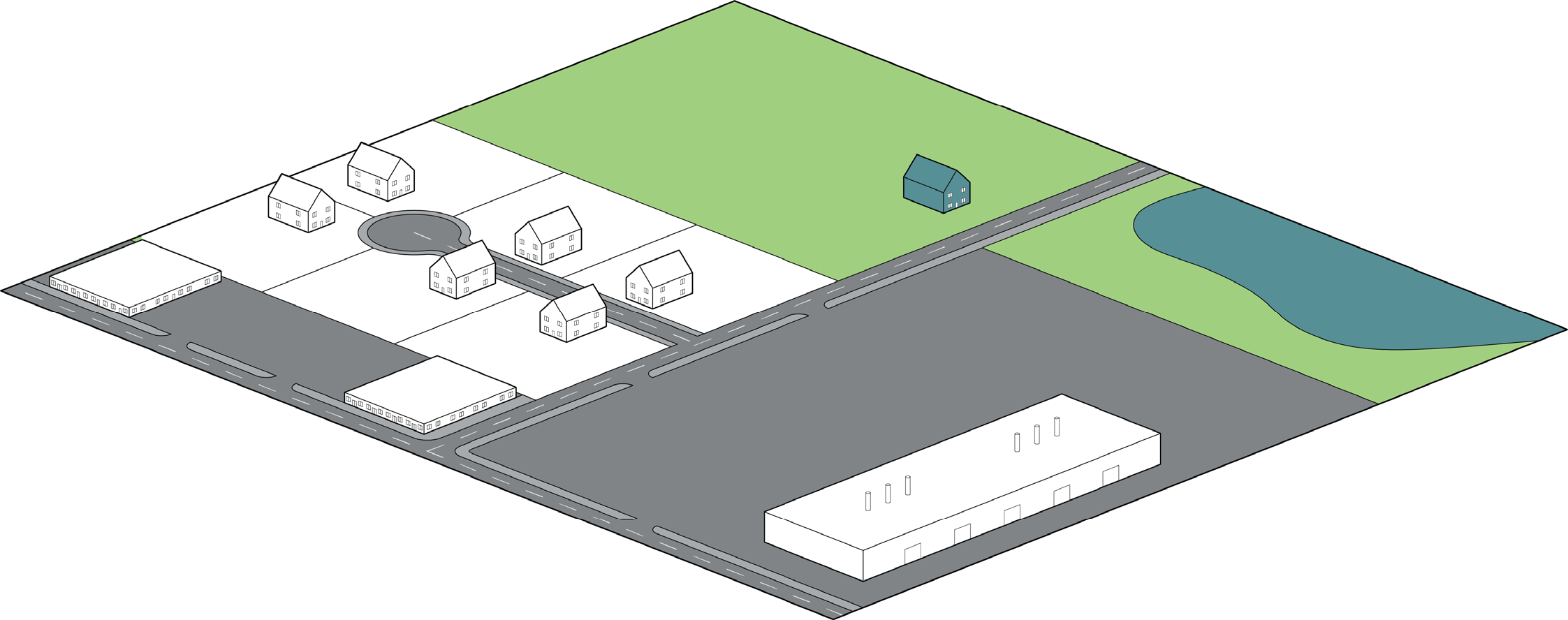
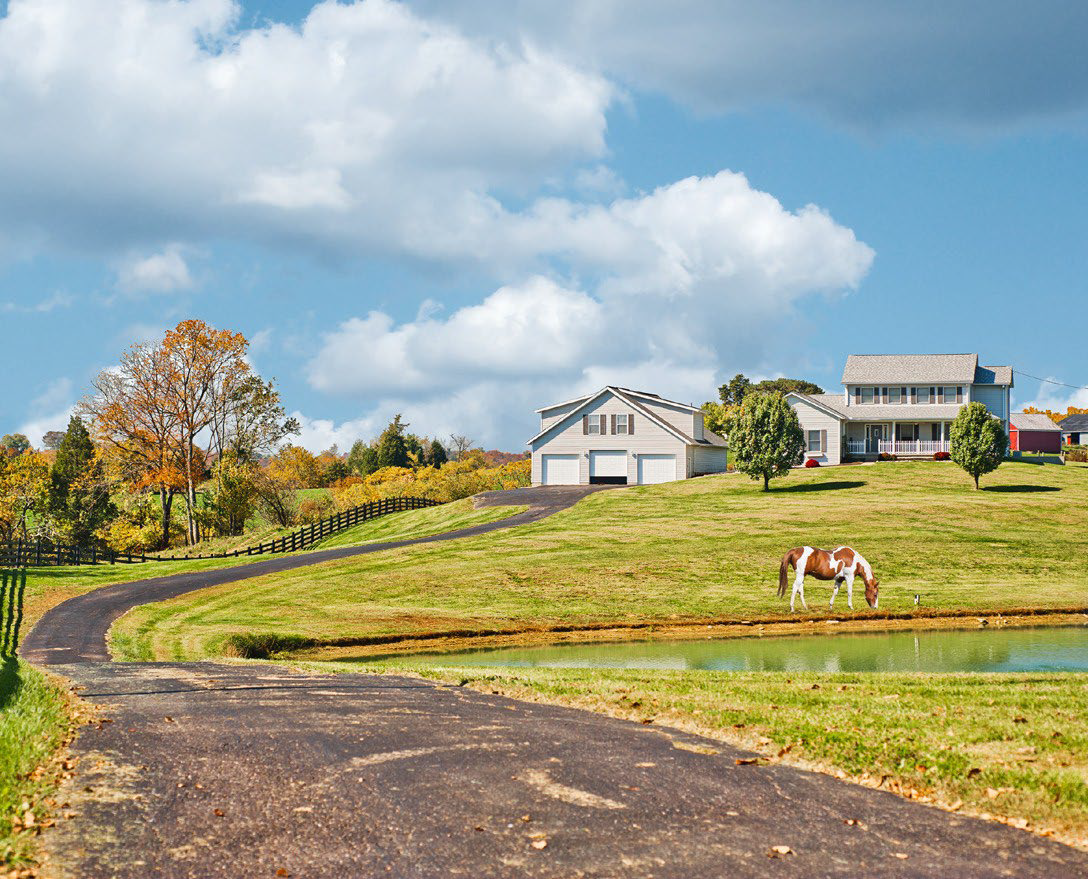
Figure 3.2-1. Agricultural Character Context
 |  |
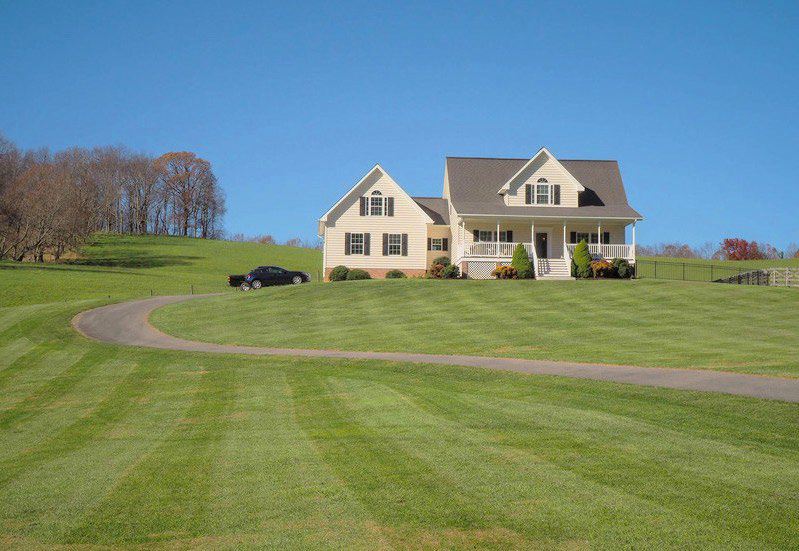 | 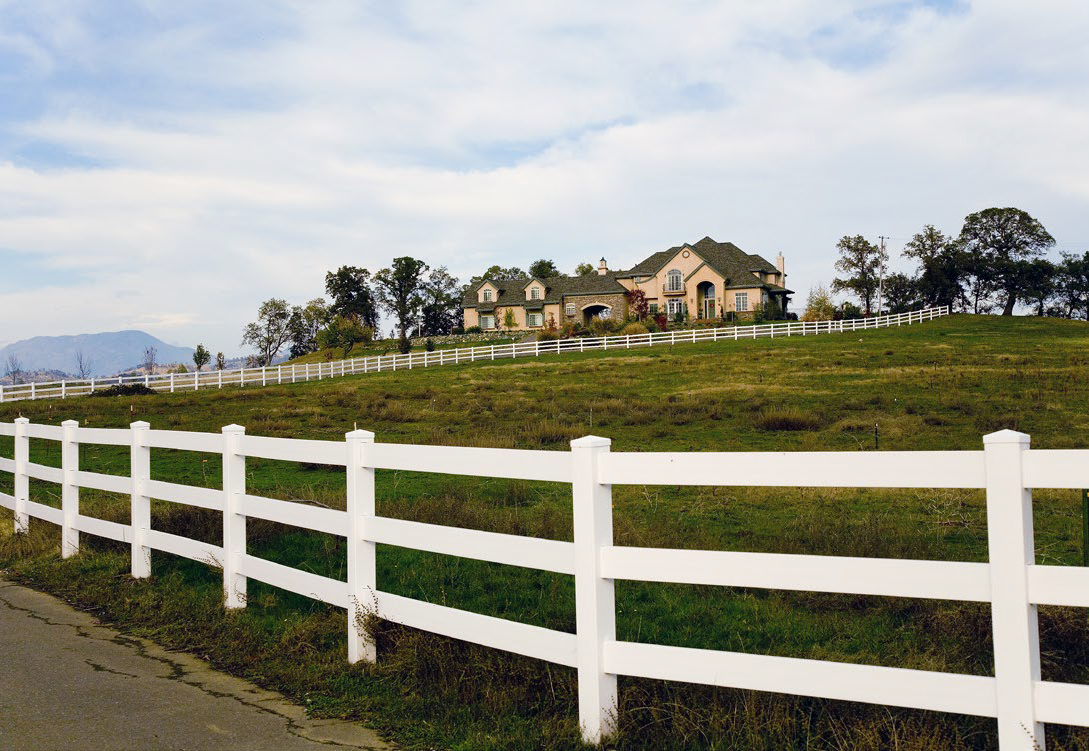 |
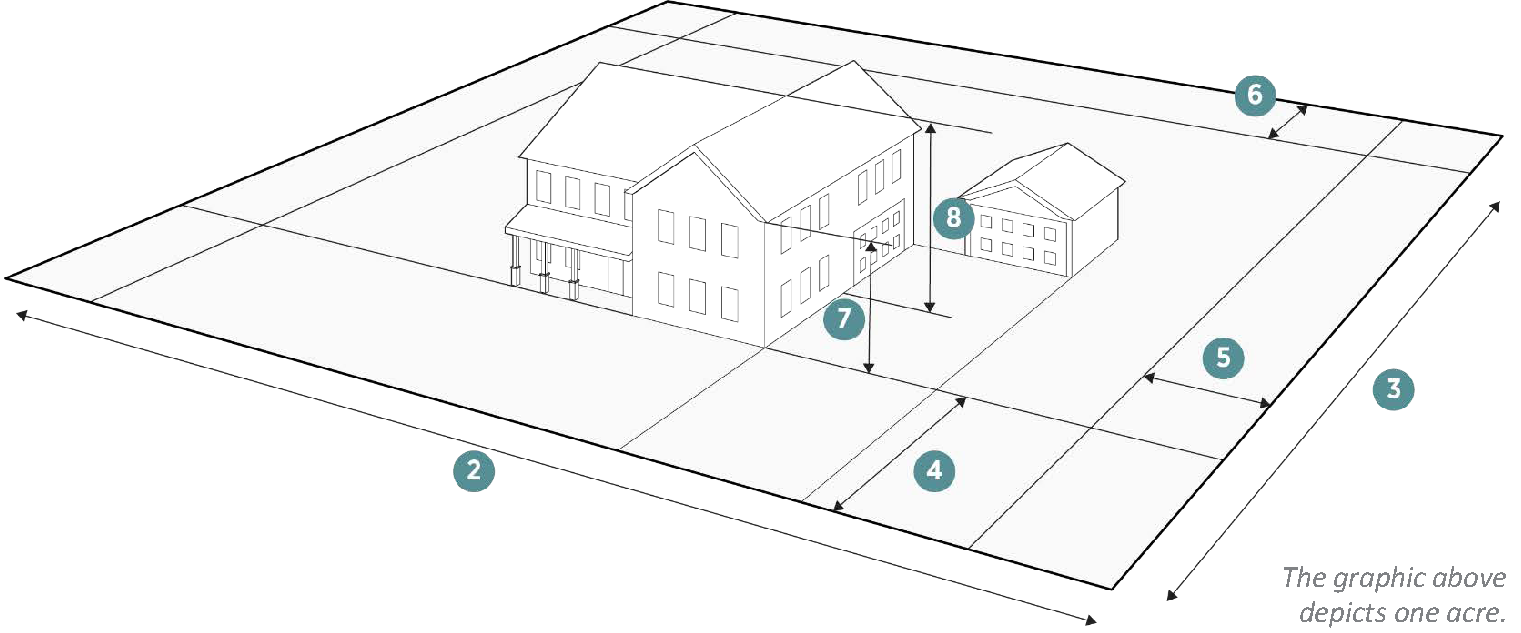
Figure 3.2-2. Agricultural Dimensional Standards
3.2.3. RESIDENTIAL ESTATE (RE)
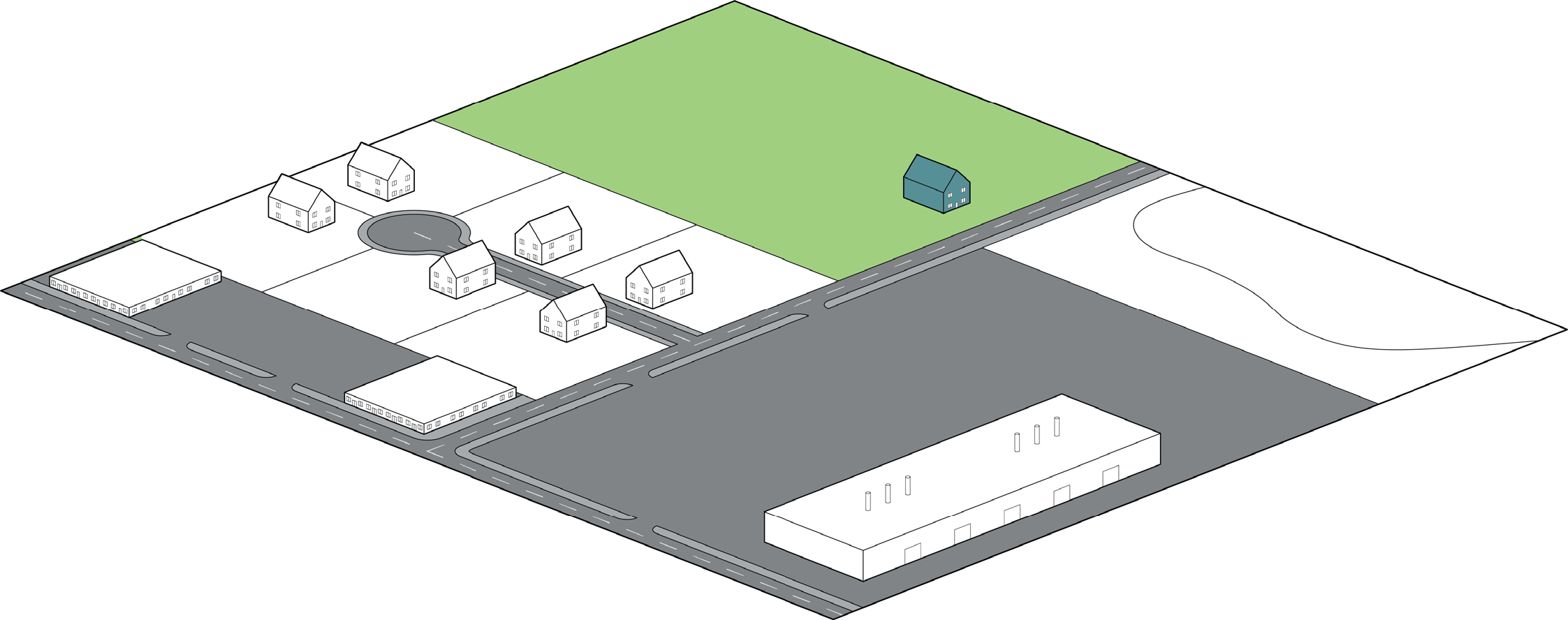
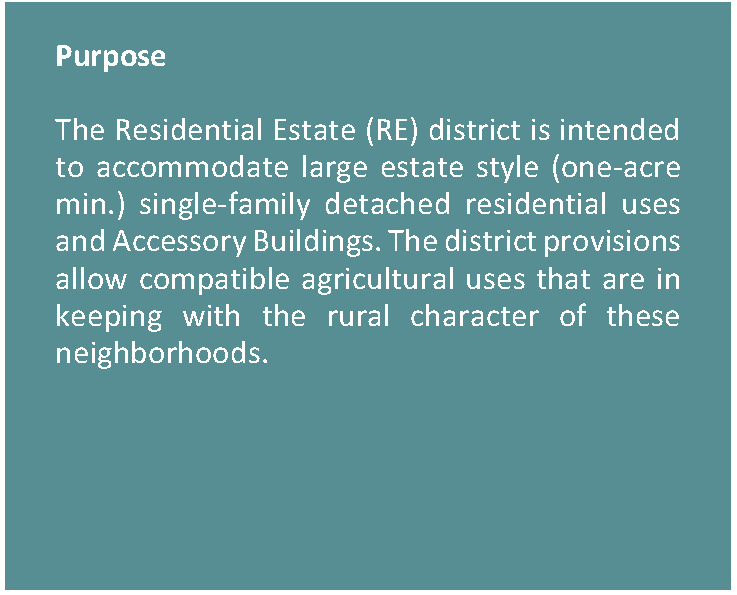
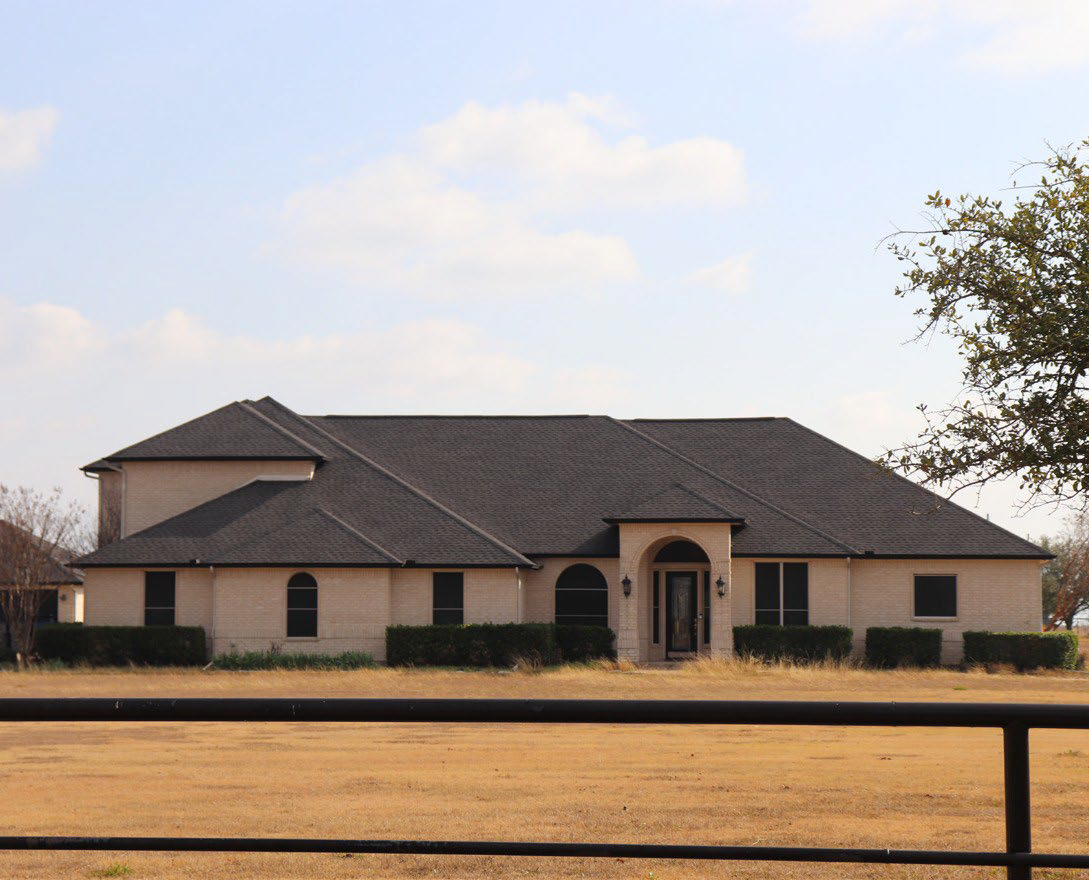
Figure 3.2-3. Residential Estate Character Context
 |  |
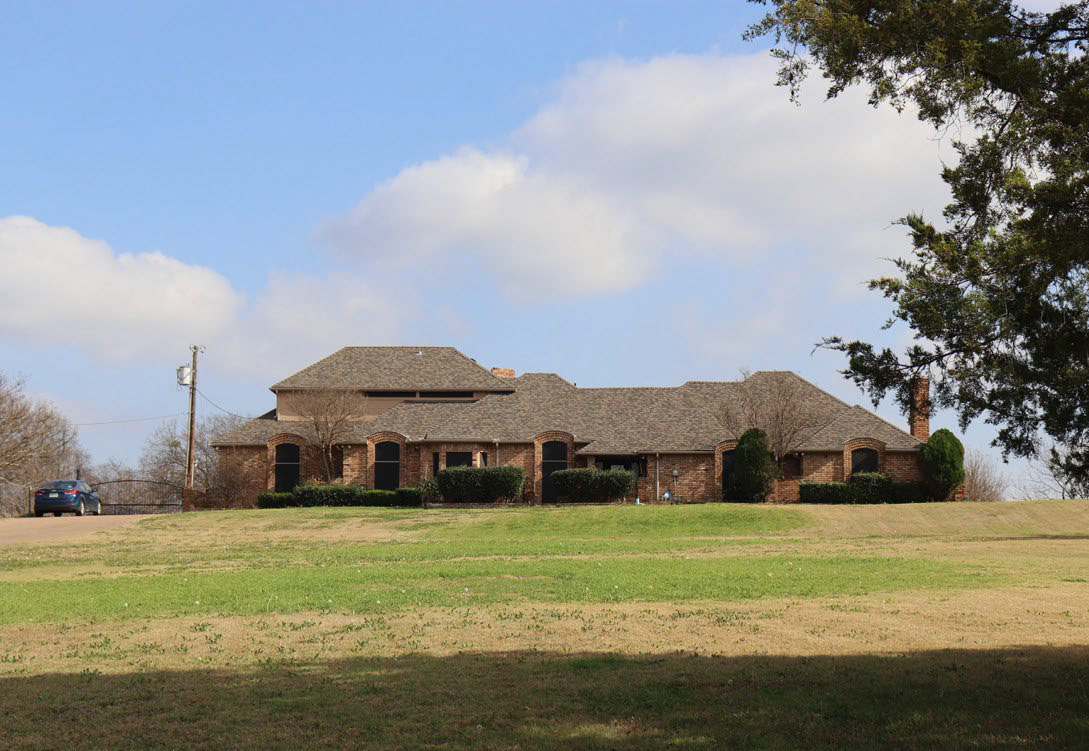 | 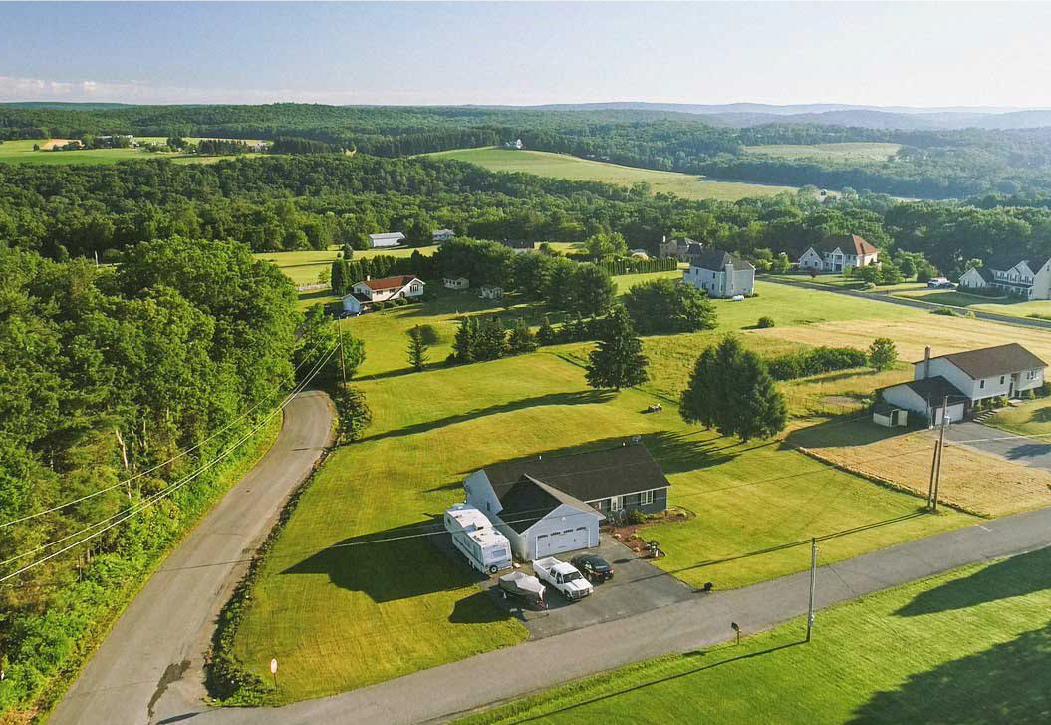 |
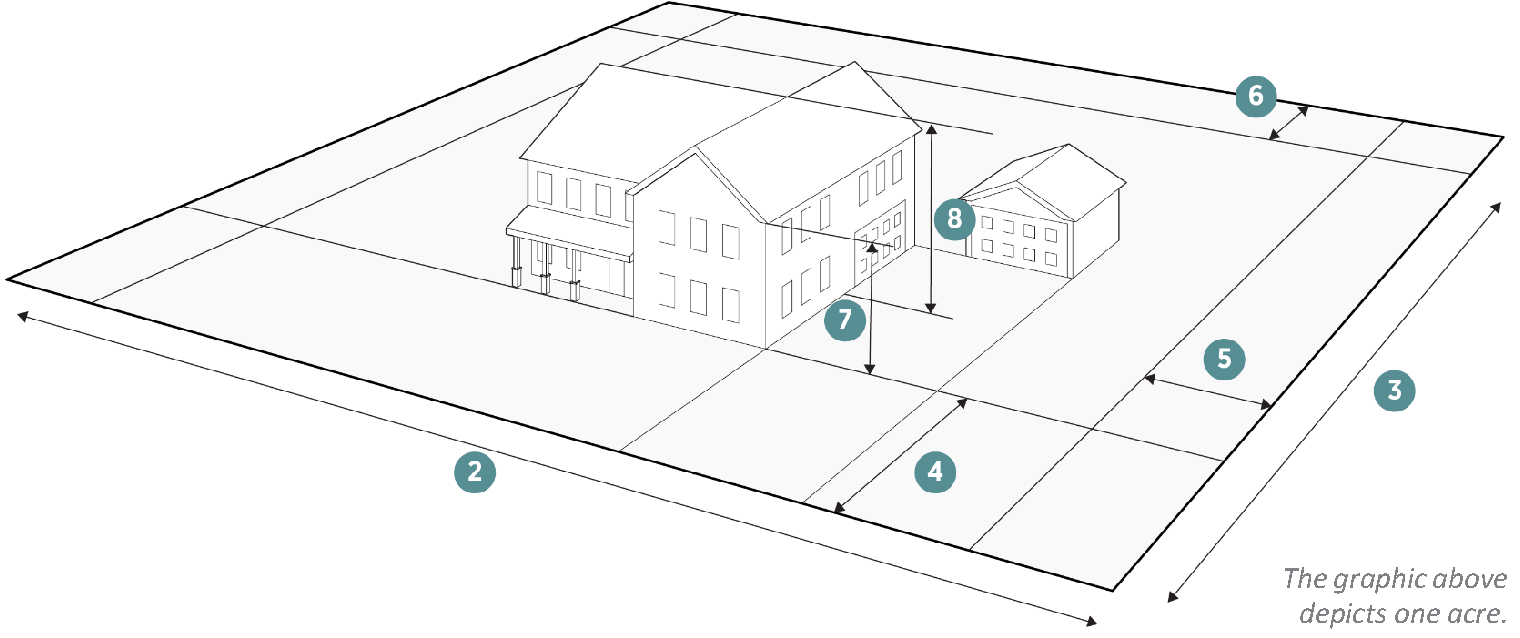
Figure 3.2-4. Residential Estate Dimensional Standards
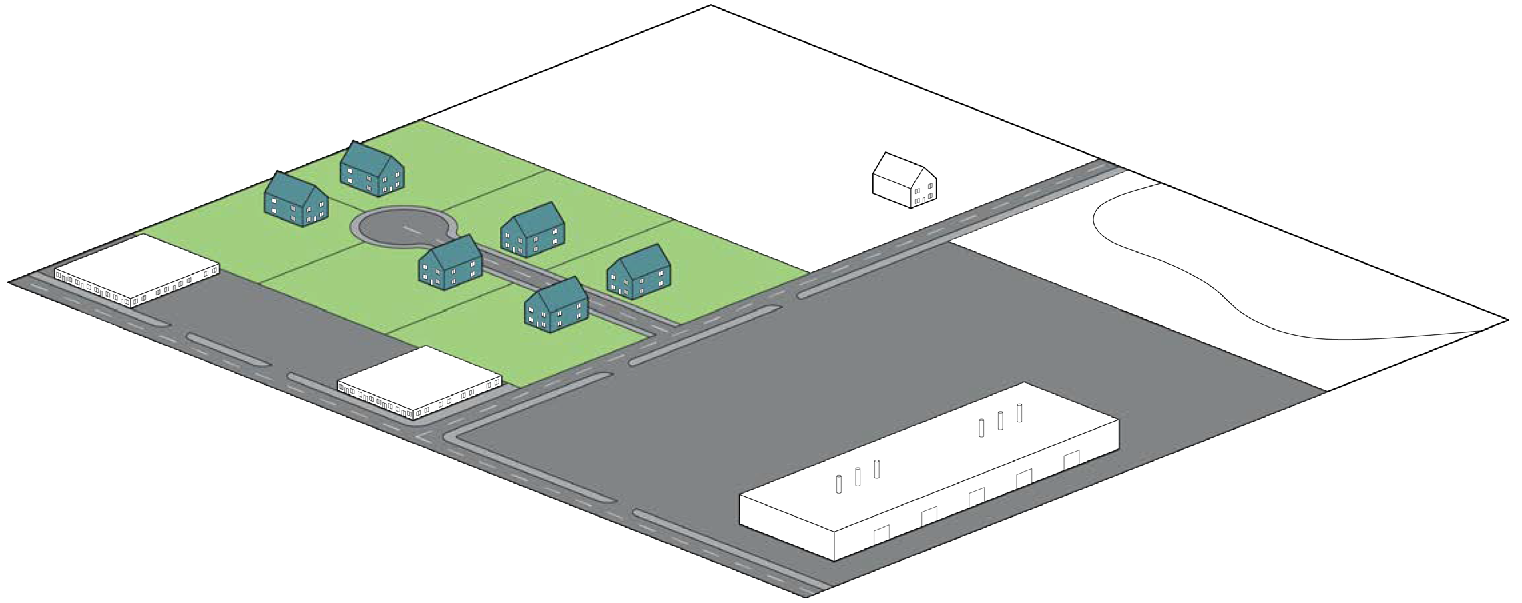
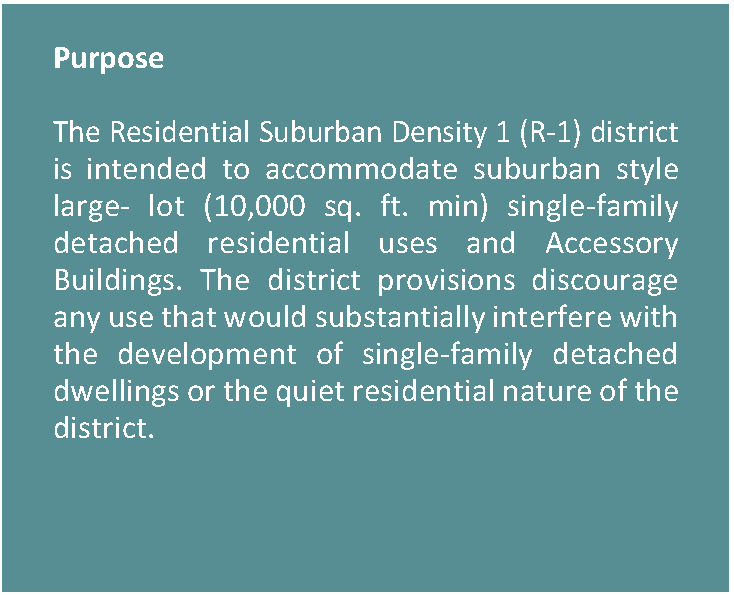
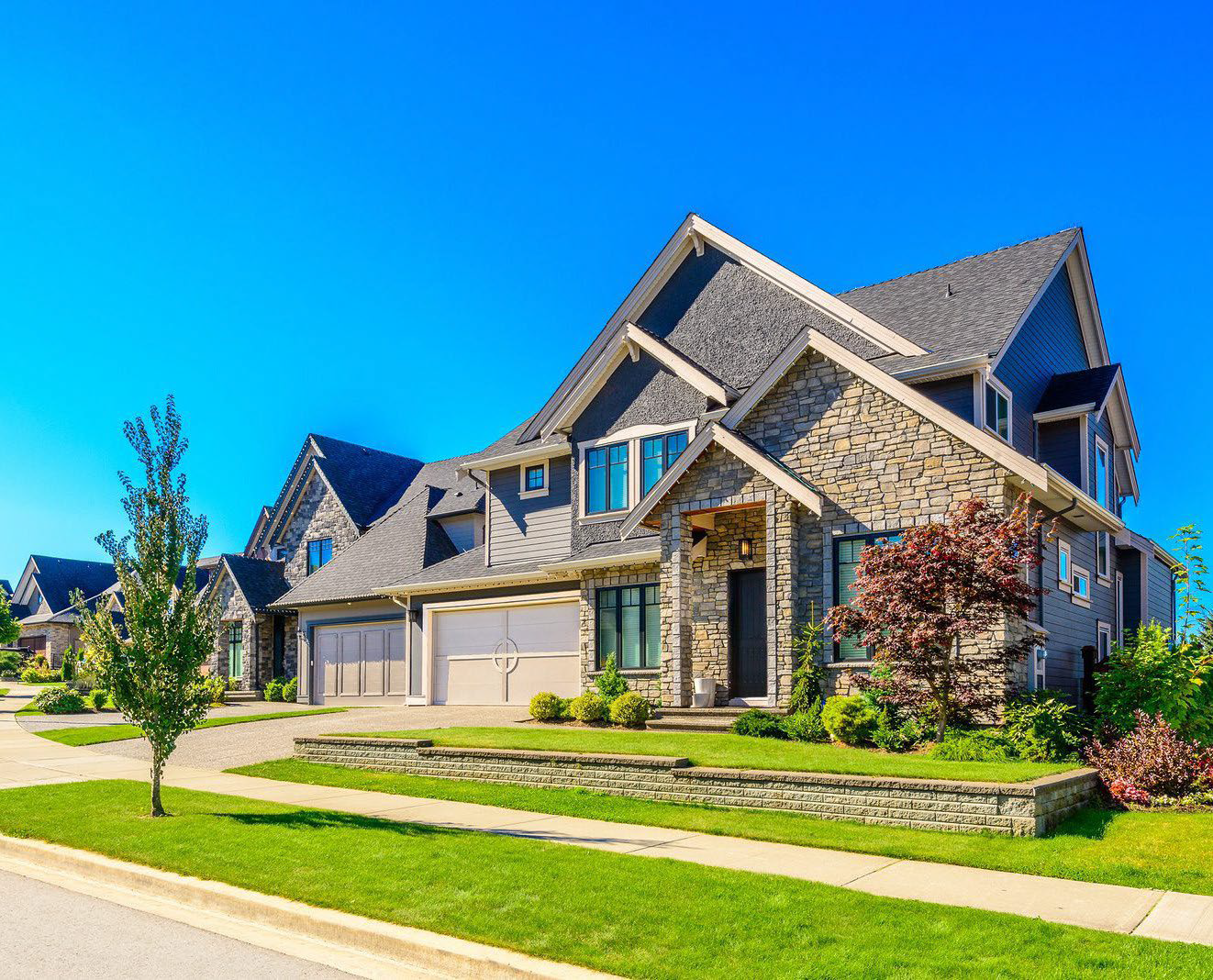
3.2.4. RESIDENTIAL SUBURBAN DENSITY 1 (R-1)
Figure 3.2-5. Residential Suburban Density 1 Character Context
 |  |
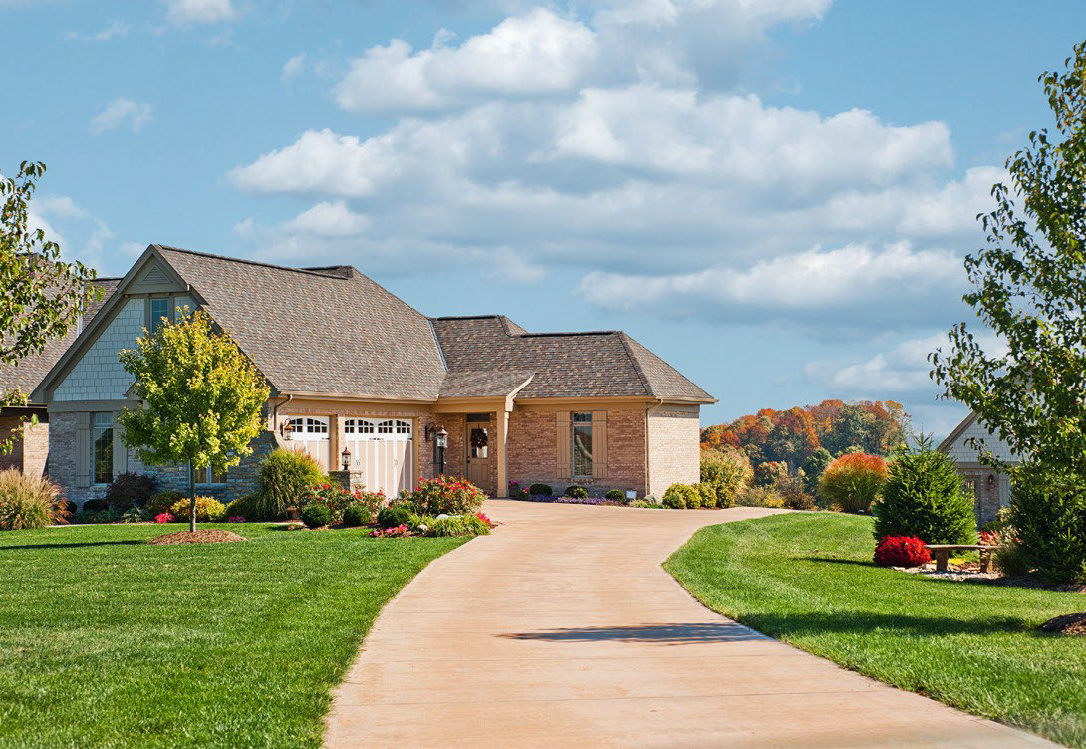 | 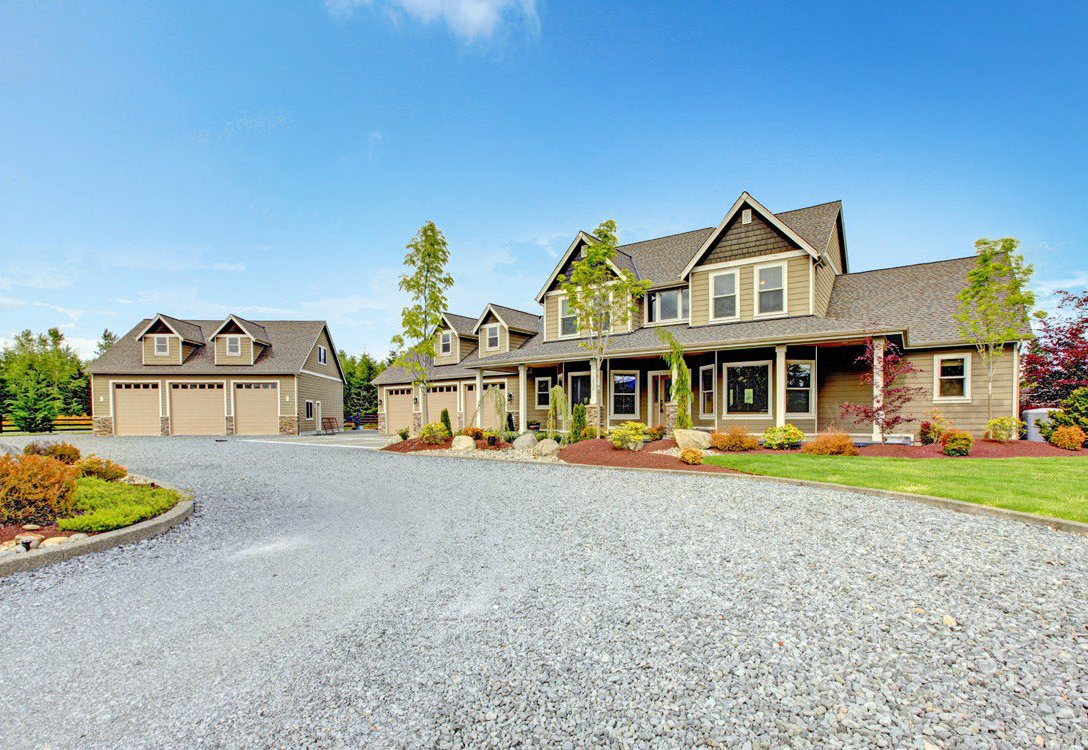 |
Figure 3.2-6. Residential Suburban Density 1 Dimensional Standards
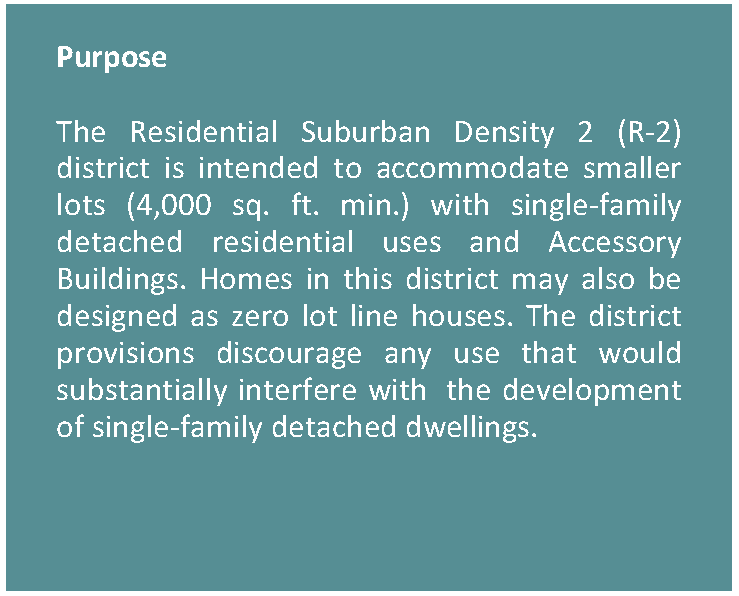
3.2.5. RESIDENTIAL SUBURBAN DENSITY 2 (R-2)
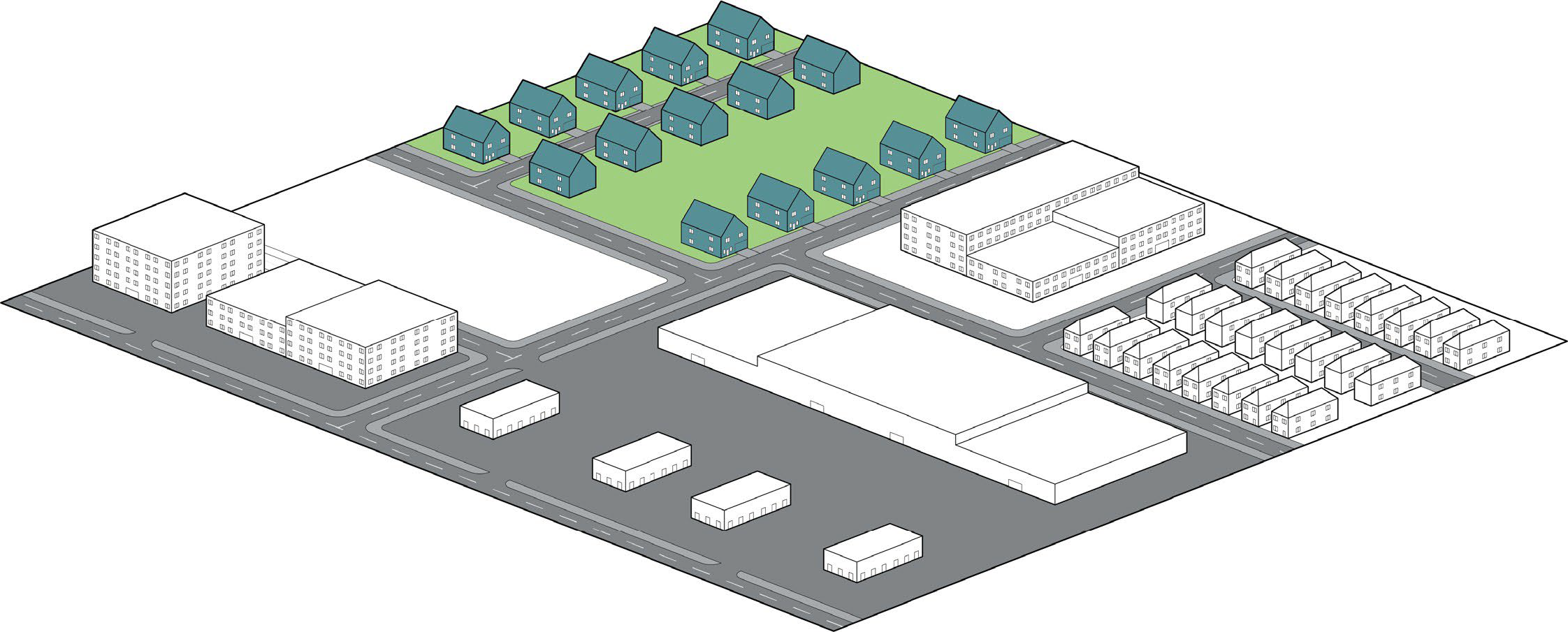
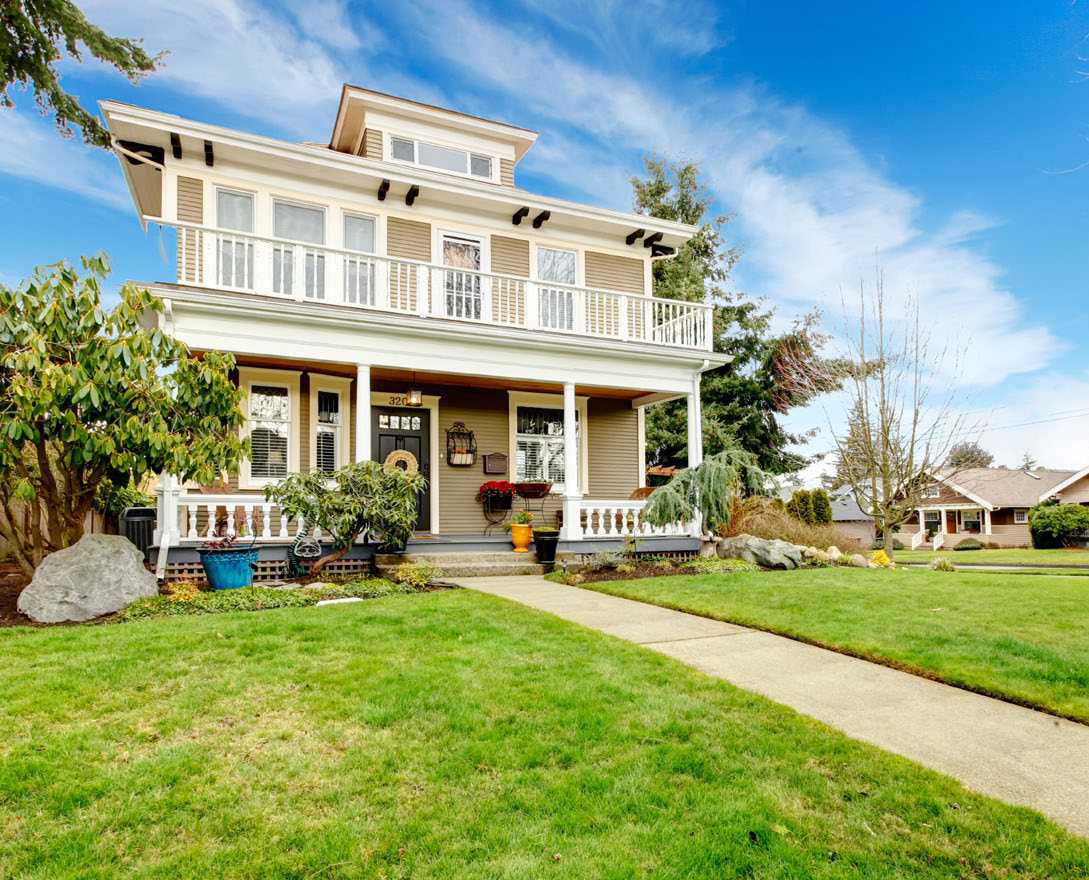
Figure 3.2-7. Residential Suburban Density 2 Character Context
 |  |
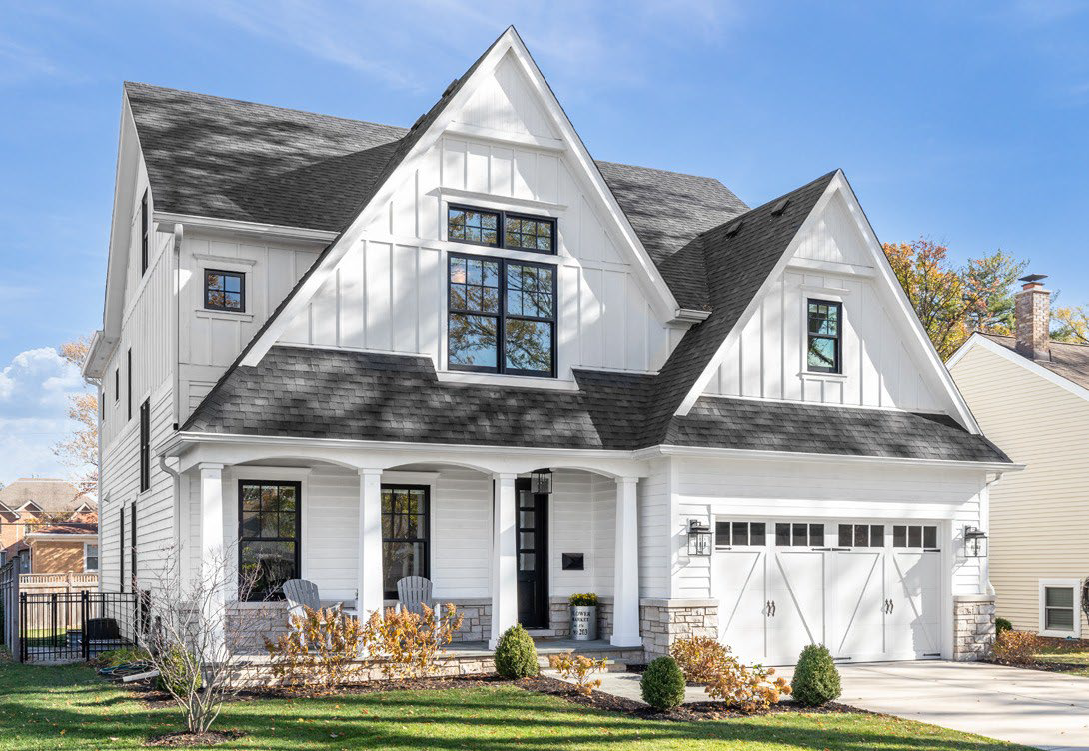 | 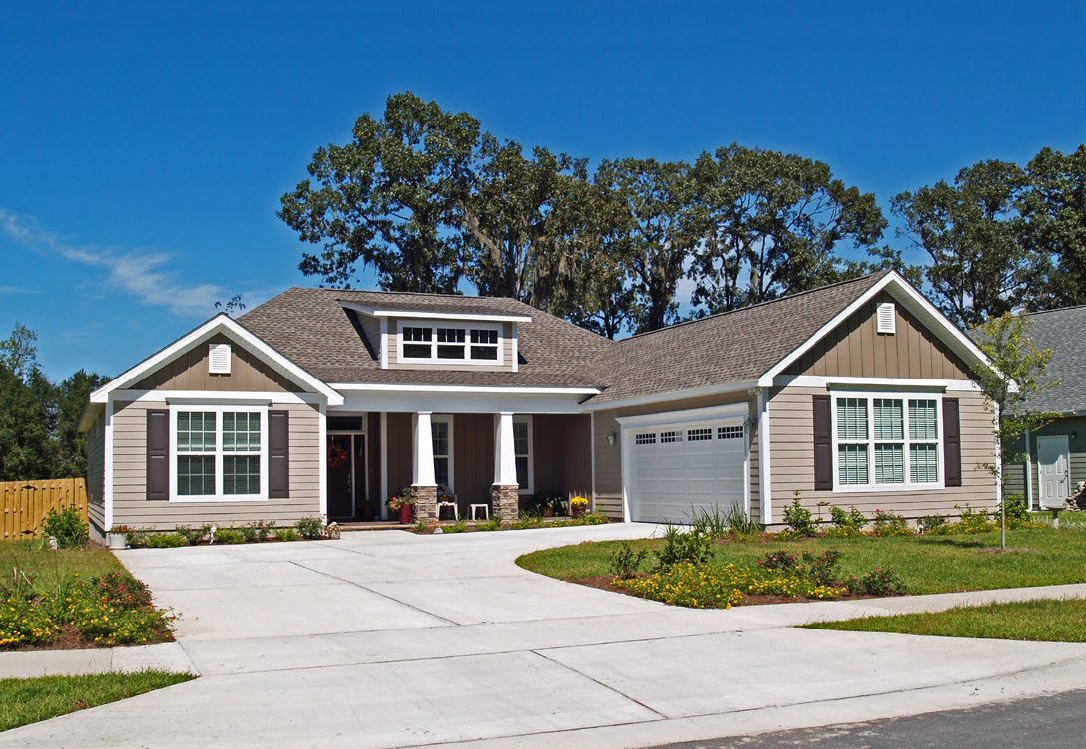 |
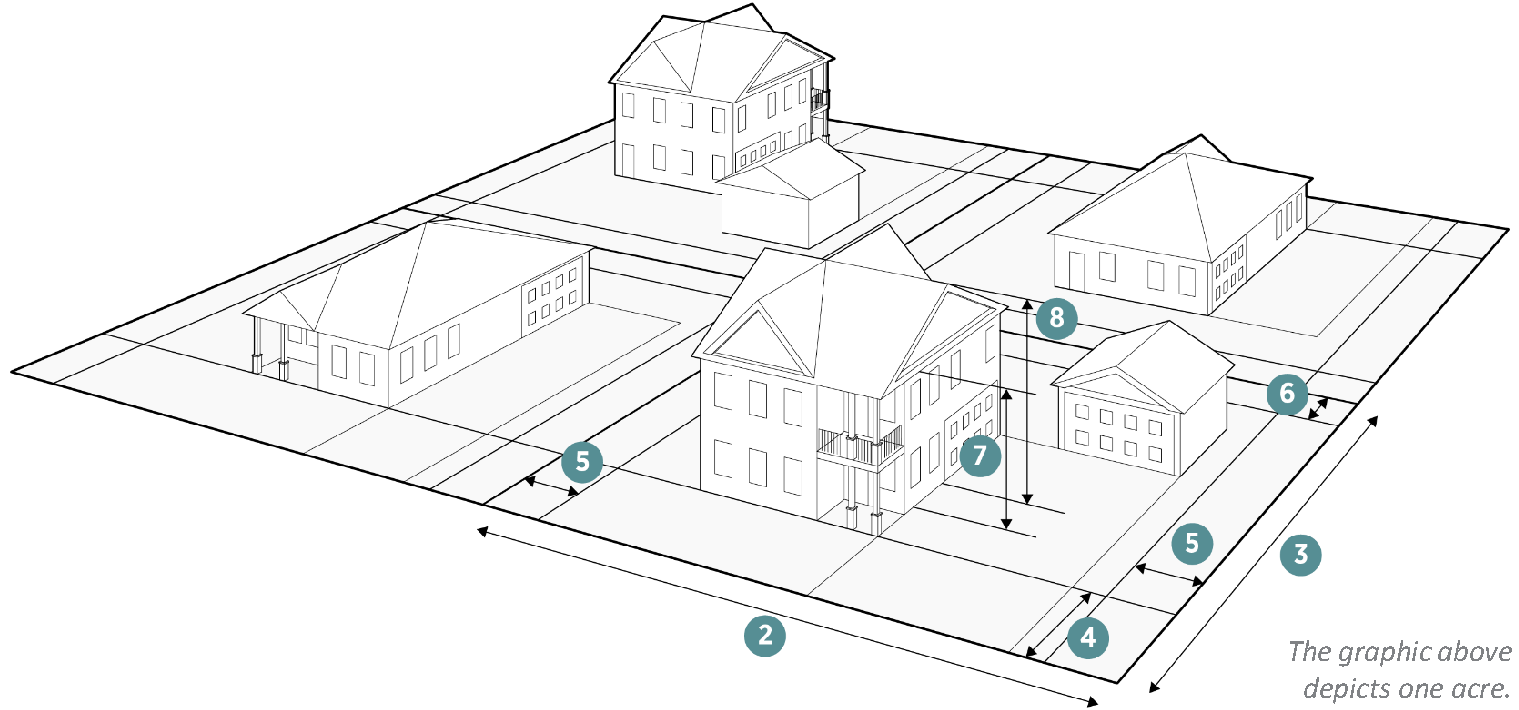
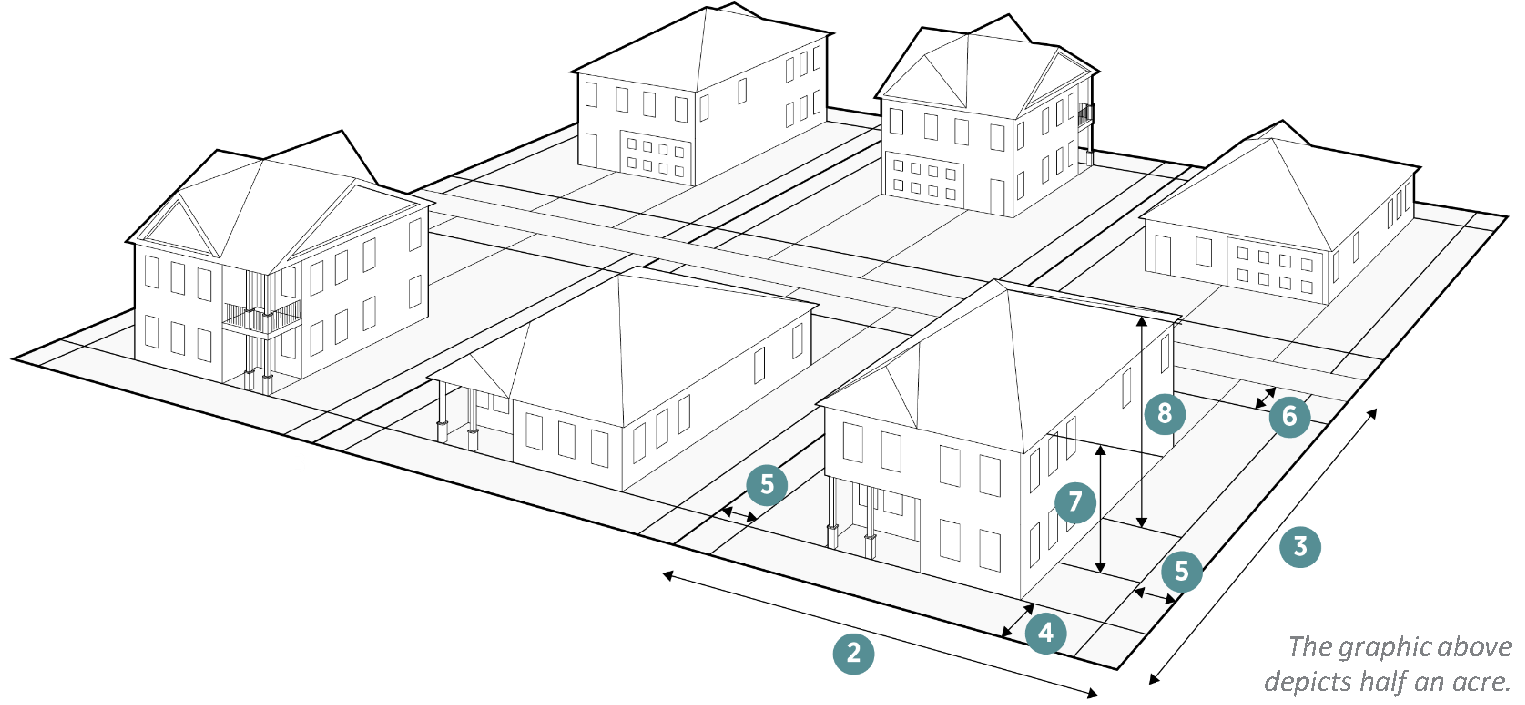
Figure 3.2-8. Residential Suburban Density 2 Dimensional Standards
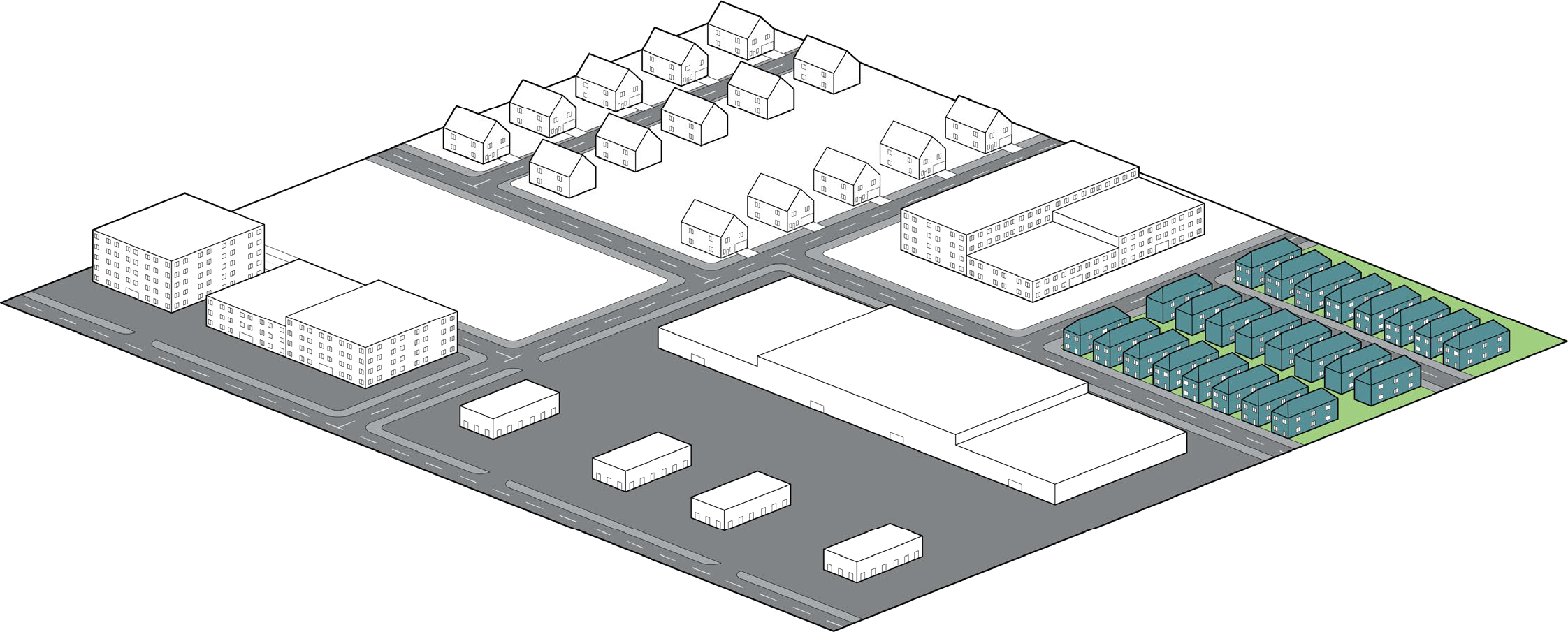
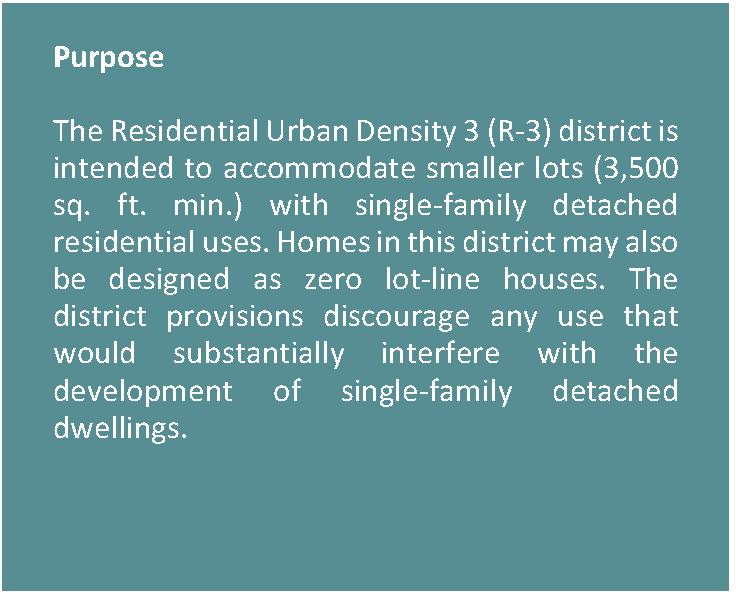
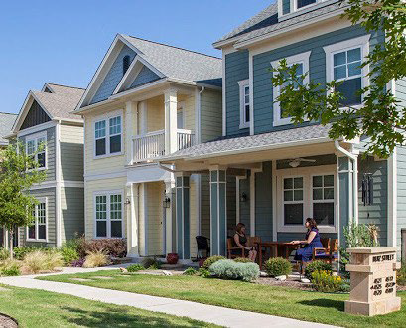
3.2.6. RESIDENTIAL URBAN DENSITY 3 (R-3)
Figure 3.2-9. Residential Urban Density 3 Character Context
 |  |
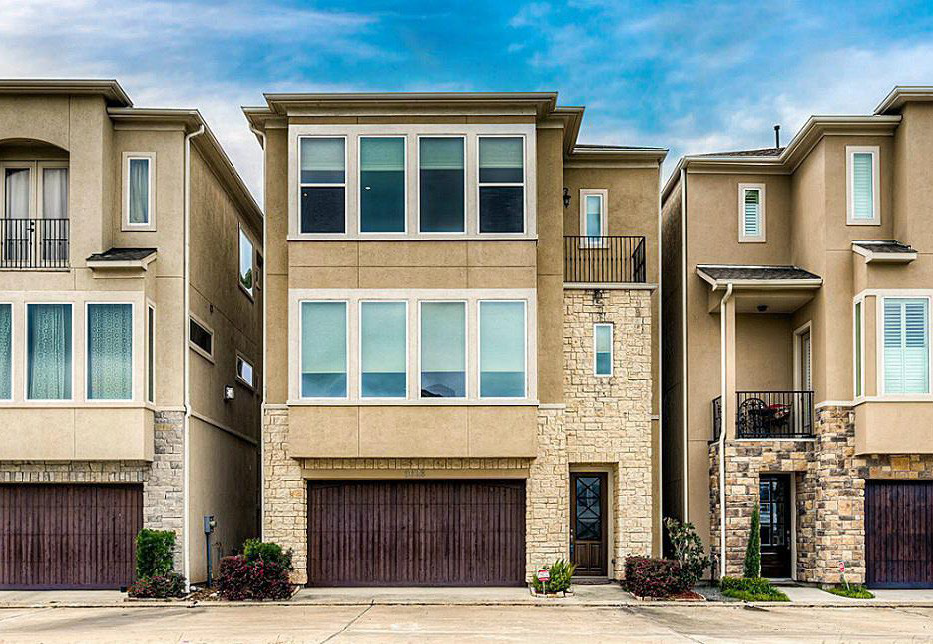 | 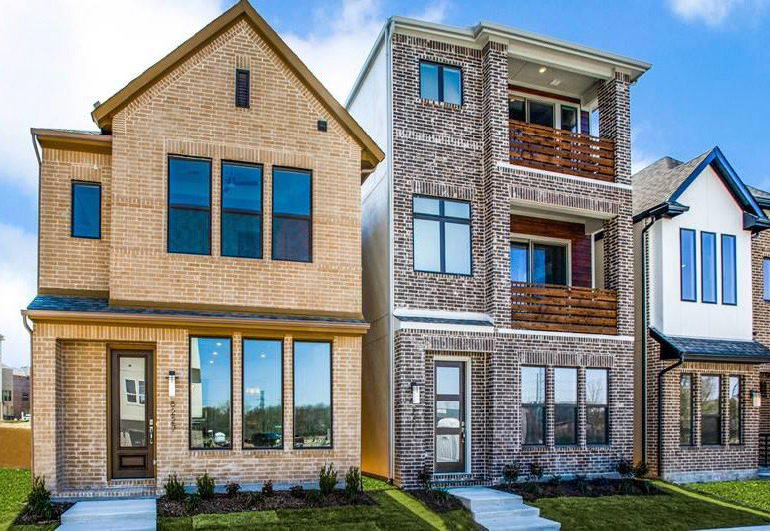 |
Figure 3.2-10. Residential Urban Density 3 Dimensional Standards
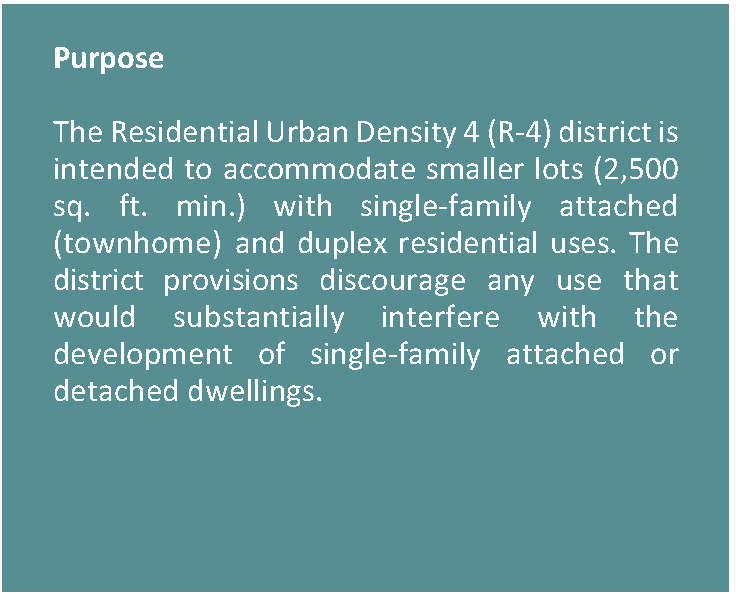
3.2.7. RESIDENTIAL URBAN DENSITY 4 (R-4)
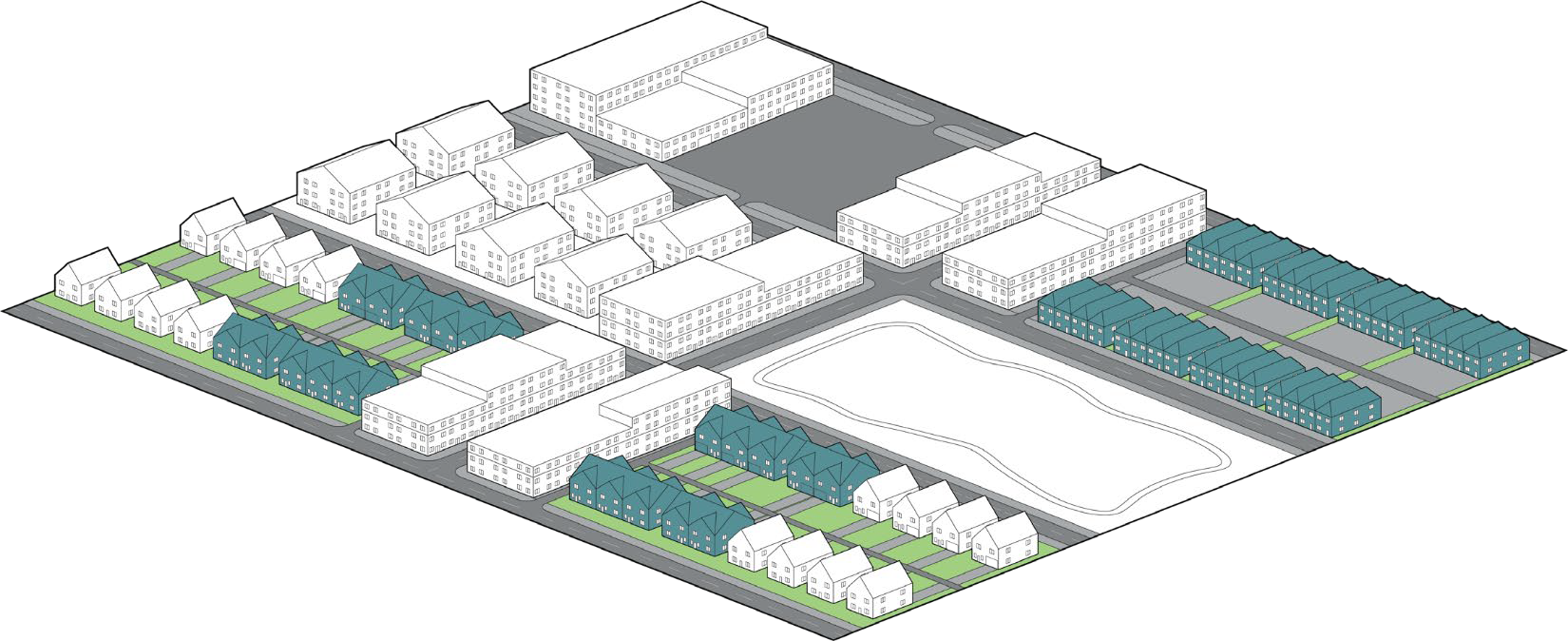
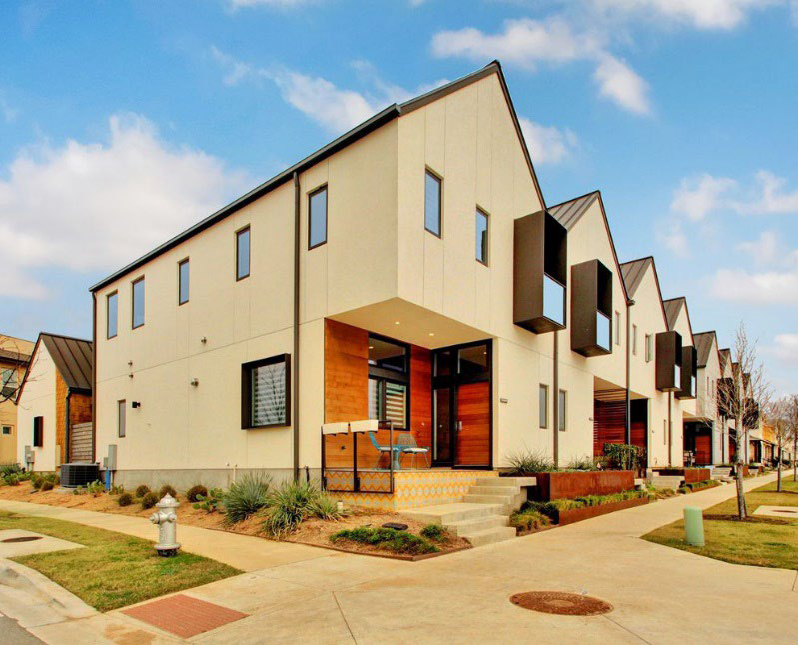
Figure 3.2-11. Residential Urban Density 4 Character Context
 |  |
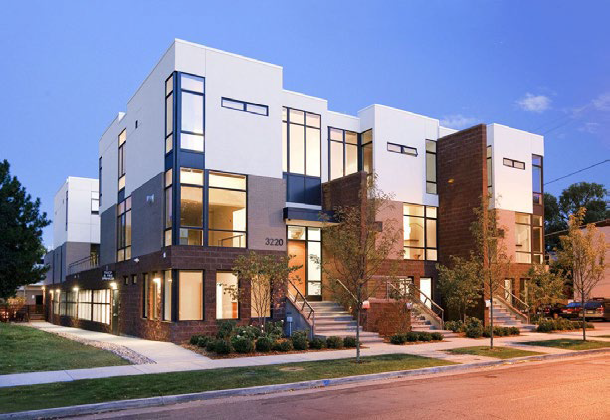 | 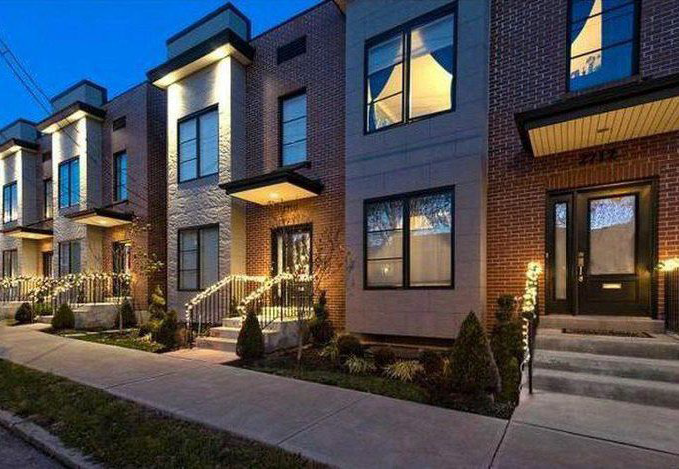 |
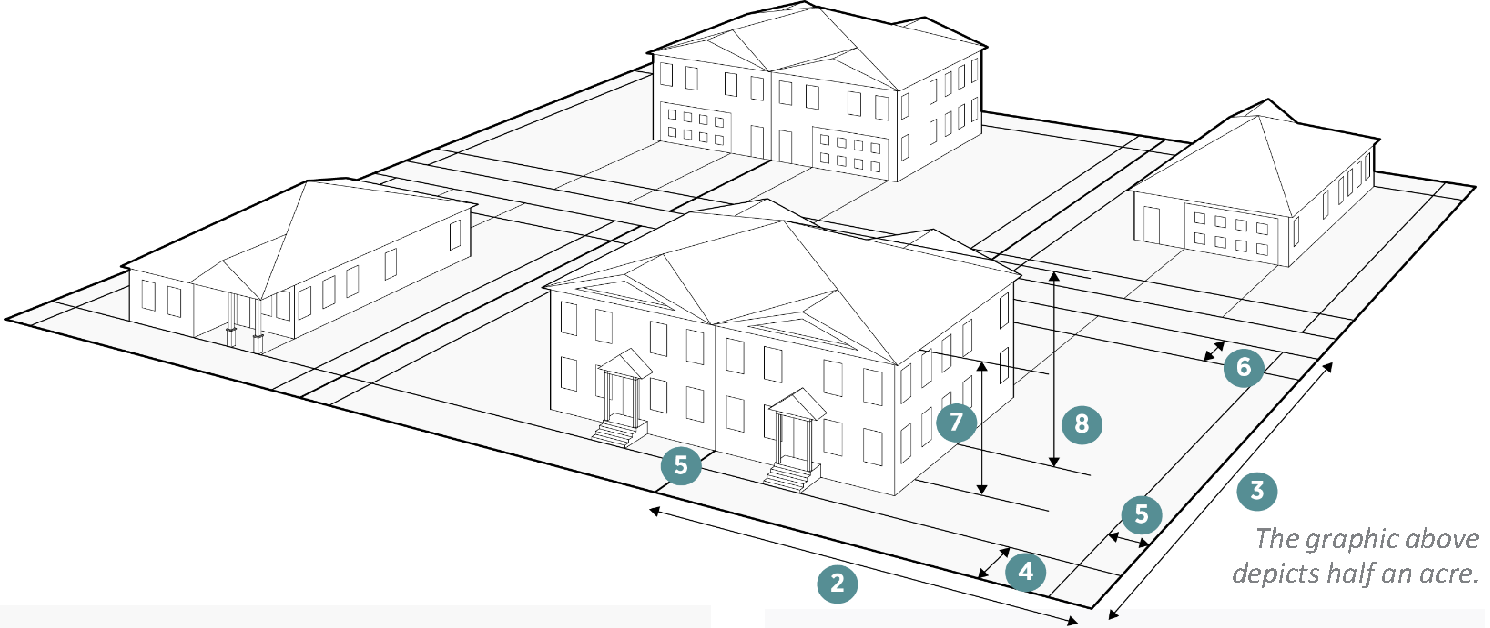
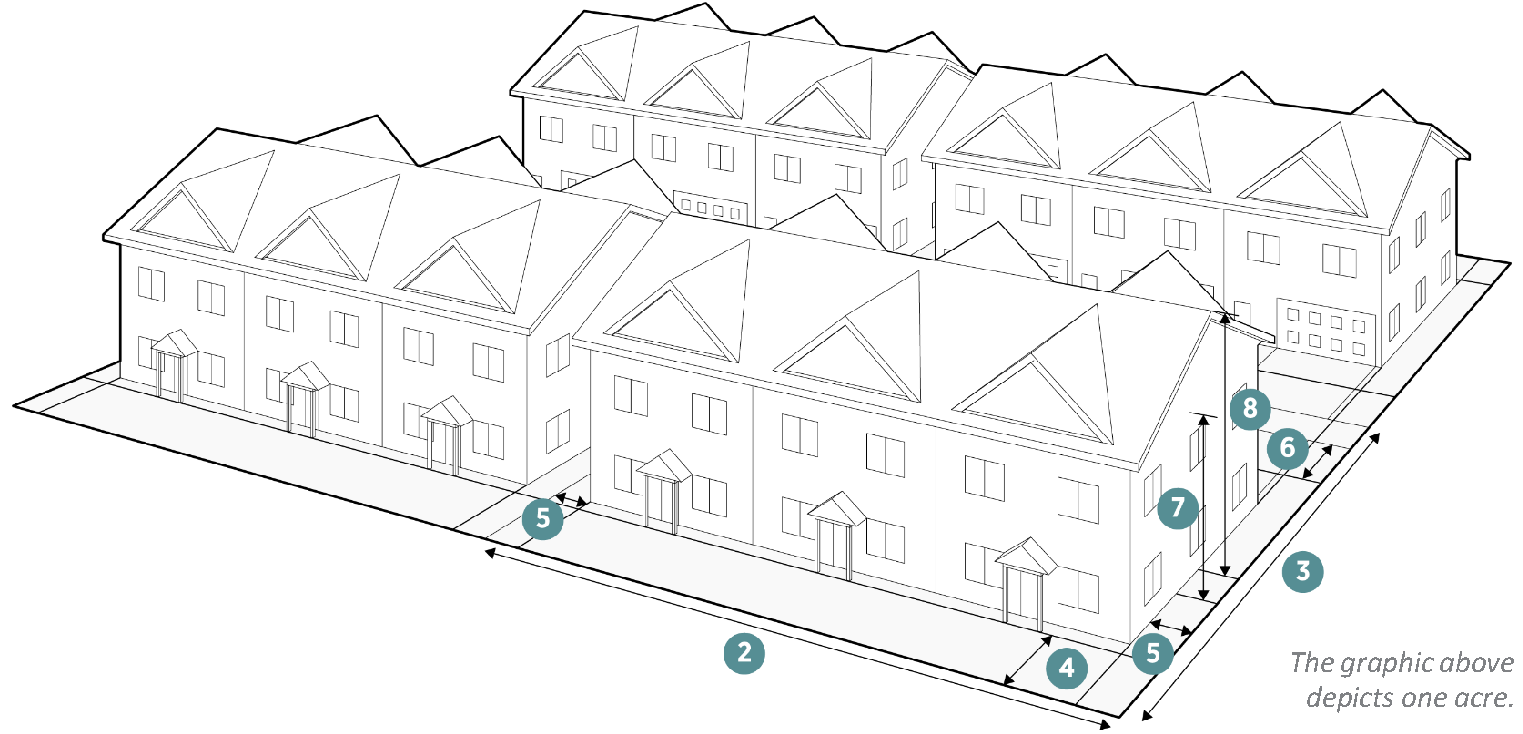
Figure 3.2-12. Residential Urban Density 4 Dimensional Standards
3.2.8. MANUFACTURED HOME (MH)
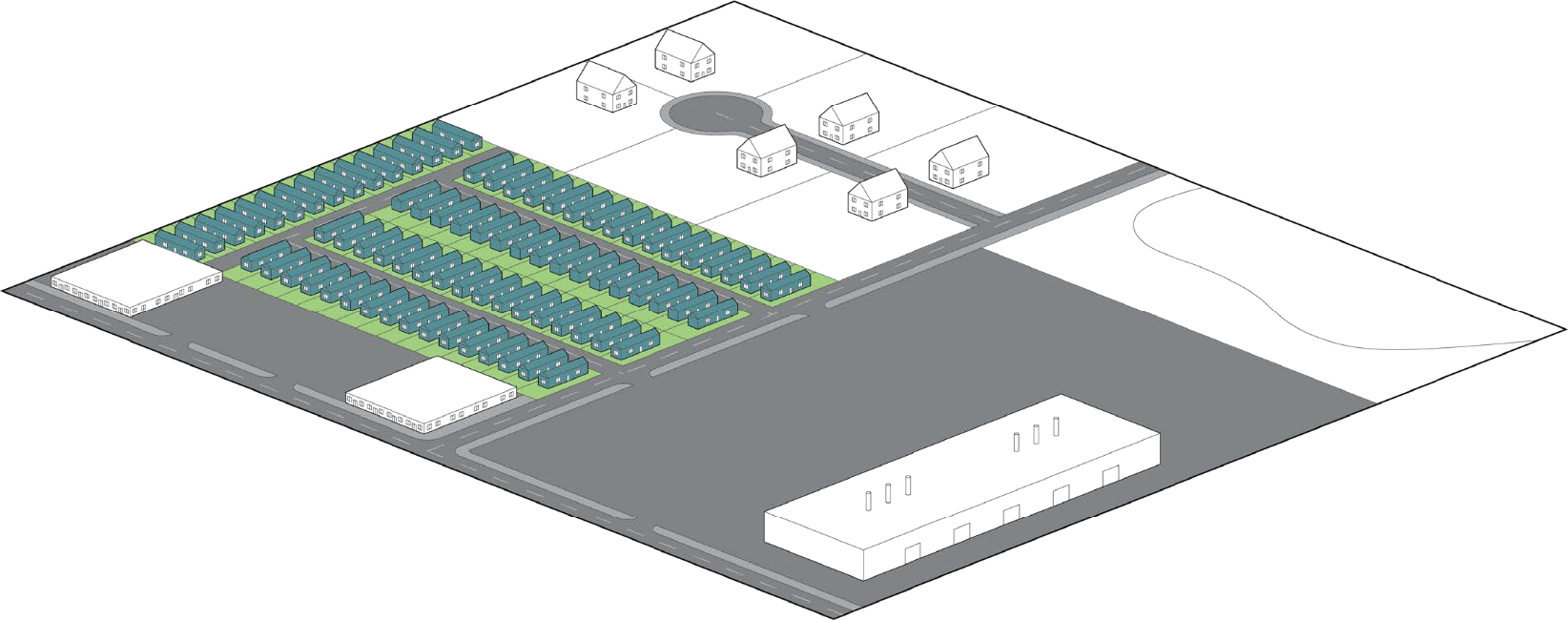
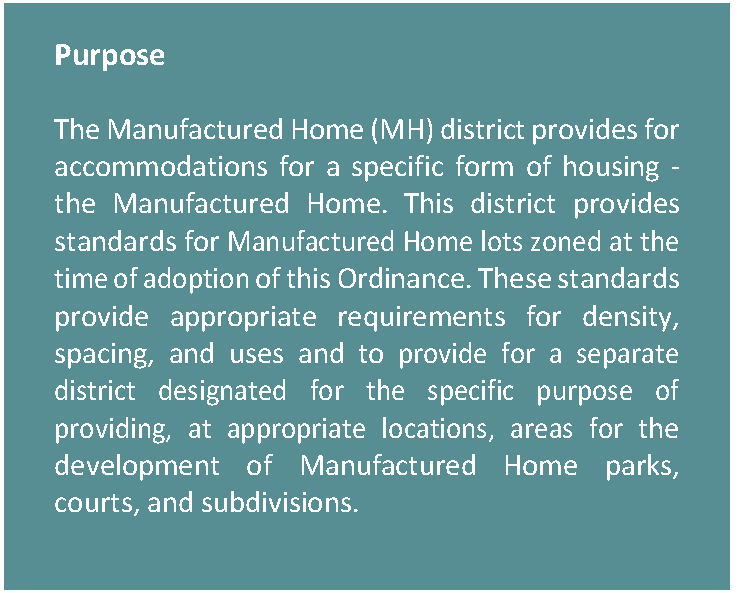
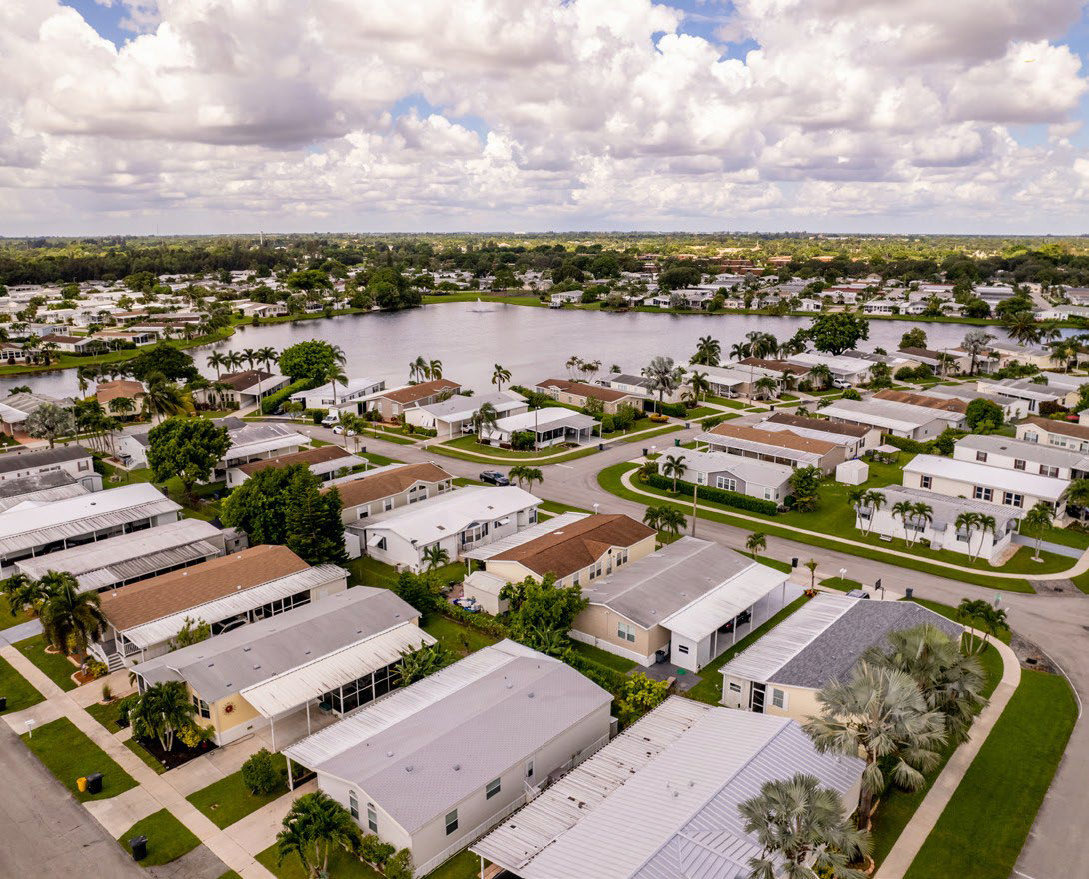
Figure 3.2-13. Manufactured Home Character Context
 |  |
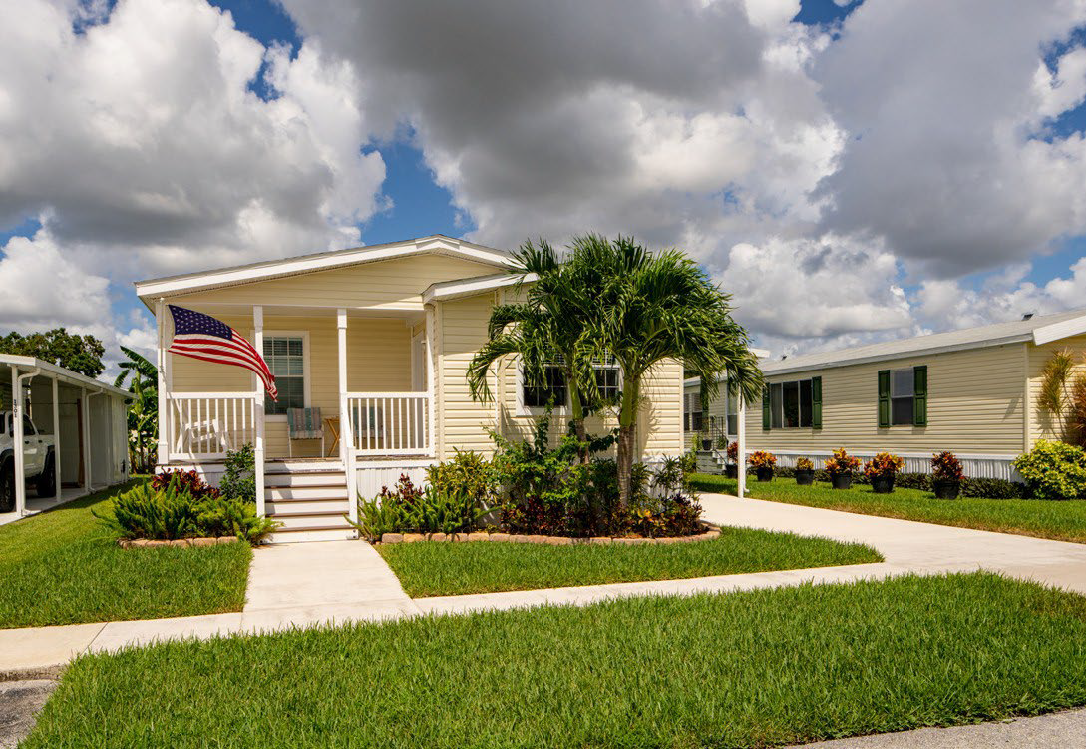 | 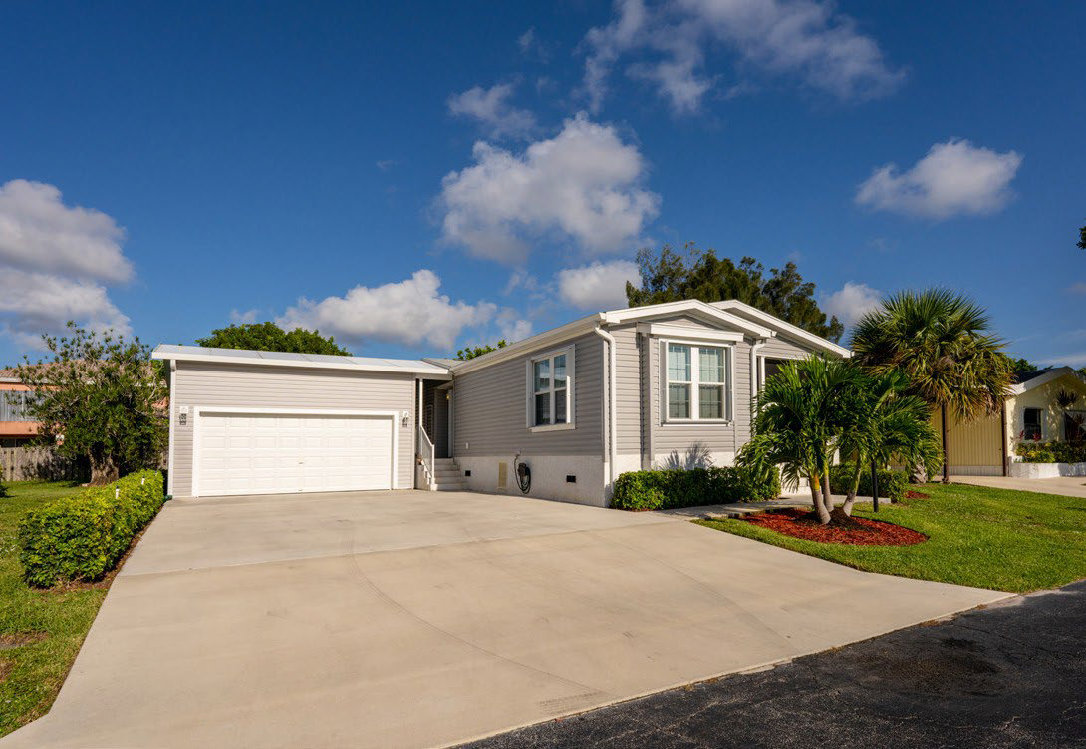 |
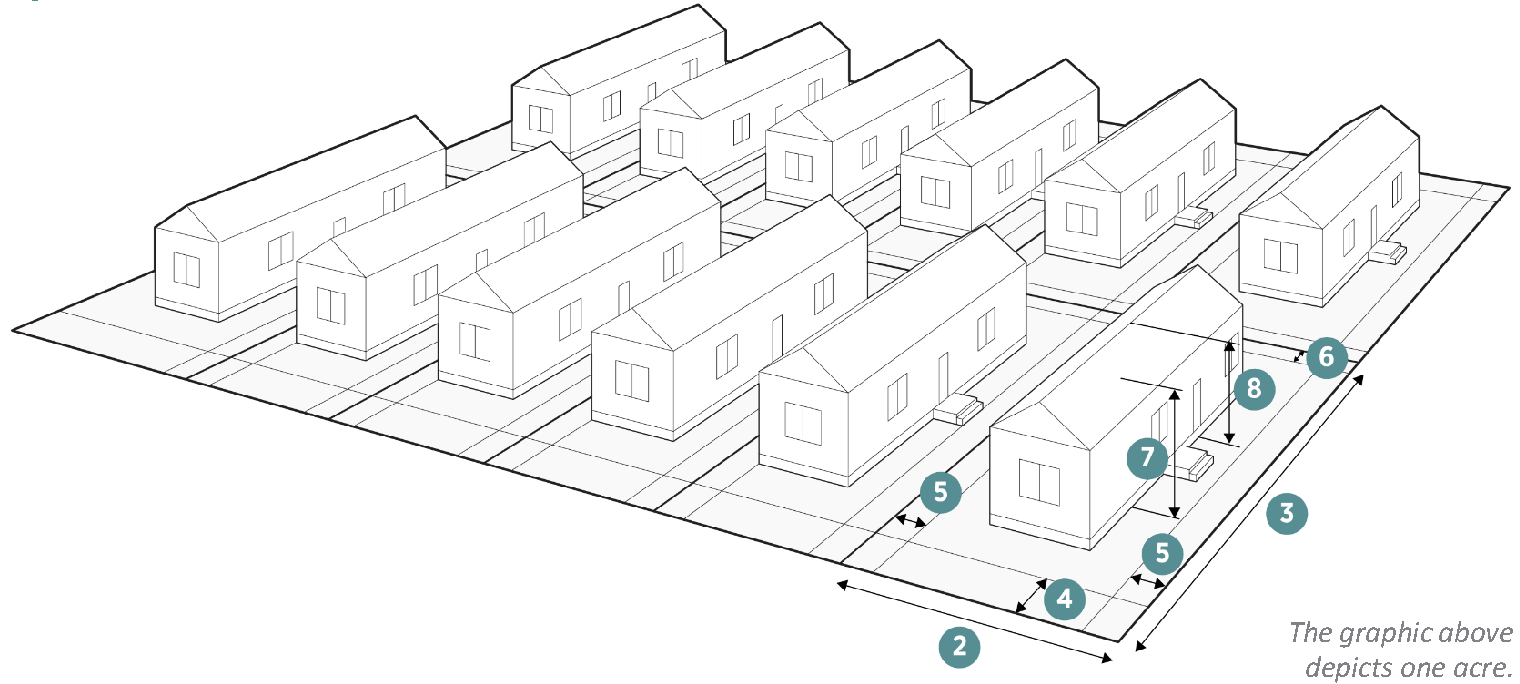
Figure 3.2-14. Manufactured Home Dimensional Standards
(Ord. No. O-2023-003, § 3(Exh. A), 1-3-2023; Ord. No. O-2024-030, § 2, 7-1-2024)
Sec. 36-3.3 - Commercial Zoning Districts
3.3.1. General Purposes of Commercial Zoning Districts
The commercial zoning districts are intended to:
(1)
Accommodate a range of non-residential uses including office, retail, commercial, service, and industrial uses needed by Fate;
(2)
Encourage site planning, land use planning, and architectural design that create attractive environments;
(3)
Encourage development patterns that maintain and enhance the City's economic base and provide a range of shopping, entertainment and employment opportunities for the residents and visitors of Fate;
(4)
Minimize potential negative impacts of non-residential development on adjacent residential neighborhoods; and
(5)
Help ensure that the appearance and operational impacts of non-residential developments do not adversely affect the character of the areas in which they are located.
3.3.2. NEIGHBORHOOD COMMERCIAL (NC)
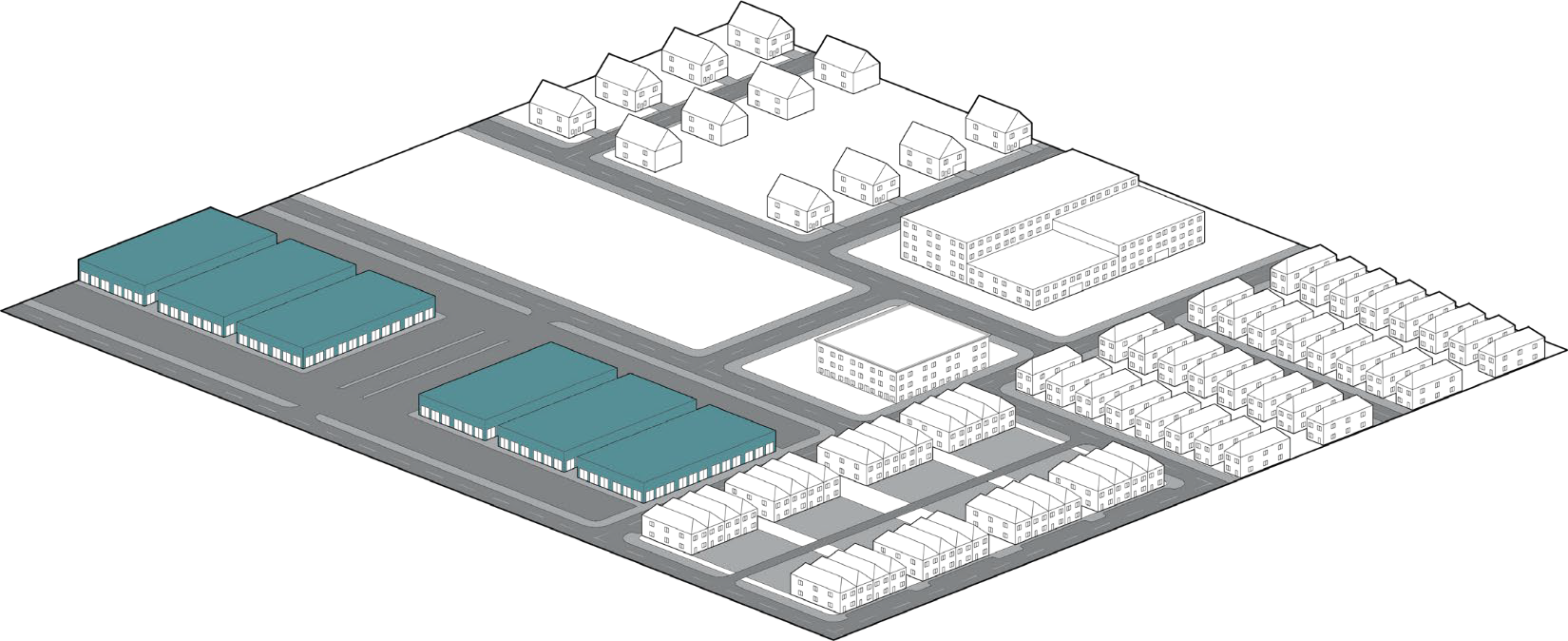
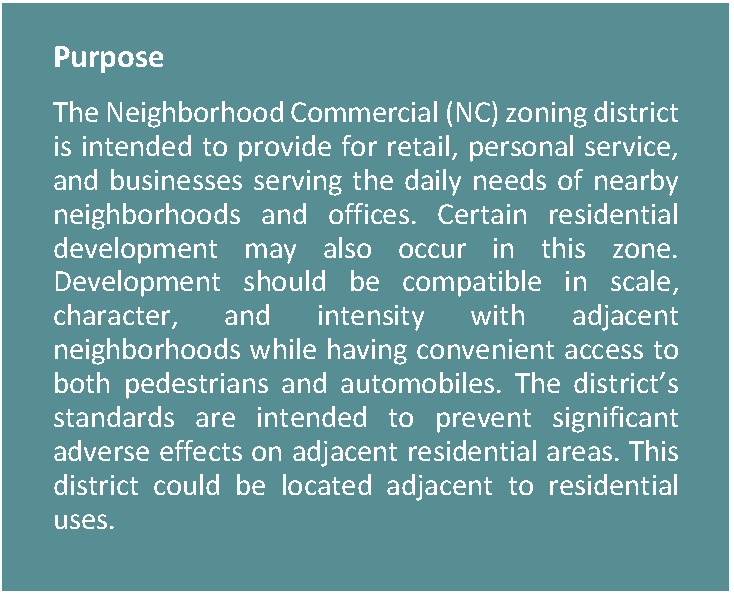
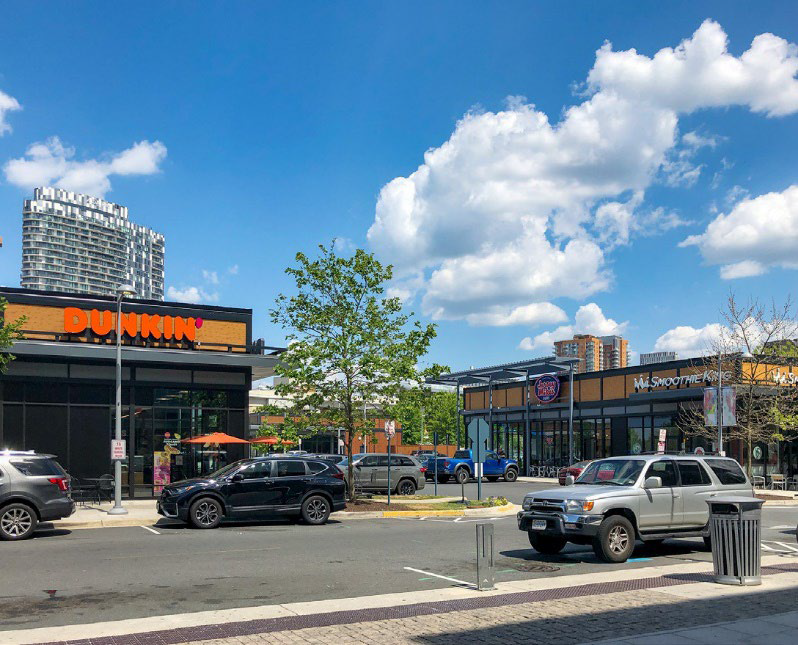
Figure 3.3-1. Neighborhood Commercial Character Context
 |  |
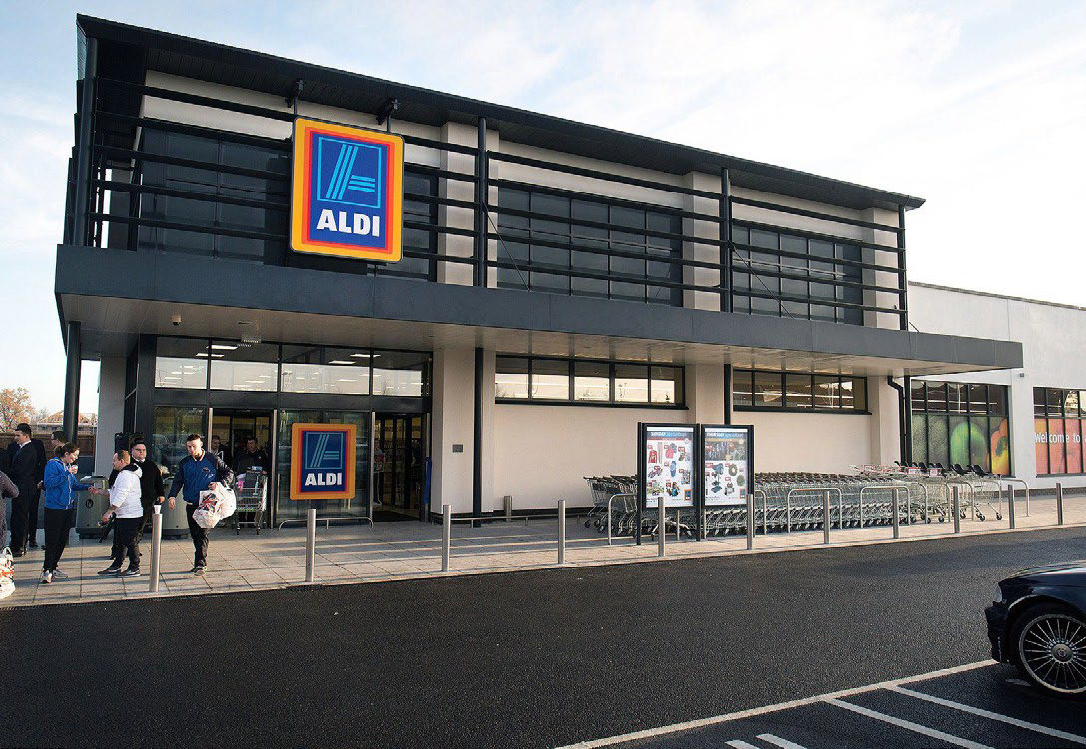 | 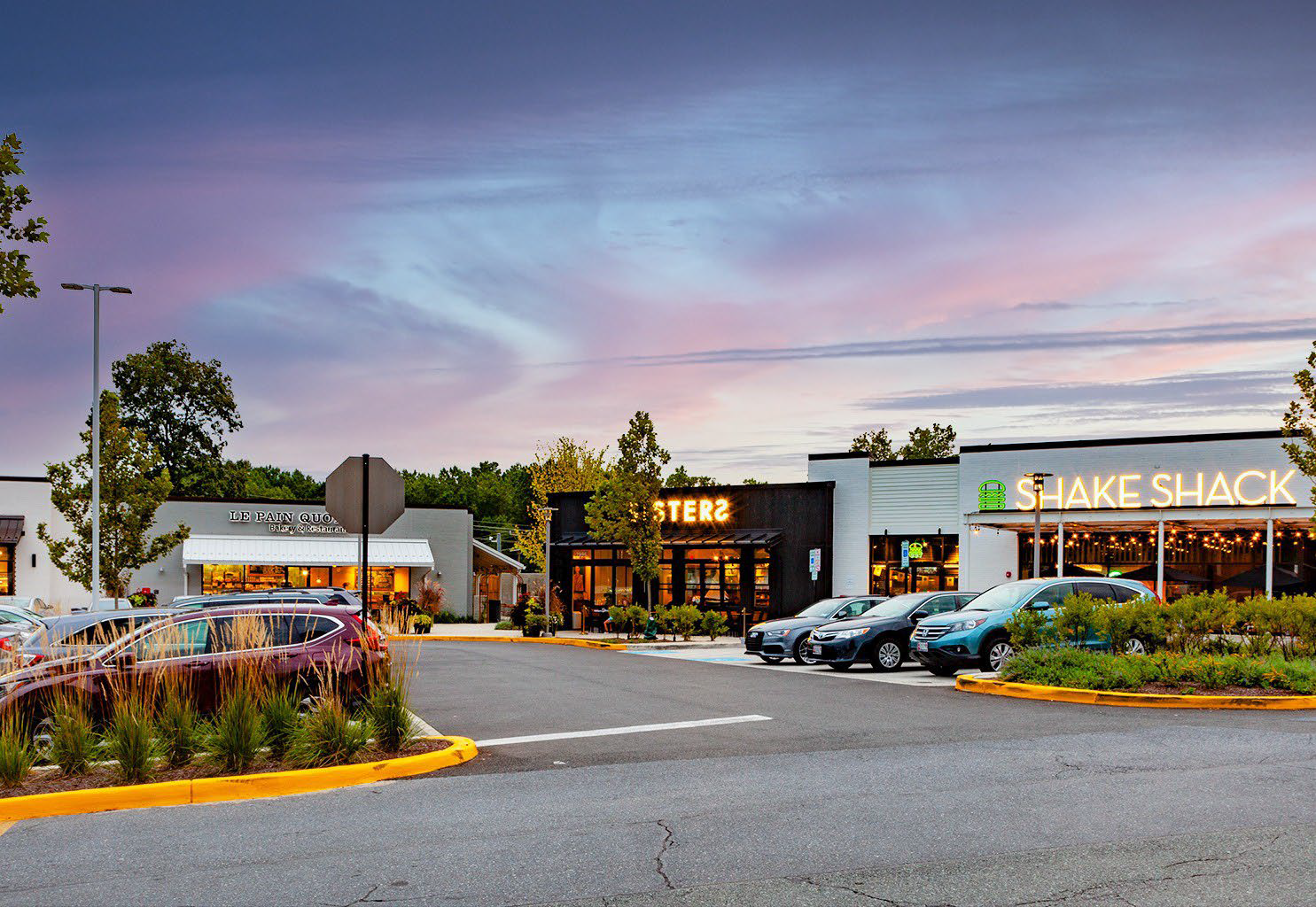 |
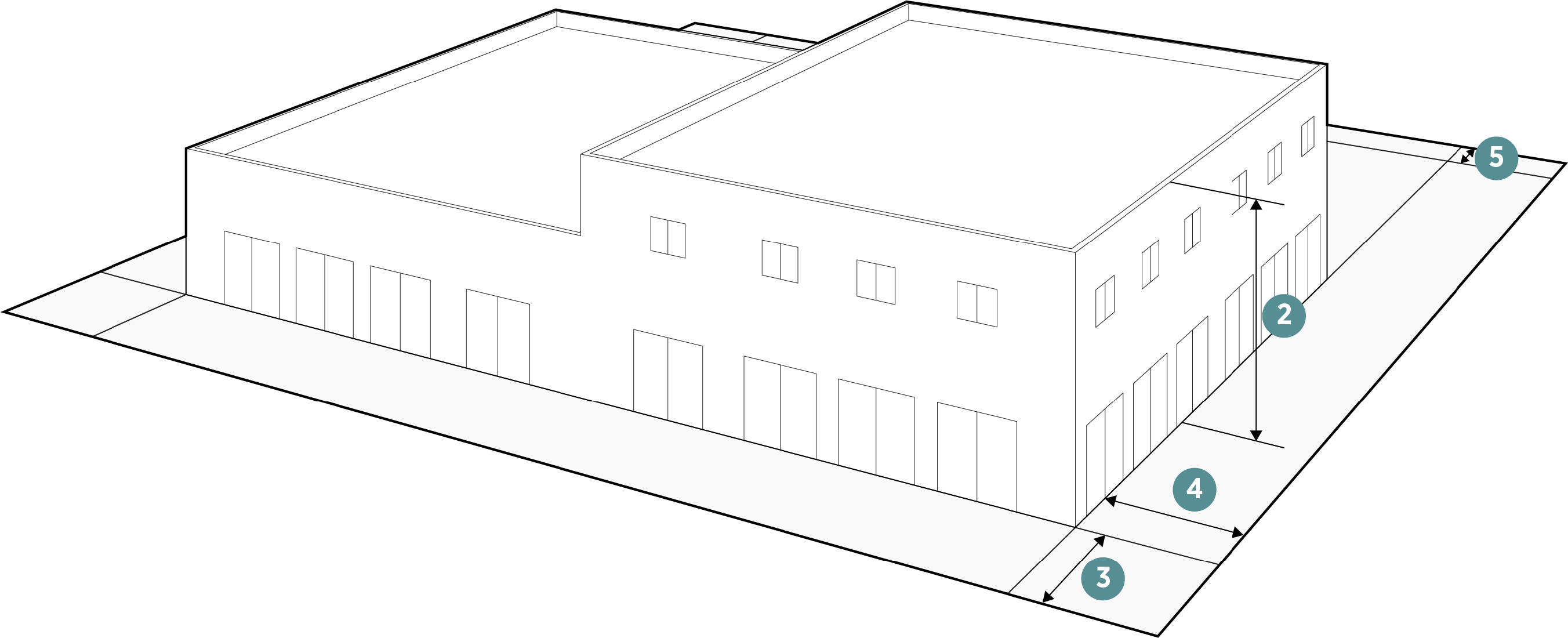
Figure 3.3-2. Neighborhood Commercial Dimensional Standards
3.3.3. GENERAL COMMERCIAL (GC)
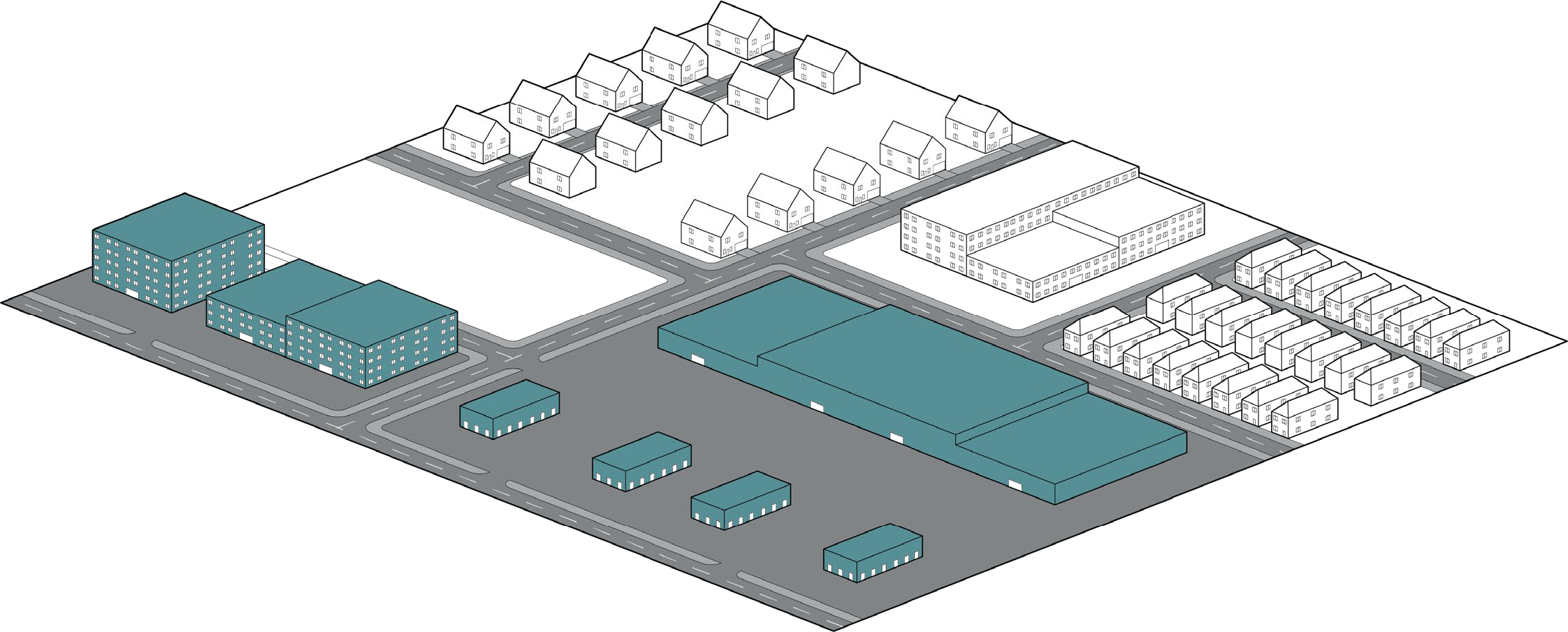
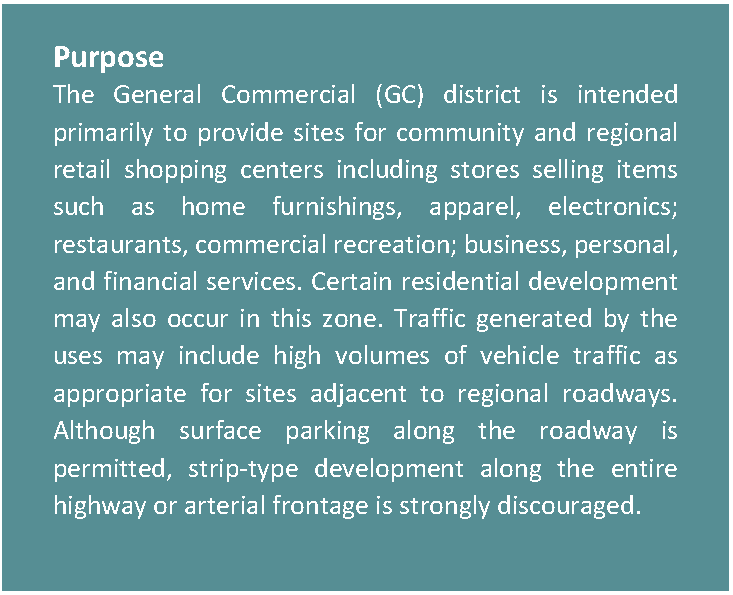
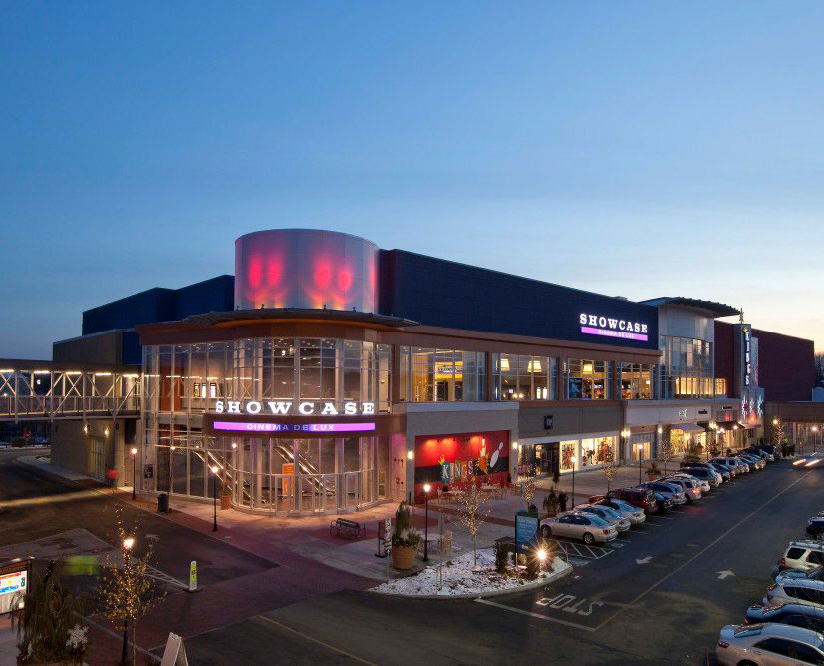
Figure 3.3-3. General Commercial Character Context
 |  |
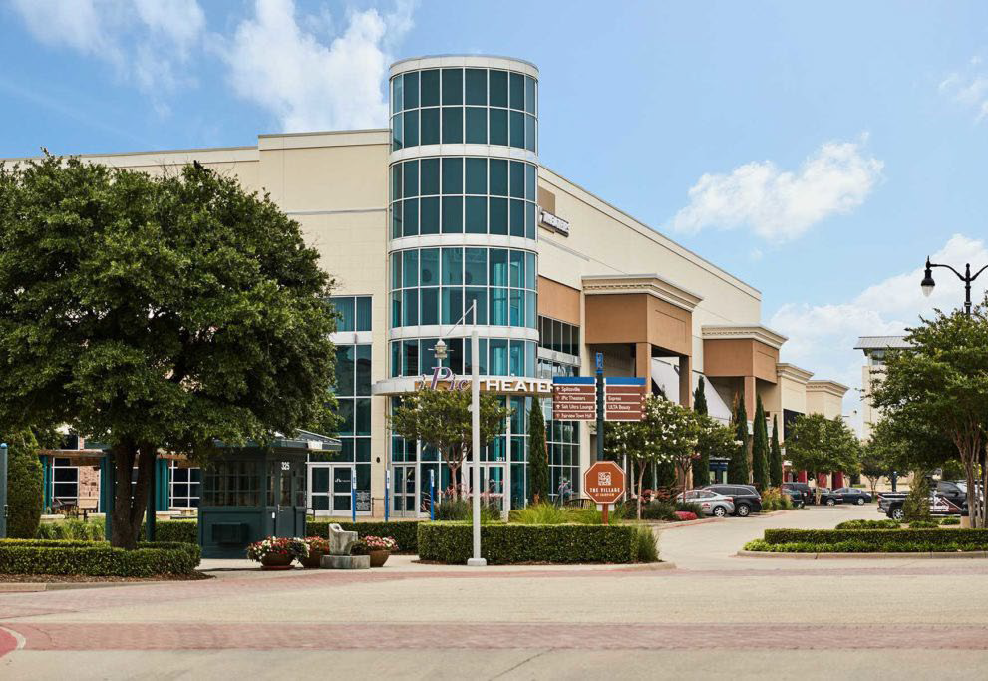 | 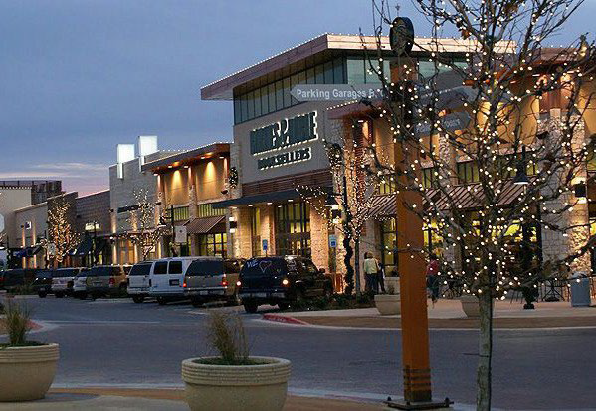 |
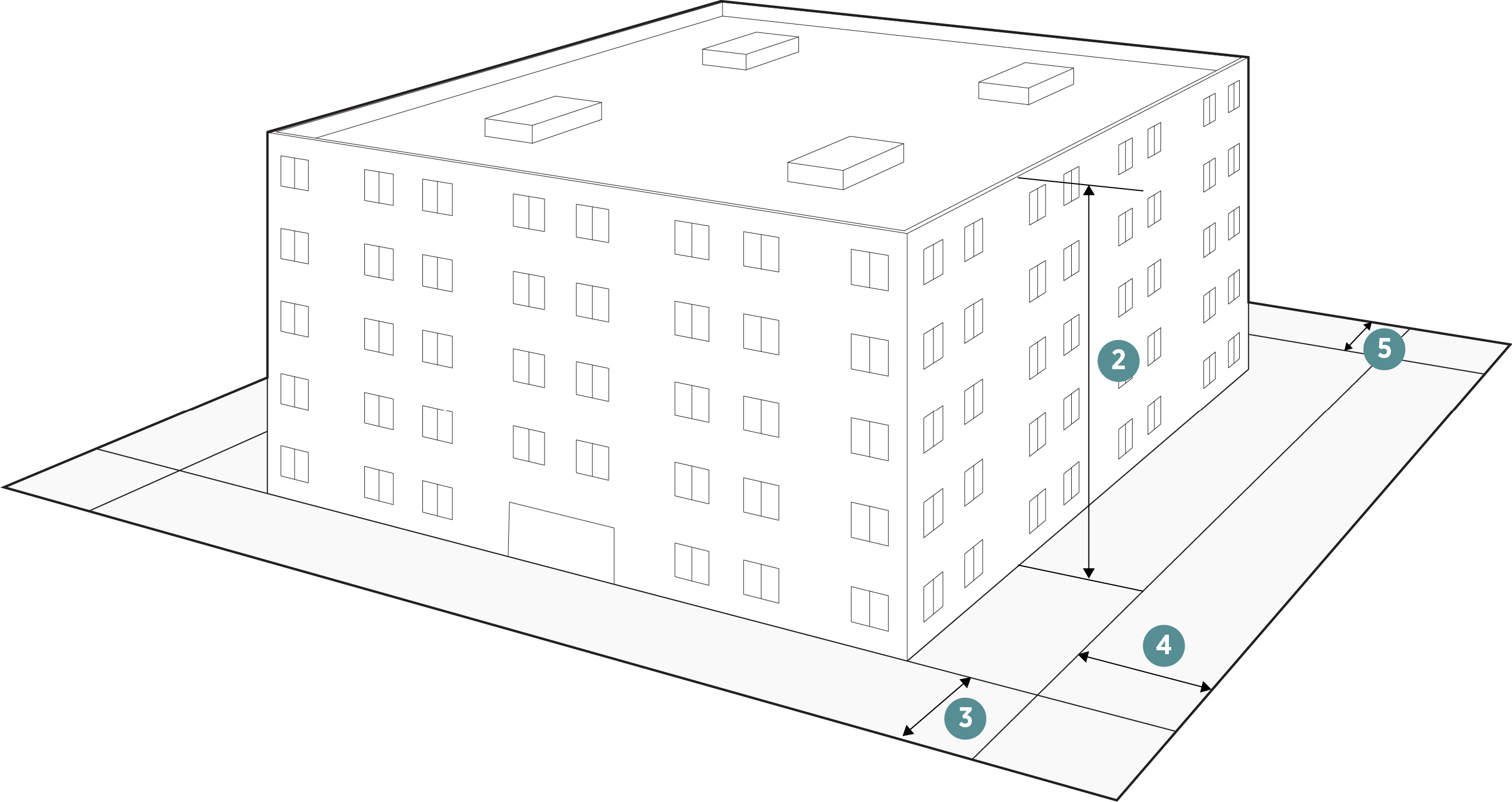
Figure 3.3-4. General Commercial Dimensional Standards
3.3.4. INNOVATION & LIGHT INDUSTRIAL (INV)
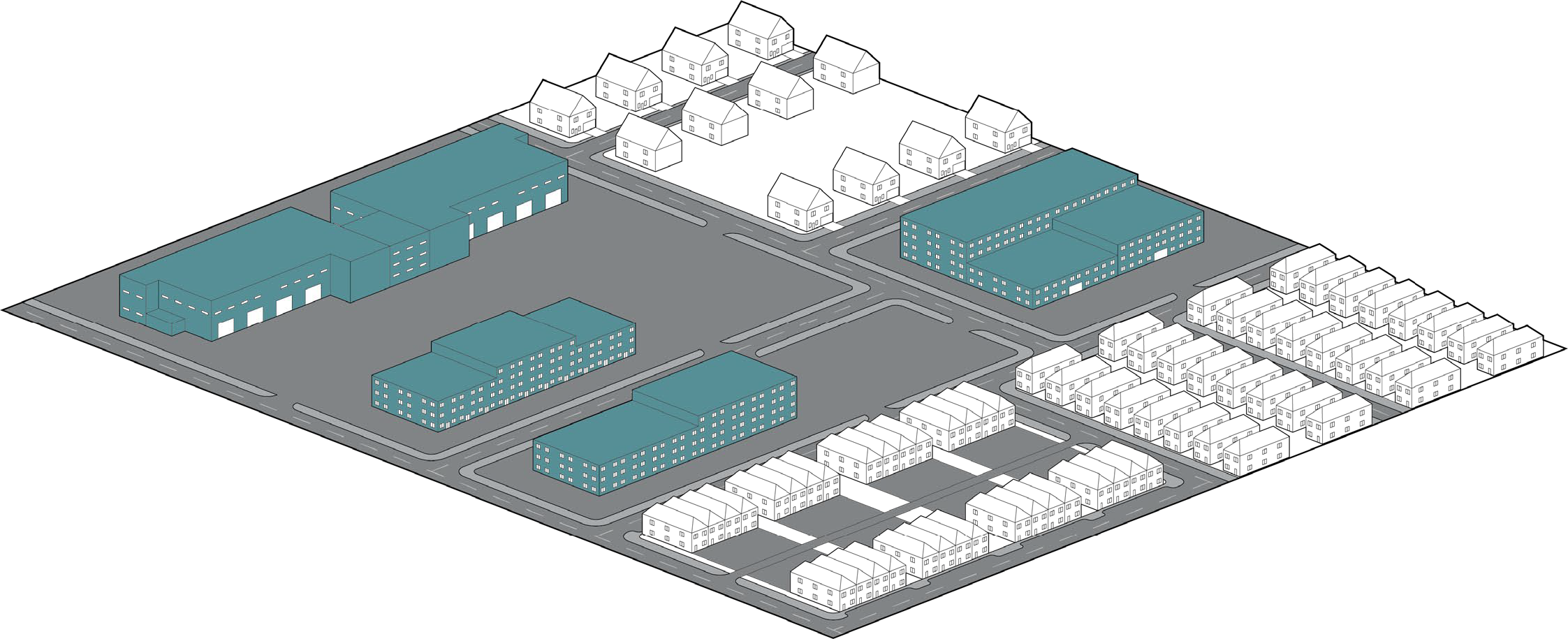
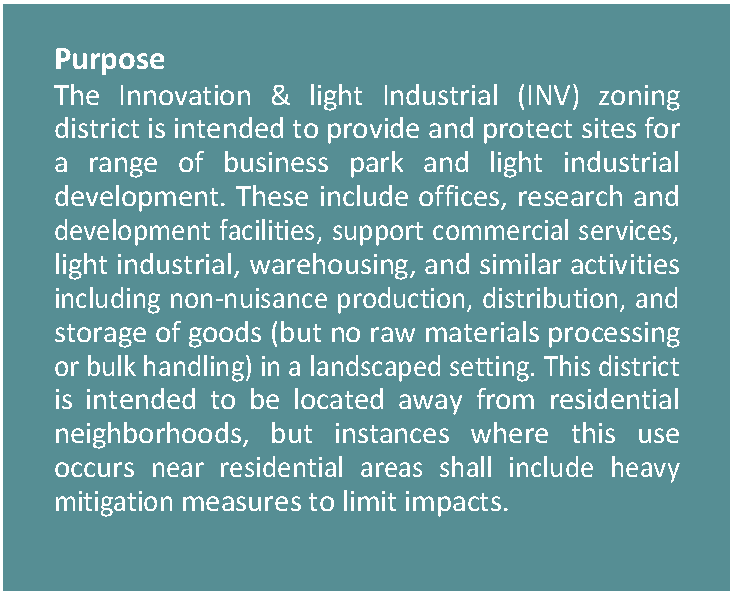
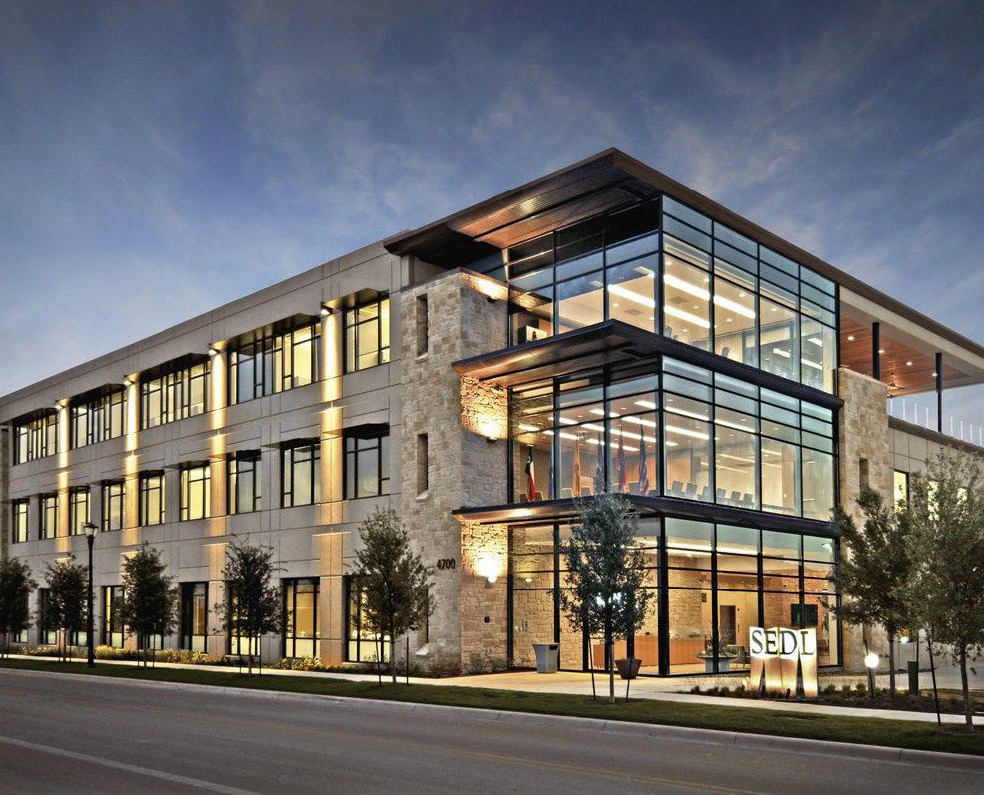
Figure 3.3-5. Innovation & Light Industrial Character Context
 |  |
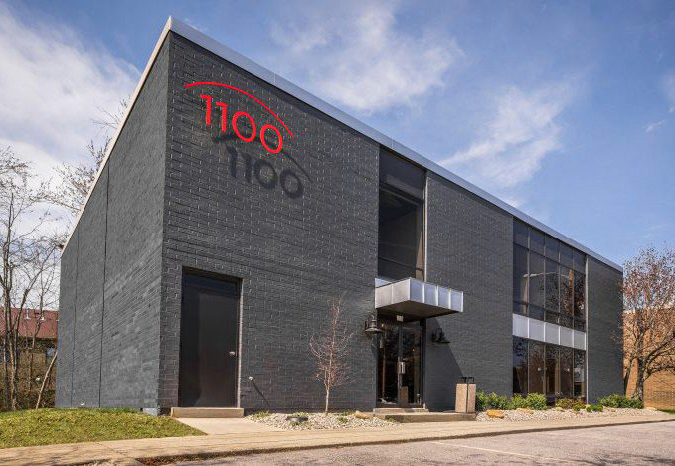 | 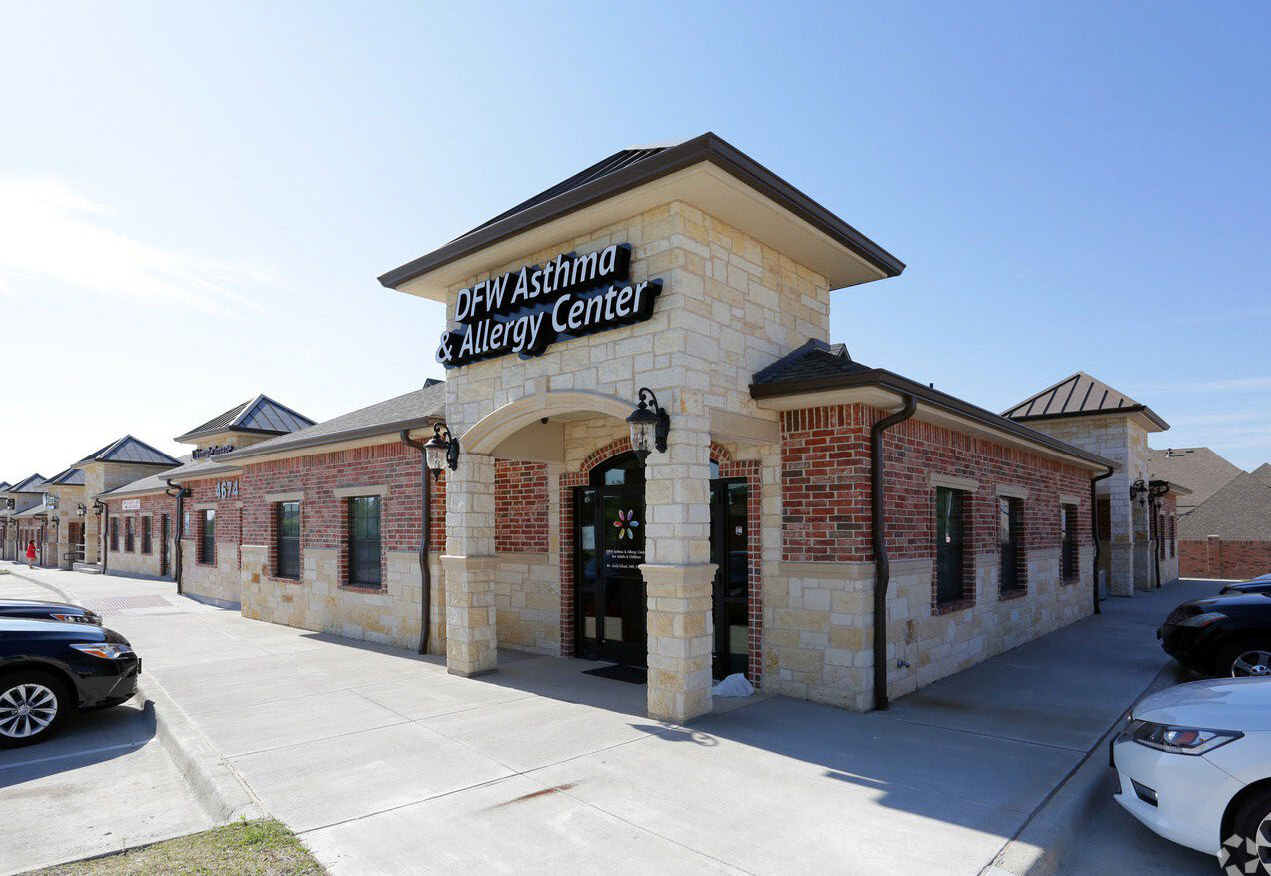 |
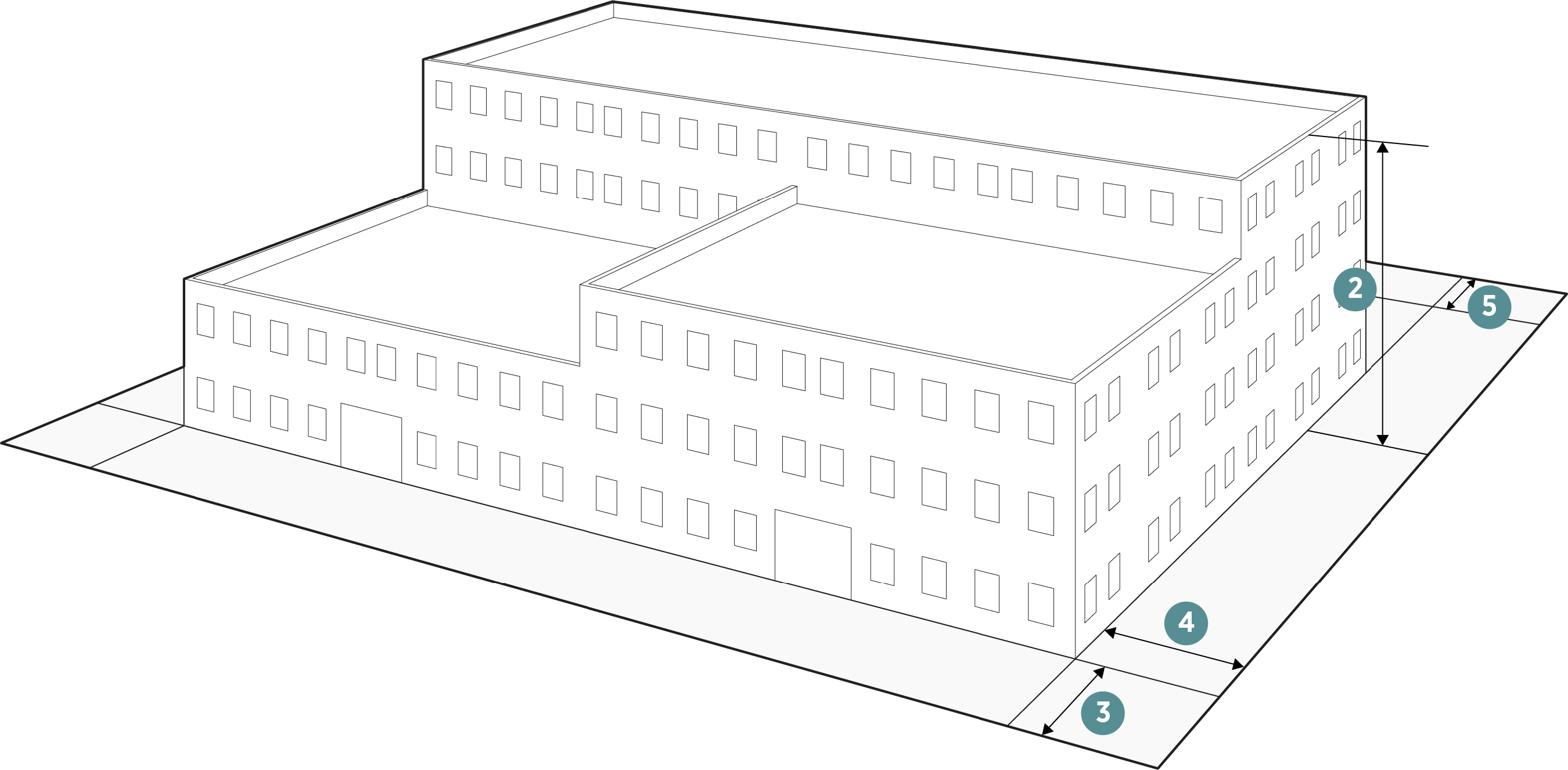
Figure 3.3-6. Innovation & Light Industrial Dimensional Standards
3.3.5. HEAVY INDUSTRIAL (IND)
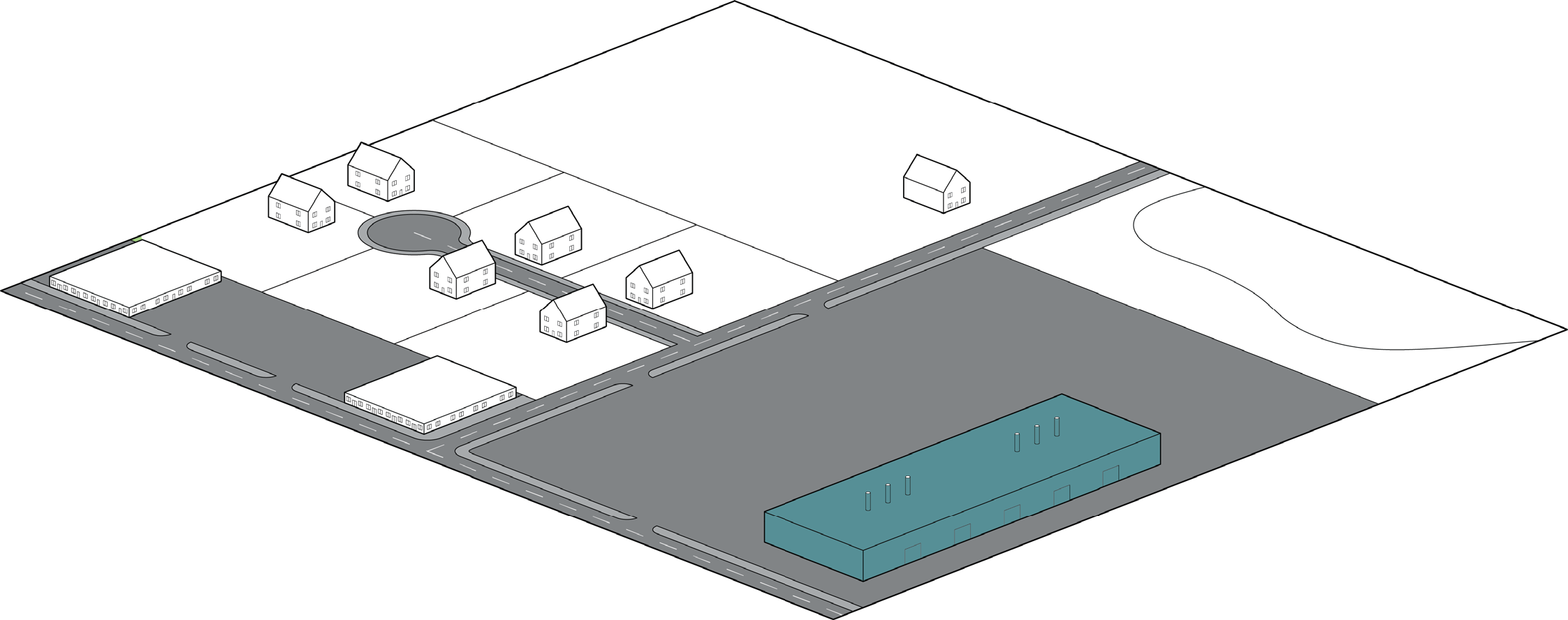
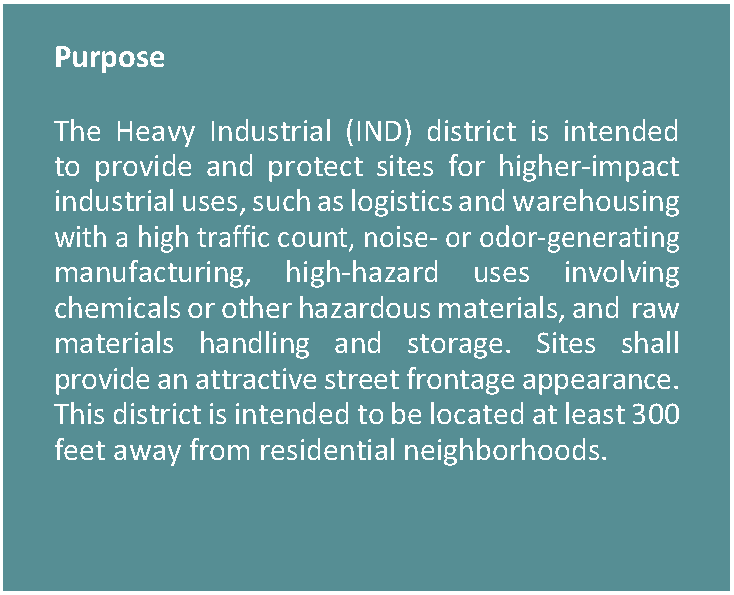
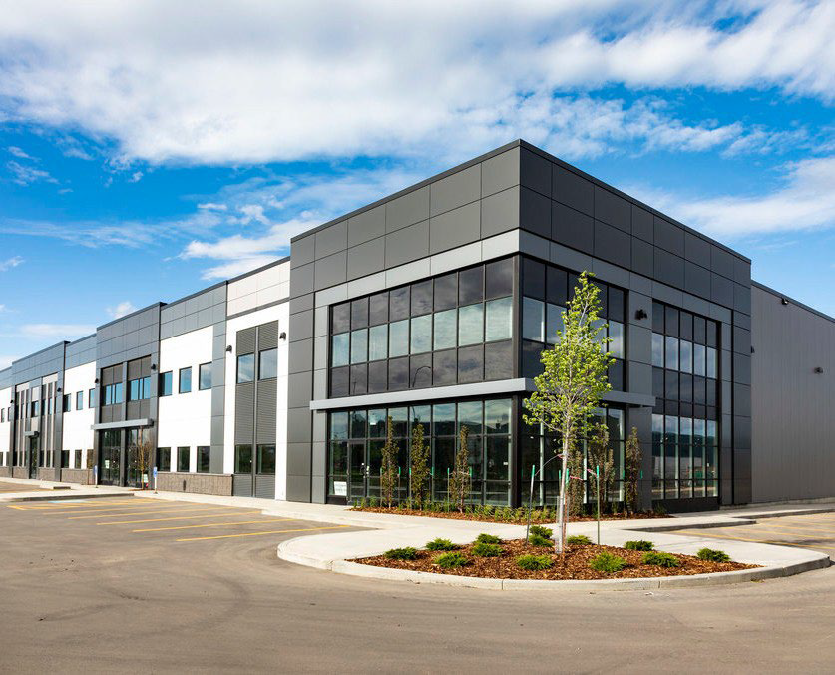
Figure 3.3-7. Heavy Industrial Character Context
 |  |
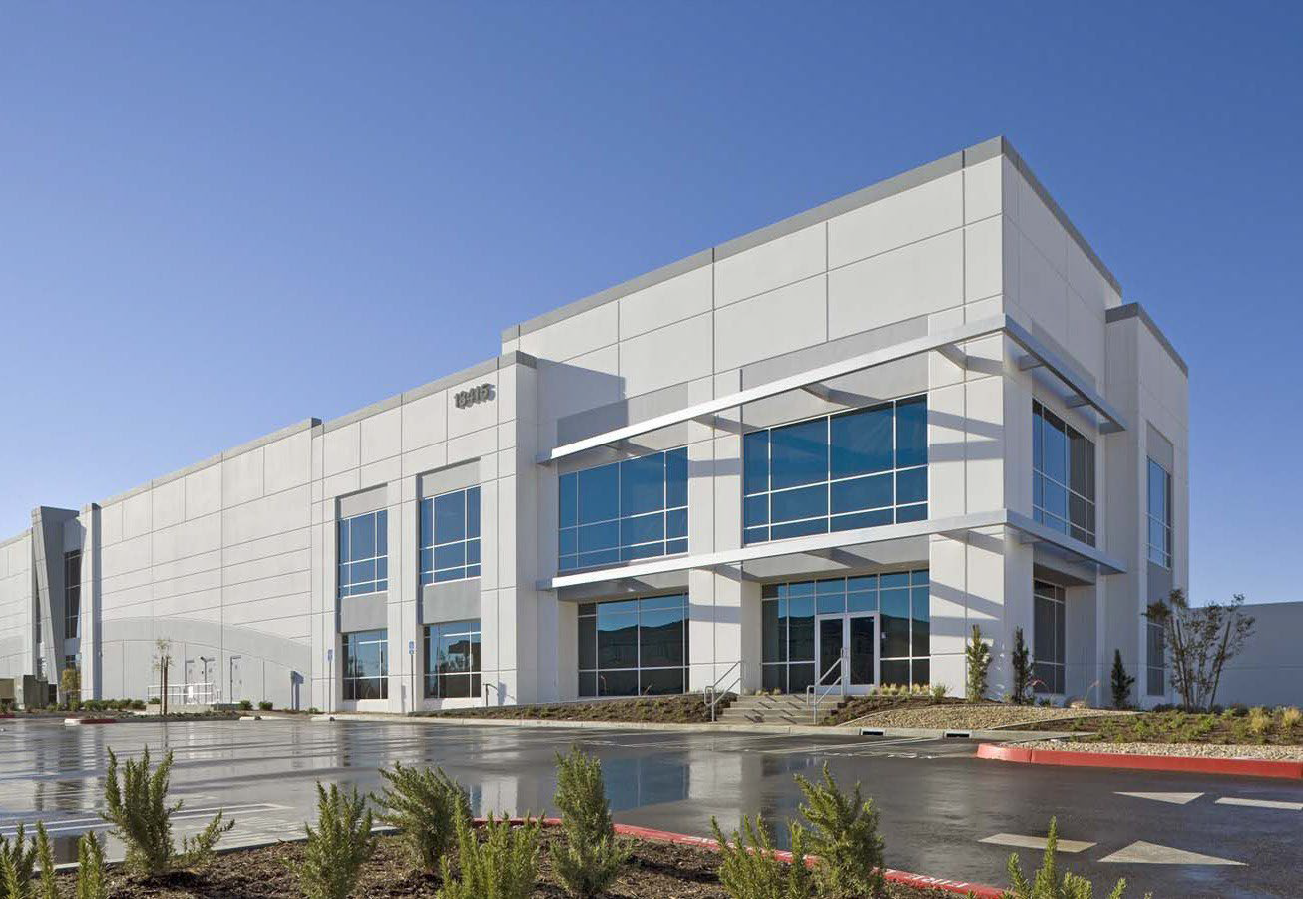 | 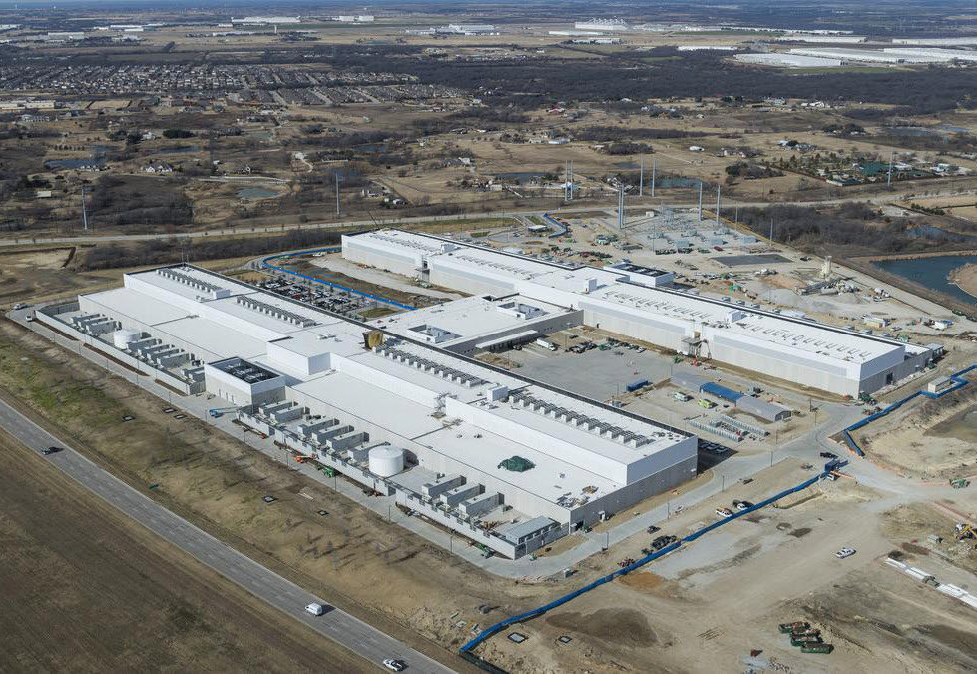 |
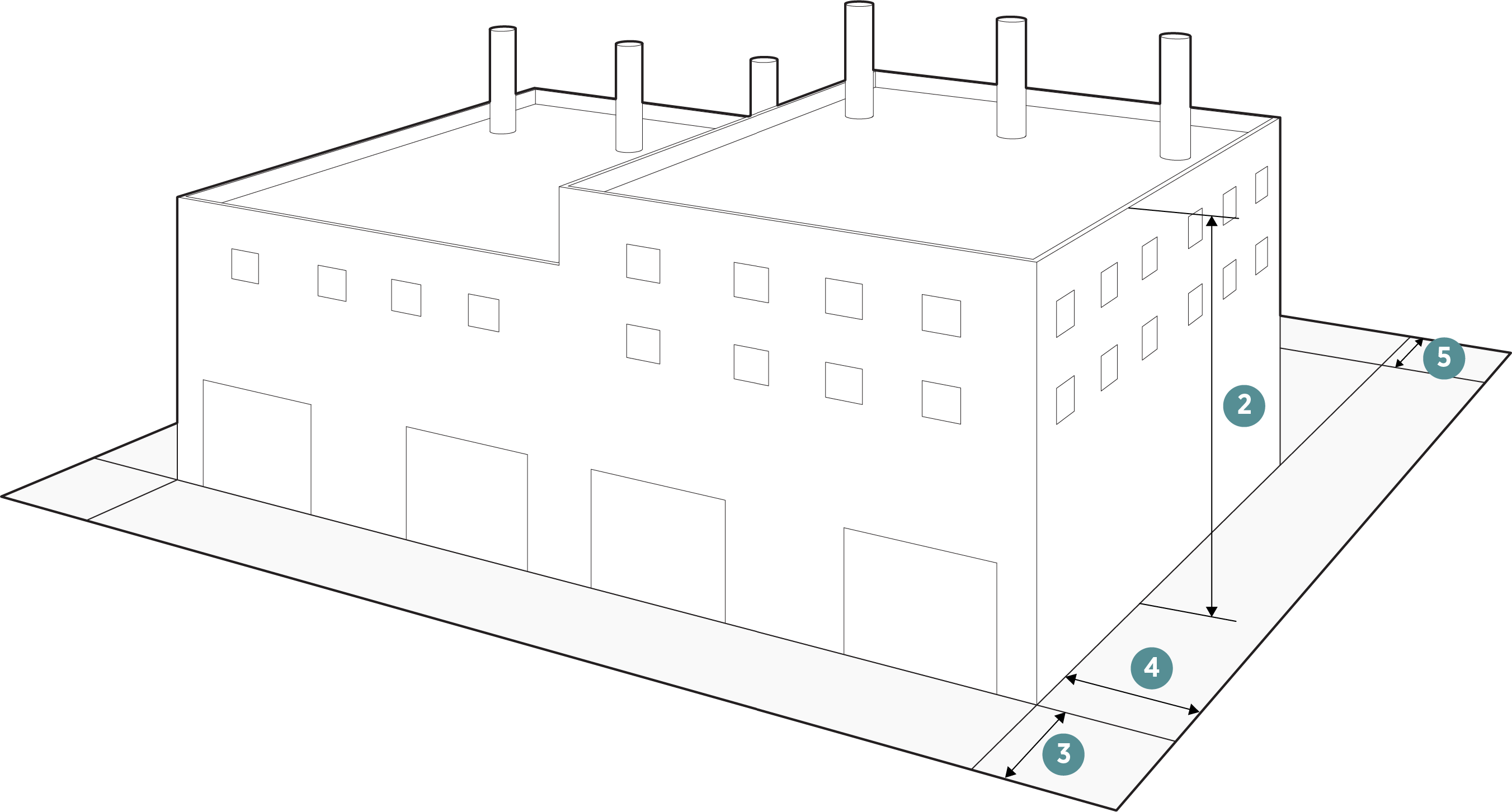
Figure 3.3-8. Heavy Industrial Dimensional Standards
(Ord. No. O-2023-003, § 3(Exh. A), 1-3-2023; Ord. No. O-2024-030, §§ 3, 4, 7-1-2024)
Sec. 36-3.4 - Public Zoning Districts
3.4.1. General Purposes of Public Zoning Districts
The public zoning districts are intended to:
(1)
Accommodate a range of public and civic uses with the city's residential and commercial districts;
(2)
Encourage site planning, land use planning, and architectural design that allow public and civic uses to effectively serve and complement aesthetics of adjacent development;
(3)
Encourage the preservation of environmentally sensitive areas as parks and open space where appropriate;
(4)
Promote consistency with the values and goals of the Future Land Use Map and Comprehensive Plan;
(5)
Ensure that any adverse impacts associated with public uses such as parking and traffic are considered with the context of the neighborhood and adjoining uses; and
(6)
Help ensure that the appearance and operational impacts of public and civic uses do not adversely affect the character of the areas in which they are located.
3.4.2. PUBLIC & PARKS (PP)
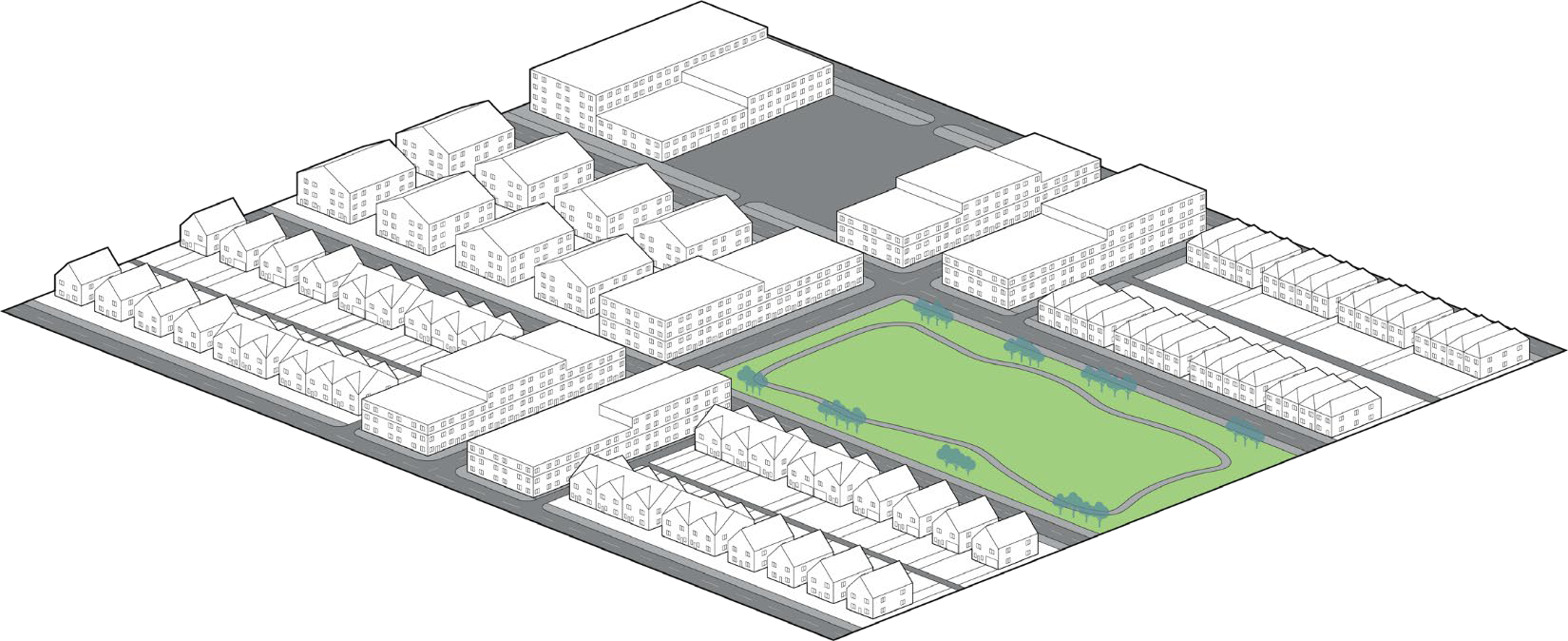
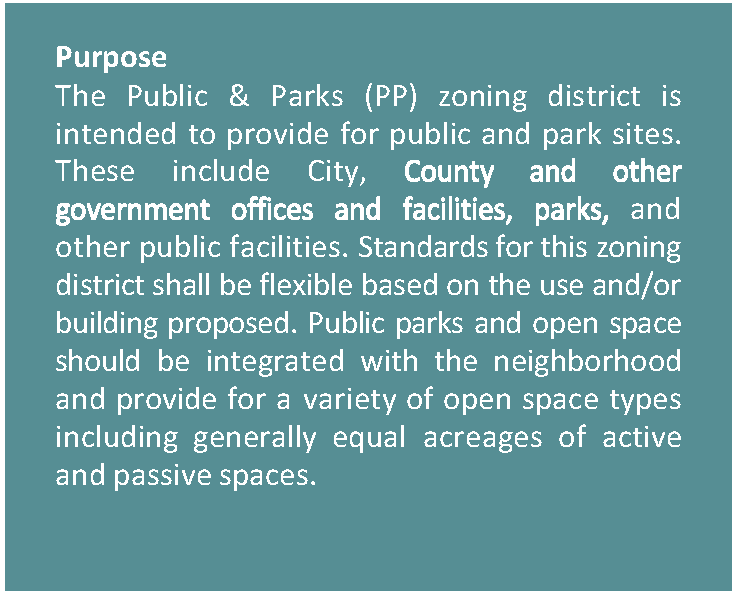
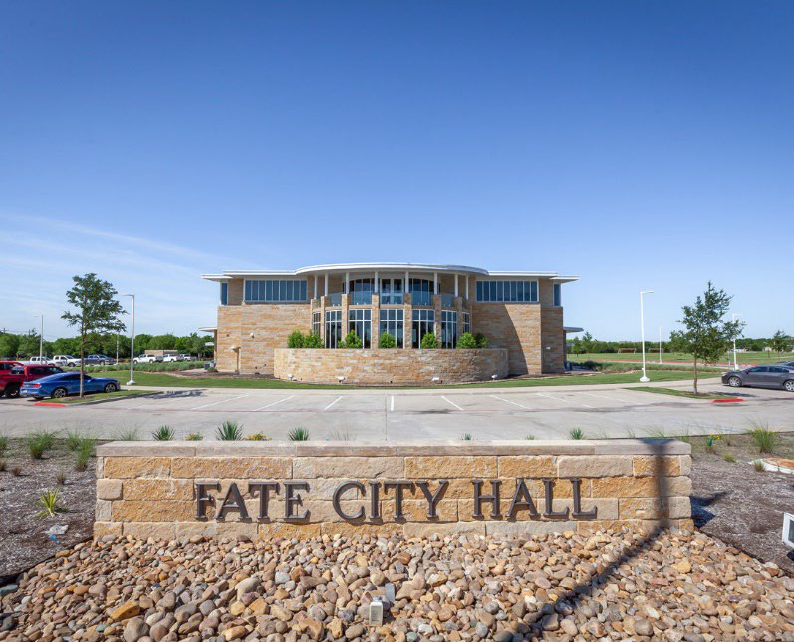
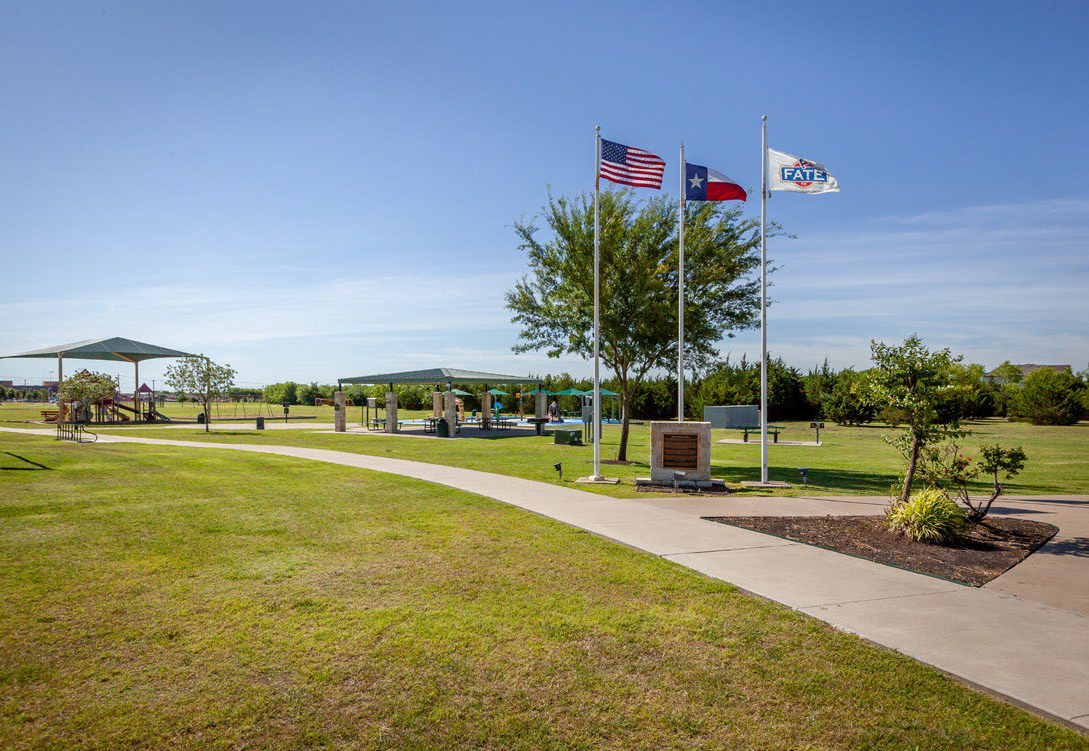
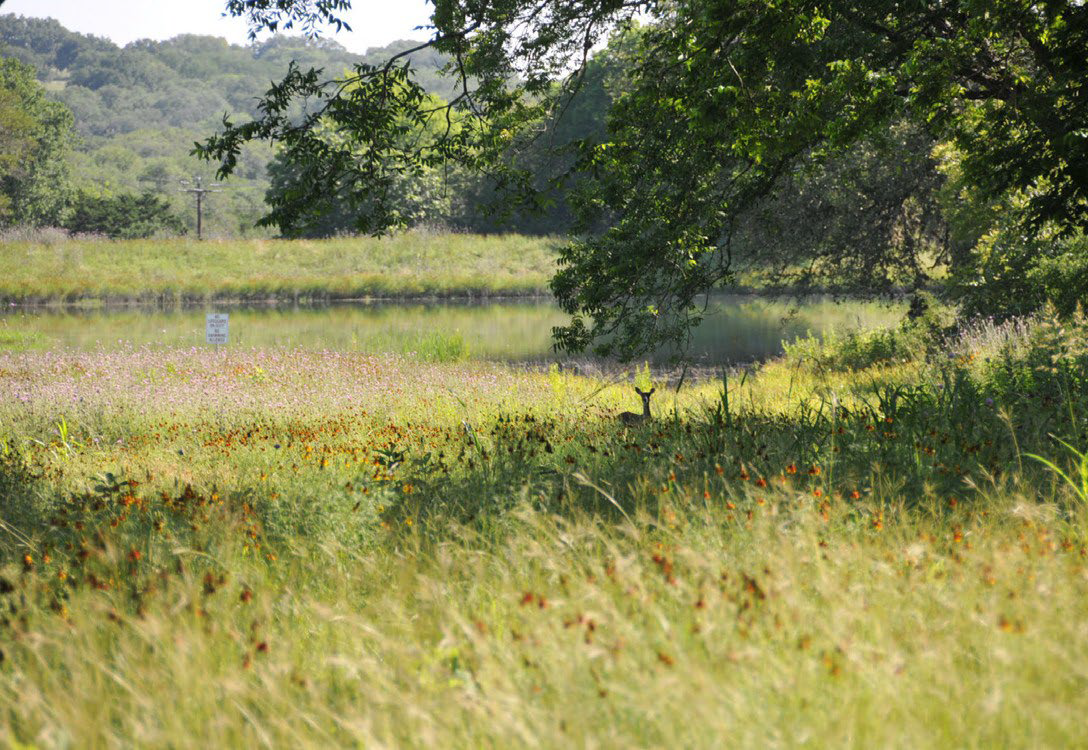
Figure 3.4-1. Public & Parks Character Context
 |  |
 |  |
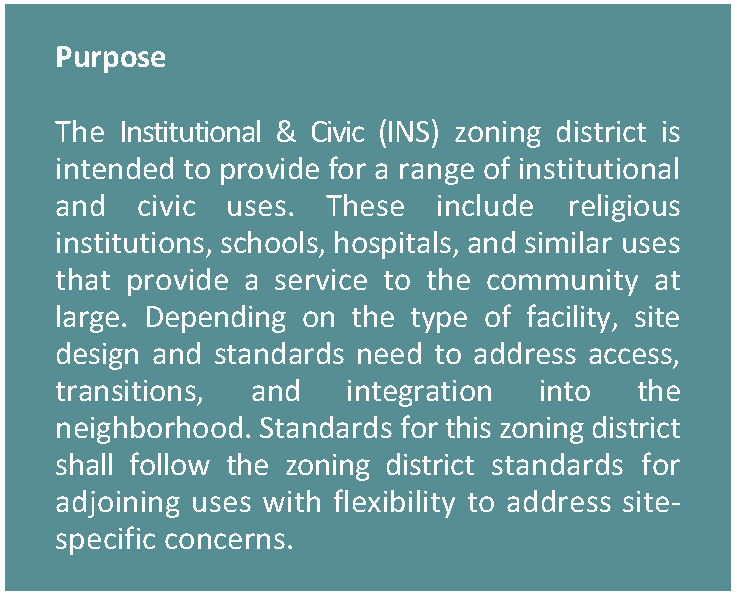
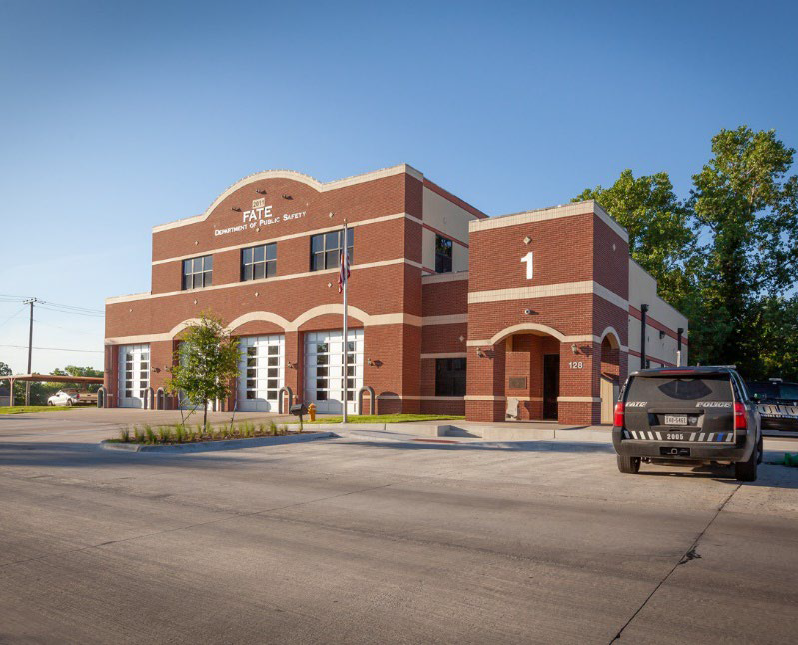
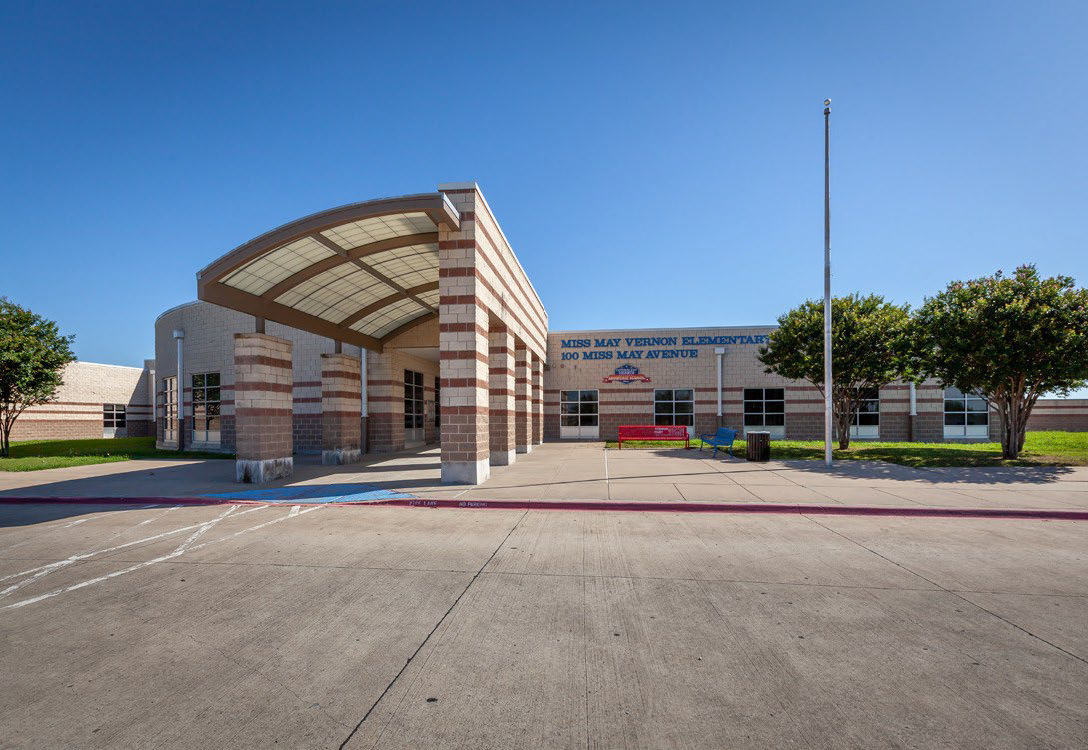
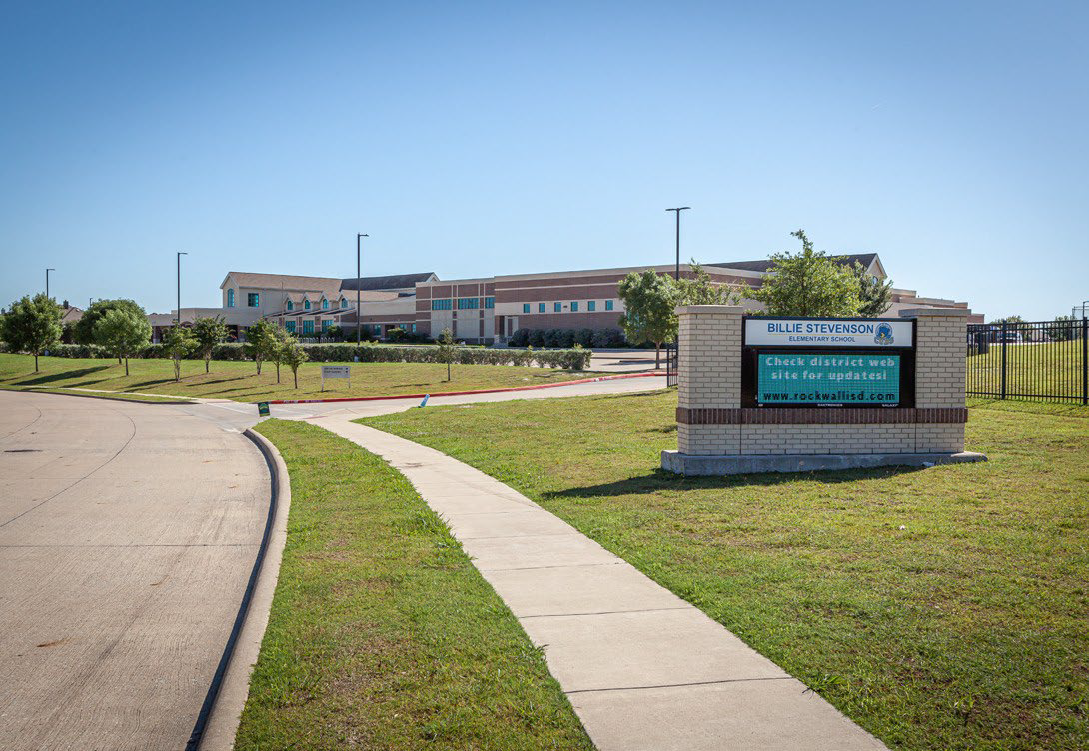
3.4.3. INSTITUTIONAL & CIVIC (INS)
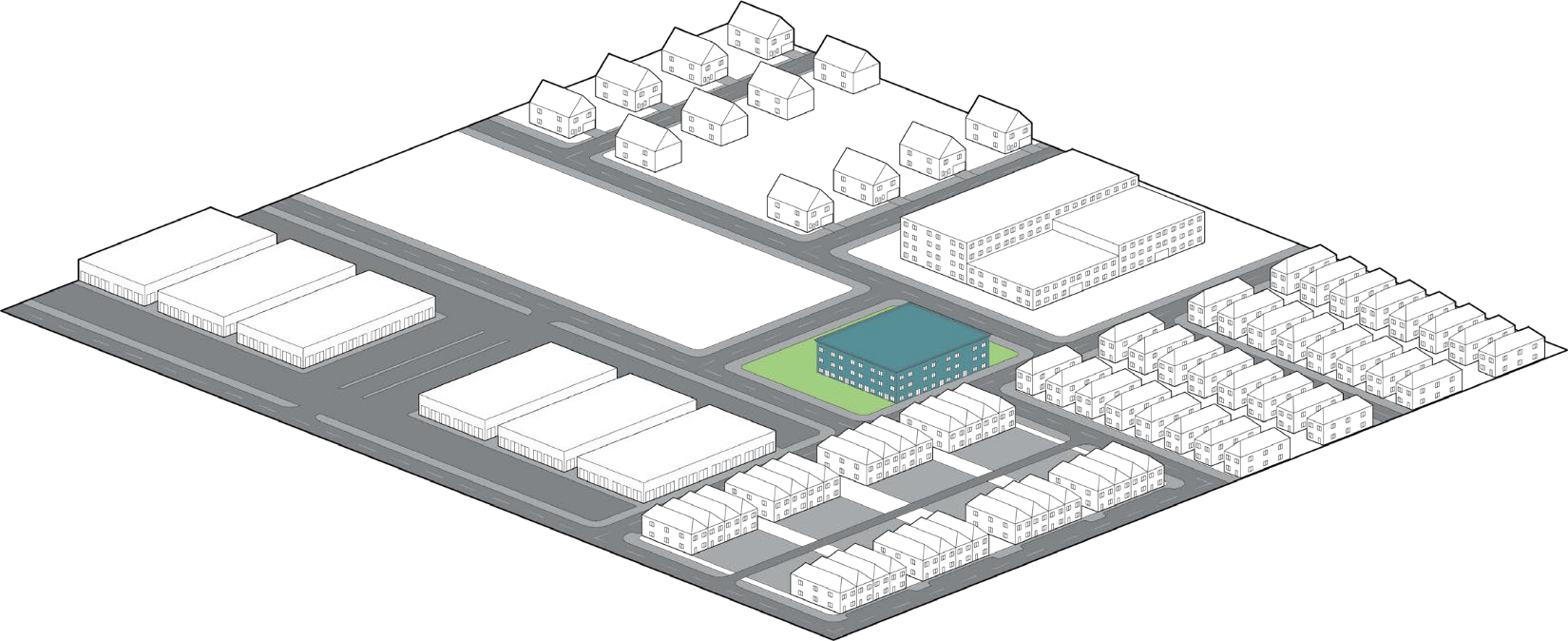
Figure 3.4-2. Institutional & Civic Character Context
 |  |
 |  |
(Ord. No. O-2023-003, § 3(Exh. A), 1-3-2023)
Sec. 36-3.5 - Special Zoning Districts
3.5.1. General Purposes of Special Zoning Districts
The special zoning districts are intended to:
(1)
Implement the vision for key areas within the City such as Downtown and the mixed-use district along I-30; and
(2)
Provide for a flexible zoning tool in the form of planned development standards intended to implement different development projects that can better respond to changing market demand; and
(3)
Encourage site planning, land use planning, and architectural design that create attractive, pedestrian-friendly, and walkable environments; and
(4)
Maintain and enhance the City's economic base and provide shopping, entertainment and employment opportunities close to where people live and work; and
(5)
Provide for a range of housing types within the context of mixed use, walkable developments to maximize long-term sustainability.
3.5.2. Special District Standards
(1)
A Concept plan is required for any Special District zoning request.
(2)
If a revised Concept Plan or request for new property zoning is submitted, then application of special zoning districts within the Concept Plan shall adhere to the following requirements:
a.
Generally, where the mixed use special districts are adjacent to existing or planned single-family zoning or land use designations, Mixed Use shall be placed at least 200 feet from the single-family use property line, with Mixed Use Transition and/or Neighborhood Transition being used within that area to serve as a buffer.
3.5.3. Street Types
(1)
Pedestrian Oriented Streets are used within the Concept Plan to achieve a higher level of pedestrian activity and connectivity. The amount of the required Pedestrian Oriented Streets in any one Concept Plan is determined by the sub-district. Pedestrian Oriented Streets include design considerations as follows:
a.
Low-speed design to keep vehicle speeds at or below 25 mph;
b.
Include the use of traffic calming designs (narrowing of pavement section, elevated crosswalks, brick pavers, etc.);
c.
Limiting use of curb cuts along the Pedestrian Oriented Street;
d.
Planting street trees between the curb and the sidewalk, or within tree wells in the sidewalk area;
e.
Adhering to the setback range according to the Development Standards Table; and
f.
Utilizing shading devices along both the non-residential or mixed use building frontage, such as porches, awnings, pergolas and other similar shade devices.
(2)
Design Corridors are intended to:
a.
Create safe, comfortable, and attractive environments for users and pedestrians by introducing distinct corridors.
b.
Control streetscape standards including building setbacks, building height, on and off-street parking and sidewalk requirements.
c.
Establish minimum guidelines for landscaping that will promote, protect, and enhance both new and existing developments as well as the city's overall image.
(3)
All design corridors:
a.
Must provide clear, continuous paved sidewalks along all existing and future streets.
b.
Require a landscape buffer to separate sidewalks and trails from street parking and automobile travel lanes.
c.
Must provide pedestrian-scaled street lighting.
d.
Shall minimize curb cuts for vehicular access.
(4)
The following table provides a summary of design corridor standards:
3.5.4. MIXED USE (MU)
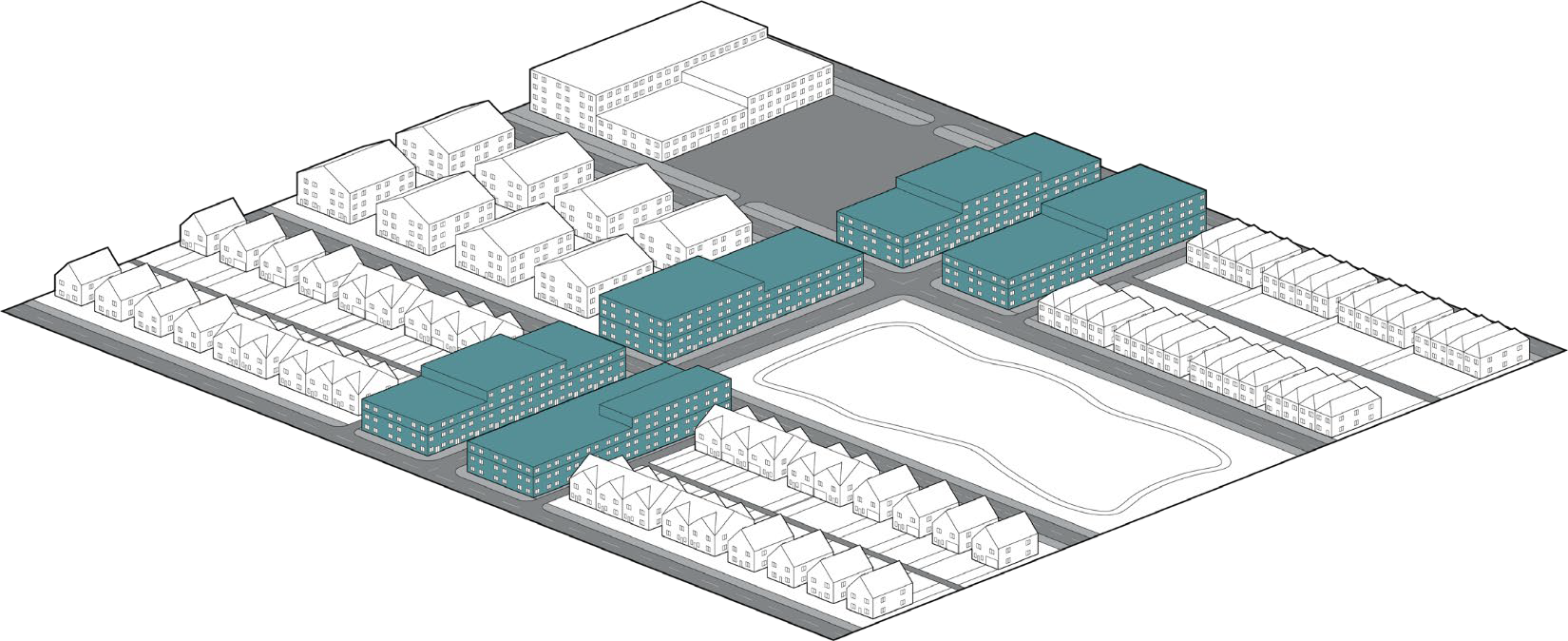
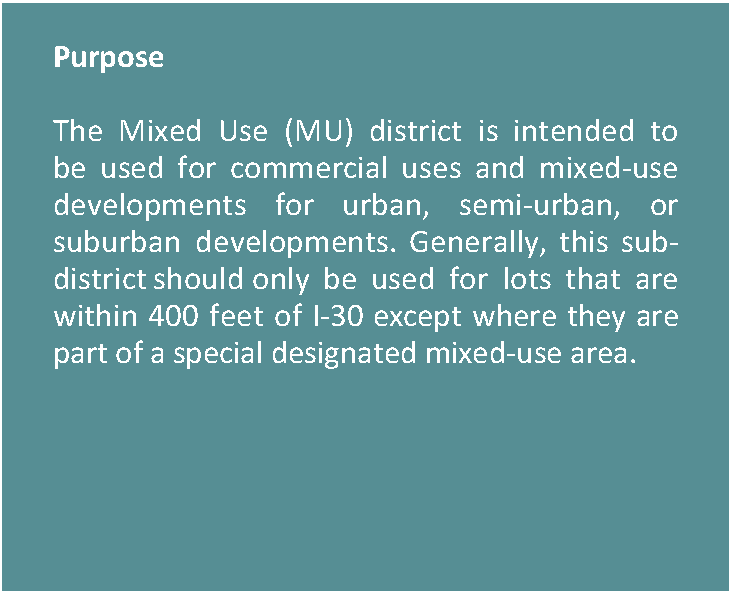
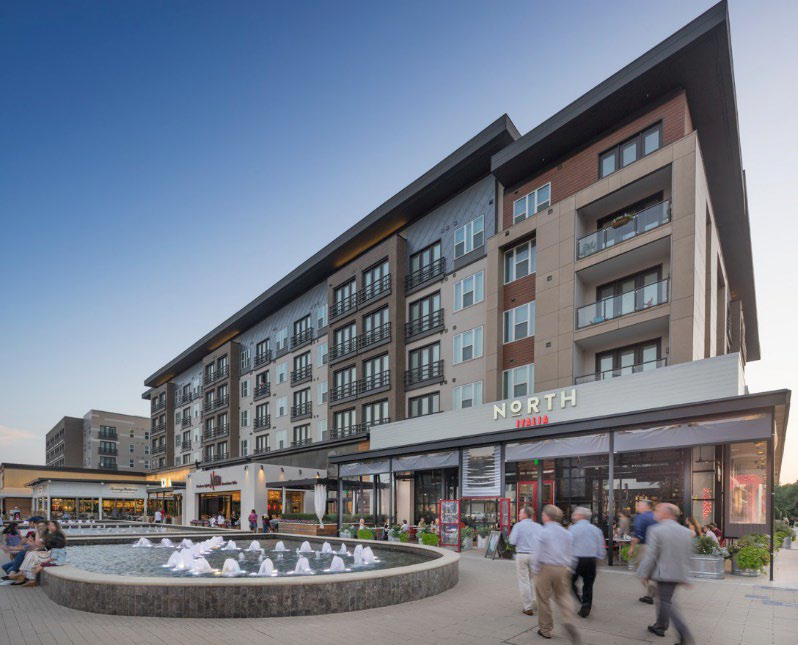
Figure 3.5-1. Mixed Use Character Context
 |  |
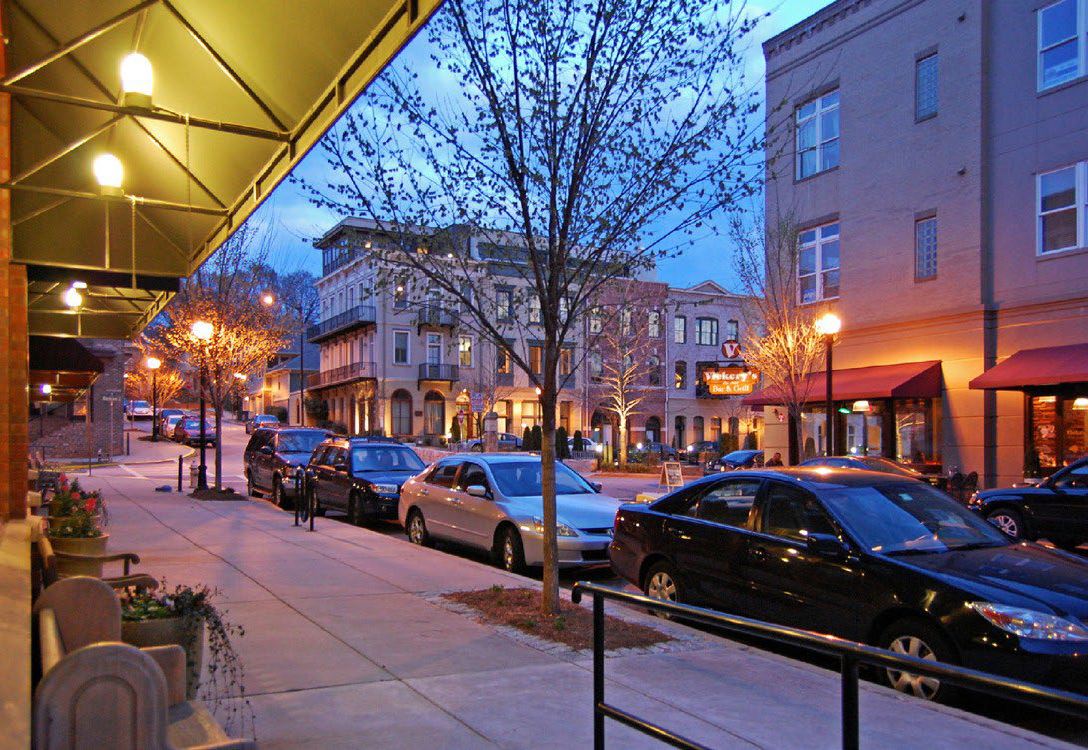 | 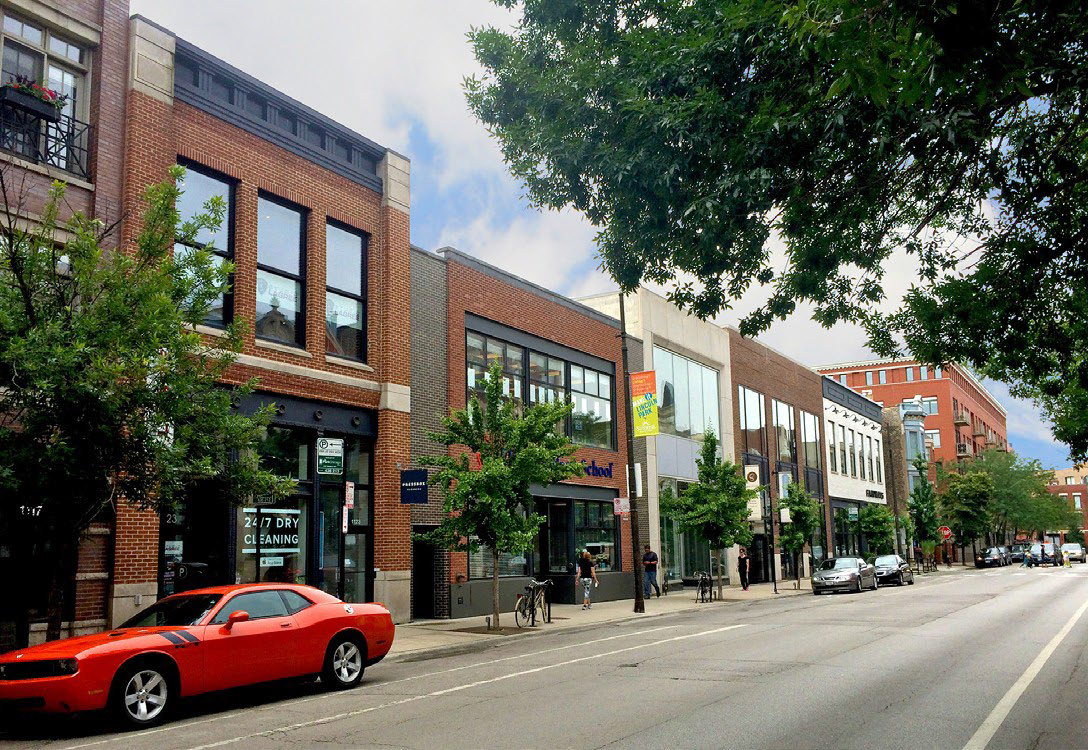 |
Figure 3.5-2. Mixed Use Dimensional Standards
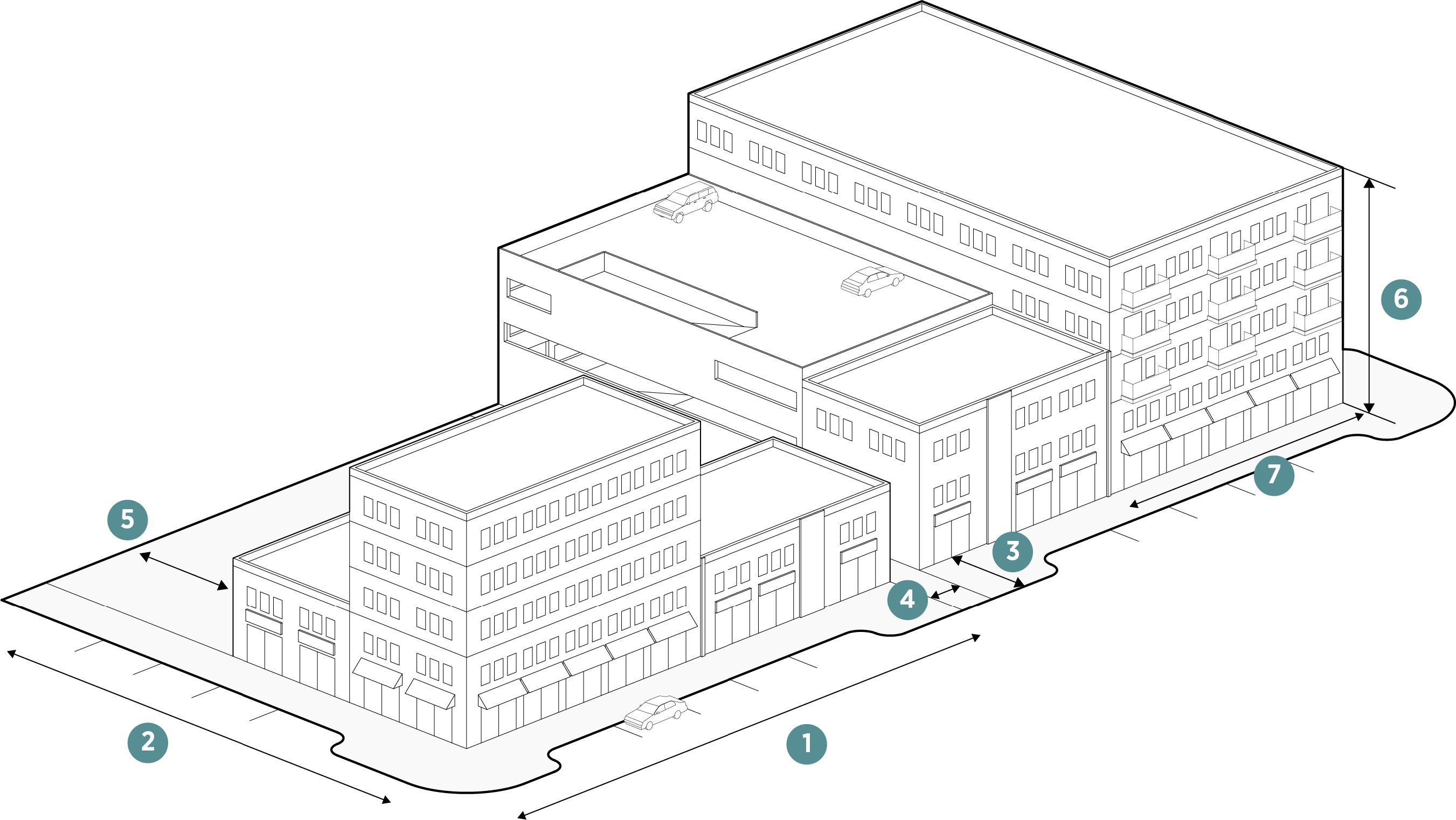
* Irregular blocks may be permitted only if natural topography, existing roadways and railroads, and/or vegetation prevents a rectilinear grid.
** Block perimeter maximum can be exceeded with either public or private roads that create interconnected access within parking areas and/or safe pedestrian connections accessing through the larger block.
Figure 3.5-3. Mixed Use Parking Standards
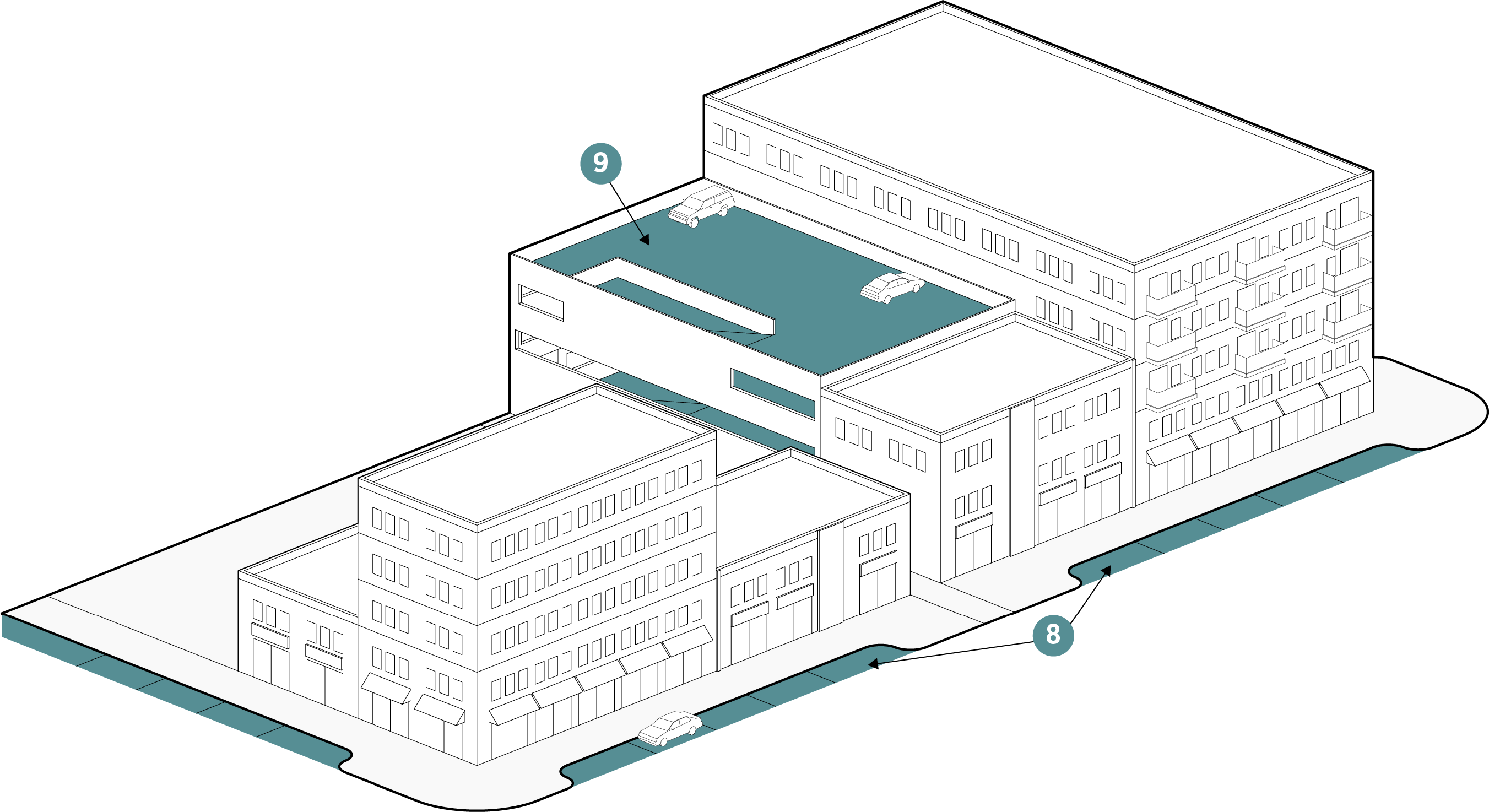
* Screening required if along a street.
** Flexible for residential uses but shall not be visible from a public right-of-way (other than an alley); trash collection shall be along alleys if alleys are provided.
*** Shall be per Article IX standards or applicant may propose alternative screening standards at the time of Concept Plan.
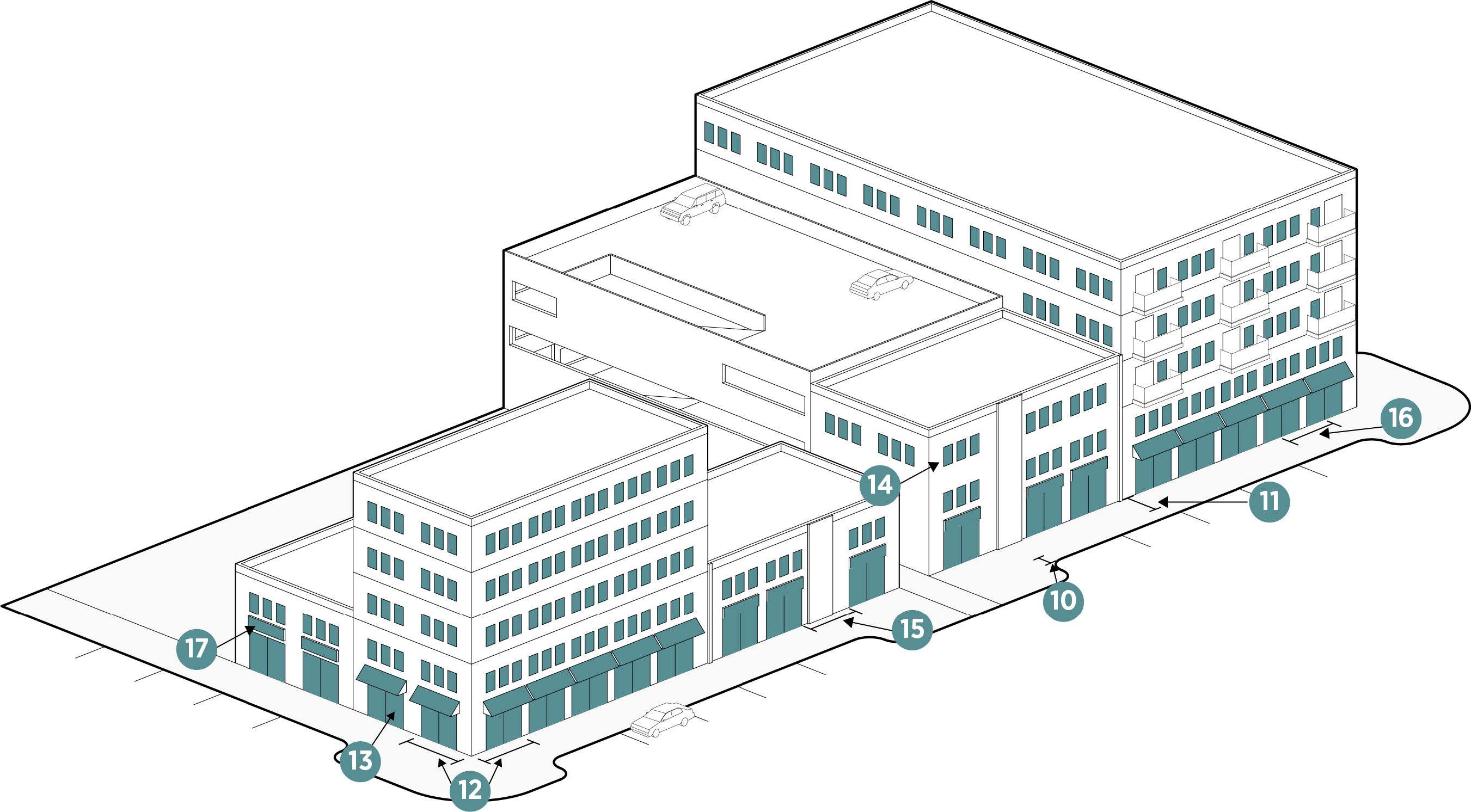
Figure 3.5-4. Mixed Use Public Realm Standards
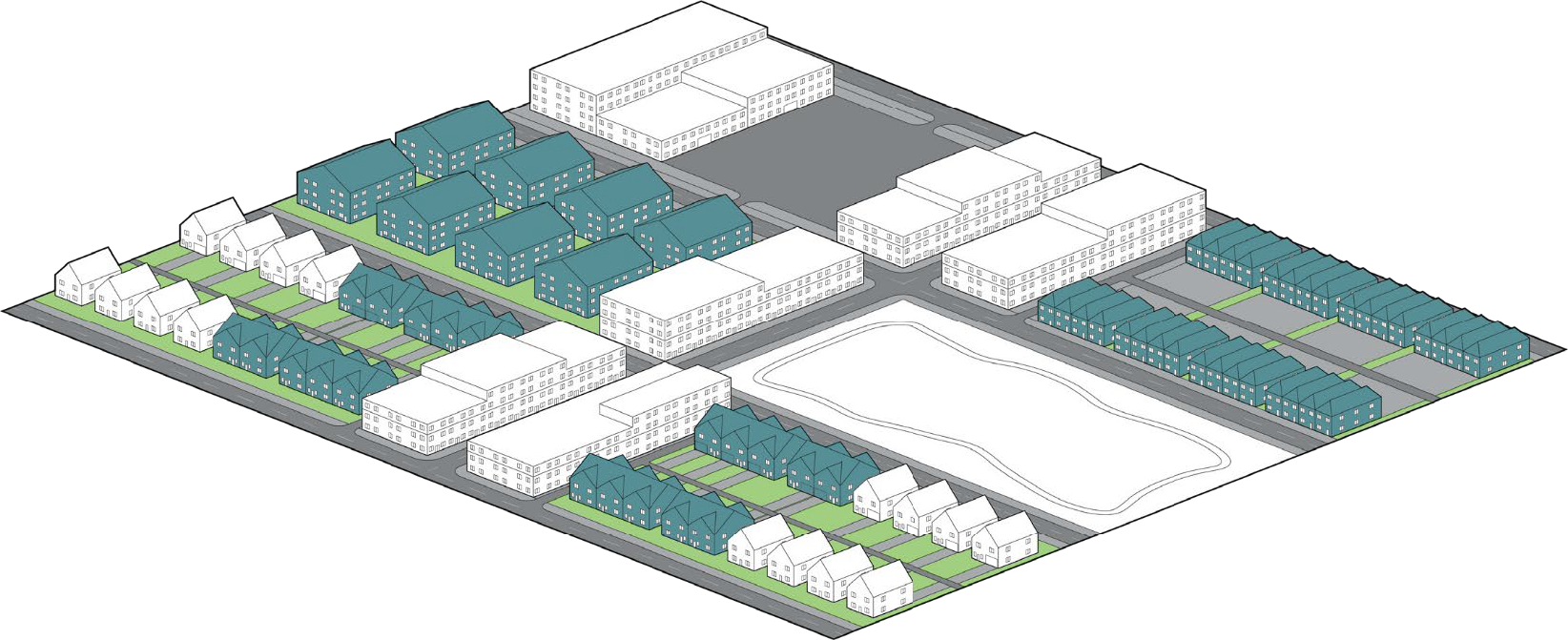
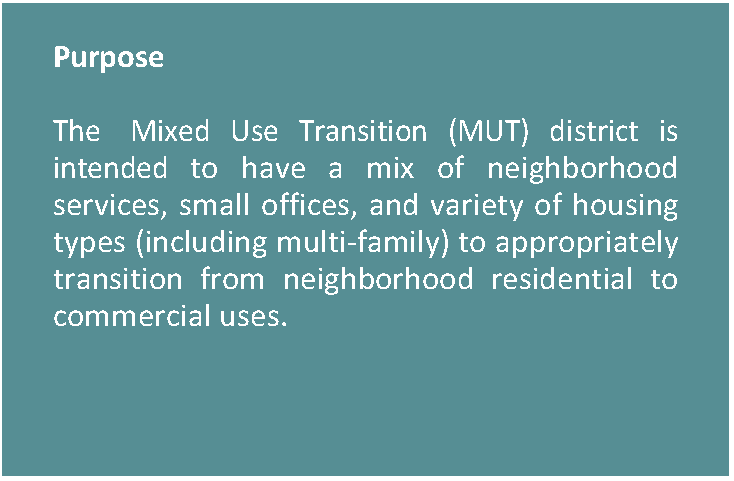
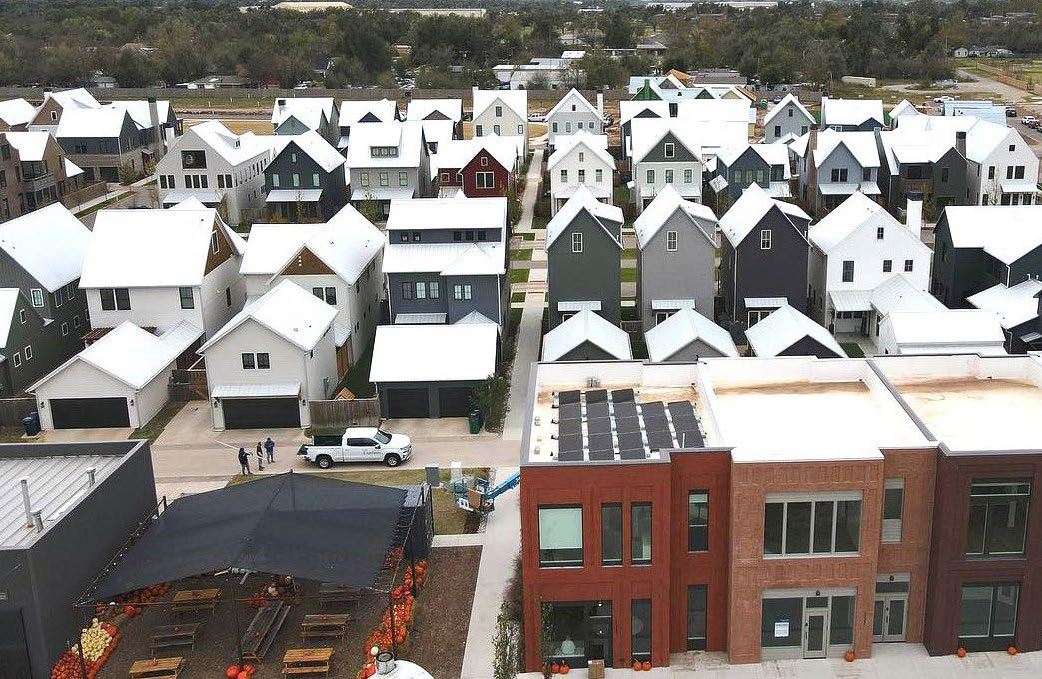
3.5.5. MIXED USE TRANSITION (MUT)
Figure 3.5-5. Mixed Use Transition Character Context
 |  |
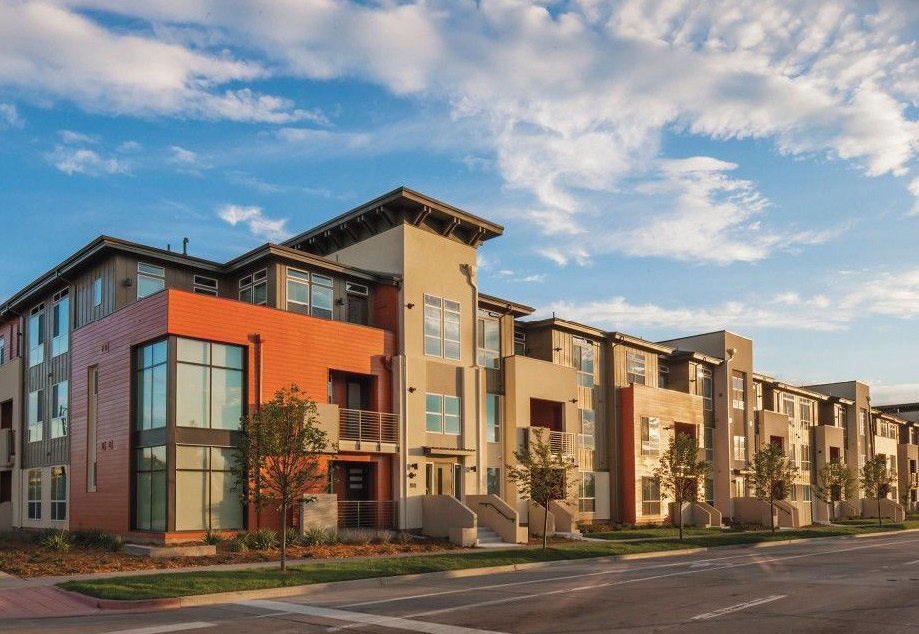 | 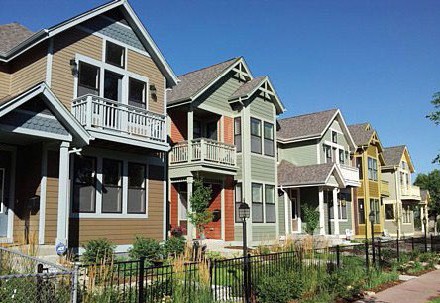 |
Figure 3.5-6. Mixed Use Transition Dimensional Standards
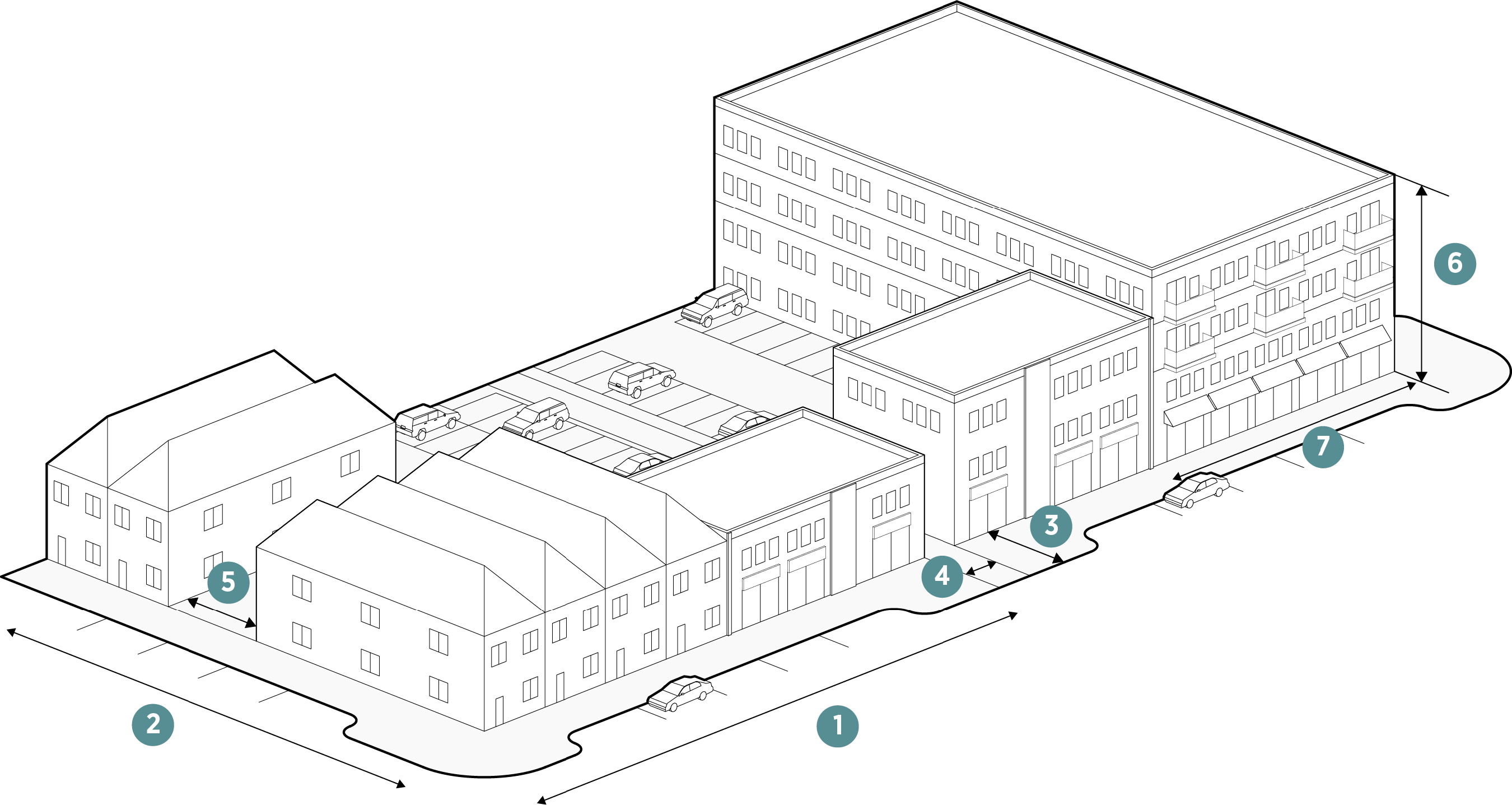
* Irregular blocks may be permitted only if natural topography, existing roadways and railroads, and/or vegetation prevents a rectilinear grid.
** A minimum of three (3) different lot sizes shall be mixed and they shall be spread throughout the entire planned development. Concentrating lots of a single lot size or housing style in separate areas of a development shall be prohibited.
Figure 3.5-7. Mixed Use Transition Parking Standards
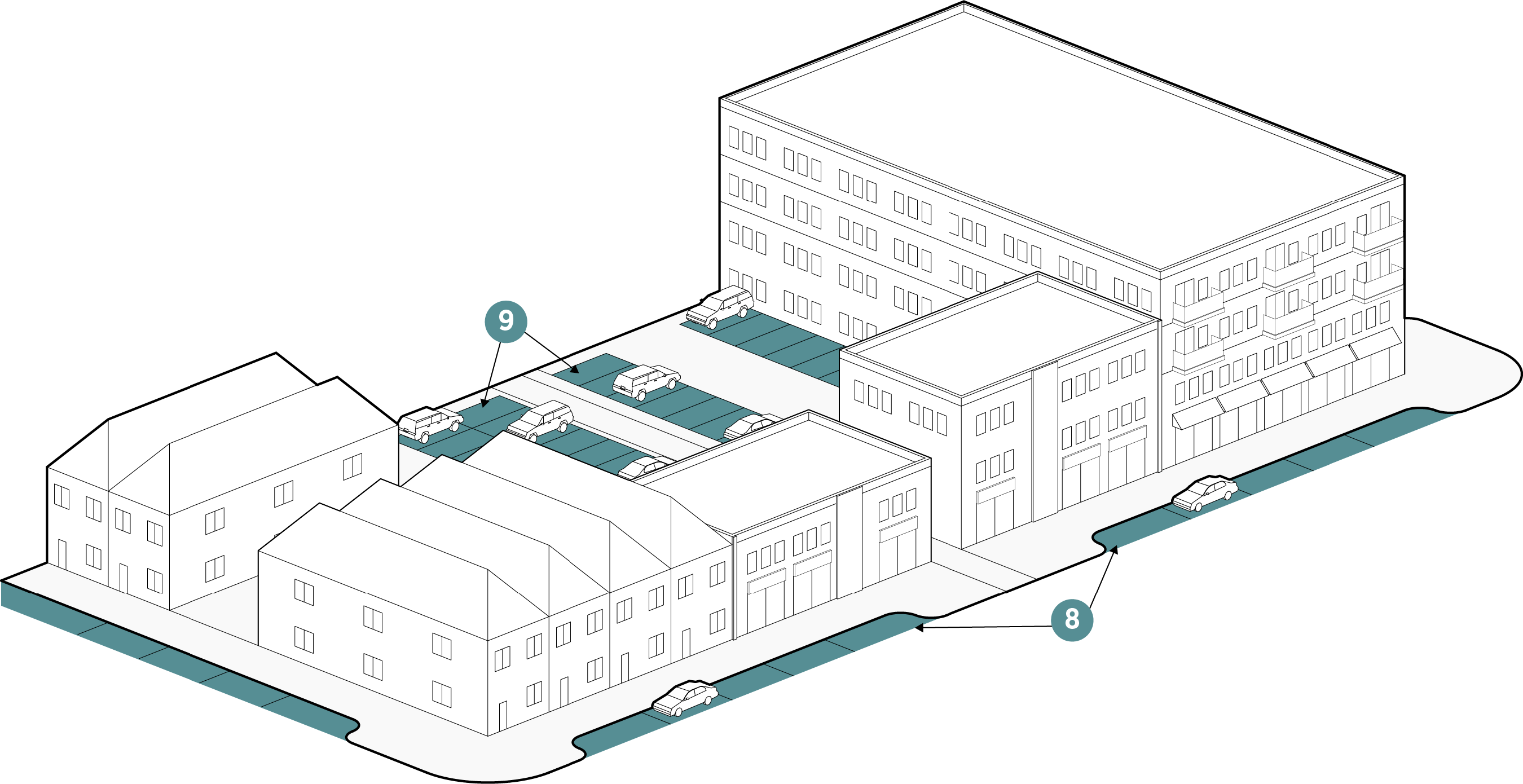
* Screening required if along a street.
** Flexible for residential uses but shall not be visible from a public right-of-way (other than an alley); trash collection shall be along alleys if alleys are provided.
*** Shall be per Article IX standards or applicant may propose alternative screening standards at the time of Concept Plan.
Figure 3.5-8. Mixed Use Transition Public Realm Standards
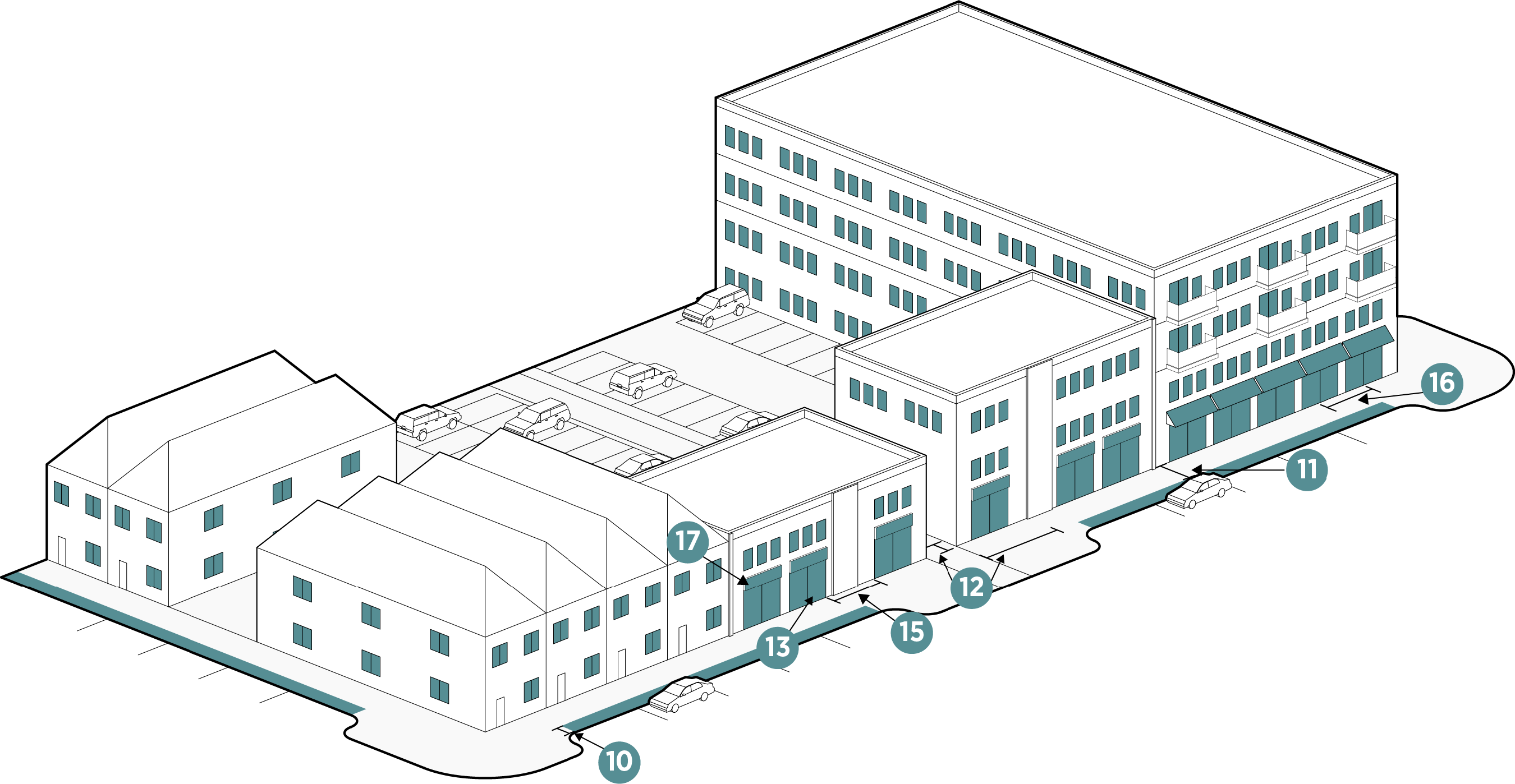
*Pedestrian oriented lighting shall be no taller than 16 feet high and shall be spaced an average of 50 feet on center, coordinated with street trees. Other street lighting shall be in accordance with Article V and the Design Criteria and Construction Standards.
3.5.6. NEIGHBORHOOD TRANSITION (NT)
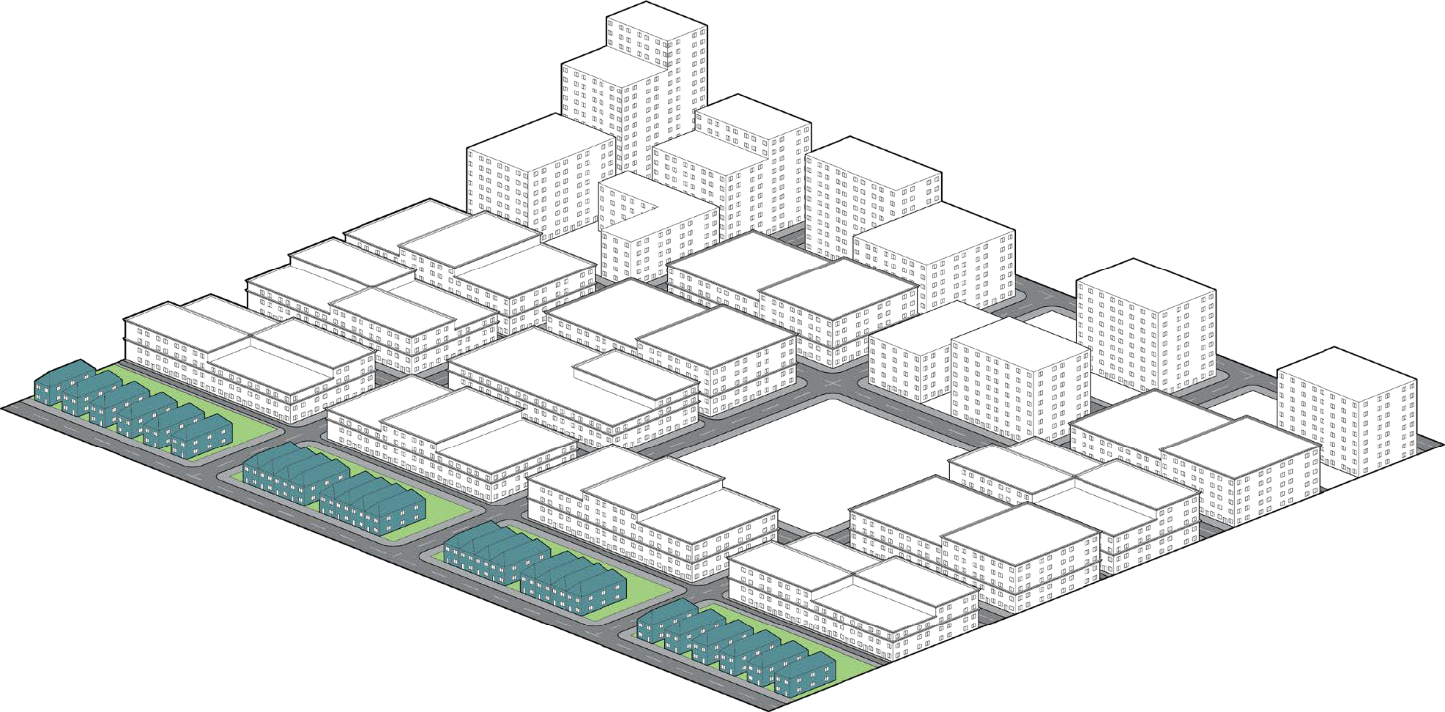
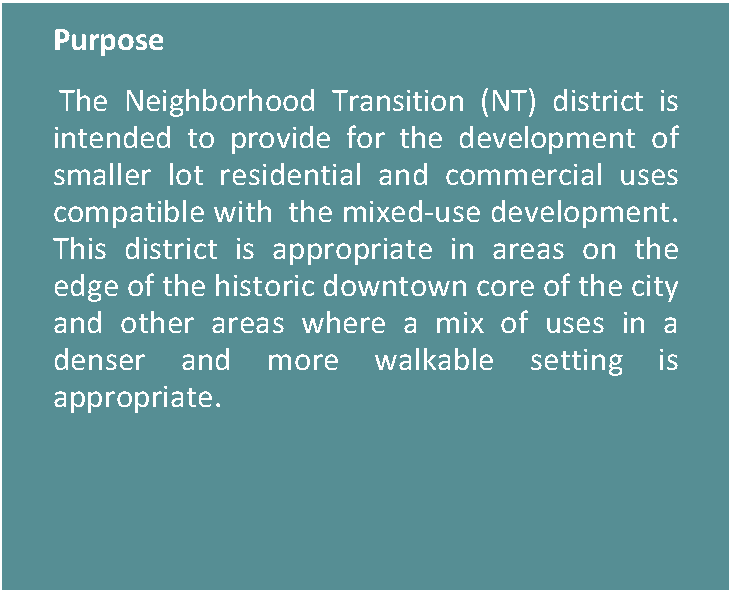
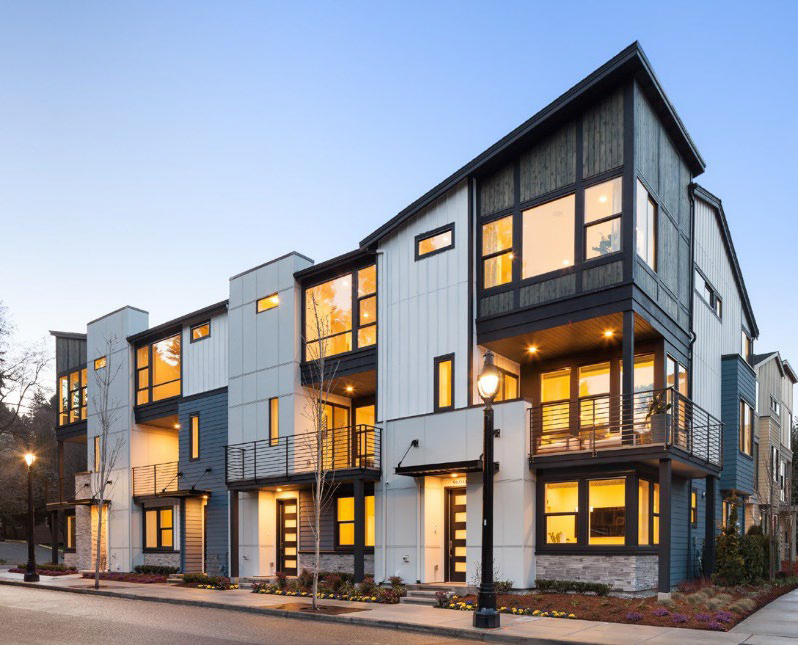
Figure 3.5-9. Neighborhood Transition Character Context
 |  |
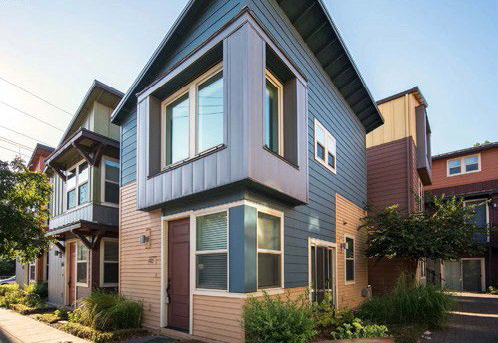 | 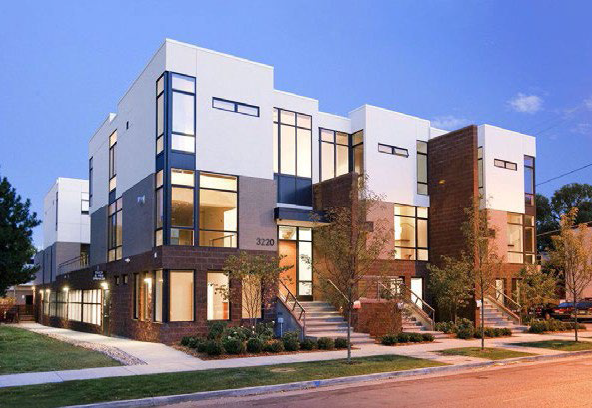 |
Figure 3.5-10. Neighborhood Transition Dimensional Standards
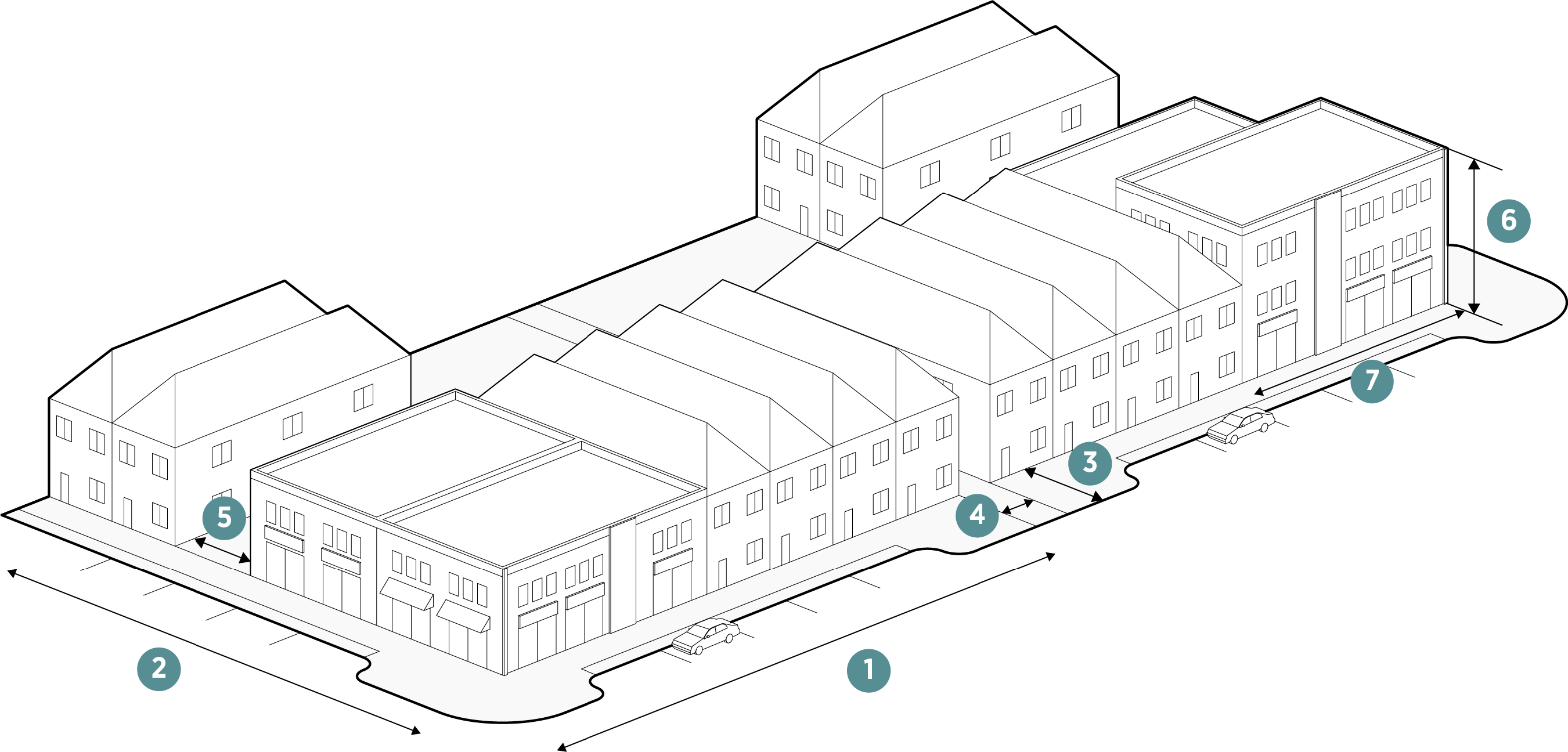
* Irregular blocks may be permitted only if natural topography, existing roadways and railroads, and/or vegetation prevents a rectilinear grid.
** Single-family detached homes and duplexes are exempt from this minimum height requirement.
*** A minimum of three (3) different lot sizes shall be mixed and they shall be spread throughout the entire development. Concentrating lots of a single lot size or housing style in separate areas of a development shall be prohibited.
Figure 3.5-11. Neighborhood Transition Parking Standards
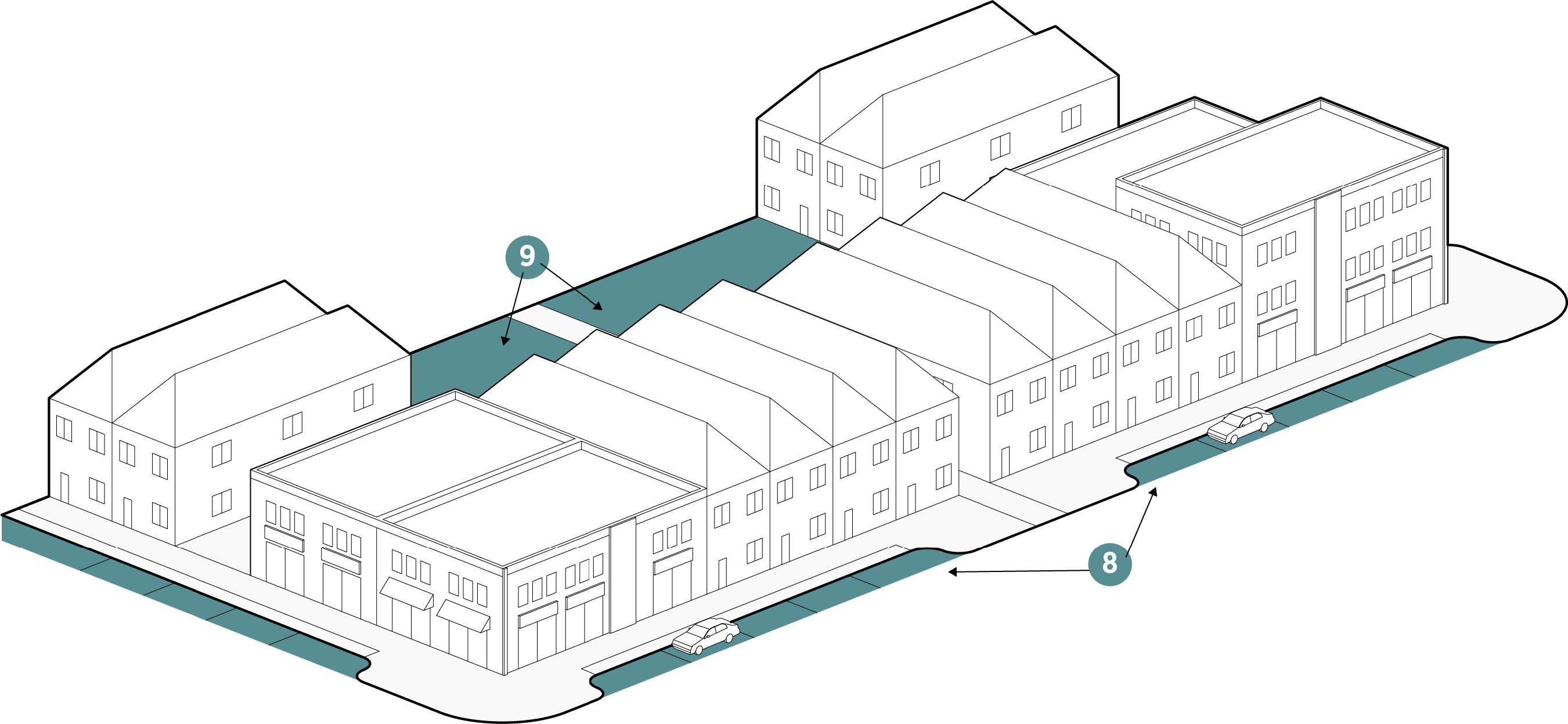
* Screening required if along a street.
** Flexible for residential uses but shall not be visible from a public right-of-way (other than an alley); trash collection shall be along alleys if alleys are provided.
*** Shall be per Article IX standards or applicant may propose alternative screening standards at the time of Concept Plan.
Figure 3.5-12. Neighborhood Transition Public Realm Standards
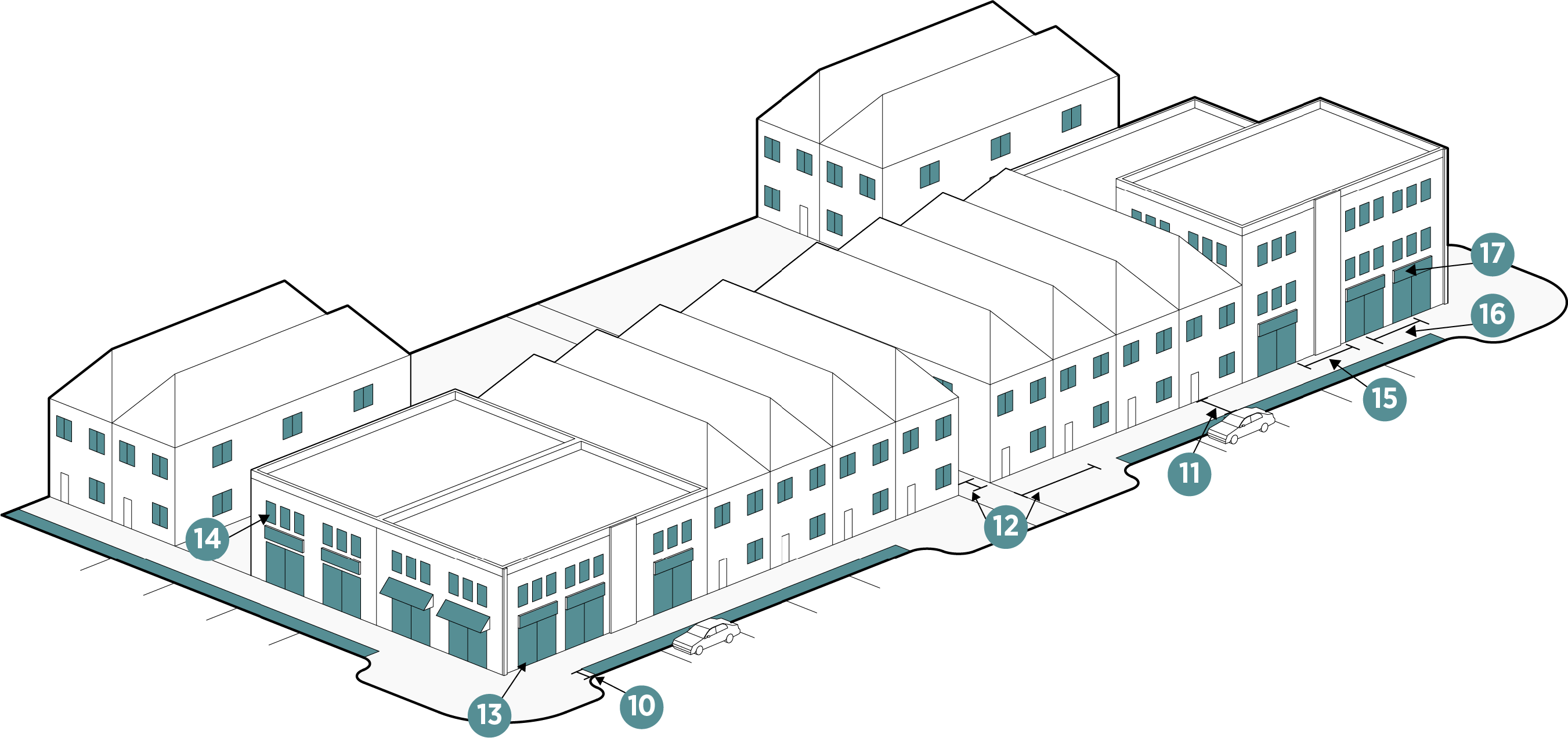
*Pedestrian oriented lighting shall be no taller than 16 feet high and shall be spaced an average of 50 feet on center, coordinated with street trees. Other street lighting shall be in accordance with Article V and the Design Criteria and Construction Standards.
3.5.7. OLD TOWN CORE (OTC)
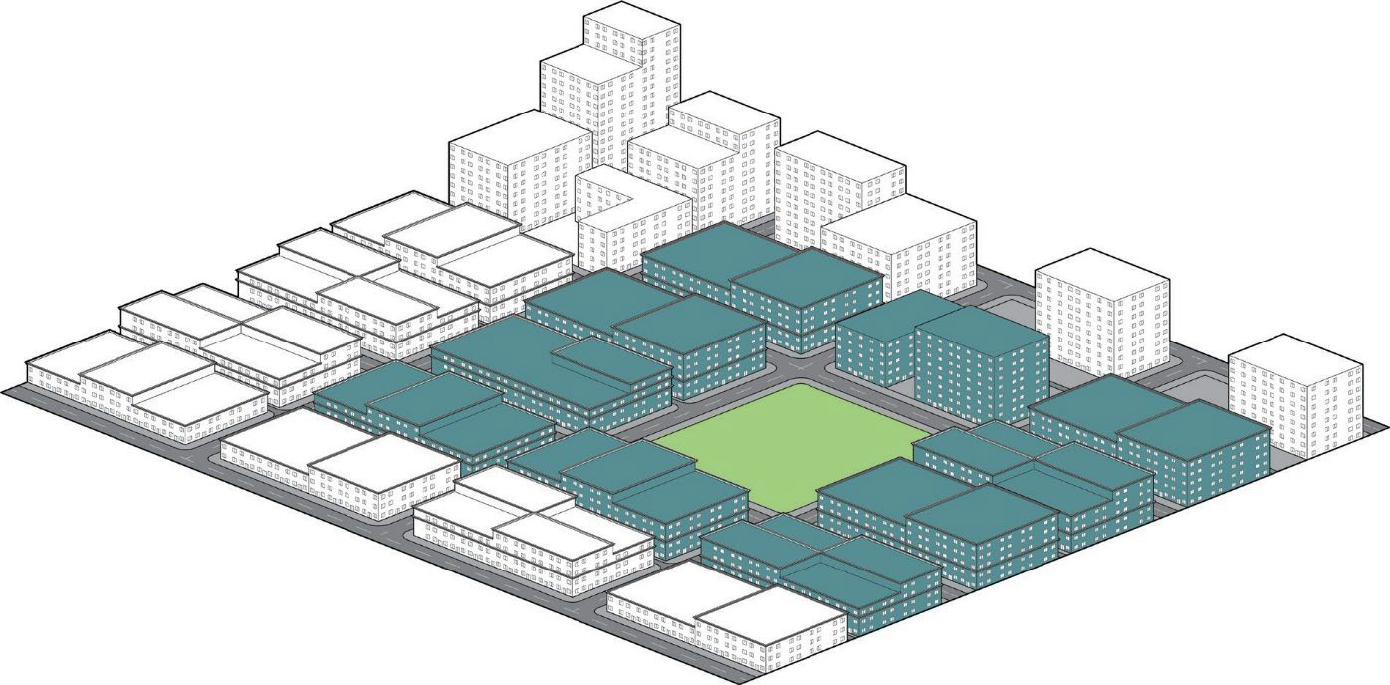
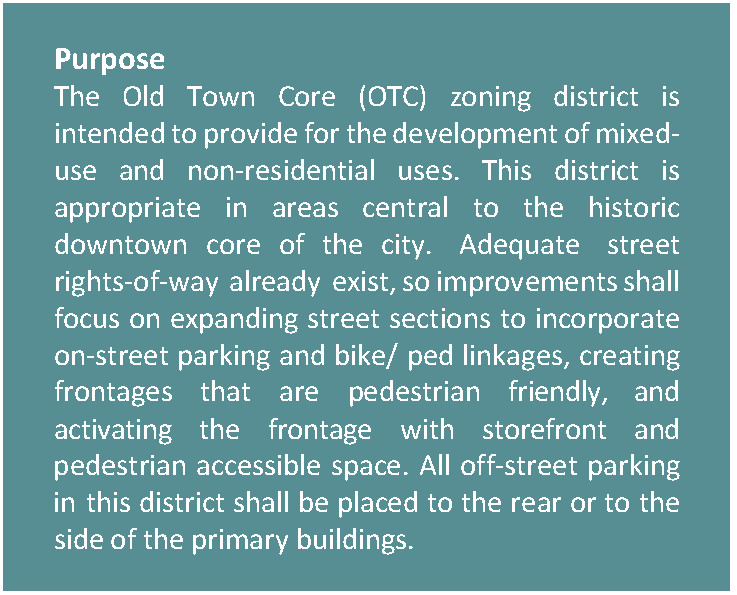
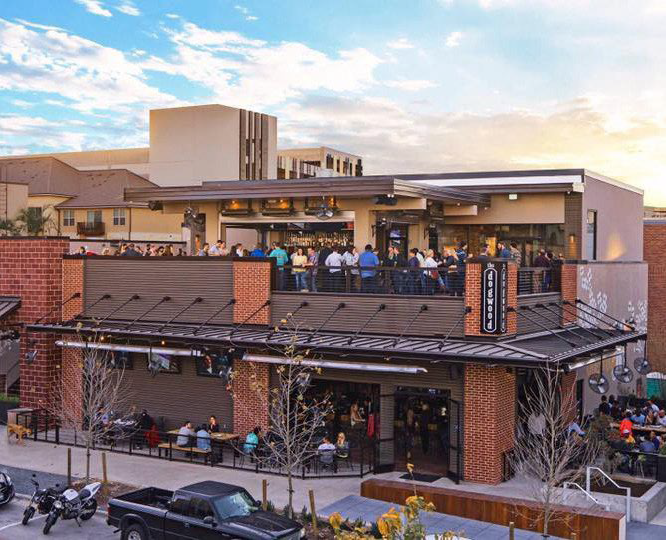
Figure 3.5-13. Old Town Core Character Context
 |  |
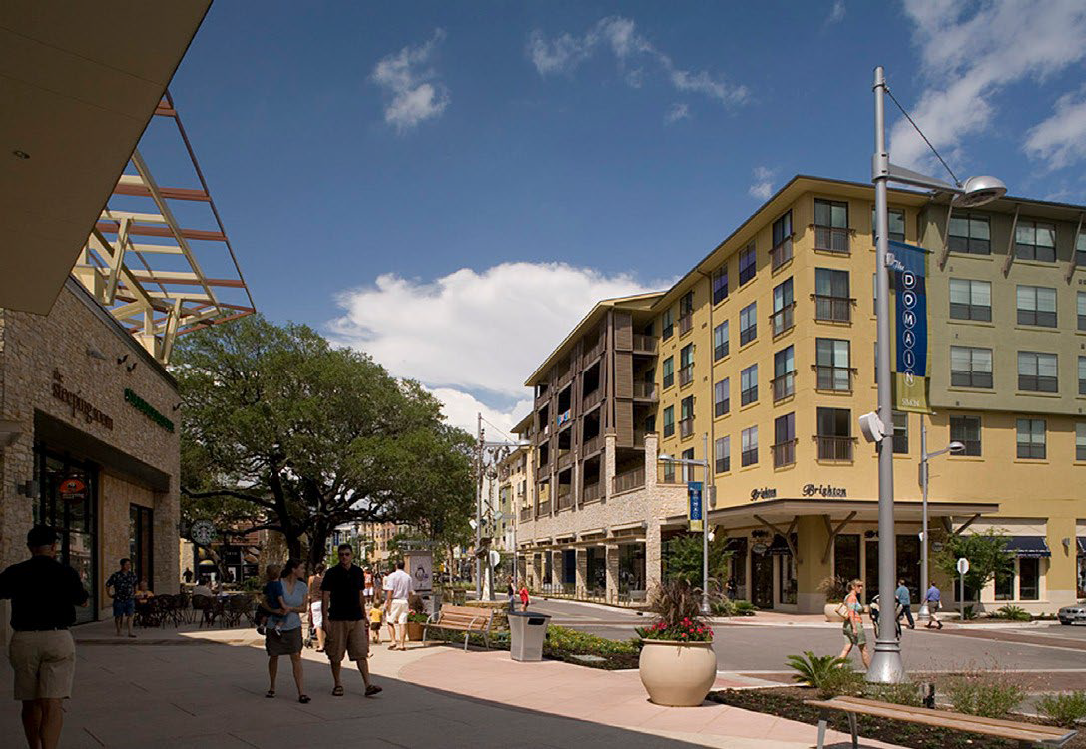 | 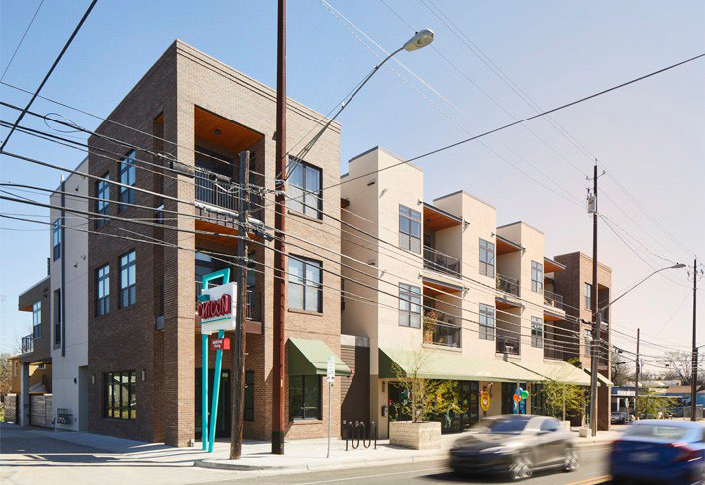 |
Figure 3.5-14. Old Town Core Dimensional Standards
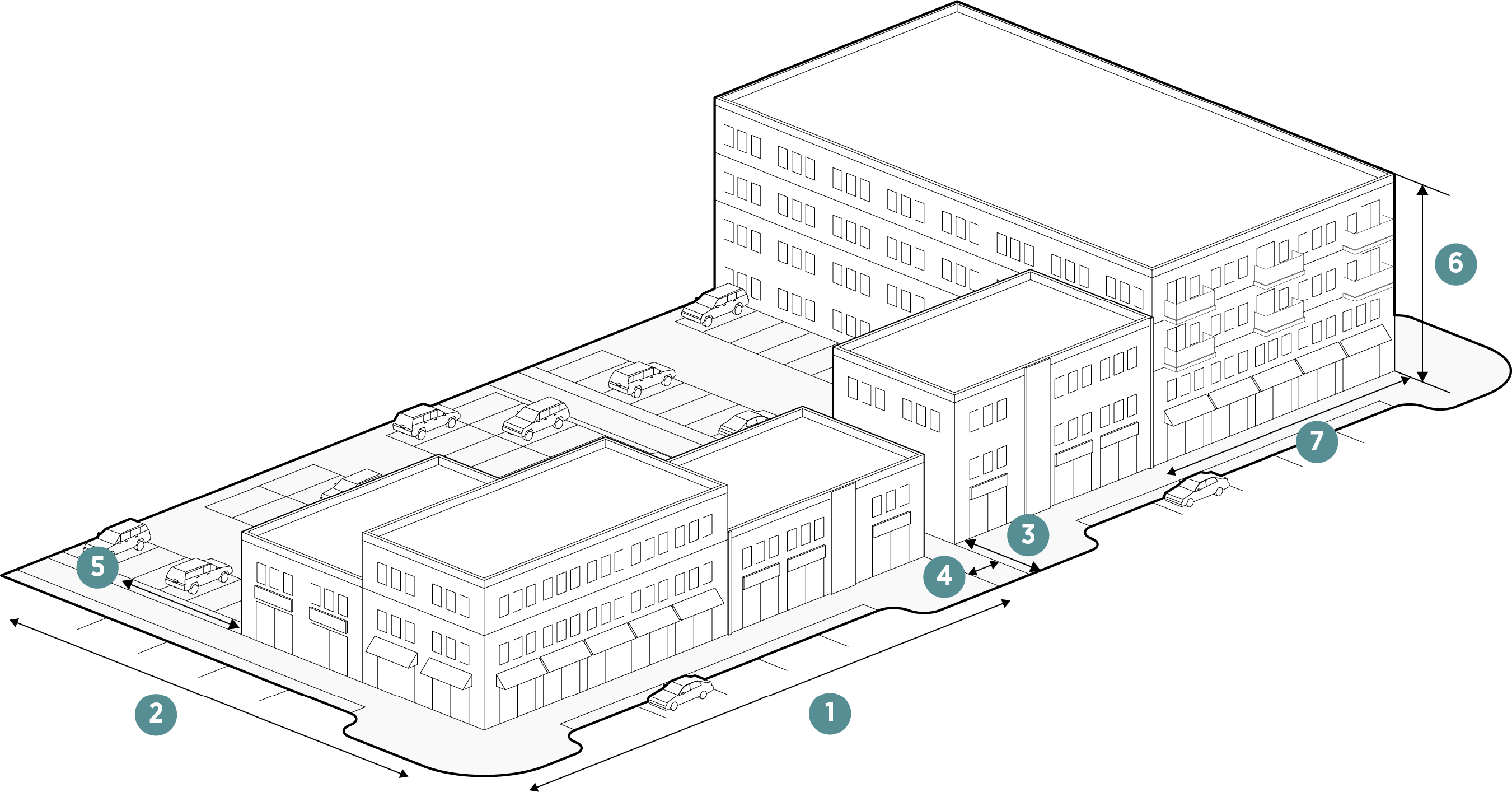
* Irregular blocks may be permitted only if natural topography, existing roadways and railroads, and/or vegetation prevents a rectilinear grid.
** Block perimeter maximum can be exceeded with either public or private roads that create interconnected access within parking areas and/or safe pedestrian connections accessing through the larger block.
Figure 3.5-15. Old Town Core Parking Standards
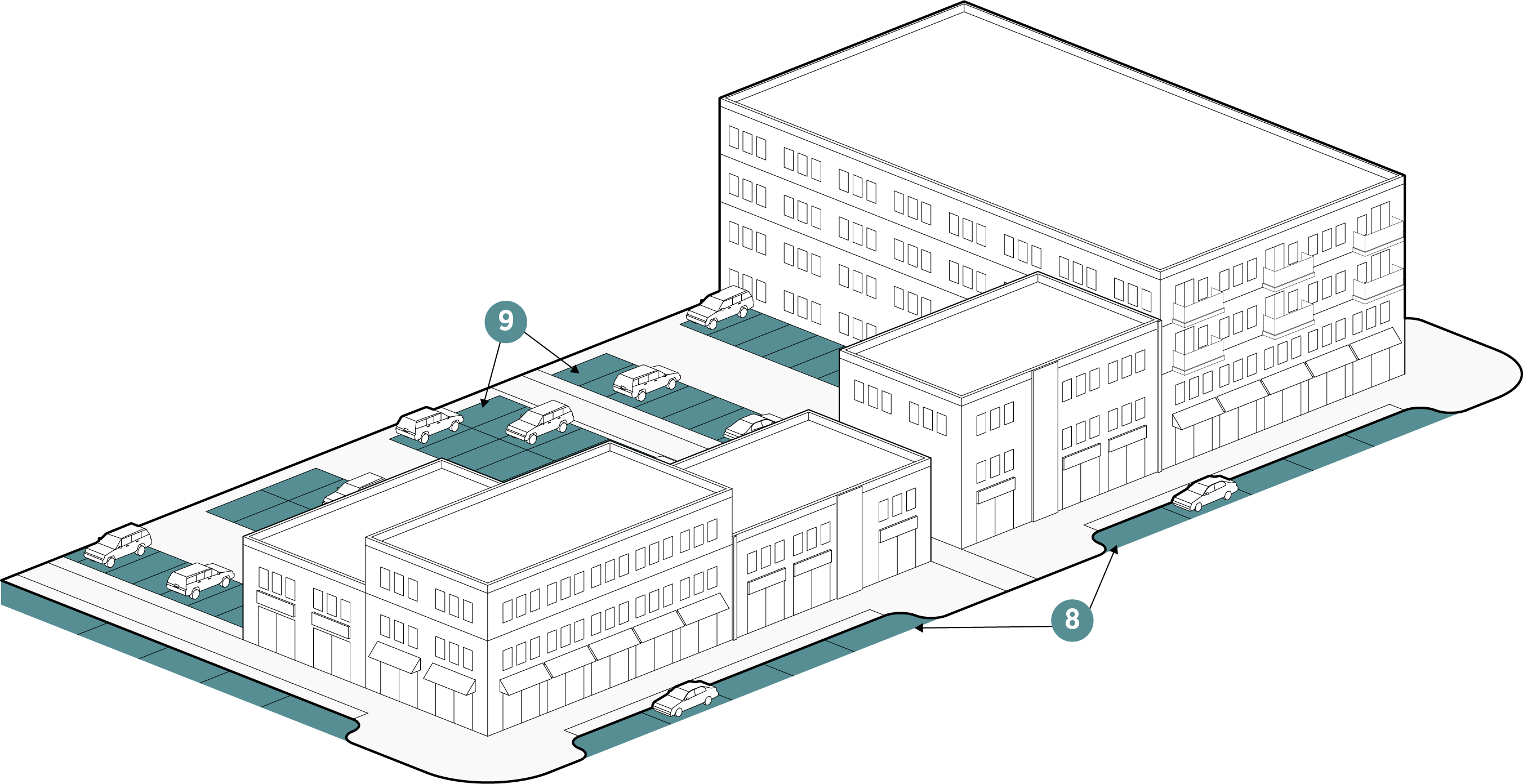
* Screening required if along a street.
** Flexible for residential uses but shall not be visible from a public right-of-way (other than an alley); trash collection shall be along alleys if alleys are provided.
*** Shall be per Article IX standards or applicant may propose alternative screening standards at the time of Concept Plan.
Figure 3.5-16. Old Town Core Public Realm Standards
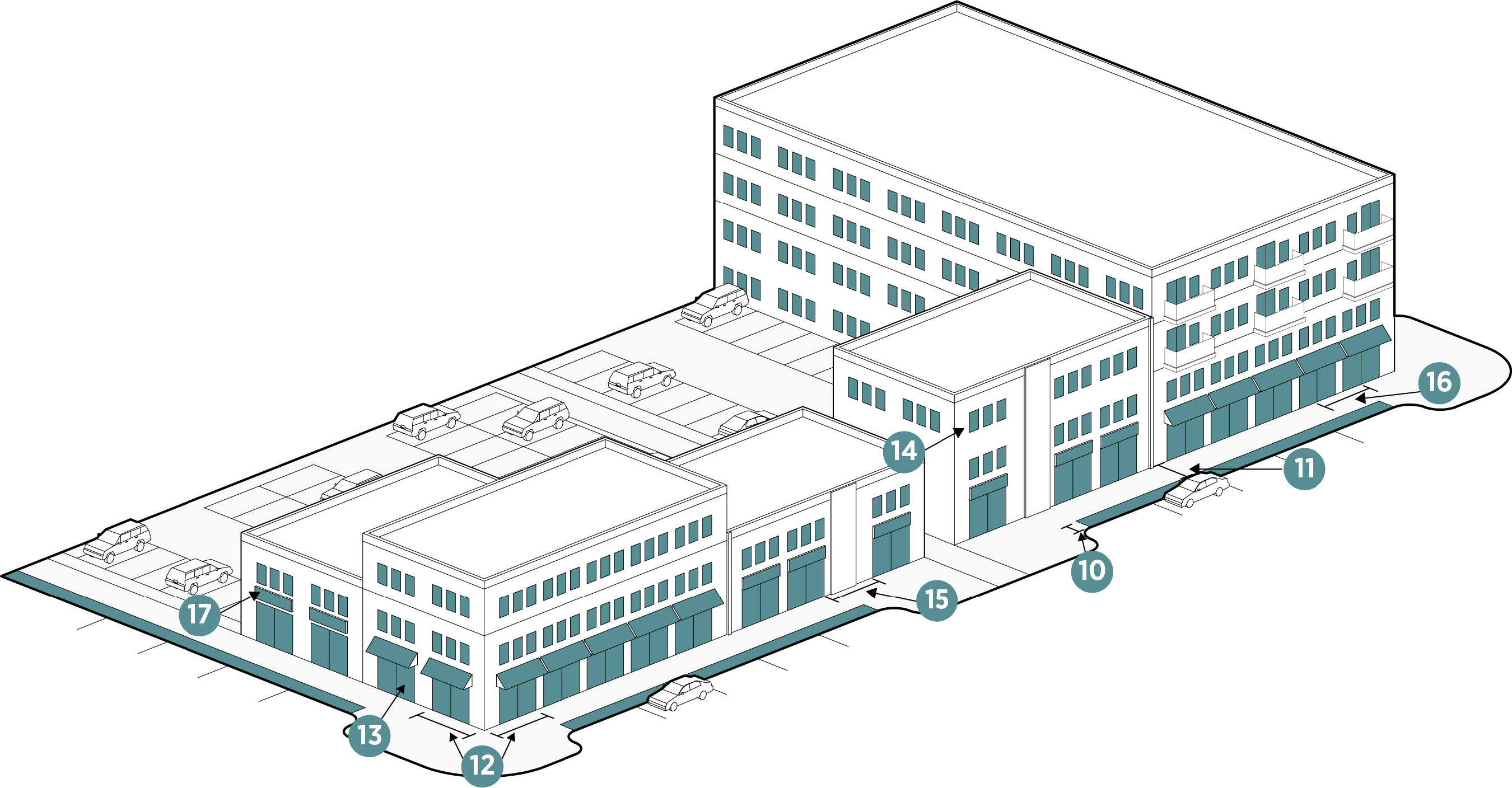
*Pedestrian oriented lighting shall be no taller than 16 feet high and shall be spaced an average of 50 feet on center, coordinated with street trees. Other street lighting shall be in accordance with Article V and the Design Criteria and Construction Standards.
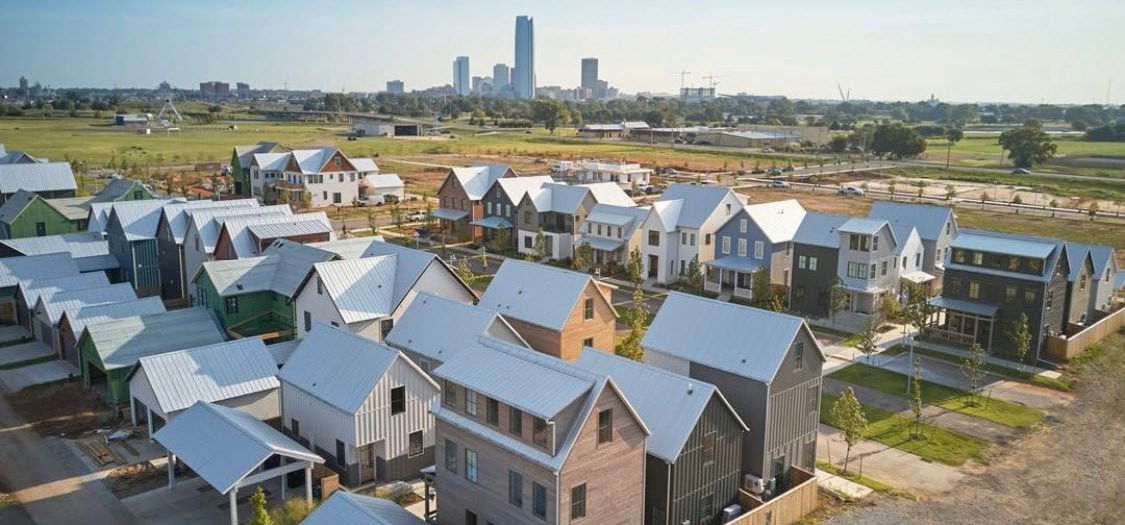
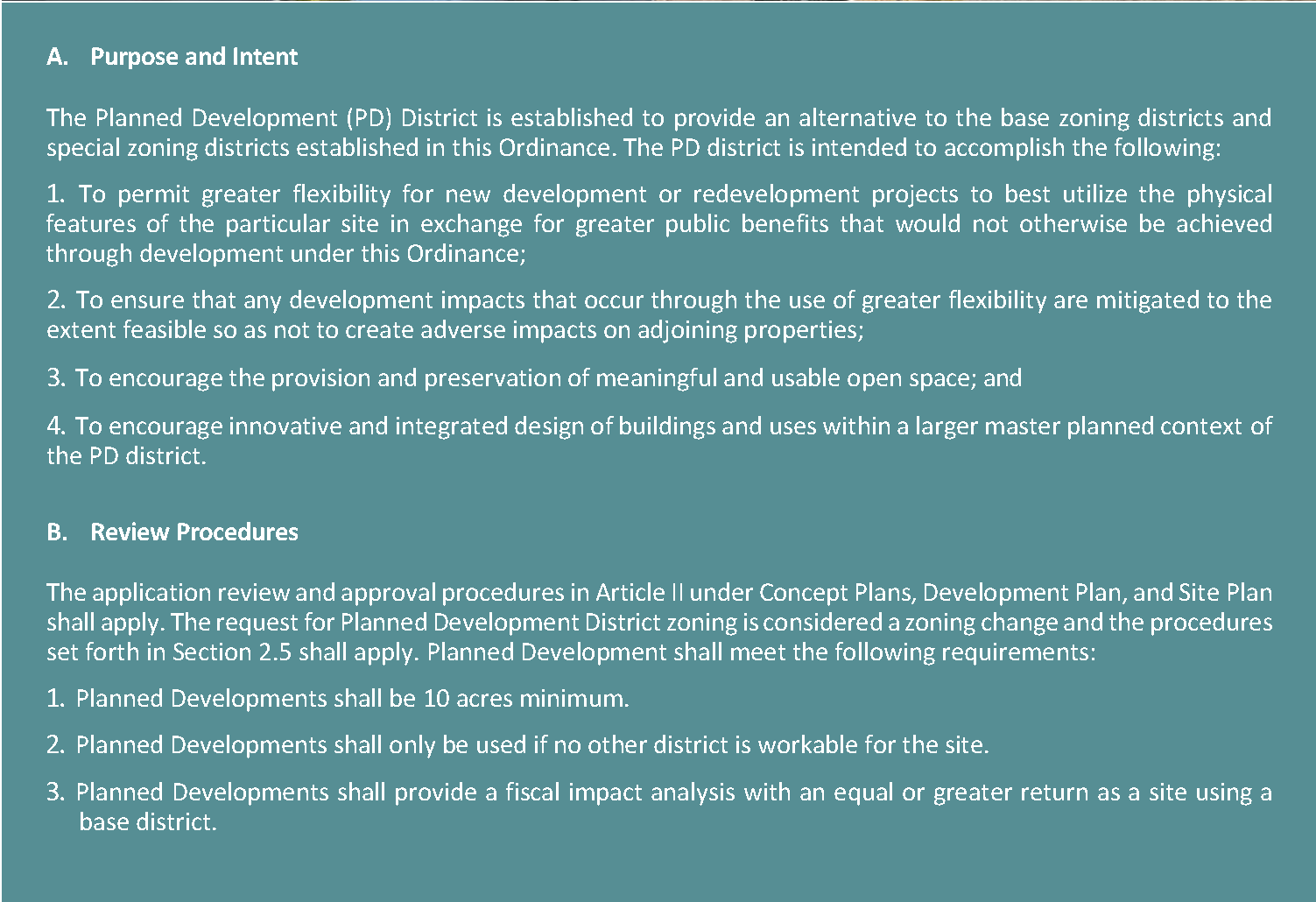
3.5.8. PLANNED DEVELOPMENT (PD)
  |
(Ord. No. O-2023-003, § 3(Exh. A), 1-3-2023; Ord. No. O-2024-030, §§ 5, 6, 7-1-2024)

