
Gonzales City Zoning Code
Sec. 22-2
Zoning districts.
(22-2)(a)
In general. Zoning districts carry out the intent and provisions of this zoning code as applied to property set forth on the official zoning map established in section 22-1(b), official maps.
(22-2)(a)(1)
Zoning districts established. The following zoning districts are established to carry out the provisions of this zoning code:
a.
N-CON natural and open space conservation.
b.
R-AG-5 rural agricultural.
c.
R-3-NC residential manufactured housing.
d.
R-15 residential single-family.
e.
R-10 residential single-family.
f.
R-8 residential single-family.
g.
R-6 residential single-family.
h.
R-3-Z residential zero lot line.
i.
R-3-D duplex.
j.
R-TH townhouse.
k.
R-3-M residential multifamily.
l.
R-3-E residential multifamily—elderly.
m.
R-3-M25 residential multifamily.
n.
R-3-MU mixed use.
o.
B-1 limited business.
p.
C-1 limited commercial.
q.
C-2 commercial.
r.
C-MS main street commercial.
s.
E-1 employment.
t.
I-1 industrial.
u.
TND traditional neighborhood development.
(22-2)(a)(2)
Zoning district intent statements. The following zoning district intent statements establish the purpose and intent of each zoning district:
a.
Natural conservation (N-CON). The natural conservation district is intended to conserve and protect natural, open, or environmentally sensitive land while preventing the encroachment of incompatible land uses.
b.
Rural agriculture (R-AG-5). The rural agriculture district is intended to protect farming and ranching uses while preventing the encroachment of incompatible land uses. The area and intensity of land uses permitted in this district promotes existing agricultural uses. This district also allows residential cluster developments with smaller minimum lot sizes in exchange for protecting significant common open space.
c.
Residential nonconventional (R-3-NC). The residential nonconventional district is intended to provide for residential developments for manufactured housing either in manufactured home parks or on individual lots.
d.
Residential single-family (R-15, R-10, R-8, R-6, and R-3-Z).
1.
The residential single-family districts are intended to accommodate single-family houses on individual lots. These districts should be applied in areas where the land use pattern is predominantly single-family residential or where such land use pattern is desired in the future.
2.
The residential single-family districts vary primarily on the minimum lot size for a single-family house within the district.
i.
The R-15 district generally requires 15,000 square feet.
ii.
The R-10 district generally requires ten thousand (10,000) square feet.
iii.
The R-8 district generally requires 8,000 square feet.
iv.
The R-6 district generally requires 6,000 square feet.
v.
The R-3-Z district generally requires four thousand (4,000) square feet.
e.
Residential duplex (R-3-D). The residential duplex district is intended to provide for attached housing with a maximum of two (2) dwelling units per building, with the design and character of a single-family home. Structures may be divided horizontally or vertically. Duplex zoning can serve as a transition between higher density residential or commercial development and lower density single-family development.
f.
Residential townhouse (R-3-TH). The residential townhouse district is intended to provide for attached housing on individual lots. Townhouse zoning can serve as a transition between higher density residential or commercial development and lower density single-family development.
g.
Residential multifamily (R-3-M, R-3-E, and R-3-M25).
1.
The residential multifamily districts are intended to accommodate a mix of housing. The districts are generally intended to provide for the integration of single-family, two-family and multifamily together.
2.
The residential multifamily districts vary primarily on the maximum density within the district.
i.
The R-3-M district generally allows up to fifteen (15) dwelling units per acre.
ii.
The R-3-E district generally allows up to twenty-five (25) dwelling units per acre, with an emphasis on senior housing and services.
iii.
The R-3-M25 district generally allows up to twenty-five (25) dwelling units per acre.
h.
Mixed use (R-3-MU). The mixed use district is intended to promote safe, active, and pedestrian-scaled mixed use centers as part of a neighborhood. The R-3-MU district enhances the convenience, ease and enjoyment of walking, shopping and public gathering spaces. Although buildings can be exclusively residential or nonresidential in use, the vertical mixing of uses (floor-to-floor) is encouraged.
i.
Limited business (B-1). The limited business district is intended to provide for a lower-intensity commercial zoning district for office and limited retail uses as a transition zone adjacent to residential development.
j.
Commercial (C-1 and C-2). The commercial districts are intended to balance the need for safe, active, and pedestrian-scaled areas with the need for parking between the buildings and the street. While the commercial districts allow buildings to be built to the street edge, the district is intended to address auto-dominated corridors where it is infeasible or impractical to require buildings pulled up to the street. The primary distinction between the C-1 and C-2 districts are the intensity of commercial uses permitted.
k.
Main street (C-MS). The main street district is intended to promote safe, active, and pedestrian-scaled mixed use streets. This district may be applied in a linear fashion along a block face or at corners of key intersections. The C-MS district should be applied where a higher degree of walkability and pedestrian activity is desired. The C-MS district allows uses to be mixed both vertically within a building or horizontally on a site.
l.
Employment (E-1). The employment district is intended to accommodate light manufacturing, research and development, warehousing, wholesale, and retail uses. This district represents a lower-intensity alternative to the Industrial district to provide for continued employment and economic growth in Gonzales.
m.
Industrial (I-1). The industrial district is intended to accommodate higher-intensity commercial and industrial uses that should not be located near residential areas because of their intensity or the nature of their services.
n.
Traditional neighborhood development (TND). A traditional neighborhood development (TND) is not a single zoning district, but is a process to apply specifically tailored regulations to a tract of land for the purpose of building complete neighborhoods. The process and requirements for traditional neighborhood developments (TND) are established in section 22-6(b)(8), traditional neighborhood development (TND).
(22-2)(b)
District regulations.
(22-2)(b)(1)
Lot and space summary.
(22-2)(b)(2)
N-CON district regulations. Natural and open space conservation.
a.
Allowed uses.
1.
Allowed residential use categories. Camps (SUP required).
2.
Allowed public use categories. All civic (SUP required); all parks and open space; all minor utilities; all major utilities (SUP required).
3.
Allowed commerce use categories. All outdoor recreation prohibited except: horse stable, riding academy equestrian center (SUP required), hunting and fishing preserve (allowed by right), retreat center (allowed by right).
4.
Allowed employment use categories. None allowed.
5.
Allowed open use categories. All agriculture, except: agricultural airstrip (prohibited).
b.
Maximum density. Not applicable.
c.
Development standards.
1.
Lot and setback requirements.
| Lot | 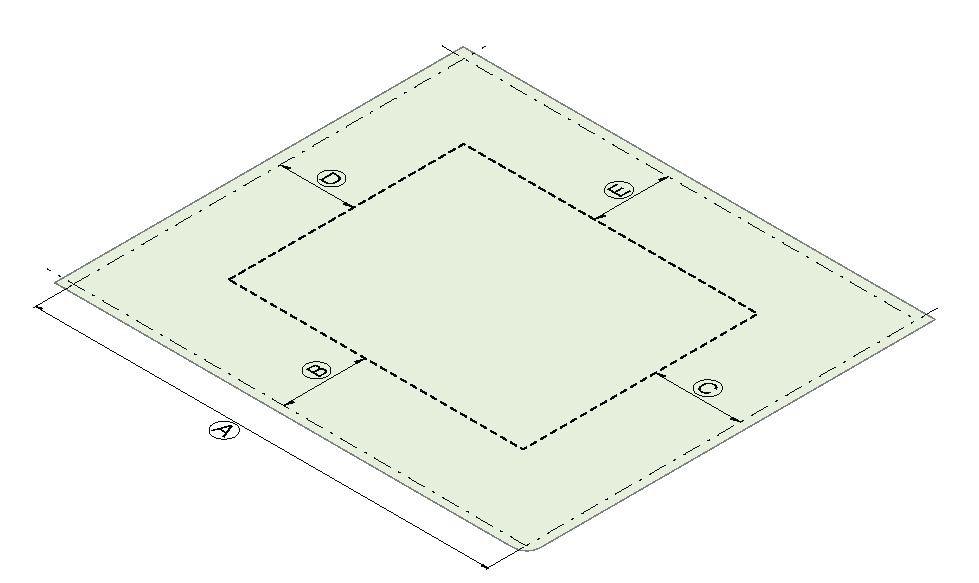 | ||
| Area (min square feet) | 2,000 | ||
| Building coverage (max) | 1% | ||
| Impervious coverage (max) | 10% | ||
| Ⓐ | Width (min) | n/a | |
| Principal Structure Setbacks | |||
| Ⓑ | Front (min) | 50′ | |
| Ⓒ | Side, street (min) | 25′ | |
| Ⓓ | Side, interior (min) | 25′ | |
| Ⓔ | Rear, alley (min) | 50′ | |
2.
Building requirements.
| Principal Structure Height | 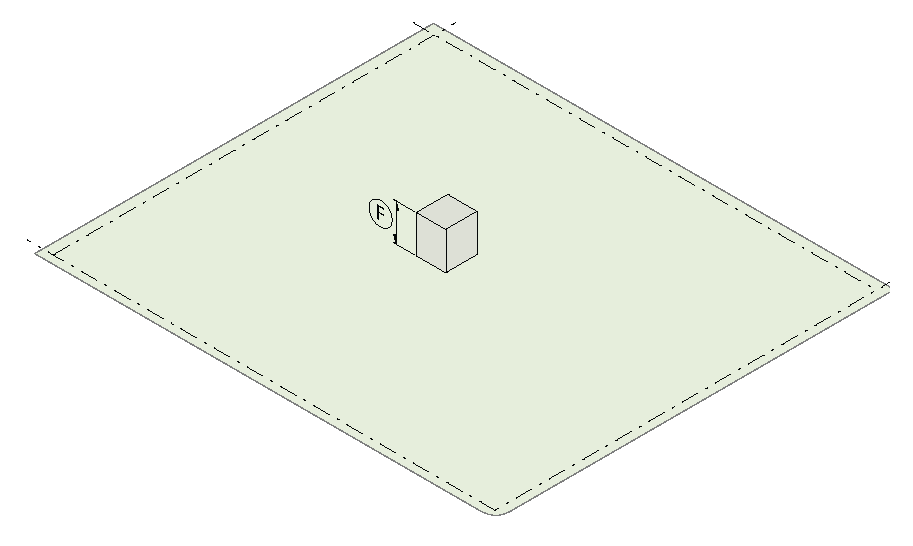 | ||
| Ⓕ | Stories (max) | n/a + | |
| Ⓕ | Feet (max) | n/a + | |
| Ground story elevation (min) | n/a | ||
| Bulk Plane | |||
| Bulk Plane | n/a | ||
| + Subject to fire department approval | |||
(22-2)(b)(3)
R-AG-5 district regulations. Agricultural and low density single-family housing.
a.
Allowed uses.
1.
Allowed residential use categories. All detached living, except: cottage homes; camps.
2.
Allowed public use categories. All civic; all parks and open space; all minor utilities; all major utilities (SUP required).
3.
Allowed commerce use categories. All day care (SUP required); all outdoor recreation (SUP required) except: campground, travel trailer park, RV park (prohibited), horse stable, riding academy equestrian center (allowed by right), hunting and fishing preserve (allowed by right), retreat center (allowed by right); all overnight lodging (prohibited), except: bed and breakfast (SUP required); all personal service (prohibited), except: animal care (SUP required); all retail sales (prohibited), except: art studio/gallery (SUP required); all water-oriented.
4.
Allowed employment use categories. None allowed.
5.
Allowed open use categories. All agriculture, except: agricultural airstrip (prohibited); all resource extraction (SUP required).
b.
Maximum density. 0.2 dwelling units per acre.
c.
Development standards.
1.
Lot and setback requirements.
| Lot | 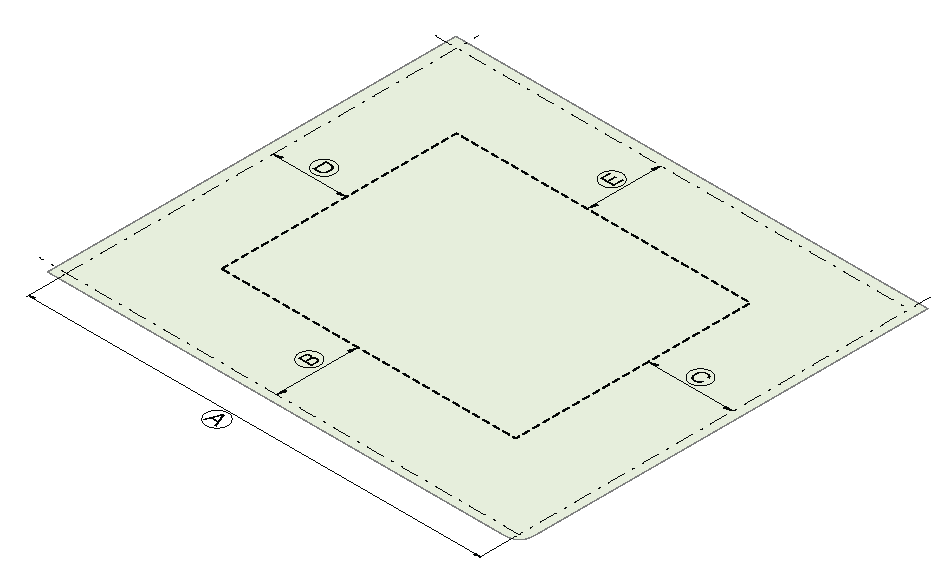 | ||
| Area (min acres) | 5 | ||
| Building coverage (max) | 15% | ||
| Impervious coverage (max) | 25% | ||
| Ⓐ | Width (min) | 200′ | |
| Structure Setbacks | |||
| Ⓑ | Front (min) | 60′ | |
| Ⓒ | Side, street (min) | 40′ | |
| Ⓓ | Side, interior (min) | 40′ | |
| Ⓔ | Rear (min) | 40′ | |
2.
Building requirements.
| Principal Structure Height | 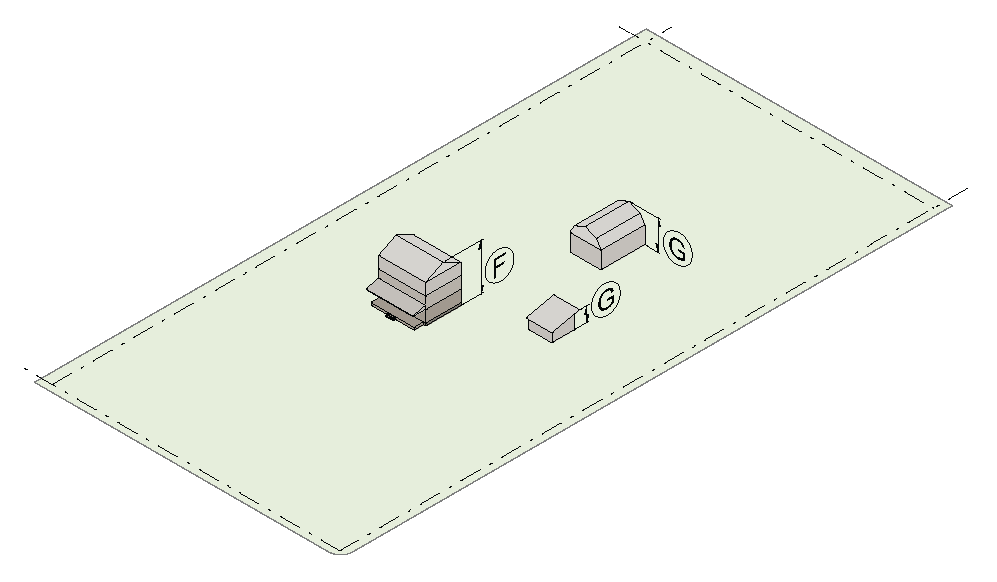 | ||
| Ⓕ | Stories (max) | n/a + | |
| Ⓕ | Feet (max) | n/a + | |
| Ground story elevation (min) | n/a | ||
| Bulk Plane | |||
| Bulk plane | n/a | ||
| Accessory Structure Height | |||
| Ⓖ | Stories (max) | 2 | |
| Ⓖ | Feet (max) | 30′ | |
| + Subject to fire department approval | |||
(22-2)(b)(4)
R-3-NC district regulations. Manufactured and single-family housing.
a.
Allowed uses.
1.
Allowed residential use categories. All detached living, except: cottage homes (prohibited); manufactured home park; camps (SUP required).
2.
Allowed public use categories. All civic; all parks and open space; all minor utilities; all major utilities (SUP required).
3.
Allowed commerce use categories. All day care (SUP required); all outdoor recreation (SUP required) except: campground, travel trailer park, RV park (prohibited), horse stable, riding academy equestrian center (allowed by right), hunting and fishing preserve (allowed by right), retreat center (allowed by right); all retail sales (prohibited), except: art studio/gallery (SUP required).
4.
Allowed employment use categories. None allowed.
5.
Allowed open use categories. All agriculture, except: agricultural airstrip (prohibited); all resource extraction (SUP required).
b.
Maximum density. 12.45 dwelling units per acre.
c.
Development standards.
1.
Lot and setback requirements.
| Individual | Manufactured Home Park | 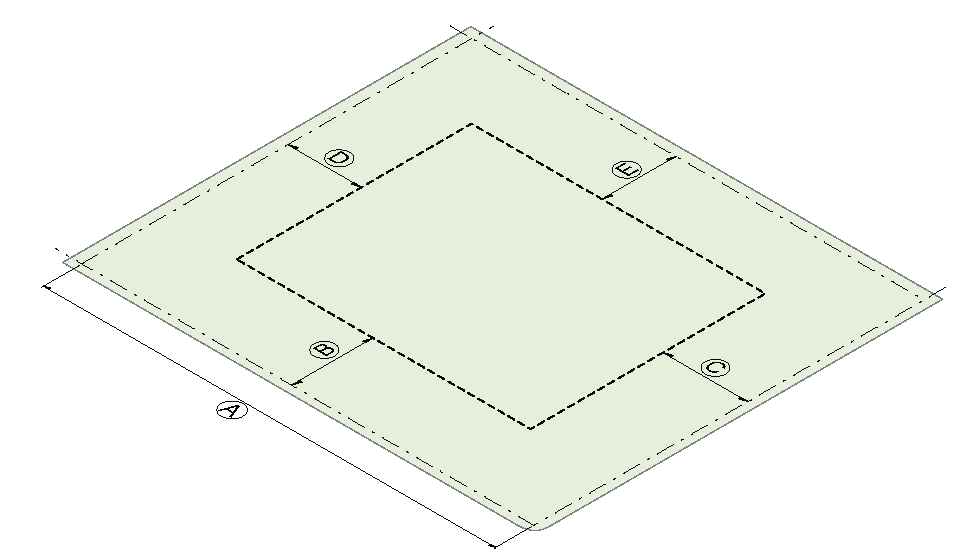 | ||
|---|---|---|---|---|
| Lot | ||||
| Area (min) | 4,000 sf | 3 acres | ||
| Building coverage (max) | 50% | 40% | ||
| Impervious coverage (max) | n/a | n/a | ||
| Ⓐ | Width (min) | 45′ | 200′ | |
| Principal Structure Setbacks | ||||
| Ⓑ | Front (min) | 15′ | 15′ | |
| Ⓒ | Side, street (min) | 5′ | 15′ | |
| Ⓓ | Side, interior (min) | 5′ | 15′ | |
| Ⓔ | Rear, alley (min)* | 3′ or 20′ | 15′ | |
| * 20′ required for vehicular access to structure, otherwise 3′ | ||||
2.
Building requirements.
| Principal Structure Height | 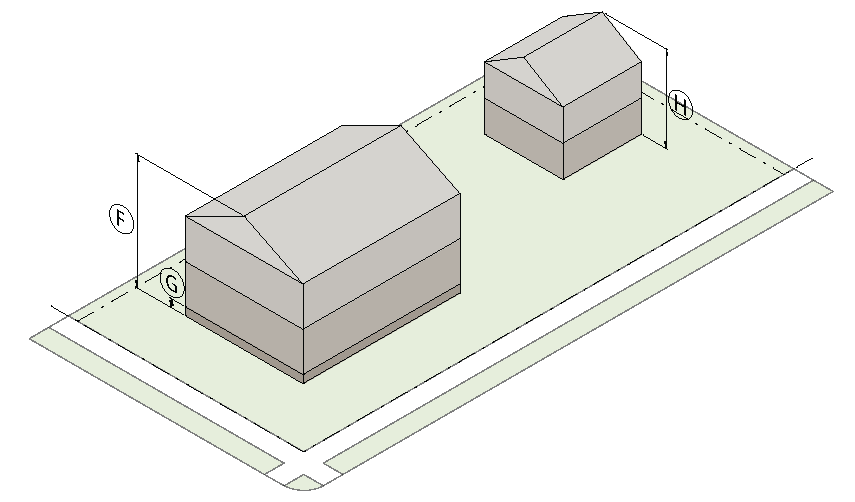 | ||
| Ⓕ | Stories (max) | n/a + | |
| Ⓕ | Feet (max) | n/a + | |
| Ⓖ | Ground story elevation (min) | n/a | |
| Bulk Plane | |||
| Bulk plane | n/a | ||
| Accessory Structure Height | |||
| Ⓗ | Stories (max) | 2 | |
| Ⓗ | Feet (max) | 30′ | |
| + Subject to fire department approval | |||
(22-2)(b)(5)
R-15 district regulations. Low density single-family housing with minimum 15,000 square foot lots.
a.
Allowed uses.
1.
Allowed residential use categories. All detached living, except: cottage homes (prohibited); all group living (SUP required).
2.
Allowed public use categories. All civic; all parks and open space; all minor utilities; all major utilities (SUP required).
3.
Allowed commerce use categories. All day care (SUP required).
4.
Allowed employment use categories. None allowed.
5.
Allowed open use categories. None allowed.
b.
Maximum density. 2.9 dwelling units per acre.
c.
Development standards.
1.
Lot and setback requirements.
| Lot | 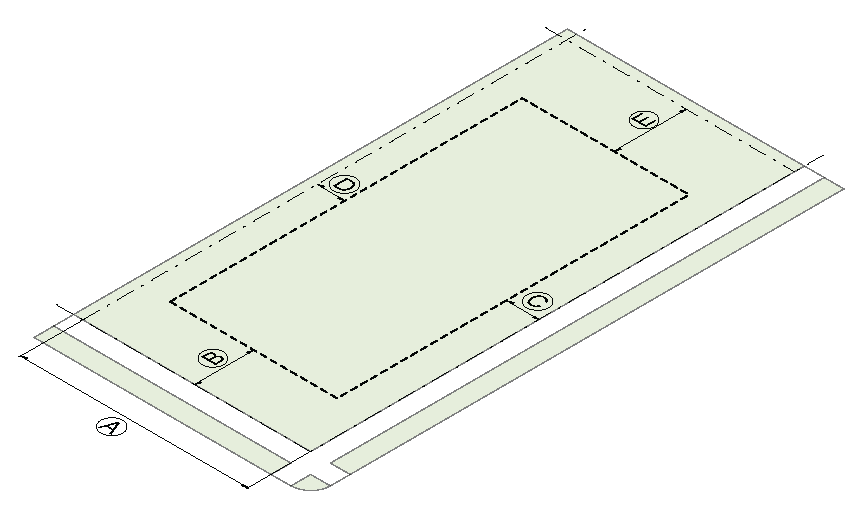 | ||
| Area (min square feet) | 15,000 | ||
| Building coverage (max) | 40% | ||
| Impervious coverage (max) | n/a | ||
| Ⓐ | Width (min) | 100′ | |
| Structure Setbacks | |||
| Ⓑ | Front (min) | 30′ | |
| Ⓒ | Side, street (min) | 15′ | |
| Ⓓ | Side, interior (min) | 10′ | |
| Ⓔ | Rear (min)* | 3′ or 20′ | |
| * 20′ required for vehicular access to structure, otherwise 3′ | |||
2.
Building requirements.
| Principal Structure Height | 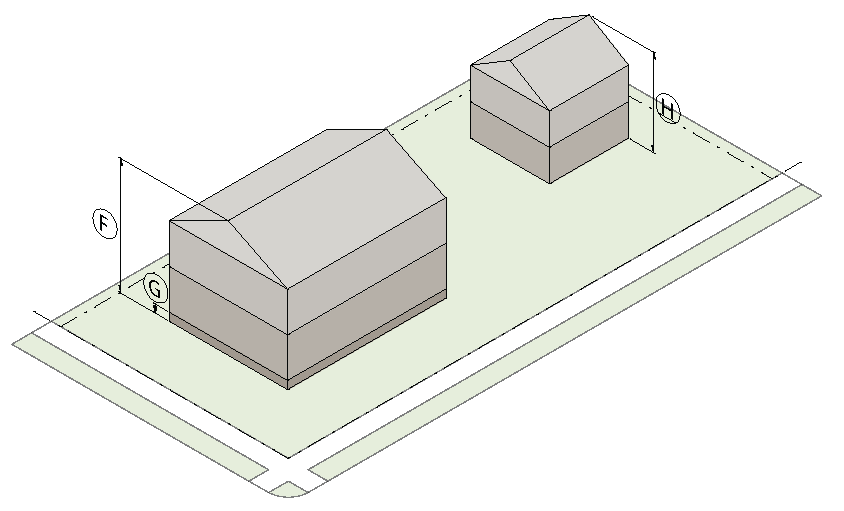 | ||
| Ⓕ | Stories (max) | n/a + | |
| Ⓕ | Feet (max) | n/a + | |
| Ⓖ | Ground story elevation (min) | n/a | |
| Bulk Plane | |||
| Bulk plane | n/a | ||
| Accessory Structure Height | |||
| Ⓗ | Stories (max) | 2 | |
| Ⓗ | Feet (max) | 30′ | |
| + Subject to fire department approval | |||
(22-2)(b)(6)
R-10 district regulations. Low density single-family housing with minimum ten thousand (10,000) square foot lots.
a.
Allowed uses.
1.
Allowed residential use categories. All detached living, except: cottage homes (prohibited); all group living (SUP required).
2.
Allowed public use categories. All civic; all parks and open space; all minor utilities; all major utilities (SUP required).
3.
Allowed commerce use categories. All day care (SUP required); all overnight lodging (prohibited), except: bed and breakfast (SUP required).
4.
Allowed employment use categories. None allowed.
5.
Allowed open use categories. None allowed.
b.
Maximum density. 4.36 dwelling units per acre.
c.
Development standards.
1.
Lot and setback requirements.
| Lot | 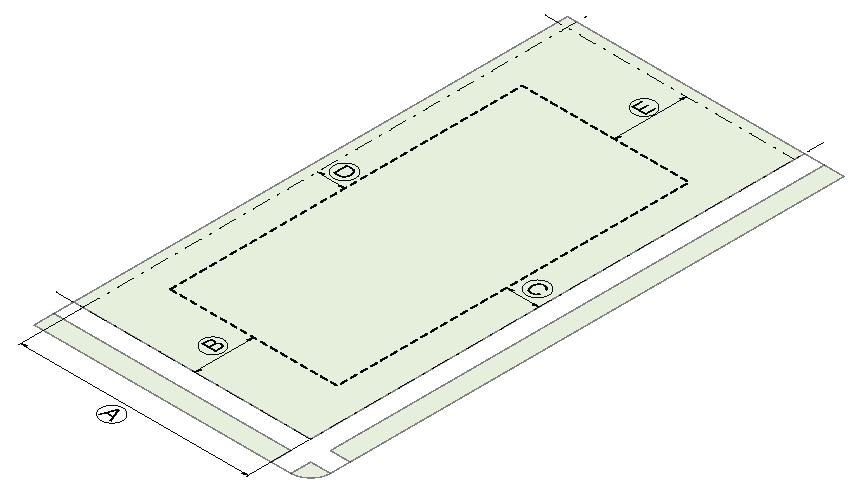 | ||
| Area (min square feet) | 10,000 | ||
| Building coverage (max) | 45% | ||
| Impervious coverage (max) | n/a | ||
| Ⓐ | Width (min) | 70′ | |
| Structure Setbacks | |||
| Ⓑ | Front (min) | 20′ | |
| Ⓒ | Side, street (min) | 7′ | |
| Ⓓ | Side, interior (min) | 7′ | |
| Ⓔ | Rear (min)* | 3′ or 20′ | |
| * 20′ required for vehicular access to structure, otherwise 3′ | |||
2.
Building requirements.
| Principal Structure Height | 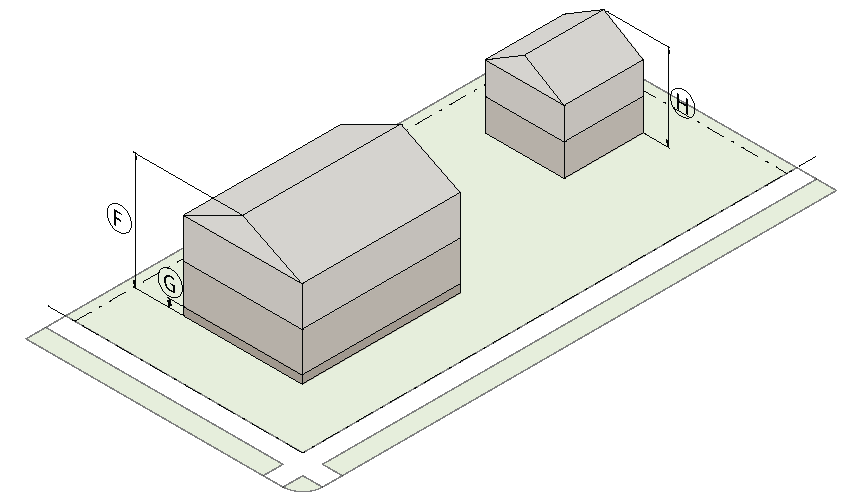 | ||
| Ⓕ | Stories (max) | n/a + | |
| Ⓕ | Feet (max) | n/a + | |
| Ⓖ | Ground story elevation (min) | n/a | |
| Bulk Plane | |||
| Bulk plane | n/a | ||
| Accessory Structure Height | |||
| Ⓗ | Stories (max) | 2 | |
| Ⓗ | Feet (max) | 30′ | |
| + Subject to fire department approval | |||
(22-2)(b)(7)
R-8 district regulations. Medium density, zero lot line and cottage housing.
a.
Allowed uses.
1.
Allowed residential use categories. All detached living, except: cottage homes (prohibited); all group living (SUP required).
2.
Allowed public use categories. All civic; all parks and open space; all minor utilities; all major utilities (SUP required).
3.
Allowed commerce use categories. All day care (SUP required); all overnight lodging (prohibited), except: bed and breakfast (SUP required).
4.
Allowed employment use categories. None allowed.
5.
Allowed open use categories. None allowed.
b.
Maximum density. 5.45 dwelling units per acre.
c.
Development standards.
1.
Lot and setback requirements.
| Lot | 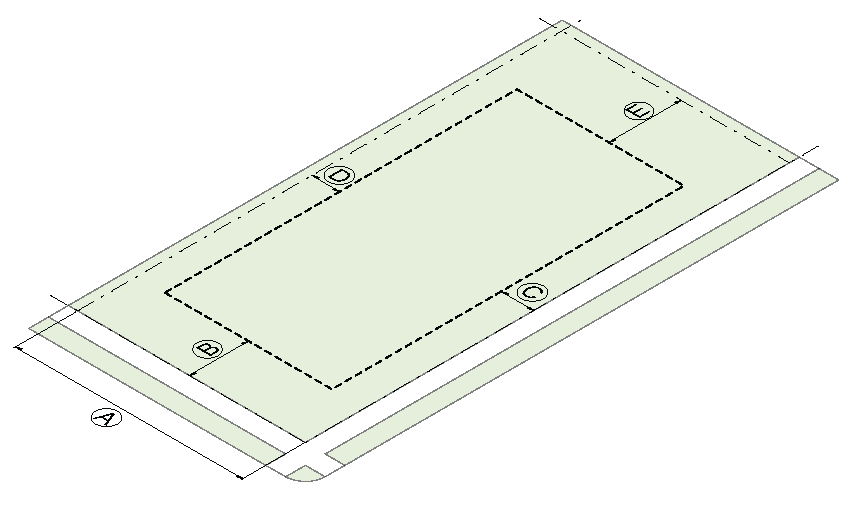 | ||
| Area (min square feet) | 8,000 | ||
| Building coverage (max) | 45% | ||
| Impervious coverage (max) | n/a | ||
| Ⓐ | Width (min) | 70′ | |
| Structure Setbacks | |||
| Ⓑ | Front (min) | 15′ | |
| Ⓒ | Side, street (min) | 7′ | |
| Ⓓ | Side, interior (min) | 7′ | |
| Ⓔ | Rear (min)* | 3′ or 20′ | |
| * 20′ required for vehicular access to structure, otherwise 3′ | |||
2.
Building requirements.
| Principal Structure Height | 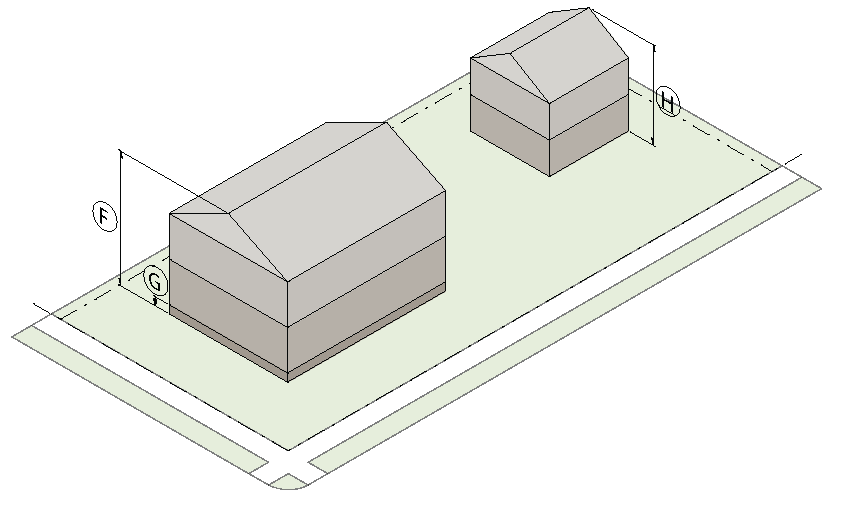 | ||
| Ⓕ | Stories (max) | n/a + | |
| Ⓕ | Feet (max) | n/a + | |
| Ⓖ | Ground story elevation (min) | n/a | |
| Bulk Plane | |||
| Bulk plane | n/a | ||
| Accessory Structure Height | |||
| Ⓗ | Stories (max) | 2 | |
| Ⓗ | Feet (max) | 30′ | |
| + Subject to fire department approval | |||
(22-2)(b)(8)
R-6 district regulations. Medium density single-family housing with minimum 6,000 square foot lots.
a.
Allowed uses.
1.
Allowed residential use categories. All detached living, except: cottage homes (SUP required); all group living (SUP required).
2.
Allowed public use categories. All civic; all parks and open space; all minor utilities; all major utilities (SUP required).
3.
Allowed commerce use categories. All day care (SUP required); all overnight lodging (prohibited), except: bed and breakfast (SUP required).
4.
Allowed employment use categories. None allowed.
5.
Allowed open use categories. None allowed.
b.
Maximum density. 7.26 dwelling units per acre.
c.
Development standards.
1.
Lot and setback requirements.
| Lot | 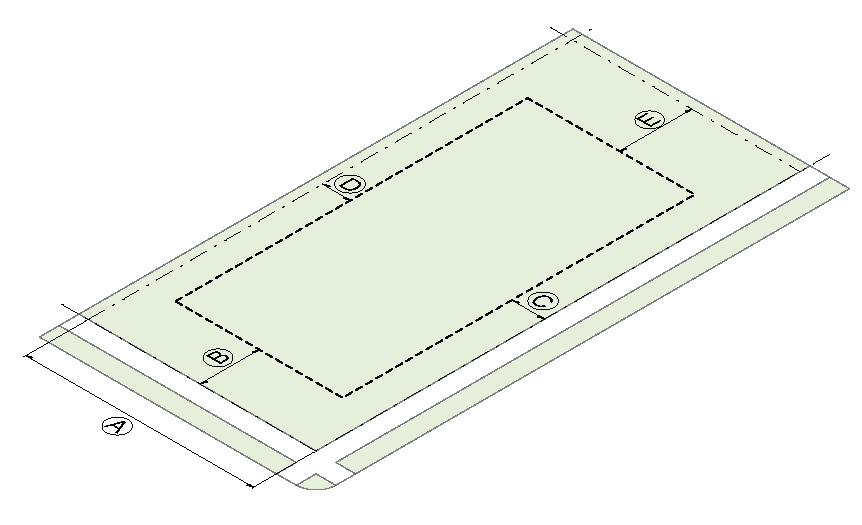 | ||
| Area (min square feet) | 6,000 | ||
| Building coverage (max) | 60% | ||
| Impervious coverage (max) | n/a | ||
| Ⓐ | Width (min) | 70′ | |
| Structure Setbacks | |||
| Ⓑ | Front (min) | 15′ | |
| Ⓒ | Side, street (min) | 5′ | |
| Ⓓ | Side, interior (min) | 5′ | |
| Ⓔ | Rear (min)* | 3′ or 20′ | |
| * 20′ required for vehicular access to structure, otherwise 3′ | |||
For subdivision lots with where the street is in a curve, the minimum lot frontage is fifty (50) feet at the street curve and seventy (70) feet at the building line, with minimum side lot lengths of not less than one hundred (100) feet.
2.
Building requirements.
| Principal Structure Height | 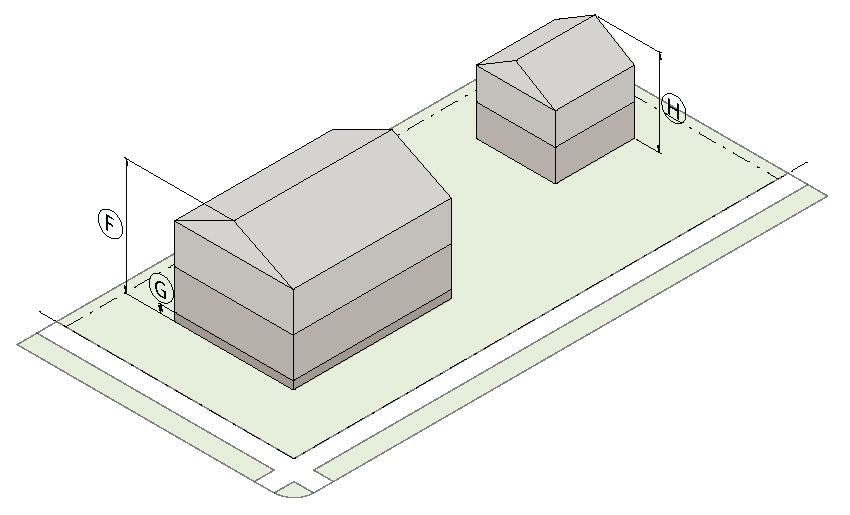 | ||
| Ⓕ | Stories (max) | n/a + | |
| Ⓕ | Feet (max) | n/a + | |
| Ⓖ | Ground story elevation (min) | n/a | |
| Bulk Plane | |||
| Bulk plane abutting R district (1:1 above 40′) | n/a | ||
| Accessory Structure Height | |||
| Ⓗ | Stories (max) | 2 | |
| Ⓗ | Feet (max) | 30′ | |
| + Subject to fire department approval | |||
(22-2)(b)(9)
R-3-Z district regulations. Medium density, zero lot line and cottage housing.
a.
Allowed uses.
1.
Allowed residential use categories. All detached living; all attached living (SUP required); all group living (SUP required).
2.
Allowed public use categories. All civic; all parks and open space; all minor utilities; all major utilities (SUP required).
3.
Allowed commerce use categories. All day care (SUP required); all overnight lodging (prohibited), except: bed and breakfast (SUP required).
4.
Allowed employment use categories. None allowed.
5.
Allowed open use categories. None allowed.
b.
Maximum density. 10.89 dwelling units per acre.
c.
Development standards.
1.
Lot and setback requirements.
| Lot | 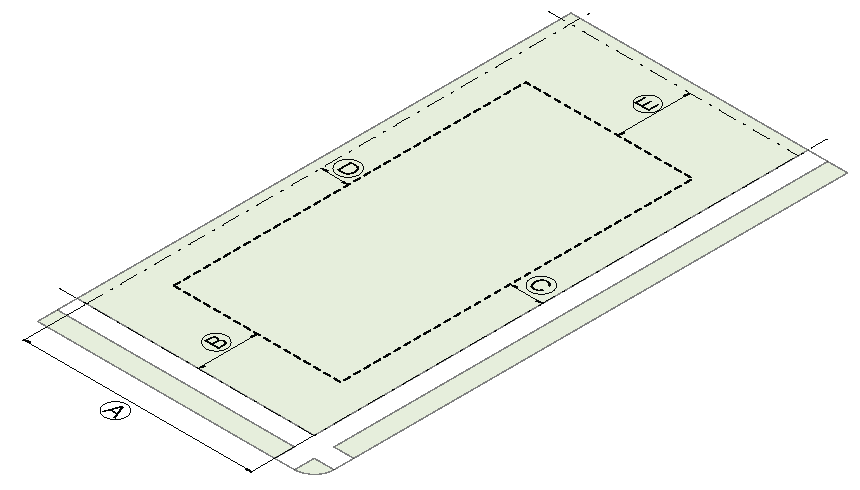 | ||
| Area (min square feet) | 4,000 | ||
| Building coverage (max) | 65% | ||
| Impervious coverage (max) | n/a | ||
| Ⓐ | Width (min) | 35′ | |
| Structure Setbacks | |||
| Ⓑ | Front (min) | 15′ | |
| Ⓒ | Side, street (min) | 0′ | |
| Ⓓ | Side, interior (min) | 0′ | |
| Ⓔ | Rear (min)* | 3′ or 20′ | |
| * 20′ required for vehicular access to structure, otherwise 3′ | |||
2.
Building requirements.
| Principal Structure Height | 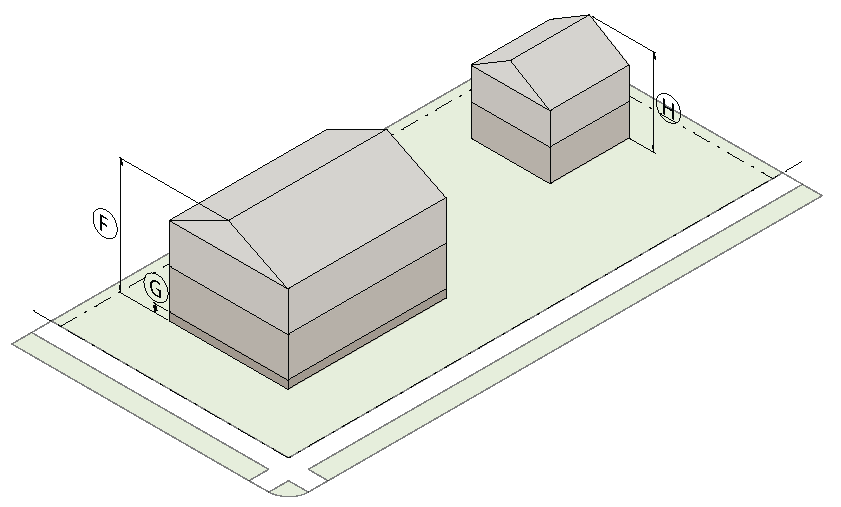 | ||
| Ⓕ | Stories (max) | n/a + | |
| Ⓕ | Feet (max) | n/a + | |
| Ⓖ | Ground story elevation (min) | n/a | |
| Bulk Plane | |||
| Bulk plane | n/a | ||
| Accessory Structure Height | |||
| Ⓗ | Stories (max) | 2 | |
| Ⓗ | Feet (max) | 30′ | |
| Additional Regulations | |||
| Building separation | 5′ | ||
| + Subject to fire department approval | |||
(22-2)(b)(10)
R-3-D district regulations. Medium density duplex housing.
a.
Allowed uses.
1.
Allowed residential use categories. All detached living; all attached living; all group living (SUP required).
2.
Allowed public use categories. All civic; all parks and open space; all minor utilities; all major utilities (SUP required).
3.
Allowed commerce use categories. All day care (SUP required); all overnight lodging (prohibited), except: bed and breakfast (SUP required).
4.
Allowed employment use categories. None allowed.
5.
Allowed open use categories. None allowed.
b.
Maximum density. 13.2 dwelling units per acre.
c.
Development standards.
1.
Lot and setback requirements.
| Lot | 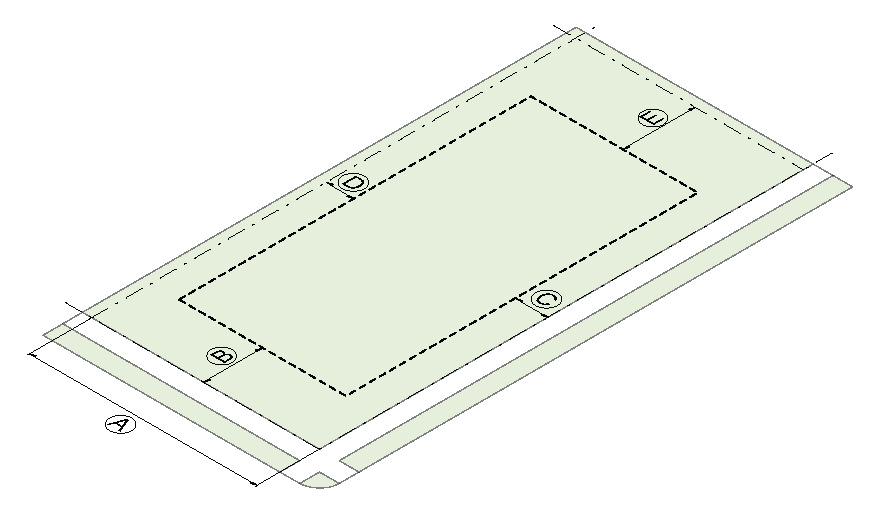 | ||
| Area (min square feet) | 3,500 | ||
| Building coverage (max) | 60% | ||
| Impervious coverage (max) | n/a | ||
| Ⓐ | Width (min) | 30′ | |
| Structure Setbacks | |||
| Ⓑ | Front (min) | 15′ | |
| Ⓒ | Side, street (min) | 6′ | |
| Ⓓ | Side, interior (min) | 6′ | |
| Ⓔ | Rear (min)* | 3′ or 20′ | |
| * 20′ required for vehicular access to structure, otherwise 3′ | |||
2.
Building requirements.
| Principal Structure Height | 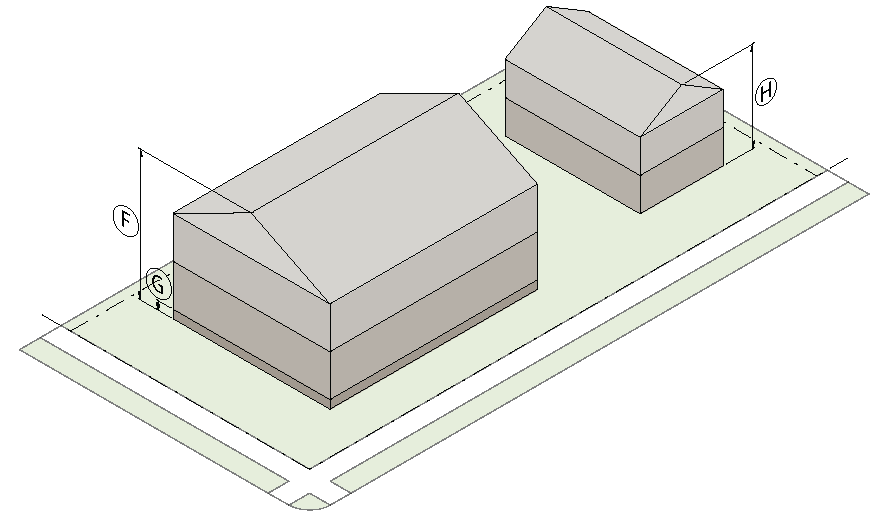 | ||
| Ⓕ | Stories (max) | n/a + | |
| Ⓕ | Feet (max) | n/a + | |
| Ⓖ | Ground story elevation (min) | n/a | |
| Bulk Plane | |||
| Bulk plane | n/a | ||
| Accessory Structure Height | |||
| Ⓗ | Stories (max) | 2 | |
| Ⓗ | Feet (max) | 30′ | |
| + Subject to fire department approval | |||
(22-2)(b)(11)
R-TH district regulations. Medium density townhomes.
a.
Allowed uses.
1.
Allowed residential use categories. All detached living (SUP required); all attached living; all multifamily living (SUP required); all group living (SUP required).
2.
Allowed public use categories. All civic; all parks and open space; all minor utilities; all major utilities (SUP required).
3.
Allowed commerce use categories. All day care (SUP required); all overnight lodging (prohibited), except: bed and breakfast (SUP required).
4.
Allowed employment use categories. None allowed.
5.
Allowed open use categories. None allowed.
b.
Maximum density. Fifteen (15) dwelling units per acre.
c.
Development standards.
1.
Lot and setback requirements.
| Individual | Project | 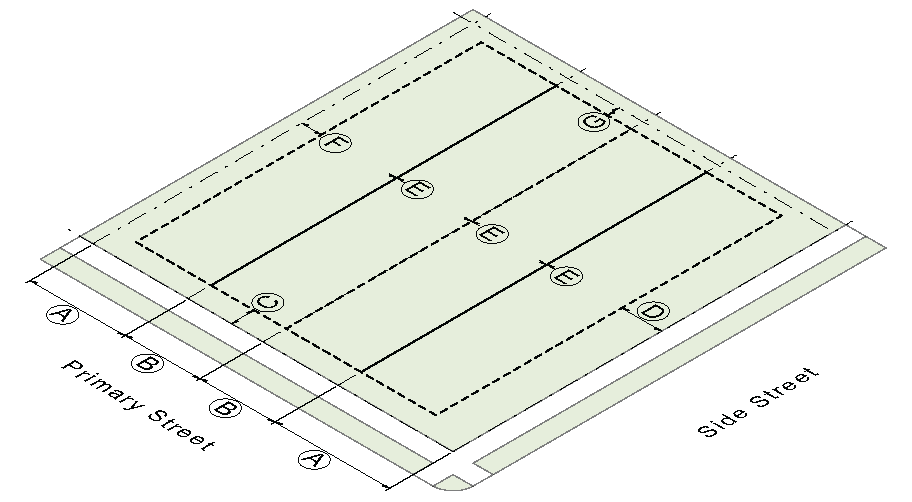 | ||
|---|---|---|---|---|
| Project | ||||
| Common open space (min) | n/a | 10% | ||
| Lot | ||||
| Area (min square feet) | 1,200 | 6,000 | ||
| Building coverage (max) | 60% | 60% | ||
| Impervious coverage (max) | 70% | 70% | ||
| Ⓐ | Width, end lot (min) | 20′ | n/a | |
| Ⓑ | Width, interior lot (min) | 20′ | n/a | |
| Structure Setbacks | ||||
| Ⓒ | Primary street (min) | 20′ | 20′ | |
| Ⓓ | Side street (min) | 15′ | 15′ | |
| Ⓔ | Side interior, interior lot (min) | 0′ | 15′ | |
| Ⓕ | Side interior, end lot (min) | 0′ | 0′ or 10′ | |
| Ⓖ | Rear, common lot line (min) | 20′ | 20′ | |
| Ⓖ | Rear, alley (min)* | 3′ or 20′ | 3′ or 20′ | |
| * 20′ required for vehicular access to structure, otherwise 3′ | ||||
| Build-To Area | 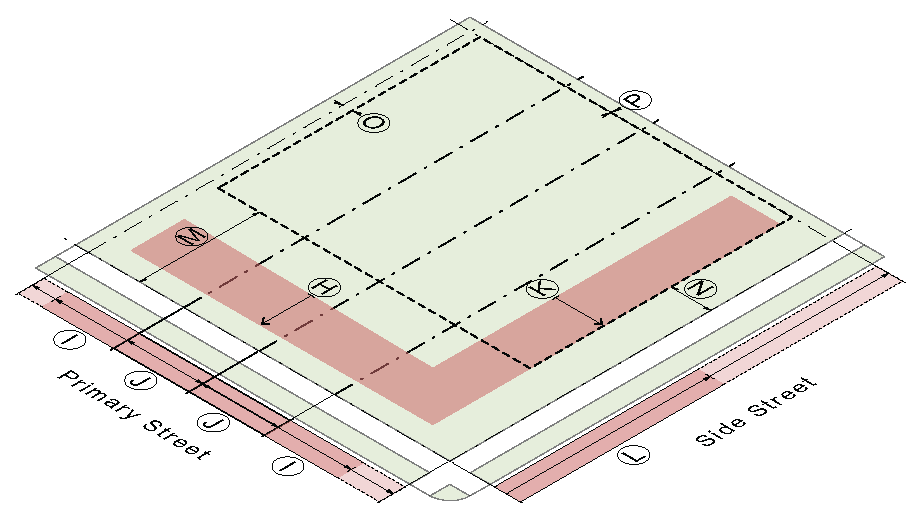 | ||
| Ⓗ | Primary street build-to area (min/max) | 5′/15′ | |
| Ⓘ | Building façade in primary street build-to area (min % of lot width) | 65% | |
| Ⓙ | Building façade in primary street build-to area, interior lot (min % of lot width) | 100% | |
| Ⓚ | Side street build-to area (min/max) | 10′/20′ | |
| Ⓛ | Building façade in side street build-to area (min % of lot depth) | 30% | |
| Parking Setbacks | |||
| Ⓜ | Primary street setback (min) | 30′ | |
| Ⓝ | Side street setback (min) | 10′ | |
| Ⓞ | Setback abutting R-AG-5 thru R-3-Z districts (min) | 5′ | |
| Ⓞ | Setback abutting any other district (min) | 0′ or 5′ | |
| Ⓟ | Setback abutting alley (min) | 0′ | |
2.
Building requirements.
| Principal Structure Height | 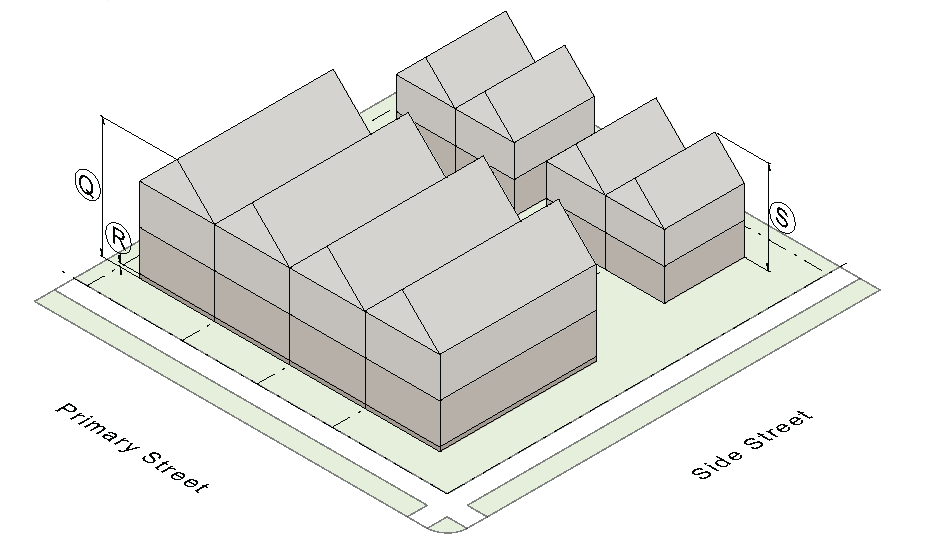 | ||
| Ⓠ | Stories (max) | n/a + | |
| Ⓠ | Feet (max) | n/a + | |
| Ⓡ | Ground story elevation (min) | 18″ | |
| Bulk Plane | |||
| Bulk plane | n/a | ||
| Accessory Structure Height | |||
| Ⓢ | Stories (max) | 2 | |
| Ⓢ | Feet (max) | 30′ | |
| Additional Regulations | |||
| Building Separation | 10′ | ||
| + Subject to fire department approval | |||
(22-2)(b)(12)
R-3-M district regulations. Medium density multiple family housing.
a.
Allowed uses.
1.
Allowed residential use categories. All detached living (SUP required), except: cottage homes (prohibited); attached living; multifamily living; upper-story living; all group living.
2.
Allowed public use categories. All civic (SUP required); all parks and open space; all minor utilities; all major utilities (SUP required).
3.
Allowed commerce use categories. All day care; all overnight lodging (prohibited), except: bed and breakfast (SUP required); all restaurant/bar (SUP required); all retail sales (prohibited), except: art studio/gallery, convenience store without gas (SUP required), dry cleaning (SUP required).
4.
Allowed employment use categories. None allowed.
5.
Allowed open use categories. None allowed.
b.
Maximum density. Fifteen (15) dwelling units per acre.
c.
Development standards.
1.
Lot and setback requirements.
| Lot | 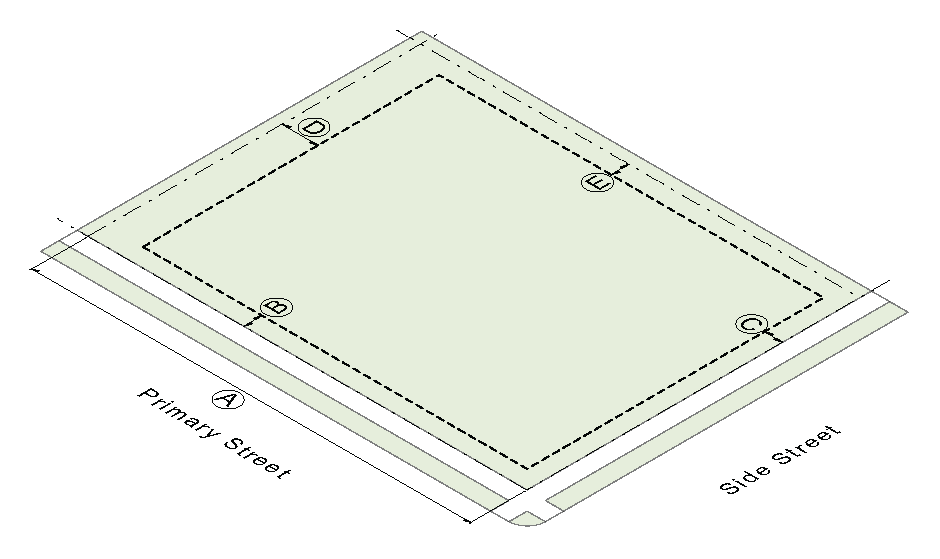 | ||
| Area (min square feet) | 10,000 | ||
| Building coverage (max) | 35% | ||
| Impervious coverage (max) | 70% | ||
| Ⓐ | Width (min) | 80′ | |
| Structure Setbacks | |||
| Ⓑ | Front (min) | 25′ | |
| Ⓒ | Side, street (min) | 25′ | |
| Ⓓ | Side, interior (min) | 15′ | |
| Ⓔ | Rear (min)* | 3′ or 20′ | |
| * 20′ required for vehicular access to structure, otherwise 3′ | |||
2.
Building requirements.
| Principal Structure Height | 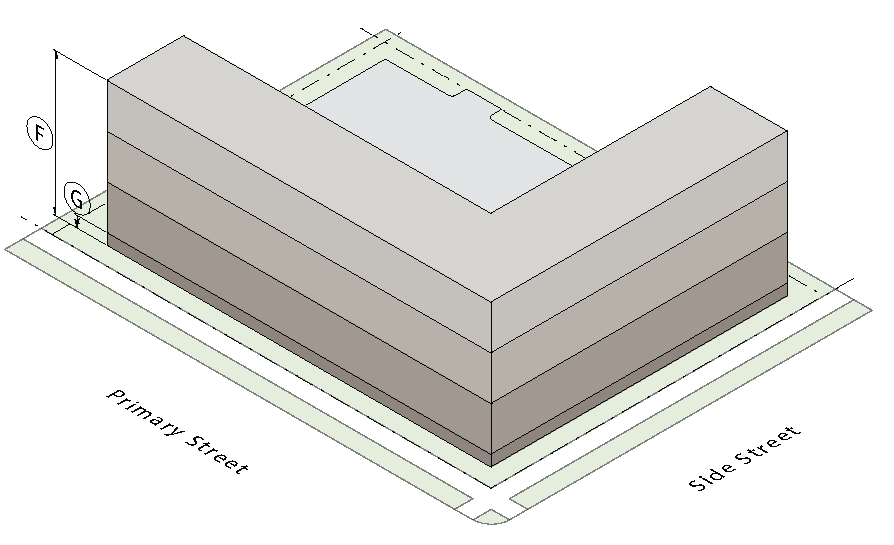 | ||
| Ⓕ | Stories (max) | n/a + | |
| Ⓕ | Feet (max) | n/a + | |
| Ⓖ | Ground story elevation (min) | n/a | |
| Bulk Plane | |||
| Bulk plane abutting R-AG-5 thru R-3-Z districts (1:1 above 40′) required | Yes | ||
| Accessory Structure Height | |||
| Stories (max) | 2 | ||
| Feet (max) | 30′ | ||
| + Subject to fire department approval | |||
(22-2)(b)(13)
R-3-E district regulations. Medium density senior housing.
a.
Allowed uses.
1.
Allowed residential use categories. All detached living (SUP required), except: cottage homes (prohibited); attached living; multifamily living; upper-story living; all group living.
2.
Allowed public use categories. All civic (SUP required); all parks and open space; all minor utilities; all major utilities (SUP required).
3.
Allowed commerce use categories. All day care; all medical; all overnight lodging (prohibited), except: bed and breakfast (SUP required); all restaurant/bar (SUP required); all retail sales (prohibited), except: art studio/gallery, convenience store without gas (SUP required), dry cleaning (SUP required).
4.
Allowed employment use categories. None allowed.
5.
Allowed open use categories. None allowed.
b.
Maximum density. Twenty-five (25) dwelling units per acre.
c.
Development standards.
1.
Lot and setback requirements.
| Lot | 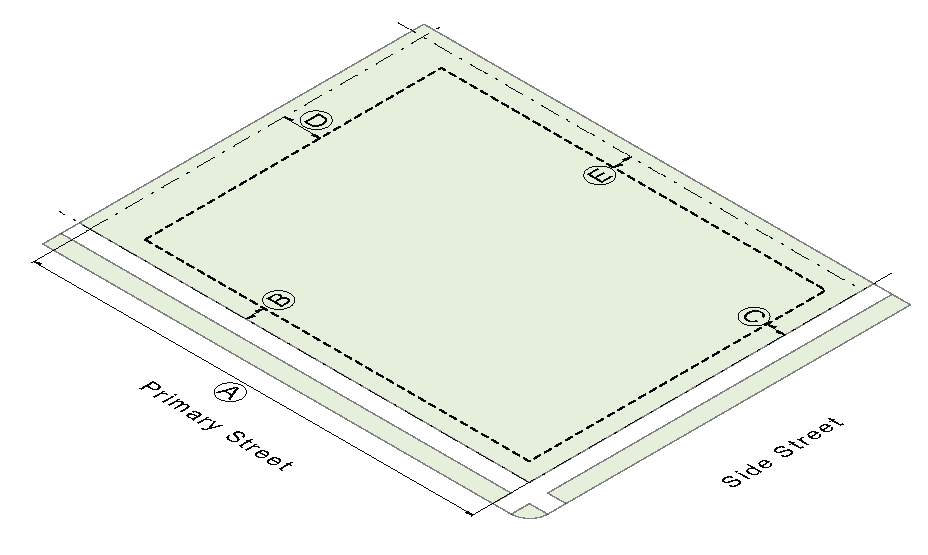 | ||
| Area (acres) | 2 | ||
| Building coverage (max) | 35% | ||
| Impervious coverage (max) | 70% | ||
| Ⓐ | Width (min) | 150′ | |
| Structure Setbacks | |||
| Ⓑ | Front (min) | 25′ | |
| Ⓒ | Side, street (min) | 15′ | |
| Ⓓ | Side, interior (min) | 15′ | |
| Ⓔ | Rear (min)* | 3′ or 20′ | |
| * 20′ required for vehicular access to structure, otherwise 3′ | |||
2.
Building requirements.
| Principal Structure Height | 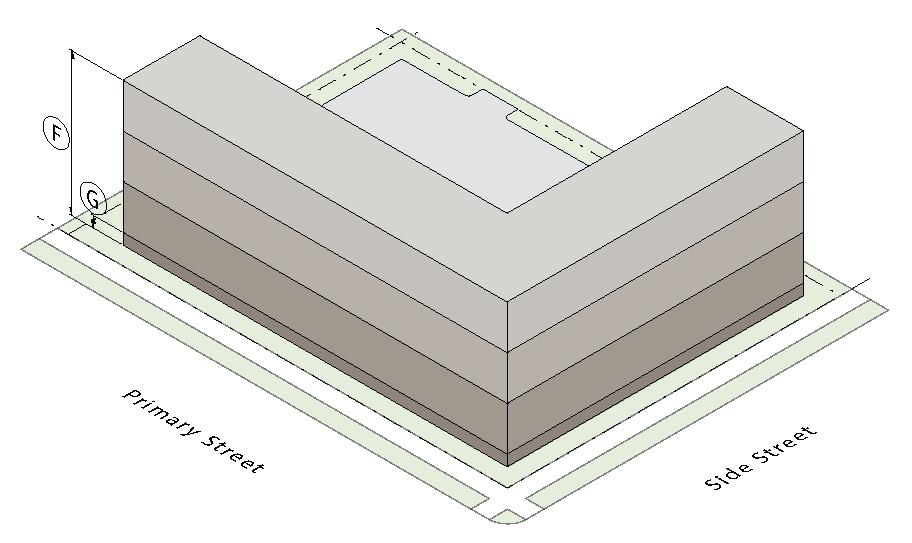 | ||
| Ⓕ | Stories (max) | n/a + | |
| Ⓕ | Feet (max) | n/a + | |
| Ⓖ | Ground story elevation (min) | n/a | |
| Bulk Plane | |||
| Bulk plane abutting R-AG-5 thru R-3-Z districts (1:1 above 40′) required | Yes | ||
| Accessory Structure Height | |||
| Stories (max) | 2 | ||
| Feet (max) | 30′ | ||
| + Subject to fire department approval | |||
(22-2)(b)(14)
R-3-M25 district regulations. Medium density multiple family housing.
a.
Allowed uses.
1.
Allowed residential use categories. Multifamily living; upper-story living; all group living.
2.
Allowed public use categories. All civic; all parks and open space; all minor utilities; all major utilities (SUP required).
3.
Allowed commerce use categories. All commercial parking (SUP required); all day care; all overnight lodging, except: bed and breakfast (SUP required); all restaurant/bar (SUP required); all retail sales (prohibited), except: art studio/gallery, convenience store without gas (SUP required), dry cleaning (required).
4.
Allowed employment use categories. None allowed.
5.
Allowed open use categories. None allowed.
b.
Maximum density. Twenty-five (25) dwelling units per acre.
c.
Development standards.
1.
Lot and setback requirements.
| Lot | 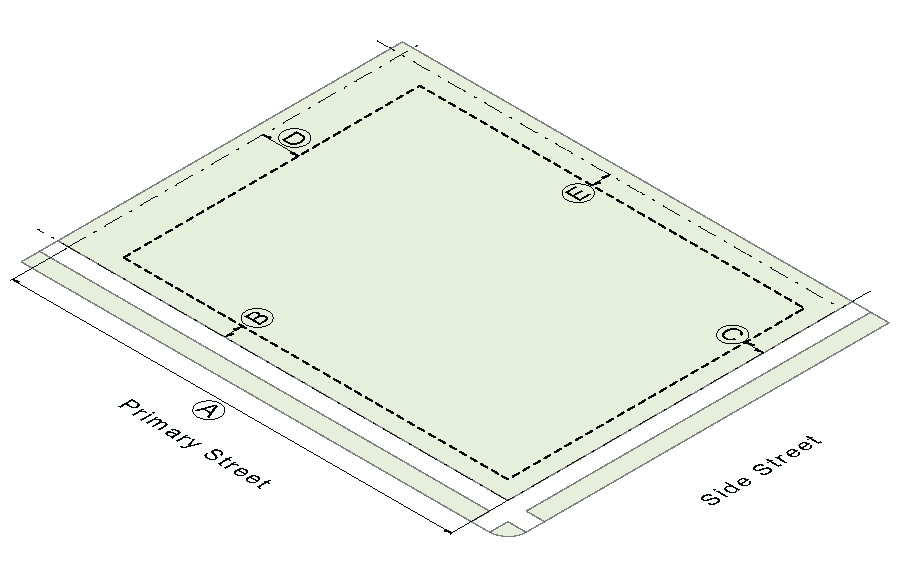 | ||
| Area (min square feet) | 10,000 | ||
| Building coverage (max) | 60% | ||
| Impervious coverage (max) | 80% | ||
| Ⓐ | Width (min) | 80′ | |
| Structure Setbacks | |||
| Ⓑ | Front (min) | 15′ | |
| Ⓒ | Side, street (min) | 15′ | |
| Ⓓ | Side, interior (min) | 5′ | |
| Ⓔ | Rear (min) | 5′ | |
2.
Building requirements.
| Principal Structure Height | 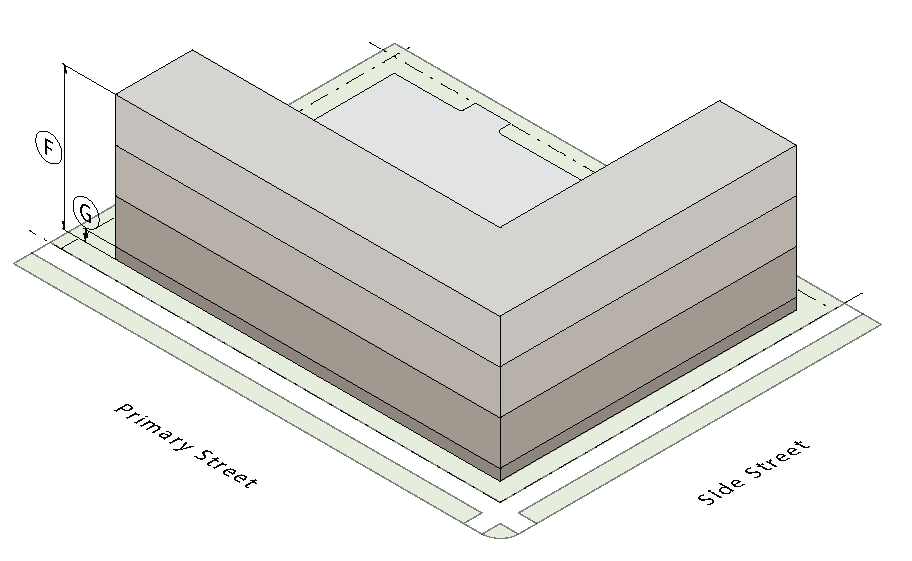 | ||
| Ⓕ | Stories (max) | n/a + | |
| Ⓕ | Feet (max) | n/a + | |
| Ⓖ | Ground story elevation (min) | n/a | |
| Bulk Plane | |||
| Bulk plane abutting R-AG-5 thru R-3-Z districts (1:1 above 40′) required | Yes | ||
| Accessory Structure Height | |||
| Stories (max) | 2 | ||
| Feet (max) | 30′ | ||
| + Subject to fire department approval | |||
(22-2)(b)(15)
R-3-MU district regulations. Medium density mixed use.
a.
Allowed uses.
1.
Allowed residential use categories. Multifamily living; upper-story living; all group living; all social service (SUP required).
2.
Allowed public use categories. All civic; all parks and open space; all minor utilities; all major utilities (SUP required).
3.
Allowed commerce use categories. All commercial parking (SUP required); all day care; all indoor recreation, except: adult oriented establishment (prohibited); all medical; all office; all overnight lodging; all passenger terminal (SUP required); all personal service; all restaurant/bar; all retail sales, except: convenience store with gas (SUP required); all vehicle sales; all water-oriented.
4.
Allowed employment use categories. All heavy commercial (SUP required); all research and development; all self-service storage; all vehicle service (SUP required).
5.
Allowed open use categories. None allowed.
6.
Mixing of uses required.
i.
A minimum of two (2) uses are required per lot; and
ii.
At least fifteen (15) percent of the floor area on the lot must be a nonresidential use.
b.
Maximum density. Thirty (30) dwelling units per acre.
c.
Development standards.
1.
Lot and setback requirements.
| Lot | 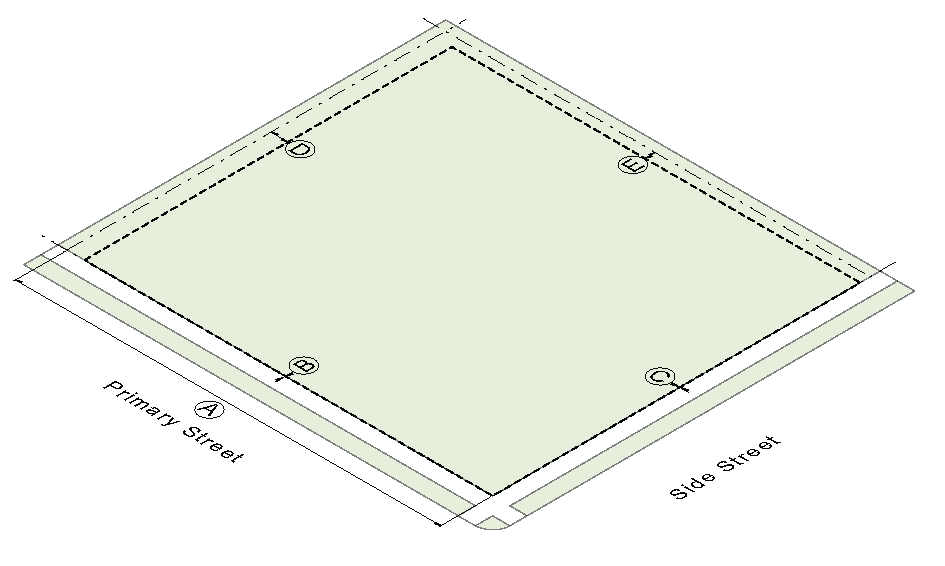 | ||
| Area (min square feet) | 6,500 | ||
| Building coverage (max) | 70% | ||
| Impervious coverage (max) | 90% | ||
| Ⓐ | Width (min) | 55′ | |
| Structure Setbacks | |||
| Ⓑ | Front (min/max) | 0′/60′ | |
| Ⓒ | Side, street (min) | 15′ | |
| Ⓓ | Side, interior (min) | 5′ | |
| Ⓔ | Rear (min) | 5′ | |
2.
Building requirements.
| Principal Structure Height | 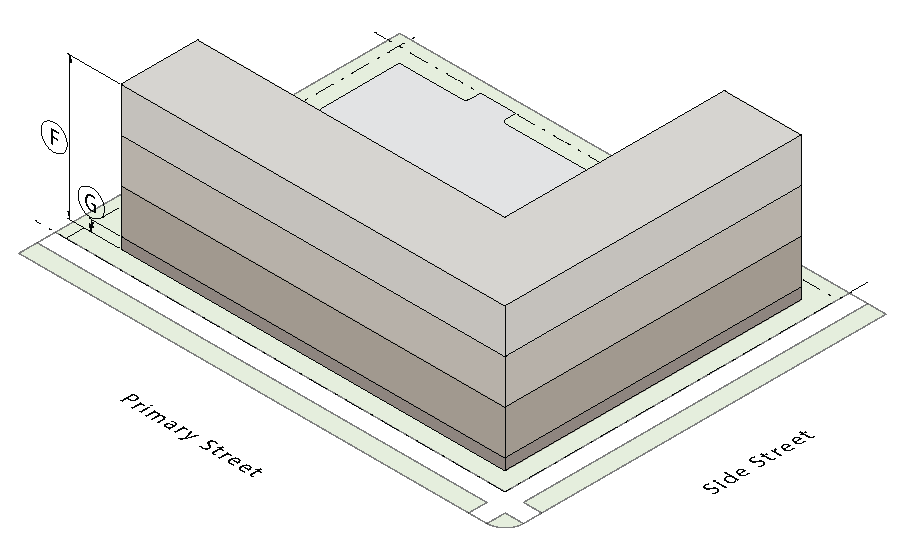 | ||
| Ⓕ | Stories (max) | n/a + | |
| Ⓕ | Feet (max) | n/a + | |
| Ⓖ | Ground story elevation (min) | n/a | |
| Bulk Plane | |||
| Bulk plane abutting R-AG-5 thru R-3-Z districts (1:1 above 40′) required | Yes | ||
| Accessory Structure Height | |||
| Stories (max) | 2 | ||
| Feet (max) | 30′ | ||
| + Subject to fire department approval | |||
| Transparency | 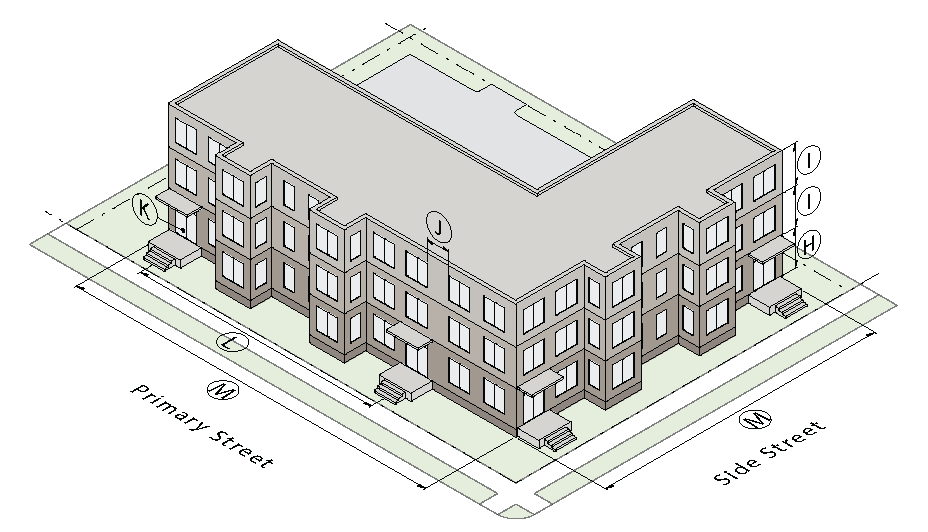 | ||
| Ⓗ | Ground story (min) | 40% | |
| Ⓘ | Upper story (min) | 20% | |
| Ⓙ | Blank wall area (max) | 30′ | |
| Building Entrance | |||
| Ⓚ | Street facing entrance required | yes | |
| Ⓛ | Entrance spacing (max) | 100′ | |
| Building Mass | |||
| Ⓜ | Building length (max) | 150′ | |
i.
Building orientation. Buildings shall have their primary entrance facing the primary street. For developments with ground-floor residential units, each unit shall have its entrance directly accessible from the street, with a direct connection from the sidewalk to the front door of the residential that is a minimum of five (5) feet wide.
ii.
Building entries.
A.
Primary street-level entries shall be made visually prominent and receive architectural emphasis. Possible techniques to accomplish this include but are not limited to:
(1)
Recessed entries;
(2)
Corner entries;
(3)
Projecting entries, including porches, canopies and articulated lintels above the doorway;
(4)
Pilasters or columns supporting and/or framing the entrance;
(5)
Elevated entries with transparent stairways that are compatible with the architecture; or
(6)
Landscape treatments that connect the public realm to the private realm.
B.
A minimum of fifty (50) percent of a required entrance must be transparent.
C.
A required fire exit door with no transparency may front on a primary, side, or service street.
iii.
Side street building frontages. Side street-facing façades, other than those facing an alley, shall comply with the transparency requirements of this district or have at least five (5) of the following elements incorporated into the street-facing façade:
A.
Concrete or masonry plinth at the base of the wall;
B.
Belt courses of a different texture and color;
C.
Projecting cornice;
D.
Decorative tile work;
E.
Medallions;
F.
Opaque or translucent glass;
G.
Artwork or wall graphics;
H.
Lighting fixtures;
I.
Green walls; or
J.
Architectural elements not listed above, if approved by the administrator.
iv.
Awnings and canopies.
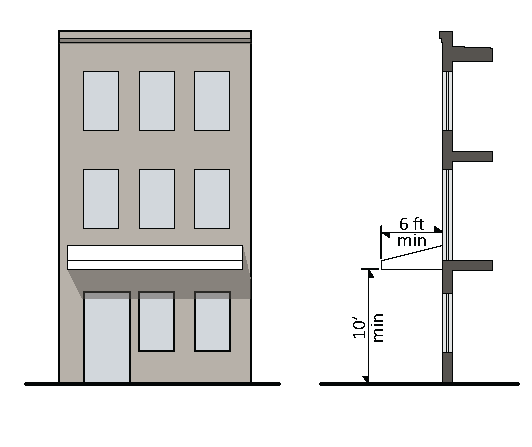
A.
A ground-story awning or canopy must have a minimum clearance of ten (10) feet above the sidewalk and must have a minimum depth of six (6) feet.
B.
An awning or canopy may encroach into the front setback. No awning may encroach into the public right-of-way without a license for the use of that right-of-way.
(22-2)(b)(16)
B-1 District regulations. Office.
a.
Allowed uses.
1.
Allowed residential use categories. All group living (SUP required); all social service (SUP required).
2.
Allowed public use categories. All civic; all parks and open space; all minor utilities; all major utilities (SUP required).
3.
Allowed commerce use categories. All commercial parking (SUP required); all day care; all medical; all office; all outdoor recreation (SUP required) except: campground, travel trailer park, RV park (prohibited), horse stable, riding academy equestrian center (prohibited), hunting and fishing preserve (prohibited), retreat center (prohibited); all overnight lodging (prohibited), except: bed and breakfast; all personal service; all restaurant/bar (SUP required); all retail sales (prohibited), except: art studio/gallery, dry cleaning.
4.
Allowed employment use categories. None allowed.
5.
Allowed open use categories. None allowed.
b.
Maximum density. Not applicable.
c.
Development standards.
1.
Lot and setback requirements.
| Lot | 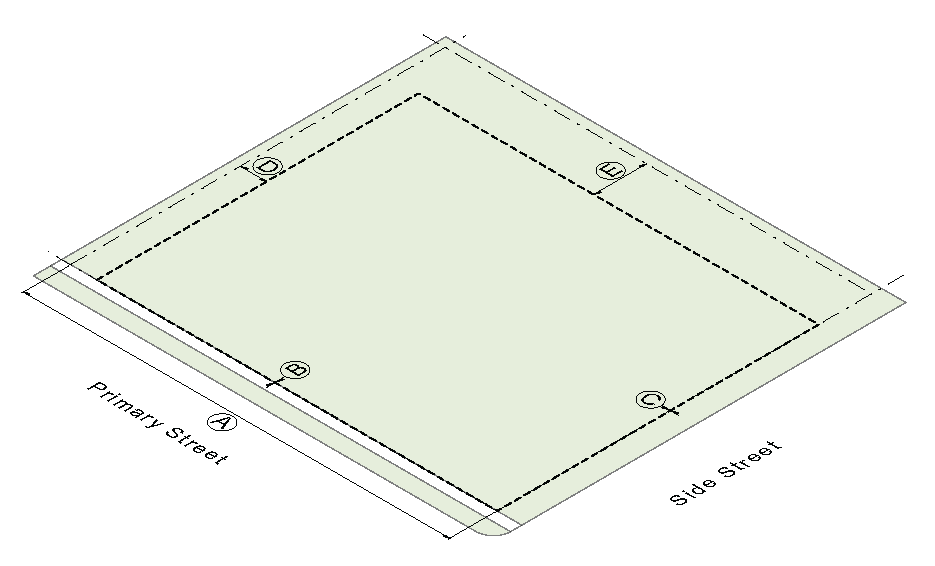 | ||
| Area (min square feet) | 6,000 | ||
| Building coverage (max) | 45% | ||
| Impervious coverage (max) | 90% | ||
| Ⓐ | Width (min) | 50′ | |
| Structure Setbacks | |||
| Ⓑ | Front (min) | 25′ | |
| Ⓒ | Side, street (min) | 0′ | |
| Ⓓ | Side, interior (min) | 0′ | |
| Ⓔ | Rear (min) | 5′ | |
2.
Building requirements.
| Principal Structure Height | 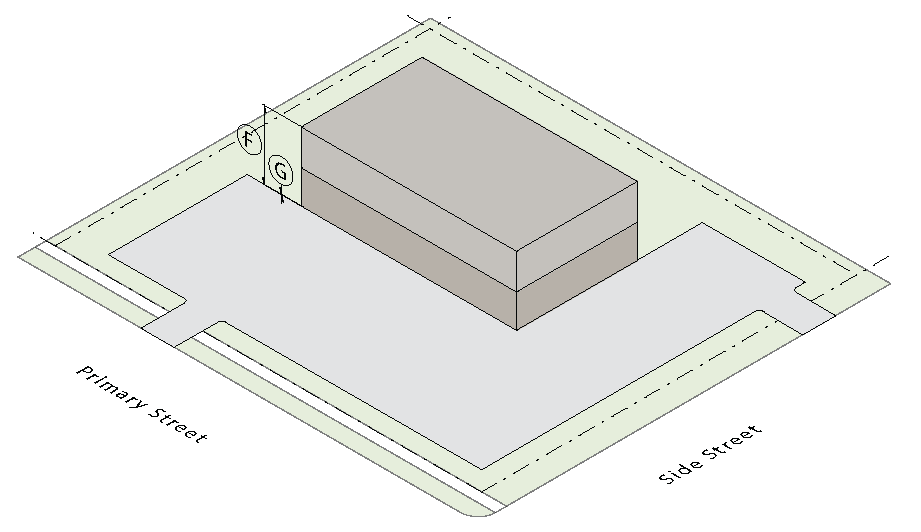 | ||
| Ⓕ | Stories (max) | n/a + | |
| Ⓕ | Feet (max) | n/a + | |
| Ⓖ | Ground story elevation (min) | n/a | |
| Bulk Plane | |||
| Bulk plane abutting R-AG-5 thru R-3-Z districts (1:1 above 40′) required | Yes | ||
| Accessory Structure Height | |||
| Stories (max) | 2 | ||
| Feet (max) | 30′ | ||
| + Subject to fire department approval | |||
(22-2)(b)(17)
C-1 district regulations. Commercial.
a.
Allowed uses.
1.
Allowed residential use categories. All group living; all social service.
2.
Allowed public use categories. All civic; all parks and open space; all minor utilities; all major utilities (SUP required).
3.
Allowed commerce use categories. All commercial parking; all day care; all indoor recreation, except: adult oriented establishment (prohibited); all medical; all office; all outdoor recreation (SUP required) except: campground, travel trailer park, RV park (prohibited), hunting and fishing preserve (prohibited), retreat center (prohibited); all overnight lodging; all passenger terminal (SUP required); all personal service; all restaurant/bar; all retail sales; all vehicle sales; all water-oriented.
4.
Allowed employment use categories. All self-service storage (SUP required); all vehicle service.
5.
Allowed open use categories. None allowed.
b.
Maximum density. Not applicable.
c.
Development standards.
1.
Lot and setback requirements.
| Lot | 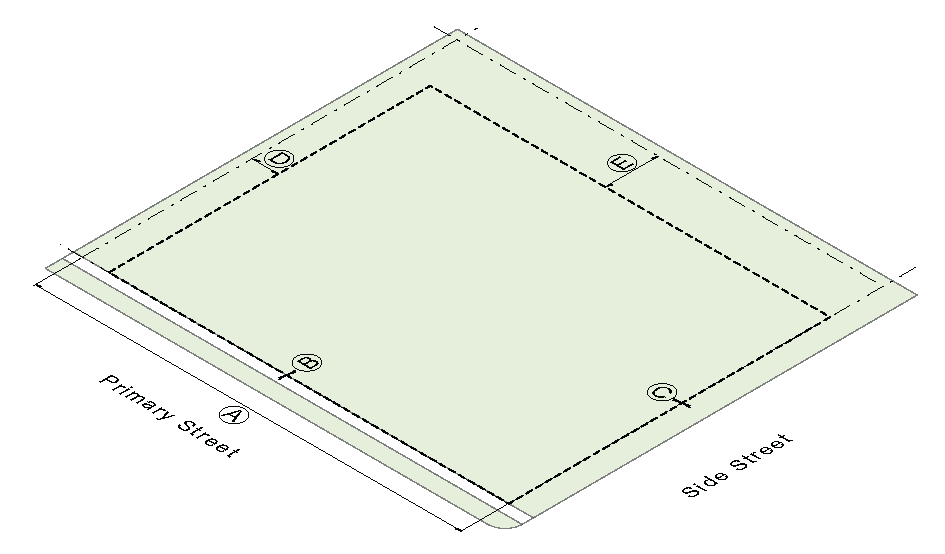 | ||
| Area (min square feet) | 6,000 | ||
| Building coverage (max) | 45% | ||
| Impervious coverage (max) | 90% | ||
| Ⓐ | Width (min) | 50′ | |
| Structure Setbacks | |||
| Ⓑ | Front (min) | 0′ | |
| Ⓒ | Side, street (min) | 0′ | |
| Ⓓ | Side, interior (min) | 0′ | |
| Ⓔ | Rear (min) | 0′ | |
2.
Building requirements.
| Principal Structure Height | 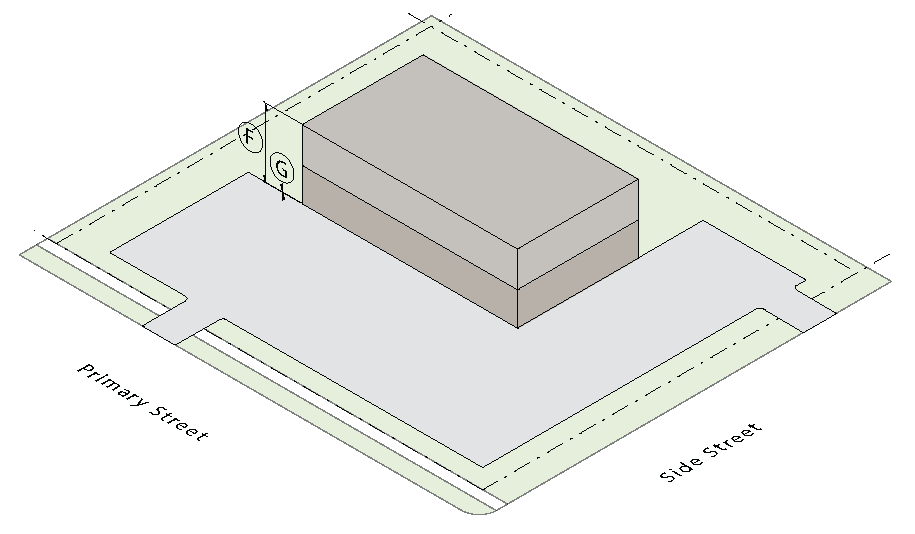 | ||
| Ⓕ | Stories (max) | n/a + | |
| Ⓕ | Feet (max) | n/a + | |
| Ⓖ | Ground story elevation (min) | n/a | |
| Bulk Plane | |||
| Bulk plane abutting R-AG-5 thru R-3-Z districts (1:1 above 40′) required | Yes | ||
| Accessory Structure Height | |||
| Ⓗ | Stories (max) | 2 | |
| Ⓗ | Feet (max) | 30′ | |
| + Subject to fire department approval | |||
(22-2)(b)(18)
C-2 district regulations. Commercial.
a.
Allowed uses.
1.
Allowed residential use categories. All group living; all social service.
2.
Allowed public use categories. All civic; all parks and open space; all minor utilities; all major utilities (SUP required).
3.
Allowed commerce use categories. All commercial parking; all day care; all indoor recreation, except: adult oriented establishment (prohibited); all medical; all office; all outdoor recreation (SUP required) except: campground, travel trailer park, RV park (prohibited), hunting and fishing preserve (prohibited), retreat center (prohibited); all overnight lodging; all passenger terminal (SUP required); all personal service; all restaurant/bar; all retail sales; all vehicle sales; all water-oriented.
4.
Allowed employment use categories. All heavy commercial; all research and development; all self-service storage; all vehicle service; all warehouse and distribution (SUP required for greater than ten thousand (10,000) square feet and for all outdoor storage yards); all waste-related service (prohibited), except: recycling facility (SUP required).
5.
Allowed open use categories. None allowed.
b.
Maximum density. Not applicable.
c.
Development standards.
1.
Lot and setback requirements.
| Lot | 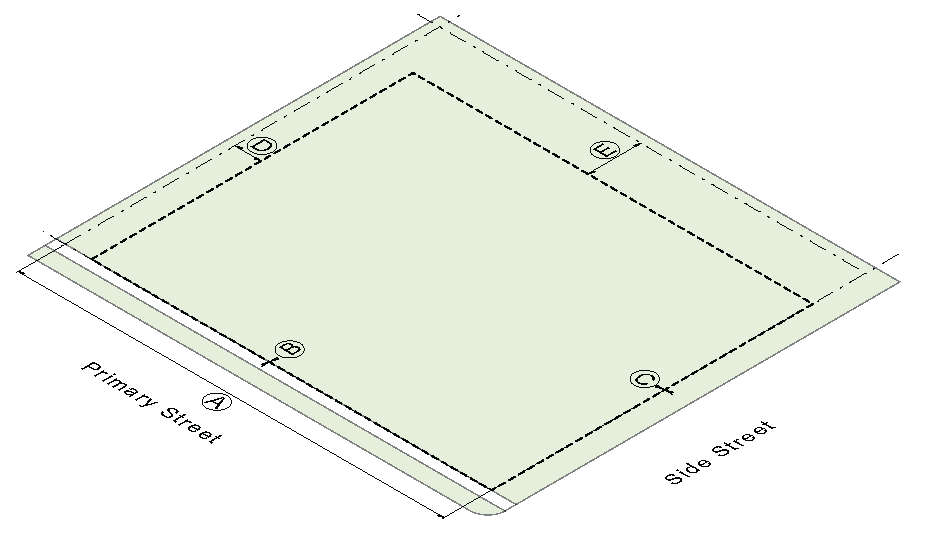 | ||
| Area (min square feet) | 6,000 | ||
| Building coverage (max) | 45% | ||
| Impervious coverage (max) | 90% | ||
| Ⓐ | Width (min) | 50′ | |
| Structure Setbacks | |||
| Ⓑ | Front (min) | 0′ | |
| Ⓒ | Side, street (min) | 0′ | |
| Ⓓ | Side, interior (min) | 0′ | |
| Ⓔ | Rear (min) | 0′ | |
2.
Building requirements.
| Principal Structure Height | 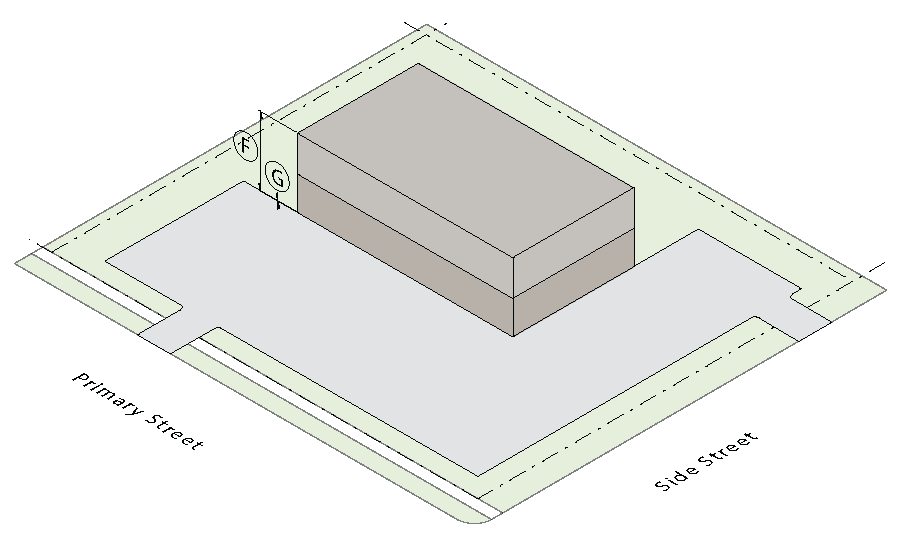 | ||
| Ⓕ | Stories (max) | n/a + | |
| Ⓕ | Feet (max) | n/a + | |
| Ⓖ | Ground story elevation (min) | n/a | |
| Bulk Plane | |||
| Bulk plane abutting R-AG-5 thru R-3-Z districts (1:1 above 40′) required | Yes | ||
| Accessory Structure Height | |||
| Stories (max) | 2 | ||
| Feet (max) | 30′ | ||
| + Subject to fire department approval | |||
(22-2)(b)(19)
C-MS district regulations. Main street commercial.
a.
Allowed uses.
1.
Allowed residential use categories. All upper-story living; all group living (SUP required); all social service (SUP required).
2.
Allowed public use categories. All civic (SUP required); all parks and open space; all minor utilities; all major utilities (SUP required).
3.
Allowed commerce use categories. All commercial parking (SUP required); all day care; all indoor recreation, except: adult oriented establishment (prohibited); all medical; all office; all overnight lodging; all personal service; all restaurant/bar; all retail sales; convenience store with gas (SUP required); all vehicle sales (SUP required); all water-oriented (SUP required).
4.
Allowed employment use categories. All vehicle service (SUP required).
5.
Allowed open use categories. None allowed.
b.
Maximum density. Twenty-five (25) dwelling units per acre.
c.
Development standards.
1.
Lot and setback requirements.
| Lot | 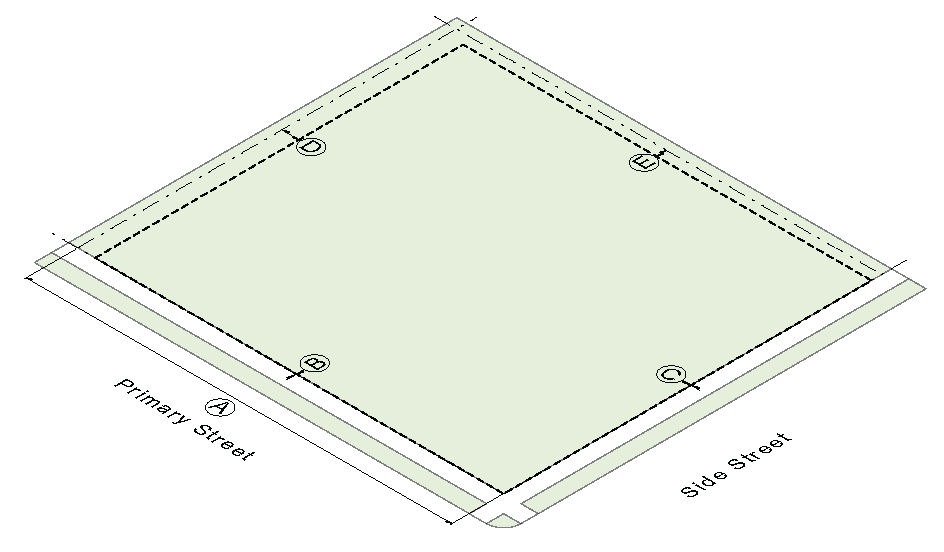 | ||
| Area (min square feet) | 6,000 | ||
| Building coverage (max) | 85% | ||
| Impervious coverage (max) | 100% | ||
| Ⓐ | Width (min) | 25′ | |
| Structure Setbacks | |||
| Ⓑ | Front (min) | 0′ | |
| Ⓒ | Side, street (min) | 0′ | |
| Ⓓ | Side, interior (min) | 0′ | |
| Ⓔ | Rear (min) | 0′ | |
| Build-To Area | 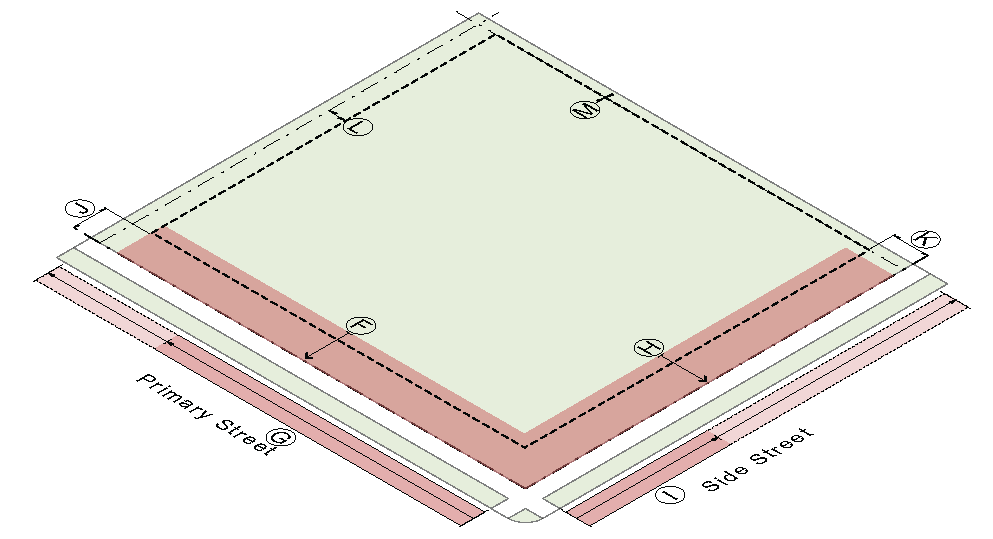 | ||
| Ⓕ | Primary street build-to area (min/max) | 0′/15′ | |
| Ⓖ | Building façade in primary street build-to area (min % of lot width) | 65% | |
| Ⓗ | Side street build-to area (min/max) | 0′/15′ | |
| Ⓘ | Building façade in side street build-to area (min % of lot depth) | 30% | |
| Parking Setbacks | |||
| Ⓙ | Primary street setback (min) | 10′ | |
| Ⓚ | Side street setback (min) | 10′ | |
| Ⓛ | Setback abutting R-AG-5 thru R-3-Z districts (min) | 10′ | |
| Ⓛ | Setback abutting any other district (min) | 0′ or 5′ | |
| Ⓜ | Setback abutting alley (min) | 0′ | |
2.
Building requirements.
| Principal Structure Height | 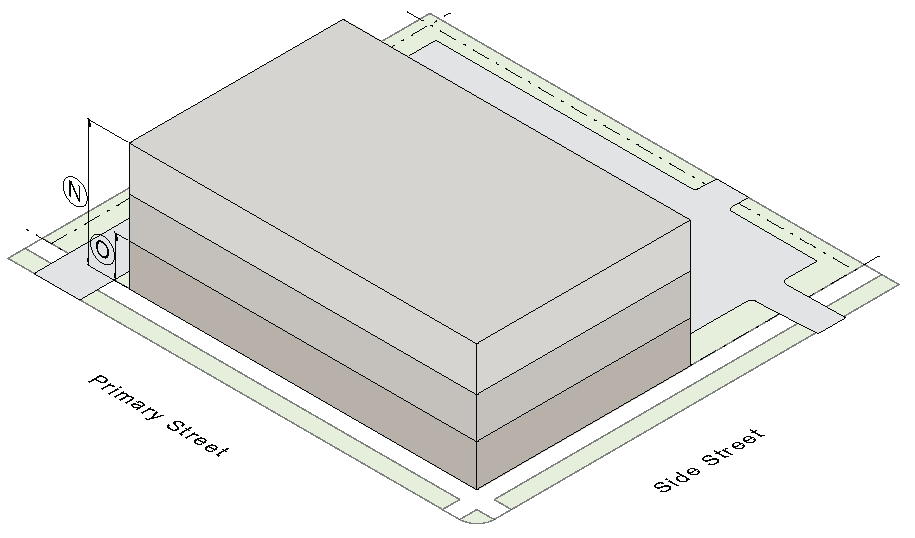 | ||
| Ⓝ | Stories (max) | n/a + | |
| Ⓝ | Feet (max) | n/a + | |
| Ⓞ | Ground story elevation (min) | n/a | |
| Bulk Plane | |||
| Bulk plane abutting R-AG-5 thru R-3-Z districts (1:1 above 40′) | Yes | ||
| Accessory Structure Height | |||
| Stories (max) | 2 | ||
| Feet (max) | 30′ | ||
| + Subject to fire department approval | |||
| Transparency | 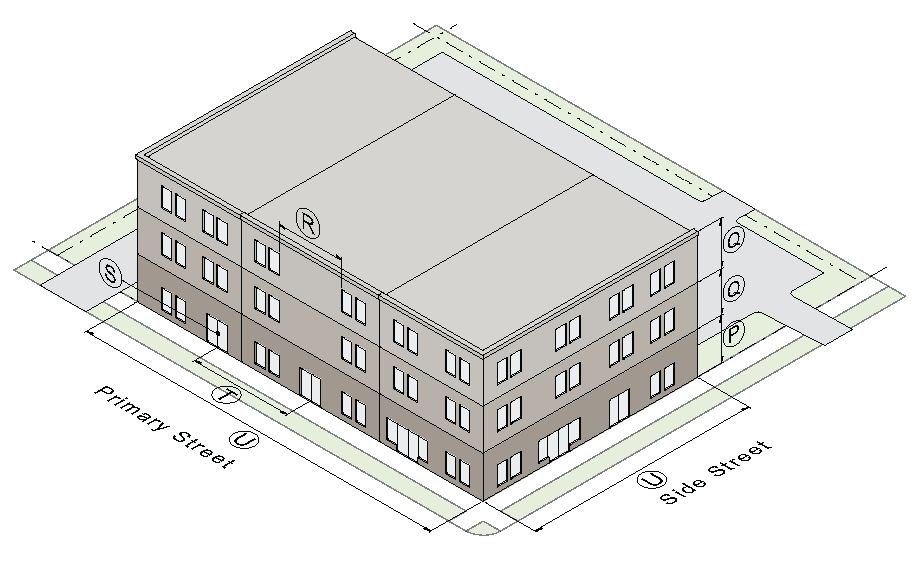 | ||
| Ⓟ | Ground story (min) | 40% | |
| Ⓠ | Upper story (min) | 20% | |
| Ⓡ | Blank wall area (max) | 30′ | |
| Building Entrance | |||
| Ⓢ | Street facing entrance required | yes | |
| Ⓣ | Entrance spacing (max) | 100′ | |
| Building Mass | |||
| Ⓤ | Building length (max) | 150′ | |
i.
Building orientation. Buildings shall have their primary entrance facing the primary street. For developments with ground-floor residential units, each unit shall have its entrance directly accessible from the street, with a direct connection from the sidewalk to the front door of the residential that is a minimum of five (5) feet wide.
ii.
Building entries.
A.
Primary street-level entries shall be made visually prominent and receive architectural emphasis. Possible techniques to accomplish this include but are not limited to:
(1)
Recessed entries;
(2)
Corner entries;
(3)
Projecting entries, including porches, canopies and articulated lintels above the doorway;
(4)
Pilasters or columns supporting and/or framing the entrance;
(5)
Elevated entries with transparent stairways that are compatible with the architecture; or
(6)
Landscape treatments that connect the public realm to the private realm.
B.
A minimum of fifty (50) percent of a required entrance must be transparent.
C.
A required fire exit door with no transparency may front on a primary, side, or service street.
iii.
Side street building frontages. Side street-facing façades, other than those facing an alley, shall comply with the transparency requirements of this district or have at least five (5) of the following elements incorporated into the street-facing façade:
A.
Concrete or masonry plinth at the base of the wall;
B.
Belt courses of a different texture and color;
C.
Projecting cornice;
D.
Decorative tile work;
E.
Medallions;
F.
Opaque or translucent glass;
G.
Artwork or wall graphics;
H.
Lighting fixtures;
I.
Green walls; or
J.
Architectural elements not listed above, if approved by the administrator.
iv.
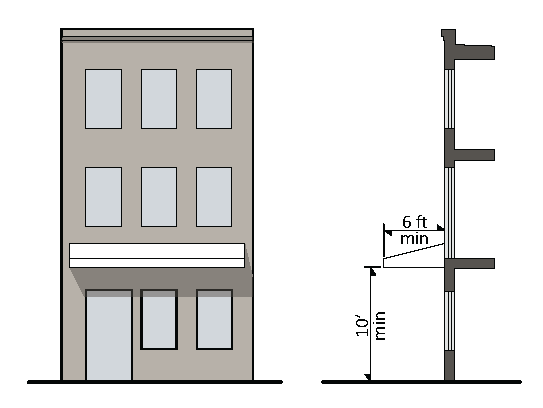
Awnings and canopies.
A.
A ground-story awning or canopy must have a minimum clearance of ten (10) feet above the sidewalk and must have a minimum depth of six (6) feet.
B.
An awning or canopy may encroach into the front setback. No awning may encroach into the public right-of-way without a license for the use of that right-of-way.
(22-2)(b)(20)
E-1 district regulations. Employment.
a.
Allowed uses.
1.
Allowed residential use categories. All group living; all social service.
2.
Allowed public use categories. All civic; all parks and open space; all minor utilities; all major utilities (SUP required).
3.
Allowed commerce use categories. All commercial parking; all day care; all indoor recreation, except: adult oriented establishment (prohibited); all medical; all office; all outdoor recreation (SUP required) except: campground, travel trailer park, RV park (prohibited), hunting and fishing preserve (prohibited), retreat center (prohibited); all overnight lodging; all passenger terminal (SUP required); all personal service; all restaurant/bar; all retail sales; all vehicle sales; all water-oriented.
4.
Allowed employment use categories. All heavy commercial; all research and development; all self-service storage; all vehicle service; all warehouse and distribution; all waste-related service (prohibited), except: recycling facility (SUP required).
5.
Allowed open use categories. All agriculture, except: agricultural airstrip (SUP required); all resource extraction (prohibited).
b.
Maximum density. 0.2 dwelling units per acre.
c.
Development standards.
1.
Lot and setback requirements.
| Lot | 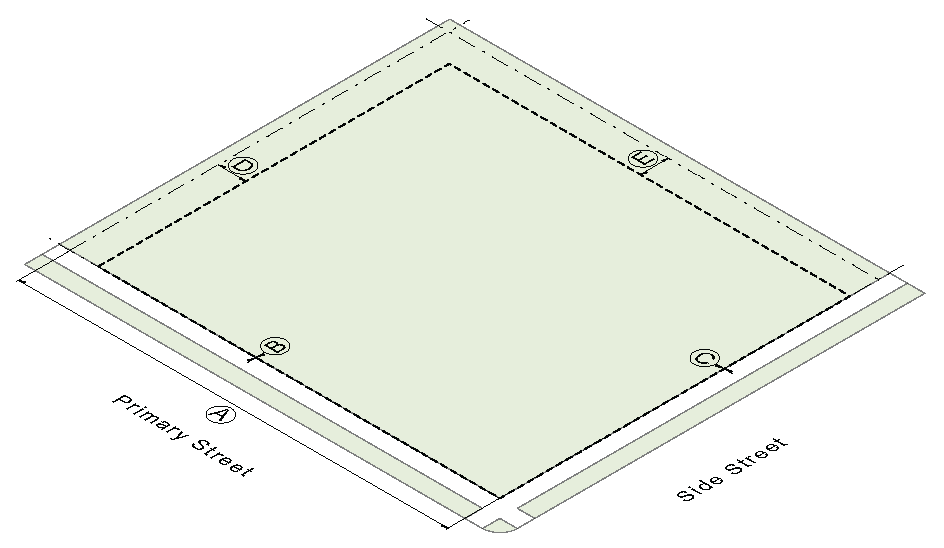 | ||
| Area (min square feet) | 8,000 | ||
| Building coverage (max) | 100% | ||
| Impervious coverage (max) | 100% | ||
| Ⓐ | Width (min) | 60′ | |
| Structure Setbacks | |||
| Ⓑ | Front (min) | 20′ | |
| Ⓒ | Side, street (min) | 7′ | |
| Ⓓ | Side, interior (min) | 7′ | |
| Ⓔ | Rear (min) | 10′ | |
2.
Building requirements.
| Principal Structure Height | 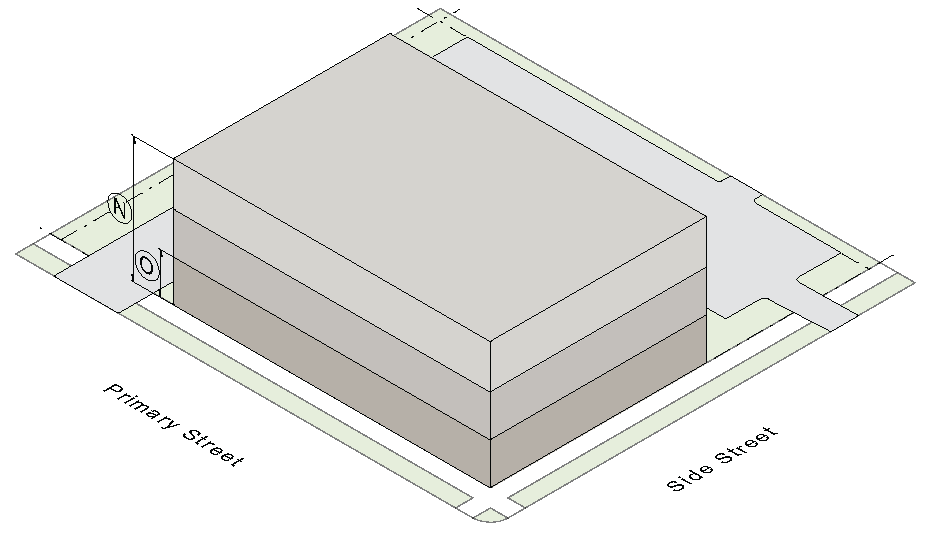 | ||
| Ⓝ | Stories (max) | n/a + | |
| Ⓝ | Feet (max) | n/a + | |
| Ⓞ | Ground story elevation (min) | n/a | |
| Bulk Plane | |||
| Bulk plane abutting R-AG-5 thru R-3-Z districts (1:1 above 40′) required | Yes | ||
| Accessory Structure Height | |||
| Stories (max) | 2 | ||
| Feet (max) | 30′ | ||
| + Subject to fire department approval | |||
(22-2)(b)(21)
I-1 district regulations. Industrial and heavy commercial.
a.
Allowed uses.
1.
Allowed residential use categories. All group living (SUP required); all social service.
2.
Allowed public use categories. All civic; all parks and open space; all minor utilities; all major utilities.
3.
Allowed commerce use categories. All commercial parking; all day care (SUP required); all indoor recreation, except: adult oriented establishment (SUP required); all medical; all office; all outdoor recreation (SUP required) except: hunting and fishing preserve (prohibited), retreat center (prohibited); all overnight lodging; all passenger terminal; all personal service; all restaurant/bar; all retail sales (prohibited), except: art studio/gallery, convenience store with gas, convenience store without gas, dry cleaning; all vehicle sales; all water-oriented.
4.
Allowed employment use categories. All industrial; all heavy commercial; all research and development; all self-service storage; all vehicle service; all warehouse and distribution; all waste-related service (SUP required), except: landfill (prohibited), recycling facility (permitted by right); all wholesale trade.
5.
Allowed open use categories. All agriculture, except: agricultural airstrip (SUP required).
b.
Maximum density. Not applicable.
c.
Development standards.
1.
Lot and setback requirements.
| Lot | 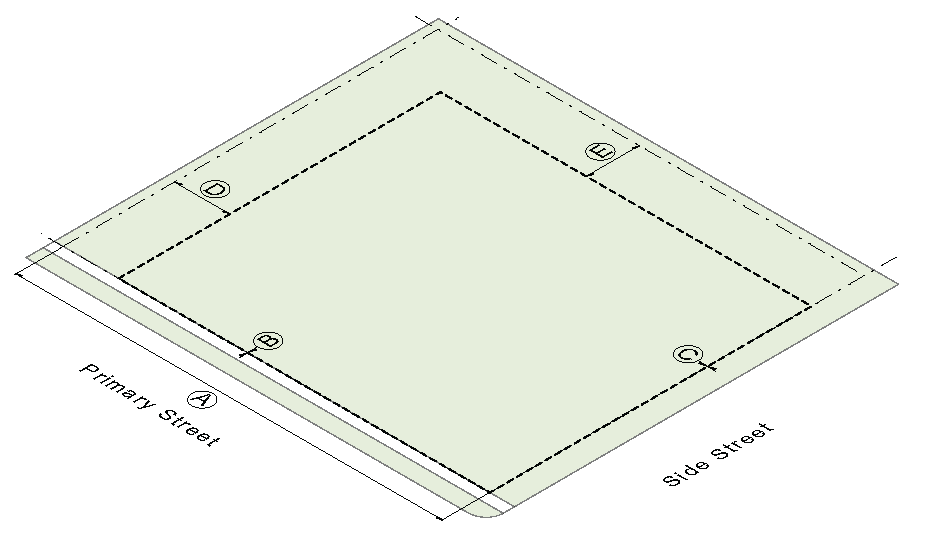 | ||
| Area (min square feet) | 8,000 | ||
| Building coverage (max) | 100% | ||
| Impervious coverage (max) | 100% | ||
| Ⓐ | Width (min) | 60′ | |
| Structure Setbacks | |||
| Ⓑ | Front (min) | 20′ | |
| Ⓒ | Side, street (min) | 7′ | |
| Ⓓ | Side, interior (min) | 7′ | |
| Ⓔ | Rear (min) | 10′ | |
2.
Building requirements.
| Principal Structure Height | 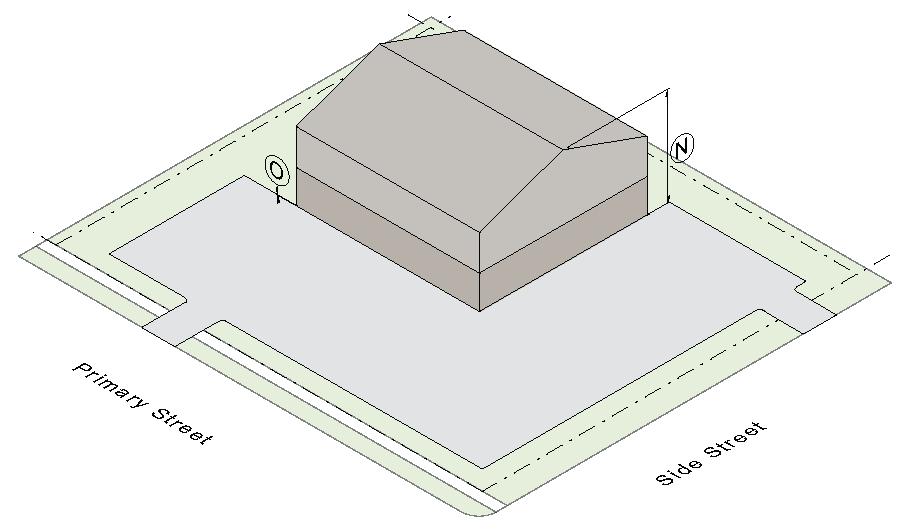 | ||
| Ⓝ | Stories (max) | n/a + | |
| Ⓝ | Feet (max) | n/a + | |
| Ⓞ | Ground story elevation (min) | n/a | |
| Bulk Plane | |||
| Bulk plane abutting R-AG-5 thru R-3-Z districts (1:1 above 40′) required | Yes | ||
| Accessory Structure Height | |||
| Stories (max) | 2 | ||
| Feet (max) | 30′ | ||
| + Subject to fire department approval | |||
(22-2)(b)(22)
TND district regulations. Traditional neighborhood development.
a.
Applicability. The standards outlined in this zoning code for TND districts apply to TND projects approved after April 26, 2016.
b.
Allowed uses.
1.
Allowed uses are established on an approved concept plan approved by city council following the process outlined in section 22-6(b)(8), traditional neighborhood development (TND). The following uses are specifically prohibited:
i.
Prohibited residential use categories. All social service.
ii.
Prohibited public use categories. All major utilities.
iii.
Prohibited commerce use categories. All outdoor recreation; all passenger terminal; all vehicle sales; all water-oriented.
iv.
Prohibited employment use categories. All employment use categories.
v.
Prohibited open use categories. All open use categories.
2.
At the completion of each phase of a traditional neighborhood development, a final certificate of occupancy shall not be issued by the city until such time that a mixture of all uses have been completed in the subject phase in proportion to uses shown in the approved site plan.
c.
Maximum density. Maximum density is established on an approved concept plan approved by city council following the process outlined in section 22-6(b)(8), traditional neighborhood development (TND).
d.
Development standards.
1.
Minimum project size. One hundred (100) acres.
2.
Minimum required open space. Twenty (20) percent.
3.
Building setbacks. All building setbacks shall be established on an approved concept plan approved by city council following the process outlined in section 22-6(b)(8), traditional neighborhood development (TND).
4.
Maximum structure height. None, subject to fire department approval.
5.
Building orientation. Buildings shall have their primary entrance facing the primary street. For developments with ground-floor residential units, each unit shall have its entrance directly accessible from the street, with a direct connection from the sidewalk to the front door of the residential that is a minimum of five (5) feet wide.
6.
Building entries.
i.
Primary street-level entries shall be made visually prominent and receive architectural emphasis. Possible techniques to accomplish this include but are not limited to:
A.
Recessed entries;
B.
Corner entries;
C.
Projecting entries, including porches, canopies and articulated lintels above the doorway;
D.
Pilasters or columns supporting and/or framing the entrance;
E.
Elevated entries with transparent stairways that are compatible with the architecture; or
F.
Landscape treatments that connect the public realm to the private realm.
ii.
A minimum of fifty (50) percent of a required entrance must be transparent.
iii.
A required fire exit door with no transparency may front on a primary, side, or service street.
7.
Transparency, entry and massing requirements.
| Transparency | 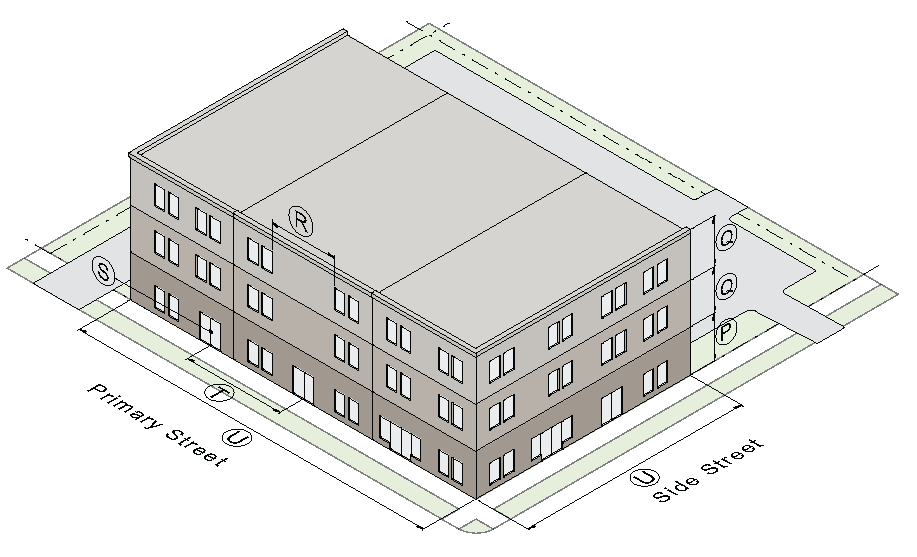 | ||
| Ⓟ | Ground story (min) | 40% | |
| Ⓠ | Upper story (min) | 20% | |
| Ⓡ | Blank wall area (max) | 30′ | |
| Building Entrance | |||
| Ⓢ | Street facing entrance required | yes | |
| Ⓣ | Entrance spacing (max) | 100′ | |
| Building Mass | |||
| Ⓤ | Building length (max) | 150′ | |
8.
All other building frontages. All other street-facing façades, other than those facing an alley, shall comply with the transparency requirements of this district or have at least five (5) of the following elements incorporated into the street-facing façade:
i.
Concrete or masonry plinth at the base of the wall;
ii.
Belt courses of a different texture and color;
iii.
Projecting cornice;
iv.
Decorative tile work;
v.
Medallions;
vi.
Opaque or translucent glass;
vii.
Artwork or wall graphics;
viii.
Lighting fixtures;
ix.
Green walls; or
x.
Architectural elements not listed above, if approved by the administrator.
9.
Awnings and canopies.
i.
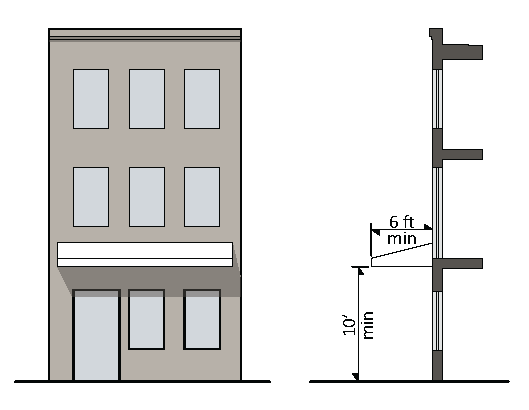
A ground-story awning or canopy must have a minimum clearance of ten (10) feet above the sidewalk and must have a minimum depth of six (6) feet.
ii.
An awning or canopy may encroach into the front setback. No awning may encroach into the public right-of-way without a license for the use of that right-of-way.
(Ord. No. 3084, Att., 4-25-16; Ord. No. 4099, 1-28-20; Ord. No. 4123, 9-14-20; Ord. No. 4169, 2-28-22; Ord. No. 4222, 6-12-23; Ord. No. 4227, 1-22-24; Ord. No. 4251, §§ 1—4, 10-28-24)

