
Savoy City Zoning Code
CHAPTER 16
05 - SIGN STANDARDS
16.05.001 - Purpose and intent.
A.
The sign regulations, controls, and provisions set forth in this chapter are intended to:
1.
Aid in traffic control and safety;
2.
Prevent the excessive and uncontrolled proliferation of signs that distract and endanger traffic safety and flow;
3.
Establish reasonable standards for commercial and other advertising and identification through the use of signs in order to maintain and encourage business activity, area development, a balanced system of street graphics, and opportunities for individual expression;
4.
Recognize the rights of the public and the public investment in public property such as roads, streets, and highways; and
5.
Recognize that the village has an adopted comprehensive plan that prioritizes an aesthetically pleasing environment, a spacious and clean community, and balanced growth and development.
(Ord. No. 2025-O-03, § 10(Att. A), 2-12-25)
16.05.002 - Limit on sign area.
A.
Permanent Sign Area Limit. Each lot shall be allowed an aggregate permanent sign area equal to two square feet of sign area per linear foot of lot frontage.
B.
Temporary Sign Area Limit. Each lot shall be allowed an aggregate temporary sign area equal to one square foot of sign area per linear foot of lot frontage.
C.
Premises Having Frontage on More Than One Dedicated Street. Premises having frontage on more than one dedicated street will be allowed an additional one square foot of aggregate sign area for each linear foot of the secondary lot frontage; however additional sign area shall only be displayed on the secondary frontage.
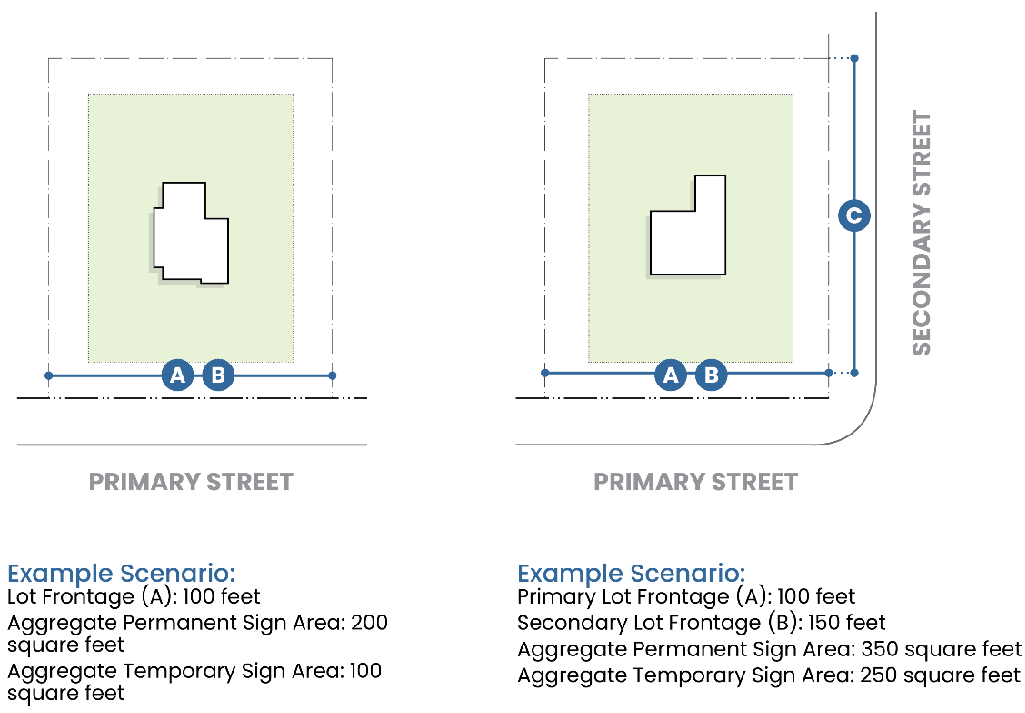
Figure 1 Limit on Sign Area
(Ord. No. 2025-O-03, § 10(Att. A), 2-12-25)
16.05.003 - Sign measurement.
A.
Sign Height. Sign height shall be measured as the total distance between the highest point on the sign to the average elevation of the ground upon which the sign supports are placed, except when:
1.
The sign supports rest upon a berm or other area elevated above the surrounding ground. In this case, the sign shall be measured from the highest point of the berm to the sign's highest point; or
2.
The sign supports rest upon a ditch or other area lower than the surrounding ground. In this case, the sign shall be measured from the lowest elevation of the ditch to the sign's highest point.
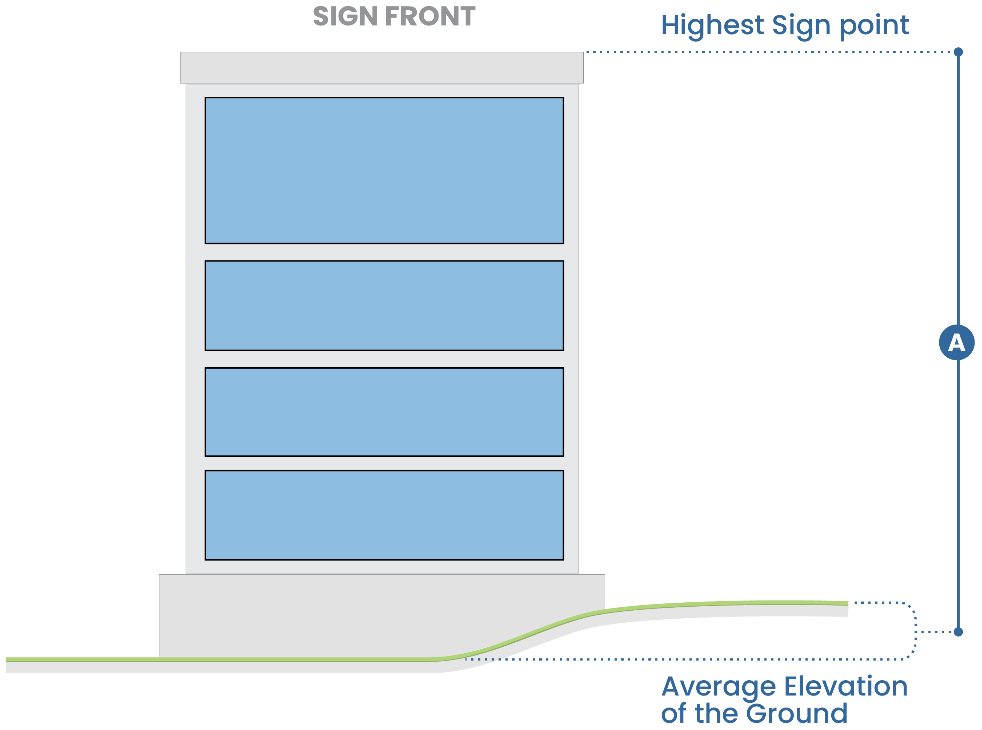
Figure 2 Sign Height
B.
Sign Area.
1.
Unless otherwise defined, sign area is determined by the total area enclosed by a continuous perimeter along the edges of a sign, including any frame or border.
2.
The area of a sign composed of individually affixed letters is determined by the total area of the smallest geometric shape enclosing the copy.
3.
A maximum of two geometric shapes may be utilized in sign area calculation.
4.
The calculation for a double-faced sign shall be the area of one face only.
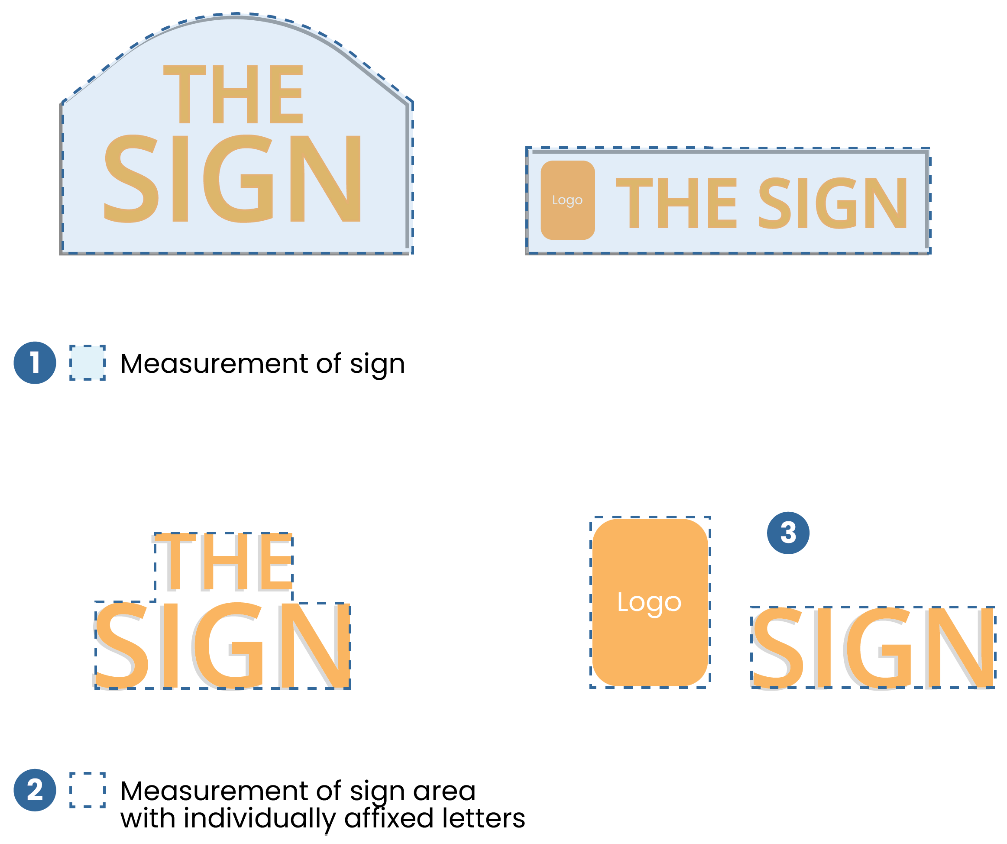
Figure 3 Sign Area
(Ord. No. 2025-O-03, § 10(Att. A), 2-12-25)
16.05.004 - Permitted and allowed signs by district.
A.
The following key is to be used in the interpretation of Table 16.05.004.A permitted and allowed sign types by district.
1.
Sign Types Requiring a Permit. Sign types marked as "P" in the table shall be permitted subject to all applicable regulations of this UDO and only after the issuance of a sign permit as detailed in Section 16.08.003.E.
2.
Sign Types Not Requiring a Permit. Sign types marked as "A" in the table shall be allowed subject to all applicable regulations of this UDO without the issuance of a sign permit.
3.
Prohibited Sign Types. A blank space in the table indicates that a sign type is prohibited in the applicable district.
4.
Interpretation of Similar Sign Type. If a proposed sign is not listed in the table, the community and economic development (CED) director shall determine if the sign is substantially similar to a sign listed in the table. If it is, the standards applied to the proposed sign shall be the standards applicable to the similar sign. If not, the sign shall be regarded as prohibited.
Table 16.05.004.A. Permitted and Allowed Sign Types by District
(Ord. No. 2025-O-03, § 10(Att. A), 2-12-25)
16.05.005 - Standards for permanent signs.
A.
Wall Signs.
1.
Sign Area.
a.
The maximum sign area of wall signs in the C-2, DT, and all residential districts shall be ten percent (10%) of the total area of the face of the wall to which the sign is to be affixed.
b.
The maximum sign area of wall signs in all other districts shall be twenty percent (20%) of the total area of the face of the wall to which the sign is to be affixed.
2.
Sign Height. No wall sign shall protrude above the highest roofline or the top of the parapet wall or mansard roof.
3.
Projection.
a.
A wall sign shall not extend more than twelve (12) inches from the wall of the building or structure to which it is attached.
b.
No wall sign shall be erected or maintained to extend beyond the end of the wall facing a street to which such sign is attached.
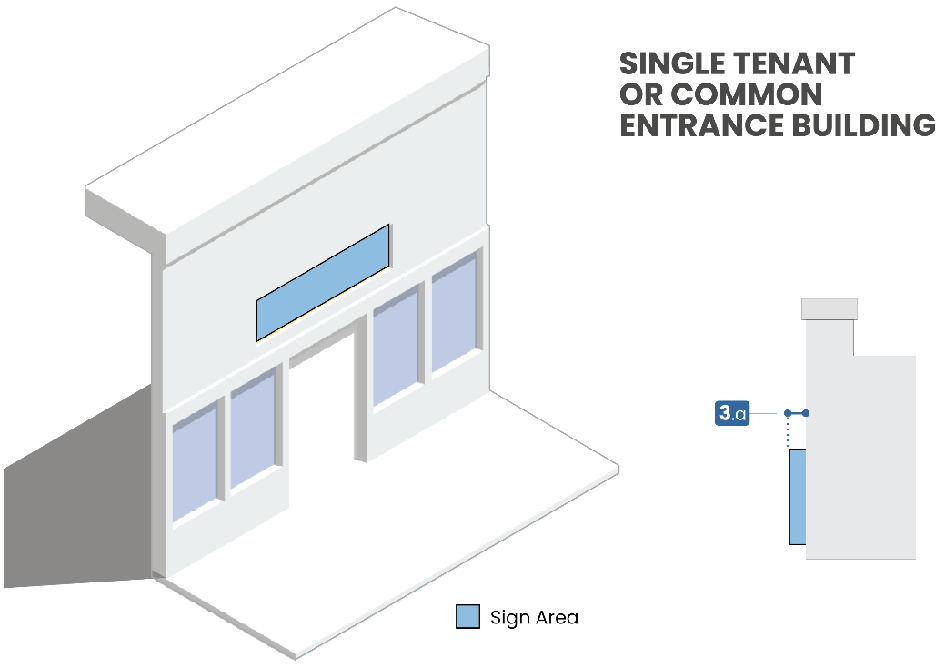
Figure 4 Wall Sign Standards
4.
Number of Signs.
a.
Primary Wall Signs.
i.
Single tenant buildings shall be permitted a total of two primary wall signs; however, only one wall sign shall be displayed on any single building façade.
ii.
Multi-tenant buildings shall be permitted one primary wall sign per unit.
b.
Secondary Wall Signs. A maximum of two secondary wall signs may be authorized for buildings with lineal frontage in excess of seventy-five (75) feet by the CED director provided such additional signage is:
i.
In keeping with the overall design and architecture of the building;
ii.
A minimum of twenty (20) feet from the primary wall sign and other secondary wall signs. The distance shall be measured horizontally from the edge of the primary wall sign and other secondary wall signs to the perimeter of the secondary wall sign;
iii.
A maximum of fifty percent (50%) of the size of the primary wall sign;
iv.
Less visually prominent on the site than the building's primary wall sign; and
v.
The total area of all primary and secondary wall signs does not exceed the maximum wall sign area as established in Section 16.05.005.A.1.
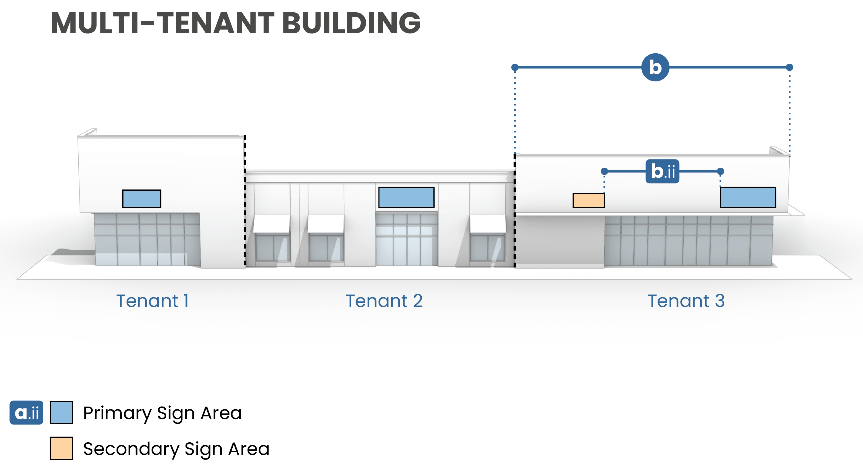
Figure 5 Number of Signs
5.
Sign Copy.
a.
If the sign copy is individually affixed letters, the CED director may approve an increase in sign area up to an additional five percent (5%) of the total area of the face of the wall to which the sign is to be affixed.
6.
Other Provisions.
a.
No wall sign shall cover any architectural features (including but not be limited to pediment, cornice, belt course, pier, windows, pilaster, roof, decorative stone or inlay, kick plate/bulkhead, raised or colored brick pattern, and corbel) of the building to which it is affixed.
b.
No wall sign shall be affixed to HVAC screening, elevator overrun, or other structures protruding from the roof of the principal building, excluding architectural features that are an integral part of the principal building.
B.
Single-Tenant Monument Signs.
1.
Sign Area. The maximum sign area of a single-tenant monument sign shall be sixty (60) square feet.
2.
Sign Height. The maximum sign height of a single-tenant monument sign shall be ten (10) feet.
3.
Number of Signs. A maximum of one single-tenant monument sign shall be permitted per lot frontage.
4.
Sign Base.
a.
The base of a single-tenant monument sign, including all structural components, shall extend horizontally from the sign face a minimum of ten percent (10%) and a maximum of twenty-five percent (25%) of the width of the sign face.
b.
The base of single-tenant monument signs shall be constructed from masonry, stone, or similar high-quality materials in keeping with the materials and design of the principal building of the lot.
5.
Landscape Requirement.
a.
All single-tenant monument signs shall be required to plant and maintain a landscaped area at the base of the sign, covering the front and sides.
b.
The minimum area of the landscaped area shall be equal to half of the square footage of the associated sign's area.
c.
Landscaped areas shall be planted with one shrub or native grass per every three square feet of required landscaped area.
6.
Other Provisions.
a.
The address of the building(s) to which the single-tenant monument sign is associated may be displayed on the single-tenant monument sign and shall not count towards maximum sign area.
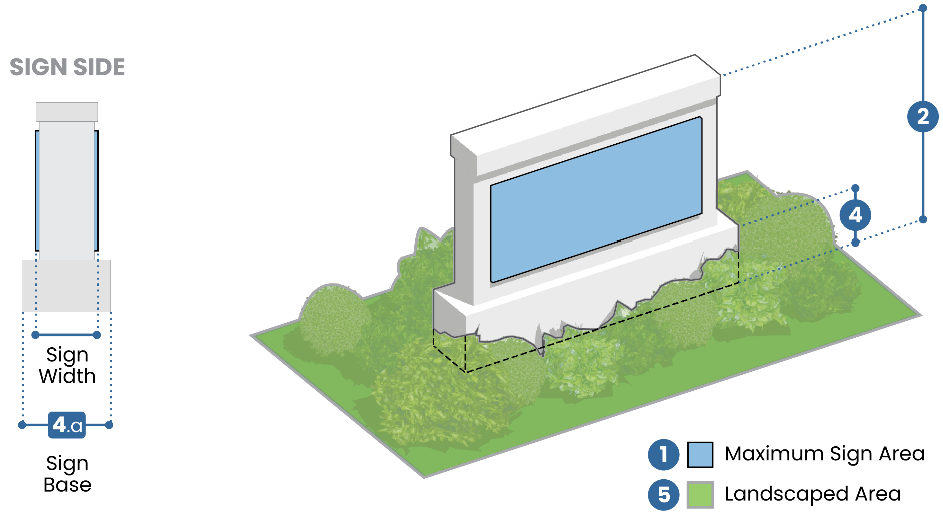
Figure 6 Single-Tenant Monument Sign Standards
C.
Multi-Tenant Monument Signs.
1.
Sign Area. The maximum sign area of a multi-tenant monument sign shall be one-hundred (100) square feet.
2.
Sign Height. The maximum sign height of a multi-tenant monument sign shall be fifteen (15) feet.
3.
Number of Signs. A maximum of one multi-tenant monument sign shall be permitted per lot frontage.
4.
Sign Base.
a.
The base of a multi-tenant monument sign, including all structural components, shall extend horizontally from the sign face a minimum of ten percent (10%) and a maximum of twenty-five percent (25%) of the width of the sign face.
b.
The base of multi-tenant monument signs shall be constructed from masonry, stone, or similar high-quality materials in keeping with the materials and design of the principal building of the lot.
5.
Landscape Requirement.
a.
All multi-tenant monument signs shall be required to plant and maintain a landscaped area at the base of the sign, covering the front and sides.
b.
The minimum area of the landscaped area shall be equal to half of the square footage of the associated sign's area.
c.
Landscaped areas shall be planted with one shrub or native grass per every three square feet of required landscaped area.
6.
Other Provisions.
a.
The address of the building(s) to which the single-tenant monument sign is associated shall be displayed on the single-tenant monument sign and shall not count towards maximum sign area.
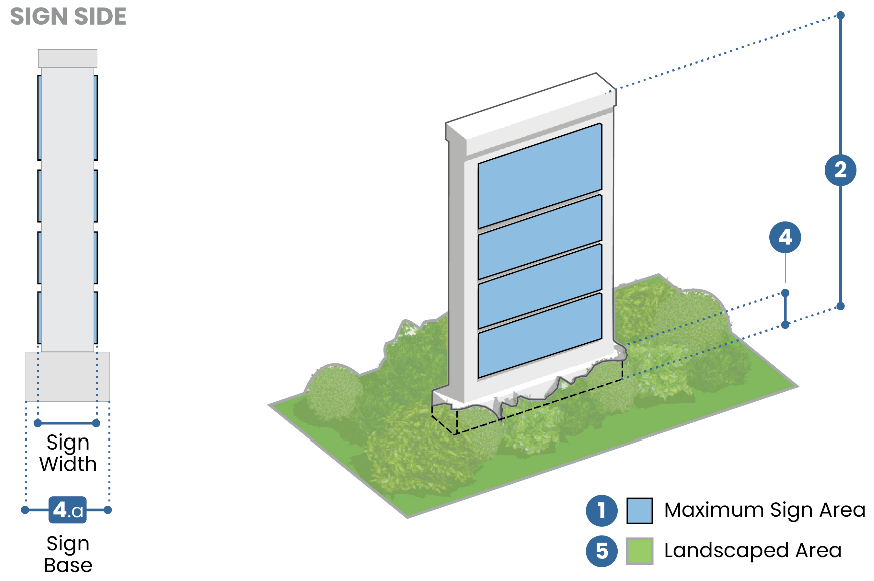
Figure 7 Multi-Tenant Monument Sign Standards
D.
Awning/Canopy Signs.
1.
Sign Area.
a.
The maximum sign area of awning/canopy signs shall be forty percent (40%) of the face of the awning/canopy upon which the sign shall be printed or affixed.
b.
The area of the awning/canopy sign shall count towards the maximum amount of sign area permitted for wall signs as detailed in Section 16.05.005.A.1.
2.
Other Provisions. Awning/canopy signs shall only be permitted on awnings/canopies extending above ground floor entrances or windows.
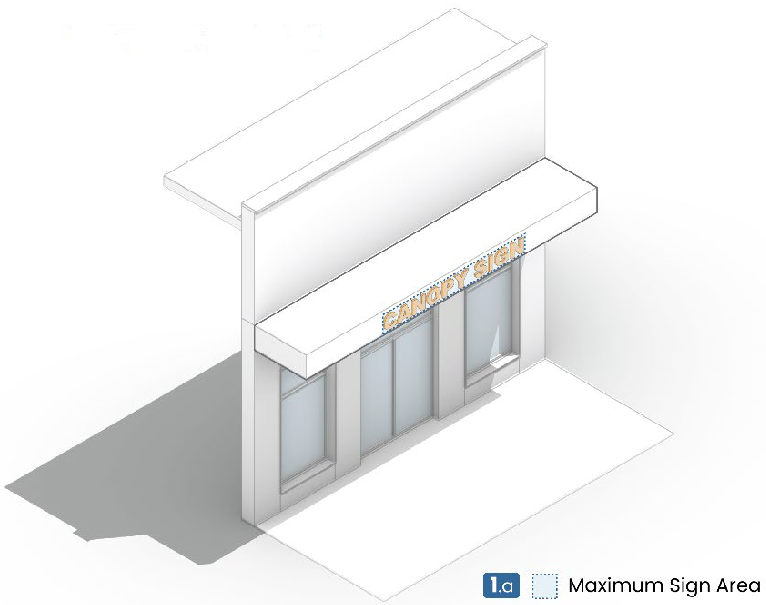
Figure 8 Awning/Canopy Sign Standards
E.
Projecting Signs.
1.
Sign Area. The maximum permitted sign area of projecting signs shall be four square feet.
2.
Sign Height.
a.
Projecting signs shall not extend above the roofline of the building to which it is attached, or beyond a maximum of twelve (12) feet above grade, whichever is less.
b.
Projecting signs shall maintain a minimum vertical clearance of eight feet.
3.
Number of Signs.
a.
A maximum of one projecting sign shall be permitted per ground floor tenant space.
b.
A projecting sign shall not be displayed on the same building frontage as an awning/canopy sign.
4.
Projection. Projecting signs shall horizontally project a maximum of four feet from the building to which it is attached.
5.
Other Provisions.
a.
Projecting signs shall not be internally illuminated.
b.
Projecting signs may encroach upon, extend, or project over a public right-of-way or easement. The property owner may be required to provide a release or hold harmless to the village prior to issuing permits for any such signs.
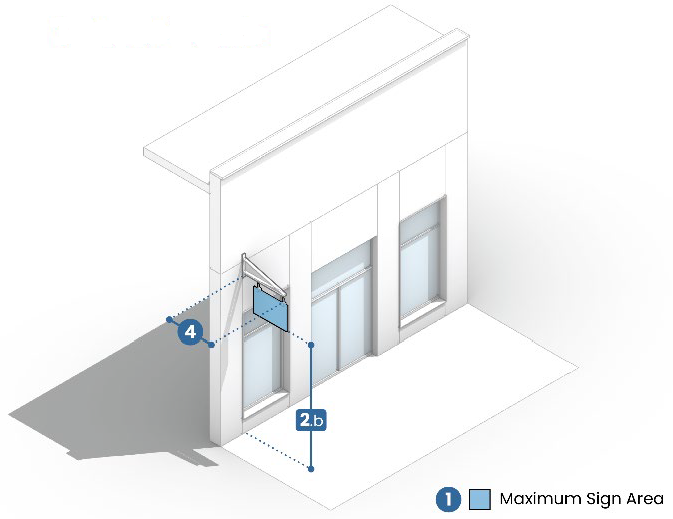
Figure 9 Projecting Sign Standards
F.
Window Signs, Permanent.
1.
Sign Area.
a.
The maximum permitted sign area of a permanent window sign shall be twenty-five percent (25%) of the square footage of the individual window on which the sign shall be located.
b.
The area of the permanent window sign shall count towards the maximum amount of sign area permitted for wall signs as detailed in Section 16.05.005.A.1.
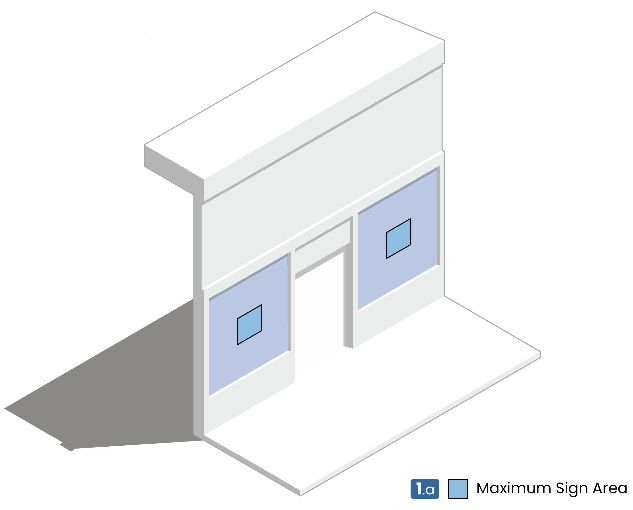
Figure 10 Permanent Window Sign Standards
G.
On-Site Traffic Directional Signs.
1.
Sign Area.
a.
The maximum sign area of an on-site traffic directional sign shall be four square feet.
b.
Permitted on-site traffic directional sign area shall not count towards the maximum allowed aggregate sign area as detailed in Section 16.05.002.A.
2.
Sign Height. The maximum height of an on-site traffic directional sign shall be five feet.
3.
Number of Signs. The permitted number of on-site traffic directional signs shall be determined by the CED director as necessary to assist in the safe movement of vehicular, bicycle, and pedestrian traffic on a property and between properties with vehicular cross access.
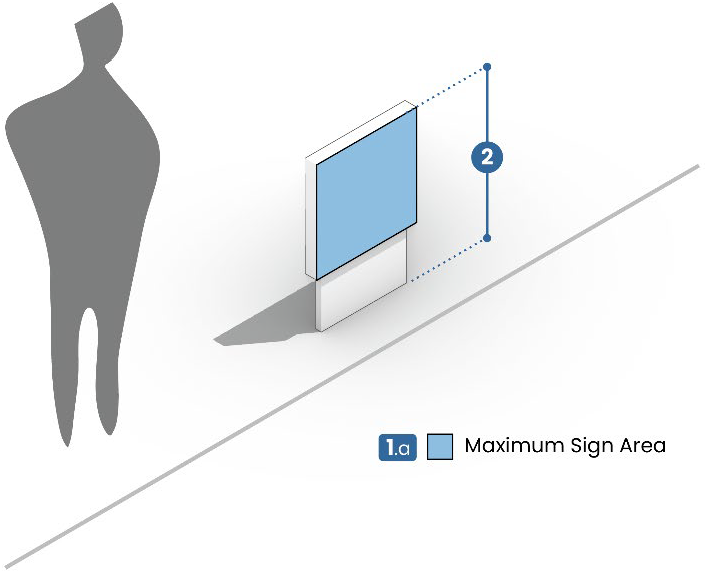
Figure 11 On-Site Traffic Direction Sign Standards
H.
Billboard Signs.
1.
Sign Area. The maximum sign area for billboard signs shall be three hundred (300) square feet.
2.
Sign Height. The maximum sign height for billboard signs shall be twenty-five (25) feet; the lowest point of the sign shall be at least eight feet above ground within one thousand (1,000) feet of intersecting public rights-of-way.
3.
Number of Signs. Up to two billboard signs shall be permitted only in the RR railroad industrial district. Billboard signs are prohibited in all other areas. Existing billboard signs in excess of the permitted amount shall be considered legally nonconforming structures and shall be subject to all applicable regulations of Chapter 16.09.
4.
Minimum Setback. Billboard signs shall be located with a minimum setback of twenty-five (25) feet from property lines and at least three hundred (300) feet from intersecting rights-of-way.
5.
Illumination. Illuminated billboard signs shall utilize neon lighting or be equipped with concealed lighting.
6.
Additional Requirements.
a.
Billboard signs shall be off-site freestanding structures. Billboard signs affixed to buildings are prohibited.
b.
Billboard signs are only permitted on undeveloped properties. They must be removed when any development or redevelopment begins.
c.
Each billboard may have no more than two structural supports.
(Ord. No. 2025-O-03, § 10(Att. A), 2-12-25)
16.05.006 - Standards for temporary signs.
A.
General Standards Temporary Signs.
1.
Temporary Signs Requiring a Permit.
a.
Concurrent Display.
i.
Single-Tenant Building. A maximum of two permitted temporary signs, as permitted per district in Table 16.05.004.A, may be displayed concurrently on a lot with a single-tenant building.
ii.
Multi-Tenant Building.
(A)
A maximum of one permitted temporary sign, as permitted per district in Table 16.05.004.A, may be displayed concurrently per unit on a lot with a multi-tenant building.
(B)
In no instance shall more than two freestanding temporary signs be displayed concurrently.
2.
Display Period. No temporary sign shall be displayed on any one lot or parcel for more than thirty (30) consecutive days for any one permit period and no more than two nonconsecutive display periods shall be allowed for any lot or parcel during any calendar year.
3.
Temporary Freestanding Signs. Temporary freestanding signs shall include ground mounted banner, post, and yard signs.
a.
Temporary freestanding signs shall be securely anchored into the ground or secured in a portable base designed for such function.
b.
Temporary freestanding signs shall be maintained in good condition and shall not sag, lie on the ground, be damaged, or otherwise kept in a disorderly state.
B.
Wall Mounted Banner Sign.
1.
Sign Area. The maximum area of a wall mounted banner sign shall be five percent of the total area of the face of the wall to which the sign is to be affixed.
2.
Sign Height. No wall mounted banner sign shall protrude above the highest roofline or the top of the parapet wall or mansard roof.
3.
Location. Wall mounted banner signs shall be affixed to a building only.
4.
Projection. Wall mounted banner signs shall be affixed flat against the building to which they are mounted.
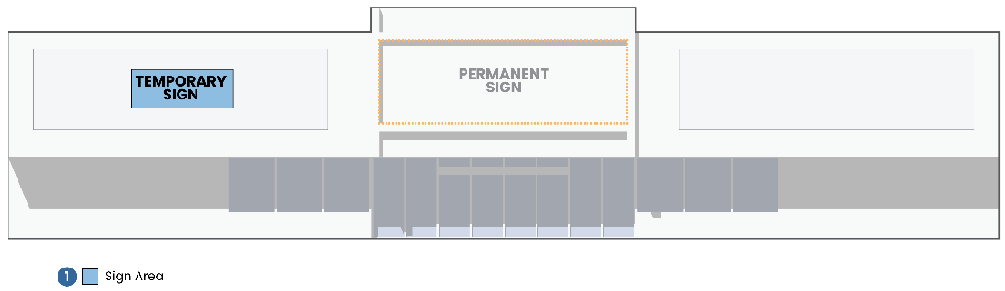
Figure 12 Wall Mounted Banner Sign Standards
C.
Ground Mounted Temporary Sign.
1.
Sign Area. The maximum sign area of a ground mounted temporary sign shall be twenty-five (25) square feet.
2.
Sign Height. The maximum sign height of a ground mounted temporary sign shall be eight feet.
3.
Permit Period and Fee. Ground-mounted temporary signs shall be allowed six months per calendar year subject to a monthly fee as approved by the board of trustees.
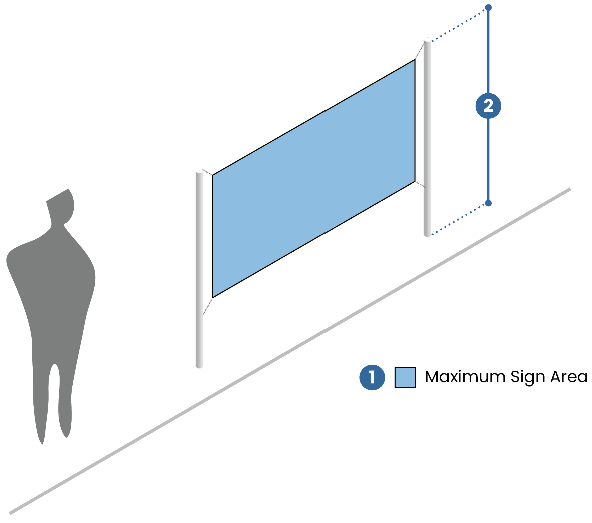
Figure 13 Ground Mounted Temporary Sign
D.
Window Signs, Temporary.
1.
Sign Area. The maximum sign area of a temporary window sign shall be twenty-five percent (25%) of the individual window on the sign shall be affixed.
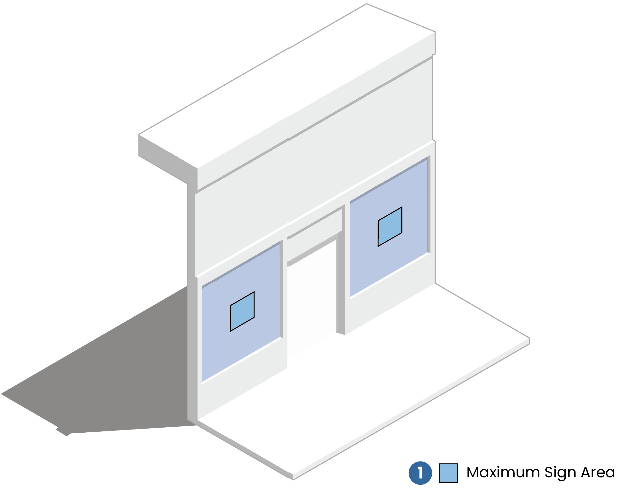
Figure 14 Temporary Window Sign Standards
E.
A-frame/Sandwich Board Signs.
1.
Sign Area. The maximum sign area of an A-frame/sandwich board sign shall be six square feet.
2.
Sign Height. The maximum sign height of an A-frame/sandwich board sign shall be four feet.
3.
Number of Signs. One A-frame/sandwich board sign shall be permitted per single-tenant building or unit of a multi-tenant building.
4.
Sign Separation. Each A-frame/sandwich board sign shall be separated from another A-frame/sandwich board sign by at least twenty-five (25) feet.
5.
Location.
a.
A-frame/sandwich board signs shall be located on private property.
b.
No part of any A-frame/sandwich board sign shall block points of ingress or egress.
c.
A-frame/sandwich board signs shall be placed no more than five feet from the wall of the building or unit of a building to which the sign is associated.
6.
Other Provisions.
a.
The display of A-frame/sandwich board signs shall only be permitted during the operating hours of the use to which the sign is associated.
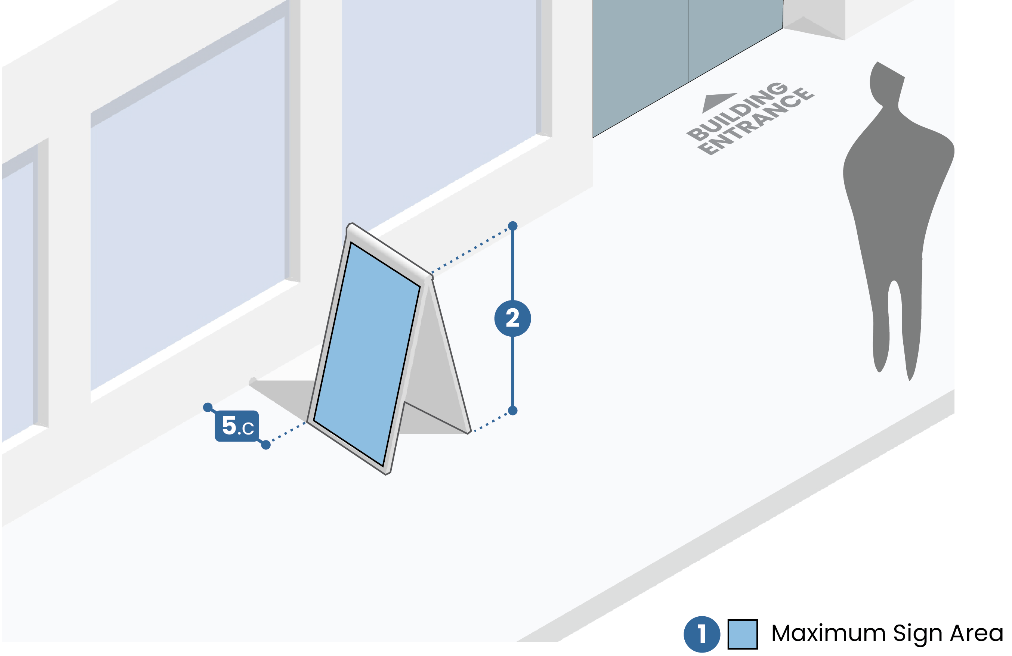
Figure 15 A-Frame/Sandwich Board Sign
F.
Post Signs.
1.
Sign Area. The maximum sign area of a post sign shall be six square feet.
2.
Sign Height. The maximum sign height of a post sign shall be six feet.
3.
Number of Signs. A maximum of one post sign shall be allowed per lot frontage.
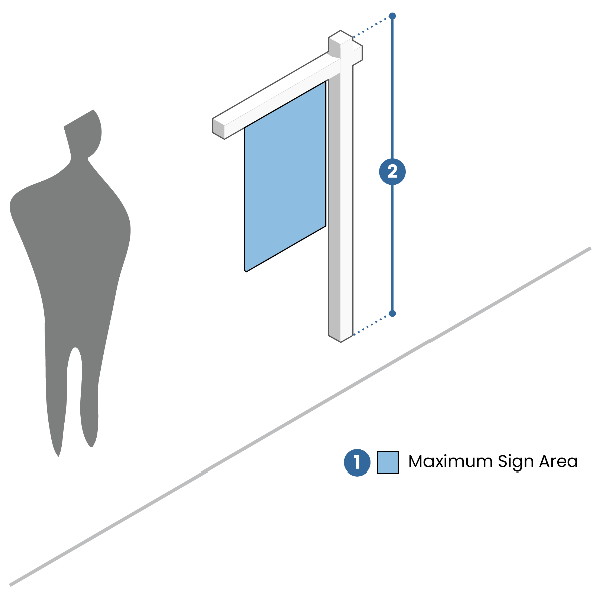
Figure 16 Post Signs
G.
Yard Signs.
1.
Sign Area. The maximum sign area of a yard sign shall be four square feet.
2.
Sign Height. The maximum sign height of a yard sign shall be three feet.
3.
Number of Signs. A maximum of two yard signs may be displayed concurrently. As many as six yard signs may be displayed forty-five (45) days before and fifteen (15) days after a local, state, or federal election.
4.
Other Provisions.
a.
Yard signs in residential districts displayed for a period of forty-eight (48) hours or less shall be exempt from the requirements of this section.
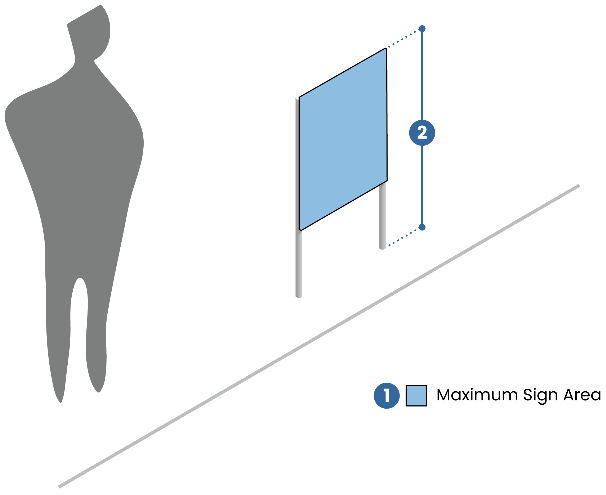
Figure 17 Yard Signs
(Ord. No. 2025-O-03, § 10(Att. A), 2-12-25)
16.05.007 - General sign standards.
A.
Interference with Traffic Signals. No sign shall be erected in any place where it may, by reason of its position, shape, color, or other characteristic, interfere with, obstruct the view of, or be confused with any authorized traffic sign, signal, or device, or constitute a nuisance per se. Sight triangle standards, as referenced in Section 16.04.009 shall govern the placement of signs to prevent interference with traffic signals and visibility.
B.
Location of Freestanding Signs. Freestanding signs shall include single-tenant monument signs, multi-tenant monument signs, on-site traffic directional signs, ground mounted banner signs, feather signs, post signs, and yard signs. Freestanding signs shall:
1.
Be located a minimum of five feet from all property lines, rights-of-way, and utility easements;
2.
Not block points of ingress or egress;
3.
Not be placed in any sidewalk or pedestrian circulation system; and
4.
Not be located in a clear sight triangle as detailed in Section 16.04.009.
C.
Illumination.
1.
Location and Design of Light Source. Whenever an external artificial light source is used for a sign, such source shall be located, shielded, and directed so as not to be directly visible from any public right-of-way or residential property. No receptacle or device housing a permitted light source for a sign shall protrude more than twelve (12) inches from the face of the sign or building to which it is attached except if such light source is ground mounted, locked in place, and cannot be redirected.
2.
Level of Illumination. In no event shall the illumination of any sign, resulting from any internal or external artificial light source, exceed the outdoor lighting standards established in Section 16.04.008. All artificial illumination shall be so designed, located, shielded, and directed as to prevent the casting of glare or direct light upon adjacent property or streets.
3.
Signs Using LED Lights. Signs utilizing LED lighting shall be allowed to serve public safety purposes and facilities only.
D.
Electronic Message Boards. Single-tenant and multi-tenant monument signs only may incorporate electronic message boards in accordance with the following:
1.
Two-thirds of the sign area shall be permanent sign copy;
2.
The area of the sign devoted to an electronic message board shall be counted as part of the maximum sign area allowed;
3.
The electronic message format shall conform to the following requirements:
a.
The message will contain a static message or image only and not have movement, or the appearance of movement, during the static display period;
b.
The transition to change from one message or image to another shall be instant and not dissolve, fade, scroll, travel, or have similar transitions;
c.
The message shall not change more frequently than once every ten (10) seconds.
4.
Electronic message boards shall be equipped with a default mechanism that will stop the messaging or freeze the image in one position when a malfunction in electronic programming occurs.
5.
Electronic message boards shall be equipped with a sensor or other device that automatically determines the ambient illumination and is programmed to automatically dim according to light conditions.
6.
Illumination of electronic message signs shall not exceed three-tenths foot-candles over the ambient lighting conditions when measured at a distance equal to the square footage of the sign area.
7.
Sign placement shall not interfere with traffic control devices within three hundred (300) feet of the sign or traffic circulation upon roadways. If deemed necessary by the CED Director, a report from a traffic engineer certifying that the proposed sign does not interfere with the design characteristics of the traffic circulation and traffic control devices may be required.
8.
An application for electronic message boards located outside the principal building shall require the approval of a special use permit as specified in Section 16.08.006.
(Ord. No. 2025-O-03, § 10(Att. A), 2-12-25)
16.05.008 - Prohibited signs and content.
A.
The following signs are specifically prohibited:
1.
Off-premises signs/billboards, except those allowed as specified in Section 16.05.005.H;
2.
Pole/pylon signs;
3.
Flashing signs;
4.
Roof signs;
5.
Marquee signs;
6.
Feather signs;
7.
Searchlights;
8.
Signs attached to a utility pole, a tree, a standpipe, gutter, drain or fire escape;
9.
Signs erected so as to impair access to a roof;
10.
Signs located, erected or maintained upon, over or project into any public right-of-way or easement unless otherwise allowed by this chapter;
11.
Pennants, streamers, and portable signs not specifically permitted by this chapter;
12.
Signs not specifically permitted by this chapter which move or have moving parts, whether the movement is caused by the wind or mechanically;
13.
Signs in conflict with traffic signals, vehicular or pedestrian travel, access to fire hydrants and fire lanes and exits, and other signs which reasonably impede or impair the public health, safety and welfare;
14.
Attention-getting devices;
15.
Signs hung across any street or alley;
16.
Signs employing exposed neon lights not completely covered by other acceptable sign materials, except for permanent or temporary window signs as regulated in this chapter; and
17.
Signs painted on or otherwise affixed to fences.
B.
Prohibited Content.
1.
The following content is prohibited without reference to the viewpoint of the individual speaker:
a.
Text or graphics of an indecent or immoral nature and harmful to minors.
b.
Text or graphics that advertise unlawful activity.
c.
Text or graphics that are obscene, fighting words, defamation, incitement to imminent lawless action, or true threats, or
d.
Text or graphics that present a clear and present danger due to their potential confusion with traffic control signs or signs that provide public safety information (for example, signs that use the words "stop," "yield," "caution," or "danger," or comparable words, phrases, symbols, or characters in such a manner as to imply a safety hazard that does not exist).
2.
The narrow classifications of content that are prohibited by this Subsection are either not protected by the United States or Illinois Constitutions or are offered limited protection that is outweighed by the substantial governmental interests in protecting the public safety and welfare. It is the intent of the board of trustees that each paragraph of this subsection be individually severable in the event that a court of competent jurisdiction were to hold one or more of them to be inconsistent with the United States or Illinois Constitutions.
(Ord. No. 2025-O-03, § 10(Att. A), 2-12-25)
16.05.009 - Safety, maintenance, and abandonment.
A.
Every sign and all parts thereof, including base, copy, framework, supports, anchors and wiring systems shall:
1.
Be constructed and maintained in compliance with the applicable codes of the village;
2.
Be kept in proper repair; and
3.
When not galvanized or made from approved corrosion-resistant, noncombustible materials, signs shall be painted as needed to prevent corrosion, rust, peeling paint, and excessive fading.
B.
Signs not maintained in good mechanical and visual repair shall be deemed to be in violation of this UDO.
C.
It shall be the duty and responsibility of the owner of every sign to maintain the immediate premises occupied by the sign in clean condition and free of rubbish. Any landscaping surrounding the sign shall be kept trimmed and in good repair. If the landscaping installed at the time of sign approval dies, said landscaping shall be replaced immediately or as soon as weather permits.
D.
Every existing sign shall be subject to an inspection whenever the CED director or building safety supervisor deems it necessary. In the event an inspection demonstrates that repairs and/or maintenance are necessary, the sign owner shall be notified and required to complete said repairs and/or maintenance within thirty (30) days of notification. The CED director or building safety supervisor is authorized to grant one thirty (30) day extension, if, upon written request, it is deemed necessary due to extenuating circumstances.
E.
If the CED director or building safety supervisor shall find that any sign is unsafe or insecure, or is a threat to the public safety, or was, after the adoption of this UDO constructed, erected, or maintained in violation of the provisions of this UDO, they shall give written notice to the sign owner. Such notice shall specify the manner in which the sign is in violation of this UDO.
F.
When a use is discontinued, any associated sign copy shall be removed by the sign owner. In the case of a wall sign, the building façade shall be repaired. The sign copy shall be removed within thirty (30) days of when the use ceases to operate. If the owner fails to remove the sign copy, the CED director shall give the owner thirty (30) days' written notice to remove it. Failure to comply with the notice shall be deemed a violation of this UDO.
(Ord. No. 2025-O-03, § 10(Att. A), 2-12-25)

