
Tarrant City Zoning Code
ARTICLE 4
- GENERAL REGULATIONS
Sec. 4.01.- Uses in general.
In each zone, only the uses specifically listed as "permitted uses", "uses permitted subject to supplemental use regulations," or "conditional uses" shall be allowed.
(a)
"Uses permitted subject to supplemental use regulations" shall be allowed only in conformance with the requirements of the standards specified for such uses in Article 6.
(b)
"Conditional uses" are uses for which no permit shall be issued except with written approval of the council, pursuant to the provisions of Article 11, and which shall further be subject to such conditions as the council may require to preserve and protect the character of the applicable zone, including any applicable supplemental use regulations as referenced in Article 6.
(c)
Any use, structure or improvement, existing at the time of enactment or subsequent amendment of this ordinance, but not in compliance with its provisions, shall hereafter be considered a nonconformity subject to the provisions set forth in Article 9.
(d)
Temporary uses shall be permitted only on appeal to and upon approval of the BZA. All such uses and/or occupancy permits shall be as specified by the BZA. Examples: subdivision construction and/or sales trailers, Christmas tree and pumpkin sales, parking lot sales (not associated with a principal use), non-commercial car washes, fairs, concerts, and other special events.
Sec. 4.02. - Unclassified uses.
The building inspector is empowered to make interpretations so as to categorize any unclassified use into a listed use classification of most similar impact and characteristics. As provided herein, the building inspector is empowered to make an interpretation of the most appropriate zone, under which the unclassified use may be permitted. In the event the building inspector receives an application for a use that is not listed or that does not appropriately fit a use classification provided within this ordinance, the following procedure shall apply:
(a)
If compatible with the existing zone intent, the unclassified use shall be permitted as a conditional use by the council.
(b)
If the unclassified use would not be compatible with the existing zone, the building inspector shall determine the most appropriate zone and inform the applicant of such determination. Upon such determination, said applicant may request rezoning of the subject property to the zone most appropriate for the desired use. Contingent on acceptance of the rezoning request, the use may be permitted as a conditional use by the council.
(c)
Following final action on the unclassified use per the above paragraphs, the commission may initiate an amendment to this ordinance to list the newly permitted use in the most appropriate zones along with any conditions or supplemental use regulations applicable to such use.
Sec. 4.03. - Principal and accessory buildings and structures.
(a)
Only one (1) principal building and its permitted accessory buildings may hereafter be erected on any lot in any single-family residential zone. Accessory dwellings are permitted in certain single-family zones subject to section 603.
(b)
Two (2) or more multi-family buildings may be erected on a lot in the R-MF Zone only. In other zones, where multi-family dwellings are permitted, only one multi-family building shall be established per lot.
(c)
Accessory buildings and structures, in all zones, shall be located wholly to the rear of the principal building.
(d)
In residential zones, accessory structures shall not occupy more than twenty (20) percent of the rear yard, or be closer than five (5) feet to any side or rear lot line. For the purpose of this ordinance, a satellite dish shall be considered an accessory structure.
Sec. 4.04. - Modification of height regulations.
The height regulations prescribed in this ordinance shall not apply to church steeples, chimneys, flag poles, public utility poles, radio and television antennas; cooling towers or water tanks.
Sec. 4.05. - Area and dimensional requirements.
(a)
Any structure hereafter erected, moved or altered shall be on a lot or parcel meeting the area and dimensional requirements of the applicable zone and any similar requirements for the use in the supplemental use regulations. No required yard or other lot requirement for a building or structure shall be occupied by or counted as a requirement for another building or structure.
(b)
Measurement of required setbacks.
(1)
When any required yard abuts a thoroughfare with a conforming, dedicated ROW width, the setback shall be as required in the applicable zone and shall be measured from the nearest edge of the sidewalk or, in the absence of a sidewalk, from the front lot line.
(2)
When any required yard abuts a thoroughfare with a dedicated ROW width less than that required within the zone, or in the case of a thoroughfare without a dedicated ROW, the setback shall be sufficient to allow the thoroughfare to be improved to meet the applicable requirements of the zone, including the minimum ROW width, any required utility or sidewalk easement and the required front yard setback for the principal building. This cumulative setback shall be measured from the centerline of the existing thoroughfare.
(3)
The setback requirements along denied access highways and railroad rights-of-way shall be no less than fifteen (15) feet.
(c)
No yard or lot existing at the time of passage of this ordinance shall be reduced in size or area below the minimum requirements set forth herein. Yards or lots created after the effective date of this ordinance shall meet at least the minimum requirements established herein.
(d)
The area or dimensions of any lot, yard, parking area or other space shall not be reduced below the minimum required by this ordinance except as provided in this ordinance; and if already less than the minimum required, said area or dimension may be continued but shall not be further reduced.
(e)
Building heights shall be measured in "stories" with no single story permitted greater than fourteen (14) feet from floor to ceiling. Atria, individual rooms, and attics may include spaces taller than this; however, any floor, which is fourteen (14) feet or taller throughout the entirety of the floor, shall be considered to be more than one story.
(f)
Standard corner lots shall be considered to have a primary front yard and a secondary front yard and the setback for each shall be as required by the applicable zone. Non-standard corner lots in single-family residential zones shall be considered to have two front yards and the setback for each shall be as required for front yards in the applicable zone.
(g)
In any single-family residential zone, where a majority of the existing residences along one block have less than the minimum required front yard setback of the applicable zone, the required front yard setback may be reduced to correspond with the predominant pattern on that block.
(h)
Any lot established in a recorded subdivision, prior to the adoption of this ordinance, shall be subject to the yard setbacks approved in that record plat.
(i)
Required lot width and lot frontage.
(1)
Except as provided herein, lots which do not meet the required lot width and lot frontage of the applicable zone shall be considered flag lots and shall be prohibited.
(2)
For cul-de-sacs, the lot width at the building line shall be no less than the minimum lot width required by the applicable zone; and the minimum street frontage shall be no less than forty (40) feet measured along the arc of the curve.
(3)
For lots along the outer side of curved thoroughfares, the minimum lot frontage shall be established by the following equation and as described in Figure 4.05:
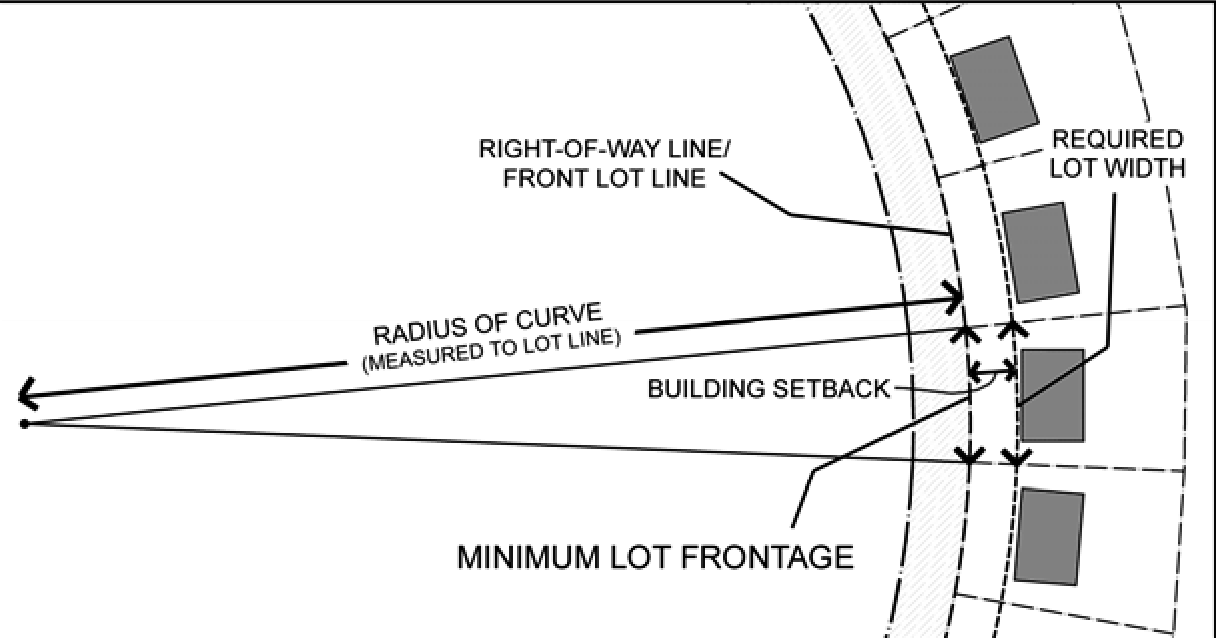
Figure 4.05. Measurement of lot width along curved thoroughfares
(j)
Projections from residential buildings. In cases of practical difficulty, the building inspector may grant the following exceptions to yard requirements in a residential zone:
(1)
An allowance of up to five (5) feet for uncovered front or rear stoops or steps into the required front yard.
(2)
Chimneys, bay windows, and similar projections not more than ten (10) feet in width, may project up to thirty (30) inches into required rear or side yards, subject to separation required by the fire code. Such features shall not encroach into any existing easement.
Sec. 4.06. - Thoroughfare access.
No principal building shall be erected on a lot not abutting a public thoroughfare, except as provided for cottage subdivisions. Refer to section 6.12.
Sec. 4.07. - Intersection sight distance; clear sight triangle requirements.
No planting, fence, building, wall, sign or other structure shall be placed or maintained after the effective date of this ordinance, if such planting or structure thereby obstructs vision at any point between a height of two and one-half (2½) feet and a height of eight (8) feet above the upper face of the nearest curb (or grade level at the thoroughfare center line if no curb exists) and within the sight triangle as shown in Figure 4.07.1 and Figure 4.07.2 meeting the required intersection sight distance as designated in Table 4.07. The requirements of this section shall not be deemed to prohibit any necessary retaining wall but shall require the retaining wall to be located outside of the sight triangle or shall require its height within the sight triangle to be less than two and one-half (2½) feet.
TABLE 4.07. INTERSECTION SIGHT DISTANCES
1
The provided intersection sight distances are required for stopped vehicles to safely
cross or merge left onto a thoroughfare with traffic moving at the corresponding design
speed. Distances are intended as a minimum guideline. Site conditions such as grades,
traffic volumes, signalization types, etc. may warrant increases in desired sight
distances.
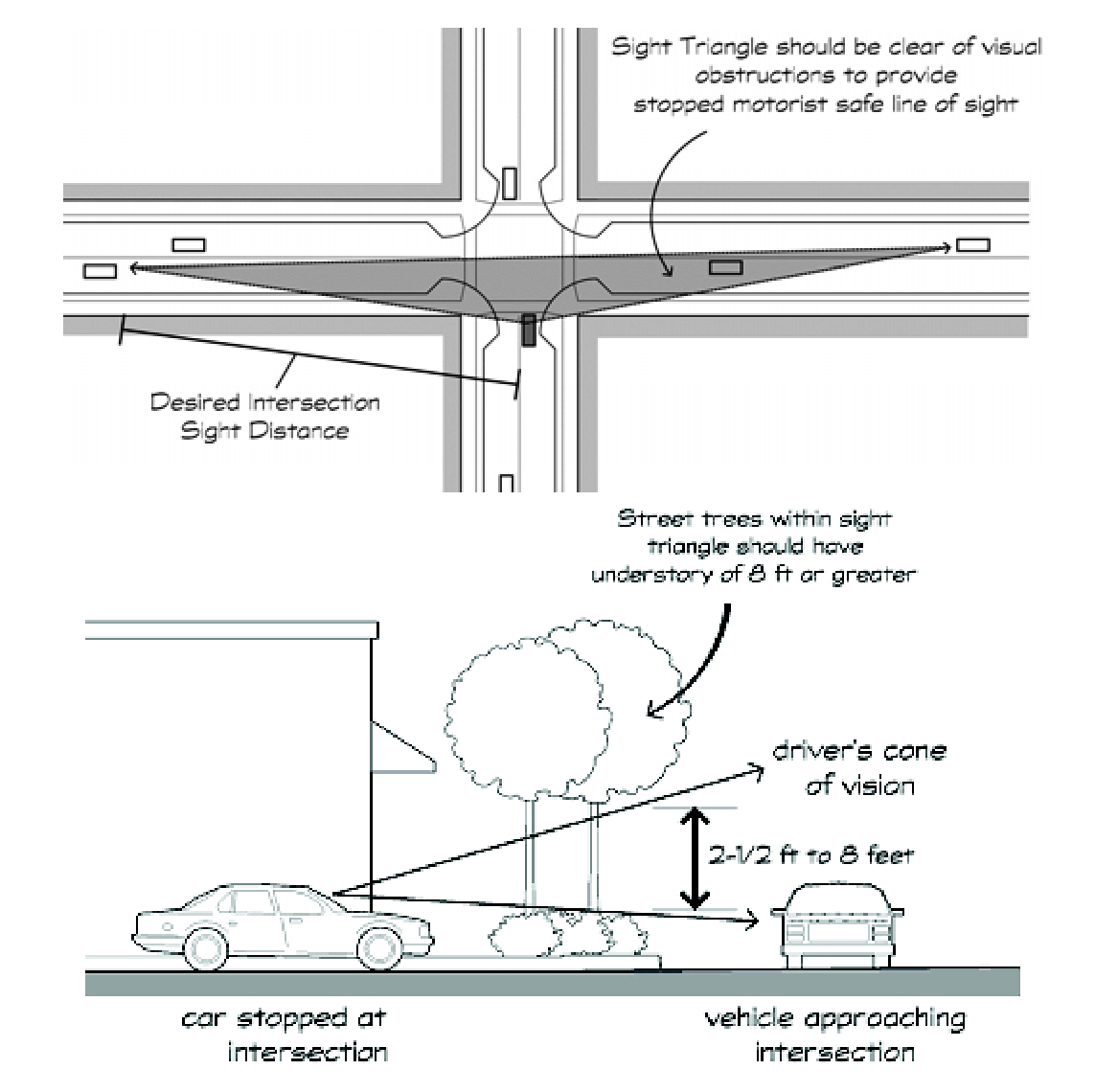
Figure 4.07.1 Clear Sight Triangle, plan view
Figure 4.07.2 Clear Sight Triangle, elevation view
Sec. 4.08. - Buffers.
Buffers shall be provided in accordance with the requirements of Tables 4.08.A and 4.08.B and as described in this section. In cases where a buffer is required or deemed necessary for the protection and/or separation of uses on abutting lots, the following provisions shall constitute the minimum requirements for each unless otherwise specified by the commission in individual cases. For the purposes of this Section, "fences" and "walls" shall have the same meaning but shall not include "retaining walls".
(a)
General requirements.
(1)
Where a conflict exists between the buffer requirements for a use and a zone, the use requirements shall control.
(2)
One-hundred (100) percent of the applicable buffer requirements shall be the responsibility of the developing land use, except when the new use is developed abutting an existing more intensive use developed prior to the adoption of these standards and for which no buffer is in place. In this case, the new use shall be responsible for providing a minimum of fifty (50) percent of the required buffer.
(3)
If the use relationships between two (2) abutting lots change so that a lesser buffer would be required, the width of the buffer may be reduced accordingly.
(4)
If the required buffer abuts a public alley, up to one-half of the alley width can be used to satisfy the buffer width requirement.
(5)
Golf courses, playfields, stables, swimming pools, tennis courts, and other recreational facilities; parking and other vehicular use areas; buildings, dumpsters, and outdoor storage are prohibited in required buffers.
(6)
Where desirable and upon the receipt of a written agreement between the affected property owners, the commission may permit a public entryway along a fence, which is provided as part of required buffer, to allow pedestrian access to and from an abutting residential use.
(b)
Design requirements.
(1)
The width of a required buffer may be reduced by twenty-five (25) percent if a wall, fence, or berm is provided that meets the following standards:
a.
Any required buffer abutting a park or greenway shall be waived in its entirety, if the property owner dedicated that land to be set aside for the required full buffer width to the city for incorporation into the park or greenway. Such land dedication shall be deemed acceptable only upon approval of the parks and recreation department.
b.
Any fence or wall shall be constructed in a durable fashion of brick, stone, other masonry materials, wood posts and planks, or metal or other materials specifically designed as fencing materials, or any combination thereof, as may be approved by the commission. No more than twenty-five (25) percent of the fence surface shall be left open, and the finished side of the fence shall face the abutting property. A chain-link fence with plastic, metal, or wooden slats shall not be permitted.
c.
Walls and fences shall be a minimum of six (6) feet high. Solid fences shall not create a stockade appearance. This can be accomplished in a number of ways, including adding an evergreen screen on both sides of the fence, by using supports of a different material (visible on both sides of fence) or by undulating the plan of the fence. Fences over one hundred (100) feet long should have no more than fifty (50) percent of their length in a straight line, unless the entire fence is set back five (5) feet or more from the lot line, with evergreen planting in the setback area.
d.
Berms shall be a minimum of four (4) feet high with a maximum slope of three to one (3:1). Berms in excess of six (6) feet high shall have a maximum slope of four to one (4:1) as measured from the exterior lot line.
e.
Berms shall be landscaped and stabilized to prevent erosion.
(2)
Shrub requirements may be reduced by fifty (50) percent if a fence or wall is built. If a berm is constructed, shrub requirements may be reduced by twenty-five (25) percent. However, the number of trees is not modified by the reduction of buffer width.
(c)
Planting requirements.
(1)
All plants shall be suitable for local planting conditions and the intended landscaping purpose. Refer to list of approved planting materials in the Appendix. All exposed beds shall be maintained with mulch, minimum two inches deep at installation.
(2)
Required plantings shall be installed at the next seasonal planting opportunity unless a written waiver has been issued by the zoning officer. Required landscaping materials (plantings, walls, fences, berms, pavers, etc.) shall be installed before a certificate of occupancy may be approved. A temporary certificate of occupancy of not more than six (6) months duration may be obtained to install the required landscaping.
(3)
The owner and responsible agent(s) of the owner shall be responsible for providing, protecting, and maintaining all live plantings in a healthy and growing condition. Any dead, missing, or unhealthy plants shall be replanted at the next seasonal planting opportunity, and broken or deteriorated non-living materials shall be replaced. Planted areas shall be maintained in a healthy condition.
(4)
Shrubs shall be evergreen and at least thirty (30) inches tall when planted with an average height of five (5) to six (6) feet to be expected as normal growth within four (4) years. However, twenty-five (25) percent of the shrubs may vary from this standard. The permitted variations are that:
a.
Shrubs may be deciduous; shrubs may be two (2) feet tall when planted, provided an average height of three (3) to four (4) feet is expected as normal growth within four (4) years.
b.
Shrubs planted on a berm may be of a lesser height, provided the combined height of the berms and plantings is a least six (6) feet after four (4) years.
(5)
Deciduous trees shall have a minimum two-and-one-half (2.5) inch caliper measured six (6) inches above ground and be a minimum ten (10) feet in height at time of planting. At time of planting, evergreen trees shall be a minimum six (6) feet in height and multi-stemmed trees shall be eight (8) feet in height.
(6)
All landscaped areas shall be protected from vehicular encroachment by curbs, wheel stops, or other permanent barriers.
(7)
Stormwater management and drainage controls required by the city engineer shall be coordinated with landscaping improvements and integrated into the overall site design.
(d)
Maintenance. Buffers shall be maintained in perpetuity by the owner. Failure to comply with these maintenance requirements shall constitute a violation of this ordinance and shall be subject to the remedies and penalties provided in Article 11.
(1)
Ground cover shall be regularly maintained as necessary to prevent overgrowth during the spring and summer months, and all areas shall be kept free of debris and refuse during all seasons.
(2)
Grass-type ground covers shall be kept in a healthy condition and shall not exceed six (6) inches in height.
(3)
Existing natural vegetation used to meet buffer requirements may be preserved in a natural state; however, upon a determination by the building inspector that the condition of a buffer area constitutes a health or safety hazard, such condition shall be remedied by the owner per the recommendations of the building inspector.
TABLE 4.08.A. MINIMUM BUFFER REQUIREMENTS BY USE
TABLE 4.08.B. REQUIREMENTS BY TYPE OF BUFFER AND SITE ACREAGE
Sec. 4.09. - Screening.
(a)
Generally.
(1)
For the purposes of this article, "fences" and "walls" shall have the same meaning.
(2)
Screening is intended to provide both visual and physical separation of conflicting uses on-site and between adjacent properties.
(3)
Screening shall be designed to be compatible with the surrounding environment and shall not dominate the view.
(b)
Uses to be screened.
(1)
Garbage collection, including dumpsters, recycle bins and/or refuse handling areas;
(2)
Service entrances, maintenance areas or utility structures associated with a building or development;
(3)
Water meters, gas meters, electric meters and air conditioning/mechanical units;
(4)
Loading docks or spaces;
(5)
Outside runs for veterinary clinics, animal shelters, and kennels;
(6)
Outdoor storage of materials, stock and equipment; and
(7)
Any other uses for which screening shall be required by the commission.
(c)
Safety provisions.
(1)
Screening shall not compromise safety by obstructing any required clear sight triangle.
(2)
Screens shall not block access to any above-ground, pad-mounted transformer and shall provide the minimum clear distance required by the utility company.
(3)
Screens shall not impede or divert the flow of water in any drainage way.
(d)
Design requirements.
(1)
Fences, when used as screening, shall be of masonry, ornamental metal, vinyl, or durable wood, or a combination thereof. Untreated wood, chain-link (without vinyl coating), plastic or wire shall not be permitted. No more than twenty-five (25) percent of the fence surface shall be left open. The finished side of the fence shall face the abutting property.
(2)
Solid fences shall not create a stockade appearance. This can be accomplished in a number of ways, including:
a.
Adding an evergreen screen on both sides of the fence;
b.
Using supports of a different material (visible on both sides of fence); or
c.
By undulating the plan of the fence. Fences over 100 feet long should have no more than fifty (50) percent of their length in a straight line, unless the entire fence is set back five (5) feet or more from the Lot Line, with evergreen planting in the setback area.
(3)
Fences fronting public thoroughfares shall have masonry columns spaced no greater than fifty (50) feet on center.
(4)
The minimum height for screening shall be that which is sufficient to visually separate the uses and shall also meet the following standards:
a.
Fences located in a required front, rear or side yard shall not exceed six (6) feet in height. The minimum height needed is preferred.
b.
Fences used to screen service or loading areas shall not exceed eight (8) feet in height.
c.
Fences used to screen dumpsters shall be at least two (2) feet higher than the container.
d.
Berms used for screening shall be a minimum height of four (4) feet with a maximum slope of three to one (3:1). Berms in excess of four (4) feet shall have a maximum slope of four to one (4:1) measured from the lot line.
e.
Shrubs used for screening shall be evergreen; at least thirty (30) inches high when installed; spaced closely together so as to create a hedge, but not farther than five (5) feet on center; and be shrub species that shall attain an average normal growth height of five (5) to six (6) feet within four (4) years.
f.
Trees used for screening shall be evergreen and at least six (6) feet in height when installed.
(5)
Dumpsters, trash refuse, and recyclable containers shall be set on concrete pads sized as recommended by the disposal company and screened by the combination of opaque fence or masonry wall and plant material on three (3) sides. Opaque gates, designed to compliment the screen, shall be installed for access. Such containers shall be located behind the established front building line and other such consideration shall be given to a location where the containers can be adequately screened from public view.
(6)
Compaction units shall have a floor drain installed in a containment pad and be tied directly to the sanitary sewer system.
(7)
Enclosures provided for eating establishments shall be sized to accommodate the storage of grease barrels.
(8)
Mechanical equipment on roofs or on site shall not be visible from public rights-of-way or adjacent properties and shall be totally screened. The screening of building-mounted mechanical equipment shall be an integral part of the building design. Mechanical equipment installed on site shall be adequately screened by plant material and/or walls or fences and shall blend in with the site landscape.
(9)
Outdoor storage shall be effectively controlled according to the following requirements:
a.
Storage operations, except for live, vegetative products, shall be limited to the inside of buildings unless completely screened and covered, with the exception of any use engaged in the sale or lease of vehicles or farm machinery. Such uses are not required to have products under roof or fully screened; however, perimeter planting strip requirements for parking areas are applicable.
b.
Outdoor storage areas are prohibited in required front yards.
c.
Uncovered and unscreened areas used for storage of live, vegetative products shall be designated on the site plan submitted for zoning approval.
d.
Screening and planting buffers shall be a minimum of six (6) feet high or rising to two (2) feet above material or equipment being stored, whichever is greater.
e.
Loading berths shall be within the building or concealed by means of a screening wall of material similar to and compatible with that of the building.
f.
No designated or required parking spaces, fire lanes or traffic lanes shall be used for storage of materials.
g.
Service areas shall be screened from view from residential zones and thoroughfares by a site design that orients the service areas away from such views. If such a design cannot be achieved, masonry walls, evergreen trees, evergreen shrubs, berms, or any combination of these, shall provide a six (6) foot tall barrier between the service area and the area from which such view is to be screened.
Sec. 4.10. - Fences and walls.
The following provisions shall apply to all fences and walls to be located on property for other than required buffer and screening purposes.
(a)
Residential fences and walls. Fences and walls within individual residential lots, not otherwise required as buffers or screens, shall be constructed within the lot lines of the dwelling. A fence permit shall be required for construction of a fence or wall on the lot of an existing dwelling; failure to obtain a permit before installation will result in a fine of five hundred dollars ($500.00) each to the contractor and the property owner. Fences and walls shall further be subject to the following:
(1)
Front fences and walls. The following requirements shall apply to fences and walls, excluding retaining walls, fronting on a public thoroughfare:
a.
Maximum height—Three (3) feet from grade level at the fence line.
b.
Along the secondary frontage of standard corner lots, a privacy fence shall be permitted. Privacy fences exceeding twenty-five (25) feet in length shall include masonry columns at intervals no greater than twenty-five (25) feet.
c.
Front fences and walls shall be constructed of masonry, ornamental metal, or durable wood, or a combination thereof.
1.
Chain-link fencing is prohibited forward of the building lines facing any thoroughfare. Vinyl-coated chain-link fencing may be permitted to enclose a rear yard along the secondary frontage of standard corner lots.
2.
The finished side of a fence or wall shall be directed toward adjoining property or a double-faced fence may be used. Privacy fences shall be erected with support members located on the interior side, except as required by section 4.10(a)(1)b.
3.
The style of fences and walls should be compatible with the architectural style of the home and the general character of the neighborhood. Razor wire or barbed wire shall be prohibited in a residential zone.
d.
Front fences and walls shall not be permitted between a public sidewalk and thoroughfare.
(2)
Rear and side fences and walls. The following requirements shall apply to all other fences and walls on residential lots:
a.
Fences and walls shall be constructed of masonry, ornamental metal, or durable wood, or a combination thereof. Chain-link fencing shall also be permitted.
b.
Fences and walls shall be set back from the edge of pavement of an alley by a planting strip of no less than three (3) feet.
(3)
Plans for fences and walls in the R-MF and R-AH shall be submitted and approved as part of the site plan approval. Single-family dwellings, duplexes and triplexes shall be exempt from this requirement.
(b)
Non-residential fences and walls. Fences and walls in non-residential developments, not required as buffers or screens, shall comply with the following provisions:
(1)
Fences and walls shall be constructed within the lot lines of the site. They shall not be permitted between a public sidewalk and thoroughfare.
(2)
A fence permit shall be required for construction of a fence on the lot of an existing building.
(3)
Front fences and walls, such as those used to enclose a parking area, shall be no taller than four (4) feet from grade level at the fence line.
(4)
When abutting an alley, fences and walls shall be set back from the edge of pavement by a planting strip of no less than three (3) feet.
(5)
Razor wire and barbed wire shall be prohibited within one hundred (100) feet of the nearest lot line of any dwelling, which is a permitted use in the zone in which it is located.
(c)
Retaining walls. The height, location, length, depth, type of wall material, and design of retaining walls shall be reviewed by the city engineer and building inspector with recommendations submitted to the commission.
Sec. 4.11. - Access management regulations.
The purposes of this section are to promote the overall safety of motorists, bicyclists, and pedestrians; to reduce interference with through traffic by other vehicles, bicycles, or pedestrians entering, leaving, and crossing thoroughfares; to assure safe access to and from thoroughfares by emergency vehicles; and to promote the general welfare by preserving and upgrading the traffic-carrying capacity of thoroughfares. Refer to Figures 4.11.1—4.11.3.
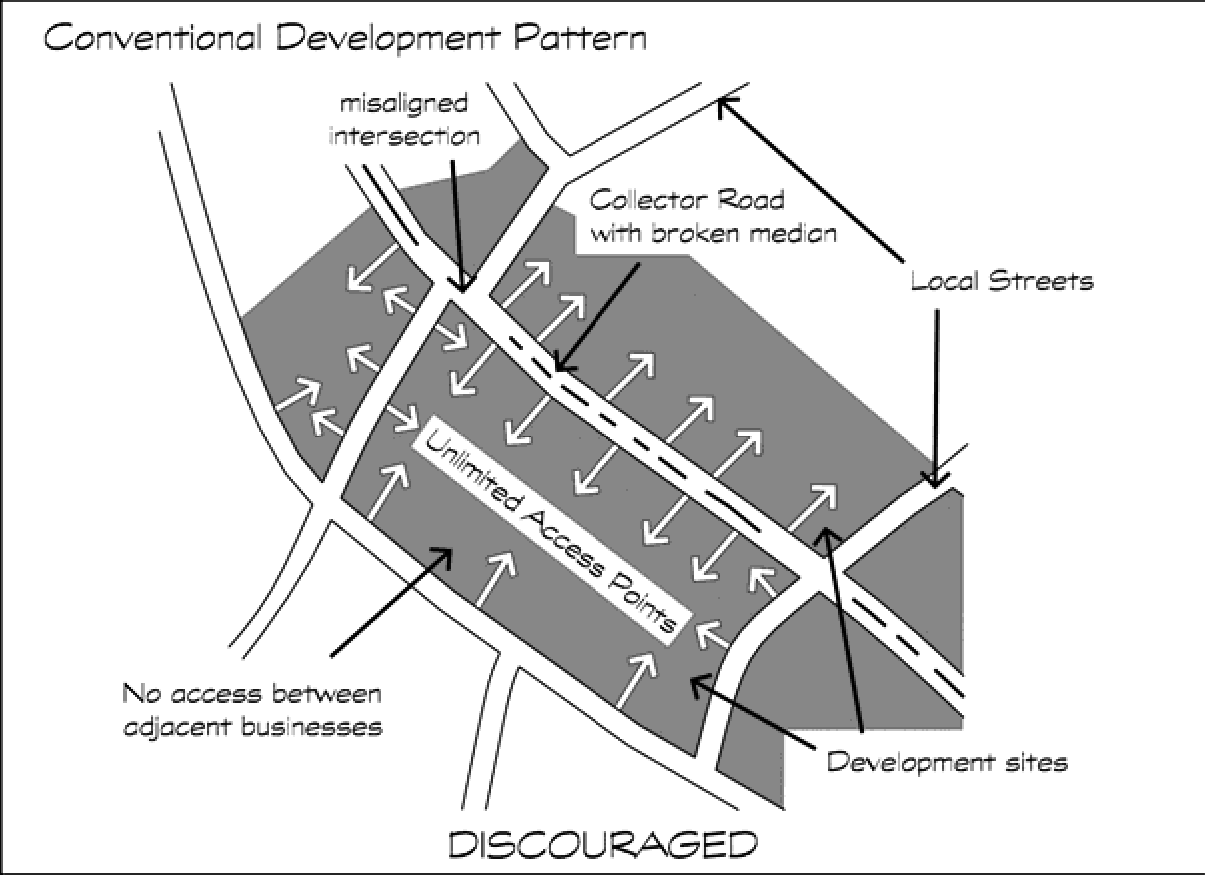
Fig. 4.11.1. Conventional Developnment with Poor Access Management Patterns
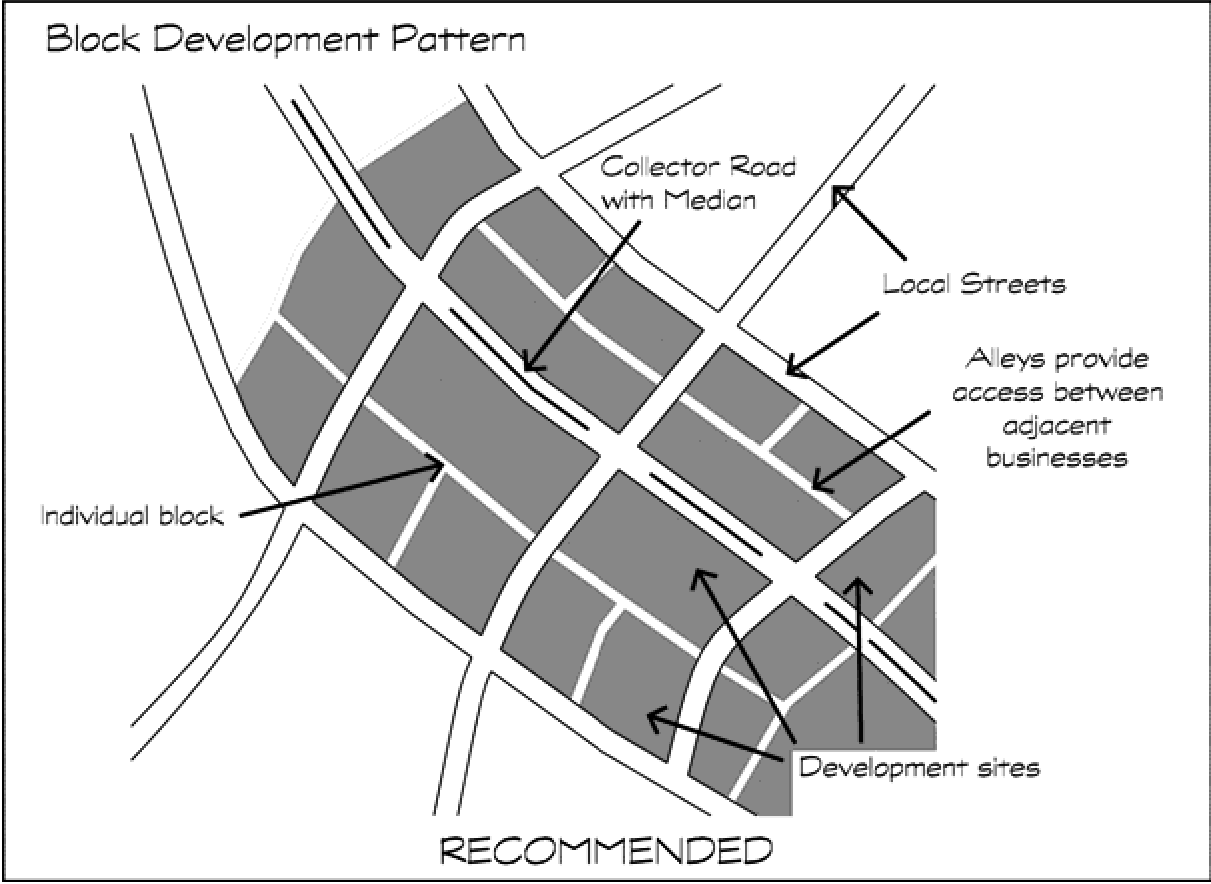
Figure 4.11.2. Block Development with Recommended Access Management Patterns
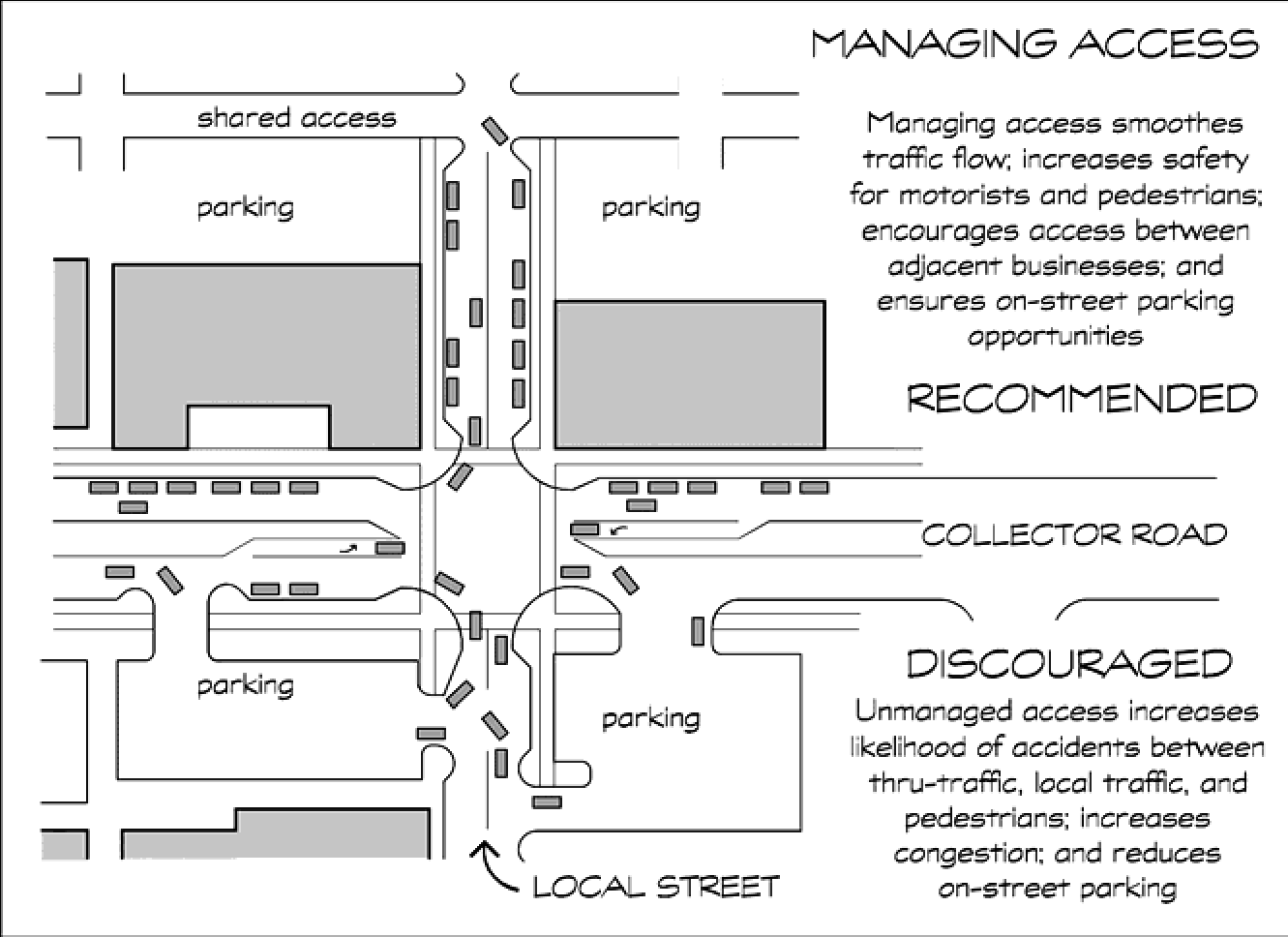
Figure 4.11.3. Comparison of Recommended and Discouraged Access Management Patterns
(a)
General conditions and requirements.
(1)
Submission of plan for approval. The location and design of driveways and/or accesses providing vehicular access from arterial, collector, and local thoroughfares proposed for subdivision of property shall be specified in an access plan submitted to the city engineer for review and recommendation to the commission for action. No curbs or rights-of-way shall be cut, paved, or otherwise altered until a permit approving the access cut has been secured from the city and/or any other governmental agency owning or controlling thoroughfare right-of-way.
(2)
Traffic impact study. When the expected number of trips generated by a proposed use exceeds an estimated one thousand (1,000) vehicle trips per day or one hundred (100) peak hour vehicle trips per day, the developer shall provide, at no cost to the city, a traffic impact study, by a qualified engineer, using the format specified by the Institute of Transportation Engineers (ITE) publication Traffic Access and Impact Studies for Site Development, the latest edition, to assess the traffic impacts of a proposed access to adjacent and nearby thoroughfares and intersections. In addition, the city engineer may require a traffic impact study for sites that generate less than one thousand (1,000) vehicle trips per day, or one hundred (100) peak hour vehicle trips per day, if the sites are located at or near high-volume intersections or other locations where the use may constitute a threat or danger to the safe and efficient flow of traffic. The city engineer may waive this provision if a recent, valid traffic study has been completed, from which needed traffic data can be extrapolated.
a.
Unless otherwise specified by the city engineer, the study shall address trip generation and directional distribution, traffic assignment to thoroughfares and access locations, twenty-four (24) hour and a.m. and p.m. peak hour traffic forecasting (on-site and off-site), capacity analysis and level of service for adjacent thoroughfares and nearby intersections before and after the proposed full development, and recommendations for thoroughfare improvements and traffic control installation and/or modifications to existing signals.
b.
The traffic data used in the study shall be consistent with the use and density data as referenced in Trip Generation, latest edition, published by ITE; current city and state traffic counts for surrounding thoroughfares; and the marketing study for the proposed use.
(3)
Approval for specific use. Accesses existing as of the effective date of these standards, shall be approved for the existing use only. Accesses approved under these standards shall be approved only for use being proposed, and as specified in a required access plan. Changes in use that would increase traffic or change the types of vehicles accessing the site shall require a new approval of access. When a site existing at the time of these standards is redeveloped in a manner so as to create a significant increase in trip generation, all existing driveways shall be brought into conformity with these requirements.
(4)
Expiration of approval. Access plans for non-residential uses, including related off-site thoroughfare improvements, shall be constructed within two (2) years of approval, or the approval shall terminate.
(5)
Prohibition of unsafe access. Notwithstanding any other provisions of these standards, an access, which demonstrates a potential threat or danger to the public and/or which could affect the safe and efficient flow of traffic, may be denied, based on commonly accepted and applied traffic engineering principles.
(6)
Access plan. An "access plan" is required for development, redevelopment and changes in use. The access plan may be submitted as a part of the site plan, or, in the case of the issuance of a residential building permit, the information may be included on the plot plan. A separate access permit shall be required for each dwelling. The access plan shall specify the intended use of the property and conform to the following:
a.
For non-residential uses and multi-family developments. The Access Plan, drawn to a scale of not less than one (1) inch equals fifty (50) feet, shall be submitted to the city engineer for a recommendation to the commission. The plan shall include:
1.
Driveway locations and length of lot lines abutting thoroughfares;
2.
Distances from adjacent intersections (nearest point of tangency of the curve of the intersecting street pavement to the nearest point of radius return of the driveway);
3.
Access sight distance relative to vertical or horizontal curves and the normal operating speed/grade/lane configuration of the thoroughfare;
4.
The area proposed for thoroughfare construction on the right-of-way, including the width and length of driveways and acceleration/deceleration lanes, radius of curves, typical pavement section, type of concrete curbs and relocations of sidewalks;
5.
Location of existing overhead and underground utilities, fire hydrants, and drainage structures, and proposed utility relocations;
6.
Right-of-way and thoroughfare improvements proposed for dedication to the city; and
7.
A traffic-control plan, which shall include signage to be maintained by the contractor during construction.
b.
For single-family dwellings, duplexes and triplexes. Access plans shall include:
1.
Driveway locations from side lot lines;
2.
The driveway distance from the radius return of abutting thoroughfares;
3.
The width and radius of driveway curves; and
4.
The location of existing overhead and underground utilities, drainage structures, and fire hydrants.
(b)
Design criteria. The following minimum criteria shall apply in the design of access points. For all developments, redevelopments, and changes in use, the city engineer shall provide a recommendation to the commission regarding requests for access:
(1)
Access to a corner lot shall be permitted only from the thoroughfare of lesser classification or lower average daily traffic, except as otherwise specified herein.
(2)
Number of access points permitted. Access to thoroughfares shall be provided to lots either by means of shared access (alleys or shared driveways), frontage access drives, or direct access (non-shared driveways). The number of access points shall be in accordance with the standards in Table 4.11.A. Refer also to Figures 4.11.4 through 4.11.9.
(a)
Required separation between access points and intersections shall be measured from the nearest point of the radius return of the driveway to the point of tangency of the intersection.
(b)
Required separation between access points and other access points shall be measured from the nearest points of the radius returns of the two (2) driveways.
(3)
Exceptions for local streets. Minimum separation distance may be reduced, provided that, if approved by the commission, the following conditions exist, based on commonly accepted and applied traffic engineering principles: shared access or an access road is not possible; exceptional topographic constraints or unusual site conditions exist at the driveway location (such as in-place utility or drainage features) which would make strict application of the standard exceptionally and/or practically difficult or unduly harsh; application of this Section would conflict with other Sections of these standards; and where the reduction would not constitute a threat or danger to the safe and efficient flow of traffic.
TABLE 4.11.A. ACCESS MANAGEMENT CRITERIA
1 Lots with greater street frontage may have a second driveway, provided that the commission may approve additional driveways based on trip generation or topography, and it is determined that the impact to traffic safety and movement on the thoroughfare will be minimal.
2 A corner lot abutting two (2) local streets may have a driveway with less than the above required distance from the intersecting thoroughfare, if, in the opinion of the City Engineer, the driveway will not adversely affect traffic safety and movement on the thoroughfares.
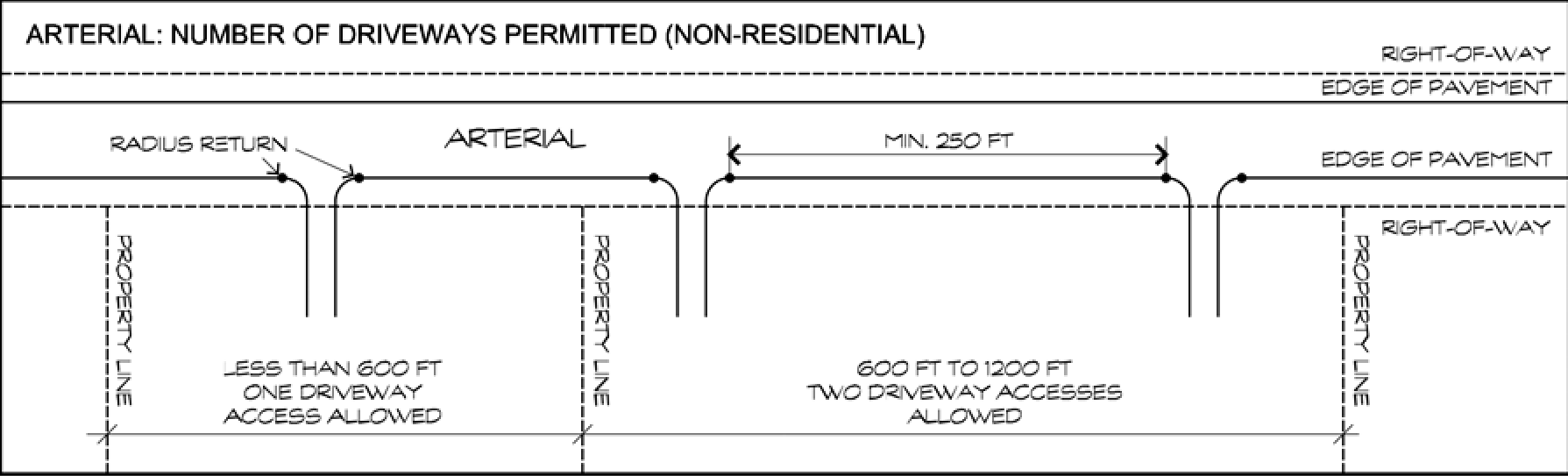
Figure 4.11.4. Number of Driveways Permitted on Arterials
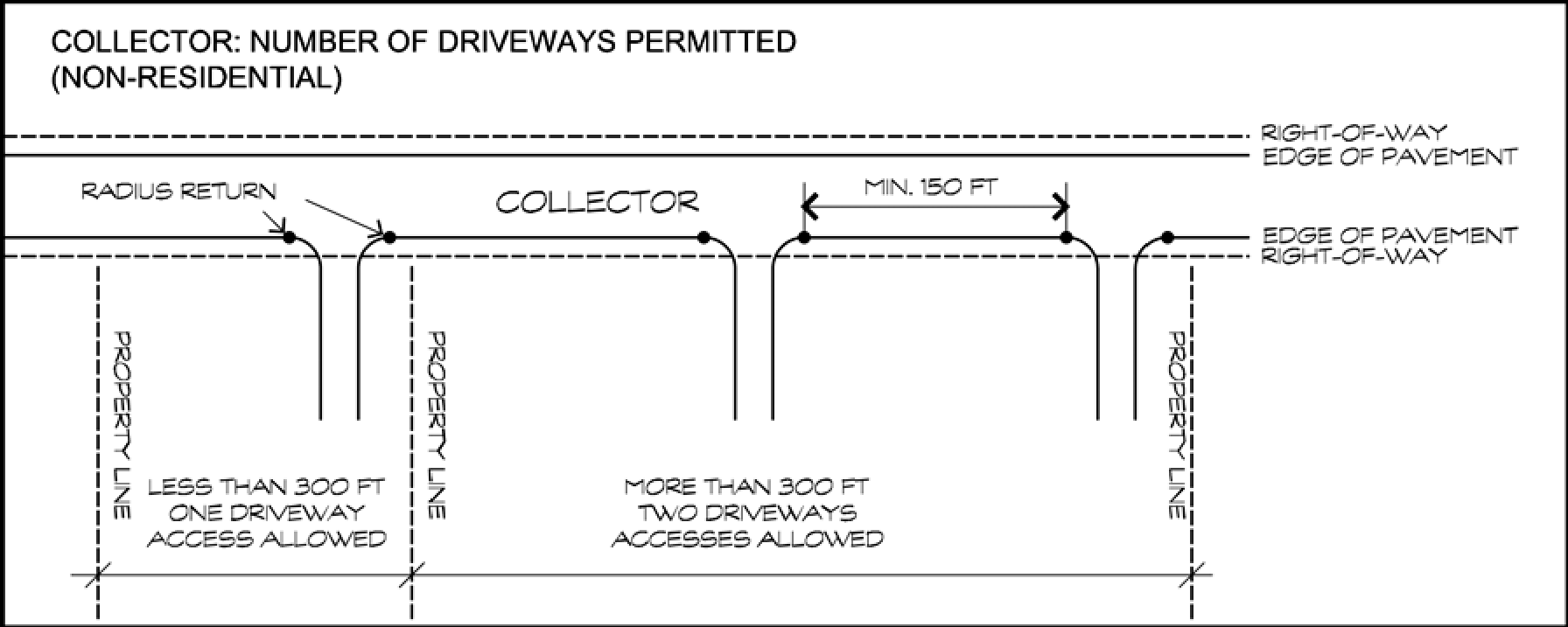
Figure 4.11.5. Number of Driveways Permitted Along a Collector
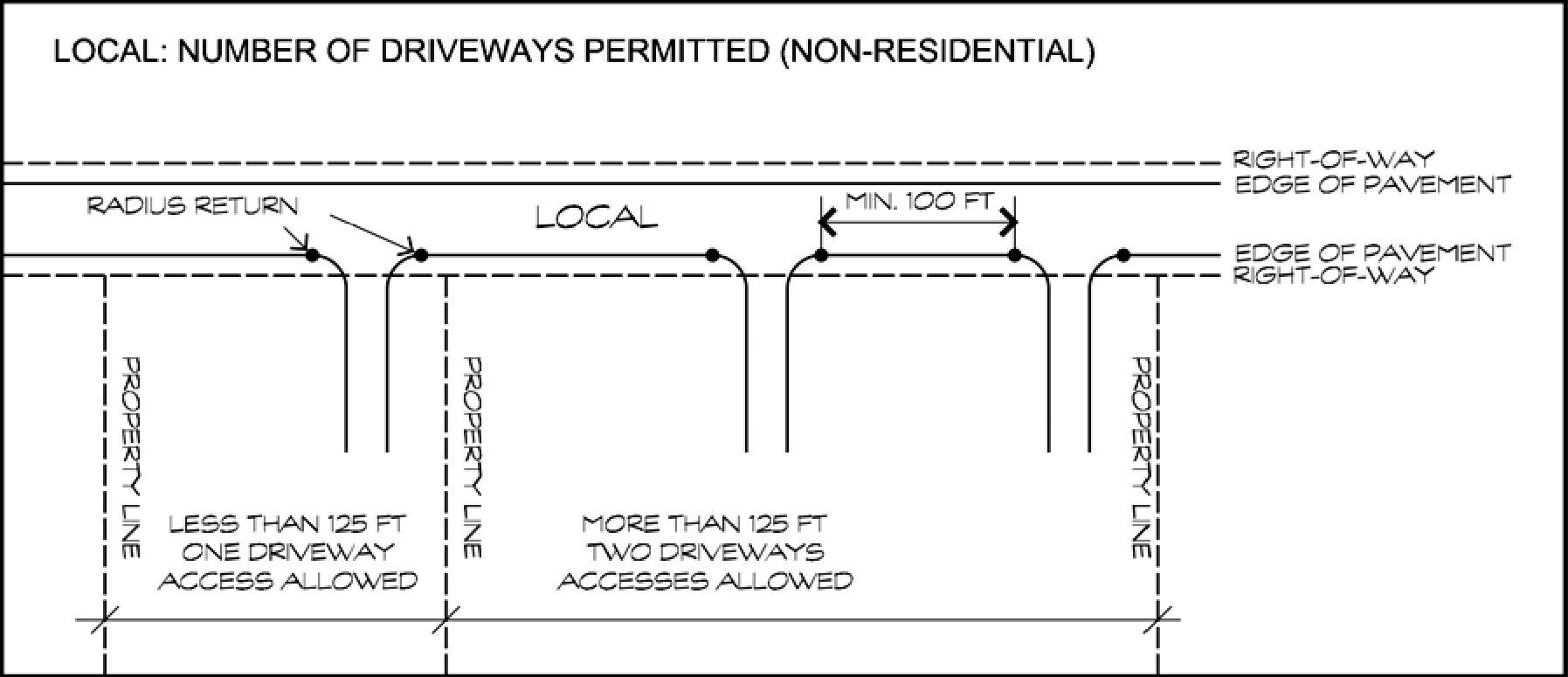
Figure 4.11.6. Number of Driveways Permitted Along a Local Street
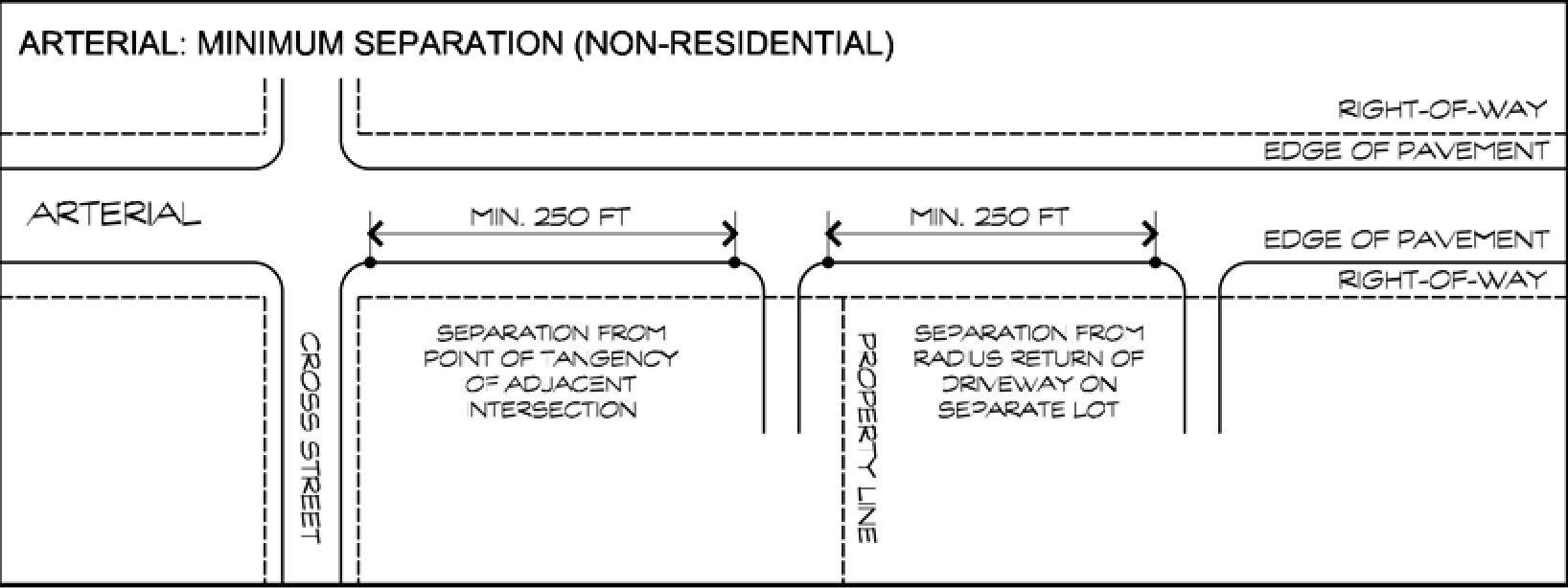
Figure 4.11.7. Minimum Separation Along Arterial (Non-Residential Uses)
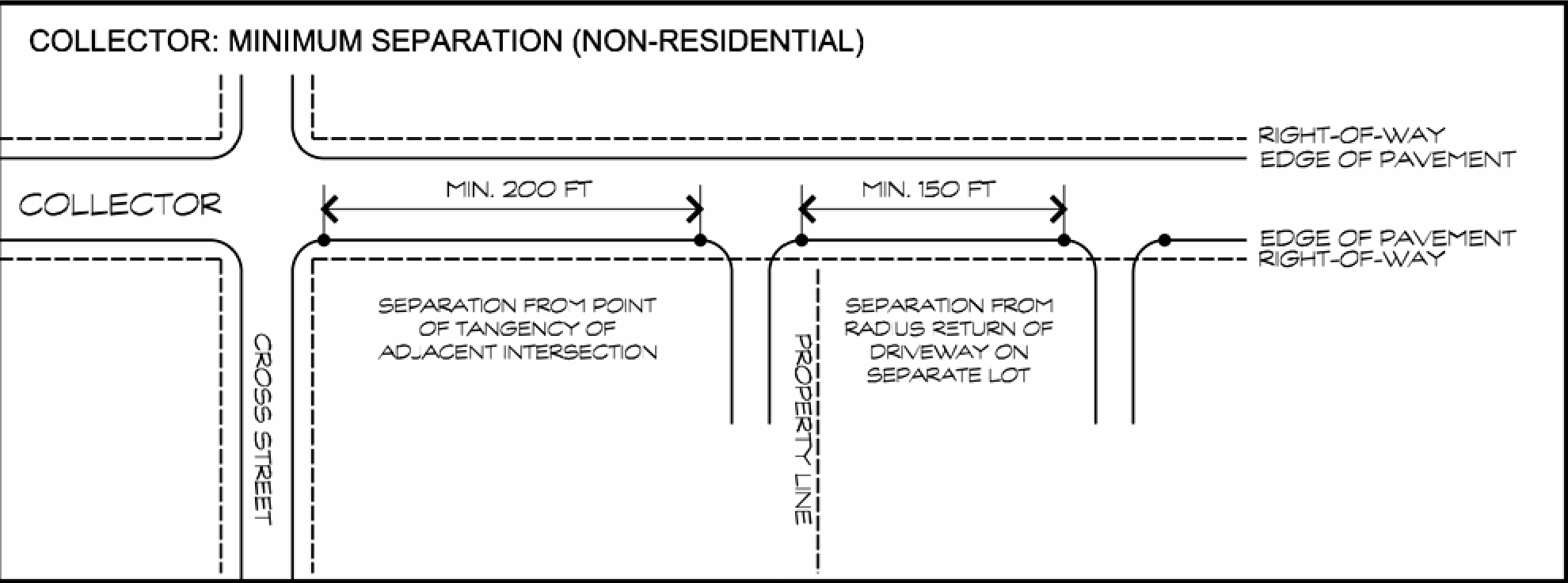
Figure 4.11.8. Minimum Separation Along Collector (Non-Residential Uses)
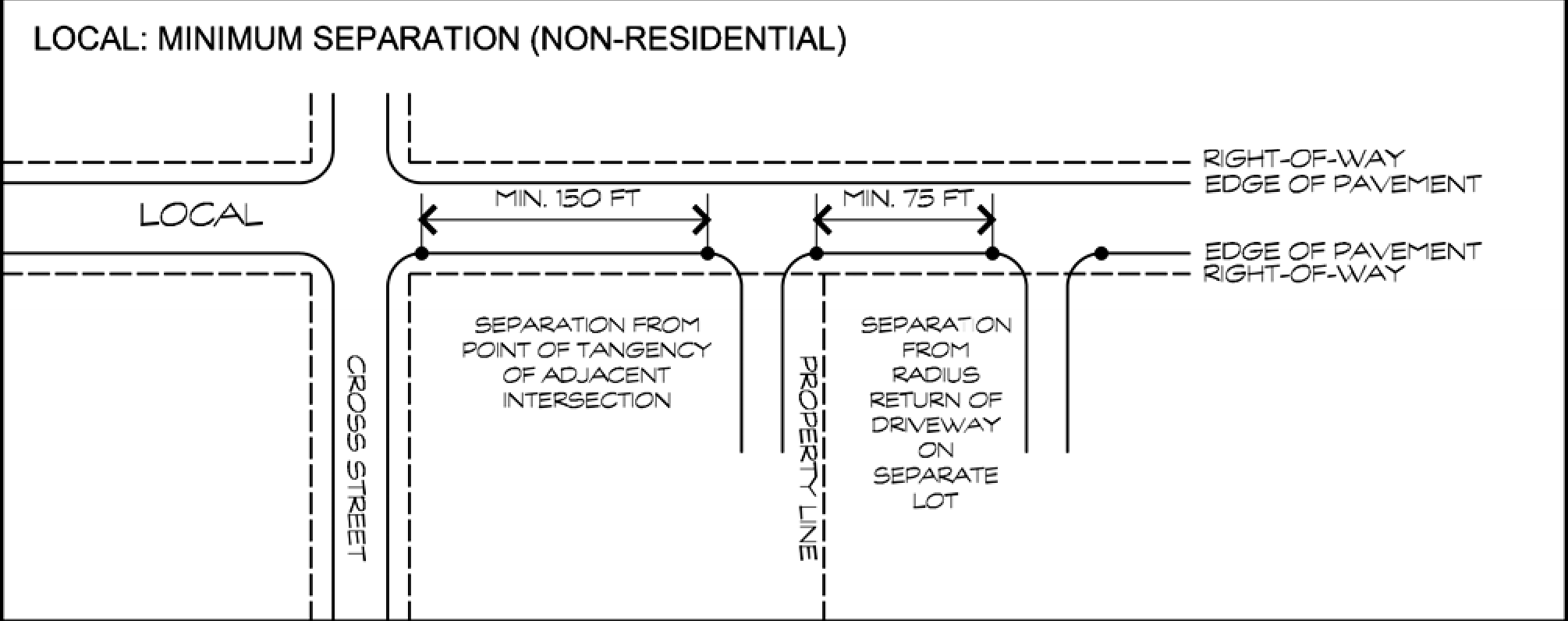
Figure 4.11.9. Minimum Separation Along Local (Non-Residential Uses)
(4)
Access easements. In the subdivision of property, the commission may require shared access easements or other conditions that require multiple lots to have shared access to arterials or collectors such as through the use of mid-block alleys, shared driveways, or frontage roads where, in accordance with commonly accepted and applied traffic engineering principles, these may be necessary to provide for the safe and efficient flow of traffic. Such requirements shall be considered for both residential and non-residential subdivisions where application of the access spacing standards of this subsection would prevent the installation of non-shared access points along arterials and collectors. Frontage roads should be used only when they can be designed properly to provide safe and efficient access for properties.
a.
Shared access easements should be provided wherever it is possible to construct a continuous access road or mid-block alley connecting one thoroughfare to another on opposite ends or different sides of a block. In such cases, the access road or alley shall be constructed by the developer and maintained by the city. Where it is not feasible to create such an easement, the commission may require a private access easement as described below.
b.
Where private access easements are used, the subdivision plat shall state that the transfer of lots shall be subject to the provision of such easements, which shall provide for a guaranteed, unrestricted, right of access to all other owners providing such easements and that the owners of lots subject to private access easements shall be required to execute an agreement specifying responsibility for construction and perpetual maintenance of the easements and drives in accordance with the approved access plan. The agreement shall specify that the parties thereto shall hold the city harmless from liabilities resulting from unsafe conditions on private access easements. Copies of the agreements from the current owners of lots through which private access easements are to run shall be filed with the city engineer and the city clerk. Construction on private access easements shall not be commenced until all agreements are filed. Copies of all subsequent amendments to the agreements shall also be filed with the city engineer and the city clerk.
c.
In the event that the owners fail to maintain private access easements in a safe and stable driving condition, the city, after appropriate notice, may have the unsafe or unstable conditions corrected and bill the owners for all reasonable costs. Should the owners fail to pay the city the amount of such charge within thirty (30) days from receipt of a certified invoice, then the costs shall be certified to the city attorney, who shall process a lien on the properties upon which the expenditure was made.
(5)
Throat length. Adequate throat length shall be provided at access points to accommodate stacking space.
a.
Driveways for non-residential uses must extend a minimum of fifty (50) feet into the property from the lot line abutting the thoroughfare before the edge of the driveway may be intersected by an aisle or another drive and thirty (30) feet before the edge of the driveway may be intersected by an off-street parking space.
b.
The minimum length of the driveway restriction may be extended, provided that it is determined by the city engineer that anticipated traffic volumes and commonly accepted and applied traffic engineering principles justify the need for longer, controlled throat length. Refer to Figure 4.11.10.
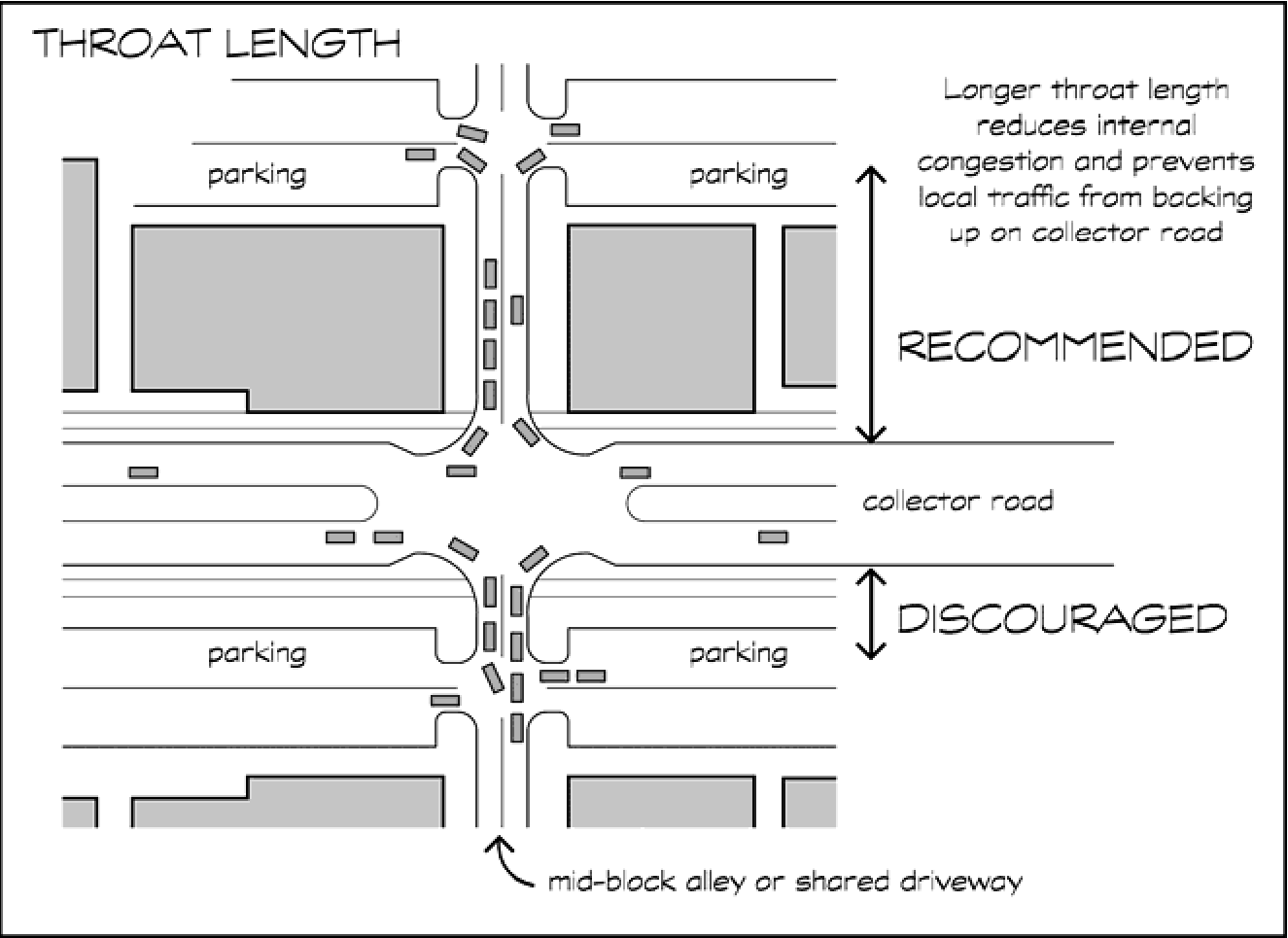
Fig. 4.11.10. Recommended and discouraged throat length patterns
(6)
Acceleration lanes for non-residential uses. In instances of unusual topography or for traffic safety considerations, the city engineer may require the construction of an acceleration lane for non-residential uses. The length of taper and total length shall be determined based on commonly accepted and applied traffic engineering principles.
(7)
Deceleration lanes. Approval of access to an arterial may require a deceleration lane. The lanes shall be required in conjunction with each access to an arterial where a proposed use will increase traffic volumes on the existing thoroughfare to a total in excess of one thousand (1,000) vehicle trips per day or one hundred (100) peak-hour vehicle trips per day.
a.
The deceleration lane, a minimum of twelve (12) feet wide, measured from the face of the curb (for curb sections without a monolithic gutter), the edge of the gutter (for a monolithic curb and gutter section), or the edge of the shoulder line (for a non-curbed section to the center of the lane line), shall be constructed to city standards with the length measured from the centerline of the access point according to the criteria in Table 4.11.B.
TABLE 4.11.B. MINIMUM DECELERATION LANE
b.
The minimum dimensions of the deceleration lane may be reduced, provided that, it is determined by the city engineer that, the following conditions exist, based on commonly accepted and applied traffic engineering principles: exceptional topographic constraints or unusual site conditions at the driveway location (such as in-place utility or drainage features) which would make strict application of the standard exceptionally and/or practically difficult or unduly harsh; and the reduction would not constitute a threat or danger to the safe and efficient flow of traffic.
(8)
Left-turn storage lanes. Approval of access to an arterial or to a collector, which does not have an exclusive left-turn storage lane, may be conditioned upon the construction of a left-turn storage lane with appropriate median and/or pavement markings. The requirement and design of each storage lane, including the paved approach, bay, and departure tapers, shall be determined from the recommendations of the traffic-study and approved by the city engineer based on commonly accepted and applied traffic engineering principles.
(9)
Turn lanes on collectors and local streets. Right and left turn lanes at intersections may be required by the city engineer based upon existing or required traffic studies. Such lanes shall be accommodated in the dedication of additional ROW widths on existing thoroughfares or in the planned right-of-way of proposed thoroughfares. Design requirements, including width and storage length, shall be determined from the recommendations of the applicable traffic study and approved by the city engineer based on commonly accepted and applied traffic engineering principles. Continuous two-way left-turn lanes shall be discouraged and a median shall be provided to control access between intersections on proposed collectors. In such cases, left turn lanes shall be provided at intersections within the width provided for the median.
(10)
Driveway width requirements. The width of driveways, measured at the nearest points of the radius returns, shall meet the requirements of Table 4.11.C:
TABLE 4.11.C. DRIVEWAY WIDTH REQUIREMENTS
a.
Driveways to non-residential uses may exceed the maximum width, provided that it is determined by the city engineer that the number of trips generated for truck traffic to or from the property will justify the need for additional driveway widths and/or lanes.
b.
Driveways with medians, in which ingress and egress lanes are separated by a minimum four-foot wide raised curbed median, may exceed the maximum two-way width, provided that the individual ingress or egress lane will not exceed the width limits for one-way traffic. Additionally, monuments, walks, vegetation, or signage shall conform to all applicable sight distance requirements.
c.
Radius of driveway curve. The radius of curve connecting the edge of the acceleration or deceleration lane or through-traffic lane to the edge of the driveway shall meet the requirements of Table 4.11.D.
TABLE 4.11.D. DRIVEWAY RADIUS
* A driveway flare may be used instead of a curve for residential uses.
d.
Additional right-of-way. The applicant shall provide or dedicate additional right-of-way and/or easement if it is determined by the city engineer that the additional ROW and/or easement is necessary for thoroughfare improvements, such as acceleration/deceleration lanes, as established on the approved access plan.
Sec. 4.12. - Building design and materials requirements.
The following standards shall be applicable to all multi-family buildings and principal buildings housing non-residential uses but shall not apply to any use or building located in an industrial or agricultural zone, except as required by the council for conditional uses.
(a)
Materials standards.
(1)
To prevent damage and maintenance problems, exterior insulation and finish systems (EIFS), plastic, metal and vinyl siding shall only be used as a wall finish material three (3) feet above the grade level of any wall facing a sidewalk, thoroughfare, parking area, or other area visible or accessible by the general public.
(2)
No more than thirty-five (35) percent of the wall surface (excluding doors and windows) of any wall facing a parking area or visible from a public thoroughfare shall be finished with plain cement block (painted or not), plastic, metal and/or vinyl siding. The remainder of such wall(s) shall be finished in EIFS, brick, stone, split-face block, stucco, and/or wood.
(b)
Front facades of principal buildings. For the purposes of this section, corner lots shall be considered to have two (2) front facades.
(1)
The front facade, the wall facing the thoroughfare on which the building fronts, shall include no less than ten (10) percent window area, calculated using the entire area of the front wall(s) facing the thoroughfare.
(2)
Buildings on interior lots shall have and maintain at least one entrance along the front facade; and buildings on corner lots shall have and maintain at least one entrance along one of the two (2) front facades.
(3)
No more than twenty-five (25) percent of a front facade wall surface (excluding doors and windows) shall be finished with plain cement block (painted or not), plastic, metal and/or vinyl siding. The remainder of such wall(s) shall be finished in EIFS, brick, stone, split-face block, stucco, and/or wood.

