
Beaufort County Unincorporated
City Zoning Code
City Zoning Code
ARTICLE 3
- Specific to Zones
3.1.10 - Purpose
This Division establishes the zones applied to property within the County and adopts the County's Zoning Map.
3.1.20 - Establishment of Zones
A.
Zoning Map. The County Council hereby adopts the Beaufort County Zoning Map (hereafter referred to as the "Zoning Map"), which is on file with the Department. See Division 1.5 (Official Zoning Map). The Zoning Map is hereby incorporated into this Development Code by reference as though it were fully included here.
B.
Zones Established. Beaufort County shall be divided into transect zones, conventional zones and overlay zones that implement the Comprehensive Plan. The zones in this Division are hereby established, and shall be shown on the Zoning Map.
C.
Interpretation of Zone Boundaries. Where uncertainty exists as to the boundaries of any of the zones shown on the Zoning Map or maps, the Planning Commission, upon written application, shall determine the location of such boundaries on said Zoning Map or maps and forward its recommendation to County Council as a Map Amendment in accordance Section 7.3.40. In cases where staff determines that an error has been made, there shall be no cost to any citizen who requests the correct the error. All dedicated public streets within the County shall be zoned.
3.1.30 - Transect Zones
The transect zones are described in Division 3.2 (Transect Zones). They primarily focus on mixed-use, walkable areas of the County and range in function and density from primarily residential areas with a mix of building types (e.g. T3 Hamlet Neighborhood), to medium density neighborhoods and other commercial and retail areas (e.g. T4-Hamlet Center).
3.1.40 - Conventional Zones
The conventional zones are described in Division 3.3 (Conventional Zones). The conventional zones are primarily the zones that are more auto-dependent, such as single-family subdivisions, other suburban residential areas, auto-dependent commercial and retail areas, and industrial areas.
3.1.50 - Overlay Zones
The overlay zone standards are described in Division 3.4 (Overlay Zones). Overlay zones include areas of the County that are subject to additional design standards or limitations, such as the Airport MCAS Overlay.
3.1.60 - Consolidated Use Table
(Ord. No. 2015/32, § 1, 11-9-15; Ord. No. 2015/37, 12-14-15; Ord. No. 2017/31, 10-23-17; Ord. No. 2018/26, 6-25-18; Ord. No. 2019/34, 5-28-19; Ord. No. 2020/06, 3-9-20; Ord. No. 2020/32, 9-28-20; Ord. No. 2021/05, 1-11-21; Ord. No. 2021/45, 10-13-21; Ord. No. 2023/17, 4-24-23; Ord. No. 2024/41, Exh. A, 10-28-24; Ord. No. 2026/32, Exh. A, 6-22-26)
3.1.70 - Land Use Definitions
(Ord. No. 2015/32, § 1, 11-9-15; Ord. No. 2016/18, 6-27-16; Ord. No. 2017/20, 6-26-17; Ord. No. 2017/31, 10-23-17; Ord. No. 2018/26, 6-25-18; Ord. No. 2020/32, 9-28-20; Ord. No. 2021/05, 1-11-21; Ord. No. 2023/18, Exh. A, 5-8-23)
3.2.10 - Purpose
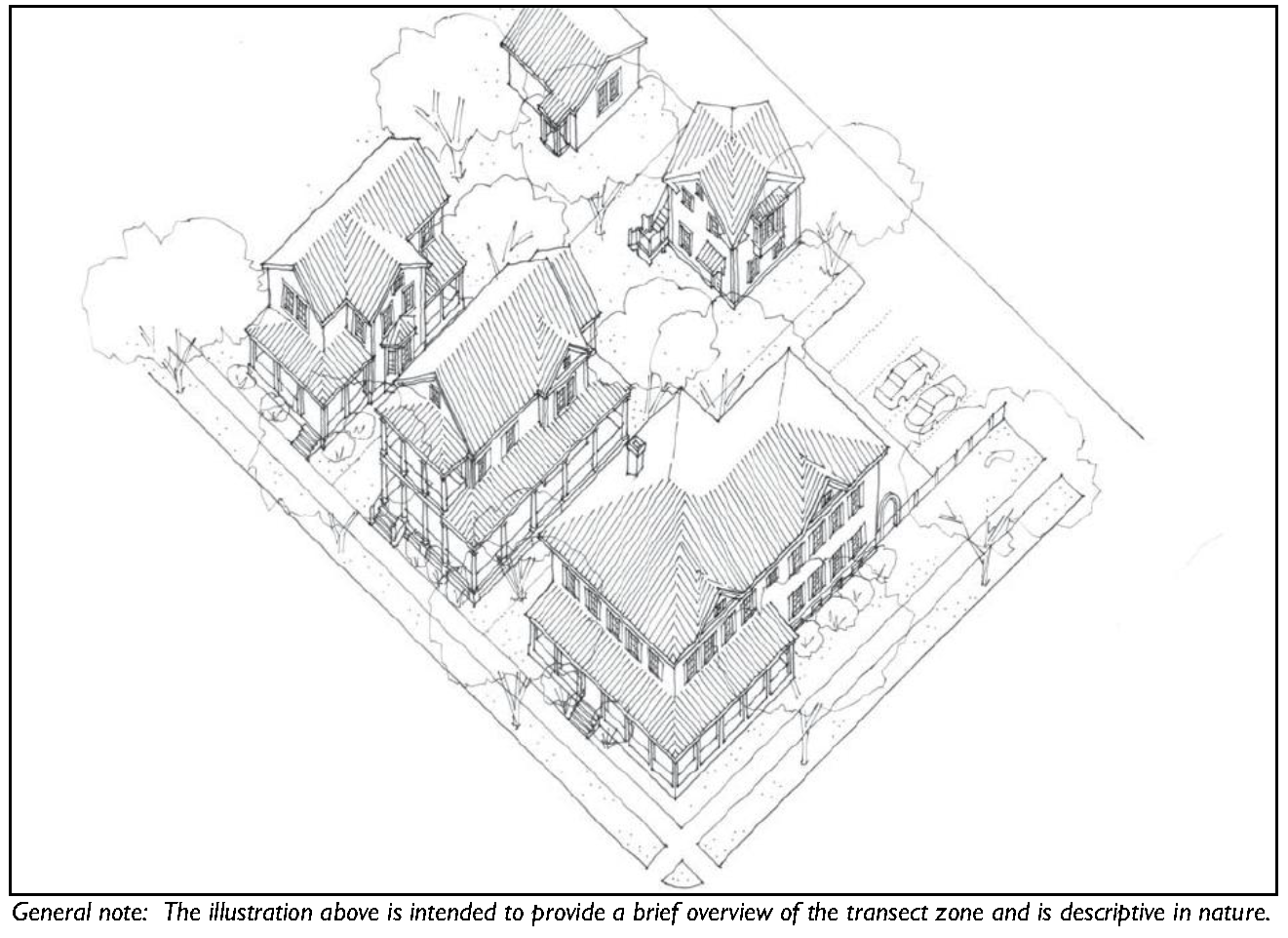
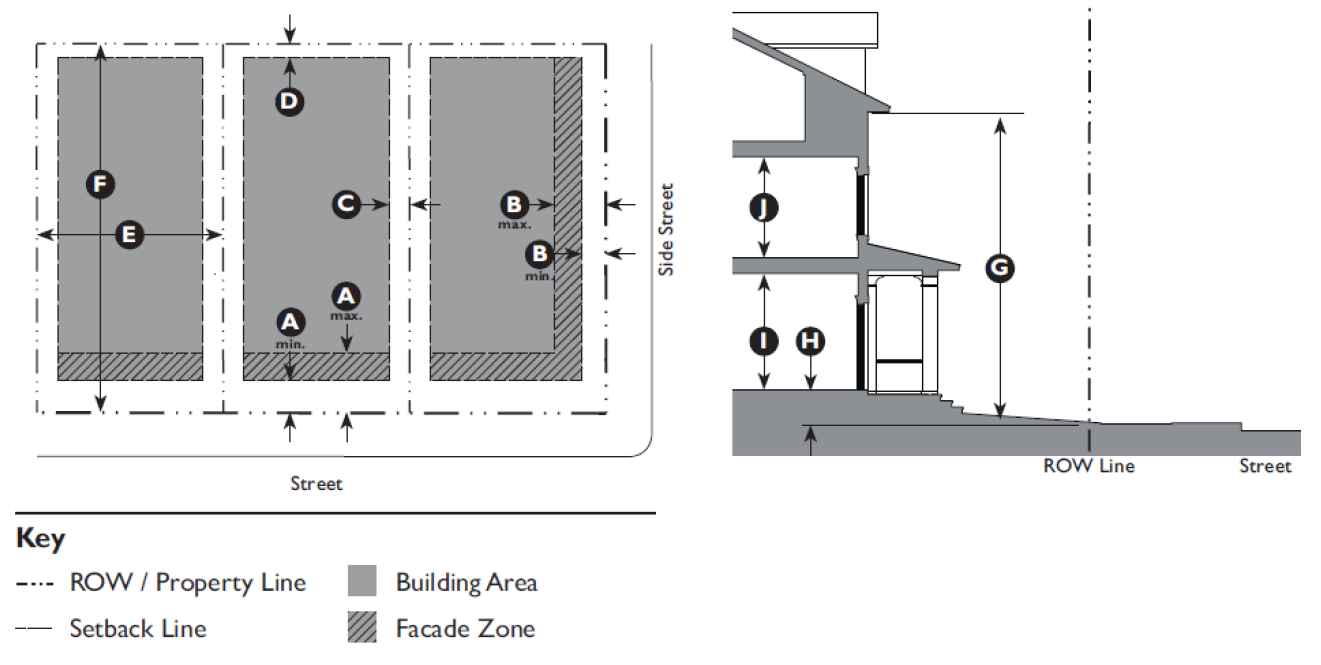
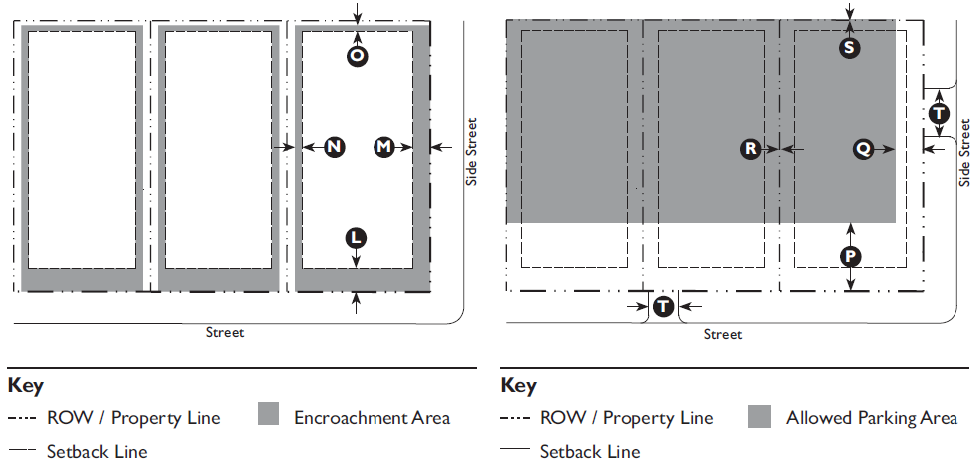
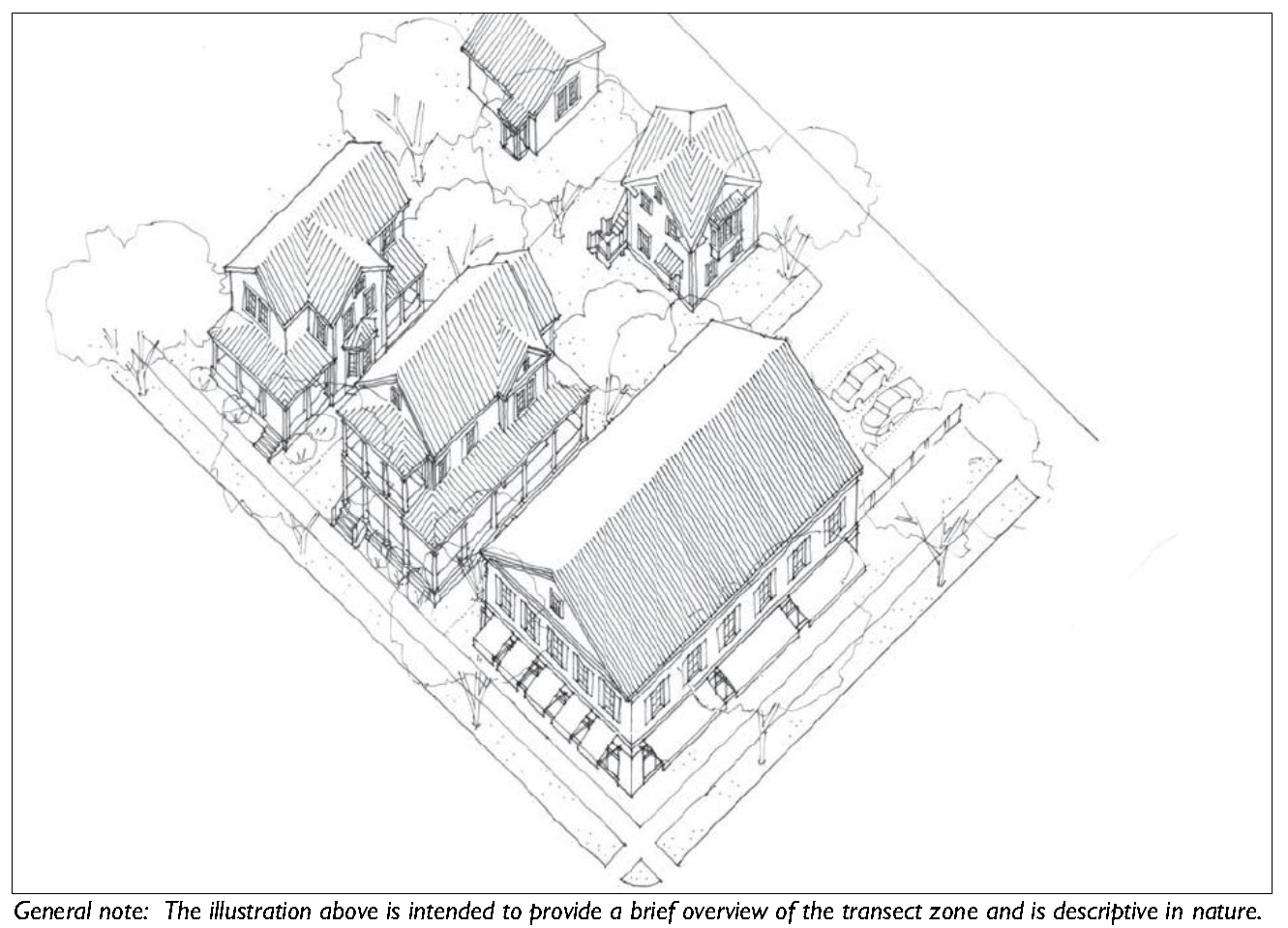
This Division provides regulatory standards governing land use and building form within the transect zones. The Form-Based Code is a reflection of the community vision for implementing the intent of the Comprehensive Plan to preserve Beaufort County's character and create walkable places. These standards are intended to ensure that proposed development is compatible with existing and future development on neighboring properties, and produces an environment of desirable character.
3.2.20 - Applicability
The requirements of this Division shall apply to all proposed development within the transect zones, and shall be considered in combination with the standards for specific uses in Article 4 (Specific to Use), if applicable, and the development standards in Article 5 (Supplemental to Zones). If there is a conflict between any standards, the provisions of Article 4 (Specific to Use) control over Article 3 (Specific to Zones) and Article 5 (Supplemental to Zones).
3.2.30 - T1 Natural Preserve (T1) Standards
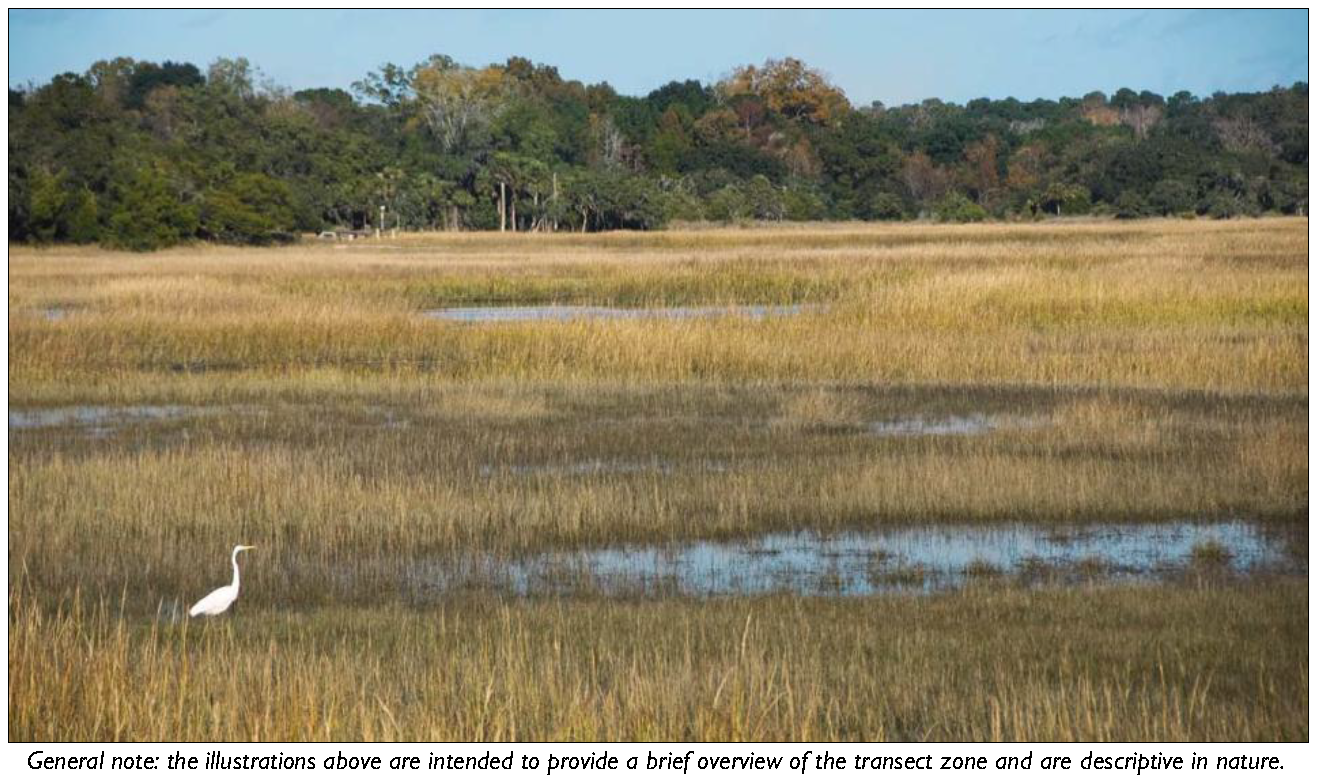
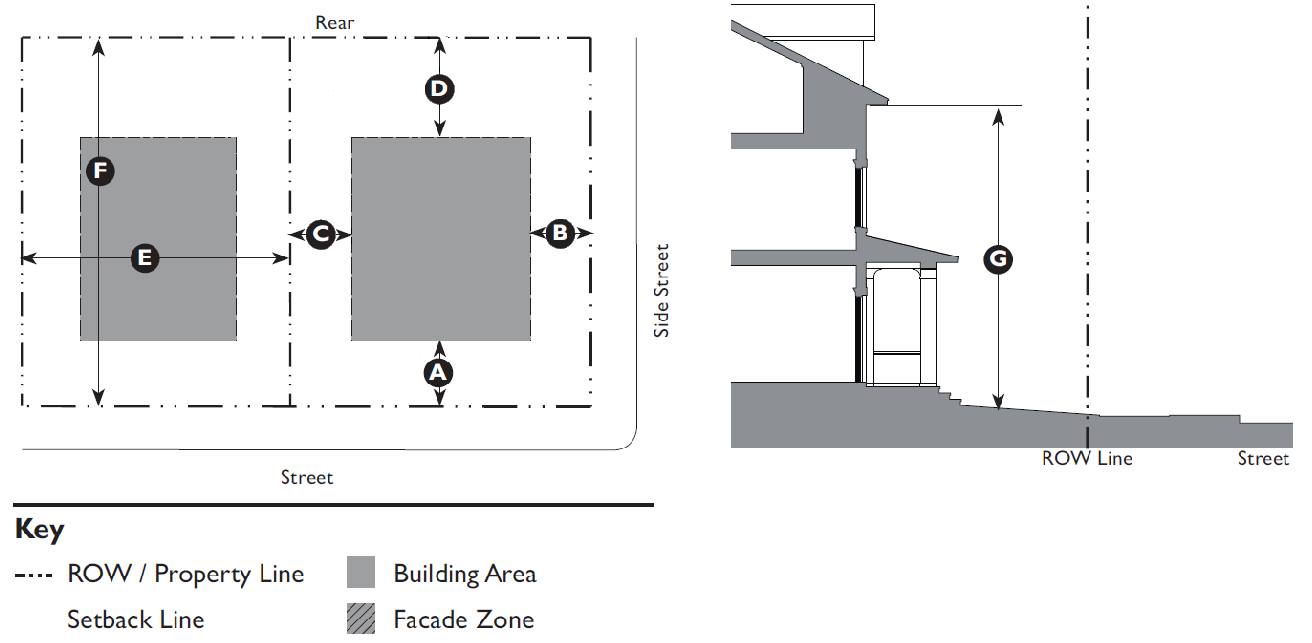
(Ord. No. 2015/32, § 1, 11-9-15; Ord. No. 2017/31, 10-23-17; Ord. No. 2019/34, 5-28-19)
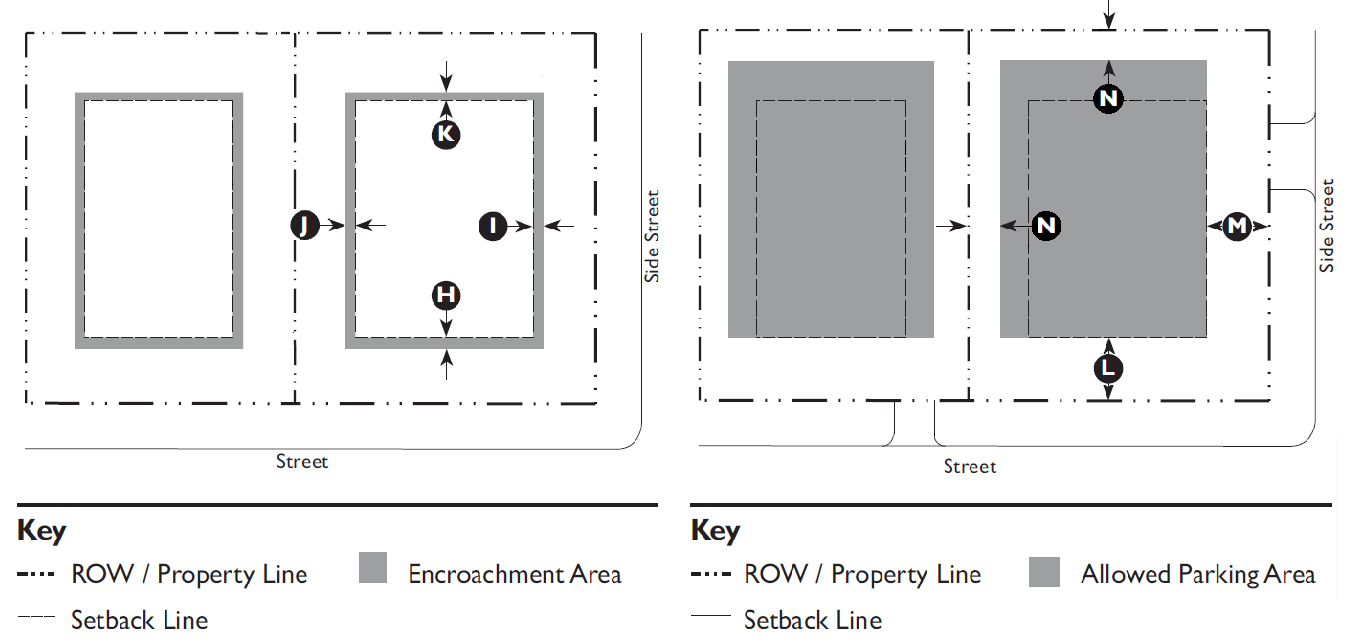
3.2.40 - T2 Rural (T2R) Standards
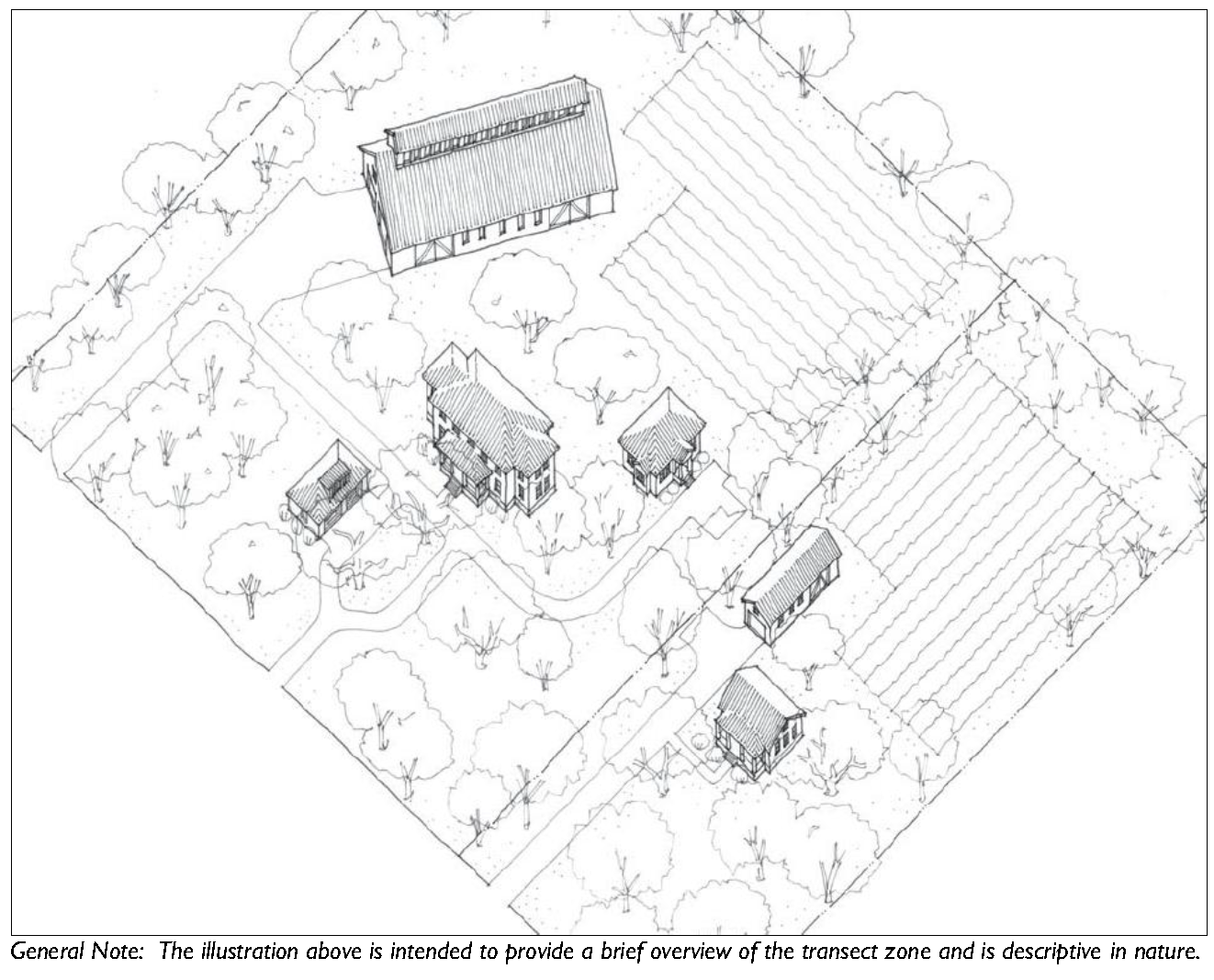
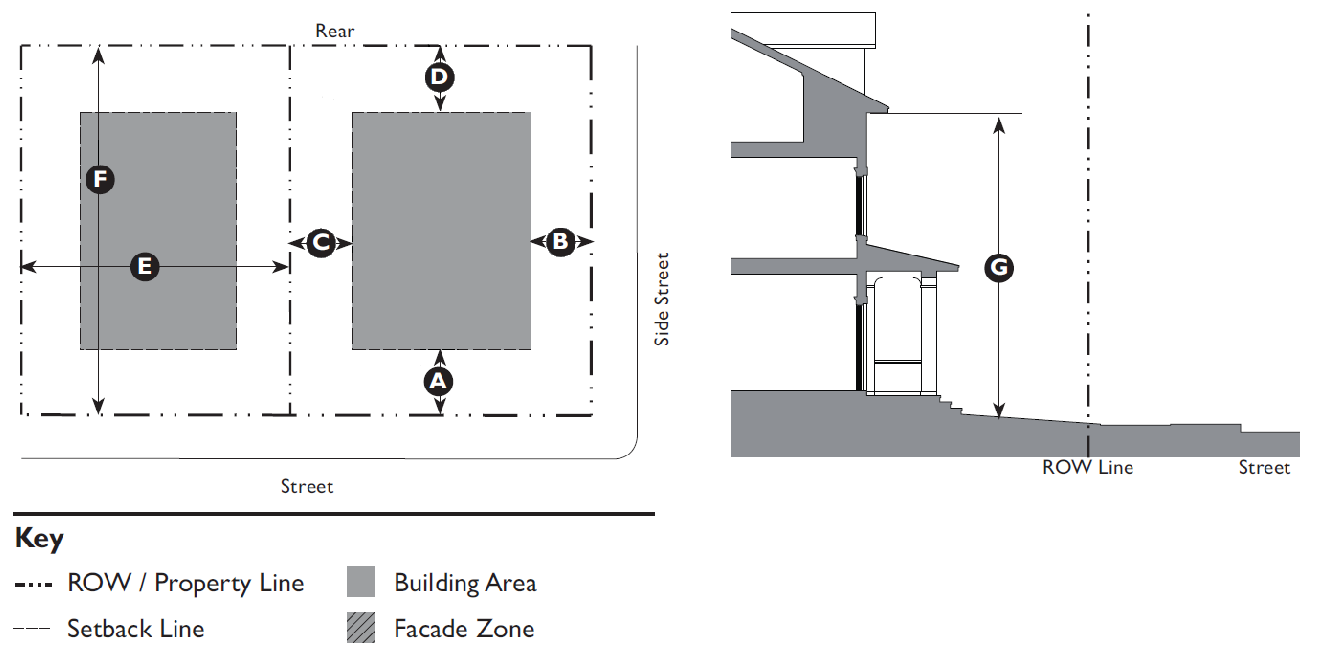
(Ord. No. 2015/32, § 1, 11-9-15; Ord. No. 2017/31, 10-23-17; Ord. No. 2019/34, 5-28-19; Ord. No. 2020/32, 9-28-20; Ord. No. 2021/05, 1-11-21; Ord. No. 2022/27, 6-13-22; Ord. No. 2026/32, Exh. A, 6-22-26)
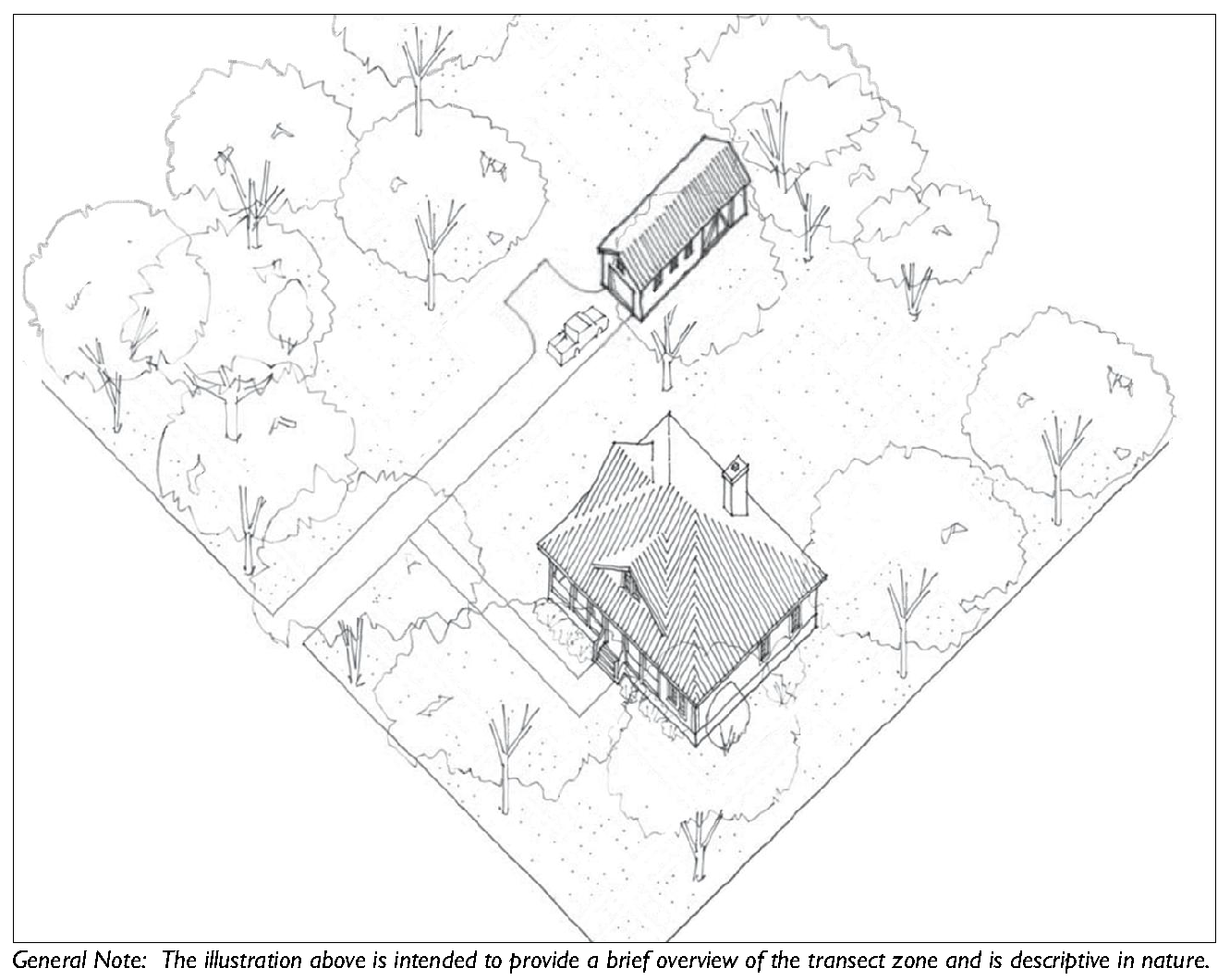
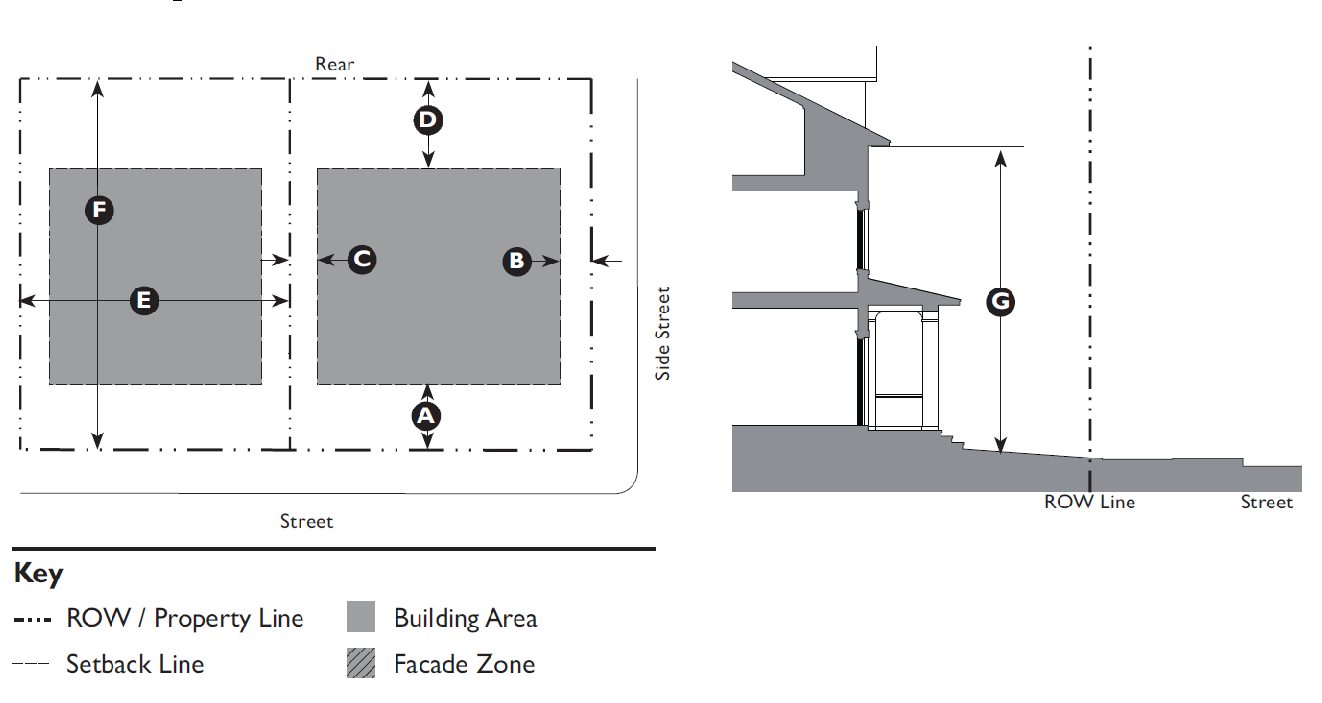
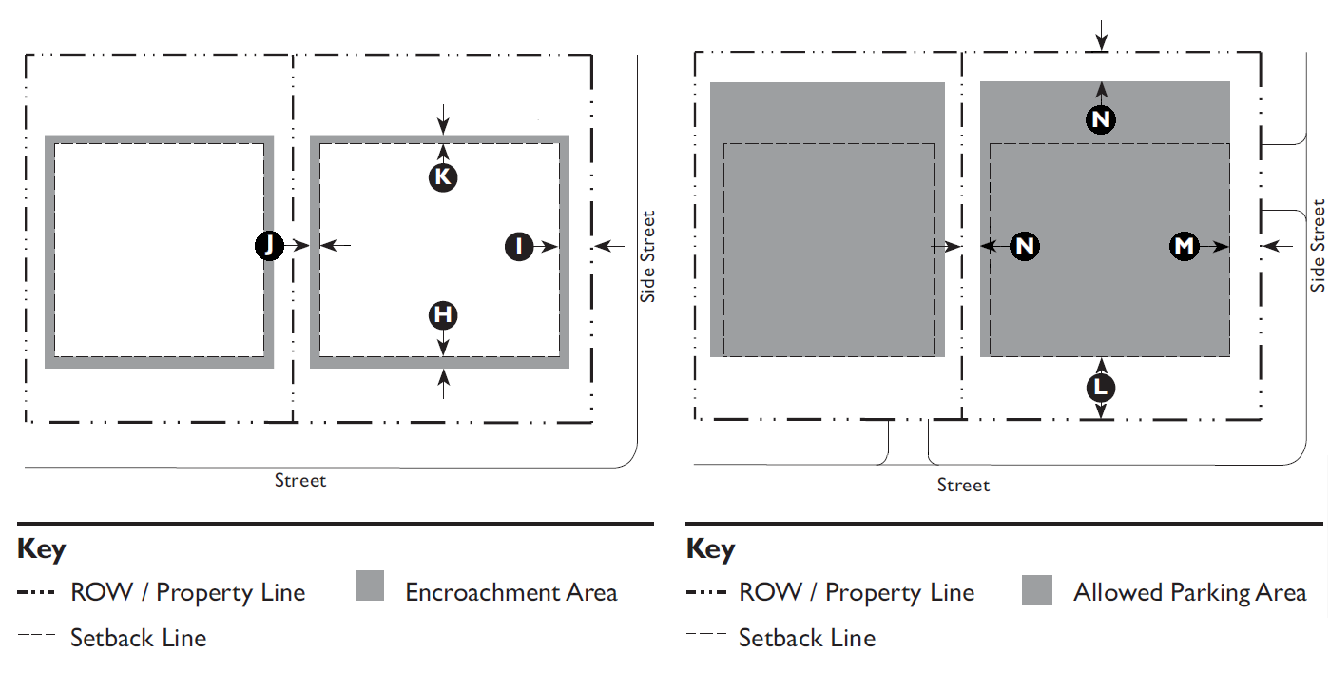
3.2.50 - T2 Rural Neighborhood (T2RN) Standards
(Ord. No. 2015/32, § 1, 11-9-15; Ord. No. 2017/31, 10-23-17; Ord. No. 2019/34, 5-28-19; Ord. No. 2021/05, 1-11-21; Ord. No. 2022/27, 6-13-22)
3.2.60 - T2 Rural Center (T2RC) Standards
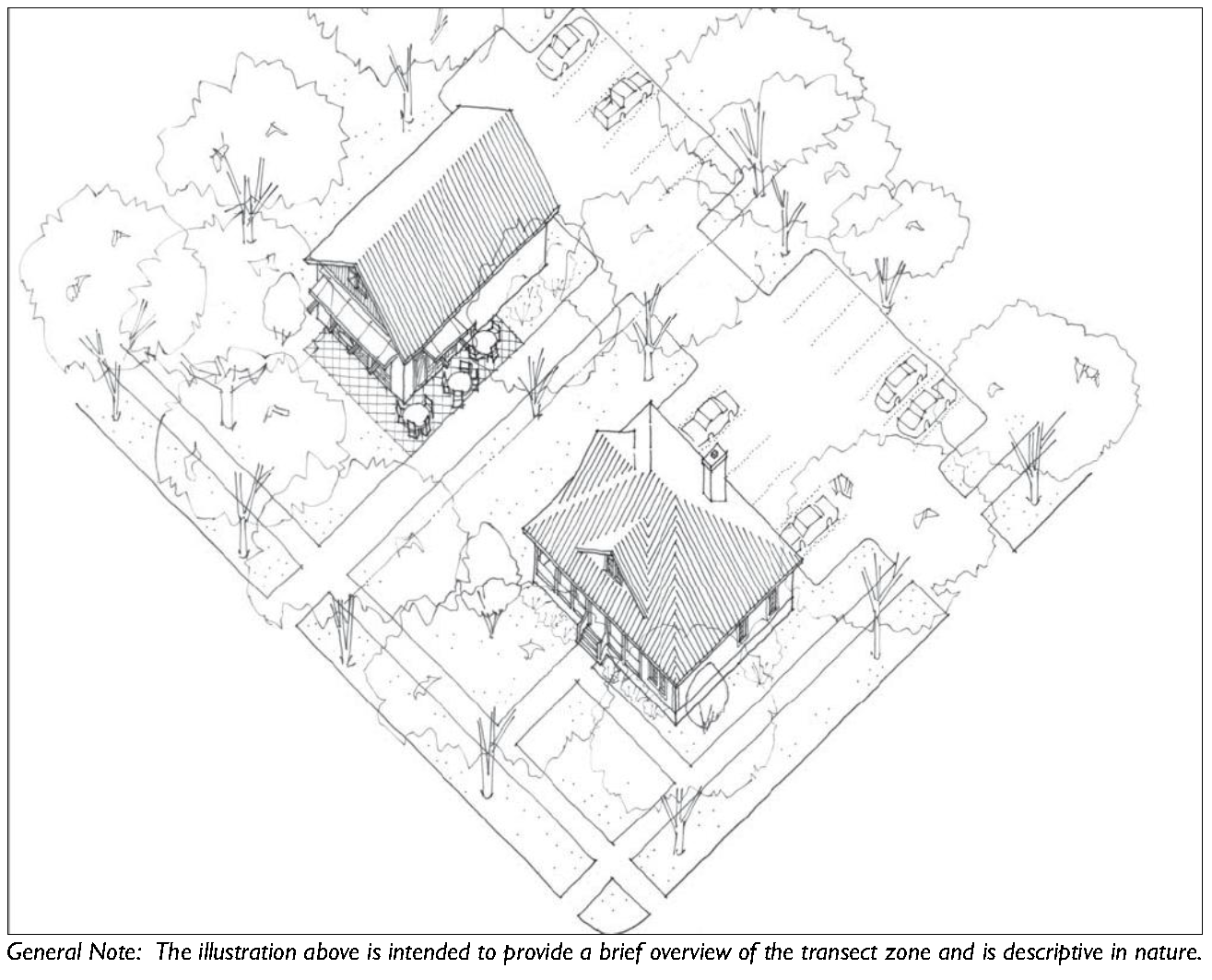
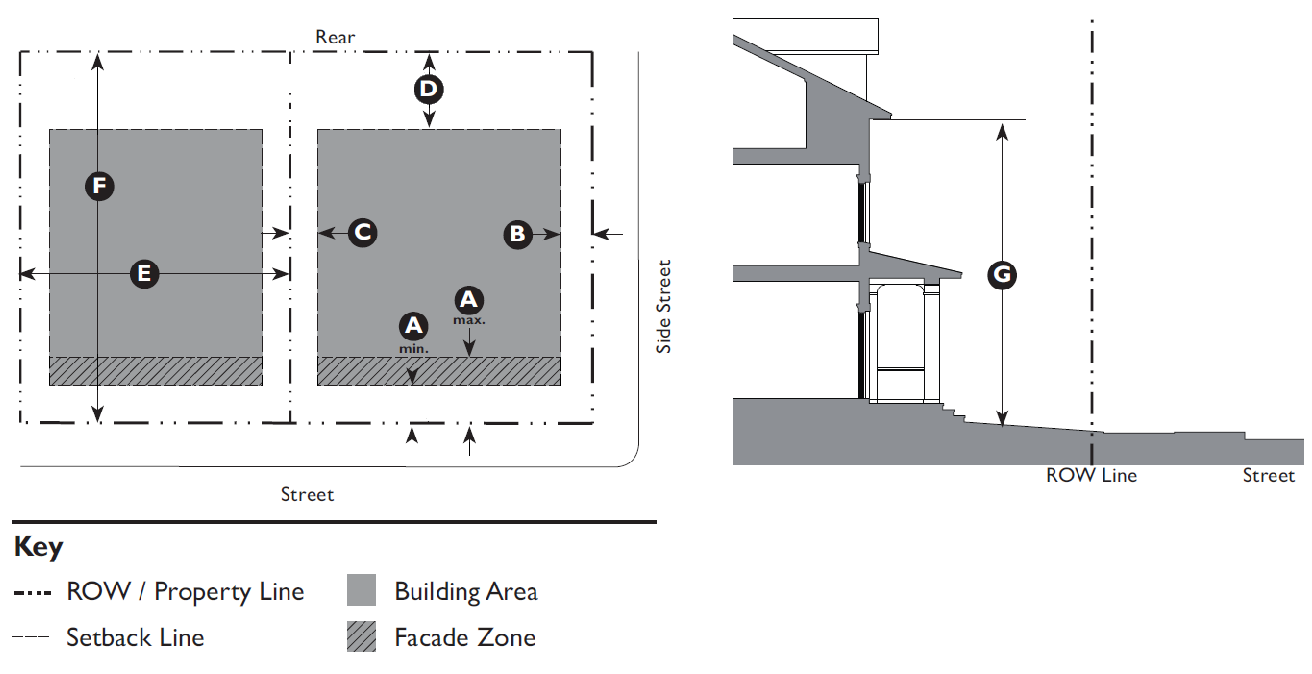
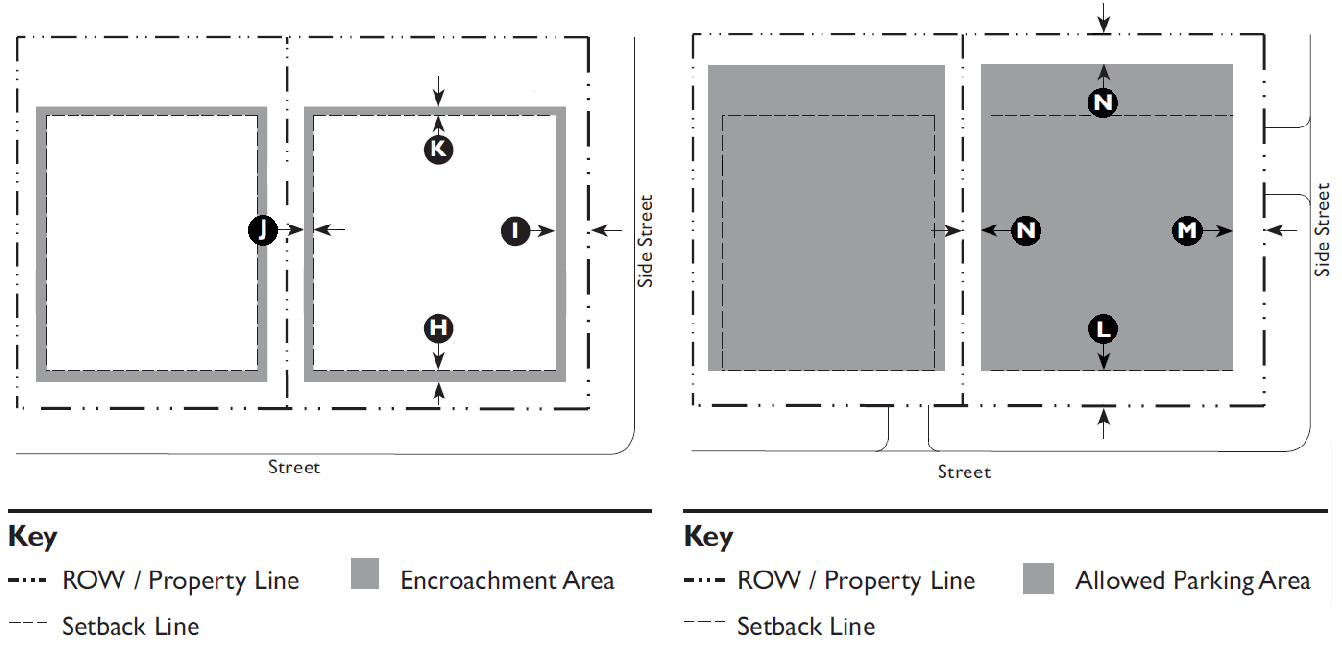
(Ord. No. 2017/31, 10-23-17; Ord. No. 2019/34, 5-28-19; Ord. No. 2020/32, 9-28-20; Ord. No. 2021/05, 1-11-21; Ord. No. 2022/27, 6-13-22; Ord. No. 2023/17, 4-24-23)
3.2.70 - T3 Edge (T3E) Standards
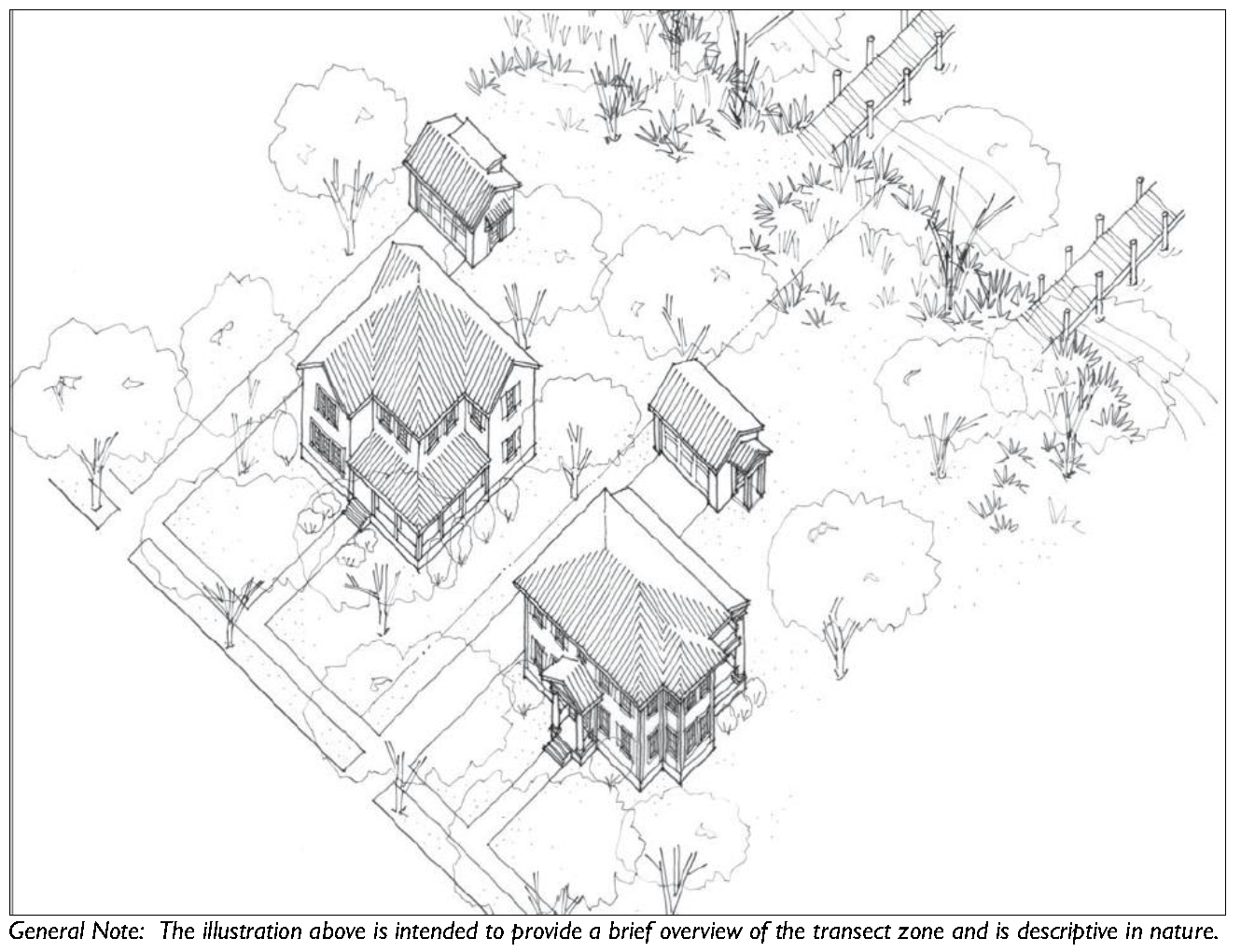
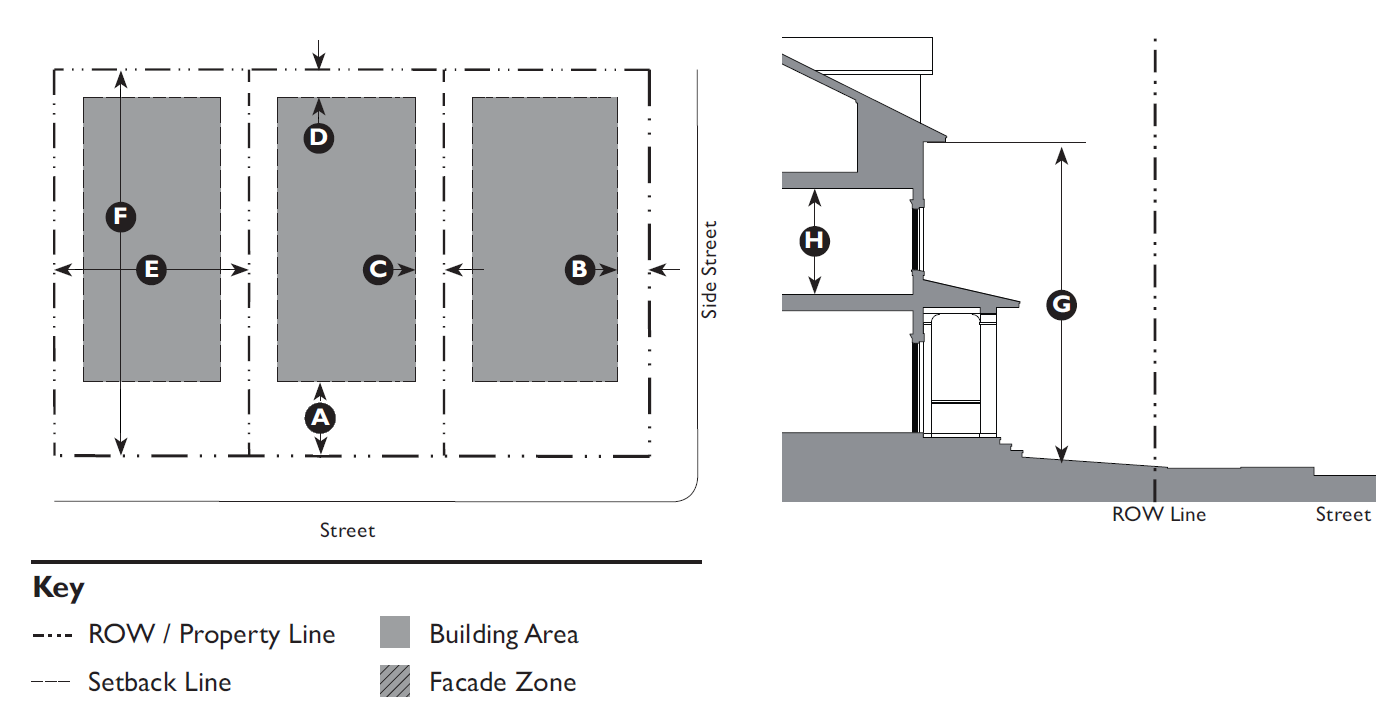
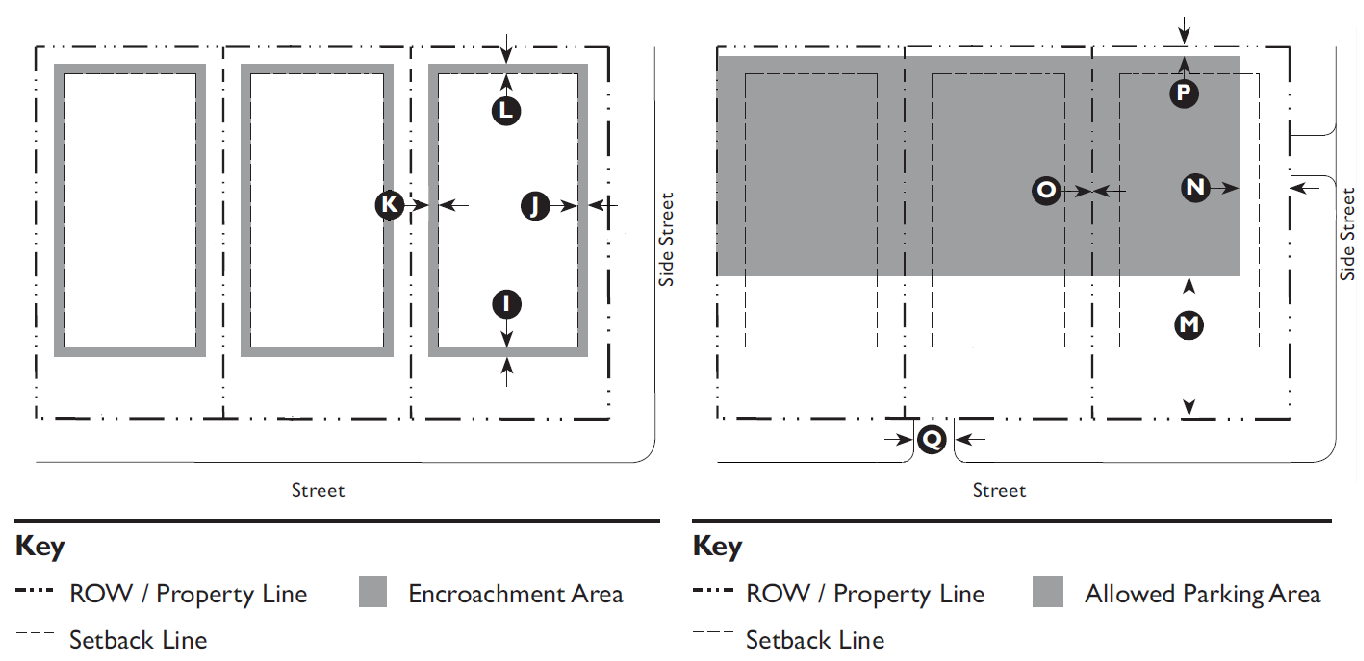
(Ord. No. 2017/31, 10-23-17; Ord. No. 2020/32, 9-28-20; Ord. No. 2021/05, 1-11-21; Ord. No. 2022/27)
3.2.80 - T3 Hamlet Neighborhood (T3HN) Standards
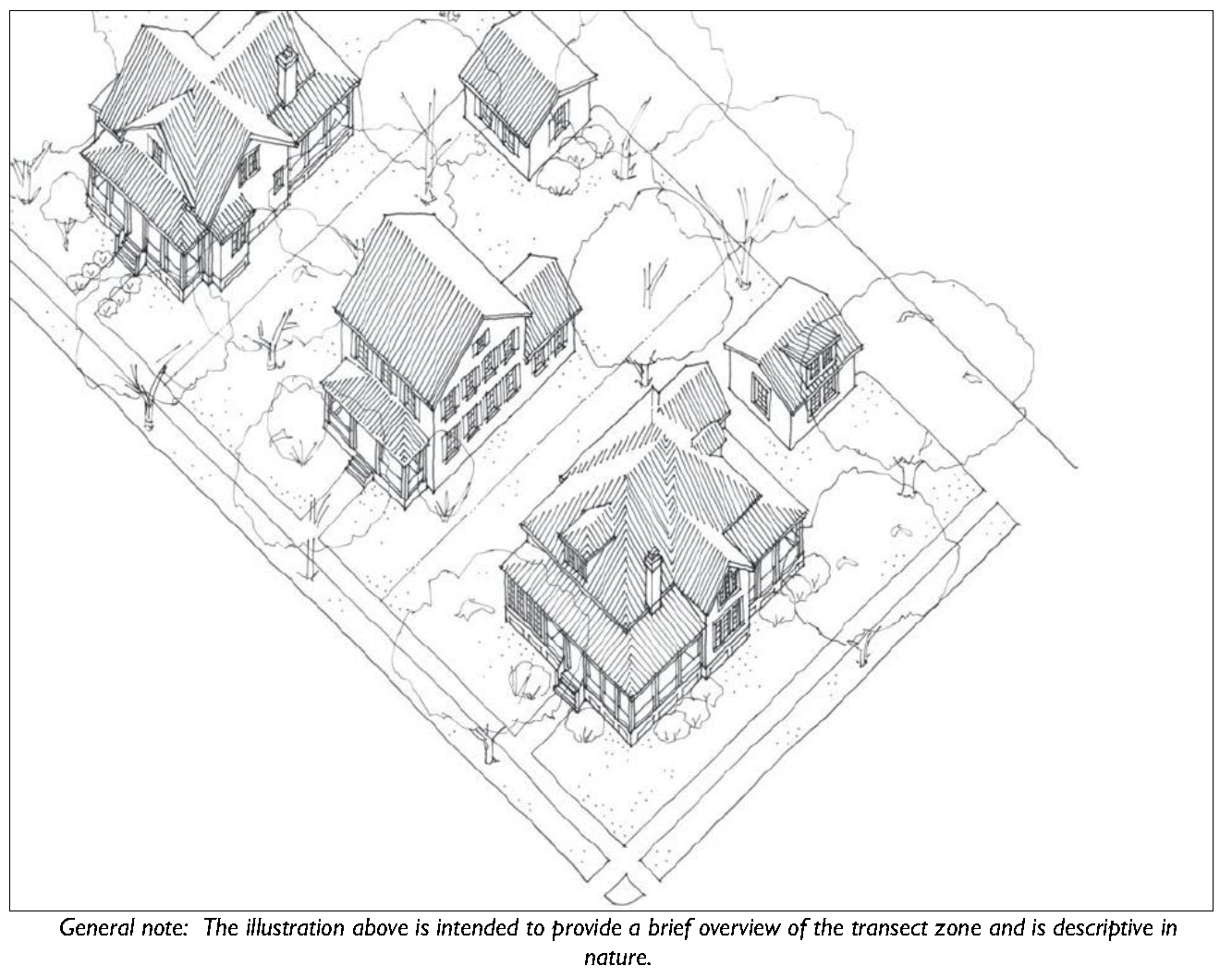
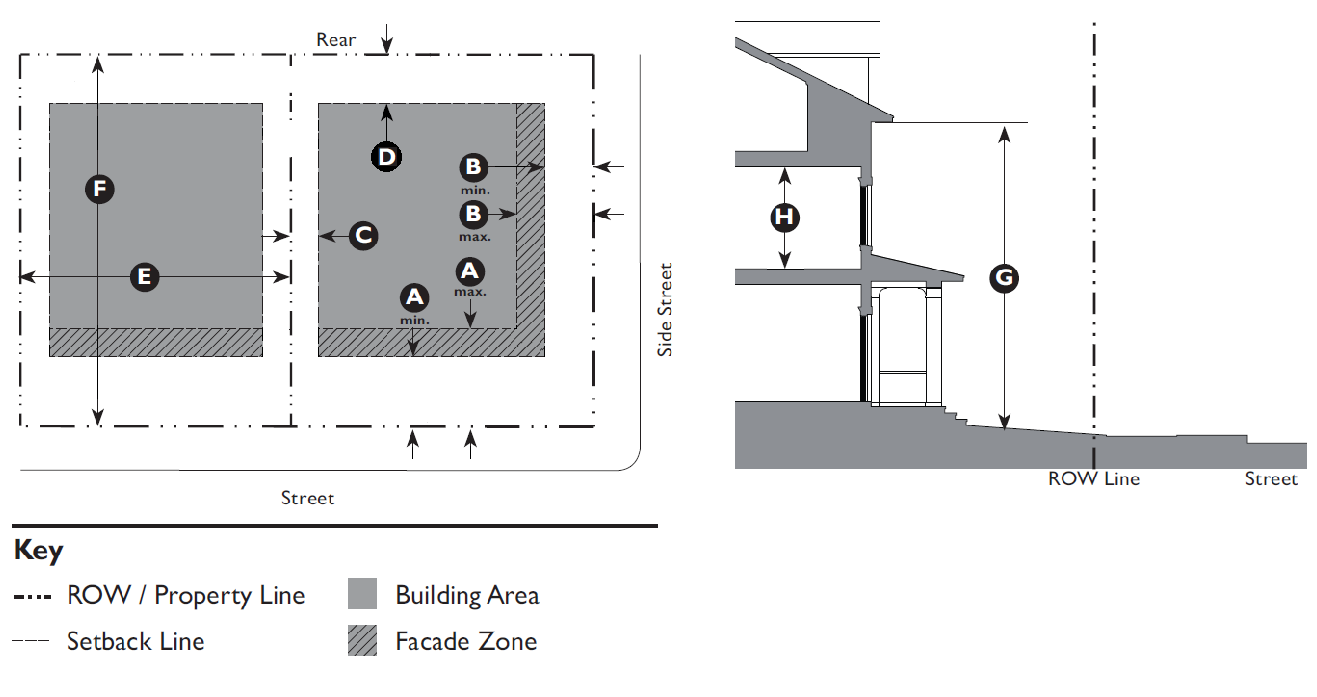
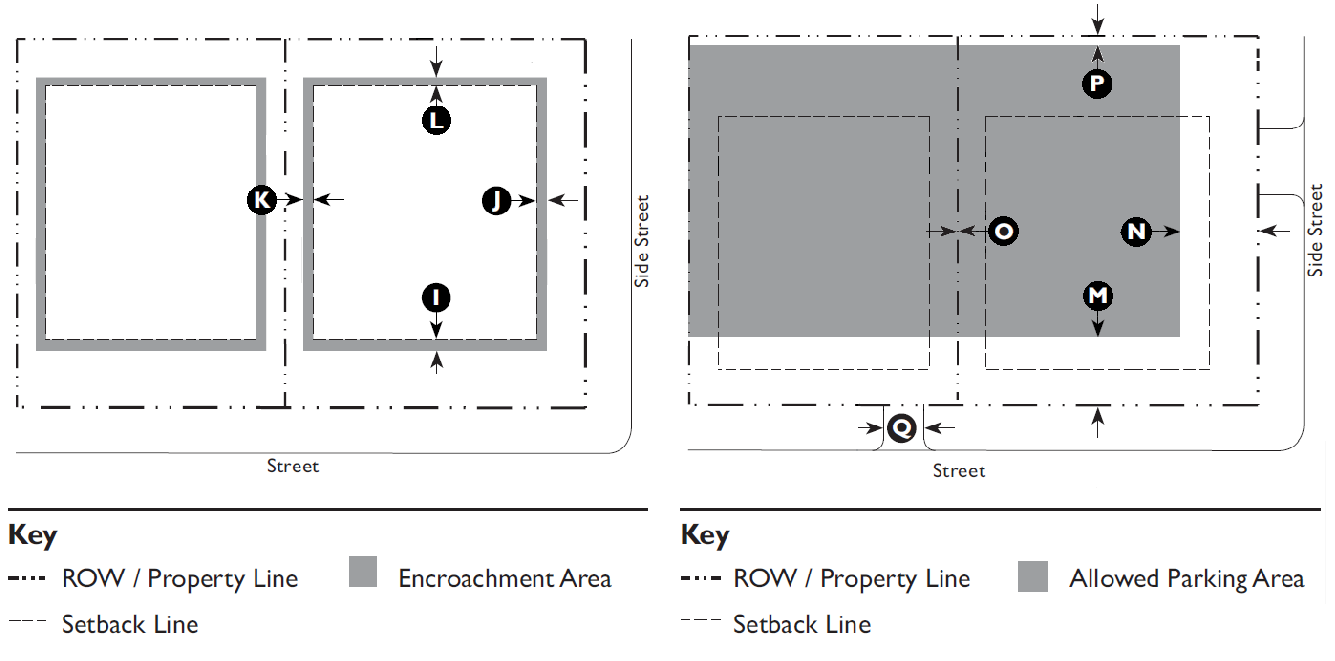
(Ord. No. 2015/32, § 1, 11-9-15; Ord. No. 2020/32, 9-28-20; Ord. No. 2021/05, 1-11-21; Ord. No. 2022/27, 6-13-22)
3.2.90 - T3 Neighborhood (T3N) Standards
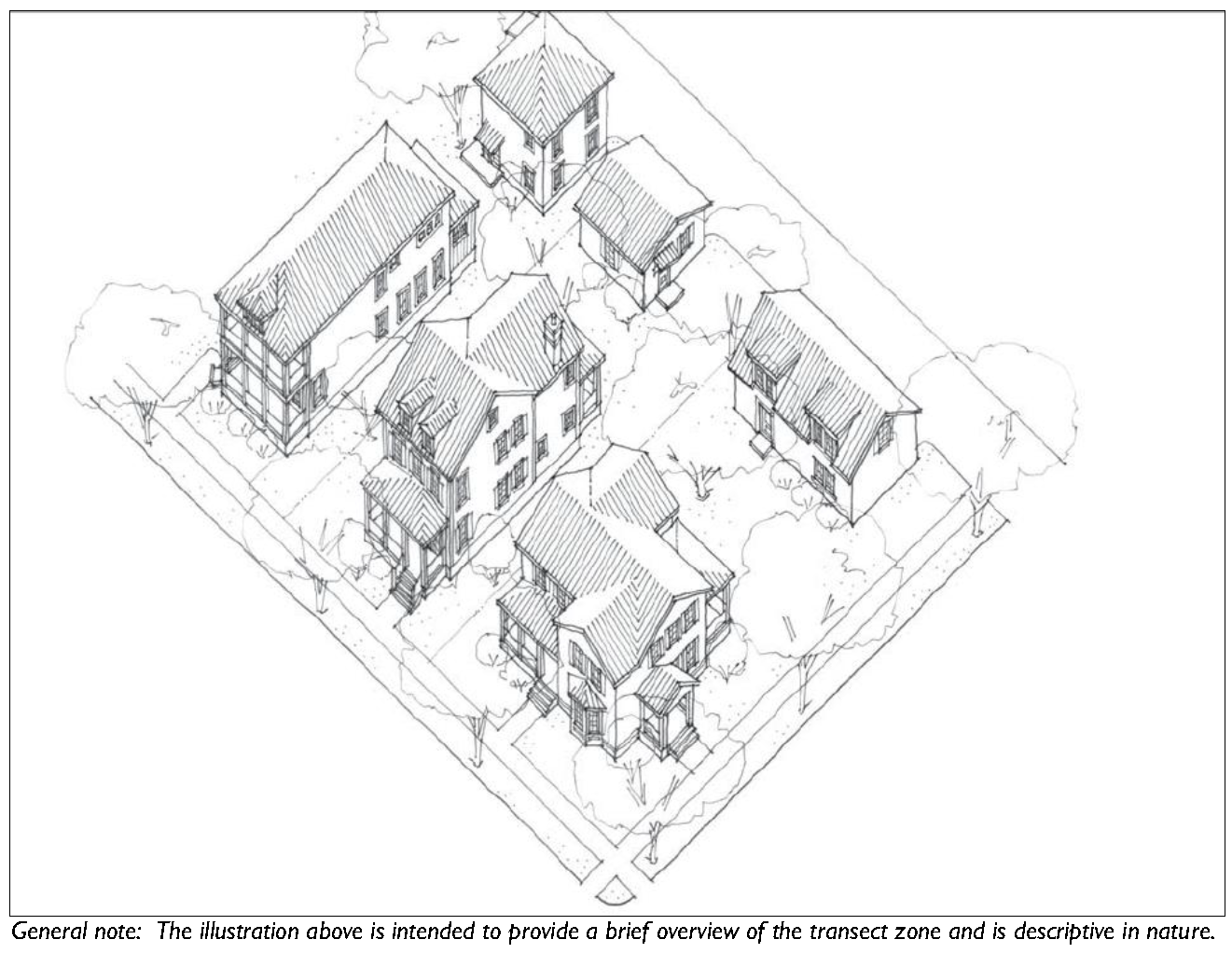
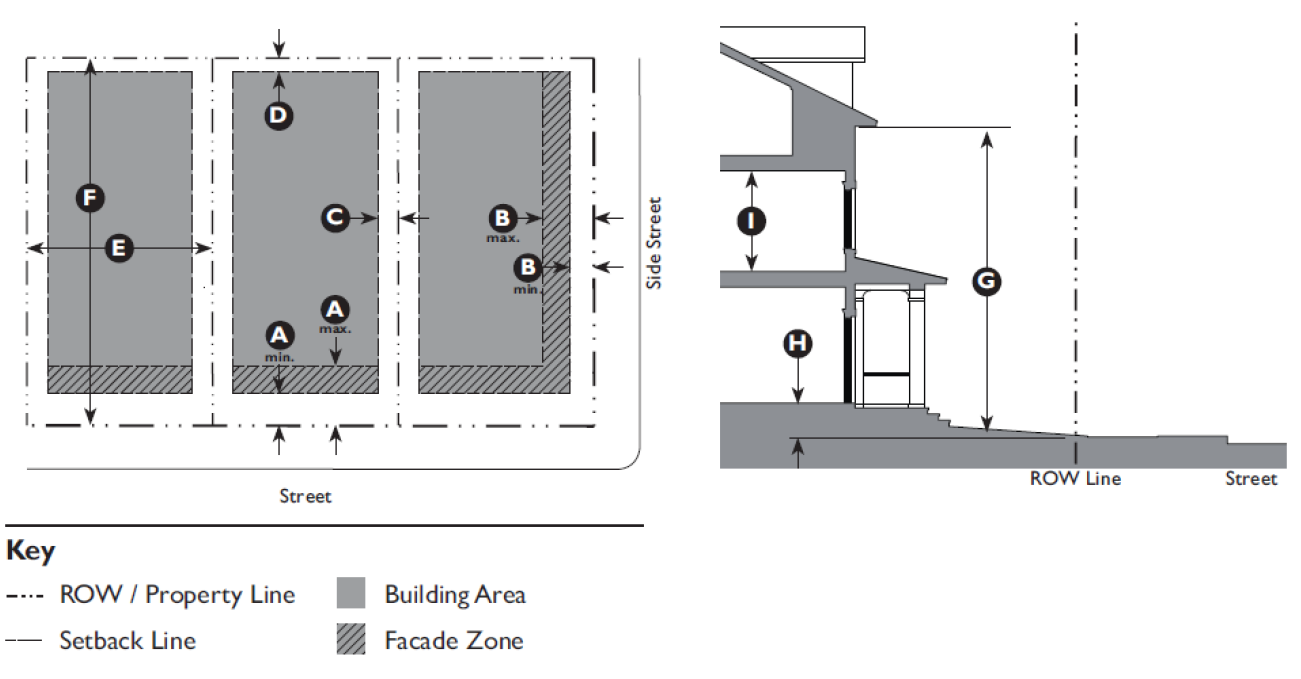
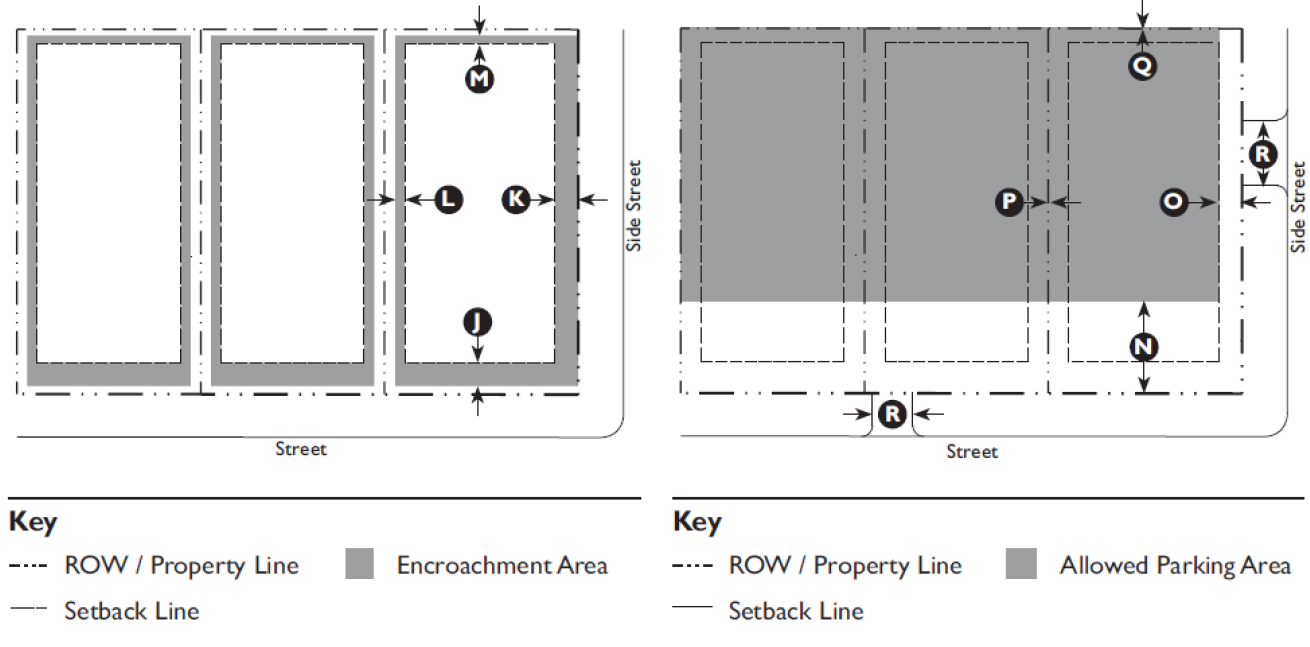
(Ord. No. 2016/18, 6-27-16; Ord. No. 2020/32, 9-28-20; Ord. No. 2021/05, 1-11-21; Ord. No. 2022/27, 6-13-22)
3.2.100 - T4 Hamlet Center (T4HC) Standards
(Ord. No. 2015/32, § 1, 11-9-15; Ord. No. 2015/33, 11-9-15; Ord. No. 2020/06, 3-9-20; Ord. No. 2020/32, 9-28-20; Ord. No. 2021/05, 1-11-21; Memo of 3-14-22; Ord. No. 2022/27, 6-13-22)
3.2.110 - T4 Neighborhood Center (T4NC) Standards
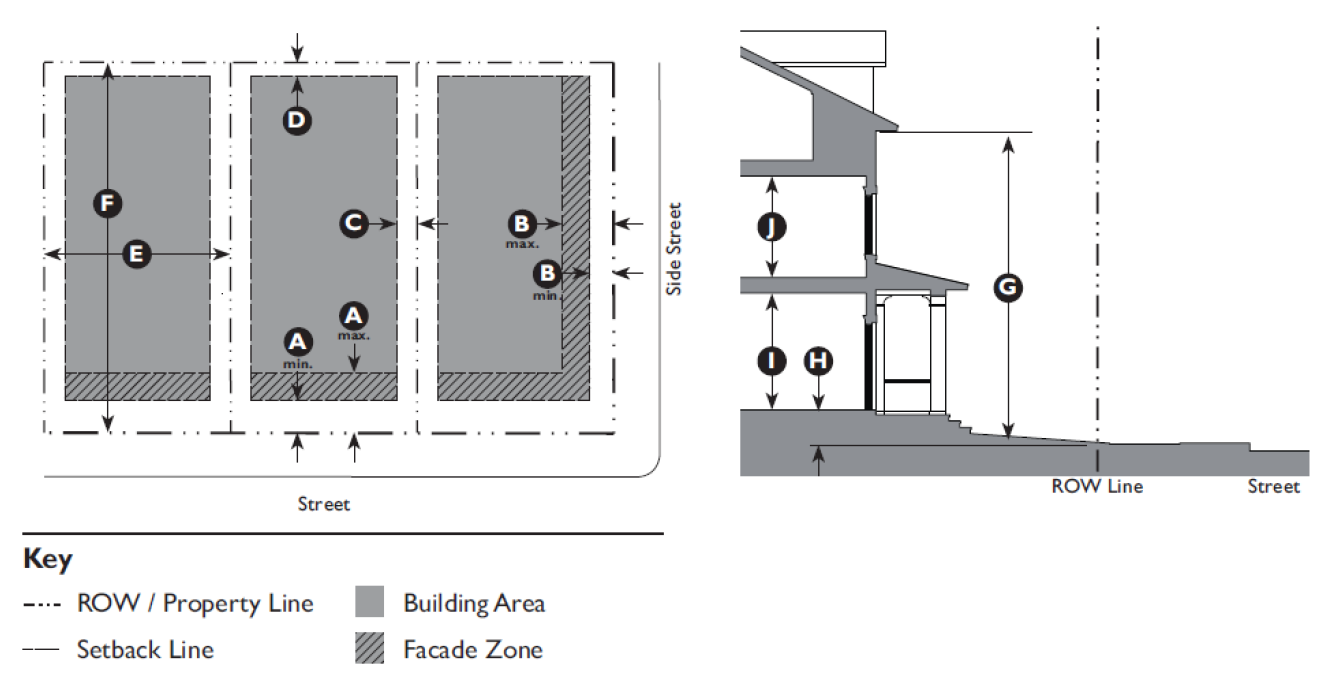
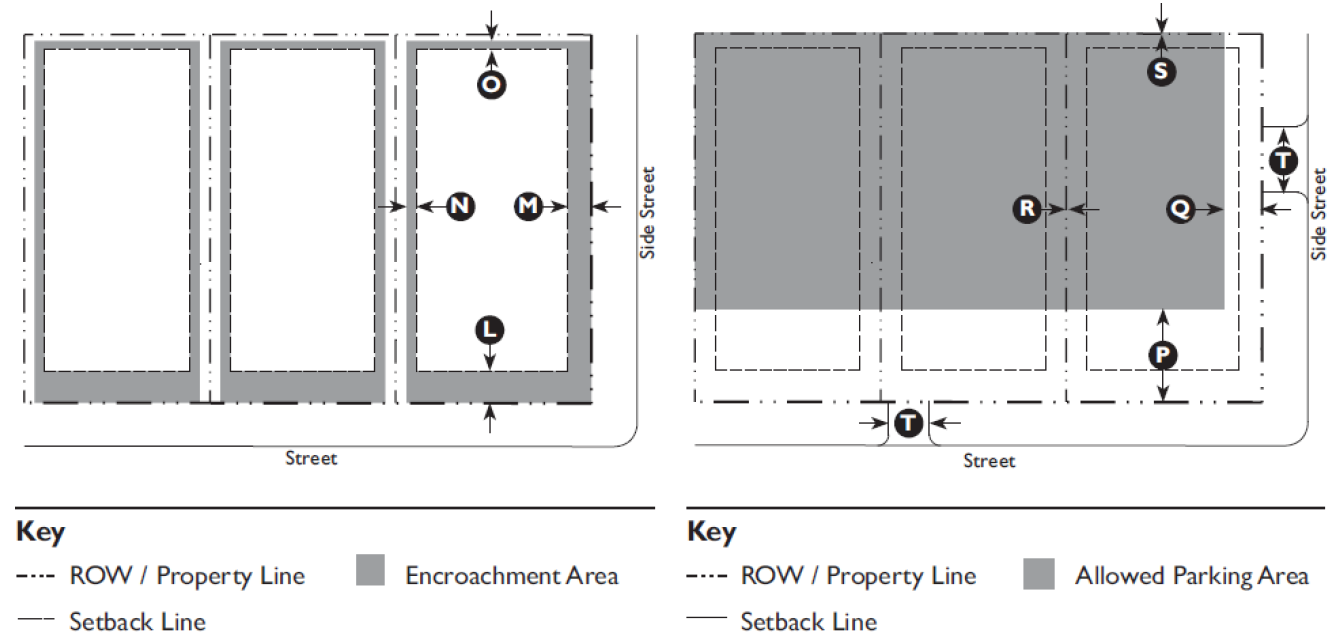
(Ord. No. 2015/32, § 1, 11-9-15; Ord. No. 2020/32, 9-28-20; Ord. No. 2021/05, 1-11-21; Memo of 3-14-22; Ord. No. 2022/27, 6-13-22)
3.3.10 - Purpose
This Division provides regulatory standards governing land use and building form within the conventional zones. These standards are a reflection of the community vision for implementing the intent of the Comprehensive Plan. They are intended to ensure that proposed development is compatible with existing and future development on neighboring properties, and produces an environment of desirable character, consistent with the Comprehensive Plan.
3.3.20 - Applicability
The requirements of this Division shall apply to all proposed development within the conventional zones, and shall be considered in combination with the standards for specific uses in Article 4 (Specific to Use), if applicable, and the development standards in Article 5 (Supplemental to Zones). If there is a conflict between any standards, the provisions of Article 4 (Specific to Use) control over Article 3 (Specific to Zones) and Article 5 (Supplemental to Zones).
3.3.30 - Neighborhood Mixed Use (C3) Zone Standards
(Ord. No. 2015/32, § 1, 11-9-15; Ord. No. 2015/33, 11-9-15; Ord. No. 2016/18, 6-27-16; Ord. No. 2017/9, 4-10-17; Ord. No. 2020/32, 9-28-20; Ord. No. 2021/05, 1-11-21; Ord. No. 2022/27, 6-13-22)
3.3.40 - Community Center Mixed Use (C4) Zone Standards
(Ord. No. 2019/34, 5-28-19; Ord. No. 2020/32, 9-28-20; Ord. No. 2021/05, 1-11-21; Ord. No. 2022/27, 6-13-22; Ord. No. 2024/41, Exh. A, 10-28-24)
3.3.50 - Regional Center Mixed Use (C5) Zone Standards
(Ord. No. 2018/26, 6-25-18; Ord. No. 2019/34, 5-28-19; Ord. No. 2020/32, 9-28-20; Ord. No. 2021/05, 1-11-21; Ord. No. 2022/27, 6-13-22; Ord. No. 2024/41, Exh. A, 10-28-24)
3.3.60 - Industrial (S1) Zone Standards
(Ord. No. 2022/27, 6-13-22)
3.4.10 - Purpose
This Division provides regulatory standards governing land use and building form within special overlay zones. Overlay Zones impose a set of requirements or relax a set of requirements imposed by the underlying zoning district when there is a special public interest in a particular geographic area that does not coincide with the underlaying zone boundaries. These zones are typically applied to certain areas of the County here extreme environmental, physical or cultural constraints need increased planning guidelines and consideration.
(Ord. No. 2023/18, Exh. A, 5-8-23)
3.4.20 - Applicability
The requirements of this Division shall apply to all proposed development within the overlay zones, and shall be considered in combination with the standards for specific uses in Article 4 (Specific to Use), if applicable, and the development standards in Article 5 (Supplemental to Zones). If there is a conflict between any standards, the provisions of Article 4 (Specific to Use) control over Article 3 (Specific to Zones) and Article 5 (Supplemental to Zones).
3.4.30 - MCAS Airport Overlay (MCAS-AO) Zone Standards
E.
Notification.
1.
At all real estate closings involving a property in an accident potential zone or noise zone, the buyer, seller and witnesses shall sign the following form which shall be filed with the deed and/or plat at the Beaufort County Register of Deeds Office.
a.
MCAS Airport Overlay Disclosure Form
The property at _______ (address/location) is located in proximity to the Marine Corps Air Station Beaufort. Beaufort County has determined that persons on the premises will be exposed to accident potentials and/or significant noise levels as a result of the airport operations. The County has established certain noise zones and accident potential zones (APZs) within its Community Development Code (CDC)
The above property is located in Noise Zone ___ and in Accident Potential Zone ___.
The County has placed certain restrictions on the development and use of property within these areas. Before purchasing the above property, you should consult the Director to determine the restrictions that have been placed on the subject property.
b.
CERTIFICATION
As the owner of the subject property, I hereby certify that I have informed _______, as a prospective purchaser, that the subject property is located in the MCAS Airport Overlay district.
Dated this ___ day of _______, _______.
Witness _______ Owner _______
As a prospective purchaser of the subject property, I hereby certify that I have been informed that the subject property is in MCAS Airport Overlay District, and I have consulted the Director to determine the restrictions which have been placed on the subject property.
Dated this ___ day of _______, _______.
Witness _______ Purchaser _______
2.
All prospective renters signing a commercial or residential lease shall be notified by the property owner through a written provision contained in the lease agreement if the leased property is located within the MCAS-AO Zone.
3.
All subdivision plats, planned unit development plats, townhouse plats and/or condominium documents shall contain the following disclosure statement:
a.
MCAS Airport Overlay Disclosure Statement
This property lies within the MCAS Airport Overlay District, which applies to property in proximity to the Marine Corps Air Station Beaufort. Beaufort County has determined that persons on the premises will be exposed to accident potentials and/or significant noise levels as a result of the airport operations. Purchasers are required to sign a Disclosure Form per Division 3.4.30 of the Beaufort County Community Development Code and file the form with the deed and/or plat at the Beaufort County Register of Deeds Office. All or a portion of this property lies within:
Accident Potential Zone: _______
Noise Zone: _______
DNL (Day-Night Average Sound Level): _______
4.
In the case of new construction, a signed MCAS Airport Overlay Disclosure Statement shall accompany the building permit application.
F.
Non-Conforming Uses and Structures. The standards for nonconformities contained in Article 8 (Nonconformities) are modified or supplemented as follows:
1.
Nonresidential Uses and Structures.
a.
A nonconforming structure with damage greater than 50 percent of its market value before the damage shall be replaced by a conforming structure.
b.
Nonconforming uses and structures shall not be expanded.
c.
Nonconforming uses and structures shall not become conforming through the special use permit process.
d.
Improvements to a nonconforming structure that exceed 50 percent of its market value before the improvements shall be required to meet the noise attenuation requirements of this Section. Permits for improvements shall be cumulative for a period of five years.
e.
Any nonconforming use or structure shall be considered abandoned if vacant or unused for 90 days, and shall only be replaced with conforming uses and structures.
f.
Notwithstanding the above, a nonconforming meeting facility/place of worship shall be permitted to be rebuilt if damaged greater than 50 percent of its market value before the damage provided the noise attenuation requirements of this Section are met. A nonconforming meeting facility/place of worship may be expanded by up to 15 percent of the gross floor area occupied on _______ insert effective date of this Code to accommodate bathrooms, storage space, a kitchen, and/or office space. The expansion shall not increase the occupant load of the building.
2.
Residential Structures. Improvements to a nonconforming residential structure that exceed 50 percent of its market value before the improvements shall be required to meet the noise attenuation requirements of this Section. Permits for improvements shall be cumulative for a period of five years.
G.
Notice to Military Installations.
1.
Section 6-29-1610 et seq. of the South Carolina Code Ann. sets forth notice requirements pertaining to federal military installations. The provisions of Subsection G. shall apply to the following types of land use and zoning decisions when such decisions involve land located within an Accident Potential Zone or Noise Zone:
a.
Adoption of or amendment to the Beaufort County Comprehensive Plan;
b.
Amendment to the Official Zoning Map;
c.
An appeal to the Beaufort County Zoning Board of Appeals (ZBOA);
d.
A request to the ZBOA for a variance from the provisions of the Beaufort County Community Development Code; or
e.
A request to the ZBOA for a Special Use Permit.
2.
Pursuant to § 6-29-1610 et seq., S.C. Code Ann., for the proposed land use or zoning decisions identified in Subsection G, Division 1, the Beaufort County Community Development Department shall:
a.
At least thirty days prior to any public hearing conduction in conjunction with any of the land use or zoning decision specified in Subsection G, Division 1, request from the base commander a written recommendation with supporting facts with regard to the matters specified in Subsection G, Division 4, relating to the use of the property which is the subject of review; and
b.
Upon receipt of the written recommendation from the base commander, the Community Development Department shall make the written recommendation a part of the public record, and in addition to any other duties with which the Community Development Department is charged by the local government, investigate and make recommendations of findings with respect to each of the matters enumerated in Subsection G, Division 4.
3.
If the base commander does not submit a recommendation by the date of the public hearing, there is a presumption that the proposed land use or zoning decision does not have any adverse effect relative to the matters specified in Subsection G, Division 4.
4.
The matters the Community Development Department and the base commander shall address in their investigation, recommendations, and findings must be:
a.
Whether the proposed land use or zoning decision will permit a use that is suitable in view of the fact that the property under review is within the MCAS-AO zone;
b.
Whether the proposed land use or zoning decisions will adversely affect the existing use or usability of nearby property within the MCAS-AO zone;
c.
Whether the property to be affected by the proposed land use or zoning decisions has a reasonable economic use as currently zoned;
d.
Whether the proposed land use or zoning decision results in a use which causes or may cause a safety concern with respect to excessive or burdensome use of existing streets, transportation facilities, utilities, or schools where adjacent or nearby property is used as a federal military installation;
e.
Whether the land use or zoning proposal is in conformity with the policy and intent of the Beaufort County Comprehensive Plan given the proximity of a federal military installation; and
f.
Whether there are other existing or changing conditions affecting the use of the nearby property, such as the presence of a federal military installation, which give supporting grounds for either approval or disapproval of the proposed land use or zoning decision.
H.
Use and Density Limitations. The following limitations apply to uses allowed in the MCAS-AO zone:
1.
Use Limitations. Table 3.4.30.H provides a list of use limitations within the MCAS Airport Overlay District:
2.
Residential Density Limitations:
a.
Accident Potential Zones and Noise Zone 3 (DNL 75 and above). Gross density shall not exceed 1 unit per 3 acres.
b.
Noise Zone 2b (DNL 70 to 75). Gross density shall not exceed 1 unit per acre.
c.
Noise Zone 2a (DNL 65 to 70). Gross density shall not exceed 2 units per acre.
d.
Family compounds are exempt from these density standards.
3.
Clustering: Residential units may be required to be clustered outside of the accident potential and/or noise zones if possible. The Director may modulate building placement standards to achieve this result.
4.
Additional Limitations:
a.
Lights or illumination used in conjunction with streets, parking, signs or use of land and structures shall be arranged and operated in such a manner that is not misleading or dangerous to aircraft operating from MCAS-Beaufort or in the vicinity thereof as determined by MCAS-Beaufort.
b.
No operations of any type shall produce smoke, glare or other visual hazards within three miles of a usable runway.
c.
No operations of any type shall produce electronic interference with navigation signals or radio communication between MCAS-Beaufort and the aircraft.
d.
No use of land shall be permitted which encourages large concentrations of birds, waterfowl or other wildlife within the vicinity of MCAS-Beaufort.
(Ord. No. 2015/32, § 1, 11-9-15; Ord. No. 2017/23, 8-28-17)
3.4.40 - Beaufort County Airport Overlay (BC-AO) Zone Standards
A.
Purpose.
The Beaufort County Airport (BC-AO) Zone is established to promote the health, safety and general welfare of the inhabitants of the County by preventing the creation, establishment or maintenance of hazards to aircraft, preventing the destruction or impairment of the utility of the Beaufort County Airport and the public investment therein, and protecting the lives and properties of owners or occupants of lands in the vicinity of the Beaufort County Airport as well as the users of the Beaufort County Airport.
It is further the intent of this Zone to aide and implement the overriding federal interest in the safe operation of the Beaufort County Airport and the security of land surrounding the Beaufort County Airport.
The Beaufort County Airport Overlay Zone shall overlay other zoning classifications that shall be referred to as base zoning. The Zone includes all lands within established airport height zones affected by operations at the Beaufort County Airport. In addition to the zoning regulations set forth in the base zoning, the provisions of this Zone as they apply to a parcel of land shall also apply.
B.
Height Limit Within Airport Zones.
C.
Airport Overlay Zones.
1.
Primary Zone. This is an area longitudinally centered on a runway, extending 200 feet beyond each end of that runway with the width so specified for each runway for the most precise approach existing or planned for either end of the runway. The width of the primary zone is as follows: 500 feet for non-precision instrument runways having visibility minimum greater than three-fourths of a statute mile.
2.
Horizontal Zone. This is the area around a civil airport with an outer boundary perimeter of which is constructed by swinging arcs of specified radii from the center of each end of the primary zone of each airport's runway and connecting the adjacent arcs by line tangent to the arcs. The radius of the arc specified for each end of a runway will have the same arithmetical value. That value will be the highest composite value determined for either end of the runway. The radius of each arc is:
a.
Runway 7 End. Ten thousand feet for non-precision instrument runways having visibility minimum greater than three-fourths of a statute mile.
b.
Runway 25 End. Ten thousand feet for non-precision-instrument runways having visibility minimum greater than three-fourths of a statute mile.
3.
Conical Zone. This is the area extending outward from the periphery of the horizontal zone for a distance of 4,000 feet.
4.
Approach Zone. This is an area longitudinally centered on the extended runway centerline and extending outward from each end of the primary surface. An approach zone is designed for each runway end based upon the type of approach available or planned for that runway end.
a.
The inner edge of the approach zone is the same width as the primary zone (i.e., 500 feet) and it expands uniformly to a width of:
(1)
Runway 7 End. Three thousand five hundred feet for non-precision instrument runways having visibility minimum greater than three-fourths of a statute mile.
(2)
Runway 25 End. Three thousand five hundred feet for non-precision instrument runways having visibility minimum greater than three-fourths of a statute mile.
b.
The outer width of an approach zone to an end of a runway will be that width prescribed in this Subsection for the most precise approach existing or planned for that runway end.
c.
The approach surface extends for a horizontal distance of:
(1)
Runway 7 End. Ten thousand feet for all non-precision-instrument runways other than utility.
(2)
Runway 25 End. Ten thousand feet for all non-precision-instrument runways other than utility.
5.
Transitional Zone. This is the area extending outward from the sides of the primary zones and approach zones connecting them to the horizontal zone. Height limits within the transitional zone are the same as the primary zone or approach zone at the boundary line where it adjoins and increases at a rate of one foot vertically for every seven feet horizontally, with the horizontal distance measured at right angles to the runway centerline and extended centerline, until the height matches the height of the horizontal zone or conical zone or for a horizontal distance of 2,000 feet from the side of the part of a precision approach zone that extends beyond the conical zone.
D.
Use Limitations. The following special requirements shall apply to uses within the Airport Overlay that are allowed in the base zone:
1.
Lights or illumination used in conjunction with streets, parking, signs or use of land and structures shall be arranged and operated in such a manner that is not misleading or dangerous to aircraft operating from the airport or in the vicinity thereof as determined by the airport operator.
2.
No operations of any type shall produce smoke, glare or other visual hazards within three miles of a usable runway.
3.
No operations of any type shall produce electronic interference with navigation signals or radio communication between the airport and the aircraft.
4.
No use of land shall be permitted which encourages large concentrations of birds, waterfowl or other wildlife within the vicinity of the airport.
E.
Notification.
1.
At all real estate closings involving a property in the approach zone or transitional zone, the buyer, seller and witnesses shall sign the following form, which shall be filed with the deed and/or plat at the Beaufort County Register of Deeds Office.
Airport Overlay Disclosure Form
(For Properties within the Approach Zone or Transitional Zone of the Beaufort County Airport Overlay District)
The property at _______ (address/location) is located within the ___ Zone of the Airport Overlay District for the Beaufort County Airport (73J). Beaufort County has determined that persons on the premises may be exposed to noise and accident potentials from aircraft over flight as a result of airport operations.
The County has placed certain height restrictions on this property for both manmade and natural obstructions based on its location within this airport height zone. Before purchasing the above property, you should consult with the Beaufort County Zoning and Development Administrator to determine the restrictions that have been placed on the subject property.
CERTIFICATION
As the owner of the subject property, I hereby certify that I have informed _______, as a prospective purchaser, that the subject property is located in the _______ Zone of the Beaufort County Airport Overlay District.
Dated this _______ day of _______/_______.
Witness _______ Owner _______
As a prospective purchaser of the subject property, I hereby certify that I have been informed that the subject property is in the ___ Zone of the Beaufort County Airport Overlay District, and I have consulted with the Beaufort County Zoning and Development Administrator to determine the restrictions which have been placed on the subject property.
Dated this _______ day of _______/_______.
Witness _______ Purchaser _______
2.
All subdivision plats, planned unit development plats, townhouse plats and/or condominium documents shall contain the following disclosure statement:
Airport Overlay Disclosure Statement
(For Properties within the Beaufort County Airport Overlay District)
This property lies within an Airport Overlay District for the Beaufort County Airport. There are structure height restrictions imposed on this property based on its location within an airport height zone. Purchasers should contact the Beaufort County Community Development Department for information regarding these restrictions.
All or a portion of this property lies within:
Airport Height Zone: _______
F.
Non-Conforming Uses and Structures. See Division 8.2 (Nonconforming Uses) and Division 8.3 (Nonconforming Structures).
G.
Variances. The Beaufort County Zoning Board of Appeals (ZBOA) shall not act upon a request for a variance from this Section affecting lands within the AO Zone until they have received an advisory opinion from the Beaufort County Aviation Advisory Board. If an advisory opinion is not received within 30 days of notification, the ZBOA may proceed to act on the request without the opinion.
3.4.50 - Cultural Protection Overlay (CPO) Zone Standards
A.
Purpose. The Cultural Protection Overlay (CPO) District is established to preserve the rural character and to protect the cultural, natural, and historic resources on St. Helena Island.
St. Helena Island's most important cultural resource is the people themselves. While the Island's population is very diverse with residents who have been there for generations along with newcomers, St. Helena Island is home to one of the largest Gullah/Geechee communities on the southeast coast. The Gullah/Geechee people are descendants of enslaved people brought from West Africa and indigenous Americans from the Sea Islands. The historic isolation of the County's Sea Islands was crucial to the survival of this culture. This isolation created a unique culture with African roots that are clearly visible in the Gullah/Geechee people's distinctive arts, crafts, foodways, music, and language. While isolation was critical to the development of the Gullah/Geechee culture, the land and land ownership is critical to the survival of this culture into the present day. Shortly after the Civil War, many freedmen in the Sea Islands were successful in acquiring lands that were formerly located on plantations. Gullah/Geechee landowners were able to develop a self-sustaining economy based on small-scale cash crops, subsistence agriculture, and truck farming supplemented with fishing and harvesting shrimp and oysters. This land ownership remains to this day and has been critical in facilitating a stable and self-supporting community.
Beaufort County is undergoing extraordinary growth and development. Preserving the character of rural spaces in the unincorporated areas of the County promotes the health, safety, and welfare of the County's citizens. Large scale development, rapid growth, and otherwise incompatible development in rural areas can adversely affect the character of rural areas. St. Helena Island is one of Beaufort County's remaining rural spaces. It is a living, working landscape of forested lands, Gullah/Geechee family compounds, marsh vistas, family farms - large and small, and small tight-knit rural communities centered around places of worship, connected by two-lane canopy covered roads. The island is home to many historic structures, and sacred burial grounds including graveyards and cemeteries. It is one of the communities that participated in the National Park Service's Low Country Gullah Culture: Special Resource Study & Final Environmental Impact Statement which was published in 2005. (The study is incorporated into this Purpose statement.) As noted in the study, to talk about St. Helena is to talk about "life ways and traditions of a living culture in the Low Country and Sea Islands, a semi-tropical area filled with palmetto trees and live oaks draped with Spanish moss…" (Low Country Gullah Culture: Special Resource Study & Final Environmental Impact Statement p.1) The study notes that "[t]he Gullah/Geechee story represents a crucial component of local, regional, and national history. Preserving … Gullah/Geechee culture and its associated sites is significant to people of all racial, regional, and ethnic backgrounds and is vital to [preserving and] telling the story of the American heritage." (p.2). It is home to Penn Center, the nation's first trade, agricultural, and normal school for freedmen. The historical significance of the Penn Center area has been formally recognized with a National Historic Landmark designation and comprises two of the four sites in Reconstruction Era National Park.
Beaufort County's 2040 Comprehensive Plan places great value in preserving the rural character of St. Helena and in continuing the natural, cultural, and historic qualities of St. Helena Island. The Comprehensive Plan identifies land development as the primary threat to the Island's rural qualities and its existing culture. It is important to note that the Comprehensive Plan supports steady incremental growth that enhances the Island's existing character and provides services and economic opportunities to the rural community. However, large-scale, rapid, and/or suburban growth, such as gated, master planned communities, golf courses and resort destinations, conflicts with the Island's character and presents the greatest threat to the character and stability of the Island community. Rapid suburban growth would not only change the character of the area and threaten the natural, cultural and historic qualities of St. Helena, it would likely bring with it disproportionate and unsustainable short and long-term demands for urban services and infrastructure and eventually lead to urbanization or suburbanization of the Island, the loss of natural qualities which have sustained generations of islanders and which has resulted in the culture and history of the Island. Therefore, the Cultural Protection Overlay District is designed to complement the underlying zoning districts on St. Helena Island by limiting large-scale development such as large master planned communities and resort destinations, that would substantially alter the rural character and natural landscape, would generate high traffic volume, and/or would otherwise be incompatible with the culture of St. Helena Island.
B.
District Boundaries. The boundaries of the CPO zone on St. Helena Island are depicted on the Beaufort County Official Zoning Map. Where the CPO zone is applied, the permitted uses shall be limited to the base zoning, except where additional limitations are established within the CPO zone.
C.
Site Design. Design features that restrict access to water and other culturally significant locations, and franchise design are prohibited.
D.
Use Limitations. Based upon the Purpose statement above, and in particular the National Park Service's Low Country Gullah Culture: Special Resource Study & Final Environmental Impact Statement, Beaufort County finds that golf courses, resorts, fences, beachfront development, boat landings, marinas, and the coastal population explosion are all encroaching upon and in some cases overtaking Gullah/Geechee Culture, it is the public policy of Beaufort County to protect St. Helena Island's rural, historic, and cultural heritage by prohibiting the following uses which are deemed to be incompatible with the Cultural Protection Overlay District:
Restricted Access (Gated Communities). A residential neighborhood where accessibility is controlled by means of a gate, guard, barrier, or other similar improvement for the purposes of controlling the movement of traffic and people into and out of the neighborhood and usually include common areas, amenities such as swimming pools, clubhouses, restaurants which are open only to residents, property owners, members and guests.
Resort. This use includes lodging that serves as a destination point for visitors and designed with some combination of recreation uses or natural areas. Typical types of activities and facilities include marinas, beaches, pools, tennis, golf, equestrian, restaurants, shops, and the like. This restriction does not apply to ecotourism or its associated lodging.
Golf Course. An area of land with improvements to the grounds on which the sport of golf is played. It typically consists of a series of holes, each consisting of a tee box, a fairway, the rough and other hazards, and/or a green with a cylindrical hole in the ground, known as a cup. Golf course accessory uses may include a clubhouse, restrooms, driving range, and shelters.
(Ord. No. 2023/18, Exh. A, 5-8-23)
3.4.60 - Commercial Fishing Village Overlay (CFV) Zone Standards
A.
Purpose. The cultural contributions of the seafood industry to Beaufort County are so significant and appealing that the County strives to maintain the seafood industry aura, although the industry is in decline. This may be achieved, in part, through the development of the Commercial Fishing Village Overlay District. The CFV overlay districts are areas that are currently and historically used for commercial fishing. Detailed policies and zones are set out for the CFV district. The goals of the CFV district are:
1.
To provide for the maintenance and enhancement of the commercial seafood industry and related traditional uses such as retail, storage, repair and maintenance that support the commercial seafood industry.
2.
To preserve and/or recognize existing and potential commercial fishing areas and related activities and developments.
3.
To minimize and reduce conflicts between the seafood industry and residential development by reducing the potential for land use conflicts between the two types of uses.
B.
Applicability. The CFV district requirements apply to all uses within the CFV boundaries. The Community Development Code shall apply to all development within the CFV district, unless expressly exempted or otherwise provided for in this section. For the purpose of this section, the commercial fishing industry is defined to include aquaculture and mariculture.
C.
Delineation of Boundaries. The delineation of areas which fall under CFV district designation is outlined on the official zoning map. The CFV district may overlay several zoning districts that shall be referred to as base zoning.
D.
Development Standards.
1.
Permitted Uses. The CFV Overlay District is intended primarily for the processing, manufacturing, storage, wholesale, retail, and distribution of commercial fishing products. Where the CFV district is applied, the permitted uses shall include those permitted uses specifically referenced in the base zoning, in addition to the following uses:
a.
Marine or fishing-related retail and service establishments limited to 3,100 SF.
b.
Restaurants, less than 3,100 SF.
c.
Educational facilities, marine research centers and research laboratories for marine products, resources and physical or biological characteristics of the marine environment.
d.
Commercial docks as defined by the Office of Ocean and Coastal Resource Management (OCRM) and Article 10.
e.
Fish house. A commercial establishment that buys and sells, at wholesale and/or retail, seafood products, bait, ice, and other products and services required by the seafood industry, limited to 3,100 SF.
f.
Marine transport services, including public landings and boat launches, commercial vessel berthing, excursion services and boat rentals.
g.
Boat chartering.
h.
Temporary uses specifically involving trap construction, maintenance, and repair.
i.
Seafood processing, except where otherwise listed in this section as a conditional or special use.
2.
Conditional Use. Uses designated as "conditional" are permitted uses; however, require additional standards from by-right provisions. Where required by the Beaufort County Community Development Code, or when deemed necessary by, the Director, a community impact statement or portions thereof may be required as part of the application in accordance with Appendix A, Division A.1.30.
a.
Marine railways, storage and repairs, including engine and fishing gear repair, if such uses are intended to serve the needs of the commercial fishing industry and other marine-related services.
b.
Professional, business or general offices, which are commercial fishing related.
c.
Fish house. A commercial establishment that buys and sells, at wholesale and/or retail, seafood products, bait, ice, fuel, and other products and services required by the seafood industry, greater than 3,100 SF.
d.
Other uses related to or supportive of the commercial seafood industry.
e.
Marine or fishing related retail and service establishments, greater than 3,100 SF.
f.
Fuel storage and dispersion (primary and accessory).
3.
Special Use. Uses designated as "special uses" require more stringent standards, and must be considered and approved by the Zoning Board of Appeals (ZBOA). The following uses and structures shall be permitted in the CFV district if a special use permit has been obtained.
a.
Ice houses and plants.
b.
Marine construction and salvage facilities.
c.
Manufacture and storage of fishing equipment.
d.
Restaurants greater than 3,100 SF.
e.
Uses primarily oriented toward meeting recreational fishing and boating needs.
f.
Enclosed dry boat storage, not exceeding 60 feet in height above flood zone.
g.
The offloading, rinsing, shucking, packing, transport, and/or processing of cannonball jellyfish.
4.
Use Limitations.
a.
Where the CFV district is applied, uses prohibited in the base zoning or in additional overlay districts, not specifically permitted in the CFV, are prohibited.
b.
The rental and sales of personal watercrafts (PWC) are prohibited.
c.
Longline fishing vessels are prohibited from docking, or engaging in the transfer or delivery of seafood products and stock within the CFV. A "longline" is a line that is deployed horizontally and to which gangions and hooks or pots are attached. Longlines can be stationary, anchored, or buoyed lines that may be hauled manually, electrically, or hydraulically.
5.
Minor Additions or Alterations. Minor additions or alterations (additions or alterations that will result in a building size greater than 3,100 SF but less than 5,000 SF) to existing structures which do not result in a cumulative increase in the gross floor area of more than 15 per cent or 500 SF, whichever is less, within any five-year period may be approved by the Director provided the addition or alteration does not conflict with the existing development standards. Additions resulting in a building size greater than 5,000 SF shall be reviewed as a special use.
6.
Signs. Signs shall be allowed in connection with any permitted use, subject to the provisions in Division 5.6 of the Development Code.
7.
Parking. Adequate off-street parking shall be provided in accordance with the standards in Division 5.5 of the Development Code.
8.
Access. Non-residential uses shall have direct access to an arterial road or be located on the waterfront. Uses located on the waterfront shall provide adequate access.
9.
Perimeter Buffers. Non-residential uses are exempt from the perimeter buffers standards of Division 5.8 of the Development Code, except where a non-residential use abuts a residential use. A 50-foot buffer along property lines abutting residential uses shall be maintained.
10.
Existing Structures. Existing structures that exceed the river buffer setbacks or the base zoning setbacks shall be evaluated as conforming structures for the purposes of rebuilding and expansion. Expansions within the river buffer setback shall require a river buffer waiver.
E.
River Buffer.
1.
Waiver. A waiver from the river buffer setback requirements of Division 5.11.60 of the Development Code or the setback requirements of the base zoning may be sought for water-dependent commercial fishing structures, by a property owner, by filing an application on forms prepared for this purpose by the County Community Development Department. Where the granting of a waiver from the river buffer setbacks would be negated by the base zoning setback standards the base zoning setbacks may also be waived. A "water-dependent use" means a facility which cannot be used for its intended purpose, or its intended purpose would be severely restrained, unless it is located or carried out in close proximity to water. Such uses include boat repair, business or general offices which are commercial fishing related, icehouses and seafood processing facilities. The term does not include long-term storage, manufacture, sales or service facilities. Such applications for a waiver shall be reviewed as set forth below.
2.
The following information may be required by the Director where it is deemed applicable in the granting of a river buffer waiver setback:
a.
Stormwater management plan.
b.
Solid waste disposal plan.
c.
Wastewater management plan.
d.
The Director may require additional information to ensure that a waiver to the river buffer standards does not cause adverse environmental impact.
3.
In addition to other information and documentation that may be required by the Director for a waiver, each applicant shall submit documentation that:
a.
Addresses the need and purpose of the proposed project;
b.
Describes existing site conditions, including the status of the existing buffer and setback areas and any other water bodies and wetlands on the subject property.
c.
Provides a proposed mitigation plan that utilizes structural and non-structural best management practices to offset the effects of the proposed encroachment into buffer areas during site preparation, construction, and post-construction phases;
d.
Demonstrates how buffer area encroachments will be minimized to the greatest extent practicable.
4.
There are two types of waivers that may be granted depending upon the amount of buffer relief sought:
a.
Major waiver (structures/impervious areas that, combined with existing structures/impervious areas, would occupy more than 10 percent of the river buffer area). A major waiver from the buffer area requirements of this article may be approved by the Director through consultation with the OCRM. Any major waiver allowing encroachment into the buffer shall be conditioned upon implementation of best management practices. The staff may also impose such other conditions as necessary to mitigate the effects of the grant of a waiver.
b.
Minor waivers (structures/impervious areas that, combined with existing structures/impervious areas, would occupy less than or equal to 10 percent of the river buffer area). Minor waivers, not to exceed more than 10 percent of the buffer area requirements imposed by Division 5.11.60, may be granted by the Director. Any minor waiver shall be conditioned upon implementation of best management practices. The Director may also impose such other conditions as necessary to mitigate the effects of the grant of a minor waiver.
5.
In all instances in which a waiver has been granted, any land-disturbing activities or regulated activities shall adhere to the following:
a.
The integrity of all remaining vegetative buffers shall be protected.
b.
Service and utility lines, parking lots and drives shall be setback as far as possible from the critical line.
c.
Development should be encouraged on the least porous soils.
F.
CFV Boundary Change. An application for a CFV boundary change shall proceed in general as for an application for rezoning (Division 7.3.40). In addition to the information usually required for such applications, the application shall include a written description of the intended plan of development, clearly indicating how approval of the boundary change and the proposed development will benefit the occupants of the fishing village and further the purposes of the area.
G.
Nonconforming Uses and Structures.
1.
Termination of nonconforming uses.
a.
If any nonconforming use, as defined under this chapter, is discontinued, or if such nonconforming use is abandoned for more than thirty (30) days, any subsequent use of such land shall conform to the regulations specified by this chapter for the district in which such land is located.
b.
Should any nonconforming structure, as defined under this chapter, or nonconforming portion of a structure be destroyed by any means to the extent of more than double its assessed value immediately prior to the damage, it shall not be reconstructed or repaired except in conformity with the provisions of this chapter.
c.
When the nonconforming use of a structure, or a structure and land in combination, is discontinued, or the nonconforming use is abandoned for more than thirty (30) days, the structure or structure and land in combination, shall not thereafter be used except in conformity with the regulations of the district in which it is located. Where nonconforming use status applies to a structure and land in combination, removal or destruction of the structure shall eliminate the nonconforming status of the land.
2.
Time for nonconforming uses to conform. Any nonconforming use, as defined under this chapter, in existence at the time of adoption of this Ordinance, or any amendment thereto, which violates or does not conform to the provisions hereof, (hereafter a "pre-existing, nonconforming business") shall conform to the provisions of this chapter within a period of six (6) months following the adoption of this Ordinance or any amendments thereto.
3.4.70 - Transfer Development Rights Overlay (TDR) Zone Standards
A.
Purpose. The purpose of the Transfer of Development Rights (TDR) Overlay Zone is to allow receiving area properties to exceed baseline density through compliance with TDR program requirements. See Division 2.10 for details.
3.4.80 - Place Type Overlay (PTO) Zone Standards
A.
Purpose. The purpose of the Place Type Overlay (PTO) Zone is to provide the opportunity for properties that are identified in the Comprehensive Plan as rural crossroad, hamlet, and village place types to seek a comprehensive zoning amendment to establish transect zones (Division 3.2) to implement the vision for these place types.
The Place Type Overlay (PTO) Zone is intended to create and reinforce walkable, urban environments with a mix of housing, civic, retail, and service choices and that achieve the following:
1.
Improve the built environment and human habitat.
2.
Promote development patterns that support safe, effective, and multi-modal transportation options, including auto, pedestrian, bicycle, and ultimately transit. This will minimize vehicle traffic by providing for a mix of land uses, walkability, and compact community form.
3.
Provide neighborhoods with a variety of housing types to serve the needs of a diverse population.
4.
Remove barriers and provide incentives for walkable urban projects.
5.
Promote the greater health benefits of a pedestrian-oriented environment.
6.
Reinforce the character and quality of local communities, including crossroads, neighborhoods, hamlets, and villages.
7.
Reduce sprawling, auto-dependent development.
8.
Protect and enhance real property values.
9.
Reinforce the unique identity of Beaufort County that builds upon the local context, climate, and history.
B.
Applicability. The Place Type Overlay (PTO) Zone applies to parcels, or a group of contiguous parcels within the PTO boundaries that meet the minimum site requirements established in Table 3.4.80.D.
C.
Place Types. The PTO is made up of three place types - rural crossroads, hamlets, and villages. Size and intensity requirements for Place Types are listed in Table 3.4.80.D.
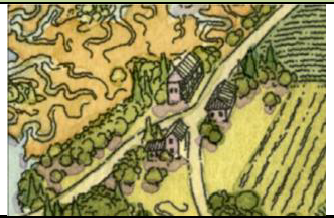
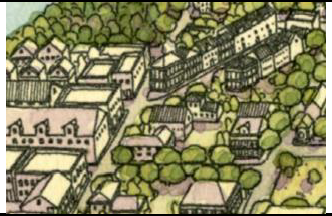
Rural Crossroads Place Type: Rural crossroads are typically located at the intersection of two or more rural roads. They provide a small amount of pedestrian-oriented, locally serving retail in a rural context, and transition quickly into agricultural uses and/or the natural environment as one moves away from the intersection. Historic examples of rural crossroads include Pritchardville and crossroads on Saint Helena Island.
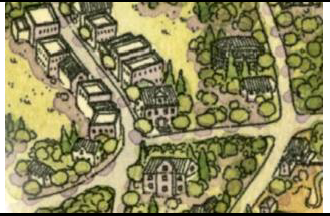
Hamlet Place Type: Hamlets are typically larger and more intense than rural crossroads and are often located at the edge of the rural and urban condition. A hamlet often has a small, pedestrian-oriented main street with surrounding and supporting residential fabric that is scaled to the size of a pedestrian shed. The main street and surrounding residential fabric transitions quickly into agricultural uses and/or the natural environment. A historic example of a hamlet includes the original settlement of Bluffton along Calhoun Street. The community of Habersham began as a hamlet.
Village Place Type: Villages are made up of clusters of residential neighborhoods of sufficient intensity to support a central, mixed-use environment. The mixed-use environment can be located at the intersection of multiple neighborhoods or along a corridor between multiple neighborhoods. Habersham is a good example of a place that is evolving into a village.
D.
Size and Intensity of place types. The minimum and maximum site area and maximum density of place types are established in Table 3.4.80.D.
| Table 3.4.80.D. Place Type Size and Intensity Requirements | |||
|---|---|---|---|
| Regional Place Type Designation | Rural Crossroads Place Type | Hamlet Place Type | Village Place Type |
 |  |  | |
| Size | 8 acres min., 80 acres max. | 80 acres min., 160 acres max. | 110 acres min., 500 acres max. |
| Density | 1 du./ac. max. | 3 du./ac. max. | 6 du./ac. max. |
E.
Allocation of Transect Zones. Applications for a comprehensive amendment under the provisions of the Place Type Overlay (PTO) Zone shall assign and map transect zones to each pedestrian shed according to the percentages allocated in the Table 3.4.80.E. The Director may modulate up to 15% for the transect zone allocation within Table 3.4.80.E as long as the proposed regulating plan meets the objectives of this Division. Modulations greater than 15% of the transect zone allocation may be permitted for the Village Place Type, provided that the regulating plan meets the objective of this Division and is the product of a multi-day charrette involving all affected stakeholders and the public.
1.
Transect Organization: Transects shall be organized in a manner that responds appropriately to a site's context. More intense transect zones shall be organized around neighborhood centers and neighborhood main streets in visible and accessible locations suitable for greater intensities, typically at or near the center of a pedestrian shed. See Section 2.3.90 (Neighborhood Centers/Main Streets).
2.
Transition of Transect Zones: When applying transect zones, transitions between transect zones containing the neighborhood designation (T4NC, T4HC, T3N, T3HN) are encouraged to occur within the block or across alleys, but may occur across a street.
F.
Other Requirements: The following additional requirements apply to all development within the PTO zone.
1.
Place Types shall be structured with pedestrian sheds to determine the scale and center. See Section 2.3.50 (Pedestrian Sheds).
2.
The thoroughfare network shall meet the standards in Section 2.3.70 (Thoroughfares).
3.
Open space, civic spaces and civic buildings shall be allocated according to the standards in Section 2.3.80 (Open Space, Civic Space and Civic Buildings).
4.
Place types shall have neighborhood centers/main streets to meet the standards in Section 2.3.90 (Neighborhood Centers/Main Streets).
5.
Place types shall incorporate appropriate transitions to the scale and character of the surrounding walkable urbanism.
6.
Place Types shall be calibrated to suit specific topographical, environmental, site layout, and design constraints unique to the site or its location within the County, yet each place type will be consistent in terms of structure and content based on the provisions of this Division.
7.
Place Types shall comply with the standards found in Division 5.3 (Architectural Standards and Guidelines) and maintain and support the County's design traditions and unique architectural vernacular.
(Ord. No. 2016/18, 6-27-16)

