
Duvall City Zoning Code
CHAPTER 14
34 - DESIGN GUIDELINES4
Editor's note— Ord. No. 1233, § 1(Exh. A), adopted February 6, 2018, amended chapter 14.34 in its entirety to read as herein set out. Former chapter 14.34, §§ 14.34.010—14.34.060, pertained to similar subject matter, and derived from Ord. No. 1215, § 2—4, March 7, 2017; Ord. 1056 § 1 Exh. A (part), 2007.
14.34.010 - Administration.
A.
Authorization and Purpose. The following design guidelines are intended to:
1.
Provide clear objectives for those embarking on the planning and design of projects in Duvall;
2.
To implement the Duvall Comprehensive Plan, the Downtown Sub-Area Plan and the City-Wide Visioning Plan by promoting high quality design and development;
3.
To provide a unique visual identity for the city and its neighborhoods;
4.
To protect and enhance the city's pleasant environments for living, working, and shopping activities;
5.
To implement the Duvall Comprehensive Plan, the Downtown Sub-Area Plan and the City-Wide Visioning Plan as they apply to site plan layout and building design:
6.
Encourage flexibility and innovation in site design and development that promotes a neighborhood context in keeping with and enhancing Duvall's character;
7.
To ensure that site layout and building design is properly related to their sites and surrounding sites and structures, taking into consideration the natural terrain; and
8.
To ensure that streetscapes are adequately and attractively designed and landscaped.
B.
Applicability. The Design Standards apply as listed below unless otherwise noted within a specific section.
1.
All new developments and/or construction, including but not limited to projects that require the following land use permits: master development plan, site plan, long or short subdivision, conditional use permit, variance, development agreement, building permit, or a grading permit.
2.
All remodels whose value exceeds fifty (50) percent of the value of the existing structure, as determined by the City of Duvall valuation methods, shall be designated as "major exterior remodels." All standards that do not involve repositioning the building or reconfiguring site development, as determined by the Director, shall apply to major exterior remodels.
3.
For minor exterior remodels with value less than fifty (50) percent of the building valuation ("minor exterior remodels"), the requirement is only that the proposed improvements meet the standards and do not lead to further nonconformance with these standards.
4.
These standards do not apply to remodels that do not change the exterior appearance of the building. However, if a project involves both exterior and interior improvements, then the project valuation shall include both exterior and interior improvements.
5.
Existing non-conforming structures shall not be made further non-conforming regardless of scope of work. Existing conforming structures may not be made non-conforming by way of exterior alterations.
C.
Process.
1.
These standards should be reviewed at the beginning of the planning or design process and are intended to make applicants aware of the design issues that warrant early consideration. Early informal presentations of preliminary design concepts and dialogue with city staff is encouraged.
2.
This chapter is part of the Unified Development Regulations in the Duvall Municipal Code (DMC). Where there is a conflict between this chapter and other provisions of the DMC, the most specific standard or regulation shall apply, as determined by the Planning Director.
3.
All permit applications shall be reviewed in accordance with DMC 14.08, Permit Processing.
D.
Intent and Standard Application. Each section of the Design Standards contains a list of purpose statements followed by standards. Purpose statements are overarching objectives, whereas the standards act as development regulations. They use words such as "shall," "must," "is/are required," or "is/are prohibited," and signify required actions. If a standard uses words such as "should" or "is/are recommended," it signifies that it is meant to be applied with some flexibility. Development projects must comply with all standards unless departures are granted by the planning director.
E.
Departures. The planning director may require or allow departures from required standards in the following circumstances:
1.
Where unique natural features or unique lot configuration makes it extraordinarily difficult to conform to the standards;
2.
Where the project is equal or superior in design to that allowed under the general application of these standards and is consistent with the design standards, as well as all other city standards;
3.
In each case above, the applicant must utilize other methods per the Planning Director's satisfaction that meet the intent of the applicable standard(s); and
4.
Where departures involve site grading or other engineering issues, the departure shall be reviewed and approved by the Planning and Public Works directors.
(Ord. No. 1233, § 1(Exh. A), 2-6-2018)
14.34.020 - Site Planning—Principles.
A.
Purpose. The purpose of this section is to provide general guidance in the layout of new developments to ensure that they provide a logical organization of streets, parking, landscaping, stormwater, parks, pedestrian connections, and other public spaces, and provide for the safe, convenient and attractive use of private and public parcels within the development.
B.
General Site Planning Principles. All development shall submit a detailed site plan illustrating the proposed location and dimensions of new building blocks and lots, streets, alleys and other public rights-of-way, related parks and public spaces, and areas for utilities, storm ponds, vaults, or site infrastructure. The site plans shall be designed to result in the creation of a cohesive and integrated plan for the proposed uses, responding to adjacent land uses and organizing the site to use the public realm of streets, parks and other common areas to promote a sense of community and a unique sense of place. The detailed site plan shall demonstrate that the development includes the following elements:
1.
A unifying organization that takes into account site conditions (e.g., topography, slopes, streams, wetlands) and adjacent land uses;
2.
Convenient and connected pedestrian and vehicular circulation, including a range of street types, pedestrian pathways, and trails that support a variety of street and frontage types;
3.
A variety of building types, with assorted floor plans and elevations that complement the village character of Duvall and enhance adjacent uses and buildings;
4.
Façade designs, landscaping, usable open space and other common amenities that serve to organize the site, create points for community gathering, and incorporate screening, environmental mitigation, utilities, and drainage as positive amenities in the overall site design;
5.
Where abutting developed land provides road stub-outs, easements, or other methods to provide the opportunity for future road connections, the interior street, sidewalk and trail network of new development shall be designed to link up to those connections and provide a clear public path of travel for both vehicles and pedestrians, unless there are site constraints such as topography or sensitive areas that make such connections infeasible.
(Ord. No. 1233, § 1(Exh. A), 2-6-2018)
14.34.030 - Grading, stormwater management and site coverage.
A.
Purpose. The purpose of this section is to minimize soil disturbance, integrate new developments into the natural terrain, contain and manage stormwater runoff on-site, and minimize impermeable site area.
B.
Grading and Retaining Walls.
1.
Developments shall work with the site topography in determining the final grade for the site. Minimal grading is essential to developing sites that are integrated into the natural environment. If possible, roads should follow existing contours and grading should be minimized by the design of the structures. Filling and grading shall control stormwater runoff impacts to adjacent properties, and shall preserve existing significant trees wherever possible. Mass grading and clearing for the purpose of establishing flat building lots is not permitted. Techniques to accomplish this are as follows:
a.
Sites shall be designed to blend into the existing topographic contours and shall minimize cuts and fills;
b.
Divide large grade changes by a series of benches and landscaped terraces (see Figure 14.34.1); parking lots, for example, can be terraced and incorporate landscaping beds rather than creating one long sloped lot;
c.
Use a planted stable slope of not more than 3 horizontal to 1 vertical rather than a retaining wall, unless an exception is granted by the Public Works and Planning Directors;
d.
On steeper sites, tuck-under garages and daylight basements are encouraged and may be required to integrate homes into existing topography and minimize mass grading (see Figure 14.34.2); or
e.
Other methods as approved by the Public Works and Planning Directors that meet the purpose of this chapter.
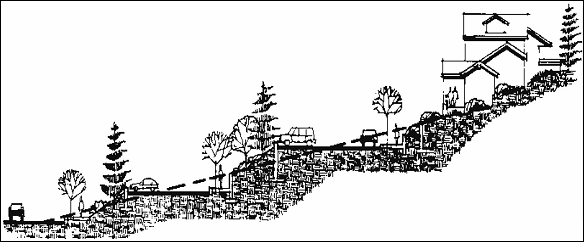
Figure 14.34.1: Terracing
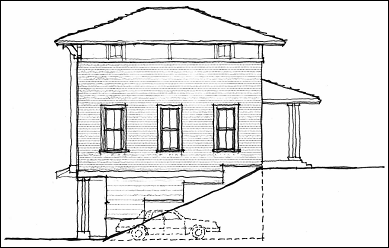
Figure 14.34.2: Tuck-under Garage
2.
Retaining Walls. The following standards apply to all retaining walls greater than three feet in height:
a.
Retaining walls shall be limited to no more than two 4-foot terraced walls within one hundred (100) horizontal feet of one another.
b.
Retaining walls shall be set back a minimum of three feet from adjacent public rights-of-way. The area between the right-of-way and the retaining wall shall be landscaped and maintained per city standards in DMC 14.38. If private agreements are reached with utility companies and written documentation is provided to the city, retaining walls can be located to the back of the right-of-way as determined by the Public Works and Planning directors.
c.
Retaining walls visible from a public right-of-way or adjacent property shall be rock, keystone-style, concrete or textured/patterned wall styles as approved by the City. Retaining walls shall be landscaped in accordance with DMC 14.38.
d.
Large block walls (ecology block style) are not permitted where the retaining wall is visible from a public right-of-way.
e.
Retaining walls shall be designed to fit their surroundings and complement existing conditions.
f.
For residential lots, retaining walls shall be:
(1)
Composed of brick, rockery, CMU or landscape block or a combination of either with a masonry product. Concrete may be used for retaining walls three feet in height or less. Other materials may be used with the approval of the Planning and Public Works directors.
(2)
There shall be a minimum of 10 feet between the rear of a residential building and any retaining wall. To the greatest extent feasible, rockeries shall be located on property lines.
(3)
For residential lots, retaining walls and associated drainage shall be located on the down-slope lot unless otherwise approved.
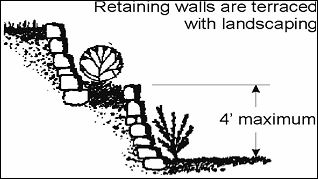
Figure 14.34.3: Recommended Retaining Wall Materials
g.
On commercial lots, there shall be a minimum 3-foot landscaped setback in front of a retaining wall.
h.
Departures may be considered by the Public Works and Planning directors if it is determined that no other solution is feasible.
C.
Stormwater Management and Sensitive Areas.
1.
Stormwater Ponds. Open stormwater facilities (ponds and bioswales) shall be designed as a landscape amenity and shall provide a natural appearance through layout, design and landscape treatment.
a.
Stormwater ponds shall be designed, constructed, and maintained per the City of Duvall Design Standards. When a fence is needed (where slopes are greater than 3:1) around the perimeter of a stormwater pond, solid board or chain link fence with slats are prohibited. A dark vinyl coated chain link fence or similar fence is acceptable. These fence types will allow vegetation to grow through and shall be used in conjunction with landscape screening described below. Rectangular fence layouts are discouraged.
b.
Stormwater ponds shall be screened in accordance with DMC 14.38, Landscaping.
2.
Low Impact Development. Bioswales, bio-retention and other low impact development techniques are encouraged throughout developments to treat runoff, improve water quality, and minimize or eliminate the size of detention ponds or vaults (see Figure 14.34.4). If used, low impact techniques shall be integrated into the overall site and landscape design, meet the City's design criteria for water quality treatment, and shall either be grassed lined or landscaped with appropriate species.
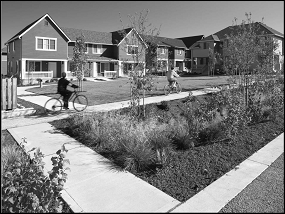
Figure 14.34.4: A Bioswale with Native Vegetation
D.
Site Coverage. The layout of new developments shall minimize impervious surface area in order to maximize stormwater infiltration and reduce the amount of stormwater that is transferred off-site.
1.
The maximum percentage of total impervious surface for developments shall be consistent with the requirements of the individual zone districts.
2.
On-site native vegetation shall be preserved to the greatest extent possible to protect the aesthetic qualities of the region, to protect aquifers and provide wildlife habitat, and to prevent detrimental runoff to adjoining properties, streams, and other sensitive areas.
3.
The use of pervious surfaces is encouraged. Porous concrete, porous paving stones, reinforced turf, crushed gravel with soil stabilizers, and paving blocks with planted joints are examples of acceptable materials that can be used for driveways, pathways, sidewalks, and patios. Use of these materials within the public right-of-way shall be subject to approval of the public works director.
(Ord. No. 1233, § 1(Exh. A), 2-6-2018;
14.34.041 - Pedestrian Facilities.
A.
Purpose. The purpose of this section is to establish minimum standards to achieve the following goals: improve and enrich the pedestrian environment by making it inviting, safer, and more comfortable to walk throughout the city; promote walking both as a social activity and an alternative to driving; improve pedestrian connections to and from transit stops; and enhance pedestrian access and the character of the street by establishing minimum sidewalk and pathway standards.
B.
Sidewalk and Pathway Development Standards.
1.
Primary Pedestrian Corridors are those streets and corridors that are intended for a concentration of pedestrian activity. Designated Primary Pedestrian Corridors include Main Street; NE Stella Street between Railroad Avenue NE and Main Street, NE Richardson Street corridor, and Big Rock Road between Main Street and 275 th Avenue NE (see Figure 14.34.7 and 14.34.8).
a.
Twelve (12) foot minimum width sidewalk with eight feet of unobstructed width. Where rights-of-way are insufficient to provide the required widths, buildings shall be set back to meet sidewalk requirements (see Figure 14.34.5).
b.
Streetscape north of Coe Clemmons Creek. Street trees shall be placed at an average of thirty (30) feet on-center and placed in tree grates. Consistent with the design of the site and integration of the landscaping, the planning director may allow trees and other landscaping materials on the site or in the right-of-way to be clustered.
c.
Streetscape south of Coe Clemmons Creek. Street trees shall be placed in landscape strips at an average of thirty (30) feet on-center. Where space is available, landscape strip shall be a minimum width of eight feet to create a safe pedestrian environment.
d.
Pedestrian lighting at twelve (12) to fourteen (14) feet in height shall be required.
e.
Sidewalks and pathways along the façade of mixed use and commercial buildings more than one hundred (100) feet in width (measured along the facade) that are not located adjacent to a public street shall provide sidewalks that meet primary pedestrian corridor standards identified above.
2.
Secondary pedestrian corridor are those streets in Old Town-Mixed Use (OT), Midtown (MT), Uptown (UT-1), Commercial (CO), Riverside Village (RIV), Mixed Use 12 (MU12), Multi-Family Residential (R20) and Mixed Use Institutional (MUI) zoning districts that are not designated Primary Pedestrian Corridors (see Figure 14.34.7 and 14.34.8) but that are intended for pedestrian activity at a lesser scale than that occurs on primary pedestrian corridors.
a.
Ten (10) foot minimum width sidewalks with six feet of unobstructed width. Where rights-of-way are insufficient to provide the required widths, buildings shall be set back to meet sidewalk requirements (see Figure 14.34.6).
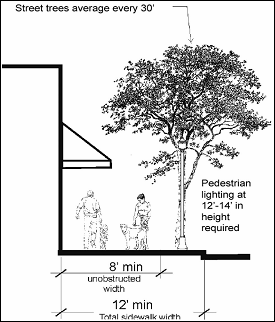
Figure 14.34.5: Sidewalk Requirements Primary Pedestrian Corridors
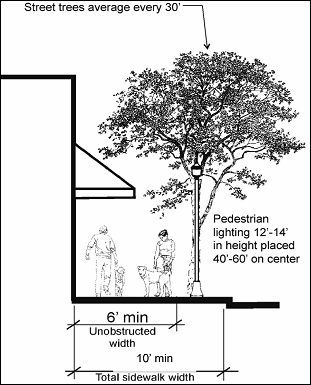
Figure 14.34.6: Sidewalk Requirements Secondary Pedestrian Corridors
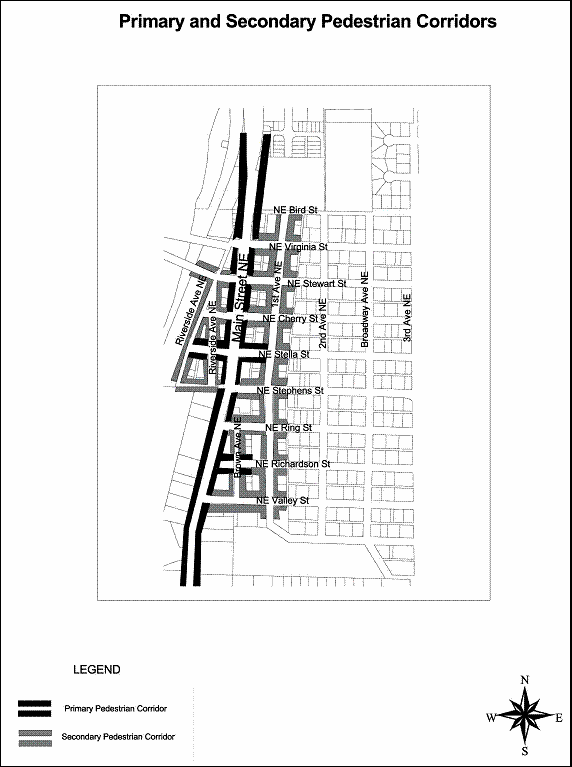
Figure 14.34.7: Primary and Secondary Pedestrian Corridors North of Old Town
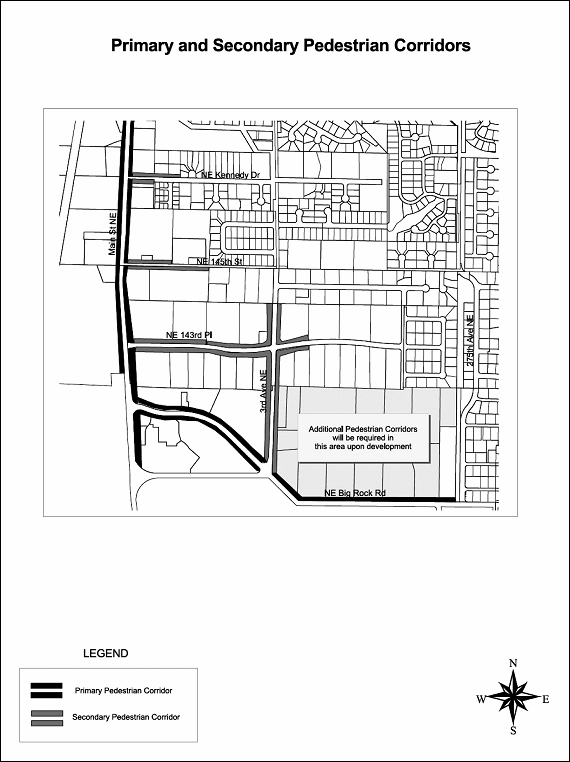
Figure 14.34.8: Primary and Secondary Pedestrian Corridors South of Old Town
b.
Street trees shall be placed at an average of thirty (30) feet on-center. Trees must be in grates unless there is space for planting strips at least five feet in width. Consistent with the design of the site and integration of the landscaping, the planning director may allow trees and other landscaping materials on the site or in the right-of-way to be clustered.
c.
Pedestrian lighting, twelve (12) to fourteen (14) feet in height, shall be placed forty (40) to sixty (60) feet-on-center, subject to approval of the planning and public works directors.
d.
For all other interior pathways, the applicant shall successfully demonstrate that the proposed walkway is of sufficient width to accommodate the anticipated number of users. At a minimum, walkways shall feature eight feet of unobstructed width and meet the surfacing standards of the public works development design standards. A two-foot reduction may be considered based on the design and orientation of the building.
3.
For all other interior pathways, the applicant shall successfully demonstrate that the proposed walkway is of sufficient width to accommodate the anticipated number of users. At a minimum, walkways shall be a minimum unobstructed width of five feet and meet the surfacing requirements of the public works development design standards.
(Ord. No. 1233, § 1(Exh. A), 2-6-2018)
14.34.042 - New Streets.
A.
Purpose. The purpose of this section is to establish appropriate design principles for the layout and configuration of new streets. These guidelines are applicable to all new developments that include the development of new streets, public or private, and are constructed to serve new development.
B.
General Goals. Where new development requires the creation of new rights-of-way to facilitate access to property, the development shall make use of a hierarchy of street types including neighborhood streets, private access drives, access lanes, and alleys and pedestrian pathways as described in Figure 14.34.9. New interior access roads are required to be designed as fully developed City streets, including curbs, sidewalks, lighting, street trees, and landscaping, and consistent with the City of Duvall's Roadway Design Standards. In addition to technical engineering requirements, the design of new streets should strive to preserve public safety by encouraging a safe, attractive walking environment and incorporating traffic calming techniques into their design.
1.
Developments shall provide a safe and convenient network of vehicular and pedestrian/bicycle circulation that connects to the surrounding road/access network, pedestrian/bicycle facilities and adjacent parcels.
2.
New development is encouraged to provide pedestrian connections to facilitate access to existing and planned trail systems, especially the Snoqualmie Valley Trial.
3.
The design of new streets should be based on the prototypical street sections described in Figure 14.34.10.
4.
Interior Streets. Interior access ways within a development shall not be located parallel to the adjacent public right-of-way unless parking or buildings are located between the public right-of-way and the interior road/driveway.
5.
Block Length. Block lengths in excess of four hundred (400) feet shall be interrupted at midpoint with a pedestrian pathway or other pedestrian access or mid-block opening, as approved by the Planning Director.
6.
Calming Strategies. To calm traffic and create shorter and safer crosswalks, bulb-outs shall be used at intersections and where pathways cross a neighborhood street. Driving lanes in between bulb-outs must follow applicable city road design standards to allow a passageway for emergency vehicles.
7.
Signage. All public roads shall have postings that clearly identify their names, where on-street parking is permitted or prohibited, and other relevant traffic information.
8.
Gated Community. Gated communities are prohibited to maintain an integrated street network.
9.
Sidewalk and planter strips are required on both sides of the street in subdivisions. The sidewalk and planter strip shall each be a minimum width of five feet.
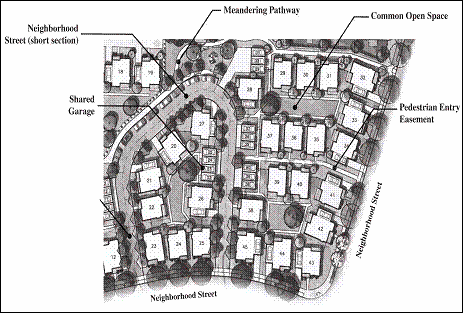
Figure 14.34.9: An Example of Development with a Good Hierarchy of Street Types
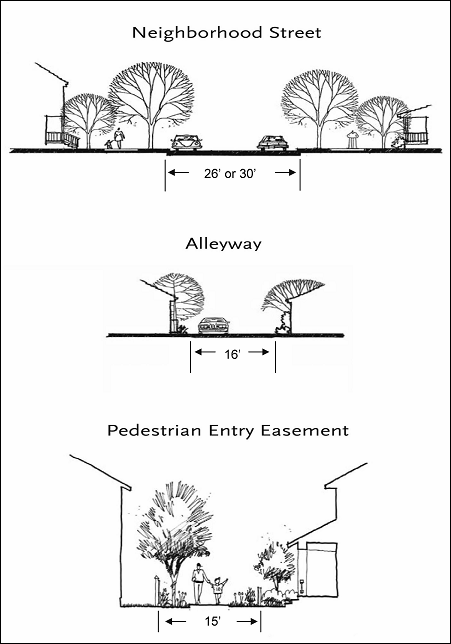
Figure 14.34.10: Street Types
(Ord. No. 1233, § 1(Exh. A), 2-6-2018)
14.34.051 - Residential developments.
The following standards apply to residential buildings in the R4—R20, and MU12 zoning districts.
A.
Purpose. The purpose of this section is to encourage an appropriate relationship between residential buildings and the public realm of streets, parks and other public spaces, to create public environments that encourage walking and informal use, to ensure an appropriate separation and privacy between buildings, to ensure that infill development blends with existing residential areas and that the character of existing neighborhoods is maintained, to provide usable open space for residents, and to encourage alternative development patterns such as cottages, clustered housing, and carriage units.
B.
Old Town Neighborhood District. For purposes of this section, the Old Town Neighborhood District shall be defined as the area within the R6 and R8 zone districts bounded by NE Bird Street, 4 th Avenue, NE Stephens Street, 3 rd Avenue, NE Park Street, and the alley just east of 1 st Street (see Figure 14.34.11). Infill development shall complement the historic character of the District in keeping with the 2003 City-Wide Visioning Plan.
C.
General Standards.
1.
Variation in site design shall be achieved through the use of various site planning techniques such as variation in lot size and orientation, variation in setbacks, the use of shared driveways, and variation in dwelling unit size and type.
2.
Where small lot development in the R12, R20, and MU12 zones makes variation in setbacks impractical, porches, stoops, and window projections shall be used to provide modulation and visual interest to the front façade of individual homes. These elements, in conjunction with landscaping, shall be designed to maintain visual and functional consistency along the street.
3.
Architectural Elements. Homes shall be sited in a logical way to maximize usable space while providing natural and architectural elements at key locations.
4.
Structures and parking areas may encroach into required setbacks if it can be shown that such encroachment allows significant or landmark trees, to be retained. Encroachment shall be the minimum encroachment necessary to protect specified trees. In no case shall the yard be reduced to fifty (50) percent or more of the required setback upon approval by the Public Works and Planning Directors. Front yard setbacks are not eligible for this reduction. Any open space granted through this provision shall be permanently protected by a legal instrument acceptable to the City.
D.
Building Relationship with Street Grade.
1.
The first finished floor of all homes, including the porch, shall be raised a minimum of eighteen (18) inches from the grade of the front elevation.
2.
On sites that slope down from street grade, structures shall be designed so that a strong visual connection between the front entry and street are maintained. Porches, stoops and front doors should maintain strong visual connection and sight lines to the street.
3.
A minimum four-foot pedestrian pathway shall connect the front entry to the sidewalk unless otherwise waived by the Director granted through a departure request.
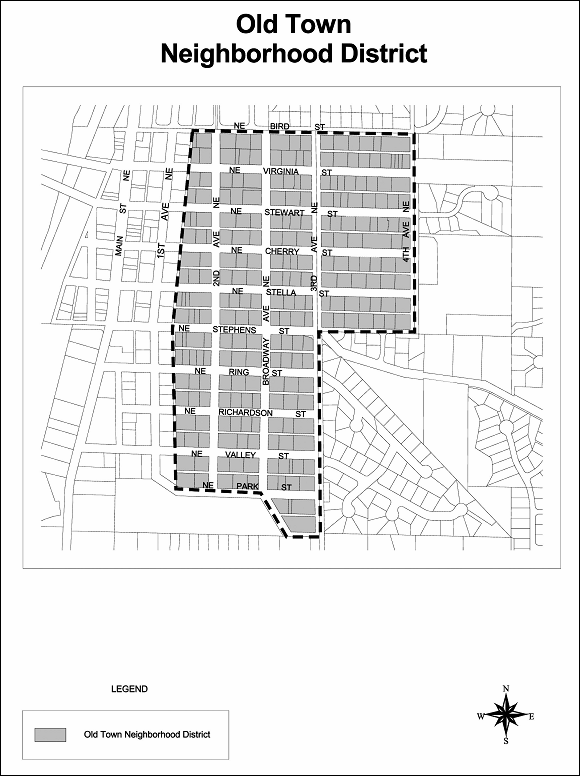
Figure 14.34.11: Old Town Neighborhood District
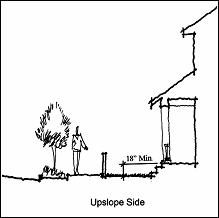
Figure 14.34.13: Building Relationships with Street Grade
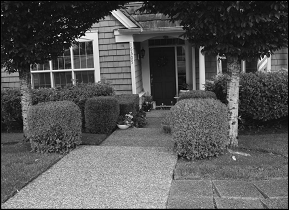
Figure 14.34.12: Appropriate Treatment for Downslope Sites
E.
Open Space Requirements.
1.
Private Yard
a.
A private yard shall be located on each individual lot or individual unit.
b.
Each detached or attached single-family unit shall have a minimum of two hundred fifty (250) square feet of contiguous usable yard with no dimension less than fifteen (15) feet in width. This may include private balconies, rear or side yards, landscaped front yards, and covered front porch areas. Balconies must be at least thirty-five (35) square feet with no dimension less than four feet to provide a space useable for human activity.
c.
The private yard requirement can be reduced by up to fifty (50) percent only if that area is incorporated in the required common space. If this allowance is used, the minimum dimension of the private yard area may be reduced to no less than ten (10) feet in width.
d.
Reciprocal use easements may be included in the calculation of private yard.
e.
Multi-family residential buildings must provide at least two hundred fifty (250) square feet of open space per unit. Carriage units shall provide at least one hundred (100) square feet of open space per unit. This open space may be applied to a common area, courtyard, or plaza as determined by the Planning Director and shall include amenities such as play structures, sport courts, or benches.
2.
Common Open Space.
a.
The purpose of these provisions is to offset the impacts of increased densities and to provide usable open space as an amenity in residential developments,
b.
Ten (10) percent of the net developable area (as defined in DMC 14.64.240) of all new development shall be set aside for the provision of common open space. This standard shall apply to all development, excluding infill development on short plats. Common open space shall meet the following design standards:
(1)
Provide a hierarchy or variety of open spaces throughout the neighborhood in the form of parks, common greens, pocket parks, and pedestrian easements.
(2)
Be distributed throughout the site
(3)
Common open spaces should provide for a variety of activities that accommodate a range of age groups, including play areas for children.
(4)
Common open space shall have pathways, but also include such features as benches, sport court, or play structures.
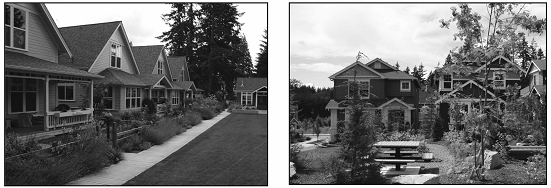
Figure 14.34.14: Examples of Common Open Space
c.
Common open space shall be a minimum of twenty-five (25) feet wide and be contiguous. Pedestrian easements shall be a minimum width of fifteen (15) feet.
d.
Common open space should be oriented to receive sunlight, facing east, west, or (preferably) south, when possible.
e.
Common open space shall be visible from public areas, centrally located, and be easily accessible to adjacent uses. Common open spaces are not required to be public.
f.
Trails in the outer portion of sensitive area buffers can be used to meet up to ten (10) percent of the common open space requirements.
g.
A pedestrian entry easement can be used to meet common open space requirements if it has a minimum width of fifteen (15) feet with a minimum five foot wide sidewalk.
h.
Common open spaces should be sited to preserve existing significant trees, and to use them as an amenity in the common open space design.
i.
To the extent possible, individual entries onto common open spaces should be provided from ground floor residential units. Small, semi-private open spaces for adjacent ground floor units that maintain visual access to the common area are strongly encouraged to enliven common open space.
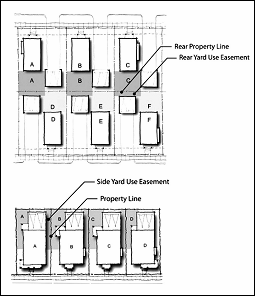
Figure 14.34.15: Reciprocal Use Easements
3.
Reciprocal Use Easements. Reciprocal use easements are allowed in residential districts to maximize usable open space in rear and side yards.
a.
If used, reciprocal use easements shall be marked on the site plan and recorded against the subject properties.
b.
If a side yard easement is used, the wall facing the side yard shall be constructed as a "privacy wall." Privacy walls shall not have doors entering into the yard space of the adjacent home, nor have windows that are within five feet of ground level.
c.
The design of use easements should not negatively affect the building foundations. Given the intimate relationship between adjacent houses, it is extremely important to carefully site each home on its lot to maximize this outdoor space.
F.
Parking, Garages and Vehicular Access. Design standards for parking, garages and vehicular access are necessary to mitigate parking and traffic impacts and preserve the aesthetic quality of homes, and to minimize the negative impacts of vehicular access and parking areas on the streetscape and pedestrian environment.
1.
Garages General.
a.
A single car garage shall be a minimum of 20 feet in depth and 11 feet in width (unobstructed).
b.
A two-car garage shall be a minimum of 20 feet in depth and 22 feet in width (unobstructed).
2.
Front-loaded Garages.
a.
Front-loaded garages must be setback a minimum of 20 feet from the designated front property line/back of sidewalk except where the garage does not face the street This ensures sufficient space for cars to park in driveways without blocking sidewalks.
b.
Front-loaded garages shall be set back a minimum of 5 feet from the front building façade (see Figure 14.34.16). Front-loaded tuck under garages may be permitted subject to Planning Director's approval on sites that slope downward from the street only if they reduce the negative visual impact of the garage and where each garage entry is individually articulated.
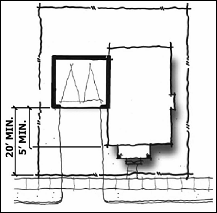
Figure 14.34.16: Front Loaded Garage
c.
Tuck under garages must be offset from the primary façade a minimum of two feet in lieu of the typical five foot offset requirement (see Figure 14.34.17). Where used, tuck under garages and associated driveways shall provide sufficient width for a driver to comfortably maneuver a vehicle into and out of the garage.
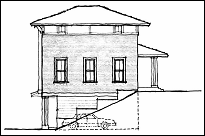
Figure 14.34.17: Tuck Under Garage
d.
The garage face shall occupy no more than fifty (50) percent of the ground level façade facing the street, except as follows:
(1)
Cul-de sac lots. Additional design elements shall be included to reduce the mass of the garage as approved by the Planning Director.
(2)
Lots that cannot meet this requirement due to steep slopes or other environmental constraints as approved by the Planning Director. Additional design elements shall be included to reduce the mass of the garage.
(3)
Attached single-family units in the R20 zone are not subject to the fifty percent (50%) façade requirement.
e.
Detached garages shall be permitted in the rear yard only, and shall maintain the minimum separation required by the Building Code.
3.
Rear Loaded Garages.
a.
Driveway lengths shall either be five feet (reduced driveway) or a minimum of 20 feet (standard driveway) in length.
b.
Rear loaded garages are not subject to the fifty percent (50%) façade requirement.
4.
Side Loaded Garages.
a.
A maximum of twenty (20) percent of lots in a plat are permitted side-loaded garages where the garage is located between the street and the house.
(1)
Side-loaded garages must be setback a minimum of 15 feet from the designated front property.
(2)
The side of the garage facing the street must provide windows and architectural design elements that mimic the overall design of the home, as well as landscaping in front of or along the garage wall for a depth of at least three feet.
(3)
Driveways shall be separated from the sidewalk and front entry (stoop or porch) with lawn or landscape beds. Pedestrian entries shall be from the street and may not be accessed from the driveway.
b.
Where side loaded garages are located behind a house (see Figure 14.34.18), there is no limitation on their quantity in a plat.
c.
No more than two houses in a row are permitted side loaded garages.
d.
Where side entry garages are located on adjoining lots, there shall be a minimum ten (10) foot landscape area between driveways with a maximum driveway width of ten (10) feet.
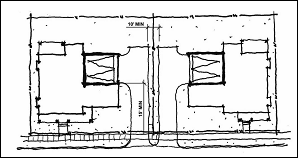
Figure 14.34.18: Side-Loaded Garage
5.
Shared Garages and Driveways.
a.
Shared garages are permitted in the R12, R20, MU12 and MUI districts.
b.
Shared garages are permitted in the R-4, R-6 and R-8 districts only if built in conjunction with cottage or innovative housing developments.
c.
Each housing unit shall be assigned a garage space and may share the structure with other homes.
d.
Shared detached garages shall not exceed 44 feet in width and shall maintain a minimum eight foot separation from adjacent dwellings. Where occupiable space is permitted above a shared garage, a maximum width of fifty (50) feet shall be permitted to allow for stair access.
6.
Additional Driveway Standards.
a.
Multiple driveways for a single-family detached dwelling lot are prohibited, except that the Planning Director may approve a second driveway where the street frontage exceeds one hundred (100) feet and/or unique site conditions require a second driveway. In such cases, both driveways shall be limited to twelve (12) feet in width.
b.
Tandem parking in garages is permitted for all housing types as long as spaces are identified for the exclusive use of occupants of a designated dwelling.
c.
Where lots abut an alley, the garage or off-street parking area must take access from the alley, unless precluded by steep topography. No curb cuts to the adjacent street shall be permitted unless access from the alley is precluded by steep topography.
d.
Driveway width shall be limited to the width of the garage door plus 1 foot on each side and to a maximum width of 20 feet.
e.
Share driveways and parking courts are encouraged to minimize curb cuts and reduce the visual impact on neighborhood streets.
7.
Additional Parking Standards Within the R-12 R,20, and Mixed Use12 Zones.
a.
When reduced (five foot) driveways are provided for attached and detached single-family dwelling units, guest parking stalls shall be provided at the following ratios:
i.
For studio and one-bedroom dwelling units, 0.25 guest parking stalls per dwelling unit with a reduced driveway shall be provided on-site.
ii.
For dwelling units with two or more bedrooms, 0.5 guest parking stalls per dwelling unit with a reduced driveway shall be provided on-site.
b.
For purposes of calculating the total number of required guest parking spaces in a respective development, calculations that result in a decimal shall be rounded to the nearest whole number with decimals equal to or greater than 0.5 rounding up and decimals less than 0.5 rounding down.
c.
Guest parking stalls shall be standard size stalls as specified in DMC Section 14.44.130.
d.
On-site street parking may be counted toward up to 50% of the guest parking requirement.
G.
Utility Placement. The purpose of this section is to provide guidelines for the placement of above and below-ground utilities to enhance the appearance of residential streetscapes and to avoid conflicts between utilities and streetscape elements (e.g., street trees and pedestrian lights) during the preparation of engineering construction plans.
1.
In residential neighborhoods, the location of utilities shall take into account street trees, landscaping, and street and pedestrian lighting.
2.
Utility boxes and meters shall be placed in alleyways, on the back of buildings, or be placed away from public gathering spaces and shall be screened with landscaping. Utility rooms and enclosures may be required where multiple tenants/uses are being served.
3.
Underground utilities (e.g., water/sewer and electrical lines) that bisect landscape strips, and above ground utilities (e.g. fire hydrants) that are commonly placed in landscape strips shall take into account the placement of street trees and light poles.
4.
Vaults shall not be allowed in sidewalks.
5.
To the greatest extent possible, utility boxes shall be grouped together.
H.
Additional Standards for Multi-family Residential Developments. The purpose of these standards is to address site-specific design elements for multi-family developments to ensure that multifamily units have an appropriate relationship to the street, open spaces, and other amenities intended to serve residents.
Multi-family residential buildings, where allowed, must be oriented toward a public street, green or public spaces, rather than parking areas or adjacent properties. The siting and frontage design of multi-family buildings shall address the following standards:
1.
The primary building entry shall face a public street, green, courtyard or other public space which is not primarily used for parking.
2.
Buildings with individual ground floor entries should face the street, green, courtyard, or other public space to the greatest extent possible.
3.
Buildings shall provide windows that face the street to provide "eyes on the street" for safety.
4.
The Planning Director may consider alternative configurations as long as they meet the purpose of these standards. For example, alternative configurations may be more desirable to take advantage of special views or special environmental features.
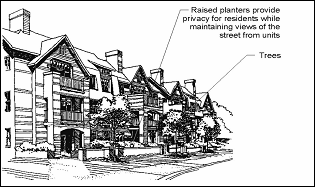
Figure 14.34.19: Appropriate Street-Front Treatments for Multifamily Uses
5.
Buildings containing street level residential uses shall be set back from the sidewalk a minimum of ten (10) feet and feature substantial landscaping between the sidewalk and the building. Maintaining views, however, between the dwelling units and the sidewalk is important for safety.
6.
Residential developments with living areas located near the street are encouraged to raise the ground floor at least thirty-six (36) inches above the street level for resident's privacy.
7.
Fences shall be setback three feet from any public right-of-way and shall be limited in height of thirty-six (36) inches within five feet of any property line adjacent to a public walkway.
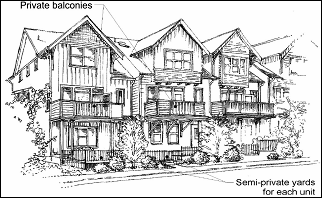
Figure 14.34.20: An Example of Appropriate Street Level Residential Uses
I.
Additional Standards for Old Town Neighborhood District. Rear Yards: To ensure a contextual approach to building layout and design in Old Town, the rear building wall for the primary structure may not exceed the average of the adjacent rear building wall(s) by more than twelve (12) feet. The adjacent rear building wall(s) shall be measured by 1) in the case of a lot with one adjacent lot, drawing a line parallel with the rear property line from the rear building wall across the subject property, and 2) in the case of a lot with two adjacent lots, drawing a line that intersects the two adjacent rear building walls (see Figure 14.34.21).
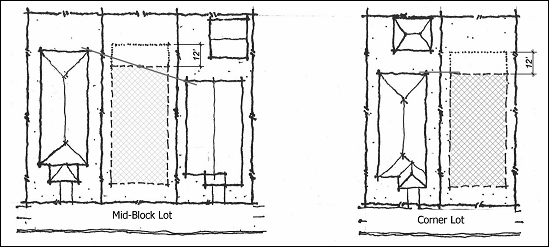
Figure 14.34.21: Rear Yard Averaging
(Ord. No. 1233, § 1(Exh. A), 2-6-2018)
14.34.052 - Mixed Use and Non-Residential Developments.
The following standards apply to buildings in the OT, RIV, UT-1, MT, CO, MU12, MUI, LI, PO and the PF zoning districts.
A.
Purpose. The purpose of this section is to encourage a complementary relationship between mixed-use and non-residential buildings and the public realm of streets, parks and other public spaces, to create public environments that provide safe pedestrian access, encourage walking and informal use, to ensure an appropriate separation and privacy between buildings, and to provide pedestrian oriented spaces. This section aims to encourage mixed-use and non-residential development that create a focal point and active gathering spaces for the surrounding community.
B.
General Site Design. Mixed Use and Non-Residential Developments shall be designed as follows:
1.
In a coordinated manner, complementing adjacent structures through placement, size, and mass.
2.
To respect natural areas such as wetlands and creeks. These natural elements shall be integral design features (e.g., walking trails, viewing platforms, interpretive signage).
3.
With pedestrians in mind and include sidewalks, public gathering spaces, and identifiable crossings in parking lots and across access drives.
4.
Provide safe ingress and egress to public streets.
5.
Meet all applicable standards of this Title.
C.
Primary and Secondary Pedestrian Corridors. The purpose of the following provisions is to improve and enrich the pedestrian environment by making it inviting and more comfortable to walk throughout the city; promote walking both as a social activity and an alternative to driving; to enhance pedestrian access; enhance connectivity between uses and properties; improve pedestrian connections to and from transit stops; enhance the quality of new development through design and pedestrian amenities; encourage the siting of buildings adjacent to the street and create an attractive and welcoming streetscape; increase the vitality of Duvall's business districts; provide a variety of pedestrian oriented areas to attract shoppers to commercial areas; create inviting community gathering spaces; and increase privacy for residential uses located near the street.
1.
Primary Pedestrian Corridors.
a.
Buildings along Primary Pedestrian Corridors shall be located adjacent to the sidewalk or pathway and feature pedestrian-oriented facades (see Figure 14.34.22). All buildings shall face the street and feature their main pedestrian entry along this façade. Building setbacks will be allowed for wider sidewalks and where space between the sidewalk and building meets the definition of pedestrian-oriented space. The ground level finish floor elevations shall be at or within three feet of adjacent sidewalk grade.
b.
Parking lots shall be located behind buildings away from Primary Pedestrian Corridors to the greatest extent possible. Where there are no alternatives, the Director may allow parking to be located on the side of a building provided that no more than sixty (60) feet of frontage on a Primary Pedestrian Corridor is occupied by parking areas. (See DMC 14.38.090 for landscaping requirements adjacent to street frontage).
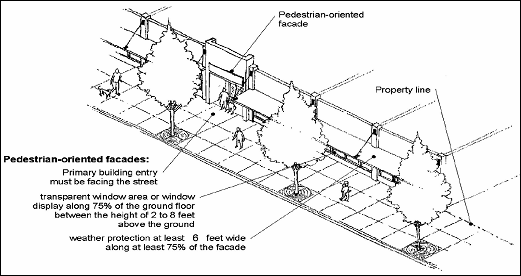
Figure 14.34.22: Pedestrian-Oriented Facades
2.
Secondary Pedestrian Corridors.
a.
All buildings fronting on Secondary Pedestrian Corridors shall face the street and feature their main pedestrian entry along this façade (See Figure 14.34.22).
b.
Buildings ground level finish floor elevations abutting the sidewalks shall be at or within three feet of the adjacent sidewalk grade.
c.
Buildings may be located abutting the sidewalk as long as they feature pedestrian-oriented facades. Buildings that do not contain pedestrian-oriented facades facing the street must provide at least five feet of landscaping between the building and the sidewalk.
d.
Parking lots must be located to the side or rear of the building.
e.
When parking lots are located adjacent to a Secondary Pedestrian Corridor, at least five feet of Type II landscaping shall be provided between the sidewalk and the parking area.
f.
Where a Secondary Pedestrian Corridor abuts a non-commercial or mixed use zone, both sides of the corridor shall be designed to the same sidewalk and landscape standards.
g.
For sites that front on more than one Secondary Pedestrian Corridor, the building shall front on at least one of the streets as per the Planning Director. In such instances, the Planning Director will consider goals and objectives from the Downtown Sub-Area Plan and unique site conditions and constraints to determine the appropriate building location and orientation.
D.
Main Street South of Old Town.
1.
At least fifty (50) percent of the Main Street frontage in the Commercial (CO), Mixed Use 12 (MU12), and Midtown (MT) zoning districts must be occupied by buildings located adjacent to the sidewalk with pedestrian-oriented facades. Conversely, no more than fifty (50) percent of Main Street frontage can be occupied by parking area and/or vehicle access.
2.
Sites with a portion of the frontage in sensitive areas in accordance with the city's sensitive areas ordinance must have at least fifty (50) percent of the remaining frontage occupied by buildings located adjacent to the sidewalk with pedestrian-oriented façades.
3.
Drive-thru facilities are not allowed between Main Street and any building.
E.
Big Rock Road.
1.
At least fifty (50) percent of the Big Rock Road frontage in the Commercial (CO), Mixed Use Institutional (MU-I) zoning districts must be occupied by buildings located adjacent to the sidewalk with pedestrian-oriented facades. Conversely, no more than fifty (50) percent of Big Rock Road frontage can be occupied by parking area and/or vehicle access.
2.
Sites with a portion of the frontage in sensitive areas in accordance with the city's sensitive areas ordinance must have at least fifty (50) percent of the remaining frontage occupied by buildings located adjacent to the sidewalk with pedestrian-oriented façades.
3.
Drive-thru facilities are not allowed between Big Rock Road and any building.
F.
All other streets not designated as Primary or Secondary Pedestrian Corridors.
1.
Non-residential buildings may be placed up to the edge of the sidewalk of any street if they feature a pedestrian oriented façade. Otherwise, developments must feature at least ten (10) feet of landscaping between the sidewalk or front property line and any building, parking areas, storage, or service area or a greater width as set out in DMC 14.18—14.32 and DMC 14.38.
G.
Pedestrian Access.
1.
All buildings must have clear pedestrian access to the sidewalk. Where a building fronts two streets, access shall be provided from the road closest to the main entrance, and if required by the Director, from both streets. Buildings with entries that do not face the street should have a clear and obvious pedestrian access way from the street to the entry.
2.
Where internal walkways are adjacent to a building, they shall provide a minimum width of eight feet.
3.
Pedestrian paths or walkways shall be provided connecting all businesses and the entries of multiple commercial buildings frequented by the public on the same development site.
4.
When abutting vacant or underdeveloped land, new developments shall provide for the opportunity for future connection to its interior pathway system through the use of pathway stub-outs, building configuration, and/or parking lot layout. The proposed location of future pedestrian connections shall be reviewed in conjunction with applicable development approval.
5.
Developments shall include an integrated pedestrian circulation system that connects buildings, open spaces, and parking areas with the adjacent street sidewalk system. Residential and commercial developments shall not be isolated enclaves separated from each other by fences, walls, and parking lots.
6.
Pedestrian connections to existing or proposed trails/pedestrian routes on adjacent properties shall be provided unless there are physical constraints such as sensitive areas that preclude the construction of a pedestrian connection.
7.
New development is encouraged to provide pedestrian connections to facilitate public access to existing and planned trail systems. The design of these connections should reflect the importance of trails as a destination within the community by providing lighting, seating, focal elements, and or other features to enhanced visibility and safety. Pedestrian pathways shall include landscaping, lighting, and other amenities to enhance their safety and appearance.
a.
In the RIV zoning district, new development shall facilitate public access to the Snoqualmie Valley Trail from either NE Stewart, Cherry, and Stella street corridors, with the most important of these being NE Stella Street. The design of this connection should reflect this importance.
8.
In the MU-12 zone, pedestrian linkages shall be provided between the commercial and residential portions of the site. This shall be achieved through the provision of pedestrian oriented amenities such as pathways and public gathering spaces.
9.
Parking lots shall be designed to provide safe and efficient pedestrian access.
a.
A paved walkway or sidewalk must be provided for safe walking areas through parking lots greater than 150 feet long (measured either parallel or perpendicular to the street front). Walkways shall be provided for every two aisles/parking width (see DMC 14.44.130.A). Such access routes through parking areas shall be separated from vehicular parking and travel lanes by use of contrasting paving material which may be raised above the vehicular pavement. Speed bumps may not be used to satisfy this requirement. Paved walkways or sidewalks may be required perpendicular to other walkways if the Director determines necessary.
b.
Walkways shall be a minimum width of five feet exclusive of vehicle overhang areas (typically two feet) and landscaping. Landscaping shall be provided on at least one side of the walkway and can consist of planting beds or trees in tree grates.
c.
Design features associated with such walkways or sidewalks may be used in meeting pedestrian-oriented space goals in DMC. 14.34.052.D below.
d.
Pedestrian-scaled lighting (maximum fourteen (14) feet in height) shall be used to clearly define pedestrian walkways or other pedestrian areas within parking areas.
e.
Access shall be usable by mobility-impaired persons and shall be ADA-compliant.
f.
A crosswalk shall be required when a walkway crosses a driveway or a paved area accessible to vehicles drive aisle. The developer may be required to continue a sidewalk or walkway pattern and materials across the driveway or drive aisle for increased pedestrian safety.
H.
Pedestrian-Oriented Spaces.
1.
Non-residential buildings and developments shall provide pedestrian-oriented space (public plaza or courtyard), at a minimum of one percent of the total lot area + one percent of the non-residential building footprint.
2.
To qualify as a pedestrian-oriented space, an area must have:
a.
Pedestrian access to the abutting structures from the street, access drive or drive aisle, plaza or courtyard;
b.
Paved walking surfaces of either concrete or approved unit paving. Other surfaces shall only be approved if they are an integral part of the design;
c.
Pedestrian-scaled lighting (no more than fourteen (14) feet in height) at a level averaging at least two-foot candles throughout the space. The design and color of light standards shall complement the design of the pedestrian space as well as nearby buildings;
d.
At least two feet of seating area (bench, ledge, etc.) or one individual seat per sixty (60) square feet of plaza area or open space;
e.
Spaces shall be located in areas with significant pedestrian traffic to provide interest and security-ideally adjacent to a building entry or a major pedestrian path of travel such as a sidewalk; and
f.
Landscaping components that add seasonal interest to the space.
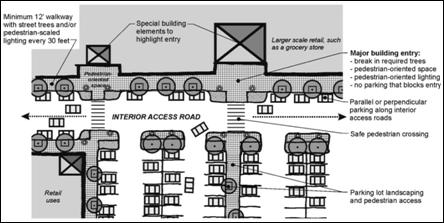
Figure 14.34.23: Pedestrian-Oriented Space Requirements
3.
The following features are encouraged in pedestrian-oriented space and may be required by the Planning Director:
a.
Pedestrian amenities such as a water feature, drinking fountain, tables, and/or distinctive paving or artwork;
b.
Pedestrian-oriented building facades on some or all buildings facing the space;
c.
Consideration of the sun angle at noon and the wind pattern in the design of the open space;
d.
Transitional zones along building edges to allow for outdoor eating areas and a planted buffer; or
e.
Movable seating.
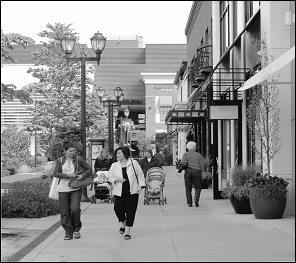
Figure 14.34.24: Example of Good Pedestrian-Oriented Space
4.
The following features are prohibited within or adjacent to pedestrian-oriented space: asphalt or gravel pavement unscreened parking lots; chain link fencing; blank walls; dumpsters or service areas; outdoor storage or retail sales that do not contribute to the pedestrian environment. Required walkways do not count as pedestrian-oriented space; however, the Planning Director may allow those portions of walkways widened beyond minimum requirements to count towards the required pedestrian-oriented space as long as such space includes pedestrian-oriented elements.
I.
Additional Landscaping Requirements. Development of sites adjacent to Main Street must provide at least ten (10) feet of Type l landscaping between the sidewalk and any passive ground floor use such as parking, storage, service area, building utilities or other use as determined by the Planning Director.
J.
Parking, Garages and Vehicular Access. The purpose of these provisions is to create a safe, convenient, and efficient network for vehicular circulation and parking; upgrade the appearance of interior access roads; minimize negative impacts of vehicular access and parking areas on the streetscape and pedestrian environment; promote shared parking between compatible uses.
1.
Parking lots shall be located to the rear or side of buildings on Primary and Secondary Pedestrian Corridors as set forth in DMC 14.34.052.C.
2.
Parking lots should be located to the rear or side of buildings to the extent possible on all other streets.
3.
Parking lots shall not be located adjacent to intersections.
4.
Off-street parking areas for streets that are not Primary or Secondary Pedestrian Corridors should be located to the rear or side of buildings to the extent possible. Exceptions may be granted by the Director where:
a.
Unique site conditions make street-front buildings difficult or undesirable and the applicant proposes alternative design treatments such as special landscaping and architectural components that enhance the visual character and the pedestrian environment of the street, and
b.
Where the project meets all other applicable design standards.
5.
Large parking lots shall be broken into smaller areas to the greatest extent possible. Where feasible, parking lots should be varied in grade, bermed, and/or differentiated with planting materials to reduce large expanses and visible extent of continuous surfaces.
6.
Applicants of multiple building commercial developments must successfully demonstrate how they have organized parking in a manner that provides for shared parking between uses on the site.
7.
Parking lot aisles should be aligned perpendicular to commercial, retail and office-building entries to provide protected walking spaces and visual focus on the entries.
8.
Shared driveways and parking courts are encouraged to minimize curb cuts and reduce the visual impact of parking on adjacent streets.
9.
Projects adjacent to Main Street must comply with the City's Access Management Regulations. Applicable regulations address the number and width of driveways.
10.
Projects adjacent to Main Street and located on corner lots must take access from the applicable side street.
11.
Developments are encouraged (and may be required) to share driveways, particularly along Main Street and arterials streets.
(Ord. No. 1233, § 1(Exh. A), 2-6-2018)
14.34.061 - Residential Building Design.
A.
Purpose. The purpose of this section is to encourage residential building design that enhances Duvall's traditional village character, foster creative, high-quality architectural design, and ensure new development that adds value to the existing community. All new development shall include complete architectural detailing on all building frontages with a consistent visual identity and a similar quality of materials, detailing and window placement. Abrupt ending of architectural details shall be avoided with no radical change in details, features or materials.
B.
General Provisions.
1.
Elevations and Models. Elevations and Models are required to ensure that new developments provide a diverse streetscape with a variety of floor plans and frontage character.
a.
Residential buildings shall avoid a uniform appearance by providing variation in building architecture and elevations using methods such as building modulation, primary and secondary building forms (e.g., covered porches, dormers, windows bays), and changes in exterior materials, colors, windows, doors, and trim.
b.
No more than two of the same model and elevation shall be built on the same block frontage (four hundred (400) feet) or across a public right-of-way. Where longer blocks are approved by the city, a four hundred (400) foot interval shall be used for purposes of this section. Where curvilinear roads are used, the city may consider an increase to three of the same model and elevation if they meet the intent of this section.
c.
The same model and elevation shall not be built next to each other.
d.
To differentiate the same models and elevations, different colors and materials shall be used.
e.
Each model shall have at least two architectural styles and a variety of color schemes.
f.
Different models are defined as having significant variations in the floor plans, which allows for variety in the massing of the home. The following major elements must be substantially different (see Figure 14.34.25):
(1)
Floor plan/building configuration/massing;
(2)
Roof type (gable, hip, shed, etc.);
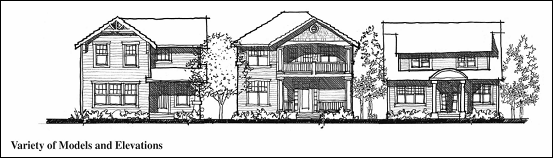
Figure 14.34.25: Variation in Elevations and Models
The following minor features must be substantially different:
(1)
Finish color (siding, roofing, or trim);
(2)
Siding style;
(3)
Window configuration, architectural detailing or elements.
C.
Massing and Composition.
1.
A clear pattern of massing changes and modulation of building forms and composition is required to create architectural variety and interest.
2.
Primary building forms shall be the dominating form while secondary formal elements shall include porches, dormers, or other significant features.
D.
The primary porch height shall be one story to encourage pedestrian scale elements along the street or pedestrian; heights are encouraged adjacent to pedestrian access.
E.
Massing and Composition. A clear pattern of massing changes and modulation of building forms and composition is required to create architectural variety and interest.
1.
Primary building forms shall be the dominating form while secondary formal elements shall include porches, dormers, or other significant features.
2.
Secondary roof forms, such as dormers, shall be proportional to the primary roof form.
3.
The primary porch height shall be one story to encourage pedestrian scale elements along the street or pedestrian; heights are encouraged adjacent to pedestrian access routes.
4.
Multi-story porches are permitted if massing is appropriate to the building style.
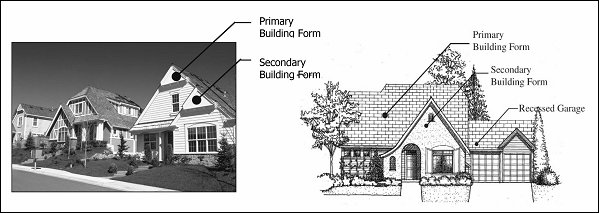
Figure 14.34.26: Building Form Examples
F.
Building Modulation. Building modulation is required to avoid monotonous repetition of elevations, reduce bulk and mass, and provide pedestrian scale elements adjacent to the streetscape. Buildings shall have a consistent visual identity on all sides, with an emphasis on elevations visible to the public realm (e.g., public/private streets, sidewalks, and common areas). This should be achieved by providing similar levels of materials, detailing and window placement. Unless otherwise approved by the Planning Director in accordance with DMC 14.34.010, the following standards shall apply.
1.
Multi-Family Residential Buildings.
a.
All building elevations shall have modulations or changes in plane. Modulations shall be a minimum of an eight-foot horizontal modulation for each fifty (50) feet of horizontal dimension. The minimum depth of modulation shall be two feet, and where appropriate, shall extend vertically from the ground plane to the roof (e.g., when there is an offset in the building foundation).
b.
Modulation can be achieved by an offset in the building foundation, projecting window bays, connecting an open porch to the building, a dormer facing the street, a variety of roof forms, a well-defined entry element, or other features that provide architectural variation and reduce the bulk and mass of a multi-family building.
c.
Dormers or intersecting rooflines shall be used to break up continuous sloped roofs.
d.
A physical break in the primary façade, ideally a pedestrian passage or other usable space, shall be provided for every 6 units.
2.
Attached and Detached Residential Buildings.
a.
Elevations visible from public or private streets, sidewalks, and common areas shall have at least one modulation or change in plane. Modulations shall be a minimum of an eight-foot horizontal modulation for each twenty-five (25) feet of plan dimension. The minimum depth of a modulation shall be eighteen (18) inches, and where appropriate, extend from the ground plane to the roof.
b.
Modulation can be an offset in the building foundation, primary and secondary building forms, projecting window bay, the connection of an open porch to the building, a dormer facing the street, a variety of roof forms, a well-defined entry element, or other features that provide architectural variation and reduce the bulk and mass of attached and detached single family buildings.
c.
Where modulation is difficult to achieve along side yards due to small lot sizes and/or minimum setbacks, elevations shall be treated with change in materials, colors, wrapped windows, or modulations with reduced profiles or elements.
d.
The maximum number of attached units is eight, as measured along a horizontal plane.
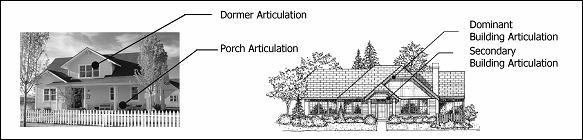
Figure 14.34.27: Building Articulation
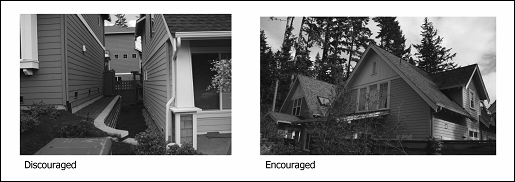
Figure 14.34.28: Side Elevations
G.
Entries.
1.
Covered porches or stoops are required on all homes. The primary door to the house shall be located in that entry and shall be oriented to and clearly visible from a street, green or other common open space.
2.
The design of porches and stoops shall be architecturally integrated into the design of the structure.
3.
Porch and stoop sizes shall be:
a.
Porches (Minimum forty-eight (48) square feet)
Minimum Width: Eight feet
Minimum Depth: Six feet
b.
Stoops. (Minimum thirty (30) square feet)
Minimum Width: Six feet
Minimum Depth: Five feet
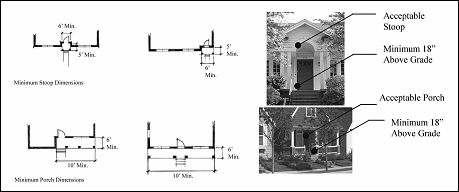
Figure 14.34.29: Porch and Stoop Dimensions
4.
Porches and stoops shall be raised above the grade at the front elevation, ideally a minimum of eighteen (18) inches, except where accessibility (ADA) is required. An accessible route may also be taken from a front driveway.
5.
Where a home is located on a corner lot, i.e., at the intersection of two roads or the intersection of a road and common open space, a wrapped porch is preferred to reduce the perceived scale of the house and engage the street or open space on both sides (see Figure 14.34.30).
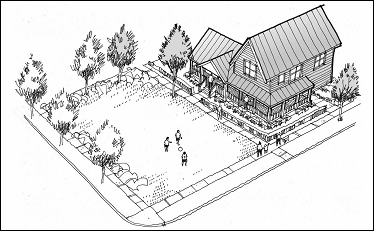
Figure 14.34.30: Wrapped Porch Example
H.
Decks. All decks visible from the public realm, including large landscape views to the Snoqualmie Valley, public rights-of-way, trail systems or other areas accessible to the general public shall meet the following criteria:
1.
Decks shall be an architecturally integrated component of building design. Decks that have the appearance of looking like an afterthought and non-integrated due to the use of dissimilar finishes, materials, or style shall be avoided. Proportionally weak support columns or connections to the ground, unresolved under story and lack of a physical connection with the main structure are discouraged.
2.
The following design criteria must be met:
a.
Exhibit similar detailing, use of materials or color schemes that either compliment or match the main structure;
b.
Linked to the main structure through the uses of recess, alcoves, indentation, or wrapping with a minimum overlap dimension of eighteen (18) inches;
c.
Provide minimum support column face dimension of seven and one-fourth parallel the length of the deck; additionally, the maximum uninterrupted vertical height of any deck support column is ten (10) feet; columns in excess of ten (10) feet are to include additional detailing such as side trimmers, arbor elements, knee braces, or wing walls that include elements of the main structure such as siding, stone cladding, or other finishes;
d.
Where covered decks are constructed, roof articulation should be provided that includes a major portion of the deck under the eaves for weather protection, shade, and integration between the deck and the main structure.
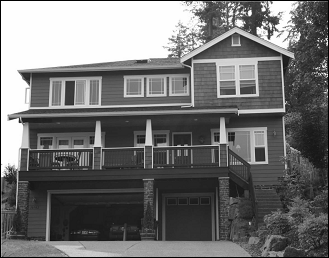
Figure 14.34.31: Example of a Well-Integrated Deck
I.
Roof Pitch. Roof pitches shall be in keeping with the architectural design and character of a residential structure and the surrounding neighborhood. For example, steeper roof pitches (e.g., 6:12, 8:12) are appropriate in the Old Town Neighborhood District (see Figure 14.34.11) to reflect the historic character of the older homes. Secondary roof pitches shall be designed in relation to the primary roof pitch.
1.
Roof Overhangs. Roof overhangs shall be a minimum of twelve (12) inches (excluding gutter). Overhangs and eaves should be detailed and proportioned to complement the architectural style of the home. Exceptions may be permitted subject to the Planning Director's approval when the applicant demonstrates that a reduced overhang is in keeping with the architectural design of the structure.
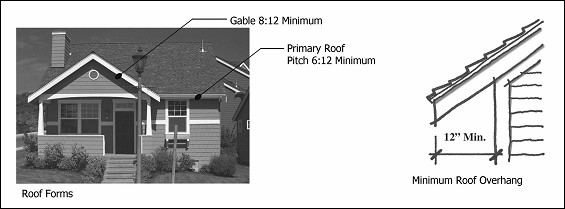
Figure 14.34.32: Roof Pitch and Overhang
J.
Architectural Details.
1.
Doors
a.
Front doors shall be in keeping with the architectural style of the structure.
b.
Front doors shall be paneled or have inset windows (see Figure 14.34.33).
c.
Sliding glass doors are not permitted along frontage elevations or where a primary elevation faces a pedestrian easement.
d.
A three and one-half-inch minimum head and jamb trim is required around all doors.
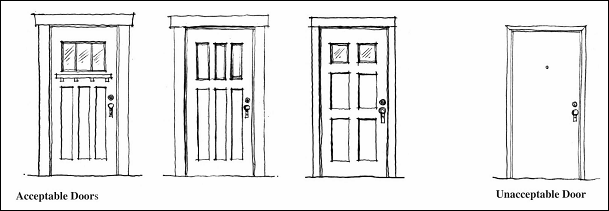
Figure 14.34.33: Acceptable Doors
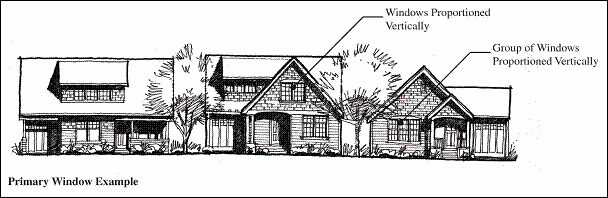
Figure 14.34.34: Window Proportions
2.
Primary Windows.
a.
Primary windows shall be proportioned vertically rather than horizontally (see Figure 14.34.34).
b.
Windows are required to have a trim on all four building facades.
c.
Trim must be appropriate to the architectural character of the home and be a minimum of three and one-half inches wide.
d.
Vertical windows may be combined together to create a larger window area.
e.
Divided light windows are encouraged. They must either be true divided light or have properly proportioned mullions applied to the window. Individual panes must be vertically proportioned or square (see Figure 14.34.35).
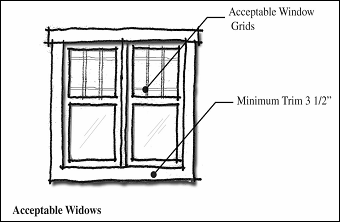
Figure 14.34.35: Acceptable Windows
3.
Chimneys. Chimneys shall be designed to be in keeping with the architectural style of a residential structure.
a.
Chimneys above the roof should be at least twenty (20) inches by twenty-four (24) inches as measured in plan.
b.
Wood-framed chimney enclosures are permitted; however metal termination caps shall not be left exposed. These tops shall be shroud in a metal chimney surround.
c.
Chimney shape and profile should appropriately reflect the stylistic direction of the rest of the house.
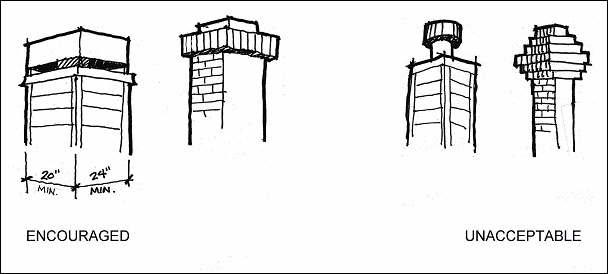
Figure 14.34.36: Chimney Examples
4.
Columns, Trim, and Corner Boards.
a.
Character columns shall be strongly related to a home's architectural style (e.g., round, square, or tapered).
b.
Exposed four by four and six by six-inch posts are prohibited (see Figure 14.34.37).
c.
Metal corner clips or corner boards are required at corners where siding is used.
d.
Corner boards shall be a minimum of two and one-half inches in width.
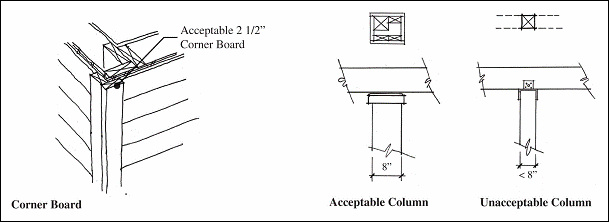
Figure 14.34.37: Corner Boards
5.
Architecture Detail and Features. To ensure the appropriate scale and to provide elements of human interest, at least one of the following features shall be used in residential buildings. These elements shall follow the home's architectural style.
a.
Shutters (proportional to window);
b.
Flower boxes;
c.
Knee braces;
d.
Columns;
e.
Trellises.
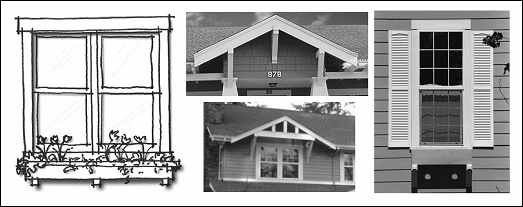
Figure 14.34.38: Examples of Architectural Details
6.
Trash and Recycling Containers.
a.
Containers shall be kept within garages or a screened enclosure.
b.
Containers shall not be stored within front yards.
c.
Trash and recycle enclosures shall be located to minimize odor to habitable areas, as well as be screened to the public realm.
d.
Trash and recycle locations should be easily accessible to each resident.
e.
Trash and recycle containers should be made of wood or masonry materials. Chain link is prohibited.
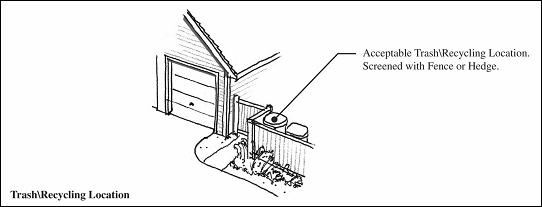
Figure 14.34.39: Trash and Recycling Containers
7.
Mail and Newspaper Boxes.
a.
The design of mailbox shelters should be compatible with the design of the primary structures on the site. This may include similar materials, architectural form, and/or design details.
b.
Mail and newspaper box locations shall be well lit and pedestrian accessible via an appropriate walkway. Mailbox shelters must not obstruct a walkway.
c.
All mailboxes shall be clustered and lockable consistent with USPS standards. Clustered mailboxes shall be architecturally enhanced with materials and details typical of the home's architecture and carefully placed to not adversely affect the privacy of residents and serve the needs of the U.S. Postal Service.
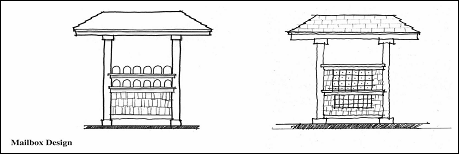
Figure 14.34.40: Acceptable Grouped Mailbox
8.
Accessory Structures.
a.
Accessory structures such as detached garages, studios, home offices, and workshops shall be design to be architecturally consistent with the principal structure.
b.
Accessory buildings shall not exceed twelve (12) feet in height, except that the maximum height for accessory buildings with pitched roofs with slopes of at least 4:12 is eighteen (18) feet.
c.
Portable storage containers shall not be considered as an accessory building and are prohibited in all residential zoning districts.
K.
Materials.
1.
Vertical Changes. Changes in materials in a vertical wall, such as from brick to wood, hall wrap the corners in accordance with DMC 14.34.061.D.5.
2.
Horizontal Changes. Transition in material on a wall surface, such as shingle to lap siding, shall have a material separation, such as a trim band board (see Figure 14.34.41).
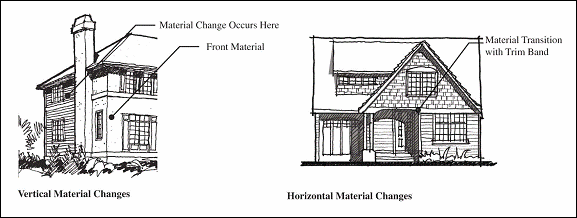
Figure 14.34.41: Material Changes
3.
Acceptable Exterior Wall Material. Wood, cement fiberboard, stucco, brick, and stone may be used. Simulated stone, wood, stone, or brick may be used to detail homes.
4.
Trim may be wood, cement fiberboard, stucco, or stone materials. Trim is required around all doors and windows. The trim must be three and one-half inches minimum and be used on all elevations.
5.
Where a finish material meets a corner, that material shall wrap the corner until it meets a vertical element such as a chimney or window, or for a minimum of twenty-four (24) inches.
L.
Colors.
1.
Provide multiple colors on buildings to reflect material changes and individuality of the residence.
2.
Muted deeper tones, as opposed to vibrant primary colors, shall be the dominant colors.
3.
Although grey and beige are not excluded, the use of these colors shall not be the dominant color used on homes or other structures within the development.
4.
Color palettes for all new buildings in the R12, R20, and MU12 zone districts, and in cottage/innovative housing developments in the residential zone districts, coded to the home elevations, shall be submitted to the City for approval. Colors shall be consistent with the building architecture and shall unify the character of projects within these zone districts.
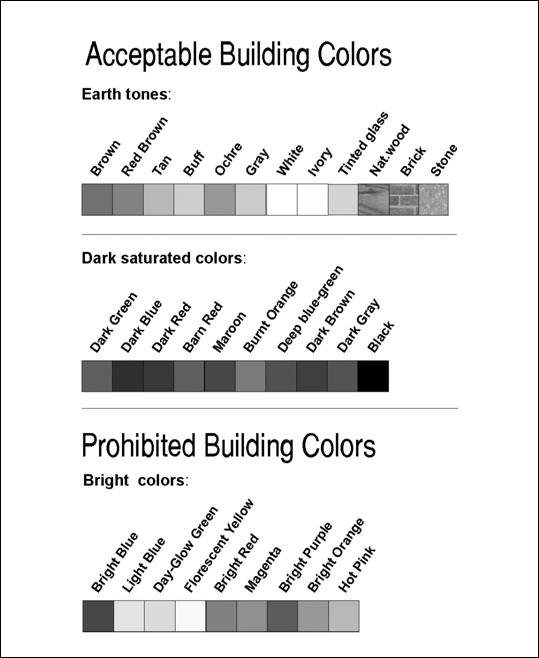
Figure 14.34.42: Building Colors
(Ord. No. 1233, § 1(Exh. A), 2-6-2018)
14.34.062 - Mixed-Use and Non-Residential Building Design.
A.
Purpose and Design Intent. The purpose of this section is to encourage building design that achieves two primary outcomes. In Old Town, new development should preserve and enhance Duvall's traditional village character, foster creative, high quality architectural treatments, and ensure new development that adds value to the existing community. In other areas, new development should have a clear architectural expression and reflect the physical and cultural context of its setting, with more flexibility for contemporary architectural styles, materials and detailing. Throughout Duvall, new non-residential development should provide architectural variety, pedestrian scale, and features that enhance its connection to the natural environment.
B.
Applicability. The following standards apply to the CO, OT, UT1, RIV, MU12, MT, LI, PF, PO and MUI districts.
C.
Massing and Composition. A strong overall building composition, along with a clear pattern of massing changes and modulation of building forms is required to create interest and to support the buildings integration into the overall context. The following standards are required:
1.
Buildings shall have a clearly defined base middle and top, with a well-defined cornice line and banding that differentiates the ground floor from upper floors. For buildings with ground floor retail uses, awnings and other building elements or projections shall be used to emphasis this banding.
2.
Primary building entries shall be clearly expressed in the building's overall massing. Secondary entries to ground floor retail and other uses shall be distributed along the façade and shall relate proportionally to upper story projections such as bay windows and balconies.
3.
Multi-tenant buildings shall be designed to create the appearance of individual storefronts.
4.
Building massing shall be focused on the primary street front, with primary uses oriented to this frontage. Service uses, parking and utilities should be accessed from non-primary facades and fully screened.
5.
Where a building has a double frontage (e.g., street on side, parking on the other), primary and secondary facades shall be established.
6.
Building parapets shall be designed to avoid false fronts and include the following design elements:
a.
Parapets and other enclosed projections on all exterior facades shall be integrated into the overall massing and design of the building.
b.
The back sides of parapets shall not be visible from the public realm, and shall include returns and other architectural treatments to ensure their integration into the building's overall massing.
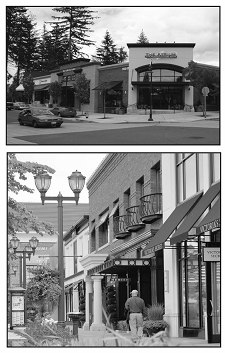
Figure 14.34.43: Examples of Good Building Massing and Articulation
7.
Upper level balconies on buildings over two stories are encouraged, but subject to design review and approval by the Planning Director.
8.
Secondary building forms or intersecting rooflines shall be used to break up continuous sloped roofs.
D.
Building Modulation.
1.
Building facades must include modulation at least every fifty (50) feet to reflect a human-scaled pattern of traditional building lots.
2.
On ground floor retail frontages, at least seventy-five (75) percent of the façade shall be fenestrated from two to eight feet above the finished floor height. Retail glazing shall be at least sixty (60) percent transparent to the street and may not use mirrored glass.
3.
Where pedestrian-oriented spaces are provided in accordance with DMC Section 14.34.052.D, the building's architecture and massing should enhance those spaces with unique building elements such as landmark entries, additional fenestration, decorative materials and other details that enhance the space's character and usability.
4.
Building facades in the OT, UT-1, MU12 and RIV zoning districts must include further modulation and other features to reflect the pattern and the City of Duvall's traditional building lot pattern. The following standards must be met:
a.
Use of windows, entries and other features that create a regular rhythm of twenty-five-foot storefront spaces, linking ground floor and upper stories.
b.
Use of awnings, weather protection, and architectural features that reinforce a regular pattern of twenty-five-foot storefronts. For example, for a business that occupies three lots, use building and roofline modulation, change in materials/colors, and awnings to break down the scale of the storefronts (see Figure 14.34.44).
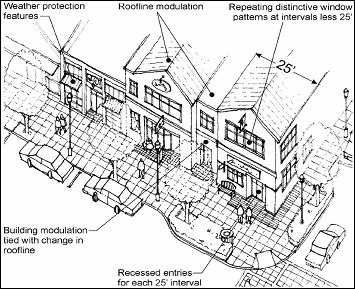
Figure 14.34.44: Examples of Building Articulation
c.
Change of roofline.
d.
Change in building material or siding style (coordinated with change in building color where appropriate).
e.
Horizontal building modulation (depth at least two feet and preferably tied with to roofline modulation).
f.
Other methods as determined by the Planning Director.
5.
Rooflines of all buildings shall include a prominent cornice design that integrates all elements of the building's massing and articulation. Dormers, chimneys, stepped roofs, gables and other accents to the roofline are permitted and encouraged. The width of any continuous flat roofline should extend no more than fifty (50) feet without modulation. Modulation should consist of a change in elevation of the visible roofline of at least four feet. The Director may reduce or eliminate these requirements where other treatments are successfully used to meet the intent of the standard.
6.
A sloped or gabled roofline segment of at least twenty (20) feet in width and no less than four feet vertical in twelve (12) feet horizontal (6 feet vertical in twelve (12) feet horizontal if within the OT zoning district.
7.
Hipped roof forms are less effective than gabled roof forms in reducing the apparent scale of buildings and thus are discouraged and may be prohibited by the Director.
E.
Blank Wall Treatments.
1.
Blank walls as defined in DMC 14.06.028, visible from a public street, common open space, plazas, courtyards, sidewalks, trails, or interior pathways, are prohibited. Design treatments to eliminate blank walls shall include:
a.
Transparent windows or doors;
b.
Display windows that open into the interior of the building (poster type window frames not permitted);
c.
Landscape planting bed at least five feet wide or a raised planter bed at least three feet wide in front of the wall. Such planting areas must include planting materials that are sufficient to obscure or screen at least sixty (60) percent of the wall's surface within three years.
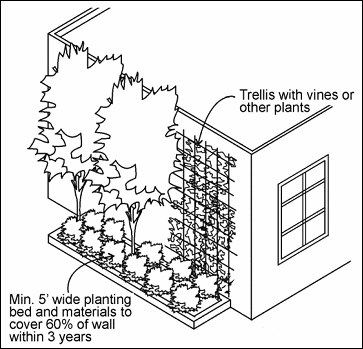
Figure 14.34.45: Blank Wall Treatments
d.
Installing a vertical trellis in front of the wall with climbing vines or plant materials sufficient to obscure or screen at least sixty (60) percent of the wall's surface within three years. For large areas, trellises should be used in conjunction with other blank wall treatments.
e.
Other methods such as murals or special building material treatments that meet the intent as approved by the Director.
F.
Building Details.
1.
All new buildings shall substantially include the following elements on their primary facades subject to Planning Director approval. Items used to meet DMC 14.34.050 B or C, or other sections of this chapter, shall not be used to meet this requirement. Treatments that create a false sense of historicism are discouraged.
a.
Display windows divided into a grid of multiple panes. Display windows can vary between storefronts to avoid uniform appearance on multi-tenant buildings.
b.
Transom windows;
c.
Recessed windows;
d.
Decorative weather protection feature(s);
e.
Material distinctions between ground and upper level;
f.
Window bays;
g.
Recessed entry;
h.
Sills;
i.
Pilasters;
j.
Landscaped trellises or other decorative element that incorporates landscaping near the building entry (element must be integrated into the building and not a simple potted plant);
k.
Decorative light fixtures;
l.
Decorative building materials and/or trim work. This could include decorative stone, tile, or woodwork, decorative kick plates, or other methods as approved by the Planning Director;
m.
Artwork incorporated into the building façade or entry area;
n.
Other details as approved by the Planning Director.
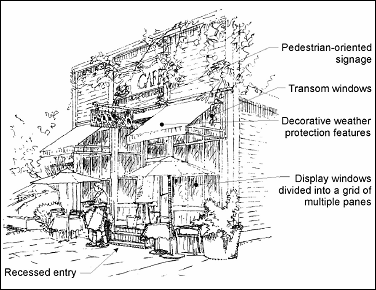
Figure 14.34.46: Examples of Acceptable Facade Details
2.
All new or remodeled (per 14.34.010.A.2) buildings in the OT zoning district shall include decorative pedestrian-oriented signage and be in keeping with the character of the building.
3.
All new or remodeled buildings shall include protective awnings or canopies over all sidewalks with a minimum width of six feet. Canopies and awnings shall meet all clearance requirements set forth by the city.
G.
Building Materials and Color. Building materials and color shall unify the overall architecture and façade detailing of the building and complement the character of Duvall.
1.
High quality, durable building materials that add visual interest, detail, and are easily maintained shall be used. Materials and finishes should repeat the textures, scales, and rhythms common to early 20 th Century construction typical to Duvall. This includes vertical and horizontal wood clapboard siding, shingle and batten boards, brick and masonry, and ribbed metal roofing. Contemporary materials that emulate or enhance these textures and characteristics are acceptable and encouraged. Treatment of building materials that creates a false sense of historicism in new buildings is strongly discouraged.
2.
If metal siding is used, it must have visible corner moldings and trim, and shall incorporate masonry or other impact and stain resistant material at the base of the building. Height to be proportional to overall building height.
3.
Concrete blocks used for the façade of any building must be split or rock-faced and limited to twenty (20) percent of the façade areas. The Planning Director may allow a higher percentage through the use of specialized textures and/or colors used effectively with other building materials and details in a way that meets the intent of the standards.
4.
Stucco and similar troweled finishes must be trimmed in wood or masonry and should be sheltered from extreme weather by roof overhangs or other methods. Weather exposed horizontal surfaces must be avoided. Masonry is required at the base of the building and shall be proportional to overall building height.
5.
The following materials are prohibited unless specifically approved by the Planning Director:
a.
Mirrored glass covering more than ten (10) percent of the exterior of the building;
b.
Textured or scored plywood (including T-111 or similar plywood);
c.
Stucco board
d.
Window film, unless specifically approved by the Planning Director.
6.
Bright building or trim colors are discouraged with the exception of decorative tile-work, artwork, and signage that shall be reviewed by the Director to ensure consistency with the intent of this section. Desirable colors for buildings include natural earth tones, muted, and dark saturated colors (see Figure 14.34.42).
7.
Color palettes for all new structures, as well as changes in color on existing buildings, coded to the building elevations, shall be submitted to the city for approval.
8.
Neon tubing and/or linear building lighting along facades and/or rooflines shall not be permitted.
9.
Building facades shall not be designed and/or painted to resemble a business logo and/or sign. This section does not preclude signs in accordance with the Sign Code.
H.
Additional Standards for Commercial and Industrial Buildings. Building facades of large-scale buildings such as commercial, office, industrial, or institutional buildings where the building is multi-story or wider than sixty (60) feet (measured along the primary façade) shall substantially include the following modulation and other features:
1.
Two building modulations for every one hundred twenty (120) feet of linear distance with a minimum depth of two feet. Building modulation shall extend from ground plane to the roof;
2.
Significant building elements such as a focal point at a corner or mid-building;
3.
Vertical building modulation in the form of window bays, pilasters, or other treatments;
4.
Roof modulation through changes in height, pitch (i.e. flat to sloped), material, overhangs or roof cap detail (banding, cornice treatment etc.)
5.
Change in building material or siding style (perhaps coordinated with a change in building color);
6.
Provision of lighting fixtures, trellis, trees, or other landscape feature within each interval;
7.
Repeating distinctive window patterns at intervals less than the modulation interval.
8.
Other methods as approved by the Director.
I.
Garbage and Recycling Facilities, Service Areas and Mechanical Equipment. All building utilities and service facilities shall be designed as follows:
1.
Be enclosed and screened around their perimeter by a wall or fence at least six feet high.
2.
Have doors.
3.
Such enclosures should be made of masonry, ornamental metal or wood, or some combination of the three that is complementary to other building architecture on the site.
4.
Such enclosures shall be located in an area that is accessible to the hauling company.
5.
Enclosures shall be sited so that they do not interfere with the primary purpose of the site but are accessible to tenants and/or owners. A walkway and/or sidewalk to the enclosure shall be required.
6.
Enclosures shall be sized at a minimum to accommodate the number of garbage and recycling facilities as determined to be necessary by the hauling company to serve the site.
7.
If applicable, enclosures shall be sized to accommodate cardboard compaction/recycling facilities.
8.
All aspects of the siting, design, and number of facilities related to enclosures shall be approved by the refuse company in writing prior to site plan and/or subdivision approval.
9.
If the enclosure is abutting a public street, sidewalk, or interior pathway, a landscaped planting strip, minimum five feet wide, shall be located on three sides of such facility.
10.
Service areas, loading berths and storage areas should be located and designed to minimize impacts on the pedestrian environment and adjacent uses (see Figures 14.34.47 and 14.34.48).
11.
Services elements should generally be concentrated and located where they are accessible to service vehicles and convenient for tenant use (See Figure 14.34.48).
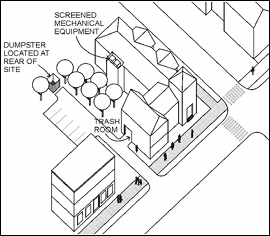
Figure 14.34.47: Service Enclosure
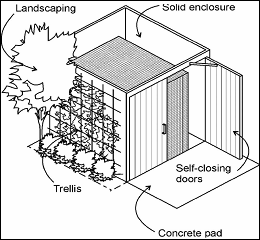
Figure 14.34.48: Service Elements
12.
Roof-mounted mechanical equipment shall be located so as not to be visible from the street, public open space, parking areas, or from the ground level of adjacent properties.
13.
Roof-mounted mechanical equipment that is visible from the street or from an adjacent property shall be screened. Screening features shall blend with the architectural character of the building and are typically a three-sided facility that integrates the mechanical equipment into the building design.
J.
Signage. Signage in mixed-use, non-residential projects shall be designed as follows:
1.
Signs shall be designed to complement the character, and be appropriate in scale for the project.
2.
Signs shall be compatible in scale and proportion with building design and adjacent signs.
3.
Sign colors shall be complementary to, and coordinated with, building colors.
K.
Lighting. Lighting in mixed use, non-residential projects shall be designed as follows:
1.
Lighting shall be designed to ensure safety and security, enhance and encourage evening activities, and provide distinctive character to a project.
2.
The color of light shall be considered in lighting design. Metal halide is recommended for general usage at building exteriors, parking areas, and pedestrian walkways, plazas and courtyards. Low pressure sodium, which casts a yellow light, is discouraged.
3.
Accent lighting on architectural and landscape features is encouraged.
(Ord. No. 1233, § 1(Exh. A), 2-6-2018)

