
Duvall City Zoning Code
CHAPTER 14
50 - SIGNS7
Editor's note— Ord. No. 1338, § 2(Exh. A), adopted June 5, 2025, amended Chapter 14.50 in its entirety to read as herein set out. Former Chapter 14.50, §§ 14.50.010—14.50.180, pertained to the same subject matter, and derived from Ord. No. 1156, § 2 Exh. A, October 24, 2013; Ord. No. 1174, §§ 7, 8, November 25, 2014.
14.50.010 - Purpose.
The purpose of the Duvall Sign Code Chapter is to:
A.
Ensure all signage meets the intention of the City-Wide Visioning, Downtown Sub-Area Plan, Duvall Municipal Code (DMC) 14.34 - Design Guidelines, and Comprehensive Plan.
B.
Provide necessary signage to support central gathering places, increase social interaction, and encourage walkability.
C.
Support a full range of signs necessary to support commercial services in the city.
D.
Regulate signs in a manner that is timely, flexible, predictable, fair to all and that result in superior development.
E.
Prevent visual and physical clutter caused by too much signage throughout the city.
F.
Allow and promote positive conditions for sign communication while at the same time avoiding nuisances to nearby properties.
(Ord. No. 1338, § 2(Exh. A), 6-5-2025)
14.50.020 - Applicability.
Except as provided herein, all signs shall be subject to the design provisions of this chapter; provided that specific sign standards and design requirements may be further established through the Unified Development Regulations (UDR) or building permit review and shall be determined during the applicable review process.
(Ord. No. 1338, § 2(Exh. A), 6-5-2025)
14.50.030 - Permit required.
A.
Except as otherwise permitted by this chapter, no sign shall be erected, altered, or relocated without approval by the Community Development Director or designee.
B.
No permit shall be required for repainting in like colors, cleaning, or other normal maintenance and repair of a permitted sign, including replacement of portions of the sign that do not alter the size or structure of the sign or compliance with the design standards.
(Ord. No. 1338, § 2(Exh. A), 6-5-2025)
14.50.040 - Application information.
The applicant shall have the burden of demonstrating that a proposed sign(s) complies with this chapter as follows:
A.
All persons proposing new signs that require a permit or approval pursuant to this chapter, shall file an application with the city that sets forth, at a minimum, the following information:
1.
An accurate plan with complete dimensions, location, size, color, shape, materials, proposed illumination, size and style of lettering, copy design, and the proposed manner of installation.
2.
Additional information may be required by the city as reasonably necessary for review and approval by the Community Development Director or designee.
B.
If a Master Sign Plan (MSP) was previously approved by the city, an applicant whose sign conforms to that plan may forgo the submittal of a site plan and any other information already contained in the MSP approval.
C.
If compatibility and design review is required, it will be the responsibility of the applicant to show how the proposed sign meets the requirements of this chapter.
(Ord. No. 1338, § 2(Exh. A), 6-5-2025)
14.50.050 - Prohibited signs.
Except as otherwise indicated by this chapter, the following signs or displays are prohibited:
A.
Any sign that does not comply with the provisions of this chapter.
B.
Signs attached to a fence unless otherwise approved by the Community Development Director or designee.
C.
Signs which, by reason of their size, location, movement, content, coloring, or manner of illumination may be confused with traffic control signs or signals.
D.
Temporary signs except as specifically allowed in this chapter.
E.
Signs located in the public right-of-way, within travel lanes, sidewalks, or affixed to any lamppost, utility pole, tree, or upon any public structure or building as regulated by DMC Chapter 6.01.
F.
Billboards.
G.
Electronic changeable message signs or signs containing moving graphics, text, or video, or that are flashing, moving, rotating, or animated.
H.
Advertising vehicle.
I.
Portable and mobile reader board signs unless part of an approved Right-of Way Use Permit, or City sponsored activity
J.
Visible ballast boxes, exposed electrical conduits, or other sign equipment.
K.
Wall mounted box/cabinet signs.
L.
Pole mounted freestanding signs, except those described in this chapter;
M.
Roof mounted signs unless no other feasible alternative location exists as determined by the Community Development Director or designee.
N.
Off-site signage except as allowed under this chapter.
O.
Signs located on canopies made of fabric or other non-rigid material.
P.
Signs in the public right-of-way which impede pedestrian or vehicular circulation or use.
Q.
Signs in the public right-of-way which negatively impact or has the potential to negatively impact utilities or vegetation such as planter strips or roadway medians.
R.
Signs that obstruct sight distances or sight distance triangles as defined in Chapter 14.06.
(Ord. No. 1338, § 2(Exh. A), 6-5-2025)
14.50.060 - Exempt signs.
The following signs or displays are exempted from the regulations under this chapter:
A.
Signs required by law, including but not limited to:
1.
Official or legal notices issued and posted by any public agency or court; or
2.
Traffic directional or warning signs.
B.
Plaques, tablets, or inscriptions indicating the name of a building, date of erection, or other commemorative information, which are an integral part of the building structure or are attached flat to the face of the building, which are non-illuminated, and which do not exceed four square feet in surface area.
C.
Incidental signs, which shall not exceed four square feet in surface area except, in Public Facilities and Parks and Open Space an incidental sign shall not exceed eight square feet; provided that said size limitation shall not apply to signs providing directions, warnings, or information when established and maintained by a public agency.
D.
Religious symbols.
E.
Signs not visible from the public right-of-way, neighboring properties or tenant spaces.
F.
Sponsors of and vendors at community events provided the signage is located within the event area and the signage is removed at the end of each day.
G.
A-Boards for City sponsored events, public hearings, open houses, and city workshops are exempt from permit application but meet the standards in DMC 14.50.150 (1-3)
H.
Portable and mobile reader board signs as part of a City sponsored activity.
I.
Signs required by State or Federal agencies.
J.
Land Use Public Notice Signs.
K.
Sponsorship signage located within City Parks and Open Spaces.
1.
Sponsorship signage is managed by the city's field rental policy.
(Ord. No. 1338, § 2(Exh. A), 6-5-2025)
14.50.070 - Interpretation of tables and design standards and Design Review Board.
A.
Subsection 14.50.080 determines whether a specific sign type is allowed within a zoning district. The zoning district and the public right-of-way are identified in the vertical column and the specific sign type is located on the horizontal row of these tables.
B.
If no symbol appears in the box at the intersection of the column and the row, the sign type is not allowed in that district, except for certain temporary signs allowed pursuant to subsection 14.50.150.
C.
All reviews are administrative and shall be conducted by the Community Development Director or designee except as otherwise identified in the table 14.50.1.
D.
For purposes of this chapter, the Design Review Board is the City's Planning Commission. If table 14.50.1 requires review and approval from the Design Review Board, the review shall be as follows:
1.
Upon submittal, city staff will review the permit and make a recommendation to the Design Review Board.
2.
The Design Review Board will review the permit and recommendation at the next available Planning Commission meeting where the Board will allow for comments from the applicant and the public.
3.
The Design Review Board will approve, approve with modifications, or deny the proposed sign.
(Ord. No. 1338, § 2(Exh. A), 6-5-2025)
14.50.080 - Allowed sign types and design review.
Table of allowed sign types and design review for city zones (see Chapter 14.10, Zones, Maps and Designations).
Table 14.50.1
Notations to allowed sign types and design review Table 14.50.1.
(X) Indicates an allowed use
(a) Design Review Board required, see subsection 14.50.140.
(b) Residential sign requirements see subsection 14.50.130.
(c) Internal illumination is not allowed for projecting and blade signs. Additionally, illumination shall comply with Chapter 14.46. A lighting plan is not required.
(d) Signage may only be used for community-oriented signage such as a community event or celebration or as allowed by this chapter.
(e) Changeable message signs shall only include manual changeable letter and does not include electronic/digital message signs or centers. The changeable message area shall not exceed sixty (60) percent of the sign area. Fuel price signs shall not exceed eighty (80) percent of the sign area.
(f) Shadow signs are considered externally illuminated.
(g) Design Review Board approval is required for wall signs greater than one hundred (100) square feet in size, see subsection 14.50.090.
(h) Permitted conditional uses in the residential zone, excluding utility substations, shall be reviewed under the OT zone in Table 14.50.1.
(Ord. No. 1338, § 2(Exh. A), 6-5-2025)
14.50.090 - Allowable building mounted sign area.
A.
Allowable building mounted sign areas for single and multi-tenant commercial buildings shall be as follows:
1.
Single and multi-tenant buildings shall have their wall sign allowance determined in accordance with the following table:
Facade Area Allowance:
Table 14.50.2
2.
The maximum sign area per building shall not exceed three hundred (300) square feet.
3.
Wall sign width shall not exceed a width of two-thirds of the lineal width of the building facade or tenant space associated with the sign.
4.
Any sign in excess of one hundred (100) square feet shall require the review and approval of the Design Review Board. In no case shall a single sign exceed one hundred fifty (150) square feet.
5.
Signage allowance is nontransferable between buildings or facades.
6.
Any facade, in addition to but excluding the primary facade, that faces an improved public right-of-way, such as a corner lot, but excluding alleys, are allowed a secondary signage allowance using fifty (50) percent of the allowable sign area in Table 14.50.1:
a.
The allowable sign area is measured using the applicable facade for which the signage is used.
(Ord. No. 1338, § 2(Exh. A), 6-5-2025)
14.50.100 - Review and modifications to standards.
A.
All sign permits shall be reviewed as part of the general permit review process, subject to:
1.
Permit review requirements of DMC Title 10.
2.
Administrative review and approval, as indicated by the X in Table 14.50.1, shall not be subject to the provisions of the Design Review Board expect [except] as identified in this chapter.
3.
Design Review Board review and approval, as indicated by a footnote in Table 14.50.1, shall be reviewed for compliance with this chapter.
B.
Sign design may be reviewed and approved as part of a development agreement, provided:
1.
Specific sign designs approved as part of a unified site development plan will require a building permit, but will not require additional design review at the time of building permit application when in accordance with the approved unified site development plan; or
2.
Additional design standards and guidelines may be adopted through the development review process, subject to specific design review of signs at the time of building permit application. Additional design standards and guidelines adopted through the review process shall govern all subsequent sign design reviews including replacement signs.
C.
Departures from this chapter are allowed subject to the following:
1.
If an applicant chooses a design not specified, the applicant must submit a written request for a departure from code showing the sign meets the intent of this chapter.
2.
The Community Development Director or designee will approve or deny the request and forward to the Design Review Board for review and approval.
3.
Applicant proposed departures from the number of signs allowed, illumination standards, the types of signs allowed, dimensional requirements or sign modifications that would result in a sign that is inconsistent with the purposes of this chapter shall not be approved.
(Ord. No. 1338, § 2(Exh. A), 6-5-2025)
14.50.110 - Measurement methods.
A.
Sign area calculation. Calculating individual signs are as follows:
1.
Sign area for freestanding signs shall be calculated by determining the total surface area of the body, viewed from any single vantage point.
2.
Sign area for projecting, blade, and marquee signs shall be calculated by determining the total surface area of the sign, viewed from any single vantage point.
3.
Sign area for letters or symbols painted or mounted directly on walls shall be calculated by measuring the smallest single rectangle which will enclose the combined letters and symbols.
a.
Appendages to letters and symbols may be excluded from the calculated sign area, see definition for "display area."
4.
Sign height for a freestanding sign, is the vertical distance measured from grade to the highest point of the structure except as follows:
a.
Signs located on a slope shall not exceed the maximum height allowance on the uphill side and not exceed twenty (20) feet on the downhill side (see Figure 14.50.1.).
5.
Area of building facade is calculated by multiplying the width of the building or tenant space associated with the commercial use, by the height of the building or tenant space.

Figure 14.50.1. Measuring a freestanding sign on a slope.
(Ord. No. 1338, § 2(Exh. A), 6-5-2025)
14.50.120 - General sign design standards.
Pictures and figures included in each section below are intended to illustrate part or all of the design requirements and limitations discussed in the subsection containing each picture. Care has been taken to ensure that the pictures are consistent with the standards. However, where the picture includes features that are not consistent with design standards contained within the written standard, the written standard prevails.
A.
General Requirements.
1.
Building mounted sign frames and other support structures, such as raceways, shall be concealed or integrated into the building's architectural character in terms of form, color, and materials such that they are not easily visible.
2.
Building mounted signs must be in proportion to the size and design of the architectural features of the building facade.
3.
Maximum height for building mounted signs shall not extend above the highest exterior wall upon which the sign is located. Blade signs shall not exceed the roofline of the building along the facade that the blade sign is attached to.
4.
Tenants are allowed one primary sign and one blade sign regulated by this chapter per building elevation/modulation.
5.
Tenants are allowed one A-board per tenant entry (see subsection 14.50.150) with an approved sign permit.
6.
Signs shall not cover windows, building trim, or architectural ornamentation.
7.
All signs shall be of a professional quality.

Figure 14.50.2. Acceptable and unacceptable sign examples.
B.
External Illumination. Signs may be illuminated as follows:
1.
Illumination shall be limited to the allowed uses in Table 14.50.1, provided that no sign may be both internally and indirectly illuminated.
2.
Indirect sign illumination shall be no further away from the sign than the height of the sign.
3.
Externally illuminated signs shall be arranged so that no direct light is projected into residences or onto any street right-of-way.
4.
External sign light fixtures shall be consistent with the design of the sign and building facades or structures associated with the sign.
5.
External sign lighting shall be "full cutoff" and shall not result in direct illumination of the sky and adjacent properties and structures and shall be designed to minimize reflected glare to adjacent properties and structures.
6.
Sign illumination within a mixed-use development shall automatically turn off within one hour of the close of the business, use, or activity.
7.
Additional illumination standards may be contained in Chapter 14.46.

Figure 14.50.3. Acceptable and unacceptable sign examples.
C.
Location. All signs shall be located as follows:
1.
Building mounted signs:
a.
Shall be attached to the building facade of the business or commercial enterprise they are advertising.
b.
Shall be located on the same floor as the business or commercial enterprise they are advertising. Businesses that occupy more than one floor shall place the sign on the lowest floor occupied unless otherwise approved by the Community Development Director or designee.
c.
Shall not conflict with the ability to view any other sign associated with the building to which the sign is attached.
d.
Shall not conflict with vehicle travel lanes by extending into the street right-of-way or sight distance triangles.
e.
May extend over the sidewalk if they are projecting or blade signs otherwise approved by the city.
2.
Freestanding signs:
a.
Shall be located on the lot or development for which it is advertising.
b.
Shall be no closer than five (5) feet from the public right-of-way; unless additional public right-of-way exists, which allows placement of the sign while maintaining a five (5) foot setback from the improved right-of-way. The Public Works Director or their designee shall approve the setback departure and may require the applicant to record an easement prior to installation of the sign.
(Ord. No. 1338, § 2(Exh. A), 6-5-2025)
14.50.130 - Design standards for specific sign types.
Pictures and figures included in each section below are intended to illustrate part or all of the design requirements and limitations discussed in the subsection containing each picture. Care has been taken to ensure that the pictures are consistent with the standards. However, where the picture includes features that are not consistent with design standards contained within the written standard, the written standard prevails.
A.
Blade signs. Blade signs are pedestrian oriented signage that are allowed as noted in table 14.50.1, provided that blade signs:
1.
Shall provide a minimum clearance of eight (8) feet.
2.
Shall be limited to six (6) square feet of sign area.
3.
On buildings that contain multiple tenants, it is encouraged to use similar shape and mounting technique for each approved sign.
4.
Shall be attached to building canopy or overhang and may be attached to the wall if overhead attachment are not available.
5.
Shall not count against the allowable sign area.
6.
Supporting structure or mounts shall consist of decorative hardware, except:
a.
The Community Development Director or designee may waive this requirement if the mounts are screened by the overhead structure or sign.

Figure 14.50.4. Acceptable and unacceptable blade sign.
B.
Projecting Signs. Projecting signs are auto oriented signage that serve as the business's primary sign.
1.
Shall provide a minimum clearance of ten (10) feet.
2.
The length of the sign shall not project more than five (5) feet from the building facade and shall not exceed six (6) feet in height.
3.
The interior edge of the sign shall not project more than six (6) inches from the building wall.
4.
Maximum sign size is twenty-five (25) square feet.
5.
Total sign width shall be no greater than four (4) inches.

Figure 14.50.5. Acceptable and unacceptable projecting signs

Figure 14.50.6. Example projecting sign mounting.
C.
Wall Signs.
1.
Channel letter, opaque, graphics, painted, or shadow signs that are also wall signs shall be attached directly to the building facade, such that there is a maximum protrusion of one foot unless the sign incorporates sculptural elements or architectural devices. The sign frame shall be concealed or integrated into the building's architectural character in terms of form, color, and materials.
2.
Channel letter and shadow signs shall only be wall signs.
3.
Lettering on opaque signs may be internally illuminated where the light only shines through the letters.
4.
Shadow signs may be illuminated by reflected lighting against the building facade located behind sign letters or graphics, this is also known as halo lighting.
5.
The raceway of channel letter signs shall be painted to match the color of the building facade.
6.
Painted signs may be illuminated by external lighting.


Figure 14.50.7. Acceptable and unacceptable wall sign examples.
D.
Marquee signs.
1.
The sign shall provide a minimum clearance of ten (10) feet.
2.
The face of the sign (lettering and graphics) on a marquee shall be on a parallel plane to the building façade.
3.
The marquee supporting the sign shall extend at least three (3) feet from the face of the building, shall be located over a pedestrian walkway or sidewalk, and shall be designed to provide protection from the weather, in addition to supporting the sign.
4.
Sign may be comprised of channel lettering, opaque, or shadow signs.
5.
Sign lettering and graphics shall not exceed two (2) feet in height.
6.
Marquee signs may be placed on the front, above, or below the marquee associated with the sign.
7.
Marquee signs may be externally illuminated; internal illumination is not allowed.

Figure 14.50.8. Acceptable and unacceptable marquee/awning signs.
E.
Window Signs (Figure 14.50.9). Window signs do not count toward the allowable signage area provided that:
1.
Permanent and temporary window signs are limited to a maximum of twenty-five (25) percent of the gross window area of the facade on which the sign(s) is located.
2.
Signs shall be professionally painted or constructed of neon, stained glass, cut vinyl, or etched glass. Professionally painted window signs must be removed or replaced after a period of six (6) months.
3.
Incidental signage such as business hours not exceeding two (2) inches in letter height and menus do not count against the allowable sign area.

Figure 14.50.9. Acceptable and unacceptable window signs.

Figure 14.50.10. Acceptable and unacceptable display of window signs.
F.
Freestanding Signs.
1.
One freestanding sign per parcel is allowed for every three hundred (300) feet of street frontage, or portion thereof up to a maximum of two freestanding signs per parcel. Such signs shall be separated from one another by a minimum of one hundred fifty (150) feet, if located on the same street frontage. City-owned properties zoned PO and PF are exempt from limitations on the number, location and spacing of freestanding signs as part of a Master Sign Plan.
2.
All freestanding signage shall be reviewed and approved by the City's Design Review Board.
3.
Monument Signs.
a.
Monument signs shall include a cap, body, and base and shall comply with the basic design elements in Figure 14.50.11:
i.
The cap shall be a distinct architectural element of the sign, differing from the body in shape and/or size.
ii.
The base shall be a distinct element of the sign and may not be less than one-half the width of the body.
iii.
In no case shall the size of the base or cap exceed the size of the body. The body and cap are intended to be subordinate elements of a monument sign.
b.
The sign may be up to ten (10) feet in height.
c.
The total sign area contained within a monument sign shall not exceed forty-eight (48) square feet.
d.
All text shall be displayed in the body of the sign, except the name of the development may display on the cap or base.
e.
The minimum letter height for primary text and secondary text shall be four (4) inches:
i.
Design Review Board may allow departures from the minimum letter height for secondary text.
f.
Monument signs shall be set back five (5) feet from the public right-of-way except as allowed in subsection 14.50.120.
g.
Type III landscaping in accordance with Chapter 14.38 is required within five (5) feet of the sign. Existing landscaping may count toward this requirement.
h.
The base of the sign shall not exceed one hundred twenty-five (125) percent of the body.
i.
Monument signs may be internally or externally illuminated.

Figure 14.50.11. Standard monument sign allowance.

Figure 14.50.12. Acceptable and unacceptable display of monument signs.
4.
Twin Post Sign. The intent of these signs is to allow the City and business owners an alternative option to the traditional monument sign. This type of sign shall comply with the following:
a.
Twin post signs shall provide a cap, body and two supporting posts:
i.
The cap shall be a distinct architectural element of the sign, differing from the body in shape and/or size; and
ii.
The body shall not exceed twenty-five (25) square feet; and
iii.
The posts are required to have a minimum six (6) inch by six (6) inch post, rock or other decorative material, as approved by the Community Development Director or designee, may substitute for wood posts; and
iv.
The Design Review Board may allow departures from items i-iii.
b.
Maximum number allowed is one per parcel unless within the Public Facilities, Parks, and Open Space zones.
c.
The maximum height for twin post signs shall be eight (8) feet.
i.
The Design Board may allow departure for sign height.
d.
The minimum letter height for primary text and secondary text shall be four (4) inches.
i.
The Design Review Board may allow departures from the minimum letter height for secondary text.
e.
Post signs shall be placed no closer than five (5) feet from the edge of the public right-of-way except as allowed in subsection 14.50.120.
f.
Sign shall include the elements in Figure 14.50.13 or Figure 14.50.16.
g.
All text shall be displayed in the body of the sign.
h.
Type III landscaping in accordance with Chapter 14.38 is required within five (5) feet of the sign. Existing landscaping may count toward this requirement.
i.
Individual tenant plaques for the optional post sign, as shown in Figure 14.50.13, shall be supported and/or anchored on all four sides and uniform in design.
j.
Signs may be externally illuminated only.

Figure 14.50.13. Standard post sign allowance.

Figure 14.50.14. Acceptable and unacceptable twin post signs.

Figure 14.50.15. Acceptable alternative to wood posts.

Figure 14.50.16. Optional post sign allowance.
G.
Directional Signs.
1.
Directional signs shall not count toward the total signage allotment.
2.
Signs shall be located within ten (10) feet of the intersection of two (2) or more pedestrian sidewalks or paths unless otherwise approved as part of a Master Sign Plan.
3.
Signs shall not exceed a height of four (4) feet.
4.
Sign area shall not exceed six (6) square feet.
5.
Signs are not commercial in nature.
6.
One directional sign shall be allowed per entrance to the site.
H.
Residential Signs.
1.
Home Occupation:
a.
See DMC 14.54—Home Occupations.
2.
Nonconforming Use or Conditional Use in a residential zone:
a.
Sign area shall be calculated using DMC 14.50.090—Allowable building mounted sign area.
b.
Sign type and review shall comply with the OT zone in DMC 14.50.080—Allowed sign type and design review.
3.
Formal subdivisions and multifamily properties:
a.
Site shall contain four or more dwelling units.
b.
Sign may only identify the name of the development.
c.
No more than two signs per development.
d.
The sign may be a monument, wall mounted, or other mounted on another structure.
e.
Sign may not exceed six (6) feet in height or thirty-two (32) square feet in size.
I.
Wayfinding Signs.
1.
These signs are used to identify general services, public services, public facilities, and parks.
2.
Wayfinding signage is allowed throughout the city inclusive of rights-of-way.
a.
Such signage shall be reviewed and approved by the Design Review Board.
3.
Style shall be consistent with existing wayfinding signage in Duvall and the City's Wayfinding Sign Program.
(Ord. No. 1338, § 2(Exh. A), 6-5-2025)
14.50.140 - Compatibility and design review requirements.
The following criteria will be used for sign permit review at an administrative level and by the Design Review Board. The goal of this section is:
A.
To encourage signs that reflect the goals and policies of the City-Wide Visioning Plan, DMC Chapter 14.34, and the Comprehensive Plan to create an intimate pedestrian environment associated with the Downtown Sub-Area Plan when applicable.
B.
Architectural compatibility: The signs shall be compatible in size, proportion, shape, character, and quality of design with the exterior architecture of the premises and other structures in the immediate area.
C.
Simplicity: To the extent feasible, the sign should be graphic and with limited use of words, with the design emphasis on simplicity of style. A simple design or abstract graphic design is preferred.
D.
Target Audience: Only one (1) sign per building elevation should be designed for vehicle use. Signs that are targeted primarily to serve pedestrians are generally preferred over signs targeted for both pedestrian and auto audiences.
E.
Identification: A commercial sign should be designed for the primary purpose of identifying a business or office.
F.
Shape, size, and orientation: The shape of a sign should not conflict with the architectural lines of its setting. Signs should be directed toward the passing motorist or pedestrian. No sign should be designed to be readable or to attract motorists from a great distance.
G.
Illumination and colors: A sign must not overpower its surroundings through hue, saturation, or brilliance or close combination of incompatible colors. Sources of illumination shall be screened from public view and shall be designed to avoid glare onto a street or adjacent property.
H.
Landscaping: Signs shall be placed with consideration for existing and future growth of trees and other landscaping. A monument sign reviewed under this section must be placed in a landscaped area or planter, with landscaping maintained.
I.
Compatibility with adjacent uses: The design, illumination, and location of a sign shall not impair the visibility or the design quality of existing, conforming signs, adjacent buildings, or adjacent uses.
J.
To ensure that signs are part of, and consistent with, the overall design approach of a project.
(Ord. No. 1338, § 2(Exh. A), 6-5-2025)
14.50.150 - Temporary signs.
The following temporary signs or displays are permitted in all zones indicated in this section. Unless otherwise allowed in the Chapter, signs located in street right-of-way shall be located outside of the improved portion of the right-of-way (behind the sidewalk, roadway shoulder, drainage ditch etc., whichever is furthest from the traveled roadway), and may be removed by the city if determined to be a hazard or if the placement is otherwise in conflict with the public use of the right-of-way.
A.
Commercial A-Boards.
1.
Are permitted in the OT, CO, MU, LI, UT1, and MT zones.
2.
A-boards may not exceed two (2) feet in width and three (3) feet in height.
3.
An A-Board can be placed no higher than one (1) foot above the sidewalk grade or pathway.
4.
All lettering on the sign is accomplished using commercial stencils and any artwork is of a professional quality.
5.
Only one A-board sign is permitted per tenant entry (public).
6.
A-frame signs must be located within the property lines of the sponsoring property or contiguous portions of the public sidewalk unless allowed by this chapter.
7.
Prior to placing a sign in the public right-of-way:
a.
A sign permit shall be obtained from the community development department.
b.
A Right-of-Way Use permit shall be obtained from the city's public works department unless otherwise waived.
c.
The city shall be indemnified against all damages. A liability insurance policy shall be obtained with the city named as co-insured with a minimum coverage set annually by the City Clerk's office.
8.
In no case shall A-boards impede pedestrian circulation by restricting the sidewalk width to less than four (4) feet and A-boards shall be setback from an intersection outside of the sight distance triangle (see Chapter 14.64) and shall be placed on the portion of the sidewalk closest to the sponsoring business.
9.
A-boards shall only be displayed during business hours open to the public.
B.
Commercial Grand Openings and Events Displays.
1.
Banners shall not to exceed the lesser of twenty (20) percent of the area of the facade to which it is attached, or one hundred fifty (150) square feet in area, as measuring the extreme edges of the banner.
2.
Displays shall be located completely on the subject property or sponsoring business. These displays shall not be located in landscaping areas or the public right-of-way. They shall be affixed so as not to fall in high winds or storm events.
3.
Displays shall remain legible and be well maintained.
4.
A business is allowed temporary displays four (4) times per calendar year for a fourteen (14) day period, except grand openings which may be displayed for a period of forty-five (45) days.
5.
Upon removal, any temporary displays may not be re-erected for duration of one (1) month from the time it was displayed.
6.
One banner is allowed per facade, not to exceed two (2) per business.
7.
A permit shall be issued with the applicant notifying the city of the proposed date(s) and location of the displays.
8.
Residential uses are not allowed banner signs, including those operating with a home occupation business license.
9.
Grand Openings and Even Displays for City-owned Parks and Public Facilities are exempt from the requirements of this section.
C.
Construction signs:
1.
Construction signs identifying architects, engineers, planners, contractors, or other individuals or firms involved with the construction of a building and announcing the character of the building or the purpose for which the building is intended may be displayed.
2.
One non-illuminated, double-faced sign is permitted for each public street upon which the project fronts.
3.
Shall be located within the subject property, five (5) feet back from the property line.
4.
Signs shall be located on the subject property on which the construction is taking place and be located closer than thirty (30) feet from the property line of the adjoining property.
5.
No sign shall exceed thirty-two (32) square feet in surface area or ten (10) feet in height.
6.
Construction signs must be removed by the date of first occupancy of the premises or one (1) year after placement of the sign, whichever occurs first.
7.
City projects requiring signs shall follow rules 1-6 above but are not required to obtain a permit.
D.
Political Signs. Political signs do not require sign permits and are allowed, subject to the following requirements:
1.
Location.
a.
Political signs may be displayed in all zones including on private property with the consent of the property owner; and
b.
Political signs placed in the city right-of-way shall not create any dangerous or hazardous conditions for vehicles or pedestrians and/or negatively impact or has the potential to negatively impact utilities or vegetation.
2.
Specifications.
a.
Political signs located on private property may have a maximum sign area of up to thirty-two (32) square feet.
b.
Freestanding political signs on private property may be up to eight (8) feet tall.
c.
Political signs located on or within improved right-of-way may have a maximum sign area of up to four (4) square feet and may be up to three (3) feet above grade.
3.
Removal.
a.
Political signs shall be removed within fourteen (14) days following the election.
b.
Property owners shall be responsible for the removal of political signs located on private property.
c.
The campaign officer or other responsible official shall be responsible for the removal of political signs located on or within public right-of-way.
E.
Real estate signs. A-Board signs advertising residential or commercial real estate for sale or rent are allowed, subject to the following:
1.
Location.
a.
One (1) on-site sign per street frontage or road intersection.
b.
One (1) portable off-site sign per turning movement or road intersection is allowed on private property or in improved right-of-way, subject to the following:
i.
Off-site sign may be located on private property with the consent of the property owner provided the location complies with the provisions of this chapter and does not create a dangerous or hazardous condition.
ii.
Off-site signs may be displayed within the improved right-of-way provided the location complies with the provisions of this chapter and does not create a dangerous or hazardous condition.
2.
Specifications.
a.
Signs advertising an individual residential unit for sale or rent shall not exceed six (6) square feet in area and shall not exceed six (6) feet in height.
b.
A-Board signs shall not exceed six (6) square feet in area for each sign and shall not exceed three (3) feet in height or two (2) feet in width. They shall be completely self-supporting, able to withstand a lateral pull of at least fifty (50) pounds applied perpendicular to the plane of the sign at the highest point of the sign, and its center of gravity shall not be more than one-third the height of the sign above the sidewalk. All lettering on the sign is accomplished using commercial stencils and any artwork shall be of a professional quality.
c.
On-site commercial, industrial, residential neighborhood or multifamily complex for sale or rent signs shall not exceed thirty-two (32) square feet in area, and eight (8) feet in height.
3.
Removal.
a.
On-site signs shall be removed within five (5) days after closing of the sale or rental of the property.
b.
Portable off-site signs shall be permitted during daylight hours and/or when the agent or seller is in attendance at the property for sale. These signs shall be permanently removed five (5) days after closing of the sale or rental of the property.
F.
Community Event Signs. Community event signs are portable A-boards allowed, subject to the following requirements:
1.
Location.
a.
Community event signs may be displayed on private property with the consent of the property owner.
b.
Community event signs may be displayed within the public right-of-way provided the location complies with the provisions of this chapter and do not create a dangerous or hazardous condition.
c.
All applicants shall submit an Event Signage Plan with the Special Event Permit depicting the location type, and design of each sign.
d.
No signs shall be affixed or attached to city roadway signposts, signage or street lights.
2.
Specifications.
a.
A-Board signs shall not exceed six square feet in area for each sign and shall not exceed three feet in height. They shall be completely self-supporting, able to withstand a lateral pull of at least fifty (50) pounds applied perpendicular to the plane of the sign at the highest point of the sign, and its center of gravity shall not be more than one-third the height of the sign above the sidewalk. All lettering on the sign is accomplished using commercial stencils and any artwork shall be of a professional quality.
3.
Installation and Removal.
a.
Signs may be installed one day prior to the event or as approved by the Community Development Director or designee.
b.
Signs shall be removed one day following the event.
G.
Community Banner Signs. Community banners are allowed subject to the following provisions:
1.
Community banners shall only be located in assigned areas designated by the City's Community Banner Policy.
2.
Banners shall not be illuminated.
3.
Sponsor logos shall be limited to the name and corporate symbol of the sponsor and shall not exceed twenty-five (25) percent to the banner.
H.
Murals.
1.
Murals may be painted or otherwise placed on any building or structure where permitted. However, a rendition of the mural shall be reviewed and approved by the Community Development Director or designee and the Cultural Commission prior to placement.
2.
Murals containing a commercial sign message shall require a sign permit and shall only be allowed in the commercial zoning districts. The commercial "display area" of the mural shall be calculated in accordance with the allowed signage for the site and/or tenant.
I.
Miscellaneous Signs. The following are exempt from permits:
1.
Directional signs to garage sales, family reunions, special parties, and similar special and limited event signs not exceeding six (6) square feet.
a.
These signs may be displayed no earlier than seven (7) days prior to the event and shall be removed within twenty-four (24) hours after the event.
b.
One (1) directional sign per turning movement or road intersection is allowed on private property or public right-of-way.
c.
Signs located in the public right-of-way must be removed at the end of the event.
(Ord. No. 1338, § 2(Exh. A), 6-5-2025)
14.50.160 - Master Sign Plan.
This section establishes a binding master sign site plans for multitenant buildings, public facilities, parks and open spaces to establish consistent sign design, location and materials. The master sign plan (MSP) shall fulfill the following requirements:
A.
Drawn to scale delineating the site and areas of future phased development proposed to be included within the master sign plan and the general location of all proposed signs.
B.
Drawn to scale delineating the site, area, and type of signage for public facilities, parks and open spaces proposed to be included within the master sign plan and the general location of signs.
C.
Signage for city facilities may include but is not limited to monuments, twin post, entry, wayfinding, maps, interpretive, informational, plaques, and directional.
D.
Drawings or sketches indicating the exterior surface details of all buildings on the site on which signs are proposed.
E.
Drawings or sketches of all proposed freestanding signs including directional and directory signs.
F.
A schedule showing the total allowed signage on the site in accordance with the underlying zoning and applicable section of the sign code.
G.
A narrative explaining how the proposal constitutes a consistent design theme by way of color, materials, types and locations of signs.
H.
The Community Development Director or designee shall approve a MSP and subsequent modifications. Any proposed deviation from the approved MSP such as additional signage, relocating signs, replacement signs and other modifications not including tenant name changes shall require the approval of the Community Development Director or designee.
I.
Signs approved under the Master Sign Plan shall apply for sign permits unless exempted by this Chapter.
(Ord. No. 1338, § 2(Exh. A), 6-5-2025)
14.50.170 - Removal of signs.
Signs in violation of the following are subject to DMC Chapter 2.24 and/or fines outlined if [in] the City's Fee Resolution, as amended:
A.
The sign is a threat to persons or property.
B.
The tenant of a retail space vacates the space and the building owner does not remove the tenant's sign within ten (10) days after the premises are vacated.
C.
Signs in violation of this chapter.
D.
Sign is illegally nonconforming.
E.
A sign in the public right-of-way that contains a camera for the purpose of recording.
(Ord. No. 1338, § 2(Exh. A), 6-5-2025)
14.50.180 - Definitions.
The following definitions are in addition to those definitions found in Chapter 14.06, Definitions. The pictures contained in the sign definition section are intended to provide examples of the sign described.
"Advertising vehicle" means any vehicle in a stationary position for more than seventy-two (72) hours with over sixty (60) percent coverage of the vehicles panels, on a public right-of-way or public property or on private property so as to be visible from a public right-of-way. The vehicle must be used primarily for the purpose of advertising, as opposed to serving some other function such as delivery of goods or services or transport.
"Changeable Message Center (Manual)" means a sign or part of a sign on which the letters are replaceable by manual means such as changing magnetic letters on a signboard.
"Commercial Grand Openings and Events Displays" means temporary signage including banners, pennants, feather pennants', strings of lights or strings of lights, moving/flashing/blinking lights, balloons, air supported structures.
"Display area" means the greatest area of display meant to contain the text, graphics, pictures, lights and other background details to be viewed as signage. On freestanding signs this area is known as the body of the sign. Display area shall be measured as the smallest rectangle placed around all that composes the display area. On no sign shall the display area be less than fifty (50) percent of the surface area of the sign.
a.
"Display area" includes only one face of a double-faced sign where the faces of the sign are parallel. If any face is offset from parallel or separated by more than two feet, such face shall be counted as a separate surface area.
b.
Appendages to logos and letters may be excluded from the display area calculation, see Figure 14.50.17.

Figure 14.50.17. Dashed line represents display area and excludes appendages of the
"y" and "p."
"Facade" means the exterior wall face of a building, extending from the ground to the top of the parapet or eaves, but not including any portion of the roof. Each side of a building (i.e., each architectural elevation) is considered one facade. For buildings with more than one occupant/tenant, the facade for each occupant shall be that portion of the exterior wall face between the points where the interior wall between tenants intersects with the exterior wall, thus delineating the individual occupant/tenant space.
"Facade, primary" means the single principal facade facing public right-of-way on which the sign area is calculated.
"Facade, secondary" means a facade in addition to the primary facade, fronting public right-of-way which may be used to calculate signage at half the allowable area of the primary facade.
"Primary Signage Text" means the name of the business for which the sign is advertising.
"Maintenance" means the work of keeping something in a suitable condition such as repair would accomplish.
"Multitenant building" means a single structure housing more than one type of retail business, office, commercial, or manufacturing venture.
"Mural" means a large painting or decoration, either painted directly on the wall, or prepared separately and attached to the wall.
"Religious Symbol" means a Cross, Star and Crescent, Star of David, and other archetypes used by recognized [Section] 501(c)(3) religions.
"Secondary Signage Text" means text other than the name of the business, and could include slogans associated with the business or goods and services offered by the business.
"Sign" means any medium, device, structure, fixture, or placard, including any necessary supporting structure and component parts, that is visible from a public right-of-way or surrounding properties, and uses graphics, symbols, or written copy to convey a message, attract attention to, or advertise a product, place, activity, business, event, good, service, or land use.
"Sign, A-board" means a portable sign in the shape of an "A," or some variation thereof, consisting of two message panels attached by a hinge or similar device along their top edge, which is placed on the ground with the base of each panel separated by a sufficient distance to allow the sign to stand upright without other support.

Figure 14.50.18. A-board examples.
"Sign banner" means Banner: A sign made of fabric or other non-rigid material with no enclosing framework.

Figure 14.50.19. Banner examples.
"Sign, blade" means a small, pedestrian-oriented building mounted sign that is attached to and supported by the exterior wall of a building with the exposed face of the sign on a plane perpendicular to the wall of the building, projecting more than one foot from the wall of a building and vertical to the ground.

Figure 14.50.20. Blade sign examples.
"Sign, box/cabinet." "Sign, cabinet" generally means an internally illuminated sign in which a removable sign face (typically with translucent graphics) is enclosed on all edges by a metal cabinet. A cabinet sign may be multi-sided.

Figure 14.50.21. Cabinet sign examples.
"Sign, building-mounted" means a single- or multiple-faced sign of a permanent nature, made of rigid material, attached to or painted upon the wall/facade of a building or the face of a marquee in such a manner that the wall/facade becomes the supporting structure or forms the background surface of the sign and does not project more than eighteen (18) inches from such wall/facade.
"Sign, manual changing message" means a sign that contains text that can be manually changed.

Figure 14.50.22. Changing message sign examples.
"Sign, channel letter" means a wall sign that is comprised of lettering that is attached to and supported by the exterior wall of a building or a structure with the exposed face of the lettering or graphics on a plane parallel to the wall of the building, and where the letters contain an open channel into which neon lighting is inserted.

Figure 14.50.23. Channel letter sign examples.
"Sign, community banner" means a temporary sign, located on city banner poles, which advertises a community wide event that would provide civic, cultural, educational, philanthropic, or service opportunities by a community group that is not-for-profit or nonprofit and nonpolitical with an IRS designation of Section 501(c) or (d). See "community banner policy" for additional detail.
"Sign, community event" means an A-Board sign announcing or promoting a community wide event that would provide civic, cultural, educational, philanthropic, or service opportunities by a community group that is not-for-profit or nonprofit and nonpolitical with an IRS designation of Section 501(c) or (d).
"Sign, directional" means a sign that is primarily designed to guide or direct pedestrian or vehicular traffic to an area, business, place, or convenience.
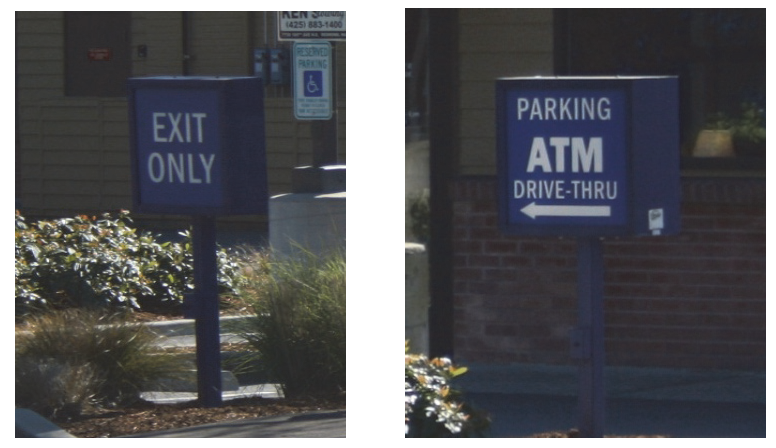
Figure 14.50.24. Directional sign examples.
"Sign, electronic" means a sign containing a display that can be changed by electrical, electronic or computerized process, including video signs.
"Sign, incidental" means a sign, emblem or decal designed to inform the public of goods, facilities, or services available on the premises, and may include but not be limited to signs designating:
(a)
Restrooms
(b)
Hours of operation
(c)
Acceptable credit cards
(d)
Property ownership or management
(e)
Recycling containers
(f)
Warning signs
"Sign, freestanding" means a sign with two sides that are not separated by more than two feet, standing directly upon the ground and being detached from any building or fence. See DMC [Section] 14.50.130 for allowed freestanding signs.
"Sign, fuel price" means a sign utilized to advertise the price of gasoline and/or diesel fuel.
"Sign, logo" means a sign, graphic representation, or symbol of a company name, trademark, abbreviation, uniquely designed for ready recognition. A logo sign may be a wall sign or a freestanding sign.
"Sign, marquee" means a sign painted on or attached directly to and supported by a marquee. A marquee is a rigid roof like shelter projecting above an outer door and over a sidewalk or a terrace, which may be attached to a building or be freestanding.
"Sign, monument" means a freestanding sign that is above ground level and is anchored to the ground by a solid base, with no open space between the sign and the ground.
"Sign, off-premises" means a sign which displays a message relating to use of property or sale of goods or services at a location other than that on which the sign is located.
"Sign, opaque" means a building mounted sign that is attached to and supported by the exterior wall of a building or a structure where the surface of the sign is generally comprised of two or more opaque materials on the same plane. Where internally illuminated, the opaque material that comprises the lettering of the sign may be translucent such that it allows limited light to shine through the sign letters.

Figure 14.50.25. Opaque sign examples.
"Sign, painted" means a sign, mural or graphic design painted directly onto a building facade or onto a flat wood or metal surface that is then attached to the building facade.

Figure 14.50.26. Painted sign examples.
"Sign, permanent residential development identification" means a permanent monument or wall sign identifying the residential development upon which the sign is located.
"Sign, political" means a sign advertising a candidate or candidates for public elective office, or a political party, or signs urging a particular vote on a public issue decided by ballot.
"Sign, primary" means a painted, opaque, awning, marquee, or channel letter sign that is designed to be the primary source of business identification to both pedestrian and vehicular traffic.
"Sign, projecting" means a sign other than a wall sign, which projects from and is supported by a wall of a building or structure.
"Sign, raceway" means a separate, rectangular structure upon which individual letters can be mounted. "Sign, roof" means signs erected or constructed wholly upon and over the roof of any building and supported solely on the roof structure. Signs standing out horizontally from a mansard roof are considered wall signs; however, they may not extend vertically above the top of the mansard.
"Sign, secondary" means a window, logo or blade, sign that generally contains secondary, pedestrian oriented business identification.
"Sign, shadow" means a wall sign comprised of individual letters or graphics that is attached to and supported by the exterior wall of a building with the exposed face of the sign lettering or graphics on a plane parallel to the wall of the building, where the surface of the sign is generally comprised of completely opaque material. The sign lettering or graphics are separated from the building facade such that during daylight hours the lettering generates a shadow on the building facade.

Figure 14.50.27. Painted sign examples.
"Sign, Halo Lit" means a shadow sign with back lighting that creates a halo affect around the letters. Exposed bulbs are prohibited in this application.

Figure 14.50.28. Shadow sign examples.
"Sign, temporary" means a sign that is designed to be displayed for a limited amount of time and is not permanently placed or affixed such as to prevent its removal.
"Sign, wall" means any sign painted on, or attached directly to and supported by, the wall of a building or structure. All wall signs are building mounted signs. Wall signs may include, but are not limited to window, opaque, shadow, painted, channel letter, and logo signs.
"Sign, snipe" means an off-premises sign which is tacked, nailed, posted, pasted, glued or otherwise attached to trees, poles, stakes, fences, utility poles or to other objects, not applicable to the present use of the premises or structure upon which the sign is located.
"Sign, Wayfinding" means an off-premises sign that is part of a city-sponsored and coordinated program for the purpose of facilitating tourist transit to local tourist destinations as designated and recognized by the City's Wayfinding Sign Program to include public facilities, parks and open space.
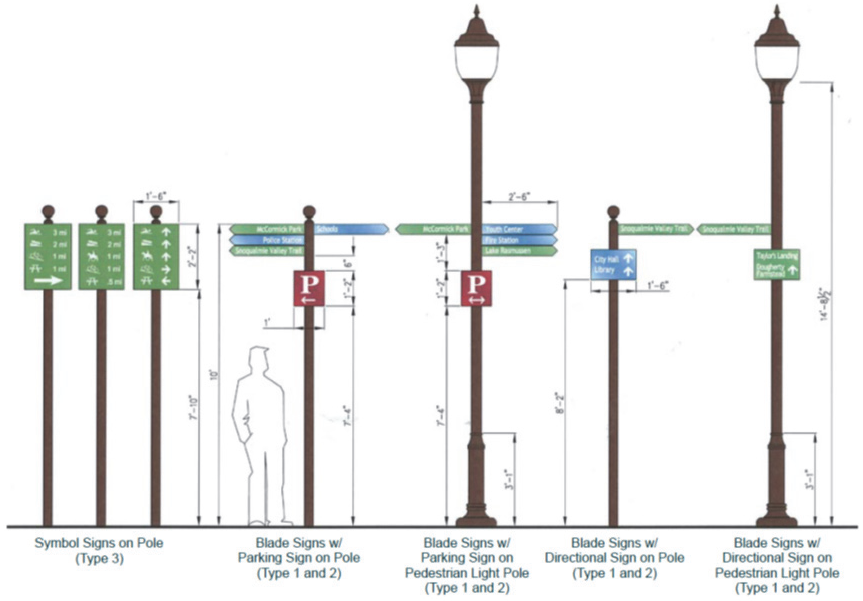
Figure 14.50.29. City's Wayfinding Design Sign Program.
"Sign, Window" means all signs located inside and affixed to or within three feet of windows of a building, whether temporary or permanent, lighted or unlighted, which may be viewed from the exterior of the building. The term does not include merchandise located within three feet of a window.
(Ord. No. 1338, § 2(Exh. A), 6-5-2025)

