
Hillsboro City Zoning Code
SUB CHAPTER 12.24
MIXED-USE AND URBAN CENTER ZONES
12.24.010 - Mixed-Use and Urban Center Zones.
There are 9 mixed-use and urban center zones in the City:
A.
MU-N Mixed-Use — Neighborhood;
B.
MU-C Mixed-Use — Commercial;
C.
MU-VTC Mixed-Use — Village Town Center;
D.
SCR-V Station Community Residential Village;
E.
UC-RM Urban Center — Residential Medium Density;
F.
UC-MU Urban Center — Mixed-Use Urban Density;
G.
UC-AC Urban Center — Activity Center;
H.
UC-NC Urban Center — Neighborhood Center;
I.
UC-OR Urban Center — Office/Research; and
J.
UC-RP Urban Center — Research Park.
(Ord. 6401 § 1, 2022; Ord. 6322 § 1, 2019; Ord. 6110 § 4, 2015)
12.24.020 - Locational Characteristics.
On the Comprehensive Plan Land Use Map, Mixed-Use and Urban Center zones implement 7 Comprehensive Plan Land Use Map designations as shown in Table 12.24.020-1.
(Ord. 6401 § 1, 2022; Ord. 6110 § 4, 2015)
12.24.030 - Organization within This Subchapter.
A.
Common Elements. Each section in this subchapter contains the following subsections:
1.
Purpose;
2.
Permitted, Conditional, Limited, and Not Permitted Housing Types (organized in tables);
3.
Permitted, Conditional, Limited and Not Permitted Uses (organized in tables);
4.
Accessory Uses Permitted;
5.
Special Provisions Regarding Uses;
6.
Development Standards (organized in tables, illustrated in figures);
7.
Variances and Adjustments; and
8.
Other Pertinent Regulations.
B.
Purpose. Purpose statements for each zone subchapter are descriptive of the zone's characteristics and intent. This information is drawn from the Comprehensive Plan and/or the Community Development Code. Purpose statements are informational and not intended to be regulations.
C.
Housing Types. Residential uses in mixed-use zones occupy a variety of housing types. Permitted, conditionally permitted, limited and not permitted housing types within each zone are summarized in tables based on the definitions of housing types listed in Section 12.01.500. Neither the residential use categories nor the housing types distinguish between owner- or renter-occupation.
D.
Uses. Permitted, conditionally permitted, limited and not permitted uses within each zone are summarized in tables based on the standardized use categories contained in Subchapter 12.10.
1.
Permitted Uses (P) are permitted by right, subject to all applicable provisions of this Code.
2.
Conditionally Permitted Uses (C) may be allowed, subject to approval on an individual basis as Conditional Uses. The Conditional Use application process and approval criteria are set forth in Subchapters 12.70 and 12.80. Certain Conditional Uses may have additional standards as set forth in Subchapter 12.40.
3.
Limited Uses (L) are permitted by right, but are subject to specified requirements, exceptions or restrictions which may vary with the nature, size, or location of the use.
4.
Not Permitted Uses (N) are not permitted in the zone under any circumstances.
E.
Accessory Uses Permitted by Right. Accessory uses vary based on the use categories contained in Subchapter 12.10. Accessory uses are permitted in each zone in conjunction with the primary use on the site and are subject to the same regulations as the primary use unless stated otherwise in the Code. Characteristics and standards for certain accessory uses are listed in Subchapter 12.40.
F.
Special Provisions Regarding Uses. Where certain notations in the Clarifications column of the uses tables require further explanation, they are noted in this section.
G.
Development Standards.
1.
Development standards in each mixed-use or urban center zone are summarized in tables. Development standards are typically numerical standards: minimum and maximum densities; minimum floor area ratios; minimum and maximum lot dimensions; structural setbacks; maximum building height and lot coverage. All development must comply with the development standards unless a discretionary Variance or Adjustment is approved as described in subsection H below.
2.
Except in the UC zones, density calculation formulas for minimum and maximum density are set forth in Section 12.50.120. Minimum and maximum residential densities apply to all residential use categories, except as specified for middle housing in the development standards for each zone.
3.
Except in the SCR-V and UC-RP zones, certain development standards are illustrated in a figure immediately following the development standards table.
4.
In the UC zones, development intensity standards (du/na and FAR) are applied as follows:
a.
Mixed-use development, either vertical or horizontal, is not required.
b.
Minimum FAR standards apply to parcels containing only non-residential development.
c.
Minimum residential density standards apply to parcels containing only residential development, and to vertical mixed-use development that includes non-residential uses on the ground floor and residential uses on upper floors. In vertical mixed-use projects, ground floor non-residential space is not required to meet minimum FAR requirements.
d.
If a single building or a single development parcel contains a mix of residential and non-residential development, and the provisions of paragraph c above do not apply, the minimum required density or FAR shall be based on the percentages of gross floor area (GFA) devoted to residential and non-residential uses. For example, if 70% of the GFA on a single development parcel would be developed as residential and 30% as non-residential, the development would be required to meet at least 70% of the minimum residential density and 30% of the minimum non-residential density of the applicable base zone standards.
H.
Variances and Adjustments. Applications to vary or adjust certain numeric standards in each zone may be requested and approved under Sections 12.80.152, 12.80.154, and 12.80.156. Certain numeric standards may also be subject to exceptions under specific circumstances, as described in the Standards section.
I.
Other Pertinent Regulations. Additional standards such as parking, landscaping, vision clearance, and street improvements as listed in Subchapter 12.50 may also apply to development in mixed-use zones. These site design and development standards may also have exceptions as described in those sections. The Amberglen Plan District standards in Subchapter 12.60 apply in UC zones.
(Ord. 6401 § 1, 2022; Ord. 6322 § 1, 2019; Ord. 6178 § 1, 2016)
12.24.100 - MU-N Mixed-Use—Neighborhood.
The MU-N zone includes the following sections:
12.24.110 Purpose
12.24.120 Housing Types
12.24.130 Uses
12.24.140 Accessory Uses Permitted by Right
12.24.150 Special Provisions Regarding Uses
12.24.160 Development Standards
12.24.170 Variances and Adjustments
12.24.180 Other Pertinent Regulations
(Ord. 6401 § 1, 2022)
12.24.110 - Purpose.
A.
Create Opportunities for Mixed-Use Development. The MU-N zone implements the Mixed-Use Comprehensive Plan designation, providing opportunities to site compatible land uses close together in appropriate locations to shorten transportation trips and facilitate multi-modal development. Mixed-use developments may occur horizontally side-by-side or vertically in the same structure.
B.
Encourage Infill and Redevelopment. The MU-N zone facilitates infill development and allows redevelopment of commercial, residential and mixed-use development within existing neighborhoods.
C.
Enhance Economic Viability of Mixed-Use Projects. The MU-N zone allows flexibility in development standards to recognize the challenge of developing small scale Mixed-Use buildings a similar scale to surrounding residential development.
D.
Appropriately Scale Commercial Uses. By limiting the size of any one commercial retail Use, the standards of the MU-N zone keep the scale of commercial activity appropriate to the surrounding area.
E.
Improve Efficiency of Existing Street Systems. The Mixed-Use development pattern of the MU-N zone helps support the street system and existing street grid patterns through redevelopment and land divisions as much as possible, or through use of new street plans as appropriate.
(Ord. 6401 § 1, 2022)
12.24.120 - Housing Types.
Table 12.24.120-1 lists the Housing Types permitted in the MU-N zone. Housing Types are defined in Section 12.01.500.
(P) Permitted (C) Conditional (L) Limited (N) Not Permitted
(Ord. 6401 § 1, 2022)
12.24.130 - Uses.
Table 12.24.130-1 lists Uses Permitted, Conditionally Permitted, Limited or Not Permitted in the MU-N zone.
(P) Permitted (C) Conditional (L) Limited (N) Not Permitted
(Ord. 6451 § 1, 2023; Ord. 6417 § 1, 2022; Ord. 6401 § 1, 2022; Ord. 6393 § 1, 2021; Ord. 6322 § 1, 2019; Ord. 6294 § 1, 2019; Ord. 6149 § 1, 2015)
12.24.140 - Accessory Uses Permitted by Right.
A.
Accessory Uses to Residential Primary Uses.
1.
Accessory Structures. Accessory structures as defined in Section 12.01.500 are permitted subject to additional requirements in Section 12.40.104.
2.
Accessory Dwelling Units. Accessory dwelling units (ADUs) are defined in Section 12.01.500, and are permitted when accessory to single detached dwellings or townhouses subject to additional requirements in Section 12.40.100.
3.
Certified or Registered Family Child Care Homes and Residential Homes. Certified or registered family child care homes as defined in ORS 329A are permitted; and certified residential homes as defined in ORS 443 are also permitted.
4.
Household Energy Production Facilities. Household energy production facilities are defined in Section 12.01.500, and are permitted subject to issuance of necessary and appropriate Federal, State and local permits.
5.
Amateur or "Ham" Radio Facilities. Amateur or "ham" radio facilities are permitted subject to issuance of necessary and appropriate Federal, State and local permits.
6.
Home Occupations. Home occupations are defined in Section 12.01.500, and are permitted subject to additional requirements in Section 12.40.170.
7.
Community Buildings. Community buildings used solely by residents of a specific neighborhood or development are permitted when approved as an amenity of that neighborhood or development during the development process. When accessory to cottage clusters, community buildings are subject to additional requirements in Subsection 12.50.715.E.9.
B.
Accessory Uses to Commercial Primary Uses. Accessory uses to commercial primary uses vary based on the use categories contained in Subchapter 12.10. Accessory uses are permitted in conjunction with the primary use on the site and subject to the same regulations as the primary use unless stated otherwise in the Code.
(Ord. 6401 § 1, 2022; Ord. 6323 § 1, 2019; Ord. 6322 § 1, 2019; Ord. 6120 § 1, 2015)
12.24.150 - Special Provisions Regarding Uses.
A.
Maximum First Floor Non-Residential Occupancy Area in Mixed-Use Buildings. The maximum area for a single non-residential occupancy on the first floor of a mixed-use building is 6,000 square feet.
B.
Drive-Through Facilities. Drive-through facilities are not permitted.
C.
Limitations on Manufacturing and Production Uses. Cottage industry uses proposed in the MU-N zone shall be scaled and conducted to have no impacts on adjacent properties related to noise, dust, odor or light glare.
D.
Limitations on Animal Service Facilities. Accessory overnight pet boarding is permitted outright at veterinary clinics, but requires Conditional Use approval at other animal service facilities. Outdoor exercise areas are not permitted.
(Ord. 6401 § 1, 2022; Ord. 6322 § 1, 2019)
12.24.160 - Development Standards.
Base zone development standards in the MU-N zone are listed in Table 12.24.160-1. Certain standards are illustrated in Figure 12.24.160-A.
* Standards illustrated in Figure 12.24.160-A
Figure 12.24.160-A:
Minimum Lot Dimensions, Setbacks
and Height Requirements in the MU-N Zone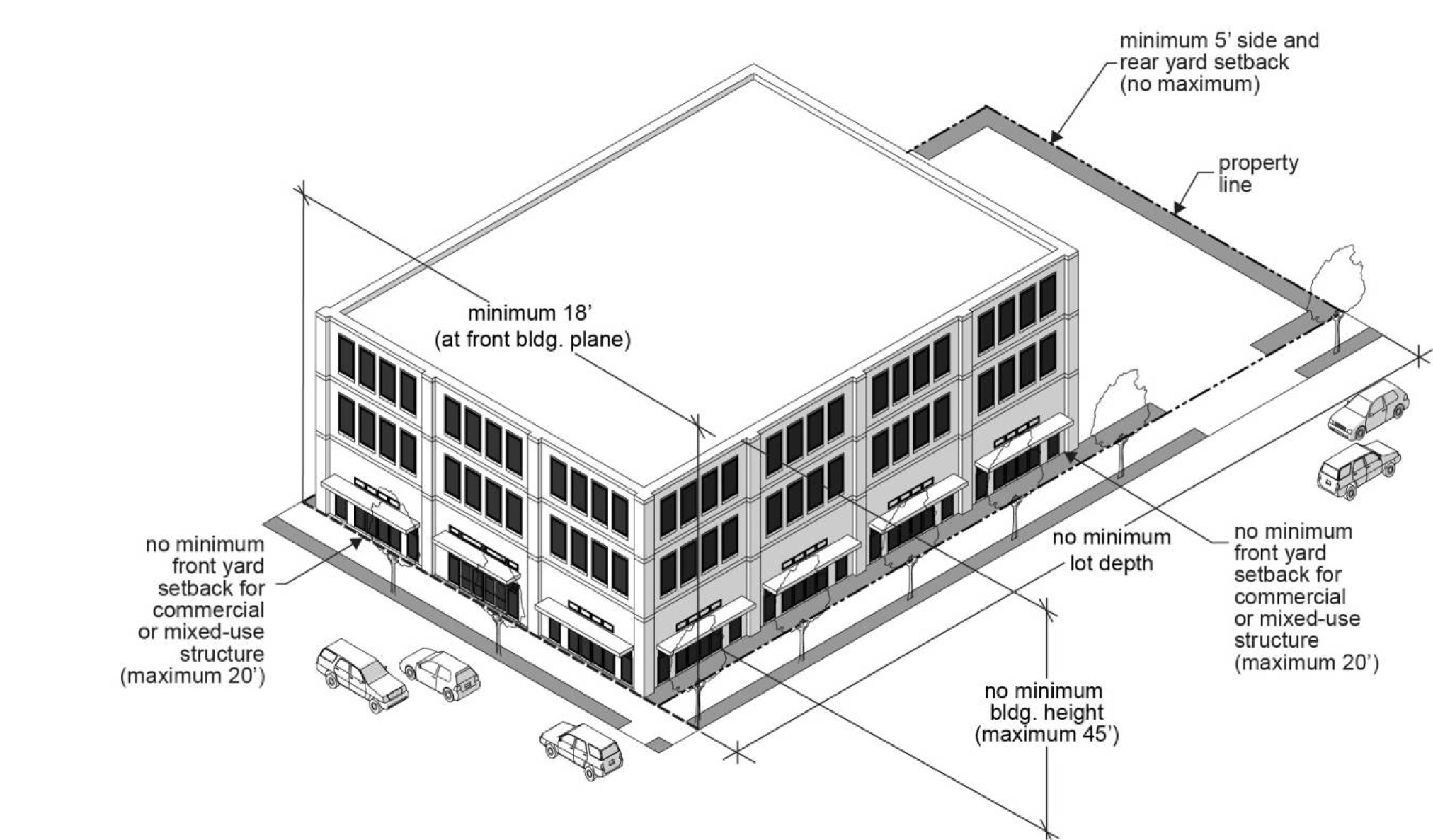
(Ord. 6401 § 1, 2022; Ord. 6120 § 1, 2015)
12.24.170 - Variances and Adjustments.
Applications for Variances and Adjustments per Section 12.80.150 to standards in the MU-N zone may be approved under 1 of 4 processes:
A.
As a Variance pursuant to Section 12.80.152;
B.
As a Minor Adjustment in conjunction with a primary Type II or Type III application pursuant to Section 12.80.154;
C.
As a Major Adjustment in conjunction with a primary Type III application pursuant to Section 12.80.156; or
D.
With a Significant Natural Resource Permit pursuant to Section 12.80.130.
(Ord. 6401 § 1, 2022; Ord. 6120 § 1, 2015)
12.24.180 - Other Pertinent Regulations.
Additional standards such as parking, landscaping, vision clearance, and street improvements also apply to development in the MU-N zone as follows:
•
Section 12.50.200 Site Design
•
Section 12.50.300 Vehicle Parking
•
Section 12.50.400 Bicycle Parking/Bicycle and Pedestrian Circulation and Connectivity
•
Section 12.50.500 Access and Street Standards
•
Section 12.50.600 Public Utilities, Site Grading and Storm Water Management Facilities Site Integration
•
Section 12.50.800 Design Standards for Non-Residential and Mixed-Use Development
(Ord. 6401 § 1, 2022)
12.24.200 - MU-C Mixed-Use—Commercial.
The MU-C zone includes the following sections:
12.24.210 Purpose
12.24.220 Housing Types
12.24.230 Uses
12.24.240 Accessory Uses Permitted by Right
12.24.250 Special Provisions Regarding Uses
12.24.260 Development Standards
12.24.270 Variances and Adjustments
12.24.280 Other Pertinent Regulations
(Ord. 6401 § 1, 2022)
12.24.210 - Purpose.
A.
Create Opportunities for More Intense Mixed-Use Development. The MU-C zone implements the Mixed-Use Comprehensive Plan designation, providing opportunities to develop a mixture of larger-scale commercial and residential uses on sites that are considerably larger than those located within MU-N zones. Mixed-use developments may occur vertically in the same structure, or horizontally side-by-side in the same development, but not necessarily on the same parcel.
B.
Balance Transportation Needs on Large Sites. The standards of the MU-C zone allow development of large-scale lots/parcels with a mix of commercial and residential uses, characterized by design amenities that accommodate pedestrians and motorists equally.
C.
Create New Efficient Street Grids. The standards of the MU-C zone facilitate completion of street grid patterns from existing and new streets, creating a transportation and development framework that accommodates pedestrian, bicycle, transit and automobile travel in the area.
D.
Enhance Economic Viability of Mixed-Use Projects. The MU-C zone allows flexibility in development standards to allow a complimentary mixture of uses within a development, but not necessarily on the same parcel.
E.
Create an Attractive Streetscape. The MU-C zone standards limit ground floor retail uses to reflect a sense of a village center, rather than a shopping center, creating an interesting and attractive pedestrian environment.
(Ord. 6401 § 1, 2022; Ord. 6322 § 1, 2019)
12.24.220 - Housing Types.
Table 12.24.220-1 lists housing types permitted in the MU-C zone. Housing types are defined in Section 12.01.500.
(P) Permitted (C) Conditional (L) Limited (N) Not Permitted
(Ord. 6401 § 1, 2022; Ord. 6322 § 1, 2019)
12.24.230 - Uses.
Table 12.24.230-1 lists uses permitted, conditionally permitted, limited or not permitted in the MU-C zone.
(P) Permitted (C) Conditional (L) Limited (N) Not Permitted
(Ord. 6451 § 1, 2023; Ord. 6417 § 1, 2022; Ord. 6401 § 1, 2022; Ord. 6393 § 1, 2021; Ord. 6322 § 1, 2019; Ord. 6294 § 1, 2019; Ord. 6149 § 1, 2015)
12.24.240 - Accessory Uses Permitted by Right.
A.
Accessory Uses to Residential Primary Uses.
1.
Accessory Structures. Accessory structures are defined in Section 12.01.500, and are permitted subject to additional requirements in Section 12.40.104.
2.
Community Recreation Facilities and Community Buildings. Community recreation facilities and community buildings used solely by residents of a specific neighborhood or development are permitted when approved as an amenity of that neighborhood or development during the development process.
3.
Certified or Registered Family Child Care Home and Residential Homes. Certified or registered family child care homes as defined in ORS 329A are permitted, and certified or registered residential homes as defined in ORS 443 are also permitted.
4.
Household Energy Production Facilities. Household energy production facilities are defined in Section 12.01.500, and are permitted subject to issuance of necessary and appropriate Federal, State and local permits.
5.
Amateur or "Ham" Radio Facilities. Amateur or "ham" radio facilities are permitted subject to issuance of necessary and appropriate Federal, State and local permits.
6.
Home Occupations. Home occupations are defined in Section 12.01.500, and are permitted subject to additional requirements in Section 12.40.170.
B.
Accessory Uses to Commercial Primary Uses. Accessory uses to commercial primary uses vary based on the use categories contained in Subchapter 12.10. Accessory uses are permitted in conjunction with the primary use on the site and subject to the same regulations as the primary use unless stated otherwise in the Code.
(Ord. 6401 § 1, 2022; Ord. 6323 § 1, 2019; Ord. 6322 § 1, 2019; Ord. 6120 § 1, 2015)
12.24.250 - Special Provisions Regarding Uses.
A.
Maximum Ground Floor Commercial Occupancy Area in Mixed-Use Buildings. The maximum first floor footprint for a single non-residential occupancy in a mixed-use building is 20,000 square feet; larger buildings may be permitted with integrated structured parking under subsection B below.
B.
Larger Footprints Permitted with Structured Parking. Increases in the maximum building footprint up to 40,000 square feet may be permitted for buildings which integrate structured parking into the building envelope, provided that the structured parking complies with the design standards in Subsection 12.50.360.D.
C.
Increased Height Permitted with Structured Parking. Pursuant to Subsection 12.50.140.E.4, increases in building height may be permitted for buildings which integrate structured parking into the building envelope, provided the structured parking complies with the design standards in Subsection 12.50.360.D.
D.
Limitations on Drive-Through Facilities. Drive-through facilities are permitted in the MU-C subject to the following limitations:
1.
New drive-through facilities must be located with 100 feet of an arterial street.
2.
No more than 2 drive-through service lanes are permitted between the building façade and the street.
3.
Drive-through lanes between a building façade and the street must be buffered at the property line by evergreen shrubs at least 2 feet higher than finished grade when planted: shrub species must reach at least 3 feet height at maturity.
E.
Limitations on Animal Service Facilities. Accessory overnight pet boarding is permitted outright at veterinary clinics, but requires Conditional Use approval at other animal service facilities. Outdoor exercise areas are not permitted.
F.
Limitations on Manufacturing and Production Uses. Cottage industry uses proposed in the MU-C zone shall be scaled and conducted, and have no impacts on adjacent properties related to noise, dust, odor or light glare.
G.
Vertical Mixed-Use Required on Arterial and Collector Streets. At least 60% of street level street frontage on arterial and collector streets within each development shall be constructed for occupancy by active pedestrian uses, including, but not limited to, eating and drinking establishments, retail goods and services, community service uses, and public open space including transit shelters. The remaining percentage of the street frontage may be occupied by other uses, including residential uses, sidewalk entries or driveways. Private open space cannot be included in the minimum 60% street frontage requirement.
H.
Street Level Retail Construction Requirements. To accommodate the active pedestrian uses required in subsection G above, ground floor construction in at least 60% of street level street frontage on arterial and collector streets within each development must be constructed to the following standards:
1.
Minimum floor height of 13 feet and minimum leasable depth of 30 feet;
2.
Maximum front setback of 10 feet unless abutting a public open space; and
3.
Provision of pedestrian access directly from the street or public open space at not more than 3 feet above or below sidewalk grade or at grade if abutting a public open space.
(Ord. 6401 § 1, 2022; Ord. 6322 § 1, 2019)
12.24.260 - Development Standards.
Base zone development standards in the MU-C zone are listed in Table 12.24.260-1. Certain standards are illustrated in Figure 12.24.260-A.
* Standards illustrated in Figure 12.24.260-A
Figure 12.24.260-A:
Minimum Lot Dimensions, Setbacks
and Height Requirements in the MU-C Zone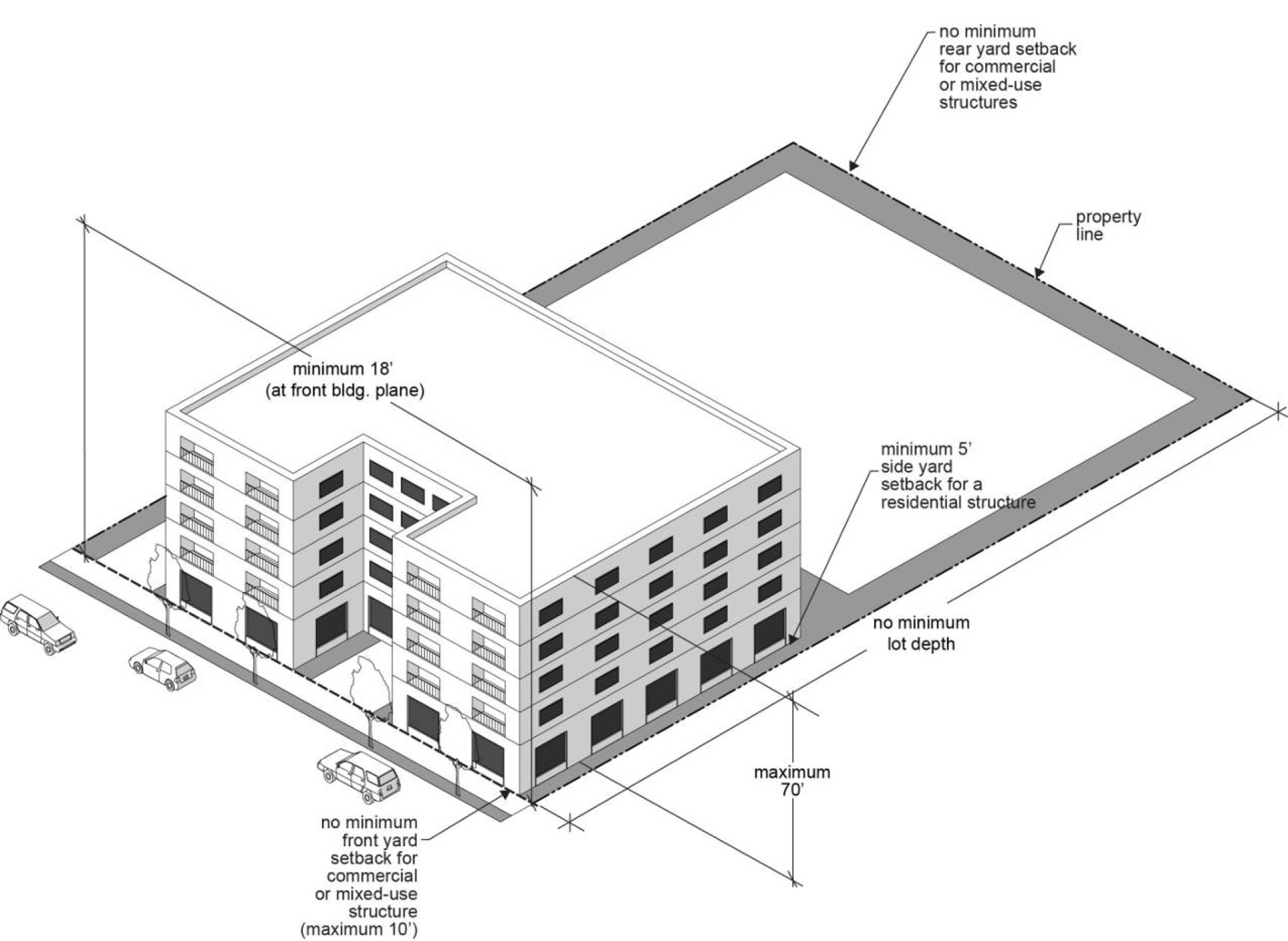
(Ord. 6401 § 1, 2022; Ord. 6120 § 1, 2015)
12.24.270 - Variances and Adjustments.
Applications for Variances and Adjustments per Section 12.80.150 to standards in the MU-C zone may be approved under 1 of 4 processes:
A.
As a Variance pursuant to Section 12.80.152;
B.
As a Minor Adjustment in conjunction with a primary Type II or Type III application pursuant to Section 12.80.154;
C.
As a Major Adjustment in conjunction with a primary Type III application pursuant to Section 12.80.156;
D.
With a Significant Natural Resource Permit pursuant to Section 12.80.130.
(Ord. 6401 § 1, 2022; Ord. 6120 § 1, 2015)
12.24.280 - Other Pertinent Regulations.
Additional standards such as parking, landscaping, vision clearance, and street improvements also apply to development in the MU-C zone as follows:
•
Section 12.50.200 Site Design
•
Section 12.50.300 Vehicle Parking
•
Section 12.50.400 Bicycle Parking/Bicycle and Pedestrian Circulation and Connectivity
•
Section 12.50.500 Access and Street Standards
•
Section 12.50.600 Public Utilities, Site Grading and Storm Water Management Facilities Site Integration
•
Section 12.50.800 Design Standards for Non-Residential and Mixed-Use Development
(Ord. 6401 § 1, 2022)
12.24.300 - MU-VTC Mixed-Use—Village Town Center.
The MU-VTC zone includes the following sections:
12.24.310 Purpose
12.24.315 Implementation and Special Provisions
12.24.320 Housing Types
12.24.330 Uses
12.24.340 Accessory Uses Permitted by Right
12.24.350 Special Provisions Regarding Uses
12.24.360 Development Standards
12.24.370 Variances and Adjustments
12.24.380 Other Pertinent Regulations
(Ord. 6401 § 1, 2022; Ord. 6110 § 5, 2015)
12.24.310 - Purpose.
A.
Create Complete New Neighborhoods. The MU-VTC zone provides opportunities to create mixed-use centers and neighborhoods containing a variety of housing types, and commercial, civic and employment opportunities that are designed for both pedestrian-sensitivity and auto-accommodation. To create a complete neighborhood, the zone may be applied within planned communities or to properties zoned MU-VTC that are adjacent to an existing MU-VTC neighborhood.
B.
Create a Pedestrian-Friendly Environment. The MU-VTC zone encourages design of a pedestrian scaled main street character and inclusion of "third places" to encourage a sense of community among residents, customers, and employees. This zone also encourages development and infrastructure amenities indicative of a pedestrian-sensitive street and alley system along with an associated greenspace system which integrates natural resource features and open space into the urban design.
(Ord. 6401 § 1, 2022; Ord. 6110 § 5, 2015)
12.24.315 - Implementation and Special Provisions.
A.
Implementation. The MU-VTC zone implements the MU Comprehensive Plan designation.
B.
Relationship to South Hillsboro Plan District (12.65).
1.
The MU-VTC zone may be applied to all areas within the South Hillsboro Plan District designated Mixed-Use on the Comprehensive Plan map.
2.
The South Hillsboro Plan District includes design and development standards that are unique to South Hillsboro. The South Hillsboro Plan District establishes limitations on some housing types and uses which modify or supersede this base zone for the designated South Hillsboro Town Center and Village Center Core Areas.
3.
Within the South Hillsboro Plan District the boundaries of the Town Center Core Area and Village Center Core Area and Active Use Streets shall be established in accordance with 12.65.030.
(Ord. 6401 § 1, 2022; Ord. 6110 § 5, 2015)
12.24.320 - Housing Types.
Table 12.24.320-1 lists housing types permitted in the MU-VTC zone. Housing types are defined in Section 12.01.500.
(P) Permitted (C) Conditional (L) Limited (N) Not Permitted
(Ord. 6401 § 1, 2022; Ord. 6322 § 1, 2019; Ord. 6110 § 5, 2015)
12.24.330 - Uses.
Table 12.24.330-1 lists uses permitted, conditionally permitted, limited, or not permitted in the MU-VTC zone.
(P) Permitted (C) Conditional (L) Limited (N) Not Permitted
(Ord. 6451 § 1, 2023; Ord. 6417 § 1, 2022; Ord. 6401 § 1, 2022; Ord. 6393 § 1, 2021; Ord. 6322 § 1, 2019; Ord. 6294 § 1, 2019; Ord. 6149 § 1, 2015; Ord. 6110 § 5, 2015)
12.24.340 - Accessory Uses Permitted by Right.
A.
Accessory Uses to Residential Primary Uses.
1.
Accessory Structures. Accessory structures as defined in Section 12.01.500 are permitted subject to additional requirements in Section 12.40.104.
2.
Accessory Dwelling Units. Accessory dwelling units (ADUs) are defined in Section 12.01.500, and are permitted when accessory to single detached dwellings or townhouses subject to additional requirements in Section 12.40.100.
3.
Community Recreation Facilities and Community Buildings. Community recreation facilities and community buildings intended for the sole use by residents of a specific neighborhood or development are permitted when approved as an amenity of that neighborhood or development during the development process. When accessory to cottage clusters, community buildings are subject to additional requirements in Subsection 12.50.715.E.9.
4.
Certified or Registered Family Child Care Home and Residential Homes. Certified or registered family child care home as defined in ORS 329A are permitted, and residential homes as defined in ORS 443 are also permitted.
5.
Household Energy Production Facilities. Household energy production facilities are defined in Section 12.01.500, and are permitted subject to issuance of necessary and appropriate Federal, State and local permits.
6.
Amateur or "Ham" Radio Facilities. Amateur or "ham" radio facilities are permitted subject to issuance of necessary and appropriate Federal, State and local permits.
7.
Home Occupations. Home occupations are defined in Section 12.01.500, and are permitted subject to additional requirements in Section 12.40.170.
B.
Accessory Uses to Non-Residential Primary Uses. Accessory uses to non-residential primary uses vary based on the use categories contained in Subchapter 12.10. Accessory uses are permitted in conjunction with the primary use on the site and subject to the same regulations as the primary use unless stated otherwise in the Code.
(Ord. 6401 § 1, 2022; Ord. 6323 § 1, 2019; Ord. 6120 § 1, 2015; Ord. 6110 § 5, 2015)
12.24.350 - Special Provisions Regarding Uses.
A.
Use Limitations within the South Hillsboro Plan District Village Center and Town Center Core Areas. Uses subject to this limitation are not permitted within the Village Center and Town Center Core Areas established pursuant to 12.65.030. They are only permitted in those MU-VTC zoned areas outside the Village Center and Town Center Core Areas.
B.
Use Limitations outside the South Hillsboro Plan District Village Center and Town Center Core Areas. Uses subject to this limitation are not permitted outside the Village Center and Town Center Core Areas established pursuant to 12.65.030 unless the Review Authority finds as part of a PUD approval that the proposed use will not detract from the role of the Core Areas as the primary commercial and civic centers of the plan district.
C.
Non-Residential Occupancy: Footprint Size Limitations in the South Hillsboro Plan District. For uses identified in Table 12.24.330-1 as subject to this section, non-residential occupancy is limited as follows:
1.
Except as provided for in paragraphs C.2 and 3, below, the total ground floor occupancy of each tenant shall not exceed the following:
a.
20,000 square feet within Town Center or Village Center established pursuant to 12.65.030.
2.
Larger "per tenant" ground floor occupancies may be permitted where structured parking is integrated into the building envelope, provided:
a.
The structured parking complies with the design standards in Subsection 12.50.360.D. and Section 12.65.800.
b.
The total ground floor occupancy of each tenant does not exceed 30,000 square feet within the Town Center Core or Village Center Core Areas established pursuant to 12.65.030 and 60,000 square feet within the remainder of the MU-VTC zone.
3.
Three uses with a total ground floor occupancy up to 60,000 square feet each are permitted within the Town Center Core Area established pursuant to Section 12.65.030.
D.
Drive-Through Facilities Within the South Hillsboro Plan District.
1.
Drive-through facilities (including, but not limited to, service windows, bays and lanes) shall be located behind buildings and shall not be visible from the street; and
2.
Access to a drive-through facility shall be limited to one driveway crossing and shall not be from an active use street established pursuant to Section 12.65.030.
E.
Interim FAR Adjustment. Adjustments of up to 20% FAR may be granted in the Town Center Core Area through the PUD. This adjustment request may be done within the first 5 years starting from the date of the first preliminary PUD approval which establishes the Town Center Core Area boundaries, or until 20% of the Core area has been developed, whichever comes first. Applications requesting reductions under this provision shall include a conceptual redevelopment plan that demonstrates how 90% of the base FAR standard, of the affected portions of the site, may be met with future (re)development of those portions of the site.
(Ord. 6401 § 1, 2022; Ord. 6322 § 1, 2019; Ord. 6110 § 5, 2015)
12.24.360 - Development Standards.
Development standards in the MU-VTC zone are listed in Table 12.24.360-1. Due to the flexibility of the MU-VTC zone, no development standards figure is provided.
(Ord. 6401 § 1, 2022; Ord. 6323 § 1, 2019; Ord. 6110 § 5, 2015)
12.24.370 - Variances and Adjustments.
Applications for Variances and Adjustments per Section 12.80.150 to standards in the MU-VTC zone may be approved under 1 of 4 processes:
A.
As a Variance pursuant to Section 12.80.152;
B.
As a Minor Adjustment in conjunction with a primary Type II or Type III application pursuant to Section 12.80.154;
C.
As a Major Adjustment in conjunction with a primary Type III application pursuant to Section 12.80.156; or
D.
With a Significant Natural Resource Permit pursuant to Section 12.80.130.
(Ord. 6401 § 1, 2022; Ord. 6322 § 1, 2019; Ord. 6120 § 1, 2015; Ord. 6110 § 5, 2015)
12.24.380 - Other Pertinent Regulations.
Additional standards such as parking, landscaping, vision clearance, and street improvements also apply to development in the MU-VTC zone as follows:
•
Sections 12.50.200 and 12.65.200 Site Design
•
Sections 12.50.300 and 12.65.300 Vehicle Parking
•
Sections 12.50.400 and 12.65.400 Bicycle Parking/Bicycle and Pedestrian Circulation and Connectivity
•
Sections 12.50.500, 12.65.500, and 12.65.940 Access and Street Standards
•
Sections 12.50.600 and 12.65.600 Public Utilities General Requirements, Site Grading, and Storm Water Management Site Integration
•
Section 12.65.700 Design Standards for Residential Development
•
Section 12.65.800 Design Standards for Non-Residential and Mixed-Use Development
•
Section 12.65.900 Transportation Studies, Public Facility Master Plan Compliance Requirements, Figures and Maps, and Street Figures
(Ord. 6401 § 1, 2022; Ord. 6110 § 5, 2015)
12.24.400 - SCR-V Station Community Residential—Village.
The SCR-V zone includes the following sections:
12.24.410 Purpose
12.24.420 Housing Types
12.24.430 Uses
12.24.440 Accessory Uses Permitted by Right
12.24.450 Special Provisions Regarding Uses
12.24.460 Development Standards
12.24.470 Variances and Adjustments
12.24.480 Other Pertinent Regulations
(Ord. 6401 § 1, 2022)
12.24.410 - Purpose.
A.
Create Complete New Neighborhoods. The SCR-V zone provides opportunities to create new Mixed-Use neighborhoods containing a variety of Housing Types, neighborhood commercial and employment opportunities, designed for both pedestrian-sensitivity and auto-accommodation. To create a complete neighborhood, the SCR-V zone is generally applied only to sites 30 or more acres in size, or to properties adjacent to an existing SCR-V neighborhood.
B.
Create a Village Center Environment. The SCR-V zone encourages incorporation of design, development and infrastructure amenities indicative of a village center, including a pedestrian-sensitive street and alley system, Mixed-Use buildings, integration of natural resource features and open space into the village design, and inclusion of "third places" to encourage a sense of community among residents, customers, and employees.
(Ord. 6401 § 1, 2022)
12.24.420 - Housing Types.
Table 12.24.420-1 lists Housing Types permitted in the SCR-V zone. Housing Types are defined in Section 12.01.500.
(P) Permitted (C) Conditional (L) Limited (N) Not Permitted
(Ord. 6401 § 1, 2022)
12.24.430 - Uses.
Table 12.24.430-1 lists Uses Permitted, Conditionally Permitted, Limited, or Not Permitted in the SCR-V zone.
(P) Permitted (C) Conditional (L) Limited (N) Not Permitted
(Ord. 6451 § 1, 2023; Ord. 6417 § 1, 2022; Ord. 6401 § 1, 2022; Ord. 6393 § 1, 2021; Ord. 6322 § 1, 2019; Ord. 6294 § 1, 2019; Ord. 6149 § 1, 2015)
12.24.440 - Accessory Uses Permitted by Right.
A.
Accessory Uses to Residential Primary Uses.
1.
Accessory Structures. Accessory structures as defined in Section 12.01.500 are permitted subject to additional requirements in Section 12.40.104.
2.
Accessory Dwelling Units. Accessory dwelling units (ADUs) are defined in Section 12.01.500, and are permitted when accessory to single detached dwellings or townhouses subject to additional requirements in Section 12.40.100.
3.
Community Recreation Facilities and Community Buildings. Community recreation facilities and community buildings used solely by residents of a specific neighborhood or development are permitted when approved as an amenity of that neighborhood or development during the development process. When accessory to cottage clusters, community buildings are subject to additional requirements in Subsection 12.50.715.E.9.
4.
Certified or Registered Family Child Care Home and Residential Homes. Certified or registered family child care home as defined in ORS 329A are permitted, and residential homes as defined in ORS 443 are also permitted.
5.
Household Energy Production Facilities. Household energy production facilities are defined in Section 12.01.500, and are permitted subject to issuance of necessary and appropriate Federal, State and local permits.
6.
Amateur or "Ham" Radio Facilities. Amateur or "ham" radio facilities are permitted subject to issuance of necessary and appropriate Federal, State and local permits.
7.
Home Occupations. Home occupations are defined in Section 12.01.500, and are permitted subject to additional requirements in Section 12.40.170.
B.
Accessory Uses to Commercial Primary Uses. Accessory uses to commercial primary uses vary based on the use categories contained in Subchapter 12.10. Accessory uses are permitted in conjunction with the primary use on the site and subject to the same regulations as the primary use unless stated otherwise in the Code.
(Ord. 6401 § 1, 2022; Ord. 6323 § 1, 2019; Ord. 6322 § 1, 2019; Ord. 6120 § 1, 2015)
12.24.450 - Special Provisions Regarding Uses.
A.
Commercial Building Occupancy and Footprint Size Limitations. Within the SCR-V zone, commercial buildings and occupancy uses are limited as follows:
1.
One-story, single occupant buildings are limited to a maximum 10,000 square feet footprint.
2.
Multiple-story, single- or multiple occupant buildings without residential uses are limited to a maximum 20,000 square feet footprint.
3.
Multiple-story, multiple occupant mixed-use buildings with at least 2 stories of residential use above the first floor are limited to a maximum 60,000 square feet footprint.
B.
Mixed-Use Buildings.
1.
Within 200 feet of an HCT station site, multi-dwelling residential developments with densities above 25 units per net acre shall include at least 10% of the ground floor (up to 5,000 square feet) as retail products and services or office commercial uses. Live/work units do not meet this standard.
2.
In mixed-use buildings including residential uses, retail products and service and office uses are permitted on all floors. Commercial uses in a mixed-use building shall occupy at least 5,000 square feet of the ground floor.
C.
Self-Service Storage. Self-service storage facilities are permitted farther than 1,300 feet from an LRT station. Self-service storage facilities shall be at least 2 stories in height, and shall meet applicable FAR requirements. Exterior access to individual units is not permitted if visible from a public right-of-way. Vehicle storage is not permitted.
(Ord. 6401 § 1, 2022; Ord. 6322 § 1, 2019)
12.24.460 - Development Standards.
Development standards in the SCR-V zone are listed in Table 12.24.460-1. Due to the flexibility of the SCR-V zone, no development standards figure is provided.
(Ord. 6401 § 1, 2022; Ord. 6323 § 1, 2019; Ord. 6120 § 1, 2015)
12.24.470 - Variances and Adjustments.
Applications for Variances and Adjustments per Section 12.80.150 to standards in the SCR-V zone may be approved under 1 of 4 processes:
A.
As a Variance pursuant to Section 12.80.152;
B.
As a Minor Adjustment in conjunction with a primary Type II or Type III application pursuant to Section 12.80.154;
C.
As a Major Adjustment in conjunction with a primary Type III application pursuant to Section 12.80.156; or
D.
With a Significant Natural Resource Permit pursuant to Section 12.80.130.
(Ord. 6401 § 1, 2022; Ord. 6322 § 1, 2019; Ord. 6120 § 1, 2015)
12.24.480 - Other Pertinent Regulations.
Additional standards such as parking, landscaping, vision clearance, and street improvements also apply to development in the SCR-V zone as follows:
•
Section 12.50.200 Site Design
•
Section 12.50.300 Vehicle Parking
•
Section 12.50.400 Bicycle Parking/Bicycle and Pedestrian Circulation and Connectivity
•
Section 12.50.500 Access and Street Standards
•
Section 12.50.600 Public Utilities, Site Grading and Storm Water Management Facilities Site Integration
•
Section 12.50.700 Design Standards for Residential Development
•
Section 12.50.800 Design Standards for Non-Residential and Mixed-Use Development
(Ord. 6401 § 1, 2022)
12.24.500 - UC-RM Urban Center—Residential Medium Density.
The UC-RM zone includes the following sections:
12.24.510 Purpose
12.24.520 Housing Types
12.24.530 Uses
12.24.540 Accessory Uses Permitted by Right
12.24.550 Special Provisions Regarding Uses
12.24.560 Development Standards
12.24.570 Variances and Adjustments
12.24.580 Other Pertinent Regulations
(Ord. 6401 § 1, 2022)
12.24.510 - Purpose.
A.
Create and Maintain Mixed Residential Opportunities. The UC-RM zone implements the MU-UR Mixed-Use-Urban Residential Plan designation, providing opportunities for a mix of townhouses, condominiums, apartments and other multi-dwelling development within the Amberglen area and other appropriate areas.
B.
Transition Residential Density. The UC-RM zone provides a transition between higher intensity developments desired at the core of a higher intensity area to the lower intensity residential development (both existing and planned) at the periphery of the area.
C.
Preserve Neighborhood Livability. The UC-RM zone encourages livability in existing and future mixed density residential neighborhoods by allowing residential development with compatible non-residential uses such as schools, assembly facilities and parks.
(Ord. 6401 § 1, 2022; Ord. 6322 § 1, 2019)
12.24.520 - Housing Types.
Table 12.24.520-1 lists the housing types permitted in the UC-RM zone. Housing types are defined in Section 12.01.500.
(P) Permitted (C) Conditional (L) Limited (N) Not Permitted
(Ord. 6401 § 1, 2022; Ord. 6322 § 1, 2019)
12.24.530 - Uses.
Table 12.24.530-1 lists uses permitted, conditionally permitted, limited or not permitted in the UC-RM zone.
(P) Permitted (C) Conditional (L) Limited (N) Not Permitted
(Ord. 6451 § 1, 2023; Ord. 6417 § 1, 2022; Ord. 6401 § 1, 2022; Ord. 6393 § 1, 2021; Ord. 6322 § 1, 2019; Ord. 6294 § 1, 2019)
12.24.540 - Accessory Uses Permitted by Right.
A.
Accessory Structures. Accessory structures as defined in Section 12.01.500 are permitted subject to additional requirements in Section 12.40.104.
B.
Accessory Dwelling Units. Accessory dwelling units (ADUs) are defined in Section 12.01.500 and are permitted when accessory to single detached dwellings or townhouses, subject to additional requirements in Section 12.40.100.
C.
Certified or Registered Family Child Care Homes and Residential Homes. Certified or registered family child care homes as defined in ORS 329A are permitted; and certified or registered residential homes as defined by ORS 443 are also permitted.
D.
Household Energy Production Facilities. Household energy production facilities are defined in Section 12.01.500, and are permitted subject to issuance of necessary and appropriate Federal, State and local permits, and maintenance in good condition.
E.
Amateur or "Ham" Radio Facilities. Amateur or "ham" radio facilities are permitted subject to issuance of necessary and appropriate Federal, State and local permits.
F.
Horticultural Activities. Horticultural activities as defined in Section 12.01.500 are permitted, excluding commercial buildings or structures.
G.
Home Occupations. Home occupations are defined in Section 12.01.500, and are permitted in all housing types subject to additional requirements in Section 12.40.170.
H.
Community Recreation Facilities and Community Buildings. Community recreation facilities and community buildings used solely by residents of the specific neighborhood or development are permitted when approved as an amenity of that neighborhood or development during the development process.
(Ord. 6401 § 1, 2022; Ord. 6323 § 1, 2019; Ord. 6120 § 1, 2015)
12.24.550 - Special Provisions Regarding Uses.
There are no special provisions regarding uses in the UC-RM zone.
(Ord. 6401 § 1, 2022; Ord. 6322 § 1, 2019)
12.24.560 - Development Standards.
Base zone development standards in the UC-RM zone are listed in Table 12.24.560-1. Certain standards are illustrated in Figure 12.24.560-A.
* Standards illustrated in Figure 12.24.560-A
Figure 12.24.560-A:
Minimum Lot Dimensions, Setbacks
and Height Requirements in the UC-RM Zone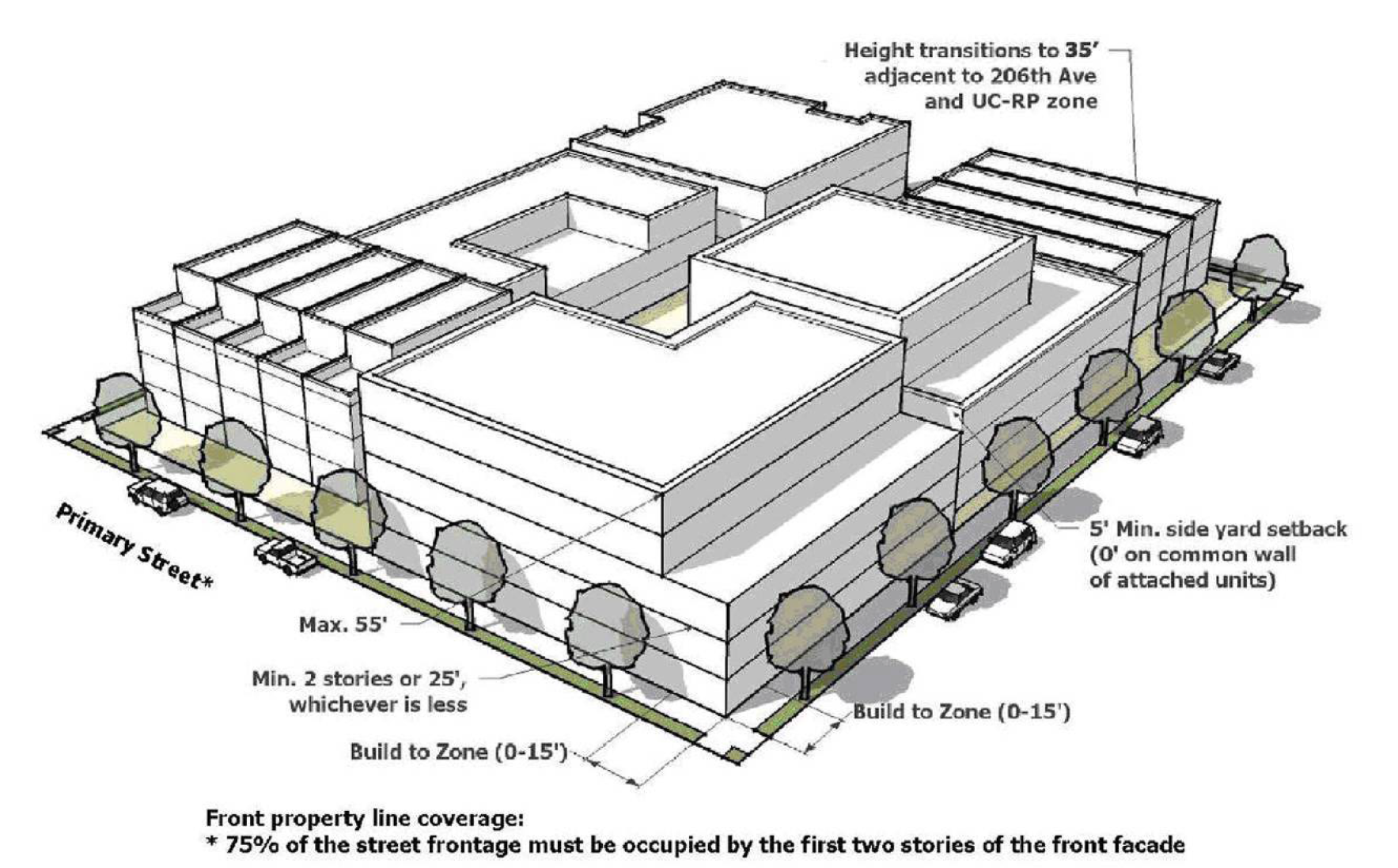
Figure 12.24.560-B:
Examples of UC-RM Development Types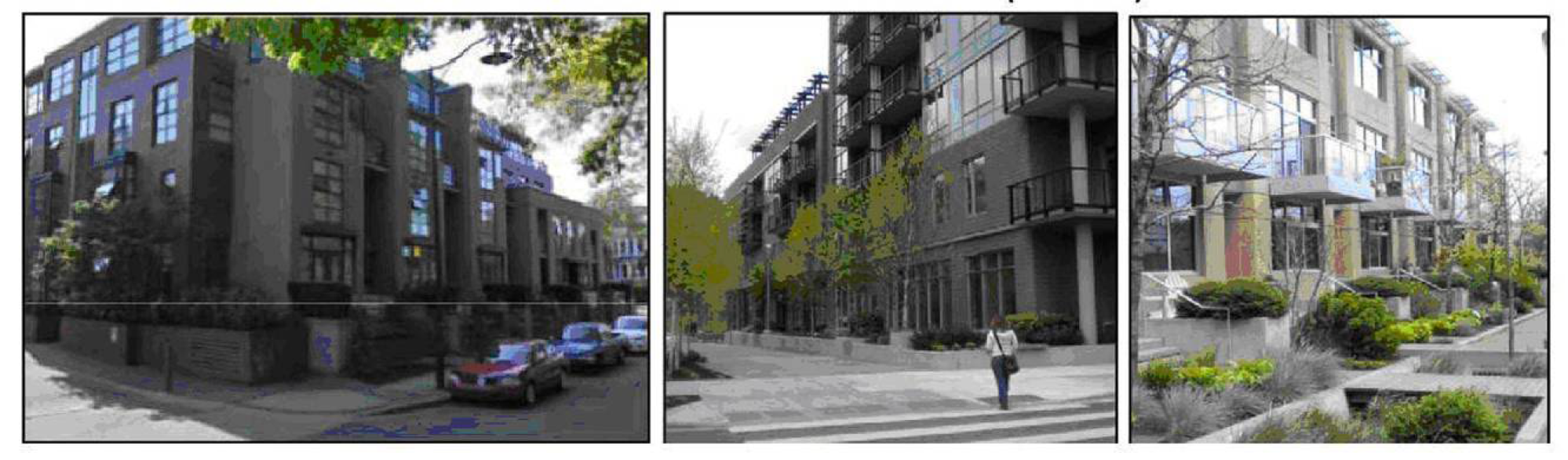
(Ord. 6401 § 1, 2022; Ord. 6393 § 1, 2021; Ord. 6322 § 1, 2019; Ord. 6294 § 1, 2019; Ord. 6120 § 1, 2015)
12.24.570 - Variances and Adjustments.
Applications for Variances and Adjustments per Section 12.80.150 to standards in the UC-RM zone may be approved under 1 of 4 processes:
A.
As a Variance pursuant to Section 12.80.152;
B.
As a Minor Adjustment in conjunction with a primary Type II or Type III application pursuant to Section 12.80.154;
C.
As a Major Adjustment in conjunction with a primary Type III application pursuant to Section 12.80.156; or
D.
With a Significant Natural Resource Permit pursuant to Section 12.80.130.
(Ord. 6401 § 1, 2022; Ord. 6120 § 1, 2015)
12.24.580 - Other Pertinent Regulations.
Additional standards such as parking, landscaping, vision clearance, and street improvements also apply to development in the UC-RM zone as follows:
•
Section 12.50.200 Site Design
•
Section 12.50.300 Vehicle Parking
•
Section 12.50.400 Bicycle Parking/Bicycle and Pedestrian Circulation and Connectivity
•
Section 12.50.500 Access and Street Standards
•
Section 12.50.600 Public Utilities, Site Grading and Storm Water Management Facilities Site Integration
•
Section 12.50.700 Design Standards for Residential Development
•
Subchapter 12.64 Amberglen Plan District
(Ord. 6401 § 1, 2022)
12.24.600 - UC-MU Urban Center—Mixed-Use Urban Density.
The UC-MU zone includes the following sections:
12.24.610 Purpose
12.24.620 Housing Types
12.24.630 Uses
12.24.640 Accessory Uses Permitted by Right
12.24.650 Special Provisions Regarding Uses
12.24.660 Development Standards
12.24.670 Variances and Adjustments
12.24.680 Other Pertinent Regulations
(Ord. 6401 § 1, 2022)
12.24.610 - Purpose.
A.
Create and Maintain Unique High Density Residential Opportunities. The UC-MU zone implements either the MU-UR Mixed-Use — Urban Residential Plan designation, the MU-UE Mixed-Use — Urban Employment Plan designation, or the MU-I Mixed-Use — Urban Institutional Plan designation, providing opportunities for a range of medium to high density Housing Types (townhomes, apartments and condominiums) with an urban character, constructed at or near the street frontage and sidewalk.
B.
Allow Future Retail Development. The standards of the UC-MU zone preserve opportunities for the development of retail focus areas over time.
C.
Preserve Solar Access and Views. The standards of the UC-MU zone retain access to sunlight and views from individual buildings within the context of high intensity development.
D.
Allow Non-Residential Uses. The standards of the UC-MU zone accommodate complementary office and retail uses with limits on size and location.
E.
Preserve Neighborhood Livability. The UC-MU zone encourages livability in existing and future high density residential neighborhoods by allowing residential development with compatible non-residential Uses such as schools, assembly facilities and parks.
(Ord. 6401 § 1, 2022)
12.24.620 - Housing Types.
Table 12.24.620-1 lists the housing types permitted in the UC-MU zone. Housing types are defined in Section 12.01.500.
(P) Permitted (C) Conditional (L) Limited (N) Not Permitted
(Ord. 6401 § 1, 2022)
12.24.630 - Uses.
Table 12.24.630-1 lists Uses Permitted, Conditionally Permitted, Limited or Not Permitted in the UC-MU zone.
(P) Permitted (C) Conditional (L) Limited (N) Not Permitted
(Ord. 6451 § 1, 2023; Ord. 6417 § 1, 2022; Ord. 6401 § 1, 2022; Ord. 6393 § 1, 2021; Ord. 6322 § 1, 2019; Ord. 6294 § 1, 2019; Ord. 6149 § 1, 2015)
12.24.640 - Accessory Uses Permitted by Right.
A.
Accessory Uses to Residential Primary Uses.
1.
Accessory Structures. Accessory structures as defined in Section 12.01.500 are permitted subject to additional requirements in Section 12.40.104.
2.
Certified or Registered Family Child Care Homes and Residential Homes. Certified or registered family child care homes as defined in ORS 329A are permitted; and certified or registered residential homes as defined in ORS 443 are also permitted.
3.
Household Energy Production Facilities. Household energy production facilities are defined in Section 12.01.500, and are permitted subject to issuance of necessary and appropriate Federal, State and local permits, and maintenance in good condition.
4.
Amateur or "Ham" Radio Facilities. Amateur or "ham" radio facilities are permitted subject to issuance of necessary and appropriate Federal, State and local permits.
5.
Horticultural Activities. Horticultural activities as defined in Section 12.01.500 are permitted, excluding commercial buildings or structures.
6.
Home Occupations. Home occupations are defined in Section 12.01.500, and are permitted in all housing types subject to additional requirements in Section 12.40.170.
B.
Accessory Uses to Non-Residential Primary Uses. Accessory uses vary based on the use categories contained in Subchapter 12.10. Accessory uses are permitted in conjunction with the primary use on the site and subject to the same regulations as the primary use unless stated otherwise in this Code. In addition to the standards in Subchapter 12.50, non-residential accessory uses in the UC-MU zone are also subject to the Amberglen Plan District requirements in Subchapter 12.64.
(Ord. 6401 § 1, 2022; Ord. 6323 § 1, 2019; Ord. 6120 § 1, 2015)
12.24.650 - Special Provisions Regarding Uses.
A.
Commercial Parking Facilities.
1.
Commercial parking facilities shall be located in structures containing at least 1 level of parking spaces in a permanent structure constructed above or below grade level.
2.
Commercial parking facilities shall comply with all applicable provisions of Sections 12.64.300 and 12.64.800.
3.
Commercial parking facilities within the Retail Focus Frontage area shown on Figure 12.64.640-A shall comply with all applicable provisions of Sections 12.64.360 and 12.64.850.
B.
Office. Structures containing office uses and located on land to be included in the Central Park, but not yet included in the park, may continue to be used for office uses until the lands designated for the Central Park are acquired or dedicated for that use.
C.
Manufacturing and Production.
1.
Manufacturing and production uses are limited to operations with an expected employment level of at least one person per 500 square feet of gross floor area in the primary structure.
2.
Truck shipments to or from the site by trucks with a gross vehicle weight of 25,000 lbs. are limited to one per day on average.
3.
Outdoor storage of materials, supplies, inventory, equipment, or other items is not permitted.
4.
Truck loading facilities shall not be located on any façade of the building facing a public street, public park, or designated open space.
(Ord. 6401 § 1, 2022; Ord. 6322 § 1, 2019)
12.24.660 - Development Standards.
Base zone development standards in the UC-MU zone are listed in Table 12.24.660-1. Certain standards are illustrated in Figure 12.24.660-A.
* Standards illustrated in Figure 12.24.660-A
Figure 12.24.660-A:
Minimum Lot Dimensions, Setbacks
and Height Requirements in the UC-MU Zone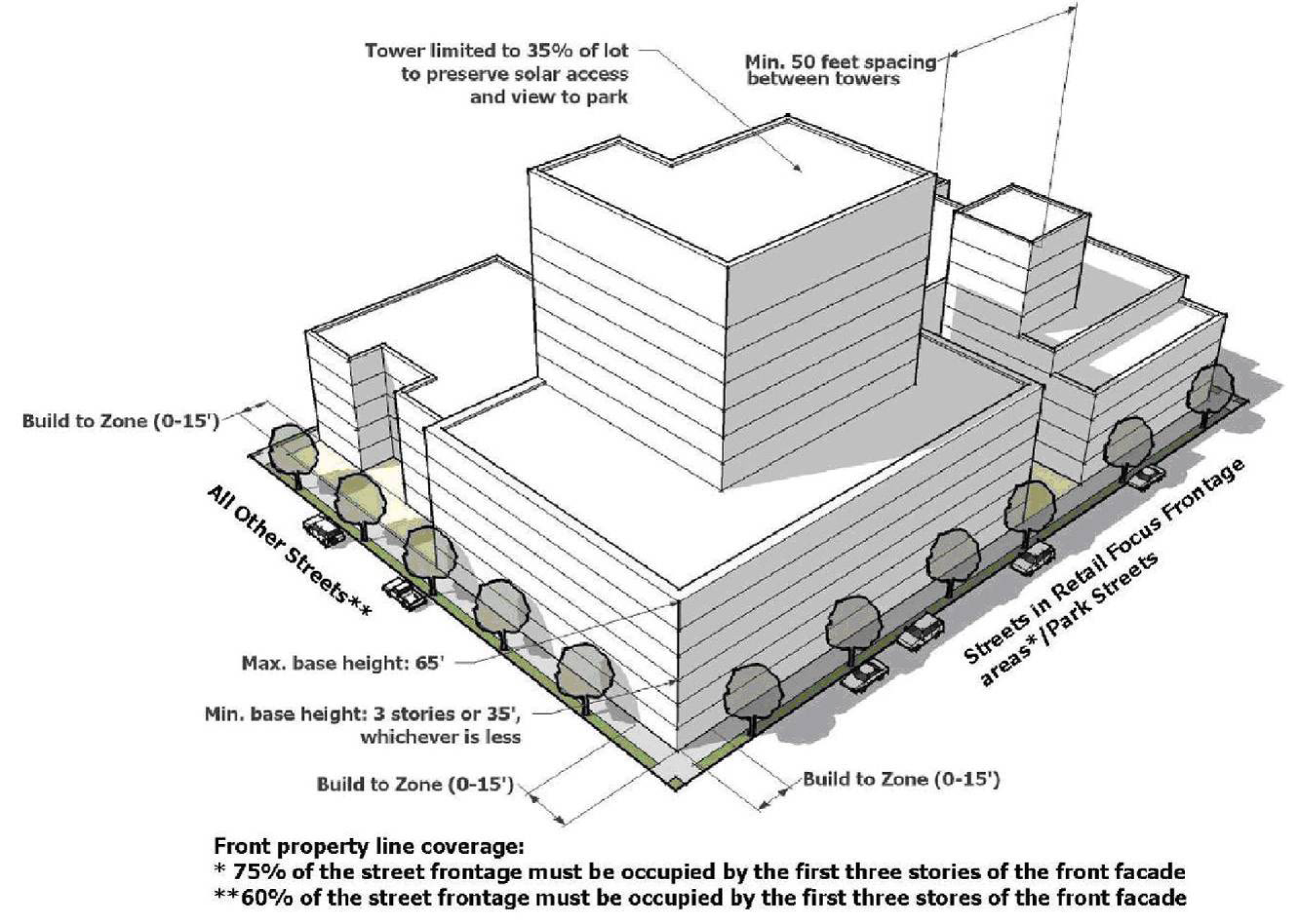
Figure 12.24.660-B:
Examples of UC-MU Development Types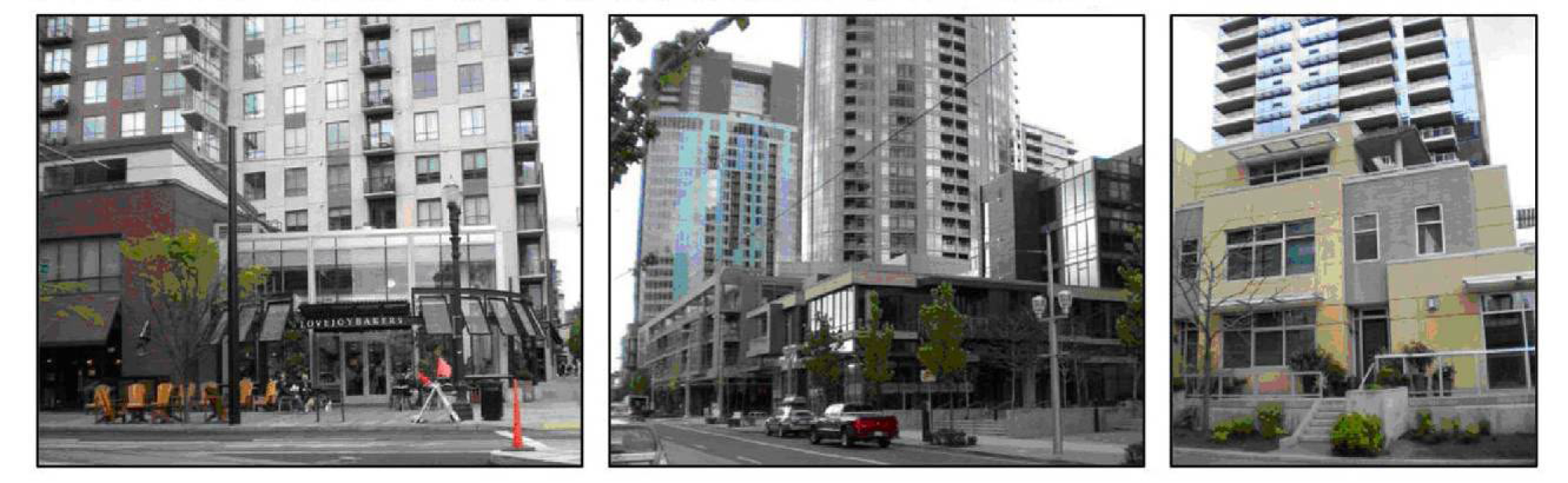
(Ord. 6401 § 1, 2022; Ord. 6393 § 1, 2021; Ord. 6120 § 1, 2015)
12.24.670 - Variances and Adjustments.
Applications for Variances and Adjustments per Section 12.80.150 to standards in the UC-MU zone may be approved under 1 of 4 processes:
A.
As a Variance pursuant to Section 12.80.152;
B.
As a Minor Adjustment in conjunction with a primary Type II or Type III application pursuant to Section 12.80.154;
C.
As a Major Adjustment in conjunction with a primary Type III application pursuant to Section 12.80.156; or
D.
With a Significant Natural Resource Permit pursuant to Section 12.80.130.
(Ord. 6401 § 1, 2022; Ord. 6120 § 1, 2015)
12.24.680 - Other Pertinent Regulations.
Additional standards such as parking, landscaping, vision clearance, and street improvements also apply to development in the UC-MU zone as follows:
•
Section 12.50.200 Site Design
•
Section 12.50.300 Vehicle Parking
•
Section 12.50.400 Bicycle Parking/Bicycle and Pedestrian Circulation and Connectivity
•
Section 12.50.500 Access and Street Standards
•
Section 12.50.600 Public Utilities, Site Grading and Storm Water Management Facilities Site Integration
•
Section 12.50.800 Design Standards for Non-Residential and Mixed-Use Development
•
Subchapter 12.64 Amberglen Plan District
(Ord. 6401 § 1, 2022)
12.24.700 - UC-AC Urban Center—Activity Center.
The UC-AC zone includes the following sections:
12.24.710 Purpose
12.24.720 Housing Types
12.24.730 Uses
12.24.740 Accessory Uses Permitted by Right
12.24.750 Special Provisions Regarding Uses: Commercial Parking
12.24.760 Development Standards
12.24.770 Variances and Adjustments
12.24.780 Other Pertinent Regulations
(Ord. 6401 § 1, 2022)
12.24.710 - Purpose.
A.
Create Opportunities for Mixed-Use Development. The UC-AC zone implements the MU-UC Mixed-Use - Urban Commercial Plan designation, providing opportunities to establish a vibrant mix of retail, restaurants, civic, cultural, entertainment, and recreational uses complemented by secondary office and residential uses.
B.
Create Active Street Frontages. The standards of the UC-AC zone work to create focused activity served by transit and active street frontages along the High Capacity Transit routes that provide visual and physical connections to other activity centers.
(Ord. 6401 § 1, 2022; Ord. 6322 § 1, 2019)
12.24.720 - Housing Types.
Table 12.24.720-1 lists the housing types permitted in the UC-AC zone. Housing types are defined in Section 12.01.500.
(P) Permitted (C) Conditional (L) Limited (N) Not Permitted
(Ord. 6401 § 1, 2022; Ord. 6322 § 1, 2019; Ord. 6294 § 1, 2019; Ord. 6149 § 1, 2015)
12.24.730 - Uses.
Table 12.24.730-1 lists uses permitted, conditionally permitted, limited or not permitted in the UC-AC zone.
(P) Permitted (C) Conditional (L) Limited (N) Not Permitted
(Ord. 6451 § 1, 2023; Ord. 6417 § 1, 2022; Ord. 6401 § 1, 2022; Ord. 6393 § 1, 2021; Ord. 6322 § 1, 2019; Ord. 6294 § 1, 2019; Ord. 6149 § 1, 2015)
12.24.740 - Accessory Uses Permitted by Right.
A.
Accessory Uses to Residential Primary Uses.
1.
Accessory Structures. Accessory structures as defined in Section 12.01.500 are permitted subject to additional requirements in Section 12.40.104.
2.
Certified or Registered Family Child Care Homes and Residential Homes. Certified or registered family child care homes as defined in ORS 329A are permitted; and certified or registered residential homes as defined in ORS 443 are also permitted.
3.
Household Energy Production Facilities. Household energy production facilities are defined in Section 12.01.500, and are permitted subject to issuance of necessary and appropriate Federal, State and local permits, and maintenance in good condition.
4.
Amateur or "Ham" Radio Facilities. Amateur or "ham" radio facilities are permitted subject to issuance of necessary and appropriate Federal, State and local permits.
5.
Horticultural Activities. Horticultural activities as defined in Section 12.01.500 are permitted, excluding commercial buildings or structures.
6.
Home Occupations. Home occupations are defined in Section 12.01.500, and are permitted in all housing types subject to additional requirements in Section 12.40.170.
B.
Accessory Uses to Non-Residential Primary Uses. Accessory uses vary based on the use categories contained in Subchapter 12.10. Accessory uses are permitted in conjunction with the primary use on the site and subject to the same regulations as the primary use unless stated otherwise in this Code. In addition to the standards in Subchapter 12.50, non-residential accessory uses in the UC-MU zone are also subject to the Amberglen Plan District requirements in Subchapter 12.64.
(Ord. 6401 § 1, 2022; Ord. 6323 § 1, 2019; Ord. 6322 § 1, 2019; Ord. 6120 § 1, 2015)
12.24.750 - Special Provisions Regarding Uses: Commercial Parking.
A.
Commercial parking facilities shall be located in structures containing at least 1 level of parking spaces in a permanent structure constructed above or below grade level.
B.
Commercial parking facilities shall comply with all applicable provisions of Section 12.50.360 and Subchapter 12.64.
C.
Commercial parking facilities within the Retail Focus Frontage area shown on Figure 12.64.640-A shall comply with all applicable provisions of Sections 12.64.360 and 12.64.850.
(Ord. 6401 § 1, 2022)
12.24.760 - Development Standards.
Development standards in the UC-AC zone are listed in Table 12.24.760-1. Certain standards are illustrated in Figure 12.24.760-A.
* Standards illustrated in Figure 12.24.760-A
Figure 12.24.760-A:
Minimum Lot Dimensions, Setbacks
and Height Requirements in the UC-AC Zone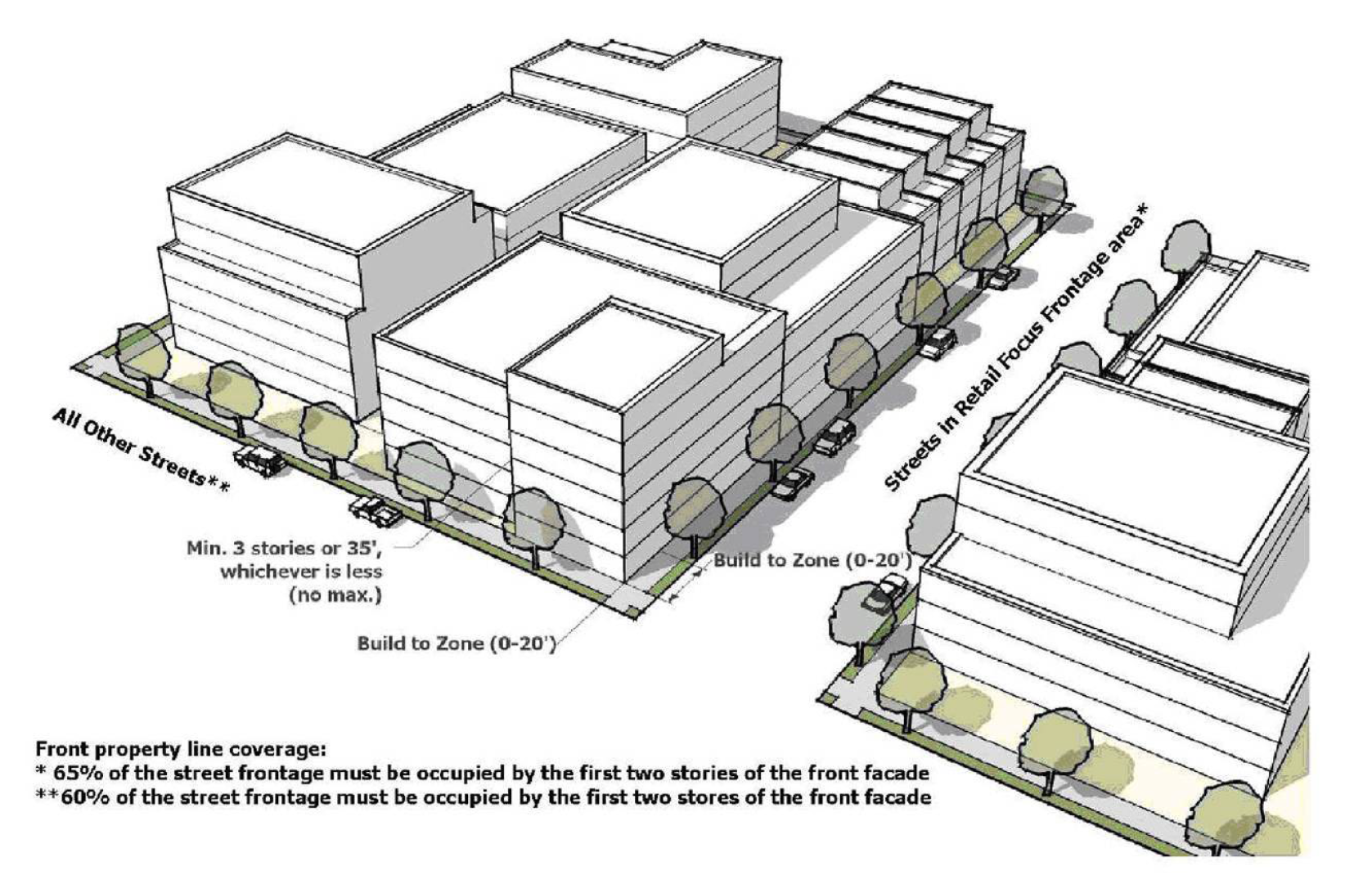
Figure 12.24.760-B:
Examples of UC-AC Development Types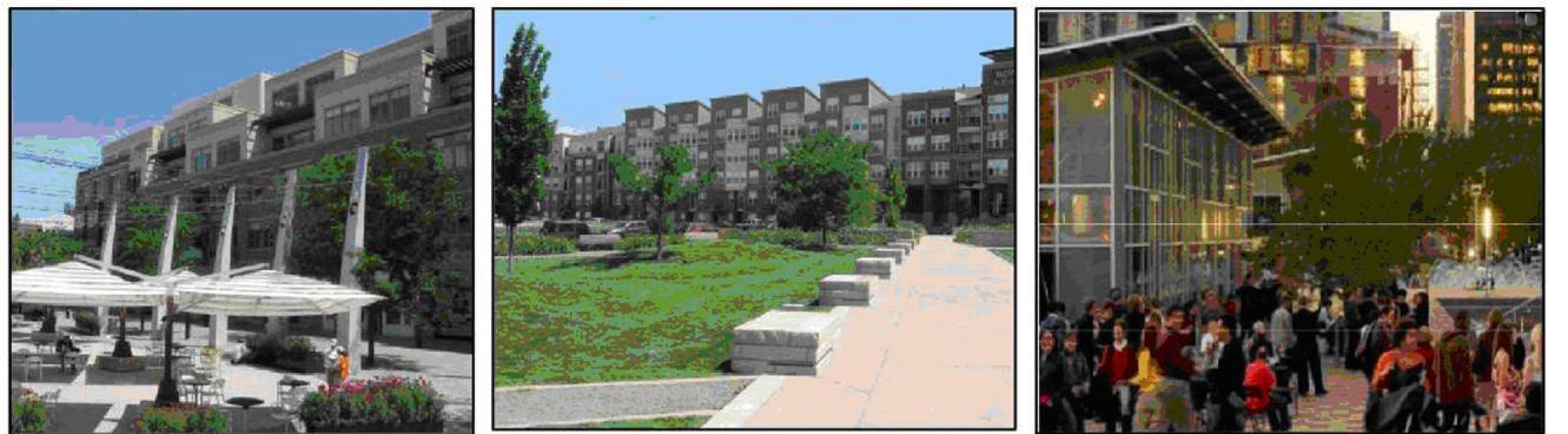
(Ord. 6401 § 1, 2022; Ord. 6393 § 1, 2021; Ord. 6322 § 1, 2019; Ord. 6120 § 1, 2015)
12.24.770 - Variances and Adjustments.
Applications for Variances and Adjustments per Section 12.80.150 to standards in the UC-AC zone may be approved under 1 of 4 processes:
A.
As a Variance pursuant to Section 12.80.152;
B.
As a Minor Adjustment in conjunction with a primary Type II or Type III application pursuant to Section 12.80.154;
C.
As a Major Adjustment in conjunction with a primary Type III application pursuant to Section 12.80.156; or
D.
With a Significant Natural Resource Permit pursuant to Section 12.80.130.
(Ord. 6401 § 1, 2022; Ord. 6322 § 1, 2019; Ord. 6120 § 1, 2015)
12.24.780 - Other Pertinent Regulations.
Additional standards such as parking, landscaping, vision clearance, and street improvements also apply to development in the UC-AC zone as follows:
•
Section 12.50.200 Site Design
•
Section 12.50.300 Vehicle Parking
•
Section 12.50.400 Bicycle Parking/Bicycle and Pedestrian Circulation and Connectivity
•
Section 12.50.500 Access and Street Standards
•
Section 12.50.600 Utilities and Site Grading
•
Section 12.50.800 Design Standards for Non-Residential and Mixed-Use Development
•
Subchapter 12.64 Amberglen Plan District
(Ord. 6401 § 1, 2022)
12.24.800 - UC-NC Urban Center—Neighborhood Center.
The UC-NC zone includes the following sections:
12.24.810 Purpose
12.24.820 Housing Types
12.24.830 Uses
12.24.840 Accessory Uses Permitted by Right
12.24.850 Special Provisions Regarding Uses
12.24.860 Development Standards
12.24.870 Variances and Adjustments
12.24.880 Other Pertinent Regulations
(Ord. 6401 § 1, 2022)
12.24.810 - Purpose.
A.
Create Opportunities for Neighborhood Commercial Uses. The UC-NC zone implements the MU Mixed-Use Plan designation, providing opportunities to site a mixture of neighborhood-serving retail, residential, office, and research uses at moderate to high intensities to support primary uses within high-intensity areas.
B.
Encourage Multi-Modal Transportation. The UC-NC zone encourages non-automobile transportation modes, supporting and enhancing better use of the existing street grid pattern by pedestrians, bicyclists, and transit riders.
(Ord. 6401 § 1, 2022; Ord. 6322 § 1, 2019)
12.24.820 - Housing Types.
Table 12.24.820-1 lists the housing types permitted in the UC-NC zone. Housing types are defined in Section 12.01.500.
(P) Permitted (C) Conditional (L) Limited (N) Not Permitted
(Ord. 6401 § 1, 2022; Ord. 6322 § 1, 2019; Ord. 6149 § 1, 2015)
12.24.830 - Uses.
Table 12.24.830-1 lists uses permitted, conditionally permitted, limited or not permitted in the UC-NC zone.
(P) Permitted (C) Conditional (L) Limited (N) Not Permitted
(Ord. 6451 § 1, 2023; Ord. 6417 § 1, 2022; Ord. 6401 § 1, 2022; Ord. 6393 § 1, 2021; Ord. 6322 § 1, 2019; Ord. 6294 § 1, 2019; Ord. 6149 § 1, 2015)
12.24.840 - Accessory Uses Permitted by Right.
A.
Accessory Uses to Residential Primary Uses.
1.
Accessory Structures. Accessory structures as defined in Section 12.01.500 are permitted subject to additional requirements in Section 12.40.104.
2.
Accessory Dwelling Units. Accessory dwelling units (ADUs) are defined in Section 12.01.500, and are permitted when accessory to townhouses subject to additional requirements in Section 12.40.100.
3.
Certified or Registered Family Child Care Homes and Residential Homes. Certified or registered family child care homes as defined in ORS 329A; and certified or registered residential homes as defined in ORS 443 are also permitted.
4.
Household Energy Production Facilities. Household energy production facilities are defined in Section 12.01.500, and are permitted subject to issuance of necessary and appropriate Federal, State and local permits, and maintenance in good condition.
5.
Amateur or "Ham" Radio Facilities. Amateur or "ham" radio facilities are permitted subject to issuance of necessary and appropriate Federal, State and local permits.
6.
Horticultural Activities. Horticultural activities as defined in Section 12.01.500 are permitted, excluding commercial buildings or structures.
7.
Home Occupations. Home occupations are defined in Section 12.01.500, and are permitted in all housing types subject to additional requirements in Section 12.40.170.
B.
Accessory Uses to Non-Residential Primary Uses. Accessory uses vary based on the use categories contained in Subchapter 12.10. Accessory uses are permitted in conjunction with the primary use on the site and subject to the same regulations as the primary use unless stated otherwise in this Code. In addition to the standards in Subchapter 12.50, non-residential accessory uses in the UC-MU zone are also subject to the Amberglen Plan District requirements in Subchapter 12.64.
(Ord. 6401 § 1, 2022; Ord. 6323 § 1, 2019; Ord. 6322 § 1, 2019; Ord. 6120 § 1, 2015)
12.24.850 - Special Provisions Regarding Uses.
A.
Commercial Parking.
1.
All commercial parking facilities shall be in structures containing at least one level of parking spaces in a permanent structure constructed above or below grade level.
2.
All commercial parking facilities shall comply with all applicable provisions of Section 12.64.300.
3.
All commercial parking facilities within the Retail Focus Frontage area shown on Figure 12.64.640-A shall comply with all applicable provisions of Sections 12.64.360 and 12.64.850.
B.
Self-Service Storage.
1.
No part of the use shall be located within 800 feet of an LRT or HCT station.
2.
Individual unit entrances shall not be located on any façade facing a public street, public park, or designated open space.
(Ord. 6401 § 1, 2022; Ord. 6322 § 1, 2019)
12.24.860 - Development Standards.
Development standards in the UC-NC zone are listed in Table 12.24.860-1. Certain standards are illustrated in Figure 12.24.860-A.
* Standards illustrated in Figure 12.24.860-A
Figure 12.24.860-A:
Development Standards in the UC-NC Zone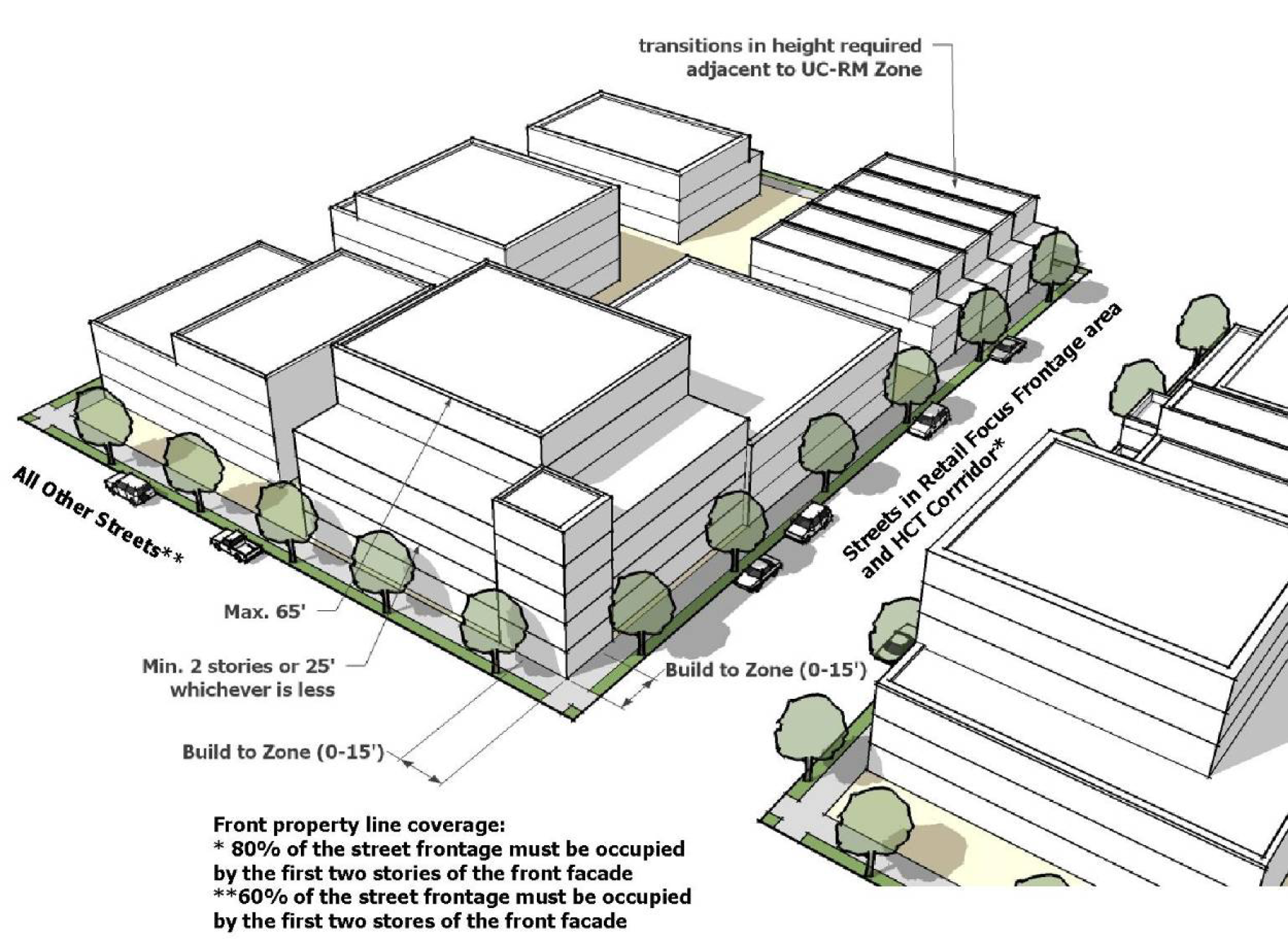
Figure 12.24.860-B:
Examples of UC-NC Development Types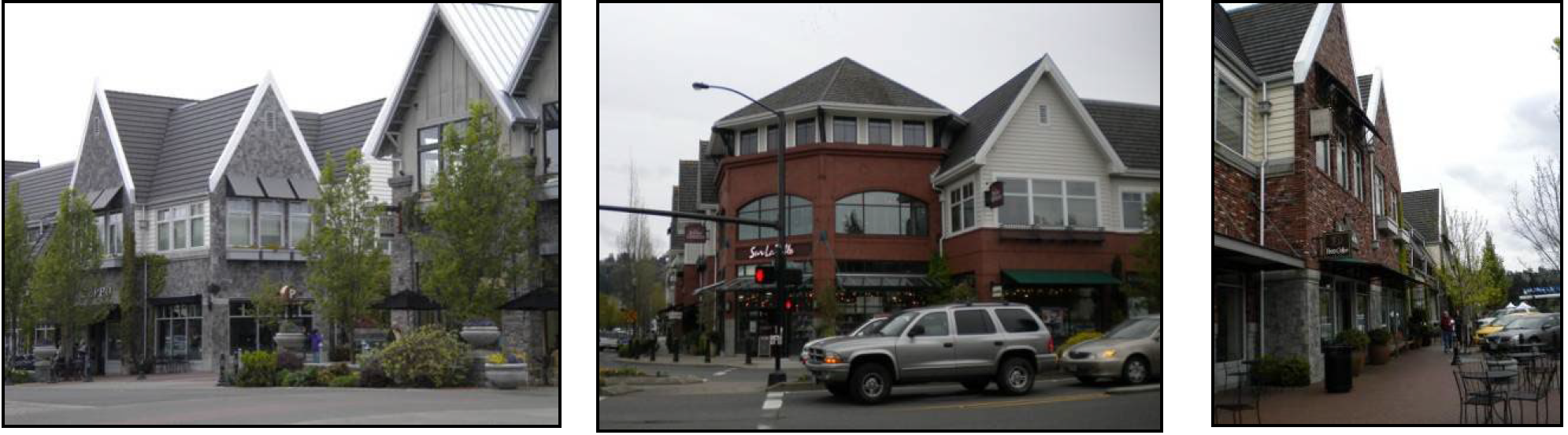
(Ord. 6401 § 1, 2022; Ord. 6393 § 1, 2021; Ord. 6120 § 1, 2015)
12.24.870 - Variances and Adjustments.
Applications for Variances and Adjustments per Section 12.80.150 to standards in the UC-NC zone may be approved under 1 of 4 processes:
A.
As a Variance pursuant to Section 12.80.152;
B.
As a Minor Adjustment in conjunction with a primary Type II or Type III application pursuant to Section 12.80.154;
C.
As a Major Adjustment in conjunction with a primary Type III application pursuant to Section 12.80.156; or
D.
With a Significant Natural Resource Permit pursuant to Section 12.80.130.
(Ord. 6401 § 1, 2022; Ord. 6120 § 1, 2015)
12.24.880 - Other Pertinent Regulations.
Additional standards such as parking, landscaping, vision clearance, and street improvements also apply to development in the UC-NC zone as follows:
•
Section 12.50.200 Site Design
•
Section 12.50.300 Vehicle Parking
•
Section 12.50.400 Bicycle Parking/Bicycle and Pedestrian Circulation and Connectivity
•
Section 12.50.500 Access and Street Standards
•
Section 12.50.600 Utilities and Site Grading
•
Section 12.50.800 Design Standards for Non-Residential and Mixed-Use Development
•
Subchapter 12.64 Amberglen Plan District
(Ord. 6401 § 1, 2022)
12.24.900 - UC-OR Urban Center—Office/Research.
The UC-OR zone includes the following sections:
12.24.910 Purpose
12.24.920 Housing Types
12.24.930 Uses
12.24.940 Accessory Uses and Structures Permitted by Right
12.24.950 Special Provisions Regarding Uses
12.24.960 Development Standards
12.24.970 Variances and Adjustments
12.24.980 Other Pertinent Regulations
(Ord. 6401 § 1, 2022)
12.24.910 - Purpose.
A.
Create Opportunities for Employment Development. The UC-OR zone implements either the MU-UE Mixed-Use - Urban Employment or the MU-I Mixed-Use - Institutional Plan designation, providing concentrated opportunities for employment to complement residential, retail and commercial services within high intensity areas of the City.
B.
Allow Supportive Commercial Uses. The UC-OR zone provides limited opportunities for support retail and commercial services and complementary residential Uses.
C.
Retain Existing Office Development. The standards of the UC-OR zone support the retention of existing office development until the market presents opportunities to redevelop to more intense urban form.
(Ord. 6401 § 1, 2022)
12.24.920 - Housing Types.
Table 12.24.920-1 lists the Housing Types permitted in the UC-OR zone. Housing Types are defined in Section 12.01.500.
(P) Permitted (C) Conditional (L) Limited (N) Not Permitted
(Ord. 6401 § 1, 2022; Ord. 6149 § 1, 2015)
12.24.930 - Uses.
Table 12.24.930-1 lists uses permitted, conditionally permitted, limited or not permitted in the UC-OR zone.
(P) Permitted (C) Conditional (L) Limited (N) Not Permitted
(Ord. 6451 § 1, 2023; Ord. 6417 § 1, 2022; Ord. 6401 § 1, 2022; Ord. 6393 § 1, 2021; Ord. 6322 § 1, 2019; Ord. 6294 § 1, 2019; Ord. 6149 § 1, 2015)
12.24.940 - Accessory Uses and Structures Permitted by Right.
Accessory uses vary based on the use categories contained in Subchapter 12.10. Accessory uses are permitted in conjunction with the primary use on the site and subject to the same regulations as the primary use unless stated otherwise in this Code. Accessory structures as defined in Section 12.01.500 are permitted subject to the additional requirements in Section 12.40.104. In addition to the standards in Subchapter 12.50, non-residential accessory uses and structures in the UC-OR zone are also subject to the Amberglen Plan District requirements in Subchapter 12.64.
(Ord. 6401 § 1, 2022; Ord. 6323 § 1, 2019; Ord. 6322 § 1, 2019; Ord. 6149 § 1, 2015)
12.24.950 - Special Provisions Regarding Uses.
A.
Commercial Parking.
1.
All commercial parking facilities shall be in structures containing at least one level of parking spaces in a permanent structure constructed above or below grade level.
2.
All commercial parking facilities shall comply with all applicable provisions of Section 12.64.300.
3.
All commercial parking facilities within the Retail Focus Frontage area shown on Figure 12.64.640-A shall comply with all applicable provisions of Sections 12.64.360 and 12.64.850.
B.
Manufacturing and Production.
1.
Manufacturing and production uses are limited to operations with an expected employment level of at least one person per 500 square feet of gross floor area in the primary structure.
2.
Truck shipments to or from the property by trucks with a gross vehicle weight of 25,000 lbs. are limited to one per day on average.
3.
Outdoor storage of materials, supplies, inventory, equipment, or other items is not permitted.
4.
Truck loading facilities shall not be located on any façade of the building facing a public street.
(Ord. 6401 § 1, 2022)
12.24.960 - Development Standards.
Development standards in the UC-OR zone are listed in Table 12.24.960-1. Certain standards are illustrated in Figure 12.24.960-A.
* Standards illustrated in Figure 12.24.960-A
Figure 12.24.960-A:
Development Standards in the UC-OR Zone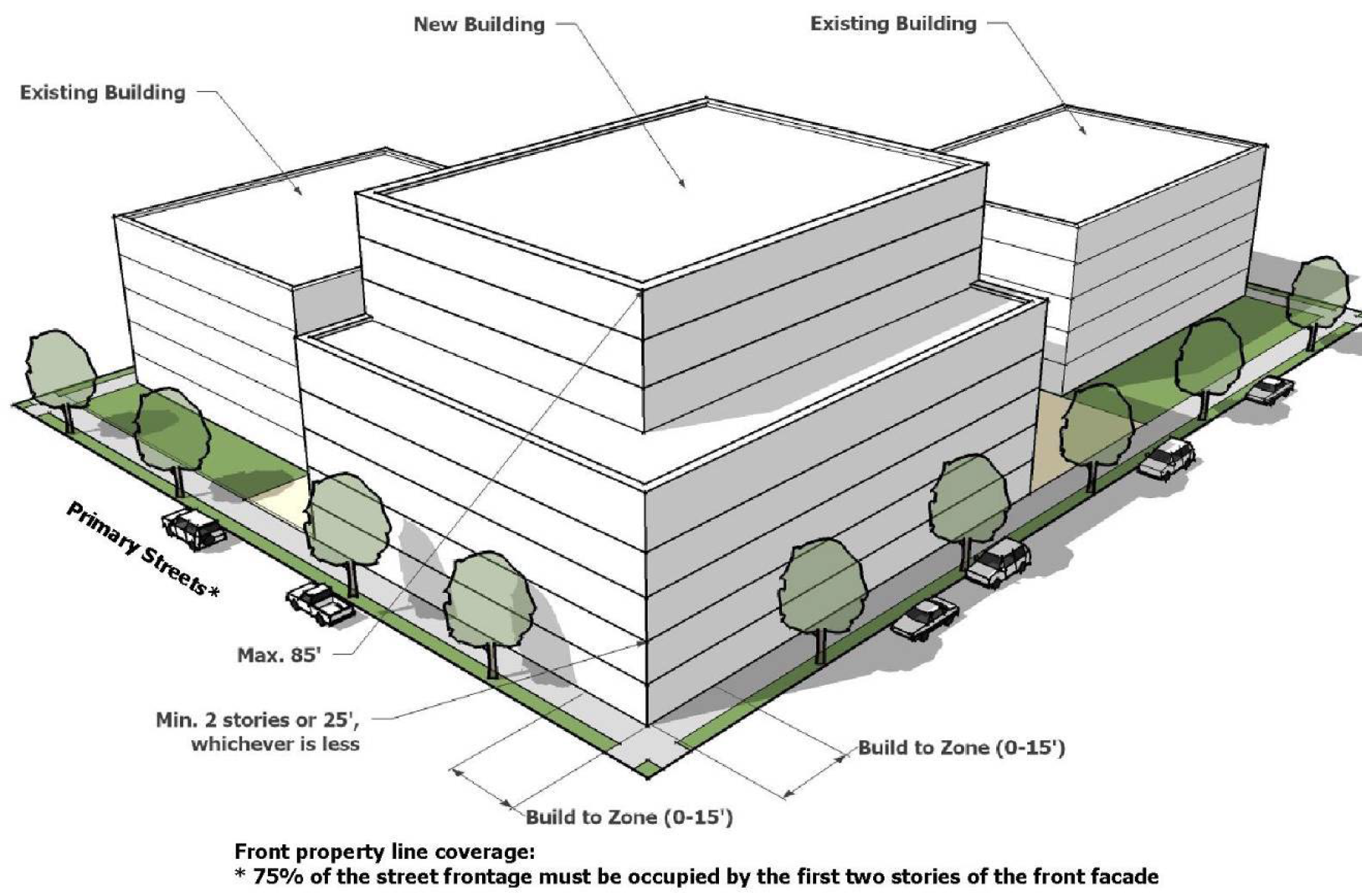
Figure 12.24.960-B:
Examples of UC-OR Development Types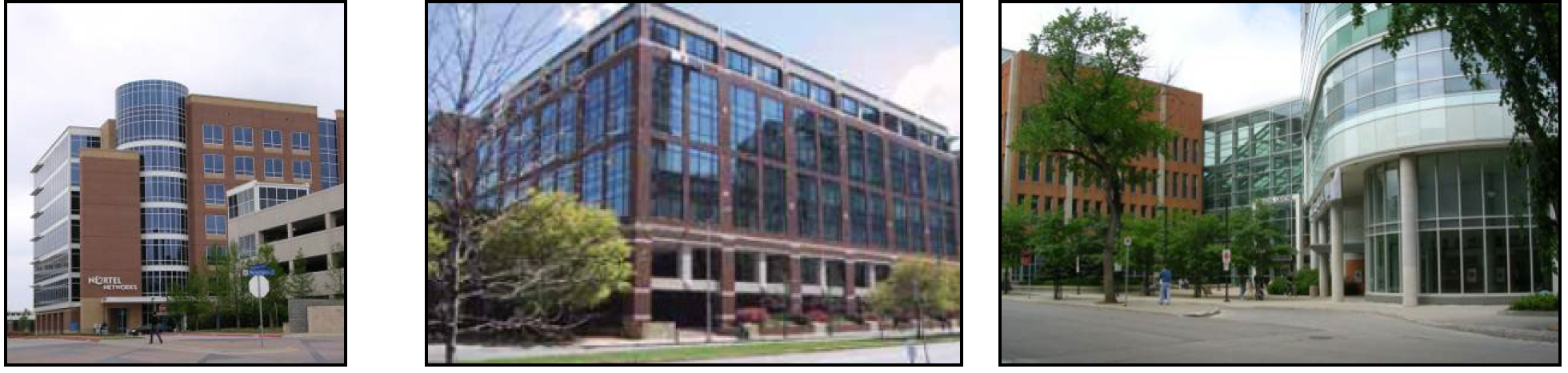
(Ord. 6401 § 1, 2022; Ord. 6393 § 1, 2021; Ord. 6120 § 1, 2015)
12.24.970 - Variances and Adjustments.
Applications for Variances and Adjustments per Section 12.80.150 to standards in the UC-OR zone may be approved under 1 of 4 processes:
A.
As a Variance pursuant to Section 12.80.152;
B.
As a Minor Adjustment in conjunction with a primary Type II or Type III application pursuant to Section 12.80.154;
C.
As a Major Adjustment in conjunction with a primary Type III application pursuant to Section 12.80.156; or
D.
With a Significant Natural Resource Permit pursuant to Section 12.80.130.
(Ord. 6401 § 1, 2022; Ord. 6120 § 1, 2015)
12.24.980 - Other Pertinent Regulations.
Additional standards such as parking, landscaping, vision clearance, and street improvements also apply to development in the UC-OR zone as follows:
•
Section 12.50.200 Site Design
•
Section 12.50.300 Vehicle Parking
•
Section 12.50.400 Bicycle Parking/Bicycle and Pedestrian Circulation and Connectivity
•
Section 12.50.500 Access and Street Standards
•
Section 12.50.600 Public Utilities, Site Grading and Storm Water Management Facilities Site Integration
•
Section 12.50.800 Design Standards for Non-Residential and Mixed-Use Development
•
Subchapter 12.64 Amberglen Plan District
(Ord. 6401 § 1, 2022)
12.24.1000 - UC-RP Urban Center—Research Park.
The UC-RP zone includes the following sections:
12.24.1010 Purpose
12.24.1020 Housing Types
12.24.1030 Uses
12.24.1040 Accessory Uses and Structures Permitted by Right
12.24.1050 Special Provisions Regarding Uses
12.24.1060 Development Standards
12.24.1070 Variances and Adjustments
12.24.1080 Other Pertinent Regulations
(Ord. 6401 § 1, 2022)
12.24.1010 - Purpose.
A.
Create Opportunities for Research and Development Uses. The UC-RP zone implements the MU-I Mixed-Use - Institutional Plan designation, providing opportunities for development of a range of research, development and testing laboratory Uses; educational Uses; medical research and clinical Uses; and high-tech and bio-tech research and applied technology Uses.
B.
Support Institutional Uses. The UC-RP zone supports the retention and ongoing expansion of the existing institutional users and addresses their unique requirements.
C.
Create Spin-Off Opportunities. The UC-RP zone fosters and supports development of industries resulting from or associated with the basic and applied research, development and testing laboratories and programs of the institutions and organizations located in the zone by encouraging and allowing incubator establishments within the zone, and by allowing compatible accessory industrial Uses.
D.
Implement Existing Master Plans. The UC-RP zone allows development in accordance with approved Concept Development Plan(s) to encourage a transit-supportive, pedestrian-sensitive campus environment, and to prevent conflicts among the mix of uses and activities within the zone.
(Ord. 6401 § 1, 2022)
12.24.1020 - Housing Types.
Table 12.24.1020-1 lists the Housing Types permitted in the UC-RP zone. Housing Types are defined in Section 12.01.500.
(P) Permitted (C) Conditional (L) Limited (N) Not Permitted
(Ord. 6401 § 1, 2022)
12.24.1030 - Uses.
Table 12.24.1030-1 lists uses permitted, conditionally permitted, limited or not permitted in the UC-RP zone.
(P) Permitted (C) Conditional (L) Limited (N) Not Permitted
(Ord. 6451 § 1, 2023; Ord. 6417 § 1, 2022; Ord. 6401 § 1, 2022; Ord. 6393 § 1, 2021; Ord. 6322 § 1, 2019; Ord. 6294 § 1, 2019)
12.24.1040 - Accessory Uses and Structures Permitted by Right.
Accessory uses vary based on the use categories contained in Subchapter 12.10. Accessory uses are permitted in conjunction with the primary use on the site and subject to the same regulations as the primary use unless stated otherwise in this Code. Accessory structures as defined in Section 12.01.500 are permitted subject to the additional requirements in Section 12.40.104. In addition to the standards in Subchapter 12.50, non-residential accessory uses and structures in the UC-RP zone are also subject to the Amberglen Plan District requirements in Subchapter 12.64.
(Ord. 6401 § 1, 2022; Ord. 6323 § 1, 2019; Ord. 6322 § 1, 2019; Ord. 6149 § 1, 2015)
12.24.1050 - Special Provisions Regarding Uses.
There are no limitations regarding uses in the UC-RP zone aside from those listed in Table 12.24.1030-1.
(Ord. 6401 § 1, 2022)
12.24.1060 - Development Standards.
Development standards in the UC-RP zone are listed in Table 12.24.1060-1.
Note— The UC-RP zone supports the retention and on-going expansion of the existing institutional users and is structured to address their unique requirements in accordance with one or more Planned Unit Development approvals. No Figures for UC-RP base zone development standards are provided.
(Ord. 6401 § 1, 2022; Ord. 6120 § 1, 2015)
12.24.1070 - Variances and Adjustments.
Applications for Variances and Adjustments per Section 12.80.150 to standards in the UC-RP zone may be approved under one of 4 processes:
A.
As a Variance pursuant to Section 12.80.152;
B.
As a Minor Adjustment in conjunction with a primary Type II or Type III application pursuant to Section 12.80.154;
C.
As a Major Adjustment in conjunction with a primary Type III application pursuant to Section 12.80.156; or
D.
With a Significant Natural Resource Permit pursuant to Section 12.80.130.
(Ord. 6401 § 1, 2022; Ord. 6322 § 1, 2019; Ord. 6120 § 1, 2015)
12.24.1080 - Other Pertinent Regulations.
Additional standards such as parking, landscaping, vision clearance, and street improvements also apply to development in the UC-RP zone as follows:
•
Section 12.50.200 Site Design
•
Section 12.50.300 Vehicle Parking
•
Section 12.50.400 Bicycle Parking/Bicycle and Pedestrian Circulation and Connectivity
•
Section 12.50.500 Access and Street Standards
•
Section 12.50.600 Public Utilities, Site Grading and Storm Water Management Facilities Site Integration
•
Section 12.50.800 Design Standards for Non-Residential and Mixed-Use Development
•
Subchapter 12.64 Amberglen Plan District
(Ord. 6401 § 1, 2022)

