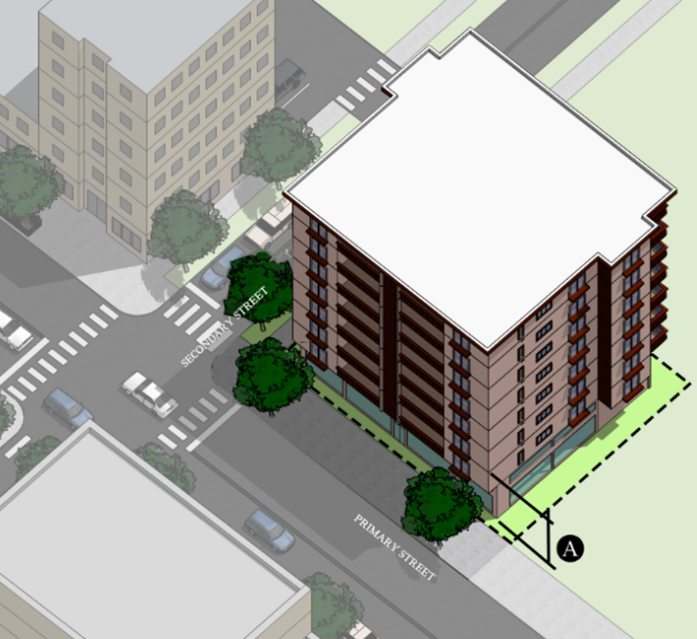
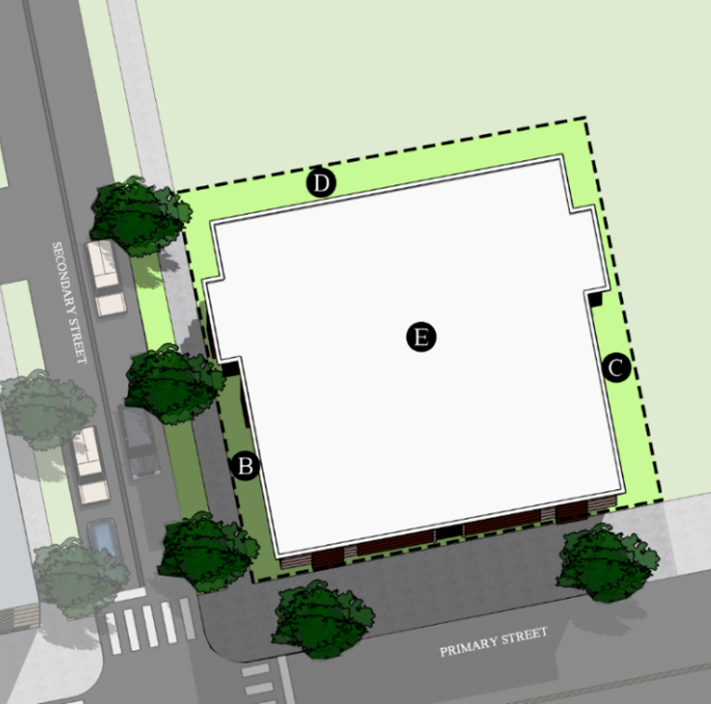
Lansing City Zoning Code
CHAPTER 1243
COMMERCIAL MIXED-USE DISTRICTS
1243.01.- Applicability.
(a)
The standards of this chapter shall apply to all proposed development within the zoning districts contained herein, and shall be considered in combination with the standards in Chapter 1246 - Architectural Standards and other applicable chapters of this Zoning Ordinance. If there is a conflict between any standards, the stricter standards shall apply.
(b)
Exempt expansions. Changes of use to another permitted use or to increase parking to meet the minimum number of spaces required, building maintenance or facade changes that do not alter the building footprint or require site improvements, shall be permitted according to Chapter 1260 - Site Plan Review, provided that standards of other applicable City codes and ordinances are met.
(Ord. No. 1331, § 1, 5-5-25)
1243.02. - Administration.
(a)
Site plan review. Applications shall be reviewed according to Chapter 1260 - Site Plan Review.
(b)
Incentives.
(1)
Types of incentives. To promote redevelopment and stimulate reinvestment in the City, the Planning Office may approve modifications to the site layout requirements when one or more of the recognized benefits, listed below, are provided. The following incentives may be granted:
a.
Dimensional modifications. Modifications to the maximum lot coverage, building frontage, or setbacks provided the resulting layout will not negatively impact nearby residences.
b.
Additional building height. The maximum building height may be increased by one additional story.
c.
Reduced minimum parking. Reduced parking may be permitted consistent with Section 1254.01.04.
(2)
Recognized benefits. Additional building height or modifications may be granted during the project review when one or more of the following recognized benefits are provided:
a.
Open space. Inclusion of five percent open space above what may be required for the building type. Open space must meet the following standards to be counted toward the minimum requirement:
1.
Open space may be public or private but must be accessible to the public along with employees or residents or visitors.
2.
Dimensions, grading and design of the open space shall provide usable area for seating, gathering, recreation or other activities.
3.
Required open space shall not include wetlands, required setbacks, required landscape areas, water bodies, easements for private roads or overhead utilities, stormwater control facilities as required by Chapter 1219, floodplain area or public right-of-way, provided that where additional public right-of-way is desired by the City, it may be included.
4.
Required open space shall be functional provided to supplement public space along a sidewalk, provide pedestrian or greenway connections, pocket parks to serve nearby uses, located and designed to terminate views along streets, or otherwise provide an amenity that would not be provided in a project that just met minimum code requirements.
b.
Low impact development (LID, e.g. green roof, on-site stormwater retention). Use of alternative stormwater management design that may include green roofs, natural retention systems, porous pavement alternatives, or other energy or water conserving applications above and beyond the requirements of Chapter 1219 - Post-Construction Stormwater Management.
c.
Provision for mixed-use. Proposals that include a mix of different but compatible use types within the same building, such as first-floor retail with offices or residential units on upper floors.
d.
Green buildings. Significant use of sustainable building and site design features such as: water use reduction, water efficient landscaping, innovative wastewater technologies, low impact stormwater management, optimize energy performance, on-site renewable energy, solar heating, reuse/recycled/renewable materials, indoor air quality or other sustainable elements.
e.
Additional landscape elements. Exceeding minimum quantities or sizes required in Chapter 1252 - Landscaping with native species and larger caliper plantings. Or additional plantings or decorative fence or wall where needed to help reduce impacts on neighboring properties.
f.
Pedestrian amenities. Provision of public plazas, walkways or pedestrian-oriented features, such as street trees or benches beyond those required or enhancements to a transit stop, such as a shelter, large pad size or similar improvements endorsed by public transit authority.
g.
Shared access. Removal of a driveway or use of (not isolated remnant parcels) and shared driveway for access from public streets. This may require an access easement approved by the City Attorney.
h.
Shared public parking. See Section 1254.01.04 - Factors to Permit a Reduction from the Amount of Parking Required.
(c)
Permitted modifications. It is recognized that certain existing site conditions may prohibit full compliance with this section. The Director of Economic Development and Planning, or a designee, is authorized to approve modifications to the standards of this section, after considering the criteria and standards below. Any request for relief from a required standard other than those listed below shall be made through the variance procedures set forth in Chapter 1274 - Board of Zoning Appeals.
(1)
Criteria for modification.
a.
Demonstration by the applicant that there is a unique situation with the property that makes it impractical to fully comply with the standards herein.
b.
The proposed development is consistent with the Design Lansing Comprehensive Plan, as amended.
c.
The proposed development is consistent with the intent of the district.
d.
The proposed modification will not prevent or complicate logical extensions of streets, infrastructure, parking, open space, or development of adjacent properties.
e.
The modification is the minimum necessary to allow reasonable development that is consistent with the intent of the Zoning Ordinance and the Design Lansing Comprehensive Plan.
f.
The proposed development will not impair public safety.
g.
The modification is not simply for convenience of the development.
h.
The design will not be detrimental to adjacent residential uses.
(2)
Modification standards.
a.
Height.
1.
Minimum and maximum height - up to ten percent for any cumulative increase or decrease in building height.
2.
Clear height - up to ten percent.
b.
Building placement.
1.
Build-to Line - up to five feet.
2.
Build-to Line - up to the necessary distance to prevent building foundations from encroaching on the public right-of-way or established easements.
3.
Street wall requirements - up to ten percent of the height/fenestration/access gate requirements.
i.
Upper floor step-backs - up to ten percent.
ii.
Street wall/fence/screening requirements - up to ten percent.
c.
Architectural regulations (per Chapter 1246).
1.
Windows (minimum and maximum fenestration percentage) - up to ten percent.
2.
Projections (stoops, porches, awnings, balconies) - up to ten percent.
3.
Required open space - up to ten percent.
4.
Entrances (maximum average spacing) - up to ten percent increase in spacing.
(d)
Conditions and phasing. Where deemed necessary, the Zoning Administrator, or Planning Commission and Council for special uses, as applicable, may:
(1)
Require a phasing plan that explains how new development and infrastructure, meeting the requirements of this section, will be constructed, and elements of the site not in compliance will be phased out over time. This may require temporary or permanent easements or commitments through a written agreement and performance guarantee.
(e)
Agreement. The City may require a written agreement if flexibility is granted through incentive or to ensure compliance with conditions of approval. An agreement with the City shall be prepared in a form acceptable to the City Attorney that specifies the required improvements, commitments and obligations of the development. The agreement shall specify any recognized benefits provided by the developer, flexibility granted by the City, and maintenance provisions for all site improvement.
(Ord. No. 1331, § 1, 5-5-25)
1243.03. - Commercial mixed-use permitted uses.
In the Commercial Mixed-Use Districts, the following principal uses are permitted. Permitted uses shall be subject to site plan review. Conditional uses shall adhere to the conditions noted in the section referenced. Special land uses may be permitted by Council in accordance with the procedures and conditions described in Chapter 1262 - Special Land Use Permits if the conditions described in this section for each use are met, and if all Federal, State and local laws are met. Permitted and approved uses may be mixed both horizontally and vertically, subject to conditions and regulations in the district sections that follow.
(a)
Accessory uses customarily incidental to any of the above principal uses are allowed provided the Zoning Administrator may require additional parking or compliance with other standards upon a determination that such use may impact site operations beyond that of the principal use.
(b)
All activities shall take place within a completely enclosed building unless otherwise indicated.
(c)
All accessory materials shall be enclosed by a structure or a fence, which does not obstruct vision.
(d)
All materials stored within 20 feet of a fence shall not exceed the height of the fence.
(Ord. No. 1331, § 1, 5-5-25)
1243.04. - MX-C Mixed Use Urban Corridor.
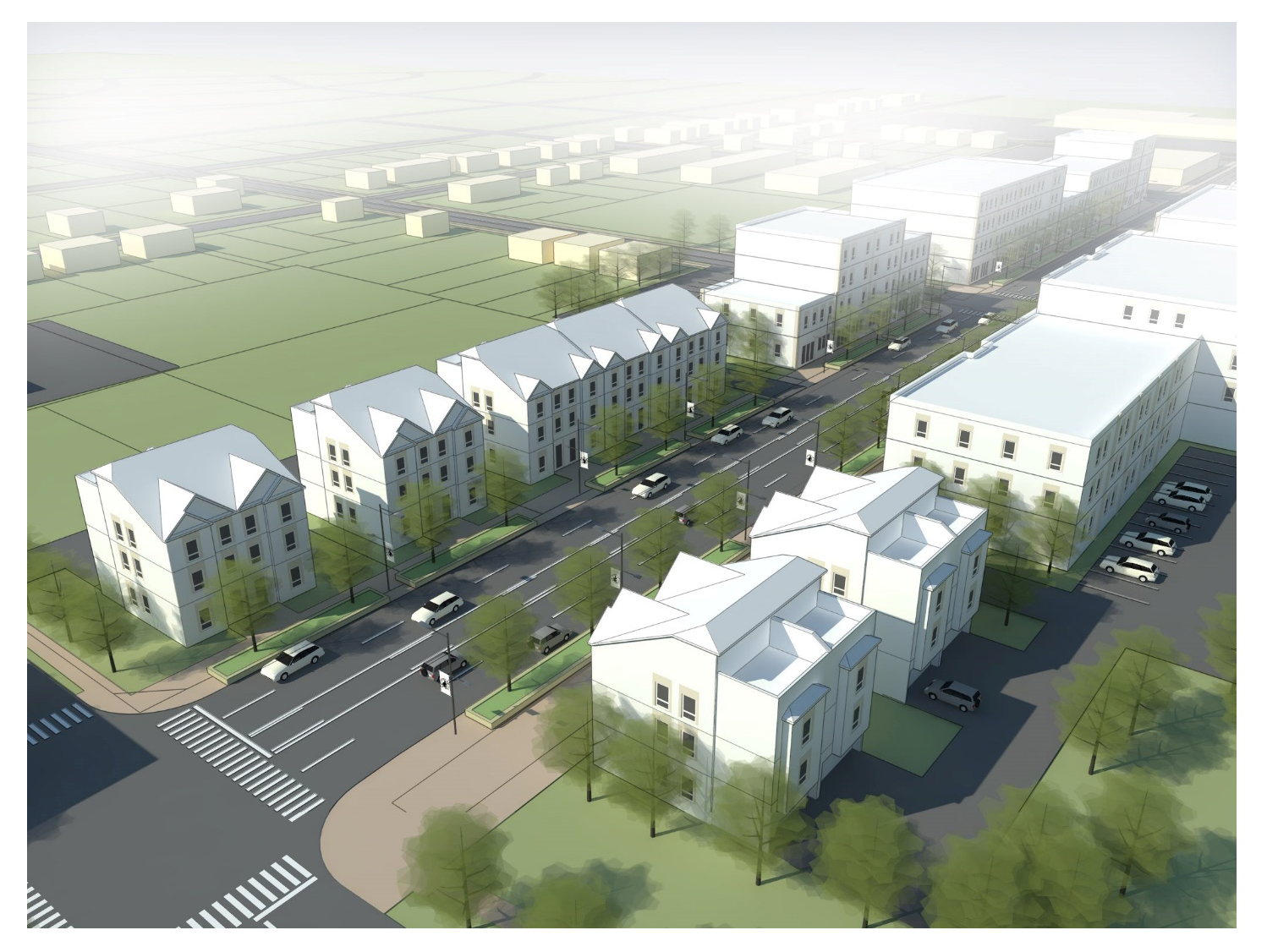
1243.04.01. - MX-C intent.
The purpose and intent of the MX-C Mixed Use Urban Corridor District is to provide for a vertical and horizontal mix of uses, typically with retail or commercial space on the ground floor and office or residential uses on upper floors. Development is characterized by buildings located closer to the street to promote walking and biking, and to create a character that is more "place" based than auto-oriented. However, in recognition of the arterial and suburban corridors that dominate the district frontages, this district is likely to contain some single-use buildings, so some variation in development is expected.
(Ord. No. 1331, § 1, 5-5-25)
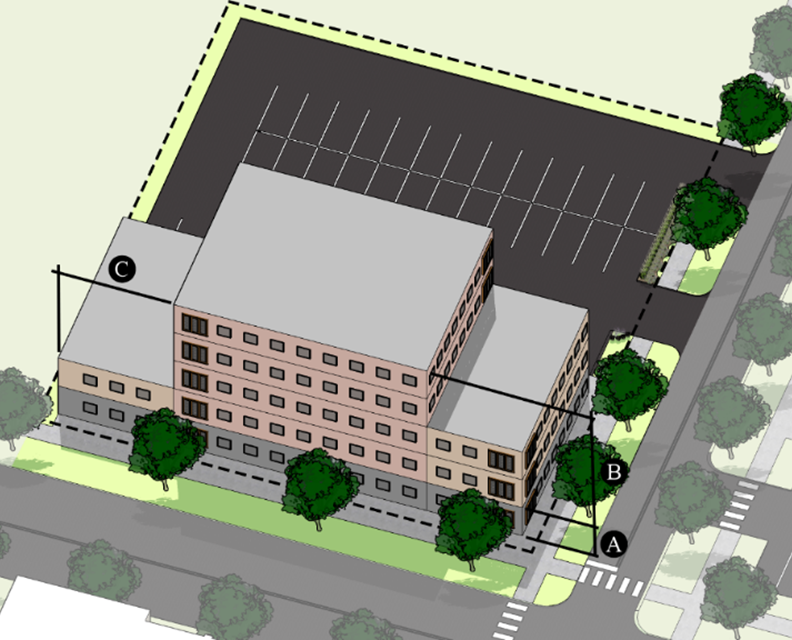
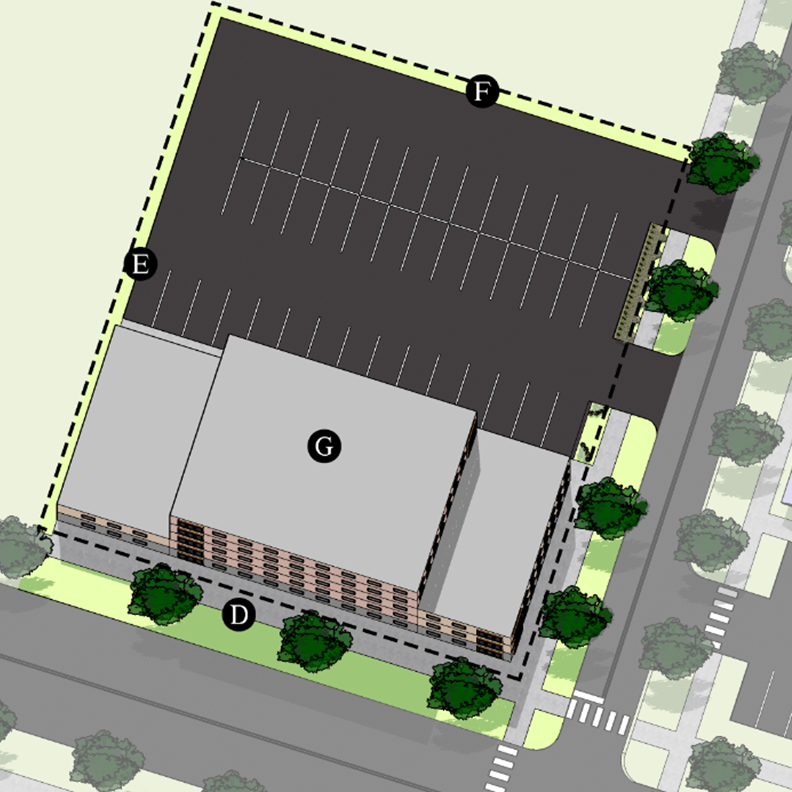
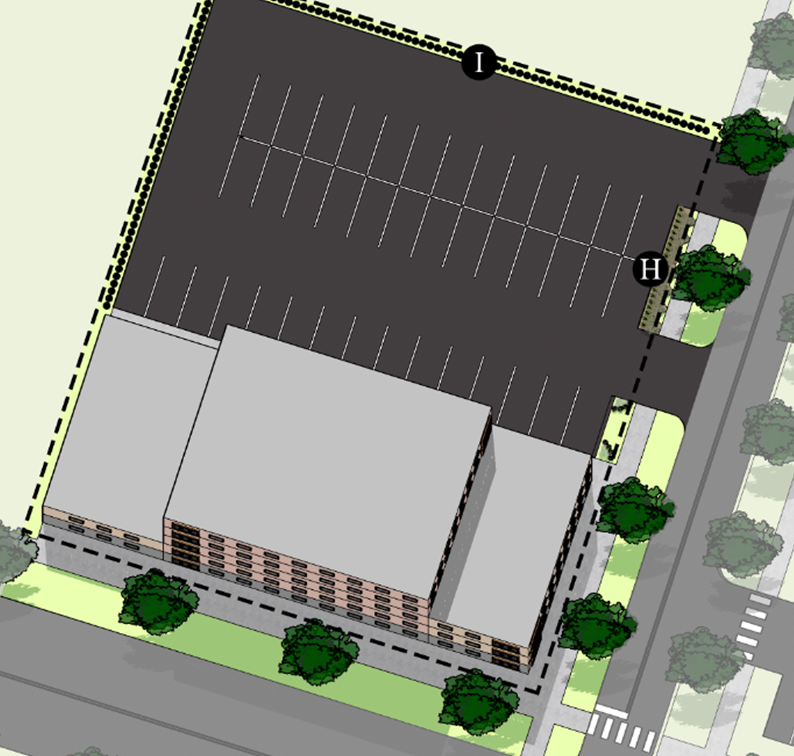
1243.04.02. - MX-C site layout requirements.
1243.05. - MX-1 Mixed-Use Neighborhood Center.
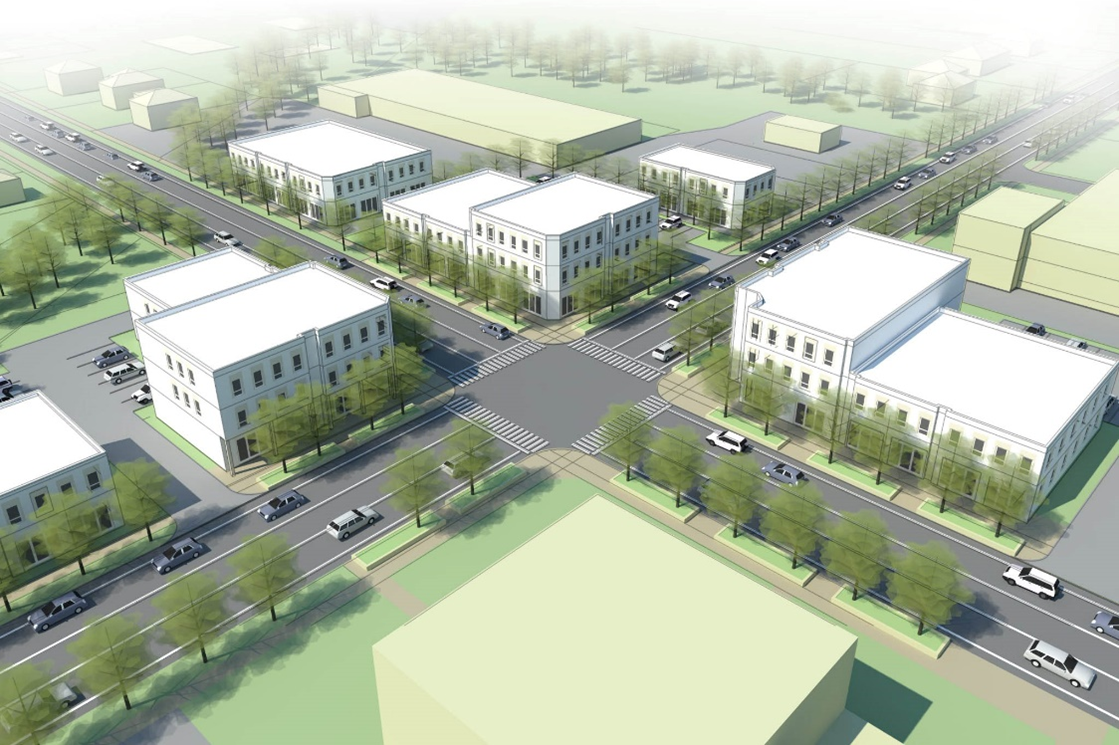
1243.05.01. - MX-1 intent.
The purpose and intent of the MX-1 Mixed-Use Neighborhood Center District is to provide for a vertical and horizontal mix of uses, typically with retail or commercial space on the ground floor and office or residential uses on upper floors. Development is characterized buildings located closer to the street to promote walking and biking, and to create a character that is more "place" based than auto-oriented. Development in this district needs to be appropriately scaled to adjacent residential areas.
(Ord. No. 1331, § 1, 5-5-25)
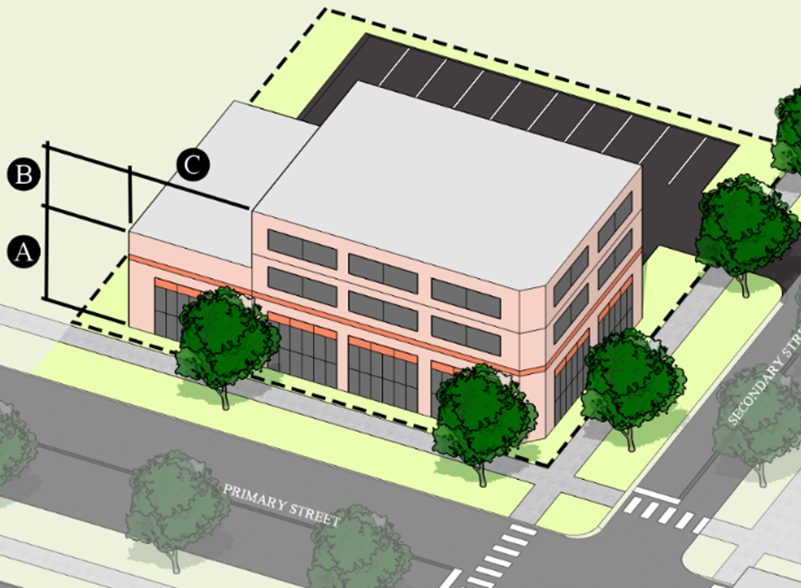
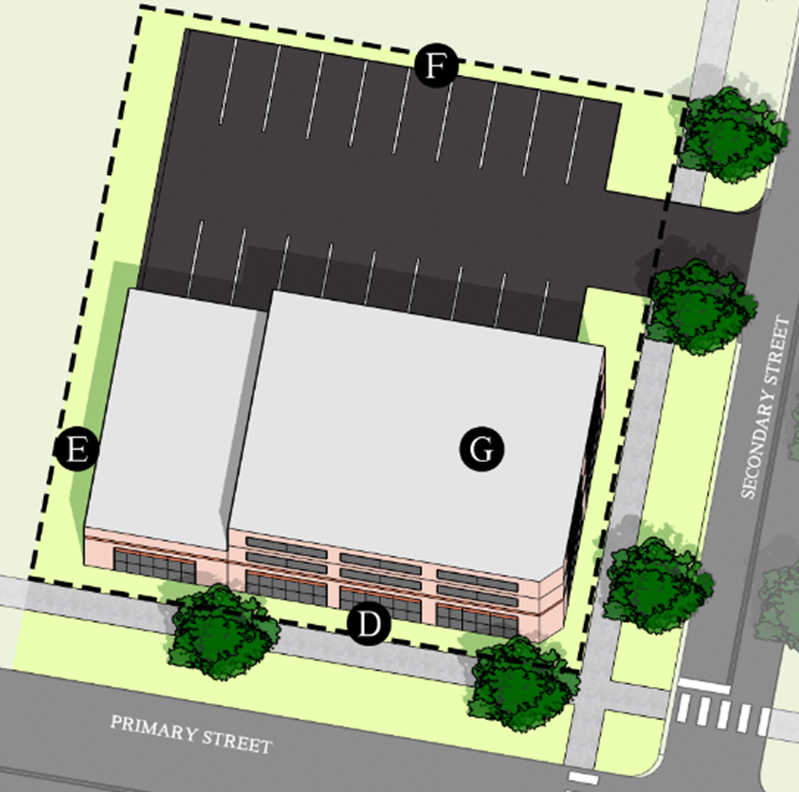
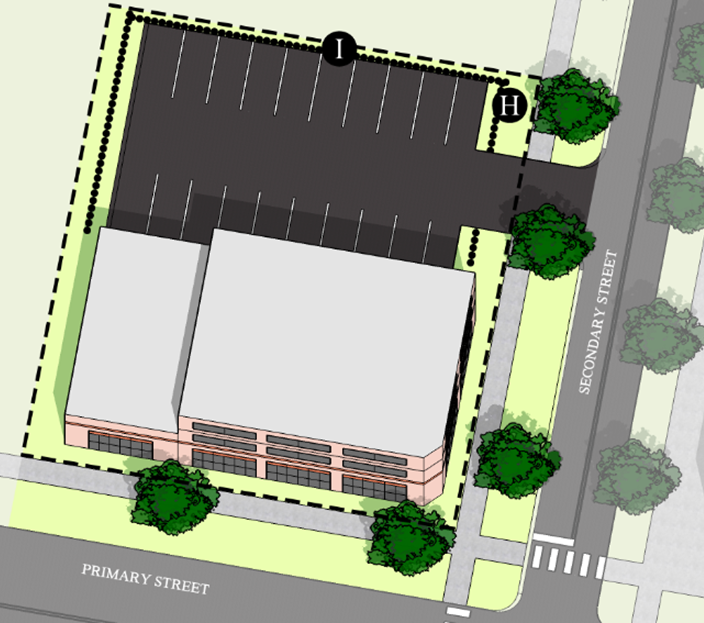
1243.05.02. - MX-1 site layout requirements.
1243.06. - MX-2 Mixed-Use Community Center.
1243.06.01. - MX-2 intent.
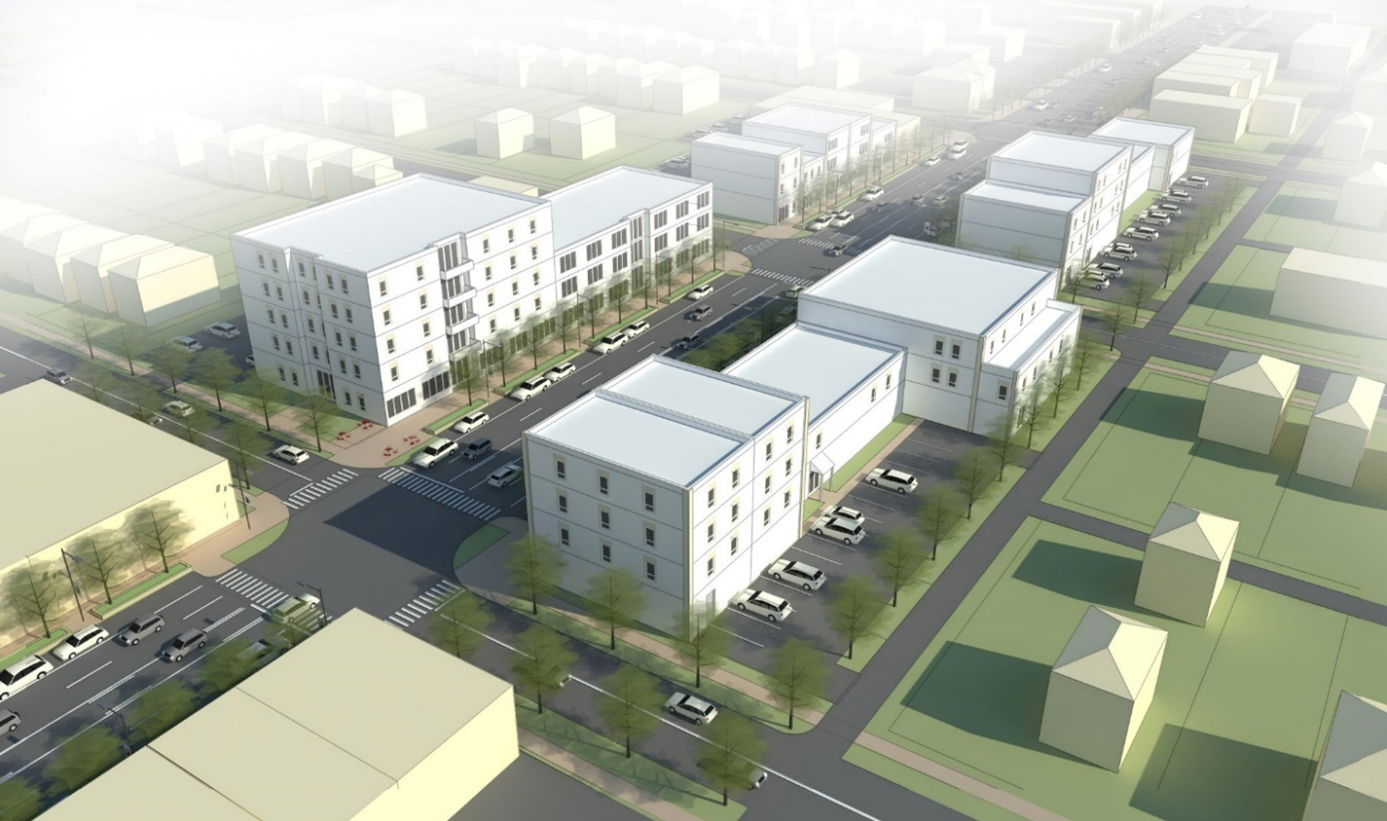
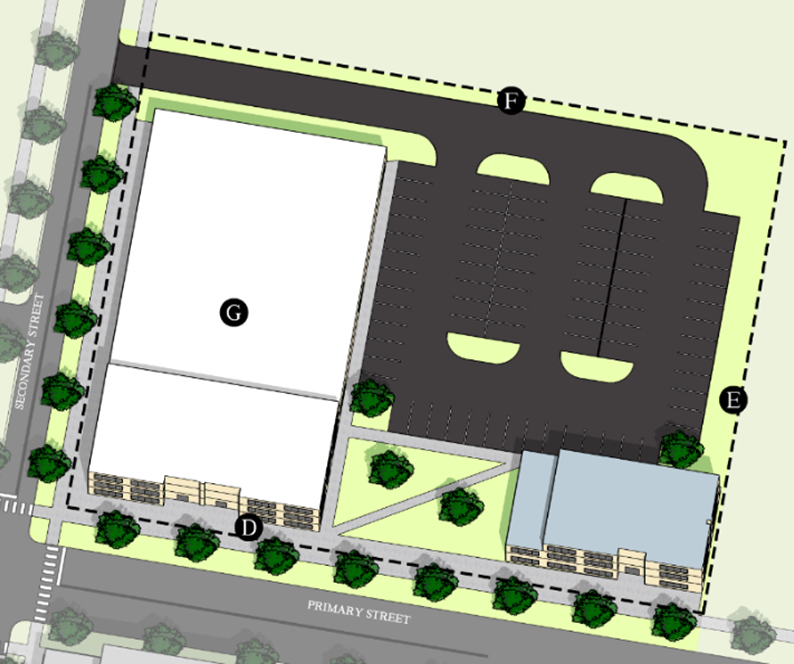
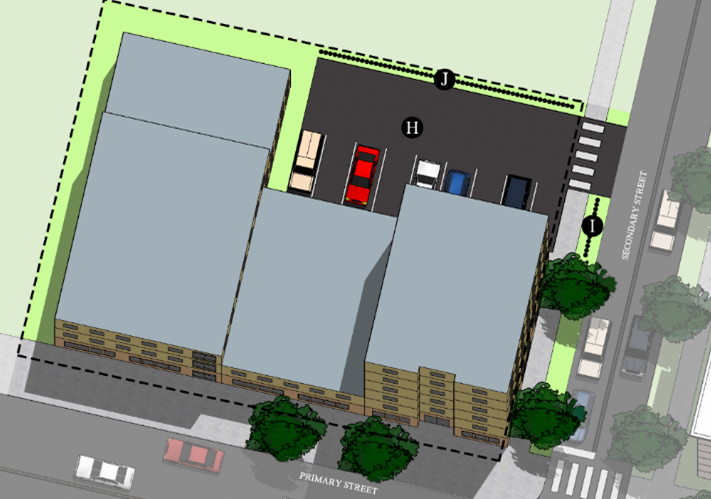
The purpose and intent of the MX-2 Mixed-Use Community Center District is to provide for both a horizontal and vertical mix of uses, typically with retail or commercial space on the ground floor and office or residential uses on upper floors. Ground floor uses should be active and pedestrian focused. Development is characterized by buildings located closer to the street to promote walking and biking, and to create a character that is more "place" based than auto-oriented. Taller buildings and less required parking are allowed in this district to create the density needed to help support the urban places within the district. Development in this district needs to maintain a consistency in character and form with adjacent sites to create the type of neighborhood centers desired.
(Ord. No. 1331, § 1, 5-5-25)
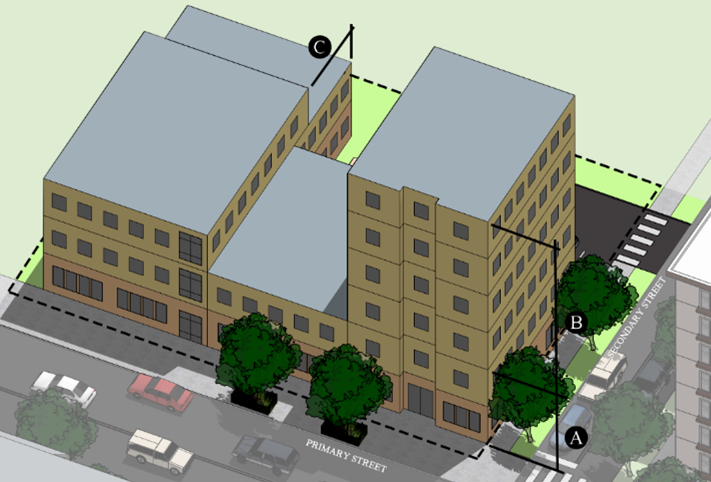
1243.06.02. - MX-2 site layout requirements.
1243.07. - DT-1 Downtown Edge.
1243.07.01. - DT-1 intent.
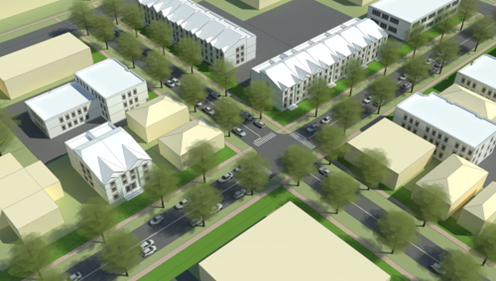
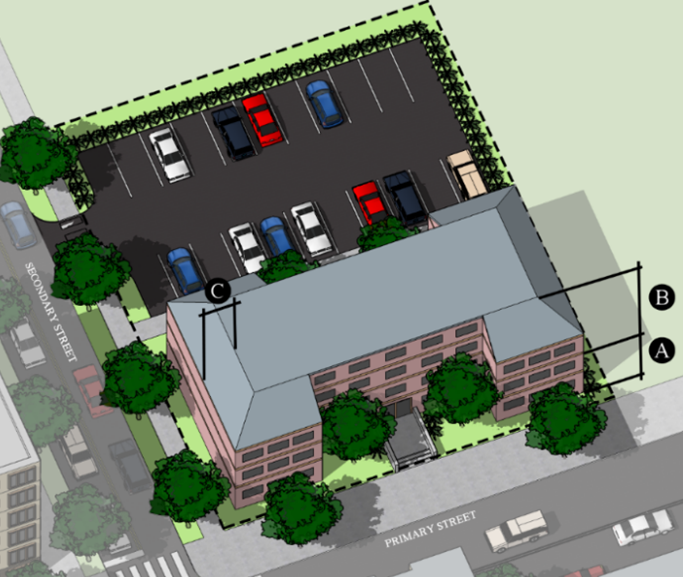
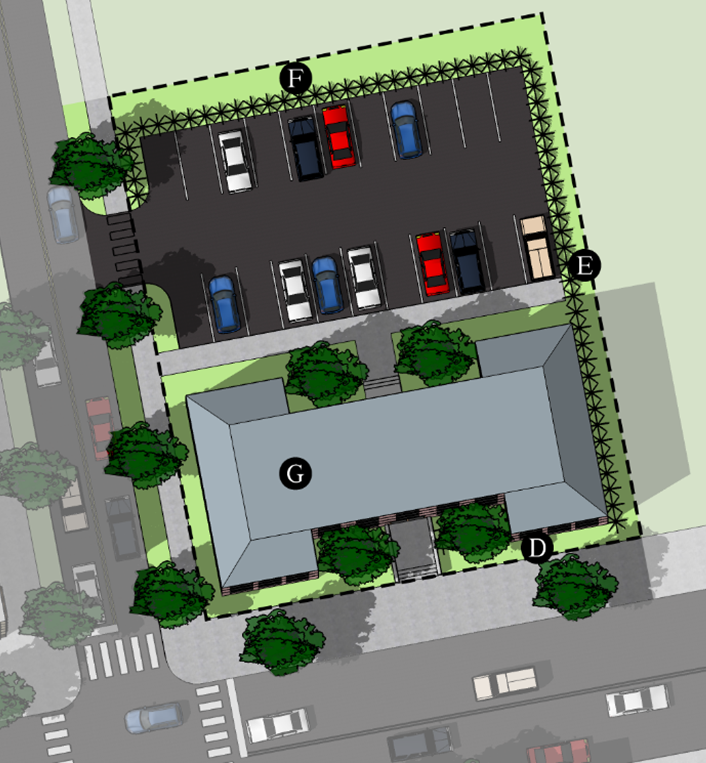
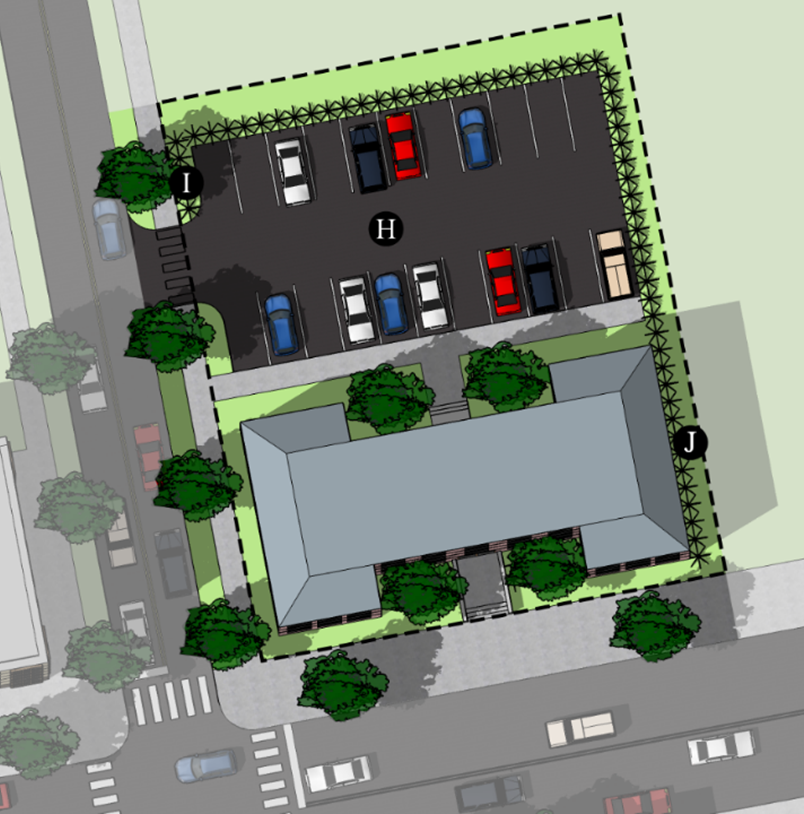
The DT-1 Downtown Edge District permits a mixture of office and residential uses complementary to the Downtown Core but lower in intensity. Downtown Edge areas are intended to retain elements of the historic residential character such as short block lengths and existing front-yard setbacks. One purpose of this district is to permit homes to be converted to offices provided the historic residential character is maintained.
(Ord. No. 1331, § 1, 5-5-25)
1243.07.02. - DT-1 site layout requirements.
1243.08. - DT-2 Urban Flex.
1243.08.01. - DT-2 intent.
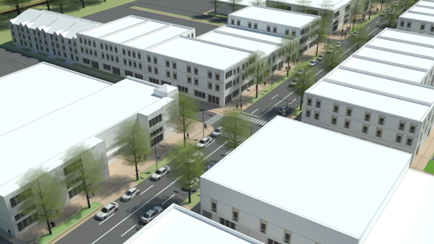
The intent and purpose of the DT-2 Urban Flex District is to foster a mixture of residential, commercial, and industrial uses that complement the nearby Downtown Core and Mixed-Use Corridors. The urban flex districts generally are areas transitioning from older industrial and auto-oriented uses with pockets of residential to higher density modern infill and adaptive reuse. These areas are characterized by an eclectic mixture of entertainment, retail, residential, and lower intensity industrial uses in a warehouse setting. Along activity corridors, ground floor uses should be those that generate pedestrian activity along the street front through the location of doors, windows, and displays.
(Ord. No. 1331, § 1, 5-5-25)
1243.08.02. - DT-2 site layout requirements.
1243.09. - DT-3 Downtown Core.
1243.09.01. - DT-3 intent.
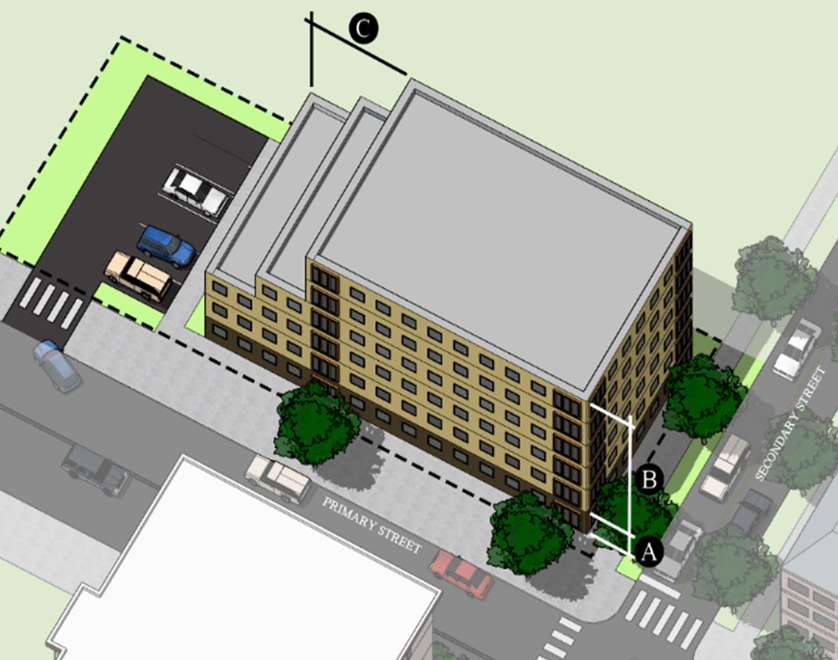
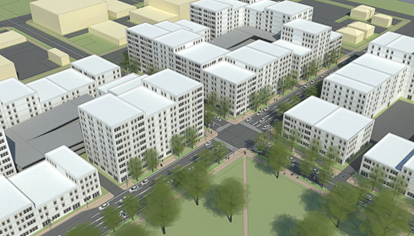
The intent and purpose of the DT-3 Downtown Core District is to provide primarily a vertical mix of uses with higher density residential housing and office buildings. Ground floor uses should be those that generate pedestrian activity along the street front through the location of doors, windows, and displays. Development in this district is characterized by tall buildings lining urban streets with most or all parking provided on street or in municipal lots or structures. This district accommodates the City's highest intensity and density development.
(Ord. No. 1331, § 1, 5-5-25)