Lansing City Zoning Code
CHAPTER 1244
RESIDENTIAL DISTRICTS
1244.01.- Applicability.
The standards of this chapter shall apply to all proposed development within the zoning districts contained herein, and shall be considered in combination with the standards in Chapter 1246 - Architectural Standards and other applicable chapters of this Zoning Ordinance. If there is a conflict between any standards, the stricter standards shall apply to conventionally on-site constructed homes. For purposes of compatibility, all structures shall:
(a)
Have not less than two exterior doors with one door being in front of the structure and the other being in either the rear or on the side of the structure.
(b)
Have permanently attached steps connected to exterior door areas or porches connected to exterior door areas where required by the difference in between the ground and floor levels.
(Ord. No. 1331, § 1, 5-5-25)
1244.02. - General development.
Requirements for dwelling units. Any dwelling unit, including a structure or portion of a structure constructed on-site, a premanufactured unit, a precut structure or a panelized structure, whether erected above and/or below ground, shall comply with the following standards:
(a)
It shall conform with the minimum residential lot dimensional requirements and building types for the district in which it is located.
(1)
On existing lots less than 40 feet in width the minimum side setbacks may be reduced to ten percent of the lot width, rounding down, on one side and ten feet on the other side to accommodate a driveway.
(2)
The setback along the secondary front property line on corner lots may be reduced to ten feet or the average setback of the principal buildings in the block face along the secondary street, whichever is greater.
(3)
The front yard setback of a principal residential building may be increased to 30 feet on all non-local street types.
(b)
A dwelling shall be a minimum of 20 feet in width.
(c)
On lots 40 feet or greater in width, it shall contain a core area of living space of at least 576 square feet in size and shall have a minimum internal height of seven and one-half feet. For single-family dwellings on lots less than 40 feet in width, it shall contain a core area of living space of at least 400 square feet in size and shall have a minimum internal height of seven and one-half feet.
(d)
The depth of a single- or two-family dwelling shall not exceed two and one half times the width of the front wall of the building containing the main entrance.
(e)
It is firmly attached to a permanent foundation constructed on the site in accordance with the Building Code and has a wall of the same perimeter dimensions as the structure which is aesthetically compatible in design and appearance with conventionally on-site constructed homes, and is constructed of such materials and type as required in the Building Code.
(f)
If it is not a structure constructed on site, it shall be aesthetically compatible in design and appearance with conventionally on-site constructed homes. For purposes of compatibility, all structures shall:
(1)
Have not less than two exterior doors with one door being in front of the structure and the other being in either the rear or on the side of the structure;
(2)
Have permanently attached steps connected to exterior door areas or porches connected to exterior door areas where required by a difference in elevation;
(3)
Have siding firmly affixed to the exterior walls of the structure constructed of conventional materials such as wood, vinyl, aluminum or brick;
(4)
Have a shingled roof constructed of conventional material, which roof is permanently attached to the structure and has a minimum 4:12 pitch and an overhang of at least one foot; and
(5)
Not have wheels, towing mechanisms, undercarriages or chassis that are visible from the outside of the structure.
This paragraph shall not be construed to prohibit innovative design concepts involving such matters as solar energy, view, unique land contour, or architectural design.
(Ord. No. 1331, § 1, 5-5-25)
1244.03. - Administration.
(a)
Residential construction for single-family detached homes and duplexes are not required to follow the site plan review process in Chapter 1260 but must adhere to the regulations of this Zoning Ordinance and other applicable City codes and ordinances.
(b)
For single-family or two-family principle and accessory structures, and for alterations, use changes, or additions: a plot plan depicting the existing and proposed structures, lot lines, setbacks, parking areas and the location of any known wells shall be submitted to the Planning Office for review and approval prior to issuance of a building permit.
(c)
Any other residential use not listed in subsection (a) above shall be reviewed according to Chapter 1260 - Site Plan Review.
(Ord. No. 1331, § 1, 5-5-25)
1244.04. - Residential permitted uses.
In the residential districts, the following principal uses are permitted. Permitted uses except for single-family and two-family detached houses shall be subject to site plan review. Conditional uses shall adhere to the conditions noted in the provisions referenced. Special land uses may be permitted by Council in accordance with the procedures and conditions described in Chapter 1262 - Special Land Use Permits if the conditions described in this section for each use are met, and if all Federal, State, and local laws are met.
Accessory uses customarily incidental to any of the above principal uses are allowed provided the Zoning Administrator may require additional parking or compliance with other standards upon a determination that such use may impact site operations beyond that of the principal use.
(Ord. No. 1331, § 1, 5-5-25)
1244.05. - R-1 Residential.
1244.05.01. - R-1 intent.
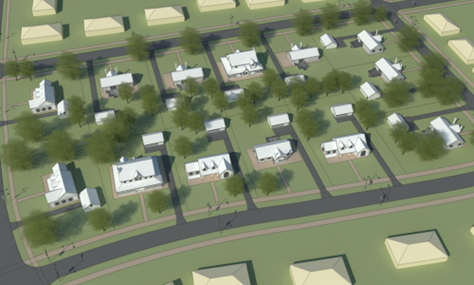
The R-1 Residential District is intended to accommodate a range of single-family neighborhoods and housing types featuring medium-to-large-sized lots and a variety of house sizes.
(Ord. No. 1331, § 1, 5-5-25)
1244.05.02. - R-1 building types.
Detached houses are the only building type intended to meet the intent of this district. Architectural regulations and building types are further described in Chapter 1246.
(Ord. No. 1331, § 1, 5-5-25)
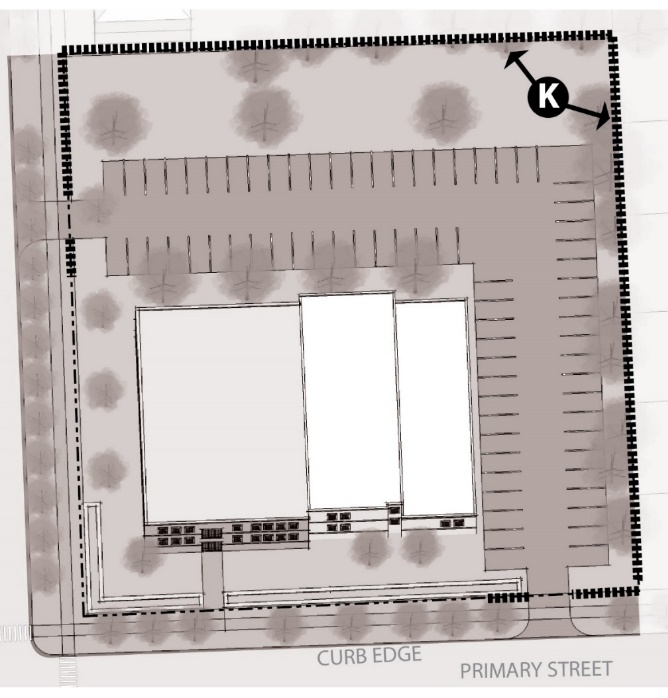
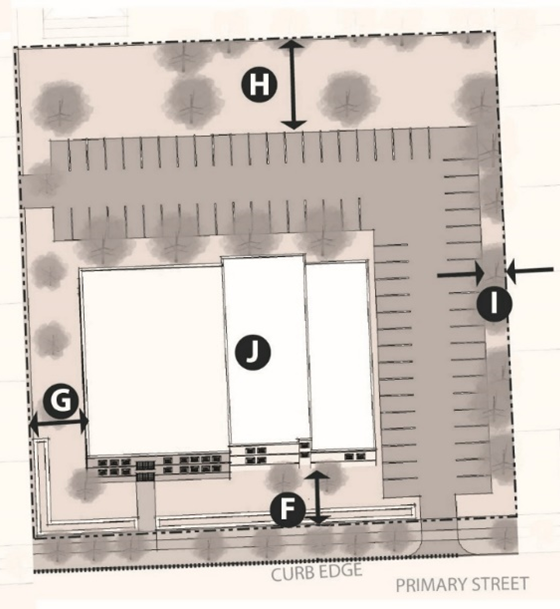
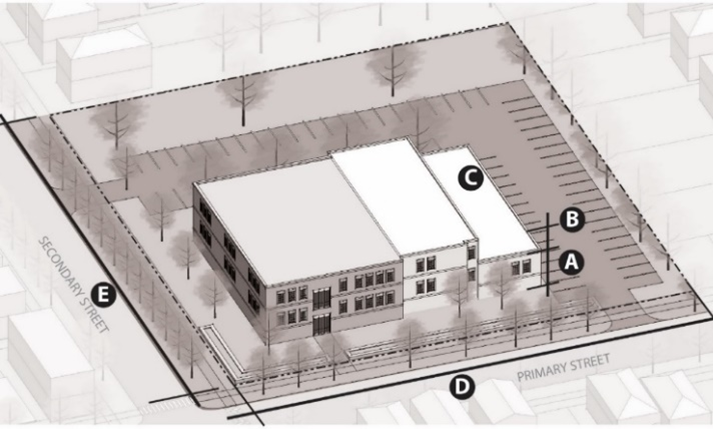
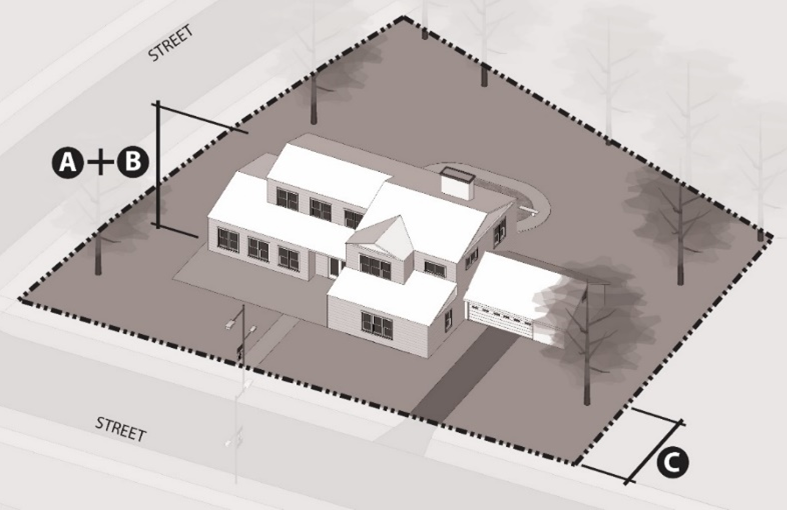
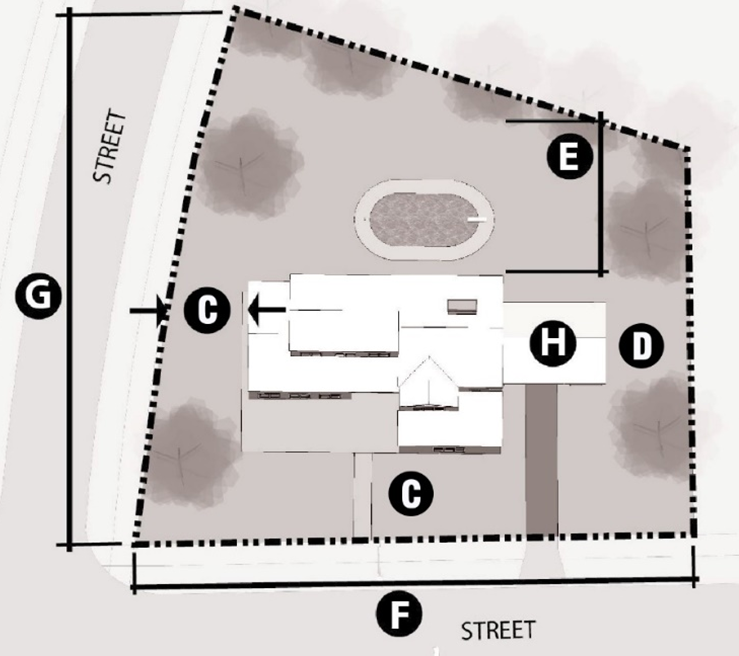
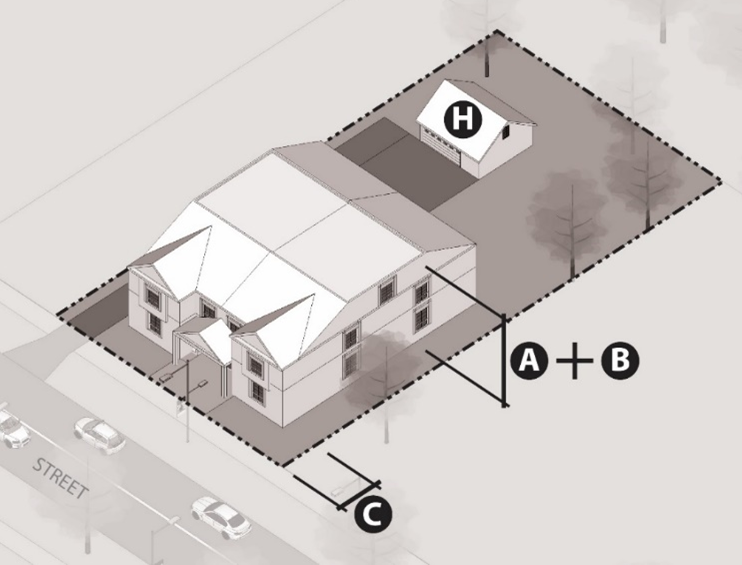
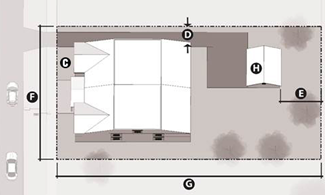
1244.05.03. - Site layout requirements.
1244.06. - R-2 Residential.
1244.06.01. - R-2 intent.
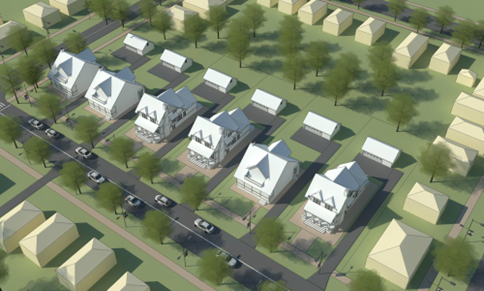
The R-2 Residential District is intended to accommodate the range of neighborhoods and housing types near downtown featuring small- to medium-sized lots, grid street pattern, and a variety of smaller house sizes.
(Ord. No. 1331, § 1, 5-5-25)
1244.06.02. - R-2 building types.
Detached houses are the only building type intended to meet the intent of this district. Architectural regulations and building types are further described in Chapter 1246.
(Ord. No. 1331, § 1, 5-5-25)
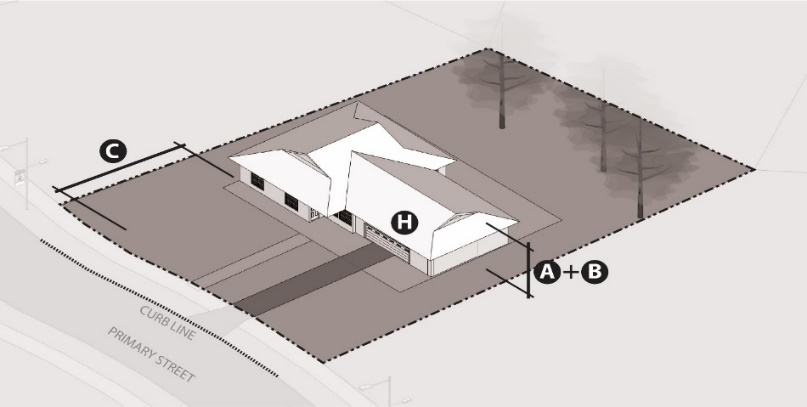
1244.06.03. - Site layout requirements.
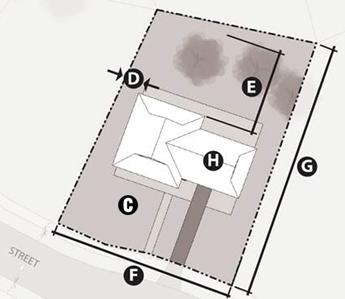
1244.07. - R-3 Residential.
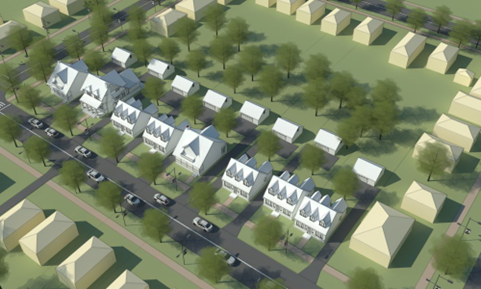
1244.07.01. - R-3 intent.
The intent of the R-3 Residential District is to preserve the historic character of Lansing's most urban neighborhoods and to integrate in-fill attached residential units into appropriate locations at the perimeter of established residential neighborhoods. Attached residential units are intended to provide a physical transition from the adjacent busier street types, and/or nonresidential uses to the purely residential neighborhood.
(Ord. No. 1331, § 1, 5-5-25)
1244.07.02. - R-3 building types.
Detached houses and attached residential buildings with up to six units are the only building types intended to meet the intent of this district. Architectural regulations and building types are further described in Chapter 1246.
(Ord. No. 1331, § 1, 5-5-25)
1244.07.03. - R-3 site layout requirements.
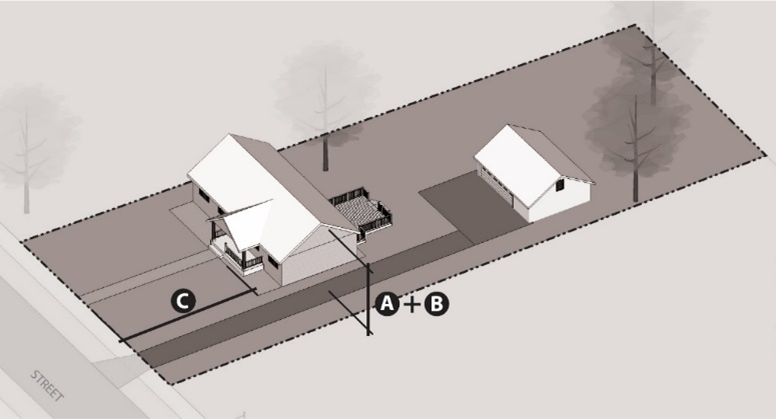
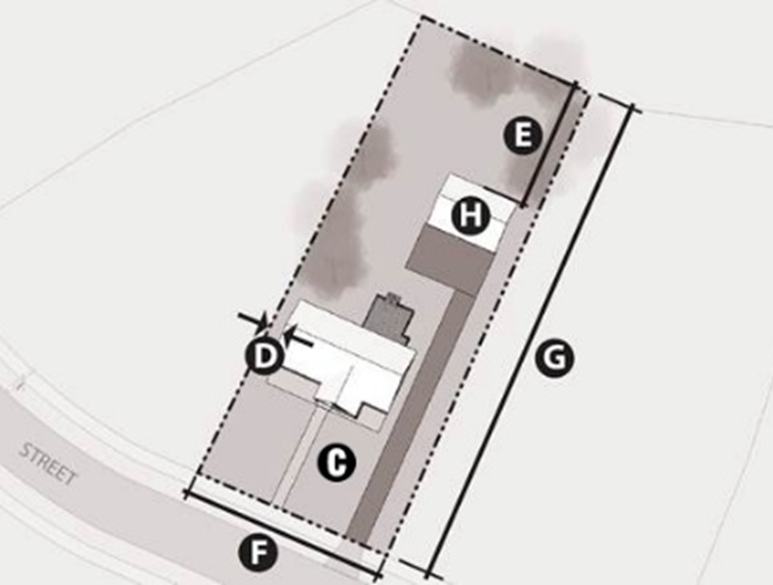
1244.08. - MFR Multi-Family Residential.
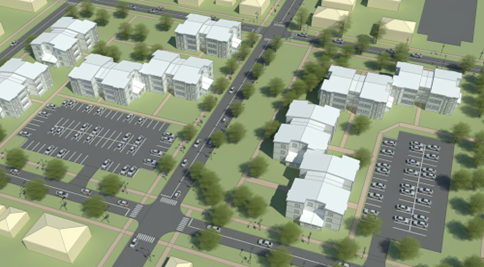
1244.08.01. - MFR intent.
The MFR Multiple Family Residential District is applied to areas of Lansing that are appropriate for the highest range of residential densities to accommodate multiple family dwellings. The MFR zone is suitable as a transition from the residential districts into mixed-use commercial areas. MFR complexes should be designed with a campus-like character, providing shared open space, landscape buffering, and consistent site design features.
(Ord. No. 1331, § 1, 5-5-25)
1244.08.02. - MFR building types.
Attached residential is the primary building type intended to meet the intent of this district. Architectural regulations and building types are further described in Chapter 1246.
A mobile home park, as defined in this ordinance, and that meets the requirements of PA 419 of 1976, as amended, being M.C.L.A. 125.1101 to 125.1147, may be permitted in a MFR District, if it is located on not less than ten acres, and subject to issuance of a special land use permit in accordance with the provisions of Chapter 1262 and of Chapter 1260 - Site Plan Review.
(Ord. No. 1331, § 1, 5-5-25)
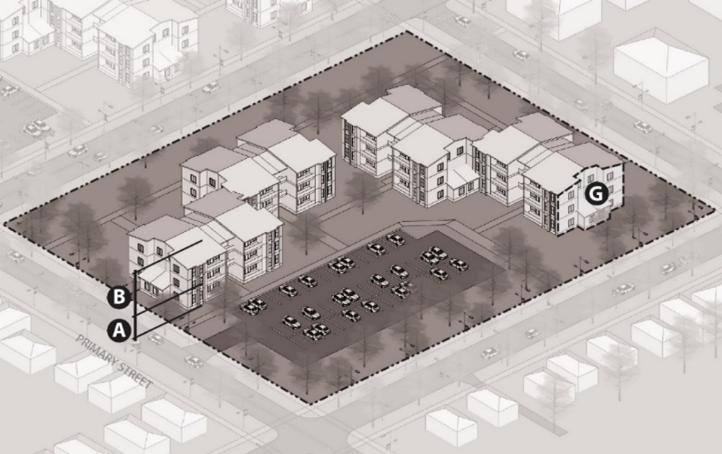
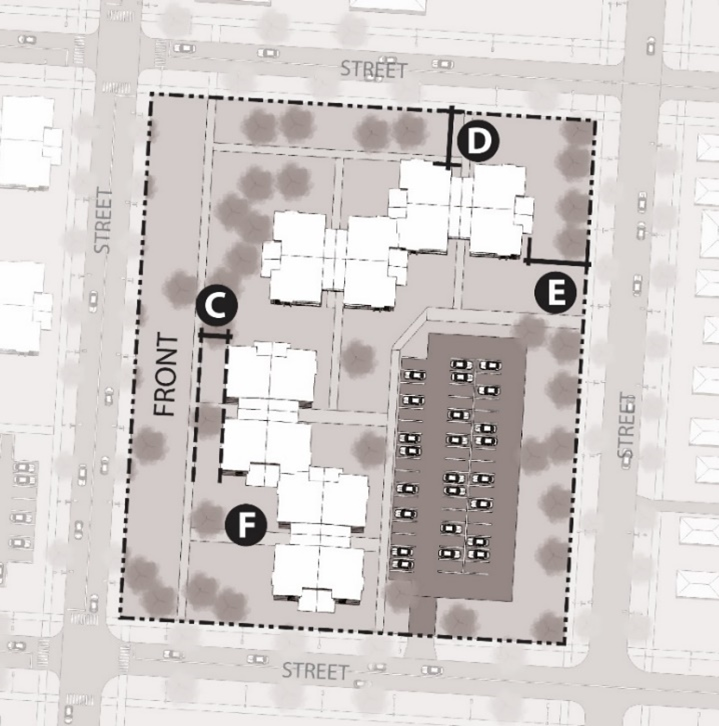
1244.08.03. - MFR site layout requirements.
1244.09. - R-MX Mixed Residential.
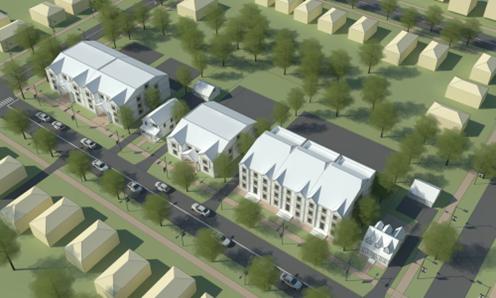
1244.09.01. - R-MX intent.
The R-MX Mixed Residential District is intended to accommodate a mixture of housing types along corridors and near the downtown. Historically, these areas were single-family neighborhoods that have transitioned over time to include a mixture of housing types. Historic single-family houses should be retained where possible for their character and infill housing should respect the established scale and massing. Denser housing along corridors is intended to provide a transition to the adjacent established single-family neighborhoods.
(Ord. No. 1331, § 1, 5-5-25)
1244.09.02. - R-MX building types.
Detached houses and attached residential are the only building types intended to meet the intent of this district. Architectural regulations and building types are further described in Chapter 1246.
(Ord. No. 1331, § 1, 5-5-25)
1244.09.03. - R-MX site layout requirements.
1244.10. - R-AR Adaptive Reuse Residential.
1244.10.01. - R-AR intent.
The purpose and intent of the R-AR Adaptive Reuse Residential District is to:
(1)
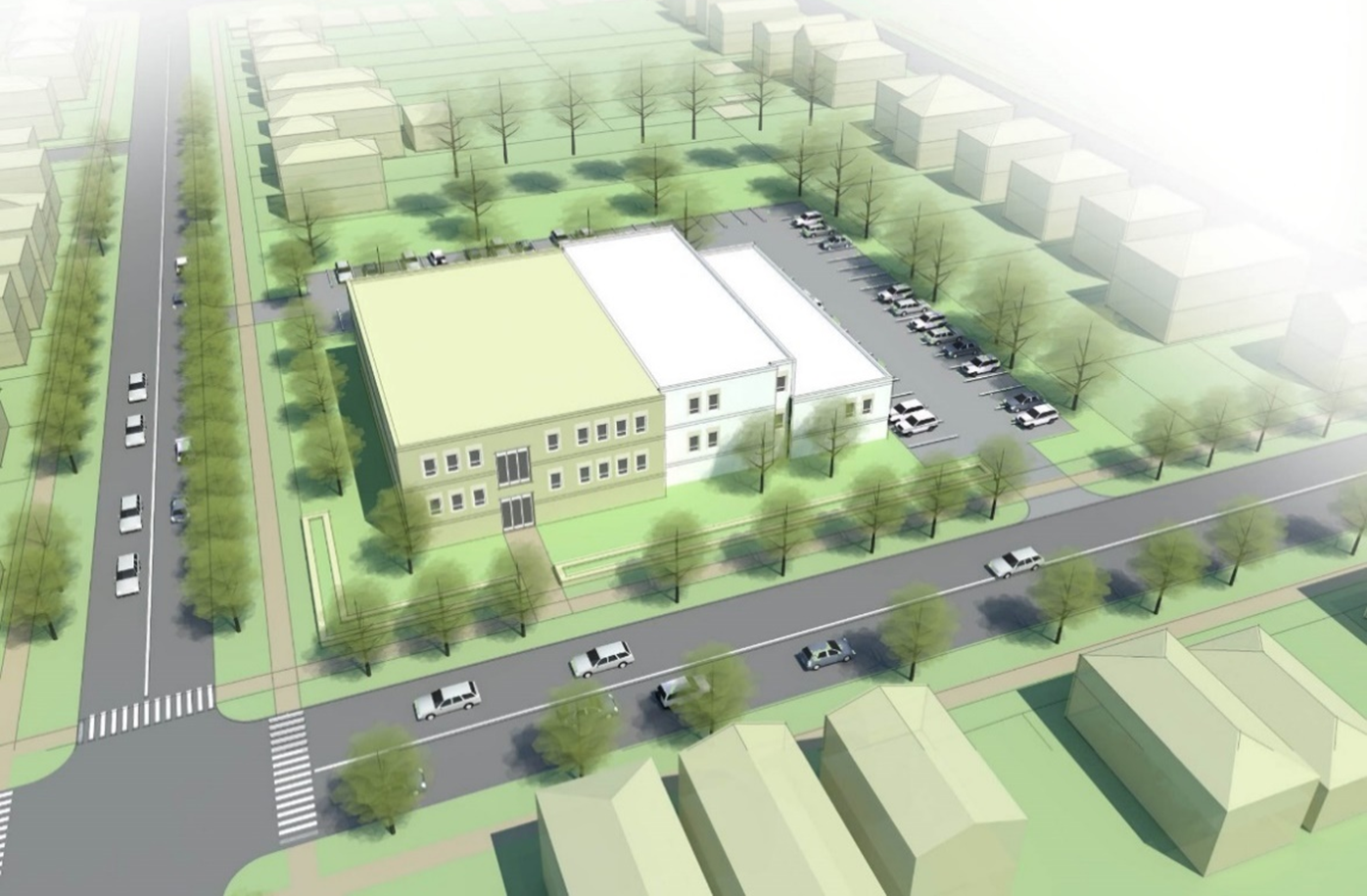
Promote the appropriate reuse or redevelopment of former institutional sites that is compatible in scale and intensity with the previous use or character of the area.
(2)
Minimize impacts on and ensure proper transitions from taller buildings and more intense uses to adjoining residential neighborhoods and less intense uses.
(3)
Provide for recreational, pedestrian, and open space needs that may be displaced by redevelopment of vacant institutional sites.
(4)
Regulate building height and require appropriate landscaping and screening to achieve appropriate scale along streetscapes and ensure proper transition to nearby residential neighborhoods.
(Ord. No. 1331, § 1, 5-5-25)
1244.10.02. - R-AR building types.
Architectural regulations and building types are further described in Chapter 1246.
(Ord. No. 1331, § 1, 5-5-25)