
Spokane City Zoning Code
CHAPTER 17C
250 Tall Building Standards
Section 17C.250.010 Purpose of Tall Building Standards
- The purpose of this chapter is to ensure that tall buildings and structures contribute to a visually interesting skyline and an enhanced pedestrian experience from the ground level, streets and other public spaces. These standards are applicable to structures in all zoning districts except the downtown zones.
- This chapter includes design guidelines that follow the design standards administration process found in chapter 17C.120 SMC, Commercial Zones.
Date Passed: Monday, December 14, 2009
Effective Date: Wednesday, January 27, 2010
Ordinance C34530 Section 19
Section 17C.250.020 Dimensional Standards
- Applicability
The standards of this section apply to buildings and structures over seventy feet tall.
The dimensional standards of this section do not apply to the following:
- Medical Centers as defined in SMC 17C.190.450;
- Buildings within six hundred feet of Medical Centers; and
- Essential Public Facilities as defined in SMC 17C.190.530.
- Upper Story Setback.
All floors above seventy feet shall be setback from all street lot lines a minimum of twenty feet.
- Maximum Floor Area per Floor.
All floors above seventy feet shall have a maximum floor area of twelve thousand square feet.

- Maximum Tower Dimension.
All floors above seventy feet shall have a maximum floor dimension of one hundred fifty feet.

Date Passed: Monday, October 16, 2023
Effective Date: Thursday, November 23, 2023
ORD C36448 Section 5
Section 17C.250.030 Treatment of Blank Walls on Tall Buildings – Building Design
- Purpose.
To ensure that upper floors with blank facades on tall buildings are visually interesting when viewed from surrounding streets and buildings.
- Blank Wall Treatment Implementation.
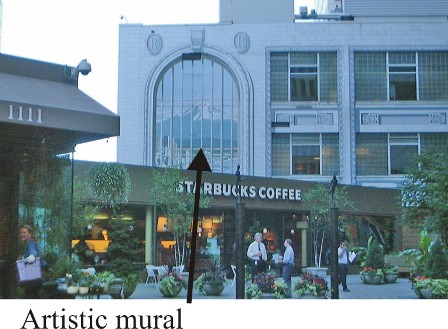
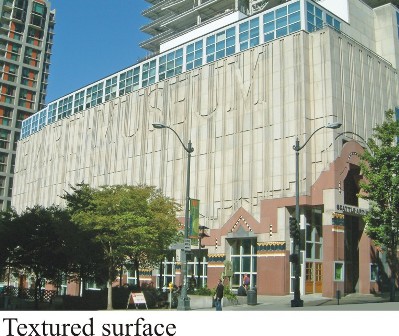
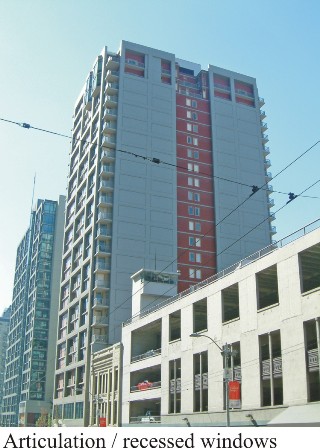
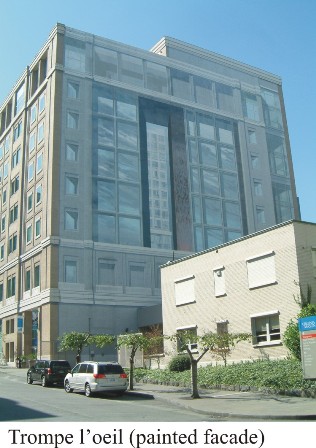
- Tall buildings that have a visually exposed blank façade or blank portions of façade above the ground level shall use one or more of the following methods as design treatment. (R)
- Mural.
- Textured concrete.
- Faux window or fenestration patterning.
- Recesses.
- Bands of differing texture and color.
- An architectural element not listed above, as approved, that meets the intent.
Date Passed: Monday, December 19, 2005
Effective Date: Saturday, January 21, 2006
ORD C33773
Section 17C.250.040 Roof Forms for Tall Buildings – Building Design
- Purpose.
To create a skyline that is visually interesting.
- Tall Building Roof Form Implementation.
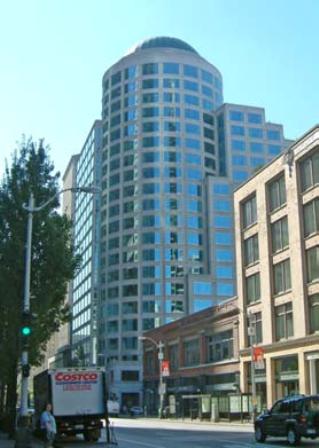
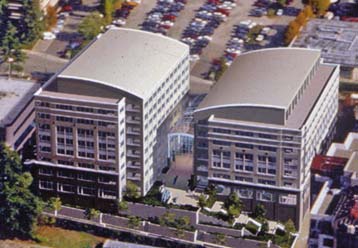
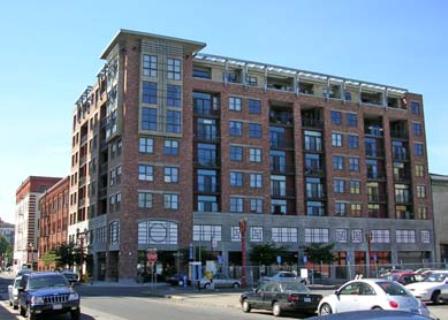
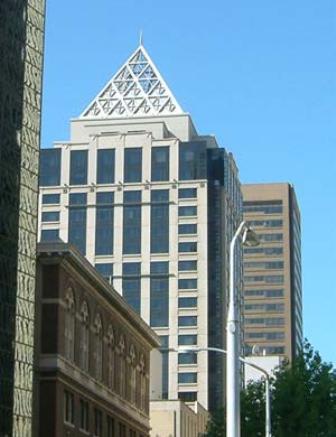
- Buildings over fifty feet in height shall incorporate features that create a visually distinctive roof form. The following are examples of such features. (P)
- Terraced step backs.
- Pitched or curved roof elements.
- Projecting cornice elements.
- Trellises along the parapet.
- Geometric forms (dome, pyramid, etc.).
- Change of materials or color on top floor.
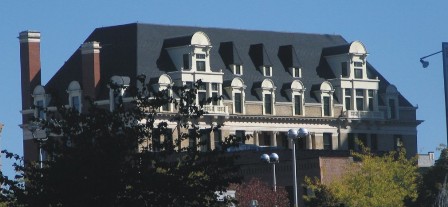
- Buildings taller than seventy feet shall incorporate step backs in their uppermost floors. Such step backs need not be located on all sides, but should be enough to create a distinct “top” to the building. Alternatively, a top may be created by another architectural device such as an overhang, geometric form or decorative architectural feature. (P)
Date Passed: Monday, December 19, 2005
Effective Date: Saturday, January 21, 2006
ORD C33773

