
Chino Hills City Zoning Code
CHAPTER 16
06 - GENERAL DEVELOPMENT STANDARDS
16.06.010 - Intent and purpose.
The development standards contained in this chapter are general in nature and apply to all zoning districts, unless otherwise indicated. These standards are provided as minimum or maximum standards and may be modified by more stringent standards in particular districts and/or due to specific situations. The primary intent of this chapter is to provide generally acceptable standards of development for Chino Hills.
(Ord. 68 § 9.10.010, 1995)
16.06.020 - Maintenance of properties.
All properties within the City shall be kept and maintained in a clean, neat, orderly, operable, and usable condition. This requirement applies to buildings, paving, fences, walls, landscaping, water, earth, and any other structures or natural features.
(Ord. 68 § 9.10.020, 1995)
16.06.030 - Nuisances.
Neither the provisions of this Development Code nor the granting of any permit provided for in this Development Code shall authorize or legalize the creation or maintenance of any public or private nuisance.
(Ord. 68 § 9.10.030, 1995)
16.06.040 - Identification of front lot lines.
A.
Single-Family Residential Properties. Occasionally, a lot is adjacent to more than one street. In such cases, the following requirements shall be observed in identifying the front lot line. Figure 10-1 illustrates the following provisions:
1.
When a lot exists between two developed lots which both abut the same street, the front lot line shall be on the same street as the existing developed lots on either side.
2.
When a lot is adjacent to vacant lots or developed lots which abut either street, the following criteria shall apply:
a.
Where one street is of a higher classification than the other, the lot line fronting the street with the lower classification shall be the front lot line.
b.
If the lot in question is a corner lot and both streets are of the same classification, the narrower of the two frontages shall be designated the front lot line.
c.
The Director of Community Development shall make the determination when the above criteria cannot be precisely applied to the particular situation as a result of topography or other factors by effectuating the intent of these criteria as much as possible.
3.
The front lot line for a corner lot or a reverse corner lot is the lot line which fronts the street with the lower classification. If both streets are of the same classification, the narrower of the two frontages shall be designated the front lot line, except in those cases where the subdivision or parcel map specifies another line as the front lot line.
4.
The front lot line for a cul-de-sac lot is that lot line which abuts the cul-de-sac street.
B.
Multi-Family Residential and Nonresidential Properties. For a multi-family residential or nonresidential property with multiple street frontages, the following requirements shall be observed in identifying the front lot line:
1.
Where one street is of a higher classification than the other, the lot line fronting the street with the higher classification shall be the front lot line.
2.
If the streets are of the same classification, the widest of the frontages shall be designated the front lot line.
3.
The Director of Community Development shall make the determination when the above criteria cannot be precisely applied to the particular situation as a result of topography or other factors by effectuating the intent of these criteria as much as possible.
(Ord. 68 § 9.10.040, 1995)
(Ord. No. 265, § 2(d), 8-27-2013)
16.06.050 - Determination of front yards and required setbacks.
A.
Through Lots. Both frontages of a through lot shall have a minimum setback from both streets of twenty (20) feet, unless the provisions of this Development Code allow for reduced non-garage and rear setbacks for shallow lots.
B.
Key Lots. The depth of the required front yard of a key lot shall not be less than the average depth of the street-abutting yards of the adjoining interior and reversed corner lots. The garage portion of the primary structure shall require a minimum front yard setback of not less than twenty (20) feet.
(Ord. 68 § 9.10.050, 1995)
16.06.060 - Required lot standards reduced by public use.
A.
Area.
1.
If a portion of a lot or parcel of land is acquired by any means, including dedication, purchase, or condemnation for any public use including recreation, services, or utilities, that lot or parcel shall be considered conforming as long as the area is reduced to no less than ninety (90) percent of the minimum required area for the zoning district in which the lot or parcel is located.
2.
The Planning Commission shall have the authority to reduce the ninety (90) percent minimum required area pursuant to all the conditions and procedures relating to minor variances found in Chapter 16.72 of this development code.
B.
Width. If a portion of a lot or parcel is acquired by any means, including dedication, purchase, or condemnation for any public use which may include recreation, services, or utilities, that lot or parcel shall be considered conforming as long as the width is not reduced by more than thirty (30) percent. In no case, however, shall a lot less than forty (40) feet in width be considered conforming.
C.
Building Setbacks and Lot Coverage. If a portion of a lot or parcel is acquired by any means, including dedication, purchase, or condemnation for any public use which may include recreation, services, or utilities, that lot or parcel and any structures located on that lot or parcel that were legally permitted when constructed shall be considered conforming as to setback and lot coverage requirements. In the instance where the setback has been reduced, subsequent improvements to that lot or parcel adjacent to the acquired property shall be permitted to adhere to the reduced setback in existence on the day of the public use acquisition. In the instance where the maximum lot coverage has been increased over that permitted in Chapter 16.10.30 of this development code by the reduction in lot size by the public acquisition, subsequent improvements to the lot or parcel shall not increase lot coverage by more than five (5) percent beyond the lot coverage in existence upon the day of the public use acquisition.
(Ord. 68 § 9.10.060, 1995)
(Ord. No. 273, § 3(b), 7-22-2014)
16.06.070 - Features permitted within required setbacks.
All required setback areas shall be open and unobstructed from finished grade to the sky, except that the following features are permitted within the setback areas subject to permissible projections into the setback and/or minimum distance to property lines as indicated in Tables 10-1(A), 10-1(B), and 10-1(C).
Table 10-1(A) Maximum Permitted Projections into Required Setbacks for Residentially Zoned Properties
Table 10-1(B) Minimum Distance to the Property Line for Residentially Zoned Properties
Table 10-1(C) Maximum Permitted Projections into Required Setbacks
for Non-Residentially Zoned Properties
Table Notes:
1.
Exemptions. See Chapter 16.44.
2.
When the matrix indicates that a feature is not permitted, that feature shall not be located within the specified building setback for the property.
3.
Eave projections included in this section do not apply to patio covers; please see note (9) for eave overhangs for patio covers.
4.
Steps at grade are permitted in all setback areas.
5.
Bay windows shall have no livable area, except a bench seat, and shall not exceed fifty (50) percent of the length of the wall containing the window. Bay windows must be cantilevered and cannot extend to the foundation.
6.
When located within a required setback, a deck shall be at a height of thirty (30) inches above adjacent grade.
7.
Within a required setback, a pedestrian gate shall not exceed four (4) feet in width for a single gate or eight (8) feet in width for a double gate and a vehicular gate shall not exceed the width of the driveway up to a maximum of twenty-four (24) feet.
8.
Fence posts may be a maximum of four (4) inches above the height of the fence.
9.
Patio cover setback is measured from the posts to the property line. Eaves are allowed to project a maximum of one foot beyond the permissible projection for the posts (supports).
10.
Mechanical equipment, generators, and similar apparatus visible from any right of way shall be screened from view pursuant to Chapter 16.10.050 and comply with noise standards pursuant to Chapter 16.48.020.
11.
Setbacks for above-ground swimming pools, spas, or appurtenances shall be measured from the edge of the structure to the property lines. Setbacks for an in-ground swimming pool and/or spa shall be measured from the water's edge to the property lines.
12.
See Chapter 16.09.100 for requirements and standards. Commercial patios may include shade structures, lighting, fire pits, water features, and similar features. Patio cover setback is measured from the posts to the property line. Eaves are allowed to extend a maximum of one foot past the posts (supports).
13.
A minimum of 10'0" of landscaped area measured from the property line to the patio shall be provided.
(Ord. No. 336, § 5, 1-22-2019; Ord. No. 362, § 11, 9-22-2020; Ord. No. 386, § 6(Exh. B), 7-12-2022)
Editor's note— Ord. No. 336, § 5, adopted Jan. 22, 2019, repealed the former § 16.06.070 and enacted a new § 16.06.070, as set out herein. Former § 16.06.070 pertained to maximum projections into yards and derived from Ord. 182 § 3(C), adopted 2005; Ord. 68 § 9.10.070, adopted 1995; Ord. No. 225, § 3G, adopted June 9, 2009; Ord. No. 238, § 3(a), adopted July 13, 2010; Ord. No. 252, § 3(a), adopted January 24, 2012; Ord. No. 255, § 3(d), adopted August 28, 2012.
16.06.080 - Clear corner areas for sight visibility.
A.
In all zoning districts, a clear corner area for sight visibility purposes shall be provided at the intersection of all streets. The required clear corner area shall be determined by using the following method:
1.
Controlled Intersections. Shall comply with Caltrans Design Manual, Topic 201, "Sight Distance" and Topic 405, "Intersection Design Standards."
2.
Uncontrolled Intersections.
a.
Streets. As illustrated in Figure 10-2, the triangular area of both public and private property bounded by the curb lines (or edges of pavement) of the intersecting streets and a diagonal line determined by joining points on the curb forty-five (45) feet from the intersection of the extended curb lines (or edges of pavement);
b.
Driveways. As illustrated in Figure 10-2, the triangular area of both public and private property bounded by either the curb lines (or edges of pavement) of the streets, driveway edges and a diagonal line determined by joining points on the curb (or edge of pavement), and the driveway edge fifteen (15) feet from the intersection of the extended curb lines (or edges of pavement) and driveway edge lines;
c.
Nothing shall be placed or allowed to grow in the clear corner area above thirty (30) inches and/or in a manner which obstructs visibility or threatens vehicular or pedestrian safety, as determined by the City Engineer;
d.
Traffic signal poles, traffic control devices, and traffic signs' posts in excess of thirty (30) inches in height may be located within the clear corner area. Utility poles, pedestals, or other non-essential street furniture, in excess of thirty (30) inches in height, shall not be placed in the clear corner area;
e.
Due to roadway geometrics and traffic characteristics, a greater visibility area may be required to minimize visual obstruction to motorist and pedestrians, as determined by the City Engineer;
f.
Intersection and driveway sight lines shall be indicated on the improvement plans.
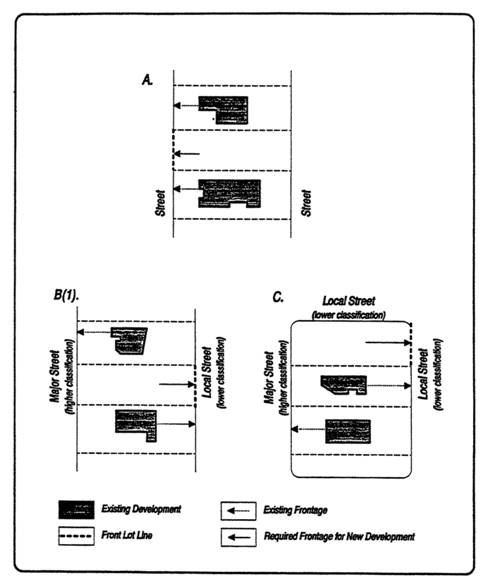
Figure 10-1. Identification of Front Lot Lines
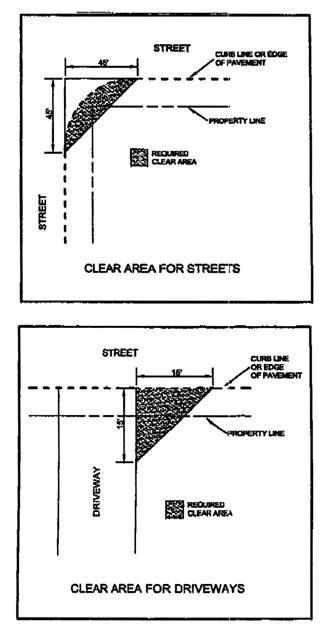
Figure 10-2. Clear Areas for Driveways and Streets
B.
[Reserved.]
C.
Nothing shall be placed or allowed to grow in the clear corner area in a manner which obstructs visibility or threatens vehicular or pedestrian safety, as determined by the Director of Public Works.
D.
Traffic control devices, traffic signs, utility poles, transformers, or pedestals or other traffic control devices or street furniture in excess of thirty (30) inches in height may be located within the clear corner area.
E.
Due to roadway geometrics and traffic characteristics, a greater visibility area may be required to minimize visual obstruction to motorist and pedestrians, as determined by the Director of Public Works.
(Ord. 194 §3 (part), 2007; Ord. 182 § 3(D), 2005; Ord. 68 § 9.10.080, 1995)
(Ord. No. 252, § 3(b), 1-24-2012)
16.06.090 - Right-of-way dedication.
A.
Dedication and Improvement.
1.
A certificate of occupancy shall not be issued for any site, building, or structure until all required dedications and improvements abutting rights-of-way for the site, building, or structure have been made to the ultimate right-of-way shown in the General Plan and as determined by the City Engineer. Improvements shall include, but are not limited to, curbs, gutters, sidewalks, paving, street trees, traffic improvements, and drainage. All improvements shall be constructed to the specifications and in a manner prescribed by the City Engineer. All on-site and off-site improvements shall be approved and accepted by the City Engineer prior to issuance of a certificate of occupancy.
2.
In lieu of dedication, the City Council may accept an irrevocable offer to dedicate and improve. Such agreement shall be signed by all persons having any right, title, interest, or lien in the property, or any portion of such property, to be dedicated. The signatures on such offer shall be acknowledged, and the agreement shall be recorded in the office of the San Bernardino County Recorder prior to certificate of occupancy.
B.
Exceptions. In cases where the strict application of this Development Code fails to meet community objectives as identified in the General Plan, modifications to right-of-way dedication and improvement requirements may be authorized by the City Council.
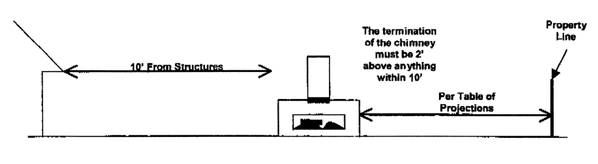
Figure 10-1A. Outdoor Fireplace Requirements
WOOD BURNING:
• Permits are required for the structure.
• Two sets of structural calculations and Site Plans are required for plan review.
• Must be ten (10) feet from structures, not to include fences, walls, or hedges.
• The termination of the chimney must be two feet above anything within ten (10) feet of the fireplace.
• The fireplace can only encroach into the setbacks per Table 10-1 and the following:
NON-WOOD BURNING (decorative only):
• Permits are required for the structure.
• A valid ICC legacy report shall be provided for pre-fabricated fireplaces.
• Installation requirements per manufacture specification.
• Two copies of the Site Plans are required for plan review.
• Can be no closer than five feet to any property line.
• Cannot be over six feet in height within the setbacks.
C.
Dedication Standards. Highways, streets, and alleys to be dedicated shall be built to standards as established by the Director of Public Works to qualify for dedication.
D.
Agreement to Improve.
1.
In lieu of the required improvements and if in the best interest of the City, the City Council may accept from any responsible party an agreement to make the specified improvements within a specified time period.
2.
Such agreements shall be accompanied by security deposits which may include cash, negotiable bonds, or savings and loan certificates, letters of credit, or other security as authorized by the City Engineer. The security deposit shall equal the cost of the agreed upon improvements. Where savings and loan certificates or deposits are deposited, the owners thereof shall assign the certificates to the City and administration adjusted for inflation as determined by the City Engineer. Such deposit and assignment shall be subject to and in compliance with the provisions and conditions of the municipal Development Code of the City.
3.
If the estimated cost of the improvements equals or exceeds one thousand dollars ($1,000.00) the applicant may file a corporate surety bond with the City in lieu of the deposit. Such corporate surety bond shall guarantee the adequate completion of all of the improvements in a penal sum equal to the estimated cost.
4.
In cases where the stipulated time within which improvements were to be made expires, the City Council may grant additional time as it considers appropriate. Granting of additional time shall include recalculation of improvement costs and security deposits. The extension must be granted prior to expiration of the time limit.
5.
Should the responsible person fail to complete any improvement within the agreed upon time, the City Council may determine that the agreed upon improvement is incomplete and may cause a portion of the deposit or surety bond to be forfeited to the City to complete or correct the work. Such forfeiture shall not exceed the amount required to complete the agreed upon work and expenses incurred by the City as a result of the default. Not less than ten (10) days prior to such a determination, the City shall serve the person with written notice. If the written notice is delivered by mail, it must be sent by certified mail and shall be served not less than twenty (20) days prior to the determination. If after ten (10) days the City has not received the return receipt or the letter is returned to the City "refused," the notice shall be sent by regular first class U.S. mail and a declaration of mailing completed and filed.
E.
Adequate Rights-of-Way. The City Council may grant a modification to the provisions of this section, thereby relieving the applicant from compliance with all or a portion of the provisions of this section, subject to the following findings:
1.
That relieving or partially relieving the applicant's development from providing the required dedications and improvements is consistent with the General Plan and the best interest of the City; and
2.
The required improvements are included in a budgeted City project which will be complete prior to the start of the applicant's development or within an approved assessment district and the improvement can be more effectively provided by the City; or
3.
The required construction would create a temporary drainage or traffic problem that can be avoided by delaying the improvement to a later date as part of comprehensive improvements to the area; or
4.
The City Engineer determines current improvements to be satisfactory.
All requests for modifications shall be made in the form of a major Variance application, as specified in Chapter 16.70.
(Ord. 68 § 9.10.090, 1995)
16.06.100 - Measurement of building height.
The maximum height limits for buildings or any other type of structure are described in Title 16 for each of the individual zoning districts. Height shall be measured from the grade plane (as defined in Section 16.02.190) to the highest point of the structure (as defined in Section 16.02.310), including mechanical equipment (as defined in Section 16.02.250), architectural projection(s) (as defined in Section 16.02.130), architectural roof screening, and appurtenance structure(s) (as defined in Section 16.02.130).
(Ord. 68 § 9.10.100, 1995)
(Ord. No. 225, § 3F, 6-9-2009)
16.06.110 - Landscaping.
Landscaping shall be provided and maintained as required by and outlined in the City of Chino Hills Landscape Manual and other applicable policies.
(Ord. 68 § 9.10.110, 1995)
16.06.120 - Fences, walls, and hedges.
A.
The maximum height of all fences, walls, and hedges for all zoning districts in the City is as follows:
1.
Single-family residential zones and single-family residential uses in the PD district:
a.
Required front yard—Four (4) feet maximum, except that, notwithstanding the foregoing, a six-foot maximum is permitted if the requirements set forth in subsection (C)(3) of this section are met.
b.
Required sides and rear yard—Six (6) feet maximum for fences and walls.
c.
Hedges within the required front yard setback shall not exceed four (4) feet in height. Hedges in all other locations shall have no maximum height.
2.
Multi-family residential zones and multi-family residential uses in PD district:
a.
Required front yard—Four (4) feet maximum, except that, notwithstanding the foregoing, a six-foot maximum is permitted on condition that the portion of the fence or wall projecting above three (3) feet, excluding pilasters, shall be an open material (e.g. tubular steel) or transparent material (e.g. acrylic).
b.
Required sides and rear yard—Six (6) feet maximum.
3.
Non-residential zoning districts and non-residential uses in the PD district:
a.
Required front yard—Six (6) feet maximum, permitted; fence shall be open or transparent material (tubular steel)
b.
Required sides and rear yard—Nine (9) feet maximum.
The overall height of the wall or fence shall be measured from the highest point of the wall or fence to the lowest grade within the property boundaries. This provision does not apply to exterior property lines (i.e. corner lots, through lots, etc.), (For further requirements regarding retaining and crib walls and height within required front yard, see subsections B and C of this section.)
All walls and fences shall complement the architectural style of the development within which they are located. All walls and fences shall be designed to be decorative, including architectural embellishments, whenever visible from any street and/or from common areas within a development.
All walls and fences shall be constructed of durable materials such as masonry, masonry combination, stone, brick, concrete, wrought iron (tubular steel), or other type of material as may be approved by the Planning Commission or the Community Development Director for durability, aesthetics, and sound attenuation purposes. Wood fencing, complementary to the architecture style and theme of the primary residence, is permitted for developed single-family properties; wood fencing shall be maintained at all times. No chain-link or similar wire fencing is permitted in front or street facing side or rear yards, except that chain-link fencing that was installed prior to November 24, 2015, shall be considered legal non-conforming structures. No barbed wire, razor ribbon, or other similar material shall be permitted as a wall or fencing material, except in undeveloped Agriculture Ranch or Open Space areas as required to restrict cattle movement, or on utilities or other public facilities required to provide security.
B.
Retaining and Crib Walls. The heights of any portion of wall or fence, which retains earth or water, except in the required front yard, shall be limited as follows. The height of the wall shall not include any guardrail or open fence (defined in subsection (C)(4) of this section) required by the California Building Code or the City.
1.
Walls Built on Prominent Knolls and Ridgelines and in the Carbon Canyon Area. For walls constructed in the areas defined in Section 16.08.050(B) of this Code, the wall shall be limited to a height of four (4) feet. However, upon approval of a minor Variance pursuant to Chapter 16.72 of this Development Code, a height of up to five (5) feet may be permitted for walls visible from a public street, and a height of up to eight (8) feet may be permitted for walls not visible from a public street. "Visible" shall be defined by the Director of Community Development.
2.
Alternative to Height Limit of Retaining Walls. Stepping of retaining walls is permitted provided that the minimum horizontal distance between the top of the down slope retaining wall and/or fence, and the bottom of the up slope retaining wall and/or fence, measured from their closest surfaces, shall be equal to or greater than the vertical height of the down slope retaining wall, and/or fence. Crib block walls and any areas that are created by stepping of the walls are required to be screened with landscaping.
3.
Any guardrails required by the Building Code shall be open-type guardrails, and the rail shall not be calculated in wall height measurements provided it does not exceed the height required by the Building Code.
4.
Retaining walls with a maximum vertical slope of one-half to one (i.e. 200% slope or a six-inch horizontal offset for every foot of vertical height) are exempt from stepping and maximum wall height requirements.
C.
Height within the required front yard for properties located within a residential zoning district.
1.
The clear corner areas for sight visibility requirements contained in Section 16.06.080 shall apply.
2.
Fences, whether solid, open, or transparent, with the exception of subsection (C)(3) of this section, shall not exceed four (4) feet in height.
3.
Fences and walls taller than four (4) feet within the required front yard are permitted up to a maximum of six (6) feet if a minor exception is approved pursuant to Chapter 16.73 and subject to compliance with all of the following requirements:
a.
The portion of the wall/fence exceeding three (3) feet in height shall be an open type material (e.g. tubular steel or acrylic panel).
b.
The wall shall be decorative block such as split face, or stucco finish and shall also include a decorative cap.
c.
Walls shall be no taller than six (6) feet, including any pilasters and decorative caps.
d.
Fences up to six (6) feet not in combination with a wall, shall be tubular steel and include pilasters with decorative caps.
4.
Brick or concrete pilasters used in conjunction with approved fencing materials are permitted. Pilasters and gates as part of a fence are allowed to project above the maximum height of a fence per Section 16.06.070, Table 10-1.
5.
Open fence material shall not exceed two inches in width nor be spaced less than four inches apart.
6.
The height of retaining walls in the front yard shall be equal to or less than four (4) feet in height. The total height of any wall in a front yard, including a retaining portion, shall be equal to or less than four (4) feet in height unless permitted to exceed this height by meeting the requirements in Subsection (C)(3) of this Section.
D.
Fences or walls shall provide a gate or other suitable opening no less than thirty (30) inches in width to provide access to primary or accessory structures.
E.
Fences which were legally constructed prior to the adoption of this Development Code, but made nonconforming as a result of the adoption of the Development Code, are exempt from amortization.
(Ord. 194 §3 (part), 2007: Ord. 112 § 2, 1998; Ord. 68 § 16.06.120, 1995)
(Ord. No. 225, § 3A, 6-9-2009; Ord. No. 261, § 3(a), 1-8-2013; Ord. No. 280, § 3, 12-9-2014; Ord. No. 293, § 6, 11-24-2015; Ord. No. 406, § 6(Exh. B), 2-27-2024)
16.06.130 - General design compatibility and enhancement.
A.
Any new building or structure, any addition to an existing building or structure, and installation or construction of any site improvements shall be designed to create a unified functional and comprehensive Site Plan. The improvements shall have an integrated architectural theme that is compatible with and will complement and enhance the subject and surrounding properties, as determined by the Community Development Director or designee.
B.
Any new single family dwelling or addition to an existing single family dwelling that creates or modifies a second story element, shall be designed to complement and enhance the subject and surrounding properties and to have appropriate treatments for second story elements oriented towards a street including front, side, and rear elevations that provide visual relief and avoid an uninterrupted flat wall from ground floor to second story, as determined by the Community Development Director or designee.
C.
Single-family detached residential development in all residential districts and for all residential uses in a PD district or an existing PD shall be subject to design review as set forth in Section 16.10.050, Residential design guidelines, of this Code, prior to or concurrently with: (1) approval of a tentative tract or parcel map pursuant to the division of land uses proceeding in Appendix D of this Code, (2) approval of a preliminary development plan pursuant to Chapter 16.74 of this Code, (3) approval of a final development plan pursuant to Chapter 16.74 of this Code, or (4) submittal of architectural plans for the issuance of any building permits (with the exception of grading permits, which may be issued prior to the completion of the design review process), at the landowner's option. For residential subdivisions which have been subdivided by a master builder or developer for the purpose of constructing a unified subdivision, new units constructed within that subdivision shall be compatible in design with the units constructed during the earlier phases. (See also Chapter 16.20, Planned Development District, for standards related to the design of residential developments constructed in the PD - Planned Development zoning district. An applicant requesting approval of a single-family detached residential development in a PD zoning district may elect to undergo review pursuant to Chapter 16.20 concurrently with the review required pursuant to Section 16.10.050.)
(Ord. 112 § 3, 1998; Ord. 68 § 9.10.130, 1995)
(Ord. No. 291, § 5, 9-8-2015)
16.06.140 - Shielding of roof appurtenances.
For all other zones, except for single-family detached residential development, all roof appurtenances including, but not limited to, air conditioning units and mechanical equipment, shall be shielded and architecturally screened from view from on-site parking areas, public streets from a point immediately adjacent to the site, and adjacent residentially zoned properties. Solar water heaters and photovoltaic units in residential zones shall be exempt from this requirement. See also Section 16.10.050(C)(6) of this Code regarding prohibition of roof-mounted equipment on single-family detached units.
(Ord. 182 § 3(E), 2005: Ord. 68 § 9.10.140, 1995)
16.06.150 - Project entryways.
Project entryways for all single-family detached residential developments shall be designed to be a focal point and the entryways should include, but not be limited to, such design features as enhanced wall/monument treatment, enhanced landscape treatment, and decorative accent paving so as to help identify arrival into the neighborhood.
(Ord. 112 § 4, 1998)
16.06.160 - Fire resistive design requirements.
The provisions of this section apply citywide to all new construction and to existing structures where construction to an existing structure results in an increase in size of fifty (50) percent or more. Structures and projects located within the "Fire Hazard Overlay District" have additional construction and design requirements (see Chapter 16.22, Fire Hazard Overlay District).
A.
Fire Resistive Construction Requirements.
1.
All construction shall comply with the requirements of the California Fire Code, as amended, as adopted in Chapter 8.16 of this code, and all other applicable standards set forth by the Chino Valley Fire District.
2.
All construction shall comply with the requirements of the California Building Code and California Residential Code, as amended, as adopted in Chapter 15.04 of this code (Building Code).
3.
Ember screens meeting Building Code standards shall be provided for all evaporative air conditioners and for any gap leading into the roof space or attic areas of a home (e.g., air vents) to protect against embers.
B.
Fire Resistive Building Separation Requirements.
1.
All habitable and non-habitable structures shall have a minimum ten (10) foot exterior wall separation from other structures. This required separation applies to structures on the same lot as well as structures on adjoining lots, unless the adjoining lot contains an existing nonconforming structure that makes the ten (10) foot exterior wall separation not possible, in which case the proposed structure shall be required to meet its required setback only. For the purposes of this section, structure is as "a walled or covered building that is principally above ground and subject to a building permit."
2.
Structures that are constructed with all non-combustible materials are not subject to the ten (10) foot building separation requirements.
3.
Structures on the same lot that are connected by a common wall are not subject to the ten (10) foot building separation requirement.
For the purposes of this section, "connected by a common wall" means that the proposed structure is connected to the existing structure by a wall plane that is at least fifty (50) percent of the length of the longest wall of the proposed structure.
C.
Project Design Requirements.
1.
Any proposed private driveway and/or private access roadway to a residential unit(s) that exceeds one hundred fifty (150) feet in length, must be approved by the Chino Valley Fire District and the Community Development Director based on findings that adequate fire resistance standards and vehicular access are provided.
2.
All development projects and each phase of such projects, except for a development project located exclusively on a cul-de-sac, shall have a minimum of two points of vehicular ingress and egress, designed to City road standards. All streets within the project shall be designed with a minimum paved surface width of thirty-six (36) feet.
3.
Lengths of Culs-de-Sac.
a.
Culs-de-sac shall not exceed three hundred fifty (350) feet in length, except that they may be extended as allowed by this subsection or as approved by the Chino Valley Fire District.
b.
One of the following measures or combinations of such measures may be used to mitigate the effect of creating culs-de-sac up to six hundred (600) feet in length.
i.
Limitation of the total number of dwelling units which have access to the cul-de-sac to no more than fifteen (15), and restriction of further subdivision of parcels and construction of additional independent residential units which have access to the cul-de-sac. Such restrictions shall be imposed through the conditions of approval of the development project or other method as approved by the Community Development Director.
ii.
A continuous perimeter access road at least twenty (20) feet in width is provided along the portion of the cul-de-sac exposed to fuel-modified areas such that it is drivable under normal conditions by firefighting vehicles, provides adequate maneuvering space for such vehicles, and is designed such that at least one point of access to the perimeter access road is taken from roads other than the cul-de-sac in question.
c.
For public streets, the cul-de-sac road shall have a minimum forty (40) foot wide paved surface. There shall be at least one area approximately at the midpoint of the cul-de-sac that serves the same function of a cul-de-sac bulb in allowing firefighting vehicles adequate room to turn around. For private streets, the cul-de-sac road may have a minimum twenty-six (26) foot wide paved surface, provided no parking is allowed on the street.
(Ord. 172 § 1, 2005)
(Ord. No. 225, § 3A, 6-9-2009; Ord. No. 329, § 4, 6-12-2018)

