
Cincinnati City Zoning Code
CHAPTER 1409
COMMERCIAL DISTRICTS
§ 1409-01.- Purposes.
The general purposes of commercial districts are to:
(a)
Encourage the creation of new and the enhancement of existing commercial districts serving adjacent residential neighborhood areas.
(b)
Encourage the creation of neighborhood activity centers as focal points along transportation corridors.
(c)
Encourage quality and variety in building and landscape design as well as compatibility in use and form, where appropriate.
(d)
Establish appropriate standards for reviewing proposals for new development and redevelopment, where appropriate, in commercial areas.
(e)
Allow certain limited mixed commercial/residential uses, where appropriate.
(f)
Maintain and enhance existing commercial districts, giving special consideration to type, scale, intensity and access.
(Ordained by Ord. No. 15-2004, eff. Feb. 13, 2004)
§ 1409-03. - Specific Purposes of the Commercial Subdistricts.
The specific purposes of the commercial subdistricts are:
(a)
CN Commercial Neighborhood. To identify, create, maintain and enhance mixed-use neighborhood commercial centers that reflect smaller-scale, pedestrian-oriented development with continuous street frontage and a mix of commercial and residential uses. Typical uses include retail, services, housing, office, open space, eating and drinking establishments and smaller-scale public and recreation and entertainment uses. Future development must be of a pedestrian-oriented commercial or mixed-use nature, serving the immediate neighborhood.
(b)
CC Commercial Community. To identify, create, maintain and enhance areas suitable for a wide variety of commercial and institutional uses along major transportation corridors and in shopping districts or centers. Although these centers may reflect elements of both pedestrian- and auto-oriented development, they typically accommodate larger-scale retail and commercial service uses, such as auto-related businesses and recreation and entertainment, as well as a variety of public and semi-public uses. Future development must reflect a complementary and compatible mix of uses, and may include residential uses.
(c)
CG Commercial General. To maintain, support and create areas of the City that serve as region-drawing centers of activity. These areas should reflect a mix of commercial, office, recreation and entertainment and arts uses that reflect the regional importance of the area.
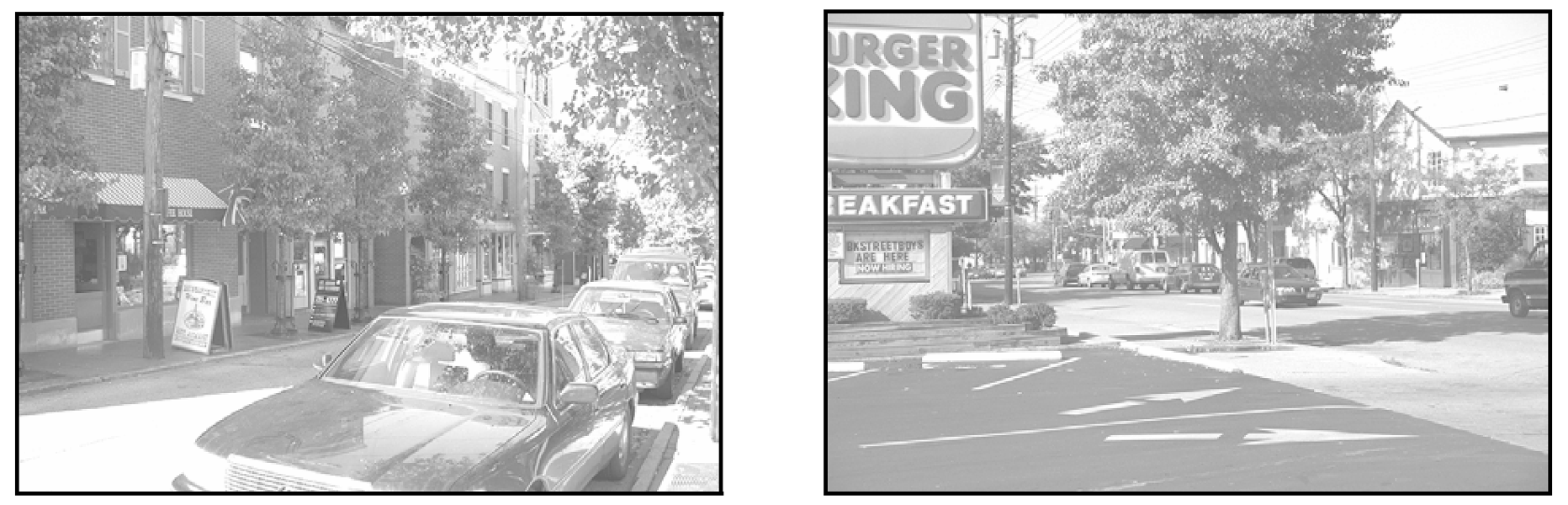
Figures 1409-03-A, B
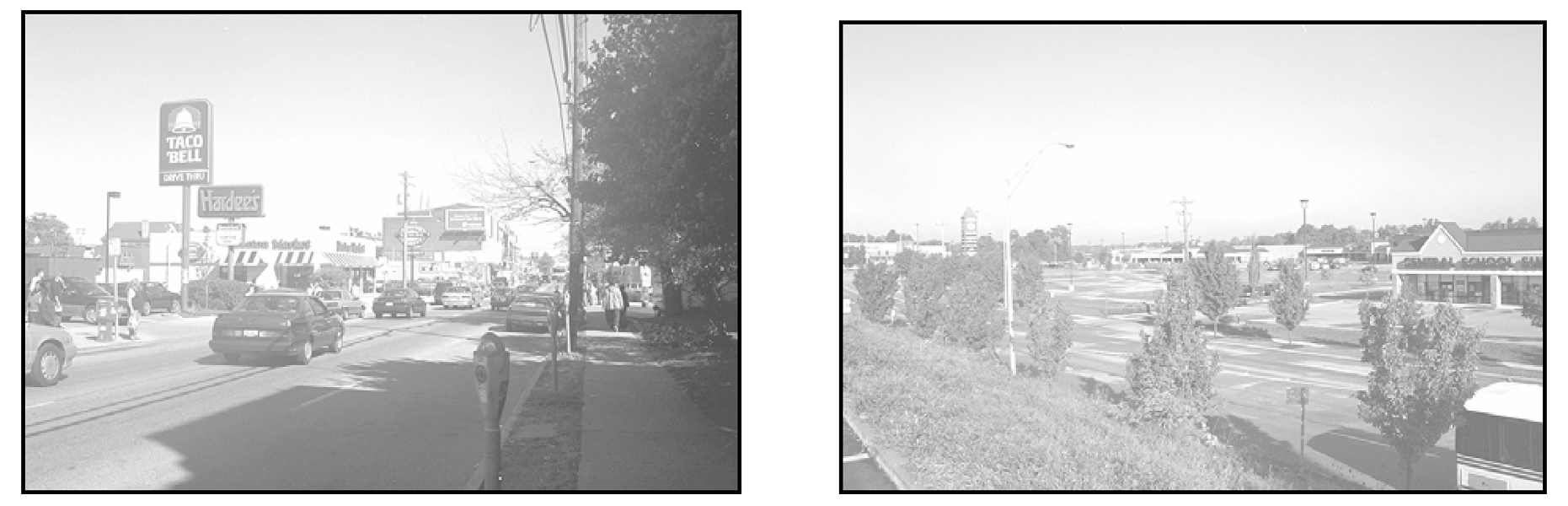
Figures 1409-03-C, D
(Ordained by Ord. No. 15-2004, eff. Feb. 13, 2004)
§ 1409-04. - Connected Communities.
Three Connected Communities designations are established to enhance the base zoning district. The underlying zoning district and map overlays apply where not inconsistent with the development regulations below.
(a)
Neighborhood Business District 'B'. This district designation is intended for areas located within established neighborhood business districts. The neighborhood business district 'B' designation is subject to the following development regulations:
(1)
Two-family, three-family, and four-family uses are permitted, subject to the development regulations of the underlying zoning district, except as otherwise provided in subsections (a)(2) and (a)(3).
(2)
Minimum lot-area-per-dwelling-unit regulations do not apply.
(3)
Parking:
(i)
No off-street parking is required for residential uses in a new building containing ten or fewer dwelling units.
(ii)
Residential uses in a new building with more than ten dwelling units require one-half space per additional dwelling unit over ten dwelling units.
(iii)
No off-street parking is required in a new commercial or mixed-use building if the building has 5,000 square feet or less of commercial space.
(iv)
The underlying zoning district parking requirements are reduced by one-half for commercial uses in a new commercial or mixed-use building if the building has more than 5,000 square feet of commercial space.
(v)
Additions to existing buildings are considered new construction for purposes of this section.
(vi)
Accessory surface parking facilities shall be located in the rear yard.
(b)
Middle Housing 'MH'. This district designation is intended for areas surrounding neighborhood business districts. The middle housing 'MH' designation is subject to the following development regulations:
(1)
Two-family, three-family, and four-family uses are permitted subject to the development regulations of the underlying zoning district, except as otherwise provided in subsection (b)(2).
(2)
Parking:
(i)
No off-street parking is required for residential uses in a new building containing ten or fewer dwelling units.
(ii)
Residential uses in a new building with more than ten dwelling units require one-half space per additional dwelling unit over ten dwelling units.
(iii)
No off-street parking is required in a new commercial or mixed-use building if the building has 5,000 square feet or less of commercial space.
(iv)
The underlying zoning district parking requirements are reduced by one-half for commercial uses in a new commercial or mixed-use building if the building has more than 5,000 square feet of commercial space.
(v)
Additions to existing buildings are considered new construction for purposes of this section.
(vi)
Accessory surface parking facilities shall be located in the rear yard.
(c)
Transportation Corridor 'T'. This district designation is intended for areas located along major transportation corridors. The transit corridor 'T' designation is subject to the following development regulations:
(1)
Two-family, three-family, and four-family uses are permitted subject to the development regulations in Section 1409-09, except as otherwise provided in subsections (c)(2)-(5).
(2)
Minimum lot-area-per-dwelling-unit regulations do not apply.
(3)
Minimum off-street parking regulations do not apply.
(4)
The height of new structures may exceed the maximum height of the underlying zoning district by an additional twelve feet.
(5)
Accessory surface parking facilities shall be located in the rear yard.
(d)
Design Standards. Two-family, three-family, and four-family dwellings located within a designated Connected Communities district shall comply with the design standards set forth below.
(1)
Entrance. At least one dwelling unit entrance shall be located on each street frontage.
(2)
Building Form. Building composition shall consist of a base, middle, and top component to reduce the apparent bulk of the building. The designs of new buildings shall avoid long unrelieved expanses of wall along the street frontage by maintaining a rhythm of windows and structural bays.
(i)
Buildings shall have a distinct base at the ground level, using articulation and materials such as stone, masonry, or decorative concrete.
(ii)
Buildings shall have a change in material and/or design that marks the transition from base component to middle component, and from middle component to top component.
(iii)
The top of the building shall be treated with a distinct outline with elements such as a projecting parapet, cornice, or projection.
(3)
If the Zoning Administrator determines a permit application does not conform to the requirements of Section 1409-04(d), the Zoning Board of Appeals has the duty to determine whether the application satisfies the standards set forth in this Chapter prior to the issuance of a building permit.
(Ordained by Emer. Ord. No. 199-2024, § 1, eff. 7-1-2024)
§ 1409-05. - Community Character.
Three community character designations are established to enhance each type of commercial district:
(a)
Pedestrian. This district designation is intended for areas with a traditional urban character, where buildings are required to be built to the street or sidewalk line, to provide a close relationship between pedestrians and shops. Design standards will reinforce this character and require treatments that provide an interesting pedestrian environment. This designation may apply to some areas where a few auto-oriented uses exist, but where restoring the pedestrian character is specified in a community plan or other documentation approved by the Planning Commission.
(b)
Mixed. This district designation is intended to provide for a mix of the pedestrian and auto-oriented development. Older, pedestrian-oriented buildings may be intermixed with newer, auto-oriented uses.
(c)
Auto-oriented. This district designation is intended for areas that provide for easy automobile access. Large buildings are located on the site with parking in front. Out lots associated with shopping centers often contain auto-oriented businesses. Performance standards are intended to mitigate the impact of the parking lots and buffer adjacent residential areas.
(Ordained by Ord. No. 15-2004, eff. Feb. 13, 2004)
§ 1409-07. - Land Use Regulations.
Schedule 1409-07 below prescribes the land use regulations for C Districts. Use classifications are defined in Chapter 1401, Definitions. Use classifications not listed in Schedule 1409-07 below are prohibited.
The regulations for each subdistrict are established by letter designations as follows:
(a)
"P" designates permitted uses. These uses may be subject to additional regulations as indicated.
(b)
"L" designates uses that are permitted, subject to certain limitations. Numeric suffixes refer to limitations listed at the bottom of Schedule 1409-07. Except as otherwise indicated, modifications of a numerical, locational or dimensional limitation requires a variance under Chapter 1445 - Variances, Special Exceptions and Conditional Uses.
(c)
"C" designates uses permitted only after review and approval of the conditional use by the Zoning Hearing Examiner. These uses may be subject to additional regulations as indicated.
Schedule 1409-07: Use Regulations - Commercial Subdistricts
Specific Limitations
L1
Only rooming houses licensed pursuant to Chapter 855. Rooming Houses of the Municipal Code; the maximum number of rooming units is five, and a separate entrance for access to rooming units must be provided. The minimum rental is seven days. See § 1421-43.
L2
Permitted only above the ground floor in a mixed use building. Modification requires conditional use approval pursuant to the procedures and criteria of Chapter 1445, Variance, Special Exceptions, and Conditional Uses.
L3
Fencing, a minimum of four feet in height must be provided for purposes of securing outdoor play areas which must be located in the rear yard only.
L4
Antenna height may not exceed 20 feet; greater height requires a conditional use approval. The antenna may be attached to a multi-family, public and semi-public, commercial or public utility building or structure.
L5
Permitted provided that outside storage is screened with an 8 ft. privacy fence.
L6
Accessory uses determined by the Zoning Administrator to be customarily incidental to a use of the district are permitted except where expressly prohibited. All others require conditional use approval.
L7
Permitted on arterial streets with a maximum site size of two acres. Vehicle loading and unloading must occur on-site.
L8
Use is limited to 2,500 square feet and the use must be located within a mixed-use building; more space requires conditional use approval.
L9
Use is limited to 15,000 square feet; more space requires conditional use approval.
L10
The storage space is less than 30 cubic yards; enclosed by a screen fence or within a structure; and at least 100 feet from any property used for residential purposes.
L11
The material incinerated is generated on-site and is located on a roof or at least 100 feet from any property used for residential purposes.
L12
Permitted only when subordinate and incidental to a single-family dwelling that is the principal use of the lot.
(Ordained by Ord. No. 15-2004, eff. Feb. 13, 2004; a. Ord. No. 236-2005, eff. July 21, 2005; a. Ord. No. 98-2006, § 1, eff. May 18, 2006; a. Ord. No. 0027-2007, §§ 1, 2, eff. Feb. 18, 2007; a. Ord. No. 150-2008, § 1, eff. June 7, 2008; a. Ord. No. 160-2008, § 1, eff. June 7, 2008; a. Ord. No. 414-2008, § 10, eff. Jan. 4, 2009; a. Ord. No. 304-2009, § 1, eff. Dec. 12, 2009; a. Ord. No. 038-2010, § 1, eff. March 18, 2010; a. Ord. No. 457-2010, § 1, eff. Jan. 23, 2011; Emer. Ord. No. 141-2015, § 11, eff. July 1, 2015; a. Ord. No. 0281-2017, § 10, eff. Nov. 4, 2017; a. Ord. No. 127-2018, § 8, eff. July 6, 2018; a. Ord. No. 251-2019, § 16, eff. July 26, 2019; a. Emer. Ord. No. 418-2021, §§ 3, 39, eff. Nov. 10, 2021; a. Ord. No. 266-2023, §§ 8, 15, eff. Oct. 2, 2023)
§ 1409-09. - Development Regulations.
Schedule 1409-09 prescribes the development regulations for Commercial Districts, maximum building height, minimum setbacks, driveways and parking and other standards that apply. Yes means regulations apply.
Schedule 1409-09: Development Regulations - Commercial Districts
(Ordained by Ord. No. 15-2004, eff. Feb. 13, 2004; a. Ord. No. 99-2006, § 1, eff. May 18, 2006; a. Ord. No. 150-2007, § 1, eff. June 7, 2008; a. Emer. Ord. No. 199-2024, § 2, eff. 7-1-2024)
§ 1409-11. - Driveway Restrictions.
In pedestrian and mixed commercial districts, vehicular access must be from a side street or alley wherever practical. In all other commercial districts the location, number of and distances between driveways must be approved by the Department of Transportation and Engineering.
(Ordained by Ord. No. 15-2004, eff. Feb. 13, 2004)
§ 1409-13. - Drive-Through Components.
In CN-P and CC-P - No drive-through components allowed.
In CN-M and CC-M - Drive-through components must be located in the rear yard or on the building elevation facing the rear yard. Drive-through components on a corner lot require conditional use approval pursuant to Chapter 1445 Variance. Special Exception and Conditional Uses.
In CC-A and CG-A - No restriction on location.
(Ordained by Ord. No. 15-2004, eff. Feb. 13, 2004; a. Ord. No. 0053-2008, § 1, eff. March 13, 2008)
§ 1409-15. - Truck Docks; Loading and Service Areas.
Truck docks, loading and service areas are not permitted within 100 feet of residential district boundaries and are not permitted to be used between 10:00 p.m. and 7:00 a.m. on weekdays and between 11:00 p.m. and 7:00 a.m. on weekends. These facilities must be located at the side of buildings or in the rear of the site and screened so as not to be visible from residential districts. Where a building abuts a residential district, the preferred location of these facilities is the side away from the district boundary, unless conditional use approval is obtained pursuant to the procedures and criteria of Chapter 1445, Variances, Special Exceptions and Conditional Uses.
(Ordained by Ord. No. 15-2004, eff. Feb. 13, 2004; a. Ord. No. 0345-2007, § 1, eff. Oct. 13, 2007)
§ 1409-17. - Building Placement Requirements, CN-P and CC-P Districts.
In the CN-P and CC-P Districts, buildings must be built to street setback lines as illustrated in Figure 1409-17, except as indicated in § 1409-19.
The following rules apply for determining the primary street frontage for building placement. Primary streets are defined as arterials and collectors, and secondary streets are defined as local streets, as defined by the city's functional road classification. Figure 1409-17 illustrates the required placement and enhancement for street frontages.
(a)
Frontage on One Street. On a site with frontage only on one street, the building must be located on the front lot line of the street frontage.
(b)
Frontage on Arterial or Collector and Local Streets. On a site with frontage on either an arterial or collector street and a local street, the building must be built to the corner of the two streets and provide the majority of transparency on the facade fronting on the arterial street. See § 1409-23.
(c)
Frontage on Two Arterial or Two Collector Streets. Sites with frontage on two collector streets must build to the corner of the two streets. The developer may choose on which collector street frontage to provide facade transparency.
(d)
Frontage on Three Streets. Sites with frontage on three or more streets must build to the corner of at least one collector street, or two collector streets if they intersect at the property. The developer may choose on which collector street to provide facade transparency.
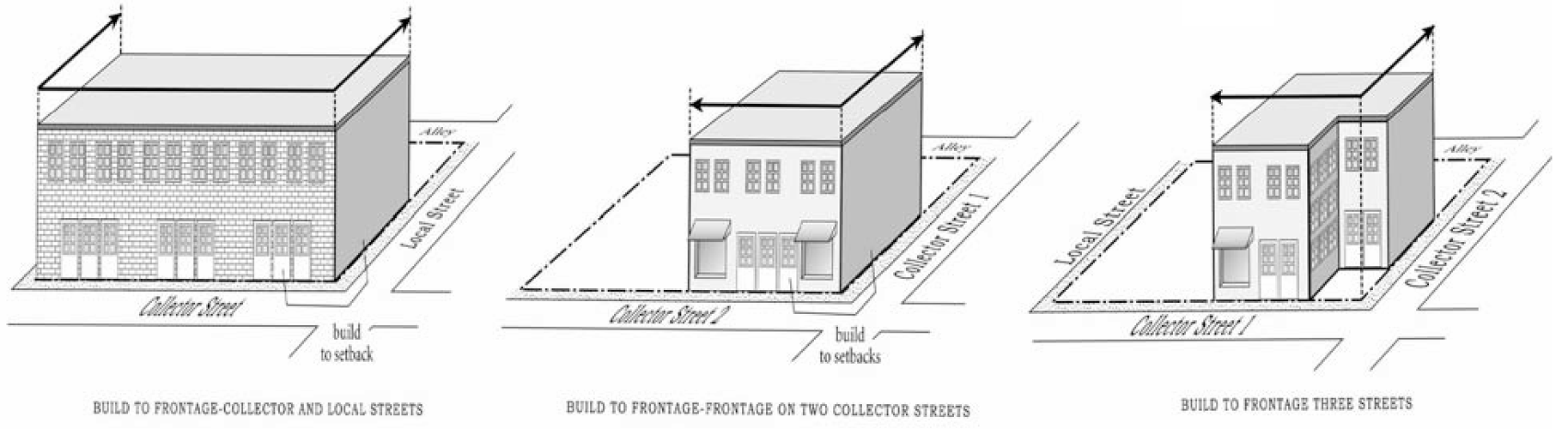
Figure 1409-17 Building Placement in CN-P and CC-P Districts
(Ordained by Ord. No. 15-2004, eff. Feb. 13, 2004)
§ 1409-19. - Exceptions to Building Placement Requirements, CN-P and CC-P Districts.
The following exceptions to the build-to requirement set forth in § 1409-19 are permitted:
(a)
Articulated Building Street Face. Where a portion of the building is set back from the build-to line, the total area of the space created by the setback may not exceed one square foot for every linear foot of building frontage. Refer to Figure 1409-19-A and Figure 1409-19-B.
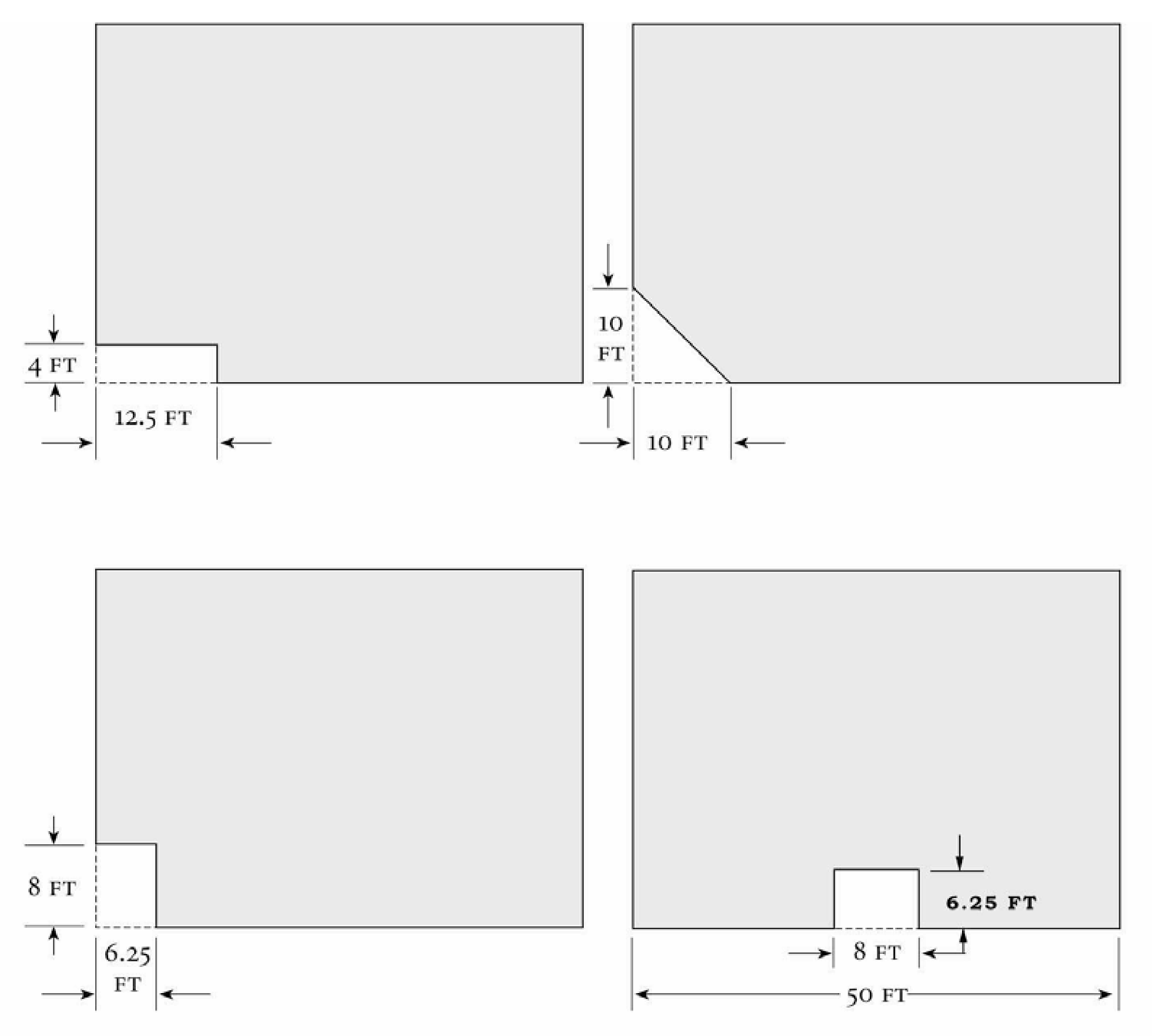
Figure 1409-19-A Articulated Building Facade
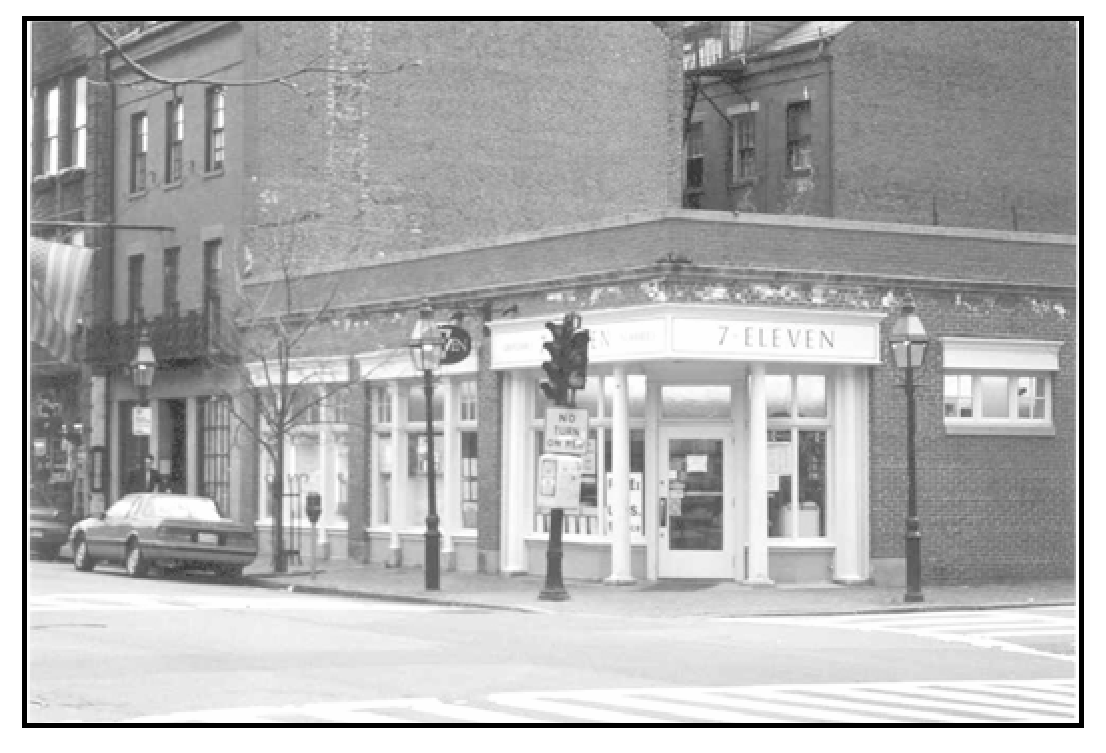
Figure 1409-19-B Example of Articulated Building Facade
[b]
Outdoor Eating Areas. Where there is an outdoor eating area installed on the street frontage, the build-to line may be altered, provided the building is setback not more than 12 feet from the street lot line or at least 40 percent of the building facade meets the build-to line and an outdoor eating area is limited to a maximum area of 12 times the building street frontage in linear feet. See Figure 1409-19-C and Figure 1409-19-D.
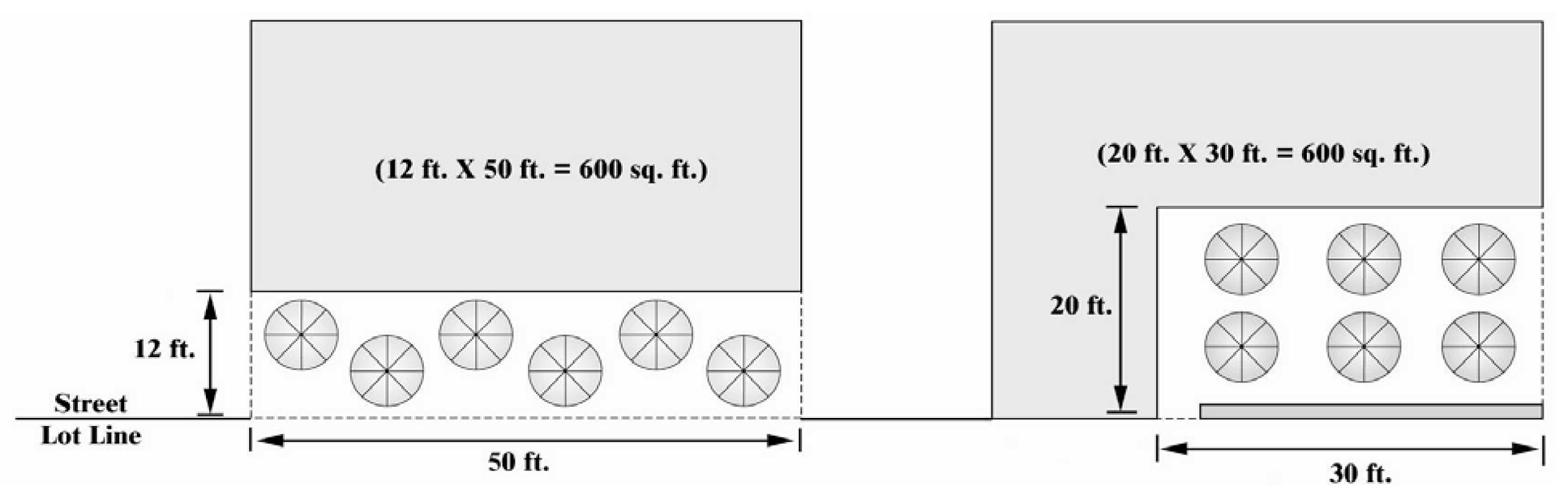
Figure 1409-19-C Outdoor Eating Areas
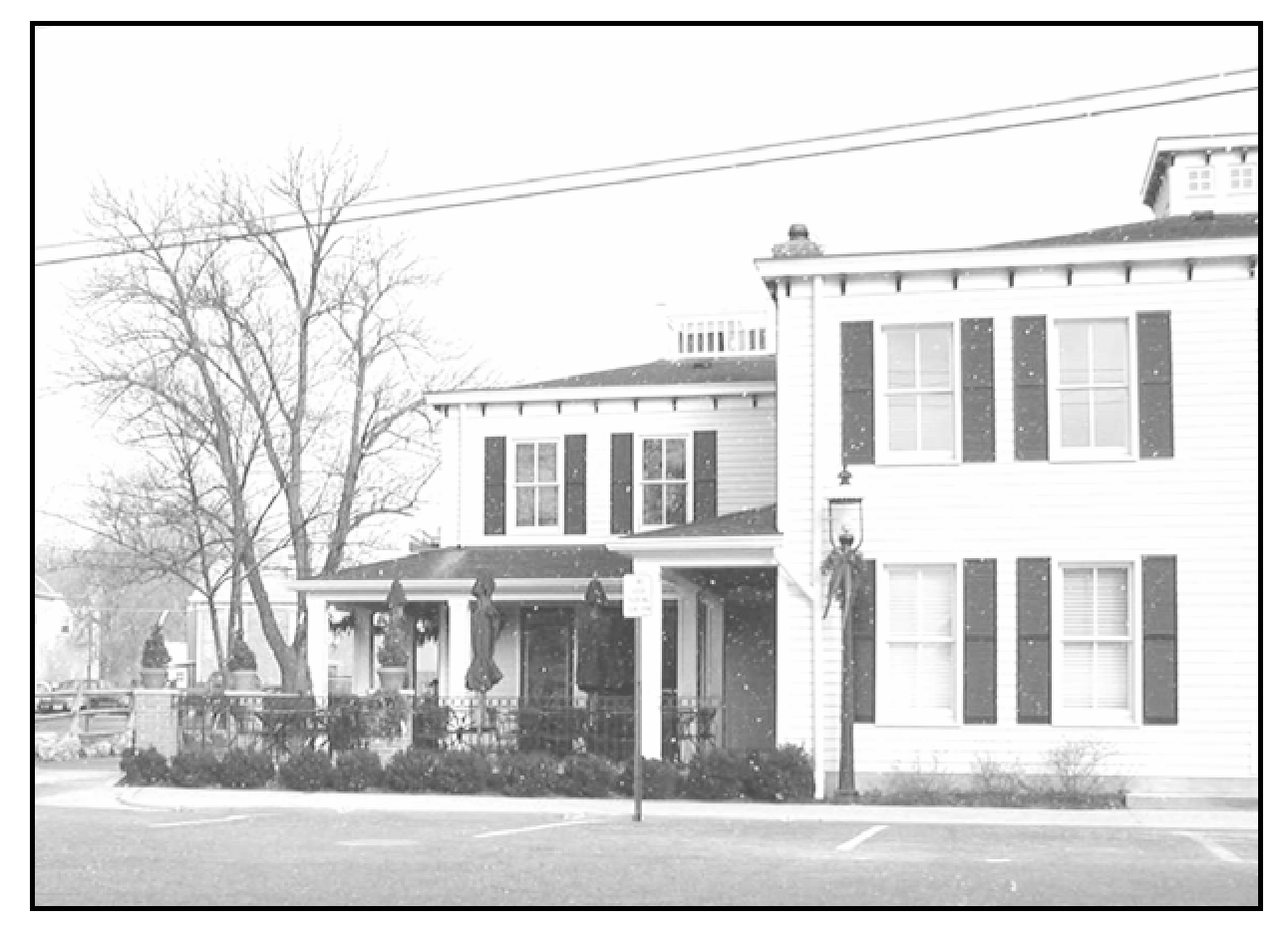
Figure 1409-19-D Example of Outdoor Eating Area
(Ordained by Ord. No. 15-2004, eff. Feb. 13, 2004)
§ 1409-21. - Building Placement Requirements, CN-M and CC-M Districts.
In the CN-M and CC-M Districts, buildings must be built to street setback lines as indicated below:
(a)
Building Placement, Interior Lots. If a building on either side of the proposed site is built within 12 feet of the street lot line, then at least 60 percent of the building facade must be built to the front lot line to enhance the pedestrian character.
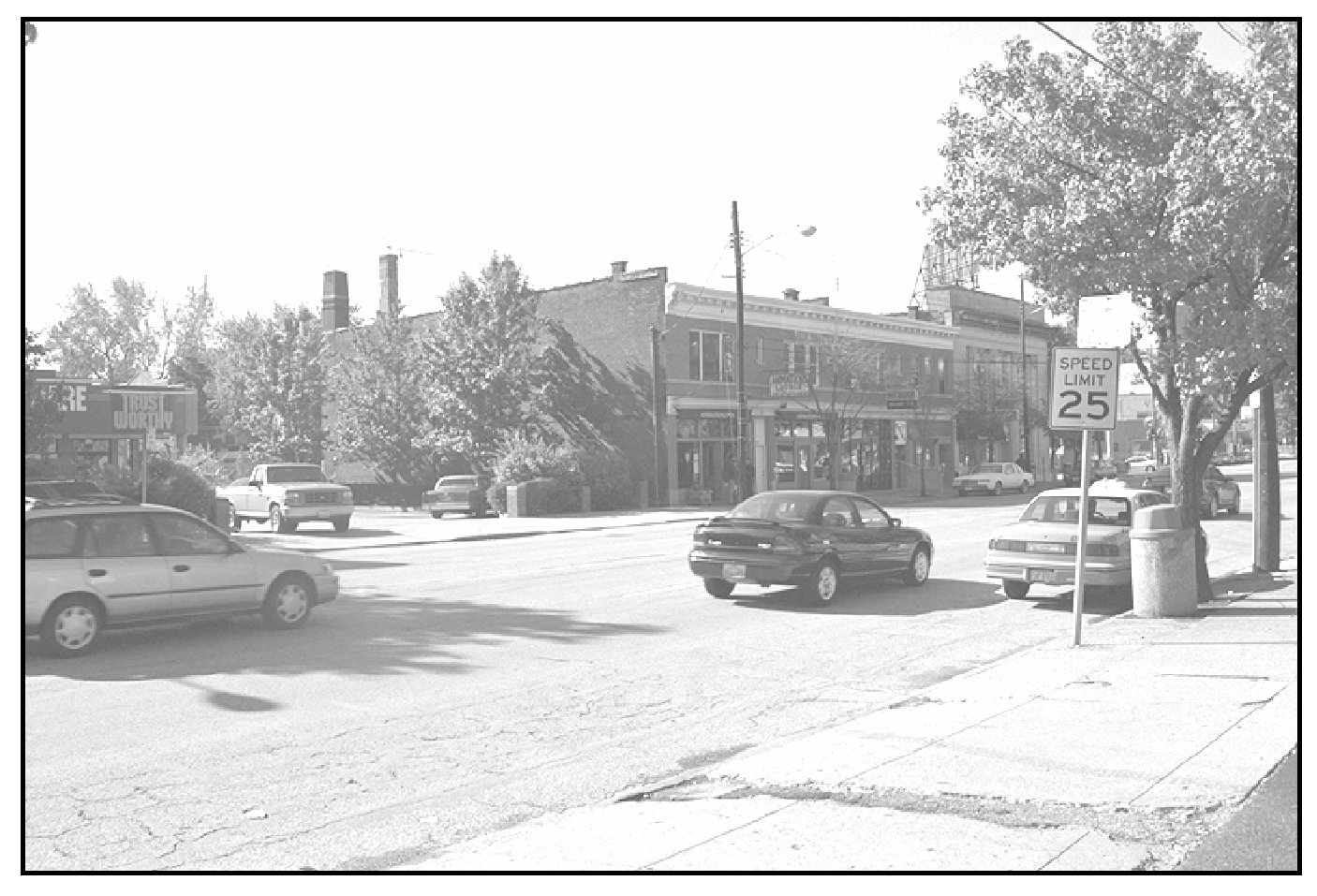
Figure 1409-21-A Example when a Building is NOT placed at the Street Lot Line
Building Placement, Corner Lots. Corner lots must have the buildings built to the corner, unless all of the opposing corner properties are already designed with parking at the corner. If one corner has a building built to the front lot line, the new building must also be built to the front lot line.
Buildings Occupying An Entire Block Face. Where a development is to occupy an entire block face, the orientation of the opposing block face must be evaluated. If a majority of the opposing block face has a pedestrian orientation with building facades located closer than 12 feet of the front lot line, the proposed development must have a similar building placement.
Outdoor Eating Areas. See Section 1409-19(c).
(Ordained by Ord. No. 15-2004, eff. Feb. 13, 2004)
§ 1409-23. - Ground Floor Transparency.
The purpose of the standard for ground floor windows and transparent doors is to engage the pedestrians' interest and attract the pedestrian to the goods and services offered within buildings. Ground floor windows and glass doors strengthen the commercial viability of a use by attracting customers and add to the enjoyment of the pedestrian on the street.
(a)
Minimum Standard. Windows and transparent doors must be a minimum percentage of the street frontage, as specified in Schedule 1409-23 below. The percentage of the building's street elevation is measured between 2.5 feet and 7.0 feet in height above grade. Glass block, opaque or darkly tinted glass is not considered to be transparent. Refer to Figure 1409-23-A.
Schedule 1409-23: Transparency Standard for Ground Floor Windows and Doors
1 Within the zone of transparency as per Figure 1409-23-A
(b)
Display Windows. Display or show windows that do not provide clear visual access into the interior of the building count, provided they are at least two feet in depth.
(c)
Security Grills. Security grills may not be installed on the outside of windows along primary street frontage. Open meshed architectural grills installed on the inside are allowed as they provide greater visibility into the store both for safety and for maintaining transparency and streetscape interest even when a store is closed.
(d)
Entrance. In pedestrian districts, the primary entrance must be on an arterial or collector street.
(e)
Special Exceptions. Special exceptions may be granted pursuant to Chapter 1445, Variances, Special Exceptions and Conditional Uses where uses cannot meet the requirements of this section.
(f)
Exemptions. In the CN-P, CN-M and CC-P Districts, residential uses are exempt from the ground floor transparency requirements of Section 1409-23.
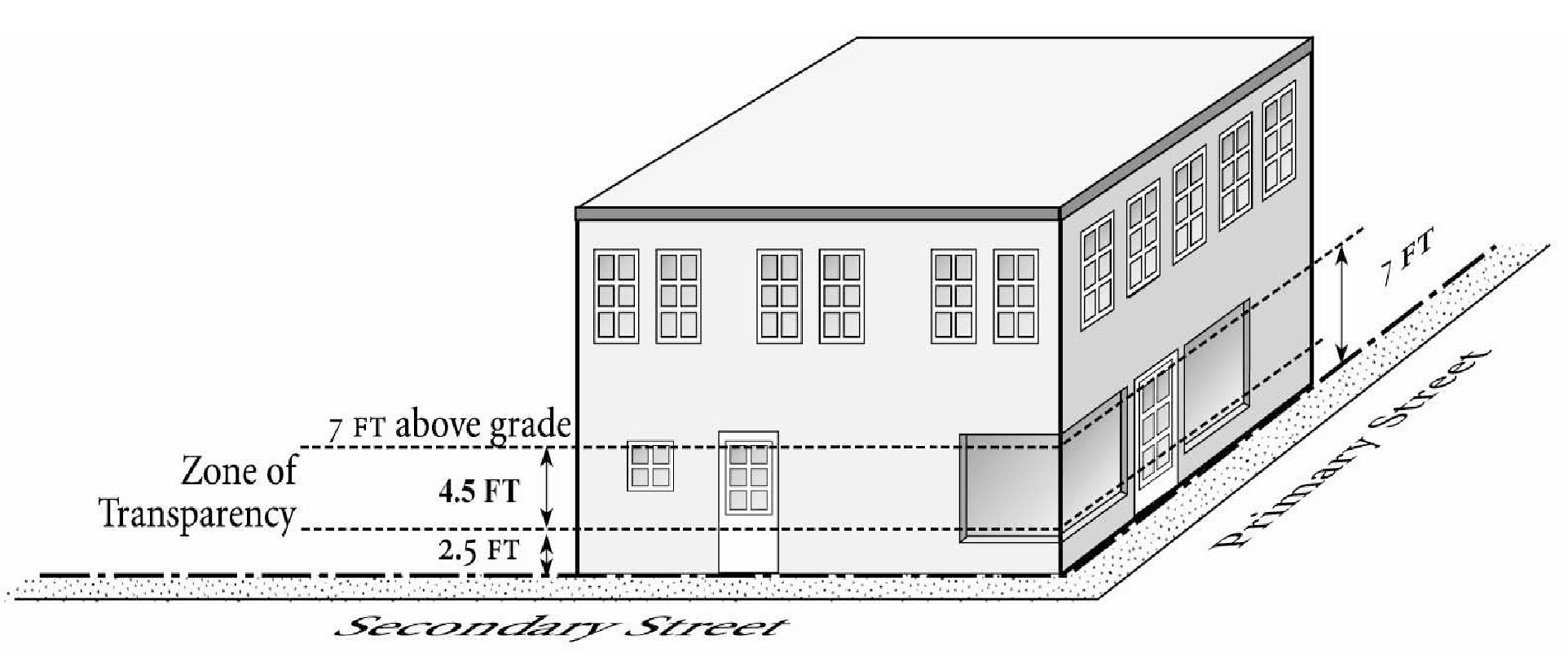
Figure 1409-23-A Ground Floor Zone of Transparency
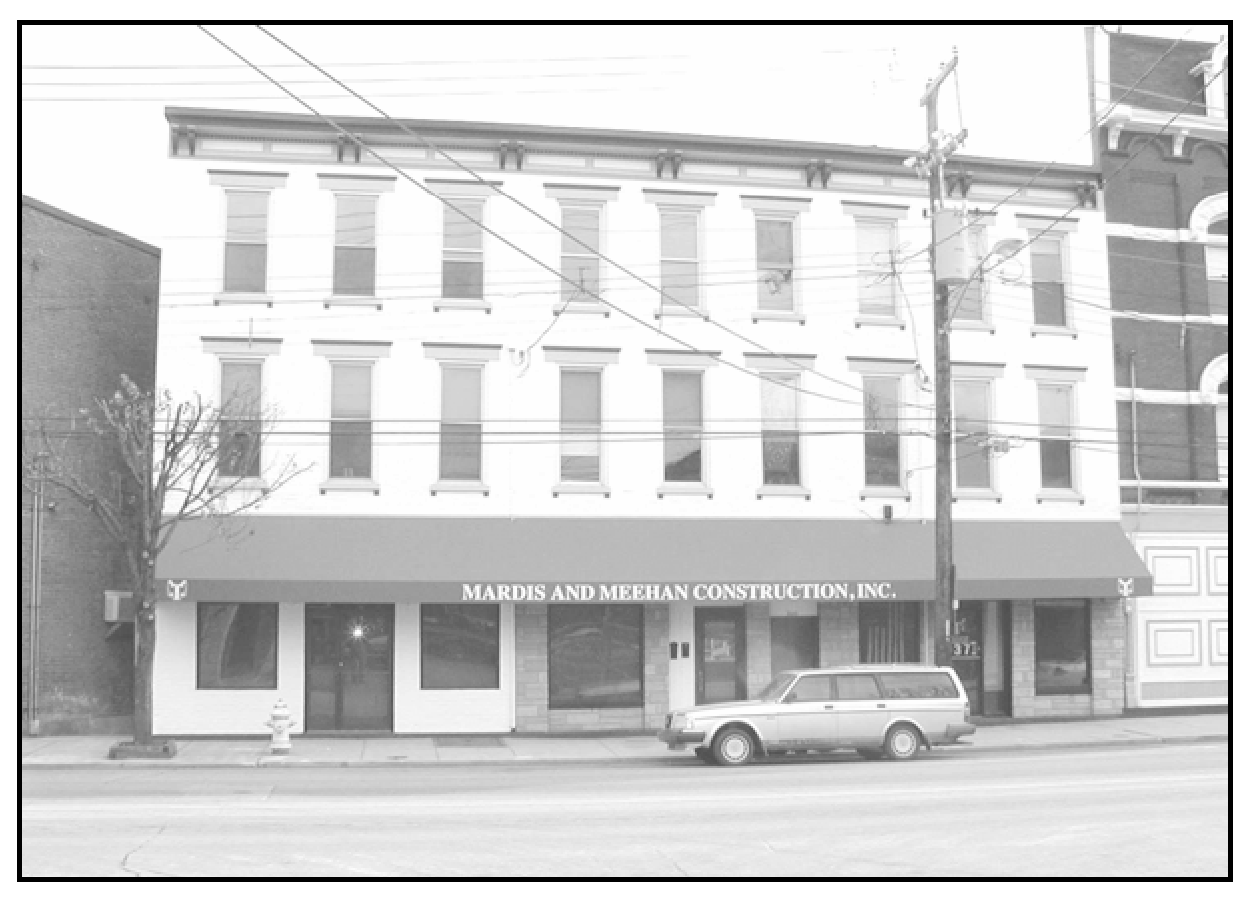
Figure 1409-23-B Example of Ground Floor Transparency
(Ordained by Ord. No. 15-2004, eff. Feb. 13, 2004; a. Ord. No. 0026-2007, § 1, eff. Feb. 18, 2007)
§ 1409-25. - Location of Parking.
In the pedestrian and mixed districts, the intent of the building placement standards is to create a continual street facade where parking is located to the rear of the buildings. The depth of lots is, however, not always sufficient to permit this, and some uses need more parking than building area. To maintain pedestrian character in these districts, surface parking lots may be located to the side of the building adjacent to the public right-of-way. This location requires a Special Exception approval provided for in Chapter 1445, Variances, Special Exceptions and Conditional Uses.
(Ordained by Ord. No. 15-2004, eff. Feb. 13, 2004; a. Ord. No. 388-2008, eff. Dec. 19, 2008)
§ 1409-27. - Outdoor Storage.
These regulations apply in all commercial districts except the CG-A.
Storage areas, accessory, incidental and subordinate to the principal use, may be located outside an enclosed building, provided that such storage:
(a)
May not exceed a height of six feet;
(b)
Is enclosed by a screen fence or wall at least six feet in height;
(c)
Does not exceed 25 percent of the gross floor area of the principal building located on the lot, excluding space used for the parking or storage of vehicles; and
(d)
Is not located between the building and the street property line.
(Ordained by Ord. No. 15-2004, eff. Feb. 13, 2004; a. Ord. No. 242-2005, eff. July 21, 2005; a. Ord. No. 0346-2007, § 6, eff. Oct. 13, 2007)
§ 1409-29. - Outdoor Retail Sales.
Outdoor retail sales areas must be located, developed and operated in compliance with the following standards:
(a)
Location of Sales Area. Outdoor sales areas must be contiguous and located entirely on private property, outside of any required setback. In a zoning district without required setbacks, a minimum setback of ten feet from any street lot line is required. Outdoor sales areas must adjoin the principal structure on a site, unless the applicant can show by specific facts that unique circumstances exist such that compliance with this requirement would cause an unnecessary hardship.
(b)
Maximum Size. Outdoor sales areas may not exceed 15 percent of the gross floor area of the use they serve.
(c)
Location of Merchandise. Display merchandise may not encroach on required parking, driveways, pedestrian walkways or required landscaped areas. Displays may not obstruct sight distance or otherwise create hazards for vehicle or pedestrian traffic.
(d)
Height of Merchandise. Display merchandise, excluding automobiles, trucks and construction equipment, may not exceed a height of ten feet above finished grade for a single display item. Stacked displays may not exceed a height of six feet above finished grade.
(e)
Litter. A permanent trash receptacle must be installed at each entrance and exit to the outdoor sales area.
(f)
Pay Telephones and Vending Machines. Pay telephones and vending machines are prohibited where viewable from a public right-of-way.
(g)
Screening. All outdoor sales areas must be screened from adjacent public streets by decorative solid walls, fences or landscaped berms of a minimum three feet in height and located within a landscaped area adjacent to the street property line of at least ten feet in width.
(h)
Signs. Signs, other than as permitted under Chapter 1427, Sign Regulations, are prohibited if visible from a public street.
(i)
Exceptions. The provisions of this section do not apply to the sale or distribution of food, flowers, seasonal sales of pumpkins and Christmas trees, newspapers and periodicals from a pedestrian-oriented retail storefront.
(Ordained by Ord. No. 15-2004, eff. Feb. 13, 2004; a. Ord. No. 244-2005, eff. July 21, 2005; a. Ord. No. 0346-2007, § 6, eff. Oct. 13, 2007; a. Ord. No. 390-2008, eff. Dec. 19, 2008)

