
Cincinnati City Zoning Code
CHAPTER 1411
DOWNTOWN DEVELOPMENT DISTRICTS
§ 1411-01.- Purposes.
The general purposes of the downtown development district regulations are to:
(a)
Provide a balance of uses and amenities fostering a vital economic and cultural center of the city and enhance its aesthetic qualities.
(b)
Encourage quality and variety in building and landscape design as well as compatibility in use and form.
(c)
Protect and enhance historic, cultural and architectural resource.
(d)
Create and enhance pedestrian-oriented streets to preserve retail vitality and improve the quality of life for downtown workers, visitors and residents.
(e)
Establish appropriate standards for the review of proposals for new development and redevelopment.
(Ordained by Ord. No. 15-2004, eff. Feb. 13, 2004)
§ 1411-03. - Purpose of Subdistricts.
The downtown development use subdistricts have the following purposes:
(a)
Subdistrict A-Downtown Core. To encourage, support and enhance the downtown area as a high-density, mixed-use urban center of regional importance and a center for business, communications, office, government, retail and entertainment. Subdistrict A allows a mix of large-scale offices, convention facilities and hotels, commercial, high-rise residential, public, recreation and entertainment uses.
(b)
Subdistrict B-Downtown Residential. To create, maintain and enhance areas for residential developments that will complement and support the downtown core. Residential developments may be either as a sole use or as a mixed use and achieved through the adaptive reuse of historic structures or new construction. Subdistrict B also permits loft residences and offices.
(c)
Subdistrict C-Downtown Support. To maintain and enhance the Downtown Development District by providing sites for offices, residential, commercial and public and semi-public uses essential for the livelihood of businesses and neighborhoods located in Cincinnati and residents living in the downtown area. Subdistrict C permits a mix of professional and governmental offices, residential, commercial, public, semi-public and limited industrial uses.
(d)
Subdistrict D-Riverfront. To enhance the downtown area by providing sites for commercial recreation, hotel, retail and office space and housing in an urban neighborhood along the Riverfront.
(Ordained by Ord. No. 15-2004, eff. Feb. 13, 2004)
§ 1411-05. - Land Use Regulations.
Schedule 1411-05 below prescribes the land use regulations for DD Downtown Development Use Subdistricts. Use classifications are defined in Chapter 1401: Definitions. Use classifications not listed in Schedule 1411-05 are prohibited.
(a)
"P" designates permitted uses. These uses may be subject to additional regulations, as indicated.
(b)
"L" designates uses that are permitted, subject to certain limitations. Numeric suffixes refer to limitations listed at the bottom of Schedule 1411-05. Except as otherwise indicated, modifications of a numerical, locational or dimensional limitation requires a variance under Chapter 1445 - Variances, Special Exceptions and Conditional Uses.
(c)
"C" designates uses permitted only after review and approval of the Conditional Use by the Zoning Hearing Examiner. These uses may be subject to additional regulations, as indicated.
Use classifications are defined in Chapter 1401, Definitions.
Schedule 1411-05: Use Regulations-Downtown Development Use Subdistricts
Specific Limitations
L1
A separate entrance for access to rooming units must be provided in a mixed-use building.
L2
Only rooming houses licensed pursuant to Chapter 855, Rooming Houses of the Municipal Code are allowed. A separate entrance for access to rooming units must be provided. The minimum rental is seven days. See § 1421-23.
L3
Drive-through facilities are not permitted.
L4
Not permitted as a principal ground floor use in locations indicated on Map 1411-17: Commercial Continuity Overlay.
L5
Permitted only above the ground floor in a mixed-use building. Modification requires conditional use approval pursuant to Chapter 1445-Variances, Special Exceptions and Conditional Uses.
L6
Permitted on the ground floor only.
L7
Permitted as a secondary use located within a parking garage.
L8
Permitted only if the entire use and storage is within an enclosed structure.
L9
The facility must be underground, within a building or on the roof within an enclosure.
L10
Antenna height may not exceed 20 feet; greater height requires a conditional use approval. The antenna may be attached to a multi-family, public and semi-public, public utility, commercial or industrial building or structure.
L11
Programs may not exceed 50 resident occupants.
L12
Fencing must be provided for purposes of securing outdoor play areas which must be located in the rear yard only.
L13
See 1411-25.
L14
Permitted only when subordinate and incidental to a single-family dwelling that is the principal use of the lot.
(Ordained by Ord. No. 15-2004, eff. Feb. 13, 2004; a. Ord. No. 151-2008, § 1, eff. June 7, 2008; a. Ord. No. 306-2009, §§ 1, 3, eff. Dec. 12, 2009; a. Ord. No. 0281-2017, § 14, eff. Nov. 4, 2017; a. Ord. No. 127-2018, § 10, eff. July 6, 2018; a. Ord. No. 251-2019, § 18, eff. July 26, 2019; a. Emer. Ord. No. 418-2021, §§ 4, 39, eff. Nov. 10, 2021; a. Ord. No. 266-2023, §§ 10, 15, eff. Oct. 2, 2023)
§ 1411-07. - Development Regulations.
Schedule 1411-07 summarizes the development regulations for the DD Downtown Development Districts, including lot area, FAR, height, setback and building coverage. Additional standards are included in Chapter 1419.
Schedule 1411-07: Development Regulations - Downtown Development Districts
(Ordained by Ord. No. 15-2004, eff. Feb. 13, 2004; a. Ord. No. 147-2018, § 2, eff. July 13, 2018)
§ 1411-09. - Floor Area Ratio (FAR).
Floor Area Ratio (FAR) in all DD subdistricts varies according to Map 1411-09: FAR Overlay in Downtown Development Districts. A building may not exceed the FAR for its location as shown on Map 1411-09: FAR Overlay in Downtown Development Districts.
For purposes of this section, building gross floor area is the sum of the individual gross floor area of every story of the building provided:
(a)
Any underground story is disregarded. A story is deemed underground if its floor level is more than three feet six inches below the average street grade at the exterior walls of the building. For the Banks, the grade is street grade.
(b)
If the first story (other than an underground story) of a building is more than 25 feet in height, its individual gross floor area is added to the base building gross floor area as many times as its average height is divisible by 25 feet, rounded to the next highest whole number. For example, if the average height of a first story is 36 feet, the individual gross floor area of the first story is added twice in the calculation of the building gross floor area.
(c)
If an upper story of a building (other than a story exclusively devoted to heating, ventilating, air conditioning, elevators or other building service equipment) is more than 15 feet in height, its individual gross floor area is added to the building gross floor area as many times as its average height is divisible by 15 feet, rounded to the next highest whole number.
(Ordained by Ord. No. 15-2004, eff. Feb. 13, 2004; a. Ord. No. 0346-2007, § 7, eff. Oct. 13, 2007)
§ 1411-11. - Required Residential Uses.
In Use Subdistrict B, every new building, other than parking garages subject to design review pursuant to § 1411-43 or hotels, must have at least 50 percent of its building gross floor area devoted to residential dwellings. In Use Subdistrict D, every new building must have at least 25 percent of its building gross floor area devoted to residential dwellings. Provided, however, a building that has at least 75 percent of its building gross floor area devoted to parking, museums or sports facilities and is subject to design review and approval by the City Manager pursuant to an agreement between the city and the property owner or is being built in accordance with a site master plan approved pursuant to § 1411-45 is exempt from this requirement. Further, the Zoning Hearing Examiner may, following the procedures specified for the granting of variances, grant such variances from this provision where the applicant demonstrates by clear and convincing evidence that it is not economically feasible to include residential dwellings within the building, that denial of this variance would deny the owner an economic return on investment for the total project and that the grant would be consistent with standards set forth in § 1445-15, Standards for Variances.
(Ordained by Ord. No. 15-2004, eff. Feb. 13, 2004; a. Ord. No. 0346-2007, § 7, eff. Oct. 13, 2007)
§ 1411-13. - Maximum Building Height.
Maximum building height in all DD subdistricts varies according to Map 1411-13: Maximum Building Height Overlay in Downtown Development Districts. Projections above the maximum height limit are permitted, as prescribed in Chapter 1421, General Site Standards. A building may not exceed the maximum building height for its location as shown on Map 1411-13: Maximum Building Height Overlay in Downtown Development Districts.
(Ordained by Ord. No. 15-2004, eff. Feb. 13, 2004; a. Ord. No. 101-2006, § 1(Exh. A), eff. May 18, 2006)
§ 1411-15. - Minimum Facade Height.
In locations indicated on Map 1411-15: Zero Setback Overlay in Downtown Development Districts every building must be built with a facade at least 40 feet in height and abut the public right-of-way along the indicated locations. Provided, however:
(a)
Rowhouses. Rowhouses may have a front yard up to ten feet deep.
(b)
Recessed Entrances. A building may be served by a recessed major entrance provided:
(1)
The entrance width does not exceed ten percent of the building facade length fronting on the right-of-way;
(2)
The entrance depth does not exceed the entrance width; and
(3)
The entrance height does not exceed 25 feet.
(Ordained by Ord. No. 15-2004, eff. Feb. 13, 2004)
§ 1411-17. - Commercial Continuity.
In locations indicated on Map 1411-17: Commercial Continuity Overlay in Downtown Development Districts at least 60 percent of first-floor building frontage be devoted to commercial uses. Further, floor areas closest in elevation to and within 12 feet of adjoining walkway or atrium frontages must be devoted to lobbies.
(Ordained by Ord. No. 15-2004, eff. Feb. 13, 2004)
§ 1411-19. - Skywalk Overlay.
Map 1411-19: Skywalk Overlay in Downtown Development Districts shows the existing skywalk system as well as locations for extensions.
(Ordained by Ord. No. 15-2004, eff. Feb. 13, 2004)
§ 1411-21. - Ground Floor Transparency.
In order to enhance the image of activity within the DD District and thereby contribute to pedestrian activity and security, at least 60 percent of interior facades along the skywalk and exterior facades abutting a sidewalk indicated on the DD District Commercial Continuity Overlay Map must be transparent.
For purposes of this section, transparent means open or enclosed by clear and non-reflecting glass or other material between the height of two feet and ten feet above the walkway grade that provides pedestrians on adjacent sidewalks an unobstructed view extending at least two feet into the building interior.
(Ordained by Ord. No. 15-2004, eff. Feb. 13, 2004)
§ 1411-23. - Required Parking Spaces.
Parking requirements in all DD subdistricts varies according to Map 1411-23: Parking Subdistricts Overlay in Downtown Development Districts. Parking is required for the construction of new buildings. Parking is not required for the conversion, renovation or change in use of an existing building, provided any increase in gross floor area may not exceed ten percent. Parking is not required for any use within an Urban Parking Overlay District established according to Section 1425-04. Parking is not required for up to twenty residential dwelling units per building. Where four or more parking spaces are required, any space that requires the movement of another vehicle to gain access to or from the space is not credited toward the requirement. Schedule 1411-23 below prescribes the parking requirements for residential and office uses in the Downtown Development District.
Schedule 1411-23: Parking Requirements - Downtown Parking Subdistricts
(Ordained by Ord. No. 15-2004, eff. Feb. 13, 2004; a. Ord. No. 0346-2007, § 7, eff. Oct. 13, 2007; Ord. No. 259-2013, § 1, eff. Sept. 7, 2013)
§ 1411-25. - Parking Facilities.
The DD zoning district is divided into the parking subdistricts depicted on Map 1411-23: Parking Subdistricts Overlay in Downtown Development Districts.
(a)
Parking garages are permitted in all DD parking subdistricts.
(b)
Surface parking facilities are prohibited in all DD parking subdistricts, except as authorized under Section 1411-27, "Temporary Surface Parking Facilities.
(Ordained by Ord. No. 15-2004, eff. Feb. 13, 2004; Ord. No. 259-2013, § 2, eff. Sept. 7, 2013; a. Ord. No. 0037-2024, § 1, eff. January 31, 2024)
§ 1411-27. - Temporary Surface Parking Facilities.
(a)
Temporary Surface Parking Facilities Permitted.Temporary surface parking facilities may be established and maintained for a period of two years following the issuance of a temporary surface parking facility permit provided they conform to all applicable laws, ordinances, and regulations, including without limitation the provisions of Section 1411-32.
(b)
Extension of Temporary Permits. The Zoning Board of Appeals may grant one single extension of a temporary surface parking permit (i) for an additional two-year period for temporary surface parking facilities located in Parking Subdistricts W and X, or (ii) for an additional five-year period for temporary surface parking facilities located in DD Parking Subdistricts Y and Z, upon finding:
(1)
Bona-fide Plan. The applicant has a bona-fide development plan to establish a permitted use on the subject property; and
(2)
Integral Use. The temporary surface parking facility is a necessary and integral component of the economic feasibility of the applicant's bona-fide development plan; and
(3)
Compliance with Laws. The temporary surface parking facility has been maintained in conformity with all applicable laws, ordinances, and regulations.
In reviewing an application for extension, the Zoning Board of Appeals shall conduct a hearing and issue a decision in the same manner as prescribed for the Zoning Hearing Examiner under Chapter 1443, Zoning Hearing Examiner Procedures; provided that the Zoning Board of Appeals may not grant an extension of time greater than the time prescribed herein. Any party with standing may appeal a final decision of the Zoning Board of Appeals issued in accordance with this Chapter to the Hamilton County Court of Common Pleas as allowed by Ohio Revised Code Chapter 2506 or other applicable law.
(c)
Applications for Extension. The application for extending a temporary surface parking facility permit shall be on forms prescribed by the Zoning Board of Appeals and shall include all the following materials:
(1)
Conceptual Development Plan. Preliminary development plans showing, at minimum, the location and arrangement of proposed structures, building footprints and setbacks, schematic floor plans, exterior elevations, and proposed land uses. The plans shall be prepared by a registered architect or professional engineer and drawn to an architectural or engineering scale.
(2)
Development Statement and Timeline. A statement and all pertinent documentary proof and credible evidence concerning the applicant's proposed development plan, including without limitation the following:
(i)
Narrative. A description of the proposed development; and
(ii)
Development Forecasts. Projected deadlines, milestones, and timelines concerning the design, financing, permitting, and construction phases of the proposed development; and
(iii)
Economic Feasibility. Development pro forma, budgets, and evidence of commitments from lenders, investors, and requested/secured economic development incentives for development financing, if any; and
(iv)
Legal Feasibility/Control. Documentation demonstrating the applicant's control of the subject property and ability to effectuate the proposed development; and
(v)
Other Information. Such other information as required by the Zoning Board of Appeals to inform its decision.
(3)
Affidavit. An affidavit attesting to the truth and accuracy of all information accompanying the application and the applicant's intent and capacity to diligently pursue and implement the proposed development to completion.
(d)
No Further Extensions. No temporary surface parking facility permit shall receive more than one extension, and no new temporary surface parking facility permit may be issued for a property within five years of the expiration of a temporary surface parking permit concerning the property.
(e)
Security Required. No permit authorizing the construction or establishment of a temporary surface parking facility shall issue until the property owner or an authorized agent thereof has submitted a performance bond or guaranty in the substance and form prescribed by and deemed satisfactory to the City Manager to ensure sufficient funding to complete all work necessary to satisfy the requirements of Section 1411-51 upon the expiration of the temporary surface parking facility permit. The amount of such bond shall be set at 125 percent of the estimated cost of the improvements necessary to comply with Section 1411-51.
(f)
Permit Expiration. Upon the expiration of a temporary surface parking facility permit, the owner or person-in-control of the subject property shall cease operation of the parking facility and (i) shall establish a permitted use on the property or (ii) cause the property to conform to the landscaping requirements of Section 1411-51. If the owner or person-in-control fails to bring the subject property into compliance within this provision within 180 days following the expiration of the temporary surface parking facility permit, the City Manager or the City Manager's designee is authorized to draw upon the performance bond or guaranty provided in accordance with subsection (e) and proceed to complete all work necessary to cause the property to conform to the landscaping requirements of Section 1411-51.
(Ordained by Ord. No. 15-2004, eff. Feb. 13, 2004; a. Ord. No. 0037-2024, § 1, eff. January 31, 2024)
§ 1411-29. - Repealed.
(Ordained by Ord. No. 15-2004, eff. Feb. 13, 2004; r. Ord. No. 0037-2024, § 3, eff. January 31, 2024)
§ 1411-31. - Lot and Structure Design.
All portions of the perimeter of a surface parking lot that abut a public right-of-way,
other than approved entrances and exits, must have a solid concrete or masonry wall
or wrought iron fence between three and four feet in height, adjacent to any public
right-of-way as illustrated in Figure 1411-31-A. A wrought iron fence may be up to
six feet in height or constructed on top of the wall for a combined wall and fence
height of up to six feet. Any deviation from the fencing requirements may only be
permitted if approved pursuant to Chapter 1445, Variances, Special Exceptions and Conditional Uses.
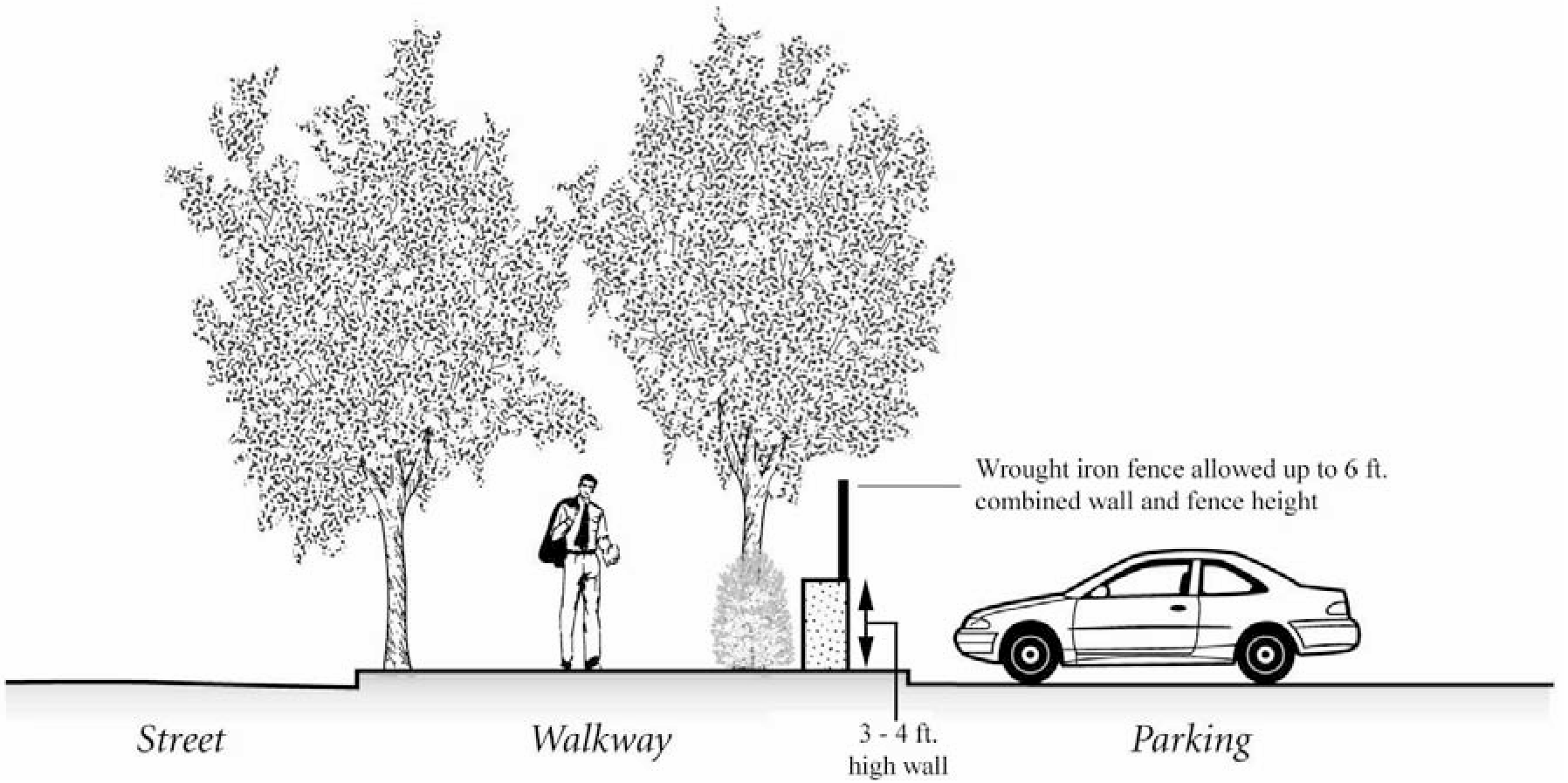
Figure 1411-31-A Screening Surface Parking Lots Adjacent to Public Right-of-Way
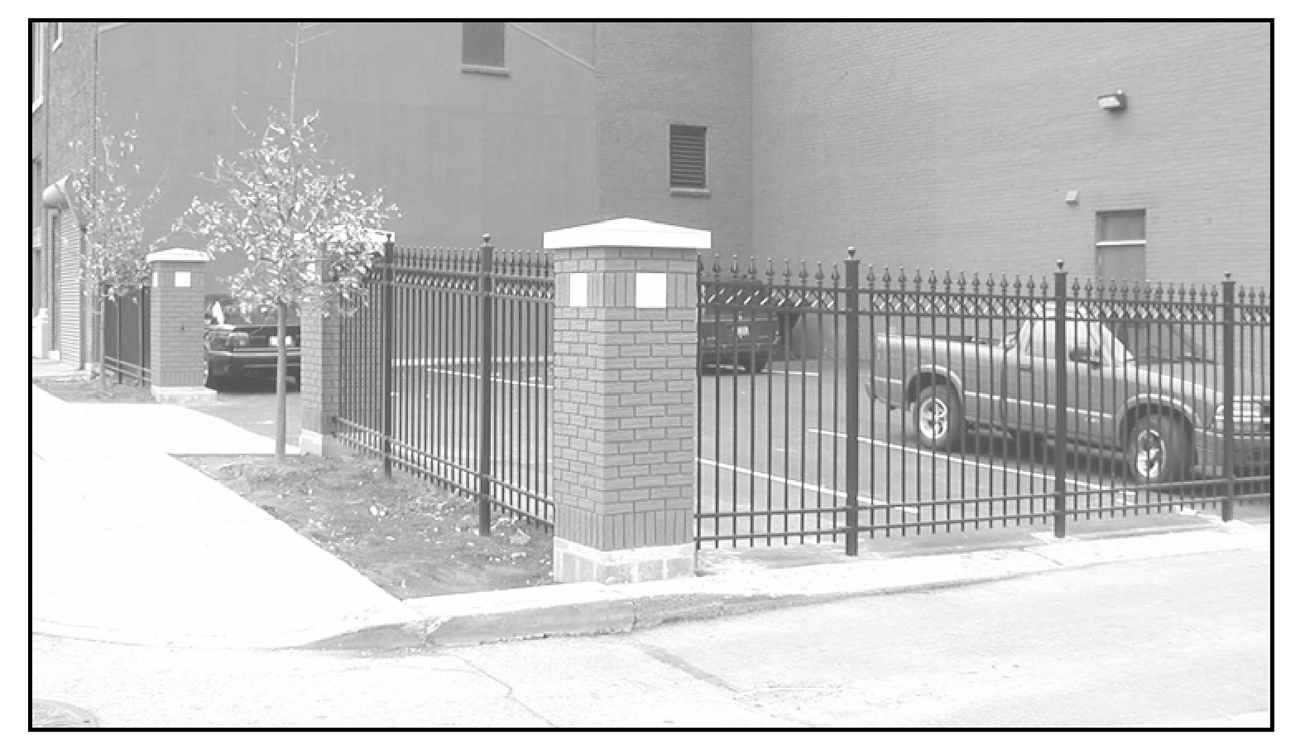
Figure 1411-31-B Example of Screening Surface Parking
(Ordained by Ord. No. 15-2004, eff. Feb. 13, 2004)
§ 1411-32. - Temporary Surface Parking Facility Design Standards.
In addition to applicable regulations prescribed in Chapter 1425, "Parking and Loading," all temporary surface parking facilitiesin DD subdistricts shallcomplywith the minimum landscaping and design requirements set forth below. If any requirements set forth in this section conflict with any requirements or standards set forth in Chapter 1425, "Parking and Loading," the standards and requirements set forth herein shall govern and control.
(a)
General Landscaping Requirements.
(1)
Trees. All temporary surface parking facilities shall provide one tree for every four parking spaces arranged and dispersed throughout the perimeter landscape buffer area and interior landscaped islands and peninsulas, with at least one tree planted per 35 linear feet throughout the entirety of the perimeter landscape buffer area.
All trees shall have a minimum size at the time of planting as follows:
(a)
Two-inch caliper for a deciduous tree; and
(b)
Four-foot height for a conifer or evergreen tree.
(2)
Ground Cover.Plant-based ground cover appropriate to the surface conditions of the area must be installed throughout the perimeter landscape buffer area and interior landscaped islands and peninsulas. Grass shall be the default landscaping material.
(3)
PlantMaintenance Standards. All plants shall be maintained in a healthy condition and shall be replaced with new plant materials as needed to ensure continued compliance with landscaping requirements. Landscaping and screening plants that die shall be replaced during the current or the following planting season.
(b)
Perimeter Landscape Buffer Area.
(1)
Width. All temporary surface parking facilities shall provide a landscape buffer area separating the parking facility from adjoining streets. The buffer area shall measure at least five feet in width and be located within a six-inch-high, poured-in-place concrete curb landscaped with plant material. The buffer area shall not be paved except for approved walkways, bikeways, driveways, and other approved amenities or site elements.
(2)
Screening. All portions of the perimeter landscape buffer area that abut a public right-of-way, other than approved entrances and exits, shall provide screening consisting of a solid concrete or masonry wall or wrought-iron or other high-quality decorative metal fence between three and four feet in height, as illustrated in Figure 1411-31-A. A wrought-iron fence or other high-quality decorative metal fence up to six feet in height or constructed on top of the wall for a combined wall and fence height of up to six feet may be constructed with the prior approval of the Zoning Administrator.
(c)
Required Surface for Parking and Circulation Areas. The surface of any parking area, including but not limited to parking, loading, and circulation areas, shall be designed to prevent stormwater runoff into the public right-of-way and shall be improved with asphalt, concrete, permeable pavers, or other hard surface approved by the Zoning Administrator. In Parking Subdistricts Y and Z, all impervious asphalt or concrete surfaces shall be treated with a pavement coating designed to reflect solar radiation with an initial solar reflectance of twenty percent or greater.
(d)
Facilities Larger than One-Quarter Acre. All new temporary surface parking facilities larger than one-quarter acre (i.e., 10,890 square feet) shall conform to the following standards:
(1)
No parking area within a temporary surface parking facility shall exceed one-quarter acre (i.e., 10,890 square feet) in size. To conform to this requirement, larger parking areas shall be divided into smaller parking areas by one or more landscape islands or peninsulas contained within and dispersed throughout the interior of the parking lot.
(2)
All interior landscaped islands and peninsulas shall contain plant material and plant-based ground cover within six-inch-high, poured-in-place concrete curbs, and at least one of every four trees required by subsection (a)(1) shall be located within the interior landscaped islands and peninsulas.
(3)
Landscaped islands and peninsulas need not be uniformly spaced but shall provide a minimum separation of 15 feet between smaller parking areas.
(Ordained by Ord. No. 0037-2024, § 2, eff. January 31, 2024)
§ 1411-33. - Design Review of Parking Garages.
A building having more than 100 above-street-grade parking spaces and devoting more than one-half its above-street-grade gross floor area to parking may not be constructed in Parking Subdistrict W or X unless the design of the building is reviewed and approved under §1411-43 or by the Zoning Hearing Examiner. The following guidelines apply to parking garage facades facing any right-of-way greater than 50 feet in width or the skywalk:
(a)
Parked cars must be screened from public view from every adjacent public way greater than 50 feet in width.
(b)
Garage entrances and exits must be designed and located so as to minimize hazards to pedestrians.
(c)
Facades must contain openings that, in their scale, size and placement, are compatible with the same qualities of openings in surrounding buildings.
(d)
Facades must contain articulations to achieve a sense of scale, rhythm and texture.
(e)
The facade of the ground-level floor must be differentiated from upper floors to establish the appearance of a base to the building. By way of example, this differentiation can be achieved through the use of several of the following techniques:
(f)
A taller ground floor.
(g)
A change in color.
(h)
A change in material
(i)
A change in detailing.
(j)
Banding at the top of the ground floor.
(k)
Other architectural means.
The design of facades may not reveal or imply sloping floor levels that may be behind the facade.
Facades must be compatible with the design, materials and overall character of surrounding buildings with regard to the scale, color and texture of materials, form, massing and design detailing.
(Ordained by Ord. No. 15-2004, eff. Feb. 13, 2004; a. Ord. No. 0346-2007, § 7, eff. Oct. 13, 2007)
§ 1411-35. - Parking Signs.
Signage in parking lots and garages must comply with the following:
(a)
Parking Identification Signs. Parking identification signs may be erected at every entrance and may be internally illuminated, provided the area of any sign face may not exceed 16 square feet. For parking lots, signs may be erected as a ground or wall sign. For parking garages, signs may be erected as a wall sign or projecting sign. The height of any sign may be no less than ten feet above street grade and may not exceed 16 feet above street grade. The maximum width of a projecting parking identification sign may not exceed 3.5 feet. Refer to Figure 1411-35-A.
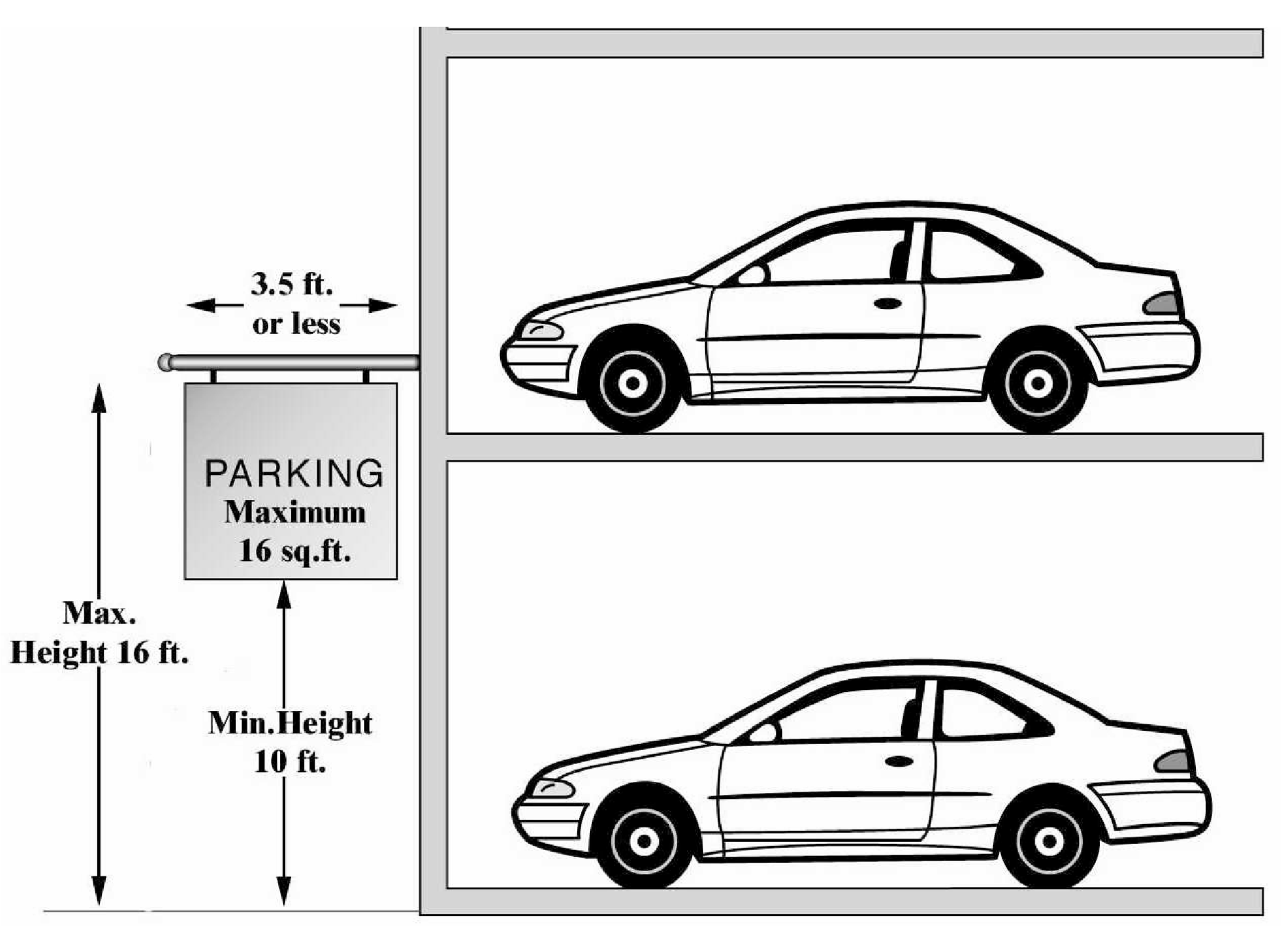
Figure 1411-35-A Parking Identification Signs
(b)
Parking Ownership and Rate Sign. Public ownership and rate signs may be erected as a wall sign or be affixed to the fencing required by § 1411-31. The copy must be as required by Chapter 413, Parking Garages and Parking Lots, of the Municipal Code. Refer to Figure 1411-35-B.
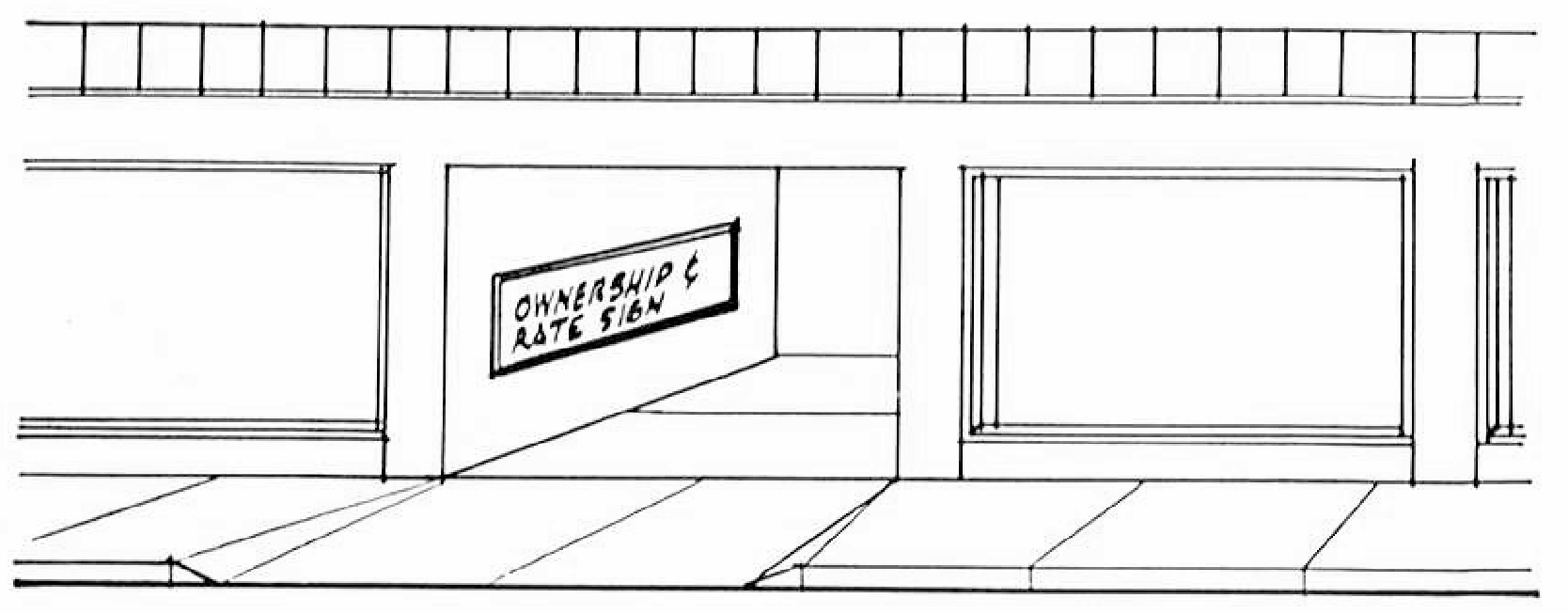
Figure 1411-35-B Public Parking Ownership & Rate Wall Sign
(c)
Parking Entrance/Exit Signs. Parking entrance/exit signs may be erected at every entrance or exit. A parking entrance/exit sign may not exceed eight square feet in face area.
(Ordained by Ord. No. 15-2004, eff. Feb. 13, 2004)
§ 1411-37. - Loading Requirements.
Loading spaces must be provided pursuant to Chapter 1425, Parking and Loading Regulations. Loading Spaces within Parking Subdistrict W or X must be entirely enclosed.
(Ordained by Ord. No. 15-2004, eff. Feb. 13, 2004)
§ 1411-39. - Signs.
Signs located in any DD subdistrict must comply with the following regulations and with Chapter 718, Revocable Street Privileges, of the Municipal Code. Every sign erected, constructed, painted or maintained for which a permit is required, must be plainly marked with the name of the person erecting, painting and maintaining such sign, and must have affixed the number corresponding to the permit issued for the sign. The absence of a reference to a permit number is prima facie evidence that the sign or advertising structure is being displayed in violation of this section.
(a)
Prohibited Signs. The following signs are prohibited in the DD District:
(1)
Outdoor advertising signs.
(2)
Flashing signs, unless a marquee sign as provided below.
(3)
Portable signs.
(b)
Projecting Signs. (Refer to Figure 1411-39-A). Projecting signs must comply with the following unless located in a Historic District and approved by the Historic Conservation Board:
(1)
Location: Below the third story of a building and extend from the building facade.
(2)
Maximum Width: 3.5 feet.
(3)
Maximum Height: eight feet.
(4)
Required Clearance: A ten-foot clearance above the sidewalk must be maintained.
(5)
Lighting: Lighting must be integrated with the sign design and must complement the building.
(6)
Signs may not conceal any ornamental architectural elements.
(7)
A revocable street privilege is required for signs projecting into the public right-of-way.
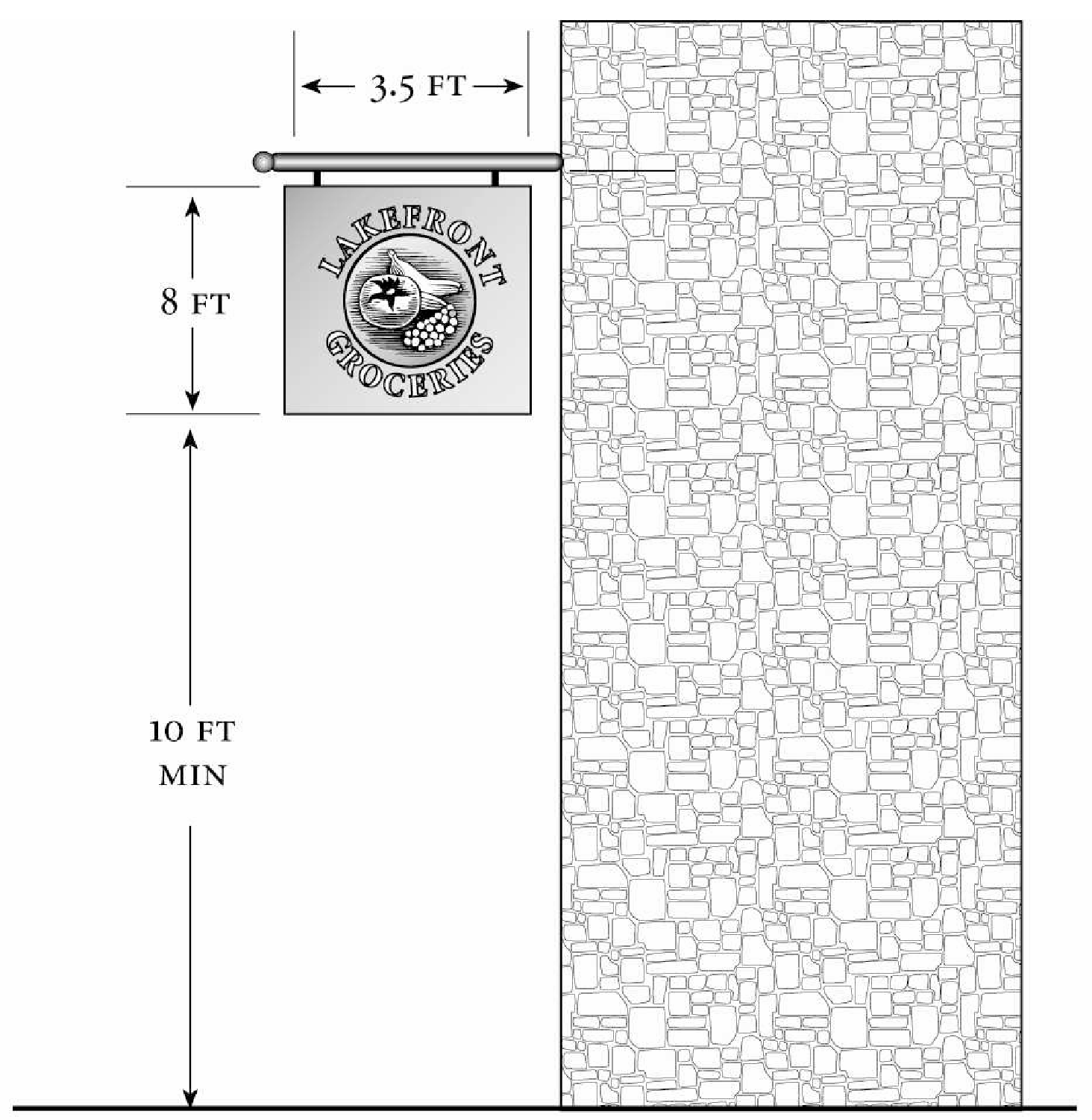
Figure 1411-39-A Projecting Signs in DD Subdistricts
(c)
Street-Level Wall Signs. (Refer to Figure 1411-39-B). Street-level wall signs must comply with the following:
(1)
Maximum Width: contained within the horizontal limits of the business premises.
(2)
Maximum Height: 3.5 feet.
(3)
Maximum Display Area: 1-square foot for each one-foot of business frontage on the street to be faced by the sign.
(4)
Awning signs are considered street level wall signs included in (3) above.
(5)
Awning signs may not exceed 12 square feet of total surface area and letters may not exceed 12 inches in height.
(6)
The sign may not conceal any ornamental architectural elements and may not project above a parapet.
(7)
Signs painted on buildings and structures are deemed street-level wall signs.
(d)
Skywalk-Level Wall Signs. (Refer to Figure 1411-39-B). Skywalk-level signs must comply with the following:
(1)
Maximum Width: contained within the horizontal limits of the business premises.
(2)
Maximum Height: Two feet.
(3)
Maximum Area: 30 square feet or 0.5-square feet for each foot of business frontage on the skywalk to be faced by the sign, whichever is more restrictive.
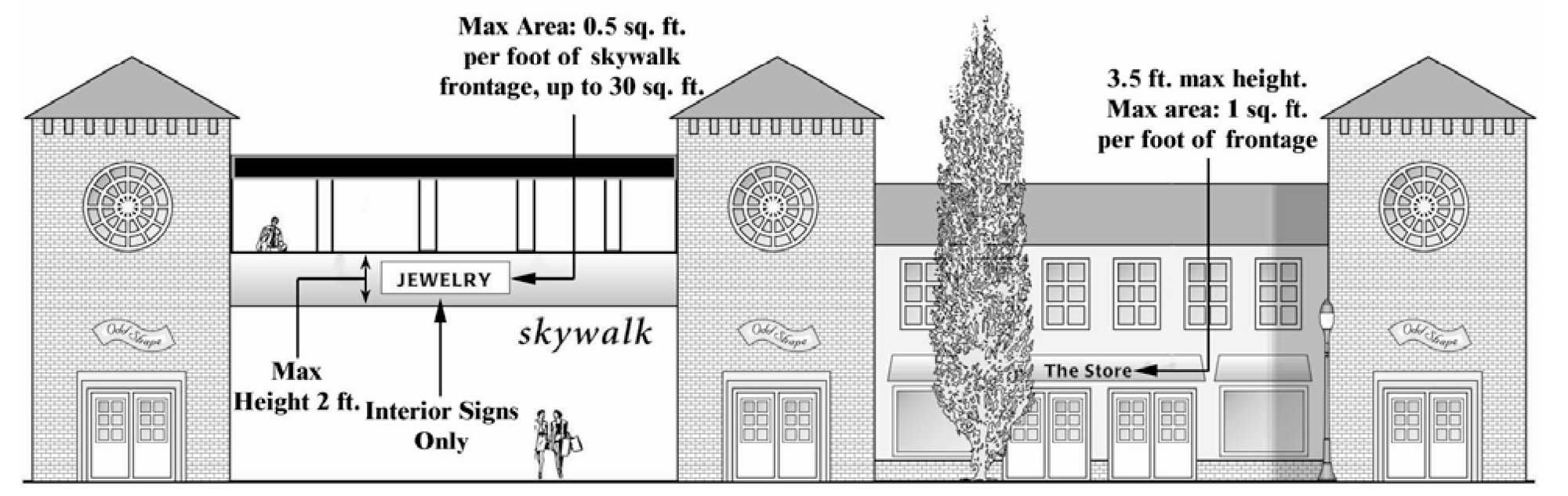
Figure 1411-39-B Wall Signs in DD Subdistricts
(e)
Ground Signs. Ground signs must comply with the following:
(1)
Applicability: A building setback from the public right-of-way by more than 25 feet may be served by one ground sign; otherwise, a ground sign is not permitted.
(2)
Maximum Height: 16 feet.
(3)
Maximum Area: 60 square feet or one-half square foot for each front foot of the building.
(f)
Building Identification Signs. Building identification signs must comply with the following:
(1)
One trademark or building identification sign identifying the principal occupant as determined by the building owner of a building is allowed for each building facade, with a maximum of four signs for the building.
(2)
The trademark or the letters comprising the occupant name must be affixed directly to the building facade.
(3)
The building facade underlying the trademark or name may not be painted or otherwise differentiated from the remainder of the building facade merely to draw attention to the sign.
(4)
The top of the sign may not project above the parapet, nor may the parapet be enlarged to accommodate a sign.
(5)
The sign may be illuminated, but may not be a flashing sign.
(6)
The maximum size of the sign cannot exceed the width of the wall on which the sign is attached multiplied by one foot for each 30 feet the top of the sign is located above street grade or 1,800 square feet, whichever is less. For example, a sign whose top is 400 feet above street grade is proposed to be located on a wall that is 150 feet in width where the sign is to be located. The maximum size equals the lesser of 13 × 150 = 1,950 and 1,800. The maximum size is 1,800.
(g)
Marquee Signs. Marquee signs must comply with the following:
(1)
The sign must be accessory to a large-scale recreation and entertainment use, hotels or convention center.
(2)
The sign may not be attached to a roof structure and must be integrated architecturally into the primary structure.
(3)
The sign may contain copy or other images announcing on-premise events only.
(4)
The copy may be permitted to flash, move or otherwise change at intervals of more than one each six seconds.
(5)
The size and design of a marquee is subject to review and approval of the Zoning Administrator prior to issuance of a building permit.
(6)
A revocable street privilege is required for any marquee sign that extends into the public right-of-way.
(h)
Murals. Murals are regarded as a work of art and must demonstrate an artistic quality or theme as opposed to direct or indirect illustrative advertising. Murals must comply with the following:
(1)
Advertising copy and trademarks are prohibited.
(2)
One mural on one wall for every building.
(i)
Subdivision Real Estate or Construction Signs. Subdivision real estate and construction signs must comply with the following:
(1)
A maximum of one sign for every street frontage.
(2)
Total Surface Area: 64 square feet.
(3)
Temporary signs must be removed within 24 hours of the completion of the activity.
(j)
Temporary Message Sign (including banners). Temporary message signs must comply with the following:
(1)
Be made of cloth or other light fabric.
(2)
May not exceed 12 feet in any of its dimensions.
(3)
The message must pertain only to the business, commodity, service or entertainment conducted, sold or offered on the same premises as where the sign is maintained.
(4)
Temporary message signs may be installed for a period not to exceed 30 days for a maximum of four times for every calendar year with at least seven days between installations.
(5)
Temporary message signs may not cover any building openings such as windows and doors.
(Ordained by Ord. No. 15-2004, eff. Feb. 13, 2004; Emer. Ord. No. 141-2015, § 13, eff. July 1, 2015)
§ 1411-41. - Additional Floor Area for Historic Conservation or Residential Development.
A Conditional Use may be approved allowing additional floor area beyond that allowed by § 1411-07 and by Map 1411-09: FAR Overlay in Downtown Development Districts, for projects receiving a Historic Conservation Bonus or Residential Gross Floor Area Bonus. In no case may additional floor area be granted such that the maximum building heights prescribed by Map 1411-13: Maximum Building Height Overlay in Downtown Development Districts, are exceeded.
(a)
Historic Conservation Bonus. Under the City's Historic Easement Program, the owner of a building that is listed on the National Register of Historic Places and is located in any DD subdistrict may donate an easement in return for a Certificate of Transferable Bonus Gross Floor Area, provided the easement is accepted by the Historic Conservation Board. This one-time certificate is issued by the Urban Conservator, who has the duty to maintain a record of the issued certificate, including the owner, the gross floor area available for transfer and the gross floor area actually transferred. All bonus gross floor area available under the easement may be transferred, provided the gross floor area does not exceed the maximum building heights prescribed by Map 1411-13: Maximum Building Height Overlay in Downtown Development Districts. Certificates of Transferable Bonus Gross Floor Area may be transferred to and redeemed by anyone other than the original certificate holder. Certificates to be redeemed must be tendered to the Urban Conservator prior to the issuance of permits for construction. On completion of construction, certificates are cancelled and no certificate may be reissued, even if the building constructed pursuant to its redemption is demolished.
(b)
Residential Gross Floor Area Bonus. The residential gross floor area bonus equals the total interior floor area of a building that is exclusively devoted to residential purposes, provided the bonus gross floor area does not exceed 25 percent of the building gross floor area.
(Ordained by Ord. No. 15-2004, eff. Feb. 13, 2004; a. Ord. No. 0346-2007, § 7, eff. Oct. 13, 2007)
§ 1411-43. - Design Review of Publicly-Funded Parking Garages.
Publicly-funded parking garages are subject to the following review:
(a)
Design Review Responsibility. On receipt of an application for a publicly-funded downtown parking garage, the City Manager, who has the duty to appoint the person or persons responsible for design review, may by contract retain a person prominent in the field of design of urban projects of scale similar to the proposed development to be responsible for design review. The application must be available, as it may be revised, for public inspection. Those responsible for design review may meet periodically with the applicant in a public, informal conference to discuss the building design.
(b)
Design Review Determination. The person or persons responsible for design review has the duty to approve the proposed work if it conforms with the 2000 Plan or other applicable urban renewal plan, any otherwise applicable guidelines, laws, ordinances, regulations and variances granted for the work pursuant to Chapter 1447, Variances, Special Exceptions and Conditional Uses and is in the public interest.
(1)
The work may be approved subject to conditions as necessary to ensure that the work is lawful, appropriate to its site and the surrounding area and in the public interest. Otherwise, the work must be disapproved.
(2)
If the work is disapproved the reasons therefore must be stated in writing as findings of fact and conclusions of law.
(3)
In determining whether the work is in the public interest, the decision-making authority has the duty to consider those factors listed in § 1411-33 and § 1445-13 that are relevant to the work and apply them in light of his or her professional training and experience. The failure of the proposed work to conform to any single factor or guideline is not necessarily a sufficient basis for denial. The decision-making authority has the duty to approve work that maximizes both the public interest and private benefits.
(c)
Appeals. Any adversely affected applicant may appeal a decision made pursuant to paragraph (b) above to the City Manager. The City Manager has the duty to conduct a public hearing on the appeal and affirm, modify or reverse the decision in conformity with the provisions of this Chapter. The decision of the City Manager is final, subject to appeal as provided by law.
(Ordained by Ord. No. 15-2004, eff. Feb. 13, 2004)
§ 1411-45. - Phased Developments.
Where the owner of a lot or lots in the DD District intends to phase the development by first erecting one building and then enlarging that building or erecting one or more additional buildings or both, the owner must, prior to commencing development of the site, file a site master plan with the Zoning Hearing Examiner. The site master plan must be a schematic of the intended development of the entire site showing the locations, uses, heights and gross floor areas of every building. The master plan must contain such other information as necessary to determine whether the intended development conforms to the requirements of this Zoning Code. If the development is required to devote gross floor area to residential dwellings of § 1411-11, Required Residential Uses, compliance with the residential dwelling requirement need not be demonstrated at every phase of the development, but only after completion of all phases of the development. Further, the applicant may be required to demonstrate that completion of all phases is a commercially reasonable exception. The master plan may be amended from time to time, provided any amended master plan be filed with the Zoning Hearing Examiner. Compliance with the DD District Regulations imposed by Schedule 1411-07 of § 1411-07 and, as applicable, § 1411-11, must be determined each time a permit for construction of a new building or enlargement of an existing building is made. The site may be further subdivided and title to the various parcels held by different owners, provided that appropriate deed restrictions, covenants and easements be provided as determined to be necessary by the Zoning Hearing Examiner to ensure that the arrangement of building density and public amenities used to calculate allowable gross floor area are maintained for as long as any building erected on the site pursuant to this provision remains.
(Ordained by Ord. No. 15-2004, eff. Feb. 13, 2004; a. Ord. No. 0346-2007, § 7, eff. Oct. 13, 2007)
§ 1411-47. - Demolition.
Except in cases of public emergency, no permit for the demolition of any building in the DD District shall be issued unless an application for a building permit for work to replace the building to be demolished has been filed with the Director of Buildings and Inspections. Provided, however, the applicant may instead post a bond with the Director of Buildings and Inspections to secure compliance with § 1411-51. The bond shall be in the amount equal to ten dollars per square foot of the area of the lot on which the building to be demolished is located.
(Ordained by Ord. No. 15-2004, eff. Feb. 13, 2004)
§ 1411-49. - Maintenance of Vacant Lots.
Every owner of any vacant lot within the DD District has the duty to keep the lot clean, free from garbage, litter, standing water, debris, parked motor vehicles other than those parked in a lawfully existing parking or loading facility and all things causing the property to be detrimental to the public health, safety, welfare or to the aesthetics of the DD District or properties in the vicinity.
(Ordained by Ord. No. 15-2004, eff. Feb. 13, 2004)
§ 1411-51. - Landscaping.
Any lot within the DD District kept vacant for more than 180 days following the demolition of any buildings thereon shall be landscaped and thereafter maintained in good order. Landscaping shall be in accordance with a plan approved by the hearing examiner following the procedures and standards set forth in Chapter 1443. The landscaping shall be appropriate to an urban park or garden. The lot shall be fenced as appropriate for public safety and aesthetics. All plant material shown on the approved plan shall be watered, fertilized, pruned, kept free from weeds and litter and replaced if diseased, injured or dead, consistent with good horticultural practices. Such lots shall not be used for storage.
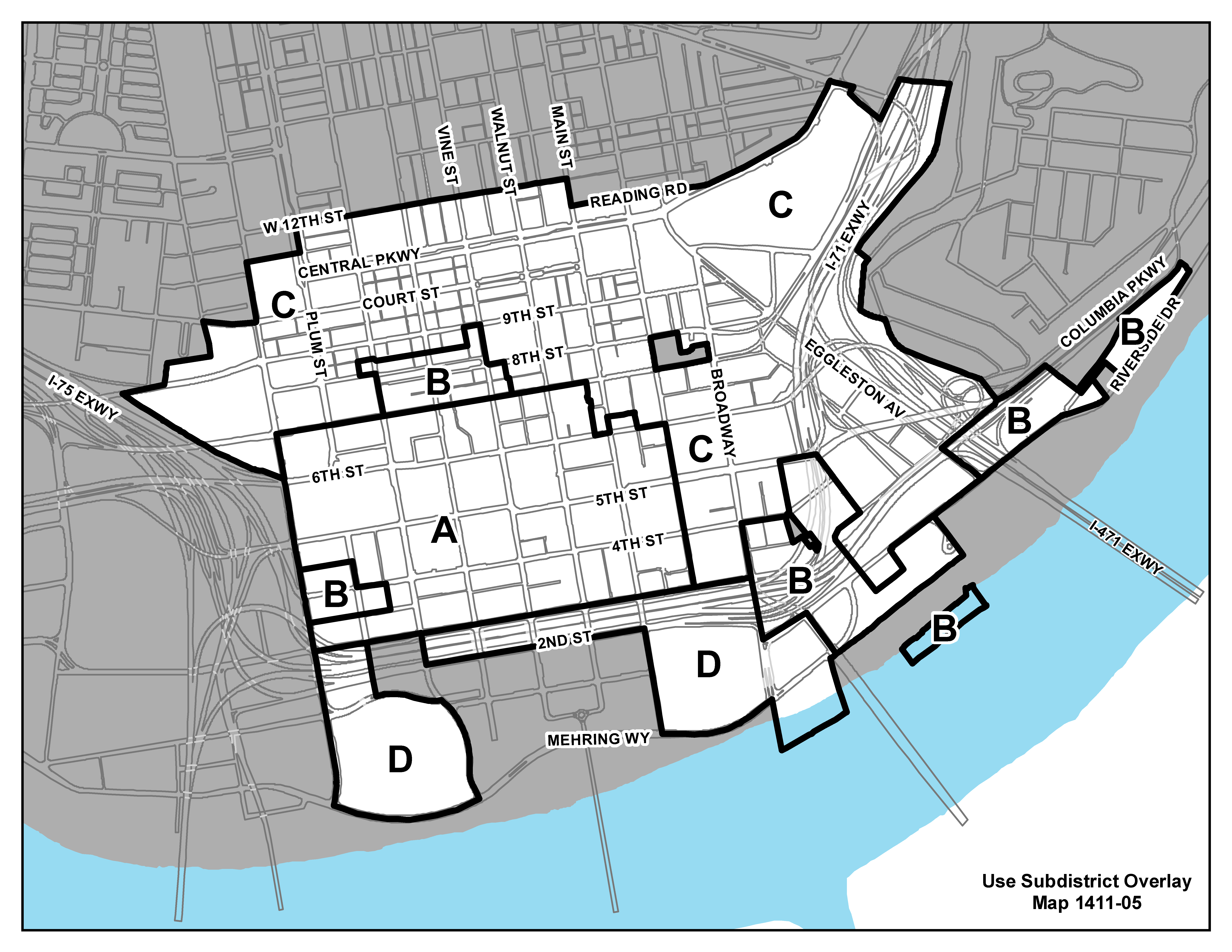
Map 1411-05 Use Subdistrict Overlay
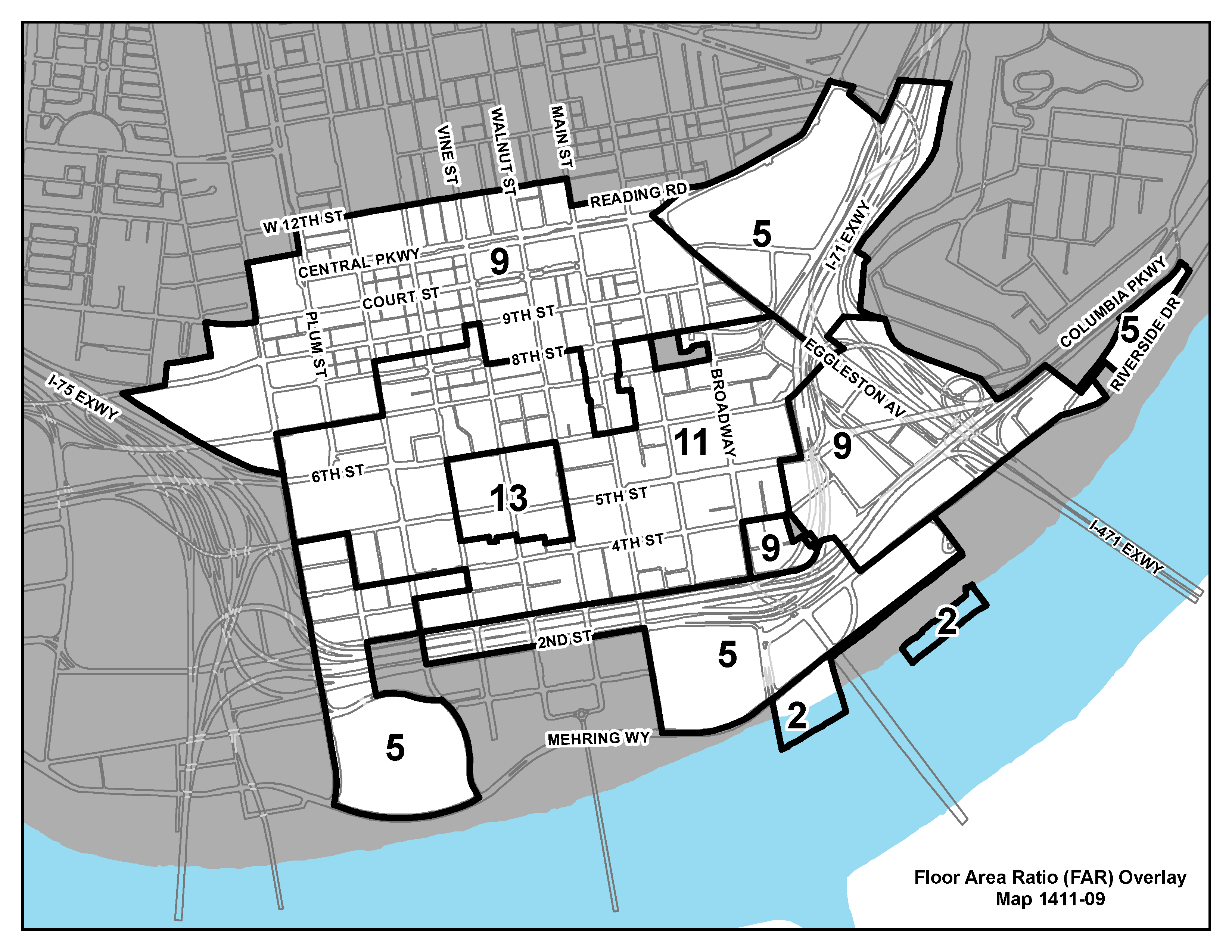
Map 1411-09 Floor Area Ratio (FAR) Overlay
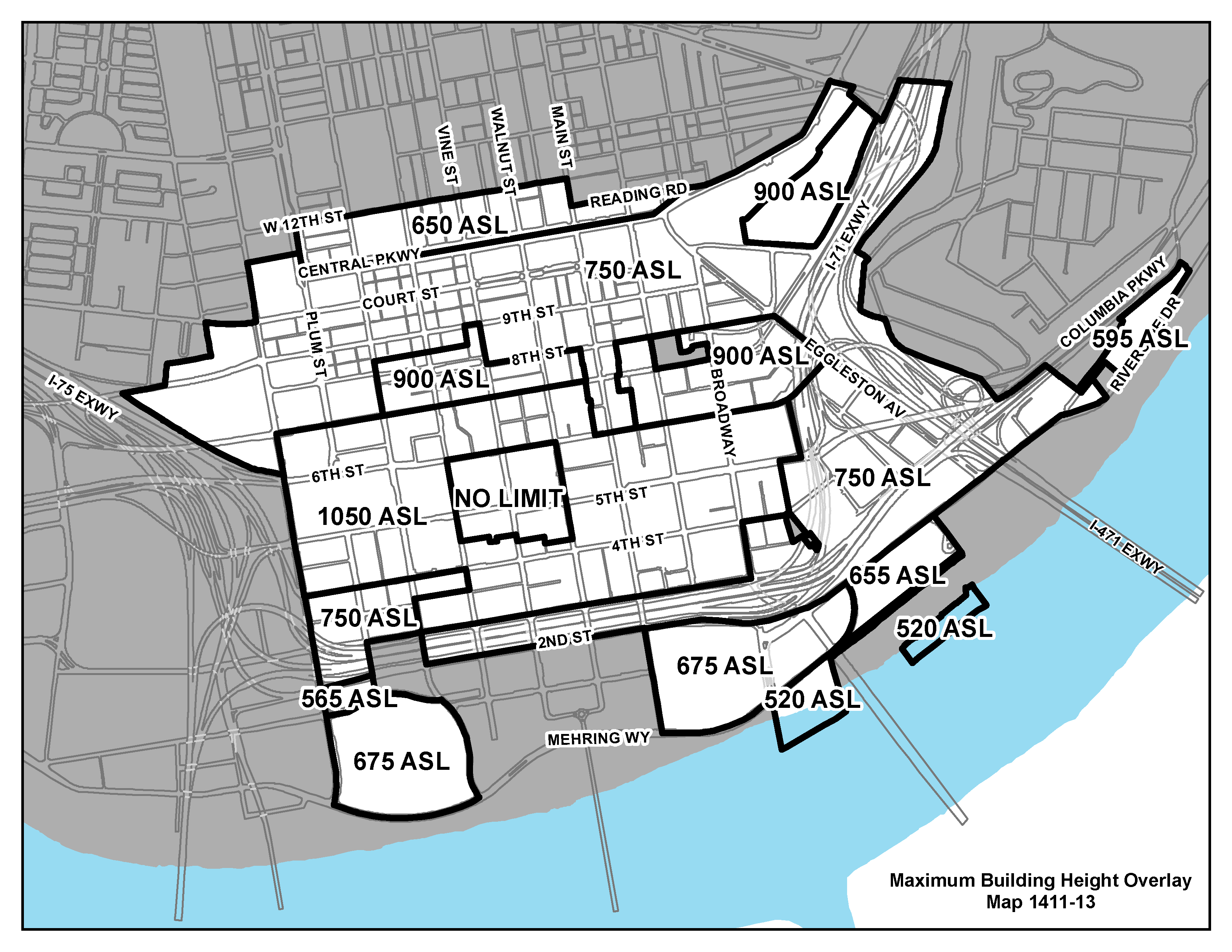
Map 1411-13 Maximum Building Height Overlay
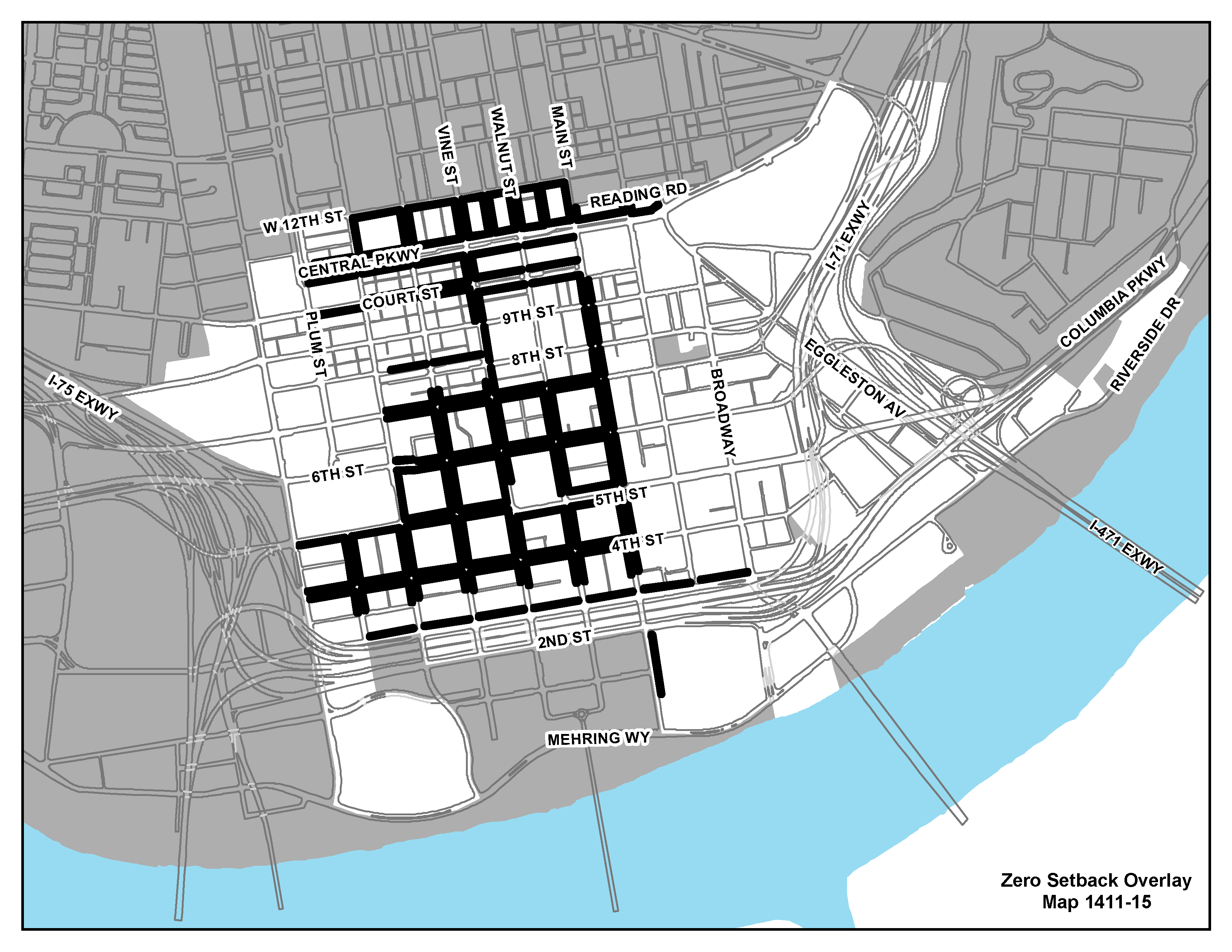
Map 1411-15 Zero Setback Overlay
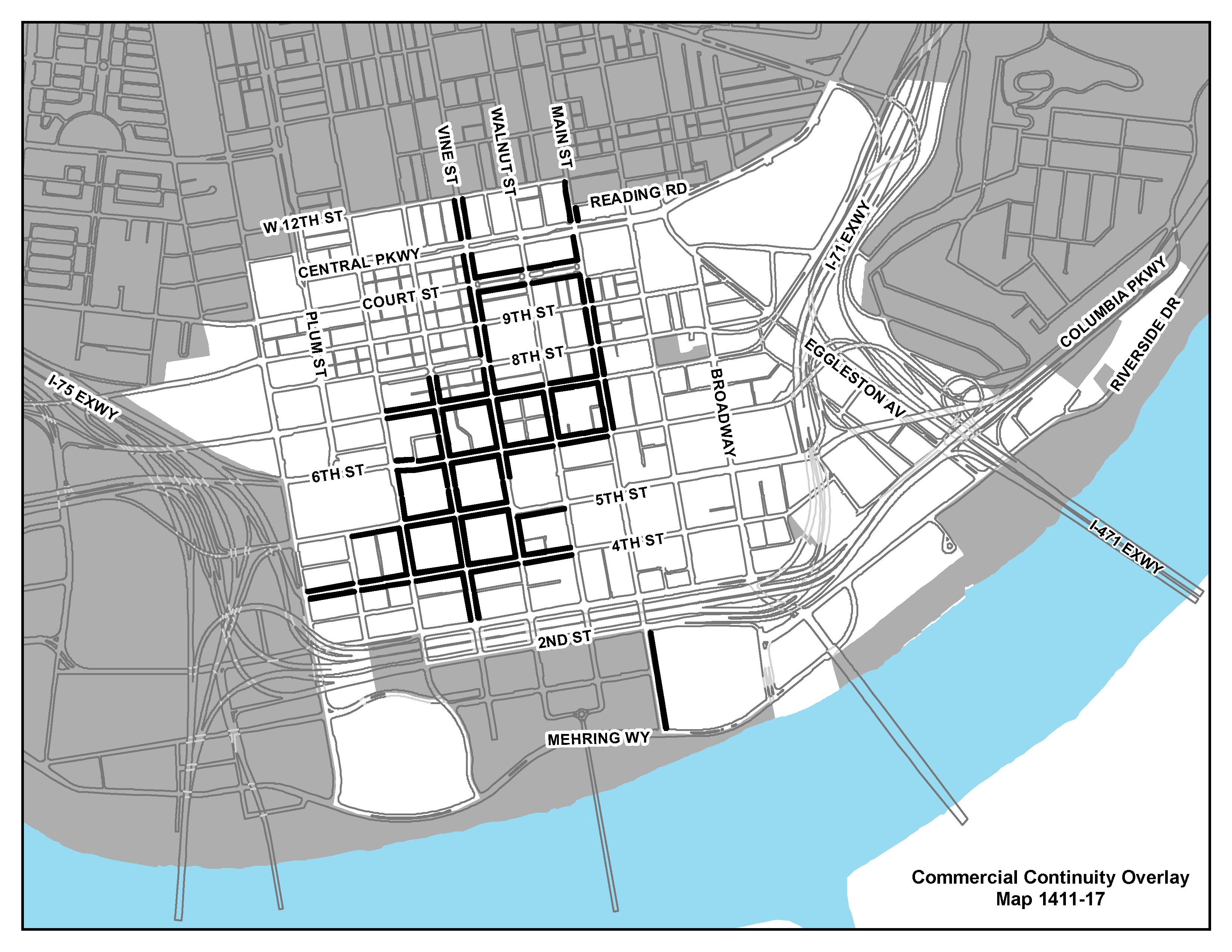
Map 1411-17 Commercial Continuity Overlay
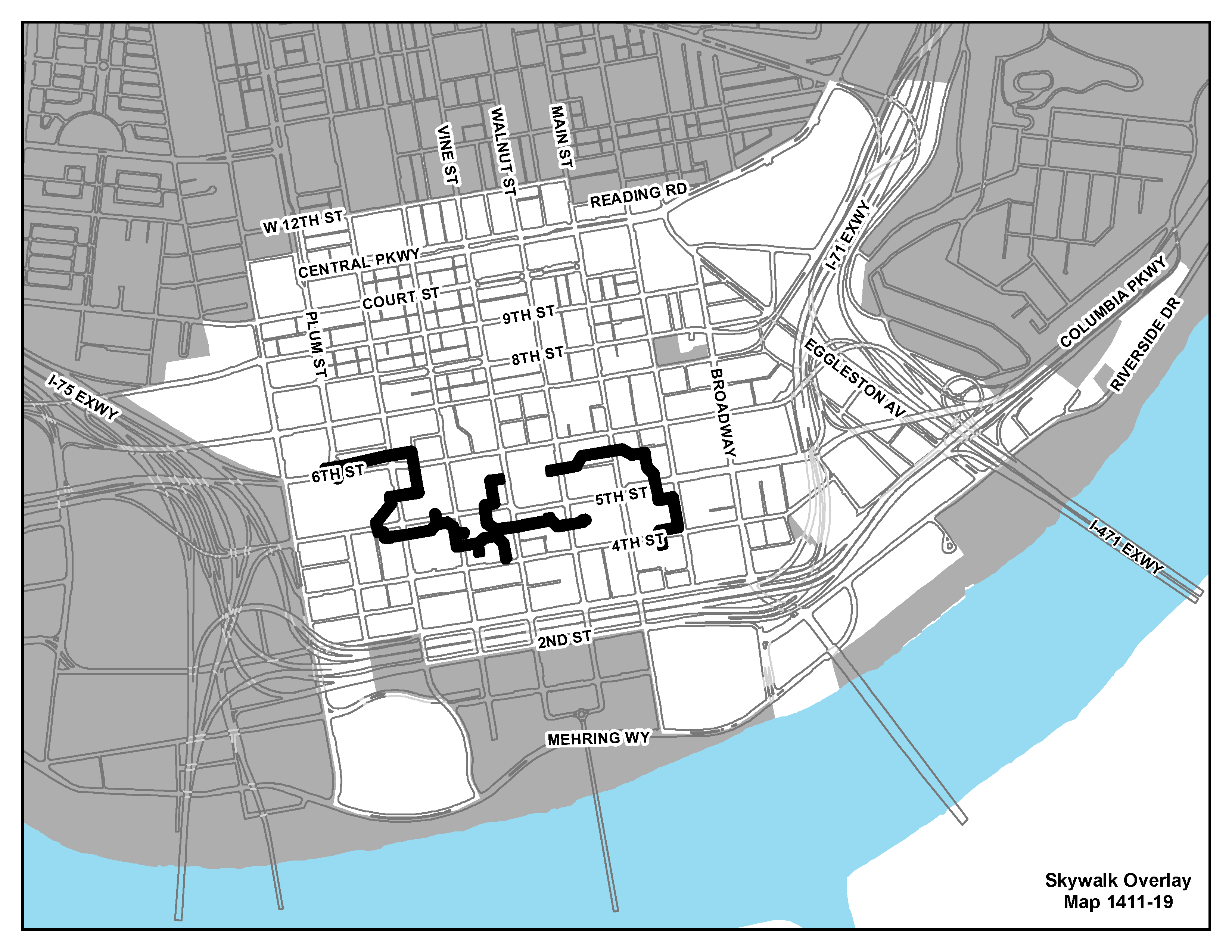
Map 1411-19 Slywalk Overlay
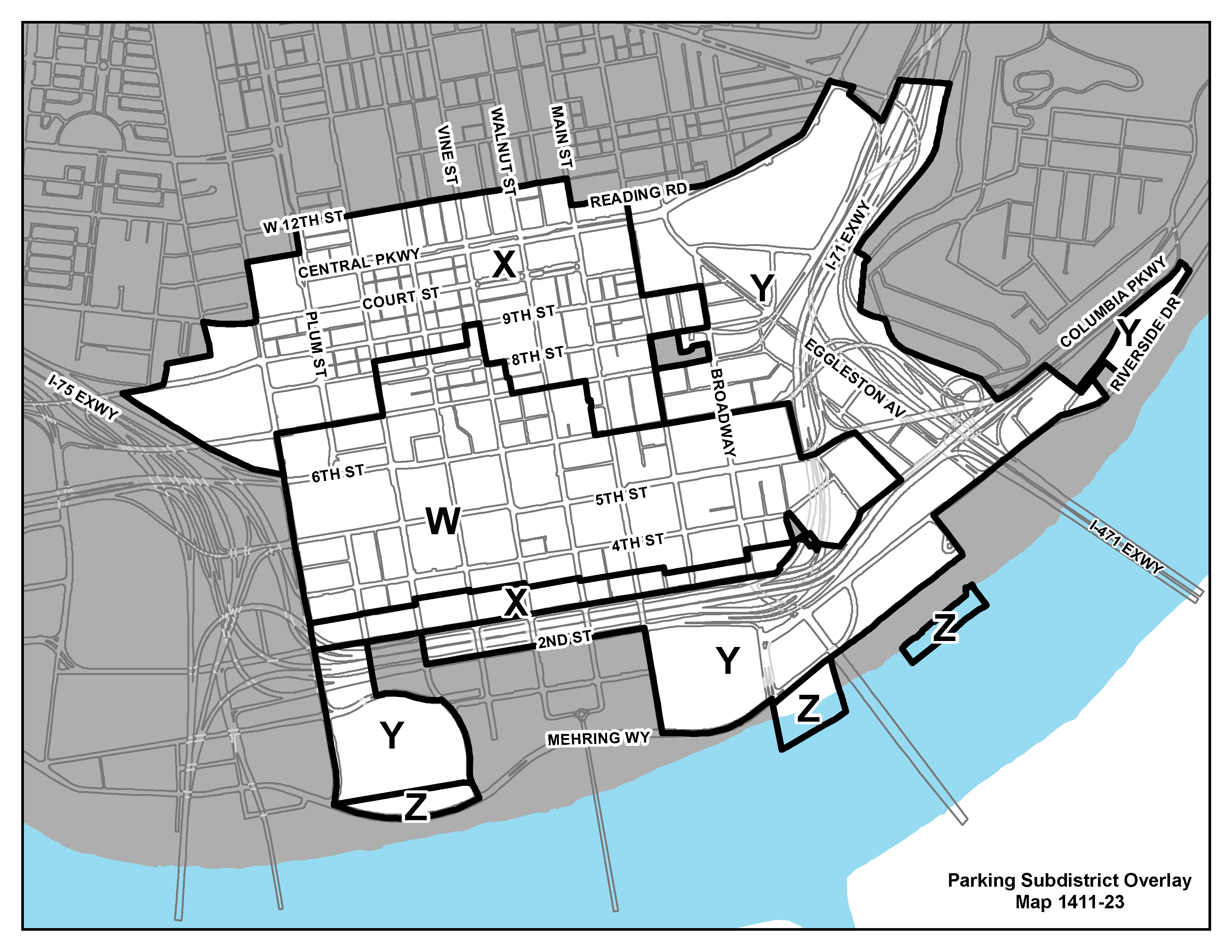
Map 1411-23 Parking Subdistrict Overlay
(Ordained by Ord. No. 15-2004, eff. Feb. 13, 2004; a. Ord. No. 0145-2021, §§ 2—8, eff. April 28, 2021; a. Emer. Ord. No. 0377-2021, §§ 1, 2, eff. September 22, 2021)

