Crystal River City Zoning Code
SECTION 11
Signage
a.
General Provisions
(1)
Purpose. The purpose of this chapter is to regulate the time, place, and manner in which signs shall be permitted in the city, including standards for their fabrication, erection, use, maintenance, and alteration. These shall promote a safe, vibrant, and economically viable community that ensures that streets and buildings are equally amenable to pedestrians and vehicular users.
(2)
Applicability. It is the intent of the city to comply with all applicable laws, statutes, regulations, and federal and state court decisions regarding the regulation of signs, and not to engage in any form of content-based regulation of sign messages that are prohibited by federal or state constitutions, statutes, or court decisions. The regulations of this chapter shall apply to all districts. Unless otherwise noted, a permit shall be required for the erection, placement, alteration, or reconstruction of any sign.
(3)
Severability. If any decision, subsection, sentence, phrase or portion of this section is for any reason held invalid or unconstitutional by any court of competent jurisdiction, that portion of these standards shall be deemed separate and distinct, and holding shall not affect the validity or constitutionality of the remaining portions of this chapter, which shall remain in full effect.
(4)
False advertising on signs and nuisances. No person shall display false statements upon signs in such a manner as to mislead the public as to anything sold, services to be performed or information disseminated. No person shall display any sign in such a manner as to constitute a nuisance to surrounding properties or uses.
(5)
Occupation tax; contractor's license. No person shall engage in the business of erecting, painting or maintaining signs within the city, unless and until the person has paid a business tax receipt and registered with the city.
(6)
Prohibited signs. Such signs shall be removed as stated in this Code. Prohibited signs erected on public rights-of-way or other publicly owned property may be removed without prior notice.
(7)
Substitution clause. A protected noncommercial message of any type may be substituted, in whole or in part, for the message displayed on any sign for which the sign structure or mounting device is legal without consideration of the content. This applies to all permitted signage. Such substitution of the message may be made without additional approval, permitting, registration or notice to the city.
b.
Measuring Signs
(1)
Single and Two Faced Signs. Signage is measured by area (length multiplied by width). Where two sided signs are proposed, the area of both sides of the sign are added together to calculate the sign area.
(2)
Three or More Faces on Signage. Where a sign has 3 or more sides, the sign area is equal to fifty (50) percent of the sum of all sign areas.
(3)
Free-Form or Sculptural Signs. Spherical, free-form, sculptural or other non-planar sign area is measured as fifty (50) percent of the sum of the areas using only the four (4) vertical sides of the smallest four-sided polyhedron that will encompass the sign structure.
(4)
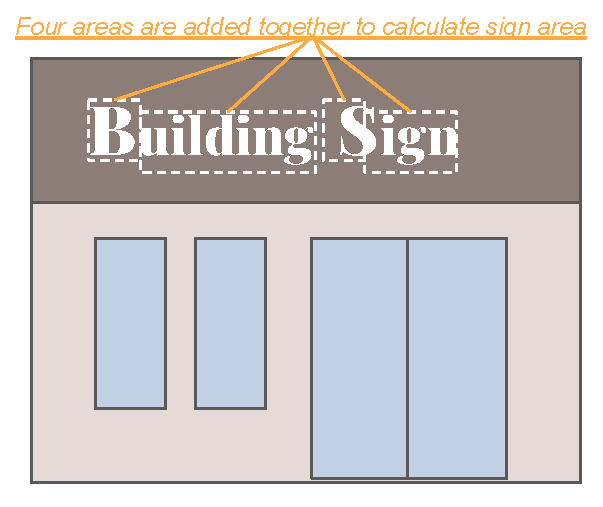
Building or wall mounted signs. Sign copy mounted as individual letters or graphics against a wall, fascia, mansard, or parapet of a building or surface of another structure, that has not been painted, textured, or otherwise altered to provide a distinctive background for the sign copy, is measured as the sum of the smallest rectangle(s) that will enclose each word and each graphic in the total sign.
c.
General Requirements
(1)
Sign Height. Sign height is measured as the vertical distance in feet from the ground, sidewalk or other surface to the highest point of the sign face or sign structure, whichever is higher. Where the ground is uneven, the average elevation is utilized to determine the starting point of the measurement.
(2)
Sign Visibility. The area around the sign shall be properly maintained clear of brush, trees, and other obstacles so as to make the sign readily visible.
(3)
Sign construction. With the exception of portable and temporary signs as permitted in this chapter, signs shall be permanently attached to the ground, a building, or another structure by direct connection to a rigid wall, frame, or structure.
(4)
Sign wiring. Signs with internal electrical wiring or lighting equipment, and all external lighting equipment shall be inspected and approved by the city in accordance with existing and prevailing electrical codes. All wiring to electrical signs or to lighting equipment directed to ground signs shall be underground and ground fault circuit interrupter (GFCI) protected.
(5)
Sign setbacks. Freestanding signs shall be set back a minimum of five (5) feet from the right-of-way (ROW) line and located outside of the clear visibility triangle.
(6)
Sign Design.
a.
Signage, including overall design, materials, and illumination shall be compatible with the overall design of the main building.
b.
Except where noted otherwise in this section, finish materials for signs shall be as follows:
i.
Wood: painted, stained, or natural; or a finished material similar to wood
ii.
Metal: copper, brass, galvanized steel, or aluminum composite
iii.
Stucco or brick
iv.
Fabric awnings (i.e., canvas)
v.
Paint and vinyl (applied directly onto building walls or window glass)
c.
Sign Shape. Signs shall be composed of standard geometric shapes and/or letters of the alphabet, or as a sponsor motif (bottle, hamburger, ice cream cone, etc.) All elements of a sign structure shall be unified in such a way not to be construed as being more than one (1) sign.
(7)
Sign Illumination.
a.
Brightness Limits. The brightness of an illuminated sign shall not exceed thirty (30) foot-candles at any one (1) point on the sign face.
b.
Fluctuations in Lighting. No sign shall have blinking, flashing, scrolling, fading, or fluctuating lights or other illuminating devices that have a changing light intensity, brightness or color or form. No revolving or rotating beam or beacon of light, including but not limited to searchlights, shall be utilized or permitted as part of any sign.
c.
Shielding of Illumination Source. Any light from an illuminated sign or a flood or spotlight illuminating the sign, shall be stationary, shielded, and directed so that the light or brightness shall:
i.
Illuminate only the surface area of the sign;
ii.
Not interfere with the safe vision of motorists, bicyclists or roadway users;
iii.
For spot-lit signs, the sign base and/or proposed landscaping shall be designed to conceal the base of the light fixture to the extent feasible.
d.
Colored Lamps. The use of colored lamps for external lighting of signage is not permitted.
e.
Externally Mounted Gas Filled Tubes. Externally mounted gas tubes filled with neon or other noble gases shall not be permitted.
(9)
Sign Appearance, Maintenance, and Removal. The following maintenance requirements shall be observed for all signs visible from any public street, and any deficiency shall be corrected within thirty (30) days of being detected unless otherwise determined by the administrator:
a.
No sign shall have more than ten (10) percent of its surface area covered with disfigured, cracked, ripped or peeling paint or poster paper.
b.
No sign shall stand with bent or broken sign facings, broken supports, loose appendages or struts, or be allowed to stand more than fifteen (15) degrees away from the perpendicular.
c.
No sign shall have weeds, trees, vines, or other vegetation growing upon it or obscuring its view from the street from which it is to be viewed.
[d].
No internally illuminated sign shall stand with only partial illumination.
Whenever the use of a building or premises by a business or occupation is discontinued for at least three (3) months, then the signs pertaining to that business or occupation shall be removed. If the owner or lessee fails to remove it, the building official shall give the owner fifteen (15) days written notice to do so. Upon failure to comply, the building official may remove the sign at cost to the owner, with the following exceptions:
a.
Businesses who are relocating within the city shall be permitted to retain signage for up to six (6) months unless the building is reoccupied.
b.
A 6-month extension shall be permitted upon written request.
c.
Sign cabinets and structures to which another sign face may ultimately be attached can conform to this requirement by:
i.
Painting over the existing sign with a color that harmonizes with the building.
ii.
Removing sign pan faces and replacing them with blank panels.
iii.
Placing a fitted sign wrap over the cabinet that completely obscures the underlying sign face, is fitted snugly over the existing cabinet, is secured and has no loose or hanging ties, ropes or supports.
(10)
Illegal Signs. A sign damaged in excess of fifty (50) percent of its replacement cost or a sign depicting, describing or relating to specified sexual activities as defined in the Crystal River Adult Entertainment Licensing Ordinance shall be considered to be illegal and shall be removed immediately.
(11)
Non-Conforming Signs.
a.
All permitted nonconforming signs shall be grandfathered and considered to be in compliance with this Code.
b.
Subject to the limitations imposed by this ordinance, a nonconforming sign may be continued and shall be maintained in good condition as required by this ordinance. However, a nonconforming sign shall not be:
i.
Structurally changed, but its pictorial content may be changed.
ii.
Structurally altered to prolong its use except to meet safety standards.
iii.
Altered in any manner that increases the degree of nonconformity.
iv.
Expanded.
v.
Continued in use after cessation or change of the business or activity to which the sign pertains.
vi.
Reestablished after damage from natural causes if the estimated cost of reconstruction exceeds fifty (50) percent of replacement cost. A nonconforming sign damaged or destroyed by an unintentional or intentional third party (non owner) acts or omissions shall be allowed to be reconstructed regardless of the percentage of damage provided the nonconforming use is not expanded.
vii.
Continued in use when a conforming sign or structure is permitted and erected on the same lot of record.
viii.
Continued in use when any land use to which the sign pertains has ceased for a period of thirty (30) consecutive days.
ix.
Nonconforming signs are allowed when the existing use has new ownership which results in a change in the name or logo, and any permitted alteration, modification or reconstruction. Modifications shall be limited to the replacement of a sign panel, replacing individual letters and logos within the same area or repainting a sign face. This does not permit changes to the structure, framing, erection or relocation of the sign unless such changes will bring the sign into regulatory conformance.
c.
Blank nonconforming signs. When a sign face remains blank, which is defined as void of advertising matter, for six (6) months or longer, the entire sign structure shall lose its nonconforming status and shall be treated as an abandoned sign. Signs displaying an "available for lease" or similar message or partially obliterated faces that do not identify a particular product, service, or facility shall be deemed blank.
d.
Community Redevelopment Area (CRA)
(1)
Applicability. The standards below shall only apply to signage in the CRA. Should conflict arise between these standards and those found elsewhere in this chapter, the standards below shall take precedent. All other standards that are conveyed in this chapter and not in conflict with those conveyed below shall apply.
a.
Context. Signage shall elicit a character and form that is sensitive to the city's history while promoting a human scale that is amenable to pedestrians and vehicles.
b.
Illumination. Illumination of signs in the CRA is limited to the following:
i.
Illuminated signage may only be externally lighted using a fully shielded gooseneck light fixture.
ii.
Colored lamps for external lighting of signage is not permitted.
e.
Sign Permits
(1)
Sign permits required. No sign shall hereafter be erected, moved, added to, repaired (over fifty (50) percent of value), or structurally altered without first submitting a site plan, making payment of the required fee, and obtaining a sign permit.
(2)
Signage erected without a permit. Signs or sign structures previously erected without a valid sign permit shall be in violation of this article and shall be deemed illegal. It shall be mandatory to obtain a sign permit for an illegal sign if allowable, or to immediately remove such sign upon notice that the structure is illegal. The notice shall contain a time period for removal.
(3)
Review and action by the administrator. No sign permit issued under the provisions of this article shall be considered valid unless signed by the administrator.
(4)
Review and action by the building official. In addition, any illuminated sign or sign structure thirty-two (32) square feet and above in size shall be reviewed by the city's building official. All permits are subject to the requirements contained in the latest adopted Florida Building Code.
(5)
Permit issuance. If it appears that the structure is in compliance with all the requirements of this article and all other laws and ordinances of the city, the department shall issue a sign permit with a signature by the administrator.
f.
Prohibited Signs.
(1)
The following types of signage shall be prohibited in all zoning districts throughout the City of Crystal River.
(2)
General to All: Signage violating any provision of any state law relative to outdoor advertising.
(3)
Abandoned or Deteriorated Signage in Which:
a.
The structure no longer contains a sign.
b.
The structure or bracing is rusted, unkempt, dilapidated, or unsightly.
c.
The sign references a business that has been closed (out of business) for more than thirty (30) days.
(4)
All Billboards are Prohibited; Including:
a.
Classic billboard-For pedestrian and vehicle traffic along a street or highway.
b.
Vinyl billboard-brighter appearance, often due to UV defensive paint.
c.
Painted billboard-Increasingly rare due to graphically produced billboards.
d.
Poster-Promotes local products at one-half (½) or less the size of a classic billboard.
e.
Mobile billboard-May use a "memorable" ad to elicit an audience response.
f.
Three-dimensional billboard-Promotes artistry to secure viewer's attention.
(5)
Electronic Message Board Signage; Except
a.
Stationary electronic window signs
b.
Electronic message signs
c.
Changeable copy signs
(6)
Feather Flags: Term "feather flag" comes from the shape, which resembles a bird's feather.
(7)
Inflatable Signs: Signage erected and maintained by air or gas to convey an advertisement.
(8)
Moving, Flashing, or Audible Signs: Permanent or temporary signs or devices that are moving, flashing or audible and are designed to attract one's attention and can potentially distract drivers; Except: signs displaying the time and/or temperature only.
(9)
Off-Premises Sign; Except: A sign, flag, or banner that is erected by the city, county, state, or federal government.
(10)
Portable or Mounted Vehicular Signs: Any sign mounted, attached or painted on a trailer, boat, or motor vehicle when parked, stored, or displayed conspicuously on a permanent or semi-permanent basis in a manner intended to attract the attention of the public for the purpose of advertising or identifying a business.
a.
Such signage shall be permitted when the copy or message relates only to the business or establishment of which the trailer, boat, or vehicle itself is a part; pertains to the sale, rent, lease or hiring of such vehicle; or is a noncommercial message.
b.
Vehicles or trailers displaying signs may not be parked in such a manner that they function primarily as commercial advertising devices.
(11)
Roof Signs: Including those attached to a Mansard or Gambrel roof; Except:
a.
Vertical marquee signs-In compliance with standards for this sign type.
b.
Reserved.
(12)
Public Right-Of-Way (ROW) Signs; Except: Signs that are erected by a public agency that either controls or has permission to locate signage in the public right-of-way.
(13)
Signage Situated in a Manner that Constitutes a Hazard to Pedestrian or Vehicular Traffic, Including:
(a)
Signs that obstruct sight distance along a public right-of-way (ROW).
(b)
Signs that tend by their location, color, illumination, or nature to be confused with or obstruct the view of official traffic control signs or signals
(c)
Signs that obstruct the flashing lights of an emergency vehicle.
(14)
Signage Situated in a Manner that Obstructs Free Ingress and Egress From:
a.
A required door
b.
A window
c.
A fire escape
d.
Other required exit way
(15)
Water or Marsh Area Signage; Except: Signage that is located on private property and is in compliance with the standards found in this ordinance or any signage that is installed by an agency of the city, county, state, or federal government.
(16)
Signage Affixed to a Private Residence or Dwelling, or Displayed Upon the Grounds Thereof; Except: The following sign types, as conveyed in this Code:
a.
Address numerals
b.
Banner (residential)
c.
Flag sign
d.
General informational sign
e.
Historical marker and monument sign
f.
Nameplate sign
g.
Warning and no trespassing sign
(17)
Signage Attached to or Painted on Any of the Following:
a.
Trees, rocks or other natural features
b.
Fences or fence posts
c.
Light poles or utility poles. Except: Signs that are attached to a light pole, utility pole, or fence by a utility or government shall be permitted.
(18)
Pylon Signs. Freestanding signs more than eight feet tall, supported by at least one pole or another structure.
g.
Sign types that do not require a permit.
Address Numeral Sign
| Description | |
| Address numeral sign. Address numeral signs establish the physical address or location of a lot or structure as recognized by 911, the police, fire department, or the rescue service. |  |
| Permitted Zones | All Zones. |
| Sign Height |
Residential uses: 3 in. min.; 6 in. max. (State of Fl. min.)
Non-residential uses: 6 in. min.; 12 in. max. (State Fl. min.) |
| Number of Signs | 1 per address located on the property. |
| Additional Provisions |
1. Address numbers shall be sited upon the primary street frontage that a structure
fronts.
2. One and Two-family residential dwellings may include the name and/or address of the occupant and similar uses customarily associated with residential structures. |
Banner (Residential) Sign
| Description | |
| Banner (residential) sign. A residential banner sign is a temporary sign type that often contains characters, illustrations, or ornamental figures applied to its cloth, plastic, or fabric backing. Typically, it is used to communicate personal messages and celebrations (i.e., Welcome Home!, Happy Birthday!, etc.). | 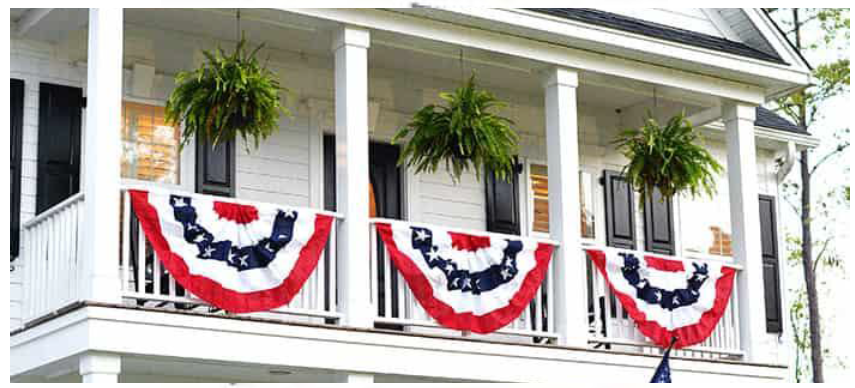 |
| Permitted Zones | All one and two-family residential use lots. |
| Sign Area (size) | 30 sf. max. |
| Number of Signs | 1 banner per property. |
| Period of Display | A banner shall not be displayed for more than 5 consecutive days. |
Directional and Informational Sign
| Description | |
| Directional and informational sign. A directional and informational sign provides information and directional aid (including regulations) to both vehicles and pedestrians on public as well as private property. It may be supported by either a single or double pole. Examples include: "stop", "entrance", "rest room", loading zone", "no parking", "drive thru", "trail crossing", "turning vehicles", "underground utilities", etc. |  |
| Permitted Zones | All zones. |
| Sign area (size) Sign height |
9 sf. max.
3 sf. max. |
| Sign Elevation | Refers to the "distance", as measured, between the ground and the bottom of the sign. The pole may exceed the maximum length conveyed to provide support for the sign but shall not exceed the height of the top of the sign. |
|
Public right-of-way (ROW): 5 ft. min.; 8 ft. max.
Private property: 1 ft. min.; 2 ½ ft. max. | |
| Number of Signs | |
|
Public ROW: Per federal, state, and local regulations.
Private property: Maximum of 2 per curb cut. | |
| References | Signs on public streets and highways shall conform to the uniform manual of traffic control devices. |
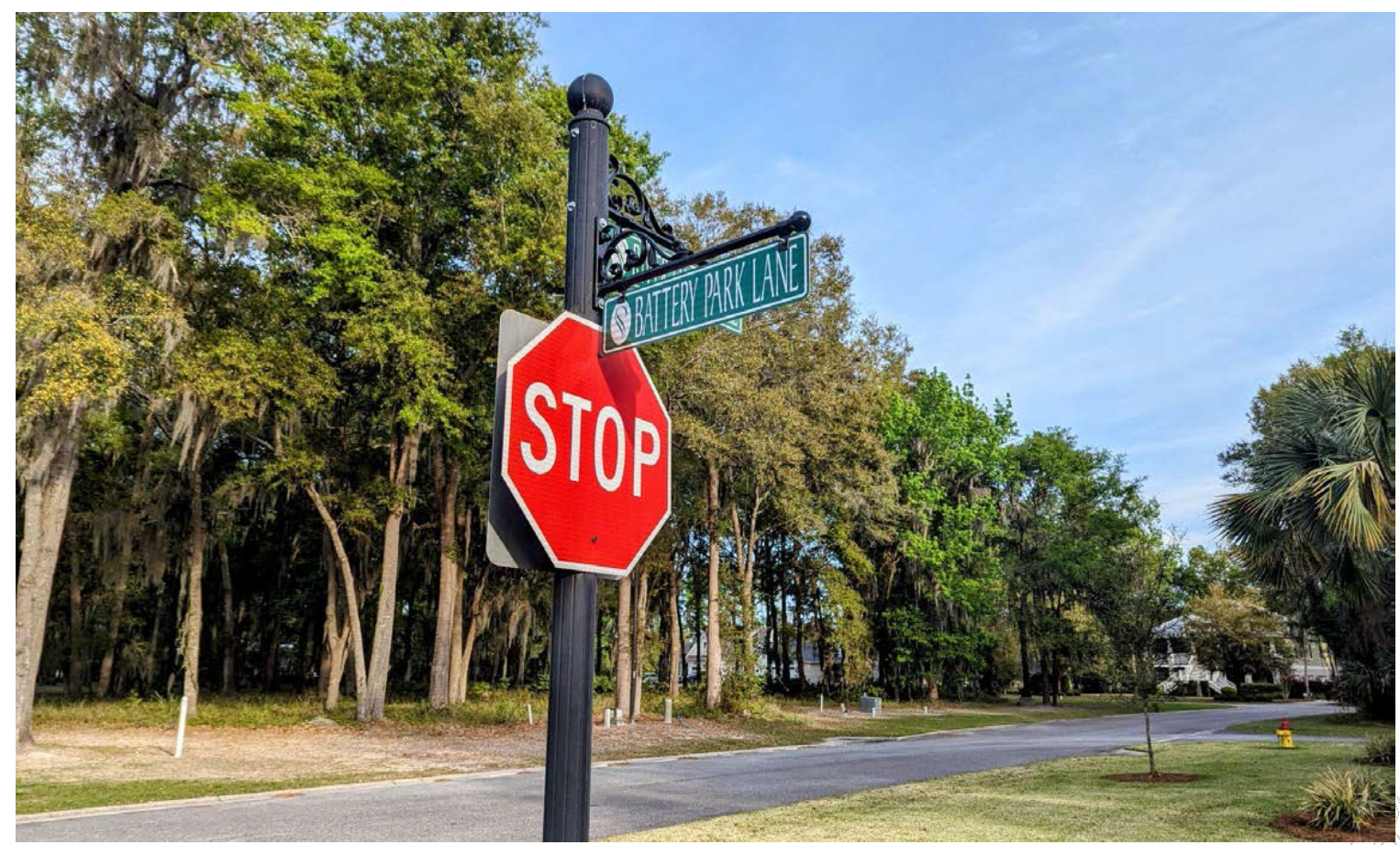
Flag Sign
| Description | ||
|---|---|---|
| Flag sign. A flag sign is a type of sign consisting of one (1) or more fabrics. The fabric may contain distinctive colors, patterns, logos or symbols. Flags are often used as a symbol of a government or a similar entity or organization. | 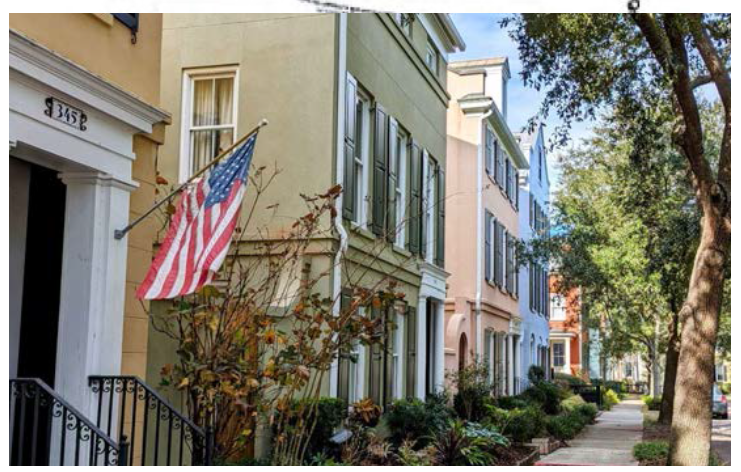 | |
| Permitted Zones | All Zones. | |
| Additional Standards | Single or Two-Family Lots | All Other Lots |
| Vertical Flagpole Standards | ||
| Flag Area (Size) | 24 sf. max. (4' x 6') | 96 sf. max. (8' x 12') |
| Flagpole Height | 25 feet max. | 40 feet max. |
| Wall Mounted Flagpole Standards | ||
| Flag area (size) | 15 sf. max. (3' x 5') | 24 sf. max. (4' x 6') |
| Flagpole length | 8 ft. max. | 12 ft. max. |
| Number of Flag Poles per Property | ||
|
Vertical Flagpole: 1 vertical pole max.
Wall Mounted Flagpole: 3 wall mounted poles max. | ||
| Number of Flags per Pole Type | ||
|
Vertical flagpole: 3 flags per pole max.
Wall mounted flagpole: 1 flag per pole max. | ||
| No more than 6 flags are permitted to be flown in combination on one (1) or more approved vertical flagpole or wall mounted flagpole. | ||
General Information (Temporary) Sign
| Description | |
|---|---|
| General information (temporary) sign. This is a temporary sign that may be freestanding or mounted to a wall or window. It is used for short intervals of time to convey an event or activity to the public. | 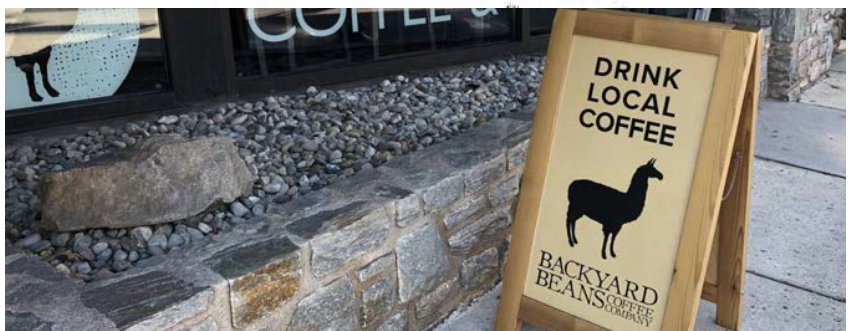 |
| Permitted Zones | All Zones. |
| Freestanding Sign Design | |
| Post and Stake Materials | A large single post, large twin post, and small single stake shall be constructed of a vinyl or wood frame. A small twin post shall be constructed of a metal frame. |
| Post and Stake Measurements |
Large single post: Height: 72" max.; width: 5" max.; arm length: 47" max.
Large twin post: Height: 72" max.; width: 5" max.; distance from ground to base of sign: 1 ft. min.; 4 ft. max. Small twin pole: Height: 42" max.; width (diameter): 1.5 in. Small single stake: Height: 42" max.; width (diameter): 1.5 in. |
| Sign Location, Attachments, and Illumination | The top of the sign shall be sited at or below the top of the vertical post or stake. Signs shall contain no reflective elements, flags or projections; and shall not be illuminated. |
| General Information Sign: Residential Property | |
| Signs per street frontage | 1 max. on private property, a min. of 10 ft. from street ROW. |
| Size of freestanding sign | 6 sf. max. |
| Type of sign support permitted | Large single post or small twin post or small single stake. |
| General Information Sign: Non-Residential Property | |
| Signs per street frontage | 1 max. on private property a min. of 10 ft. from street ROW. |
| Size of freestanding sign | 20 sf. max |
| Size of wall or window sign | 12 sf. max. |
| Type of sign or support permitted | Wall or window sign; large twin post or small twin pole sign. |
| Period of Display | Seven (7) days prior to the beginning of an event one (1) sign may be erected in the front of the property (outside of the right-of-way) or one (1) sign may be mounted in a window or on a wall adjacent to a building's primary entrance. The sign shall be removed no more than five (5) days following the conclusion of the event. Signage may be used to promote an activity or occasion such as new construction, property listed for sale or rent, candidate endorsement following commencement of the qualifying period during an election, a grand opening, a special event, or a similar activity. |
Historical Marker and Monument Sign
| Description | |
| Historical marker and monument sign. A historical marker and monument sign is recognized by local, state and federal authorities as having historical significance. | 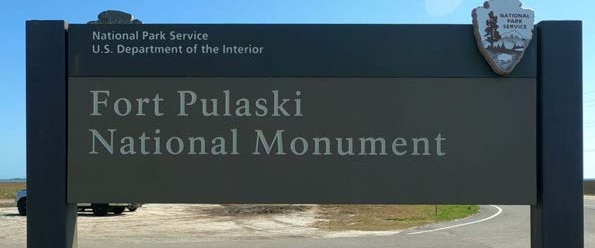 |
| Permitted Zones | All Zones. |
| Sign width (freestanding sign or wall sign) | 12 in. min. |
| Sign height (freestanding sign or wall sign) | 42 in. max. |
| Height of top of sign (freestanding or wall mounted): | 78 in. max. |
Nameplate Sign
| Description | |
| Nameplate sign. A nameplate sign is used to advertise a use, designation, or similar title that is affiliated with the property or structure but subordinate to the primary residence. | 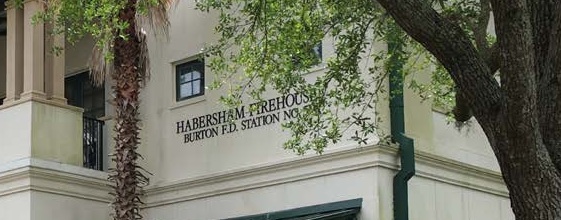 |
| Permitted Zones | All zones. |
| Sign area (size) | 2 sf. max |
| Signs mounted on the front wall | 1 max.; within 2 ft. of the front door. |
| Additional Provisions | Sign shall not have illumination directed specifically upon it, nor shall it be animated. |

Sidewalk Sign
| Description | ||
|
Sidewalk sign. A sidewalk sign provides secondary signage for individual shopfronts
or businesses and is typically located on or adjacent to the sidewalk that fronts
a building.
A-frame signs. This relatively standard type of sidewalk sign is often used in a "shopfront" or "main street" setting to attract the attention of pedestrians by highlighting the name of the shop or business, as well as the day's "specials" or "sale items." Pedestal signs. This unique type of sidewalk sign is ideal for both pedestrians and vehicles in a "shopfront" or "main street" setting. The sign is composed of a "flowerpot" base, pedestal (pole), and sign face that highlights the name of the shop or business. | 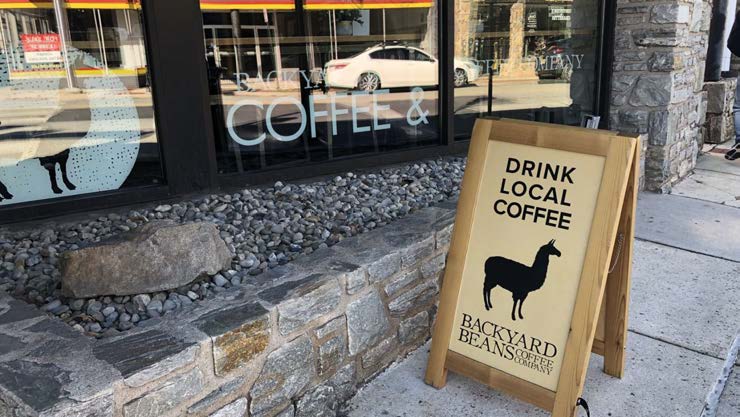 | |
| Permitted Zones | All zones | |
| Sign Type | A-Frame Sign | Pedestal Sign |
| Signable area (area of sign) | 6 sf. max. | 2.25 sf. max. |
| Sign width | 30" max. | 18" max. |
| Pedestal (pole) width | N/A | 1.5" diameter max. |
| Base width (flower pot) | N/A | 24" max. |
| Height. | ||
| Top of pedestal sign (height) | N/A | 72" max. |
| Sign height | 42" max. | 18" max. |
| Base height (flower pot) | N/A | 18" max. |
| Distance, ground to base of sign | 6" min. | 48" max. |
| Materials | ||
| Frame and Base | Stained/painted wood | Clay, metal, concrete pot. |
| Sign Face | Chalk or dry erase board | Metal. |
| Post | N/A | Metal or wrought iron |
| Additional Provisions | ||
|
1. Signs shall not be illuminated.
2. Plastic or unfinished plywood shall be prohibited sidewalk sign materials. 3. A business may only have one (1) A-frame sign or one (1) pedestal sign. It shall be located on the primary sidewalk that provides access to the business. If the distance between the building and back of the curb is greater than twenty (20) feet then the business may have one (1) of each sign. 4. Where permitted in the CRA, sidewalk signs may be sited in the public right-of-way. Elsewhere in the city, sidewalk signs shall be located entirely on private property. 5. Sidewalk signs located on or adjacent to a sidewalk shall not encroach upon or interrupt the required four (4) foot accessible pedestrian path. 6. A-frame signs may only be displayed during business hours and shall be removed when closed. | ||
Stationary Electronic Window Sign
| Description | |
|---|---|
| Stationary electronic window sign. A stationary electronic window sign is a small-scale secondary or accessory sign that is placed just inside and upon the window of a business, allowing it to be viewed or read from the exterior of the building by both vehicles and pedestrians. Examples include, but are not limited to, "open," "lotto," "beer," "vacancy," "ATM," etc. |  |
| Permitted Zones | All zones excluding any lot in which the primary use is one-or two-family residential. |
| Signable Area |
Individual sign (size): 2 sf. max.
Aggregate of all signs (size): 5 sf. max. |
| Signs per building or store | 3 max. |
Warning or No Trespassing Sign
| Description | |
|---|---|
| Warning or no trespassing sign. A warning or no trespassing sign is intended to convey the potential for danger or discourage one (1) from entering onto the private property of another person. |  |
| Permitted Zones | All zones. |
| Size |
Individual sign: 4 sf. max.
Height of top of sign (pole or wall mounted): 78 in. max. |
| Signs per building or property | Signs per building or property: 1 max. per building façade or per side of the property |
Window or Door Sign
| Description | |
|---|---|
| Window or door sign. A window or door sign is placed inside or upon a window or door in such a manner as to be viewable from the exterior of the building. Window or door signs may be permanent or temporary and often consist of individual letters or designs. |  |
| Permitted Zones | All zones excluding any lot in which the primary use is one- or two-family residential |
| Signable Area | Sign area (percent of coverage permitted for each window bay or door): 25% max. |
| Location | Signs per building (window bays or doors): Unlimited; so long as the sign area for each window bay or door is not exceeded |
h.
Sign types that shall require a permit
Awning Sign
| Description | |
|---|---|
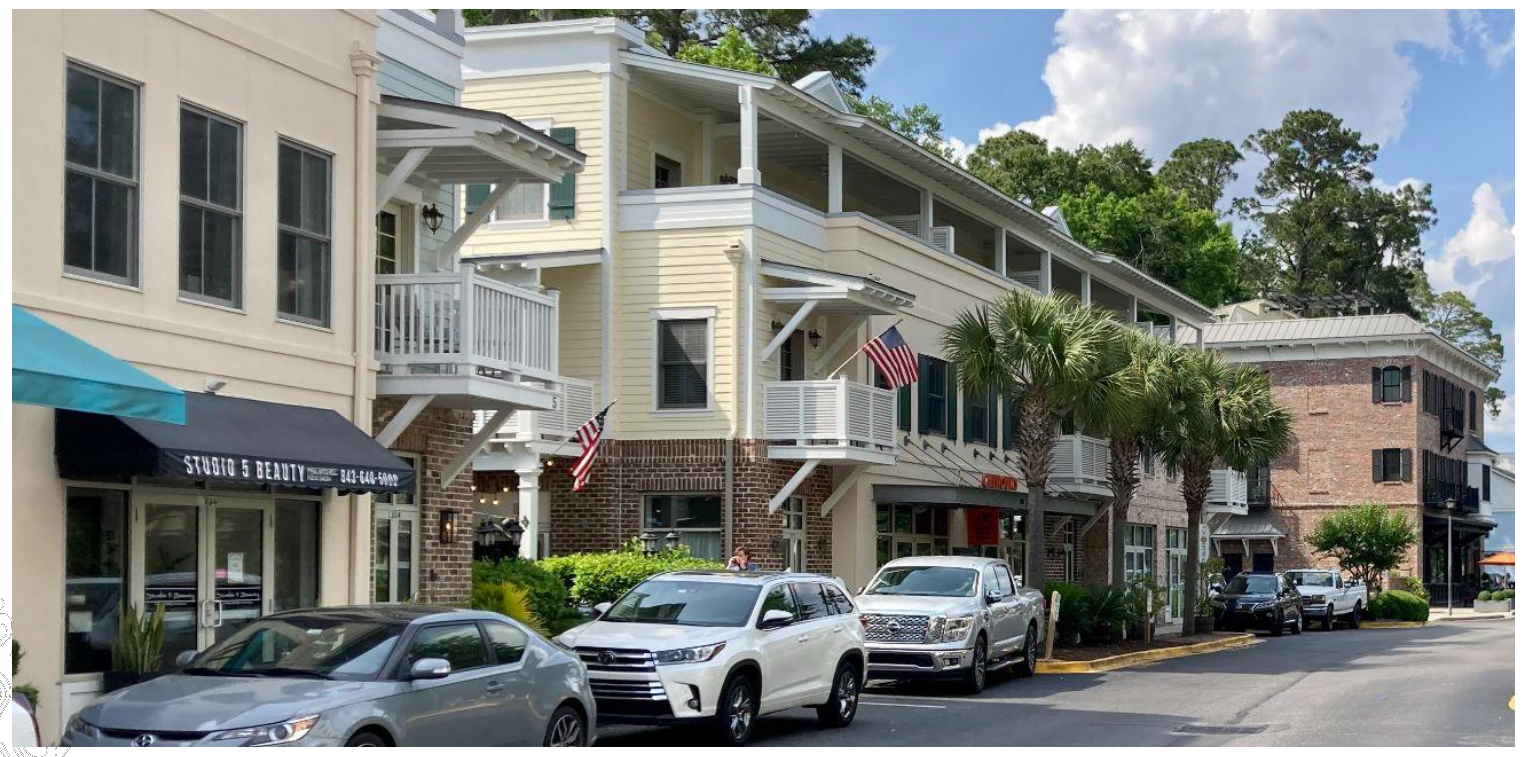
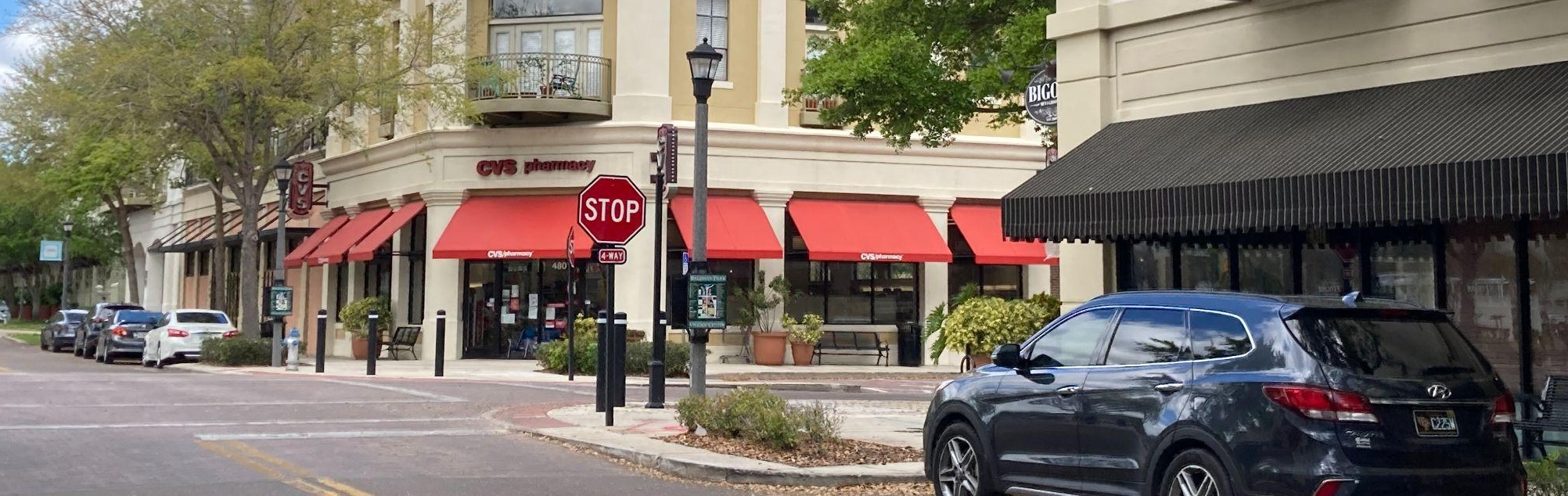
| Awning sign. An awning sign is a traditional storefront fitting that projects in a sloping manner from the facade of a building, shielding window shoppers from both inclement weather and the sun. Such protection may also benefit shop owners through increased energy savings and reduced costs. Signs may be painted, screen printed, or applied directly onto the sloping plane or valance of an awning. |  |
| Permitted Zones | All zones, excluding any lot in which the primary use is one- or two-family residential |
| Width of Awning | Storefront width max. |
| Signable Area-Sloping Plane |
Sign area (size): 25% coverage max.
Lettering height: 18 in. max. |
| Signable Area-Valance |
Sign area (size): 75% coverage max.
Sign height: 8 in. min.; 16 in. max. Lettering height: 8 in. max. |
| Signs per Awning |
Per Sloping Plane: One sign max.
Per Valance: One sign max. |
| Sidewalk |
Clearance height: 8 ft. min.
Setback from curb: 2 ft. min. |
| Upper Stories | Sign copy on upper stories: Not permitted |
| Materials |
Primary: Metal and Fabric
Prohibited: Vinyl and Plastic |
| Miscellaneous | Open-ended awnings shall be required in the Community Redevelopment District (CRA) |
Banner (Non-Residential) Sign
| Description | |
|---|---|
| Banner (non-residential) sign. A banner is a non-residential, attached sign that is temporary. A banner sign may or may not contain characters, letters, or illustrations. When present, such ornamentation is applied to the cloth, plastic or fabric "backing" material that comprise the banner sign. | 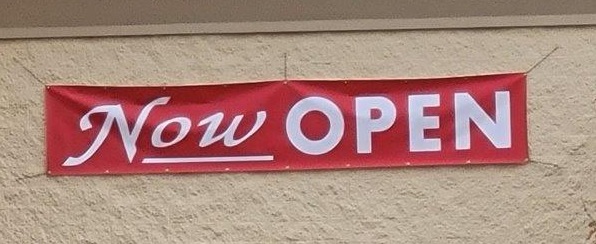 |
| Permitted Zones | All zones, excluding any lot in which the primary use is one- or two-family residential |
| Signable Area | Sign Area (Size): 30 sf. max. |
| Location | Signs per Building: 1 per business |
| Materials | Permitted Materials: Vinyl or canvas |
| Additional Provisions |
Banners shall be mounted on a building or similar solid structure on the property
Banners shall not be mounted on fences, poles, wires, or similar devices Banners shall not be used as permanent signage and shall be removed upon expiration. |
| Period of Display |
1. Banners may be displayed for a thirty-day period, four (4) times per year (may
be consecutive).
2. Where permanent signage has not yet been erected for a new business, but the permanent sign has been approved by the city, a banner shall be allowed during the interim period so long as the following conditions are met: a. The temporary sign shall not be displayed for more than one hundred twenty (120) days after the permit is approved; and b. The banner shall comply with all applicable requirements listed above. |
Canopy Sign
| Description | |
|---|---|
| Canopy sign. A canopy sign is a traditional storefront fitting that projects horizontally from the facade of a building, shielding window shoppers from both inclement weather and the sun. Such protections may also benefit the shop owner through increased energy savings and reduced costs. Signs may be painted, screen printed, or applied directly to the top or side of the awning. | 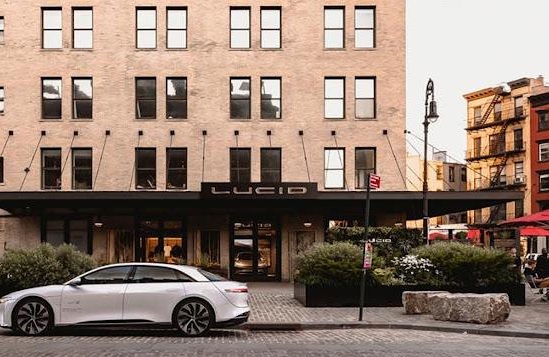 |
| Permitted Zones | All zones, excluding any lot in which the primary use is one- or two-family residential. |
| Canopy width: | Storefront width max. |
| Signable area (size) | 1 sf. per linear foot of canopy width max. |
| Letter height | 16 in. max |
| Letter thickness | 6 in. max. |
| Signs per canopy | 1 sign max. |
| Sidewalk |
Clearance height: 8 ft. min.
Setback from curb: 2 ft. min. |
| Upper stories | Sign copy is not permitted on canopies |
| Materials |
Primary: Metal.
Prohibited: Vinyl and Plastic |
Marquee Sign
| Description | |
|---|---|
|
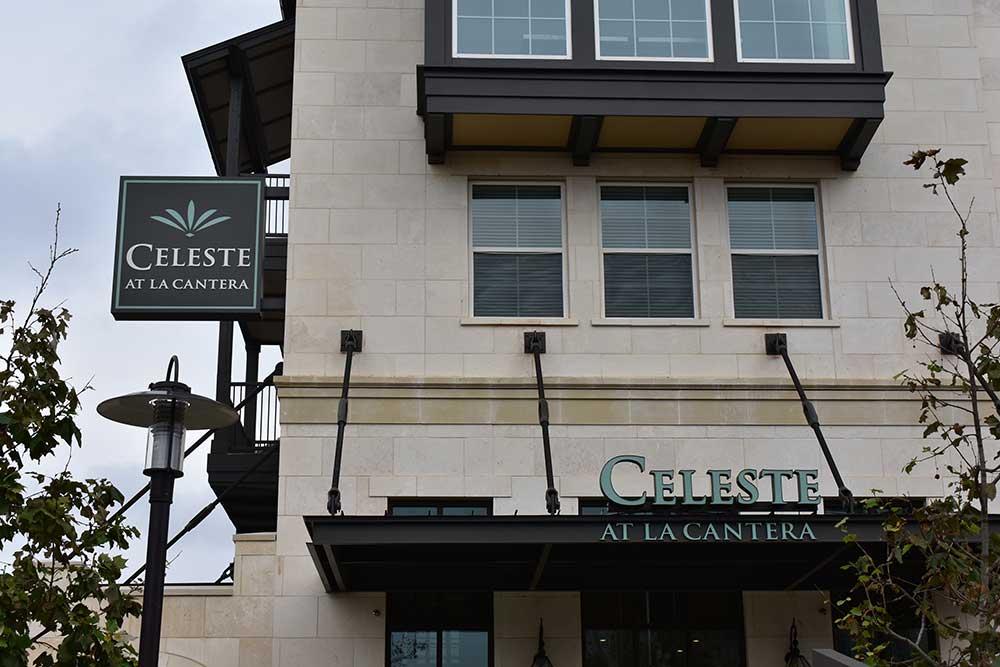
Marquee sign. A marquee sign may be mounted to or hung from a marquee that projects
horizontally or vertically from the façade of a building to express a figural design
and message to motorists and pedestrians. Such signs often have patterned or neon
lighting and changeable or painted lettering.
Vertical marquee. A linear, vertically oriented structure that projects outward at a ninety (90) degree angle from the façade of the building or at a forty-five (45) degree angle from the corner of the building. A vertical marquee may extend above the building's parapet or terminate below the cornice. Horizontal marquee. A canopy-like structure integrated into the façade that projects horizontally over the sidewalk and is typically centered upon the entrance. A horizontal marquee may serve as the base for a vertical marquee. |  |
| Permitted Zones | All zones, excluding any lot in which the primary use is one- or two-family residential. |
| Vertical Marquee Sign Standards | |
| Signable Area (Size) |
Sign width: 24 in. max.
Sign depth: 10 in. max. |
| Lettering Width | 75% of sign width max. |
| Signs per building | 1 max. |
| Clear height (above sidewalk) | 12 ft. min. |
| Extension above roofline | 10 ft. max. (shall not extend above eave of a pitched roof) |
| Remarks | A vertical marquee may be combined with a horizontal marquee per the standards below |
| Horizontal Marquee Sign Standards | |
| Signable area (size) | 5 sf. per linear ft. of shopfront width up to 250 sf. max. |
| Sign width | Shopfront width, max. |
| Sign height | 5 ft. max. |
| Lettering Width | 75% of sign width max. |
| Signs per building | 1 max. |
| Clear height | 10 ft. min. |
| Setback from curb | 2 ft. min. |
| Remarks | A horizontal marquee may be combined with a vertical marquee per the standards above |
Monument Sign
| Description | |||||
|---|---|---|---|---|---|
| Monument sign. A monument sign is a low-profile freestanding sign whose base is solid from one (1) side or edge to the other side or edge. There is no open space located between the ground and the bottom of the sign. This type of sign is used to mark a business or the entrance to a development and often contains a distinguishable base (foundation) middle, (signable area), and top (cap). | 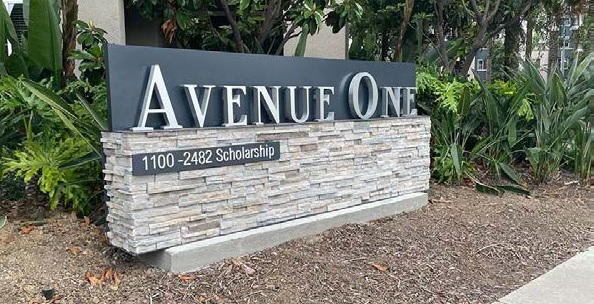 | ||||
| Permitted Zones | All zones, excluding any lot in which the primary use is one- or two-family residential. | ||||
| Signable Area | Single Tenant | Multi-Tenant | |||
| CRA except Hwy 19. | 20 sf. max. | 3-5 tenant spaces on one parcel—sign area may be increased by 125%. | 6-10 tenant spaces on one parcel—sign area may be increased by 150%. | 11-17 tenant spaces on one parcel—sign area may be increased by 175%. | 18 or more tenant spaces on one parcel—the sign area may be increased by 200%. |
| Hwy 19 and Hwy 44 | 40 sf. max. | ||||
| All other areas in the city. | 20 sf. max. | ||||
| Entrance to a private residential community | 20 sf. max. | ||||
| Copy Area Requirements | |||||
| Changeable copy | 40% max. (manual changeable copy signage) | ||||
| Electronic message sign | 40% max. (see section commercial canopy sign., table electronic message sign) | ||||
| Height | |||||
| Total Sign Height |
CRA except Hwy 19: 6 ft. max.
Hwy 19 and Hwy 44: 9 ft. max. All other areas in the city: 6 ft. max. Entrance to residential community: 6 ft. max. | ||||
| Base Height | 1 ft. min.; 4 ft. max. 1,2 | ||||
| 1 The base on a monument sign shall not count against the signable area, but shall count against the height. | |||||
| 2 The base on a monument sign shall occupy a minimum of one hundred (100) percent of the width of the sign face. | |||||
| Location | |||||
| 1. Only one (1) signs per primary frontage (from which the site derives its address). | |||||
| 2. Within a multi-tenant development, each individual tenant may not have a freestanding sign. | |||||
| 3. On a corner lot, one (1) monument sign shall be permitted on the secondary thoroughfare, not to exceed one-half (½) of the size of the sign on the primary thoroughfare (where building derives its address). | |||||
Mural Sign
| Description | |
|---|---|
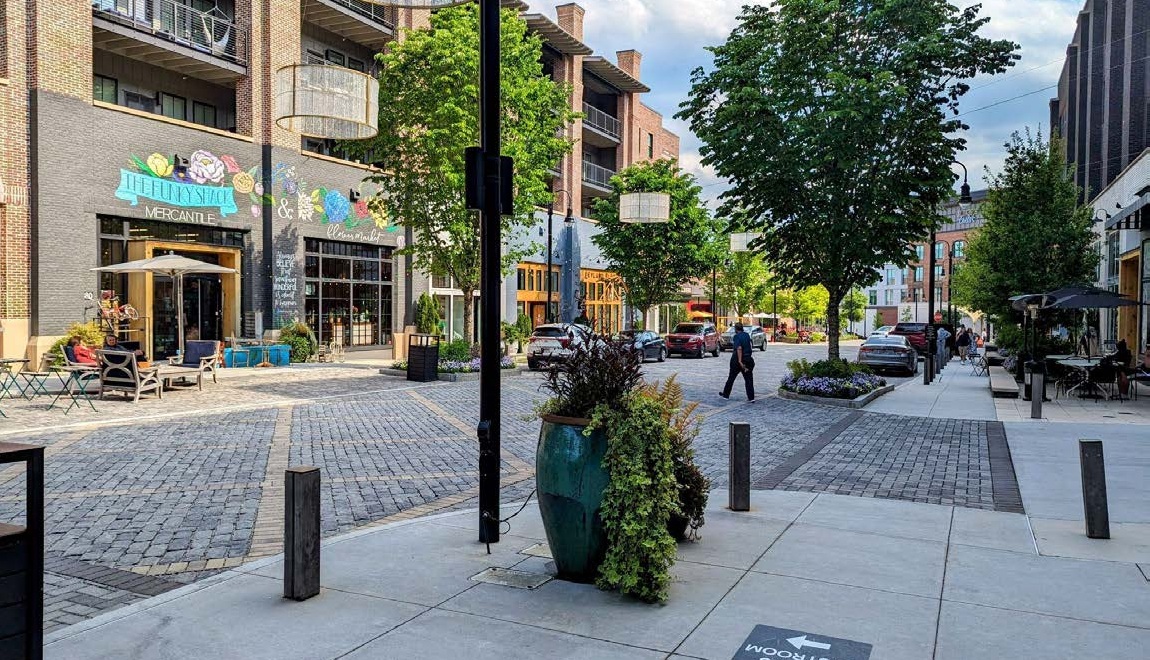
| Mural sign. A mural sign is a permanent sign that is comprised of text and graphic elements painted directly on the wall of a secondary building façade. They fill the un-built gaps within the urban fabric, typically along a side street, alleyway, pedestrian passage, or public space. Murals should generate visual interest and pride in the community, possibly providing a backdrop for photographs and related social media, as they are intended to be visible to both pedestrians and vehicles. A mural should always be accompanied by additional sign types, often sited along the primary façade of the business. |  |
| Permitted Zones | All CG, CH, and CW zones within the city's Community Redevelopment District (CRA); except for any lot in which the primary use is one- or two-family residential. |
| Signable Area |
Area (mural sign): 1000 sf. max.
Width (mural sign): 100 sf. max. Height (mural sign):50 sf. max. |
| Height above ground | 3 ft. min. |
| Projection out from wall (if mural is not painted) | 8 in. max. |
| Signs per building | 1 max. |
| Except | 2 max. when located along a parking area, an alleyway, or a pedestrian passage |
| Miscellaneous | Within a multi-tenant development, each individual unit may not have a mural sign |
Suspended Sign
| Description | |
|---|---|
| Suspended sign. A suspended sign mounts to the underside of a beam or ceiling that comprises a porch, breezeway, gallery, arcade, or similar frontage area. The sign should be hung well out of reach of pedestrians, often in a manner that permits it to swing slightly. Suspended signs are small, pedestrian scaled, and easy to read from both sides with all exposed edges "finished." | 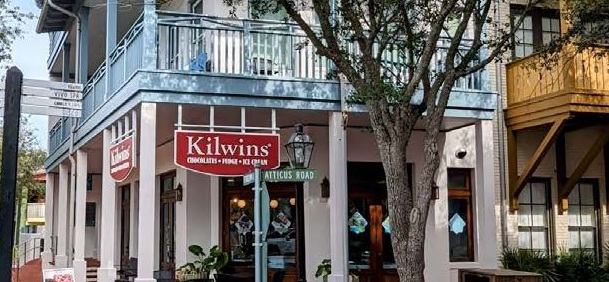 |
| Permitted Zones | All zones, excluding any lot in which the primary use is one- or two-family residential |
| Signable Area Standards |
Sign area: 6 sf. max.
Sign width: 3 ft. max. Sign height: 3 ft. max. Sign thickness: 4 in. max. |
| Signs per building | One per shopfront, max. One additional sign may be located along an auxiliary elevation at a secondary entrance |
| Sign location or placement | Shall be centered on the primary beam between the columns that comprise the façade's frontage (i.e., porch); or sited midway upon an overhang located over a sidewalk or walkway (i.e., gallery or arcade) |
| Clearance height: (sidewalk to base of sign) | 7 ft. 6 in. min. |
| Upper Story Business | |
| A second story retail or service-oriented business may have: One (1) single tenant suspended sign. Suspended sign shall not exceed six (6) square feet in area. Suspended sign shall be located outside first floor entrance to the primary stairway. | |
| Additional "upper floor" (non-commercial) businesses that share a common first floor entrance may have: One (1) shared (multi-tenant) wall sign. Wall sign shall not exceed three (3) square feet in area. Wall sign shall be located outside of the first floor entrance to the primary stairway. | |

Wall Sign
| Description | |
|---|---|
| Wall sign. A wall sign consists of two sub-types, the band sign and the board sign. Both signs
are comprised of individual cut or painted letters or graphics. These are applied
directly to the façade of the building or applied to a sign board that is attached
flat against the building's façade. Wall signs do not extend above the building's
roof line/cornice.
Band sign. This sub-type of the wall sign is located directly above the main entrance and runs horizontally along the "expression line" or entablature of the building. Board sign. This sub-type of the wall sign may be attached to any part of a building's facade. | 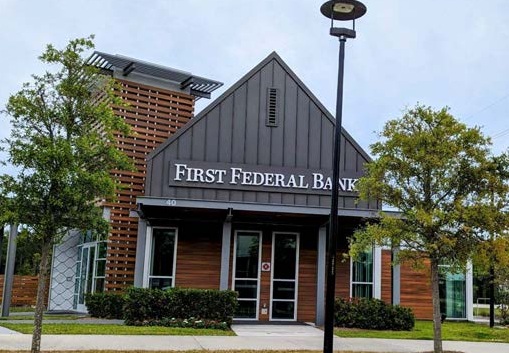 |
| Permitted Zones | All zones, excluding any lot in which the primary use is one- or two-family residential. |
| Aggregate Signable Area | |
| Primary or secondary façade | 1 sf. per linear foot of façade width up to 100 sf. max. |
| Auxiliary façade | 0.5 sf. per linear foot of façade width up to 100 sf. max. |
| Sign width | Façade width, max. |
| Sign height | 1 ft. min.; 5 ft. max. |
| Number of signs per facade | 4 per facade max., shall not exceed aggregate signable area |
| A primary or secondary façade fronts a street or it contains a customer entrance into the bldg. An auxiliary façade fails to front a street or it lacks a customer entrance to the building. Within a multi-tenant development, the front/side façade of each unit may have two (2) wall signs. | |
| Lettering on the sign, maximum width: | 75% of the signable area or the sign cabinet |
| Lettering on the sign, maximum height: | 75% of the signable area or sign cabinet. 45" max. |
| Projection from façade | |
| Raceway | 8 in. max. |
| Letter depth | 8 in. max. |
| Changeable copy | Permitted-See service station signs |
| Electronic message sign | Not permitted |
| Upper Story Business | |
|
A second story retail or service-oriented business may have:
One (1) single tenant wall sign. Wall sign shall not exceed three (3) square feet in area, max. Wall sign shall be located outside of the first floor entrance to the primary stairway. | |
|
Additional "upper floor" (non-commercial) businesses that share a common first floor
entrance may have: One (1) shared (multi-tenant) wall sign. Wall sign shall not exceed
three (3) square feet in area.
Wall sign shall be located outside of the first floor entrance to the primary stairway. | |
Yard Sign
| Description | |
|---|---|
| Yard sign. A yard sign is a permanent, stand-alone sign that is sited in the front or side yard between a public right-of way and the façade of a building. It is ideal for lower intensity commercial uses, or any use in which the character of the building or surrounding neighborhood is primarily residential. |  |
| Permitted Zones | All zones, excluding any lot in which the primary use is one- or two-family residential. Signage shall be permitted for a bed and breakfast, home occupation, or live work unit |
| Pole Material | Framing: One (1) vertical pole and one (1) horizontal pole comprised of either vinyl or wood |
| Pole Measurements |
Pole height: 6' max.
Pole width: 5" max. Pole arm length: 47" max. |
| Sign Measurements |
Sign area: 6 sf. max.
Sign width: 36 in. max. Sign height: 36 in. max. |
| Top of the sign shall be | Attached or hanging from the horizontal pole. |
| Clear height (from ground to base of sign) | 12 in. min. |
| Overall sign height (ground to top of sign) | 5 ft. max. |
| Signs per building (mounted in the yard) | 1 max. |
| Miscellaneous | Yard signs shall be parallel or perpendicular to the public ROW, but in no case shall they be located within the ROW. |
| Sign Material | The sign shall not promote or contain: Illumination, reflection, projections, flags. |

i.
Supplemental Sign Regulations
Changeable Copy Sign
Commercial Canopy Signs
Drive-Through Establishment Sign
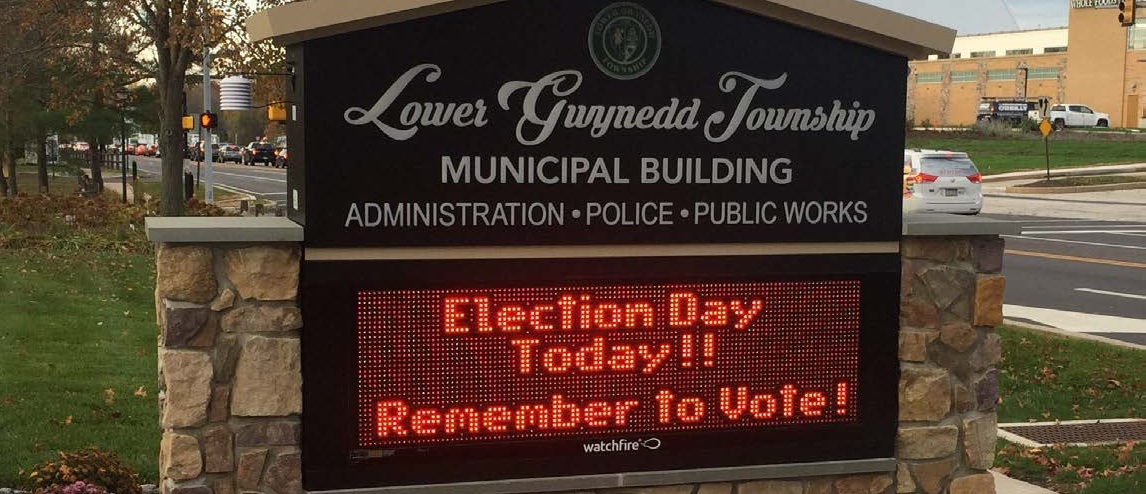
Electronic Message Sign
Live Work Unit Sign