
Cupertino City Zoning Code
CHAPTER 19
124: PARKING REGULATIONS
19.124.010 Purpose.
The purpose of this chapter is to regulate the parking of vehicles which are unsightly, oversized, or which are detrimental to property values or the peace and enjoyment of neighboring property owners or residents and establish regulations pertaining to the design and number of off-street parking spaces for land use activities located in various zoning districts.
(Ord. 2085, § 2 (part), 2011; Ord. 1940, (part), 2004; Ord. 1737, (part), 1996; Ord. 1601, Exh. A (part), 1992)
19.124.020 Applicability of Regulations.
- No vehicle may be parked, stored or kept on any parcel of land within the City of Cupertino otherwise than in conformance with the provisions of this chapter.
- Buildings, structures and land uses are required to provide off-street parking in conformance with this chapter. The standards and regulations contained in this chapter regulate off-street parking for conventional zoning districts and are intended also as guidelines for development projects located in planned development (P) zones and at congregate residences and residential care facilities.
(Ord. 2085, § 2 (part), 2011; Ord. 1940, (part), 2004; Ord. 1737, (part), 1996; Ord. 1688, § 3 (part), 1995; Ord. 1601, Exh. A (part), 1992)
19.124.030 Regulations for Parking and Keeping Vehicles in Various Zones.
A. Table 19.124.030A sets forth the rules and regulations that pertain to Vehicles Permitted in Residential Zones.
19.124.040 Regulations for Off-Street Parking.
Table 19.124.040 sets for the rules and regulations for Off-Street Parking.
19.124.050 Exceptions–Approval Authority.
- The Director of Community Development may approve the following exceptions upon making the written findings in Section 19.124.060:
- Exceptions to this chapter for properties located in:
- The Single-Family ( R-1 ) Residential Zoning District;
- The Duplex (R2) Zoning District;
- Single Family homes or duplexes in a Planned Development District;
- Tandem parking arrangements in residential zoning districts;
- Parking exceptions for Minor applications as identified in Section 19.12.030, upon making written findings in Section 19.124.060.
- Exceptions to this chapter for properties located in:
- The Planning Commission may approve parking exceptions for Major applications as identified in Section 19.12.030, upon making written findings in Section 19.124.060.
(Ord. 23-2247, § 1 (part), 2023; Ord. 2085, § 2 (part), 2011)
19.124.060 Exceptions–Findings.
Exceptions to this chapter may be granted as provided in this section.
- Findings for an exception to allow substandard sized parking spaces in an enclosed garage in the R-1 Single-Family Zoning District:
- The exception to be granted is one that will require the least modification and the minimum variance to accomplish the purpose.
- The exception to be granted will not preclude the garage from being used to park two standard-sized vehicles.
- Findings for all other parking exceptions to this chapter:
- The literal enforcement of this chapter will result in restrictions inconsistent with the spirit and intent of this chapter.
- The granting of the exception will not be injurious to property or improvements in the area nor be detrimental to the public safety, health and welfare.
- The exception to be granted is one that will require the least modification and the minimum variance to accomplish the purpose.
- The proposed exception will not result in significant impacts to neighboring properties.
- Projects proposing Alternative Parking Standards per Section 19.124.040(H) shall meet the following conditions in addition to 19.124.060(B)(1)-(4):
- The applicant submits a detailed parking study which demonstrates that the proposed use is compatible with the proposed parking supply. Adjacent on-street parking may be included in the parking supply.
- The project is owned or managed by a single entity.
- If adjacent properties are used to share parking, they are in close proximity to each other, and reciprocal parking and access easements and maintenance agreements are recorded on the applicable properties to run with the land.
(Ord. 2085, § 2 (part), 2011; Ord. 2056, (part), 2010; Ord. 1940, (part), 2004)
Table 19.124.030A - Regulations for Parking and Keeping Vehicles in Various Zones
| 1. Front yard, Street side setback area or within 12 feet of a public right-of-way in a rear yard area | Vehicles may be placed, kept or parked in these areas subject to the restrictions below. |
a. Maximum Number of Vehicles |
|
b. Vehicle with trash or debris | Open vehicles containing trash or debris are prohibited. |
c. Overhang | No portion of any vehicle may overhang any public right-of-way. |
d. Parking pad materials |
|
e. Front yard Impervious Area Limitation |
|
f. Registration/PNO required |
|
g. Driveway width for detached garage or carport |
|
h. Driveway clearance | In new residential development, driveways shall have a minimum clearance of two feet from a building wall, fence, or property line. |
i. Orientation of Parked Vehicles |
|
j. Commercial Vehicles with GVW > 10,000 pounds or more or oversize vehicles | The following vehicles are not permitted:
|
| 2. Areas outside those in A(1) above | Vehicles may be placed, kept or parked these areas, provided a minimum clearance of three feet is maintained from any structure. |
| 3. Parking within Structures | Vehicles are permitted to be placed, kept or parked in any legal structure, provided that A(4)(ii) is met. |
| 4. Non-Self-Propelled Vehicles |
|
| 5. Enclosed Garage Size |
|
| 6. Legal Non-conforming Single-family Dwelling Garages |
|
| 7. Mobilehomes | Mobilehomes, excluding travel trailers, are not permitted within the residential zones of the City, except in a mobilehome park or as provided by State law. |
| 8. Living or Sleeping Quarters | No vehicle shall be used for living or sleeping quarters, except as permitted below. |
a. Mobilehome park | Vehicles located in a mobilehome park and used consistent with any City regulations applicable to mobilehome parks are permitted. |
b. Trailers, Campers or Recreational Vehicles | Trailers, campers or recreational vehicles may be used by a bona fide guest of a City resident for a period not to exceed seventy-two hours where the trailer, camper or recreational vehicle is located on the resident's property. |
B. Table 19.124.030B sets forth the rules and regulations pertaining to Vehicles Permitted in Nonresidential Zones.
| 1. Parking consistent with allowed uses in that zone | It is unlawful for any person to place, keep or maintain or permit to be placed, kept or maintained, any vehicle upon any lot, place or parcel of land within the nonresidential zones of the City, except for storage, sale or business use as permitted in such zones. |
| 2. Construction Trailers | Trailers may be used for temporary offices on construction sites provided that a permit is obtained from the City Building Department after satisfactory information has been given that the use is in compliance with the conditions of this chapter. |
| 3. Loading and Unloading and Utility Vehicles | The provisions of this chapter are inapplicable to active loading or unloading of any vehicle or to any public service or utility company vehicles while in the performance of service or maintenance work. |
| 4. Parking on Vacant Lots | No vehicle may be parked, kept, or stored upon any vacant or unimproved parcel within the City. |
| 5. Other Parking Regulations | As outlined in Title 11 of the Municipal Code |
(Ord. 16-2150, § 1, 2016; Ord. 2085, § 2 (part), 2011)
Table 19.124.040 - Regulations for Off-Street Parking
| A. Parking Ratio and Dimensions | Table 19.124.040(A) defines the minimum and maximum required number of parking spaces by size and type for specific zoning districts and use within districts. | |
| B. Residential Lots Fronting on Public or Private Streets | If no on-street parking is available, two additional off-street spaces are required. | |
| C. Large-Family Day Care Home | Requirements are in addition to minimum requirements of the zoning district.May be on-street, in front of provider's residence.If the provider is relying on on-street parking and the roadway prohibits on-street parking, a semi-circular driveway may be provided, subject to other provisions of the Municipal Code. | |
1. Non-resident Employee Parking | Minimum of one parking space for each non-resident employee. | |
2. Drop-off Parking | Minimum of one parking space with direct access to the unit, not crossing a street. | |
| D. Aisle Dimensions | Aisle dimension shall be as required by standard details adopted by the City Engineer and shown in Table 19.124.040(B) | |
| E. Loading Areas | Loading areas, truck parking spaces and parking spaces for vehicles other than automobiles shall have ample dimensions for the particular use and type of operation, and be designed as required by the City Engineer except in the case of loading areas in the OP and MP zones which are specified in Chapters 19.68 and 19.72. | |
| F. Planned Development Districts | The parking requirement contained in Table 19.124.040(A) functions as guidelines for projects in planned development zoning districts. | |
| G. Mixed-Use and Shared Parking | The minimum parking requirement for developments with more than one land use, or parking facilities being used by one or more properties, shall be determined using Table 19.124.040(C). | |
| H. Alternative Parking Standards | For all projects not meeting parking requirements in Table 19.124.040(A), (B) or (C), alternative parking arrangements may be approved per Section 19.124.060C | |
| I. Tandem, Valet, and Other Special Parking Arrangements | Tandem, Valet, and other special forms of parking may be approved per Section 19.124.050. | |
| J. Minimum Stall Dimensions in Parking Structures | Uni-size space located in a parking garage or other enclosed parking structure intended for non-residential uses is eight and one-half (8.5) feet by eighteen (18) feet. | |
1. Space adjacent to a wall or structure on one side | Nine feet by eighteen feet. | |
2. Space adjacent to a wall or structure on both sides | Nine and one-half feet by eighteen feet. | |
| K. Accessible Parking for the Disabled | The accessible parking requirement for the disabled is embodied in Section 1129 B of the California Building Code, as amended, is hereby incorporated into this chapter by reference. | |
| L .Heavy Equipment |
| |
| M. Other Regulations | Outlined in Title 11 of the Municipal Code. | |
| N. Landscape Requirements | Applicable to all new centers and centers with a twenty-five percent or greater increase or decrease in floor area resulting from a use permit or architectural and site approval within twelve months shall be required to meet the following minimum landscape requirements. However, the Planning Commission and/or City Council may recommend additional landscaping. | |
1. Minimum Interior Landscaping | As required in Table 19.124.040 (N)(1) below: | |
| Table 19.124.040(N)(1): | ||
| Size of Parking Facility (Sq. Ft. ) | Minimum Required Interior Landscaping (% of Total Parking Interior Facility Area) | |
| Under 14,999 | 5% | |
| 15,000 - 29,000 | 7.5% | |
| 30,000 plus | 10% | |
2. Parking Lot trees |
| |
3. Landscape Planter Strip | At least three feet wide by the length of the parking space. | |
4. Placement of Trees | Shall be offset to prevent vehicles from bumping into them. The Planning Division shall review and approve final tree locations. | |
5. Landscape Buffer (inclusive of curbing and vehicle overhang allowance) |
| |
6. Flat and Raised Curbs, Wheel Stops and Overhang into landscaped areas |
| |
7. Planter Strips |
| |
8. Pedestrian Paths | Where appropriate, provision shall be made to ensure that adequate pedestrian paths are provided throughout the parking lot/landscaped areas. | |
9. Minimum Tree Size | Trees require to meet any section of this title shall be a minimum of fifteen gallon size. | |
10. Tree Protection | All trees shall be protected by wheel stops, curbing, bollards or other similar barriers as appropriate. | |
11. Maintenance | All landscaping shall be continuously maintained. | |
| O. Swales and Permeable Surfaces | In order to reduce urban runoff and provide water quality benefits in parking lots, all new parking lots or any substantial alterations to existing parking lots shall incorporate the following design measures to the maximum extent possible: | |
1. Bio-swales | Incorporate bio-swales in the required landscaping buffers. | |
a. Standards for bio-swales |
| |
2. Permeable surfaces | Use permeable or semi-permeable materials for the parking stalls | |
| P. Bicycle Parking | Bicycle parking shall be provided in multi-family residential developments and in commercial districts. In commercial districts, bicycle parking shall be conveniently located and adjacent to on-site bicycle circulation pedestrian routes. The bicycle parking facilities shall be one of the following three classification types: | |
1. Class I Facility | These facilities are intended for long-term parking and are intended to protect the entire bicycle or its individual components and accessories from theft. The facility also protects the cycle from inclement weather, including wind driven rain. The three design alternatives for Class I facilities are as follows: | |
a. Bicycle Locker | A fully enclosed space accessible only by the owner or operator of the bicycle. Bicycle lockers must be fitted with key locking mechanisms. | |
b. Restricted Access | Class III bicycle parking facilities located within a locked room or locked enclosure accessible only to the owners and operators of the bicycle. The maximum capacity of each restricted room shall be ten bicycles. In multiple family residential developments, a common locked garage area with Class II parking facilities shall be deemed restricted access provided the garage is accessible only to the residents of the units for whom the garage is provided. | |
c. Enclosed Cages | A fully enclosed chain link enclosure for individual bicycles, where contents are visible from the outside, which can be locked by a user provided lock. This facility may only be used for multiple family residential uses. | |
2. Class II Facility |
| |
3. Class III Facility |
| |
| Q. Parking Lot and Structured Parking Lighting | New lighting fixtures shall meet the following requirements in addition to the requirements of Chapter 19. 102. In the event of any conflict between the two requirements the more stringent of the two shall apply: | |
1. Light Color | All lighting shall be 3,000 Kelvin or less unless otherwise approved as part of a development plan for uniformity, not allowing any dark areas in the parking lot. | |
2. Lighting Glare |
| |
3. Lighting Intensity | Parking lots, sidewalks and other areas accessible to pedestrians and automobiles shall be illuminated with a uniform and adequate intensity. Typical standards to achieve uniform and adequate intensity are: | |
a. Average Horizontal Maintained Illumination | Between one and three foot-candles | |
b. Average Maximum to Minimum Ratio | Should be generally between six and ten to one | |
c. Minimum Intensity above Parking Lot Surface | Minimum three foot-candles vertically above the parking lot surface shall be maintained. | |
4. Critical Areas | Such as stairways, ramps and main walkways may have a higher illumination. | |
5. Shatter Resistant Lenses | Shatter resistant lenses shall be placed over the light to deter vandalism. | |
6. Underground and Structured Parking Lighting Levels | Maintain a minimum five lux level of color-corrected lighting for maximum efficiency. | |
7. Parking Garage Entrances | Portal lighting should be provided inside all parking garages entrances. | |
R. Parking Space Dimension Chart. Parking space dimensions shall be as shown in Table 19.124.040(A):
Table 19.124.040(A)
| Land Use | Zones | Parking Ratio(2) | Bicycle Parking | Bicycle Parking Class(4) | Stall Dimensions(3) |
|---|---|---|---|---|---|
| Residential | |||||
| Single-Family | R-1, RHS, A-1, or P | 4/DU (2 garage + 2 open) | 10 x 20 ea. | ||
| Small Lot Cluster Development | R1C or P | 2.8/DU (2 garage + 0.8 open) | |||
| Duplex | R-2 | 3/DU (1 ½ enclosed + 1 ½ open) | |||
| Townhome | R-3/TH, R-4/TH, or P | 1/DU (covered or garage) | 9.5 x 20 ea. | ||
| Medium to Highest Density Multiple-Family | R3, | 1/DU (covered, structured, or open) | 1 space per 2 residential units; and | Class I | |
| Medium to Highest Density Multiple Story Condominium | 1 space per 10 residential units | Class II | |||
| Public/Quasi-Public/Agriculture | |||||
| Churches, Clubs, Lodges, Theaters | BQ or CG | 1/4 seats +1/employee +1/special-purpose vehicle | 2% of seats. Minimum two spaces | Class II | Uni-size |
| Schools and School Offices | BA or BQ | 1/employee + 1/56 sq. ft. multipurpose room + 8 visitor spaces/school + 1/3 students at senior H.S. or college level | 1 space per 5 students | Class II | |
Emergency Shelters | BQ | 1/employee | 1 space for every 5 beds | Class II | Uni-size |
| R-4 | 9.5 x 20 ea. | ||||
| Daycare Centers | CG | 1/6.5 students | Uni-size | ||
| Martial Arts, CG Dance/Art/Music Studios, Tutorial Services, specialized schools (does not include adult tutorial schools or services) | CG | 1/4 students plus 1/1 staff at any given time or 1/250 whichever is more restrictive | 1 space per 5 students | Class II | Uni-size |
| Agriculture | A | 2 garage + 2 open | 10 x 20 ea. | ||
| Sanitariums and Rest Homes | BQ | 1/doctor +1/3 employees + 1/6 beds | Uni-size | ||
| Private Recreation | FP | 1/4 seats + 1/employee | 1/5,000 sq. ft. Minimum two spaces | Class II | Uni-size |
| Gyms, Auditoriums, floor area used Skating Rinks for seating without fixed seats | BA or BQ | 1/56 sq. ft. purposes + 1/employee | 1/5,000 sq. ft. Minimum two spaces | Class II | Uni-size |
| Commercial | |||||
| Motels/Hotels/Lodging | CG | 1/unit + 1/employee (2) (3) | 1/20,000 sq. ft. | Class II | Uni-size |
| Restaurant/Bar and Nightclubs | CG | 1/3 seats + 1/employee + 1/36 sq. ft. of dance floor | 1/2,000 sq. ft. | Class II | Uni-size |
| Restaurants without Separate Bar | CG | 1/4 seats + 1/employee + 1/36 sq. ft. of dance floor | 1/2,000 sq. ft. | Class II | Uni-size |
| Restaurant - Fast Food | CG | 1/3 seats + 1/employee | 1/2,000 sq. ft. | Class II | Uni-size |
| Specialty Foods | CG | 1/3 seats or 1/250 sq. ft. whichever is more | 1/2,000 sq. ft. | Class II | Uni-size |
| Bowling Alleys | CG | 7/lane + 1/employee | 1/5,000 sq. ft. | Class II | Uni-size |
General | CG | 1/250 sq. ft. | 1/1,250 sq. ft. up to 25,000 sq. ft. | Class II | Uni-size |
| 1/2,500 sq. ft. between 25,000 – 50,000 sq. ft. | |||||
| 1/5,000 sq. ft. over 50,000 sq. ft. | |||||
| 1/5,000 sq. ft. Bulky Merchandise (5) | |||||
| Industrial | |||||
| Manufacturing | ML | 1/450 sq. ft. | 1/12,000 sq. ft. | Class I | Uni-size |
| Office/Prototype Manufacturing | ML or OA | 1/285 sq. ft. | /1,250 sq. ft. or 1/15 employees, whichever is more restrictive. | Class I | Uni-size |
| Office | |||||
| Corporate/ Administrative/General Multi-Tenant | CG or OP | 1/285 sq. ft. | 1/1,250 sq. ft. or 1/15 employees, whichever is more restrictive. | Class I | Uni-size |
| Medical and Dental Office | CG | 1/175 sq. ft. | 1/1,250 sq. ft. | Class II | Uni-size |
Notes:
- Refer to Table 19.124.040(B) for uni-size stall dimensions.
- Refer to standard details table for requirements for handicapped parking.
- See 19.124.040(J) for stall dimensions in parking structures.
- See 19.124.040(P) for description of bicycle parking classes.
- Retail space devoted to the handling of bulky merchandise such as motor vehicles, machinery or furniture, excluding grocery stores.
Table 19.124.040(B)
| Type of Parking Stall | Angle (In Degrees) | Stall Width | Aisle Width (One-Way Aisle) | Aisle Width (Two-Way Aisle) | Car Space Depth |
| (A) | (B) | (B) | (C) | ||
| Uni-Size | 0° | 8.5 | 10.0 | 18.0 | 22.0 |
| 30° | 8.5 | 10.0 | 18.0 | 18.0 | |
| 35° | 8.5 | 10.0 | 18.0 | 18.0 | |
| 40° | 8.5 | 10.0 | 18.0 | 18.0 | |
| 45° | 8.5 | 10.0 | 18.0 | 18.0 | |
| 50° | 8.5 | 10.0 | 18.0 | 18.0 | |
| 55° | 8.5 | 11.5 | 18.5 | 18.0 | |
| 60° | 8.5 | 13.0 | 19.0 | 18.0 | |
| 65° | 8.5 | 14.5 | 19.5 | 18.0 | |
| 70° | 8.5 | 16.0 | 20.0 | 18.0 | |
| 90° | 8.5 | N/A | 22.0 | 18.0 |
NOTES TO TABLE:
* For handicap accessible spaces, please refer to § 1118A.4 of 1994 Uniform Building Code.
* For further information, please refer to the Public Works Department Standard Details.
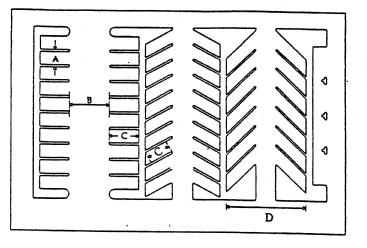
Table 19.124.040(C): Calculating Shared Parking for Mixed-Use Developments
| Weekday | Weekend | Nighttime | |||
|---|---|---|---|---|---|
| Daytime | Evening | Daytime | Evening | (midnight -6:00 a.m.) | |
| (9:00 a.m. - 4:00 p.m.) | (6:00 p.m. - midnight) | (9:00 a.m. - 4:00 p.m.) | (6:00 p.m. - midnight) | ||
| Residential | 75% | 100% | 80% | 100% | 100% |
| Office/Industrial | 100% | 10% | 10% | 5% | 5% |
| Retail | 60% | 90% | 100% | 70% | 5% |
| Hotel | 75% | 100% | 75% | 100% | 10% |
| Restaurant | 100% | 100% | 100% | 100% | 10% |
| Entertainment / Recreational | 40% | 100% | 80% | 100% | 10% |
- Determine the minimum amount of parking required for each land use as though it were a separate use;
- Multiply each amount by the corresponding percentage for each of the five time periods;
- Calculate the column total for each time period;
- The column total with the highest value is the parking space requirement.
(Ord. 21-2234, Att. A (§ 9, part), 2021; Ord. 21-2225, Att. A (§ 6), 2021; Ord. 16-2150, § 2, 2016; Ord. 2085, § 2 (part), 2011; Ord. 2056, (part), 2010; Ord. 1940, (part), 2004; Ord. 1737, (part), 1996; Ord. 1657, (part), 1994; Ord. 1637, (part), 1993; Ord. 1601, Exh. A (part), 1992; Ord. 24-2261, § 1 (part), 2024)

