
Flowery Branch City Zoning Code
ARTICLE 24
- SIGNS11
Editor's note—Ord. No. 348-18, § 1 (Exh. A), adopted Sept. 6, 2018, repealed former Art. 24, §§ 24.1—24.33, and enacted a new Art. 24 as set out herein. Former Art. 24 pertained to similar subject matter and derived from Ord. No. 348-12, § 1, 5-19-2011.
Sec. 24.1.- Objectives.
The objectives of this Article include but are not limited to the following:
(a)
Provide a reasonable balance between the right of an individual to identify his or her business or express their thoughts and the right of the public to be protected against the visual discord resulting from the unrestricted proliferation of signs and advertising devices.
(b)
Guard against an excess of large, aesthetically unappealing, and/or intense signs which cause visual blight on the appearance of the community. Visual blight adversely affects the aesthetic quality of life and traffic safety in the community for residents, businesses, pedestrians, and persons in vehicles.
(c)
Protect the public health, safety and general welfare while protecting the rights of sign owners to expression and identification.
(d)
Provide regulations that vary the sign area based on the zoning district.
(e)
Provide regulations that are content neutral. It is not the intent to regulate the content of messages in any way. To accomplish this, these regulations do not distinguish between on-site or off-site sign content, nor do they distinguish between commercial and non-commercial content. Any sign permitted pursuant to this Article may contain commercial or non-commercial content. Sign allowances in this Article take into account the needs for off-premise signs and signs carrying messages of a non-commercial character.
(f)
Protect property values by minimizing the possible adverse effects and visual blight caused by signs.
(g)
Insure that signs are compatible with adjacent land uses and with the total visual environment of the community.
(h)
Eliminate excessive and confusing sign displays.
(i)
Preserve and improve the appearance of the community as a place in which to live and to work and as an attraction to nonresidents who come to visit or trade.
(Ord. No. 348-18, § 1 (Exh. A), 9-6-2018)
Sec. 24.2. - Authority and Scope.
Findings Regarding Changeable Multiple Message Signs, Electronic. Changeable electronic multi message signs, which allow operators to change content from remote locations in a matter of seconds, have been shown to create possible threats to public safety. Such signs are erected for the purpose of trying to hold the attention of motorists by changing messages and pictures for short durations using a series of bright, colorful images produced mainly via LED (light emitting diode) technologies. Brightly lit signs that change messages every few seconds compel motorists to notice them, and they lure the attention of motorists away from what is happening on the road and onto the sign. Such signs pose public safety threats because if they attract a motorist's attention, the motorist will look at the sign and not at the road. Changeable electronic multiple message signs are also a threat to public safety because of their brightness, making them visible from great distances. Due to their nature of brightness and changing displays, changeable electronic multiple message signs are more distracting than signs which do not vary the message. Some such signs could, if unregulated, have the appearance of large, plasma-screen televisions. An electronic LED display contains brightly-lit text and graphics which can be seen from hundreds of feet away, drawing the attention of everyone within view. Unless otherwise regulated, such displays can be extremely bright since they are designed to be visible in bright sunlight and at night. Furthermore, the human eye is drawn to them far more strongly than to traditional illuminated signs. Such electronic LED displays can be seen from as far away as six-tenths of a mile, making them a distraction.. It takes a minimum of six seconds to comprehend the message on an electronic sign, which is three times the safe period for driver distraction. For these reasons, it is the intent of the City Council to allow changeable electronic multiple message signs subject to acceptable criteria. The City Council relies on the following studies and findings, among others, as empirical and professional justification for imposing these regulations:
1.
Federal Highway Administration (FHWA). September 11, 2001. Research Review of Potential Safety Effects of Electronic Billboards on Driver Attention and Distraction.
2.
University of North Carolina Highway Safety Research Center. May 2001. The Role of Driver Distraction in Traffic Crashes.
3.
University of North Carolina Highway Safety Research Center. May 2003. Distractions in Everyday Driving.
4.
Pettitt, M., Burnett, G., Stevens, A. 2005. "Defining Driver Distraction." Paper presented at World Congress on Intelligent Transport Systems, San Francisco, November 2005.
5.
Wallace, B. 2003. "Driver Distraction by Advertising: Genuine Risk or Urban Myth?" Proceedings of the Institution of Civil Engineers Municipal Engineer 156 September 2003 Issue ME3, Pages 185-190.
6.
Scenic America. "Billboards in the Digital Age: Unsafe (and Unsightly) at any Speed." Scenic America Issue Alert 2 Electronic Signs.
A Wisconsin Department of Transportation study examined crash rates on I-94 East and West adjacent to the Milwaukee County stadium, after a variable message sign that showed sports scores and ads had been installed and concluded that "it is obvious that the variable message sign has had an effect on traffic, most notably in the increase of the side swipe crash rate." An analysis of the 100-Car Naturalistic Driving Study, conducted by the National Highway Traffic Safety Administration, released in 2006, showed that taking one's eyes off the road for more than two seconds for any reason not directly related to driving (such as checking the rearview mirror) "significantly increased individual nearcrash/crash risk." A 1998 FHWA memo noted that digital signs raise "significant highway safety questions because of the potential to be extremely bright, rapidly changing, and distracting to motorists." A 2001 FHWA review of billboard safety studies found that "the safety consequences of distraction from the driving task can be profound."
7.
Tantala Associates, LLC, 2010 "A Study of the Relationship Between Digital Billboards and Traffic Safety in Albuquerque, New Mexico," March 2010.
8.
Tantala Associates, LLC, 2009 "An Update of the Study of the Relationship Between Digital Billboards and Traffic Safety in Cuyahoga, Ohio," November 2009.
9.
Tantala Associates, LLC, 2010 "A Study of Relationship Between Digital Billboards and Traffic Safety in Henrico County and Richmond, Virginia," November 2010.
10.
Outdoor Advertising Associates of America, Inc. "Digital Billboards Today," March 2011.
This Article is adopted to serve substantial governmental interests of correcting and avoiding multiple problems that would occur without the regulation of signs. The regulations contained herein are no more extensive than necessary to serve the substantial governmental interests identified in this Article. It is not the intent of this Article to regulate the content of signs, but only their composition, type, location, distance from right-of-way, height, size, illumination, and in some cases the duration they may be displayed, or other non-content-based restrictions implied in this Article. It is not the intent of this Article to foreclose important and distinct mediums of expression for political, religious, or personal messages, on any sign permitted to be erected by this Article. These regulations shall not be construed as limiting the message content of any sign.
(Ord. No. 348-18, § 1 (Exh. A), 9-6-2018)
Sec. 24.3. - Definitions.
For the purposes of this Article, certain terms and words are hereby defined. As used in this Article, unless the context otherwise indicates, the following words and terms shall have the meaning ascribed to them:
Abandoned sign: A permanent principal use sign on property containing a building or activity that has ceased operations. Permanent principal use signs on property shall be considered abandoned when there is clear evidence that a business or activity has vacated the building or grounds.
Advertising device: Any structure or device erected or intended for the purpose of displaying advertising or for which is designed to or attracts attention to the premises, situated upon or attached to real property. For purposes of this Article, an advertising device is a "sign."
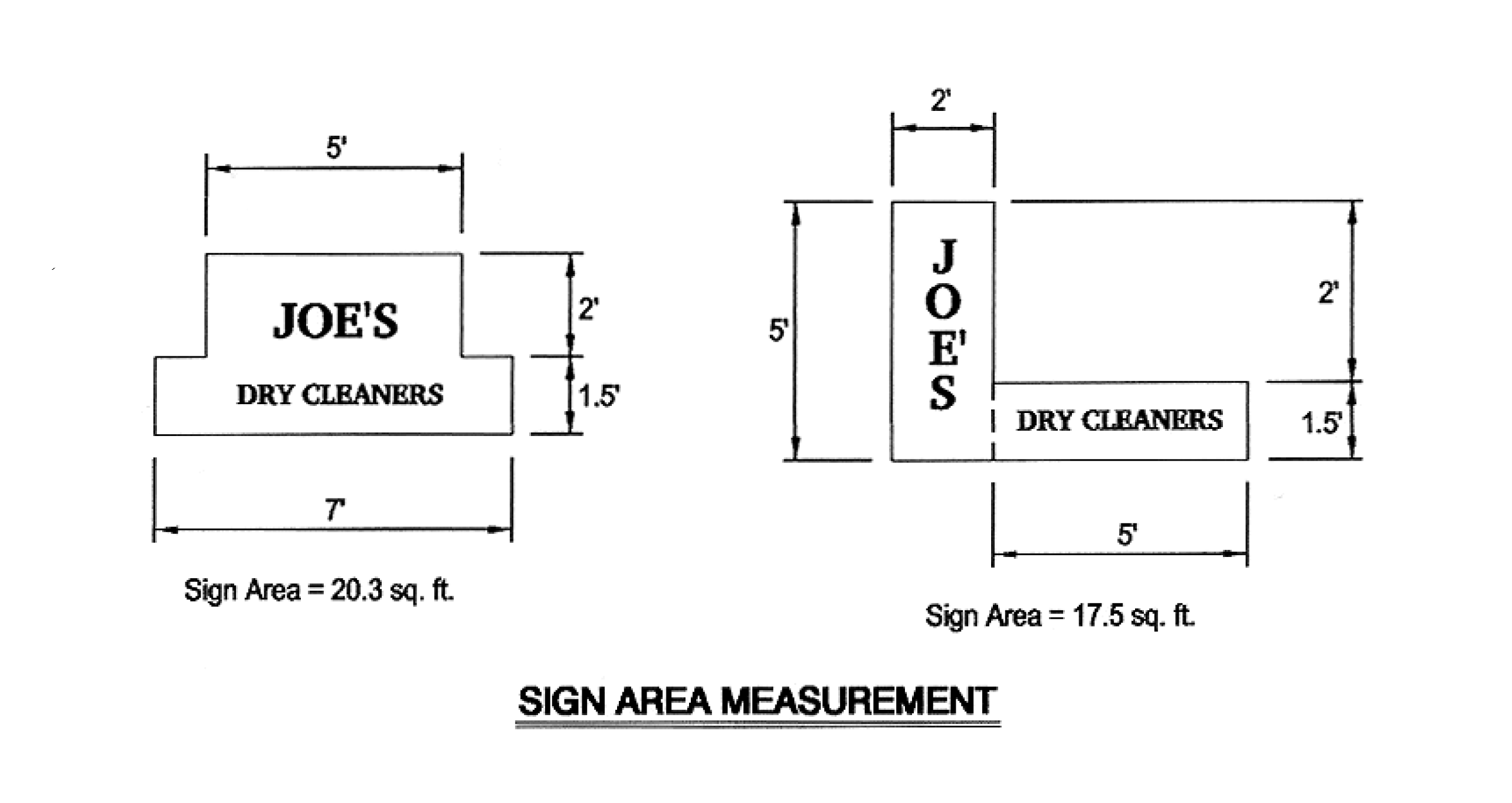
Animated sign: A sign with action, motion, sound, or changing colors which accomplishes such action, motion, sound, or changing colors with or without electrical energy. This includes signs with lights or other illuminating devices that blink, flash, fluctuate, or have a changing light intensity, brightness, or color. This definition does not include a "swinging sign" or "multiple message sign" as defined by this Article. For purposes of this Article, the transition of a message on an electronic multiple message sign shall not be considered "animation." Area of sign: The area within a continuous perimeter enclosing the limits of writing, representation, emblem, figure, or character together with any frame, other material, open space, or color forming an integral part of the display or used to differentiate such writing, representation, emblem, figure, or character from the background against which it is placed.
_____
_____
For double-faced signs, only the largest display face shall be measured in computing the sign area, or only one face shall be measured in computing sign area if the display faces are the same size. The display of street address on a ground sign, wall, or window shall not be computed in determining the maximum allowable area of a ground, wall, or window sign.
Awning: An architectural projection or shelter projecting from and supported by the exterior wall of a building and composed of a covering of rigid or non-rigid materials and/or fabric on a supporting framework that may be either permanent or retractable.
Awning sign: An awning that contains letters, numbers, symbols, pictures, logos, or visual display, or other communication, attached, painted on, or made an integral part of an awning. For purposes of this Article, "awning signs" shall be considered "wall signs."
Banner: A sign with or without characters, letters, illustrations, or ornamentation applied to cloth, paper, plastic, or natural or synthetic fabric of any kind with only such material for a backing. For purposes of this Article, a "banner" is a "sign."
Building marker: Any sign cut into a masonry surface or made of bronze or other permanent material.
Canopy, attached: A multi-sided structure or architectural projection supported by attachment to a building on one or more sides and also supported by columns at additional points. Signs placed on attached canopies are considered "wall signs" for the purposes of this Article.
Canopy, freestanding: A multi-sided structure or architectural projection supported by columns. Signs placed on freestanding canopies are considered "wall signs" for the purposes of this Article.
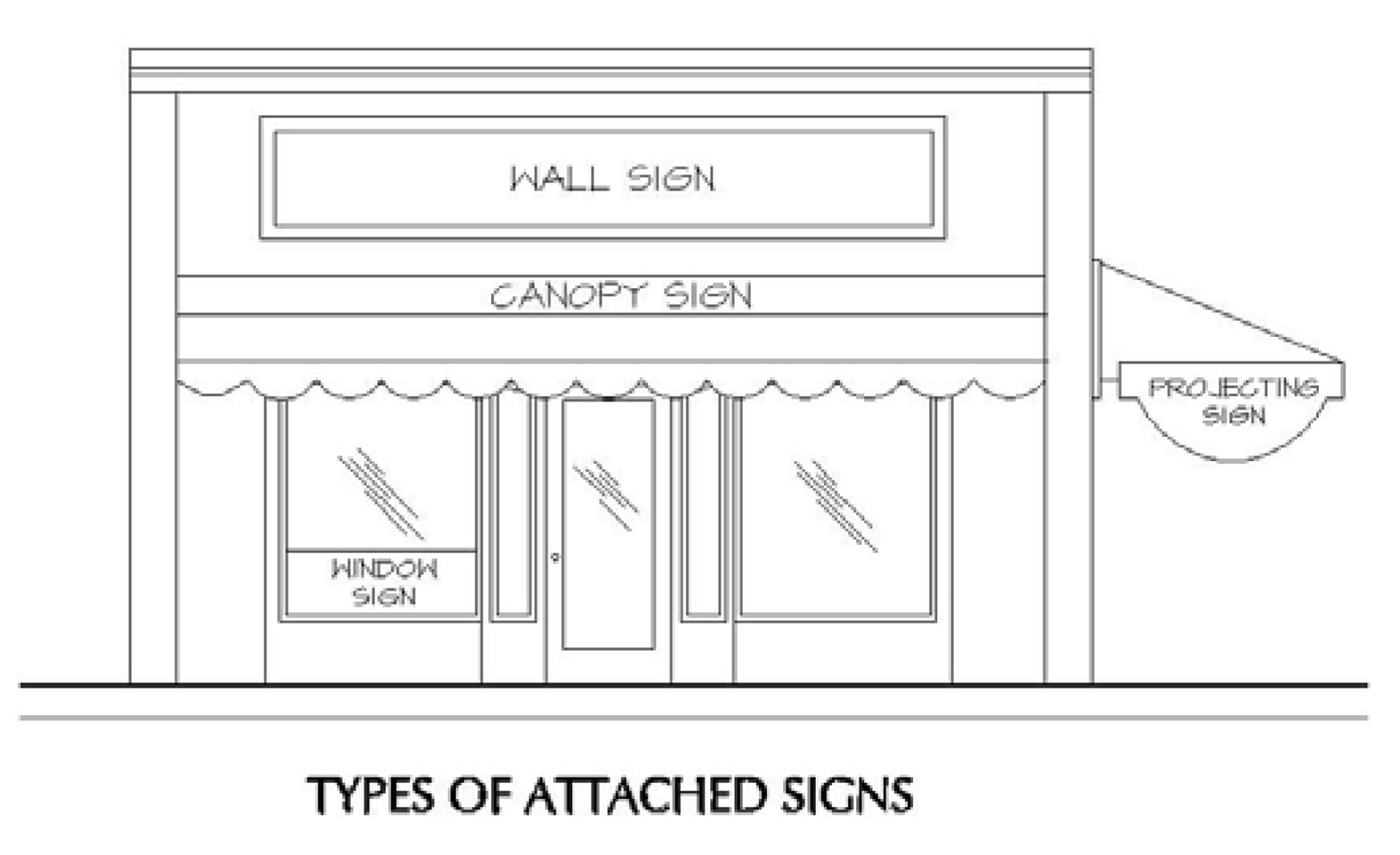
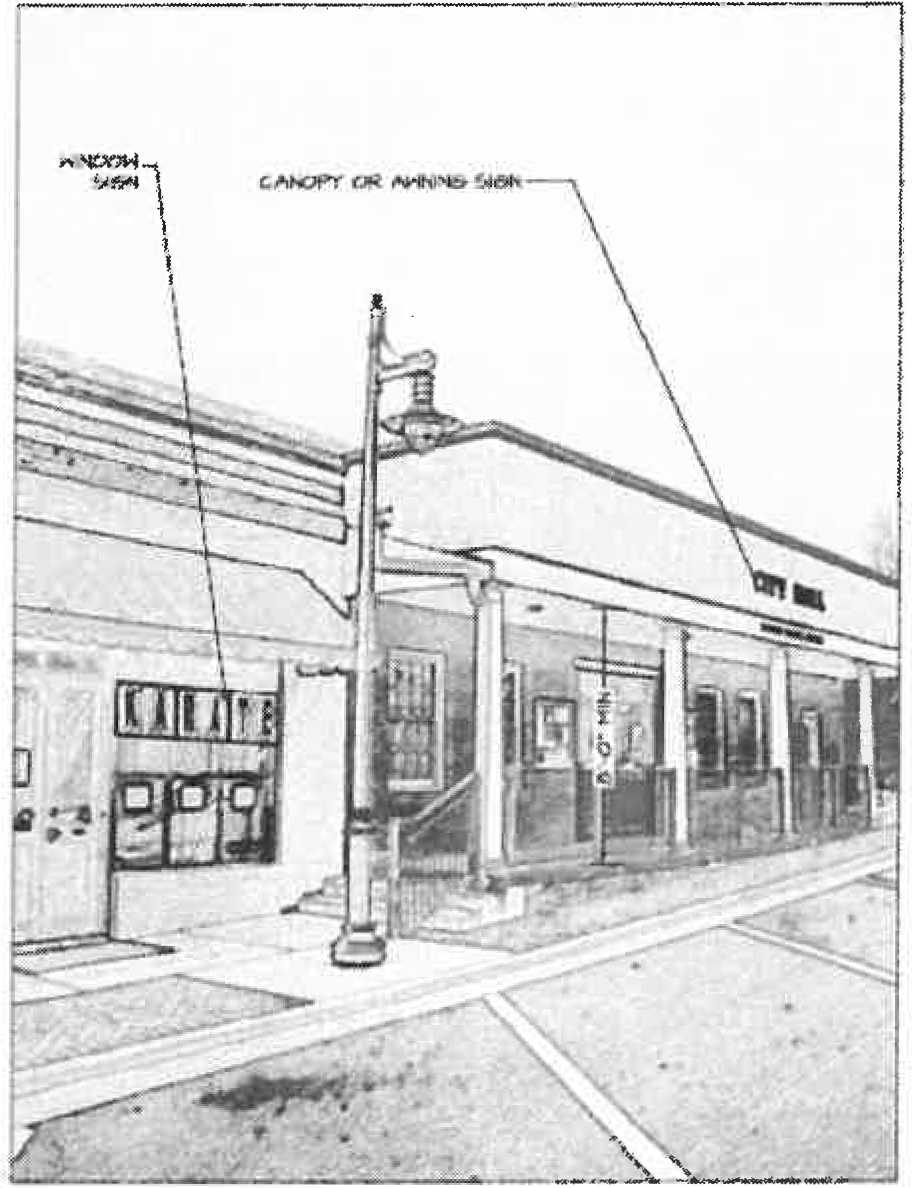
Canopy sign: A sign on a canopy. For purposes of this Article, a sign on a canopy is a "wall sign" (see figure, "Types of Attached Signs").
Derelict sign: A sign that is dilapidated or in such condition as to create a hazard or nuisance, or to be unsafe or fail to comply with the Building or Electrical Codes applicable in the jurisdiction.
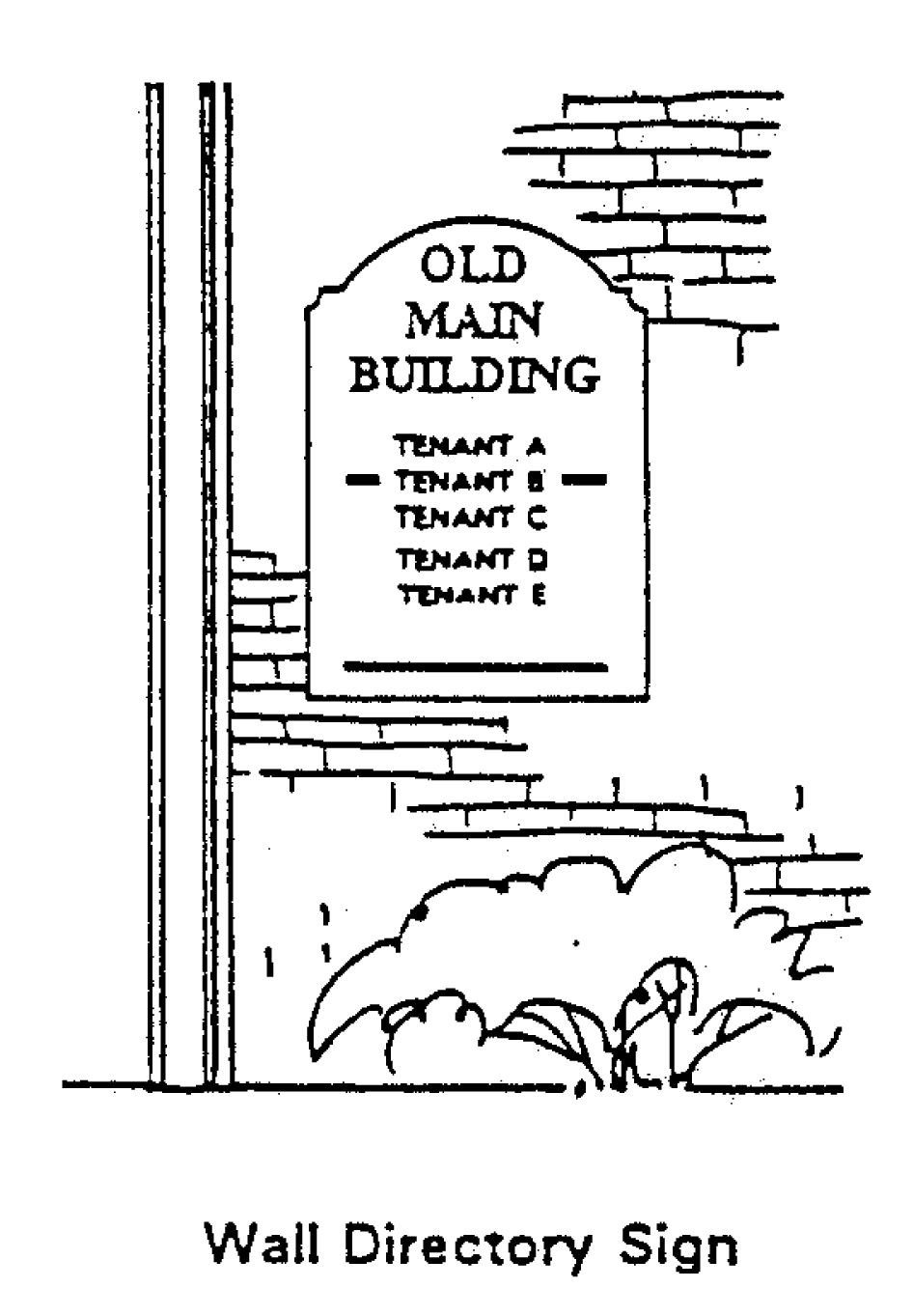
Directory sign for multi-tenant development: A sign, distinguished from a project entrance sign, which is allowed on a premise with more than one tenant or occupants of a building. It may be freestanding or a building (wall) sign. Such signs are not usually visible from the public street right-of-way of a development which provides initial access to the property, but rather are located within the development, along a driveway, access way, or parking aisle.
Dissolve: A mode of message transition on an electronic multiple message sign accomplished by varying the light intensity or pattern, where the first message gradually appears to dissipate and lose legibility simultaneously with the gradual appearance and legibility of the subsequent message.
Double-faced sign: A sign which has two (2) display areas against each other or where the interior angle formed by the display areas is sixty (60) degrees or less, where one face is designed to be seen from one direction and the other face from another direction. Only one face shall be used in computing allowable sign area.
Erect: To construct, build, raise, assemble, place, affix, attach, create, paint, draw, or in any other way bring into being or establish, but it shall not include any of the foregoing activities when performed as an incident to the change of advertising message or the normal maintenance or repair of a sign structure.
Fade: A mode of message transition on an electronic multiple message sign accomplished by varying the light intensity, where the first message gradually reduces intensity to the point of not being legible and the subsequent message gradually increases intensity to the point of legibility.
Flag: A sign with or without characters, letters, illustrations, or ornamentation applied to cloth, paper, plastic, or natural or synthetic fabric of any kind with only such material for a backing. For purposes of this Article, except as otherwise provided herein, a "flag" is a "sign."
Frontage, building: The width in linear feet of the front exterior wall of a particular building in which an establishment is located.
Frontage, road: The distance in linear feet of each lot where it abuts the right-of-way of any public street.
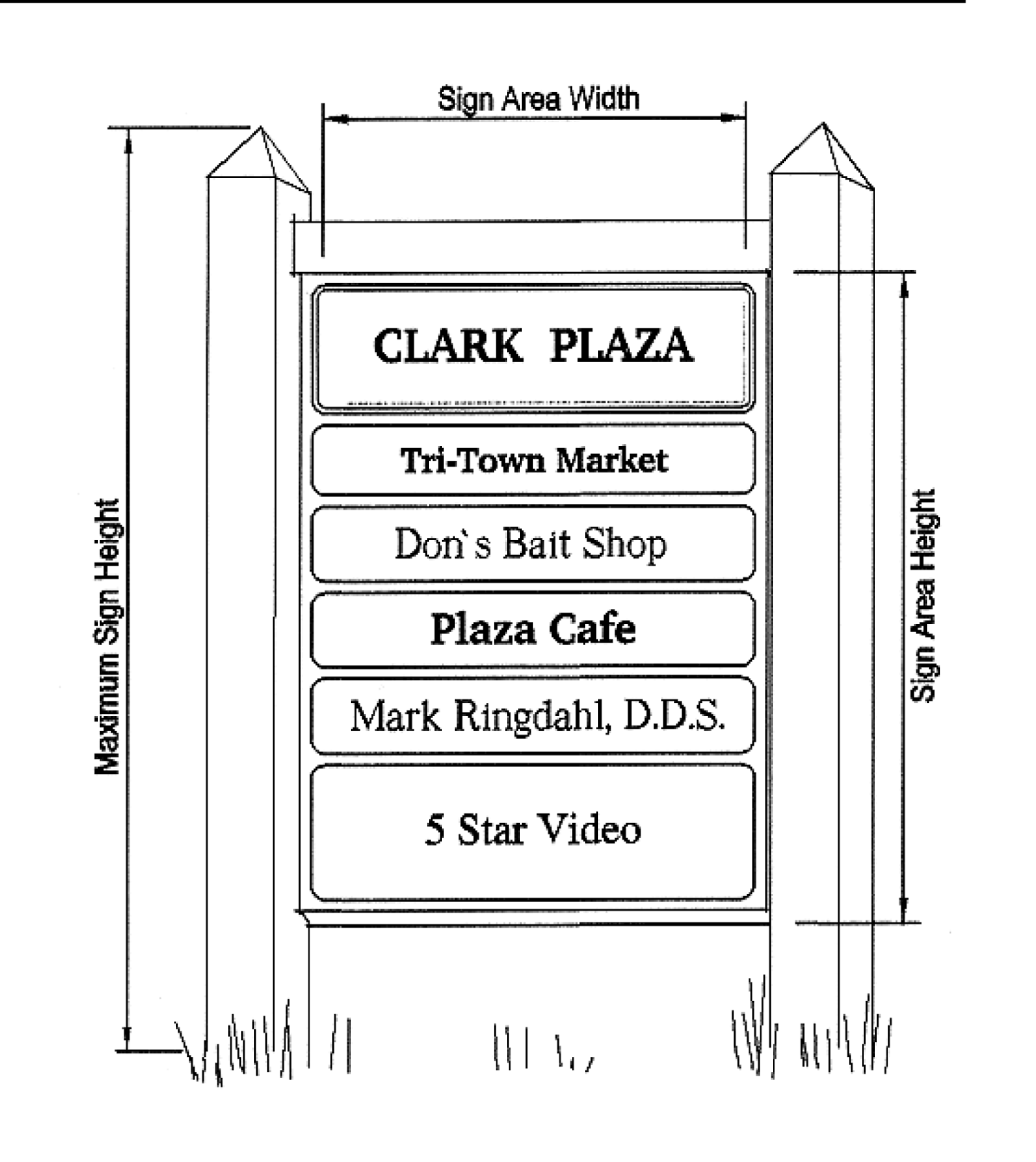
Ground sign: A permanently affixed sign which is wholly independent of a building for support (i.e., freestanding). A ground sign may consist of more than one sign panel, provided all such sign panels are attached to or integrated into one sign structure. All ground signs shall be designed in accordance with requirements of "Monument Signs" (see graphic below).
Height of sign: The distance in vertical feet from the ground to the highest point of the sign, whether that highest point is the frame of the sign face or panel or the support of the sign.
Highway sign: A sign within 60 feet of Interstate 985 right-of-way, oriented to and intended to be viewed by travelers on Interstate 985. Highway signs may be designed with a singular pole support.
Holiday decorations: Displays erected on a seasonal basis in observance of religious, national, or state holidays, which are not intended to be permanent.
Inflatable sign: Any sign that is or can be filled with air or gas.
Internally illuminated sign: A sign illuminated by an internal light source which is viewed through a translucent panel.
Marquee sign: A sign painted on, attached to, or hung from a marquee. For purposes of this Article, marquee signs shall be considered "wall signs."
Master sign plan: A plan establishing parameters for the size, location, design, and color of signs on a property which contains multiple uses, buildings, or tenants but which is constructed or managed as a single development; or such a plan established as an alternative means of compliance to the provisions of this Article.
Monument sign: A sign attached to a permanent foundation or decorative base that is self-supported.
Multiple message sign: A sign, display, or device which changes the message or copy on the sign. Such a change of message or copy can be accomplished electronically, or by movement or rotation of panels or slats, or by changing the copy by manual means.
Multiple message sign, electronic: Any "sign," as defined in this Article, which results in the illuminated display of messages or information by the use of a matrix of electric lamps (e.g., digital, LED (light emitting diode) or similar or refined display technology), or other electric methods, which allows the message change to be actuated by an electronic control mechanism. It is characteristic of such signs that the sequence of messages and the rate of change can be electronically programmed and can be modified by electronic processes. Electronic multiple message signs are also "internally illuminated signs.
Nit: A standard unit of luminance; a measurement of direct light (i.e., looking directly at the light source), used to describe displays. A "nit" is an amount of emanating light equal to one candela per square meter (cd/m2).
Nonconforming sign: Any sign which lawfully existed on the effective date of this article but which does not conform to the provisions of this Article, or which does not comply with this Article due to amendments to this Article since the date of erection of the sign.
Pennant: A small, triangular or rectangular flag or multiples thereof, made of lightweight plastic, fabric, or other material, individually supported or attached to each other by means of a string, rope, or other material and meant to be stretched across or fastened to buildings, or between poles and/or structures, and which is designed to move in the wind. For purposes of this Article, pennants are "signs."
Portable sign: Any sign whether on its own trailer, wheels, or otherwise, which is designed to be transported from one place to another. It is characteristic of a portable sign that the space provided for advertising messages may be changed at will by the replacement of lettering or symbols (i.e., a changeable copy sign). Even if the wheels or supports of such sign are removed and the sign converted and attached, temporarily or permanently, to the ground or other structure, said sign shall remain a portable sign. In addition, the following shall be deemed a portable sign:
1.
An umbrella used for advertising.
2.
A sign mounted or painted on a junk vehicle as defined by the Zoning Ordinance of Flowery Branch
3.
A sidewalk sign: A movable sign not secured or attached to the ground or surface upon which it is located.
Portico: A porch or walkway, open to the outside air, that is covered by a roof supported by columns or pillars, typically leading to the entrance of a building. Signs attached to porticos are considered "wall signs" for purposes of this Article.
Project entrance sign: A sign located at a discernible entrance into a particular subdivision, multi-family residential development, or office or industrial park.
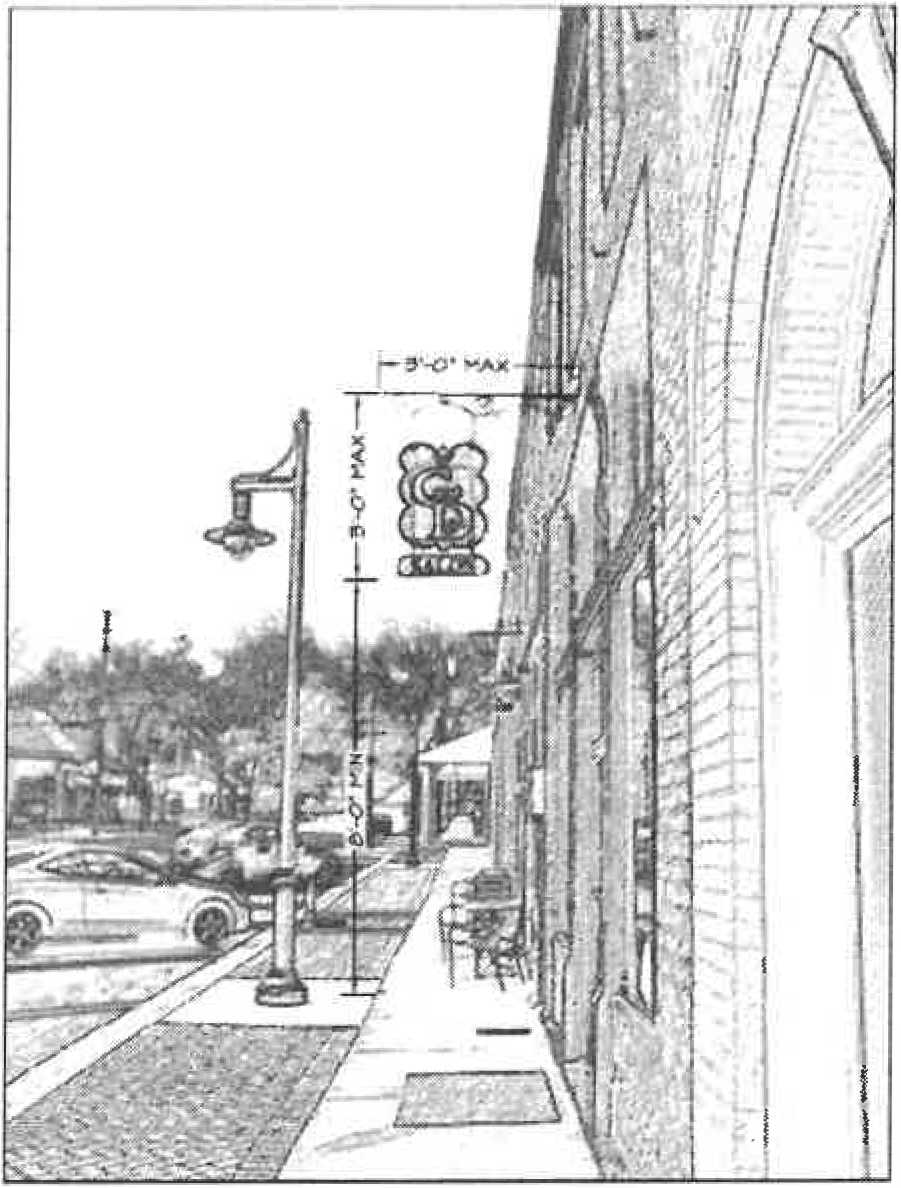
Projecting sign: A sign projecting more than fourteen (14) inches from the outside wall or walls of any building, or canopy, portico, or awning, upon which it is located (see also figure, "Types of Attached Signs").
Roof sign: A sign projecting higher than the front building wall or any sign supported by or attached to said roof.
_____
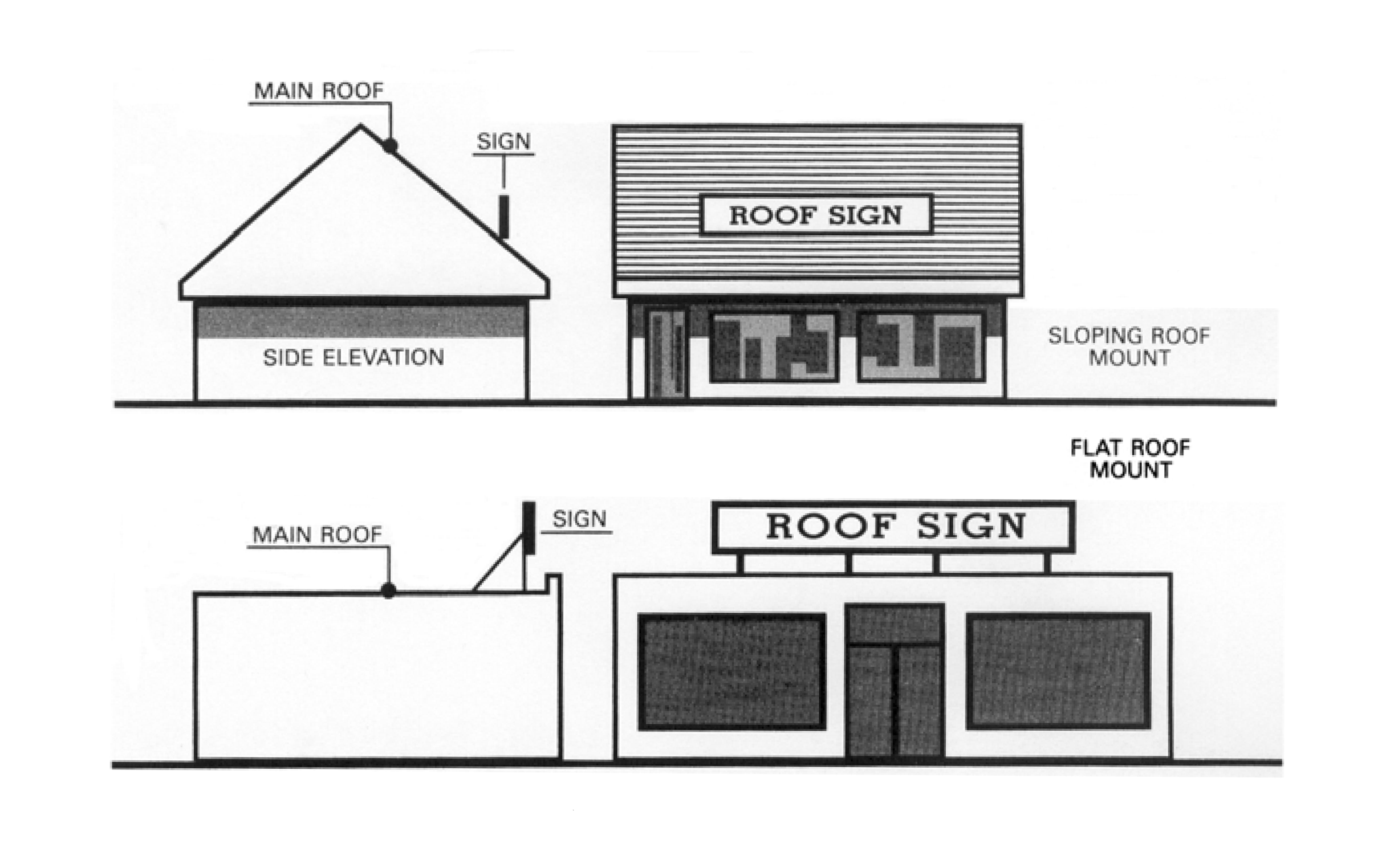
Source: United States Sign Council. 2001. Guideline Code for Regulation of On-Premises Signs.
_____
Sign: A lettered, numbered, symbolic, pictorial, illuminated, or colored visual display, device, or communication designed or used for the purpose of identifying, announcing, directing, informing, or bring to the attention of others the subject thereon, that is visible from the public right-of-way, a driveway or parking lot with access to a public right-of-way, or from an adjacent property, except as specifically noted otherwise in this Article. For purposes of this Article, the term "sign" includes but is not limited to "banners," "balloons," "flags," "pennants," "streamers," "windblown devices," and "advertising devices." Furthermore, the term "sign" includes the sign structure, supports, lighting system, and any attachments, ornaments, or other features used to draw the attention of the observers.
Signable area: In the case of a wall sign, signable area shall be the building face on which the sign is proposed, excluding windows and doors. In the case of marquees or canopies, signable area shall be the area of the marquee or canopy wall on which the sign is proposed. For window signs, signable area shall be measured and calculated on the basis of the proportion of area within each individual window frame, not the total window area of all building windows visible from a street.
Sign face: That part of a sign that is or can be used for advertising purposes.
Streamers: See "Pennants."
Swinging sign: A sign other than an animated sign as defined by this Article, where the sign copy area is attached to a sign structure in a way that can be set in motion with pressure, and where the sign structure is attached to a building at a height above normal eye level. This term does not include any freestanding signs. A swinging sign may be considered in lieu of permitted wall signage.
Temporary sign: A sign of a nonpermanent nature and erected for a limited duration.
Transition: A visual effect used on an electronic multiple message sign to change one message to another.
Visible: Capable of being seen (whether or not legible) without visual aid by a person of normal visual acuity.
Wall sign: A single-sided sign with one visible face applied to or mounted to the wall or surface of a building or structure, the display surface of which if attached to a wall or portico and does not project more than fourteen (14) inches from the outside wall of such building or structure, or if on an awning or canopy, is flush with the material of said awning or canopy (see also figure, "Types of Attached Signs").
Windblown or air-blown device: Any device not otherwise specifically defined in this Article, that is designed to inform or attract, whether or not such device carries a message, and which all or part of the device is set in motion by wind or mechanically compressed air. For purposes of this Article, windblown devices are "signs."
Window sign: A sign installed on or within two (2) feet of an exterior window or door and intended to be visible from the exterior of the building. Displays which show products or depict services sold on the premises and which are more than two (2) feet from an exterior window or door shall not be classified as window signs (see also figure, "Types of Attached Signs").
(Ord. No. 348-18, § 1 (Exh. A), 9-6-2018)
Sec. 24.4. - Applicability.
No sign shall be erected, placed, established, painted, created, or maintained, except in conformance with this Article.
(Ord. No. 348-18, § 1 (Exh. A), 9-6-2018)
Sec. 24.5. - Nonconforming Signs.
A sign that lawfully existed on the effective date of this zoning ordinance may continue to be used, except that the nonconforming sign:
(a)
Shall not be repaired, rebuilt, replaced or altered after damage exceeding 50 percent of its replacement cost at the time of damage.
(b)
Shall not be enlarged or altered in a way that increases its nonconformity or value, including additional lighting.
(c)
A nonconforming sign that is a multiple message sign but the messages are changeable only by manual means may continue to have its copy changed, and change copy, by any manual means. A nonconforming sign that is a multiple message sign but the messages are changeable by means of the movement or rotation of panels or slats may continue to have its copy changed, and change copy, by any such same means. A non-conforming sign that does not meet the definition of a "multiple message sign, electronic" as defined in this Article at the time it was nonconforming shall not be changed, modified, or retrofitted in any way so as to become a "multiple message sign, electronic."
(d)
This Section shall not apply to any sign which according to the application of state or federal law or rule is allowed to remain or to be rebuilt or reconstructed, unless just compensation is paid.
(Ord. No. 348-18, § 1 (Exh. A), 9-6-2018)
Sec. 24.6. - Sign Limitations When Nonconforming Sign Exists.
No sign or advertising device shall be erected for the same establishment on the same lot with an existing nonconforming sign until the nonconforming sign has been removed or made to conform to the provisions of this Article.
(Ord. No. 348-18, § 1 (Exh. A), 9-6-2018)
Sec. 24.7. - Exempt Signs.
The following types of signs are specifically exempted from compliance with this Article.
(a)
Flags, as many as four per lot, when designed and displayed in a way that allows for routine, daily raising and lowering of the flags, not exceeding forty (40) square feet. Poles for such flags shall not exceed twenty-five (25) feet in height. This provision does not permit or allow for the placement of small flags attached to vehicles, light poles, or other means other than that specifically described in this paragraph.
(b)
Street address identifiers and building identification numbers on multi-tenant buildings which are essential to the location of such buildings.
(c)
Signs not oriented or intended to be legible from a public right-of-way, private road or driveway, or other private property. Signs or stickers which are designed to be read only from close range (i.e., five feet), attached to a device or structure more than twenty-five (25) feet from the right-of-way of a road, not to exceed one (1) square feet each sign or sticker. Examples include but are not limited to the following: lettering, credit card stickers, and inspection certificates on gasoline pumps; "flammable" signs on enclosures for fuel canisters, and similar information.
(d)
Display boards located next to drive-through lanes, not exceeding six (6) feet in height or thirty-six (36) square feet in area.
(e)
Signs erected more than two (2) feet inside a building.
(f)
Building markers and integral decorative or architectural features.
(g)
Traffic safety and traffic directional signs, installed within the right-of-way of a public street under the authority of the government with jurisdiction.
(h)
Traffic safety and traffic directional signs (including direction of travel, speed limits, etc.) along private streets and driveways, and in off-street parking lots that are installed per the requirements of this ordinance and/or the Zoning Administrator and which do not exceed four (4) square feet each.
(i)
Directory signs for multi-tenant developments, as defined by this Article, which do not exceed four (4) square feet each nor six (6) feet in height.
(j)
Public notice signs and signs of a public interest, erected by or on the order of a public officer in the performance of his duty.
(k)
Holiday lights and decorations.
(l)
Handicapped parking signs, when required per local, state or federal law.
In any case where a sign of a certain size is exempted by this Section, and an applicant desires to erect a larger size sign than the area of sign exempted but said sign is not allowed, said sign shall only be permitted only upon approval of a variance in accordance with the provisions of this Article.
(Ord. No. 348-18, § 1 (Exh. A), 9-6-2018)
Sec. 24.8. - Prohibited Signs.
The following signs and devices shall be prohibited:
(a)
Animated signs, but not including multiple-message signs and multiple-message signs, electronic, as defined.
(b)
Derelict signs.
(c)
Inflatable signs, except as may be permitted in association with a temporary event approved by the Zoning Administrator.
(d)
Pennants, streamers, and wind-blown or air-blown devices.
(e)
Portable signs.
(f)
Roof signs.
(g)
Signs painted on or attached to a utility pole, or painted on or attached to tree, rock or other natural feature.
(h)
Signs lit with neon, including neon lighting outlining of windows, doors, or other parts of a building or structure, but excluding incidental signs internal to an establishment and not visible at a distance of more than two feet outside the establishment.
(i)
Signs attached to freestanding walls (including retaining walls) or fences or poles.
(j)
Any flag for which there is no symbol, emblem, text, number, or copy whatsoever on the flag (i.e., colored flags with no message).
(k)
Any sign erected or maintained where, by reason of its position, wording, illumination, size, shape or color, it may obstruct the view of oncoming vehicles or impair, obscure, interfere with the view of, or be confused with any authorized traffic control sign, signal, or device. No sign shall contain or be an imitation of an official governmental traffic control sign, signal, or emergency vehicle device.
(l)
Any sign erected, located, or maintained in such a manner as to interfere with safe and free ingress and egress of any door, emergency exit, driveway, street, or roadway.
(m)
Any sign that interferes with utilities such as water mains and hydrants, sanitary sewerage, gas, electricity, and communications equipment or lines, or that interfere with natural or manmade storm water drainage facilities.
(n)
Strings of lighted bulbs, except as part of holiday decorations.
(Ord. No. 348-18, § 1 (Exh. A), 9-6-2018)
Sec. 24.9. - Uniform Sign Plans Required.
A uniform sign plan is required for any multi-tenant nonresidential development containing three or more buildings before any building signs or freestanding signs for the development or the development's tenants may be erected on the property. The purpose of a uniform sign plan is to ensure that individual establishments within a multi-tenant nonresidential development are coordinated with regard to design features, such as color, font, design of sign face, sign face module, sign structure, etc.
(Ord. No. 348-18, § 1 (Exh. A), 9-6-2018)
Sec. 24.11. - Specifications for Uniform Sign Plans.
Uniform sign plans, when required or when proposed for purposes of modifying the requirements of this Article, shall at minimum consist of the following:
(a)
Drawings and specifications as may be required to clearly illustrate the location, materials, size, letter style, and color of all signs to be placed as freestanding and building signs within the development.
(b)
Design standards such that signs of a similar type and function within the development shall have a consistency of size, lettering style, color scheme, and construction materials so as to present a unified design concept while respecting the differences between tenant types and occupancies.
Following approval by the City, the requirements of the uniform sign plan shall be referenced in documents involving the sale, lease, or other transfer of right of occupancy affecting any part of the development. Upon such approval, said uniform sign plan shall be binding on the owner, and any lessees, subtenants, purchasers, or other occupants, until or unless the uniform sign plan is replaced with another approved uniform sign plan.
(Ord. No. 348-18, § 1 (Exh. A), 9-6-2018)
Sec. 24.12. - Permits and Conformance to Codes.
(a)
Any freestanding or building sign that requires a building permit according to the Building Code applicable in the jurisdiction shall be obtained prior to installation or placement of any such freestanding or building sign.
(b)
All signs for which a building permit is required shall be constructed and maintained in conformance with all applicable Building Code requirements. All electrical service to a sign shall be in compliance with the applicable Electrical Code.
(c)
If plans are required for issuance of a building permit for a sign, the plans shall be certified as to conformance with all structural and wind-load resistive standards of the applicable Building Code by a structural engineer registered in the State of Georgia, or be prepared using standard drawings prepared by a structural engineer or other qualified professional meeting or exceeding all requirements of the applicable Building Code.
(Ord. No. 348-18, § 1 (Exh. A), 9-6-2018)
Sec. 24.13. - Certificate of Appropriateness.
Signs are external environmental features that can detract from historic character if not considered in the proper context. Signs located in a designated historic district or otherwise subject to the jurisdiction of the Historic Preservation Commission shall require a Certificate of Appropriateness to be issued by the Historic Preservation Commission. In approving signs, the Historic Preservation Commission may rely on design guidelines approved by City Council or the Historic Preservation Commission.
(Ord. No. 348-18, § 1 (Exh. A), 9-6-2018)
Sec. 24.15. - Sign Maintenance.
All signs, together with all their supports, braces, guys, and anchors shall be kept in good repair and condition.
(Ord. No. 348-18, § 1 (Exh. A), 9-6-2018)
Sec. 24.16. - Situations Where Maintenance is Required.
Upon discovery of a sign in need of maintenance, the City shall give written notice to the owner of the sign or the owner of the property on which the sign is located if the owner of the sign itself cannot be determined. Said notice shall state the item or items requiring repair or maintenance. The owner shall have thirty (30) days in which to repair or maintain the sign before a citation is issued. If the owner has failed to make repairs or the necessary maintenance within that time, the City initiate enforcement proceedings as required to cure violation of this Article. Situations constituting the need for maintenance include but are not limited to the following (other similar conditions of disrepair or lack of maintenance may be determined):
(a)
Lettering or other elements of the sign have become detached or have fallen off the sign or become misaligned.
(b)
Painted surfaces on the sign or sign structure have begun to peel, flake over a significant portion of the sign, or have faded or oxidized to an extent that the sign no longer displays the message as originally intended.
(c)
A significant number of the bricks, stones, or other materials on the structural base of a sign have become detached or have fallen off or have become misaligned.
(Ord. No. 348-18, § 1 (Exh. A), 9-6-2018)
Sec. 24.17. - Removal of Certain Signs.
(a)
Unlawful signs. If any sign is installed, erected, or constructed in violation of this Article, the owner or person or firm maintaining the sign shall, upon notice either written or verbal notification from the City shall remove prohibited signs immediately. If the sign will require additional time to remove, because of its structure or size, then a reasonable time frame will be given by the City in which the signage is to be removed. Any such sign not removed or properly altered within the time period allotted from the notice, may then be removed by the City and all costs charged to the owner, agent, or person having beneficial interest of the building or premises upon which such sign was located, or in the sign itself.
(b)
Derelict signs. Should any sign become insecure or in danger of falling or otherwise unsafe in the opinion of the City, the owner or person or firm maintaining the sign shall, upon written notice from said enforcement officer, forthwith in the case of immediate danger and in any case within ten (10) days, remove such sign or secure it in a manner approved by the City. Any such sign not removed or secured within ten (10) days from the written notice may be removed by the City and all costs charged to the owner, agent, or person having beneficial interest of the building or premises upon which such sign was located, or in the sign itself.
(c)
Signs of a temporary or quasi-temporary nature. Pennants, streamers, banners, wind-blown devices, and temporary signs that do not conform to the provisions of this Article upon its adoption or amendment shall be removed immediately.
(Ord. No. 348-18, § 1 (Exh. A), 9-6-2018)
Sec. 24.18. - Height of Ground Signs.
The maximum height of any ground (freestanding) sign regulated by this Article, except as otherwise specifically provided in this Ordinance, as measured from road grade, shall be as follows:
(a)
One Hundred (100) feet, within 660 feet of the right-of-way of Interstate 985, for highway signs only, on properties zoned HB (Highway Business), M-1 (Light Industrial), and M-2 (Heavy Manufacturing and Industrial) only.
(b)
Fifteen (15) feet for signs on properties in HB (Highway Business), M-1 (Light Industrial), and M-2 (Heavy Manufacturing and Industrial) zoning districts; provided, however, that for properties with a land area of 35 acres or more and fronting on an interchange of Interstate 985 shall be permitted to have up to two ground signs (where permitted) not to exceed Thirty (30) feet in height.
(c)
Ten (10) feet in NS (Neighborhood Shopping) and CBD (Central Business District) zoning districts.
(d)
Ten (10) feet for signs in the O-P (Office-Professional), INST (Institutional), TND (Traditional Neighborhood Development), and R-3 (Residential Multi-Family) zoning districts.
(e)
Six (6) feet maximum height for signs on properties in A (Agricultural), R-1 (Residential Low-Density), and R-2 (Residential Moderate-Density) zoning districts. This provision shall not apply to subdivision identification monuments, which shall not exceed eight (8) feet in height.
(Ord. No. 348-18, § 1 (Exh. A), 9-6-2018)
Sec. 24.19. - Height of Wall Signs.
No wall sign shall exceed the height of the building or structure on which it is placed.
(Ord. No. 348-18, § 1 (Exh. A), 9-6-2018)
Sec. 24.20. - Sign Setback.
There shall be minimum required setback for ground signs of two (2) feet.
(Ord. No. 348-18, § 1 (Exh. A), 9-6-2018)
Sec. 24.21. - Types of Signs Permitted.
In addition to the general provisions regulating signs established in this Article, sign permissions shall be based on the types of sign permitted, and the zoning district according to Table 24.1 and 24.2 of this Article. When the land use is mixed or not clearly evident. the Zoning Administrator shall make the final determination.
(Ord. No. 348-18, § 1 (Exh. A), 9-6-2018)
Sec. 24.22. - Number of Signs Limited.
(a)
Unless specifically provided otherwise in Tables 24.1 and 24.2 of this Article, a property shall be limited to only one (1) sign of the type permitted.
(b)
No sign shall be erected to exceed the maximum number of signs as specified in Tables 24.1 and 24.2, as applicable.
(Ord. No. 348-18, § 1 (Exh. A), 9-6-2018)
Sec. 24.23. - Area of Signs Limited.
No sign shall exceed the maximum area of the sign as specified for the type of sign in Tables 24.1 and 24.2 of this Article.
Table 24.1
Sign Area Permitted By Sign Type by Residential Zoning District
(Numbers are Square Feet)
Table 24.2
Sign Area Permitted By Sign Type by Nonresidential Zoning District
(Numbers are Square Feet)
(Ord. No. 348-18, § 1 (Exh. A), 9-6-2018)
_____
Sec. 24.24. - Illumination.
(a)
Signs in single-family residential zoning districts shall not be illuminated.
(b)
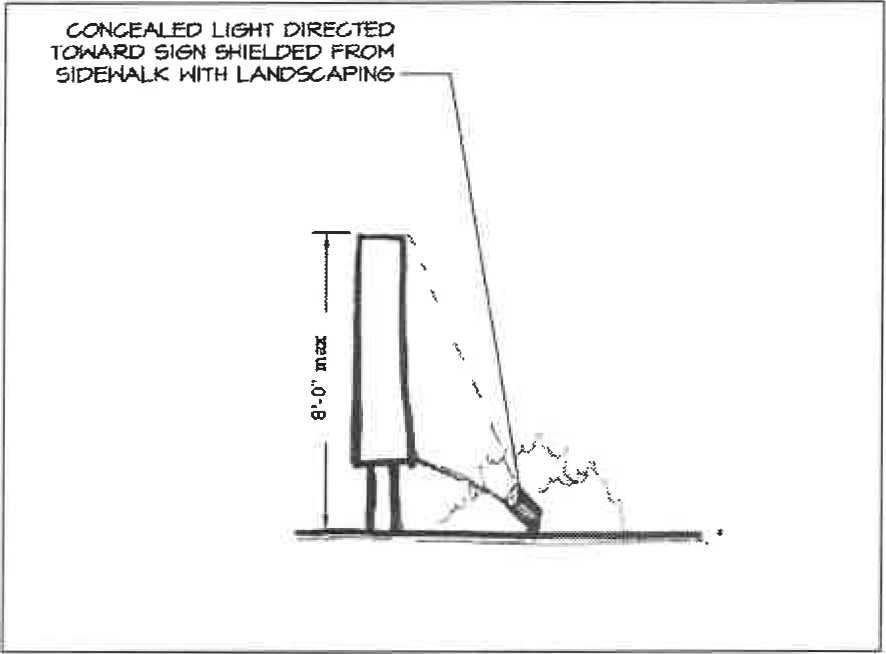
Externally illuminated signs shall be lighted by a white, steady stationary light of reasonable intensity shielded and directed solely at the sign, so as not to cause glare or spill light into the road right-of-way or up into the sky.
(c)
Neon tubing shall not be permitted.
(Ord. No. 348-18, § 1 (Exh. A), 9-6-2018)
Sec. 24.25. - Temporary Special Event Signage.
Temporary signs and advertising devices may be permitted on commercial, industrial and institutional properties subject to the issuance of a special event sign permit by the Zoning Administrator. Such temporary signs and advertising devices shall conform to the following:
(a)
Only four temporary special event sign permits shall be issued to any one business or institution in any calendar year.
(b)
Permit shall be valid for a maximum of thirty (30) days.
(c)
One banner shall be permitted per business, which shall not exceed thirty-two (32) square feet in size or fifteen (15) feet in height. Such banner may be temporarily placed on the subject property or attached to a building wall. In addition to a banner, two temporary ground signs for each roadway frontage not exceeding four square feet each shall be permitted per lot. For lots with buildings containing multi tenants and where businesses have applied for simultaneous special event signs, no more than three temporary ground signs may be permitted per roadway frontage at any one time.
(d)
Pennants, streamers, and other wind-blown devices shall not be permitted as part of a temporary special event sign permit.
(Ord. No. 348-18, § 1 (Exh. A), 9-6-2018)
Sec. 24.26. - Signs on Corner and Double-Frontage Lots.
(a)
Wall signs. With regard to wall sign allowances, if a building, structure, or freestanding canopy faces more than one road frontage, each wall facing a road frontage shall be permitted to have the sign area specified for such building, structure, or freestanding canopy in this Article.
(b)
Ground signs. With regard to ground sign allowances, if a property faces more than one road frontage, each road frontage shall be permitted to have the number of signs and sign area specified for such property in this Article.
(c)
Transfer of allowances between road frontages. The sign area allotted to one road frontage or building frontage shall not be transferred to another road frontage or building frontage.
(d)
More than two frontages. If a property has more than two road frontages and/or building faces, it shall be permitted ground and wall signage on only two of the property frontages or building faces, respectively.
(Ord. No. 348-18, § 1 (Exh. A), 9-6-2018)
Sec. 24.27. - Signs in PUD Zoning District.
For signs in the PUD zoning district, each development shall conform to the sign regulations established as part of the zoning approval for the development. If no such regulations exist, each portion of a development existing on the effective date of this zoning ordinance shall not exceed the sign permissions of this Article for the zoning district most comparable to that portion of the development, as determined by the Zoning Administrator. Any sign which has not been previously approved as part of the zoning approval for the development or subsequently permitted and erected shall require submission and approval of a uniform sign plan as specified in this Article.
(Ord. No. 348-18, § 1 (Exh. A), 9-6-2018)
Sec. 24.28. - Variances.
(a)
Application. A request for a variance to the provisions of this Article may be initiated by a property owner or his authorized agent by filing an application with the Zoning Administrator.
(b)
Application Requirements. The application shall be accompanied by an elevation drawing and/or plot plan, drawn to scale, showing the dimensions and arrangement of the proposed sign. The Zoning Administrator may require other information about the variance requested and its relationship to the surrounding properties. Variance applications shall be accompanied by a fee as established by the City Council by resolution from time to time.
(c)
Procedure. Upon the filing of any complete application for a variance, a public hearing shall be scheduled and held by the City Council on the proposed variance. Public notice of the variance application shall be published in a newspaper of general circulation in the local jurisdiction at least fifteen (15) days prior to the scheduled public hearing of City Council Such notice shall state the purpose, location, time and date of the public hearing, and the nature of said application.
(d)
Authority. City Council shall have authority to grant variances to this Article, upon application by a property owner and after receiving comment and recommendations by the Zoning Administrator and after holding a public hearing.
(e)
Notification Following Decision. City Council shall render a decision within thirty-two (32) days after the initial public hearing on the proposed variance. The Zoning Administrator shall notify the applicant,, of the Council's decision within five (5) days after it has rendered its decision.
(Ord. No. 348-18, § 1 (Exh. A), 9-6-2018)
Sec. 24.29. - Criteria for Acting Upon Sign Variances.
In acting upon variances, the Zoning Administrator shall submit written findings and the City Council shall consider the following criteria and the extent to which they support or fail to support the sign variance application:
(a)
Whether there are unusual, exceptional or extraordinary circumstances or conditions applying to the property that do not apply generally to other property in the same vicinity or use district, and such conditions are not the result of the owner's or occupant's own actions. Such conditions may include topography, unique natural conditions, surroundings of the subject property, or the size or peculiar shape of the lot.
(b)
As a result of such unusual circumstance or conditions, there is an unnecessary hardship or practical difficulty that renders it difficult to carry out the provisions of this Article.
(c)
The authorization of such variance will not be materially detrimental to the public welfare or injurious to property in the vicinity or district in which property is located, and the variance will be in harmony with the general purposes and intent of the provisions of this zoning ordinance.
(d)
The variance approved is the minimum variance that will make possible the legal use of the sign.
(Ord. No. 348-18, § 1 (Exh. A), 9-6-2018)
Sec. 24.30. - Reserved.
Editor's note— Ord. No. 737, § 1, adopted June 19, 2025, repealed § 24.30, which pertained to regulations for signs in historic districts, and derived from Ord. No. 348-18, § 1 (Exh. A), adopted Sept. 6, 2018.
Sec. 24.31. - State Regulation of Signs.
Where state sign law (see O.C.G.A. 32-6) and/or regulations apply, and there is conflict or overlap with this ordinance, the more restrictive requirements shall govern.
(Ord. No. 348-18, § 1 (Exh. A), 9-6-2018)
Sec. 24.32. - Changeable Electronic Multiple Message Signs.
(a)
Definition. For purposes of this Section, "electronic multiple message sign" shall mean any sign, as defined in Sec. 24.2 of this Article other than a public variable message sign, which is erected by a city, county, or state government for traffic communications purposes which results in the illuminated display of messages or information by the use of a matrix of electric lamps (e.g., digital, LED (light emitting diode) or similar or refined display technology), movable discs, movable panels, light apertures, or other methods, which allows the message change to be actuated by a control mechanism rather than manually changing the message; and which changes the message more often than twice daily. It is characteristic of such signs that the sequence of messages and the rate of change can be electronically programmed and can be modified by electronic processes.
(b)
Purposes. This Section establishes requirements associated with the changeable electronic multiple message signs, including but not limited to the duration of message, transition time, light intensity, malfunction, and permitting, to ensure reasonable and safe standards are met to protect the motoring public.
(c)
Zoning Districts Permitted. Such signs shall only be permitted in HB (Highway Business), M-1 (Light Manufacturing and Industrial), and M-2 (Heavy) Manufacturing and Industrial) zoning districts.
(d)
Area and Height. No such sign shall exceed the area or height specified for the type of sign for which it is defined and permitted under the terms of this Article.
(e)
Separation. For Highway Signs and any other sign regulated by the Georgia Department of Transportation, no such sign shall be located within 5,000 feet of another changeable electronic multiple message sign on the same side of the highway and no such sign shall be within a 2,600 foot radius of another changeable electronic multiple message sign. For all other signs, no such sign shall be located within a 1,000 foot radius of another changeable electronic multiple message sign.
(f)
Nature of the Display. Nothing in this Section shall be construed to permit or authorize the flashing or variation of light intensity of an individual message; such flashing or variation constitutes an "animated sign" as defined in Sec. 24.2 and prohibited by Sec. 24.8 of this Article.
(g)
Duration of Message. Each multiple message shall remain fixed for at least 10 seconds.
(h)
Transition Time. When a message is changed, it shall be accomplished in less than one-tenth (1/10) of a second and shall not use fading, swiping, or other animated transition methods.
(i)
Illumination and Brightness. No electronic multiple message signs may be of such intensity or brilliance as to impair the vision of a motor vehicle driver with average eyesight or to otherwise interfere with the driver's operation of a motor vehicle. No sign may be of such intensity or brilliance that it interferes with the effectiveness of an official traffic sign, device or signal. The maximum illumination, intensity, or brightness of electronic signs shall not exceed 5,000 nits (candelas per square meter) during daylight hours, or 500 nits (candelas per square meter) between dusk to dawn. The sign must have an automatic phased proportional dimmer control, photocell or other light sensing device, or a scheduled dimming timer, or another approved device, which produces a distinct illumination change that reduces nighttime brightness levels (compared to daytime brightness levels). The applicant shall provide written certification from the sign manufacturer that the light intensity has been factory pre-set or can be programmed not to exceed the levels specified in this subsection; end-user manipulation of pre-set levels or to exceed those specifications herein shall not be permitted. Unless another industry standard is accepted, the measurement for purposes of this paragraph shall be at any point ten (10) feet from the surface of the electronic multiple message sign.
(j)
Freeze of Display When Malfunction Occurs. Such signs shall include a default designed to freeze a display in one still position if a malfunction occurs.
(k)
Sequencing of Messages Prohibited. Using two or more successive screens to convey a message that will fit on one (1) screen shall be prohibited.
(l)
Permit Requirements. In addition to those permit requirements established in Section 24.12 of this Article relative to permits for signs generally, the Zoning Administrator is authorized to impose additional permit requirements specific to changeable electronic multiple message signs and applications therefor, including but not limited to the following:
1.
Description or graphic depiction of the type of internal illumination technology; and
2.
A drawing or schematic prepared by an illumination engineer showing the amount of light designed to emanate from the proposed sign at the highway or public road to which the sign is directed, and at any highway or public road to which the proposed sign is visible. Said drawing or schematic shall show either is of foot-candles, (i.e., connecting points of equal light illumination levels, similar to a topographic contour), nits or a photometric grid with individual spot readings; and
3.
A statement certified by an engineer, acceptable to the Building Inspector, demonstrating that the weight of the sign upon installation has sufficient footing and other characteristics sufficient to ensure the sign will be safely secured and able to withstand wind resistance as may be customary for similar structures according to the applicable Building Code; and
4.
Other information as may be reasonably required by the Zoning Administrator to ensure compliance with the purpose and regulations of this Section, Article 24 of this Zoning Ordinance, and the purposes and intentions of this Zoning Ordinance generally.
These permit requirements shall be submitted on application forms prepared by the Zoning Administrator. These permit requirements are applicable to both the construction of a new changeable electronic multiple message sign and the re-facing of an existing sign with a changeable electronic multiple message sign.
(Ord. No. 348-18, § 1 (Exh. A), 9-6-2018)
Sec. 24.33. - Signs in the Central Business District (CBD).
This ordinance shall be and is known and may be cited as the "Flowery Branch Central Business District Sign Ordinance."
(Ord. No. 737, § 1(Exh. A), 6-19-2025)
Editor's note— Ord. No. 737, § 1(Exh. A), adopted June 19, 2025, repealed § 24.33 and enacted §§ 24.33—24.44 to read as set out herein. Former § 24.33 pertained to historic district sign ordinance and derived from Ord. No. 348-18, § 1 (Exh. A), adopted Sept. 6, 2018.
Sec. 24.34. - Purpose and intent.
Signs play an important role in the attractiveness and appearance of Flowery Branch's Central Business District. The design, size, number, and placement of signs contribute to the overall environment of the building, street, and district. Because signs strongly influence the perception of the establishment, building, street view, and the Central Business District, there is a public interest in ensuring that signs are well designed and carefully placed and properly maintained in accordance with the overall desired character of the Flowery Branch Central Business District.
This ordinance supplements existing sign regulations of the Flowery Branch Zoning Ordinance, with sign regulations specifically designed to ensure compatibility and pedestrian scale of all signage in the Flowery Branch Central Business District.
(Ord. No. 737, § 1(Exh. A), 6-19-2025)
Sec. 24.35. - Applicability.
This ordinance shall apply within the Central Business District in the City of Flowery Branch.
If a particular property is added to the City of Flowery Branch Central Business District, said property shall automatically be subject to the requirements of this ordinance.
(Ord. No. 737, § 1(Exh. A), 6-19-2025)
Sec. 24.36. - General provisions.
No sign shall be permitted, erected, established, or allowed to be erected or established, within the area governed by this ordinance, unless it is in conformity with this ordinance. It shall be unlawful to erect any sign in the area governed by this ordinance unless a sign permit is granted by the Zoning Administrator.
(Ord. No. 737, § 1(Exh. A), 6-19-2025)
Sec. 24.37. - Definitions, Interpretations, and Conflicts.
(a)
Definitions. Definitions of the types of signs and sign-related definitions shall be as defined in Article 24, Sec. 24.3, of the Flowery Branch Zoning Ordinance. Definitions of terms related.
(b)
Interpretations of Terms Not Defined. If a particular word, term, or phrase is not defined in the Flowery Branch Zoning Ordinance or other ordinance or state law referenced in this ordinance, and such term is not explicitly defined herein or implicit in the provisions of this Ordinance, the Zoning Administrator shall be authorized to interpret the meaning of the term in question using customary dictionary definitions or other appropriate means.
(c)
Additional Interpretations. Where this ordinance uses the term "shall," it shall be considered mandatory to comply with a provision using that term. Where this ordinance uses the term "should," it shall be considered a guideline (strongly recommended but discretionary as to whether the provision using that term is complied with). In cases where an applicant wants to establish a sign in a manner that is inconsistent with a guideline or other statement using the word "should," it shall be the responsibility of an applicant to demonstrate why the guideline cannot be complied with. In this sense, guidelines can form the basis for decision-making under the terms of this ordinance and may be used to disapprove sign permit applications. Similarly, when the term "should" is used the Zoning Administrator is authorized to waive the applicability of one or more guidelines or statements using the word "should."
(d)
Remedy for Conflicts. In the event of any other conflicts between this Ordinance and other municipal ordinances, the provisions of this Ordinance shall control.
(Ord. No. 737, § 1(Exh. A), 6-19-2025)
Sec. 24.38. - Relationship to Zoning Ordinance Provisions for Signs.
(a)
Exempted Signs. Signs that are exempted by Section 24.7 of the Flowery Branch Zoning Ordinance shall be similarly exempt from the requirements of this Ordinance.
(b)
Prohibited Signs. Signs that are prohibited by Section 24.8 of the Flowery Branch Zoning Ordinance shall be prohibited in the area subject to this Ordinance.
(c)
Maintenance and Removal of Signs. Provisions regarding the maintenance and removal of signs as specified in Article 24 of the Flowery Branch Zoning Ordinance shall continue to apply to all signs that are regulated by this Ordinance.
(d)
Nonconforming Signs.Section 24.5 and Section 24.6 of the City of Flowery Branch zoning ordinance, regarding nonconforming signs, shall apply to signs that do not conform to the provisions of this Ordinance.
(e)
Permitted Signs. The regulations specifying the types and numbers of signs, as provided in Article 24 of the Flowery Branch Zoning Ordinance, shall be inapplicable and superseded by the provisions of this Ordinance.
(f)
Dimensional Requirements. Height, setback, and area requirements for signs by zoning district, as provided in Article 24 of the City of Flowery Branch Zoning Ordinance, shall be inapplicable and superseded by the provisions of this Ordinance.
(g)
Special Event and Temporary Signage.Section 24.26 of the Flowery Branch Zoning Ordinance shall continue to apply, and property owners in the Flowery Branch Central Business District may apply for permits for temporary signs and special events, except that gas or air-filled advertising devices shall not be allowed.
(h)
Permits and Codes. Provisions that require a permit for signs, and the process of considering sign permits, as provided in Section 24.12 of the City of Flowery Branch Zoning Ordinance, shall continue to apply.
(Ord. No. 737, § 1(Exh. A), 6-19-2025)
Sec. 24.39. - Content of Signs Not Regulated.
The content of signs is not regulated by this ordinance, and the content of the message to be conveyed shall not be considered in making decisions pursuant to this ordinance.
(Ord. No. 737, § 1(Exh. A), 6-19-2025)
Sec. 24.40. - Design requirements.
(a)
Proportionality. Signs shall be sized in proportion to the building. Notwithstanding the maximum areas allowed under the terms of this ordinance, an individual sign may be disapproved if it is found to be excessive or non-proportional in relation to the building on which it is placed or which it serves.
(b)
Sign Materials.
1.
Exposed surfaces of signs must be constructed of or appear to be constructed of metal, glass, stone, concrete, brick, cloth, or wood, or similar approved material. If synthetic materials are authorized, they shall have the same finished appearance as the materials specified here.
2.
Sandblasted wood signs are not prohibited but may or may not be considered appropriate.
3.
Plastic substrate, plywood or unfinished wood are not appropriate materials for signs and shall not be permitted.
(c)
Professional Fabrication. Handwritten, hand painted, handmade or other unprofessionally fabricated signs shall be prohibited.
(Ord. No. 737, § 1(Exh. A), 6-19-2025)
Sec. 24.41. - Illumination of Signs.
(a)
Internally illuminated signs, and internally illuminated awnings are not appropriate in the Central Business district and shall not be permitted.
(b)
Neon lighting is not permitted in the area subject to this ordinance.
(c)
No animated, flashing or electronically changeable copy signs shall be permitted.
(d)
No colored lights shall be used.
(e)
If signs are illuminated, they shall be externally lit. Lighting directed toward a sign shall be shielded or recessed so that it illuminates only the face of the sign and does not shine directly into a public right-of-way or sidewalk (see figure).
(Ord. No. 737, § 1(Exh. A), 6-19-2025)
Sec. 24.42. - Types of Signs Permitted; Requirements.
(a)
Generally.
1.
Signs not specifically described in this Section shall be prohibited. For a summary of the requirements of Table 24.3.
(b)
Wall Signs.
1.
Wall signs shall be mounted flush against the facade of the building adjacent to the front entryway of the unit (see figure).
2.
Appropriate locations for wall signage on buildings with more than one story shall be in the lintel space which separates the storefront from the upper floor, and the space above the transom in the storefront, where one exists (see figure). Wall signs should be located on flat, unadorned parts of the building facade, somewhere above storefront display windows (where they exist) and below second-story windows (where they exist). If the building facade or storefront has a lintel strip or signboard, the wall sign should be placed directly on it. Wall signs should be located centrally on the facade. Sign boards should not exceed two and one-half (2.5) feet in height.
3.
Wall signs should be attached through joints in the masonry rather than the brick itself.
4.
No sign shall be permitted that, when mounted flush against the facade of the building, protrudes more than six (6) inches from the facade.
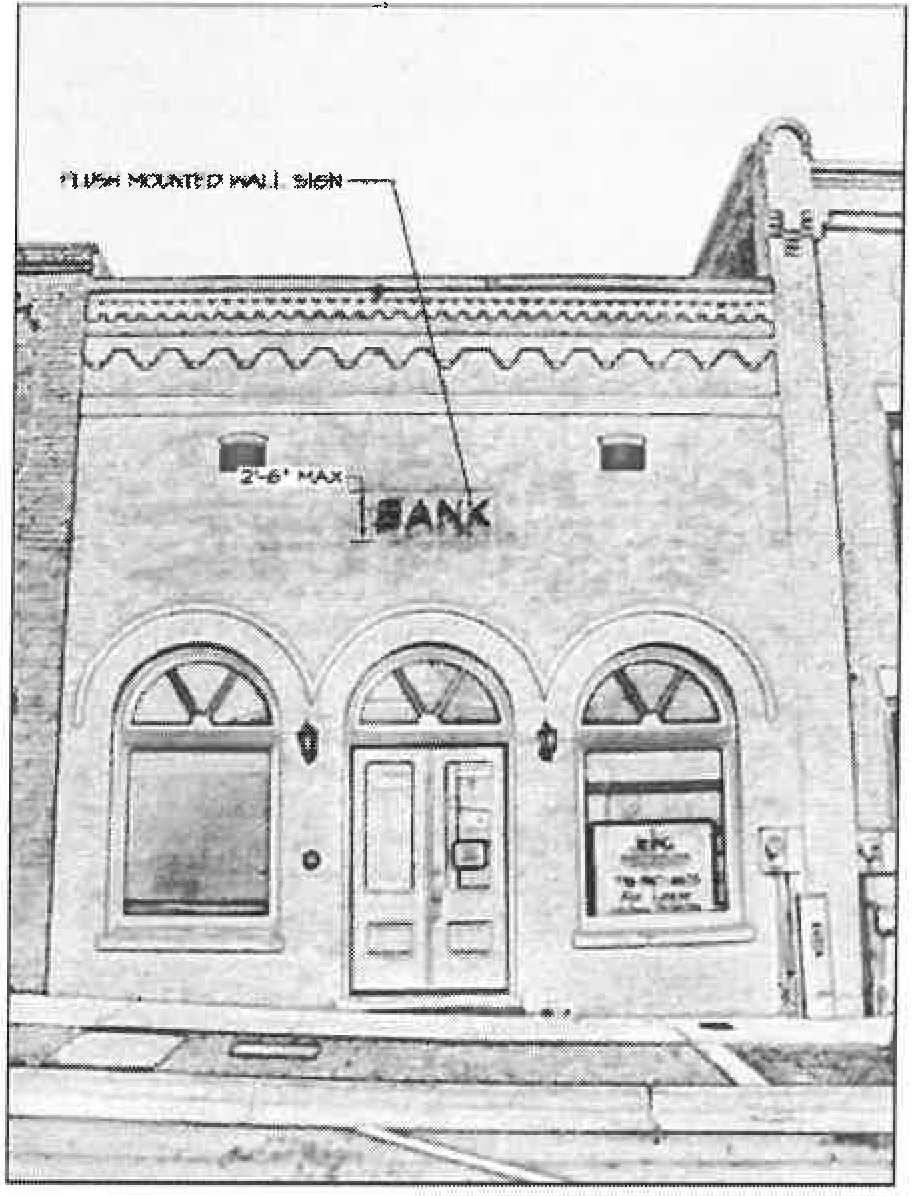
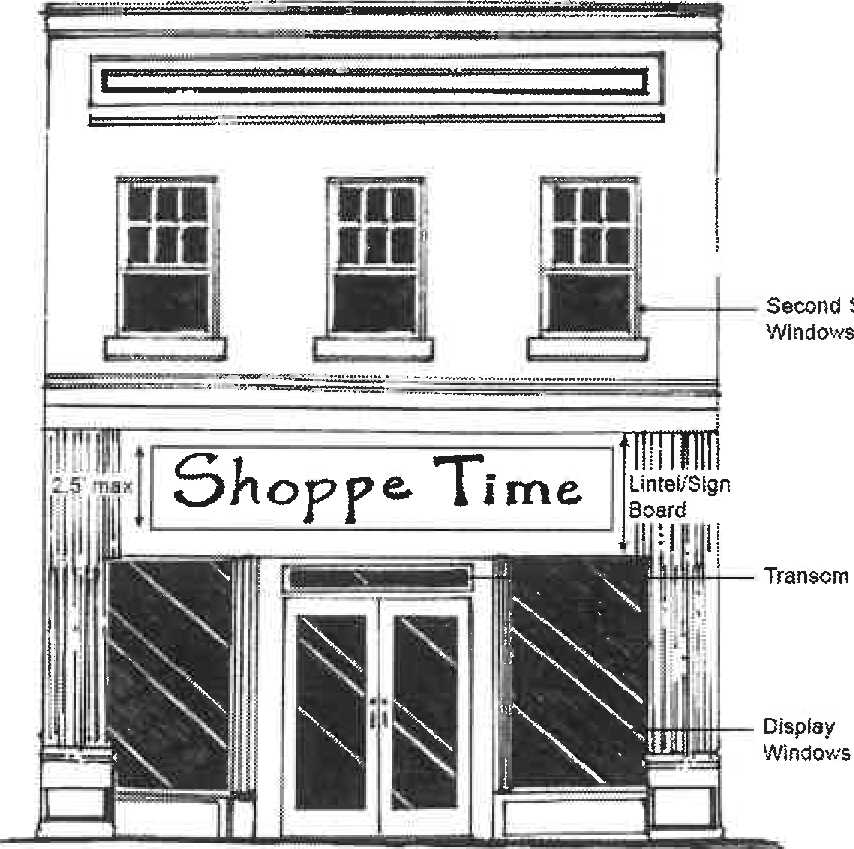
Table 24.3: Summary of Specific Sign Requirements (Refer to specific sections for requirements)
5.
There is a maximum of two (2) wall signs per building facade of the leasable space.
6.
Wall signs, individually or in total allowed, shall not exceed more than thirty (30) percent of the wall area on which they are displayed, or one and one-half (1.5) square feet per linear feet of leased building frontage of the business or establishment, whichever is greater.
(c)
Canopy and Awning Signs.
1.
Storefront awnings (see figure) should be positioned either above the display window and below the transom window(s), or above both the display and transom windows but below the sign board area, cornice, or spandrel, where these architectural features exist. Signs should be silk-screened or sewn onto the awning fabric, and they should be placed on the valance of the awning. Signs on canopies should be located on the primary face or top edge (or front-angled or sloped part) of canopies.
2.
Canopy signs shall have a ground clearance of no less than eight feet above the lowest ground elevation (see figure).
3.
Canopy signs shall cover no more than sixty-five (65) percent of the area of the side faces (awning flaps) of the canopy and no more than forty (40) percent of the front (or front-angled or sloped) face of the canopy.
(d)
Window Signs.
1.
Window signs (see figure) may be displayed on or in display windows on the ground floor. Window signs in upper facade windows are generally not encouraged and should be justified by the applicant.
2.
No window advertising sign shall extend from one window to another.
3.
In no case shall any window sign be installed above the level of second floor windows.
4.
Window signs shall not exceed 25 percent of the total window area of the business or establishment, or 32 square feet total of window signage for any single business or establishment, whichever is greater.
5.
Window signs should be placed approximately three and one-half (3.5) feet above the sidewalk.
6.
Window signs should not extend within eighteen (18) inches from the top or bottom of the display window glass.
(e)
Projecting Signs.
1.
Projecting signs are permissible (see figure), only if the Zoning Administrator decides no other options are viable and may restrict them if other alternative (wall, window, door, and awning) signs are also present or proposed. If a projected sign is authorized, it shall meet the specifications of this section.
2.
Projecting signs are typically placed near the entry door.
3.
Projecting signs shall project perpendicularly from the building.
4.
Projecting signs shall be secured in place with a frame mount assembly.
5.
Projecting signs do not necessarily have to be entirely stationary; they may be suspended from an awning or similar type structure or affixed to a bracket-mount to the building or structure in a manner where the sign face sways; such motion shall not make a swinging sign a prohibited animated sign.
6.
Any sign that is suspended from the underside of a canopy (including awnings), shall be located perpendicular to the wall surface of a building.
7.
All projecting signs shall have a ground clearance of no less than eight (8) feet above the lowest ground elevation.
8.
Such signs shall project no more than thirty-six (36) inches from the building face.
9.
Projecting signs shall be limited to one (1) per business or establishment.
10.
No projecting sign shall exceed an area of nine (9) square feet per sign face.
11.
Projecting signs shall not be illuminated.
12.
If applicable, projecting signs shall obtain an encroachment permit from the City Council.
(f)
Door Signs.
1.
Signs on doors should be located on or in the glazing of the doors. Painting of letters is preferred. Vinyl letters are discouraged but permitted.
2.
There shall be no more than two (2) door signs for any individual business or establishment.
3.
The maximum area for any individual door sign shall be one and one-half (1½) square feet.
4.
There shall be a maximum of three (3) square feet total area of door signs allowed for any single business or establishment.
(g)
Display Boards.
1.
One display board shall be permitted per establishment, subject to compliance with the provisions of this Section.
2.
Moveable display boards, when displayed within a window on the ground floor display boards shall not count as window signs in terms of maximum allowable window sign area.
3.
Display boards that are permanently placed on a wall (e.g., a wall mounted display box) shall count as wall signs in terms of maximum allowable wall sign area, but they shall not be counted in terms of the maximum number of wall signs allowed.
4.
Display boards shall not exceed an area of four (4) square feet per sign face.
(h)
Permanent Principal Use Ground Signs.
1.
Ground signs shall only be permitted in the front yard of properties containing a detached, single-family residence that has been converted to office, institutional, retail, service, or commercial use, and/or a commercially designed building with an appropriate landscaped front yard area.
2.
The maximum height of any ground sign which may be permitted pursuant to this ordinance shall be eight (8) feet.
3.
Except for temporary signs permitted by the Zoning Administrator, any permanent ground sign permitted pursuant to this ordinance shall be supported by at least two (2) wooden posts, no less than four inches by four inches.
4.
No more than two (2) ground signs shall be permitted per property frontage.
5.
No ground sign shall exceed an area of thirty-two (32) square feet per sign face.
6.
If two ground signs are erected, the second sign shall be no larger than eight (8) square feet in area.
(i)
A-Frame Signs.
1.
Movable sandwich signs, also called A-frame signs, may be used in the Central Business District, limited to one per business or establishment.
2.
Such sign(s) which shall be temporarily placed on the ground in front of the business, may only be used during hours the business is open, and shall be removed from the ground when the business or establishment is not open to the public.
3.
No such sign shall exceed a height of four (4) feet about the ground.
4.
No such sign shall exceed an area of eight (8) square feet per sign face.
(j)
Historic Markers.
1.
Historic markers do not count for purposes of maximum wall signage limitations of this ordinance.
2.
Historic markers should be made of cast metal or other durable materials.
3.
They should be securely attached to the building and should lay flat against the building wall.
4.
They should be located at eye level and should be positioned near a building entrance or another area of high visibility.
(k)
Temporary Signs.
1.
One temporary ground sign or wall sign per lot or per property frontage, unlighted, is permitted during the time when a space, unit, building, or land is for sale, rent, or lease, not exceeding six square feet of area, nor a height of six feet if placed on the ground.
2.
One additional temporary ground sign or wall sign per lot or per property frontage, unlighted, not exceeding four square feet of area, nor a height of four feet if placed on the ground, is permitted.
(l)
Special Event Signage.
1.
Property owners in the Central Business district may apply for permits for special events and associated signage, as provided in Sec. 24.26 of the Flowery Branch Zoning Ordinance, except that gas or air-filled advertising devices shall not be allowed.
(Ord. No. 737, § 1(Exh. A), 6-19-2025)
Sec. 24.43. - Review and Approval Procedures.
Review and approval procedures shall follow requirements of Appendix C (Zoning Ordinance), Article 24.
(Ord. No. 737, § 1(Exh. A), 6-19-2025)
Sec. 24.44. - Administration and Enforcement.
Administration and enforcement shall follow requirements of Appendix C (Zoning Ordinance), Article 24.
(Ord. No. 737, § 1(Exh. A), 6-19-2025)

