
Minturn City Zoning Code
ARTICLE 17
Supplemental Regulations and Standards
Sec. 16-17-10.- Generally.
In addition to the regulations contained elsewhere in this Chapter, the use of land and buildings shall be governed by the provisions of this Article.
(Prior code 16-17-1)
Sec. 16-17-20. - Minimum use of lots.
No legal lot of record shall be so restricted by zoning requirements to a point that it cannot be occupied by one (1) single-family dwelling containing up to one thousand two hundred (1,200) square feet.
(Prior code 16-17-2)
Sec. 16-17-30. - Dual use of lots.
No lot area, yard or open space area which is required by this Chapter for one (1) use shall be utilized for the required lot area, yard or open space for another use unless specifically approved by the Town Council or Planning Director as part of the review procedures of this Chapter.
(Prior code 16-17-3; Ord. 15-2008 §1)
Sec. 16-17-40. - Frontage.
Each lot in separate ownership, unless otherwise provided for in this Chapter, shall have at least twenty-five (25) lineal feet of frontage on a street right-of-way, either dedicated to the public or to a private association or on a private road described by metes and bounds and reserved in perpetuity, through private agreement, to provide access to the lot. Each building devoted wholly or in part to residential use shall front on a street or road as described above, except when two (2) or more such buildings are located on one (1) lot and the required frontage for each building cannot be provided due to the shape of the lot; these buildings lacking street or road frontage shall front on a dedicated driveway easement at least twenty-five (25) feet in width and maintained in an unobstructed condition.
(Prior code 16-17-4)
Sec. 16-17-50. - Reserved.
Editor's note— Ord. No. 01-2015, §2, adopted March 18, 2015, renumbered the former §16-17-50 as §16-2-60. Formerly, §16-70-50 pertained to building height limitations. The historical notation has been retained with the amended provisions for reference purposes.
Sec. 16-17-60. - Building height exceptions.
The height limitations of this Chapter shall not apply to antennas, mechanical equipment, elevator enclosures, ridge vents, cupolas, chimneys, ventilators, church spires and steeples, parapets, skylights, water tanks/towers and necessary mechanical appurtenances usually installed above the roof level. The excluded items shall not exceed the maximum building height by more than ten (10) feet.
(Prior code 16-17-6)
Sec. 16-17-70. - Hillside building regulations.
The following requirements shall apply to all developments on slopes greater than or equal to thirty percent (30%). Land sloping in excess of forty percent (40%) shall not be considered suitable for development unless a variance permit is issued pursuant to this Chapter.
(1)
A soils report with foundation and site retention recommendations prepared by and bearing the seal of a registered professional engineer shall be provided prior to the issuance of a building permit.
(2)
A topographic survey prepared by a registered surveyor, with contour intervals of not more than two (2) feet, shall be submitted with the Design Review Board application.
(3)
Structures must be designed by a licensed architect.
(4)
In order to protect the natural landform and vegetation on steep slopes, not more than sixty percent (60%) of the total site area may be disturbed from present conditions by construction activities. The Planning Commission may approve site disturbance in excess of the sixty-percent maximum if specific design criteria warrant the extent of the requested deviation.
(5)
Hillside development should be complementary to the natural grade of the site and should avoid excessive excavation or hillside removal which, upon completion of construction, would result in a dramatic alteration to the site's natural topography.
(6)
A site grading and drainage plan, prepared by a licensed civil engineer, shall be required.
(7)
A detailed plan of retaining walls or cuts and fills in excess of five (5) feet, prepared by a licensed engineer, shall be required.
(8)
A detailed revegetation plan must be submitted prior to the issuance of a building permit.
(Ord. 7-2010 §1)
Sec. 16-17-80. - Determination of slope.
Upon request or application, slope shall be determined by the Planning Director. In case of a disagreement regarding the percent and/or degree of slope, the property owner/applicant shall have the right to pay for a slope analysis by a licensed surveyor or engineer.
(Prior code 16-17-8; Ord. 15-2008 §1)
Sec. 16-17-90. - Land and open space dedications.
Land designed for recreation or open space through dedication or reservation for any reason shall be indicated as such on the Town Zoning Map. Recreation facilities shall be built and open space shall be maintained for use of the residents or citizens of the Town. Ownership of the land may be by a unit of government, nonprofit corporation, homeowners' association or private interest as part of a subdivision or development of land. The land may be deeded or reserved to a property owners' association or it may be dedicated to the Town or other public entity as approved by the Town Council, or as required by any condition for granting of a zone district amendment or Planned Unit Development. Such land may be leased for operation, transferred to a different ownership or otherwise changed in ownership, but it shall not be further subdivided for residential, commercial, industrial or any other purpose unless approved by the Town Council following the procedure for amendment to this Chapter.
(Prior code 16-17-9)
Sec. 16-17-100. - Utility transmissions.
Nothing in this Chapter shall be construed to prohibit construction or installation of a public utility use or structure necessary for transmission of commodities or services of a utility company, through mains or distribution lines, in any zone district. Storage, maintenance facilities, substations or exchanges and business offices shall be restricted by conditional use to their appropriate zone district. Location of power transmission lines with a capacity of sixty-nine (69) kilovolts or greater and pipelines for major transmission shall be subject to the conditional use procedures of this Code.
(Prior code 16-17-10)
Sec. 16-17-110. - Underground utilities.
Except as otherwise approved by the Town Council, all wires, cables or other equipment for the distribution of electric energy and telecommunications signals, with the exception of transformers, meters, junction boxes and similar equipment, shall be placed underground. Where developments are approved along or with crossing existing overhead power and communication facilities, energy and telecommunications may be obtained from these existing facilities. The service connections to these facilities shall be placed underground unless otherwise approved by the Town Council due to economic, engineering or aesthetic reasons. Utility easements and right-of-way shall be provided as part of the development.
(Prior code 16-17-11)
Sec. 16-17-120. - Cluster subdivisions.
Cluster subdivisions shall utilize the Planned Unit Development procedures, except that the gross project density shall not exceed fifteen (15) dwelling units for each acre of net developable land.
(Prior code 16-17-12)
Sec. 16-17-130. - Phasing standards.
The applicant must assure the Town that each phase can exist as a separate entity if the project does not continue to build out. Improvements for any phase that are geographically located in other phases must be installed and maintained prior to or coincident with construction of the phase to be served.
(Prior code 16-17-13)
Sec. 16-17-140. - Landscaping standards.
(a)
The Town of Minturn is situated in the Eagle River Valley, at an elevation above sea level of seven thousand eight hundred sixty-one (7,861) feet. The Town is located in an semi-arid, mountainous area and is identified by the U.S. Department of Agriculture (USDA) as being within Zone 4b of the USDA's Plant Hardiness Zone Map. The intent of these standards is to ensure that new landscapes associated with new development and major remodel activity in the Town include drought-tolerant and disease-resistant plant species native to the Zone 4b and the mountain region of Eagle County, and, specifically, that waterwise principles are integrated into landscape design, plant selection, and outdoor irrigation designs.
(b)
The purpose of this Section is to provide standards for landscaping and outdoor water usage for development specific to Zone 4b within the Town so as to maintain and enhance the character of residential, commercial, mixed-use and industrial areas; to beautify the Town; and to promote waterwise landscaping and irrigation principles aimed at conserving and managing the Town's water resources. This is accomplished by setting minimum standards for planting and outdoor consumptive water use within residential and nonresidential development and their associated parking areas to prevent inefficient and/or excessive outdoor water use, soil erosion, improper drainage, damage to properties and unsightliness, and by requiring buffering and screening around and between the Town's more intensively developed areas.
(c)
The applicability standards of this Article shall apply to all development within the Town except as follows:
(1)
The landscape standards of this Article shall not apply to remodeling, repair, restoration, or alteration of an existing residential structure. However, additions or expansions that increase the footprint of an existing structure or increase the square footage by more than ten percent (10%) shall comply with those standards of this Article to the maximum extent possible.
(Prior code 16-17-14; Ord. 01-2015 §2; Ord. 17-2022 §2)
Sec. 16-17-150. - Water efficient landscape standards.
(a)
Water efficient design principles. Water efficient landscaping principles include the following:
(1)
Design. The design identifies zones of different water requirements and groups plants with similar water needs together.
(2)
Appropriate use of turf. Limit high-hydrozone turf and plantings to appropriate high-use areas with high visibility and functional needs.
(3)
Low water-using plants. Choose low-water demanding plants and turf where practicable.
(4)
Irrigation. Design, operate and maintain an efficient irrigation system.
(5)
Soil preparation. Incorporate soil amendments before planting.
(6)
Mulch. Add mulch to planting beds to a minimum depth of two (2) inches.
(7)
Maintenance. Provide regular and attentive maintenance.
(b)
Soil amendment.
(1)
Soil amendments for turf, shrubs, perennials, and annuals shall be sandy loam to a depth of six (6) inches, containing at least five percent (5%) organic matter by volume.
(2)
Soil amendments for trees shall be sandy loam to a depth of thirty-six (36) inches containing one to three percent (1—3%) organic matter by volume. In locations with existing good soils, soil shall be turned in an area three (3) times the dimension of the root ball.
(c)
Mulch. Mulch shall be applied at a minimum depth of two (2) inches with modifications as appropriate for installed plant material. Mulch shall be renewed as needed. Mulch material may be organic material including, but not limited to: wood, bark nuggets, nut shells, grass clippings, straw, compost and chopped leaves; or inorganic material including decorative stone or river rock, pea gravel, pebbles.
(d)
Plant selection and grouping. Plant materials shall be selected for water efficiency, drought tolerance, use of native species and their relationship to the Minturn regional ecology as well as local topographical and metrological conditions.
(1)
Plants shall be selected from a pre-approved list of native, drought-tolerant plantings appropriate for USDA Zone 4b.
a.
Hydrozones required. Plants shall be grouped together by soil suitability and by water use in distinct hydrozones (very low, low, moderate, and high) to increase irrigation efficiency. Plants from the same water use zone shall be grouped together on the same irrigation zones, Water use zones shall be consistent with plant selection and water needs.
b.
The landscape design shall promote and preserve native species and natural areas. Native species shall account for seventy-five percent (75%) of provided plants and these must be drought tolerant species.
(e)
The total amount of high hydrozones located on a property shall not exceed fifty percent (50%) of the total landscape area. Turf grass areas designated and approved as functional turf shall be excluded from the total landscape area under this requirement. Trees in tree grates shall also be excluded from the total landscape area under this requirement.
(f)
Plants from a high-hydrozone zone shall not be planted on slopes at a twenty-five percent (25%) slope or greater.
(g)
Turf.
(1)
High-hydrozone turf grass is prohibited unless exempt pursuant to Subsection 16-17-150(h).
(h)
The developer of a property may submit an application to the Planning Director requesting consideration for a waiver or exemption from the prohibition of Subsection 16-17-150(g) for high-hydrozone. Functional turf that provides a recreational benefit to the community and meets the functional turf definition. Waiver applications must demonstrate that the turf substantially complies with the functional turf definition as indicated by:
(1)
Activity type;
(2)
Activity-appropriate dimensions;
(3)
Number of persons served and frequency of use;
(4)
Location in proximity to similar turf areas;
(5)
Public access and proximity to roadways;
(6)
Presence of facilities and/or other recreational amenities;
(7)
Irrigation efficiency; and
(8)
Demonstration that artificial turf is not practicable or appropriate as an alternative to water use turf.
(Prior code 16-17-15; Ord. 01-2015 §2; Ord. 17-2022 §2)
Editor's note— Ord. 17-2022 § 2, adopted Nov. 16, 2022, amended the title of § 16-17-150 to read as herein set out. The former § 61-17-150 title pertained to landscape standards and plan submittal required for multi-family, mixed-use commercial developments, subdivisions and planned unit developments.
Sec. 16-17-160. - Landscape standards and plan submittal required for multi-family, mixed-use, commercial developments, subdivisions and planned unit developments.
(a)
Applicability. The landscape plan shall accompany an application for proposed multi-family, mixed-use, commercial developments, subdivisions and planned unit developments.
(b)
The landscape plan shall address the following issues and standards and contain the following information:
(1)
The landscape plan shall illustrate the overall intent of the applicant with regard to landscaping of the property subject to the application.
(2)
Water efficiency. The landscape plan shall demonstrate conformance with Section 16-17-150, water efficient landscape standards.
(3)
Erosion control. The landscape plan shall include a description of how erosion will be controlled on site during and after construction.
(4)
The landscape plan shall include a description of how the applicant will re-vegetate all disturbed areas.
(5)
The landscape plan shall include a description of how bordering properties will be buffered or screened from surrounding land uses and streets.
(6)
The landscape plan shall include a design of pervious and impervious surfaces and open space on the property. The percentage of pervious, impervious and open space area required is dependent on zoning and storm water management requirements.
(7)
The landscape plan shall include a description of the proposed landscape vegetation which shall be labeled, identifying the type of landscaping planned and the size, number and species of plants (identified by both common name and scientific botanical name).
(8)
Only native plant species identified as appropriate for Plant Hardiness Zone 4b as identified by the U.S. Department of Agriculture, Plant Hardiness Zone Map shall be used in the landscape plan. Ornamental plants can be added upon discretion of the property owner(s) as decoration to be added after the completed landscape plan. Species native to Zone 4b promote water wise use and ensure plants are appropriate for the Town's unique high altitude mountain climate.
(9)
The landscape plan shall depict areas where plant materials will be preserved, removed, or replaced (including the river/creek setback). The plan shall identify all existing deciduous trees of six (6) inches in caliper or greater (measured four (4) inches from the ground) and coniferous trees six (6) feet in height or greater and shall identify which trees will be preserved and which will be removed or relocated. Where it would be impractical to identify each tree, the plan shall outline the dimensions of existing groves and proposed trees.
(10)
The landscape plan shall be designed so that healthy trees, native vegetation and natural or significant rock outcroppings and other valued features are preserved and integrated with planted areas.
(11)
When plantings occur on hillsides, slopes, drainage ways or similar natural areas, plant materials should duplicate adjacent plant communities both in species composition and spatial distribution patterns. Plants should be planted in clusters to maximize their chance for survival.
(c)
Maintenance program. A description of the proposed program to maintain the landscaping after it has been installed shall be provided. The maintenance program shall demonstrate that landscaping receives irrigation water for at least two (2) years after planting.
(d)
Trees and shrubs depicted on the landscape plan shall be of at least the following minimum size at the time of planting unless a larger tree size is specified in any applicable development permit for buffering, screening or planting on the subject property.
(1)
Deciduous trees: Deciduous trees shall be a minimum of one and one-half (1½) inches in caliper, measured four (4) inches above the ground.
(2)
Coniferous trees: Coniferous trees shall be a minimum of four (4) feet in height, measured from the top of the root ball to the top of the tree.
(3)
Shrubs and vines: Shrubs shall be in a minimum five-gallon container. Vines shall be in a minimum one-gallon container.
(e)
Landscaping and Setbacks: On any lot the required yard setbacks and all non-impervious areas shall be landscaped. Landscape requirements shall also include landscaping of the public right-of-way as follows:
(1)
Old Town Character Area: to the sidewalk, curb and gutter, or street pavement, as appropriate.
(2)
South Minturn Character Area: to within ten (10) feet of the paved surface. Any existing parking areas in the right-of-way or front yard setback are to be removed and replaced with landscaping.
(3)
Game Creek Character Area: to within five (5) feet of the paved surface. Any existing parking areas in the right-of-way or front yard setback are to be removed and replaced with landscaping.
(f)
The landscape plan shall demonstrate that there is a minimum of one (1) tree for each one thousand (1,000) square feet of lot area (i.e. five (5) trees on a five thousand (5,000) square foot lot). This standard shall not apply to commercial development.
(g)
Parking and storage prohibited. Required landscaped areas shall not be used for parking, outdoor storage and similar uses, but may be used for snow storage if properly designed for this function.
(h)
Obstructions prohibited in clear vision area. A clear vision area shall run along property lines and along the entrance to the site. Plant materials shall be limited to thirty (30) inches in height within the clear vision area, so as to avoid visibility obstructions or blind corners at intersections.
(i)
Fire hydrants and utilities. Landscaping shall be installed so it does not obstruct fire hydrants or utility boxes and should not grow into any overhead utility lines.
(Prior code 16-17-16; Ord. 01-2015 §2; Ord. 17-2022 §2)
Editor's note— Ord. 17-2022, § 2, adopted Nov. 16, 2022, amended the title of § 16-17-160 to read as herein set out. The former § 16-17-160 title pertained to landscape standards and plan submittal for residential homes in all character areas for single-family dwellings, duplexes, single-family with accessory apartments, and single-family with accessory dwelling.
Sec. 16-17-170. - Landscape standards and plan submittal for residential homes in all zone districts for single-family dwellings, duplexes, single-family with accessory apartments, and single-family with accessory dwelling.
(a)
The purpose of this Section is to provide standards for landscaping of development within the Town so as to maintain and enhance the character of residential neighborhoods. This is accomplished by setting minimum standards for planting within residential development and their associated parking areas to prevent soil erosion, improper drainage, damage to properties and unsightliness, and by requiring buffering and screening around and between the Town's more intensively Id areas.
(b)
The landscape plan shall address the following issues and standards and contain the following information:
(1)
The landscape plan submitted shall illustrate the overall intent of the applicant with regard to landscaping of the property subject to the application.
(2)
Water efficiency. The landscape plan shall demonstrate conformance with Section 16-17-150, water efficient landscape standards.
(3)
Erosion control. The landscape plan shall include a description of how erosion will be controlled on site during and after construction.
(4)
The landscape plan shall include a description of how the applicant will re-vegetate all disturbed areas.
(5)
The landscape plan shall include a description of how bordering properties will be buffered or screened from surrounding land uses and streets.
(6)
The landscape plan shall include a design of pervious and impervious surfaces and open space on the property. The percentage of pervious, impervious, and open space area required is dependent on zoning and storm water management requirements.
(7)
The landscape plan shall include a description of the proposed landscape vegetation which shall be labeled, identifying the type of landscaping planned and the size, number, and species of plants (identified by both common name and scientific botanical name).
(8)
Only native plant species identified as appropriate for Plant Hardiness Zone 4b as identified by the U.S. Department of Agriculture, Plant Hardiness Zone Map shall be used in the landscape plan. Ornamental plants can be added upon discretion of the homeowner as decoration to be added after the completed landscape plan. Native species to Zone 4b promote water wise use and to ensure plants are appropriate for the Town's unique high altitude mountain climate.
(9)
The landscape plan shall depict areas where plant materials will be preserved, removed or replaced (including the river/creek setback). The drawing shall identify all existing deciduous trees of six (6) inches in caliper or greater (measured four (4) inches from the ground) and coniferous trees six (6) feet in height or greater, and shall identify which trees will be preserved and which will be removed or relocated. Where it would be impractical to identify each tree, the drawing shall outline the dimensions of existing groves and proposed trees.
(10)
The landscape plan shall be designed so that healthy trees, native vegetation and natural or significant rock outcroppings and other valued features are preserved and integrated with planted areas.
(11)
When plantings occur on hillsides, slopes, drainage ways or similar natural areas, plant materials should duplicate adjacent plant communities both in species composition and spatial distribution patterns. Plants should be planted in clusters to maximize their chance for survival.
(c)
Maintenance program. A description of the proposed program to maintain the landscaping after it has been installed shall be provided. The maintenance program shall demonstrate that landscaping receives irrigation water for at least two (2) years after planting.
(d)
Trees and shrubs depicted on the landscape plan shall be of at least the following minimum size at the time of planting unless a larger tree size is specified in any applicable development permit for buffering, screening or planting on the subject property.
(1)
Deciduous trees: Deciduous trees shall be a minimum of one and one-half (1½) inches in caliper, measured four (4) inches above the ground.
(2)
Coniferous trees: Coniferous trees shall be a minimum of four (4) feet in height, measured from the top of the root ball to the top of the tree.
(3)
Shrubs and vines: Shrubs shall be in a minimum five-gallon container. Vines shall be in a minimum one-gallon container.
(e)
The landscape plan shall demonstrate that there is a minimum of one (1) tree for each one thousand (1,000) square feet of lot area (i.e., five (5) trees on a five thousand (5,000) square foot lot). This standard shall not apply to commercial development.
(f)
Parking and storage prohibited. Required landscaped areas shall not be used for parking, outdoor storage, and similar uses, but may be used for snow storage if properly designed for this function.
(g)
Obstructions prohibited in clear vision area. A clear vision area shall run along property lines and along the entrance to the site. Plant materials shall be limited to thirty (30) inches in height within the clear vision area, so as to avoid visibility obstructions or blind corners at intersections.
(h)
Fire hydrants and utilities. Landscaping shall be installed so it does not obstruct fire hydrants or utility boxes and should not grow into any overhead utility lines.
(Ord. 17-2022 §2)
Editor's note— Ord. 17-2022, § 2, adopted Nov. 16, 2022, enacted a new § 16-17-170 and renumbered the former § 16-17-170 as § 16-17-175 as set out herein. The historical notation has been retained with the amended provisions for reference purposes.
Sec. 16-17-175. - Installation and maintenance requirements for all landscaping.
(a)
Financial guarantee. Prior to the issuance of a temporary certificate of occupancy, the Planning Director shall require the applicant to submit to the Town a cost estimate approved by the Town for completion of the landscaping including operable irrigation systems described in the approved landscape plan together with a financial guarantee (a cash escrow payment or letter of credit) to guarantee the installation of the required landscaping. The financial guarantee shall be in an amount equal to one hundred twenty-five percent (125%) of the total cost of supplying and installing the material depicted in the approved landscape plan based on the cost estimate. No certificate of occupancy shall be issued for any portion of the development where landscaping has not been installed and approved by the Town.
(b)
Certificate of release. Following inspection of the required landscaping to determine conformance with the landscape plan, the applicant shall certify that the landscaping has been installed in conformance with the approved plans. The financial guarantee shall be released within fourteen (14) working days following receipt of the certification and inspection by the Town.
(c)
Town use of financial guarantee. In the event the landscaping items contained within the cost estimate or approved plan are not installed in conformance with the approved plan, the Town may draw upon the financial guarantee to bring the landscaping into conformance with the approved plan.
(d)
Required time for completion. All required landscaping including operable irrigation systems shall be installed prior to or within the first planting season, generally June to October of any calendar year, following occupancy of the property. When phasing of a project's construction is approved, then installation of required landscaping and associated irrigation systems may be phased consistent with the project's approved development phasing.
(e)
Maintenance. All landscaping shall be healthy at the time of its installation and shall meet the standards of the American Association of Nurserymen. Landscaping shall be maintained so that it remains alive or it shall be replaced.
(1)
Landowner responsibility. Maintenance of landscaped area shall be the responsibility of the landowner.
(2)
Replacement. Landscaping that does not survive within the first three (3) years after it is planted shall be replaced by the property owner within thirty (30) days during the planting season or as soon as possible during the next planting season. The replacement vegetation shall be similar in size, type and amount to the vegetation being replaced.
(f)
Irrigation system design.
(1)
Irrigation systems for multi-family and commercial projects shall be professionally designed by a landscape architect or irrigation specialist.
(2)
When available, raw water shall be utilized for irrigation. Irrigation systems shall be designed to prevent water from spraying on impervious surfaces adjacent to landscape areas, shall utilize drip irrigation where appropriate to minimize run-off from sprinklers, and shall incorporate moisture sensors to reduce water consumption.
(3)
A soil moisture sensing device or other irrigation management system shall be required for irrigation systems in turf areas.
(4)
The landscape plan shall indicate the nature, location, and specifications of the irrigation system which shall be used. Separate irrigation circuits should be specified for different zones on the landscape plan. The landscape plan shall have sufficient detail to show that adequate irrigation will be provided to all required landscape areas and plant materials.
(5)
The irrigation system shall be designed to correlate to the organization of plants into zones with similar watering requirements.
(6)
Low-volume, drip, or subsurface irrigation systems shall be used in the following conditions:
a.
In landscaped areas where any one (1) dimension is less than six (6) feet in width and surrounded by impervious surfaces;
b.
In all non-turf grass areas where plantings exist as differentiated from areas where only inorganic materials such as rocks or mulch are planned or exist.
(Prior code 16-17-17; Ord. 01-2015 §2; Ord. 17-2022 §2)
Note— See editor's note at § 16-17-170.
Sec. 16-17-180. - Exterior illumination standards.
(a)
Purpose and intent. The purpose of this Article is to establish rules and regulations governing the installation of outdoor lighting in the Town. These regulations are intended to:
(1)
Promote appropriate light for safety and security;
(2)
Help preserve the small town character;
(3)
Prevent inappropriate and poorly designed or installed outdoor lighting;
(4)
Reduce glaring and offensive light sources;
(5)
Reduce nighttime light pollution and protect the night sky;
(6)
Provide clear guidance pertaining to exterior light fixtures for developers and homeowners; and
(7)
Phase out existing nonconforming fixtures that are in violation of this Article, including those owned by the Town.
(b)
Definitions. For the purpose of this Article, the following definitions shall apply:
Exterior lighting means permanent lighting that is installed, located or used in such a manner to cause light rays to shine outdoors.
Festoon lighting means a string of outdoor globe-style lights suspended between two (2) or more points or structures, such as beams, poles, or posts. Festoon lights are commonly referred to as "party lights" or "café-style lights" and are typically associated with permanent outdoor lighting solutions for outdoor spaces such as backyards, patio areas, or common, public gathering areas.
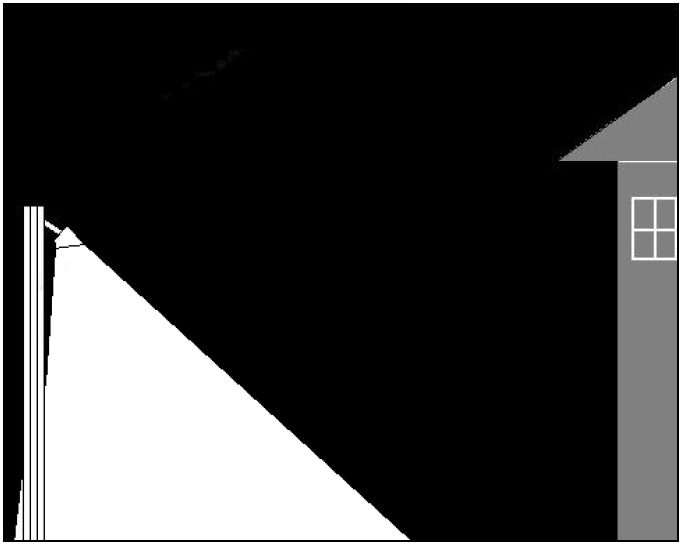
Full cut-off fixture means a light fixture designed and installed where no direct light (as opposed to scattered light) is emitted at or above a horizontal plane running through the lowest point on the fixture.
Glare means intense light that results in discomfort and/or a reduction of visual performance and visibility.
Holiday lighting means seasonal lighting of a temporary nature intended to celebrate recognized holidays occurring throughout the calendar year and which may include low-level lighting such as festoon lighting, holiday light stringers, or similar.
Light pollution means any manmade light that diminishes the ability to view the night sky.
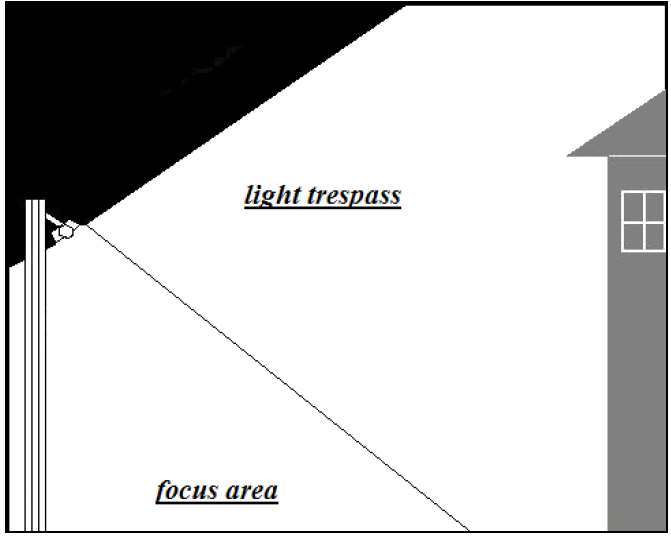
Light trespass means light falling on the property of another or the public right-of-way, when it is not required to do so.
(c)
Applicability. These lighting standards shall be applicable to all new construction in the Town. Additionally, residents and business owners are required to replace all nonconforming exterior light fixtures when a building permit is issued for any exterior project with a permit valuation greater than or equal to one thousand five hundred dollars ($1,500.00). Business owners and residents with nonconforming fixtures are encouraged to comply with these regulations when replacing older fixtures.
(d)
General outdoor lighting regulations. The following regulations shall apply to all properties located within the Town:
(1)
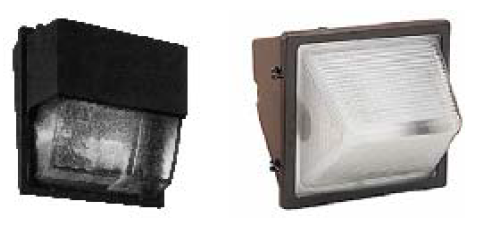
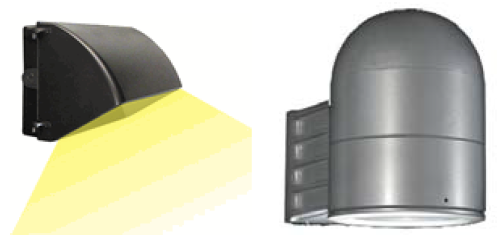
All exterior lighting shall be shielded such that the source of illumination is not visible from the property line, thereby reducing glare and interference with boundary streets and adjacent properties. Light fixtures near adjacent property may require special shielding devices to prevent light trespass.
(2)
All lighting shall conform with the definition for a full cut-off fixture.
(3)
All exterior lighting or illumination shall be designed, located, placed and shielded to be architecturally and aesthetically in keeping with the buildings and surroundings, should create minimum visual impact on any other lot, tract or parcel in the Town, shall not directly illuminate adjoining lots, tracts, parcels or rights-of-way, including alleys, and shall comply with this Article.
(4)
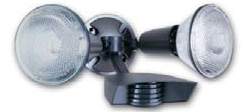
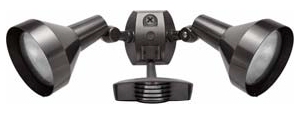
Floodlights and security lights shall be restricted as follows:
a.
The point light source shall not be visible from neighboring lots or streets.
b.
The light must comply with the definition of a full cut-off fixture, be down-directed and screened from adjacent properties in a manner that prevents light trespass.
(5)
Motion sensor lights may be permitted, but only where the sensor is triggered by motion within the owner's property lines.
(6)
Exterior lighting fixtures shall be mounted no higher than ten (10) feet above the flooring, deck, walkway, driveway or other occupied area or highest grade point of the ground surface immediately below the light fixture. The height of the fixture shall be the vertical distance from the surface directly below the centerline of the fixture to the lowest direct light-emitting part of the fixture. For mixed-use and commercial buildings, the height may be extended to fifteen (15) feet.
(7)
Exterior fluorescent tube lighting shall be prohibited in all cases.
(e)
Lighting plan required. To ensure that all new construction complies with the lighting standards, a lighting plan shall be submitted for all new construction in the Town. A lighting plan for residential projects can be reviewed by the Town Planner and Building Official and processed administratively prior to the issuance of a certificate of occupancy. However, a lighting plan shall be submitted at the time of application for all mixed-use and commercial projects and shall be approved by the Planning Commission. The lighting plan shall include the following information:
(1)
The type and luminous intensity of each light source and wattage (e.g., incandescent, halogen, high-pressure sodium, etc.).
(2)
Fixture location and height above grade of each light fixture.
(3)
Shielding and all mounting details.
(4)
A specification sheet or photo of each light fixture.
(5)
Other information deemed necessary to document compliance with the provisions of the lighting regulations.
(f)
Exemptions. The following exterior light fixtures shall be exempt from the regulations contained in this Article:
(1)
Illumination of the United States flag, provided that such lighting does not interfere with the vision of drivers or pedestrians or otherwise create an unsafe condition for the public. No more than two (2) lights per pole are permitted.
(2)
Lights and lighting devices which are part of a Town event, Town display, or public gathering, so long as the event, display, or gathering is of a temporary, seasonal, or periodic nature.
(3)
Holiday lighting limited to illumination between sunrise and 10:00 p.m., M.S.T.
(4)
Festoon lighting.
(5)
Construction lighting used for the purpose of illuminating construction work activities, provided that the illumination source is directed internally towards the project site and is turned off each night when work is halted.
(6)
Any light source that is used by an emergency service provider.
(g)
Enforcement and penalty. The violations of any of the regulations contained herein shall be deemed by the Town as a public nuisance, and such nuisances may be abated or prosecuted in accordance with the procedures established within this Code.
(h)
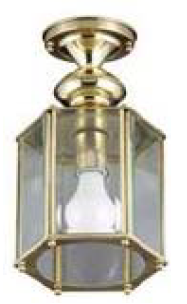
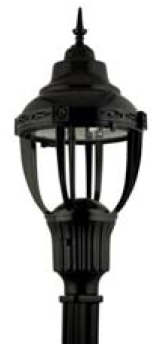
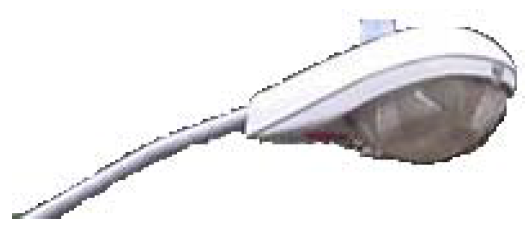
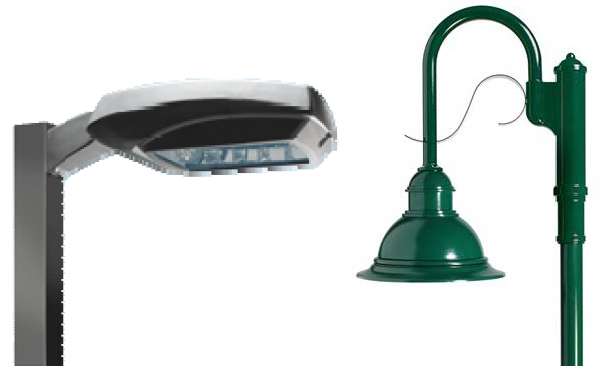
Figures and diagrams. The following figures illustrate examples of acceptable and unacceptable types of outdoor lighting fixtures. Note that even those types of fixtures shown as "acceptable" must be installed and aimed properly to comply with this Section.
_____
| Unacceptable | Acceptable |
|---|---|
| Spotlights | |
 |  |
| Wall Mounted | |
 |  |
| Decorative | |
 |  |
| Street Lighting | |
 |  |
| Properly shielded fixture with no light trespass: | Light trespass from an unshielded fixture: |
 |  |
(Ord. 2, 2010 §1; Ord. 19-2024 §2; Ord. 2-2025 §2)
Sec. 16-17-190. - Reserved.
Editor's note— Ord. No. 01-2015, §2, adopted March 18, 2015, renumbered the former §16-17-190 as §§16-2-40 and 16-2-50. Formerly, §16-70-190 pertained to general lot requirements and dimensional standards. The historical notation has been retained with the amended provisions for reference purposes.
Sec. 16-17-200. - Design Standards and Guidelines adopted.
The Town's Design Standards and Guidelines are hereby adopted by reference, as set out in Appendix B to this Code. The Design Standards and Guidelines shall only be amended by ordinance of the Town Council.
(Ord. 15-2008 §1)
Sec. 16-17-210. - Keeping of fowl; limitations and requirements.
The following requirements, restrictions, and standards shall apply to the keeping of fowl within the Town of Minturn corporate limits. No other animals not otherwise allowed as "pet animals" by Article 9, Chapter 8 of this Code may be kept in the Town.
(a)
Applicability. The keeping of fowl and the erection of coops, runs and associated enclosures are allowed as an accessory use only on those parcels where the principal use of the parcel meets one (1) of the configurations listed in this Subparagraph. An existing coop shall cease to be allowed where the principal use of the parcel is altered to no longer meet one (1) of the following configurations:
(1)
Detached single-family dwelling;
(2)
Detached single-family dwelling with either one (1) attached or one (1) detached accessory dwelling unit;
(3)
A two-family dwelling (duplex); or
(4)
A school or community centered board facility.
(b)
Where permitted.
(1)
Fowl are allowed in all zone districts, subject to the restrictions in this Article.
(2)
Fowl are allowed within a planned unit development unless specifically identified as a prohibited use by the planned unit development.
(3)
Parcels must be a minimum of two thousand five hundred (2,500) square feet in size.
(c)
Number and type.
(1)
No more than two (2) fowl permits shall be allowed per permitted property. If a parcel has more than one (1) dwelling unit, all adult residents (twenty-one (21) years of age or older) and the owners of the parcel must consent in writing, on a form provided by the Planning Director, to allow the keeping of fowl on the property. If a property contains a bonafide rental unit, tenants may be permitted to keep and maintain fowl so long as the property owner/authorized landlord approves in writing, on a form provided by the Planning Director, the use and permitting.
(2)
There shall be a maximum number of fowl allowed based on the square footage required in a coop per type of bird.
(3)
Roosters are allowed.
(d)
Site layout and design.
(1)
A coop shall be located so that it has the least amount of impact to adjacent dwellings and properties. Coops and associated runs or other enclosures may be located in the front, side, or rear yards of the permitted property based on review by the Planning Director. Applicants for fowl permits are required to provide a site plan and other information detailing the location, size and layout of any coop, run or enclosed yard.
(2)
Neither the coop nor any portion of the run or other associated outdoor enclosure may be located less than five (5) feet from any abutting property line unless the property owner or keeper of the fowl obtains the written consent of the owners of all properties to which the enclosure is proposed to be closer than five (5) feet from their property line; in which event, the agreed-upon location shall then be deemed acceptable to all such abutting property owners. The property owner or keeper of the fowl need only get permission from the original neighboring property owner. The consent, once obtained, lasts until the permit is relinquished or revoked.
(3)
The footprint of a coop shall not exceed one hundred twenty (120) square feet. The maximum height of the coop shall be twelve (12) feet. Coops and runs shall be completely enclosed with wire or other material to contain the fowl and prevent wildlife intrusion.
(e)
Operation.
(1)
Fowl must be confined at all times in a yard, coop or run. However, fowl may be permitted to roam, in a free range manner, outside the coop and/or run to allow for access to sunlight and open air described above so long as:
a.
The entire perimeter of such free range area (a yard) is fenced in a manner to adequately confine the fowl;
b.
Such area is part of the permitted property and within an area immediately surrounding the residence of the owner of the fowl.
(2)
All fowl must be provided with a covered, predator-resistant house or coop that is properly ventilated, designed to be easily accessed, cleaned and maintained and at least two (2) square feet per chicken in size, four (4) square feet per duck or pair of pigeons in size, six (6) square feet per turkey or goose in size, and no portion of the floor shall exceed six (6) feet from grade.
(3)
During daylight hours, the fowl must have access to the coop, must have access to adequate fresh water, and must also have access to an enclosure that is screened on all sides and on top and adequate to protect them from predators.
(4)
Fowl shall be further protected by being enclosed within the coop from dusk till dawn.
(5)
Feed shall be kept within a rodent resistant container within the residence, garage, shed or other permitted structure so that it can be secured from rodents and other wildlife.
(6)
Coops and runs shall be maintained in a clean fashion to prevent odors, and manure shall be removed and stored in a sealed container or removed from the property immediately. Spillage and leftover feed must be removed daily to prevent rodent propagation and odors.
(f)
Permit procedures.
(1)
Application requirements. The owner shall submit an application on the form provided by the Planning Director and shall pay the application fee set by Town Council resolution.
a.
Applicants for fowl permit(s) may be required to provide a site plan of the subject property drawn to scale showing the location of proposed coop(s), run(s), and fencing and yard areas. Applicants will also be required to provide details of proposed coop, run, and fence designs, inclusive of structural dimensions and materials.
b.
If the parcel upon which the keeping of fowl is proposed falls within the jurisdiction of a homeowners' association or similar covenant-based property owners' association, the requirements of this Article shall be considered minimum requirements. Any such association shall have the right to lawfully adopt more stringent fowl-keeping standards, including the outright prohibition of fowl-keeping, for any parcel within the regulatory authority of such association.
(2)
Issuance of permit.
a.
All fowl keeping uses shall require a permit from the Planning Director. Such permit shall only be issued after the fowl application has been approved in accordance with the Municipal Code. The fowl permit shall specify any terms and conditions of the permit. All permits shall be issued to the owner of the property or approved tenant of a bonafide rental (dwelling) unit. A change in ownership shall necessitate issuance of a new permit.
b.
Any pre-existing keeping of fowl shall come into conformance by May 31, 2022 or be considered illegal and therefore must comply with this Section or be removed.
(3)
Revocation of permit. A fowl permit may be revoked at any time by the Planning Director should it be determined that the use is not being operated in compliance with this Section or any other section of the Municipal Code.
(Ord. 1-2022 §2(Exh. A))
Sec. 16-17-220. - Family child care homes.
Family child care homes will be treated as residential properties in all residential zone districts within the Town of Minturn.
(Ord. 2-2022 §2)

