
Ponce Inlet City Zoning Code
ARTICLE 3
USE REGULATIONS
SECTION 3.1.- PURPOSE AND APPLICABILITY
This article establishes regulations for particular uses that are permitted under this code. These regulations supplement the zoning regulations in article 2.
SECTION 3.4.- AQUARIUMS
Reserved.
SECTION 3.5.- BED AND BREAKFAST HOMESTAYS[1]
Editor's note— Ord. No. 2013-12, § 2(Exh. A), adopted Oct. 17, 2013, amended Sec. 3.5 in its entirety to read as herein set out. Former Sec. 3.5, §§ 3.5.1—3.5.4, pertained to bed and breakfast inns and derived from Ord. No. 2012-15, adopted Dec. 20, 2012.
SECTION 3.7.- BOAT CONSTRUCTION
A.
Definition. Construction of marine vessels on a one-off basis that does not trigger the federal Clean Air Act's major-source threshold of Hazardous Air Pollutant (HAP). One-off production is when a craftsman creates a single unique product from a specified design.
Therefore, boat construction is limited to the custom assembly or hand crafting of individual boats, which may involve hand tools, small machine parts or small electronic equipment. Boat construction does not include:
1.
Any facility that is considered a "major source" pursuant to 40 C.F.R. § 63.5683 (National Emission Standards for Hazardous Air Pollutants for Boat Manufacturing); or
2.
Any industrial-scale facility that manufactures hulls or decks of boats or assembles boats from pre-manufactured hulls and decks, or builds molds to make hulls or decks, or
3.
Any facility that manufactures only parts of boats (such as hatches, seats, or lockers) or boat trailers.
B.
How permitted. See section 2.40, Table 2-5 (Table of Permitted Uses).
SECTION 3.13.- COMMERCIAL FISHING FACILITIES
Reserved.
SECTION 3.15.- COMPOUND USES
A.
Definition. An occurrence of two or more principal uses on a single lot.
B.
Generally. Compound uses are addressed in section 4.6.4 (number of uses and buildings).
SECTION 3.21.- FUEL DOCKS
Reserved.
SECTION 3.27.- RETAIL SEAFOOD MARKETS
Reserved.
SECTION 3.34 - MOBILE FOOD VENDORS
A.
Applicability.
1.
Definitions.
a.
Host property. A fully developed individual lot or parcel, or combination of parcels unified for development purposes, on which an approved mobile food vending site is located.
b.
Mobile food vending. The sale of food, either prepared on location or pre-packaged, from a mobile food vending vehicle.
c.
Mobile food vending site (MFVS). The approved location on the host property where mobile food vending operations take place.
d.
Mobile food vending vehicle (MFW). Any vehicle or trailer that is equipped for the sale, storage, preparation, or cooking of food.
e.
Mobile food vendor. Any person selling food from a mobile food vending vehicle. A mobile food vendor shall not be considered an itinerant merchant as defined in section 50-31 of the Code of Ordinances.
2.
How permitted.
a.
See section 2.40. Table 2-5 (Table of Permitted Uses).
b.
Mobile food vendors associated with a special event shall not be subject to the standards in this section, provided the town has approved such event.
B.
Temporary use permit. A mobile food vendor shall be required to obtain a temporary use permit, pursuant to LUDC Sec. 6.6.17, prior to operating on any property within the town, subject to the following:
1.
Duration. Temporary use permits shall be valid for the duration of time specified pursuant to 6.6.17.F. (Expiration).
2.
Permit revocation. In addition to the provisions of section 6.6.17.H.1, a temporary use permit for a mobile food vendor may be revoked by the town for any one of the following violations:
a.
Operating outside of the approved mobile food vending site.
b.
Operating without the required state licenses.
c.
Creating a public nuisance as defined in this code.
3.
Violation and penalties. No person shall violate the provisions of this section, nor shall any person fail to comply with all state and town laws, codes, ordinances, rules, or regulations. The special magistrate shall have jurisdiction to enforce these provisions pursuant to F.S. Ch. 162 and this code. Any person determined to be in violation will be subject to penalties and remedies available as provided by law.
C.
Location, number, and parking.
1.
Mobile food vendors shall be prohibited from operating on any vacant or unimproved lot or parcel, or within an established right-of-way, or drive aisle.
2.
A maximum of three mobile food vendors may be permitted per host property at any given time.
3.
A single mobile food vendor operating within a host property may occupy up to two of the required parking spaces of the existing principal use.
a.
Additional mobile food vendors may be allowed to operate on the same host property if more than the minimum required number of parking spaces per Table 4-11 are available. Such additional MFVV's are also limited to a maximum of two parking spaces per vendor.
b.
An approved mobile food vending site for an active mobile food vendor permit shall not be used by any other mobile food vendor for any duration of time between the issued date and expiration date of the permit.
D.
Setbacks.
1.
The MFVV shall not encroach into any required landscape buffer.
2.
The MFVV shall be set back a minimum of 50 feet from any property line of an existing residential use, unless:
a.
A permanent building or structure blocks the view of the MFVV from the residential parcel; or
b.
The MFVV and residential parcel are separated by a minimum 60-foot right of way.
E.
Operation.
1.
Equipment. All operations, equipment, merchandise, and related activities shall, at all times, be contained within or upon the MFW, including, but are not limited to, signs, seats, displays, and generators.
2.
Business hours. All mobile food vending operations and vehicles shall:
a.
Vacate the host property between midnight and 6:00 a.m.
b.
Not be open for business between 11:00 p.m. and 7:00 a.m.
c.
Not be open for business for more than eight hours between 7:00 a.m. and 11:00 p.m.
d.
Not be stored on the host property for any period of non-operation.
3.
Garbage. All mobile food vendors must provide for their own trash and garbage removal or establish an agreement with the owner of the host property to use the property owner's trash service. All trash or garbage generated by the mobile food vendor or deposited by any patron of the mobile food vendor within the immediate vicinity of the MFVS shall be collected and removed from the premise before the MFVV has left the host property for the day.
4.
Sound limitations. Subject to the town's noise regulations under chapter 34, article IV of the Code of Ordinances.
5.
Fire Code. Vending operations and equipment shall comply with all applicable regulations of the NFPA and the Florida Fire Prevention Code.
(Ord. No. 2022-07, § 2, 11-17-2022; Ord. No. 2024-08, § 2(Exh. A), 11-21-2024)
3.2.1 - Applicability/definition.
This section applies to any accessory use or accessory structure.
A.
Definition.
1.
Accessory. Clearly incidental, subordinate and related to another use that is the principal use or structure on the same lot or a contiguous lot meeting the requirements of section 6.6.7 (Minor replats).
2.
Accessory use or accessory structure. An accessory use is a use that is accessory to a principal use. An accessory structure is a structure that is accessory to a principal structure. Examples include:
• satellite dish antennae
• windmills
• solar energy equipment
• detached garages and carports
• accessory swimming pools
• utility sheds
• residential docks, marginal docks, boathouses, and piers
• sunrooms
• screened pool enclosures
• sign and sign structures
• parking and loading areas
• storage areas and structures
• barbeque pits
• concrete patios
• stationary generators
• concrete equipment pads
B.
How permitted. If a use is permitted in a zoning district, uses and structures that are accessory to that use are also permitted unless stated otherwise in this code.
3.2.2 - Generally.
A.
Accessory uses shall be consistent with all standards in the zoning district for the principal use.
B.
Uses and structures shall:
1.
Be accessory and clearly incidental and subordinate to permitted or special exception uses and structures.
2.
Be located on the same lot as the permitted or special exception use or structure, or on a contiguous lot meeting the requirements of section 6.6.7 (Minor replats).
3.
Not involve operations or structures not in keeping with the character of the primary use or principal structure served.
4.
Not be of a nature likely to attract visitors in larger numbers than would normally be expected, where applicable.
5.
The accessory use shall contribute to the comfort, convenience or necessity of occupants of the primary use served.
C.
No accessory building or structure shall be erected in any required setback area, except as expressly set forth in Table 3-1 or elsewhere in the LUDC.
D.
Trailers, storage pods, cargo containers and transport containers are prohibited as storage buildings or structures except as needed on an active construction site, or as temporarily needed for loading, unloading, or cleaning for a period of five days.
E.
In all residential districts, accessory uses shall only be allowed where a principal use exists.
3.2.3 - Location of accessory structures.
A.
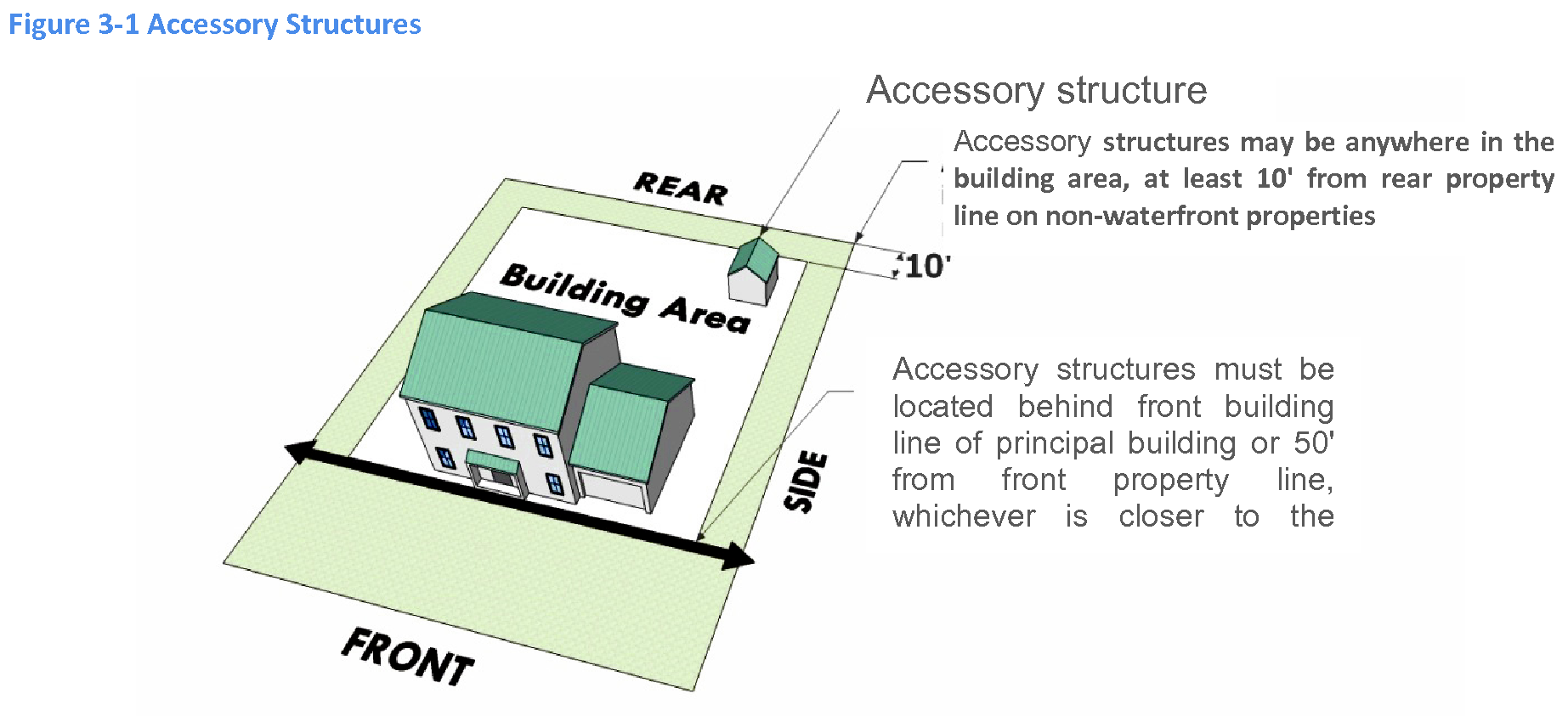
Accessory structures other than fences and walls are not permitted within front or side yards. They may be located within rear yards not less than ten feet from any property line, unless otherwise set forth in Table 3-1 or elsewhere in the LUDC.
B.
Accessory structures are permitted within any part of the building area except the area streetward of the following (whichever is nearest the street):
1.
In front of the line extending across the face of the principal structure nearest the street, or
2.
In front of a line 50 feet from and parallel to the street right-of-way line.
3.2.4 - Exceptions to minimum yard and setback requirements for accessory structures.
Every part of every yard shall be open and unobstructed from the ground up by any building or structure, except as follows.
A.
Table 3-1 (Yard Encroachments) lists allowed encroachment of accessory structures into required yards and setbacks, and the extent of the allowed encroachment. Accessory structures not listed in this table are not allowed to encroach into required yards, unless otherwise specified in the LUDC.
B.
No building or structure shall encroach in or over any public easement where the structure would interfere with the use of the easement for its intended purpose.
Table 3-1 Yard Encroachments
(Ord. No. 2014-01, § 2, 1-16-2014; Ord. No. 2015-07, § 2(Exh. A), 11-19-2015)
3.3.1 - Applicability.
A.
Definition. Any use or occupation whose primary purpose is to encourage or emphasize prurient interest, create physical disfigurement or alteration, or encourage physical contact between patrons of the use or business and its employees. Examples of adult uses include tattooing, body piercing, body shampooing, sale or rental of X-rated videos, peep shows, display of X-rated videos, massaging (except as regulated by state law) and other similar business and uses.
B.
How permitted. See section 2.40, Table 2-5 (Table of Permitted Uses).
3.3.2 - Standards.
No adult use is allowed within 1,000 feet of any residential district within the town or within 2,500 feet of any public park or other public gathering place in the conservation or public/institutional zoning districts.
3.5.1 - Applicability.
A.
Definition. An accessory use within a private single-family residence (including approved accessory structures), located on a single lot or parcel maintained and physically operated by a live-in owner, with six or fewer guest rooms for rental to overnight guests and which offers breakfast for compensation. A bed and breakfast homestay may include legally established accessory guest houses detached from the principal residence, as long as such guest houses do not include kitchens, kitchenettes, or other cooking facilities.
B.
How permitted. See section 2.40, Table 2-5 (Table of Permitted Uses). Permitted pursuant to standards in section 3.5.2 below.
(Ord. No. 2013-12, § 2(Exh. A), 10-17-2013)
3.5.2 - Special exception criteria.
Bed and breakfast homestays are permitted as a special exception use provided that they meet the criteria below. The special exception may be revoked upon violation of the standards in section 3.5 and any other conditions of approval, pursuant to section 6.6.3.
A.
The bed and breakfast homestay shall be the primary residence of the owner, who shall occupy the principal structure at all times when it is open to guests;
B.
The bed and breakfast homestay shall be an incidental and secondary use to the single-family dwelling unit of the owner;
C.
To promote walkability to the town's natural, scenic, and historic resources, bed and breakfast homestays shall be located:
1.
On Beach Street or South Peninsula Drive within 1,000 feet of the Ponce Inlet Lighthouse structure, measured in a direct line from the property line of the bed and breakfast homestay; or
2.
Adjacent to Sailfish Drive, Beach Street, Bounty Lane, Front Street, Rains Court, Ocean Way Drive, Caribbean Way, Lighthouse Drive, South Peninsula Drive south of Beach Street, and Atlantic Avenue south of Beach Street if the residential structure is more than 50 years old;
D.
All bed and breakfast homestays shall have direct driveway access either to Sailfish Drive, Beach Street, Bounty Lane, Front Street, Rains Court, Ocean Way Drive, Caribbean Way, Lighthouse Drive, South Peninsula Drive south of Beach Street, and Atlantic Avenue south of Beach Street ;
E.
Bed and breakfast homestays shall not exceed six guest rooms and may accommodate a maximum total of 12 adult guests per night;
F.
The number of guest bedrooms shall not exceed one per 6,000 square feet of total lot area;
G.
Prior to the issuance of a business tax receipt to operate a bed and breakfast homestay, the applicant must provide evidence that it is tied into a municipal sanitary sewerage system. The use of portable sanitary facilities at a bed and breakfast homestay shall be prohibited;
H.
Sufficient on-site parking shall be provided to accommodate two spaces for the dwelling and one space per guestroom. Tandem parking may be permitted. The parking area shall be screened from view of adjacent property owners; and
I.
An applicant for a special exception to operate a bed and breakfast homestay shall demonstrate how adverse impacts on surrounding residential properties, particularly with relation to adequate screening, buffering, noise, and traffic will be mitigated. Traffic congestion shall not be the sole basis for denial of a special exception permit.
(Ord. No. 2013-12, § 2(Exh. A), 10-17-2013)
3.5.3 - Design standards.
A.
A bed and breakfast homestay may be allowed if there is no appearance of commercial activity except that which is permitted by this section.
B.
Signs. Any other sections of this code specifically regulating signs notwithstanding, a bed and breakfast operation shall be allowed a four-square-foot permanent attached sign containing only the name of the proprietor or the name of the residence. The identity of the residence as a bed and breakfast operation shall be allowed by letters not exceeding two inches in height, and signs shall be non-illuminated. Any sign for a bed and breakfast located in a local historic district or listed as a historic building or site must also be approved by the historic and archeological preservation board and in accordance with the town's sign regulations under subsection 3.30.6.G.
C.
The exterior appearance of all structures on a bed and breakfast site shall maintain that of a single-family residence.
D.
Each guest bedroom shall have a minimum of 150 square feet in habitable floor area. Habitable floor area does not include bathrooms, built-in equipment which extends from the floor to 30 inches above the floor, including but not limited to wardrobes, cabinets, and appliances.
E.
Each guest bedroom shall have a maximum guest capacity of one guest per 75 square feet of habitable floor area per guest (excluding infants). Habitable floor area does not include bathrooms, built-in equipment which extends from the floor to 30 inches above the floor, including but not limited to wardrobes, cabinets, and appliances.
F.
All bed and breakfast homestays shall have at least one bathroom adjacent to and only accessible to every two guest rooms and one bathroom exclusively for the use of the owner which is adjacent to and accessible through the owner's bedroom. These bathrooms shall contain a shower and/or tub, sink, and toilet.
E.G.
No bed and breakfast homestay shall have any kitchen, kitchenette, or other cooking facilities in any guest room.
H.
All refuse containers must be stored within an enclosed structure or properly screened from view.
I.
Bed and breakfast homestays shall meet all applicable building, fire, and property maintenance code requirements and be inspected for compliance on annual basis.
(Ord. No. 2013-12, § 2(Exh. A), 10-17-2013)
3.5.4 - Other applicable standards.
A.
Bed and breakfast homestays shall make breakfast service available to overnight paying guests only. Bed and breakfast homestays shall not advertise breakfast service as a restaurant.
B.
Rental shall be on a daily basis. The maximum stay for an individual guest shall be 28 days in a 12-month period. The bed and breakfast homestay shall maintain a guest register that includes date of arrival and departure, guest name(s), and current home address(es).
C.
The site shall not be let by the public or paying guests for the hosting of receptions or special events. Private parties or similar uses shall be prohibited.
D.
Any special exception granted under this section is limited to the owner only. A change in ownership will require the approval of a new special exception application.
E.
In order for a bed and breakfast homestay to increase the number of available guest rooms beyond the number of guest rooms approved by special exception, the owner must apply for and receive a new special exception permit.
F.
A bed and breakfast homestay shall only operate within the borders of the site described in its special exception permit. A homestay cannot expand its operation by leasing adjacent property or operating additional buildings which are not located on the site described within its special exception permit.
(Ord. No. 2013-12, § 2(Exh. A), 10-17-2013)
3.6.1 - Applicability.
A.
Definition. A facility that may be located on land and/or water that is accessible by boat and provides transient lodging accommodations, normally at a daily rate for boat travelers. Boatels include sleeping accommodations and provisions for sanitation service and may include cooking facilities.
B.
How permitted. See section 2.40, Table 2-5 (Table of Permitted Uses).
3.6.2 - Generally.
A.
Boatels offering transient lodging accommodations and related accessory uses for boat travelers are permitted as a special exception accessory use in the B-2 zoning district, if they comply with the standards in this section.
B.
Boatels shall be combined with a marina and its accessory uses, such as a restaurant.
3.6.3 - Site plan for boatels.
A.
The applicant must submit a site plan that shows the interrelationship between any existing buildings, the proposed boatel building, and existing and proposed off-street parking and service areas.
B.
The development review team and planning board shall review the site plan and submit their recommendations to the town council.
C.
The town council shall approve, disapprove or approve with conditions the final plan for development.
3.6.4 - Boatel standards.
A.
If boatel units are allowed in the zoning district, a lot may include more than one building with boatel units. The lot and the boatel units must comply with this section.
B.
Each boatel unit shall contain no more than 750 square feet of floor area.
C.
No more than ten boatel units are permitted on any B-2 zoned parcel.
D.
No more than five boatel units permitted within any proposed boatel building.
E.
Buildings that contain boatel units shall be separated by a minimum of 25 feet.
F.
The parcel proposed for boatels shall be separated from any established residential use or residentially zoned property by a bufferyard in accordance with the requirements set forth in section 4.10.3 of this code.
G.
All boatel units and related off-street parking spaces shall be screened from any adjoining established residential use or residential zoned property by a solid wall, fence or plant material. If screening is comprised of plant material, it shall form a screen of at least 75 percent opacity at the time of installation.
3.8.1 - Applicability.
A.
Definition. A facility where boats are maintained and/or repaired either on land or in the water. Repair facilities on land service boats that are able to be hauled to the facility on a standard boat trailer on local roads. Repair facilities in the water serve larger vessels that are transported by water only and are removed from the water only temporarily by fork lift, ramp, or marine hoist (not exceeding 100-ton capacity). This use may also include marine engine sales; woodworking, electrical or electronic or machine shops and sails lofts as accessory uses or activities.
B.
How permitted. See section 2.40, Table 2-5 (Table of Permitted Uses).
3.8.2 - Standards.
Boat repair facilities are permitted uses in the B-2 zoning district, if:
A.
The parcel proposed for development has direct access to water of at least four feet below mean sea level at all times.
B.
The sale of goods and services is limited to those associated with boat, vessel or marine repairs only.
C.
All outside storage areas shall be screened from adjacent uses and properties, as well as from public view, by a solid wall, fence or plant material. If said screening is to be comprised of plant material, it shall form a screen of at least 75 percent opacity at the time of installation.
D.
The parcel proposed for development shall be separated from any established residential use or residentially zoned property by a bufferyard in accordance section 4.10.3 of this code.
3.9.1 - Purpose and intent.
This section establishes and implements the town's official town boat slip registry pursuant to the Volusia County Manatee Protection Program (October 29, 2005)(the "MPP"), Town Resolution 2006-14, the town's memorandum of understanding with Volusia County dated December 12, 2006, Ordinance No. 2007-28, and the comprehensive plan. The purpose and findings established in Ordinance No. 2007-28, adopted October 17, 2007, and maintained in the office of the town clerk, are incorporated by reference and made a part of this section.
3.9.2 - Definitions.
Boat slip. A space used to moor, store, or park a boat. Includes residential docks inclusive of potential future subdivisions, all commercial slips (dry and wet), and boat trailer parking spaces.
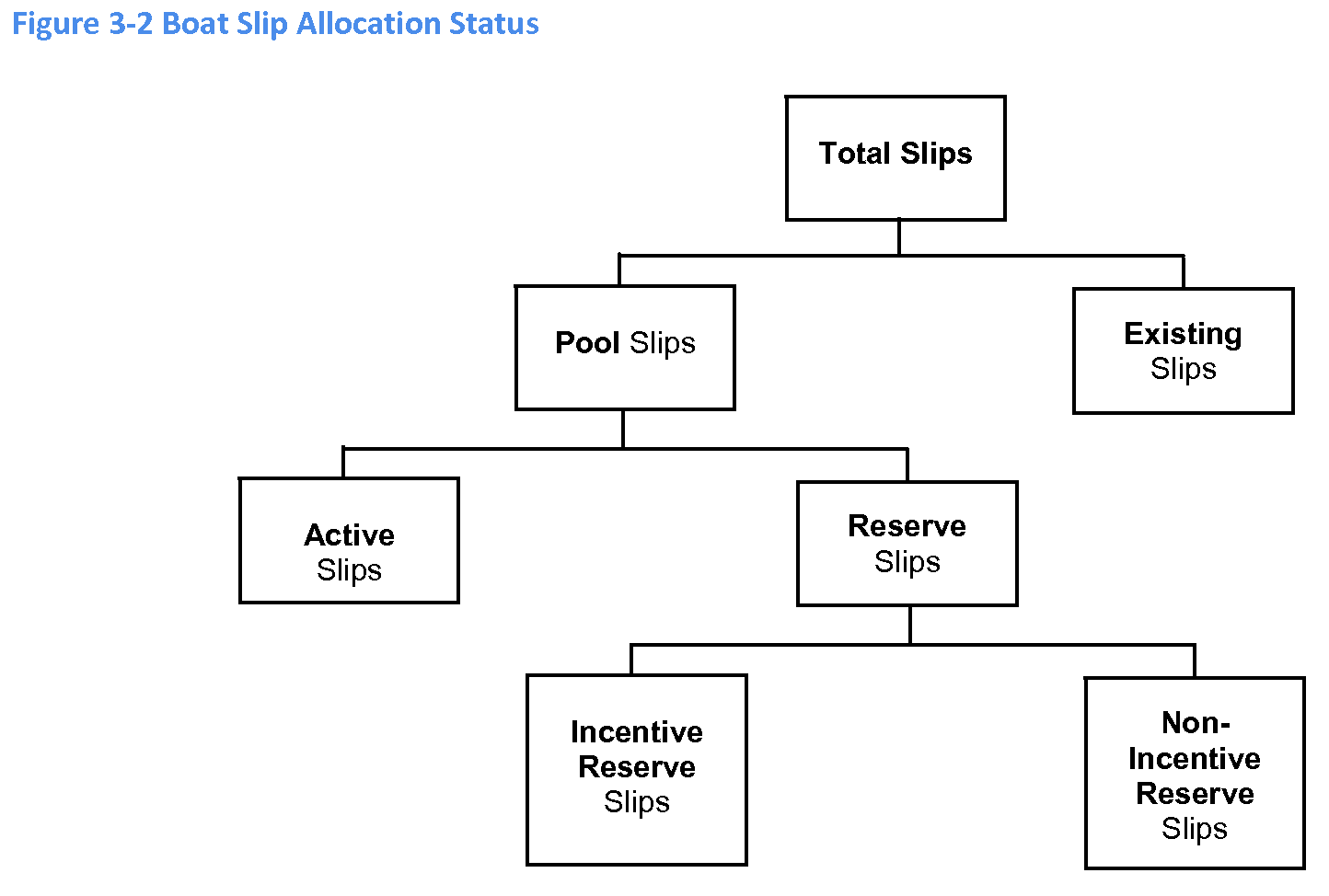
For the purposes of the town's manatee protection regulations and boat slip regulations in this section, slips are organized by allocation status and type. See additional boat slip definitions and Figure 3-2 below. Note: all numbers below are pursuant to Ordinance No. 2007-28, as of October 17, 2007. The actual number of existing and pool slips at any given time is found on the town's official boat slip registry.
Allocation status.
Active pool slips. Boat slips available for development that are not otherwise reserved. The number of active boat slips (359) is equal to the 70 percent of all pool slips.
Existing slips. The number of all legal wet and dry slips (874) that existed when the town's manatee protection and boat slip regulations were adopted.
Incentive reserve slips. Those boat slips in the pool of reserve slips earmarked for development with recreational and commercial working waterfronts. The number of incentive reserve slips (78) is equal to 50 percent of all reserve slips.
Non-incentive reserve slips. Those boats slips in the pool of reserve slips that are available for development for purposes other than recreational and commercial working waterfronts. The number of non-incentive reserve slips (78) is equal to 50 percent of all reserve slips.
Pool slips. The number of slips (515) allowed for future allocation and development from the active and reserve pools.
Reserve slips. Boat slips set aside for future community needs and recreational and commercial working waterfront facilities. The number of reserve slips (156) is equal to 30 percent of all pool slips.
Total slips. The total number of wet and dry slips (1,389) allowed within the town, including all existing slips, active pool slips, and reserve pool slips.
Type.
Dry slip. A space designed to store single watercraft in an upland location.
Transient slips. Temporary docking or mooring spaces which may be used by the general public for short periods of time, including overnight, days, or weeks, but less than 30 days. Transient slips are not boat slips available for a rental term of less than 30 days with rental agreements which contain automatic renewal rights or similar conditions.
Wet slip. A space designed for the mooring of a single watercraft in water. These spaces may extend from a dock or shoreline, but do not project from a pier.
Words not specifically defined or otherwise explained within this section are as defined in the Manatee Protection Plan, by the Florida Department of Environmental Protection, or as interpreted by the director.
3.9.3 - Official boat slip registry.
A.
Location and contents of registry. The official boat slip registry (the "registry") shall be kept on file in the office of the town clerk and made available for public inspection. The registry shall include:
1.
A listing of all parcels eligible for boat slips based on zoning (B-2 and MF-2) and use;
2.
The number of existing slips associated with each parcel;
3.
The number of reserve slips remaining;
4.
The number of incentive reserve slips remaining; and
5.
The number of total available slips.
B.
Slip allotment methodology. The registry shall include a slip allotment methodology for eligible parcels based on the following principles:
1.
Allocation based on shoreline frontage. The method adopted to determine possible allocation per parcel based, in part, on a ratio of a parcel's linear shoreline frontage to the overall frontage of non-single-family properties along the 8.03 miles of the eastern shoreline of the Halifax River. The town calculated the linear shoreline frontage for each property listed in the registry, and the measurements utilized the same GIS base map created by FWC in calculating the overall shoreline of the town (42,328 feet), so that any ratio with the total shoreline would be accurate.
2.
Allocation based on upland acreage. The method adopted to determine possible allocation per parcel based, in part, on a ratio of a parcel's marine commercial and/or multi-family zoned acreage to the overall upland acreage of these zoning areas on the waterfront in town. Property identified as wetlands, or lands earmarked as "wastelands" by the assessor's office have been excluded. Residential marinas shall not have boat slips that exceed the number of multi-family units that are approved and/or constructed.
3.
Grandfathering. All legally existing slips are grandfathered, as depicted in the formula set forth in registry. Therefore, some sites continue to enjoy existing slips beyond that which they would otherwise enjoy under the shoreline and upland acreage ratio approach described in above. Reductions in overall allocations were incorporated into the registry so that the total allotment does not exceed the state's mandatory cap of 1,389 boat slips.
4.
Allocation of wet slips and dry slips. The total possible boat slips for all eligible B-2 and MF-2 properties in aggregate shall be rationed one-half (50 percent) for wet slips and one-half (50 percent) for dry slips. The calculations contained in the registry divide the active pool in half, rationing half for wet slips and half for dry slips. This equitable allocation between wet slips and dry slips recognizes that dry slips, while environmentally favored under the MPP, present aesthetic concerns and must be considered in light of the code's building height limitations and the town's goal to remain a residential haven which offers natural surroundings, quiet, privacy, small scale businesses, and a small town lifestyle.
5.
Vested rights. Until all applicable permits are issued, no vested rights or entitlements are acknowledged as they relate to future slip development based on the registry's boat slip allotment.
C.
Updating the registry. The registry shall be regularly updated to reflect new development, policy changes directed by town council, and all other appropriate modifications.
3.9.4 - Boat slip allocation procedure.
A.
The director is charged with the issuance of boat slip allocations from non-reserve pools. The town council is responsible for allocating boat slips from reserve pools. Prior to submitting for review of a site development plan containing boat slips, the property owner shall submit a MPP Boat Slip Coordination Letter (the "letter") to Volusia County Environmental Management (the "VCEM") providing the name, location, and number of boat slips proposed. In addition to the letter, the property owner must submit to VCEM the site development plan, all applicable county mitigation fees, and any other required city or regulatory agency documentation to Volusia County Environmental Management. The director maintains a form letter for this purpose which is available upon request.
B.
The site development plan and all other required materials must address the following criteria set forth in the Manatee Protection Plan (MPP):
1.
Water Depth (Section B.4.B);
2.
Water Quality (Section B.4.C);
3.
Dredging (Section (B.4.D);
4.
Seagrass or Native Submerged Aquatic Vegetation (B.4.E); and
5.
Best Management Practices for Marinas (B.4.F).
C.
When a letter of compliance is received from Volusia County, the property owner may submit the site development plan that includes boat slips for review. In submitting its application materials, the property owner shall submit a copy of the letter of compliance along with a boundary survey, inclusive of date of survey, north point and graphic scale, surveyor's certificate of accuracy, total acreage, all bearings and distances, watercourses, ponds, wetland areas, and the jurisdictional boundary lines of the Florida Department of Environmental Regulation, and the U.S. Army Corps of Engineers, if any.
1.
If the survey reveals that less acreage is represented than is depicted on the registry, resulting in a decrease in the number of allotted boat slips, the number of excess boat slips shall be placed in the reserve pool.
2.
If the survey reveals that the site has more than the represented amount of acreage as depicted on the registry, resulting in additional slips being allotted to the site, the additional slips shall be allotted from the non-incentive portion of the reserve pool.
D.
Active slips may be combined when contiguous parcels are owned by one property owner. When contiguous parcels are under unified ownership, the total number of slips shall be considered in the aggregate.
E.
Notwithstanding the registry's baseline allotment, a property owner may combine his or her total allotment of wet slips and dry slips and propose a site development plan that calls for a different distribution of dry slips and wet slips. For such proposals, the property owner must demonstrate that a different ratio of wet slips and dry slips is warranted, based on whether it meets the following criteria:
1.
It reduces impacts on nearby and adjacent sites;
2.
It is needed to allow public access via walkways, off-site roads, or bike paths to the waterway;
3.
It is necessary to satisfy design standards or other regulations of the town;
4.
It is necessary to satisfy state or federal permitting requirements;
5.
It is necessary to enhance view corridors to the river or view corridors from the river to the lighthouse;
6.
It is necessary due of the size of the parcel, development presently existing on the property, or unusual configuration of the parcel or the shoreline;
7.
It reduces possible adverse environmental impacts on the parcel or waterway;
8.
It is in harmony with the goal of the town to equitably distribute boat slips based on both upland acreage and shoreline frontage;
9.
It is consistent with the town's comprehensive plan.
F.
A final site plan shall not show a deviation in the wet slip/dry slip ratio of more than 20 percent from the allocation formula. Property owners may not apply for variances from this limitation under this code.
G.
Once staff review of the site development plan is completed, based on the criteria set forth in subsection 3.9.4.B above and all applicable provisions of this section, a final determination concerning boat slip allocation shall be made and the registry shall be amended accordingly.
3.9.5 - Reserve pool.
A.
The town shall maintain a pool of reserve slips for future community needs and recreational and commercial working waterfronts.
B.
The town council is responsible for slip allocation from the reserve pool and the review of the unallocated reserve pool at least once every five years. Considerations by town council during the five-year review process include, but are not limited to:
1.
Whether the reserve pool percentages must be modified based on actual demand, including incentive reserve slips which have been approved for working waterfronts and caps on categories of boat slips eligible from the incentive reserve pool;
2.
Whether any sites have not used their full allotment of boat slips after site plans have been approved by the town;
3.
Whether parcels have been rezoned or subdivided for residential purposes or marine commercial use since adoption of this section such that boat slips are required to be subtracted from the reserve pool;
4.
Whether a governmental entity, including the town, desires to construct slips on publicly owned land;
5.
Whether adjustments to the percentages in the reserve pool are necessary based on state agency review;
6.
Whether property interests or property values have fluctuated since the adoption of this section which make an adjustment desirable or necessary;
7.
Whether changes in state law, the MPP, or the town's comprehensive plan necessitate a review and adjustment of the reserve pool percentages; and
8.
Whether other factors become known after adoption of this section make a review and adjustment of the reserve pool percentages desirable or necessary.
3.9.6 - Incentive reserve boat slips.
A.
Generally.
1.
The town shall set aside incentive reserve slips from the reserve pool for recreational and working waterfront slips.
2.
Boat slips from the incentive reserve pool are available until depleted.
3.
The incentive reserve pool is available in addition to the allotment for individual properties contained in the registry.
B.
Eligible categories. The following are categories of boat slips that may be allocated from the incentive reserve pool:
1.
Boat slips for charter fishing vessels;
2.
Transient slips;
3.
Dry slips directly related and accessory to boat repair activities;
4.
Slips for water taxi;
5.
Slips for public vessels;
6.
Any other slip that would qualify for tax deferral under the town's working waterfront program pursuant to Code of Ordinances section 72-152 except for "first come-first serve" slips as defined by Code of Ordinances section 72-151.
C.
Prohibited categories. The following are categories of boat slips that may not be allocated from the incentive reserve pool:
1.
Boat slips available for any rental term between 30 and 365 days;
2.
Boat slips available for rental term of less than 30 days with rental agreements which contain automatic renewal rights or other similar conditions; and
3.
Boat slips owned by qualifying club memberships, stock ownership, or equity interest facilities which do not provide for general public access.
D.
Deed restriction.
1.
To qualify for incentive reserve slips, the property owner shall timely execute a deed restriction on the property that ensures the required number of public access boating slips remains available on a long-term basis and that other requirements of town regulations are met. This restriction runs with the land and extends to and binds the successors, heirs, lessees, and assigns of the property.
2.
For each slip allocated from the incentive reserve pool to private land owners, two slips must be deed restricted for a qualifying use on the site.
Example: An owner who is allowed ten slips (combined wet and dry) per the allotment formula of the registry, but who wishes to seek two additional slips (for a total of 12 slips) could apply for two slips from the incentive pool. To qualify for the two additional incentive slips, four of the 12 onsite slips would have to be restricted for qualifying working waterfront usage. When contiguous parcels are under unified ownership, the total number of onsite slips is considered in the aggregate.
E.
Caps on each category of boat slips from the incentive reserve pool. To ensure a balance of the types of public access to waterways, no more than 25 percent of any single category of deed restricted boat slips set forth in subsection 3.9.6.B above should be allocated from the incentive reserve pool.
Example: Of the 78 slips available for incentive allocation, no more than 25 percent should be allocated for any one category (boat slips for charter fishing vessels; transient slips; dry slips directly related and accessory to boat repair activities; slips for water taxi; slips for public vessels, such as law enforcement boats, educational research boats, etc.; any other slip that would qualify for tax deferral under the town's working waterfront program pursuant to Code of Ordinances section 72-152 except for "first come-first serve" slips as defined by section 72-151). Therefore, the town shall strive to allocate no more than 20 slips to any one category.
F.
Site development plan. The allocation of slips from the incentive reserve pool requires a full site development plan, staff review, public notice, and approval by town council.
1.
Initiation, submittal, and fees. Refer to sections 6.3.3 and 6.6.6. In the site development plan, the applicant must clearly identify which of the eligible categories set forth in subsection 3.9.6.B above correspond to each incentive slip proposed. The plan shall show the build-out for the entire parcel in order to receive slips from the incentive pool.
2.
Application review and referral. Refer to section 6.3.4 and the criteria in this section, along with the following additional criteria:
a.
The development plan must provide either public access to the navigable waters of the state or access for water-dependent commercial activities.
b.
The development plan must provide direct access to or a location on, over, or adjacent to a navigable body of water.
3.
Public notice. Posted notice and online notice are required pursuant to section 6.3.5.
4.
Action by review and decision-making authority. The town council shall consider the application at its next available regularly scheduled meeting and approve, approve with conditions, postpone, or deny the application based on the criteria in this section. The final determination must specify the eligible category associated with each approved incentive slip, and the registry shall be updated accordingly.
3.9.7 - Sailboat exemption.
A.
Boat slips for sailboats are exempt from the MPP-based allocation restrictions established by this section 3.9.
B.
Applications for boat slips for sailboats must be submitted to the town, and, as with non-exempt boat slips, are subject to the town's site plan approval process.
C.
Property owners for sailboat slips shall timely execute deed restrictions on the property to ensure that the sailboat slips are not converted to slips for non-exempt boats without proper application to and allotment by the town. A deed restriction for sailboat slips runs with the land and binds all successors, heirs, lessees, and assigns of the property.
3.9.8 - Imposition of fees associated with boat slips.
The town council shall set fees by resolution for any costs associated with the town's boat slip allocation program or its compliance with the Manatee Protection Plan. Any such fees are in addition to fees imposed by Volusia County.
3.10.1 - Applicability.
A.
Definition. A facility used primarily for the storage of boats, vessels, or any type of watercraft.
B.
How permitted. See section 2.40, Table 2-5 (Table of Permitted Uses).
3.10.2 - Special exception standards.
Boat storage facilities are permitted as special exceptions in the B-2 zoning district, but only in those areas not covered by the riverfront overlay district (ROD), if:
A.
The parcel proposed for development has direct access to water of at least four feet at all times.
B.
All outside storage areas are screened from adjacent uses and properties by an opaque wall, fence or plant material meeting the requirements of section 4.4. If said screening is to be comprised of plant material, it shall form a screen of at least 75 percent opacity at the time of installation.
C.
The parcel proposed for development shall be separated from any established residential use or residentially zoned property by a buffer in accordance with section 4.10.3 of this code.
3.10.3 - Dry boat storage facilities in B-2 and PWD zoning districts.
A.
Dimensional, access, and development standards. The following standards shall apply to dry boat storage facilities (including storage structures, boats on trailers, and boat stands) as permitted above:
1.
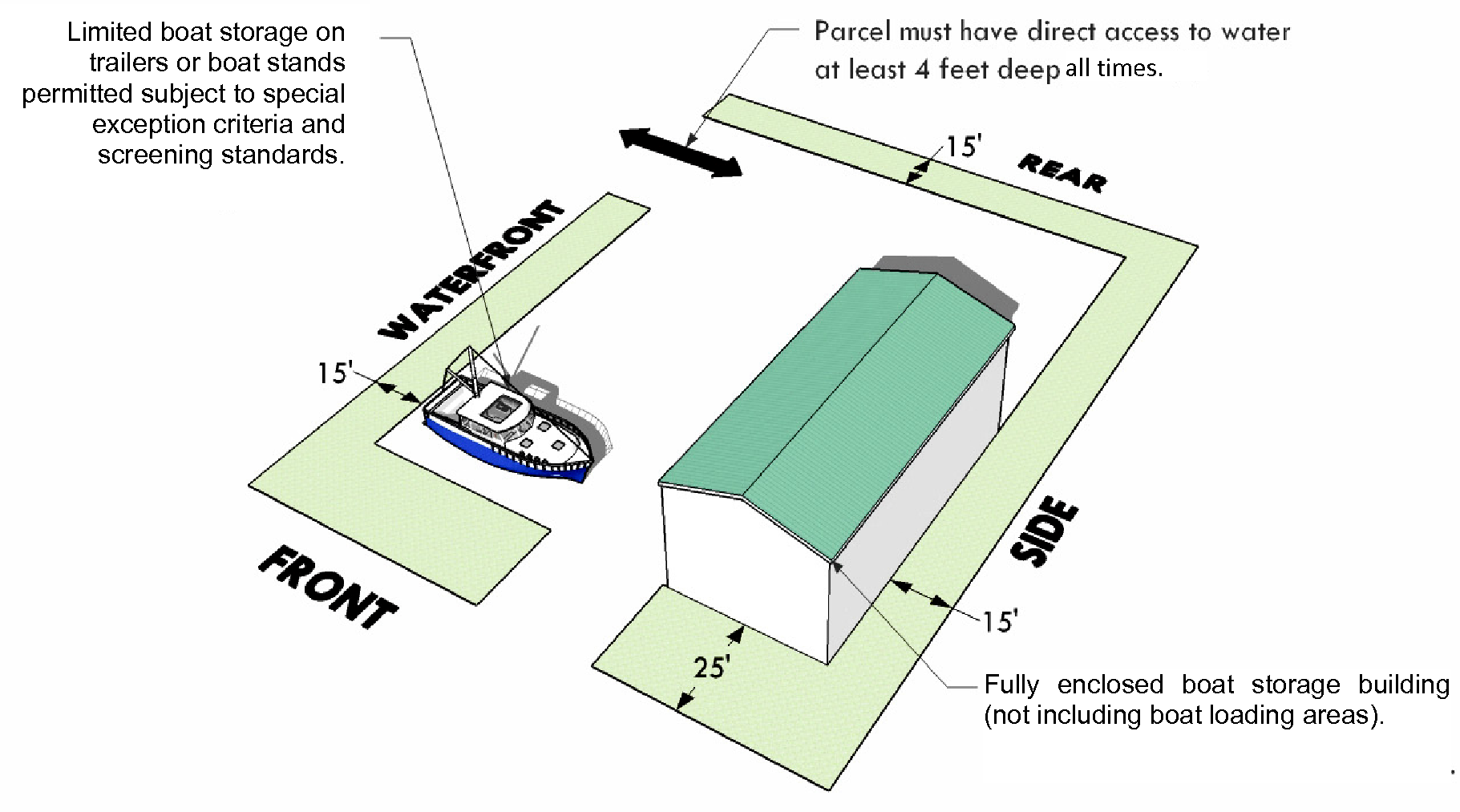
Dry boat storage is subject to the dimensional and access standards established in Table 3-2 below.
2.
Dry boat storage shall be constructed consistent with uniform building code wind load standards, and include interior sprinkler systems or equivalent fire suppression systems.
3.
Limited storage of boats on trailers or boat stands may be permitted as part of boat yard operations subject to site plan review and screening standards; however, multiple-level boat racks shall be contained within fully enclosed buildings, not including the space needed for forklifts to load the racks.
4.
Any lawful boat storage facility in existence as of January 7, 2004, that could not be permitted or rebuilt thereafter because of zoning district requirements (other than dimensional requirements) shall be considered a permitted use and, accordingly, shall not be subject to this subsection and shall not be required to obtain special exception approval, unless the facility is proposed to be expanded beyond the building footprint that existed as of January 7, 2004.
Table 3-2 Dry Boat Storage
 | |||
| Max Building Size | Water Access | Building Design | Yard Requirements |
| 5,000 square feet. See also Sections 2.11 (B-2) and 2.15 (PWD) | Parcel must have direct access to water of at least four feet at all times. | All dry boat storage buildings must be fully enclosed, not including boat loading areas. |
Front: 25'
Rear: 15' Waterfront: 15' Abutting property zoned for single- or two-family development: 35' |
3.11.1 - Applicability.
A.
This code establishes three categories of child care:
• Family day care
• Large family child care
• Child care center
These facilities are defined and regulated in section 3.11.2, below.
B.
How permitted. See section 2.40, Table 2-5 (Table of Permitted Uses).
3.11.2 - Child care regulations.
Table 3-3 below defines the category of child care facility, pursuant to F.S. § 402.302, and the regulations that apply to each type of facility. The permitted location of these facilities is established in section 2.40, Table 2-5 (Table of permitted uses).
Table 3-3 Child Care Categories and Applicable Regulations
3.11.3 - Additional special exception standards.
The following standards apply to any child care facility subject to this section that requires special exception approval, in addition to any generally applicable special exception standards:
A.
The facility must be designed and constructed according to the standards adopted pursuant to F.S. § 402.30 et seq. and F.A.C. 10C-10.20 et seq.
B.
Access must be provided directly from one of the town's major thoroughfares such that traffic generated by the child care facility will not be directed through any single-family residential area.
3.12.1 - Applicability.
A.
Definition. A premises used principally for social, cultural, and religious activities. Land designated for civic use may include meeting halls, private clubs, churches, museums, cultural societies and visual and performing arts buildings, excluding adult entertainment facilities.
B.
Generally.
1.
This section applies to all civic assemblies including religious land uses.
2.
This section applies only to civic assemblies that occur within a new structure or that is established on land after the effective date of this code.
3.
This section does not apply to civic assemblies that are established within an existing structure, or that are a change from one type of religious land use to another.
4.
This section also does not apply to gatherings or worship activities that occur within and do not change the character of a dwelling unit (such as bible studies).
C.
How permitted. See section 2.40, Table 2-5 (Table of Permitted Uses).
3.12.2 - Special exception standards.
A.
A principal or accessory building shall be located at least 50 feet from any property line.
B.
Access must be provided directly from one of the town's major thoroughfares such that traffic generated by the civic assembly will not be directed through any single-family residential areas.
3.14.1 - Applicability/definition.
This section applies to any community residential home (CRH). Pursuant to F.S. § 419.001, a CRH is a dwelling unit that:
A.
Is licensed to serve clients of the Department of Children and Families (FDCF), and
B.
Provides a living environment for seven to 14 unrelated individuals who operate as the functional equivalent of a family, and
C.
Provides supervision and care by supportive staff as necessary to meet the physical, emotional, and social needs of the residents.
3.14.2 - Permitted CRH locations.
A CRH is allowed in any single- or multi-family zoning district, as long as it is not located within 1,000 feet of another CRH. See section 2.40, Table 2-5 (Table of permitted uses).
3.14.3 - Approval process in multifamily districts.
A.
In addition to the reviewing the special exception application, the town council shall review the final development plan for any CRH that is proposed in any multi-family zoning district.
B.
The town council will review the development plan for compliance with the criteria in section 6.6.6 and subsection C, below. The town council may approve or deny the development plan.
C.
If the application complies with the criteria for development plan approval in section 6.6.6, the town council will not deny the development plan unless it establishes that:
1.
The proposed location does not otherwise conform to existing regulations applicable to other multi-family uses in the same zoning district; or
2.
The proposed location does not meet applicable licensing criteria established and determined by the FDCF, including requirements that the home be located to assure the safe care and supervision of all clients in the home; or
3.
Would result in such concentration of CRHs in the area in proximity to the proposed site, or would result in a combination of CRHs with other residences in the community that cause the nature and character of the area to become substantially altered. The following situations are deemed to meet this criteria:
a.
A CRH that is located within a radius of 1,000 feet of an existing CRH in a multi-family zoning district.
b.
A CRH that is located within a radius of 500 feet of a single-family zoning district.
D.
All distance requirements in this section are measured from the nearest point of the existing home or single-family zoning district to the nearest point of the proposed home.
3.16.1 - Applicability.
A.
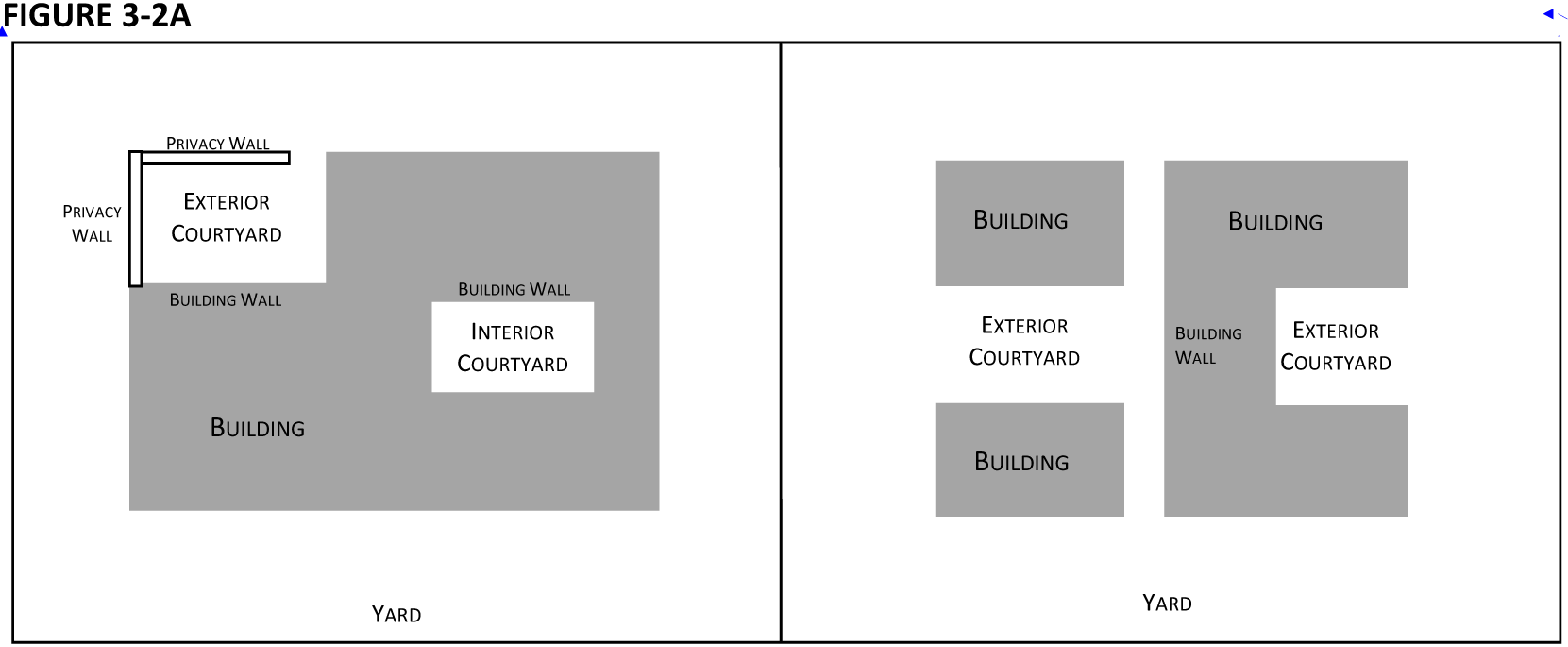
Definition. An unroofed outdoor open space at grade level, located within a building or adjoining one or more buildings. An interior courtyard is enclosed on all sides by building walls, except for a covered or uncovered entrance. An exterior courtyard is open on one or more sides to an adjacent yard, although the open sides may be enclosed with a privacy wall, hedge, ornamental landscaping, trellis, and related landscape structures. Courtyards may be screened.
B.
How permitted. A courtyard shall be accessory to a residential or non-residential principal use.
C.
Open space. Courtyards may count toward meeting the active open space requirements in PUD, PWD, and ROD districts if open to the public.
(Ord. No. 2015-07, § 2(Exh. A), 11-19-2015)
3.16.2 - Standards.
A.
Wall height.
1.
Courtyard walls located within the building area of the lot, whether building walls or privacy walls, shall be limited in height to the lowest point of the adjacent roof or 35 feet, whichever is less.
2.
Exterior courtyard privacy walls located outside the building area of the lot shall be limited to the allowable fence and wall height pursuant to section 4.4.3.
B.
Design of exterior courtyard privacy walls higher than six feet. The exterior wall façade shall be architecturally compatible with the design of the principal structure and shall match or exceed the quality of principal structure in terms of materials and finishes.
(Ord. No. 2015-07, § 2(Exh. A), 11-19-2015; Ord. No. 2017-07, § 3, 5-18-2017)
3.17.1 - Applicability.
This section applies to boathouses, boat slips, piers, docks, and marginal docks in any zoning district along the Halifax River or any of its arms, canals or tributaries.
A.
Definitions.
Access Walkway. The part of a dock that connects a riparian owner's property to a terminal platform. The main access pier or catwalk shall be considered a walkway.
Boathouse. An accessory use to a residence adjacent to a waterway, providing covered space for the housing of a boat and its customary accessories. A boathouse may not be used for human habitation.
Boat slip. See definitions, section 3.9.
Dock. A fixed or floating structure, including access walkways, terminal platforms, catwalks, mooring pilings, lifts, davits and other associated water-dependent structures, used for mooring and accessing vessels, pursuant to Chapter 18-21 F.A.C.
Marginal dock. A dock placed immediately adjacent and parallel to the shoreline or seawall, bulkhead or revetment, pursuant to Chapter 18-21 F.A.C.
Mooring piling. A post, pillar, piling, or stake used for the purpose of berthing buoyant vessels either temporarily or indefinitely, whether or not it is used in conjunction with a dock.
Pier. A fixed or floating structure used primarily for fishing or swimming and not designed or used for mooring or accessing vessels.
Terminal Platform. The part of a dock or pier that is connected to the access walkway, located at the terminus of the structure, and is designed to secure and load/unload a vessel or conduct other water-dependent activities. The terminal platform is considered the activity area of the dock. Such a platform is typically wider than the pier leading to it and shall be located at the end of the access walkway.
B.
How permitted. See section 2.40, Table 2-5 (Table of Permitted Uses).
3.17.2 - Standards.
A.
No boathouse, boat slip, pier, or similar structure shall be erected or constructed to exceed a height of 15 feet above mean high water. An additional 42 inches is allowed for guardrails on sundeck roofs only. The main pier or walkway shall not exceed six feet in width.
B.
Docks, marginal docks, boathouses, boat slips, piers, and/or similar structures may be constructed waterward of the mean high water line if:
1.
All local, state and federal requirements are met, and
2.
The structure will not materially impair navigation, cause scouring and erosion of the shoreline or river bottom, or otherwise adversely affect the public health, safety and welfare.
C.
No artificial lighting is allowed higher than 15 feet above mean high water.
D.
No more than two boat slips are allowed for each single-family dock.
E.
Boathouses shall not be used for dwelling purposes or contain any sleeping or living quarters.
F.
No boathouse shall exceed 20 feet in width and 40 feet in length.
G.
Docks, marginal docks, boathouses, boat slips, piers, and/or similar structures, singly or collectively, shall not occupy an area more than ten times the lot width expressed in feet at the mean high water line (i.e. 70 feet of lot width equates to a maximum of 700 s.f. of dock area). For lot widths of 100 feet or more, a maximum of 1,000 square feet of dock area may be allowed for single-family residential homes along the Halifax River and in all artificially created waterways (i.e. canals). The area of a dock shall be calculated by measuring all existing and proposed docks and related structures beginning at the mean high water line and extending waterward, except that the maximum area shall not include the access walkway to the dock terminal platform.
1.
Subject to local, state, and/or federal approvals, an additional ten square feet above the maximum 1,000 square feet of dock and/or related structures may be added for each additional ten linear feet greater than 100 linear feet of waterfront frontage along the Halifax River measured at the mean high water line (i.e. 110 linear feet of shoreline frontage allows up to 1,010 square feet of dock and/or related structures). All state and federal permit approvals shall be submitted to the town prior to the commencement of any construction.
2.
All commercial and multi-family docks and related structures are subject to section 3.9, Boat slip regulations and other applicable local, county, state and/or federal requirements.
H.
A dock and/or related structure is allowed if it:
1.
Is not used for living or the storage of materials other than those associated with recreational use; and
2.
Is constructed or held in place by pilings, including floating docks, so as not to involve filling or dredging other than that necessary to install the pilings; and
3.
Will not violate water quality standards, impede the flow of water, adversely affect flood control, or create a navigational hazard; and
4.
Is accessory to a developed lot with a minimum waterfront frontage of 65 feet measured at the mean high water line. Lots with a waterfront frontage of less than 65 feet may be allowed a dock or similar structures on a case-by-case basis, provided that navigation is not impeded, the ability to dock boats on adjacent properties is not impaired, all other dimensional standards of this section can be met, and a variance has been granted.
I.
Docks in artificially created waterways (i.e., canals) shall not impede navigation and protrude into the waterway more than 25 percent of the width of the waterway measured from the mean high water line.
J.
Subject to federal and state regulation, the replacement or repair of non-conforming docks and mooring piles shall be allowed in accordance with sections 7.4 and 7.5, if:
1.
No fill material other than the piles is used;
2.
The replacement dock or mooring pile is in the same location, configuration and dimensions as the existing or original dock or mooring pile.
K.
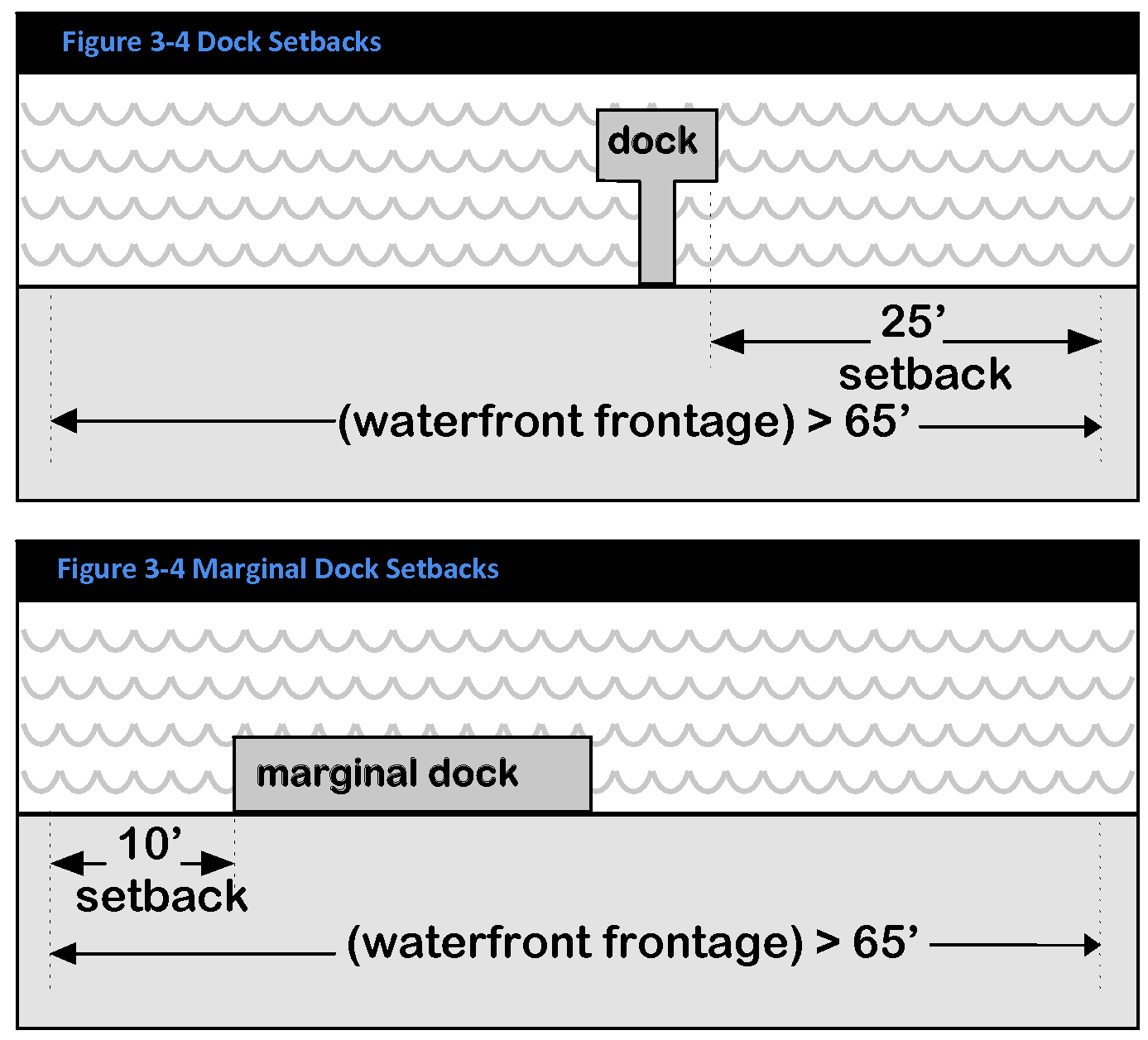
Docks and related structures (including access walkways, boathouses, boat slips, piers, mooring piles, or other similar structures) shall not be constructed or erected closer than 25 feet from any side lot line or side lot line extended into a waterway (Figure 3-3). Marginal docks shall not be constructed or erected closer than ten feet from any side lot line or a side lot line extended into a waterway (Figure 3-4) No newly constructed dock shall impede the navigation or docking ability to existing docks on adjacent properties.
L.
No more than one boathouse may be erected or constructed on an individual waterfront lot.
M.
No boathouse, covered dock, or access walkway shall have enclosed sides. No screening or other visually blocking materials shall be attached or otherwise added to any required guardrails.
N.
A boathouse or covered dock without a sundeck shall have a pitched roof with a slope ratio between 2.5:12 and 4:12.
O.
Construction standards.
1.
Construction materials and methods shall be employed in compliance with the Florida Building Code, Chapter 16: Structural Design. Compliance with this standard shall be certified on a plan sealed by a Florida-registered architect or structural engineer.
2.
All wood members must be pressure treated or have an equivalent strength that meets or exceeds the durability of pressure-treated wood.
3.
All fastening devices, nails, screws, bolts, and similar devices shall be highly corrosive resistant.
a.
All light-gauge fastening devices such as nails and screws shall be stainless steel and all bolts shall be stainless steel or hot-dipped galvanized.
b.
All hurricane anchoring devices shall be hot-dipped galvanized or stainless steel. "Hot-dipped galvanized" means at least two ounces of zinc coating per square foot after fabrication.
4.
Boathouse roofs acting as a sun deck shall be designed to provide for 60 pounds per square foot deck loading for occupants. If the boathouse provides for boat suspension, the maximum lift capacity of the hoisting device shall be considered in the design and still provide a minimum 60 pounds per square foot for occupants of the sun deck. Stairs and guardrails must be provided for all sun decks consistent with standard building code requirements. No baluster shall exceed 1.5 inches in diameter. No lighting may be affixed to a sun deck.
P.
This section does not preempt any federal or state regulation or prohibit any federal or state enforcement action.
(Ord. No. 2024-03, § 2(Exh. A), 9-19-2024)
3.18.1 - Applicability.
A.
Definitions.
Dwelling, rental. A residential building leased by its owner to one or more tenants for their use and occupancy on a temporary basis.
Rental, rent, rented, or renting. Includes the arranging of, contracting or advertising for, or the making available of the use of a dwelling unit for a finite period of time for any legal consideration. A rental arrangement is evidenced by the existence of a financial, business, barter, or employee/employer relationship between the legal or equitable owner of a dwelling unit and temporary occupant(s). Rental does not include the use of a dwelling unit by family members, friends or house-sitters, unless legal consideration is provided to the owner or usual occupant.
B.
How permitted. See section 2.40, Table 2-5 (Table of Permitted Uses).
3.18.2 - Applicability.
Rental of a dwelling is prohibited unless the owner of a rented dwelling holds a rental permit and fully satisfies all other requirements of this code. A rental permit allows the rental of a dwelling consistent with the requirements of this section.
3.18.3 - Rental permit application process.
A.
A rental permit application is filed with the director, and must include the information required by article 10.
B.
Within five business days, the director shall:
1.
Issue the rental permit if it complies with this section, or
2.
Return the application as incomplete if it does not include the required information, or
3.
Deny the application if it does not comply with this section.
3.18.4 - Reserved.
Editor's note— Ord. No. 2025-06, § 3, adopted Sep. 18, 2025, repealed § 3.18.4, which pertained to general regulations.
3.18.5 - Fees and application schedule.
A.
A person or entity who is applying for or holds a rental permit shall pay an annual rental permit fee in an amount as established from time to time by resolution of the town council upon the filing of the rental permit application.
B.
The fee shall be calculated based on the expected cost to the town of conducting the rental permit program and may include the cost of town staff and resources assigned to the rental permit program.
C.
All holders of a rental permit who continue to rent the subject dwelling shall submit a renewal application containing all the information required for the original rental permit application and pay the required rental permit fee by no later than October 1 of each year, or shall be subject to a late fee to be established by the resolution of the town council.
D.
The rental permit application shall be filed with the town prior to rental of the subject property.
(Ord. No. 2025-06, § 3, 9-18-2025)
3.18.6 - Enforcement and penalties.
A.
A violation of this section is punishable by a fine per day, per unit and per violation in accordance with Florida law commensurate with F.S. ch. 162.
B.
The town council may revoke any rental permit for cause, upon notice and opportunity to be heard by the town council.
3.18.7 - Reserved.
Editor's note— Ord. No. 2025-06, § 3, adopted Sep. 18, 2025, repealed § 3.18.7, which pertained to annual reporting requirements and derived from Ord. No. 2024-08, § 2(Exh. A), adopted Nov. 21, 2024.
3.19.1 - Applicability.
A.
Definition. An elevated walkway made of boards or planks providing access to the beach, shore, wetlands, or low laying areas. This term is not synonymous with walkways or promenades that are located parallel to and abutting the mean high water line or existing seawall.
B.
How permitted. See section 2.40, Table 2-5 (Table of Permitted Uses).
3.19.2 - Special exception standards.
Elevated boardwalks are permitted as a minor special exception accessory use in the conservation zoning district if:
A.
The structure is constructed of materials that meet industry standards and the building code; and
B.
The applicant prepares a site plan for the total parcel that shows the relationship between the principal building and the elevated boardwalk; and
C.
Submits all applicable regional, state and/or federal agency approved permits to the planning and development department and the town council for their review.
3.20.1 - Applicability.
A.
Definition. The temporary or occasional outdoor retail sale of farm produce or seafood from vehicles or temporary stands, typically located within a parking lot or an approved location in the public right-of-way closed to vehicular traffic for that purpose.
B.
How permitted. See section 2.40, Table 2-5 (Table of Permitted Uses). Farmers markets are allowed as a minor special exception use if the following requirements and standards are in addition to any generally applicable standards:
3.20.2 - Site plan.
A site plan is required for any farmers market showing compliance with the standards in this subsection.
3.20.3 - Operational standards.
A.
Duration. Farmers markets are permitted for no more than two consecutive days during any week. Operations exceeding this time limit shall obtain a major special exception.
B.
Hours of operation. Hours of operation are limited to 7:00 a.m. to 9:00 p.m. daily.
3.20.4 - Site design standards.
A.
Off-street parking. Off-street parking equal to one-half of the required parking for the covered and uncovered retail sales areas proposed at the facility is required. The director may reduce or eliminate this off-street parking requirement if the applicant shows that alternative parking is available and convenient to the proposed use, including but not limited to nearby on-street parking, public parking facilities, or commercial parking lots or garages.
B.
Restriction on occupying required parking for principal uses and fire lanes. The sales area for the Farmers Market shall not occupy required parking spaces or fire lanes for any principal use on any property.
C.
Temporary structures and trucks; size and setbacks. Temporary structures associated with the farmers market are limited to no more than 200 square feet in floor area and shall obtain all required building permits. All temporary structures and trucks being used to sell produce shall be located a minimum of 50 feet from any property with residential zoning.
D.
Trash storage areas. The applicant is responsible for the daily storage and removal of all trash, refuse, and debris. All trash storage facilities shall be provided with screening adequate to fully conceal the facilities from adjacent properties.
3.22.1 - Definitions/applicability.
A.
Definitions.
Adult day care. Any building, buildings or part of a building, whether operated for profit or not, in which is provided through its ownership or management, for part of a day, basic services to three or more persons who are 18 years of age or older, who are not related to the owner or operator by blood or marriage, and who require such services.
Adult family care home. A full-time, family-type living arrangement in a private home, under which a person who owns or rents the home provides room, board and personal care on a 24-hour basis for no more than five disabled adults or frail elders who are not relatives. The following family-type living arrangements are not required to be licensed as an adult family care home: (a) an arrangement whereby the person who owns or rents the home provides room, board and personal services for not more than two adults who do not receive state supplementation under F.S. § 409.212. The person who provides the housing, meals and personal care must own or rent the home and reside therein; or (b) an arrangement whereby the person who owns or rents the home provides room, board and personal services only to his or her relatives.
Assisted living facility. Any building or buildings, section or distinct part of a building, private home, boarding home, home for the aged, or other residential facility, whether operated for profit or not, which undertakes through its ownership or management to provide housing, meals and one or more personal services for a period exceeding 24 hours to one or more adults who are not relatives of the owner or administrator.
Boarding house. A premises other than a hotel, restaurant, or assisted living facility where meals and lodging are furnished for compensation to five or more persons unrelated to the owner of the premises by marriage, birth or legal adoption.
Nursing home. Any institution, building, residence, private home, or other place, whether operated for profit or not (including a place operated by the town or county), which undertakes through its ownership or management to provide for a period exceeding 24-hour nursing care, personal care or custodial care for three or more persons not related to the owner or manager by blood or marriage, who by reason of illness, physical infirmity or advanced age require such services, but does not include any place providing care and treatment primarily for the acutely ill. A facility offering services for fewer than three persons is within the meaning of this definition if it holds itself out to the public to be an establishment which regularly provides such services.
B.
How permitted. See section 2.40, Table 2-5 (Table of Permitted Uses).
3.22.2 - Special exception standards.
If a special exception is required, the following standards apply in addition to any generally applicable standards:
A.
Maximum residential occupancy shall not exceed 35 residents per acre.
B.
All principal or accessory buildings shall be located at least 45 feet from any property line.
3.22.3 - Adult family care home licensing exclusions.
The following family-type living arrangements are not required to be licensed as an adult family care home:
A.
An arrangement where the person who owns or rents the home provides room, board and personal services for no more than two adults who do not receive optional state supplementation under F.S., § 409.212. The person who provides the housing, meals and personal care must own or rent and reside in the home; or
B.
An arrangement where the person who owns or rents the home provides room, board and personal services only to his or her relatives.
3.23.1 - Applicability/definition.
A.
Definition.Home-based business. A business operation, conducted as an accessory use within a residential dwelling unit.
B.
How permitted. A home-based business shall be accessory to a residential use consistent with F.S. 559.955 and the standards below. The home-based business shall occupy less than 50 percent of the gross floor area of the principal structure.
3.23.2 - Standards.
1.
Business tax receipt. Home-based businesses are subject to applicable business taxes and are required to obtain an annual Business Tax Receipt, subject to the following:
a.
May only operate in an area zoned for residential use.
b.
Activities of the home-based business are secondary to the property's principal use as a residential dwelling.
2.
Residential character. As viewed from the street, the use of the residential property with a home-based business shall remain consistent with uses of the residential area that surrounds the property, such that:
a.
External modifications made to a residential dwelling to accommodate a home-based business must conform to the residential character and architectural aesthetics of the neighborhood.
b.
The home-based business may not conduct retail transactions at a structure other than the residential dwelling; however, incidental business uses and activities may be conducted at the residential property.
3.
Employees. The employees of the business who work at the residential dwelling must also reside in the residential dwelling, except that up to a total of two employees or independent contractors who do not reside at the residential dwelling may work at the business. The business may have additional remote employees that do not work at the residential dwelling.
4.
Parking. Parking and storage must comply with all requirements of Section 4.7.11. for a residential property and with all applicable Town zoning requirements. The need for parking generated by the business shall not be greater in volume than would normally be expected at a similar residence where no business is conducted.
5.
Signage. Signage for all business activities must comply with Section 3.30 and all applicable Town zoning regulations. No outside advertising is permitted on the premises or elsewhere when it can be reasonably construed that such advertising is designed to attract customers to the premises.
6.
Nuisance. All business activities shall comply with all relevant town, county or state regulations with respect to equipment or processes that create noise, vibration, heat, smoke, dust, glare, fumes, or noxious odors.
7.
Safety. All business activities shall comply with any relevant local, state, and federal regulations with respect to the use, storage, or disposal of any corrosive, combustible, biohazardous, or other hazardous or flammable materials or liquids.
8.
Exception. This section does not supersede, amend, or modify regulations of this code related to Bed and Breakfast Homestays (Section 3.5) and Dwelling Rentals (Section 3.18), nor regulations, restrictions, or prohibitions not otherwise preempted under Chapter 509, F.S., related to:
a.
Transient public lodging establishments such as hotels/motels, bed and breakfasts, and short-term rentals.
b.
Any current or future declaration or declaration of condominium, cooperative document, or homeowners' association declaration or declaration of covenant.
(Ord. No. 2014-05, § 4, 7-17-2014; Ord. No. 2023-02, § 2(Exh. A), 6-15-2023)
3.24.1 - Applicability.
A.
Definition. A boat, vessel, or watercraft containing dwelling units that is:
1.
Used solely as a residence and not for navigation;
2.
Used as a place of business or a professional or other commercial enterprise; or
3.
Any boat or vessel for which a declaration of domicile has been filed pursuant to F.S. § 222.17. A commercial fishing boat is expressly excluded from this definition.
B.
How permitted. See section 2.40, Table 2-5 (Table of Permitted Uses).
3.24.2 - Special exception standards.
Residences on boats in the water are permitted as a principal and accessory special exception uses in the B-2 zoning district if:
A.
The residence has access to a sewer pump-out facility meeting all applicable governmental regulations to ensure preservation of water quality.
B.
The pump-out facility is required as a lease condition for all slips intended for rental by persons seeking to establish residence on a boat pursuant to this section.
C.
All discharges from vessels are controlled so that there is no negative impact to the water quality.
3.24.3 - Boat residences prohibited in residential districts.
A.
No person shall reside or establish residence on any boat, vessel or watercraft in any residential zoning district.
B.
The owner of any boat, vessel or watercraft shall not allow, cause or contribute to causing any person to violate this subsection.
3.24.4 - Evidence of violation.
The following are evidence of residing or establishing residence on a boat, vessel or watercraft:
A.
Sleeping or staying overnight for any consecutive period of 72 hours or longer; or
B.
Preparing meals aboard any boat, vessel or watercraft for any consecutive period of 72 hours or longer; or
C.
Sleeping or staying overnight for six days or more during any calendar month; or
D.
Establishing hookups for septic tanks or waste treatment; or
E.
Establishing garbage pickup or cable TV hookups; or
F.
Receiving U.S. mail or using such boat, vessel or watercraft as a mailing address; or
G.
Otherwise residing on or establishing residence according to the customary definition and usage of the word "reside" and the phrase "establishing residence."
3.25.1 - Applicability.
A.
Definition. A subdivision in which the lot sizes are reduced below those normally required in the zoning district in which the development is located, in return for the provision of common open space. See also definition for "Cluster development," article 9.
B.
How permitted. See section 2.40, Table 2-5 (Table of Permitted Uses).
3.25.2 - Special exception standards.
If a special exception is required, the following standards apply in addition to any generally applicable standards:
A.
The project area shall be a minimum of three acres.
B.
The minimum lot size shall be 6,500 square feet.
C.
Dimensional requirements for lots and buildings shall be as provided in the R-3 zoning district.
D.
Common open space shall be provided in an amount equal to the sum of the area by which each lot is reduced below the minimum size otherwise permitted in the applicable zoning classification.
E.
Common open space shall be permanently dedicated to residents of the project area or to the general public for environmental preservation or recreational use, whichever is determined by the town council at the time of subdivision approval to be most appropriately related to the goals, objectives and policies of the town's comprehensive plan. The method of dedication and provisions for maintenance of the common open space shall be approved by the town council upon recommendation of the town attorney.
3.26.1 - Applicability.
A.
Definition. A premises where meals or prepared food, including beverages or confections, are served to customers. Restaurants are dining establishments where the customers normally order from individual menus while seated at a table. The order is then normally served by a restaurant employee to the same table and there consumed by the customer.
See also definitions for "Cafeteria," "Eating and drinking places," "Restaurant, family-oriented," and "Sidewalk café," article 9.
B.
How permitted. See section 2.40, Table 2-5 (Table of Permitted Uses).
3.26.2 - Special exception standards.
If a special exception is required, the following standards apply in addition to any generally applicable standards:
A.
A principal structure shall be located at least 50 feet from any property line, where the adjoining property has an existing residence of any type (i.e., single-family, two-family, townhouse, multi-family, etc.).
B.
A restaurant shall install a five-foot wide landscaped buffer along all property lines adjacent to an existing residential structure of any type or adjacent to a vacant parcel of land. This applies in addition to the landscaping requirements in section 4.10.3.
3.28.1 - Applicability.
A.
Definition. Any principal building used for nonresidential purposes that may be allowed in addition to a primary principal building on a non-residentially zoned lot.
B.
How permitted. See section 2.40, Table 2-5 (Table of Permitted Uses).
3.28.2 - Standards.
Secondary commercial buildings shall be permitted an accessory use subject to the following standards:
A.
A site plan for the total parcel shall be prepared pursuant so section 6.6.6, showing the interrelationship between the principal building or buildings and any secondary commercial buildings.
B.
The development review team and the planning board shall review the site plan and forward their recommendations to the town council, pursuant to section 6.3.
C.
The town council shall approve, disapprove or approve with conditions the final plan for development.
D.
If the secondary commercial buildings are to be developed in a row along a dock, boardwalk or seawall adjacent to the Halifax River, a minimum spacing of 15 feet between these secondary buildings is required.
E.
If the secondary commercial buildings are to be developed in a "cluster" arrangement or arrangements, a minimum spacing of ten feet between the buildings within the cluster is required. A minimum spacing of 25 feet between clusters is required if multiple clusters are proposed.
F.
The maximum permitted height for any secondary commercial building is 12 feet.
G.
The maximum permitted width of any secondary commercial building is 10 feet.
H.
The maximum permitted depth of any secondary commercial building is 20 feet.
I.
Secondary commercial buildings must include the off-street parking requirements required for retail business or commercial establishments by section 4.7, in addition to the off-street parking standards required for the permitted principal building or buildings on the site.
3.29.1 - Applicability.
A.
Definition. Parcels, buildings, and structures whose primary use is to accommodate sightseeing boats, excluding gambling vessels.
B.
How permitted. See section 2.40, Table 2-5 (Table of Permitted Uses).
3.29.2 - Special exception standards.
Sightseeing boat bases (not to exceed 50-passenger capacity) are permitted as a minor special exception in the B-2 zoning district, if:
A.
The parcel proposed for development has direct access to water of at least four feet below mean see level at mean low tide.
B.
All outside storage areas are screened from adjacent uses and properties by a solid wall, fence or plant material. If the screening is to be comprised of plant material, it shall form a screen of at least 75 percent opacity at the time of installation.
C.
The parcel proposed for development shall be separated from any established residential use or residentially zoned property by a bufferyard in accordance with section 4.10.3 of this code.
D.
Any building or structure proposed to be constructed that is necessary for the sightseeing boat operation (e.g., ticket sales, office, maintenance, etc.) shall not exceed 2,000 square feet in floor area.
3.30.1 - Title.
This section is known as the Sign Regulation Ordinance of Ponce Inlet.
3.30.2 - Purpose.
This ordinance provides the legal framework for a comprehensive and balanced system of environmental graphics for the Town of Ponce Inlet. The value to the town is the following:
A.
To enhance the communicative capability of signage through a system providing a signature ambiance for the community.
B.
To align signage into a high degree of compatibility with the unique environment of our community.
C.
To be expressive, legible, creative, and appropriately sized within the framework of an established system.
D.
To enable the community to have a strong voice in all new signage.
E.
To establish the regulations governing signs, their placement and location, dimensional standards, design and appearance criteria, compatibility with the style and character of the building(s) to which they relate, construction material and standards, and permitting procedures.
F.
To allow for fair, equitable and consistent enforcement of these sign regulations.
G.
To preserve and protect the public health, safety and welfare.
H.
To create a comprehensive and balanced system of sign control that accommodates both the need for a well-maintained, safe and attractive community, and the need for effective business identification, advertising and communication.
I.
To permit signs that are:
1.
Compatible with their surroundings.
2.
Designed, constructed, installed and maintained in a manner which does not endanger public safety or unduly distract motorists.
3.
Appropriate to the type of activity to which they pertain.
J.
To promote the economic health of the community through increased employment and property values.
3.30.3 - In general.
A.
Purpose, intent and scope. It is the purpose of this subsection to promote the public health, safety and general welfare through reasonable, consistent and non-discriminatory sign standards. The sign regulations in this subsection are not intended to censor speech or to regulate viewpoints, but instead are intended to regulate the adverse secondary effects of signs, including but not limited to, the impact on safety and aesthetics that certain sign types have. The sign regulations are especially intended to reach the secondary effects that may adversely impact aesthetics and safety. The town is bounded on two sides by visually appealing bodies of water, and access to the town from the mainland is provided by seven bridges, the nearest of which is nearly 2.5 miles north of the town, causing relative isolation of Ponce Inlet from the growth centers of Volusia County. The town has also been historically a small fishing village, and town officials desire to maintain the quiet, residential character and natural amenities of the town that residents have moved here to enjoy.
The town is a desired destination by visitors to the lighthouse and other historic sites, beach and river, conservation lands, and small businesses that promote the town as a desirable community in which to live, visit, and do business. Therefore, preserving the town's natural resources and a pleasing, visually attractive environment is of foremost importance. The regulation of signs within the town is a highly contributive means by which to achieve this desired end. These sign regulations have been prepared with the intent of enhancing the visual and natural environment of the town and promoting its continued well-being, and are intended to:
1.
Encourage the effective use of signs as a means of communication in the town;
2.
Maintain and enhance the aesthetic environment and the town's ability to attract sources of economic development and growth;
3.
Improve pedestrian and traffic safety;
4.
Minimize the possible adverse effect of signs on nearby public and private property;
5.
Foster the integration of signage with architectural and landscape designs;
6.
Lessen the visual clutter that may otherwise be caused by the proliferation, improper placement, inappropriate illumination, inappropriate animation, excessive height, and excessive size (area) of signs which compete for the attention of pedestrian and vehicular traffic;
7.
Allow signs that are compatible with their surroundings and aid orientation, while precluding the placement of signs that contribute to sign clutter or that conceal or obstruct adjacent land uses or signs;
8.
Encourage and allow signs that are appropriate to the zoning district in which they are located and consistent with the category of use and function to which they pertain;
9.
Curtail the size and number of signs and sign messages to the minimum reasonably necessary to identify a residential or business location and the nature of any such business;
10.
Establish sign size standards based on the type of signs and land use characteristics;
11.
Ensure signage within the town is compatible with the style and character of the buildings to which they relate and to the construction material and design standards of the buildings to which the sign(s) relate. Signage in historic areas or districts and in any special overlay districts must conform to all design standards, guidelines or ordinances governing those areas or districts. All non-conflicting sections of this sign code shall apply to that signage, and in any event the prohibition against various sign types, including but not limited to billboards, shall continue to apply to signage in all such areas or districts.
12.
Categorize signs based upon the function that they serve and tailor the regulation of signs based upon their function;
13.
Preclude signs from conflicting with the principal permitted use of the site and adjoining sites;
14.
Regulate signs in a manner so as to not interfere with, obstruct the vision of or distract motorists, bicyclists or pedestrians;
15.
Except to the extent expressly preempted by state or federal law, ensure that signs are constructed, installed and maintained in a safe and satisfactory manner, and protect the public from unsafe signs;
16.
Preserve, conserve, protect, and enhance the aesthetic quality and scenic beauty of all areas of the town with particular emphasis in certain zoning districts on preserving the historic or environmentally sensitive nature of those areas;
17.
Allow for traffic control devices consistent with national standards and whose purpose is to promote highway safety and efficiency by providing for the orderly movement of road users on streets and highways, and that notify road users of regulations and provide warning and guidance needed for the safe, uniform and efficient operation of all elements of the traffic stream;
18.
Protect property values by precluding, to the maximum extent possible, sign-types that create a nuisance to the occupancy or use of other properties as a result of their size, height, illumination, brightness, or movement;
19.
Protect property values by ensuring that sign-types, as well as the number of signs, are in harmony with buildings, neighborhoods, and conforming signs in the area;
20.
Regulate the appearance and design of signs in a manner that promotes and enhances the beautification of the town and that complements the natural surroundings in recognition of this town's reliance on its natural surroundings and beautification efforts in retaining economic advantage for the entire community including the residential areas, commercial areas, and waterfront areas; and
21.
Enable the fair and consistent enforcement of these sign regulations.
B.
Definitions. Unless specifically defined below, words or phrases used in this sign code shall be interpreted so as to give them the meaning they have in common usage, and to give these regulations their most reasonable application. One or more concept or thing may be referred to by different names throughout this Land Use and Development Code. It should not be assumed that because one concept or thing may have different names that it is a separate concept or thing unless that is the most reasonable interpretation.
The word "person" includes a firm, association, organization, partnership, trust, company, or corporation as well as an individual.
The present tense includes the future tense, the singular number includes the plural, and the plural number includes the singular.
The word "shall" is mandatory; the word "may" is permissive.
The word "used" or "occupied" includes the words "intended," "designed," or "arranged to be used or occupied."
The word "structure" includes the word "building," as well as other things constructed or erected on the ground, attached to something having location on the ground, or requiring construction or erection on the ground.
The word "land" includes the words "water," "marsh," or "swamp."
The definitions set forth in this sign code specifically apply to all aspects of sign regulation in the Town of Ponce Inlet. With regard to the regulation of signage, the definitions set forth below take precedence over any conflicting definitions found elsewhere in the PONCE INLET LAND USE AND DEVELOPMENT CODE of Ordinances. Any conflicting sign regulation definitions found elsewhere in the code are hereby deemed repealed.
Abandoned sign or sign structure. A sign or sign structure is considered abandoned or discontinued when its owner fails to operate or maintain a sign for a period of 90 days or longer. The following conditions shall be considered as the failure to operate or maintain a sign:
1.
A sign displaying advertising for a product or service which is not available on or at the premises, or displaying advertising for a business which is not licensed to operate, or does not hold a valid business tax receipt; or
2.
A sign which is blank.
Advertising. Sign copy intended to aid, directly or indirectly, in the sale, use or promotion of a product, service, commodity, entertainment or real or personal property.
Animated sign. A sign which includes action, motion, or color changes, or the optical illusion of action, motion, or color changes, including signs using electronic ink, signs set in motion by movement of the atmosphere, or made up of a series of sections that turn, including any type of screen using animated or scrolling displays, such as an LED (light emitting diode) screen or any other type of video display.
Architectural detail. Any projection, relief, change of material, window or door opening, exterior lighting, inlay, or other exterior building features not specifically classified as a sign. The term includes, but is not limited to, relief or inlay features or patterns that distinguish window or door openings, exterior lighting that frames building features, and changes in facade materials to create an architectural effect.
Area or surface area of signs. Computation of size (area) of individual signs. The size (area) of a sign face (which is also the sign area of a wall sign or other sign with only one face) shall be computed by means of the smallest square, circle, rectangle, triangle, or combination thereof that will encompass the extreme limits of the writing, decorative borders, representation, emblem, color, or other display, together with any material or color forming an integral part of the background of the display or used to differentiate the sign from the backdrop or structure against which it is placed, but not including any supporting framework, bracing, or wall when such wall otherwise meets these or other ordinances or regulations and is clearly incidental to the display itself. The sign size (area) for a sign with more than one face (double-faced signs) shall be computed by adding together the area of all sign faces visible from any one point. When two identical sign faces are placed back to back, so that both faces cannot be viewed from any point at the same time, and when such sign faces are part of the same sign structure and are not more than 30 inches apart, the sign size (area) shall be computed by the measurement of one of the sign faces.
Artwork. A two- or three-dimensional representation of a creative idea that is expressed in a form and manner as to provide aesthetic enjoyment for the viewer rather than to specifically convey the name of the business or a commercial message about the products or services offered on the property upon which the artwork is displayed. All outdoor artwork shall conform to the maximum height and size restrictions in any particular zone in which it is located. All outdoor artwork shall also conform to any applicable building and safety standards. It is not the intention of this sign code to regulate artwork that is not intended for use as a sign.
Attached sign. Means any sign attached to, on, or supported by any part of a building (e.g., walls, awning, windows, or canopy), which encloses or covers useable space.
Awning. See definition, article 9.
Awning sign. See "Canopy sign," below.
Banner. A temporary sign made of wind and weather resistant cloth or other lightweight material, intended to hang either with or without frames or in some other manner as not to be wind activated, and possessing characters, letters, illustrations, or ornamentations applied to paper, plastic or fabric of any kind. Flags shall not be considered banners for the purpose of this definition.
Beach front development identification sign. An attached sign, not in excess of four square feet in size (area) erected on a lot with frontage on the Atlantic Ocean, so as to be visible from the sandy beach, for the purpose of identifying the beach front development by name and street address only.
Beacon. A stationary or revolving light which flashes or projects illumination, single color or multicolored, in any manner which has the effect of attracting or diverting attention, expect, however, this term does not include any kind of lighting device which is required or necessary under the safety regulations of the Federal Aviation Administration or other governmental agency. This definition does not apply to any similar type of lighting device contained entirely within a structure and which does not project light to the exterior of the structure. This definition also does not include lights that are a traditional and integral part of a lighthouse and are in compliance with FAA regulations and other state and federal regulations.
Bench advertising sign. An advertising sign appearing on a bench that is on or adjacent to a public right-of-way.
Billboard. A sign structure and/or sign utilized for advertising an establishment, an activity, a product, service or entertainment, which is sold, produced, manufactured, available or furnished at a place other than on the property on which said sign structure and/or sign is located.
Bus shelter advertising sign. An advertising sign appearing on a bus shelter that is on or adjacent to a public right-of-way.
Bus stop informational sign. A freestanding or attached non-commercial sign located at a bus stop and providing information as to the route, hours or times of service.
Canopy. See definition, Article 9. See also "awning" or "marquee."
Canopy sign. Any sign that is a part of or printed, stamped, stitched or otherwise applied onto a protective awning, canopy, or other fabric, plastic, or structural protective cover over a door, entrance, window, or outdoor service area. A marquee is not a canopy.
Changeable copy sign. A sign that is designed so that characters, letters or illustrations can be manually changed or rearranged without altering the face or the surface of the sign.
Commercial mascot. Humans or animals used as advertising devices for commercial establishments, typically by the holding or wearing of insignia, masks or costumes associated with the commercial establishment. Includes sign twirlers, sign clowns, etc.
Commercial message. Any sign wording, logo, or other representation or image that directly or indirectly names, advertises, or calls attention to a product, service, sale or sales event or other commercial activity.
Construction sign. A temporary on-premises sign identifying the ongoing construction activity during the time that a building permit is active and prior to completion of the work for which the permit was issued, and containing sign copy that is limited to the ongoing construction activity and identifying the contractor and/or any subcontractor engaged to perform construction activity on the site. Construction signs shall not exceed four square feet in sign area, and four feet in height for residential properties, and 16 square feet in sign area, and six feet in height for nonresidential properties.
Copy. The linguistic or graphic content of a sign.
Directional sign. A non-commercial sign permanently or temporarily erected by or with approval of the town or any authorized government agency to denote the route to any place of interest to the traveling public. These signs cannot display commercial messages or logos. They must only depict the minimum information necessary in order to safely direct the traveling public to the location at issue. The town must approve the design and color scheme of the lettering and the background. These signs may use words such as "entrance," "exit," "caution," "no parking," "one way only," "no trespassing," and the like, or arrows or similar graphics. These signs may be attached or freestanding.
Directory sign. A non-commercial sign which lists the names and locations of occupants or the use of a building, limited to multi-tenant office buildings and complexes.
Double-faced sign. A sign which has two display surfaces backed against the same background, one face of which is designed to be seen from one direction and the other from the opposite direction, every point on which face being either in contact with the other face or in contact with the same background. A double-faced Sign shall be so constructed that the perimeter of both faces coincide and are parallel and not more than 30 inches apart.
Election sign. A temporary sign erected or displayed for the purpose of expressing support for or opposition to a candidate or stating a position regarding an issue upon which the voters of the town shall vote.
Electronic sign. A sign with a fixed or changing display composed of a series of electric lights, light emitting diodes (LED) or liquid crystal display (LCD) or functionally similar devices.
Emergency sign. A sign erected at the direction of a government entity to alert the citizenry of the town of an emergency hurricane evacuation route, Amber Alert or other similar imminent emergency condition pursuant to a declared state of emergency or similar hazardous condition threatening the health safety or welfare of visitors and residents of the town.
Erect a sign. To construct, build, raise, assemble, place, affix, attach, create, paint, draw, or in any way bring into being or establish, but not when performed as an incident to the change of sign copy or customary maintenance or repair of a sign.
Façade. The exterior wall of a building that is set along a frontage line.
Fixed aerial advertising sign. Any aerial advertising medium that is tethered to the ground.
Flag. Any fabric, or similar material, or bunting containing distinct colors, patterns or symbols, used as an ornamental flag or as a symbol of government, political subdivision, corporation or business or other entity and which is not a banner.
Flagpole. A pole on which to raise a flag.
Flashing sign. Any sign with the exception of an emergency warning sign which is an illuminated sign, on which the artificial source of light is not maintained stationary or constant in intensity and color at all times when such sign is illuminated. Illuminated sign which indicate the time and/or temperature shall not be considered flashing signs provided that the total area of the sign so used shall not exceed ten square feet in size. For the purposes of this definition, any moving illuminated sign affected by intermittent lighting shall be deemed a flashing sign.
Feather or flutter flag. A flag extending in a sleeve-like fashion down a telescoping or fixed pole that is mounted in the ground or on a building or stand. A feather or flutter flag is usually shaped like a sail or feather, and attached to the pole support on one vertical side.
Free expression sign. A sign, not in excess of four square feet in size (area) and the top of the sign is not more than four feet off the ground if freestanding and communicating information or views of concern to the owner of the sign, or containing any other non-commercial message that is otherwise lawful.
Freestanding sign. A sign supported by structures or supports that are placed on or anchored in the ground or at ground level and which are independent of any building or other structure.
Frontage, building. The facade which is the principle means of customer access.
Frontage, property (street/lot). The length of the property line for a parcel which runs parallel to and along a road right-of-way or street exclusive of alleyways.
Garage or yard sale or garage-yard sign. Any on-site temporary sign pertaining to the sale of personal property in, at or upon any residentially-zoned property located in the town. Garage or yard sales shall include but not be limited to all such sales, and shall include the advertising of the holding of any such sale, or other offering to make any sale, whether made under any name such as garage sale, lawn sale, yard sale, front yard sale, back yard sale, attic sale, rummage sale, patio sale, moving sale, or any similar designation.
Gateway sign. A monument sign erected by the town at the entrance of the town on town-owned property, including its rights-of-way, indicating what non-profit organizations and clubs exist within the town or announcing any special events sponsored by the clubs from time to time. This sign is a limited public forum and the town may remove it without notice at any time. A limited number of spaces will exist on the sign, and the non-profit organizations represented on the sign shall be determined by which organization applies for space on the sign first pursuant to a first-come-first-served process to be established by the town by resolution.
Ground sign. Any sign which is supported by structures or supports in or upon the ground and independent of support from any building; a ground sign shall include any sign which is partially supported by structures or supports in or upon the ground and independent of support from any building.
Height of sign. The height of a freestanding sign shall be measured from grade to the top of the sign as depicted in the sign illustrations. The height of an attached sign shall be measured from grade to the bottom of the sign area.
Holiday and seasonal decorations. Decorations that pertain to legal or other recognized holidays or to a season of the year. These decorations are not signs within the meaning of the sign code and shall be regulated under the nuisance provisions of the Town Code.
Holographic display sign. An advertising display that creates a three-dimensional image through projection, OLED (organic light emitting diode), or any similar technology.
Identification sign. Any structural device, display board, screen, surface, or wall with characters, letters or illustrations placed, by any method or means whatsoever, where the material displayed is used only to indicate to the public the legal or exact firm name or the character of the business carried on therein. Identification signs are subject to the size and height restrictions delineated elsewhere in this code and specifically in this sign code. An identification sign is differentiated from a directory sign in that the identification sign identifies the occupant or use of an individual address or business premises. Individual addresses or business premises may have both an identification sign and a directory sign.
Illuminated sign. Any sign or portion thereof which is illuminated by artificial light, either from an interior or exterior source, including outline, reflective or phosphorescent light (including but not limited to plasma or laser), whether or not the source of light is directly affixed as part of the sign, and shall also include signs with reflectors that depend upon sunlight or automobile headlights for an image.
Indirectly illuminated sign. Any sign, the facing of which reflects light from a source intentionally directed upon it.
Internally illuminated sign. Any sign which has the source of light entirely enclosed within the sign not visible to the eye.
LED sign. Any sign or portion thereof that uses light emitting diode technology or other similar semiconductor technology to produce an illuminated image, picture, or message of any kind whether the image, picture, or message is moving or stationary. This type of sign includes any sign that uses LED technology of any kind whether conventional (using discrete LEDs), surface mounted (otherwise known as individually mounted LEDs), transmissive, organic light emitting diodes (OLED), light emitting polymer (LEP), organic electro luminescence (OEL), or any similar technology.
Lot. A parcel of land accommodating a building or buildings of unified design.
Machinery and equipment signs. Any sign that is integral to the machinery or equipment and that identifies the manufacturer of the machinery or equipment that is placed on the machinery or equipment at the factory at the time of manufacture.
Maintenance. The repairing or repainting of a portion of a sign or sign structure, periodically changing changeable copy, or renewing copy, which has been made unusable by ordinary wear.
Marquee. Any permanent wall or roof-like structure projecting beyond a building or extending along and projecting beyond the wall of the building, generally designed and constructed to provide protection from the weather.
Marquee sign. Any sign attached to a marquee.
Memorial signs and tablets within cemeteries (grave markers). These are not included within the definition of sign and are not intended to be regulated by this sign code.
Menu display sign. A fully enclosed or otherwise protected from the elements sign structure, including but not limited to a box, shadow box or cabinet, attached to a wall or freestanding, which is used solely for the purpose of displaying restaurant menus. A menu display sign may be used for a restaurant without drive-through service and for transient lodging facilities which have restaurant facilities open to the general public in addition to the registered guests. Menu display sign structures shall be limited to one per establishment.
Menu sign, drive-in. An attached sign that is located at each drive-in stall or bay of a restaurant and which may provide a mechanism for ordering the products while viewing the sign.
Menu sign, drive-through. A sign placed so as to be viewed from a drive-through lane and which contains only a listing of the products, with prices, offered for sale by the restaurant where the sign is located and which may provide a mechanism for ordering the products while viewing the sign.
Mobile billboard advertising. Any vehicle, or wheeled conveyance which carries, conveys, pulls, or transports any sign or billboard for the primary purpose of advertising.
Monument sign. A freestanding sign whose ratio of width of sign to width of support is less than 3:1 and is subject to all other restrictions as applicable elsewhere in this code.
Multi-faced sign. A sign having more than one sign face visible to a viewer either at once or from different directions or approaches.
Nameplate sign or occupant identification sign. Attached wall sign indicating the name and/or profession or address of a person or persons residing on the premises where the sign is located or legally occupying the premises where the sign is located.
Neon sign. A sign manufactured utilizing glass tube lighting, which is visible to the viewer.
Neon tubing. Electric discharge, cold cathode tubing formed into shapes that form letters, parts of letters, skeleton tubing, outline lighting, and other decorative elements or art forms in various colors and diameters and filled with inert gases.
Non-commercial message. Any message which is not a commercial message.
Nonconforming sign. A sign which does not conform with the regulations contained in this code and contained in this sign code.
Normal grade. The lower of existing grade prior to construction of the sign or the newly established grade after construction of the sign, exclusive of any filling, berming, mounding, or excavating solely for the purpose of locating the sign. If a sign must be located in such a manner that a natural feature that cannot be moved, such as a sand dune, obstructs the sign then the height of the sign may be measured from the top of the dune or other natural feature.
Off-site permanent monument identification sign. A permanent monument sign that identifies a residential development located within 100 feet of the location of such sign, and that contains no other copy other than the identification of such development. This sign-type shall not be considered a billboard.
Off-site sign. A commercial sign not located on the site of the establishment or entity indicated or advertised by the sign, or a commercial sign advertising a commodity, good, product, service or other commercial or industrial activity which originates on a site other than where the sign is maintained. The on-site/off-site distinction applies only to commercial message signs.
On-site sign. Any commercial sign whether located in a commercial or residential zone which directs attention to a commercial or industrial occupancy, establishment, commodity, good, product, service or other commercial or industrial activity conducted, sold or offered upon the site where the sign is maintained. The on-site/off-site distinction applies only to commercial message signs. For purposes of this chapter, all signs with noncommercial speech messages shall be deemed to be "on-site" regardless of location. All real estate signs advertising the sale of the property upon which they are located shall be deemed to be on-site signs.
Ornamental flag. Any fabric or similar material containing patterns, drawings or symbols used for decorative purposes and designed to be flown as a flag.
Owner. For purposes of this sign code, the land owner.
Pennant. Any series of small flag-like or streamer-like pieces of cloth, plastic, paper or similar material attached in a row to any staff, cord, building, or at only one or two edges, the remainder hanging loosely.
Parcel. A lot or tract of land.
Permanent sign. Any sign which, when installed, is intended for permanent use. For the purposes of this sign code, any sign with an intended use in excess of three months from the date of installation shall be deemed a permanent sign unless otherwise indicated elsewhere in this code.
Permit holder. The person in legal possession of any permit required under this code.
Person. An individual, corporation, governmental agency, business trust, estate, trust, partnership, association, two or more persons having a joint or common interest, or any other legal entity.
Pole sign. A freestanding sign whose ratio of width of sign to width of support is equal to or greater than 3:1.
Portable sign. Any sign, banner, or poster that is not permanently attached to the ground or to a structure that is attached to the ground or a sign capable of being transported, including, but not limited to, signs designed to be transported by means of wheels, signs converted to A- or T-frames, menu and sandwich board signs. For purposes of this division, a cold air inflatable sign shall be considered to be a portable sign.
Premises. Land and all the built structures on it.
Projecting sign. Any sign affixed perpendicular to a building or wall in such a manner that its leading edge extends more than six inches beyond the surface of such building or wall.
Prohibited use. A use that is not authorized by this Land Use and Development Code.
Real estate sign. A temporary sign advertising the sale, rental or lease of the premises or part of the premises on which the sign is displayed temporarily. For purposes of this code, an open house or a model home sign shall be considered a real estate sign.
Revolving sign or rotating sign. Any sign that revolves or rotates.
Roof sign. Any sign erected and constructed wholly on or over the roof of a building, and which is supported by the roof structure.
Safety sign. See warning sign.
Sandwich sign or A-frame sign. Any double-faced or single-faced A-frame sign which is portable and may readily be moved from place to place. This type of sign is generally freestanding and not affixed to the ground in any way, although some temporary type of attachment to the ground is occasionally used. The sign shall not contain any attachment for holding pamphlets, leaflets, written material, or any other items and shall display no other message apart from any message affixed to the sign face itself.
Sight visibility triangle. A triangular shaped portion of land established at street intersections or driveway and street intersections in which nothing is erected, placed, planted, or allowed to grow in such a manner as to limit or obstruct the sight distance of motorists entering or leaving the intersection. The sight visibility triangle is an area created by measuring a distance of 15 feet along the right-of-way line (property line) from the point of the intersection of two adjacent right-of-way lines and connecting the terminus of the two 15-foot right-of-way lines. Adequate sight distance for drivers contributes to the safety of the intersection. In general, sight distance is needed for left-turning vehicles to see opposing through vehicles approaching the intersection in situations where a permissive left-turn signal is being used. Also, where right turns on red are permitted, right-turning vehicles need adequate sight distance to view vehicles approaching from the left on the cross street, as well as opposing vehicles turning left onto the cross street.
Sign. Any device, fixture, placard or structure, including its component parts, which draws attention to an object, product, place, activity, opinion, person, institution, organization, or place of business, or which identifies or promotes the interests of any person and which is to be viewed from any public street, road, highway, right-of-way or parking area. For the purposes of these regulations, the term "sign" shall include all structural members. A sign shall be construed to be a display surface or device containing organized and related elements composed to form a single unit. In cases where matter is displayed in a random or unconnected manner without organized relationship of the components, each such component shall be considered to be a single sign. In the case of a permanent sign made of any fabric or other non-rigid material the sign shall conform to each specification for such signs found elsewhere in the code. However, the following are not within the definition of a "sign" for regulatory purposes of this chapter:
1.
Architectural features: Decorative or architectural features of buildings (not including lettering, trademarks or moving parts);
2.
Symbols embedded in architecture: Symbols of noncommercial organizations or concepts including, but not limited to, religious or political symbols, when such are permanently integrated into the structure of a permanent building which is otherwise legal;
3.
Personal appearance: Items or devices of personal apparel, decoration or appearance, including tattoos, makeup, costumes (but not including commercial mascots);
4.
Manufacturers' marks: Marks on tangible products, which identify the maker, seller, provider or product, and which customarily remain attached to the product even after sale;
5.
Fireworks, etc.: The legal use of fireworks, candles and artificial lighting not otherwise regulated by the Land Use and Development Code or the Code of Ordinances;
6.
Certain insignia on vehicles and vessels: On-street legal vehicles and properly licensed watercraft: license plates, license plate frames, registration insignia, noncommercial messages;
7.
Memorial signs and tablets (grave markers);
8.
Newsracks and newsstands.
9.
Artwork.
Signable area. The total surface area on a single plane of a wall or window, or similar structure, or a building facade where a sign may be located under this code.
Signable area, wall. For purposes of determining the maximum size (area) allowed for a wall sign, signable wall area is the continuous portion of a single plane of wall surface that is unbroken by doors, windows, or openings.
Sign area. That area enclosed by one continuous line, connecting the extreme points or edges of a sign. This shall be determined by using the largest area of outline visible at any one time from any one point. This does not include the main supporting sign structure, but includes all other ornamental attachments, connecting links, etc., which are not a part of the main supports of the sign.
Sign face. The part of the sign, including trim and background, that is or can be used to identify, display, advertise, communicate information, or for visual representation which attracts or intends to attract the attention of the public for any purpose.
Snipe sign. Any sign tacked, nailed, posted, pasted, glued or otherwise attached to telephone poles, utility poles, trees (except where the end of a temporary string of pennants is attached to a tree in a manner that will not harm the tree during a special event) or fences, sticks or other such objects with the message appearing thereon not applicable to the present use of the premises upon which the sign is located.
Special event. An event requiring a "special events" permit as defined under chapter 51 of the Code of Ordinances; or an event sponsored by a licensed establishment within the town in the normal course of its business which celebrates a season, an activity, or a historic incident normally associated with the town or with a waterfront or boating community. Typically such an event is held periodically by the licensed establishment.
Statutory sign. A sign required by any statute of the State of Florida or the United States.
Street address sign. Any sign denoting the street address of the premises on which it is attached or located.
Structure. Anything constructed, installed, or portable, the use of which requires a location on a parcel of land. It includes a movable structure while it is located on land which can be used for housing, business, commercial, agricultural, or office purposes either temporarily or permanently. Structure also includes swimming pools, fences, freestanding signs, sidewalks, patio slabs and driveways. The word "structure" includes the word "building," as well as other things constructed or erected on the ground, attached to something having location on the ground, or requiring construction or erection on the ground.
Structure, temporary. Any structure built to serve a use temporarily, such as, a field or sales office, or contractor's office.
Temporary sign. A sign intended for a use not permanent in nature. For the purposes of the Ponce Inlet Sign Regulations, a sign with an intended use of six months or less shall be deemed a temporary sign unless otherwise indicated elsewhere in the code. Some temporary signs require permitting while others do not. Temporary signs shall only be freestanding signs or attached wall or window signs.
Traffic control device sign. Any sign located within the right-of-way that is used as a traffic control device and that is described and identified in the Manual on Uniform Traffic Control Devices (MUTCD) and approved by the Federal Highway Administrator as the National Standard. A traffic control device sign includes those signs that are classified and defined by their function as regulatory signs (that give notice of traffic laws or regulations), warning signs (that give notice of a situation that might not readily be apparent), and guide signs (that show route designations, directions, distances, services, points of interest, and other geographical, recreational, or cultural information).
Umbrella sign. A sign printed on umbrellas used for legal outdoor eating and drinking establishments, push-carts, sidewalk cafes and which is made of a lightweight fabric or similar material.
Vehicle. Any boat, camper, automobile, motorcycle, motorized van, recreation vehicle, bicycle, truck, trailer, construction equipment and other such mobile equipment whose major purpose is other than the display of advertising. Vehicle shall include any device on or in which any person or property is or may be transported upon a roadway or right-of-way, except devices used exclusively on stationary rails or tracks.
Vehicle sign. Any sign or signs where the total sign area covers more than ten square feet of the vehicle.
Vested right. A right is vested when it has become absolute and fixed and cannot be defeated or denied by subsequent conditions or change in regulations, unless it is taken and paid for. There is no vested right to an existing zoning classification or to have zoning remain the same forever. There can be no vested right in a sign permit if a sign permit is applied for under a sign ordinance that is later partially or wholly adjudicated to be unconstitutional by a court of competent jurisdiction.
Wall sign. A sign which is fastened or affixed to the wall of a building with its face in a parallel plane with the plane of the building façade or wall.
Wall wrap sign. A sign composed of fabric, plastic, vinyl, Mylar or a similar material that drapes or hangs over the side of a building, wall or window. This sign type was the subject of the litigation in City of Philadelphia v. Berman, 863 A.2d 156 (Pa.Cmwlth. 2004) and Society Created To Reduce Urban Blight (SCRUB) v. Zoning Bd. Of Adjustment, 908 A.2d 967 (Pa.Cmwlth. 2006).
Warning sign or safety sign. A sign which provides warning of a dangerous condition or situation that might not be readily apparent or that poses a threat of serious injury (e.g., gas line, high voltage, condemned building, etc.) or that provides warning of a violation of law (e.g., no trespassing, no hunting allowed, etc.)
Windows. Panels of transparent material surrounded by a framing structure and placed into the construction material comprising the building facade.
Window sign. Any sign mounted or placed in any fashion on the interior or exterior of the surface of a window, and intended to be seen from the exterior.
Wind sign. A sign which uses objects or material fastened in such a manner as to move upon being subjected to pressure by wind, and shall include, pennants, ribbons, spinners, streamers or captive balloons, however, the term wind sign shall not include flags.
C.
Illustrations of types of signs and methods of measurement. The types of signs relevant to this sign code and methods of measurement are illustrated in section 3.30.7.
D.
Computation of sign size (area) and sign height. The following principles shall control the computation of sign size (area) and sign height:
1.
Computation of size (area) of individual signs. The size (area) of a sign face (which is also the sign area of a wall sign or other sign with only one face) shall be computed by means of the smallest square, circle, rectangle, triangle, or combination thereof that will encompass the extreme limits of the writing, decorative borders, representation, emblem, color, or other display, together with any material or color forming an integral part of the background of the display or used to differentiate the sign from the backdrop or structure against which it is placed, but not including any supporting framework, bracing, or wall when such wall otherwise meets these or other ordinances or regulations and is clearly incidental to the display itself.
2.
Computation of size (area) of double-faced signs. The sign size (area) for a sign with more than one face shall be computed by adding together the area of all sign faces visible from any one point. When two identical shaped sign faces representing the same business, entity, or organization are placed back to back, so that both faces cannot be viewed from any point at the same time, and when such sign faces are part of the same sign structure and are not more than 30 inches apart, the sign size (area) shall be computed by the measurement of one of the sign faces.
3.
Computation of sign height. The height of a sign shall be computed as the distance from the base of the sign at normal grade, immediately adjacent to the base of sign being measured, to the top of the highest attached component of the sign. Normal grade shall be construed to be the lower of:
a.
Existing grade prior to construction of the sign or
b.
The newly established grade after construction of the sign, exclusive of any filling, berming, mounding, or excavating solely for the purpose of locating the sign.
If a sign must be located in such a manner that a natural feature that cannot be moved, such as a sand dune, obstructs the sign then the height of the sign may be measured from the top of the dune or other natural feature.
4.
Computation of maximum total permitted sign size (sign area). The permitted sum of the size (area) of all individual signs shall be computed by applying the formula as set forth herein under the definition of area or surface area of signs.
E.
Sign illumination.
1.
Sign illumination may not create a nuisance to residential areas or for wildlife, and shall be compatible with the surrounding neighborhood.
2.
Residential signs. Signs in residential uses of any zoning district may not be separately or specially illuminated, unless otherwise specified.
3.
General rule for all nonresidential uses. Signs in non-residential uses of any zoning district may be illuminated by internal, internal indirect (halo) illumination, or lit by external indirect illumination, unless otherwise specified. Signs may not be illuminated in a manner which leaves the illumination device exposed to public view except with the use of neon tubing as provided in subsection 3.30.3.E.8 below.
4.
Internal illumination. Outdoor, internally illuminated signs shall be constructed with an opaque background and translucent letters or other graphical elements, or with a colored background and lighter letters or graphics.
5.
External indirect illumination. Externally lit signs are permitted to be illuminated only with steady, stationary, down directed and shielded light sources directed solely onto the sign. Light bulbs or tubes (not including neon) used for illuminating a sign, shall not be visible from the adjacent public rights-of-way or residential properties.
6.
Illumination of signs adjacent to single-family uses. No sign located within 50 feet of a property with a single-family use or zoned for a single-family use shall be internally illuminated.
7.
Any portion of the sign face or sign structure that is illuminated shall count against the total square footage of allowable sign area.
8.
Neon.
a.
Exposed neon. Exposed neon tube illumination is not permitted in residential zones, or on residential uses in any zone. It is allowed in all commercial zoning categories for the lettering of signs.
b.
Neon borders. Neon illumination used as a sign copy projection, border, frame or other embellishment of sign copy, where allowed in this sign code, shall not be included in the total size or area of the sign, provided the measured area of any such projection or detailed embellishment does not exceed 12 square feet in area, or 25 percent of the sign display face area, whichever is greater. If neon embellishments exceed these limits, then the embellishments shall be included and counted as part of the permitted sign area for the use.
9.
Externally illuminated free standing signs shall have luminaires mounted at the top of the sign and aimed downward, unless in the case of monument signs it can be demonstrated to the satisfaction of the town that equal or more superior results with respect to glare, light trespass, and light pollution control can be achieved using lighting placed at ground level. The luminaires shall be designed, fitted and aimed to shield the lamp and its reflective surfaces from off-site view and to place the light output onto and not beyond the sign. Lighting shall be by linear fluorescent unless it can be demonstrated to the satisfaction of the town that equal or more superior results with respect to glare, light trespass, and light pollution control can be achieved with another source.
10.
At no point on the face of any sign and at no time shall the illumination exceed 30 vertical foot-candles during hours of darkness. For internally illuminated signs, they shall have a dark field and light message and the aggregate output of the light sources shall not exceed 500 initial lamp lumens per square foot of sign face per side. Channel letter signs shall have dimming capability to allow adjustment of sign brightness when required by the town to accommodate local ambient conditions. Rotating, traveling, pulsing, flashing or oscillating light sources, lasers, searchlights, beacons or strobe lighting shall not be permitted. The lighthouse light shall not be deemed to be a beacon light for purposes of this sign code. The use of highly reflective signage that creates a nuisance glare or a safety hazard shall not be permitted.
11.
In December 2007 the federal government enacted the Energy Independence and Security Act of 2007, which requires all general-purpose light bulbs that produce 310-2600 lumens of light be 30 percent more energy efficient than current incandescent bulbs by 2012 to 2014. The efficiency standards will start with 100-watt bulbs in January 2012 and end with 40-watt bulbs in January 2014. By 2020, a second tier of restrictions would become effective, which requires all general-purpose bulbs to produce at least 45 lumens per watt (similar to current CFLs). Exemptions from the Act include reflector flood and other specialty bulbs. The town acknowledges that incandescent lighting currently used in illuminating some signs within the town will have to be replaced by fluorescent or LED lighting due to this Act. Wherever possible incandescent lighting should be replaced by compact fluorescent lighting or LED bulbs similar to an ultra-high performance series directional LED A-Line lamp, designed to give equivalent brightness to the standard watt bulb it is replacing. OLED lighting may be used to replace incandescent lighting if it can be demonstrated that the illumination and brightness is similar to the incandescent lighting it replaces. At no point on the face of the sign shall the luminance be in excess of 1,000 nits. LED or similar signs such as OLED signs shall be dimmed automatically from 30 minutes after sunset to 30 minutes before sunrise to five percent of their daylight luminance setting.
F.
Prohibited signs. The following signs and sign-types are prohibited within the town limits and shall not be erected. Any lawfully existing permanent sign or sign-type that is among the prohibited signs and sign-types listed below shall be deemed a non-conforming sign subject to the provisions of subsection 3.30.3.G herein.
1.
Billboards.
2.
Flashing signs.
3.
Animated signs.
4.
Revolving or rotating signs.
5.
Signs which move, twirl or swing, including multi-prism and tri-vision signs, with the exception of pennant signs used at special events for a limited time each year as stated elsewhere herein.
6.
Electronic signs, except when required as traffic control device signs or as otherwise specifically allowable herein pursuant to subsection 3.30.3.E.11 above.
7.
Beacon lights and floodlights, except when required by the Federal Aviation Agency. The lighthouse light shall not be deemed to be a beacon light under the definition of beacon in this sign code.
8.
Wind signs.
9.
Portable signs except for limited purposes as allowed in this sign code.
10.
Roof signs that do not meet the specific size and other parameters stated elsewhere herein.
11.
Feather or flutter flags.
12.
Abandoned signs that are:
a.
Deemed lawfully established nonconforming signs which have been abandoned or discontinued pursuant to subsection 3.30.3.G of this sign code; or
b.
Abandoned signs as defined in subsection 3.30.3.B.
Lawfully conforming abandoned signs defined by subsection 3.30.3.B shall be removed by the property owner within 30 days after receipt of notification or refusal to accept delivery of notification by certified mail that such removal is required. Alternatively, the owner of the property shall remove the sign panels within the abandoned sign structure and replaced with sign panels or durable material off-white white or tan in color and containing no message.
13.
Snipe signs.
14.
Projecting signs, other than projecting signs as allowed within certain locations within certain zoning districts pursuant to this sign code.
15.
Bench advertising signs; bus shelter advertising signs.
16.
Signs that emit sound, vapor, smoke, odor, particles or gaseous matter.
17.
Signs that have unshielded illuminating devices.
18.
Signs that obstruct, conceal, hide or otherwise obscure from view any traffic control device sign or official traffic signal.
19.
Any attached sign that exceeds 100 square feet in sign area, with the limited exception of roof signs.
20.
Any attached sign that is taller than the building height or covers more than 25 percent of the area of the wall or surface to which it is attached.
21.
Any freestanding sign, including flagpoles, that are higher than 20 feet.
22.
Any freestanding sign that exceeds 100 square feet in sign area.
23.
Any sign within a sight visibility triangle that obstructs a clear view of pedestrian or vehicular traffic.
24.
Any sign in or over the public right-of-way, other than traffic control device signs, bus stop informational signs, emergency, warning or safety signs, except as may be allowed by town council resolution that sets forth specific criteria for certain temporary signage that is not based on the speaker's viewpoint and not allowing undue discretion on the part of any town official.
25.
Any off-site sign attached to a seawall, dock, tie pole or pier other than an emergency, warning or safety sign as otherwise allowable under this sign code.
26.
Any off-site sign in or upon any river, bay, lake, or other body of water within the limits of the town other than an emergency, warning or safety sign as otherwise allowable under this sign code.
27.
Any sign, other than a traffic control device sign, that uses the word "stop" or "danger," or presents or implies the need or requirement of stopping or the existence of danger, or which is a copy or imitation of a traffic control device sign and which is adjacent to the right-of-way of any road, street, or highway.
28.
Any sign nailed, fastened, affixed to, hanging from, or painted on any tree or part thereof (living or dead), or other vegetation, except where the end of a temporary string of pennants is attached to a tree in a manner that will not harm the tree during a special event.
29.
Any sign prohibited by state or federal law.
30.
Vehicle sign or signs with a total sign area on any vehicle in excess of ten square feet, and the vehicle is not, "regularly used in the conduct of the business" and
a.
Is visible from a street right-of-way within 100 feet of the vehicle, and
b.
Is parked for more than two consecutive hours in any 24-hour period within 100 feet of any street right-of-way.
A vehicle shall not be considered "regularly used in the conduct of the business" if the vehicle is used primarily for advertising, or for the purpose of advertising. This provision is not to be construed as prohibiting the identification of a firm or its principal products on a vehicle operating during the normal hours of business and which is currently licensed, insured and operable; provided, however, that no such vehicle shall be parked on public or private property with signs attached or placed on such vehicle primarily for the purpose of advertising a business establishment or firm or calling attention to the location of a business establishment or firm. In addition, no vehicle with a total sign area in excess of ten square feet, whether regularly used in the course of business or, not may be parked where it is visible from the street or right-of-way for more than two consecutive hours in any 24-hour period of time, unless that vehicle is parked in the driveway of a home occupied by the owner of the vehicle or is parked in a legal parking space identified on an approved site plan for the property a business owned or operated by the owner of the vehicle.
31.
Any sign located on real property without the written permission of the property owner.
32.
Holographic display signs.
33.
Pavement markings, except for official traffic control markings and building
34.
Address markings required by law.
35.
Pennants, streamers, balloons, wind activated banners, cold-air inflatables and other fixed aerial signage, except where specifically provided elsewhere in this code. The only exception is that per resolution, pennants may be allowed in connection with special events in commercial or public/institutional districts for no more than 25 days per calendar year. Pennants located entirely within an enclosed structure are not regulated as signage under this sign code. The size and duration of the special events pennants shall be specifically regulated by resolution.
36.
Wall-wrap or building-wrap signs.
37.
LED display signs with the exception of those allowable under subsection 3.30.3.E above.
38.
Sandwich or A-frame signs, except where otherwise allowed under this code.
39.
Illuminated signs in residential districts, except condominium identification signs and address signs for condominiums which are internally or externally illuminated with lighting that meets the criteria of subsection 3.30.3.E above. No neon signage or lighting shall be used in residential districts and compact fluorescent lighting shall be used instead of LED bulbs where possible.
40.
Signs that are not effectively shielded as to prevent beams or rays of light from being directed at any portion of the traveled public rights-of-way, thereby creating a potential traffic or pedestrian hazard or a nuisance to inhabitants of an adjacent neighborhood. No sign shall be so illuminated that it interferes with the effectiveness of, or obscures, an official traffic sign, device, or signal.
41.
Signs that contain any food or other substance that attracts large numbers of birds or other animals and causes them to congregate on or near the sign.
42.
Commercial mascots and commercial message signs that are carried, waved or otherwise displayed by persons either on public rights-of-way or in a manner visible from public rights-of-way, unless:
a.
The sign holder is static, and no motion is employed to attract attention of passersby;
b.
The sign holder is on-premises; and
c.
The sign is included in the total square footage of allowable sign area for the property.
This provision is directed toward such displays intended to draw attention for a commercial purpose, and is not intended to limit the display of placards, banners, flags or other signage by persons participating in demonstrations, political rallies, or otherwise exercising their valid First Amendment rights.
43.
Off-premises signs unless specifically excepted in this sign code, such as in the case of warning and safety signs.
44.
Mobile billboard advertising. It is a violation of Town Code and this sign code for any person to conduct, or cause to be conducted, any mobile billboard advertising upon any street, or any other public place within the town in which the public has the right to travel. This prohibition does not apply to:
a.
Any vehicle which displays an advertisement or business identification of its owner, so long as such vehicle is engaged in the usual business or regular work of the owner, and not used merely, mainly or primarily to display advertisements;
b.
Buses; or
c.
Taxicabs.
45.
Obscene signs that meet the definition of obscenity under F.S. § 847.001 et seq., as amended.
46.
Remote controlled blimps or similar devices containing commercial advertising.
G.
Nonconforming signs. All signs or outdoor displays which are lawfully in existence or are lawfully erected and which do not conform to the provisions of this sign code are declared nonconforming signs. It is the intent of this sign code to recognize that the eventual elimination of nonconforming signs as expeditiously as possible considering the valid balance of significant town concerns such as the health, safety, and welfare of its residents and visitors, and the judicially recognized economic rights of sign owners.
1.
Continuance restrictions. Any sign lawfully existing on the effective date of this sign code which does not conform to one or more provisions of this sign code may be continued in operation and maintained indefinitely as a legal, nonconforming sign, provided that:
a.
No structural alteration, enlargement, or extension shall be made to a legal, nonconforming sign unless the alteration, enlargement, or extension will result in the elimination of the nonconforming features of the sign.
b.
No sign shall be moved in whole or in part to any other location where it would remain nonconforming.
2.
Normal maintenance of legal, nonconforming signs, including necessary non-structural repairs and incidental work which does not extend or intensify the nonconforming features of the sign, shall be permitted, including changing one message on the sign face from another message even if the sign face is replaced, as long as the face is simply replaced with identical material and no structural portion of the sign is effected or altered.
3.
A nonconforming sign shall not be reconstructed or repaired if the cost to reconstruct or repair such sign will exceed 65 percent of the assessed value at the time of the reconstruction or repair except as otherwise provided below. Assessment shall be conducted by a qualified professional acceptable to the town. Such a sign shall be removed as required by this sign code. In the event the reconstruction or repair is less than 65 percent of its assessed value at the time, the sign may be rebuilt to its original condition.
4.
Exceptions for post-disaster build-back; criteria. The provisions of [subsection 3.] above shall not be applicable to any preexisting lawfully-established nonconforming sign that has incurred substantial damage by terrorist act, accidental fire, or natural disaster. In such cases the sign may be built back (reconstructed) subject to the following conditions:
a.
Within its pre-disaster footprint; and
b.
Within the three-dimensional envelope of the pre-disaster sign structure; and
c.
Up to its pre-disaster gross square footage; and
d.
Conforming in all other respects to the Town's Codes, the Florida Building Code, other federal and state regulations, and state coastal construction control lines in effect at the time the sign is built back (reconstructed).
5.
The build back provisions in subsection 3.30.3.G.4 above shall not apply to a lawfully established non-conforming sign under the following circumstances:
a.
Involuntary demolition of a sign deemed to be unsafe;
b.
Voluntary demolition and reconstruction of a nonconforming sign that has not been registered pursuant to subsection 3.30.3.G.6 below, even though the sign was damaged or destroyed due to a terrorist act, accidental fire, or natural disaster; or
c.
Voluntary reconstruction of a nonconforming sign due to neglect, age, and wear and tear;
d.
Damage or destruction of the sign resulted from accidental fires or natural and disastrous forces and events that occurred prior to the date of adoption of this ordinance.
For the purpose of this section, a lawfully-established sign means a sign that was lawfully permitted or was erected prior to the adoption of Ordinance No. 77-06 (July 13, 1977) establishing sign regulations.
6.
All claims of lawfully established nonconforming signs shall be registered with the director of the planning and development department on a form provided by the director within 12 months of the effective date of this ordinance. The Town of Ponce Inlet will notify landowners of the adoption of this ordinance and the requirement to register nonconforming signs by one or all of the following means: email, phone calls, and notices posted to the town's website. Failure to register a claim within 12 months after the notification shall constitute a waiver of the right to claim lawfully established nonconforming sign status. Evaluation of nonconformity claims shall be on a case-by-case basis. The decision of the director or designee in establishing lawful nature of the nonconforming sign is subject to appeal as provided in section 6.3.7 of the Land Use and Development Code. The town manager or designee shall establish written policies and procedures as may be necessary to effectuate the intent of this subsection.
7.
If a nonconforming sign which has been abandoned or discontinued for 90 days such sign shall be immediately removed in such a manner as to eliminate the nonconformity, subject only to the provisions of any controlling federal law, or state statute. Abandonment of a non-conforming sign shall immediately terminate the right to maintain such sign unless a new sign is constructed in a manner consistent with this sign code, assuming the new sign is not prohibited by this code. No permit for a new freestanding sign shall be issued until the nonconforming sign is removed.
H.
Exemptions. This sign code does not pertain to the following:
1.
A sign (except a window sign which shall be subject to the provisions of this subsection) located entirely inside the premises of a building or enclosed space and which is not readily visible from the exterior of the enclosed space or premises.
2.
A sign on a car, other than a prohibited vehicle sign or signs.
3.
A statutory sign.
4.
A traffic control device sign.
I.
Building permits. It shall be unlawful for any person or business or the person in charge of the business to erect, construct, alter or maintain an outdoor advertising display sign, as defined in the Florida Building Code, without first obtaining a building permit from the town in accordance with the provisions of the Florida Building Code and applicable law. Permit fees for a building permit shall be paid in accordance with the applicable town fee schedules. The requirement of a building permit under the Florida Building Code is separate and independent of the requirement for a sign permit under this subsection.
J.
Substitution of non-commercial speech for commercial speech. Notwithstanding anything contained in this subsection or code to the contrary, any sign erected pursuant to the provisions of this subsection or code may, at the option of the owner, contain a non-commercial message in lieu of a commercial message and the non-commercial copy may be substituted at any time in place of the commercial copy. The non-commercial message (copy) may occupy the entire sign face or any portion thereof. The sign face may be changed from commercial to non-commercial messages, or from one non-commercial message to another non-commercial message, as frequently as desired by the owner of the sign (without violating the flashing sign prohibitions), provided that the size, height, setback and other dimensional criteria contained in this subsection and code have been satisfied.
K.
Content neutrality as to sign message (viewpoint). Notwithstanding anything in this subsection or code to the contrary, no sign or sign structure shall be subject to any limitation based upon the content (viewpoint) of the message contained on such sign or displayed on such sign structure.
L.
Illegal signs on public property. Any sign installed or placed on public property, except in conformance with the requirements of this subsection, shall be deemed illegal and shall be forfeited to the public and subject to confiscation. Under these circumstances the sign shall be considered litter under Florida law. In addition to other remedies hereunder, the town shall have the right to recover from the owner or person placing such sign the cost of removal and disposal of such sign.
3.30.4 - Administration and enforcement.
A.
Sign permits.
1.
Unless exempt from permitting, no permanent sign shall be erected, altered, relocated, maintained or displayed until a sign permit is obtained from and the appropriate fee paid to the town. The sign permit is in addition to any building permit required to be obtained pursuant to the provisions of the Florida Building Code.
2.
No sign permit shall be issued for the erection of a prohibited sign.
3.
A sign lawfully erected may be repainted or have ordinary and customary repairs performed, including replacement of plastic or glass panels, without a new sign permit; however, if such sign is to be structurally altered in any manner, a new sign permit shall be required and the altered sign must meet all requirements of this subsection and this code.
B.
Exceptions from permitting. The following types of signs, while they may be covered by the general provisions of this subsection, shall be exempt from all sign permit requirements of this subsection:
1.
Any sign of the type described in subsection 3.30.3.H, Exemptions, above.
2.
Allowed temporary and allowed permanent signs of the type described in subsection 3.30.6.B, All districts, below.
However, these exemptions in no way waive requirements of the Florida Building or Electrical Codes or any limitation or restriction on the number, size, height, setback, placement or duration of such signs under this subsection, or any limitation or restriction under any other applicable law or regulation.
C.
Permits not required for change of sign copy. No permit or permit fee shall be required for changing the copy of a sign, as long as no changes are made to the sign's height, size, location, or structure. This exemption shall also apply to any change of copy on a changeable copy sign.
D.
Sign permit applications. A sign permit application for permanent and certain temporary signs as may be required by this subsection, or separate town council resolution, shall be prepared and submitted on forms available at the office of the planning and development department. The sign permit application is in addition to any building permit application required by the Florida Building Code. The applicant shall furnish the following information on or with the sign permit application form:
1.
Name, mailing address, e-mail address, and telephone number of the person making application for the permit. If the applicant is anyone other than the property owner, the applicant shall provide written authorization from the property owner permitting the installation of the sign.
2.
Name, mailing address, e-mail address, and telephone number of the property owner. If the owner is an entity other than an individual, list the contact person's name.
3.
Name, mailing address, e-mail address, and telephone number of the business tenant, if applicable. If the tenant is an entity other than an individual, list the contact person's name.
4.
Name, mailing address, e-mail address, telephone and license number of the contractor, if applicable. If the contractor is an entity other than an individual, list the contact person's name.
5.
Address and legal description of the property upon which the sign is to be located. The legal address may be located on a certified boundary survey.
6.
Lot frontage on all streets and public rights-of-way.
7.
Indicate in feet and inches the location of the sign in relation to property lines, public rights-of-way, easements, buildings and other signs on the property.
8.
Freestanding signs shall require a recent boundary survey as defined in the Land Use and Development Code, showing the proposed location of the sign.
9.
For all wall mounted signs, the facade elevation with dimensions, drawn to scale. Windows and doors and other openings shall be delineated and their dimensions given.
10.
Sign dimensions and elevation, drawn to scale.
11.
Maximum and minimum height of the sign measured from normal grade as described in the sections of this code describing how to measure sign height.
12.
Dimensions of the signs supporting members.
13.
Sign illumination, specifying illumination type, placement, intensity and hours of illumination.
14.
Two copies of the plans, specifications, calculations and details, signed and sealed by an engineer licensed in Florida, specifications documenting the applicable wind load, and electrical specifications, if applicable, meeting the minimum requirements of the applicable electric code.
15.
Number, type, location and surface area of all existing signs on the same property.
16.
Landscape plan, as applicable.
17.
Signature of applicant. If the value of construction is $2,500.00 or greater, a certified copy of notice of commencement shall be required prior to permit issuance.
E.
Sign permit application review.
1.
An applicant shall deliver a sign permit application for a permanent sign to the planning and development department, or such other office as may be designated by the town. The sign permit application shall be reviewed for a determination of whether the proposed sign meets the applicable requirements of this subsection and any applicable zoning law. The review of the sign permit application by the town manager or designee shall be completed within 45 days following receipt of a completed application, and any applicable fees, not counting the day of receipt and not counting any Saturday, Sunday, or legal holiday which falls upon the first or the 45 th day after the date of receipt. A sign permit shall either be approved, approved with conditions (meaning legal conditions existing in the code such as dimensional requirements), or disapproved, and the decision shall be reduced to writing. A disapproval shall include or be accompanied by a statement of the reason(s) for the disapproval. If disapproval is the consequence of a failure to decide upon the application within the deadline set forth herein, the town manager or designee shall upon request refund any applicable fee to the person who paid the fee. In the event that no decision is rendered within 45 calendar days following submission, the application shall be deemed denied and the applicant may appeal to the town planning board. Any appeal shall be heard and a decision rendered within the time frames specified in this subsection for appeals.
2.
An approval, an approval with conditions, or disapproval by the town manager or designee shall be deemed the final decision of the town upon the application.
3.
In the case of an approval with conditions or disapproval, including a disapproval by lapse of time as described herein, an applicant may ask for reconsideration of the decision on the grounds that the town manager or designee may have overlooked or failed to consider any fact(s) that would support a different decision. A written request for reconsideration accompanied by such additional fact(s) as the applicant may wish the town manager or designee to consider, shall be filed with the town manager or designee within ten calendar days after receipt of the decision. No fee shall be required for a request for reconsideration. Upon the timely filing of a request for reconsideration, the decision of the town manager or designee shall be deemed stayed and not a final decision, until the request for reconsideration is decided. The request for reconsideration shall be decided within seven days of receipt by the town, not counting any intervening Saturday, Sunday, or legal town holiday. Such decision shall be in writing and shall include a statement of the reason(s) for the decision. If the disapproval of the request for reconsideration was a consequence of a failure to decide upon the application within the deadline set forth herein, the town manager or designee shall verify upon request that any applicable fee was refunded even if the town manager or designee approves the application upon reconsideration.
4.
All decisions shall be mailed, transmitted electronically, or hand delivered to the applicant. A record shall be kept of the date of mailing, electronic transmittal, or hand delivery. For the purposes of calculating compliance with the 45-day deadline for a decision upon an application or the seven day deadline for a decision upon request for reconsideration, the decision shall be deemed made when deposited in the mail, transmitted electronically, or hand delivered to the applicant.
5.
As exceptions to the foregoing, the 45-day deadline for approval and the seven-day deadline for a decision upon receipt of a request for a reconsideration shall not apply (that is, the time shall be suspended):
a.
In any case in which the application requires a variance from any provision of the Town Code of Ordinances, a rezoning of the property, site plan approval, or an amendment to the comprehensive plan of the town. In such cases, the time shall be suspended until a final decision is made upon the application for the variance, rezoning, or comprehensive plan amendment.
b.
If the applicant is required to make any change to the application in order to obtain an unconditional approval, the time shall be suspended while the applicant makes such change.
c.
If an applicant is required to obtain an approval from any other governmental agency, the time shall be suspended until such approval is obtained.
d.
In any of the foregoing cases, the applicant may elect to seek a variance, make no change to the application, or obtain no approval that may be required by another governmental agency, and may instead demand a decision upon the sign permit application as filed. In such event, the town manager or designee shall make a decision on the application as appropriate within five business days after receiving such demand. If a decision is not made in such a time, the application shall be deemed denied and the town manager or designee shall verify that any applicable fee was refunded to the person who paid the fee.
e.
An application which is materially incomplete or which is not accompanied by the required fee shall not be deemed accepted and the time for review of the application shall not commence until a complete application accompanied by the required fee is filed with the town manager or designee. However, the town manager or designee shall keep the record of incomplete application or any application not accompanied by the correct fee, as required by applicable public record laws. In addition, the town manager or designee shall within 21 days of receipt of such an application send the applicant a written explanation of the deficiencies in the application and ask that the deficiencies be remedied, explaining that the application cannot proceed forward otherwise and the review will be suspended pending receipt of the required information or documentation. The applicant must then submit a new application with the deficiencies corrected in order for it to be considered by the town manager or designee.
f.
Any person aggrieved by the decision of the town manager or designee upon his or her sign permit application shall have the right to seek judicial review by the circuit court or any other court of competent jurisdiction, filed in accordance with the requirements of law, seeking such appropriate remedy as may be available.
g.
If a sign is not completely constructed within six months from the date of issuance of a sign permit, the permit shall expire. Upon written application, the town manager or designee may grant one time-certain extension, not to exceed three months. Only one extension shall be granted. If the sign permit is granted concurrently with a development order, the sign permit may be extended if a valid development order exists.
F.
Sign permit fees. Before issuance of a permit, the town manager or designee shall collect the necessary sign permit fees. The sign permit fees shall be as designated by resolution of the town council.
G.
General provisions; inspection; removal; safety.
1.
Inspection. Signs for which a permit is required under this subsection may be inspected periodically by the town manager's designee for compliance with this subsection, other codes of the town, and all terms upon which the sign permit may have been conditioned.
2.
Maintenance. All signs and components thereof shall be kept in good repair and in a safe, neat, clean and attractive condition with no fading, cracking or chipping visible. No consideration, however, shall be given to the content of the sign copy when making the determination that the sign should be removed due to a violation of this subsection.
3.
Removal of sign. The town manager or designee may order the removal of any sign erected or maintained in violation of this subsection, or that are declared a nuisance either by court order or under the provisions of the Town Code. In non-emergency situations where the sign is not an imminent danger to the health and safety of the residents of the town, the town shall give 30-days' notice in writing to the owner of such sign, at the address reflected on the application for the sign permit, or if no address is available for any reason, to the owner of the building, structure or premises on which such sign is located, to remove the sign or bring it into compliance. If the sign is not removed within the 30-day notice period, the town shall cause the sign to be removed at the cost to the owner. Any penalties, which are incurred by the failure to remove the sign, shall not be affected by the removal of the sign at the direction of the mayor, or designee. The town may additionally take the steps set forth in section 1-11 of the Town Code for any violation of this sign code.
4.
Florida Building Code. Construction and erection of signs shall be in accordance with the structural requirements set forth in the Florida Building Code.
5.
National Electrical Code. Signs having electrical connections of any kind shall be wired in accordance with the National Electrical Code, and shall be equipped with a suitable disconnect on or within the sign.
6.
Support requirements. The supporting members of all signs shall be free of any external bracing such as guy wires or cables. All supporting columns shall be designed as an integral or architectural feature of the building.
7.
Materials. Paper or cardboard signs and cloth, plastic fabric banners or similar materials may only be used in conjunction with a special event or garage sale as provided herein. However, professionally lettered paper or cardboard signs may be used for indoor window or election signs, when such are allowed.
8.
Construction standards. All signs shall be installed and constructed in a professional and workmanlike manner and shall be maintained in good and safe structural condition and good physical appearance. All exposed structural components shall be painted, coated or made of rust inhibitive material.
9.
Land owners' consent. No sign may be displayed without the consent of the legal owner of the property on which the sign is mounted or displayed. For purposes of this policy, "owner" means the holder of the legal title to the property and all parties and persons holding a present right to possession, control or use of the property.
10.
Legal nature of signage rights and duties. As to all signs attached to property, real or personal, the signage rights, duties and obligations arising from this sign code attach to and travel with the land or other property on which a sign is mounted or displayed. This provision does not modify or affect the law of fixtures, sign-related provisions in private leases regarding signs (so long as they are not in conflict with this sign code), or the ownership of sign structures.
H.
Revocation of sign permit. If the work under any sign permit is proceeding in violation of this subsection, any other town ordinance, or should it be found that there has been any false statement or misrepresentation of a material fact in the application or plans on which the permit was based, the permit holder shall be notified of the violation. If the permit holder fails or refuses to make corrections within ten days, it shall be the duty of the planning and development department director or his or her designee to revoke such permit and serve notice upon such permit holder. Such notice shall be in writing and signed by the planning and development department director or his or her designee. It shall be unlawful for any person to proceed with any part of work after such notice is issued. An aggrieved party may, however, immediately appeal any decision under this subsection to a court of competent jurisdiction.
I.
Miscellaneous safety requirements. In addition to any requirement of this subsection, code, or other law or regulatory provision, signs shall be erected and maintained to conform to the following safety requirements.
1.
No sign shall be erected so as to obstruct any fire escape, required exit, window, or door opening intended as a means of egress.
2.
No sign shall be erected which interferes with any opening required for ventilation.
3.
Signs shall maintain a minimum of six feet horizontal and 12 feet vertical clearance from electrical conductors and from all communications equipment or lines located within the town.
4.
Signs and their supporting structures shall maintain clearance and noninterference with all surface and underground facilities and conduits for water, sewage, electricity, or communications equipment or lines. Furthermore, placement shall not interfere with natural or artificial drainage or surface or underground water.
5.
No sign shall be attached to a standpipe, gutter, drain, or fire escape, nor shall any sign be installed so as to impair access to a roof.
3.30.5 - Appeals.
A.
Appeals to the town planning board.
1.
Whenever it is alleged that there has been an error in any order, action, decision, determination, or requirement by an administrative official in the enforcement and application of any provision contained within this subsection or any other provision of this code pertaining to sign permits (including any allegation that an administrative official has failed to act within applicable time frames), the aggrieved party may file a written appeal with the town planning board. Procedures for written appeals pertaining to temporary banner signs and pennants shall be set forth in a resolution of town council.
2.
The written appeal shall be filed with the town planning board within 30 days of the date of the alleged error. The written appeal shall describe the alleged error and the applicable provisions of the code pertaining to the administrative official's order, action, decision, determination, requirement, or failure to act.
3.
The town planning board shall hold a hearing within 45 days following receipt of the written appeal, not counting the day of receipt and not counting any Saturday, Sunday, or legal holiday which falls upon the first or the 45 th day after the date of receipt.
4.
The town planning board shall render a written decision within ten days following the hearing.
5.
If the town planning board does not render a decision within ten days following the hearing, the sign permit shall be deemed denied.
6.
Failure to appeal the decision regarding a sign application by the town manager or designee shall not be deemed a failure to exhaust administrative remedies. The applicant may choose to proceed directly to a judicial action once the sign application has been denied by the town manager or designee.
7.
If an administrative appeal is filed by the applicant, and the town planning board fails to meet within the proscribed time the appeal will be deemed denied and the decision of the town manager or designee regarding the sign application will be deemed a final decision subject to immediate appeal to a court of competent jurisdiction.
8.
Once a decision is appealed to the town planning board, the town manager or designee shall take no further action on the matter pending the board's decision, except for unsafe signs which shall present an immediate and serious danger to the public, in which case the town may pursue any proper legal remedy available to it.
9.
The town planning board shall comply with all applicable rules of conduct and procedures that pertain to zoning and that are not inconsistent with the provisions in this subsection.
10.
No variance shall be given by the town planning board to any height, size or other dimensional criteria set forth in this subsection. No variance shall be given by the town planning board with regard to the number of signs allowed on any parcel of land as set forth in this subsection. The only provisions of this subsection that may be varied by the town planning board are provisions regarding setback, location of signs, color and materials composing signs, and similar architectural requirements.
B.
Appellate decisions deemed final, subject to judicial review. The appellate decisions of the town planning board pursuant to subsection 3.30.5.A above shall be deemed final, subject to judicial review by a circuit court filed in accordance with the requirements of law.
3.30.6 - District sign regulations.
A.
In general. The following general provisions apply to signs and sign types described in these district sign regulations, except where otherwise noted in the subsection.
1.
Setbacks. All freestanding signs must be set back at least five feet from any property line adjacent to a public right-of-way. The setback shall be measured from the nearest protrusion of the sign or sign face to the property line. However, if due to the physical characteristics of the property, this requirement should prohibit the placement of an otherwise allowable freestanding permanent sign then the setback provisions shall be varied by the town planning board after a finding of impossibility under this section, given competent substantial evidence.
2.
Identification of manufactured signs. All manufactured signs requiring a sign permit from the town shall have a permanent weatherproof identification plate affixed to the exterior of the sign structure such that it may be readily seen after the sign is installed and shall indicate the following:
a.
The name of the manufacturer,
b.
The name of the installer,
c.
The date of installation,
d.
The sign permit number, and
e.
The electric permit number (if any) with the input VA (Volt Amperes) at full load for electric.
3.
Landscaping. Permanent ground signs requiring a sign permit must be landscaped at their base. The landscaped area shall have a minimum area of one square foot for each square foot of sign area.
4.
Window and wall signs. No more than 50 percent of the total surface area of all windows shall be used for temporary and permanent signs including free expression signs and posters advertising for products that are marketed by the business. However, in no event shall more than 25 percent of the total surface area of an individual window be covered by temporary or permanent signs. The number of window signs and window sign's copy area shall not be calculated in a lot or premises total allowable number of permanent signs and sign copy area. No portion of any wall sign shall be painted directly onto the surface of a wall. Wall signs may not project more than 18 inches from a wall. Any wall sign that projects more than 2.5 inches from a wall shall be mounted so that the bottom of the sign is no closer than ten feet to the ground at grade level.
5.
Projecting signs. Projecting signs, where permitted, shall be located in such a manner so that the bottom of the sign shall be no closer than nine feet to the ground at grade level. The thickness of the principal faces of any projecting sign shall not exceed 24 inches when such sign is of solid construction. No business shall have both a projecting sign and a wall sign on the same street frontage; and no business shall have more than one projecting sign along the same street frontage.
6.
Marquee signs. Marquee signs, where permitted, shall be located in such a manner so that the bottom of the sign shall be no closer than nine feet to the ground at grade level. No part of a marquee sign shall extend beyond the marquee itself. Subject to such additional size (area) restriction as are applicable, a marquee sign shall in no event take up more than 80 percent of the face of the marquee.
7.
Off-site permanent monument identification signs. Off-site permanent monument identification signs, where permitted, shall be located at the corner of the intersection of two streets, one of which is the primary ingress and egress to the development. The monument sign must be located on property which is owned by the same person or entity that owns the development identified by the sign, and the aforesaid development must consist of a lot or parcel complying with the requirements of the applicable zoning district; and such monument sign shall be removed in the event the lot and sign no longer remain under the same ownership. The monument sign shall not exceed 30 square feet in size (area) and shall not exceed six feet in height. The monument sign shall be set back outside the visibility triangle and five feet from all front and side right-of-way lines.
B.
All districts. The regulations in this subsection, 3.30.6.B, apply in every zoning district in the town, except where otherwise specified or indicated. Sign permits are not required for signs and sign types described and identified below in this subsection 3.30.6.B.1-21.
1.
Street address signs and residential mailboxes. For each parcel within the town, one attached wall street address sign may be displayed. For parcels in residential use, the street address sign shall not exceed two square feet in sign area. For each parcel in non-residential use, the street address sign shall not exceed four square feet in sign area. In addition to street address signs, a residential mailbox with the address of the property affixed to it such that the address is no larger than one side of the mailbox shall be allowed for each residence in the town.
2.
Beach front development identification signs. Each lot with frontage on the Atlantic Ocean shall be allowed one attached wall identification sign that is visible from the sandy beach, for the purpose of identifying the beach front development for guests wishing to use the beach who may become lost or disoriented unless the development is thusly identified by name and street address only. Beach front development identification signs shall not exceed four square feet in sign area.
3.
Nameplate or occupant identification signs. For each residence, business or other occupancy within the town, one attached wall nameplate sign may be displayed. For residences, the nameplate or occupant identification signs shall not exceed two square feet in sign area. For any non-residential use, the nameplate or occupant identification sign shall not exceed four square feet in sign area.
4.
Non-commercial onsite parking space signs. Non-commercial onsite parking space number or identification signs, not exceeding one square foot of sign face per sign, shall be allowed on each parcel in non-commercial use having multiple parking spaces onsite. One such sign shall be allowed for each parking space. The maximum height for a freestanding or attached wall sign shall be six feet unless otherwise required by applicable law.
5.
Directional signs on private property not exceeding four square feet in area. The directional sign may be displayed as an attached sign, window sign, or as a freestanding sign; if displayed as a freestanding sign, the freestanding sign shall not exceed four feet in height.
6.
Free expression signs. For each parcel within the town, one free expression sign not exceeding four square feet in sign area may be displayed on each street frontage per parcel of land. The free expression sign may be displayed as an attached sign, window sign, or as a freestanding sign; if displayed as a freestanding sign, the freestanding sign shall not exceed four feet in height. A free expression sign is in addition to any other sign permitted under this subsection and code and is permitted in any zoning district.
7.
Election signs. For each parcel within the town, one election sign for each candidate and each issue may be displayed on each street frontage per parcel of land. An election sign may be displayed as an attached sign or as a freestanding sign. On parcels that are in residential use, the election sign shall not exceed four square feet in sign area; and, if the election sign is displayed as a freestanding sign on the parcel, the election sign shall not exceed four feet in height. On parcels that are in non-residential use, the election sign shall not exceed 16 square feet in sign area; and, if the election sign is displayed as a freestanding sign on the parcel, the election sign shall not exceed six feet in height. An election sign shall be removed within seven calendar days following the election to which it pertains. Election signs shall not be placed in the right-of-way.
8.
Artwork. Artwork is allowed in all districts and is not intended to be regulated by this sign code.
9.
Flagpoles. One flagpole is allowed for each parcel in the town zoned for single-family residential use. Two flagpoles are allowed for each parcel in town that is zoned for multi-family residential use, and three flagpoles are allowed for each parcel zoned for commercial and public/institutional use. Flagpoles shall not exceed 20 feet in height.
10.
Flags. For each detached dwelling unit in a residential district, one flag not greater than 24 square feet in sign area may be displayed. For each parcel in a multi-family residential district two flags not greater than 24 square feet in sign area (each), and in a non-residential district, three flags not greater than 24 square feet in sign area (each) may be displayed.
11.
Warning signs and safety signs. Warning signs and safety signs, not exceeding four square feet in sign area, shall be allowed in all districts. The maximum height for these signs shall be four feet unless otherwise required by applicable law.
12.
Machinery and equipment signs. Machinery and equipment signs shall be allowed in all districts.
13.
Temporary construction signs. One temporary construction sign shall be allowed on each parcel within the town. Temporary construction signs shall not exceed four square feet in sign area, and four feet in height for residential properties, including multifamily residential properties, and 16 square feet in sign area, and six feet in height for nonresidential properties. These signs shall be removed at the time of the final inspection. The sign shall be constructed of metal, plastic, wood or pressed wood and shall be fastened to a support not exceeding four inches by four inches.
14.
Temporary real estate signs. For each parcel within the town, one temporary real estate sign, and one temporary open house sign, may be displayed on each parcel of land. However, properties with two frontages on public right-of-way or frontage on the Halifax River and Atlantic Ocean may have one temporary real estate signs and one open house sign for each frontage. However, when more than one dwelling unit or non-residential space on a parcel of land is for sale, lease, or rent, there shall only be one temporary window or attached real estate sign for each such unit or space that is separately owned. Temporary real estate signs shall not exceed four square feet in sign area, and five feet in height for residential properties, and 16 square feet in sign area, and six feet in height for nonresidential properties. The temporary real estate sign shall be removed no later than five business days following the closing, lease or rent of the real estate that was offered for sale, lease, or rent. The sign shall be constructed of metal, plastic, wood or pressed wood, and other solid construction materials and shall be fastened to a support not exceeding four inches by four inches. When such sign is suspended from an arm or support, such arm or support shall not exceed a length of 45 inches.
15.
Temporary garage-yard sale signs. For each parcel within the town, one temporary garage-yard sale sign may be displayed per parcel of land. However, the sign shall only be displayed on the parcel of land upon which the garage sale is taking place. A temporary garage-yard sale sign shall not exceed four square feet in sign area, and four feet in height. A temporary garage-yard sale sign may not be displayed for a period longer than two days during any calendar month and shall be removed upon the conclusion of the sale. The sign shall be constructed of metal, plastic, wood or pressed wood and shall be fastened to a support not exceeding four inches by four inches. When such sign is suspended from an arm or support, such arm or support shall not exceed a length of 45 inches.
16.
Temporary window signs. For each parcel within the town, one or more temporary window signs may be displayed on the inside of the window. On parcels that are in residential use, the temporary window sign(s) shall not exceed an aggregate of four square feet in sign area. On parcels that are in non-residential use, the temporary window sign(s) shall not exceed an aggregate of 24 square feet in sign area. However, in no event shall more than 25 percent of the total surface area of an individual window be covered by signs, nor shall the aggregate of permanent window signs and temporary window signs cover more than 50 percent of the total surface area of all windows.
17.
Temporary holiday and seasonal decorations. Temporary holiday and seasonal decorations shall be allowed in all districts and are not considered to be signs within the definition of sign under this code. The regulation of these decorations shall be under the nuisance provisions of the Town's Code.
18.
Temporary valet parking station signs. One temporary valet parking station sign no more than four square feet in sign area, and not more than four feet in height, shall be allowed on each parcel where the valet station is located. The temporary valet parking station sign shall only be visible during hours that the valet is operating, and shall be located on the same parcel as the valet station.
19.
Bus stop informational signs. Bus stop informational signs up to four square feet in area shall be allowed in all districts. These signs shall have a maximum height of four feet unless otherwise required by applicable law.
20.
Temporary banner signs. Temporary banner signs not exceeding 12 square feet in a residential zone and 35 square feet in a commercial or public/institutional zone may be displayed on property no more than four times per year and up to a maximum of 14 days per occurrence, with a minimum of 45 days between each occurrence. No temporary banner exceeding 12 square feet may be displayed without the issuance of an banner permit that is based upon guidelines providing specific criteria and that are not based upon the content (viewpoint) of the banner sign; however, until such criteria are established by resolution or other action by this council, no temporary banner sign exceeding 12 square feet in size shall be allowed. Temporary banner signs shall be allowed at all times if they do not exceed the sizes herein and are not visible from the right-of-way.
21.
Bulletin board. One bulletin board not exceeding 35 square feet in sign area located on religious, public, charitable or educational premises as permitted by the court in Messer v. City of Douglasville, 975 F.2d 1505 (11 th Cir. 1992).
C.
Residential and residentially-zoned districts. The following zoning districts are identified as residential for the purpose of this subsection: R-1; R-2; R-3; MF-1; MF-2.
In addition to those signs and sign-types allowed in accordance with subsection 3.30.6.B, above, no other signs or sign-types shall be permitted in residential or residentially-zoned districts, except for the following sign-types:
1.
On a parcel with an apartment building or condominium complex, one permanent wall, window or monument sign may be allowed for each such building or complex; however, such sign
a.
Shall not exceed eight feet in height, and
b.
Shall not exceed 20 square feet in size (area) for developments with ten units or less and 30 square feet in size (area) for developments with 11 or more units.
2.
One permanent directory sign shall be allowed on each parcel or lot. This sign shall not exceed six feet in height and shall not exceed 18 square feet in area.
3.
Non-commercial onsite directional signs. Non-commercial onsite directional signs, not exceeding four square feet in sign area, and four feet in height shall be allowed on each parcel or lot. These signs may not exceed 15 square feet in the aggregate.
D.
Commercial districts and public/institutional-zoned districts. The following zoning districts are defined as commercial and public/institutional districts for the purpose of this subsection: B-1, B-2, and P/I.
In addition to those signs and sign-types allowed in accordance with subsection 3.30.6.B above, no other signs or sign-types shall be permitted on any lot or parcel in commercial or public/institutional districts, except the following sign-types shall be allowed for each lot or parcel with a non-residential use:
1.
One attached sign (i.e., a permanent wall sign or window sign) shall be allowed on the ground level; however, such sign
a.
Shall not exceed 16 feet in height, and
b.
Shall not exceed the lesser of 40 percent of the signable area or 100 square feet.
In the event the parcel contains a multi-tenant development, each individual business use may have one attached sign.
2.
One permanent wall or window sign shall be allowed on the second floor level; however, such sign
a.
Shall not exceed 25 feet in height, and
b.
Shall not exceed the lesser of 40 percent of the signable area or 100 square feet, whichever is less.
In the event the parcel contains a multi-tenant development on the second floor level, each individual business use may have one attached sign.
3.
One roof sign not exceeding 225 square feet per principal building for commercial uses located immediately on the Halifax River or Atlantic Ocean and 30 square feet for non-waterfront businesses. The roof mounted signs must be in harmony with the community character and cannot protrude above the ridge of the roof. The allowable square footage may be divided into a roof sign and a seawall sign.
4.
One permanent monument or one permanent pole sign shall be allowed on the parcel; however, any such sign shall not exceed the height and size (area) limitations set forth in CHART 1, subsection 3.30.6.K below.
5.
One permanent marquee sign or one projecting sign shall be allowed. However, any such sign shall not exceed the height and size (area) limitations in CHART 1, subsection 3.30.6.K below. These signs are in lieu of, and not in addition to, the sign(s) in subsections 3.30.6.D.1, 2, and 3 above.
6.
One off-site permanent monument identification sign located within 100 feet of a commercial subdivision, office park, or shopping center to which it pertains. This sign shall be in lieu of, and not in addition to, the sign allowed in subsection 3.30.6.D.4 above. The size, height and other restrictions for this sign shall be as in subsection 3.30.6.A.7 above.
7.
Each restaurant in a commercial district shall be allowed one attached menu display sign of no more than six square feet of sign face area, located at the entrance, or service window of a restaurant, and one freestanding drive-through menu sign. The drive-through menu sign shall be placed so as to be viewed from the drive-through lane and shall contain only a listing of products offered for sale by the business with prices and may provide a mechanism for ordering products while viewing the drive-through menu sign. The drive-through menu sign shall have a surface area not exceeding 35 square feet. The top of the sign and its surrounding or supporting framing/structure shall not exceed six feet above ground level. The drive-in menu sign lettering will be no larger than necessary in order to be read from a vehicle located in the drive-through lane. Drive-in restaurants may have one additional attached sign, not exceeding six square feet in total sign area, per drive in stall or bay.
8.
Gasoline service stations in commercial districts shall be permitted pump signage per pump as follows: two single-sided or one double-sided gasoline price sign not to exceed one square foot per sign face.
9.
In any commercial district, a canopy or awing sign may be permitted in lieu of a wall or window sign at an individual, single-occupant, premises. Such canopy or awning and signage square footage combined shall not exceed the total permissible square footage for a wall or window sign. The height of the canopy or awning shall not exceed 16 feet (first floor) or 25 feet (second floor) or the height of the structure on which it is attached, whichever is less. The actual signage on the canopy or awning shall be governed by CHART 1, subsection 3.30.6.K below, as applicable. Individual storefront canopies or awnings are not permitted at shopping centers unless the canopy or awning is an integral architectural element of the entire center storefront. No signage shall be allowed on that portion of the awning sign which is perpendicular to the wall to which it is attached. No awning sign shall be directly or indirectly illuminated.
10.
In shopping centers and commercial subdivisions, the following restrictions, limitations and provisions shall apply:
a.
The size, location and relationship of all permanent signs and sign structures shall be included in the required site plan for the shopping center or subdivision. Any subsequent change to an approved site plan must meet all restrictions, limitations and provisions of this subsection.
b.
For each parking ingress, one permanent monument identification sign is allowed in accordance with CHART 1, subsection 3.30.6.K below. One permanent shopping center identification sign (pole sign) per shopping center may be located along a street that provides access to the shopping center or commercial subdivision, or at the intersection of two streets if the shopping center is on a corner lot. A permanent shopping center identification sign (pole sign) shall only be located on property wholly owned by the shopping center developer or owner. A shopping center identification sign shall not exceed 100 square feet in size (area), and its height shall not exceed the height limitation in CHART 1, subsection 3.30.6.K below. No other sign shall be attached to a shopping center identification sign. Such sign shall also meet all applicable setback requirements.
11.
One permanent directory sign shall be allowed on each parcel or lot. This sign shall not exceed six feet in height and shall not exceed 18 square feet in area.
12.
Non-commercial onsite directional signs. Non-commercial onsite directional signs, not exceeding four square feet in sign area, and four feet in height shall be allowed on each parcel or lot. These signs may not exceed 15 square feet in the aggregate.
13.
In public and institutionally zoned districts temporary portable warning signs shall be allowed as long as the message displayed is of an immediate and severe emergency nature such as directing the traveling public to a hurricane evacuation route or warning of a state of emergency declared by the town, county, state or federal agency. These signs may use LED technology and may be of a size not to exceed the maximum size for a freestanding sign in accordance with this sign code.
14.
One sandwich or A-frame sign shall be allowed per separate business in commercial districts. A sandwich sign does not count against other allowable sign number or area of a business. This portable, freestanding, movable and double-faced sign not exceeding 32 inches wide and 48 inches height that shall be displayed only during business hours, seven days a week. These signs must be temporarily anchored in such a way as to prevent them from falling over or from becoming a hazard during inclement weather. They must be made out of durable weather resistant materials. They must be kept free of fading ink or paint and chipping paint or torn or damaged sections. No sandwich sign may be lighted, illuminated, or electric, nor shall such signs contain any attachment for holding pamphlets, leaflets, written material, or any other items. All sandwich signs shall be stored indoors during tropical storm/hurricane watches and warnings and other severe weather advisories. All sandwich signs granted permits under this code shall be subject to the public's use of the public right-of-way, and any conditions set forth in the permit shall not allow impediment of the public's use of the public right-of-way. Sandwich board signs shall not be located as to:
a.
Displace required off-street parking;
b.
Impede pedestrian traffic on a public sidewalk;
c.
Violate any state of federal statute or regulation;
d.
Impede vehicle traffic within a driveway or drive-aisle;
e.
Impede driver visibility of oncoming traffic or create an unsafe traffic condition;
f.
Displace required landscaping.
E.
Conservation district. Except for those signs and sign-types allowed in accordance with subsection 3.30.6.B.5-11 above, no additional signs or sign-types shall be permitted on any lot or parcel in the conservation district. The purpose of the conservation district is to conserve the natural beauty and scenic vistas of the wilderness areas preserved in the town. Therefore, signage is generally incompatible with this legitimate aesthetic goal. The signage allowed is intended to preserve the natural beauty of the zone while retaining necessary First Amendment Rights. These signs shall use neutral earth tones only, unless they are intended as warning signs, or are standard educational signs provided or established by the state or federal environmental agencies.
F.
Parks and open space. Reserved.
G.
Historic sites/districts.
1.
It is the purpose of the historic districts and designations in the town to enhancement, and preservation of historic and cultural resources consistent with the following objectives:
a.
To effect and accomplish the protection, enhancement, and perpetuation of buildings, structures, geographic districts, landscape features, and archaeological resources that represent distinctive elements of the town's historical, cultural, archaeological, aesthetic, and architectural heritage;
b.
To safeguard the town's historical, cultural, archaeological, and architectural heritage, while allowing the reasonable and productive use of such resources;
c.
To foster civic pride in the beauty, accomplishments, and living heritage of the past and to recognize the contributions of previous generations through neighborhood conservation and cultural preservation;
d.
To promote tourism through the preservation and expansion of the physical characteristics that attract visitors and patrons, thereby stimulating the economic base of the community, which relies upon tourism; and
e.
To stabilize neighborhoods, encourage in-fill development, avoid inappropriate and ineffective design, promote business growth and investment, encourage continued private ownership and use of buildings and land and improve property values.
2.
In keeping with the above stated goals the town signage design shall be considered as part of building design. Signs may be mounted on the face of building as long as the sign does not overpower the building architecture or scale. Signs may incorporate graphic logos, symbols and other elements to provide visual interest and theme continuity. However, in order to preserve the visual landscape, graphic logos, symbols and other elements with non-earth tone color palates should be kept to a minimum and shall not become a dominant visual feature of the site or building. Wall murals and other artwork shall be sympathetic to historic content and shall be subject to design review. Professionally painted wood and external lighting are required for all historic district signage. Changeable copy signs are prohibited in the historic district.
3.
For all historic residential districts or sites signs shall not be internally illuminated and shall be no larger than 30 by 42 inches. Signs shall be mounted on the building on the first story only, or if freestanding no taller than six feet in height. All freestanding signs shall be monument signs and shall match the architecture of the building or structure to which they relate. All florescent, LED or other lighting used in conjunction with signage in the historic district or on historic sites shall be employed in such a way as to look as similar to incandescent lighting as possible.
4.
Landmark signs. Signs not associated with a locally designated landmark or landmark site but which are determined to have historical, architectural, cultural, or unique community significance and which are designated as landmark signs by the town council shall be exempt from permitting under this code as long as they are no larger than two square feet, are attached to the landmark and are not freestanding and meet the following requirements as found by the town council:
a.
The landmark sign is associated with a landmark that is over 30 years old.
b.
The landmark sign poses no threat to traffic safety or public safety.
c.
The landmark with which the sign is associated has unique historical, cultural or architectural significance to the town.
d.
The sign is integrated in terms of shape and color with the landmark to which it relates.
e.
The sign contains no commercial advertising.
H.
Planned waterfront development (PWD). Signage shall not exceed the size and height of signs allowed in the commercially zoned districts under this sign code. This sign code applies to this district except that setbacks and other architectural details, details as to the number and type of sign allowed may be separately regulated elsewhere in the Land Use and Development Code. In no event shall any prohibited sign under subsection 3.30.3.F of the sign code be allowed in the planned waterfront development district.
I.
Riverfront overlay district (ROD). Signage shall not exceed the size and height of signs allowed in the commercially zoned districts under this sign code. This sign code applies to this district except that setbacks and other architectural details, details as to the number and type of sign allowed may be separately regulated elsewhere in the Land Use and Development Code. In no event shall any prohibited sign under subsection 3.30.3.F of the sign code be allowed in the riverfront overlay district.
J.
Lighthouse overlay district (LOD). Signs in the LOD zoning overlay shall comply with this sign code and the following:
1.
Materials on the face of any sign shall consist of wood, glass, metal, or any other material consistent with the principal building on the property or approved as part of the sign permit review process. Plastic and similar synthetic materials are prohibited.
2.
Attached signs shall fit within the architectural space intended to accommodate signage, and shall not cover any architectural features.
3.
Signs that are viewed in relation to other signs shall be compatible with regard to location, shape, style, graphics, size, material, illumination, and color.
K.
Charts of maximum sign area and height for various sign types in commercial and residential districts. The following chart delineates the maximum area and height of various types of signs in commercial and residential districts (for purposes of this subsection, "commercial" shall include public/institutional):
CHART 1
COMMERCIAL DISTRICTS
CHART 2
RESIDENTIAL DISTRICTS
3.30.7 - Types of signs and methods of measurement.
Figure 3-5 How to Measure Sign Area
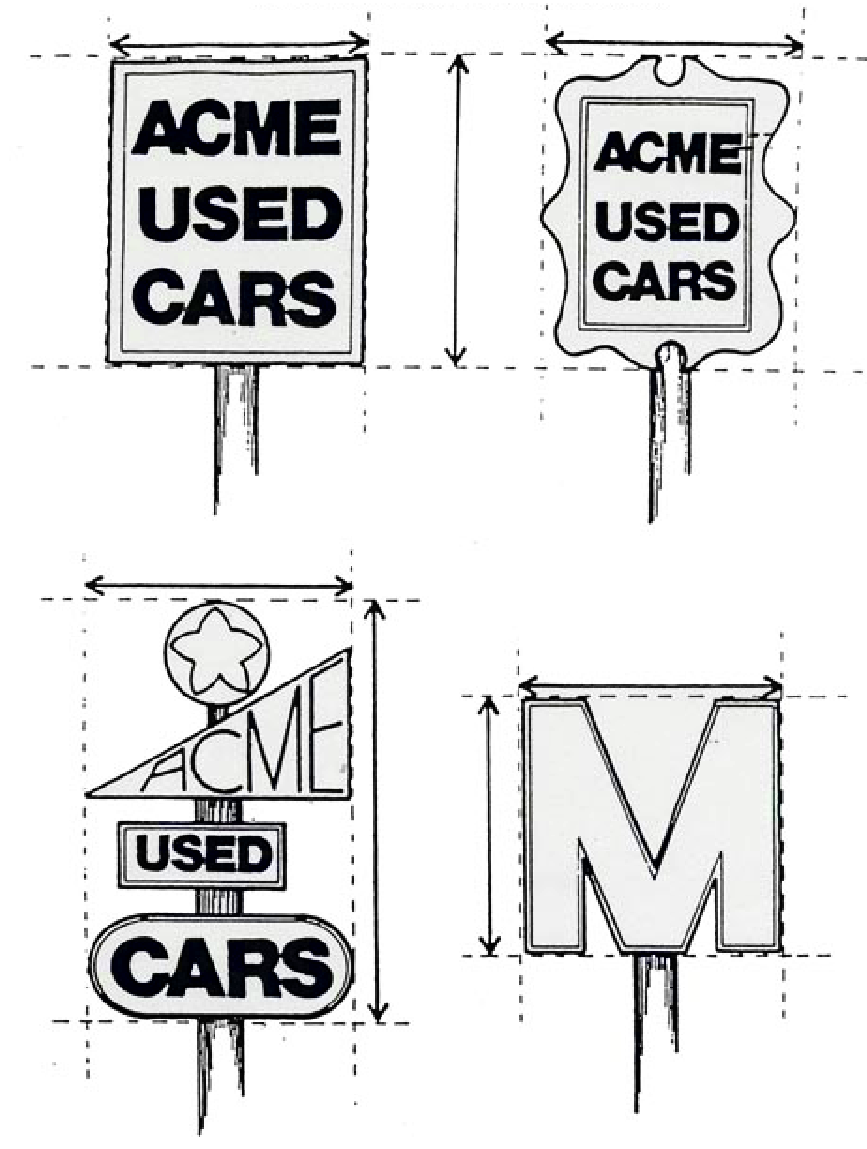
Figure 3-6 How to Measure Sign Height for Freestanding Signs
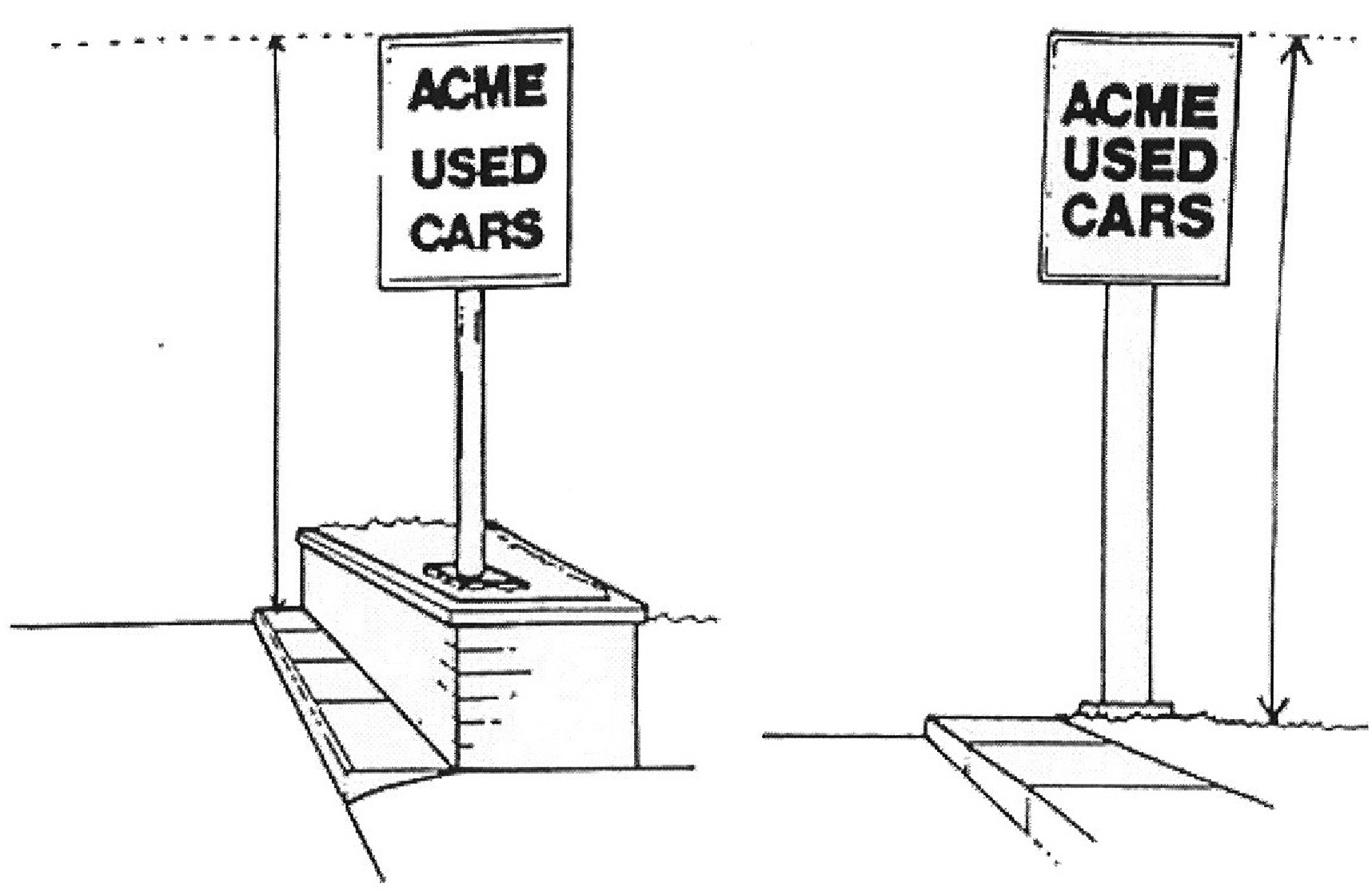
Figure 3-7 How to Measure Sign Height for Attached Signs
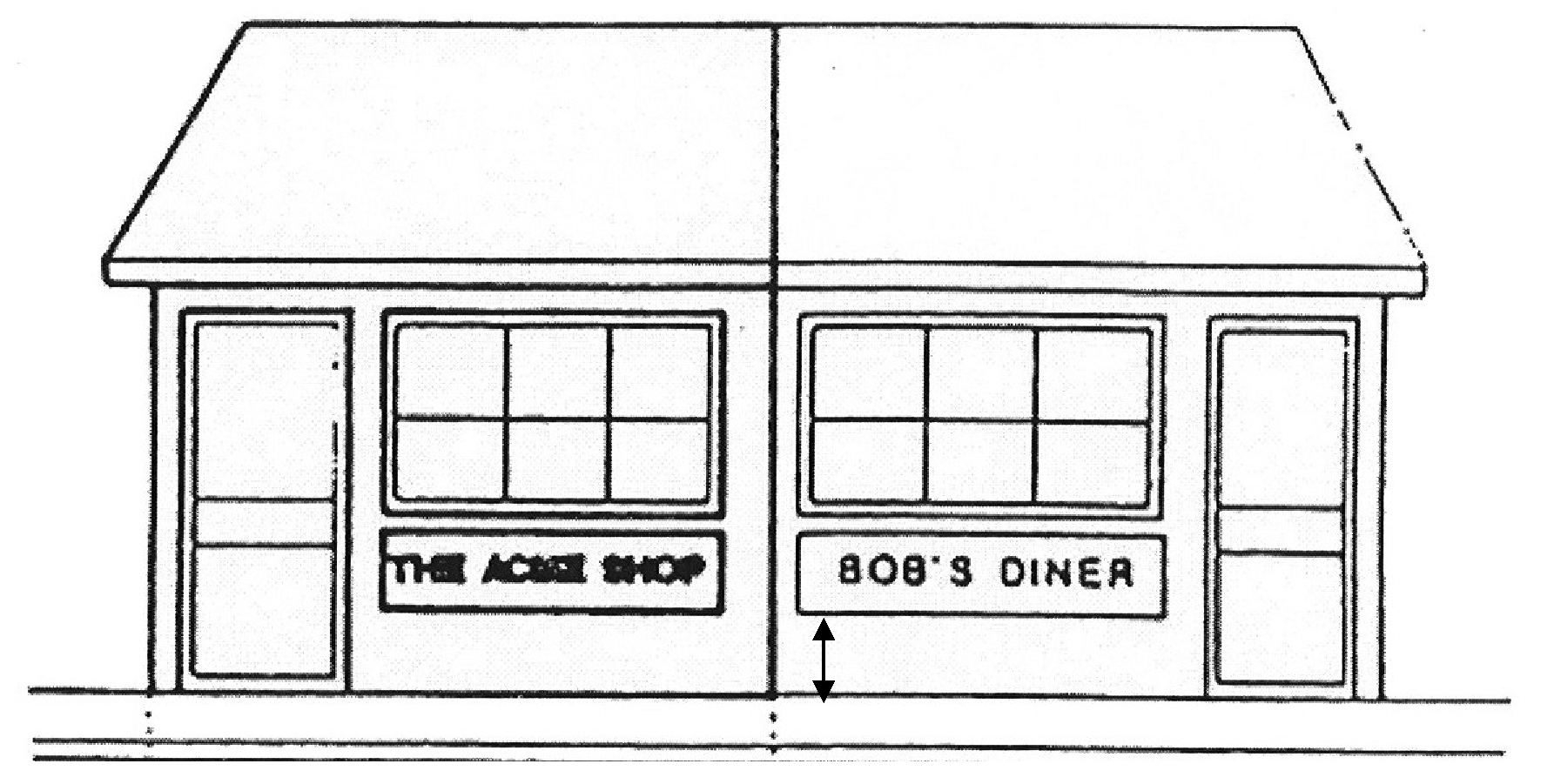
Figure 3-8 Real Estate Sign Measurement

Figure 3-9 Lot Frontage
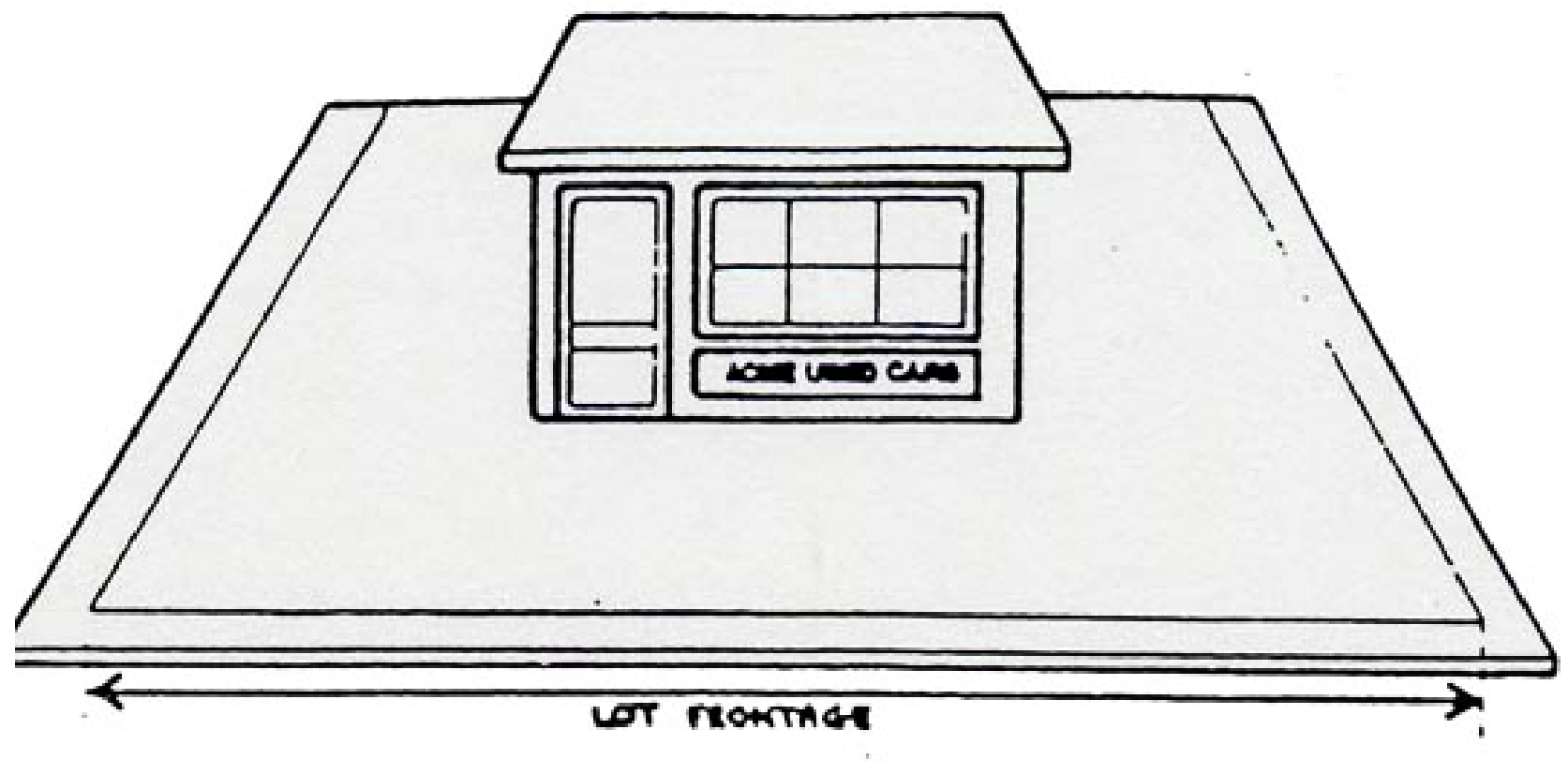
Figure 3-10 Building Frontage
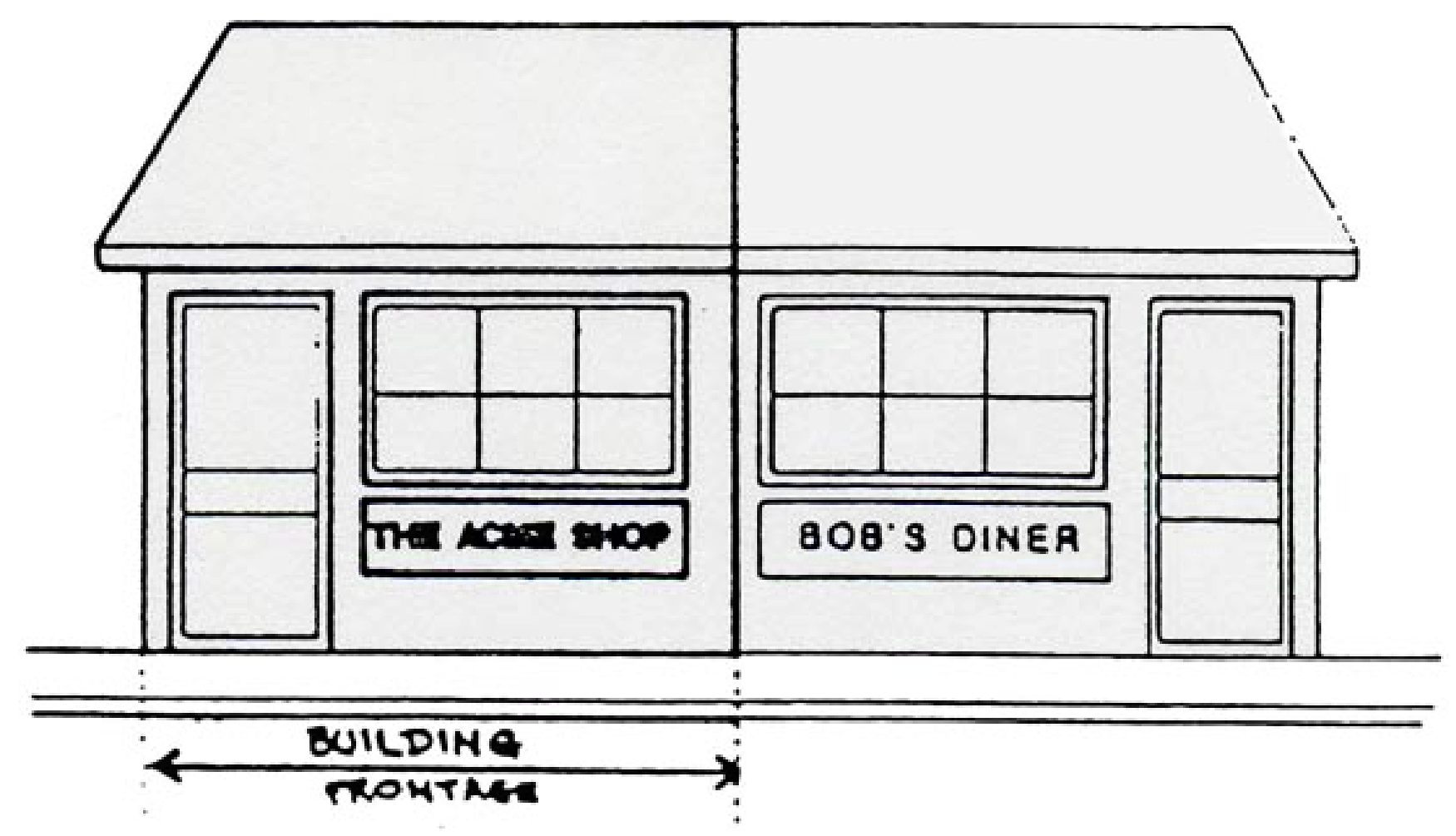
Figure 3-11 Artwork (Mural)

Figure 3-12 Attached Sign (Painted)

Figure 3-13 Animated Sign (Tri-Vision)

Figure 3-14 Awning Sign
Figure 3-15 Banner Signs (Permanent)
Figure 3-16 Banner Sign (Temporary)

Figure 3-17 Beacon/Search Light

Figure 3-18 Billboard
Figure 3-19 Bus Bench Sign
Figure 3-20 Bus Stop Informational Sign
Figure 3-21 Canopy Sign

Figure 3-22 Changeable Copy Sign

Figure 3-23 Construction Sign
Figure 3-24 Cold Air Inflatable Sign

Figure 3-25 Commercial Mascot Sign

Figure 3-26 Directional Sign
Figure 3-27 Directory Sign (Freestanding)
Figure 3-28 Directory Sign (Wall-Mounted)
Figure 3-29 Election Signs

Figure 3-30 Electronic Sign (Pole Sign with Pole Cover)
Figure 3-31 Emergency Warning Sign
Figure 3-32 Fixed Arial Advertising Sign
Figure 3-33 Flags Mounted on Flagpoles

Figure 3-34 Flags (Flutter)
Figure 3-35 Flashing Sign

Figure 3-36 Ground Sign

Figure 3-37 Holographic Display Sign
Figure 3-38 Indentification Sign

Figure 3-39 Illuminated Sign (Externally Lit Attached Sign)

Figure 3-40 Illuminated Sign (Internally Lit Pole Sign with Pole Cover)
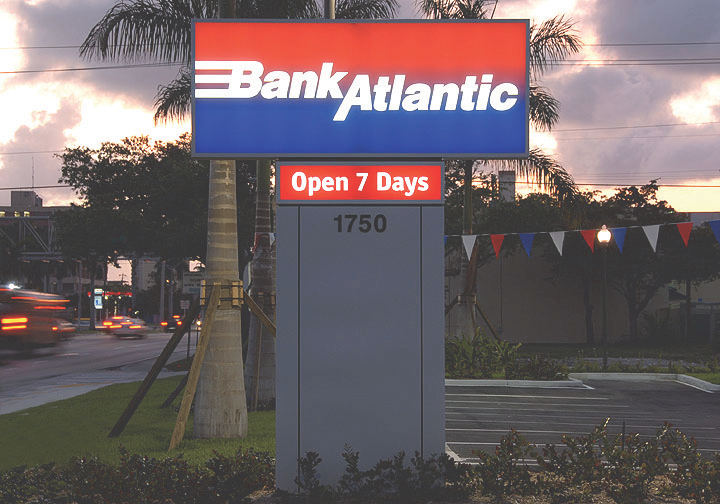
Figure 3-41 LED Sign
Figure 3-42 Ligthouse Overlay District - Acceptable Sign Type

Figure 3-43 Machinery and Equipment Sign

Figure 3-44 Marquee Sign

Figure 3-45 Menu Display Sign
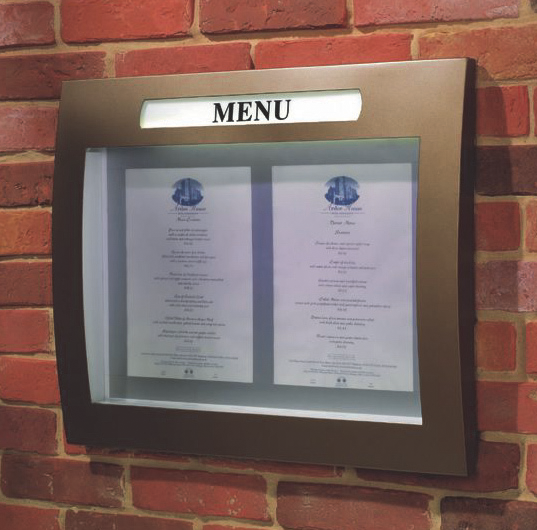
Figure 3-46 Menu Sign, Drive-In

Figure 3-47 Menu Sign, Drive-Through
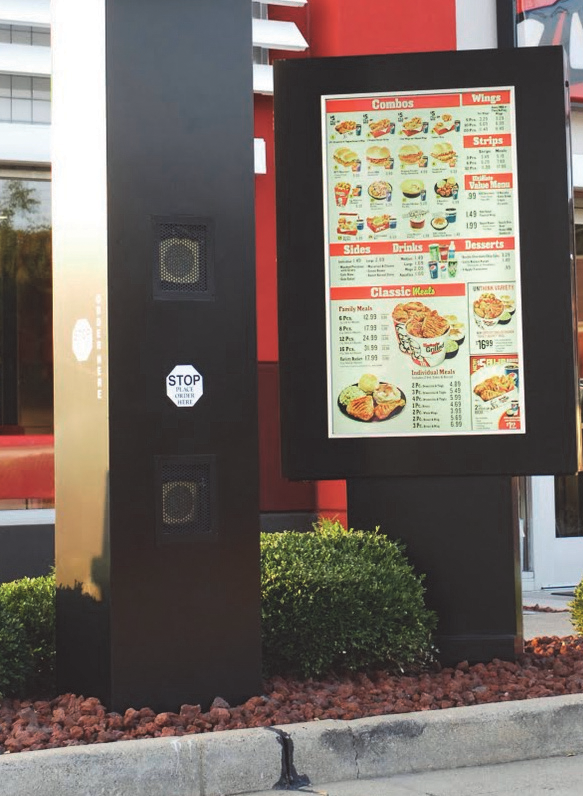
Figure 3-48 Mobile Billboard Sign
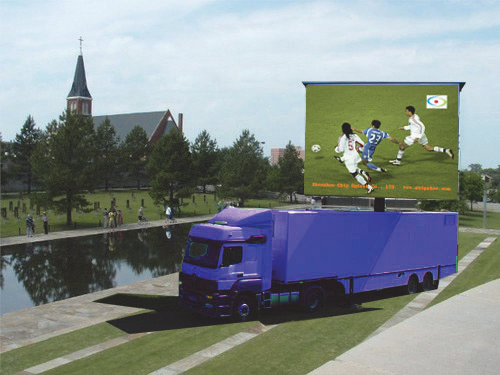
Figure 3-49 Monument Sign (Multi-Tenant)
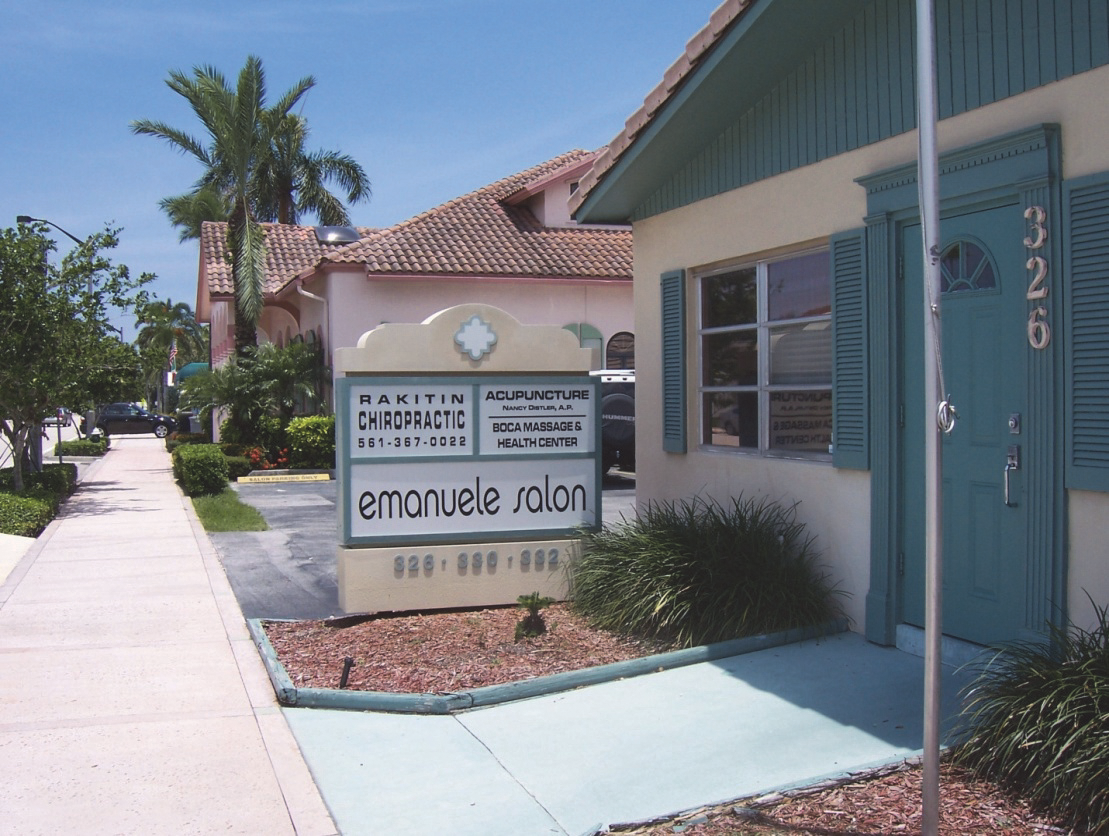
Figure 3-50 Monument Sign (Single-Tenant, Relating to Building Architecture)
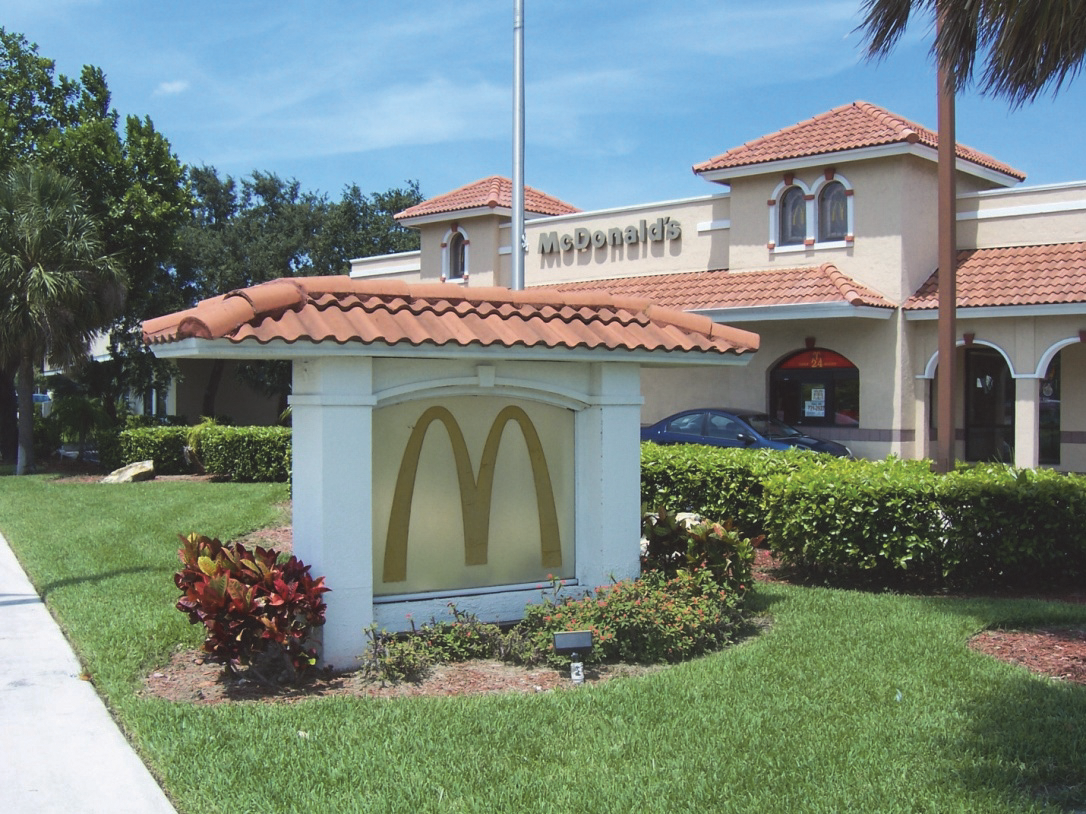
Figure 3-51 Neon Sign

Figure 3-52 Off-Site (Off-Premises) Sign
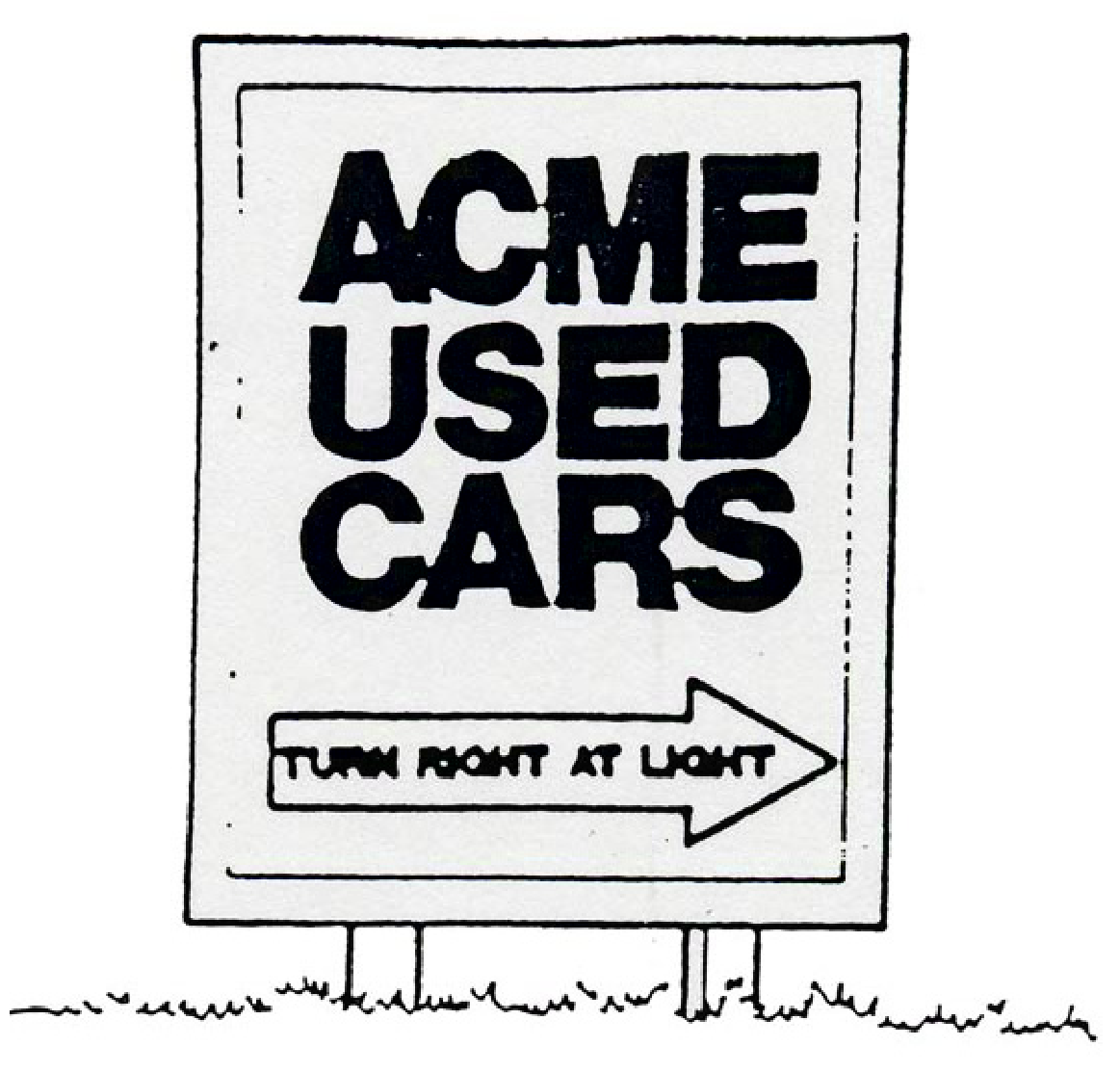
Figure 3-53 Off-Site Permanent Monument Identification Sign (Subdivision Sign)
Figure 3-54 Ornamental Flag

Figure 3-55 Pennants

Figure 3-56 Pole Sign (Without Pole Cover)
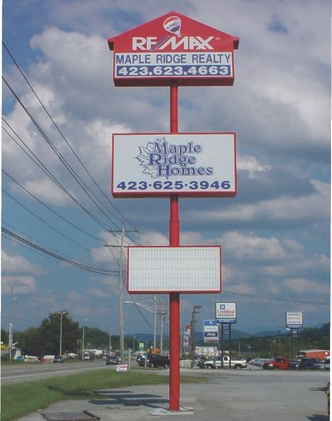
Figure 3-57 Portable Sign
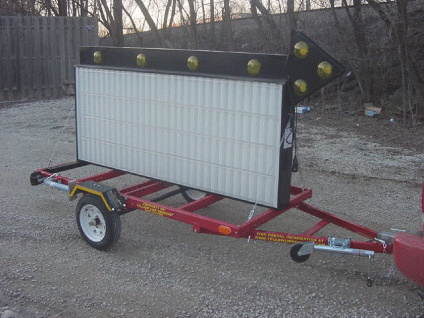
Figure 3-58 Projecting Sign

Figure 3-59 Real Estate Sign (Temporary, Commercial)
Figure 3-60 Real Estate Signs (Temporary, Residential)
Figure 3-61 Revolving Sign or Rotating Sign

Figure 3-62 Roof Sign (Attached)
Figure 3-63 Roof Sign (Painted)
Figure 3-64 Snipe Signs

Figure 3-65 Street Address Sign
Figure 3-66 Traffic Control Device Signs
Figure 3-67 Twirler (Sign Twirler)
Figure 3-68 Umbrella Sign

Figure 3-69 Valet Parking Sign
Figure 3-70 Vehicle Sign (Not Used in the Ordinary Course of Business)

Figure 3-71 Vehicle Sign
Figure 3-72 Vehicle Wrap Sign

Figure 3-73 Wall Signs
Figure 3-74 Wall Wrap Signs

Figure 3-75 Window Signs

Figure 3-76 Sight Visibility (Visual Clearance) Triangles
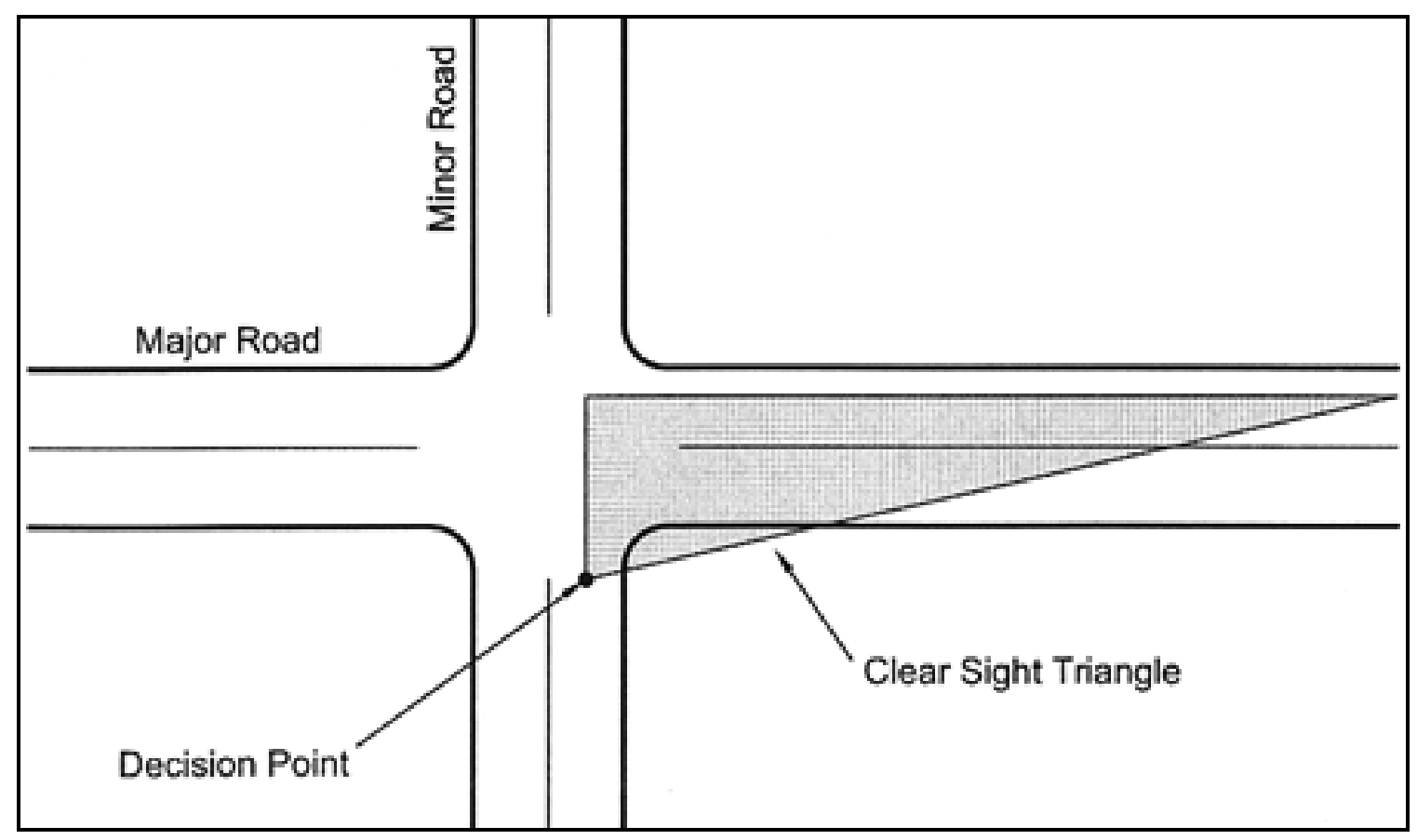
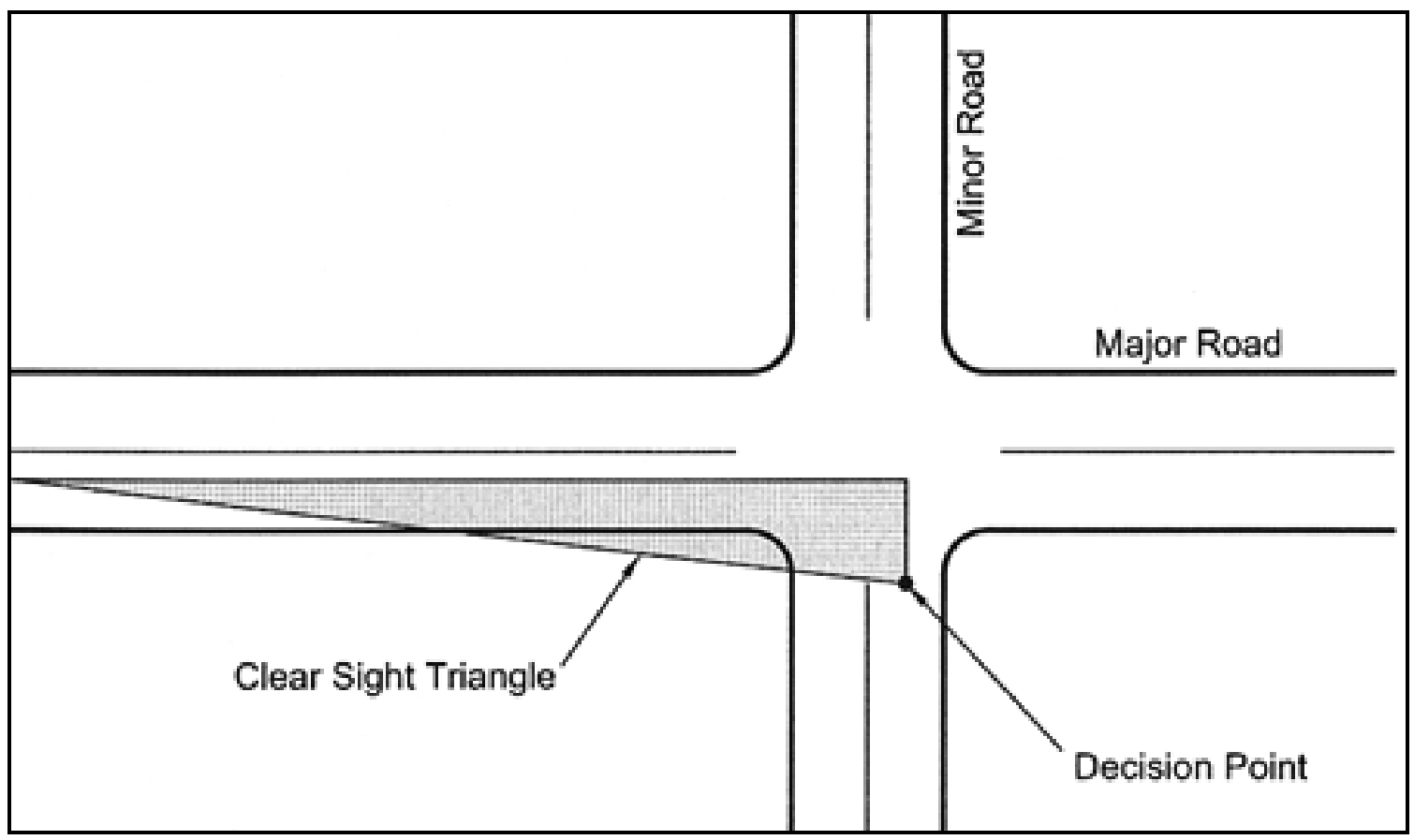
3.31.1 - Applicability.
A.
Definitions.
Swim club. A commercial or noncommercial establishment that provides facilities for swimming. A swimming facility may provide additional services customarily furnished by a club, such as outdoor recreation and related retail sales. The term also refers to an organization that provides swimming instruction, practice, and competitions.
Tennis club. A commercial or noncommercial establishment that provides facilities for playing tennis. A tennis facility may provide additional services customarily furnished by a club such as outdoor recreation and related retail sales. The term also refers to an organization that provides tennis instruction, practice, and competitions.
B.
How permitted. See section 2.40, Table 2-5 (Table of Permitted Uses).
3.31.2 - Special exception standards.
If a special exception is required, the following standards apply in addition to any generally applicable standards:
A.
The total lot area covered with principal and accessory buildings shall not exceed 15 percent.
B.
No dwelling units shall be provided on the premises, except for living quarters for a resident manager, watchman or caretaker. Those living quarters, if any, shall be constructed as part of the principal building.
C.
All principal or accessory buildings, swimming pools or tennis courts shall be located at least 50 feet from any lot line.
D.
All artificial lights shall be directed away from adjoining properties.
3.32.1 - Applicability.
This section applies to all communication towers and antennas, except those exempt from local governmental review pursuant to federal law.
A.
Definition. Any structure designed and constructed for the primary purpose of supporting one or more telecommunications antennae. Telecommunications towers may be of the following construction types:
• Guyed tower: A telecommunications tower which is anchored with guy wires.
• Lattice tower: A telecommunications tower which is vertical, self supporting and has three or more sides of open-framed supports.
• Monopole tower: A single vertical self-supporting structure made of spin-cast concrete, concrete, steel, or similar material, presenting a solid appearance and not anchored with guy wires.
B.
How permitted. Telecommunications towers are considered essential utility services, except as otherwise provided in this article and section 2.40, Table 2-5 (Table of Permitted Uses).
3.32.2 - Generally.
A.
Telecommunications towers and antennas shall meet all applicable requirements of the Federal Communications Commission, Federal Aviation Authority [Administration], Florida Statutes, and any other applicable statutes or regulations.
B.
Permission to construct or erect a telecommunications tower or antenna requires review by the planning commission and the approval of the town council.
3.32.3 - Construction.
A.
Any structurally sufficient structure may be used to support one or more antennas. Appropriate structures include buildings, water towers, utility poles, and telecommunications towers.
B.
An applicant seeking to construct a telecommunications tower must demonstrate that there are no reasonable opportunities to locate its antenna or antennas on existing telecommunications towers or other support structures.
C.
Telecommunications towers shall be designed and constructed to accommodate multiple antennas based on tower height:
Table 3-4 Tower Height and Number of Antennas
D.
All telecommunications towers shall be designed and certified by a professional engineer licensed by the State of Florida as structurally sufficient. The telecommunications tower owner shall provide an inspection report at the time of original construction, and upon the addition of any new antenna to the tower. The report shall be signed and sealed by a professional structural engineer licensed by the State of Florida, and shall certify that the tower meets FCC and ANSI operating specifications.
3.32.4 - Signs.
Only one sign may be affixed to a telecommunications tower or support structure, or to any accessory structure, in connection with the antenna use. They shall not exceed three square feet, and may identify the tower's owner and "no trespassing." No advertising is allowed.
3.32.5 - Compatibility and screening.
A.
A telecommunications tower shall be compatible with surrounding uses and structures in character, appearance of ground facilities, visibility and proximity to other towers.
B.
Telecommunications towers shall be secured by a fence with a lockable gate, an anti-climbing device or other security features sufficient to prevent unauthorized access.
C.
Unless otherwise required by FAA regulations, telecommunications towers shall be finished in galvanized steel or a neutral color to reduce visual obtrusiveness. Ground facilities, including any perimeter fencing, shall be of materials, colors, and landscaping sufficient to allow the tower to blend in with surrounding uses and enhance compatibility with nearby structures.
D.
The visual impacts of a ground-mounted telecommunications tower shall be mitigated from nearby viewers by placement of landscaping or other screening materials at the base of the tower and ancillary structures. Except where waived by the town council, landscaping and screening, outside of the required fencing, shall be provided as follows:
1.
A row of trees a minimum of eight feet tall and a maximum of ten feet apart shall be planted around the telecommunications tower and any accessory structures.
2.
A continuous hedge at least 30 inches high at planting capable of growing to at least 36 inches in height within 18 months shall be planted in front of the tree line, referenced above.
3.
All landscaping shall be of the evergreen variety.
4.
All landscaping shall be xeriscape tolerant or irrigated and properly maintained to ensure good health and viability.
3.32.6 - Location and setbacks.
Telecommunications towers and accessory ground facilities, including equipment cabinets, buildings, and generators, shall meet the following location and setback requirements:
A.
Antennas may be added to any existing building or support structure. The antenna or antennas shall be designed and placed in a manner to blend in with the structure, and shall not extend more than 20 feet above the height of the existing structure.
B.
Ground facilities shall meet the setbacks for the district in which the tower is located.
C.
Monopole towers shall be set back at least an amount equal to the height of the tower from any property line adjoining a platted single-family lot. Guyed towers and lattice towers shall be set back at least an amount equal to twice the height of the tower from any property line adjoining a platted single-family lot.
D.
The setbacks may be modified by the town council upon a finding that the character of the area supports the modification.
3.32.7 - Lighting.
Telecommunications towers shall not be artificially lighted unless required by FAA or other government regulation. If lighting is required, that means which is least obtrusive to visibility from the ground shall be used. Strobe lighting is prohibited.
3.32.8 - Abandonment.
If a telecommunications tower is discontinued for a continuous period of six months, it is deemed abandoned. The town shall provide written notice of abandonment to the owner, and the owner shall have six months from the date of receipt of the notice to either resume use or remove the tower.
3.33.1 - Applicability.
A.
Pursuant to Section 381.986(11)(b), Florida Statutes, which creates a limited exception to the preemptive authority asserted by the State as to medical marijuana treatment centers and which authorizes local jurisdictions to ban medical marijuana treatment center dispensaries within their jurisdictional boundaries, medical marijuana treatment center dispensaries are prohibited within the jurisdictional boundaries of the Town of Ponce Inlet.
B.
In the event there is any change by legislation or rule to the exception to the preemptive authority asserted by the State as to medical marijuana treatment centers or the authority of local jurisdictions to ban medical marijuana treatment center dispensaries within their jurisdictional boundaries or in the event a court of competent jurisdiction enters a final order striking or otherwise altering the authority recognized in F.S. § 381.986, for local jurisdictions to ban medical marijuana treatment center dispensaries within their jurisdictional boundaries, no application for a development order, zoning approval, change of use, or other permit which would authorize a medical marijuana treatment center dispensary within the Town of Ponce Inlet shall be processed for a period of 90 days following the effective date of such legislative change or judicial action.
(Ord. No. 2014-05, § 2, 7-17-2014; Ord. No. 2018-01, § 1, 1-18-2018)
3.33.2 - Reserved.
Editor's note— Ord. No. 2018-01, § 1, adopted January 18, 2018 deleted § 3.33.2, which pertained to special exception standards, and derived from Ord. No. 2014-05, § 2, adopted July 17, 2014.

