
Redwood City City Zoning Code
ARTICLE 5
RH RESIDENTIAL—HILLSIDE AND R-1 RESIDENTIAL—SINGLE-FAMILY DISTRICTS1
Editor's note— Ord. No. 1130-363, § 4, adopted June 22, 2015, repealed Art. 5, §§ 5.1—5.12, in its entirety; and enacted a new Art. 5 to read as set out herein. Former Art. 5 pertained to "R-1 (Residential-Single-Family) District" and was derived from Ord. 1130, eff. 7-10-64; Ord. 1130.41, eff. 3-9-66; Ord. 1130.98, eff. 7-9-69; Ord. 1130.130, eff. 5-26-71; Ord. 1130.153, eff. 7-9-75; Ord. 1130.154, eff. 8-13-75; Ord. 1130.191, eff. 4-4-79; Ord. 1130.226, eff. 7-27-83; Ord. 1130.238, eff. 12-5-84; Ord. 1130.273, eff. 11-15-90; Ord. 1139.275, eff. 2-27-91; Ord. 1130.277, eff. 9-26-91; Ord. 1130.319, eff. 8-13-03; Ord. 1130.327 §§ 7, 10, 11, eff. 12-1-03; Ord. 1130.336 § 3 (part), eff. 1-5-06; Ord. No. 1130-353, § 1(Exh. F), adopted June 27, 2011; and Ord. No. 1130-364, § 3(Exh. C), adopted Aug. 24, 2015. Ord. No. 1130-363, § 11, adopted June 22, 2015, reads as follows: "This Ordinance shall go into effect on January 1, 2016, per City Council motion at the April 13, 2015 hearing." At the direction of the City, and prior to their effective date, the changes enacted by Ord. No. 1130-363, § 4, have been included as set out herein.
5.1 - Purpose.
This Article sets forth two (2) zoning districts for single-family residential living that promotes primarily detached single-family homes and related uses, including accessory dwelling units, and implements the requirements of Government Code Section 65852.21.
A.
RH District—This district is located in the hillside areas and promotes a semi-rural environment with sloped lots and curvilinear streets.
B.
R-1 District—This district is located predominantly in the western portion of the city with both sloped and flat lots and promotes a low-density residential living environment.
(Ord. No. 1130-363, § 4, 6-22-15; Ord. No. 1130-386, § 4(Exh. A), 7-24-23)
5.2 - Use Regulations.
See Section 4.2 (Use Regulations in Residential Zoning Districts) for use regulations in the R-1 Zoning District.
(Ord. No. 1130-363, § 4, 6-22-15; Ord. No. 1130-383, § 4(Exh. A), 4-12-21; Ord. No. 1130-386, § 4(Exh. A), 7-24-23)
Editor's note— Ord. No. 1130-386, § 4(Exh. A) adopted July 24, 2023, amended the title of § 5.2 to read as herein set out. The former § 5.2 title pertained to uses allowed by district.
5.3 - Lot Area.
A.
Minimum Area. The minimum lot area requirement is ten thousand (10,000) square feet for the RH Zoning District and six thousand (6,000) square feet for the R-1 Zoning District, with exceptions to these requirements described in subsections B, C, and D.
B.
Greater Minimums with a Numerical Suffix. Greater minimum lot areas may be established by adding a numerical suffix to the district designation in conjunction with the zoning of any property. The number is part of the District designation and establishes the minimum lot area in thousands of square feet (for example, RH-20 establishes a minimum lot area of twenty thousand (20,000) square feet).
C.
Supplementary Lot Area Requirements for Sloping Sites. Additional requirements for lot subdivisions in sloping areas are located in Section 32.2 (Supplementary Lot Area Requirements for Sloping Sites).
D.
Minimum Site Size for Public or Quasi-Public Uses. With the exception of religious uses, the minimum lot size for public or quasi-public buildings is forty thousand (40,000) square feet. The lot shall have a minimum average width of one hundred (100) feet.
(Ord. No. 1130-363, § 4, 6-22-15; Ord. No. 1130-386, § 4(Exh. A), 7-24-23)
5.4 - Lot Width.
The minimum average lot width is sixty (60) feet in the RH Zoning District and fifty (50) feet in the R-1 Zoning District. Each lot shall have a minimum of thirty-five (35) feet of a public street or private street (privately owned and maintained but publicly accessible).
(Ord. No. 1130-363, § 4, 6-22-15; Ord. No. 1130-386, § 4(Exh. A), 7-24-23)
5.5 - Lot Coverage.
Total lot coverage is limited to forty percent (40%) of the lot area. Not more than fifty percent (50%) of the required rear yard shall be covered by any combination of accessory buildings or an accessory dwelling unit subject to Section 36.5 (Accessory Buildings) and Article 37 (Accessory Dwelling [Units]).
(Ord. No. 1130-363, § 4, 6-22-15; Ord. No. 1130-366, § 4, 12-7-15)
5.6 - Building Height.
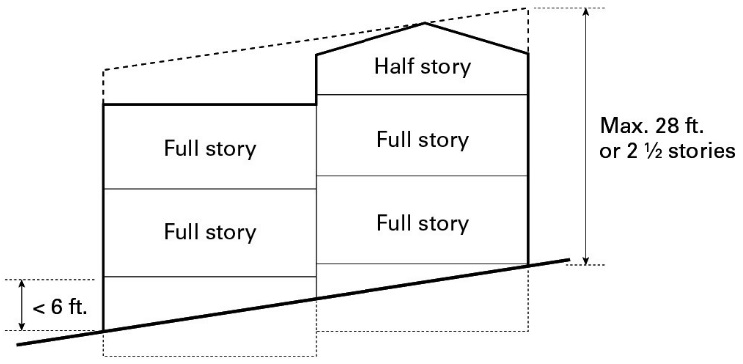
Maximum building height is twenty-eight (28) feet and structures shall not exceed two and one-half (2.5) stories. See Section 36.5 (Accessory Buildings) and Article 37 (Accessory Dwelling Units) for accessory building and accessory dwelling unit height regulations, respectively. See Article 2 (Definitions) for information on how "story" and "height of building" are measured.
Figure 5.6 Building Height (for illustrative purposes only)
(Ord. No. 1130-363, § 4, 6-22-15; Ord. No. 1130-366, § 4, 12-7-15)
5.7 - Setback Requirements. Modified [R-1 and RH].
A.
Definitions and Modifications. For further information on how to measure a setback and modifications to setback requirements, see Article 32 (Supplementary Provisions).
B.
Applicability. Setbacks in this Section apply to main buildings, except SB 9 Projects. See Section 5.10 for setback information for SB 9 Projects. See Article 36 for further information on setbacks for fences, accessory buildings, or other types of improvements. See Article 37 for setback information regarding accessory dwelling units.
C.
Front. In the R-1 and RH districts, structures shall be set back from the front property line as provided below or adjusted per Section 5.8D (Parking Front Setback Adjustment):
1.
RH District.
a.
Lot area less than ten thousand (10,000) square feet: Twenty (20) feet.
b.
Lots area of ten thousand (10,000) square feet or more: Twenty-five (25) feet.
2.
R-1 District. The minimum setback is fifteen (15) feet except as provided below.
a.
Garages and carports: Twenty (20) feet.
b.
Lots with existing side setbacks (as defined by the existing building footprint) less than normally required: Twenty (20) feet.
D.
Side—RH District. Structures shall be set back from the side property line as provided below:
1.
First story: Seven (7) feet on one side and total of fifteen (15) feet for both sides.
2.
Upper Stories: Seven (7) feet minimum for twenty-five percent (25%) of the lot depth or thirty-five (35) feet, whichever is less. Remaining portions of upper stories shall have a minimum setback of one half the height of the building face measured at the plateline or ridge beam, whichever is highest.
E.
Side—R-1 District. Structures shall be set back from the side property line as provided below:
1.
First Story Interior: A minimum of six (6) feet or one-half (½) the height of the building face, whichever is greater. On lots less than sixty (60) feet wide, the interior side setback may be reduced to ten percent (10%) of the width of the lot, but not less than four (4) feet.
2.
First Story Exterior: A minimum of fifteen (15) feet setback is required wherever a side yard is adjacent to a street. On lots less than sixty (60) feet wide, the exterior side yard setback may be reduced to twenty-five percent (25%) of the width of the lot. In no case shall the minimum required setback be less than twelve and one-half (12.5) feet or more than fifteen (15) feet. Garages and carports facing an exterior side yard require a twenty-foot setback.
3.
Upper Stories: For interior setbacks, a minimum of six (6) feet for twenty-five (25) percent of the lot depth or thirty-five (35) feet, whichever is less. Remaining portions of upper stories shall have a minimum setback of one-half (½) the height of the building face measured at the plateline or ridge beam, whichever is highest. For side yards adjacent to a street, the upper story must meet the first story exterior setback requirements.
F.
Rear. In the RH and R-1 districts, structures shall be set back from the rear property line as provided below:
1.
RH District: Twenty-five (25) feet.
2.
R-1 District: Twenty (20) feet.
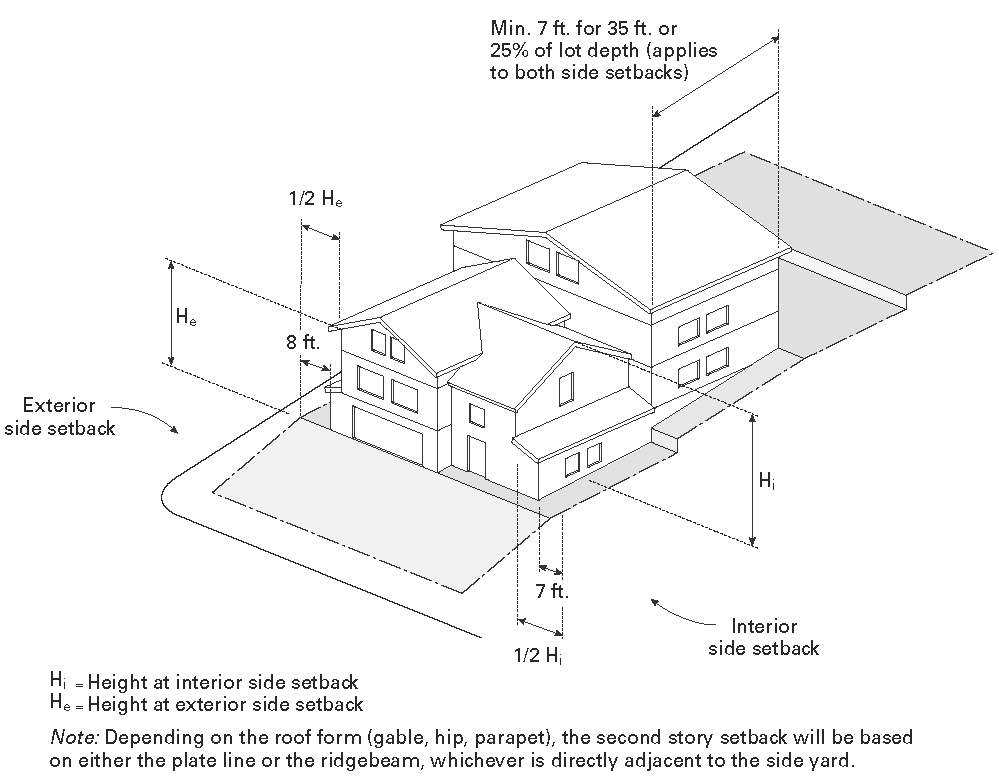
Figure 5.7A—RH Side Yard Setbacks (for illustrative purposes only)
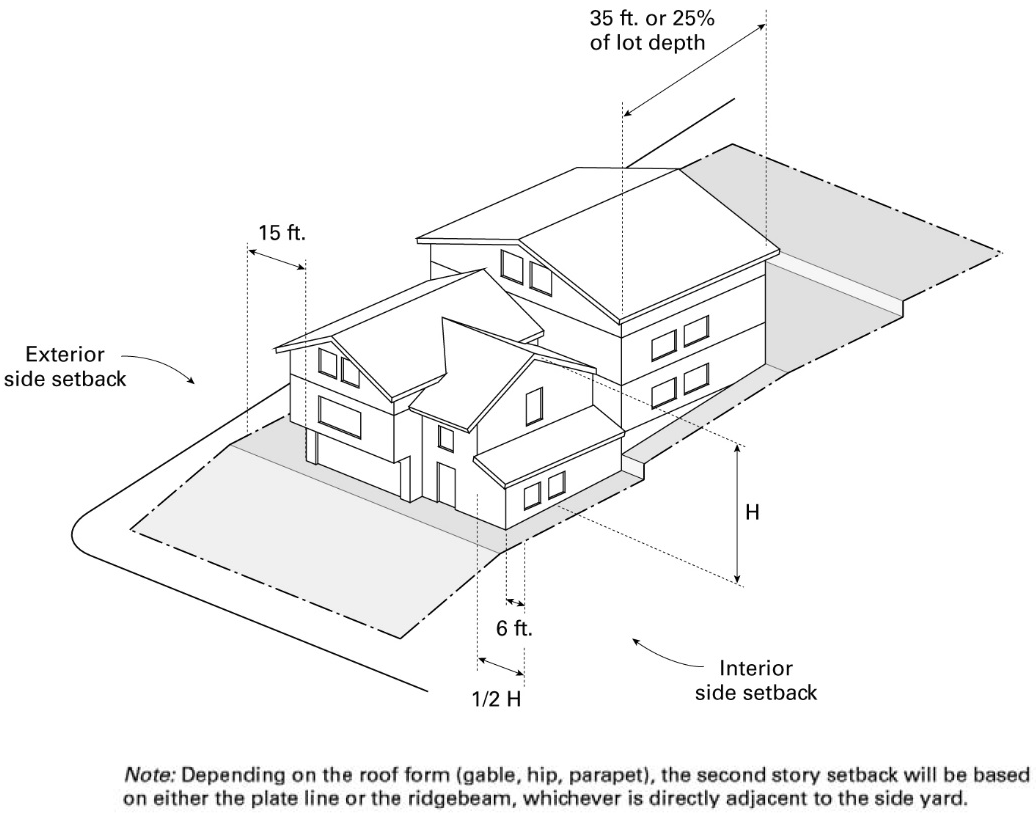
Figure 5.7B—R-1 Side Yard Setbacks (for illustrative purposes only)
(Ord. No. 1130-363, § 4, 6-22-15; Ord. No. 1130-366, § 4, 12-7-15; Ord. No. 1130-367, § 5, 6-13-16; Ord. No. 1130-386, § 4(Exh. A), 7-24-23; Ord. No. 1130-890, § 4(Exh. A), 8-26-24)
Editor's note— Ord. No. 1130-367, § 5, adopted June 13, 2016, amended § 5.7 to read as set out herein. Previously § 5.7 was titled "Setback Requirements."
5.8 - Additional Regulations for Sloping Lots.
A.
Purpose. The purpose of the additional regulations for sloping lots is that:
1.
Trees and natural features, well-designed homes and variety of architectural styles are key components of quality hillside areas;
2.
Safety of homes, both structurally and from fire danger, is of particular concern in the hillside areas;
3.
Ensuring that homes are integrated with hillside slopes and scaled to the size of the property contributes towards overall compatibility; and
4.
Allowing reasonably-sized homes and additions can further the goals of neighborhood quality and accommodate diverse family and multi-generational needs.
B.
Definition of Sloping Lots. For the purposes of this section, "sloping lots" is any lot in the R-1 or RH Zoning District that has an average slope of fifteen (15) percent or more.
C.
Underfloors. Exterior building surfaces between the lowest floor and finished grade shall be comprised of fire-retardant materials to prevent exposure to wildfire hazard. The building official shall determine compliance with this standard.
D.
Parking Front Setback Adjustment. In order to reduce grading, required parking (including a private garage) may be located, at the discretion of the Director, as close as five (5) feet to the street property line; provided that portions of the dwelling and accessory structures other than the garage shall comply with the setback requirements of the base zoning district. Driveway aprons of ten (10) to eighteen (18) feet are prohibited as they would allow a car to protrude into the sidewalk or street.
E.
Review Process. As required per Article 45 (Architectural Permits).
(Ord. No. 1130-363, § 4, 6-22-15)
5.9 - Pervious Area and Stormwater Requirements.
A.
Definitions. "Pervious" is defined as areas with landscaping, vegetated open space, or permeable paving materials consistent with Section 32.12 (Stormwater Treatment) of the Zoning Ordinance.
B.
Pervious Requirements. At least forty percent (40%) of each lot and a minimum of sixty percent (60%) of the required front yard area shall be pervious. For lots less than fifty (50) feet in width, a maximum paved area twenty (20) feet wide may be permitted for driveway and parking areas.
C.
Stormwater Requirements. New development shall comply with the requirements of Chapter 27A (Stormwater Requirement Treatment Measures and Maintenance Program) of the Municipal Code.
(Ord. No. 1130-363, § 4, 6-22-15)
5.10 - SB 9 Projects.
This Section is intended to implement the provisions of Government Code Section 65852.21 to allow SB 9 Projects in single-family residential zones.
A.
Number of Dwelling Units.
1.
A lot that was not previously issued a parcel map for an urban lot split as defined in Section 30.30 of the Municipal Code may develop an SB 9 Project and, in addition, may apply for the development of accessory dwelling units.
2.
A lot created through a parcel map for an urban lot split as defined in Section 30.30 of the Municipal Code may develop up to two (2) dwelling units on the lot. The units may include an SB 9 Project, junior accessory dwelling unit(s), and accessory dwelling unit(s), or some combination thereof that does not result in more than two (2) dwelling units on the lot.
B.
Development Standards. Except as otherwise provided, SB 9 Projects shall comply with the objective zoning standards, objective subdivision standards and objective design review standards of the underlying zoning district unless the standard would have the effect of physically precluding the construction of up to two (2) units or that would physically preclude either of the two (2) units from being at least eight hundred (800) square feet in floor area. The City shall waive or modify any standard if that standard would have the effect of physically precluding the construction of two (2) units of at least eight hundred (800) square feet each; any modifications of development standards shall be the minimum modification necessary to avoid physically precluding the construction of two (2) units of eight hundred (800) square feet each. The following exceptions to the requirements of the underlying zoning district apply:
1.
Height. The maximum building height for SB 9 Projects shall be consistent with the underlying zoning district requirements, except that SB 9 Project structures encroaching within the rear setback area, as identified in Section 5.7, shall not exceed twenty (20) feet in height when that portion of the SB 9 Project has a flat roof, or twenty-four (24) feet in height with a pitched roof (with the additional four (4) feet solely devoted to roof pitch).
2.
Setbacks. SB 9 Projects shall be set back from the side and rear property lines as provided below:
i.
Side: Four (4) feet.
ii.
Rear: Four (4) feet.
iii.
No setback shall be required for an existing structure or a new structure constructed in the same location and to the same dimensions as an existing structure.
3.
Parking. For parking standards, see Section 30.5.A.2.
4.
Floor Area Ratio. Where applicable, SB 9 Projects that propose to develop a single-family dwelling shall comply with the floor area ratio requirements in Article 48 (Floor Area Ratio for Single-Family Homes) of the Zoning Ordinance. SB 9 Projects that propose any other type of dwelling shall not be subject to a limit on floor area ratio.
C.
Allowable Demolition. No more than twenty-five percent (25%) of the existing exterior structural walls shall be demolished if a tenant has occupied the site in the last three (3) years.
D.
Location Restrictions. An SB 9 Project is prohibited on a site that is identified in Government Code Section 65913.4(a)(6) subparagraphs (B) to (K) and as summarized below:
1.
Farmland.
2.
Wetlands.
3.
Hazardous waste site.
4.
Under conservation easement.
5.
Lands identified for conservation.
6.
Habitat for protected species.
7.
Within a Very High Fire Hazard Severity Zone, except for sites excluded from specified hazard zones by the City, pursuant to subdivision (b) of Section 51179, or sites that have adopted fire hazard mitigation measures pursuant to existing building standards or state fire mitigation measures applicable to the development.
8.
Within a delineated earthquake fault zone, unless the development complies with the applicable seismic protection building code standards identified in Government Code Section 65913.4(a)(6)(F).
9.
Within a special flood hazard area subject to inundation by the one percent (1%) chance of flood as determined by the Federal Emergency Management Agency (FEMA), except as provided in [Government Code] Section 65913.4(a)(6)(G).
10.
Within a regulatory floodway, as determined by FEMA, except as provided in [Government Code] Section 65913.4(a)(6)(H).
E.
Eligibility.
1.
An SB 9 Project shall not require demolition or alteration of any of the following types of housing:
i.
Affordable Housing. Housing that is subject to a recorded covenant, ordinance, or law that restricts rents to levels affordable to persons and families of moderate, low, or very low income.
ii.
Rent Control. Housing that is subject to any form of rent or price control through a public entity's valid exercise of its police power.
iii.
Rental. Housing that has been occupied by a tenant in the last three (3) years.
2.
Ellis Act. An SB 9 Project is prohibited on a parcel on which an owner of residential real property has exercised the owner's rights under Government Code Chapter 12.75 (commencing with Section 7060) of Division 7 of Title 1 to withdraw accommodations from rent or lease within fifteen (15) years before the date that the development proponent submits an application.
3.
Historic. An SB 9 Project is prohibited where the site is within a historic district or property included on the State Historic Resources Inventory, as defined in Section 5020.1 of the Public Resources Code, or within a site that is designated or listed as a city or county landmark or historic property or district pursuant to a City or county ordinance.
F.
Replacement Housing. If an existing dwelling unit is proposed to be demolished, the applicant will comply with the replacement housing provisions of Government Code Section 66300(d).
G.
Affidavit of Prior Tenancies. If the application for a SB 9 Project proposes to alter or demolish any existing housing, the owner of the property on which the SB 9 Project is proposed shall sign an affidavit, in the form approved by the City Attorney, stating that the property meets the eligibility requirements identified in Sections E(1) and (2) and shall provide a comprehensive history of the occupancy of the units to be altered or demolished for the past three (3) years.
H.
Short Term Rental Prohibited. Rental of any units created pursuant to this Section must be for a term longer than thirty (30) days.
I.
Sufficient to allow Separate Conveyance. An applicant for an SB 9 Project shall not be rejected solely because it proposes adjacent or connected structures, provided that the structures meet building code safety standards and are sufficient to allow separate conveyance.
J.
Ministerial Process. An application for an SB 9 Project will be considered ministerially through a building permit, without discretionary review or a hearing, if the SB 9 Project meets all of the requirements under this Section 5.10 and Government Code Section 65852.21. An application for an SB 9 Project that does not meet the requirements shall be rejected.
K.
Findings for Denial. The City may deny a proposed SB 9 Project that meets all of the requirements identified in this Section 5.10 and Government Code Section 65852.21 if the Building Official makes a written finding, based upon a preponderance of the evidence, that the proposed SB 9 Project would have a specific, adverse impact, as defined in Government Code Section 65589.5(d)(2), upon public health and safety or the physical environment and for which there is no feasible method to satisfactorily mitigate or avoid the specific, adverse impact.
L.
Enforcement. The provisions of this Section shall be enforced as provided in Article 50 of the Zoning Code.
(Ord. No. 1130-386, § 4(Exh. A), 7-24-23)

