
Richmond City Zoning Code
ARTICLE 25
- DEFINITIONS
Sec. 25.01.- Rules of construction.
The following rules of construction apply to the text of this ordinance:
1.
The particular shall control the general.
2.
In the case of any difference of meaning or implication between the text of this ordinance and any caption or illustration, the text shall control.
3.
The word "shall" is always mandatory and not discretionary; the word "may" is permissive and discretionary.
4.
Words used in the present tense shall include the future; words used in the singular number shall include the plural; and words used in the plural shall include the singular, unless the context clearly indicates the contrary.
5.
The word "building" includes the word "structure." The word "build" includes the words "erect" and "construct." A "building" or "structure" includes any part thereof.
6.
The word "dwelling" includes "residence." The word "lot" includes the words "plot" and "parcel."
7.
The term "act" or "action" includes "omission to act."
8.
The word "used" includes "arranged," "designed," "intended," or "occupied."
9.
The terms "zoning ordinance" or "this ordinance" includes the Zoning Ordinance of the City of Richmond and any amendments thereto.
10.
The terms "abutting" or "adjacent to" includes land across a zoning or governmental boundary, property line, street, alley, dedicated right-of-way or access easement.
11.
The phrase "such as" shall mean "such as but not limited to," and the word s "include" or "including" shall mean "including but not limited to."
12.
The word "person" includes an individual, firm, association, organization, corporation (public or private), partnership or co-partnership, limited liability company, incorporated or unincorporated association, trust or any other entity recognizable as a "person" under the laws of Michigan.
13.
Unless the context clearly indicates the contrary, where a regulation involves two or more items, conditions or provisions connected by one of the following conjunctions, the conjunction shall be interpreted as follows:
a.
"And" indicates that all the connected items, conditions, provisions or events shall apply.
b.
"Or" indicates that the connected items, conditions, provisions or events may apply singly or in any combination.
14.
Words or terms defined in this article shall be construed as defined herein. Words or terms not defined in this article shall be defined in terms of their common or customary usage.
15.
Terms referred to in the masculine gender include the feminine.
16.
Unless otherwise stated, the word "days" shall mean calendar days; "month" shall mean any consecutive period of 30 calendar days; and "year" shall mean any consecutive period of 365 calendar days.
Sec. 25.02. - Definitions.
Whenever used in this ordinance, the following words and phrases shall have the meaning ascribed to them in this section:
Access drive. A private street designed to provide vehicular access from a public road.
Access management. A technique to improve traffic operations along a major roadway and decrease the potential for accidents through the control of driveway locations and design; consideration of the relationship of traffic activity for lots adjacent to, and across from, one another; and the promotion of alternatives to direct access.
Access, reasonable. A property owner's legal right, incident to property ownership, to access a public road right-of-way. Reasonable access may be indirect and certain turning movements may be prohibited for improved safety and traffic operations.
Accessory structure and accessory use. See "building" and "use."
Addition. Any construction or alteration that increases the bulk or extent of a structure.
Adult day care facility. A facility which provides daytime care for any part of a day but less than 24 hours for functionally impaired elderly persons through a structured program of social and rehabilitative or maintenance services in a supportive group setting other than the client's home.
Adult foster care facility. An establishment that provides supervision, personal care, and protection in addition to room and board, for 24 hours a day, five or more days a week, and for two or more consecutive weeks for compensation for adults over 18 years of age. It includes facilities and foster care homes for adults who are aged, mentally ill, developmentally disabled or physically handicapped who require supervision on an ongoing basis but who do not require continuous nursing care.
These facilities may be licensed and regulated by the state under Michigan Public Act 218 of 1979, as amended. An adult foster care facility does not include nursing homes, homes for the aged, hospitals, alcohol or substance abuse rehabilitation centers or residential center for persons released from or assigned to a correctional facility. Adult foster care facilities are classified as follows:
a.
Adult foster care congregate facility. An adult foster care facility with the approved capacity to receive more than 20 adults to be provided with foster care.
b.
Adult foster care small group home. An adult foster care facility with the approved capacity to receive 12 or fewer adults to be provided with foster care.
c.
Adult foster care large group home. An adult foster care facility with approved capacity to receive at least 13 but not more than 20 adults to be provided with foster care.
d.
Adult foster care family home. A private residence with the approved capacity to receive six or fewer adults to be provided with foster care for 24 hours a day for five or more days a week and for two or more consecutive weeks. The adult foster care family home licensee is a member of the household and occupant of the residence.
Adult regulated uses. Any business which primarily features sexually stimulating material or performances, including the following uses:
a.
Adult arcade. Any place to which the public is permitted or invited wherein coin-operated or slug operated or electronically, electrically or mechanically controlled still or motion picture machines, projectors or other image-producing devices are maintained to show images to five or fewer persons per machine at any one time, and where the images so displayed are distinguished or characterized by an emphasis on matters exhibiting, depicting or describing "specified sexual activities" or "specified anatomical areas."
b.
Adult book or video store. An establishment having a substantial portion equaling more than 20 percent of its stock in trade in books, magazines, periodicals or other printed matter, photographs, drawings, slides, films, motion pictures, video cassettes or video reproductions, slides or other visual representations, recording tapes and novelty items which are distinguished or characterized by their emphasis on matter depicting, describing or relating to "specified sexual activities" or "specified anatomical areas," or instruments, devices or paraphernalia which are designed for use in connection with "specified sexual activities" or "simulated nudity," which are offered for sale or rental or an establishment with a segment or section devoted to the sale, rental or display of such material, which segment or section exceeds ten percent of the usable floor area of the establishment. This does not include items used for conception control or for protection from sexually transmitted diseases.
c.
Adult entertainment cabaret. A nightclub, bar, lounge or similar commercial establishment, whether licensed by the Michigan Liquor Control Commission to offer beer or intoxicating liquor for consumption on the premises or not, which provides or features to customers live performances by employees or entertainment personnel which are distinguished or characterized by an emphasis on the exposure of "specified anatomical areas;" an emphasis on "specified sexual activities;" an emphasis on "nudity," "state of nudity," or "simulated nudity;" or a combination of any of the above.
d.
Adult model studio. Any place where models who display "specified anatomical areas" are present to be observed, sketched, drawn, painted, sculptured, photographed or similarly depicted by persons who pay some form of compensation or gratuity. This definition shall not apply to any accredited art school or similar educational institution.
e.
Adult motel. A hotel, motel or similar commercial establishment which rents or otherwise permits a room to be occupied in exchange for any form of consideration, and also:
(1)
Offers accommodations to the tenant or occupier of the room for any television transmissions, films, motion pictures, video cassettes, slides or other photographic reproductions which are distinguished or characterized by an emphasis on matters exhibiting, depicting or describing "specified sexual activities" or "specified anatomical areas," and has a sign visible from the public right-of-way or otherwise advertises the availability of this type of adult accommodations; or
(2)
Offers a sleeping room(s) for rent for a period of time that is less than ten hours; or
(3)
Allows a tenant or occupant of a sleeping room to sub-rent the room for a period of time that is less than ten hours.
Evidence that a sleeping room in a hotel, motel or similar commercial establishment has been rented and vacated two or more times in less than a ten-hour period creates a rebuttable presumption that the establishment is operated as an adult motel.
f.
Adult personal service business. A business having as its principal activity a person, while nude or while displaying specified anatomical areas, providing personal services for another person. Such a business includes, but is not limited to, modeling studios, body-painting studios, wrestling studios and conversation parlors. An adult personal service establishment may include, but is not limited to, establishments commonly known as massage parlors, health spas, sauna baths, Turkish bathhouses, and steam baths.
The following uses shall not be included within the definition of an adult personal service establishment:
(1)
Any establishment, club or business by whatever name designated, which offers or advertises or is equipped or arranged to provide as part of its services, massages, body rubs, body painting, alcohol rubs, physical stimulation, baths or other similar treatment by any person.
(2)
Establishments which routinely provide such services by a licensed physician, a licensed chiropractor, a licensed physical therapist, a licensed practical nurse practitioner or any other similarly licensed or certified medical or healing arts professionals;
(3)
Establishments which offer massages performed by certified massage therapists;
(4)
Gymnasiums, fitness centers and health clubs;
(5)
Electrolysis treatment by a licensed operator of electrolysis equipment;
(6)
Continuing instruction in martial or performing arts or in organized athletic activities;
(7)
Hospitals, nursing homes, medical clinics or medical offices;
(8)
Barber shops, beauty parlors, hair stylists and salons which offer massages by certified massage therapists;
(9)
A bar, nightclub or lounge or other non-sexually oriented business that occasionally promotes a swimsuit or similar contest in which the contestants do not appear "nude" or in "a state of nudity;"
(10)
Adult photography studios whose principal business does not include the taking of photographs of "specified anatomical areas" as defined herein.
g.
Adult theater. A theater, concert hall, auditorium or similar commercial establishment which regularly features persons who appear in a state of nudity or features live performances which are distinguished or characterized by an emphasis on the exposure of "specified anatomical areas" or by an emphasis on "specified sexual activities."
(1)
Adult motion picture arcade or miniature-motion picture theater. Any place where motion picture machines, projectors or other image producing devices are maintained to show images to five or fewer persons per machine at any one time, and where the images displayed depict, describe or relate to "specified sexual activities" or "specified anatomical areas."
(2)
Adult motion picture theater. A commercial establishment which regularly features non-live performances or entertainment such as films, motion pictures, video cassettes, slides or similar photographic reproductions which are distinguished or characterized by an emphasis on matters exhibiting, depicting or describing "specified sexual activities or "specified anatomical areas."
(3)
Adult outdoor motion picture theater. A drive-in theater where a substantial portion of the material presented is distinguished or characterized by an emphasis on matter depicting, describing or relating to "specified sexual activities" or "specified anatomical areas" for observation by patrons of the theater. Such establishment is customarily not open to the public generally, but only to one or more classes of the public, excluding any minor by reason of age.
h.
Escort service. An establishment that provides the services of escorting members of the opposite sex for payment of a fee.
i.
Nude modeling business. An establishment where an employee or entertainment personnel performs a massage or "specified sexual activities" while appearing in a "state of nudity," "simulated nudity" or while displaying "specified anatomical areas," and is also provided or allowed to be observed, sketched, drawn, painted, sculptured, photographed or similarly depicted to customers.
j.
Nude modeling studio. An establishment where an employee or entertainment personnel appears in a "state of nudity," "simulated nudity" or displays "specified anatomical areas," and is also provided or allowed to be observed, sketched, drawn, painted, sculptured, photographed or similarly depicted to customers.
k.
Sexually oriented encounter center. A commercial enterprise that, for any form of consideration or prize, offers physical activities, contact, wrestling or tumbling between male and female persons or between persons of the same sex, when one or more of the persons is in a "state of nudity" or "simulated nudity" and the activity is intended to provide sexual stimulation or sexual gratification to its customers.
l.
Sexual paraphernalia store. An establishment having a substantial portion of its stock-in-trade devoted to the distribution, display or storage, of instruments, devices or paraphernalia designed for use related to "specified anatomical areas" or as part of, in connection with or related to "specified sexual activities" (as defined herein) or an establishment with a segment or section devoted to the sale or display of such material.
m.
Special definitions. With respect to adult uses or sexually oriented businesses, the following terms and phrases shall have the following meanings:
(1)
Buttock. The anus and perineum of any person.
(2)
Massage parlor. An establishment wherein private massage is practiced or made available as a principal use of the premises.
(3)
Nudity or state of nudity. Appearing while any of the following portions of the human body are less than completely and opaquely covered:
(a)
Genitals, whether or not in a state of sexual arousal;
(b)
Pubic region or pubic hair;
(c)
Buttock(s);
(d)
The portions of the female breast(s) beginning from a point immediately above the top of the areola and continuing downward to the lowest portion of the breast(s); or
(e)
Any combination of the above.
(4)
Nudity, simulated. A state of dress in which any artificial device of covering is worn on a person and exposed to view so as to simulate an actual "state of nudity."
(5)
Sexual intercourse. Fellatio, cunnilingus, anal intercourse or any other intrusion, however slight, of any part of a person's body or of any object, into the genital or anal openings of another's body.
(6)
Sodomy. Sexual bestiality.
n.
Specified anatomical areas. Portions of the human body defined as follows:
(1)
Less than completely and opaquely covered;
(a)
Human genitalia and pubic region;
(b)
Buttock and anus; or
(c)
Female breast below a point immediately above the top of the areola.
(2)
Human male genitals in a discernibly turgid state, even if completely and opaquely covered.
o.
Specified sexual activities. The explicit display of one or more of the following:
(1)
Human genitals in a state of sexual stimulation or arousal;
(2)
Fondling or other erotic touching of human genitalia, pubic region, buttocks, anus or female breast;
(3)
Human sex acts, normal or perverted, actual or simulated including, but not limited to human masturbation oral copulation, sexual intercourse or sodomy;
(4)
Human excretory functions as part of or as related to, any of the activities described above;
(5)
Physical violence, bondage, mutilation or rape, actual or simulated, as part of or related to, any of the activities described above.
p.
Substantial portion. A use of activity accounting for more than 20 percent of any stock-in-trade, sales revenue, display space, floor space, viewing time, movie display time or entertainment time measured per month.
Alley. A right-of-way that affords only a secondary means of access to adjacent land.
Alterations.
a.
Structural. A change, addition or modification to; or enlargement, rearrangement, replacement or removal of the construction of structural parts, means of egress or supporting members of a building, such as bearing walls, columns, beams, girders, roof or exterior walls.
b.
Building. A change, addition or modification to; or enlargement or rearrangement of the type of occupancy, height, area, location, design or approved method of functioning.
c.
Sign. A change, addition or modification to; or enlargement, rearrangement, replacement or removal of any part of any sign, including the sign copy area.
Amusement business. Business from which the proprietor's primary income is derived from the operation of pool tables, billiard tables, or coin-operated amusement devices, or equipment of a similar nature, as distinguished from those businesses wherein such tables, devices or similar equipment are clearly accessory uses and do not generate the proprietor's primary income.
a.
Arcade. A place of business that has in operation an excess of five mechanical amusement devices; electronic tables featuring pool, billiards, bowling, basketball, football, or the like; or electronic games of skill or dexterity utilizing video tapes or video screen or T.V. adaptations; or similar activities for hire or amusement.
b.
Mechanical amusement device. A pinball machine, video game, ski-ball machine, air-hockey machine, motion picture machine, shuffleboard, miniature pool table or any other similar machine, instrument or contrivance which may be operated or set in motion upon the insertion of a coin or where the proprietor charges a flat rate to use the device.
Animal, wild or exotic. Any animal not domesticated by humans or any animal that a person is prohibited from possessing by law. Wild or exotic animals shall include, but shall not be limited to, the following: alligator and crocodile (family); deer (family); opossum (family); badger; wild dog or wolf (family); primate excluding humans (family); bear; raccoon; ferret; skunk; wild cat (family); lemur; spider (poisonous); coyote; lizard, snake, and other reptile (poisonous); weasel (family); wild boar or swine (family); and marten.
Appeal. An entreaty or petition for a hearing or review of facts or actions in connection with the public enforcement of this ordinance.
Awning. Any overhead protective structure that is constructed in such a manner as to allow pedestrians or vehicles to pass under.
Balcony. An exterior floor projecting from and supported by a structure without additional independent supports.
Basement. That portion of a building wholly or partly below grade, but so constructed that the vertical distance from the average grade to the basement floor is greater than the vertical distance from the average grade to the basement ceiling (see illustration).
Bed and breakfast inn. A dwelling in which overnight accommodations are provided or offered for transient guests for compensation as an accessory use, including provisions for a morning meal for overnight guests only.
Bedroom. A room in a dwelling used for or intended to be used solely for sleeping purposes by human beings.
Berm. A mound of soil graded, shaped and improved with landscaping in such a fashion so as to be utilized for screening purposes.
Block. The property abutting one side of a street and lying between the two nearest intersecting streets; railroad right-of-way; alley; un-subdivided acreage; lake, river or stream; boundary lines of the city; or any other barrier to the continuity of development.
Board of zoning appeals. The appointed board authorized to hear and decide administrative appeals and requests for interpretations, variances, and exceptions under this ordinance for the City of Richmond, Michigan.
Brewpub. A restaurant or tavern (as defined within this ordinance) licensed by the State of Michigan to produce and manufacture not more than 5,000 barrels of beer per calendar year in Michigan, and sell at retail on the premises the beer produced and manufactured for consumption on or off the premises, as provided for in MCLA 436.31b and 436.31c.
Building. A structure having a roof supported by columns or walls for the housing or enclosure of persons, animals, chattels, materials, equipment or similar items. This shall include tents, awnings or vehicles situated on private land and used for purposes of a building.
a.
Accessory structure. A structure or portion of a principal building, subordinate to and on the same premises as the principal building(s) and use(s), the use of which is incidental to, customarily associated with, and subordinate to that of the principal building and use. Accessory structures shall include garages, garden equipment sheds, small greenhouses and swimming pools (see illustration).
b.
Principal building. A building in which is conducted the principal use of the lot on which said building is situated.
c.
Building setback or building line. The line which pertains to and defines those minimum (building) setback lines which are established parallel to the front road or right-of-way line and within which setback area no part of a building shall project or be located, except as otherwise provided in this ordinance. Such line, when adjacent to a building, is normally formed by the junction of the outer surface of the building or enclosure wall with the finish grade or surface of the adjoining ground.
Caliper. The diameter of a tree trunk measured 18 inches above the ground level. The caliper of a multiple-trunk tree is determined by the full caliper of the largest trunk plus half the caliper of the other trunks.
Car wash. A commercial establishment contained within a building or premises or portion thereof where the exterior or interior of automobiles, trucks or other motor vehicles or recreational vehicles are automatically or manually cleaned.
Cemetery. Land used or intended to be used for burial of the human dead and dedicated for such purpose.
Child care organization. A governmental or nongovernmental organization having as its principal function the receiving of minor children for care, maintenance, training, and supervision, notwithstanding that educational instruction may be given. These facilities care for children under the age of 18 years of age, and are licensed and regulated by the State under Public Act 116 of 1973, as amended or Public Act 218 of 1979, as amended, and the associated rules promulgated by the state department of consumer and industry services. Such care organizations are classified below:
a.
Child day care center. A facility, other than a private residence, receiving one or more preschool or school age children for group day care for periods of less than 24 hours a day, and where the parents or guardians are not immediately available to the child. It includes a facility that provides care for not less than two consecutive weeks, regardless of the number of hours of care per day. This facility is also described as a childcare center, day care center, day nursery, nursery school, parent cooperative preschool, play group or drop-in center. "Child care center" or "day care center" does not include a Sunday school conducted by a religious institution or a facility operated by a religious organization where children are cared for during short periods of time while persons responsible for such children are attending religious services.
b.
Child caring institution. A child care facility which is organized for the purpose of receiving minor children for care, maintenance, and supervision, usually on a 24 hour basis, in a building maintained for that propose, and operates throughout the year. It includes a maternity home for the care of unmarried mothers who are minors, an agency group home, and institutions for mentally retarded or emotionally disturbed minor children. It does not include hospitals, nursing homes, boarding schools or an adult foster care facility in which a child has been placed.
c.
Family child day care home. A private home, as licensed by the State of Michigan, in which up to six minor children are received for care and supervision for periods of less than 24 hours a day, unattended by a parent or legal guardian, except children related to an adult member of the family by blood, marriage or adoption.
d.
Foster family home. A private home in which one but not more than four minor children, who are not related to an adult member of the household by blood, marriage or adoption, are given care and supervision for 24 hours a day, for four or more days a week, for two or more consecutive weeks, unattended by a parent or legal guardian.
e.
Foster family group home. A private home in which more than four but less than seven children, who are not related to an adult member of the household by blood, marriage or adoption, are provided care for 24 hours a day, for four or more days a week, for two or more consecutive weeks, unattended by a parent or legal guardian.
f.
Group child day care home. A private home, as licensed by the State of Michigan, in which up to 12 children are given care and supervision for periods of less than 24 hours a day unattended by a parent or legal guardian except children related to an adult member of the family by blood, marriage or adoption.
Church, temple, place of worship or religious institution. A type of institutional use or site used for the regular assembly of persons, for the conducting of religious services, and for related accessory uses, including offices and living quarters for church ministry and other members of the religious order who carry out their duties primarily on the site, religious education classes, day care and limited recreation facilities. Rescue missions, tent revivals and other temporary assemblies are not included in this definition.
City. The geographical area and governmental entity encompassing the City of Richmond, Michigan.
City council. The City Council for the City of Richmond, Michigan.
City engineer. The person, persons or firm designated by the city to advise the city on drainage, grading, paving, storm water management and control utilities, and other related site engineering and civil engineering issues. The city engineer may be a consultant or employee of the city, or the responsibilities of this position may be divided between more than one person or firm.
City planner. The person, persons or firm designated by the city to administer and enforce this zoning ordinance on a day-to-day basis; provide staff support to the city council, planning commission or board of zoning appeals; or advise the city on community planning, zoning, land use, housing, and other related planning and development issues. The city planner may be a consultant or an employee of the city, or the responsibilities of this position may be divided between more than one person or firm.
Class C liquor license establishment. A class C liquor establishment shall mean any place licensed by the State of Michigan Liquor Control Commission to sell at retail beer, wine, and spirits for consumption on the premises.
Clinic. Offices for one or more health practitioners engaged in treating the sick or injured on an outpatient basis.
Civic club. A type of institutional use or organization of persons for special purposes or for the promulgation of sports, arts, sciences, literature, politics or the like, but not operated for profit. See also "lodge."
Cocktail lounge or night club. An establishment licensed by the State of Michigan to sell at retail and serve alcoholic beverages on the premises where more than 30 percent of the gross floor area is made up of a bar, being a barrier or counter at which any alcoholic beverages are sold or served to and consumed by customers, and also including areas dedicated for the use of stages, dance floors, standing-room areas, pool tables and similar mechanical amusement devices.
Commercial vehicle. Any one of a class of vehicles and similar vehicles whose characteristics are described below which have or require commercial license plates and have a gross vehicle weight in excess of 6,500 pounds. Any commercially licensed vehicle that does not possess the characteristics of a commercial vehicle, as defined below, shall not be subject to the restrictions applying to commercial vehicles.
a.
Semi-trailer. A trailer unit customarily attached to and propelled by a truck tractor vehicle, but which can be detached to stand alone, including trailers with flat beds, stake beds, roll-off beds, tanker bodies, dump bodies and full or partial box-type enclosures, any of which above units exceeds 12 feet in height.
b.
Truck tractor. A commercial vehicle capable of attaching to and propelling semi-trailers, manufactured homes, modular homes, boat trailers and similar units, and which is not customarily operated without an attached trailer.
c.
Other commercial vehicles. Any truck or motor vehicle with a cab and chassis with a stake, rack, dump body, wrecker body, tanker body or any other body, the mounted height of which exceeds the height of the cab roof by more then eight inches. This shall include any vehicle which has a commercial license plate and which is designed to accommodate a body length in excess of nine feet. This term does not include motor homes or recreational vehicles, but does include construction equipment such as backhoes, power shovels, bulldozers, earth moving equipment, and similar vehicles.
Common land. A parcel or parcels of land with the improvements thereon, the use, maintenance and enjoyment of which are intended to be shared by the owners or occupants of individual building units in a subdivision or a planned unit development.
Common open space. An unoccupied area within a planned unit development which is reserved primarily for the leisure and recreational use of all the planned unit development residents, owners and occupants, and generally owned and maintained in common.
Condominium. A condominium is a system of separate ownership of individual units or multiple-unit projects according to the state Condominium Act (Public Act 59 of 1978, as amended). In addition to the interest acquired in a particular unit, each unit owner is also a tenant in common in the underlying fee and in the spaces and building parts used in common by all the unit owners.
a.
Condominium Act. State of Michigan Public Act 59 of 1978, as amended.
b.
Convertible area. A unit or a portion of the common elements of the condominium project referred to in the condominium documents within which additional condominium units or general or limited common elements may be created pursuant to provisions in the condominium documents and in accordance with this ordinance and the Condominium Act.
c.
General common element. The common elements other than the limited common elements intended for the common use of all co-owners.
d.
Limited common element. A portion of the common elements reserved in the master deed for the exclusive use of less than all of the co-owners.
e.
Site condominium. All allocation or division of land permitted under the Condominium Act, which permits single-family detached housing pursuant to a master deed.
f.
Site condominium project. A condominium project designed to function in a similar manner or as an alternative to a platted subdivision. A residential site condominium project shall be considered as equivalent to a platted subdivision for purposes of regulation in this ordinance.
g.
Condominium subdivision plan. Drawings and information which show the size, location, area, and boundaries of each condominium unit, building locations, the nature, location, and approximate size of common elements, and other information required by Section 66 of the Condominium Act.
h.
Site condominium lot. The area designating the perimeter within which the condominium unit must be built. After construction of the condominium unit, the balance of the condominium unit site shall become a limited common element. The term "condominium unit site" shall be equivalent to the term "lot" for purposes of determining compliance of a site condominium subdivision with the provisions of this ordinance pertaining to minimum lot size, minimum lot width, minimum lot coverage and maximum floor area ratio. Condominium setbacks shall be measured as described below:
(1)
Front yard setback. The distance between the public road right-of-way or private road easement line and the foundation of the unit site. Where there is no public right-of-way or access easement, the front yard setback required in the district shall equal 200 percent of the minimum required setback for the zoning district, and shall be measured from the nearest pavement edge to the foundation of the unit.
(2)
Side yard setback. The distance between the side of a condominium building unit and the side unit (lot) line. Where no unit (lot) lines are provided, the distance between the closest points of two units shall be double the side yard setback required in the zoning district.
(3)
Rear yard setback. The perimeter shall be the distance between the limit of the development and the rear of the unit; within the development rear yards setbacks shall be measured as the distance between the rear building line and the rear site (lot) line or where lot lines are not defined, the space between the rear building lines of two buildings shall be double the rear yard setback required in the zoning district.
i.
Condominium master deed. The condominium document recording the condominium project as approved by the city, including attached exhibits, and incorporated by reference the approved bylaws for the project and the approved condominium subdivision plan.
j.
Condominium unit. The portion of the condominium project designed and intended for separate ownership as described in the master deed, regardless of whether it is intended for residential, office, industrial, business, recreational, use as a time-share unit or any other type of use.
k.
Contractible condominium. A condominium project from which any portion of the submitted land or building may be withdrawn per provisions of the condominium documents, this ordinance, and the Condominium Act.
l.
Condominium conversion. A condominium project containing condominium units that were occupied before the establishment of the condominium project.
m.
Expandable condominium. A condominium project to which additional land may be added pursuant to express provision in the condominium documents and in accordance with this ordinance and the Condominium Act.
Conservation easement. A legal agreement in which the landowner retains ownership of private property, but conveys certain specifically identified rights to a land conservation organization or a public body.
Corner clearance area. A triangular area, formed at an intersection of road rights-of-way by a straight line drawn from one right-of-way line to the other at points set a specific distance from the intersection point.
Cul-de-sac. A dead-end public or private road that terminates in a circular or semicircular section of road that allows for vehicle turnaround.
Dealership. A building or premises used primarily for the sale of new or used automobiles, trucks, boats, motorcycles, or other motor vehicles or recreational vehicles. A "dealership" may include an indoor showroom, outdoor display areas or sales lots, or both.
Deck. An exterior floor system or platform typically attached to a dwelling unit and used for outdoor leisure activities, which is supported on at least two opposing sides by an adjoining structure, posts, piers or other independent supports, and which may be connected by stairs to the ground.
Demolition. An act or process which destroys a site or structure in its entirety, or which destroys a part of a site or structure and permanently impairs its structural, historic or architectural integrity.
Density. The number of dwelling units per net acre of land.
Detention basin. A facility designed for holding stormwater runoff for a limited period before releasing it to a natural watercourse.
Development. The construction of new structures or other site improvements on a zoning lot; relocation, alteration or expansion of an existing building; or the use of open land for a new use.
Diameter breast height (D.B.H.). The diameter of a tree measured in inches at four and one-half feet above the existing ground level.
District. A portion of the City of Richmond within which certain uses of land or buildings are permitted and within which certain regulations and requirements apply under this ordinance. This term is synonymous with the term "zoning district."
Drive-in establishments. A business establishment that provides facilities or spaces for the purpose of serving patrons in or momentarily stepped away from their motor vehicles, to facilitate consumption within motor vehicles.
Drive-through lanes or establishments. Facilities or spaces for the purpose of serving patrons from a window or booth while in their motor vehicles, rather than within a structure, to facilitate consumption within motor vehicles.
Driveways. A hard-surfaced access connecting parking space for motor vehicles with a road or alley, and permitting ingress and egress of a motor vehicle.
Dumpster enclosure. Any exterior space that secures or screens containers, structures or other receptacles intended for temporary storage of solid waste materials.
Dwelling. A residential unit providing complete, independent living facilities for one family, including permanent living, sleeping, cooking, eating, and sanitation facilities.
a.
Apartment. A suite of rooms or a room in a multiple-family or commercial building arranged and intended as a place of residence for one family or a group of individuals living together as a single housekeeping unit.
b.
Accessory dwelling. A dwelling for one family located within a principal building occupied by a permitted use in the district, with separate and individual kitchen, bath and toilet facilities, and a separate and distinct private entrance (i.e. "mother-in-law" apartment).
c.
Efficiency apartment. A dwelling unit with a bathroom and principal kitchen facilities designed as a self contained unit for living, cooking, and sleeping purposes, and having no separate designated bedroom.
d.
Attached dwelling. A dwelling unit attached to one or more dwelling units by common major structural elements.
e.
Detached dwelling. A dwelling unit that is not attached to any other dwelling unit by any means.
f.
Manufactured dwelling. A building or portion of a building designed for long-term residential use and characterized by all of the following:
(1)
The structure is produced in a factory in accordance with the National Manufactured Housing Construction and Safety Standards Act, as amended.
(2)
The structure is designed to be transported to the site in a nearly complete form, where it is placed on a foundation and connected to utilities.
(3)
The structure is designed to be used as either an independent building or as a module to be combined with other elements to form a complete building on the site.
g.
Manufactured home. A type of manufactured housing structure, transportable in one or more sections, which is built upon a chassis and designed to be used as a dwelling with or without permanent foundation, when connected to the required utilities, and includes the plumbing, heating, air-conditioning, and electrical systems contained in the structure. Recreational vehicles as described and regulated herein shall not be considered manufactured homes for the purposes of this ordinance.
h.
Modular dwelling. A dwelling which consists of prefabricated units transported to the site in two or more sections on a removable undercarriage or flat-bed and assembled for permanent location upon a permanent foundation on the lot, and to which such major elements as the heating system or a substantial portion of the siding are installed after transport.
i.
Multiple family building. A building divided into apartments, townhouses or stacked flats and designed for residential occupancy by three or more families and so designed and arranged as to provide cooking and kitchen accommodations and sanitary facilities for three or more families.
j.
Site built dwelling. A dwelling unit that is substantially built, constructed, assembled, and finished on the lot intended to serve as its final location. Site-built dwelling units shall include dwelling units constructed of precut materials, and paneled wall, roof and floor sections where such sections require substantial on-site assembly and finishing.
k.
Single-family dwelling. A building designed exclusively for residential occupancy by not more than one family.
l.
Stacked flats. Attached dwelling units divided by party walls in the horizontal plane and floor-ceiling assemblies in the vertical plane. Each dwelling unit is capable of individual use and maintenance; and access, utilities, and service facilities are independent for each dwelling.
m.
Townhouses. Attached dwelling units divided by party walls extending the full height of the building. Each townhouse dwelling is capable of individual use and maintenance; and access, utilities, and service facilities shall be independent for each dwelling.
n.
Two-family (duplex) dwelling. A building designed exclusively for residential occupancy by two families, where dwellings are divided by party walls in the horizontal plane or floor-ceiling assemblies in the vertical plane.
Easement. A grant of one or more of the property rights by a property owner to or for use by the public or another person or entity.
Elderly housing. An institution other than a hospital or hotel, which provides housing or room and board to non-transient persons primarily 60 years of age or older. Housing for the elderly may include:
a.
Dependent elderly housing. A multiple-family housing form with central dining facilities provided as a basic service to each dwelling unit. Each dwelling unit may not contain cooking facilities, but must contain sanitary facilities.
(1)
Assisted living: A dependent elderly housing facility without cooking facilities and only central dining service. Limited medical care is available.
(2)
Congregate care: A dependent elderly housing facility with cooking facilities within the unit, but with a central dining service option. Limited medical care is available.
b.
Independent elderly housing. A multiple-family housing form with full facilities for self-sufficiency in each individual dwelling unit.
c.
Senior housing. Multiple-family dwelling units for independent living.
Erect. To build, construct, reconstruct, move, attach, hang, place, suspend, affix, paint or undertake any physical operation on the premises required for development of a building, sign, site or structure; including, but not limited to construction, grading, excavations, fill, and drainage activities.
Essential services. The erection, construction, alteration or maintenance, by public utilities or municipal departments, of underground, surface or overhead gas, electrical, steam, fuel or water transmission or distribution systems or collection, communication, supply or disposal systems therewith that are reasonably necessary for the furnishing of adequate service for the general health, safety and welfare.
a.
Poles, wires, mains, drains, sewers, pipes, conduits, transformers, splice boxes, cables, towers, fire alarm boxes, police call boxes, traffic signals, hydrants or similar equipment and accessories associated with an essential service shall be considered essential services under this ordinance.
b.
Wireless communication towers or antennas, utility buildings and storage yards shall not be considered essential services under this ordinance.
Estate sale. The sale of used personal property belonging to the occupants of a residential dwelling and conducted on the residential lot to liquidate an estate.
Excavation. The removal, movement or breaking of ground, soil, gravel, stone or fill dirt, except common household gardening, farming, and general ground care of a residential or agricultural character.
Exception. An exclusion from the normal zoning ordinance rules and regulations allowed by the board of zoning appeals under certain conditions.
Exterior architectural feature. The architectural style, design, general arrangement, and components of all of the outer surfaces of a structure, as distinguished from the interior surfaces enclosed by such outer surfaces. Such exterior architectural feature shall include, by way of example but not by limitation, the kind, color, texture of the building material and the type and style of all windows, doors, lights, signs and other fixtures appurtenant to such structure, such as cornices, eaves, gutters, belt courses, sills, lintels, bay windows, chimneys, and decorative ornaments.
Facade. The vertical plane of the exterior surface of a building, including all visible architectural, decorative, and structural features.
Family. Means either of the following:
a.
A domestic family, that is, one or more persons living together and related by the bonds of consanguinity (blood), marriage, or adoption, together with servants of the principal occupants and not more than one additional unrelated person, with all of such individuals being domiciled together as a single, domestic, housekeeping unit in a dwelling.
b.
The functional equivalent of the domestic family, that is, persons living together in a dwelling unit whose relationship is of a permanent and distinct character and is the functional equivalent of a domestic family with a demonstrable and recognizable bond that constitutes the functional equivalent of the bonds that render the domestic family a cohesive unit. All persons of the functional equivalent of the domestic family must be cooking and otherwise housekeeping as a single, nonprofit unit. This definition shall not include any society, club, fraternity, sorority, association, lodge, coterie, organization or group where the common living arrangement or the basis for the establishment of the functional equivalency of the domestic family is likely or contemplated to exist for a limited or temporary duration. There shall be a rebuttable presumption enforceable by the city planner in the first instance that the number of persons who may reside as a functional equivalent family shall be limited to six. Such presumption may be rebutted by appeal of the city planner's determination to the Board of Zoning Appeals, subject to the standards of this ordinance for such appeals.
Farming and active agricultural uses.
a.
Farm. The land, buildings, and machinery used in the commercial production of farm products. Farm products are plants and animals useful to human beings, including forages and sod crops, grains and feed crops, dairy and dairy products, poultry and poultry products, livestock, fruits, vegetables, flowers, seeds, grasses, trees, fish, apiaries, equine, and other similar animals and products.
(1)
Farms shall not include establishments for keeping or raising fur-bearing animals, private stables, commercial dog kennels, livestock production facilities, greenhouses or stockyards, except where such animal and agricultural uses are permitted by this ordinance.
(2)
A farm permitted by this ordinance is not intended nor implied to permit storage or use of the site for trucking, equipment, vehicle repairs or sales, contractor yards, stump removal or processing, snow removal businesses, lawn maintenance businesses or any other activities other than those animal and agricultural uses permitted by this ordinance or incidental to the active agricultural use.
b.
Farm buildings. Any structure, other than a dwelling, which is constructed, maintained, and used on a farm, and which is essential and customarily used for agricultural operations.
c.
Livestock or farm animals. Animals used for human food and fiber or animals used for service to humans, including cattle, swine, sheep, llamas, goats, bison, equine, poultry, and rabbits. Farm animals do not include companion animals, such as dogs and cats, which are capable of being trained and adapting to living in a human environment.
d.
Livestock production facility. The concentrated feeding of farm animals within a confined area or feedlot, including beef and dairy cattle, goats, hogs, horses, poultry, sheep, and other livestock or fur-bearing animals.
Fence. Linear structures or partitions of definite height and location erected upon or near the dividing line between adjoining owners intended to serve as: a physical barrier to ingress or egress; a screen from objectionable vista or noise; a marker; an enclosure in carrying out the requirements of this ordinance; or for decorative use.
a.
Chain-link fence. A fence constructed of galvanized steel or similar materials as approved by the building inspector for the purpose of enclosing or securing an area.
b.
Ornamental fence. A fence consisting of wrought iron, galvanized steel, aluminum, vinyl, wood or similar materials fabricated into a design with specific pattern elements or ornamentation, and which does not block vision to an extent greater than 50 percent. Ornamental fences shall not include chain-link or wire fences or fences of similar construction.
c.
Privacy fence. A fence constructed of wood, vinyl or similar materials that blocks vision to an extent greater than 50 percent for the purpose of obscuring or screening an area from public view.
d.
Rail fence. A fence constructed of wood, vinyl or similar materials and consisting of one to four horizontal rails connecting to vertical posts spaced a minimum of six feet apart, and which does not block vision to an extent greater than 50 percent.
e.
Temporary fence. A fence constructed of canvas, plastic, chain-link, wood or similar material for the purpose of enclosing or securing an area for a limited period of time; for securing a construction site against unauthorized access; or for public safety at a special event.
Filling. Filling shall mean the depositing or dumping of ground, soil, gravel, stone or fill dirt, except common household gardening, farming, and general ground care of a residential or agricultural character.
Floodplain. Any land area susceptible to being inundated by floodwaters when high amounts of precipitation are experienced or natural cyclic conditions raise the water levels. Determinants of a floodplain are as follows:
a.
That area which typically is adjacent to a river, stream, or other body of water, and is subject to flooding from a 100-year base flood.
b.
Principal estuary courses of wetland areas that are part of the river flow system.
c.
Contiguous areas paralleling a river, stream, or other body of water that exhibit unstable soil conditions for development.
Floor area. The sum total of the area of all buildings on a site excluding utility rooms and mechanical rooms, measured between the outer perimeter walls of the buildings, provided that space in a structure used for parking of motor vehicles shall not be computed in the floor area (see illustration).
a.
Gross floor area (GFA). The sum of the gross horizontal areas of the several floors of the building measured from the exterior faces of the exterior walls or from the centerline of walls separating two buildings, not including any basements, utility rooms, breezeways, unfinished attics, porches or attached garages.
b.
Residential floor area. The sum of the horizontal areas of each story of the dwelling, as measured from the exterior faces of the exterior walls or from the centerline of walls separating dwellings units. The floor area measurement is exclusive of areas of basements, unfinished attics, attached garages, breezeways, or porches.
c.
Usable floor area (UFA). That portion of the floor area, measured from the interior face of the exterior walls, used for or intended to be used for services to the public or to customers, patrons, clients or patients, including areas occupied by fixtures or equipment used for the display or sale of goods or merchandise, but not including areas used or intended to be used for the storage of merchandise, utility or mechanical equipment rooms or sanitary facilities. In the case of a half story, the usable floor area shall be considered to be only that portion having a clear height above it of four feet or more.
Frontage. A linear measurement of the lot line(s) abutting a road right-of-way, as measured along the right-of-way line, or at the front yard setback line for lots on cul-de-sacs.
Garage sale. The sale of used tangible personal property and household personal belongings of the householder, conducted on an individual lot occupied by the householder's dwelling; and not for the sale, display or trading of manufactured or processed goods or articles of commerce obtained either new or used for the purpose of sale or resale.
Garage, private. An accessory structure that is used for storage and maintenance of occupant-owned motor vehicles as an accessory use.
Garbage. Refuse, accumulation of all waste, animal, fish, fowl, fruit or vegetable matter incident to the preparation, use, cooking, dealing in or storage of meat, fish, fowl, fruit and vegetables; including spoiled food, dead animals, animal manure and fowl manure.
Garden center. An establishment with retail sales of trees, fruits, vegetables, shrubbery, plants, seeds, topsoil, humus, fertilizer, trellises, lawn furniture, playground equipment, and other home garden supplies, landscaping materials, and equipment.
Grade. A reference plane representing the average of the finished ground level adjoining the building at all exterior walls established for the purpose of regulating the number of stories and the height of buildings. If the ground is not entirely level, the grade shall be determined by averaging the elevation of the ground for each face of the building.
a.
Grade, average. The arithmetic average of the lowest and highest grade elevations in an area within five feet of the foundation line of a structure.
b.
Grade, finished. The lowest point of elevation between the exterior wall of the structure and a line five feet from the exterior wall of the structure.
c.
Grade, natural. The elevation of the ground surface in its natural state, before construction begins.
Greenbelt. A strip of land, not less than five feet in width, which is planted with trees or shrubs in compliance with the requirements of this ordinance.
Height. The vertical distance measured from the grade of the building to the top of the highest roof beams of a flat roof, to the deck line for mansard roofs and to the mean height level (between eaves and ridges) for gable, hip and gambrel roofs. Where a building is located upon a terrace, the height may be measured from the average grade of the terrace at the building wall. When a building faces on more than one road, the height shall be measured from the average of the grades at the center of each road front (see illustration).
Hazardous materials. Pursuant to the Natural Resources and Environmental Protection Act (P.A. 451 of 1994, as amended), "hazardous substance" shall include one or more of the following, but not including fruit, vegetable, or field crop residuals or processing by-products, or aquatic plants, that are applied to the land for an agricultural use or for use as an animal feed, if the use is consistent with generally accepted agricultural management practices developed pursuant to the Michigan Right to Farm Act (P.A. 93 of 1981, as amended):
a.
Any substance that is demonstrated, on a case by case basis, to pose an unacceptable risk to the public health, safety, welfare, or the environment, considering the fate of the material, dose-response toxicity, or adverse impact on natural resources.
b.
"Hazardous substance" as defined in the federal Comprehensive Environmental Response, Compensation, and Liability Act of 1980 (Public Law 96-510, 94 Stat. 2767).
c.
"Hazardous waste" as defined in the Natural Resources and Environmental Protection Act (P.A. 451 of 1994, as amended).
d.
"Petroleum" as defined in the Natural Resources and Environmental Protection Act (P.A. 451 of 1994, as amended).
Home occupation. Any business, occupation or activity undertaken for compensation within a dwelling unit that is incidental and secondary to the use of the structure as a dwelling unit.
a.
Hobby. An incidental activity carried on by the occupant of the premises for personal enjoyment, amusement or recreation, where the articles produced or constructed are not sold and the activity is not obnoxious or offensive by reason of vibration, noise, odor, dust, smoke or fumes.
b.
Home office. An activity by the occupant of the premises within a dwelling unit that is incidental and secondary to the use of the structure as dwelling unit, in which work for compensation may include receiving or initiating telephone calls, mail, facsimiles or electronic-mail; preparing or maintaining business records; word or data processing; and similar activities.
Hospital. An institution providing in-patient or out-patient medical or surgical care for the acutely sick or injured, who are generally confined for relatively short periods of time, plus such accessory uses as laboratories, educational facilities, food services, and staff offices.
Hotel or inn. One or more buildings containing individual living or sleeping units primarily designed as temporary quarters for transient guests.
Improvements. Those features and actions associated with a project which are considered necessary to protect natural resources or the health, safety and welfare of the residents of the city, and future users or inhabitants of the proposed project or project area; including parking areas, landscaping, roadways, lighting, utilities, screening, and drainage. Improvements do not include the entire project subject to zoning approval.
Institutional uses. The following specific uses of an educational, social, or religious character, as defined or used in this ordinance:
a.
Public and private elementary and secondary schools, business schools or private schools operated for profit, and institutions for higher education.
b.
Auditoriums, theaters, concert halls, and similar places of assembly.
c.
Libraries, museums, and similar centers for cultural activities.
d.
Churches, temples, and other places of worship.
e.
Post offices.
f.
Private clubs, fraternal organizations, and lodge halls.
Junk. Any motor vehicle, machinery, appliance, product, merchandise with parts missing, scrap metal or other scrap material that is damaged, deteriorated or in a condition which cannot be used for the purpose for which the product was manufactured.
Kennel. Any building, lot or premises where four or more dogs or cats over 12 weeks of age are kept, or any structure, lot or premises where animals are kept or housed for remuneration. This definition shall not include premises used for residential purposes, where the occupant keeps personal pets.
Laboratory. A facility devoted to experimental study such as testing and analyzing, but not devoted to the manufacturing of a product or products.
Landfill. A tract of land that is used to collect and dispose of "solid waste" as defined and regulated under the Natural Resources and Environmental Protection Act (P.A. 451 of 1994, as amended).
Lighting. The following definitions are related to lighting:
a.
Fixture. The assembly that holds the lamp in a lighting system. The fixture includes the elements designed to give light output control, such as a reflector, lens, ballast, housing, and attachments.
b.
Floodlight. A fixture or lamp designed to direct light over a broad area.
c.
Footcandle. Illuminance produced on a surface one foot from a uniform point source of one candela, or when one lumen is distributed into an area of one square foot.
d.
Fully shielded fixture. An outdoor lighting fixture shielded or constructed so that all light emitted is projected onto the site and away from adjoining properties. Light from a fully shielded fixture is not visible from adjoining properties, and does not cause glare or interfere with the vision of motorists.
e.
Glare. An intense and blinding light that results in reduced visual performance and visibility, and is often accompanied by discomfort.
f.
Lamp or bulb. The source of electric light (to be distinguished from the whole assembly, which is called the luminaire). "Lamp" is often used to denote the bulb and its housing.
(1)
High pressure sodium (HPS) lamp. High-intensity discharge lamp where radiation is produced from sodium vapor at relatively high partial pressures.
(2)
Incandescent or tungsten-halogen lamp. A lamp that produces light by a filament heated to a high temperature by electric current.
(3)
Low pressure sodium (LPS) lamp. A discharge lamp where the light is produced by radiation from sodium vapor at a relatively low partial pressure.
(4)
Mercury vapor lamp. A high-intensity discharge lamp where the light is produced by radiation from mercury vapor.
(5)
Metal halide lamp. A high-intensity discharge lamp where the light is produced by radiation from metal-halide vapors.
g.
Laser source light. An intense beam of light, in which all photons share the same wavelength.
h.
Light trespass. Light falling where it is not wanted or needed (also called spill light).
i.
Lumen. Unit of luminous flux; the flux emitted within a unit solid angle by a point source with a uniform luminous intensity of one candela. One footcandle is equal to one lumen per square foot. One lux is one lumen per square meter.
j.
Luminaire. The complete lighting unit, including the lamp, fixture, and other parts.
k.
Non-essential lighting. Outdoor lighting that is not required for safety or security purposes.
l.
Recessed fixture. An outdoor lighting fixture recessed into a structure so that the bottom of the fixture is flush with the ceiling or underside of the structure.
Loading space. An off-road space on the same lot with a building or group of buildings for the temporary parking of a commercial vehicle while loading or unloading merchandise or materials.
Lodge. An association of persons meeting regularly for their mutual benefit or for the promotion of some common purpose, supported jointly through payment of membership dues, all members having the right to vote on club policies and business.
Lot. A parcel of land consisting of one or more lots of record occupied or intended to be occupied by a principal building or use and any accessory structures, and having frontage upon a public or private road (see illustration).
a.
Corner lot. A lot located at the intersection of two roads or a lot bounded on two sides by a curving road, where any two chords of which form an angle of 135 degrees or less.
b.
Double frontage or through lot. A lot other than a corner lot having frontage on two more or less parallel roads.
c.
Interior lot. A lot other than a corner lot with only one lot line fronting on a road.
d.
Zoning lot. A parcel or tract of land under single ownership or control that is at least sufficient in size to meet the minimum requirements for use, coverage, area, setbacks, access, and open space as required herein. "Single ownership" may include ownership by an individual, a corporation, a partnership, an incorporated association, joint tenancy, or any similar entity. A zoning lot may consist of any one of the following:
(1)
Single lot of record.
(2)
Portion of a lot of record.
(3)
Combination of lots of record, or portion(s) thereof.
(4)
Condominium lot.
(5)
Parcel or tract of land described by metes and bounds.
Lot area.
a.
Gross lot area. The total area of land contained within the boundaries of a zoning lot, including rights-of-way, easements, floodplains, wetlands and waterbodies.
b.
Net lot area. Gross lot area minus any portions of the zoning lot located within dedicated rights-of-way, drainage easements or bodies of water.
c.
Lot coverage. A ratio, expressed as a percentage, of the lot area covered or occupied by buildings or structures to the net lot area of the zoning lot.
Lot depth. The mean horizontal distance measured from the front road right-of-way line to the rear lot line.
Lot line. Any line dividing one lot from another lot or from a road right-of-way or from any public place. Specifically:
a.
Front lot line. The line separating a lot from a road right-of-way.
(1)
In the case of a private road that does not have a dedicated right-of-way, this line shall be parallel to and 33 feet back from the centerline of the pavement.
(2)
Where lots border upon waterbodies, the front lot line shall be designated as that line fronting on the water.
(3)
On a flag lot, the front lot line shall be the interior lot line most parallel to and nearest the street from which access is obtained
b.
Rear lot line. The boundary that is opposite and most distant from the front lot line. In the case of a lot pointed at the rear, the rear lot line shall be an assumed line parallel to the front lot line not less than ten feet long lying farthest from the front lot line and wholly within the lot.
c.
Side lot line. Any lot line not a front lot line or a rear lot line.
Lot of record. A parcel of land, the dimensions of which are shown on a subdivision plat recorded with the county register of deeds and the city assessor, or a lot or parcel described by metes and bounds, and accuracy of which is attended to by a land surveyor registered and licensed in the State of Michigan and is recorded with the county register of deeds and the city assessor.
Lot split or consolidation. The dividing or uniting of lots by virtue of changes in the deeds recorded with the county register of deeds and the city assessor.
Lot width. The horizontal distance between the side lot lines, measured at the two points where the building line or setback line intersects the side lot lines.
Manufactured home. A structure, transportable in one or more sections, which is built on a non-motorized chassis and designed to be used with or without a permanent foundation as a dwelling when connected to the required utilities, and includes the plumbing, heating, air-conditioning, and electrical systems contained in the structure. A manufactured home shall not include modular homes, motor homes, house trailer, trailer coach or travel trailers.
a.
Manufactured home, HUD-code. A structure, constructed on or after June 15, 1976, according to the rules of the United States Department of Housing and Urban Development, transportable in one or more sections, which, in the traveling mode, is eight body feet or more in width or 40 body feet or more in length or, when erected on site, is 320 or more square feet, and which is built on a permanent chassis and designed to be used as a dwelling with or without a permanent foundation when connected to the required utilities, and includes the plumbing, heating, air-conditioning, and electrical systems. The term does not include a recreational vehicle as that term is defined by 24 CFR § 3282.8(g).
b.
Manufactured home site. An area within a manufactured housing park that is designated for the exclusive use of a specific manufactured home.
Manufactured housing park. A parcel or tract of land under the control of a person upon which three or more manufactured homes are located on a continual, non-recreational basis; and which is offered to the public for that purpose regardless of whether a charge is made therefore, together with any building, structure, enclosure, street, equipment or facility used or intended for use incident to the occupancy of a manufactured home; subject to the rules and requirements of the Mobile Home Commission Act (Public Act 96, of 1987, as amended) and the Manufactured Housing Commission General Rules.
Marquee. A structure of a permanent nature projecting from the wall of a building.
Massage. The manipulation of body muscle or tissue, by rubbing, stroking, kneading, tapping or vibrating, through the use of a physical, mechanical or other device, of the body of another for a fee.
a.
Massage therapist. An individual specifically trained and licensed or certified in therapeutic massage by the American Massage and Therapy Association, International Myomassethics Federation or successor organizations.
b.
Therapeutic massage. A method by which a person utilizes his or her hands, feet or an instrument for treating the superficial parts of a customer's body for medical, hygienic, relaxation or therapeutic purposes by rubbing, stroking, kneading, tapping, pounding or vibrating.
Master plan. The adopted Comprehensive Plan of the City of Richmond, including graphic and written text indicating the city's development goals and objectives, planned future use of all land within the city, general location for roads, parks, schools, public buildings, and all physical development, and any portion or amendment to such plan.
Medical marihuana dispensary, compassion center, or other similar operation for the consumption of medicinal marihuana. Any facility or location where medical marihuana is grown or possessed, or where a means is provided for the purpose of distributing or facilitating the distribution to a nonqualified patient, an entity, or registered primary caregiver who does not reside at the location where the medical marihuana is grown, cultivated, or possessed, or any facility or location where medical marihuana is grown, processed, possessed, or where a means is provided for the purpose of distributing or facilitating the distribution of medicinal marihuana to more than five qualified patients.
Mezzanine. An intermediate or fractional story between the floor and ceiling of any story occupying not more than one-third of the floor area of such story.
Microbrewery. A brewer licensed by the State of Michigan that produces and manufactures in total less than 30,000 barrels of beer per year, and who may sell at the licensed brewery premises the beer produced and manufactured to consumers for consumption on or off the licensed brewery premises. In determining the 30,000 barrel threshold, all brands and labels of a brewer, whether brewed in this state or outside this state, shall be combined and all facilities for the production and manufacture of beer that are owned or controlled by the person(s) shall be treated as a single facility.
Mining. The development or extraction of one or more minerals, including topsoil, sand and gravel, from its natural occurrence on or in land or waters. The term mining shall not apply to on-site activities of a fully permitted and lawful construction project.
Mixed use. A structure or project containing residential and non-residential uses.
Motor vehicle fueling station. A place used for the retail sale and dispensing of fuel together with the fixed equipment from which the fuel is dispensed directly into motor vehicles.
Motor vehicle repair station. An enclosed building where minor and major motor vehicle repair services may be carried out.
Motor vehicle service center. A place where motor oil and lubricants are sold directly to the public on the premises for the purposes of operation of motor vehicles; including the sale of minor accessories (such as tires, batteries, brakes, shock absorbers, window glass) and the servicing of and minor repair of motor vehicles.
a.
Minor repair. Engine tune-ups and servicing of brakes, air conditioning exhaust systems; oil change or lubrication; wheel alignment or balancing; steam cleaning, undercoating and rust-proofing; or similar servicing or repairs that do not normally require any significant disassembly.
b.
Major repair. Engine and transmission rebuilding and general repairs, rebuilding or reconditioning; collision service such as body, frame or fender straightening or repair; and similar servicing, rebuilding or repairs.
Natural area. A land area or body of water which is generally not occupied by structures, roads, or other manmade elements, and which contains flora, fauna, biotic, geologic or other similar features having scenic, educational, or scientific value to residents. An area may be considered "natural" even though excavation, filling or other similar activity may have previously occurred.
Natural resources. Natural resources include land, soils, wetlands, floodplains, surface and ground water, topography, trees and other types of vegetative cover, subsurface strata, geologic formations, animal life, and naturally occurring substances and living organisms that can be useful to people. Natural resources are of two types; renewable (e.g., plants and trees) and nonrenewable (e.g., mineral resources). Natural resources may also be referred to as "natural features" in this ordinance.
New construction. Structures for which the "start of construction" commenced on or after the effective date of this ordinance.
Noise. Any sound which annoys or disturbs humans or which causes or tends to cause an adverse psychological or physiological effect on humans.
a.
A-weighted sound level. The sound pressure level in decibels as measured on a sound level meter using the A-weighting network. The level so read may be designated dB(A).
b.
Day-night average sound level. The 24-hour energy average of the A-weighted sound pressure level, with the levels during the period of 10:00 p.m. to 7:00 a.m. the following day increased by ten dB(A) before averaging.
c.
Emergency. Any occurrence or set of circumstances involving actual or imminent physical trauma or property damage which demands immediate attention.
d.
Impulsive sound. Sound of short duration, usually less than one second, with an abrupt onset and rapid decay. Examples of sources of impulsive sound include explosions, drop forge impacts, and discharge of firearms.
e.
Noise disturbance. Any sound which (a) endangers or injures the safety or health of humans or animals, or (b) annoys or disturbs a reasonable person of normal sensitivities, or (c) endangers or injures personal or real property.
f.
Noise sensitive zone. An area which contains noise-sensitive activities such as but not limited to, operations of school libraries, churches, hospitals, and nursing homes.
g.
Pure tone. Any sound that can be distinctly heard as a single pitch, or a set of single pitches.
h.
Sound. An oscillation in pressure, particle displacement, particle velocity or other physical parameter, in a medium with internal forces that causes compression and rarefaction of that medium.
i.
Sound level. The weighted sound pressure level obtained by the use of a sound level meter and frequency weighing network (for the purposes of this ordinance an A-weighted network), as specified by the American National Standards Institute.
j.
Vibration. An oscillatory motion of solid bodies of deterministic or random nature described by displacement, velocity, or acceleration with respect to a given reference point.
Nonconformities.
a.
Cease. To terminate, abandon or discontinue a use of land for a period of time that, under the provisions of this ordinance, would prevent the use from being resumed.
b.
Nonconforming lot. A platted or unplatted parcel of land lawfully existing at the effective date of this ordinance or amendments thereto that does not conform to Ordinance provisions for the district in which it is located.
c.
Nonconforming sign. See "signs."
d.
Nonconforming site. A parcel of land that was developed or improved with structures and other site improvements prior to the date of adoption of current ordinance provisions for site design, landscaping, pedestrian access, exterior lighting, paving or other site elements.
e.
Nonconforming structure. A structure or portion thereof lawfully existing at the effective date of this ordinance or amendments thereto that does not conform to ordinance provisions for the district in which it is located, but is otherwise in compliance with all other applicable federal, state, county, and city laws ordinances, regulations and codes.
f.
Nonconforming use of land. A use that lawfully occupied a parcel of land or structure and land in combination at the effective date of this ordinance or amendments thereto that does not conform to the use regulations of the district in which it is located or does not have special use approval (where provisions of this ordinance require such approval), but is otherwise in compliance with all other applicable federal, state, county, and city laws, ordinances, and regulations.
g.
Preferred class nonconforming designation. A nonconforming structure or use of land that has been designated by the planning commission to be allowed to be perpetuated and improved in accordance with the provisions of this ordinance and an approved site plan.
h.
Unlawful structure. A structure or portion thereof, which is not a conforming or a nonconforming structure or is not in compliance with all applicable federal, state, county and city laws ordinances, regulations, and codes.
i.
Unlawful use of land. A use that occupies one or more contiguous parcels of land or structures and land in combination, which is not a conforming or a nonconforming use or is not in compliance with all applicable federal, state, county, and city laws, ordinances, regulations, and codes.
Noxious. An element creating an impact that may interfere with the enjoyment and use of property, including smoke, odors, noise, vibration, glare or heat.
Nuisance. Any offensive, annoying, unpleasant or obnoxious object or practice, a cause or source of annoyance, especially a continuing or repeating invasion of any physical characteristics of activity or use across a lot line that prevents the free use of property or renders normal use or physical occupation uncomfortable. Nuisance commonly involves continuous or recurrent acts that give offense to the senses, violate the laws of decency, obstruct reasonable and comfortable use of property, or endangers life and health.
Nursery. A space, structure or combination thereof, for the storage of live trees, shrubs or plants offered for retail sale on the premises including products used for gardening or landscaping. The definition of nursery within the meaning of this ordinance does not include any space, structure used for the sale of fruits, vegetables or Christmas trees.
Obscene material. As defined in the State of Michigan Public Act 343 of 1984; any "material" [as defined in MCL 752.362.2(4), as amended] found to be "obscene" [as defined in MCL 752.362.2(5), as amended].
Occupancy or occupied. The purpose for which a building or part thereof is used or intended to be used. The term "occupied" includes "arranged," "designed," "built," "altered," "converted to," "rented," "leased" or "intended to be inhabited."
Occupancy load. The maximum capacity of a structure or building space, expressed in the number of individuals normally permitted to occupy the structure or building space.
Open air business. Any business that is conducted primarily out-of-doors. Unless otherwise specified by this ordinance, "open air business" shall include:
a.
Outdoor dealership sales and display lots.
b.
Retail sales of garden supplies and equipment, including but not limited to trees, shrubbery, plants, flowers, seed, topsoil, trellises, and lawn furniture.
c.
Roadside stands for the sale of agricultural products.
d.
Various commercial outdoor recreation uses, including, but not limited to tennis courts, archery courts, shuffleboard, horseshoe courts, miniature golf, golf driving ranges, and amusement parks.
e.
Outdoor display and sale of garages, swimming pools, playground equipment, and other equipment or merchandise.
Open space. All land within a development that has been set aside as common land, under public or private ownership or control, for recreation, conservation, agricultural uses, preservation in an undeveloped state or similar use.
Outdoor sales or display. The placement or exhibition of products or services on a lot outside of a building. See also "open air business."
Outdoor storage yard. An open area where including but not limited to scrap iron and other metals, paper rags, rubber tires, and bottles. The term includes automobile wrecking yards and any area of more than 200 square feet used for storage, keeping or abandonment of junk, but does not include uses established entirely within enclosed buildings or drop-off stations for recyclables.
a.
Outdoor motor vehicle storage or dismantling yard or junk yard. An open area used for any of the following purposes:
(1)
Purchase, sales, exchange, storage, baling, packaging, disassembly or handling of used parts of motor vehicles, old iron, metal, glass, paper, cordage or other waste, used or secondhand material;
(2)
Any business and any place of storage or deposit which includes two or more motor vehicles that are unfit for reconditioning or use on the public highways or used parts of motor vehicles, but excluding vehicles in operable condition specially adapted or constructed for racing, and vehicles retained by the owner for antique collection or transportation purposes.
Outlot. A parcel of land designated on a site plan for future development.
Package liquor store. A retail establishment licensed by the State of Michigan where a portion of the gross floor area is utilized for the storage, display, and sale of alcoholic liquor, wine, beer, and other alcoholic beverages in the original package for consumption off the premises. The State of Michigan allows the specially designated merchant (SDM) license for beer and wine sales, and the specially designated distributor (SDD) license for spirits sales.
Park. Any developed park, playground, beach, outdoor swimming pool, golf course, tennis courts or otherwise intended for active or passive recreational pursuits.
Parking lot. A facility located outside of the road right-of-way providing vehicular parking spaces along with adequate drives and aisles. Adequate maneuvering space shall be provided for unrestricted access and egress.
a.
Parking space. A space set aside for the sole purpose of parking an automobile on a temporary basis.
Pavement or hard surface. Plant-mixed bituminous material, concrete, brick, masonry pavers or similar durable materials approved by the city.
Performance guarantee. A financial guarantee to ensure that all improvements, facilities, or work required by this ordinance will be completed in compliance with the Ordinance, regulations, and approved plans and specifications of the development.
Person. An individual, trustee, executor, fiduciary, corporation, firm, partnership, association, organization, or other legal entity acting as a unit.
Pet. A domesticated dog, cat, bird, gerbil hamster, guinea pig, turtle, fish, rabbit, or other similar animal that is commonly available and customarily kept for pleasure or companionship.
Planning commission. The planning commission for the City of Richmond, as authorized by the Municipal Planning Act (P.A. 285 of 1931, as amended) and the City and Village Zoning Act (P.A. 207 of 1921, as amended).
Plat. A map of a subdivision of land.
Pond. An substantial accumulation or impoundment of surface water exceeding 1,000 square feet in surface area and two feet in depth; or any soil excavation, digging, or grading resulting in a substantial accumulation or impoundment of surface water or pumped water.
Porch. A stoop, terrace or similar un-enclosed (other than mesh screening and any necessary structural supports or architectural or safety features) exterior structure, with or without a roof, that serves as an entrance to a structure and a transition zone between indoor and outdoor areas.
Premises. A single zoning lot or multiple adjacent lots under common ownership occupied by a single principal use or integrated principal uses that are not separated by intervening roads, alleys, utility or railroad rights-of-way or other interruptions.
Private club. An organization of persons for special purposes or for the promulgation of sports, arts, sciences, literature, politics or the like, but not operated for profit.
Recognizable and substantial benefit. A clear benefit, both to the ultimate users of the property in question and to the community, which would reasonably be expected to accrue, taking into consideration the reasonably foreseeable detriments of the proposed development and uses. Such benefits may include long-term protection or preservation of natural resources and natural features, historical features, or architectural features; or, elimination of a nonconforming use or structure.
Recreation establishment, indoor. A privately owned facility designed and equipped for the conduct of sports, amusement or leisure time activities and other customary recreational activities indoors (within an enclosed building) and operated as a business and open for use by the public for a fee, such as gymnasiums and fitness centers, bowling alleys, indoor soccer facilities, racquetball and tennis clubs, ice and roller skating rinks, curling centers, and firearms ranges.
Recreation establishment, outdoor. A privately owned facility designed and equipped for the conduct of sports, amusement or leisure time activities and other customary recreational activities outdoors (outside of an enclosed building) and operated as a business and open for use by the public for a fee such as tennis clubs, archery ranges, golf courses, miniature golf courses, golf driving ranges, water slides, batting cages and machines, skateboarding parks, and children's amusement parks.
Recreation area. Any public or privately owned outdoor space that is made available and maintained in a suitable condition for passive and active recreational activities, such as swimming, picnicking, hiking, nature study, hunting, boating, fishing or other recreational purposes.
Recreational vehicle. A vehicle which is self-propelled or permanently towable by motor vehicle; designed primarily for use as temporary living quarters, or for recreational, camping, travel or seasonal use; and required by Michigan law to have a valid vehicle registration when traveling upon public roads. Recreational vehicles shall include the following:
a.
Boats and boat trailers. Motorized or floatation equipment which may be used on the water, plus the normal equipment used to transport the same on the highway. "Boats and "boat trailers" shall include jet skis and other personal watercraft, floats, rafts, and similar devices and equipment.
b.
Folding tent trailer. A folding structure, mounted on wheels and designed for travel and vacation use.
c.
Motor home. A portable dwelling designed and constructed as an integral part of a self-propelled vehicle, built on a single chassis of 600 square feet or less, and designed primarily for use as temporary living quarters for recreational, camping, travel or seasonal use.
d.
Pickup camper. A portable dwelling designed primarily to be mounted on a pickup or truck chassis and with sufficient equipment to render it suitable for use as a temporary dwelling for travel, recreational, and vacation uses. (Pickup campers that are attached on a pickup shall not be considered a recreational vehicle.)
e.
Travel trailer. A portable dwelling built on a single chassis of 400 square feet or less, constructed to be towed on its own chassis, and designed primarily for use as temporary living quarters for recreational, camping, travel or seasonal use.
f.
Horse trailer. A structure, mounted on wheels and designed primarily to be used for the transportation of horses.
g.
Snowmobiles, go-carts, motorcycles, mopeds, dirt-bikes, or dunebuggies. Motorized vehicles designed primarily for recreational travel or off-road use. (Street-legal motorcycles, mopeds, dirt-bikes, and dunebuggies shall not be considered a recreational vehicle.)
h.
Utility trailers. A vehicle used to transport boats, motorcycles, snowmobiles, go-carts, and similar devices and equipment. (An uncovered, single-axle utility trailer shall not be considered a recreational vehicle.)
Repair and maintenance, ordinary. Any work to correct deterioration or decay of or damage to a structure or site improvement, which is intended to restore the structure or site improvement to its original condition, as nearly as feasible. Ordinary repair and maintenance does not include a change in design, material or outward appearance, but does include in-kind replacement or repair.
Restaurant. Any establishment whose principal business is the sale and serving of food and beverages to the customer in a ready-to-consume state that is open regularly for the service of food to customers for compensation, and whose design and method of operation include suitable seating for customers or a service counter for carry-out orders; adequate and appropriate commercial kitchen and food storage facilities for preparation and service of an assortment of foods commonly ordered at various hours of the day or night; and serving of food and beverages by a restaurant employee at the table where such items will be consumed or at the counter where such items are ordered.
a.
Carry-out restaurant. Any establishment whose principal business is the sale of food and beverages to the customer in a ready-to-consume state, and whose design and method of operation include:
(1)
Food and beverages are usually served in edible containers or in paper, plastic or other disposable containers.
(2)
The consumption of food and beverages within the restaurant building, within a motor vehicle parked upon the premises or at other facilities in the premises outside the restaurant building is posted as being prohibited, and such prohibition is strictly enforced by the restaurateur.
b.
Restaurant, drive-in. Any establishment whose principal business is the sale of food and beverages to the consumer in a ready-to-consume state, and whose design and method of operation include:
(1)
Food and beverages are served directly to the customer in a motor vehicle either by a car-hop or by other means that eliminates the need for the customer to exit the motor vehicle.
(2)
The consumption of food and beverages within a motor vehicle parked upon the premises or at other facilities on the premises outside the restaurant building is allowed, encouraged or permitted.
c.
Drive-through restaurant. A restaurant whose method of operation involves the delivery of the prepared food to the customer in a motor vehicle, typically through a drive-through window, for consumption off of the premises.
Retail stores and retail sales. A showroom, sales floor, display area or similar facility for the selling, trading and exchanging of goods, wares or merchandise for direct consumption (not for resale) directly to the consumer and completely within an enclosed building.
a.
Such goods, wares or merchandise shall include appliances, bicycles, books, clothing, crafts, drugs and pharmaceutical items, dry goods, electronics, flowers, home furnishings, gifts, grocery and produce items, hardware, jewelry, musical instruments and supplies, optical goods, paint or wallpaper, pets, photographic supplies, recorded music, sporting goods, toys, and similar items.
b.
Included in this definition are convenience stores, department stores, variety stores, "big-box" stores, supermarkets, wholesale club stores, shopping centers and shopping malls.
c.
Also included in this definition are mail-order sales, Internet sales and similar activities, provided such activities are accessory to the principal use of retail sales to the customer in the building.
d.
This definition does not include temporary uses, outdoor display or sales areas or adult uses and sexually-oriented businesses.
Retention basin. A pond, pool, or basin used for the long-term storage of water runoff.
Right-of-way. A road, alley, railroad or similar easement or dedication of land permanently established for passage of persons or vehicles or placement of public and semi-public utilities under the legal authority of the agency with jurisdiction.
Roadside stand. A temporary structure or use operated for the purpose of seasonally selling agricultural products, a portion of which are raised or produced on the same premises by the proprietor of the stand. A roadside stand shall not include small operations consisting of a portable table that are operated intermittently.
Room. For the purpose of determining lot area requirements and density in a multiple-family district, a living room, dining room and bedroom, equal to at least 80 square feet in area. A room shall not include the area in kitchen, sanitary facilities, utility provisions, corridors, hallways, and storage. Plans presented showing one-, two- or three-bedroom units and including a "den," "library," or other extra room shall count such extra room as a bedroom for the purpose of computing density.
School, nonpublic. A nonpublic school is any school other than a public school giving instruction to children below the age of 16 years and not under the exclusive supervision and control of the officials having charge of the public schools of the state. Nonpublic schools include private, denominational, and parochial schools.
School, public. A public school is a public elementary or secondary educational entity or agency that has as its principal mission the teaching and learning of academic and vocational-technical skills and knowledge, and is operated by a school district, local act school district, special act school district, intermediate school district, public school academy corporation, public state university or by the department or state board.
Self-storage warehouse. A building or group of buildings in a controlled-access and fenced compound that contains varying sizes of individual, compartmentalized, and controlled-access stalls or lockers for the storage of customer's goods or wares.
Separate ownership. Ownership of a lot wherein the owner does not own adjoining lot(s). Such ownership may include dual or multiple ownership by a partnership, corporation or other group, provided that any number of contiguous lots of record may be considered as a single lot of record, for the purpose of this ordinance.
Setback. The minimum horizontal distance required to exist between any building line and all adjacent lot boundaries or road rights-of-way (see illustration).
a.
Parking lot setback. The minimum horizontal distance between the road right-of-way or lot line and the near edge of pavement in an off-road parking lot.
b.
Maximum setback. The maximum permitted horizontal distance between a front lot line or street right-of-way and a building line required to comply with required yard provisions of this ordinance. Also called a "build-to-line."
c.
Minimum setback. The minimum required horizontal distance between a front, rear or side lot line and a building line required to comply with required yard provisions of this ordinance.
Shopping center. A group of commercial establishments, owned and managed as a unit; and related in location, size, and type of shops to the trade area it serves.
Sign. Any surface, fabric, device, display, structure, fixture, placard, or similar visual medium, including all component parts, which bears writing, representations, emblems, graphic designs, logos, trademarks, pictorial forms, sculptured matter or any figures of similar character or the purpose of conveying information, or informing or attracting the attention of persons. Signs shall include banners, bulbs, other lighting devices, streamers, pennants, balloons, propellers, flags or similar devices.
Unless otherwise indicated, the definition of "sign" includes interior or exterior signs that are visible from any public street, sidewalk, alley, park or public property, but not signs that are primarily directed at persons within the premises where the sign is located.
a.
Abandoned sign. A sign accessory to or associated with a use that has been discontinued or terminated for more than 180 days.
b.
Accessory sign. A sign that pertains to the principal use of the premises.
c.
Billboard or non-accessory signs. Signs that do not pertain to the principal use of the premises, or that advertises businesses, products, services, facilities or events not sold, distributed or furnished on the premises on which the sign is located. Also referred to as "outdoor advertising," or "off-premises signs."
d.
Building-mounted sign. A display sign that is painted on, adjacent to or attached to a building wall, door, window or related architectural feature.
(1)
Awning sign. A sign that is painted or printed on, or attached to an awning or canopy.
(2)
Building directory. A wall sign where individual occupants of a building whose space is not located on the street level facade may display information directing visitors to their portion of the building.
(3)
Nameplate. A small wall sign accessory to the address numbers of a building, which may display additional identifying information for the building, occupants or uses.
(4)
Projecting sign. A display sign attached to or hung from a structure projecting from and supported by the building, and extending beyond the building wall, building line or road right-of-way line.
(5)
Wall sign. A sign painted on, or attached parallel to the exterior surface of a building wall, door, window or related architectural feature and extending not more than 18 inches from the wall with no copy on the sides or edges.
(6)
Window sign. A sign affixed to or installed inside a window so as to be observable from the exterior of the building.
e.
Clearance. The vertical distance between the surface grade beneath the sign and the lowest point of the sign, including framework and embellishments.
f.
Color value. The perception of an internally illuminated color's lightness or darkness or a description of the overall intensity or strength of the light through the illuminated color, expressed as a ratio or percentage.
(1)
Saturation. The dominance of hue in the color, expressed as a percentage of the dominant wavelength to other wavelengths in the color.
g.
Damaged sign. A sign or supporting structure that is torn, defaced, dented, smashed, broken, vandalized or destroyed.
h.
Decorative display. A decorative, temporary display designed for the entertainment or cultural enrichment of the public and having no direct or indirect sales or advertising content.
i.
Ground sign. A freestanding sign supported by one or more columns, uprights or braces in the ground surface, or mounted directly to a base with no clearance between the established grade and the bottom of the sign.
j.
Noncombustible material. Any material that will not ignite at or below a temperature of 1,200 degrees Fahrenheit and will not continue to burn or glow at that temperature.
k.
Nonconforming sign. A sign which was erected legally, but which is not in compliance with current Ordinance provisions for signs. The definition of "nonconforming sign" shall not include any sign located within a street right-of-way, or any sign that is missing necessary structural and functional components.
l.
Portable sign. A sign that is not permanently affixed to the ground or structure and is capable of being easily moved from one location to another.
m.
Roof sign. Any sign erected or maintained on or above the roof of the building, or that extends above the roofline.
n.
Sign area. The gross surface area within a single continuous perimeter enclosing the extreme limits of all sign copy or surface of any internally-illuminated sign, awning or canopy. Such perimeter shall not include any structural or framing elements lying outside the limits of such sign and not forming an integral part of the display.
o.
Signable area. The area of the street level portion of a principal building's front facade wall, including doors and windows, facing a public street where the address or primary public entrance is located.
p.
Sign copy. Writing, representations, emblems, logos, pictorial forms, sculptured matter or any figures of similar character, together with any frame, tower or other materials, color or internally-illuminated area forming an integral part of a display to convey information or attract attention.
(1)
Animated copy. Sign copy that flashes, moves, revolves, or is otherwise altered or changed by mechanical or electrical means.
(2)
Changeable copy. Moveable letters or other forms of static sign copy, not including animated copy, which can be altered by mechanical or electrical means without replacing the sign copy area.
q.
Sign height. The vertical distance measured from the average grade at the sign location to the highest point of the sign.
r.
Site entry feature with signage. A sign located at the entrance to a residential development, industrial park or similar development for the purpose of identifying an entrance, defining a gateway or creating a common identity for the development.
s.
Temporary sign. Display signs, banners, balloons, festoons or other advertising devices constructed of cloth, canvas, fabric, plastic or other light temporary material, with or without a structural frame or any other sign intended for a limited period of display, but not including decorative displays for holidays or public demonstration.
(1)
Balloon. Any air filled or gas filled object tethered to a fixed location and used as a means of directing attention to any business, profession, commodity, service, product or entertainment.
(2)
Banner. A temporary sign made of fabric or other non-rigid material with no enclosing framework.
(3)
Festoons. A string of ribbons, tinsel, small flags or pinwheels.
t.
Unlawful sign. A sign for which no valid permit was issued by the city at the time such sign was erected or a sign that is not in compliance with the current zoning ordinance and does not meet the definition of a nonconforming sign.
u.
Unsafe sign. A sign that is not properly secured, in danger of falling or otherwise in a condition that is hazardous to the public health, safety or welfare.
Site plan. A scaled drawing illustrating existing conditions, detailing the proposed use and development of a zoning lot, and including all required elements applicable to the proposed development to ensure compliance with this ordinance.
Soil. The word soil as used herein shall be topsoil, subsoil, sand, gravel, muck or any other type of natural earthy material.
Stable, private. An accessory structure used for stabling, feeding, and exercising of horses and other livestock owned by the occupants or boarded by private agreement.
State licensed residential facility. A structure or facility constructed for residential purposes to provide resident services and 24-hour supervision or care for six or fewer persons in need of supervision or care, or as licensed by the State of Michigan under the Adult Foster Care Facility Licensing Act (P.A. 218 of 1979, as amended) or Child Care Organizations Act (P.A. 116 of 1973, as amended).
Steep slopes. Slopes with a grade of 12 percent or more.
Story. That part of a building, except a basement or mezzanine as defined herein, included between the upper surface of any floor and the upper surface of the floor or roof next above it (see illustration).
a.
A mezzanine shall be deemed a full story when it covers more than one-third of the area of the story underneath, or, if the vertical distance from the floor next below the mezzanine to the floor above it is 24 feet or more.
b.
A basement shall be deemed a full story when the vertical distance from the average grade to the floor below is half than the vertical distance from the average grade to the ceiling.
Story, half. An uppermost story lying under a sloping roof having an area of at least 200 square feet in area with a clear ceiling height of seven feet six inches. For the purposes of this ordinance, the usable floor area is only that area having at least five feet clear height between floor and ceiling (see illustration).
Street. A public or private thoroughfare or way, other than public alley, which affords principal means of access to adjacent land.
Structure. Anything constructed or erected, the use of which requires location on the ground or attachment to something having location on the ground, including, but not limited to, buildings, manufactured homes, aboveground swimming pools, radio towers, sheds, signs, and storage bins, but excluding sidewalks and paving on roads, driveways, parking areas, and patios.
Subdivision. A type of development and method of dividing real property, as defined in the Land Division Act (P.A. 288 of 1967, as amended) and Chapter 82 (Subdivisions) of the City of Richmond Code of Ordinances.
Swimming pool. Any structure or container located above or below grade designed to hold water to a depth of greater than two feet and intended for swimming or bathing. A swimming pool is an accessory structure for purposes of this ordinance.
a.
Wading pool. Any receptacle utilized for holding water that has a water depth not exceeding two feet and intended for swimming or bathing.
Tavern (pub). An establishment licensed by the State of Michigan to sell at retail and serve alcoholic beverages on the premises where less than 30 percent of the gross floor area is made up of a bar, being a barrier or counter at which any alcoholic beverages are sold or served to and consumed by customers, and also including areas dedicated for the use of stages, dance floors, standing-room areas, pool tables, and other mechanical amusement devices.
Temporary structure. A structure permitted to exist during periods of construction, special events, and other limited time periods.
a.
Tent. A shelter of canvas or the like supported by poles and fastened by cords or pegs driven into the ground.
Tract. Two or more parcels that share a common property line and are under the same ownership.
Truck terminal. The use of land or buildings for the temporary parking of motor freight vehicles or trucks of common carriers, during loading and unloading and between trips, including necessary warehouse space for storage of transitory freight.
Undeveloped state. Land in a natural condition; preserving natural resources, natural features or scenic or wooded conditions; agricultural use; open space; or a similar use or condition. Land in an undeveloped state shall not include a golf course, but may include passive recreational facilities; including recreational trails, picnic areas, children's play areas, greenways or linear parks. Land in an undeveloped state may be, but it not required to be, dedicated to the use of the public.
Use. The purpose for which land or premises or a building thereon, is designed, arranged or intended or for which it is occupied maintained, let or leased.
a.
Accessory use. A use naturally and normally incidental to, subordinate to and devoted exclusively to the principal use or building of the premises.
b.
Permitted use. A use permitted in each zoning district by right subject to site plan review approval.
c.
Principal use. The main or primary use of the land or structures; or an activity permitted by right in the district, subject to the standards of this ordinance.
d.
Seasonal use. A temporary use permitted and regulated pursuant to this ordinance for a limited period of time conducted every year at the same time of year, such as, but not limited to, the sale of Easter flowers or Christmas trees.
e.
Special condition use. An activity that may be detrimental to other land uses permitted within the same district, but that may be permitted subject to certain conditions or limitations designed to insure that the use is compatible with other permitted uses in the district.
f.
Temporary use. A use permitted and regulated pursuant to this ordinance for periods of time that are limited in duration as specified by this ordinance.
Utility, public or private. A person, firm, corporation, municipal department, board or commission duly authorized to furnish and furnishing, under federal, state or municipal regulations or franchise agreements, to the public: gas, steam, electricity, sewage disposal, communication, telegraph, transportation or water. Wireless communications towers or antennas shall not be considered public or private utilities under this ordinance.
Variance. A modification of the literal provisions of this ordinance granted by the board of zoning appeals.
Veterinary clinic or hospital. An office of a duly licensed veterinary professional for diagnosis, treatment, surgery and other veterinary care of domestic animals, horses, livestock and other animals.
Walls.
a.
Decorative. A screening structure walls of definite height and location constructed of an aesthetically pleasing masonry or rock material, such as face brick, stone or decorative block.
b.
Obscuring. An obscuring structure of definite height and location constructed of masonry, concrete or similar material.
Wetland. Lands transitional between terrestrial and aquatic systems where the water table is usually at or near the land surface or the land is saturated with or covered by water. Some wetland areas are more commonly referred to as bogs, swamps or marshlands. Wetlands shall also have one or more of the following attributes:
a.
At least periodically, the land supports predominantly hydrophytes.
b.
The substrate is predominantly un-drained hydric soil.
c.
The substrate is saturated with water or covered by shallow water at some time during the growing season of each year.
Wetland, regulated. Certain wetlands as regulated by the Michigan Department of Environmental Quality (MDEQ) that are contiguous to an inland lake, pond, river or stream; or are more than five acres in size but not contiguous to an inland lake, pond, river or stream. This definition shall also include other wetlands where the MDEQ determines, with notification to the landowner, that protection is essential to preserve natural resources of the state from pollution, impairment or destruction.
Wireless communications facility. All structures, equipment and accessory facilities relating to the use of the radio frequency spectrum for the purpose of transmitting or receiving radio signals.
a.
Abandoned tower or antenna. An antenna that is not operated for a continuous period of twelve months or a tower constructed or maintained without an operational antenna shall be considered abandoned.
b.
Amateur radio antenna. An antenna and associated support structure that is owned and operated by a federally licensed amateur radio station operator for personal use.
c.
Antenna. Any exterior transmitting or receiving device mounted on a tower, structure and used in communications that radiate or capture electromagnetic waves, digital or analog signals, radio frequencies (except radar) or other wireless communication signals.
d.
Backhaul network. The lines that connect a provider's towers or antennas to one or more switching offices, long-distance providers or public-switched telephone network.
e.
Co-location. The location of two or more wireless telecommunication facilities on a common structure, tower or building.
f.
Equipment enclosure. A dedicated and secured area for the placement of accessory structures and equipment associated with a wireless communications facility.
g.
Satellite dish. An antenna structure designed to receive from or transmit to orbiting satellites.
h.
Stealth tower. Man-made trees, clock towers, bell steeples, utility poles, flagpoles and similar decorative structures that camouflage or conceal the presence of antennas or towers.
i.
Tower. A structure, and any support thereto, designed primarily for the purpose of supporting one or more antennas for wireless communication purposes, including, but not limited to monopoles, lattice towers, light poles, wood poles and guyed towers and other structures.
Yard. An open space of prescribed width or depth on the same zoning lot with a building or group of buildings between the building or group of buildings and the nearest lot line, and is unoccupied from the ground upward except as otherwise provided herein (see illustration).
a.
Front yard. An open space extending the full width of the lot, the depth of which is the minimum horizontal distance between any front lot line or road right-of-way and the nearest point of the principal building.
b.
Rear yard. The yard directly opposite the designated front yard; or an open space extending across the full width of the lot, the depth of which is the minimum horizontal distance between the rear lot line and the nearest point of the principal building.
c.
Required yard. An open space or yard area that conforms to the requirements of this ordinance for yard, setback or other open space requirements.
d.
Side yard. An open space extending from the front yard to the rear yard on the side of the principal building between the building and the side lot line, the width of which is the minimum horizontal distance between the side lot line and the nearest point of the principal building.
Zoning permit. Authorization given by the City of Richmond to use land or structures for uses permitted under this ordinance; to erect, construct or alter structures in the city in conformity with this ordinance; or to maintain or conduct other specified activities permitted by this ordinance.
ILLUSTRATIONS
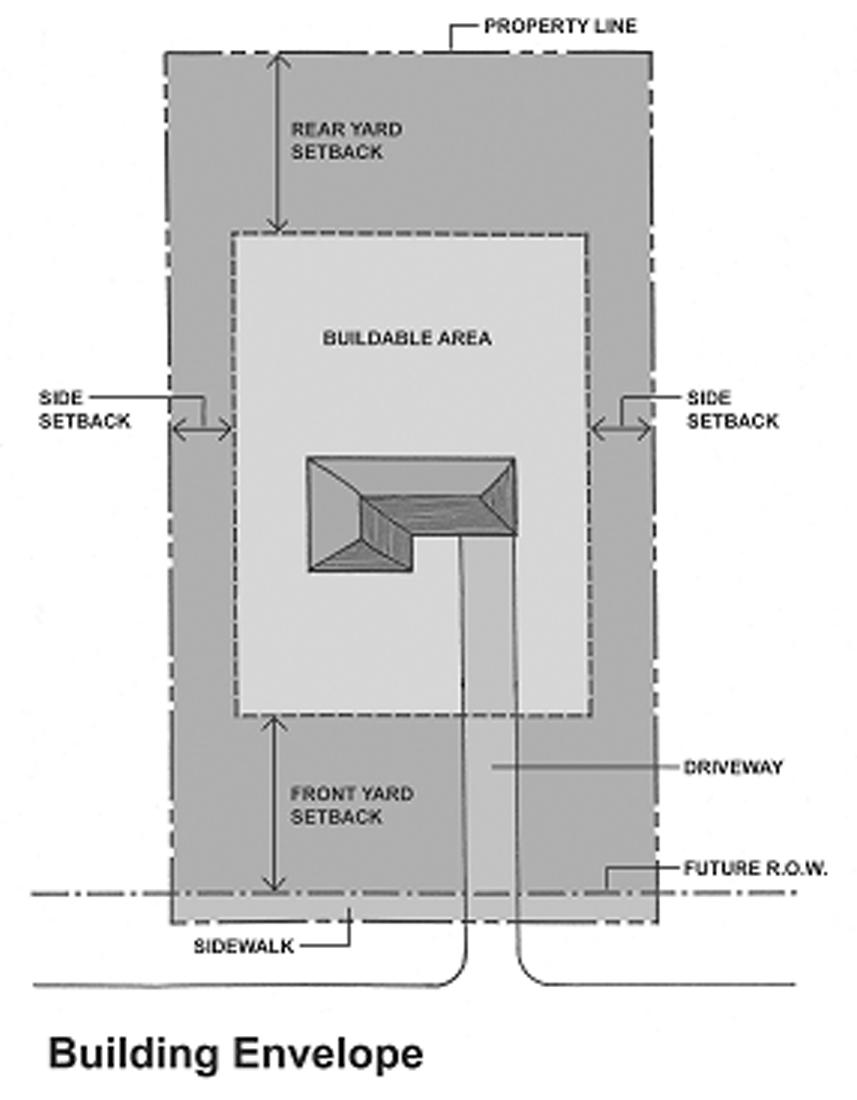
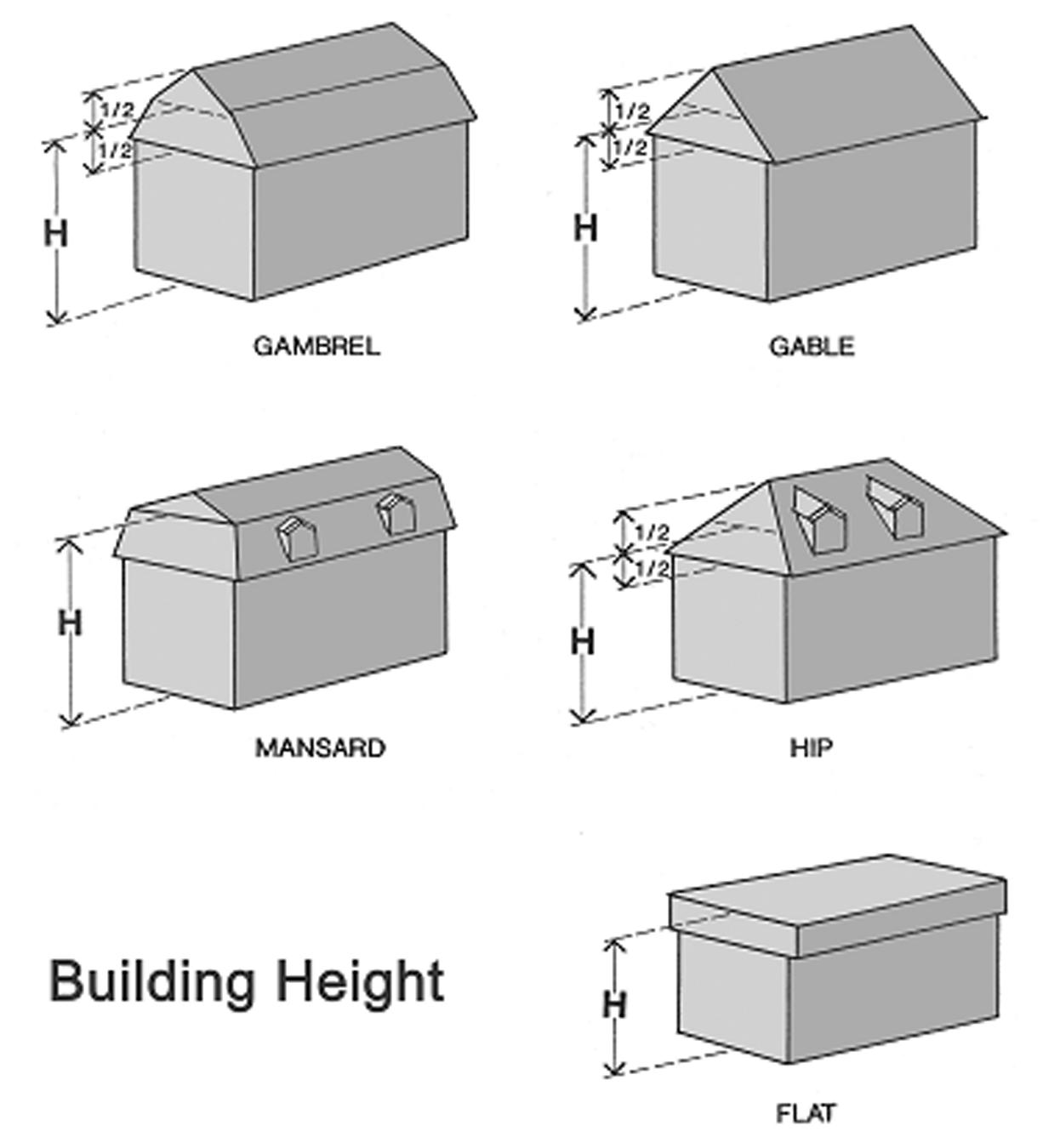
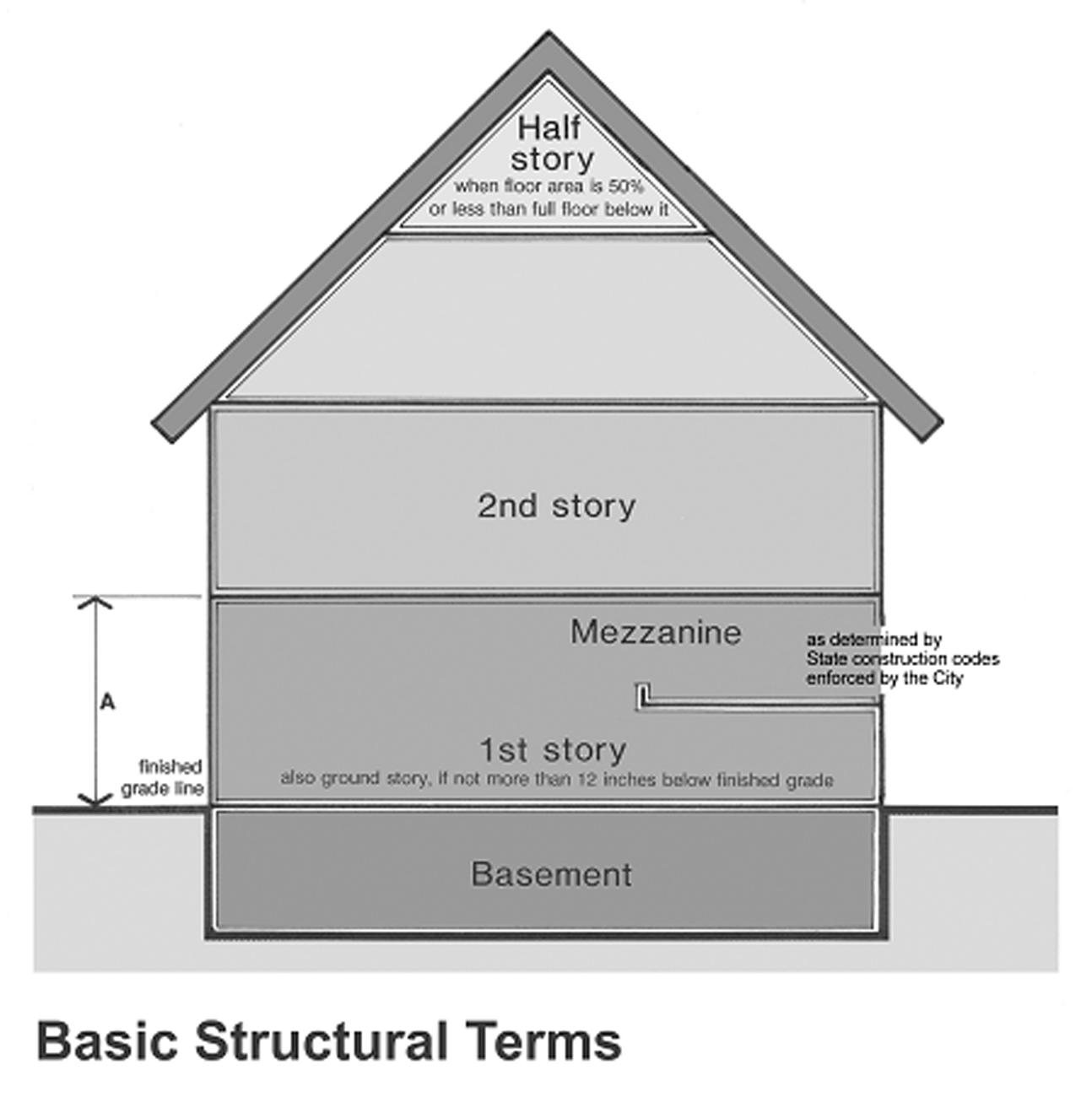
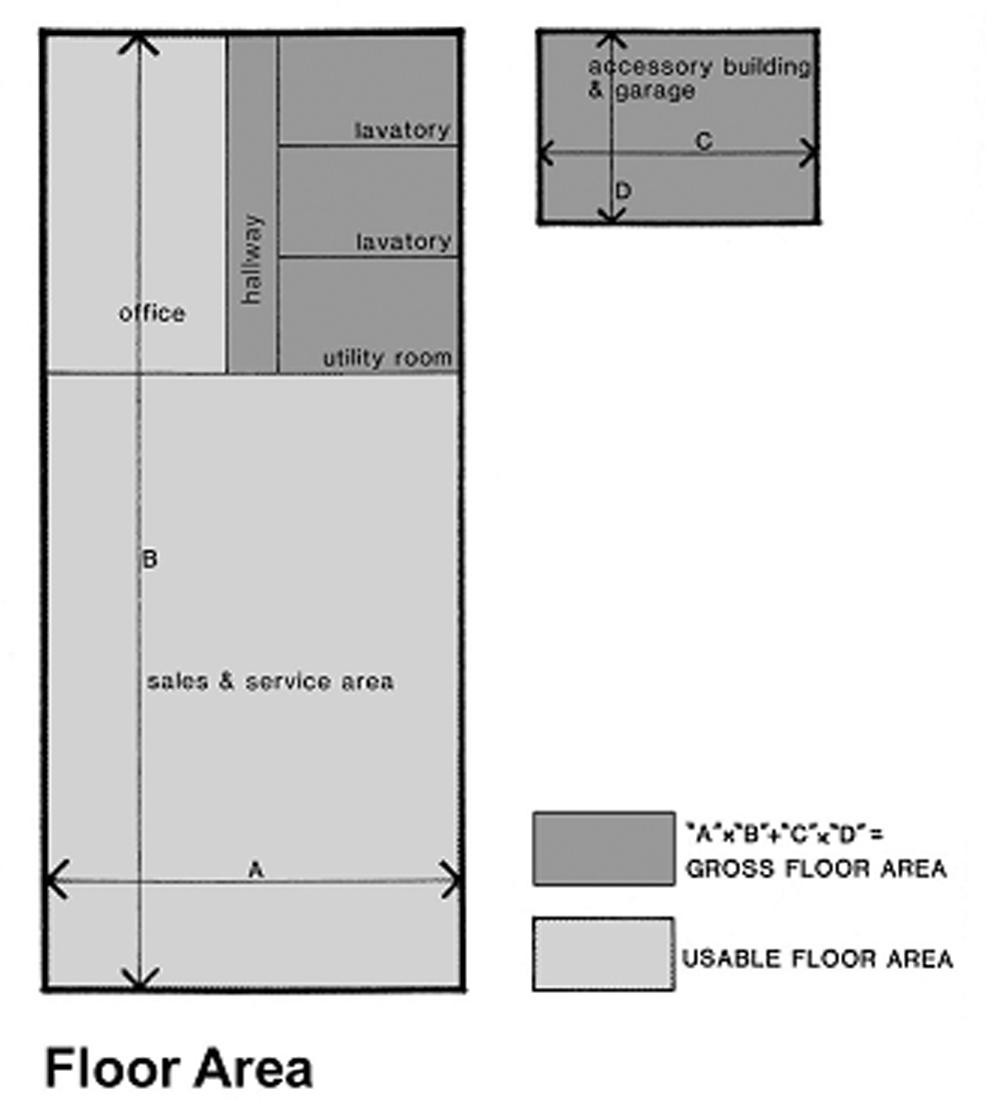
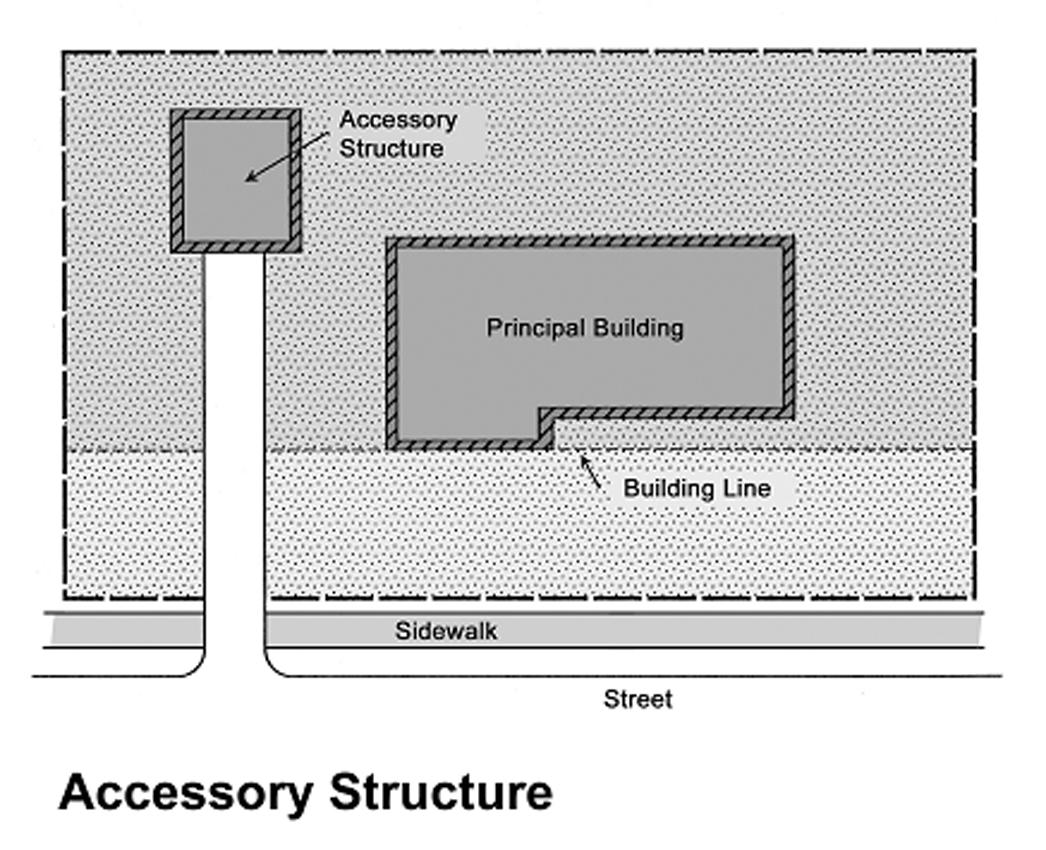
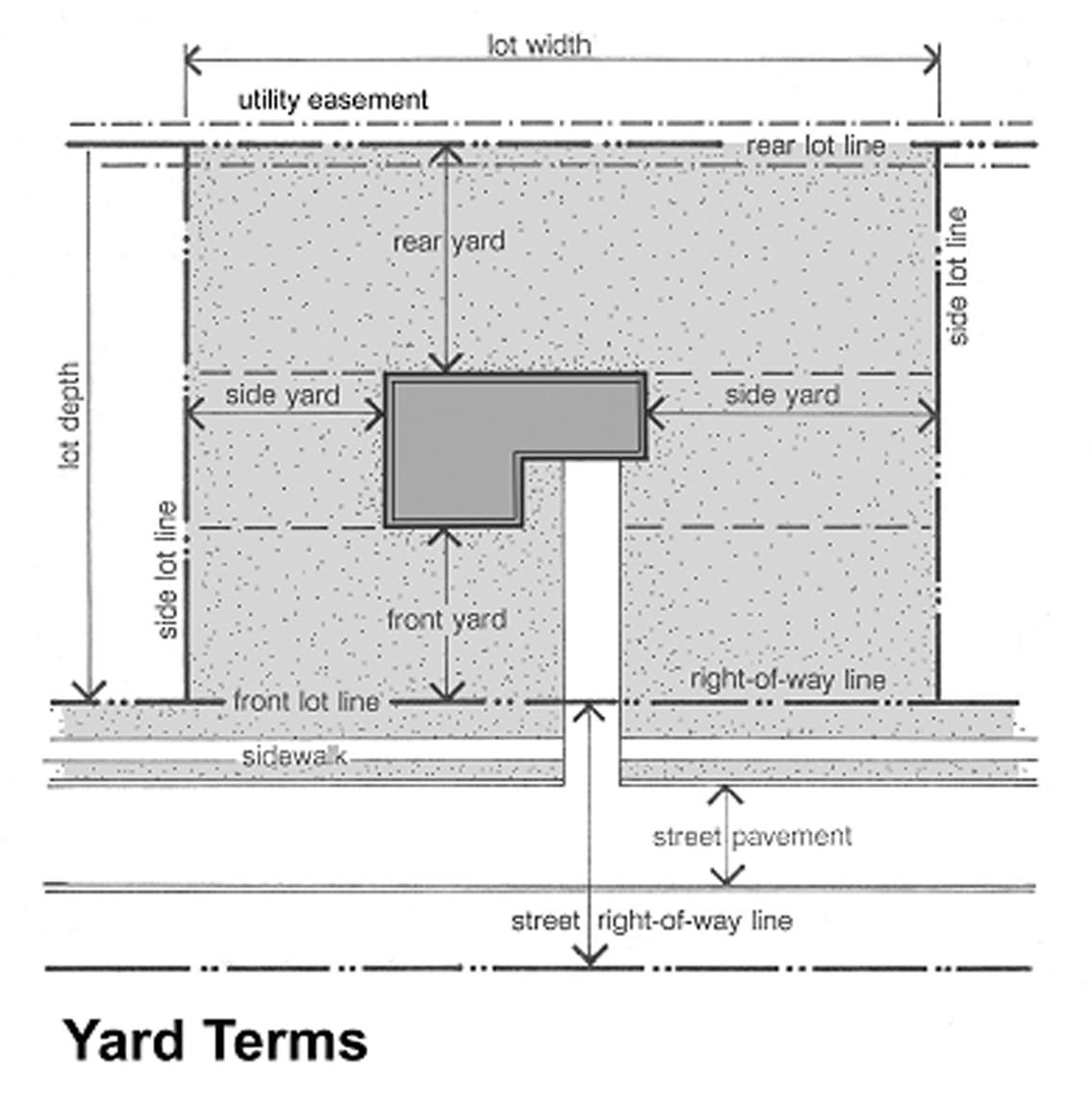
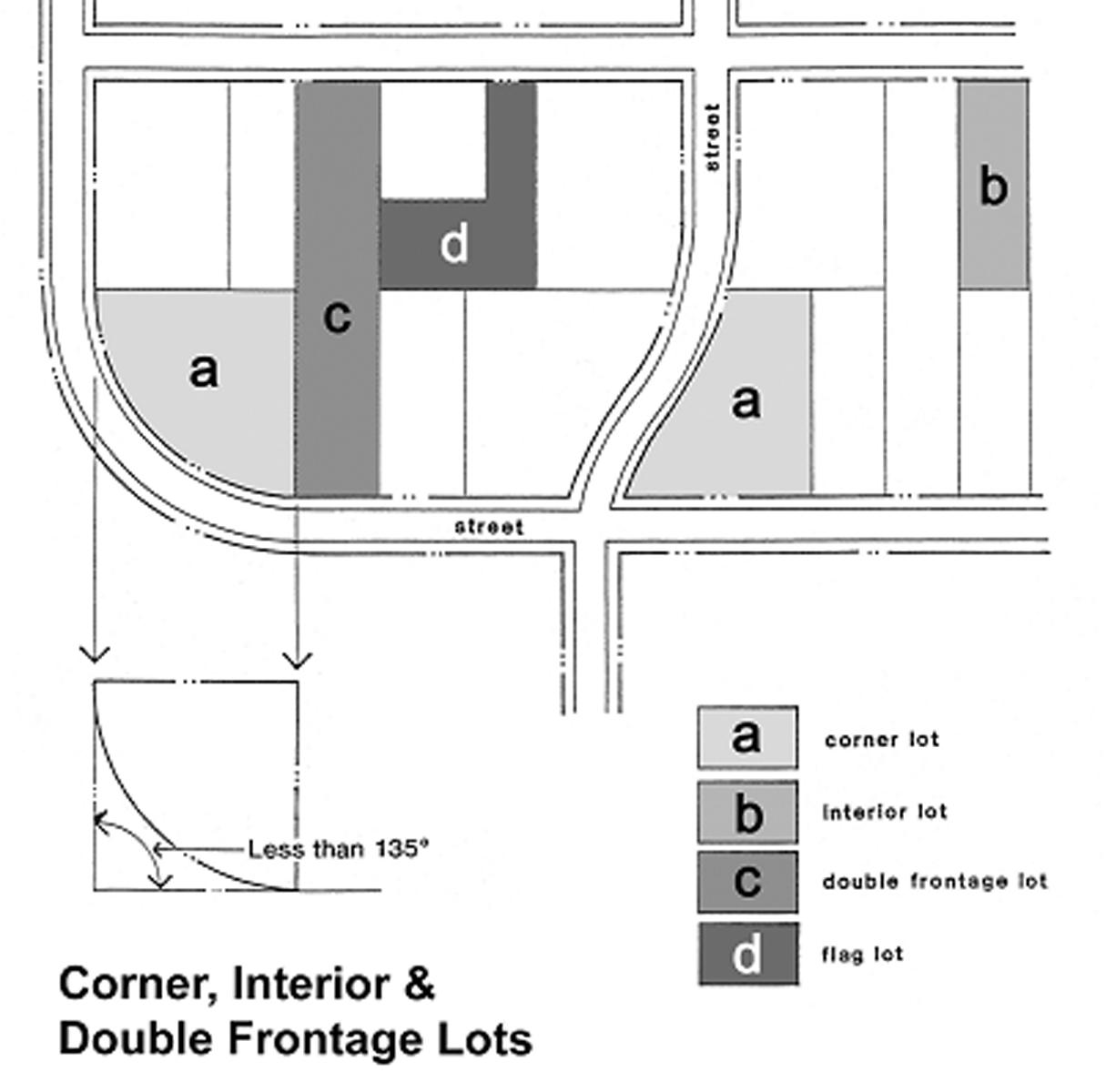
(Ord. No. 156-13, 11-21-11; Ord. No. 156-21, § I, 1-3-18; Ord. No. 156-32, § I, 4-17-23; Ord. No. 156-33, § I, 4-17-23)

