
Roswell City Zoning Code
ARTICLE 2
- RULES OF INTERPRETATION
Sec. 2.2. - Rules Applicable to all Districts
The following general rules apply to all buildings and districts under Articles 3 through 7 unless expressly stated otherwise.
2.1.1. - Building Type Descriptions
Development within each district is controlled by the building types allowed within each district as shown. Each building type is described below.
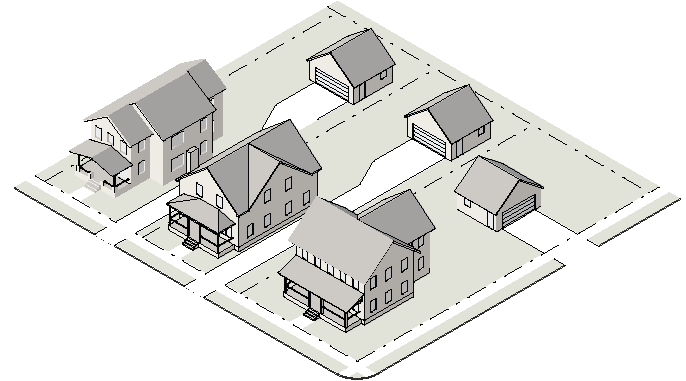
A.
Detached House. A building type that accommodates one dwelling unit on an individual lot with yards on all sides. Not intended for nonresidential uses.
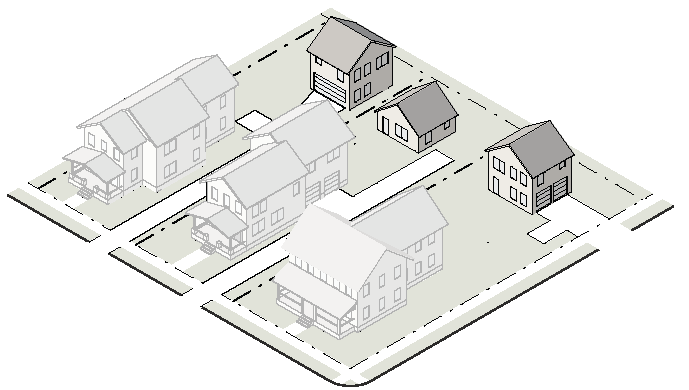
B.
Carriage House. A small self-contained accessory dwelling unit located on the same lot as a detached house but physically separated, for use as a complete, independent living facility, with provisions for cooking, sanitation and sleeping.
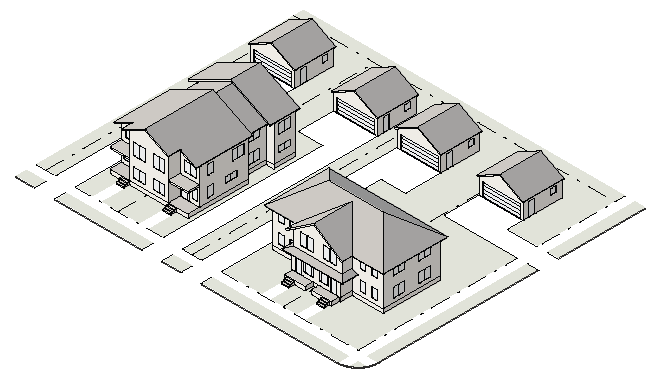
C.
Attached House. A building type that accommodates two dwelling units that share a common wall along a lot line. Not intended for nonresidential uses.
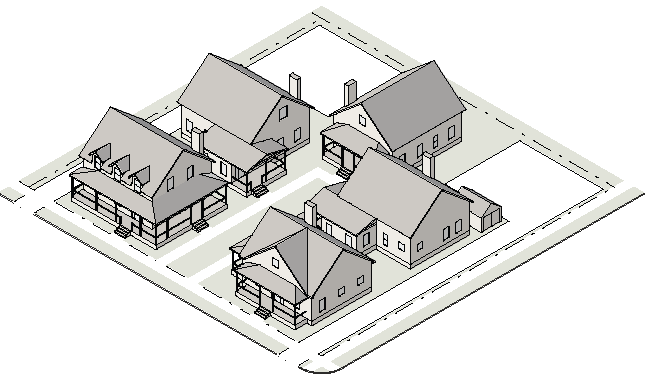
D.
Cottage Court. A building type that accommodates 5 to 9 detached dwelling units organized around an internal shared courtyard. Units cannot be vertically mixed. Not intended for nonresidential uses.
E.
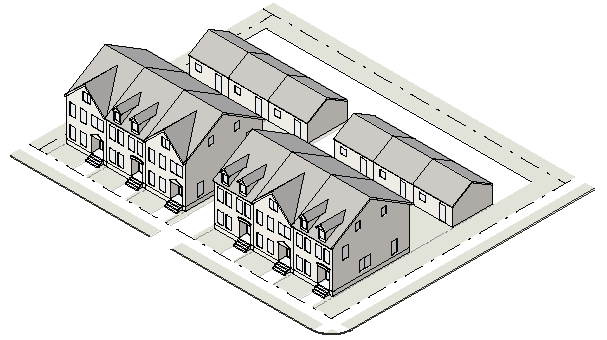
Townhouse. A building type that accommodates 3 or more dwelling units where each unit is separated vertically by a common side wall. Units cannot be vertically mixed. In the Corridor and Node, Downtown Historic and Employment districts, the ground floor can used for nonresidential and live-work activity.
F.
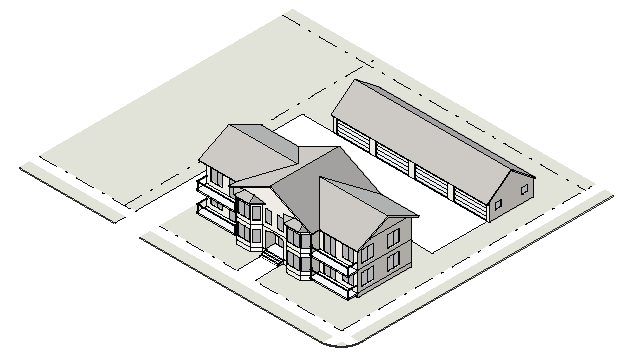
Walk-up Flat. A building type that accommodates 3 to 8 dwelling units vertically and horizontally integrated. Not intended for nonresidential uses.
G.
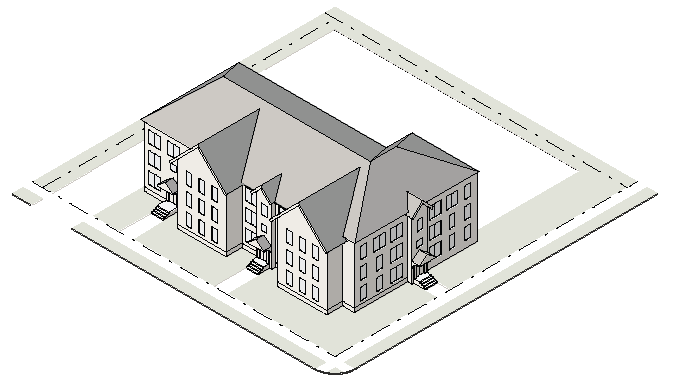
Stacked Flat. A building type that accommodates 9 or more dwelling units vertically and horizontally integrated. Not intended for nonresidential uses.
H.
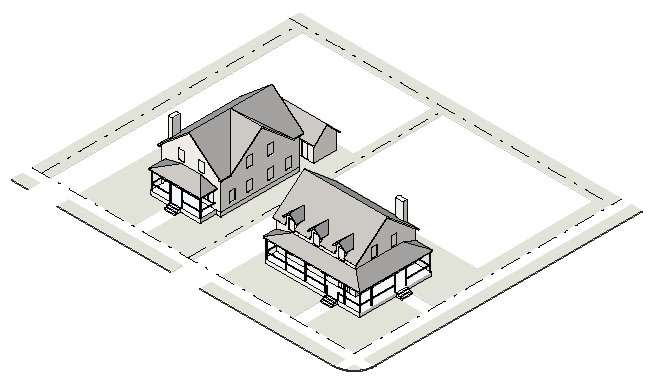
Commercial House. A building type that accommodates nonresidential uses in a building type that resembles a detached house. Not intended for residential uses.
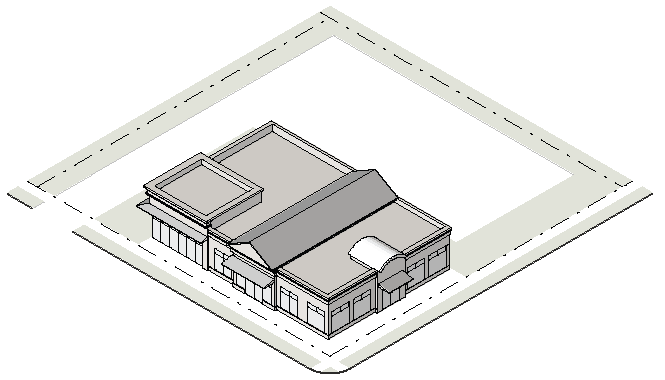
I.
Single-Story Shopfront. A single-story building type that typically accommodates retail or commercial activity. Not intended for residential uses.
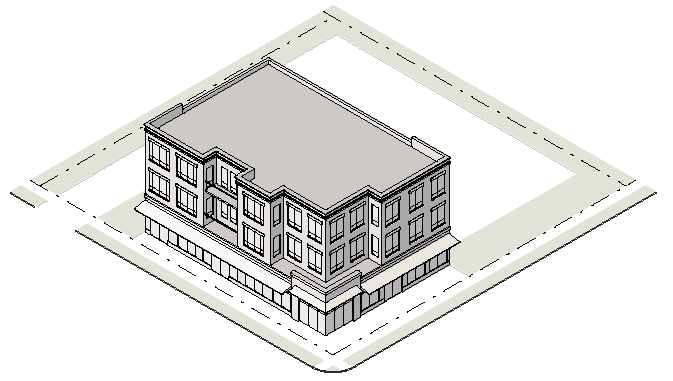
J.
Mixed Use Building. A multi-story building type that is designed to accommodate ground floor retail, office or commercial uses with upper-story residential or office uses. No residential uses are allowed on the ground floor.
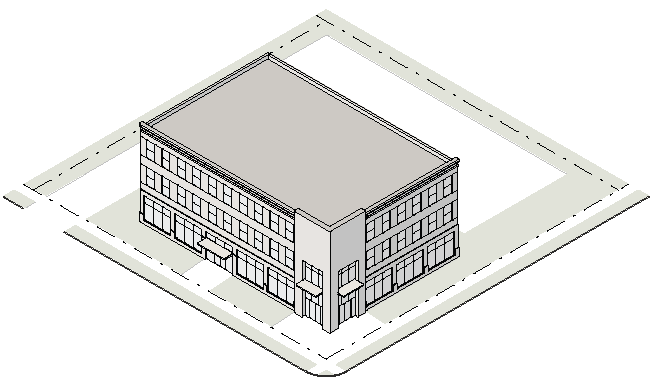
K.
General Building. A building type that typically accommodates commercial, office or industrial activity. Not intended for retail or residential uses.
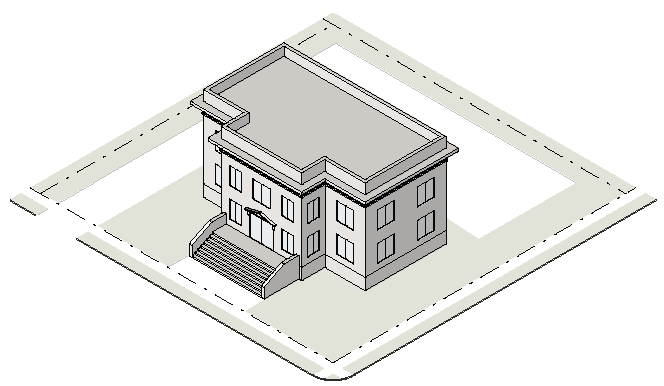
L.
Civic Building. A building type that accommodates civic, institutional or public uses. Not intended for commercial, retail, office or residential uses.
(Ord. No. 2020-07-10, §§ 1, 2, 7-13-2020)
2.2.1. - Site
A.
Defined. A site is any lot or group of contiguous lots owned or controlled by the same person or entity, assembled for the purpose of a single development.
B.
Site Area. Site area is the cumulative area of all contiguous lots that the site is composed of. Does not include existing or proposed right-of-way, whether dedicated or not dedicated to public use.
C.
Gross Site Area. Gross site area is the cumulative area of all contiguous lots that the site is composed of plus existing or proposed right-of-way.
D.
Site Width. Site width is the cumulative width of all contiguous lots that compose the site.
E.
Site Depth. Site depth is the cumulative depth of all contiguous lots that compose the site.
2.2.2. - Lot
A.
Defined. A parcel of land either vacant or occupied intended as a unit for the purpose, whether immediate or for the future, of transfer of ownership, or possession, or for development.
B.
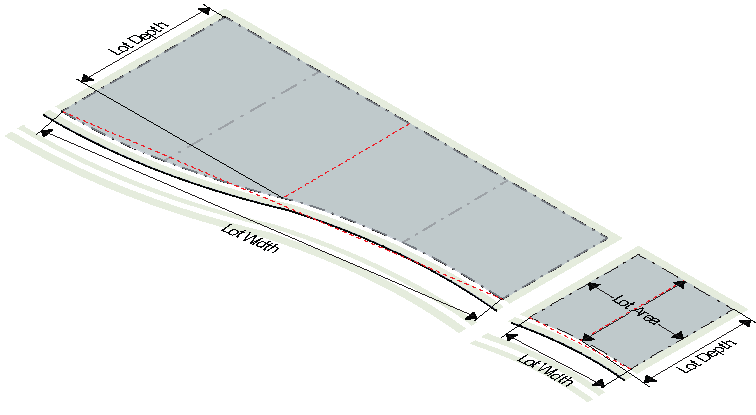
Lot Area. Lot area is the area included within the rear, side and front lot lines. Lot area does not include existing or proposed right-of-way, whether dedicated or not dedicated to public use.
C.
Lot Width. Lot width is the distance between the two side lot lines measured at the primary street property line along a straight line or along the chord of the property line on a curvilinear lot.
D.
Lot Depth. Lot depth is the distance between the front and rear property lines measured along a line midway between the side property lines.
E.
Lot Frontage. Every lot must have frontage upon a public street, private street built to public standards, or specified courtyard for a cottage court.
(Ord. No. 2020-03-03, § 1, 3-9-2020)
2.2.3. - Density
Density is not specifically regulated in the UDC. The maximum number of units allowed for single-family is directly related to the minimum lot size of the underlying zoning district. The maximum number of units allowed for multi-family is a function of lot size, utilities, easements, rights-of-way, stormwater, parking and height.
2.2.4. - Building Coverage
Building coverage is the horizontal area measured within the outside of the exterior walls of the ground floor of all principal buildings and roofed accessory buildings on the lot, not including parking areas, driveways, walkways, steps, terraces and uncovered decks.
2.2.5. - Conditioned Space
Conditioned space means any interior space that is heated or cooled, separated by a floor or ceiling, wall, window, door, skylight or other thermal element from the external environment.
2.2.6. - Landscape Open Space
A.
Landscape open space may include, but is not limited to, natural grass lawns, decorative planting, berms, screening walls and fences, wooded areas and water courses, any or all of which are designed and arranged to produce an aesthetically pleasing effect with the development. A required neighborhood compatibility and/or stream buffer is considered part of this definition. A required state stream buffer is not considered part of this definition. For Townhouse building type a minimum of 50% of the required landscape open space must be contiguous.
B.
Landscape open space must be set permanently aside as common open space and contains no building, parking lots, streets or alleys.
C.
Redevelopment that does not meet the minimum landscape open space percent requirements shall meet the greater of their current percent of landscape open space or 15% as the required minimum percent.
(Ord. No. 2023-03-04, §§ 1, 2, 3-27-2023)
2.2.7. - Outdoor Amenity Space
A.
In General. Where required, outdoor amenity space must be provided on the lot and must be available as exterior space appropriately improved for pedestrian amenity or for aesthetic appeal and cannot include areas used for vehicles, except for incidental service, maintenance or emergency actions only.
B.
Standards.
1.
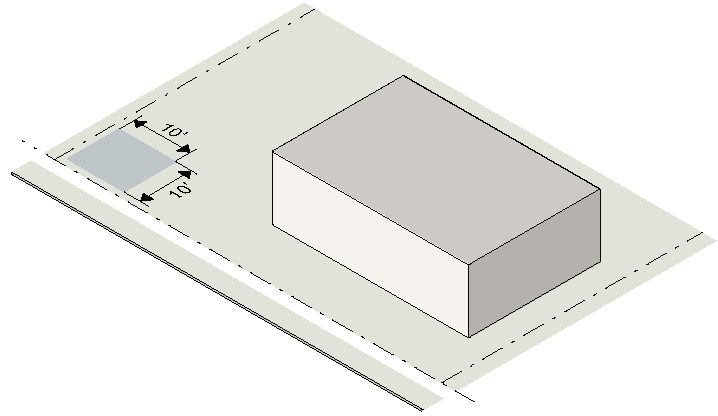
Outdoor amenity space may be met in one contiguous open area or in multiple open areas on the lot; however, to receive credit, the area must be at least 10 feet in width and length, and at least 50% of the required amenity space must be located in one contiguous open area.
2.
All outdoor amenity space, other than rooftop areas must be located at grade.
3.
Outdoor amenity space may be roofed provided it is part of the common area facilities and it is not enclosed.
4.
Outdoor amenity space cannot be parked or driven upon, except for emergency access and permitted temporary events.
5.
In calculating the minimum outdoor amenity space requirement, the following or similar facilities may be included:
a.
Ground-level common area facilities such as sidewalks/walkways, swimming pool, playground, sport court, dog park, garden, community garden, park, green pavilion, seating area or plaza, landscape areas, bio retention areas, pond/lakes, and water features.
b.
Upper level common area facilities such as a common balcony, rooftop deck or rooftop garden.
c.
A required neighborhood compatibility and/or State stream buffer is not considered outdoor amenity space
2.2.8. - Building Setbacks
A.
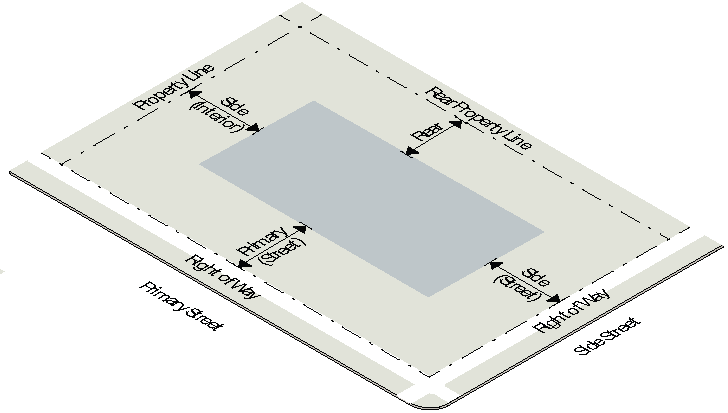
Type of Setbacks. There are 4 types of setbacks - primary street, side street, side interior and rear. Building setbacks apply to both principal and accessory buildings or structures except where it explicitly states otherwise.
B.
Measurement of Building Setbacks.
1.
The primary street setback is measured at a right angle from the primary street right-of-way line.
2.
On corner lots, the side street setback is measured at a right angle from the side street right-of-way line.
3.
The rear setback is measured at a right angle from the rear property line or the rear right-of-way or easement line where there is an alley. The rear property line is the property line opposite to the primary street property line. Where there is more than one primary street, the Zoning Director will determine the rear property line based on the criteria in Sec. 2.2.8.D.
4.
All lot lines which are not primary street, side street or rear lot lines are considered side interior lot lines for the purpose of measuring setbacks. Side interior setbacks are measured at a right angle from the side property line.
5.
When abutting a protected district, all rear and side setbacks are measured from the inside edge of the landscape buffer.
6.
When the side interior or rear setback is 0 or 3 feet, the building or structure may be placed on the property line or be placed a minimum of 3 feet from the property line.
7.
When the rear setback is 4 or 20 feet, the building or structure may be placed 4 feet from the property line or be placed a minimum of 20 feet from the property line.
C.
Irregular Shaped Lots. The Zoning Director will determine setbacks for irregular-shaped lots.
D.
Primary and Side Street Designation.
1.
Where only one street abuts a lot, that street is considered a primary street.
2.
A multiple street frontage lot must designate at least one primary street. A lot may have more than one primary street. The Zoning Director will determine which streets are primary streets based on:
a.
The street or streets with the highest classification;
b.
The established orientation of the block;
c.
The street or streets abutting the longest face of the block;
d.
The street or streets parallel to an alley within the block;
e.
The street that the lot takes its address from; and
f.
The pedestrian orientation of adjacent or abutting development, existing or proposed.
2.2.9. - Build-to Zone
A.
Defined.
1.
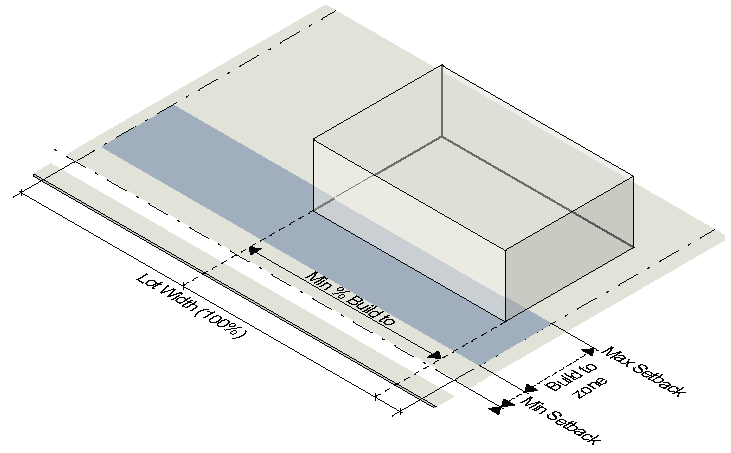
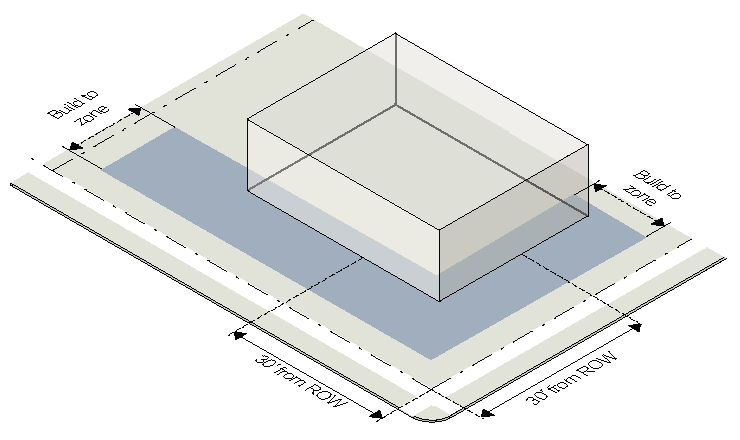
The build-to zone is the area on the lot where a certain percentage of the front building facade must be located, measured as a minimum and maximum setback range from the edge of the right-of-way.
2.
The required percentage specifies the amount of the front building facade that must be located in the build-to zone, measured based on the width of the building divided by the width of the lot.
B.
Corner Lots. On a corner lot, a building facade must be placed within the build-to zone for the first 30 feet along the street extending from the block corner, measured from the intersection of the two right-of-way lines.
C.
Uses Allowed. With the exception of parking spaces, all structures and uses allowed on the lot are allowed in the build-to zone. Vehicle drive-thru lanes or facilities are not permitted in the build-to zone.
2.2.9.1. - Reserved
Editor's note— Ord. No. 2020-03-02, § 1, adopted March 9, 2020, repealed § 2.2.9.1, which pertained to build-to zone shall be modified in the historic overlay district and derived from Ord. No. 2018-08-13, § 1, 8-27-2018.
2.2.10. - Setback Encroachments
All buildings and structures must be located at or behind the required setbacks except as listed below. Unless specifically stated no building or structure can extend into a required easement or public right-of-way.
A.
Building Features.
1.
Porches, stoops, balconies, galleries, awnings/canopies and forecourts may encroach as specified in Sec. 2.2.18.
2.
Building eaves, roof overhangs, gutters, downspouts and light shelves may encroach up to 4 feet, provided that such extension is at least 2 feet from the vertical plane of any lot line.
3.
Bay windows and oriels less than 10 feet wide may encroach up to 4 feet, provided that such extension is at least 2 feet from the vertical plane of any lot line.
4.
Chimneys may encroach up to four feet, provided such extension is at least 2 feet from the vertical plane of any lot line.
5.
Cornices, belt courses, sills. buttresses or other similar architectural features may encroach up to 2 feet.
6.
Rain barrels, 6 feet or less in height, may encroach into a side interior or rear setback, provided such extension is at least 2 feet from the vertical plane of any lot line.
7.
Rain barrels, 4 feet or less in height, may encroach up to 3 feet into a primary or side street setback.
8.
Unenclosed patios, decks or terraces may encroach up to 4 feet into a side interior setback, or up to 8 feet into a required rear setback, provided that such extension is at least 2 feet from the vertical plane of any lot line.
9.
Handicap ramps may encroach to the extent necessary to perform their proper function.
10.
Structures below and covered by the ground may encroach into a required setback.
11.
Screening walls and retaining walls may encroach into a required setback.
12.
Driveways may encroach into a required setback.
B.
Mechanical Equipment and Utility Lines.
1.
Mechanical equipment associated with residential uses, such as HVAC units, swimming pool pumps or filters, and security lighting, may encroach into a side interior or rear setback, provided that such extension is at least 3 feet from the vertical plane of any lot line.
2.
Minor structures accessory to utilities (such as hydrants, manholes, and transformers and other cabinet structures and related fences) may encroach into a required rear or side setback.
3.
Minor utilities below and covered by the ground may encroach into a required setback.
C.
Other Setback Encroachments.
1.
Buffers under Sec. 10.2.4.
2.
Screening walls and fences under Sec. 10.2.10.
3.
Signs under Sec. 10.3.
4.
Sidewalks under Sec. 11.4.
5.
Tree save areas under Sec. 12.1.
6.
Conservation easements under Sec. 12.5.
2.2.11. - Building Height
A.
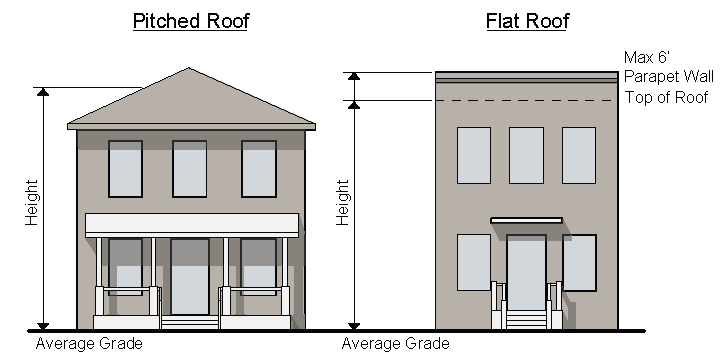
Building height is regulated in both number of stories and feet and is measured from the average grade to the mean height level between the eaves and ridge of a gable, hip, mansard, or gambrel roof or to the highest point of roof surface of a flat roof.
B.
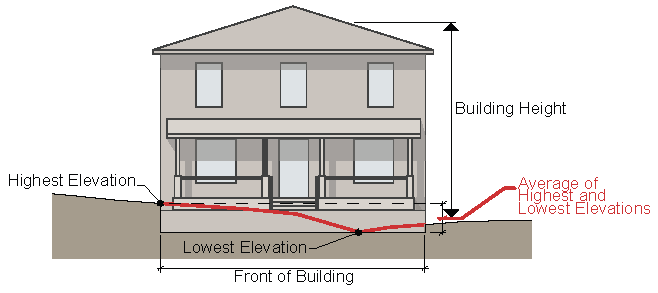
Average grade is determined by calculating the average of the highest and lowest elevation along natural or improved grade (whichever is more restrictive) along the front of the building parallel to the primary street setback line.
C.
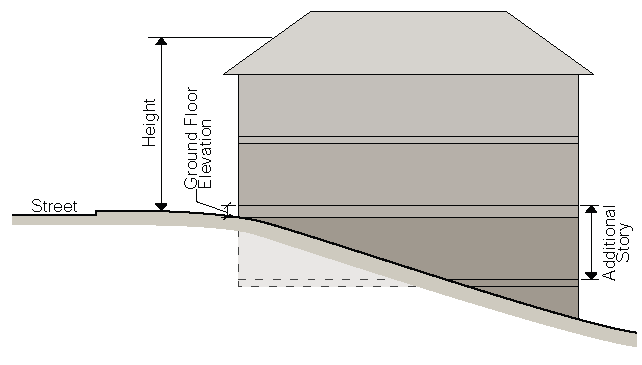
Where a lot slopes downward from the front property line, one story that is additional to the specified maximum number of stories may be built on the lower, rear portion of the lot as long as a minimum of 50% of this floor is below the street grade and a basement with 50% or more of its perimeter wall area surrounded by natural grade is not considered a story.
Where a lot slopes upward, where the natural grade rises up from the front property line, an administrative variance may be requested to allow one story that is additional to the allowed maximum number of stories to be built underneath the ground floor, as long as 50% or more of the perimeter wall of this story is below natural grade.
D.
A half story has less than 50% of the attic floor area with a clear height of 7½ feet or more; measured from the finished floor to the finished ceiling. Attic floor area or greater than 50% is considered a full story.
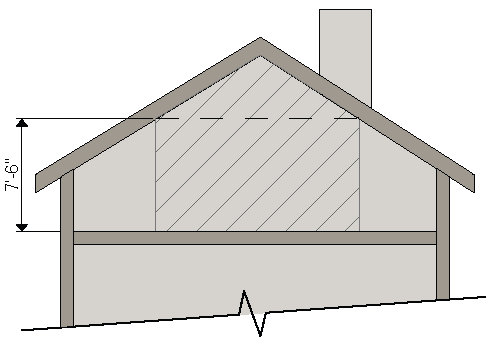
(Ord. No. 2019-05-19, § 1, 5-13-2019)
2.2.12. - Height Encroachments
Any height encroachment not specifically listed is expressly prohibited except where the Zoning Director determines that the encroachment is similar to a permitted encroachment listed below.
A.
The maximum height limits of the district do not apply to a spire, belfry, cupola, dome, or other similar feature that does not contain conditioned space and is not intended for human occupancy, or public utility facilities which by design or function must exceed the established height limits.
B.
The maximum height limits for telecommunications towers are specified in Article 21.2 of the Roswell City Code.
C.
The following accessory structures may exceed the established height limit of the district provided they do not exceed the maximum height by more than 6 feet:
1.
Chimney, flue or vent stack;
2.
Rooftop deck, patio, shade structure;
3.
Flagpole;
4.
Garden, landscaping;
5.
Skylights;
6.
Parapet wall; and
7.
Solar panels, wind turbines and rainwater collection systems.
D.
The following accessory structures may exceed the established height limits provided they do not exceed the maximum building height by more than 10 feet, do not occupy more than 25% of the roof area, and are set back at least 10 feet from the edge of the roof:
1.
Elevator or stairway access to roof
2.
Greenhouse; and
3.
Mechanical equipment.
2.2.13. - Ground Floor Elevation
A.
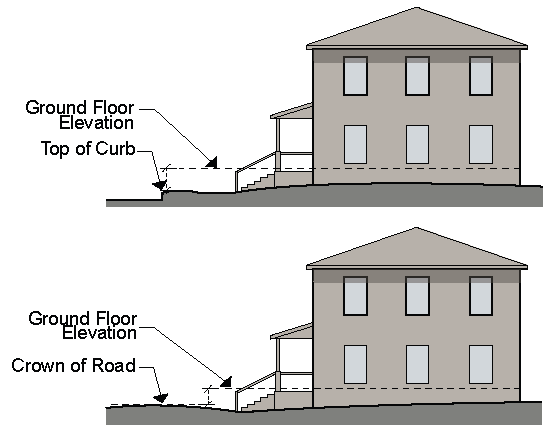
Ground floor elevation is the height of the ground floor relative to the height of the sidewalk and it is measured from top of the abutting curb, or from the crown of the road where no curb exists, to the top of the finished ground floor.
B.
Minimum ground floor elevation applies to the first 20 feet of the lot measured from the right-of-way line.
2.2.14. - Story Height
A.
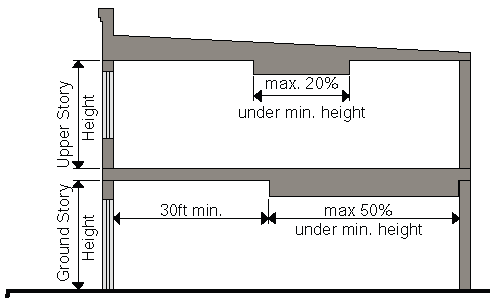
Story height is the height of each story of building and it is measured from the top of the finished floor to the ceiling above.
B.
Minimum ground story height applies to the first 30 feet of the building measured inward from the interior wall of primary street-facing facade. At least 50% of the ground story must meet the minimum height provisions.
C.
At least 80% of each upper story must meet the minimum upper story height provisions.
2.2.15. - Transparency
A.
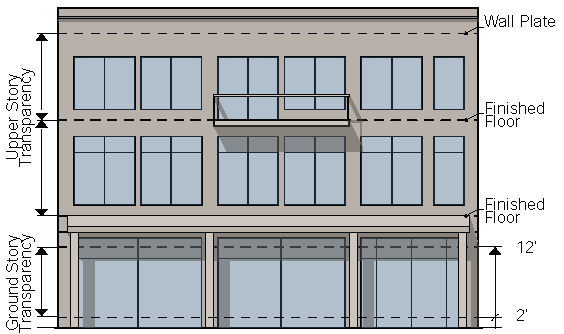
Transparency is the minimum percentage of windows and doors that must cover a ground or upper story facade.
B.
Transparency applies to primary and side street-facing facades only.
C.
Glass is considered transparent where it has a transparency higher than 80% and external reflectance of less than 15%.
D.
Ground story transparency is measured between 2 and 12 feet above the abutting sidewalk.
E.
Upper story transparency is measured from top of the finished floor to the top of the finished floor above. When there is no floor above, upper story transparency is measured from the top of the finished floor to the top of the wall plate.
2.2.16. - Blank Wall Area
A.
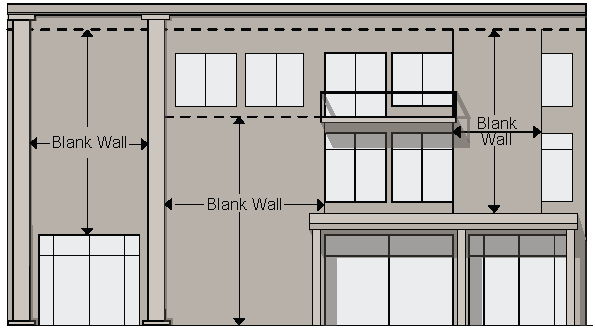
Blank wall area means a portion of the exterior facade of the building that does not include: windows or doors; columns, pilasters or other articulation greater than 12 inches in depth; or a substantial material change (paint color is not considered a substantial change).
B.
Blank wall area applies in both a vertical and horizontal direction. Blank wall area applies to ground and upper story primary and side street-facing facades only.
2.2.17. - Pedestrian Access
A.
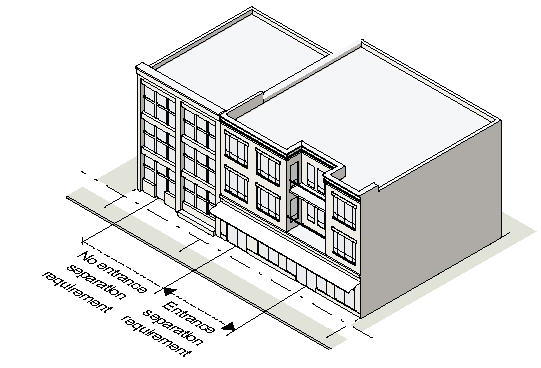
An entrance providing both ingress and egress, operable to residents or customers at all times, is required to meet the street-facing entrance requirements. Additional entrances off another street, pedestrian area or internal parking area are permitted.
B.
The entrance spacing requirements must be met for each building, but are not applicable to adjacent or abutting buildings.
C.
An angled entrance may be provided at either corner of a building along the street to meet the street-facing entrance requirements.
2.2.18. - Building Elements
A.
Intent. The following standards are intended to ensure that certain building elements that when added to a street-facing facade are of sufficient size to be both usable and functional and be architecturally compatible with the building they are attached to.
B.
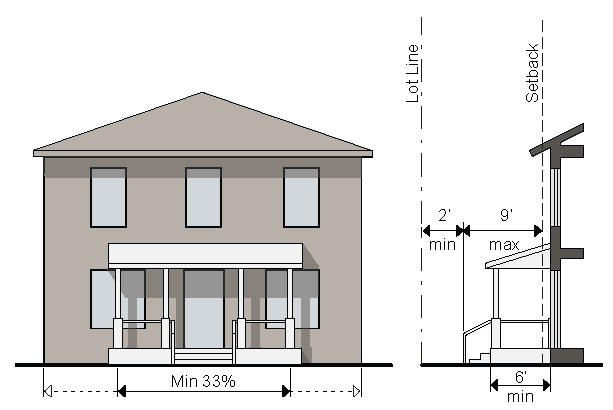
Front Porch. A raised structure attached to a building, forming a covered entrance to a doorway.
1.
A front porch must be at least 6 feet deep (not including the steps).
2.
A front porch must be contiguous, with a width not less than 33% of the building facade from which it projects.
3.
A front porch must be roofed and may be screened, but cannot be fully enclosed.
4.
A front porch may extend up to 9 feet, including the steps, into a required front setback, provided that such extension is at least 2 feet from the vertical plane of any lot line.
5.
A front porch may not encroach into the public right-of-way.
C.
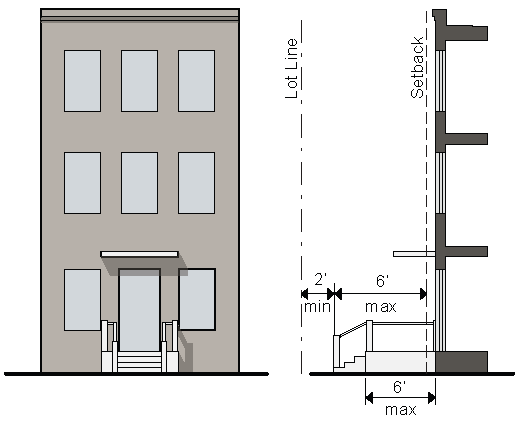
Stoop. A small raised platform that serves as an entrance to a building.
1.
A stoop must be no more than 6 feet deep (not including the steps) and 6 feet wide.
2.
A stoop may be covered but cannot be fully enclosed.
3.
A stoop may extend up to 6 feet, including the steps, into a required setback, provided that such extension is at least 2 feet from the vertical plane of any lot line.
4.
A stoop may not encroach into the public right-of-way.
D.
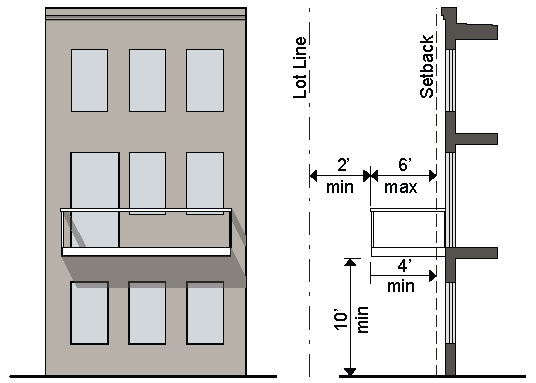
Balcony. A platform projecting from the wall of an upper-story of a building with a railing along its outer edge, often with access from a door or window.
1.
A balcony must be at least 4 feet deep and may extend up to 6 feet into a required setback, provided that such extension is at least 2 feet from the vertical plane of any lot line.
2.
A balcony must have a clear height above the sidewalk of at least 10 feet.
3.
A balcony may be covered and screened, but cannot be fully enclosed.
4.
A balcony may encroach up to 6 feet into the public right-of-way but must be at least 2 feet inside the curb line or edge of pavement, whichever is greater.
E.
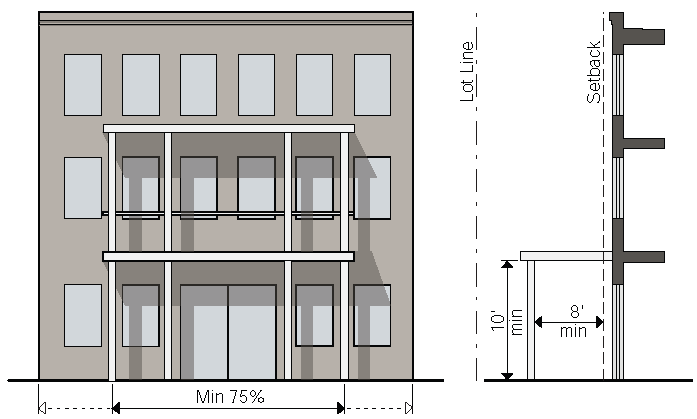
Gallery. A covered passage extending along the outside wall of a building supported by arches or columns that is open on 3 sides.
1.
A gallery must have a clear depth from the support columns to the building's facade of at least 8 feet and a clear height above the sidewalk of at least 10 feet.
2.
A gallery must be contiguous and extend over at least 75% of the width of the building facade from which it projects.
3.
A gallery may extend into a required setback.
4.
A gallery may encroach up 9 feet into the public right-of-way but must be at least 2 feet inside the curb line or edge of pavement, whichever is greater.
F.
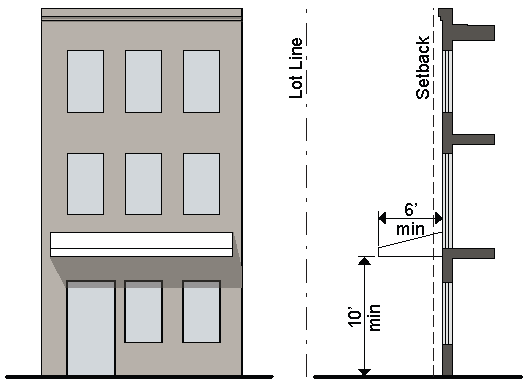
Awning/Canopy. A wall-mounted, cantilevered structure providing shade and cover from the weather for a sidewalk.
1.
An awning/canopy must be a minimum of 10 feet clear height above the sidewalk and must have a minimum depth of 6 feet.
2.
An awning/canopy may extend into a required setback.
3.
An awning/canopy may encroach up to 9 feet into the public right-of-way but must be at least 2 feet inside the curb line or edge of pavement, whichever is greater.
G.
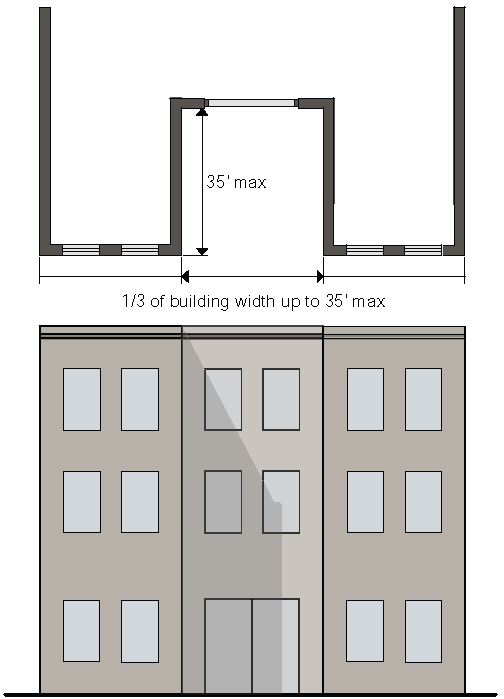
Forecourt. An open area at grade, or within 30 inches of grade, that serves as an open space, plaza or outdoor dining area.
1.
A forecourt must be no more than one-third of the length of the building face, and in no case longer than 35 feet in width.
2.
The depth of the forecourt must not exceed the general width. A forecourt may be no more than 35 feet in depth.
3.
A maximum of one forecourt is permitted per lot.
4.
A forecourt meeting the above requirements is considered part of the building for the purpose of measuring the build-to zone.
5.
The area of a forecourt may be included in the calculation of required outdoor amenity space.
2.2.19. - Residential Garage Parking
A.
Intent.
1.
The intent of the residential garage options is to minimize the visual impact of street-facing garage doors;
2.
Where garage doors can be seen from the street, measures should be taken to reduce the visual impact of the doors;
3.
Measures include garage doors set back from the front wall plane, architectural treatments, translucent garage doors, single doors, projecting elements over the garage doors (such as bay windows) and limits on the total number of doors that face the street;
4.
Where garage doors are located perpendicular to the street, measures should be taken to reduce the visual impact of the side wall that face the street. Measures include architectural treatments, changes in material, landscaping, vegetation or the installation of windows.
B.
Applicability. Any residential garage constructed after the effective date of this UDC must meet the following standards. In addition to the standards provided below, attached and detached garages must meet all applicable requirements for either principal buildings or accessory structures as specified in this UDC. This is for any house in a new development approved after the adoption of the Unified Development Code in 2014.
C.
Detached House and Attached House. On lots of less than one acre, garage placement must match one of the following standards.
1.
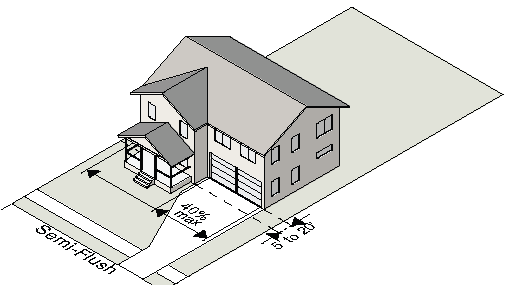
Semi-Flush. Garage doors are oriented toward the street. Garage doors must be positioned between 5 and 20 feet behind the front wall plane of the house, extending no more than 40% of the width of the house. No individual garage door may exceed 12 feet in width.
2.
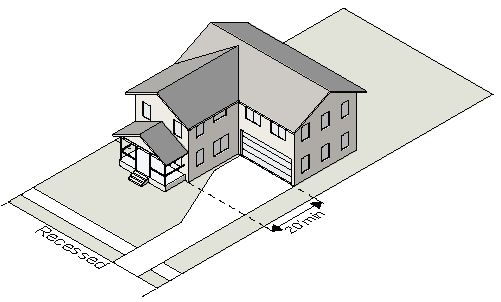
Recessed. Garage doors are oriented toward the street. Garage doors must be positioned at least 20 feet behind the front wall plane of the house. There is no restriction on garage door width.
3.
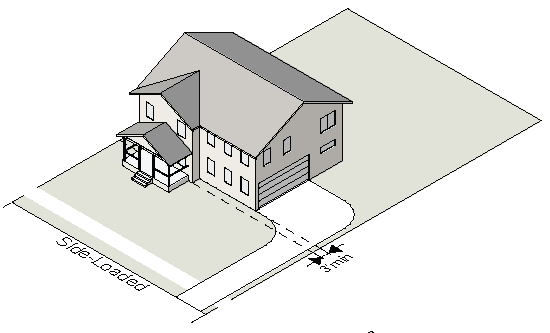
Side-Loaded. Garage doors are oriented perpendicular to the front wall plane. Any wall of the garage must be located at least 3 feet behind the front wall plane of the house.
4.
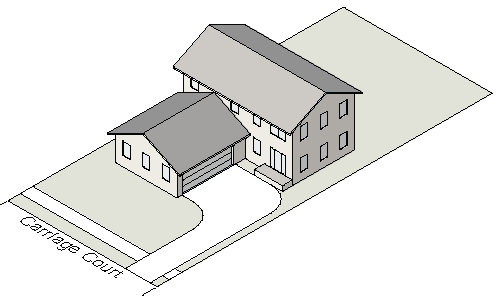
Carriage Court. Garage doors are oriented perpendicular to the front wall plane. Garage is located entirely in front of the house.
5.
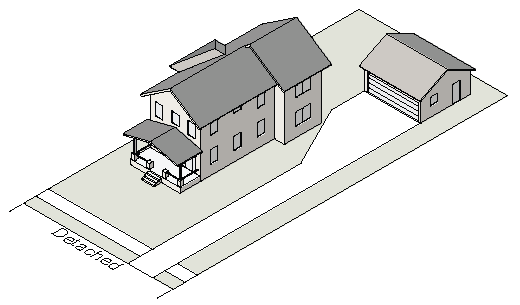
Detached. Garage is placed entirely to the rear of the house.
6.
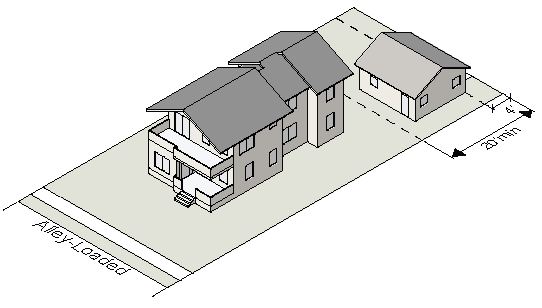
Alley-Loaded. Garage is placed entirely to the rear of the house and is alley-accessed.
a.
Garage doors must face the alley.
b.
The garage must either be located 4 feet from the alley right-of-way or be a minimum of 20 feet from the alley right-of-way.
c.
Where parking spaces are located between the garage and the alley, the garage must be located at least 20 feet from the alley right-of-way.
D.
Townhouse. For townhouses garage placement must meet the following standards. Townhouses fronting a major street must be rear-loaded.
1.
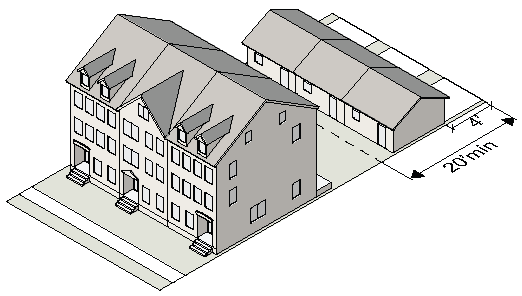
Rear-Loaded.
a.
Garage is placed entirely to the rear of the townhouse and is rear-accessed. Garage can be attached or detached.
b.
Garage doors must face the rear alley or easement.
c.
The garage must either be located 4 feet from the rear right-of-way or easement line or be a minimum of 20 feet from the rear right-of-way or easement line.
E.
Administrative Alternate Finding. The Zoning Director may, in accordance with Sec. 13.9, approve an alternate garage option for Detached House subject to the following findings.
1.
The approved alternate meets the intent of the garage option regulation;
2.
The approved alternate does not negatively impact pedestrian circulation and safety;
3.
Measures are taken to mitigate the visual impact of the garage design; and
4.
The required garage setbacks are met.
5.
Meets, is in accordance with and does not violate UDC section 2.2.20.
(Ord. No. 2019-03-13, § 1, 3-25-2019; Ord. No. 2023-03-05, §§ 1—7, 3-27-2023)
2.2.20. - Residential Parking Location
A.
Parking in the Front Setback.
1.
In all detached house, attached house and townhouse lots, parking is allowed only on a hard-surfaced driveway (i.e. asphalt, concrete, gravel, pavers or if approved by the City Engineer, a turf-reinforced driveway). No parking is allowed in grass or lawn areas. For existing developed parcels that do not currently have a driveway that conforms to the above description, parking would be allowed on the non-compliant surface until such time a development permit is issued for the property. At that time, the property would be required to come into compliance with all applicable code requirements.
2.
Combined parking and driveway area cannot constitute more than 40% of the area between the front building facade and the front property line.
3.
Any parking in the front setback must have sufficient depth so that parked cars do not encroach on the sidewalk. Garage doors must be set back at least 20 feet from the sidewalk.
B.
Tandem Parking.
1.
Tandem parking is allowed for residential uses.
2.
Two parking spaces in tandem must have a combined minimum dimension of 9 feet in width by 36 feet in length.
3.
Both parking spaces in tandem must be assigned to the same dwelling unit.
4.
Tandem parking may not be used to provide guest parking.
(Ord. No. 2021-01-01, § 1, 1-11-2021)

