


Madison City Zoning Code
SUBCHAPTER 28K
- BUILDING FORM STANDARDS
28.171 - GENERAL PROVISIONS.
(1)
Statement of Purpose.
A variety of building forms are defined here in order to identify and establish basic design parameters for those buildings that may be appropriate in one or more zoning districts. The purposes of design standards are:
(a)
To ensure compatibility between different land uses and building forms.
(b)
To encourage building forms that respect their context.
(c)
To encourage pedestrian movement by encouraging building forms that present an active face to the street.
(2)
Applicability.
The design standards in this Subchapter shall apply to new buildings or building additions that exceed the floor area occupied by a given use by more than fifty percent (50%), with the exceptions listed below. Building additions shall comply with the design standards to the extent feasible, given the placement of the existing building. In all cases, design standards shall apply only to the portion of the building or site that is undergoing alteration. (Am. by ORD-15-00033, 4-8-15)
Some design standards are closely linked to a specific building form (for example, a parking building). Other design standards vary by district, and are listed in those district subchapters.
Building types that are not listed in this Subchapter may be allowed if they meet the intent and other design standards of the district where they would be located.
(3)
Conflict with District Standards.
Where there is a conflict between the design standards in this section and the standards within a particular district, the district standards shall prevail.
28.172 - RESIDENTIAL BUILDING FORMS.
(1)
Use of Dormers.
Dormers may be added to the roof of a two-story building, provided that the dormer width does not exceed fifty percent (50%) of the lineal width of the floor immediately below the roof, and may not extend above the ridge of the roof in which the dormer is placed. (Am. by ORD-13-00144, 9-11-13)
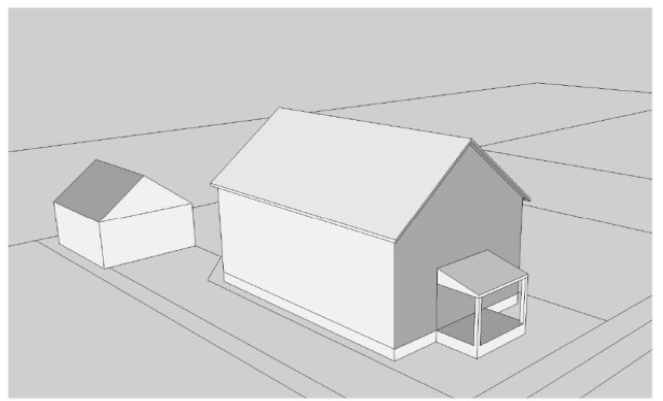
Figure K1: Typical Single-Family Detached Building
(2)
Single-Family Detached Building.
(a)
Building Type. A single-family dwelling with yards on all sides, oriented to the street, with an attached or detached garage.
(b)
Access and Entry. Each dwelling shall have direct access from a porch, stoop or courtyard to the street. Parking, loading and trash disposal may be accessed from an alley or driveway. Each building shall include a stoop, porch or courtyard oriented towards the primary abutting street.
(c)
Building Width. Buildings facing a public street shall not exceed a width of fifty (50) feet along a single plane on the axis facing the street. Additional building wings facing the street shall be set back at least five (5) feet behind the front plane of the building.
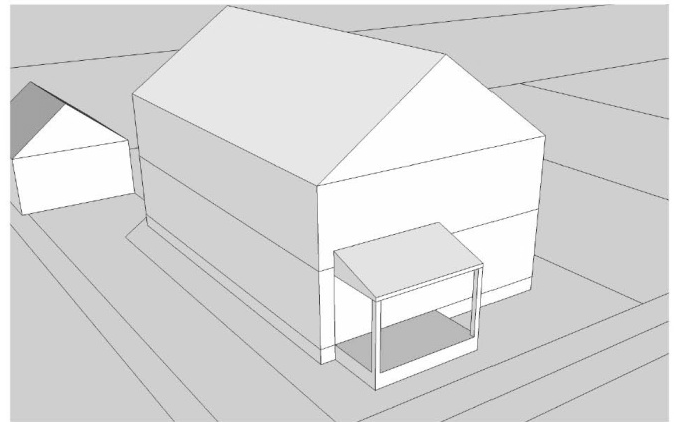
Figure K2: Typical Two-Flat Building
(3)
Two-Unit and Three-Unit Buildings.
(a)
Building Types.
1.
Two-Unit. A building containing two dwelling units, other than a two-family twin, with a separate entrance to each unit and with yards on all sides.
2.
Three-Unit. A building containing three dwelling units with a separate entrance to each unit and with yards on all sides.
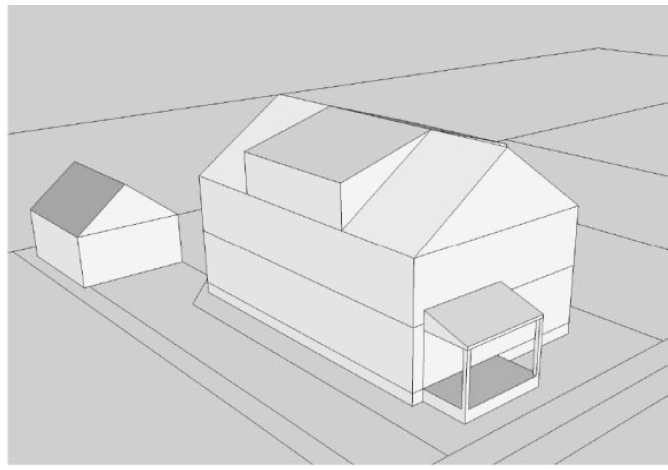
Figure K3: Typical Three-Flat Building
(b)
Access and Entry. At least one of the dwellings shall have direct access from a common porch or stoop facing the front lot line and street. Parking, loading and trash disposal may be accessed from an alley or driveway. Each building shall include a stoop, porch or terrace serving at least one of the dwelling units, oriented toward the primary street.
(c)
Building Width. Buildings facing a public street shall not exceed a width of forty (40) feet along a single plane on the axis facing the street. Additional building wings facing the street shall be set back at least five (5) feet behind the front plane of the building.
(Am. by ORD-25-00011, 3-8-25)
(4)
Two-Family Building, Twin.
(a)
Building Type. A building containing two attached dwelling units that share a common side wall and that are usually on separate lots, with the common wall at the lot line. If the dwellings are on separate lots, the common wall must be located on the side lot line. The dwellings can also be treated as condominiums, with a third ownership area consisting of the remainder of the lots.
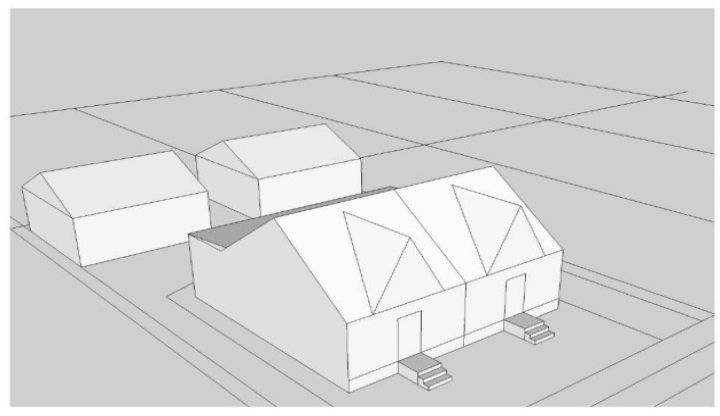
Figure K4: Typical Two-Family - Twin Building
(b)
Access and Entry. Each dwelling shall have direct access from a common or separate porch or stoop; at least one entrance shall face the front lot line. Each building shall include a stoop, porch or terrace serving at least one of the dwelling units, oriented toward the primary street.
Parking, loading and trash disposal may be accessed from an alley or driveway. Both units may, (and are encouraged to) share a common driveway.
(c)
Building Width. Buildings facing a public street shall not be wider than fifty (50) feet along a single plane on the axis facing the street. Additional building wings facing the street shall be set back at least five (5) feet behind the front plane of the building.
(5)
Single-Family Attached Building, Townhouse, Rowhouse.
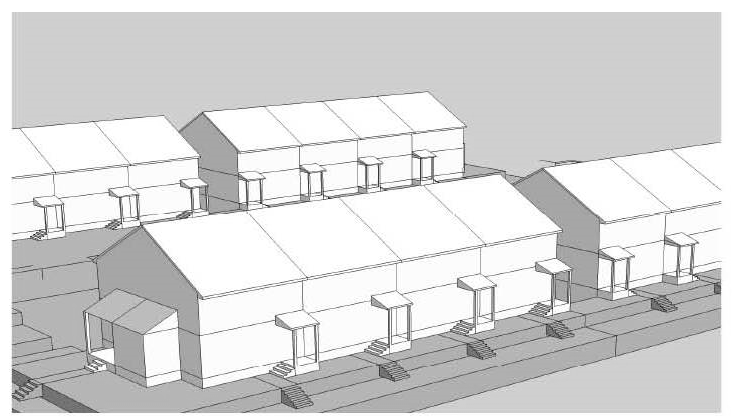
Figure K5: Typical Single-Family Attached Buildings
(a)
Building Type.
A dwelling unit within a linear group of horizontally attached dwellings, each having a private entrance and totally exposed front and rear walls to be used for access, light and ventilation. Buildings may be oriented to the street or to a central green or courtyard.
(b)
Access and Entry. The principal entry to each dwelling shall have direct access to the street or to a courtyard. Each dwelling shall include a stoop or porch or a common green or courtyard oriented toward the primary street.
Parking, loading and trash disposal may be accessed from an alley or common side yard driveway serving one or more buildings.
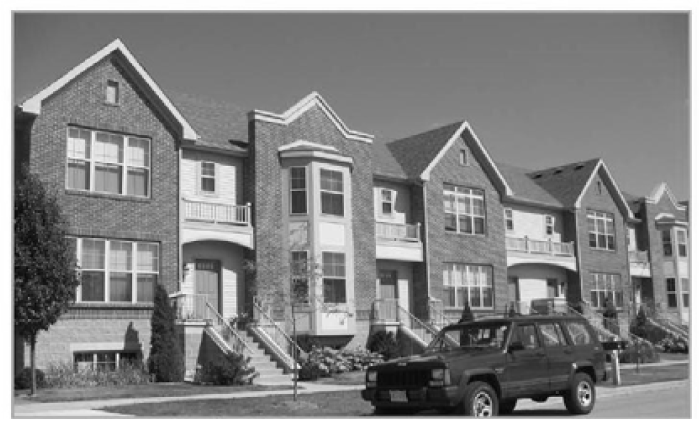
Figure K6: Typical Single Family Attached Buildings Photo
(c)
Massing and Articulation.
Buildings facing a public street shall be comprised of individual units, articulated vertically to create visual interest and continuity.
Divisions or breaks in materials, entry placement, window bays or other architectural details shall be used to delineate individual units. Massing, proportions and articulation of single-family attached buildings shall respond to existing residential buildings in their vicinity. Maximum building length parallel to the primary abutting street shall not exceed one hundred sixty (160) feet without a significant articulation of the facade. Windows shall be located on the side of the last unit.
(6)
Small Multi-family Building.
(a)
Building Type. A multi-story multi-family building with a central entrance oriented to the primary abutting street, containing four to eight units. Buildings of this type are sometimes designed to resemble a large single-family building with a pitched roof.
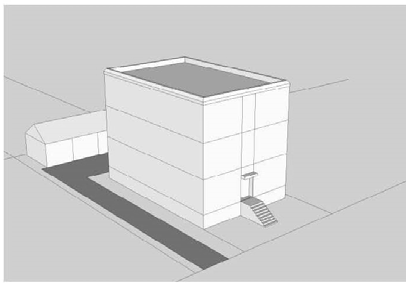
Figure K7: Typical Small Multi-Family Building
(b)
Access and Entry. The principal entry to the building shall be oriented to the primary abutting street. Each building shall include a stoop or porch or a common green or courtyard, oriented toward the primary street. Parking, loading and trash disposal may be accessed from an alley or common side yard driveway serving one or more buildings.
(c)
Massing and Articulation. Massing, proportions and articulation of small multi-family buildings shall respond to existing residential buildings in their vicinity, including features of those buildings such as roof pitch, proportions of windows and doors, and placement on the lot. Building facades shall be articulated vertically and horizontally for visual interest.
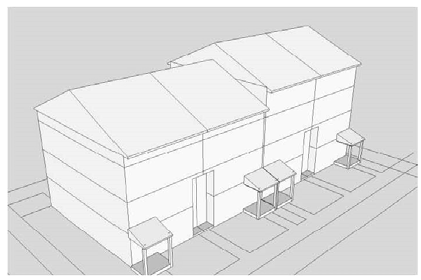
Figure K8: Typical Large Multi-Family Building
(7)
Large Multi-family Building.
(a)
Building Type. A multi-story building with combined entrances, stairways and elevators, comprised of single- or two-level occupant spaces stacked on top of each other, typically accessed from a central corridor.
(b)
Access and Entry. The principal entry to the building shall be oriented to the primary abutting street. Each building shall include a stoop or porch oriented to the street. Parking, loading and trash disposal may be accessed from an alley or common drive serving one or more buildings.
(c)
Massing and Articulation. Massing, proportions and articulation of Large Multi-Family Buildings shall respond to existing residential buildings in their vicinity. Maximum building length parallel to the primary abutting street shall not exceed one hundred sixty (160) feet without a significant articulation of the facade. Facades facing a public street shall be vertically articulated at a minimum interval of forty (40) feet.
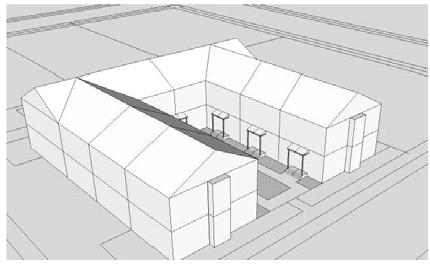
Figure K9: Typical Courtyard Multi-Family Building
(8)
Courtyard Multi-Family Building.
(a)
Building Type. A multi-story multi-family building or buildings designed around an open courtyard abutting a primary street or through-block development on two streets, surrounded by building walls on three sides.
(b)
Access and Entry. The principal entry to the building shall be oriented to the primary abutting street or courtyard. The courtyard shall be oriented to a street and shall be largely visible from the street, but may be separated from the street by a decorative fence.
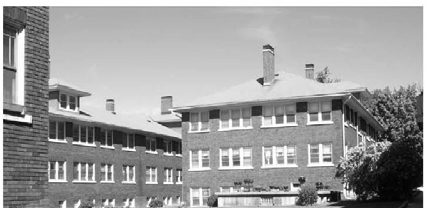
Figure K10: Typical Courtyard Multi-Family Building-Photo 1
Parking, loading and trash disposal may be accessed from an alley, through the courtyard, or through a common drive serving one or more buildings.
(c)
Massing and Articulation. Buildings may be divided into individual attached units at ground level or served by shared entrances. Maximum building length parallel to the primary abutting street shall not exceed one hundred sixty (160) feet without a significant articulation of the facade. Facades facing a public street shall be vertically articulated at a minimum interval of forty (40) feet.
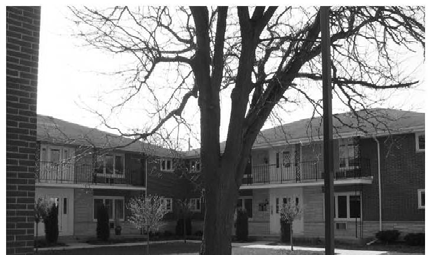
Figure K11: Typical Courtyard Multi-Family Building-Photo 2
(d)
Open Space. Courtyards shall be a minimum of thirty-five (35) feet in width or depth, and shall be maintained as common open space for residents.
28.173 - MIXED USE AND NON-RESIDENTIAL BUILDING FORMS.
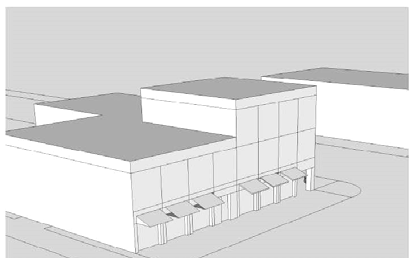
Figure K12: Typical Commercial Block Building
(1)
Commercial Block Building.
(a)
Building Type. A multi-story building that is designed to support a mix of commercial or office uses on the ground floor with office, studio, lodging and/or residential units above. Buildings are typically designed with storefronts or arcades at ground floor.
(b)
Access and Entry. Principal entry to each ground floor unit shall be a direct entrance from the primary abutting street. Buildings shall be designed with storefronts, stoops or patios along at least forty percent (40%) of the front ground floor facade along the primary abutting street.
Parking, loading and trash disposal may be accessed from an alley or through a side yard or rear yard drive serving one or more buildings.
(c)
Massing and Articulation. Maximum building length parallel to the primary abutting street shall not exceed one hundred sixty (160) feet without a significant articulation of the facade. Facades facing a public street shall be vertically articulated at a minimum interval of forty (40) feet. Entrances shall be provided at least every forty (40) feet along the primary abutting street.
Figure K13: Typical Commercial Block Building Photo 1
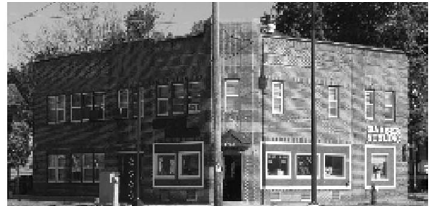
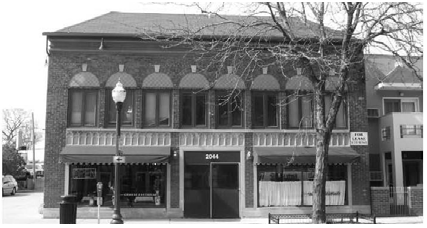
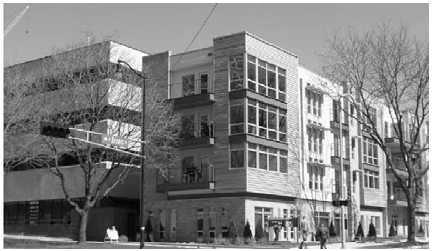
Figure K15: Typical Liner Building Photo
(2)
Liner Building.
(a)
Building Type. A specialized building, parallel to the street, which is designed to conceal an area such as a parking facility or loading dock. (Am. by ORD-24-00018, 3-20-24)
(b)
Access and Entry. The principal entry to each ground floor unit shall be a direct entrance from the primary abutting street.
(c)
Massing and Articulation. Maximum building length parallel to the primary abutting street shall not exceed three hundred (300) feet without a visual break such as a courtyard or recess. Minimum building depth is sixteen (16) feet. Facades facing a public street shall be vertically articulated at a minimum interval of forty (40) feet. Entrances shall be provided at least every forty (40) feet along the primary abutting street.
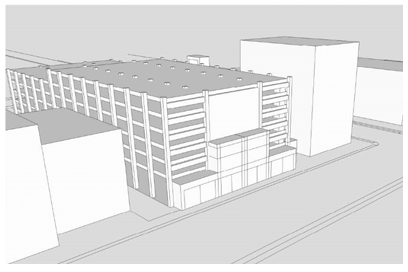
Figure K16: Typical Parking Building
(3)
Parking Building.
(a)
Building Type. A multi-story building specifically designed for parking. Other uses may be allowed above or below the parking level. Such a building may be developed with a liner building along the street frontage.
(b)
Access and Entry. Principal entry to each ground floor business or unit shall be a direct entrance from the primary abutting street. Vehicular entrance drives shall be located and designed to minimize interference with pedestrian movement. Vehicular entrances on secondary streets are encouraged.
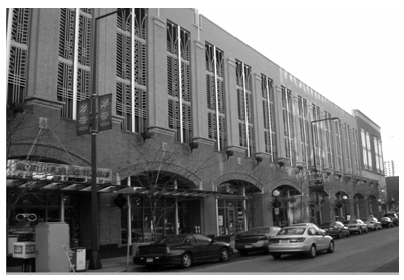
Figure K17: Typical Parking Building Photo
(c)
Building Design. Upper floors shall be designed so that sloped floors typical of parking structures do not dominate the appearance of the facade.
Windows or openings shall be provided that echo those of surrounding buildings.
(d)
Massing and Articulation. Maximum building length parallel to the primary abutting street shall not exceed (300) feet without a visual break such as a courtyard or recess. Facades facing a public street shall be vertically articulated at a minimum interval of forty (40) feet.
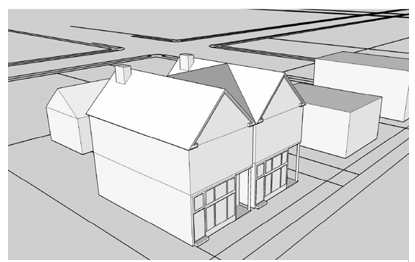
Figure K18: Typical Live-Work Building
(4)
Live-Work Building.
(a)
Building Type. Similar to townhouses in scale and detailing, but with a ground floor designed for small commercial, office and service establishments, often with storefront detailing. Buildings are typically placed close to the sidewalk, although a forecourt or patio design may be used to allow for outdoor seating space.
(b)
Access and Entry. Principal entry to each ground floor unit shall be a direct entrance from the primary abutting street.
(c)
Massing and Articulation. Massing, proportions and articulation of live-work buildings shall respond to existing residential buildings in their vicinity. Maximum building length along the primary abutting public street shall not exceed one hundred sixty (160) feet without a significant articulation of the facade. Facades facing a public street shall be vertically articulated at a minimum interval of forty (40) feet.
(5)
Residential/Commercial Conversion.
(a)
Building Type. A former residential building converted in whole or part to commercial or office use or courtyard; parking must be in the rear. The building form remains residential in character.
(b)
Access and Entry. Principal entry to each ground floor unit shall be a direct entrance from the primary abutting street. The residential form of the building shall generally be maintained. Accessibility may be improved by changes in entrance grade or other means.
Figure K19: Typical Residential/Commercial Conversion
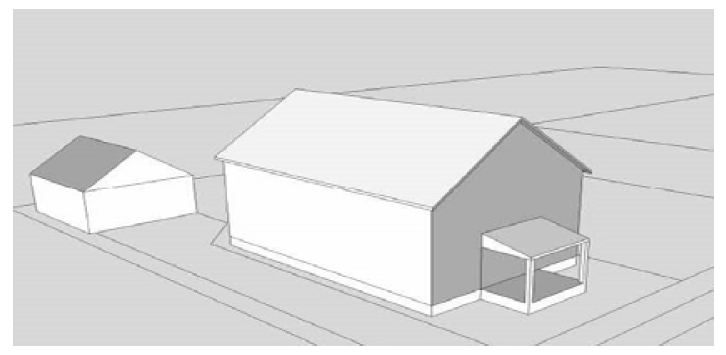
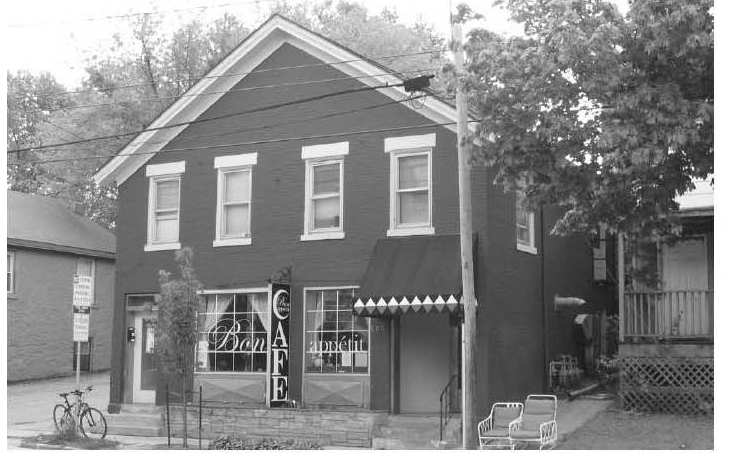
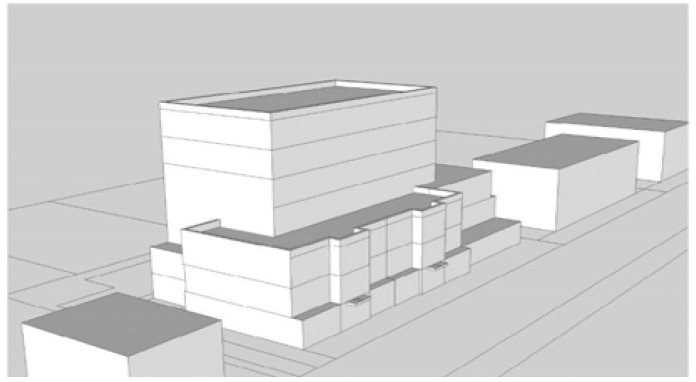
Figure K21: Typical Podium Building
(6)
Podium Building.
(a)
Building Type. A multi-story building in which the upper stories are stepped back from a lower base, to provide outdoor terraces, to avoid excessive shadowing of streets or public spaces, or to preserve important views.
(b)
Access and Entry. One or more ground floor entrances from the primary abutting street shall be provided.
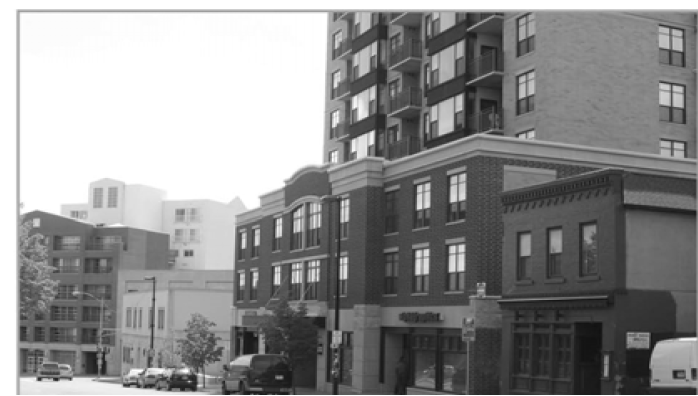
Figure K22: Typical Podium Building Photo
(c)
Massing and Articulation. For lower-base facades, maximum building length along the primary abutting public street shall not exceed one hundred sixty (160) feet without a significant articulation of the facade. Lower-base facades facing a public street shall be vertically articulated at a minimum interval of forty (40) feet. (Am. by ORD-19-00025, 4-29-19)
(7)
Flex Building.
(a)
Building Type. A variable building type at least two stories in height, designed to accommodate a variety of uses, including combinations of office, retail, lodging, and/or residential. A principal entrance should be oriented to the primary abutting street.
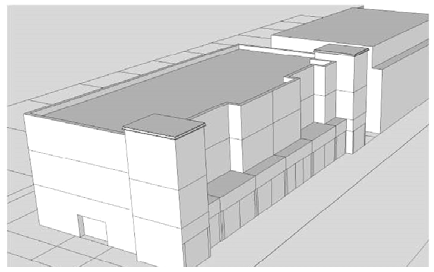
Figure K23: Typical Flex Building
(b)
Access and Entry. One or more ground floor entrances from the primary abutting street shall be provided.
(c)
Massing and Articulation. Maximum building length along the primary abutting public street shall not exceed one hundred sixty (160) feet without a significant articulation of the facade. Facades facing a public street shall be vertically articulated at a minimum interval of forty (40) feet.
(8)
Industrial Building.
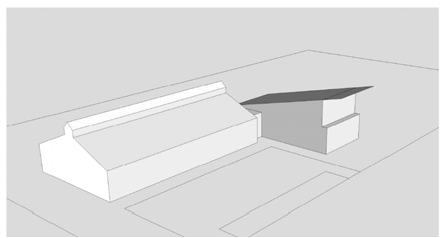
Figure K24: Typical Industrial Buildings
(a)
Building Type. A large open-floor-plate building that allows maximum flexibility in the types of uses accommodated. Buildings are typically characterized by a tall single story or first floor, and may be set on a raised base to facilitate industrial loading and unloading.
(b)
Access and Entry. One or more ground floor entrances from the primary abutting street shall be provided.
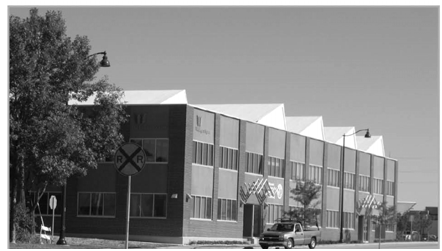
Figure K25: Typical Industrial Building Photo
(c)
Massing and Articulation. Facades facing a public street shall be vertically articulated at a minimum interval of 60 feet.
(9)
Free-Standing Commercial Building.
(a)
Building Type. A free-standing building of one or more stories designed to support a mix of commercial, retail, restaurant, service, office, or similar uses. The building may include multiple tenants.
(b)
Access and Entry. Buildings shall have a clearly defined, highly-visible customer entrance or entrances, marked by canopies, porticos, overhangs, arcades, facade recesses or projections, or similar features.
(c)
Massing and Articulation. Massing and articulation requirements shall be consistent with other applicable standards in this ordinance.
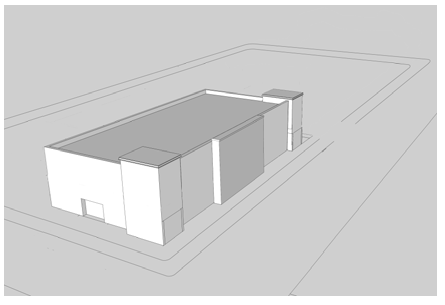
Figure K26: Typical Free-Standing Commercial Building
(10)
Civic or Institutional Building.
(a)
Building Type. This category includes a number of building types and sizes ranging from buildings with large floor plats and multiple levels to smaller-scaled structures Civic buildings can accommodate a variety of arts, culture, education, recreation, government, and public assembly purposes. A variety of architectural styles is acceptable.
(b)
Access and Entry. Buildings should have at least one entrance to a public street, courtyard, lawn, or other common open space.
(c)
Massing and Articulation. Facades facing a public street or public space shall be articulated vertically at a minimum interval of every forty (40) feet. Street-facing facades shall be positioned to accentuate vistas or directed views such as terminal views at the end of streets or adjacent to public spaces such as parks.