
North Aurora City Zoning Code
CHAPTER 8
BUSINESS DISTRICTS
8.1 - Purpose statements.
A.
Purpose of B-1 Community Business District. The purpose of the B-1 Community Business District is to accommodate small scale neighborhood retail and service businesses required for the day-to-day needs of those residing in adjacent or nearby residential areas. Generally B-1 Community Business Districts are located adjacent to residential neighborhoods to complement business uses along major corridors and/or downtown uses.
B.
Purpose of B-2 General Commercial District. The purpose of the B-2 General Commercial District is to accommodate highway-oriented uses and other uses that serve a large market area. This district is located along major traffic corridors.
C.
Purpose of B-3 Central Business District. The purpose of the B-3 Central Business District is to accommodate uses oriented to fostering a town center around the intersection of State Street and Illinois Route 31.
(Ord. No. 12-08-20-02, § 2, 8-20-2012)
8.2 - Permitted and special uses.
A.
Table 8-1 Business District Permitted and Special Uses lists permitted and special uses for the business districts. A "P" indicates that a use is considered permitted within that district. An "S" indicates that a use is considered a special use in that district and must receive special use approval as required in Section 4.3 (Special Uses). A blank space or the absence of a use from the table indicates that use is not permitted within that district.
TABLE 8-1: FOOTNOTES
1
Only wireless telecommunications antennas that comply with the stealth design standards of Section 11.2.F.2.I shall be considered permitted uses.
(Ord. No. 12-08-20-02, § 2, 8-20-12; Ord. No. 13-05-20-03, § 1, 5-20-2013; Ord. No. 13-05-20-05, § 1, 5-20-2013; Ord. No. 13-08-19-01, § 1, 8-19-2013; Ord. No. 13-08-19-02, § 1, 8-19-2013; Ord. No. 14-04-21-01, § 2, 4-21-2014; Ord. No. 14-05-19-02, § 2, 5-19-2014; Ord. No. 14-07-21-01, § 1, 7-21-2014; Ord. No. 14-08-18-02, § 2, 8-18-2014; Ord. No. 15-03-02-02, § 2, 3-2-2015; Ord. No. 15-04-06-01, § 2, 4-6-2015; Ord. No. 15-12-07-13, § 2, 12-7-2015; Ord. No. 19-06-03-01, § 1, 6-3-2019; Ord. No. 19-10-21-01, § 5, 10-21-2019; Ord. No. 24-10-07-05, § 3(Exh. B), 10-7-2024; Ord. No. 24-10-07-05, § 3(Exh. B), 10-7-2024)
8.3 - Yard and bulk regulations.
A.
Table 8-2: Business District Yard and Bulk Regulations establishes yard and bulk regulations for the business districts.
B.
Yard requirements shall be as set forth under each zoning district in this chapter for all buildings, structures, and uses, except where more than thirty (30) percent of the frontage on one side of a street between intersecting streets is occupied by structures on the effective date of the ordinance codified in this title. In the case of this exception, the average setback from the front lot line of such existing structure shall be maintained by all new or relocated structures.
C.
If the property on a street frontage between intersecting streets is zoned partially residence and partially business, the front yard requirements of the residence district shall be applied to the entire street frontage of such property.
D.
All required yards shall be unobstructed from the ground level to the sky. All accessory buildings when attached to principal buildings shall comply with the yard requirements of the principal buildings.
(Ord. No. 12-08-20-02, § 2, 8-20-2012)
8.4 - Business district design standards.
The business district design guidelines are intended to promote orderly development and ensure compatibility with development on adjacent property. These guidelines will be used as a basis during the site plan review process and may become conditions of approval during the site plan review and/or special use process. Figure 8-1: Business Design Guidelines illustrates these design guidelines.
A.
Facade.
1.
Multi-story buildings shall be designed with a definable base, middle and top. Rooflines, cornice treatments and window designs should divide larger buildings.
2.
Facades of buildings, including side facades, should be visually broken into bays to avoid the appearance of large, blank walls. When visible from the public right-of-way, facades should include architectural features to avoid the appearance of blank walls facing the street. These include, but are not limited to, changes in the wall plane, changes in wall texture or masonry patterns, colonnade, columns or pilasters.
3.
Consideration shall be given to the use of multiple materials, textures or colors to add visual interest to the facade. Building facades in excess of one hundred (100) feet should include a repeating pattern of the following elements: color change, texture change, material module change, or a wall articulation change such as an offset, reveal, pilaster or projecting rib.
B.
Fenestration.
1.
Windows should be set back into or projected out from the facade to provide depth and shadow. Windows should include visually prominent sills or other appropriate forms of framing. Awnings or shutters should be used to accentuate window openings and add interest to the design of the building.
2.
The ground floor facade should maintain a transparency of at least fifty (50) percent.
C.
Rooflines.
1.
Roof design should be an integral part of the facade design.
2.
Roof lines should either be varied with a change in height or with the incorporation of a major focal point feature, such as a dormer, gable or projected wall feature.
3.
Mansard roofs are discouraged.
4.
Parapet walls should feature three-dimensional cornice treatments or other shadow-creating detail elements.
D.
Entrances.
1.
All buildings should have a public entrance from the sidewalk along the primary street frontage. Public entrances should be articulated from the building mass.
2.
Facades that abut parking areas and contain a public entrance should make provisions for pedestrian walkways and landscape areas.
E.
Exterior Building Finishes.
1.
Predominant facade colors should be subtle, neutral or earth-tone colors. Primary colors, high-intensity colors, metallic or fluorescent colors, and black are discouraged as predominant facade colors. Building trim and accent areas may be brighter and include primary colors.
2.
The following building materials are discouraged as predominate building materials. However, such materials may be used as part of decorative or detail elements.
a.
Plain concrete block.
b.
Aluminum, steel or other metal sidings.
c.
Metal wall panels.
d.
Exposed aggregate (rough finish) concrete wall panels.
e.
Plastic.
f.
Flat pre-cast concrete panels with no detail.
g.
Vinyl siding.
FIGURE 8-1: BUSINESS DESIGN GUIDELINES
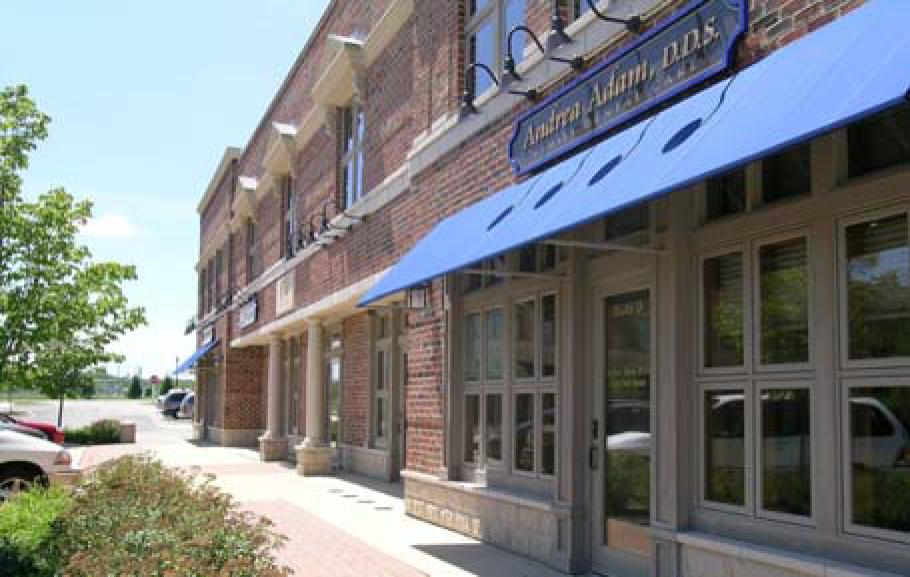
Facades should incorporate articulation features such as projections or recesses along the building length.
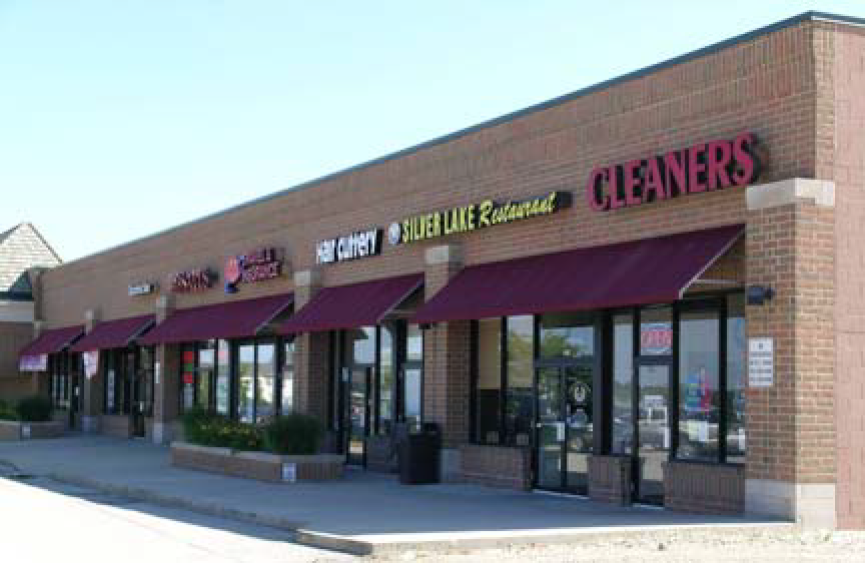
At least fifty (50) percent of the facade must be transparent from the street level.
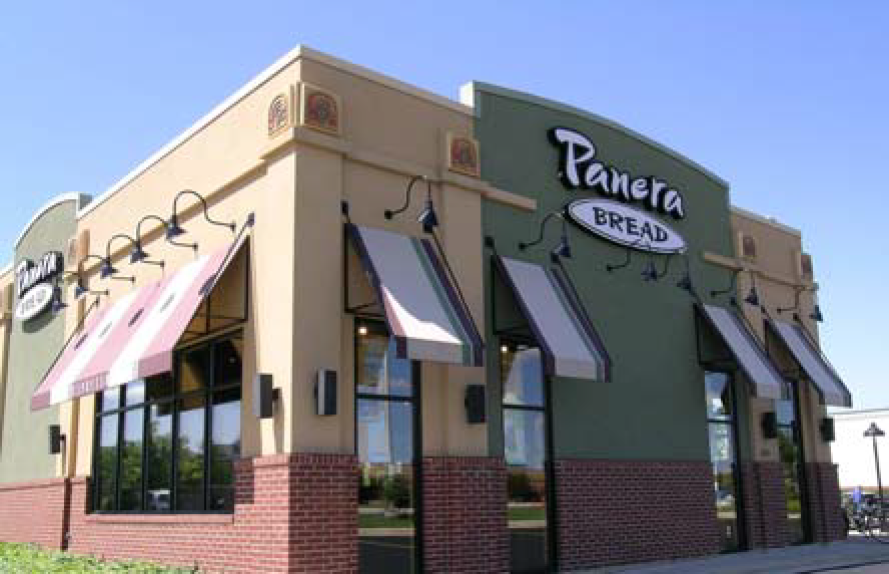
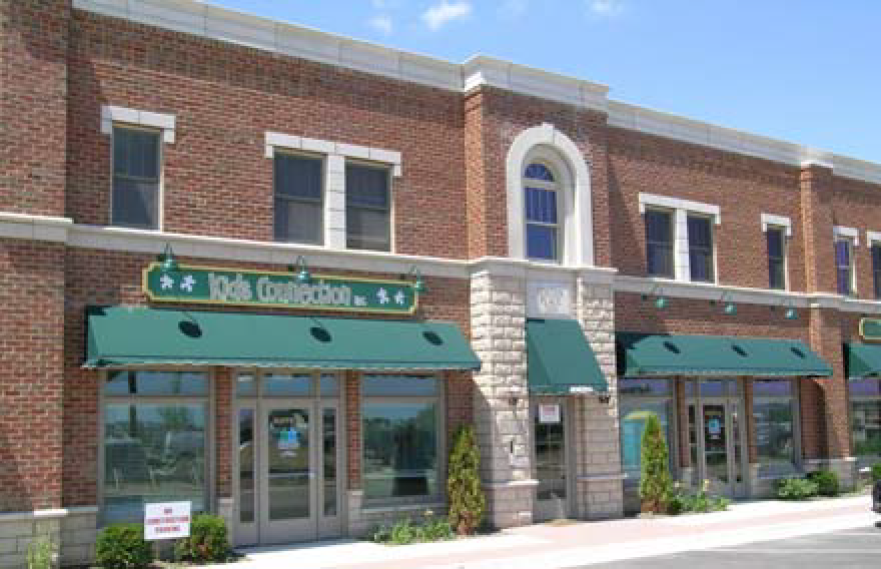
Different materials, textures, and/or colors should be utilized to add visual interest to the facade.
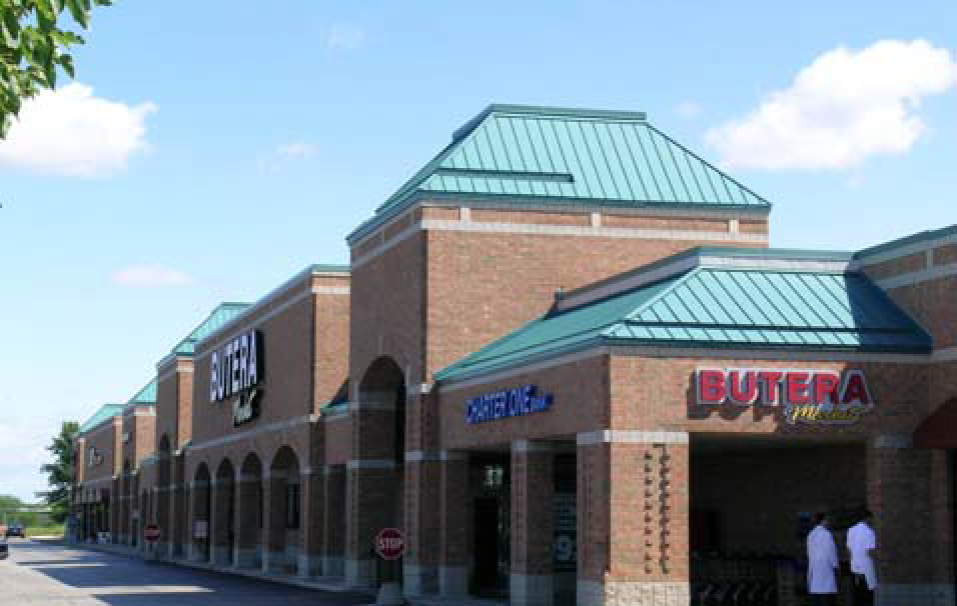
Arcades help to articulate building mass and public entrances. In addition, varied roof lines help break up building frontages.
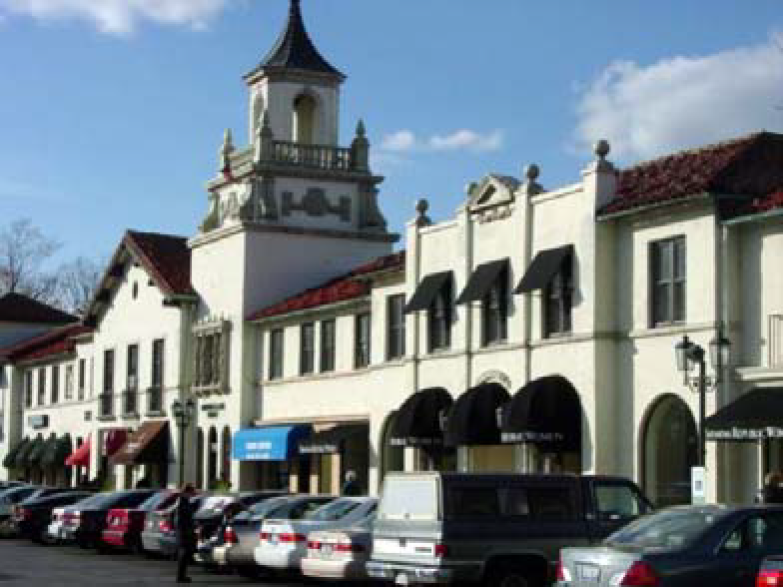
Roof lines should be varied with the incorporation of a major focal point feature, such as a gable or projected wall feature.
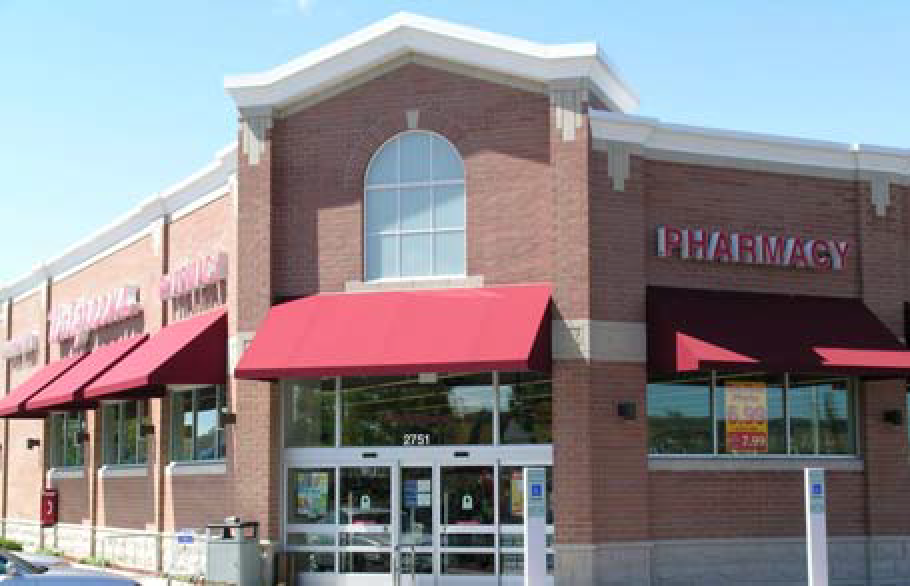
Public entrances should be articulated from the building mass using such means as a raised parapet and distinct design work.
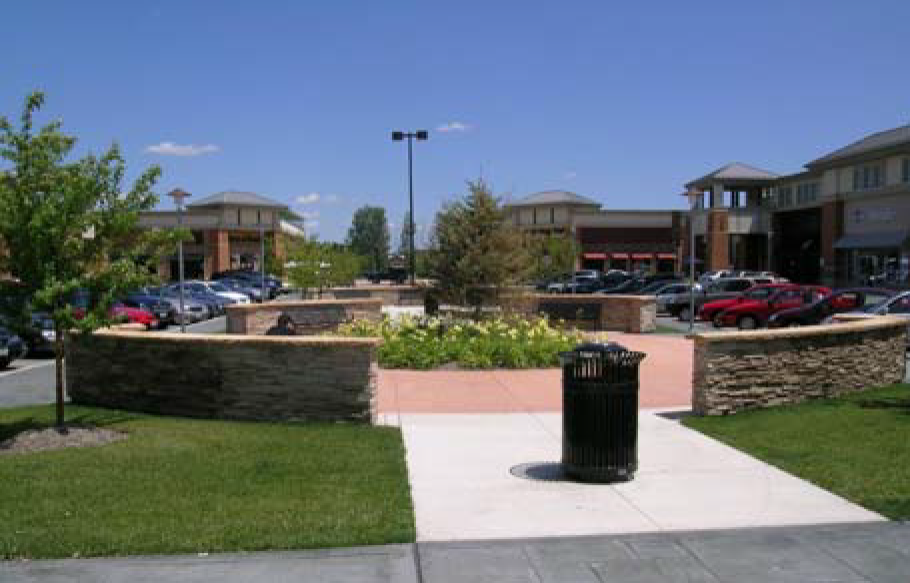
Public plazas help to minimize the effect of large parking areas and distinguish the path to building entrances.
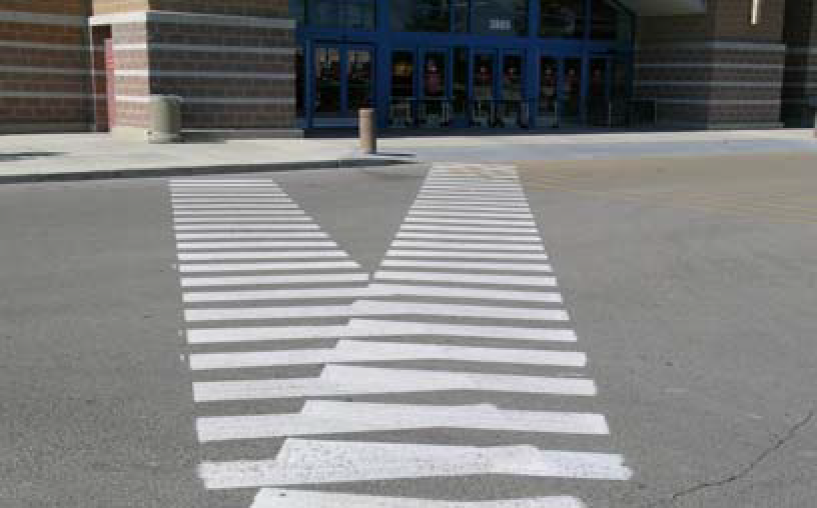
Public entrances should be clearly delineated for pedestrians.
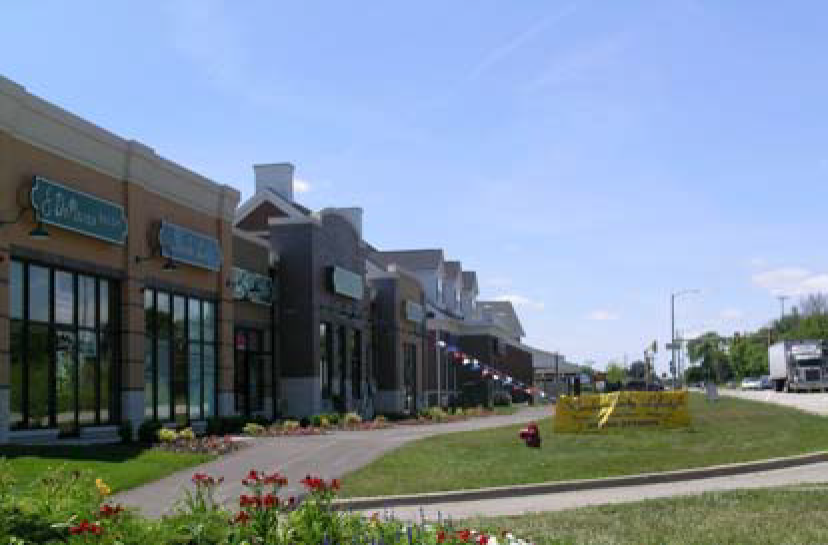
Buildings near the street should maintain facades and entrances oriented toward the street as well as to the interior parking lot.
(Ord. No. 12-08-20-02, § 2, 8-20-2012; Ord. No. 18-05-07-02, § 2, 5-7-2018)
8.5 - General standards of applicability.
A.
Accessory Buildings, Structures, and Uses. See Section 12.3 (Accessory Buildings, Structures, and Uses) for standards covering accessory buildings, structures, and uses.
B.
Environmental Performance Standards. See Section 12.5 (Environmental Performance Standards) for standards governing environmental performance standards.
C.
Landscaping and Screening. See Chapter 14: Landscaping and Screening, for standards governing landscaping and screening.
D.
Off-Street Parking and Loading. See Chapter 13: Off-Street Parking and Loading, for standards governing off-street parking and loading.
E.
Permitted Encroachments. See Section 12.4 (Permitted Encroachments) for standards governing encroachments.
F.
Temporary Uses. See Section 11.3 (Temporary Uses) for standards governing temporary uses.
(Ord. No. 12-08-20-02, § 2, 8-20-2012)

