
Morgan Hill City Zoning Code
CHAPTER 18
44 - ACCESSORY STRUCTURES AND USES
18.44.010 - Purpose.
This chapter establishes standards for accessory structures and uses. The intent of these standards is to:
A.
Ensure accessory structures and uses in residential districts are consistent with the residential character of the neighborhood;
B.
Maintain adequate light and air between structures;
C.
Minimize the visual impact associated with the height and bulk of accessory structures; and
D.
Ensure that accessory structures and uses are subordinate to the primary residence on the same lot.
(Ord. No. 2277 N.S., § 5(Exh. A), 6-6-2018)
18.44.020 - Accessory structures in all zoning districts.
The following standards apply to accessory structures in all zoning districts:
A.
Primary Structure Standards. Unless otherwise stated in this chapter, an accessory structure shall comply with all regulations applicable to the primary structure on the site.
B.
Relation to Primary Structure. Accessory structures and their use shall be clearly incidental and subordinate to the primary structure on the site.
C.
Location. Accessory structures shall be located on the same site as the primary use to which it incidental and subordinate.
D.
Timing. Except for temporary construction trailers, accessory structures may not be constructed or established prior to the start of construction of the principal use or structure.
E.
Accessory Structures Attached to Main Building. When an accessory building or structure is attached to the main building, it shall be made structurally a part of and have a common wall or roof with the main building and shall comply in all respects with the requirements of the Zoning Code applicable to the main building.
(Ord. No. 2277 N.S., § 5(Exh. A), 6-6-2018)
18.44.030 - Accessory Structures in residential zoning districts.
A.
Applicability. This section applies to the following types of accessory structures in residential zoning districts.
1.
Roofed structures, including, but not limited to, detached garages, carports, sheds, shade structures, play structures, covered dog enclosures, and gazebos, over seven feet in height and/or one hundred twenty square feet in size.
2.
Detached open, unroofed, and roofed structures such as decks.
3.
Trellises and other similar structures over seven feet in height.
4.
Mechanical equipment and mechanical equipment enclosures such as solar panels and water storage tanks, heating, and air conditioning equipment, and other similar mechanical equipment detached from the main building on the site.
5.
Pools, spas and hot tubs.
6.
Ponds eighteen inches or more in depth.
7.
Fireplaces, barbeque structures, statuary, fountains, and other similar ornamental features.
B.
Limitation on Use.
1.
Accessory structures may not be used as living space which is heated and/or cooled.
2.
Accessory structures, including pool houses, may be equipped with a half bath only (toilet and sink).
3.
An accessory structure that does not comply with these use limitations shall be considered an accessory dwelling unit subject to the requirements of Chapter 18.84 (Accessory Dwelling Units).
C.
Development Standards.
1.
Lot Coverage in Setback Areas. Roofed accessory structures such as garages and sheds and open, unroofed structures such as decks may collectively occupy no more than thirty percent of a required side or rear setback area. See Figure 18.44-1.
2.
Height. Accessory structures shall comply with maximum height standards in Table 18.44-1.
Figure 18.44-1: Accessory Structure Lot Coverage in Setback Areas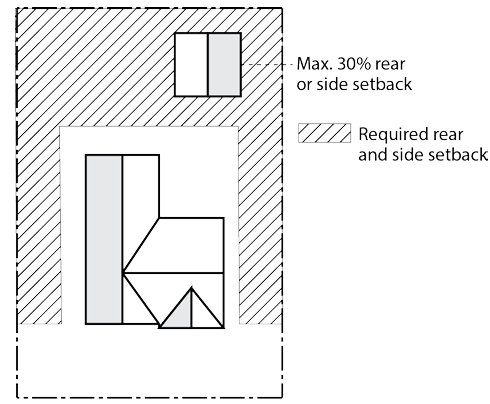
Table 18.44-1: Maximum Accessory Structure Height
D.
Setbacks from Property Lines. Accessory structures shall comply with the minimum property line setback standards in Table 18.44-2.
E.
Building Separation. Accessory structures shall be setback the minimum distance from other structures on the lot as required by the building code.
F.
Access Easements. Accessory structures may not be located within a public or private access easement.
Table 18.44-2: Minimum Accessory Structure Setbacks
Notes:
[1] All openings for freestanding fireplaces and built-in barbeques shall meet all Uniform Building Code and Uniform Fire Code requirements.
[2] Height measured from ground to walking surface.
(Ord. No. 2277 N.S., § 5(Exh. A), 6-6-2018; Ord. No. 2319 N.S., § 7, 1-20-2021; Ord. No. 2327 N.S., § 12, 12-15-2021; Ord. No. 2341 N.S., §§ 1, 2, 2-15-2023; Ord. No. 2352, § 5, 4-24-2024; Ord. No. 2362, §§ 7, 8, 2-19-2025)
18.44.040 - Accessory structures in non-residential zoning districts.
Accessory structures in non-residential zoning districts are subject to the same development standards (e.g., height and setbacks) as primary structures in the applicable zoning district.
(Ord. No. 2277 N.S., § 5(Exh. A), 6-6-2018)
18.44.050 - Accessory uses.
A.
Residential Accessory Uses. The following requirements apply to accessory uses in residential zoning district.
1.
Accessory uses shall be located on the same parcel as a residence and shall be clearly incidental and subordinate to the residence.
2.
Accessory uses shall not change the character of the residential use. Examples of permitted accessory uses include home occupations and personal property sales (i.e., garage or yard sales).
B.
Non-Residential Accessory Uses. The following requirements apply to accessory uses in non-residential zoning districts.
1.
Accessory uses shall be a part of and clearly incidental and subordinate to the primary use to which it relates.
2.
Accessory uses shall be located on the same site as the primary use to which it is incidental and subordinate.
3.
Accessory uses may not necessitate an increase in required number of parking spaces.
(Ord. No. 2277 N.S., § 5(Exh. A), 6-6-2018)

