
Morgan Hill City Zoning Code
CHAPTER 18
16 - RESIDENTIAL DETACHED ZONING DISTRICTS
18.16.010 - Purpose of the residential detached zoning districts.
A.
General. The purpose of the residential detached zoning districts is to support attractive, safe, and friendly single-family residential neighborhoods consistent with Morgan Hill's unique small-town feel. Development within the residential detached zoning districts features high quality design that enhances the visual character of the community. The mass, scale, and design of new homes support pleasant and walkable neighborhoods that complement Morgan Hill's existing community character.
B.
Specific.
1.
Residential Estate (RE). The purpose of the RE zoning district is to provide locations for detached single-family homes on large lots in a semi-rural setting. The RE zoning district is divided into three subzones allowing for a range of permitted residential densities.
2.
Residential Detached Low Density (RDL). The purpose of the RDL zoning district is to provide locations for detached single-family homes in low-density single-family neighborhoods. The RDL zoning district is divided into two subzones allowing for a range of permitted residential densities.
3.
Residential Detached Medium Density (RDM). The purpose of the RDM zoning district is to provide locations for detached single-family homes and a limited number of duet units in medium-density single-family neighborhoods. The RDM zoning district is divided into two subzones allowing for a range of permitted residential densities.
4.
Residential Detached High Density (RDH). The purpose of the RDH zoning district is to provide locations for detached single-family homes on small lots and a limited number of duet units in high-density single-family neighborhoods.
(Ord. No. 2277 N.S., § 5(Exh. A), 6-6-2018)
18.16.020 - Land use regulations.
A.
Permitted Land Uses. Table 18.16-1 identifies land uses permitted in the residential districts.
Table 18.16-1: Permitted Land Uses — Residential Detached Zoning Districts
Notes:
[1] Permitted on corner lots only.
[2] Limited to no more than twenty-five percent of total dwelling units within a single project or subdivision, excluding two-lot subdivisions.
[3] Mushroom farms are prohibited.
[4] On-site sale of products is prohibited.
[5] Park and recreational facilities accessory to a residential use (e.g., a clubhouse serving a residential subdivision) are permitted by right.
B.
Additional Permits. In addition to permits identified in Table 18.16-1, proposed projects in the detached residential zoning districts may also require a design permit pursuant to Section 18.108.040 (Design Permits). Modifications to a historic resource may require a Historic Alteration pursuant to Chapter 18.60 (Historic Resources).
C.
Residential Building Allotments. All residential development must comply with the voter-approved residential development control system (RDCS) as established in Chapter 18.78 (Residential Development Control System). The RDCS requires proposed residential projects to first receive residential building allotments before applying for land use entitlements. Section 18.78.050.C (Exemptions from Allotments) identifies types of residential projects exempt from the requirement to obtain residential building allotments.
(Ord. No. 2277 N.S., § 5(Exh. A), 6-6-2018; Ord. No. 2352, § 1, 4-24-2024)
18.16.030 - Development standards.
A.
General. Tables 18.16-2, 18.16-3, and 18.16-4 identify development standards in the residential detached zoning districts.
B.
Garage and Carport Setbacks. The entrance of a garage or carport shall be setback a minimum of twenty feet from the edge of a sidewalk or public right-of-way, whichever is closer. See Figure 18.16-1.
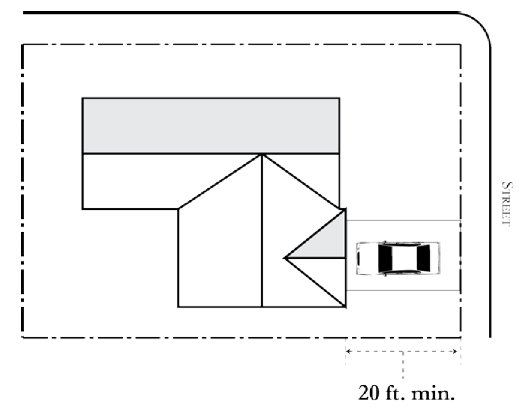
Figure 18.16-1: Garage Setbacks
C.
Reverse Corner Lots — RDM and RDH Zoning Districts. In the RDM and RDH zoning districts, a fifteen-foot minimum side yard setback is required when the side yard of a two-story residence is adjacent to a rear yard on an adjoining lot. See Figure 18.16-2.
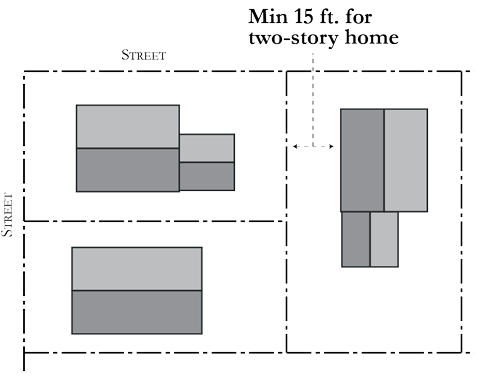
Figure 18.16-2: Reverse Corner Lots — RDM Zoning District
D.
Reduced Front Setbacks — RDM Zoning District. The minimum front setback in the RDM zoning district is 15 feet for up to a 26-foot wide portion of the front elevation of a home. See Figure 18.16-3.
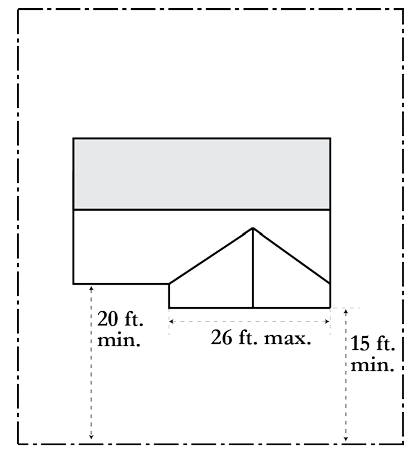
Figure 18.16-3: Reduced Front Setback — RDM Zoning District
E.
Cul-De-Sac Lot Width. In all detached residential zoning districts, the minimum width of a cul-de-sac lot is forty feet as measured along the radius of the front property line.
F.
Arterial Roadway Setbacks. The following setback requirements apply to residential development adjacent an arterial roadway, as identified in the general plan.
1.
The minimum front yard setback for residential development fronting an arterial roadway is thirty feet.
2.
All residential development with rear or side yard setback areas adjacent to an arterial street shall provide a minimum fence/wall setback of fifteen feet with an average of twenty feet from the face of the curb.
G.
Freeway Setbacks. The minimum setback for residential development adjacent to the freeway is sixty feet. Accessory structures and ancillary uses, excluding guest houses or other habitable living space, may be located within the sixty-foot setback area.
Table 18.16-2: Residential Estate (RE) District Development Standards
Table 18.16-3: Residential Detached Low and Medium Density District Development Standards
Notes:
[1] The combined lot area of two adjacent duet lots may be no less than the minimum lot area required for single-family detached dwellings.
Table 18.16-4: Residential Detached High Density District Development Standards
(Ord. No. 2277 N.S., § 5(Exh. A), 6-6-2018)

