
San Marcos City Zoning Code
CHAPTER 20
215 - RESIDENTIAL ZONES
Section 20.215.010 - Purpose of Chapter
The purpose of this chapter is to specify the allowable uses, requirements, and development standards within the Residential Zones as established by the Zoning Map, and specifically to accomplish the following:
A.
Establish Residential Zones to provide areas suitable for residential-only and estate living configurations that minimize the impacts from adjacent uses.
B.
Facilitate a range of housing opportunities for single-family detached and multifamily attached dwelling units consistent with the existing residential character of the City.
Section 20.215.020 - Purpose of Residential Zones
In addition to the purposes of this Zoning Ordinance and Chapter, the purpose and description of each Residential Zone are as follows:
A.
Single-Family Zones.
1.
Estate (R-1-20) Zone. To provide for single-family detached homes on lots of 20,000 square feet or greater, for a maximum density of two (2) units per one (1) acre. This Zone provides for estate and ranch-style homes with associated rural uses. The R-1-20 Zone is intended to implement and be consistent with the Rural Residential (RR) land use designation of the General Plan.
2.
Residential Low (R-1-10) Zone. To provide for single-family detached homes on lots of 10,000 square feet or greater, for a maximum density of four (4) units per one (1) acre. This Zone provides for low-density living on large lots. The R-1-10 Zone is intended to implement and is consistent with the Very Low Density Residential (VLDR) land use designation of the General Plan.
3.
Residential 1 (R-1-7.5) Zone. To provide for areas of single-family detached homes and related accessory uses exclusively. This Zone is intended for traditional subdivision layouts on lots of 7,500 square feet or greater, for a maximum density of eight (8) units per one (1) acre. The R-1-7.5 Zone is intended to implement and be consistent with the Low Density Residential (LDR) land use designation of the General Plan.
4.
Residential 2 (R-2) Zone. To provide for low-density, single-family attached homes as a traditional subdivision or as a multi-family development with detached condominium homes or small lot single-family homes as well as duplex, 3-unit, and 4-unit buildings that are suitable in massing and character for inclusion in single-family detached neighborhoods, on lots of 3,500 square feet or greater, for a maximum density of twelve (12) units per one (1) acre. The R-2 Zone is intended to implement and be consistent with the Low Medium Density Residential (LMDR) land use designations of the General Plan.
B.
Multifamily Zones.
1.
Residential 3 (R-3-6) Zone. To provide for higher-density multifamily attached homes such as apartments, rowhouses, townhomes, motorcourts, and condominiums at a density of twenty [and one-tenth] (20.1) to thirty (30) dwelling units per acre (du/ac). The R-3-6 Zone is intended to implement and be consistent with the Medium High Density Residential (MHDR) land use designation of the General Plan.
2.
Residential 3 (R-3-10) Zone. To provide for medium-density multifamily living at a density of twelve and one-tenth (12.1) to twenty (20) du/ac in a setting located in close proximity to services and bus lines with the opportunity for compatible boarding home and hotel uses. The R-3-10 Zone is intended to implement and be consistent with the Medium Density Residential 1 (MDR1) and Medium Density Residential 2 (MDR2) land use designation of the General Plan.
(Ord. No. 2025-1568, § 2(Exh. B), 12-9-2025)
Section 20.215.030 - Applicability
Land use permit requirements, as detailed in Table 20.215-1, and the regulations and development standards of this section shall be applicable to all existing and new uses, structures, modifications, additions, and activities within the Residential Zones.
Table 20.215-1
Permit Requirement Types and Processes
;sz=8q; Note: Any land use authorized through a permit approval process may also require Site Development Plan Review, a Building Permit, and/or other permit(s) required by this Code. For unlisted and similar uses, see Section 20.205.030.C (Unlisted and Similar Compatible Uses). All uses, including, but not limited to, "P", "DP" and "CUP" must pay applicable Public Facilities Fees and annex into all applicable Community Facilities Districts.
(Ord. No. 2021-1512, § 2(Exh. B), 1-11-2022)
Section 20.215.040 - Allowable Residential Uses
A.
Permit Requirements. Table 20.215-1 identifies the types of land use permits required to establish land uses in the Residential (R) Zones, consistent with this Zoning Ordinance.
B.
Residential Land Uses. Permitted uses in the Residential Zones shall be for the express purpose of establishing and protecting residential living environments from the impacts and nuisance of non-residential uses. Table 20.215-2 identifies the permitted land uses and required permit types in all Residential Zones. Residential uses are intended to be the primary permitted use in all Residential Zones. See Figures 20.215-1 through 20.215-5 for graphic representations of Zone development standards.
C.
Additional Use Regulations. In addition to the regulations, development standards, and provisions of this chapter, all land uses are subject to the specific use standards identified in the "Additional Use Regulations" column of Table 20.215-2; refer to the referenced sections for additional operational standards and regulations applicable to the use. All land uses are also subject to all of the following standards: Chapters 20.320 (Signs on Private Property), 20.330 (Water Efficient Landscape Standards), 20.335 (Walls and Fences), 20.340 (Off-Street Parking and Loading), 20.400 (Specific Use Standards), and 20.515 (Site Development Plan Review), 20.410 (Accessory Dwelling Units and Accessory Structures), and 20.470 (Two-Unit Residential Developments).
D.
Prohibited Uses. When a use is not specifically listed, that use is prohibited. However, consistent with Section 20.205.030.C (Unlisted and Similar Compatible Uses), the Director shall have the authority to determine whether the proposed use shall be permitted or conditionally permitted based on the finding that the proposed use is similar to and no more detrimental than a particular use permitted in the Zone.
Table 20.215-2
Residential District Use Classifications
Notes:
See Table 20.215-1 for permit types.
2. ;hg;Limited to development with detached homes: small lot single-family homes,
attached single-family homes, duplexes, and 3-unit buildings and/or 4-unit buildings
designed in massing/character to appear as a single-family home, except where modified
by a Planned Residential Development.
E.
Site Development Plan Review Required. All attached residential developments, including all projects that comply with the allowed land use and development standards of this chapter, shall be submitted for Site Development Plan Review to the Planning Division; see Chapter 20.515 (Site Development Plan Review).
1.
Multifamily Site Development Plan Review and a Planning Commission hearing is required for all projects applications of two (2) to nine (9) units in the R-2 and R-3 Zones.
2.
Multifamily Site Development Plan Review and hearing before the Planning Commission and City Council are required for all project applications for ten (10) or more units in the R-2 and R-3 Zones.
F.
Planned Residential Development. A CUP for a PRD may be permitted in all the Residential (R) Zones; see Chapter 20.435 (Planned Residential Development).
Within a PRD, single-family detached, single-family attached, duplex, and multifamily dwellings in a range of configurations may be permitted. These configurations may include a standard subdivision; alley loaded, cluster, or small-lot development; or courtyard site plans.
G.
Outdoor Lighting. Any outdoor lighting affiliated with a non-residential, accessory, or animal use noted in Table 2.215-2 shall require a Director's Permit (DP) to ensure compatibility with adjacent uses. This may include sport courts and horse arenas. All other lighting shall be consistent with Section 20.300.080 (Light and Glare Standards).
H.
On-Site Agricultural/Horticultural Activities.
1.
Within the R-1 Zones, non-commercial gardens for the raising of vegetables, flowers, fruit and nut trees, vines, and ornamental trees and shrubs is permitted by right.
2.
Within the R-1-20 Zone, agricultural and horticultural activities may be allowed, subject to a DP. Such activities may include commercial, wholesale, greenhouses, and nurseries for producing vines, trees, and other horticultural stock.
3.
On-site packaging and processing shall not be permitted, even if conducted within a residence or accessory structure.
(Ord. 2017-1445, 7/11/2017 - Amended; Ord. No. 2021-1510, § 4(Exh. 3), 12-14-2021; Ord. No. 2021-1511, § 4(Exh. 3), 1-11-2022; Ord. No. 2021-1512, § 2(Exh. B), 1-11-2022; Ord. No. 2022-1527, § 2(Exh. A), 10-25-2022; Ord. No. 2025-1568, § 2(Exh. B), 12-9-2025)
Section 20.215.050 - Residential Development Standards
A.
Development Standard Compliance. The new development, design, construction, or establishment of land uses, and alterations to existing land uses, structures, and sites within Residential Zones shall conform to the regulations of Tables 20.215-3 and 20.215-4. Principal and accessory structures shall meet the same development standards unless otherwise modified by this Zoning Ordinance. See Figures 20.215-1 through 20.215-5 for setback measurement standards by Zone.
Table 20.215-3
R-1 and R-2 Development Standards
;sz=8q;
Notes:
1. ;hg;All standards are minimums unless otherwise noted.
2. ;hg;Dwelling units per gross acre; density may increase to maximum of eight (8.0)
du/ac. with a PRD
3. ;hg;Interior dimension from exterior wall to exterior wall
4. ;hg;Subject to gross slope/acreage analysis, Section 20.300.040 (Gross Slope/Acreage Analysis).
5. ;hg;Setbacks shall be measured from back of ROW.
6. ;hg;All lot development and setbacks shall be subject to the provisions of Section 20.300.060 (Special Setbacks for General Plan Routes); where standards conflict, the largest
standard shall prevail.
7. ;hg;Minimum lot sizes are net area; reciprocal access easements not included.
Figure 20.215-1R-1-20 Zone Development StandardsSee Table 20.215-3 for standards.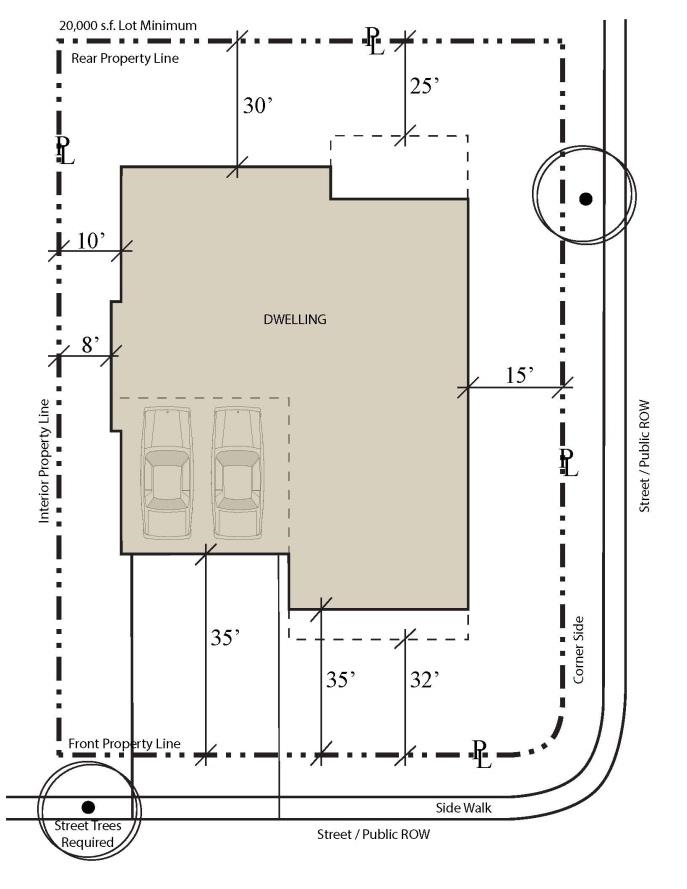 | Figure 20.215-2R-1-10 Zone Development StandardsSee Table 20.215-3 for standards.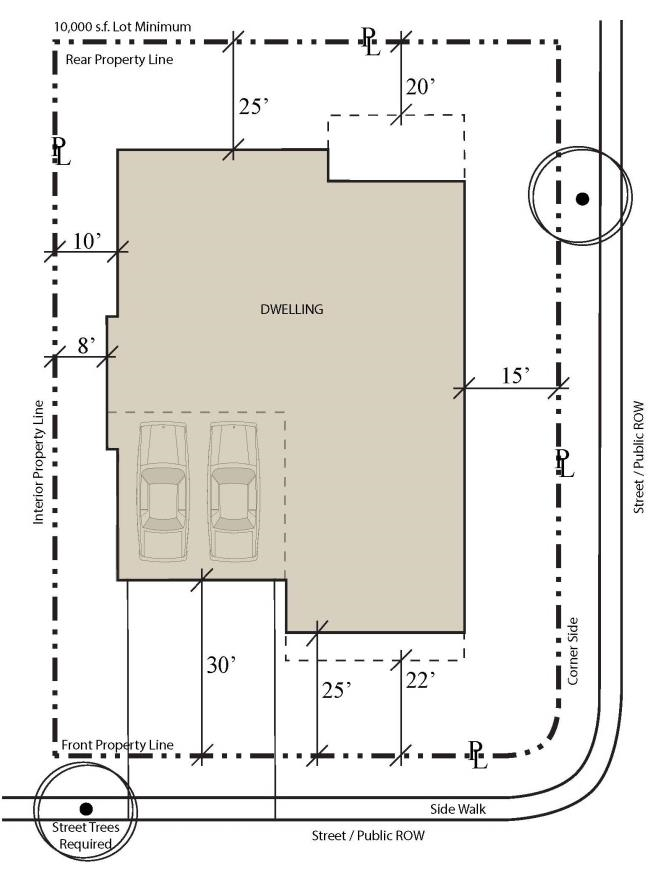 |
Table 20.215-4
R-3 and Attached Residential Development Standards
Notes:
All standards are minimums unless otherwise noted.
2. ;hg;Setbacks shall be measured from back of ROW.
3. ;hg;All lot development and setbacks shall be subject to the provisions of Section 20.300.060 (Special Setbacks for General Plan Routes); where standards conflict, the largest
standard shall prevail.
4. ;hg;Minimum lot sizes are net area; reciprocal access easements not included.
Figure 20.215-3R-1-7.5 Zone Development StandardsSee Table 20.230-3 for standards.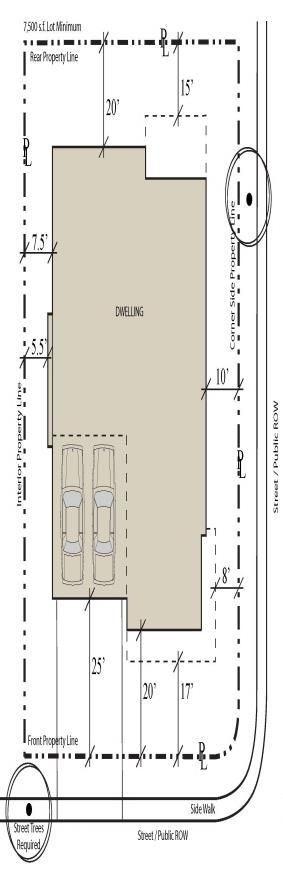 | Figure 20.215-4R-3-6 Zone Development StandardsSee Table 20.230-4 for standards.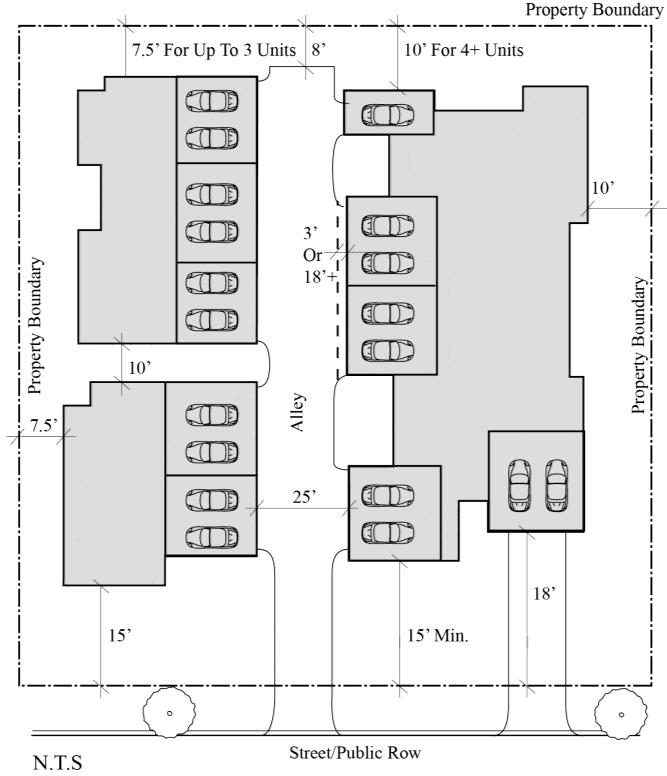 |
Figure 20.215-5
R-3-10 Zone Development Standards.
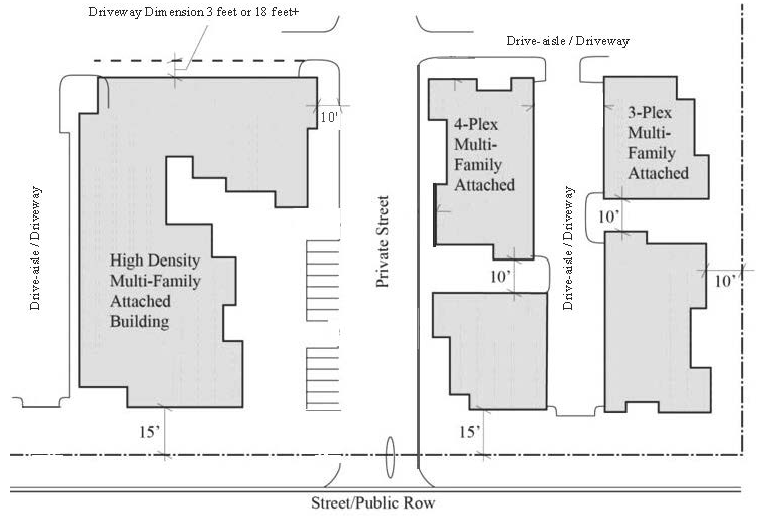
Figure 20.215-6
R-2 Zone Development Standards
See Table 20.215-3 for standards.
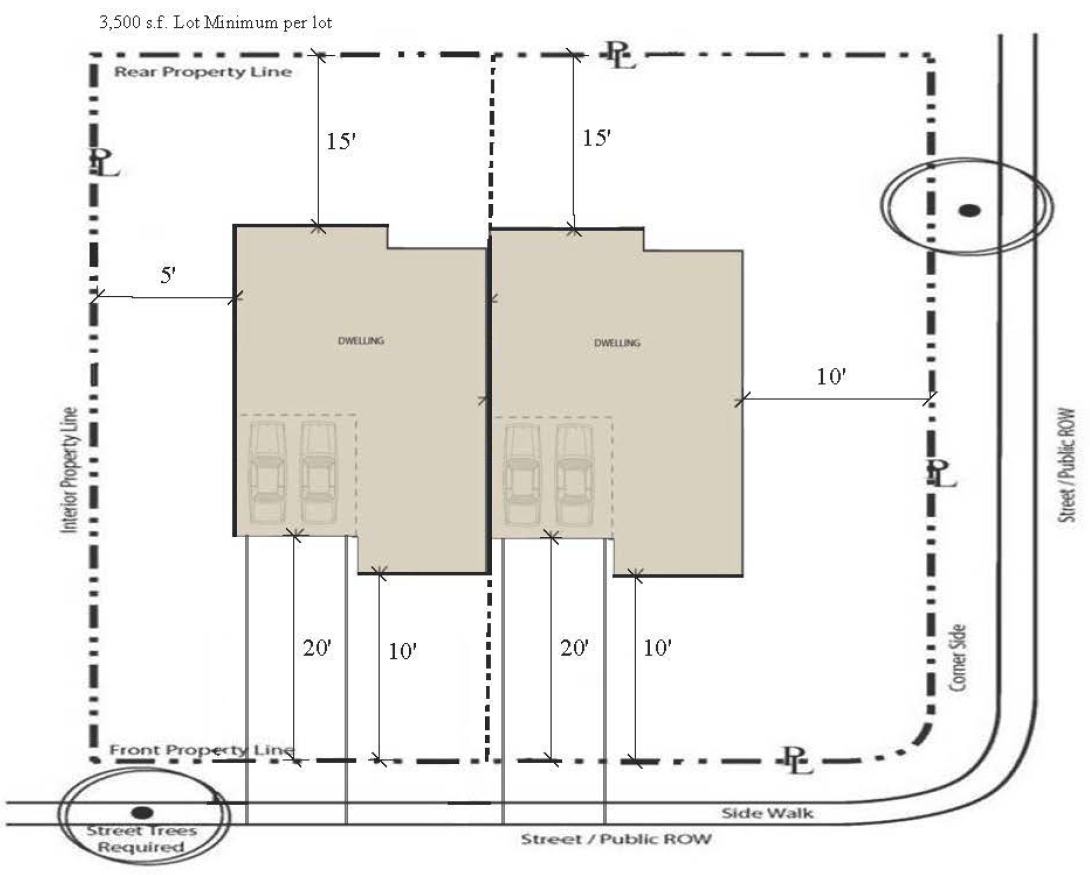
B.
Permitted Projections. See Section 20.300.020.G (Permitted Encroachment Standards) for permitted projection standards relevant to Residential Zones.
C.
Other Site Features. Accessory dwelling units and accessory structure placement and encroachments shall be governed by Chapter 20.410 (Accessory Dwelling Units and Accessory Structures). Two-unit residential development placement and encroachments shall be governed by Chapter 20.470 (Two-Unit Residential Development).
D.
Lot Averaging. Lot averaging, consistent with Section 20.300.030 (Lot Averaging), shall be permitted in the R-1-20, R-1-10, and R-1-7.5 Zones, subject to a CUP.
E.
Gross Slope/Acreage Analysis. Minimum lot sizes in the Single-Family Zones shall be determined based on slope calculations subject to Section 20.300.040 (Gross Slope/Acreage Analysis) and minimum lot areas of Table 20.215-3.
F.
Architectural Compatibility. All buildings, including secondary and accessory structures, walls, and fences located on a building site, shall be designed and constructed to be architecturally compatible with the primary residential building. Thematic architectural design shall be evident for all structures on a site.
(Ord. 2017-1445, 7/11/2017; Ord. No. 2021-1510, § 4(Exh. 3), 12-14-2021; Ord. No. 2021-1511, § 4(Exh. 3), 1-11-2022; Ord. No. 2022-1527, § 2(Exh. A), 10-25-2022; Ord. No. 2025-1568, § 2(Exh. B), 12-9-2025)
Section 20.215.060 - Multifamily Residential Development Design Guidelines
The standards of this section are intended to facilitate development of superior-quality multifamily housing that is sensitive to the surrounding properties and enhances the quality of life in San Marcos. Design guidelines and criteria for multifamily residential housing are provided to ensure that quality architectural design and construction are achieved from project inception to completion. The following guidelines shall be used to encourage multifamily design to be functional in use, to be enhanced by architecturally pleasing massing and building orientations, and to maximize open space areas and other facilities.
A.
Applicability. This section pertains to the development and establishment of new land uses, all conversions of units within the R-2 and R-3 Zones, and all attached PRD residential development in any Residential Zone.
1.
Prior to project design and application, a pre-application meeting with the applicant/representative and City staff shall be required to discuss guideline criteria and specific project application direction.
2.
Criteria in this section shall be used in conjunction with site development review criteria as set forth in Chapter 20.515 (Site Development Plan Review) of this Zoning Ordinance.
3.
Residential care facilities are exempted from the remaining provisions of this section. Design requirements for such facilities shall be identified during the pre-application process, and reviewed during Site Development Plan Review.
B.
Multifamily Open Space Standards. The following open space criteria, subject to requirements of Table 20.215-4, shall be incorporated into the design of multifamily residential projects regardless of Zone:
1.
Private open space is for the private use of individual dwelling units; minimum requirements are established by Table 20.215-4.
2.
Common open space is required for all multifamily projects, in addition to private open space. Common open space can be natural or improved, and shall include at least three (3) of the following on-site amenities:
3.
Common walkways and bike paths shall be used in the calculation of common open space.
4.
The following areas shall not be considered as usable open space:
5.
Recreational facilities shall be located and/or designed to minimize noise and visual conflicts from adjacent properties.
C.
Child Play Area Amenities. Children's play areas (tot-lots) shall be incorporated into the design of multifamily housing projects, per the following criteria. Play areas and tot-lots shall qualify as common open space where the following minimum requirements are met:
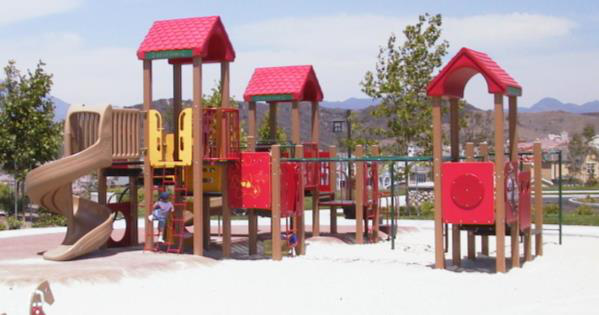
Image 20.215-1
Child play area shall be provided in centrally located areas of multifamily projects.
1.
For every twenty-five (25) dwelling units, one (1) tot-lot shall be required (see Image 20.215-1).
a.
Minimum four hundred (400)-square-foot usable area.
b.
"Leftover" land area in the project shall not qualify.
c.
Tot lots may be combined into larger areas as approved by the Planning Director.
2.
For projects of fifty (50) or more units, tot-lots shall be spaced a minimum of one hundred twenty (120) feet apart. The tot-lot spacing standard may be reduced based on site design characteristics, as determined by the Director.
3.
Projects of seventy-five (75) or more units shall provide an additional usable recreation area, in addition to the area required by Sections 20.215.060.C.1 and 2 above, and/or facilities that contain a level play area with a minimum area of eight hundred (800) square feet.
4.
All tot-lot areas shall be effectively buffered and/or fenced from adjacent street or parking areas.
5.
All tot-lots shall be equipped with at least two (2) of the following elements: sandbox, climb bars/structure, a slide, swings, seesaw, or other appropriate play equipment.
6.
To minimize street crossings, tot-lots shall be located in central areas of the project or distributed in "centrally located" portions of the residential project and in close proximity to the dwelling units.
(Ord. No. 2025-1568, § 2(Exh. B), 12-9-2025)
Section 20.215.070 - Multifamily Operational Standards
Consistent with Section 20.215.060.A (Applicability), the following operations standards shall apply:
A.
On-Site Circulation.
1.
For projects of twenty-five (25) units or more, a display and unit location map shall be installed at each major driveway entrance and any major walkway entrance to the project as an aid to emergency personnel and a convenience to visitors. An auto turnout lane shall be provided adjacent to the directory map to eliminate blocking the driveway entrance.
2.
Central pedestrian/bike paths shall provide convenient access to bus stops, green belts, and public facilities. Walkway systems within the project can be linear or meandering systems, in keeping with the architectural building style.
3.
Pedestrian crossings shall be provided at appropriate locations along main drives, and shall be accentuated by a change in surface textures. The minimum width dimension of any on-site walkway shall be four (4) feet wide, unless otherwise waived or modified by the Director or Site Development Plan Review board.
4.
Walkway connections between buildings and street sidewalks are encouraged.
5.
Walkways adjacent to automobile parking spaces shall be wide enough to maintain a four (4)-foot-wide clear walking surface free from the intrusion of front bumper overhangs.
6.
Parking requirements and standards for multifamily developments are addressed in Chapter 20.340 (Off-Street Parking and Loading).
B.
Mechanical Equipment.
1.
All mechanical equipment, vents and meters (including public utility boxes) shall be attractively screened by an enclosure structure that is architecturally similar to the residential unit style and appearance, or located within utility closets where feasible.
2.
Exterior air conditioning units shall be screened and architecturally harmonious with the building exterior color and finishes.
3.
Rooftop vents shall be painted a color that is the same as the roof color and finish materials. Such vents and rooftop mechanical units should be located away from the building elevations that have street frontage, whenever and wherever possible.
C.
Laundry Facilities Required. All developments of five (5) units or more shall be required to provide a laundry room, unless laundry facilities are provided within each unit.
D.
Storage. Multifamily dwellings shall provide adequate on-site storage in areas screened from view.
1.
Units with assigned enclosed garages shall be exempt from this requirement, provided that areas of the garage to be used as storage do not detract square footage from the required area to park a car; see Chapter 20.340 (Off-Street Parking and Loading).
2.
Multifamily residential dwelling units that do not have enclosed garages are required to provide a minimum of fifty (50) square feet of enclosed exterior storage for each unit (minimum of two hundred (200) cubic feet).
a.
These storage areas shall be provided adjacent to the living unit or carport. Hanging storage lockers over vehicles parked in carports shall be permitted only when said storage directly abuts a solid, full-height partition, and when additional ground-mounted storage is provided at the unit itself.
b.
Balcony and patio areas shall not be considered storage area meeting this requirement; storage is not permitted in balcony or patio areas.
E.
Mailboxes.
1.
Mailboxes should be located in highly visible, heavy-use areas for convenience and safety purposes. Dedicated mail truck area may be required by the postal service.
2.
Incorporation of the project's architectural design features is strongly encouraged.
(Ord. No. 2025-1568, § 2(Exh. B), 12-9-2025)
Section 20.215.080 - Multifamily Building Design and Orientation Guidelines
Multifamily attached building arrangements should function like individual small neighborhoods. Successful design of multifamily developments balances site planning, architectural design, and massing with open space and pathways to create a cohesive, enjoyable neighborhood. To achieve this design intent, consistent with the applicability identified in Section 20.215.060.A, each of the following design categories shall be addressed in all R-2 and R-3 multifamily projects:
A.
Site Planning and Building Orientation. Site planning for all multifamily developments shall do the following:
1.
Consider optimum solar orientation of structures.
2.
Minimize the incidences of one (1) building shading another.
3.
Orient private outdoor or garden areas toward the south as reasonably feasible.
4.
Minimize overlook of private backyards and patio areas from second-story units and windows.
5.
Design and orient buildings adjacent to public streets to promote "eyes on the street" and minimize the likelihood of on-street parking by residents; see Image 20.215-2.
B.
Building Form and Relief. The following features shall be used in building and site design:
1.
Orient buildings to create pedestrian pathways and active spaces (paseo, park, plaza, pocket park, or open space feature) interior to the project.
a.
Pedestrian/common open spaces shall be directly and logically connected to exterior streets.
b.
Orient windows, entries, and architectural features toward these spaces to activate the space and maintain safety; see Image 20.215-3.
c.
Vary building height, roof heights, or roof forms to create visual breaks in the roof line; see Image 20.215-4.
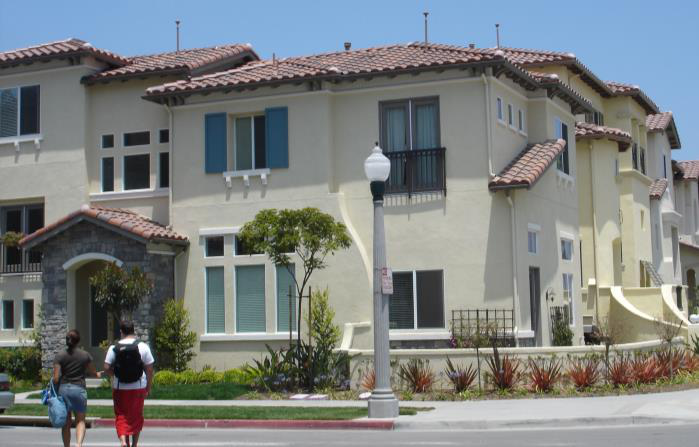 Image 20.215-2Orient buildings toward adjacent public streets and layer wall planes for architectural
interest. Image 20.215-2Orient buildings toward adjacent public streets and layer wall planes for architectural
interest.
| 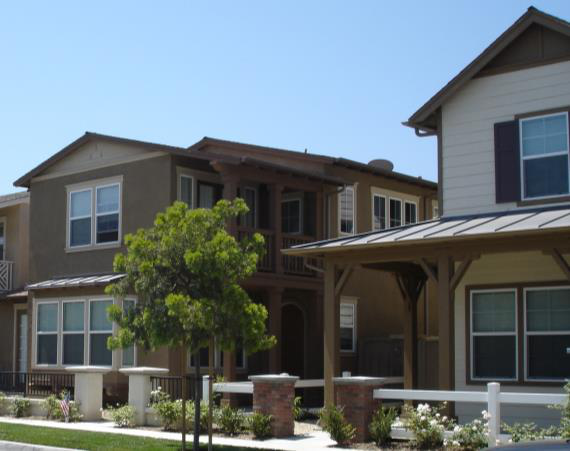 Image 20.215-3Orient windows and entry doors toward active streets or open spaces; vary building
massing and roof lines to create interest along the street and pathways. Image 20.215-3Orient windows and entry doors toward active streets or open spaces; vary building
massing and roof lines to create interest along the street and pathways.
|
2.
Use varied massing to reduce building scale and monotony of form; see Image 20.215-5. Incorporate the following techniques in every multifamily project:
a.
Incorporate stepped massing between stories within the same building or between building plans.
b.
Use layered wall planes and building projection offsets.
c.
Stagger units at different setbacks.
d.
Design landscaping to add depth and variation in building elevations and layout.
C.
Site Features. Site-enhancing architectural features and supporting elements shall be incorporated into each multifamily residential project. These can include the following features:
1.
Architectural elements: tower structures, gated entries, or other similar architectural features; see Image 20.215-4.
2.
Display elements: identification monuments, fountains, reflecting ponds or pools, and entry statement walls.
3.
Open space elements: private recreational open space areas and/or facilities, plazas, greenbelts.
4.
Landscape elements: enhanced fences and/or driveways and special landscape treatments.
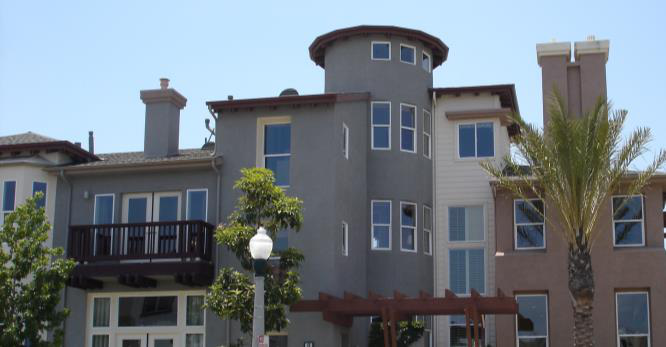 Image 20.215-4Varied building heights and roof forms with stepped massing elements and staggered
front setbacks create a visually interesting building. Image 20.215-4Varied building heights and roof forms with stepped massing elements and staggered
front setbacks create a visually interesting building.
| 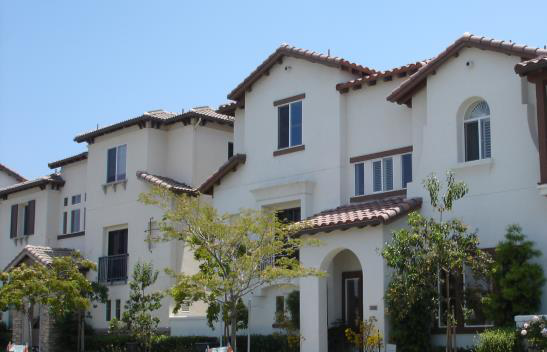 Image 20.215-5Architectural projections and varied wall planes reduce building scale and create
interest along the elevation. Image 20.215-5Architectural projections and varied wall planes reduce building scale and create
interest along the elevation.
|
D.
Architectural Projections. Architectural projections create shadows and provide strong visual focal points for design. The design, materials, and colors of buildings within a project shall use varied materials that complement one another. The project shall be harmonious with surrounding properties/structures. Use of projections is encouraged and may include the following:
1.
Functional massing elements such as balconies, porch elements, eave overhangs, and projecting second- or third-story masses.
2.
Architectural massing elements such as towers, bay windows, recessed windows, and shed roof elements.
3.
Aesthetic elements such as Bermuda shutters, awnings, and window/door surrounds.
4.
Other compatible features.
E.
Featured Architecture. All building elevations oriented toward public streets or other sensitive areas (i.e., recreation areas, common open space areas, adjacent properties) shall have an upgraded architectural treatment with emphasis on details, such as recessed entries, broad and stepped overhangs, staggered building planes, and changing roof elevations.
1.
Additional architectural detailing such as wood-style window, door, and eave trim or comparable feature shall be used to soften the architectural statement of the buildings.
2.
Windows, doors, and other openings shall be architecturally treated to provide a visual break in the building.
F.
Design and Materials. To reinforce the quality of the development, all elements and structures shall be considered in project design. The following standards shall apply to all buildings and structures:
1.
All balconies visible from public streets and adjacent properties may consist of solid walls or heavy-gauge open railings; however, the design shall be decorative and complementary to the architecture of the building.
2.
Accessory structures, including recreation facilities, shall be compatible in design and materials with the main building(s).
3.
Roofing materials shall be complementary to the architectural style of building.

