
San Marcos City Zoning Code
CHAPTER 20
225 - MIXED USE ZONES
Section 20.225.010 - Purpose of Chapter
The purpose of this chapter is to specify the allowable uses, requirements and development standards within the Mixed Use Zones as established by the Zoning Map, and specifically to accomplish the following:
A.
Support the development of complete, integrated communities that are a mix of mutually-supportive land uses in pedestrian-oriented and business-oriented configurations.
B.
Increase the balance of land uses within a given area by providing flexibility in the combining, design, and location of uses.
C.
Create a defined mixed use community core that is compact and pedestrian-oriented.
D.
Support infill-development locations to promote work, commerce, and living configurations in close proximity to primary circulation corridors, and at specific transit-oriented areas including W. San Marcos Boulevard between S. Rancho Santa Fe Road and Grand Avenue, S. Rancho Santa Fe Road between W. San Marcos Boulevard and S. Santa Fe Avenue, and north of State Route 78 from S. Rancho Santa Fe Road east toward Vallecitos De Oro.
E.
Establish standards to support integrated design of compatible uses and minimize conflicts between adjacent uses.
F.
Regulate mixed use development with form-based standards to implement development of an urban core with specific built-form character.
G.
Strengthen the City's economic base and provide employment opportunities close to residents of the City and surrounding communities.
(Ord. No. 2025-1568, § 2(Exh. B), 12-9-2025)
Section 20.225.020 - Applicability
The form-based regulations and land use permissions of this chapter shall be applicable to:
A.
Zones. The form-based regulations of this Chapter shall apply to the establishment of all new development, establishment of new land uses, and alterations to existing land uses, structures, units and site improvements within the Mixed Use Zones.
B.
Transitional Zones. This chapter shall also regulate the "future zone" development of Transitional Zones under the process and regulations of Chapter 20.235 (Transitional Zones). When a Transitional Zone property is rezoned to a Mixed Use Zone, all land use establishment and development shall be subject to the applicable Zone of this chapter as the Future Zone, as regulated by this chapter.
C.
Specific Plans. Development standards of Table 20.225-1 shall apply as the base requirements for new development and redevelopment of Specific Plans with frontage on Rancho Santa Fe Road or adjacent to one (1) or more MU-1 Zones properties.
D.
Other Regulations. In addition to the requirements of this chapter, regulations contained in the following section may apply to applicable land use and development within Mixed Use Zones. The Director shall determine when the provisions of these other chapters are applicable to mixed use development.
1.
Chapter 20.300 Site Planning and General Development Standards
2.
Chapter 20.330 Water Efficient Landscape Standards
3.
Chapter 20.335 Walls and Fences
4.
Chapter 20.340 Off-Street Parking and Loading
5.
Chapter 20.400 Specific Use Standards
E.
Disclaimer. The images in this Chapter represent the general range of scale, configuration, and streetscape typically associated with mixed use development, and generally appropriate for the Mixed Use Zones. Individual designs may vary in compliance with the applicable standards of this chapter. Images are not intended to be interpreted literally and are not drawn to scale; where images and regulations are inconsistent, the regulations shall prevail.
Section 20.225.030 - Form-Based Regulation
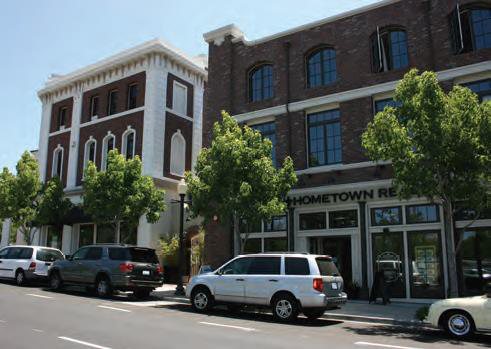
Image 20.225-1 Form-Based Regulation
Regulating building form, frontage types, and parking locations focus development
of character instead of strictly land use.
Mixed Use districts shall be regulated by form-based code to promote a built environment that enables, encourages, and implements the development consistent with the purposes of this chapter. The form-based approach focuses regulations on the intended character and type of place, with secondary regulations related to land use permissions.
Form-based regulations are intended to facilitate building placement, form and use, complemented by landscape installation and parking accessibility that contributes to the physical definition of streets, pedestrian pathways, and civic spaces.
A.
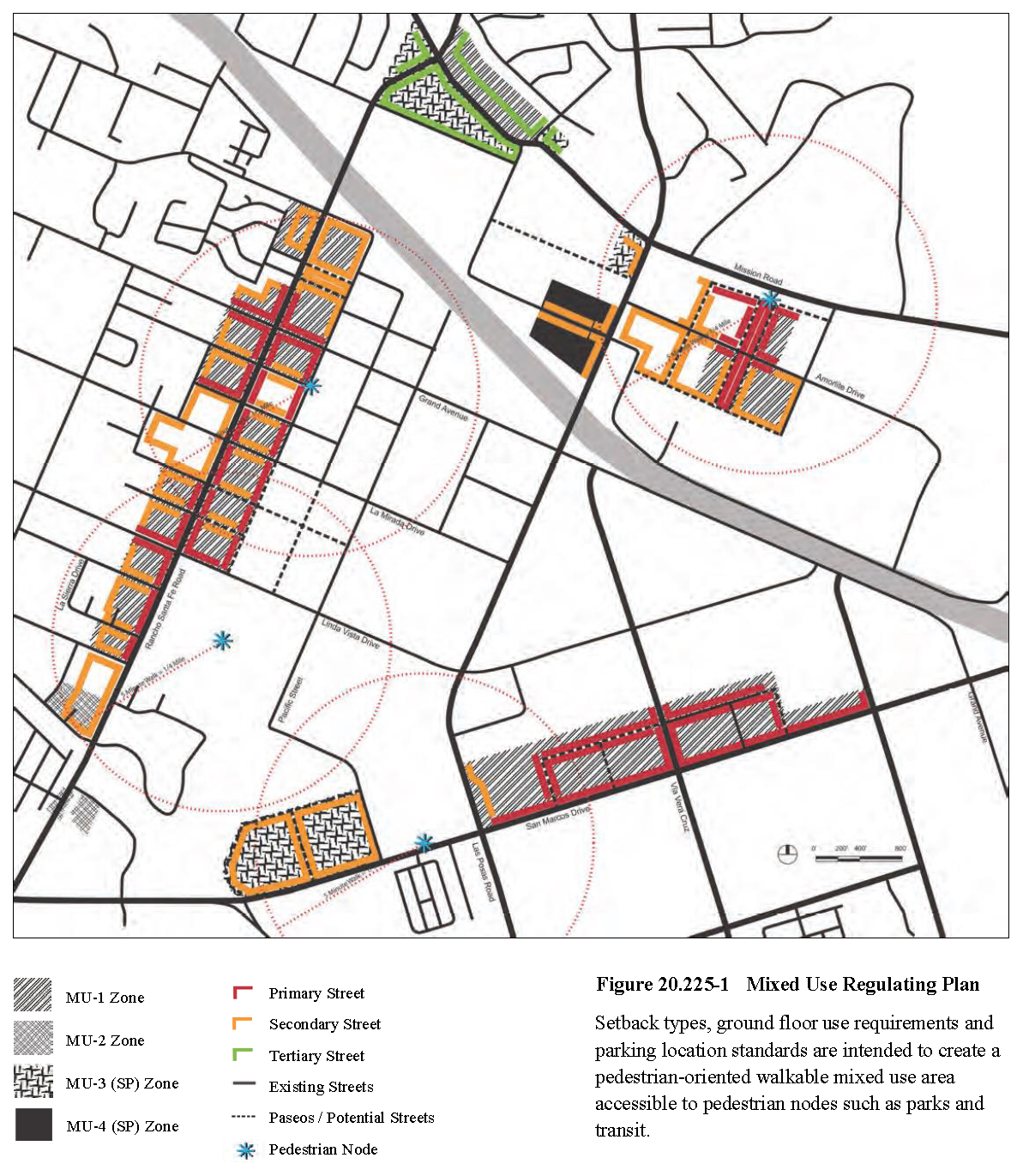
Regulating Plan. Figure 20.225-1 is the Regulating Plan for the Mixed Use Zones. The Regulating Plan further modifies the zoning designations of the Zoning Map by adding form- base standards such as setback types, and place-oriented regulations to each Zone. The development standard tables of each Mixed Use Zone (Tables 20.225-1, 20.225-2, 20.225-3, and 20.225-4) reference features and locations represented on the Regulating Plan.
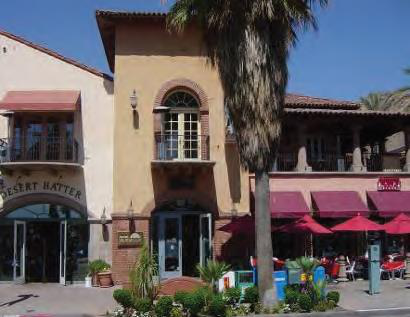
Image 20.225-2 Integrated Design
Ground floor use requirements along primary streets promote walkability and commercial
vitality.
B.
Specific Plan Required. The preparation and adoption of a Specific Plan shall be required for all development within the MU-3 (SP) and MU-4 (SP) Zones. All Specific Plans shall be consistent with the character, form and intensity of this chapter and shall integrate the design with adjacent mixed use developments. See Chapter 20.535 (Specific Plans).
C.
Site Development Plan Review. All development within the Mixed Use Zones shall be subject to Site Development Plan Review. During review, each development or modification shall be evaluated for compatibility with the intent of this chapter, compatibility of on-site and adjacent parcel uses, and preserve the opportunity for future adjacent parcel conversion and development.
1.
An Area Plan shall be required to establish building location, parking provisions and urban element additions like streets, alleys, pedestrian pathways, plazas, entryways, stairways, private and common outdoor open space and other design and development standards of this chapter.
Section 20.225.040 - Mixed Use 1 Zone
Table 20.225-1
MU-1 Development Standards
1 The minimum FAR may be reduced to .85 upon demonstrated hardship.
The Mixed Use 1 (MU-1) Zone is intended to define major corridors and transit-proximate locations as mixed use corridors. The MU-1 Zone should incorporate retail storefronts, urban living, and community destinations in a vertical pedestrian-oriented setting. This Zone promotes variety of commercial, office, civic and residential uses integrated as a cohesive development. These uses may be mixed vertically on separate floors of a building, or horizontally in separate buildings on a single site or adjacent parcels. To maintain a pedestrian scale and orientation, permitted uses on the ground floor are limited to retail and other active uses. The MU-1 Zone is intended to implement and is consistent with the Mixed Use 1 (MU1) land use designation of the General Plan.
A.
Physical Character. The physical environment is characterized by active pedestrian-oriented ground floor commercial, and office uses at the sidewalk. Housing may occur in upper floors or in portions of the building not adjacent to Rancho Santa Fe Road or San Marcos Boulevard.
B.
Building Form. Buildings are encouraged to be varied in size, forming a minimum streetwall of two (2) stories and a maximum of four (4) stories. Table 20.225-1 identifies applicable requirements for density, building height, FAR, streetwalls and other standards.
C.
Building Frontage and Active Use Requirements. Table 20.225-1 identifies building frontage requirements and types that are encouraged within the MU-1 Zone. Pedestrian-oriented ground floor uses are required for eighty percent (80%) of the building frontage along primary street frontage, and facing public open spaces or plazas. Ground floor active uses permitted are identified and required by Section 20.255.110 (Allowable Mixed Use Land Uses and Permit Requirements) and Table 20.225-6, and are encouraged along secondary streets and corners intersecting with primary streets.
D.
Parking. Parking is provided through a combination of on-street customer spaces, park-once/public parking, and off-street private and residential spaces located behind buildings. Properties with frontages solely along San Marcos Boulevard or Rancho Santa Fe Road shall have secondary street or alley-loaded vehicular access or off-site parking with on-street loading.
1.
Parking and loading access is not permitted along San Marcos Boulevard; access shall be limited to the frontage road.
2.
Parking and loading from Rancho Santa Fe Road shall be prohibited.
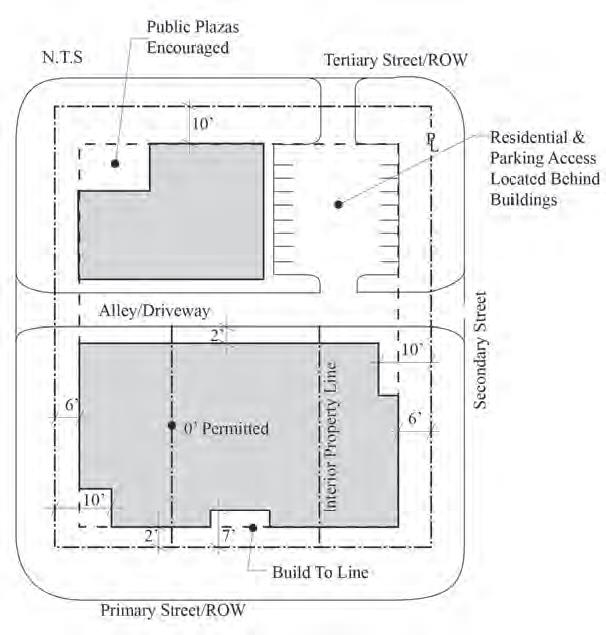
Figure 20.225-2 MU-1 Development Standard Diagram
Setbacks and build-to line standards are required in the identified locations.
E.
Drive-Through Services. Drive-through service facilities (e.g., restaurant take-out windows, automated teller machines, etc.) are not permitted, except those drive-through uses related to payment of parking fees.
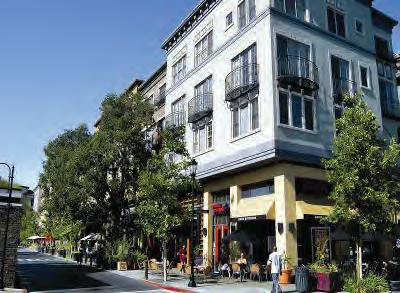
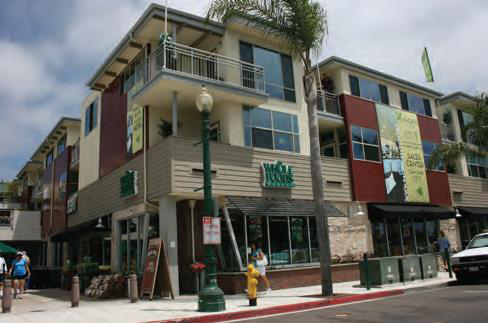
Image 20.225-1 A, B Pedestrian-Oriented Streets
MU-1 allows mixed use integration of commercial and residential uses. Active ground
floor uses are required along primary streets. Setbacks close to the street create
a pedestrian-orientated character.
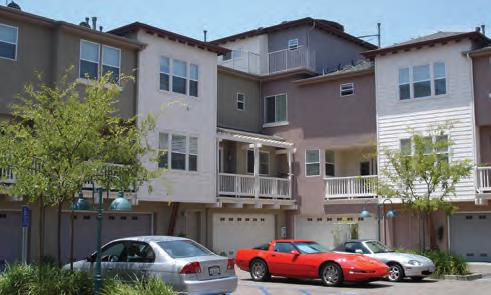
Image 20.225-2 Parking Locations
Residential parking courts should be located behind buildings and should be well landscaped.
(Ord. No. 2025-1568, § 2(Exh. B), 12-9-2025)
Section 20.225.050 - Mixed Use 2 Zone
Table 20.225-2
MU-2 Development Standards
The Mixed Use 2 (MU-2) Zone is intended to support mixed use integrated developments complementary in use to the MU-1 Zone. Development may be mixed vertically on separate floors of a building, or horizontally in separate buildings on a single site or adjacent parcels. Structured parking may be necessary to accommodate allowable densities, and shared parking arrangements may be allowed consistent with the nature of the mixed uses. To maintain a pedestrian scale and orientation, permitted uses on the ground floor are limited to retail and other active uses. The MU-2 Zone is intended to implement and is consistent with the High Density Residential (HDR) and Mixed Use 2 (MU2) land use designations of the General Plan.
A.
Physical Character. The physical environment is characterized by active pedestrian-oriented ground floor commercial, and office uses at the sidewalk. Housing may occur in upper floors or in portions of the building not adjacent to Rancho Santa Fe Road or San Marcos Boulevard.
B.
Building Form. Buildings are encouraged to be varied in size, forming a minimum streetwall of two (2) stories and a maximum of five (5) stories. Table 20.225-2 identifies applicable requirements for density, building height, FAR, streetwalls and other standards.
C.
Building Frontage and Active Use Requirements. Table 20.225-2 identifies building frontage types that are encouraged within the MU-2 Zone. Pedestrian-oriented ground floor uses are required for sixty percent (60%) of the building frontage along Secondary Streets, and facing public open spaces or plazas. Ground floor active uses permitted are identified in Table 20.225-6, and are encouraged along secondary side streets and corners intersecting with Primary Streets.
D.
Parking. Parking is provided through a combination of park-once/public parking, integrated private garages, and surface off-street spaces located behind buildings. Properties with frontages solely along Rancho Santa Fe Road shall have secondary street or alley-loaded vehicular access or off-site parking with on-street loading.
1.
Parking and loading access shall not be provided directly from Rancho Santa Fe Road.
E.
Drive-Through Services. Drive-through service facilities (e.g., restaurant take-out windows, automated teller machines, etc.) are not permitted, except those drive-through uses related to payment of parking fees.
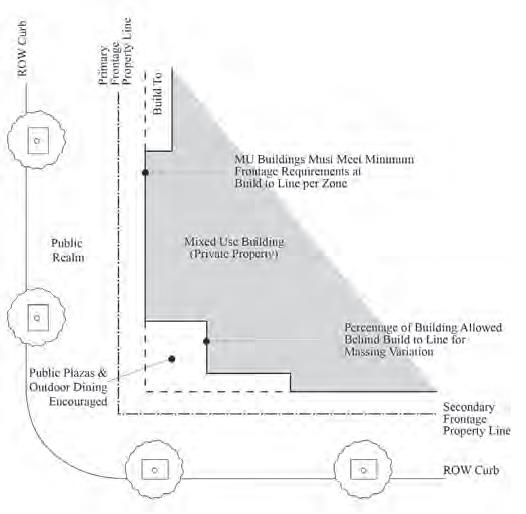
Figure 20.225-3 Build-To Line Diagram
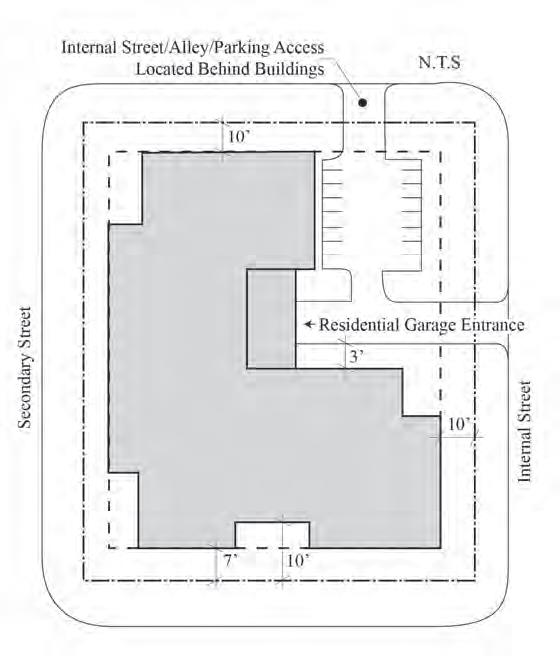
Figure 20.225-4 MU-2 Development Standard Diagram
Setbacks and build-to line standards are required in the identified locations.
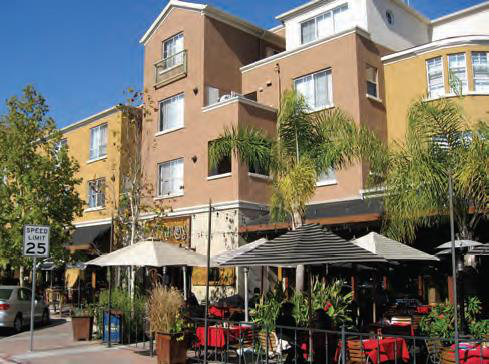
Image 20.225-3 Intensity
MU-2 is consistent with the character of MU-1 with a higher intensity for building
form and height permitted.
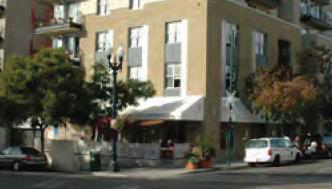
Image 20.225-4 Intensity
Pedestrian-oriented development with active ground floor uses and residential above
is encouraged.
Section 20.225.060 - Mixed Use 3 (SP) Zone
Table 20.225-3
MU-3 (SP) Development Standards
The Mixed Use 3 (MU-3 (SP)) Zone is intended to support a job-based mixed use area combining a variety of commercial and office uses integrated as a cohesive development. This business-oriented area shall be complementary to the MU-1 and MU-2 Zones; residential uses are not permitted in the MU-3 (SP) Zone.
This Zone promotes job opportunities in close proximity to existing facilities, transit, urban and suburban living. Typical uses include commercial retail, business services, administrative and office uses, institutional and government uses, business support and financial uses, restaurants and health care facilities. Horizontal and vertical mixed use is permitted. The MU-3 (SP) Zone is intended to implement and is consistent with the Mixed Use 2 (MU3)/SP land use designation of the General Plan.
A Specific Plan is required for all development and redevelopment within the MU-3 (SP) Zone. The standards of this section shall serve as a guide for the form, use and design of any MU-3 (SP) Specific Plan.
A.
Physical Character. The physical environment is characterized by commercial development suitable for integrated retail, office and business uses in pedestrian-oriented setting.
B.
Building Form. Buildings are located near the sidewalk or configured around open space. Buildings are varied in size, mixed use or single-use forming a minimum streetwall of two (2) stories and a maximum of four (4) stories. Table 20.225-3 identifies applicable requirements for density, building height, FAR, streetwalls and other standards.
C.
Building Frontage Requirements. Building shall be located at the minimum setback for eighty percent (80%) of the building frontage along public open spaces or plazas and as identified in Table 20.225-3.
D.
Parking. Parking is provided through a combination of integrated private garages, and surface off-street spaces located behind buildings. Parking shall be screened by building uses.
1.
No off-street parking shall be generally visible from a public ROW or park, excluding visibility from alleys.
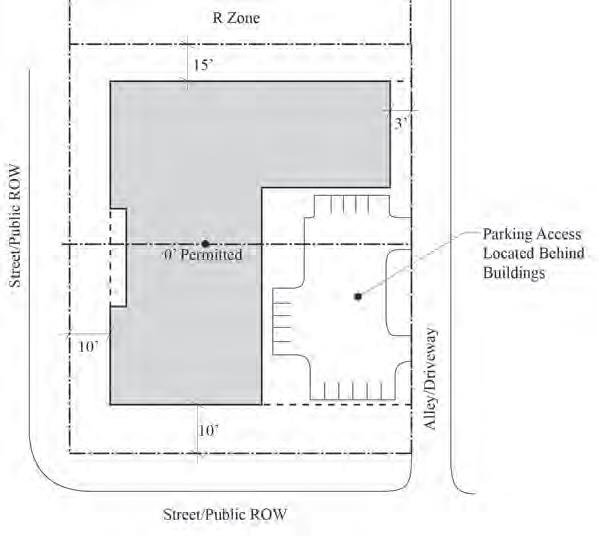
Figure 20.225-5 MU-3 (SP) Development Standard Diagram
Setbacks and build-to line standards are required in the identified locations.
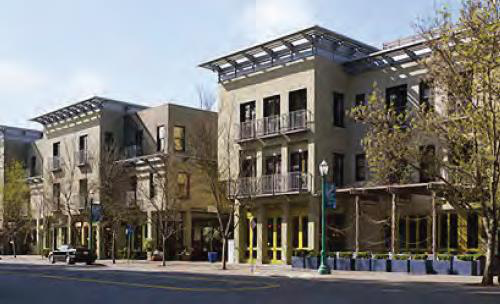
Image 20.225-5 Non-Residential
Non-residential mixed use development should support retail and business in a setting
compatible and complementary to the MU-1 Zone.
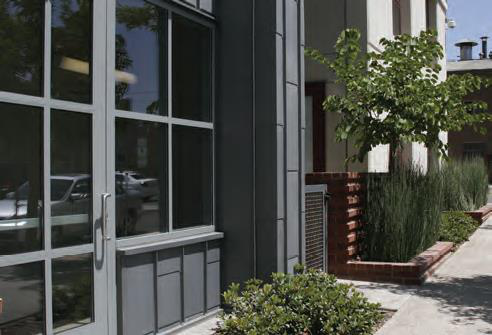
Image 20.225-6 Design
Materials, glazing, and relationship to the street should reinforce the pedestrian
orientated setting of the MU-3 Zone.
Section 20.225.070 - Mixed Use 4 (SP) Zone
Table 20.225-4
MU-4 (SP) Development Standards
The Mixed Use 4 (MU-4 (SP)) Zone is intended to support an industry-centric mixed use district integrating commercial, office, business park uses. This Zone shall be complementary to the MU-3 Zone. Horizontal and vertical mixed use is permitted; residential uses are not permitted. The MU-4 (SP) Zone is intended to implement and is consistent with the Mixed Use 4 (MU4)/SP land use designation of the General Plan.
A Specific Plan is required for all development and redevelopment within the MU-4 (SP) Zone. The standards of this section shall serve as a guide for the form, use and design of any MU-4 (SP) Zone Specific Plan.
A.
Physical Character. The physical environment is characterized by non-residential mixed use development suitable for integrated office, commercial, and business uses in a compact setting.
B.
Building Form. Buildings are located near the sidewalk or configured to facilitate transit, pedestrian, and automotive access. Buildings are varied in size, mixed use or single-use forming a minimum streetwall of two (2) stories and a maximum of four (4) stories. Table 20.225-4 identifies applicable requirements for density, building height, FAR, streetwalls and other standards.
C.
Building Frontage Requirements. Table 20.225-4 identifies building frontage types that are encouraged within the MU-4 (SP) Zone. Building shall be located at the minimum setback for sixty percent (60%) of the building frontage along secondary streets.
D.
Parking. Parking shall be screened by building uses. No off-street parking shall be generally visible from a public ROW or park, excluding visibility from alleys.
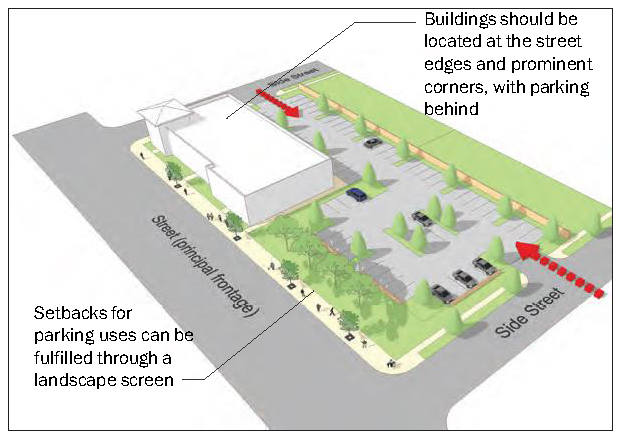
Figure 20.225-6 Parking Setbacks
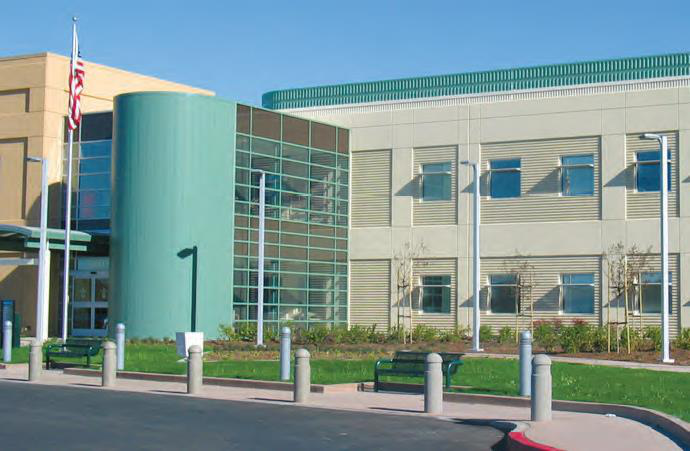
Image 20.225-7 MU-4 (SP) Character
Buildings are design for commercial and industrial use with a close building relationship
to the street.
Section 20.225.080 - Ground Floor Uses and the Pedestrian Realm
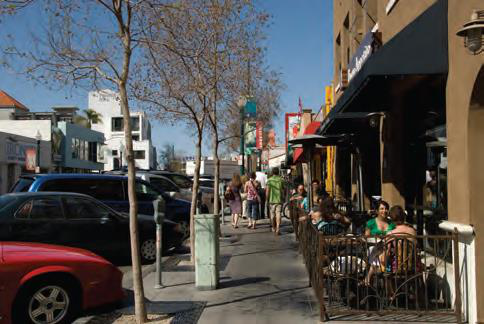
Image 20.225-9 Ground Floor Activation
Retail and active pedestrian uses on the ground floor contribute to a high-level of
pedestrian activity.
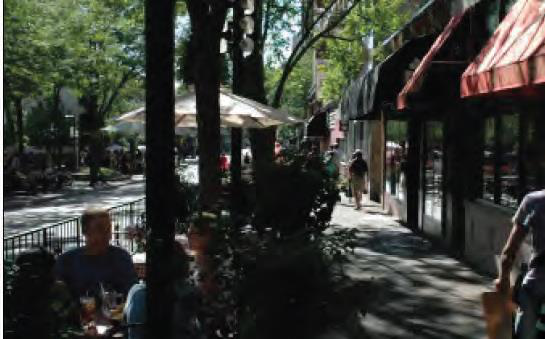
Image 20.225-10 Scaled Features
Outdoor dining, awnings and architectural features contribute to a human-scaled streetscape.
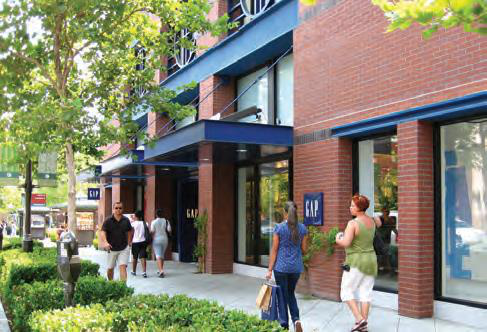
Image 20.225-11 Storefront Design
Windows, scale and street-adjacent location of storefronts promotes pedestrian activity.
Ground floor pedestrian-oriented uses are active land uses that facilitate a higher level of pedestrian traffic which activates the streetscape and promotes walkability in the mixed use area. Pedestrian-oriented uses are defined as uses accessible to the general public that generate walk-in pedestrian clientele and contribute to a high level of pedestrian activity in the public realm. Typical uses include retail shops, restaurants, outdoor dining areas, bars, theaters, performing arts, recreation and entertainment, personal and convenience services, lobbies, libraries, museums, galleries, and public plazas. Active uses may include building lobbies, residential amenities, and common spaces. Pedestrian-oriented (ground floor) uses are identified in Table 20.225-5.
A.
Required Ground Floor Uses. Ground floor pedestrian-oriented uses are required by Zone along primary streets, which are identified by Figure 20.225-1 (Regulating Plan). In locations where ground floor uses are not required, neighborhood retail and other active uses are encouraged at the ground-floor street frontage.
1.
Ground-floor floor-to-ceiling height shall be a minimum of fifteen (15) feet or taller to accommodate retail uses in all locations where ground floor uses are required.
2.
Each storefront bay shall contain an entrance. The primary entrance to each commercial space on the ground floor shall be located on the front facade along the street. If parking is located behind buildings, well-lit secondary rear entrance may also be provided.
3.
Architectural features such as canopies, awnings, lighting, and other design features should be incorporated into the ground floor to add human scale to the pedestrian experience.
B.
Storefront Design.
1.
Along primary streets (see Figure 20.225-1) floor elevation of the first floor/ground floor shall be level with the elevation of the adjacent sidewalk.
2.
Entrances to uses on ground and upper floors should open onto a public ROW. Entrance doors should be set back between one (1) to three (3) feet from the property line.
3.
A minimum of sixty percent (60%) of street facing facades along primary streets shall be composed of clear non-reflective glass that allows views of indoor space.
4.
Interior blinds, drapes, posters, signage, and interior shelving for product displays shall obscure no more than twenty-five percent (25%) of the transparent areas of each respective storefront.
5.
Maximum height of the bottom sill of required display windows shall not exceed thirty (30) inches above the adjacent sidewalk.
6.
Minimum head height for storefronts and windows at the ground floor shall be eighty (80) inches above the adjacent sidewalk.
C.
Pedestrian Realm. The "pedestrian realm" is the twelve (12)-foot area between the curb and the buildings. This area shall be continuous throughout the Mixed Use Zones to accommodate planting, a non-contiguous sidewalk, and outdoor seating or displays.
1.
The area between a property line along San Marcos Boulevard and the required setback line shall be established as a public sidewalk easement.
2.
Where new streets are created, they shall be planned for a ten (10) to twelve (12)-foot wide sidewalk, to accommodate planting, a non-contiguous sidewalk, and outdoor seating or displays.
3.
Above ground utilities in the public ROW or within the street frontage setback shall be prohibited, unless authorized by the Director.
D.
Vehicular Driveway Access and Curb Cuts. The Mixed Use Zones are intended to be walkable, with active uses on the ground floor and pedestrian-friendly streetscapes. Curb cuts for surface parking, parking structures, private garage access or delivery/loading, shall be well planned and limited in frequency.
1.
Curb cuts along San Marcos Boulevard are prohibited unless approved by the City Engineer for emergency access purposes.
2.
Vehicular driveway access or entries to parking structures are prohibited along frontages that require active, pedestrian-oriented uses.
3.
Developments with internal parking and/or structures/garages may be permitted one (1) curb cut for parking structure entry per block subject to site plan review.
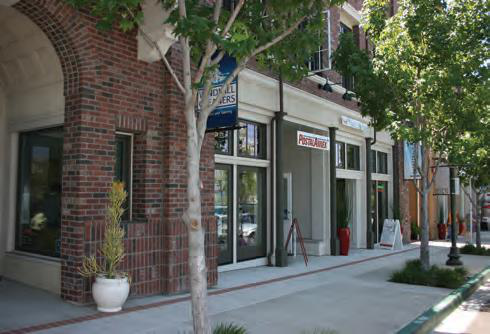
Image 20.225-12 Pedestrian Realm
The sidewalk area between back of curb and the setback line is the public realm and
should be designed for a comfortable pedestrian Experience.
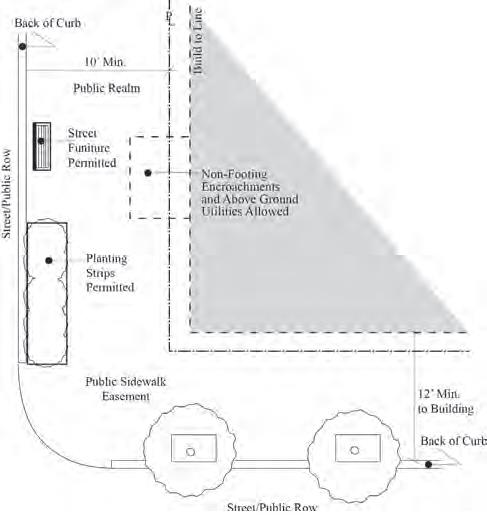
Figure 20.225-7 Pedestrian Realm
Section 20.225.090 - Building Form and Siting Standards
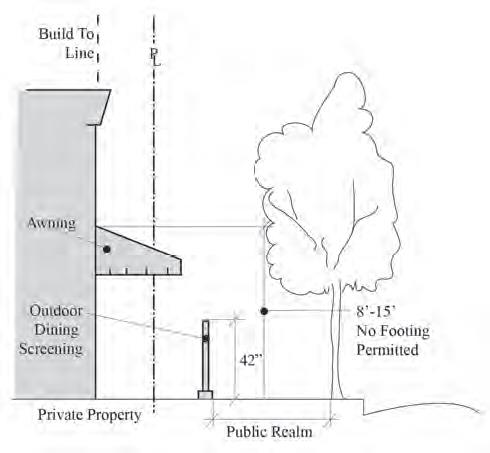
Figure 20.225-8 Setbacks and Encroachments
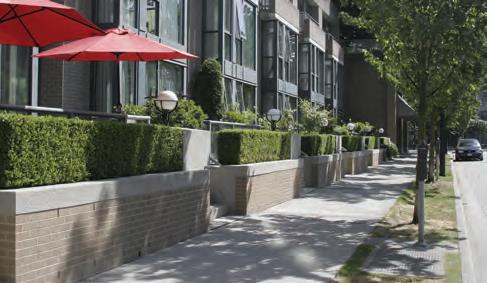
Image 20.225-13 Building Placement
Locate building along setback lines to have a strong relationship to the street. Individual
units or storefronts should be expressed whenever possible.
The siting of buildings plays a critical role in establishing the character and sense of place in the Mixed Use districts. In urban areas, buildings located at the street edge give spatial definition to the public realm, which is critical to supporting pedestrian activity. Spatial definition also establishes a visual connection between businesses on opposite sides of the street, provides a sense of enclosure, and is an important ingredient of a successful, active, pedestrian-oriented street. The following standards shall regulate the building form and design of all development within the Mixed Use Zones.
A.
Building Form and Transitions. The development standard table for each Zone regulates the intensity, building height and transitions between buildings to facilitate an urban form suitable to mixed use development. Specific Plans for MU-3 (SP) and MU-4 (SP) Zones shall not be permitted to alter these standards.
1.
Minimum lot sizes are established to ensure all development is usable and functional for long-term contribution to the Mixed Use Zones, and shall be designed and constructed in compliance with the regulations in Table 20.220-3.
2.
Additional building height, up to an additional fifteen (15) feet, may be permitted by the Director for special architectural features and roof line variation. Additional permitted height shall not exceed fifteen percent (15%) of the area of the building floor plate, and shall not create additional leasable/habitable space.
B.
Live-Work Unit. Live-work units shall have direct interior access between living and work spaces. Work space shall be limited to the first/ground floor and shall have a direct pedestrian entrance to the work space separate from the residential entrance.
C.
Treatment of Setbacks. Treatment of the ground plane private property within the setback may be either planting or a combination of planting and hardscape, and shall be well designed and well maintained.
1.
Setbacks should create a visual extension of the public realm, to enhance the quality of the pedestrian environment.
2.
To create visual interest, landscape treatment of setbacks should vary along a street.
3.
Landscaping, as well as pots or planters, may be provided along the building face, outside of the primary pedestrian path of travel.
4.
Adjacent to required pedestrian-oriented uses, setbacks with planting (in plants, pots, or in the ground), and outdoor dining are permitted. Greater setbacks are encouraged adjacent to retail, patios, and dining areas so elements such as trees, planting, and water features can be included.
5.
Arcades and colonnades may be used to satisfy setback requirements.
6.
Additional setbacks for entry plazas or courtyards, or to meet adjacent structure, may be permitted subject to Site Development Plan review.
D.
Outdoor Dining. Outdoor dining areas are not required to meet the building placement standards of the Zone. Site and building design are encouraged to incorporate areas for outdoor dining where a minimum of six (6) feet clear is provided between the dining area and the ROW back of curb. See Section 20.400.150 (Outdoor Dining) for additional standards.
E.
Encroachments. See Section 20.300.020.G (Permitted Encroachment Standards) for permitted projection standards relevant to Mixed Use Zones.
Section 20.225.100 - Streetwall Design and Building Frontage Types
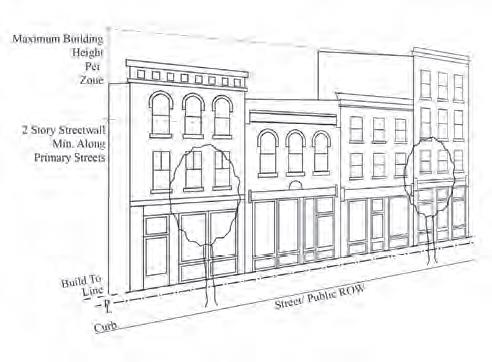
Figure 20.225-9 Streetwall Design
Streetwall design plays a critical role in establishing the character and sense of place within the Mixed Use Zones of San Marcos. In urban areas, buildings located at the street edge give spatial definition to the urban realm, and help to define a pleasant, walkable, pedestrian environment. The design of the streetwall is what humans experience most intimately when on the sidewalk and is the biggest contributor to district character.
A.
Streetwall Design. The streetwall of a building is the most visible component seen by pedestrians, bicyclists, and motorists. How the mass of the building "meets the street" should be well detailed.
1.
Buildings should maintain a generally consistent streetwall by locating the building edge along the build-to line, consistent with applicable Zone development standards.
2.
Buildings should face the street and be well articulated to add interest to the pedestrian realm, and create "eyes on the street." Elements such as windows, building entries, front doors, porches, balconies, patios, and stoops all help to break down the mass of a building, and add character to the pedestrian realm. Where courtyards, paseos, or greenways exist, the building faces should also address these spaces with windows, building entries, patios, etc.
3.
Monotonous stretches of uninterrupted building façades or "blank walls" are highly discouraged:
a.
The maximum width of a bay of blank wall, without a change in material or wall plane, shall not exceed twenty-five (25) feet.
b.
Where streetwall offsets are incorporated to promote variation along the street, two (2) to four (4)-foot offsets shall be used to make changes noticeable and to provide a significant shadow line. Incorporate varying materials and colors, massing, fenestration, storefronts, public art, or other well composed architectural elements with streetwall offsets
c.
Variation in the façade of mixed use buildings shall reinforce the building, massing, and material changes while providing a variety of solid and transparent surfaces.
4.
Building entrances shall be well designed and emphasized with changes in materials or variations in building planes. The streetwall should be designed to visually emphasize pedestrian connections, building entries, open space links, and any points where pedestrians can walk through a block.
5.
Where parking is planned, the streetwall should be composed of active uses that screen podium parking, parking structures, and parking lots.
B.
Building Frontages. The following building frontage standards underscore basic design principles that are intended to produce high quality buildings, memorable places, and a vibrant urban realm. They are not intended to be indicative of any style, but to encourage innovation and good urban form:
1.
Building Frontage Standards. Every building shall incorporate an allowed Frontage Type along the primary street frontage(s) and any facades adjacent to a public right-of-way, public open space such as a plaza, park, or paseo, or private open space. Allowable Frontage Types are identified in by the development standard table of the applicable Zone.
a.
Residential units should face the street with windows, front entry doors, porches, balconies, patios, and stoops. Rooms such as living rooms and dining rooms shall be oriented fronting toward the street and/or any adjacent private space. Service rooms and areas shall be oriented to the rear of the lot.
b.
Where courtyards, paseos, or greenways exist, residential units should address these spaces with windows, front doors, porches, and patios, and according to the standards in this Section.
c.
Storage, of any kind, on balconies shall be prohibited.
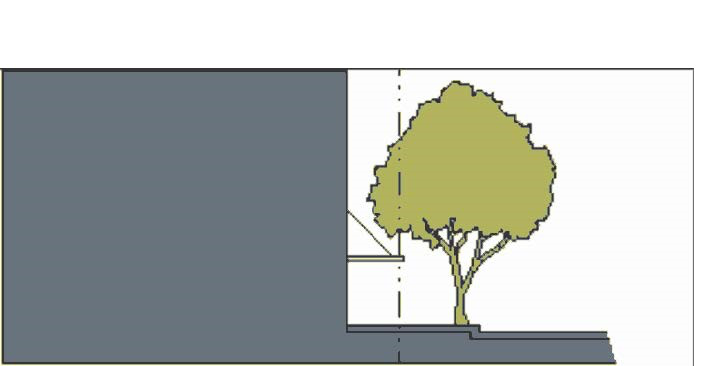
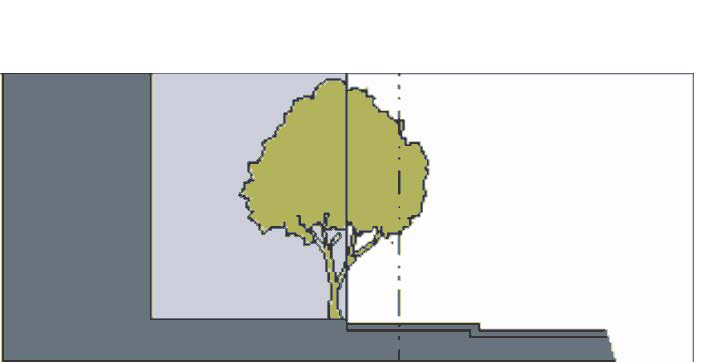
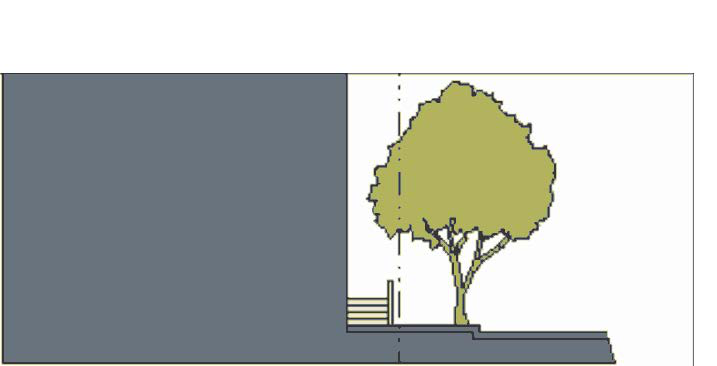
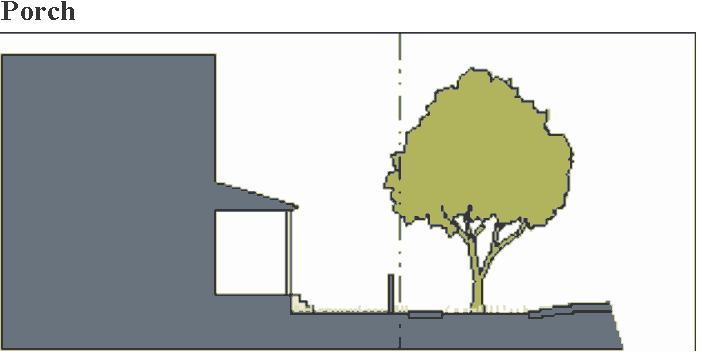
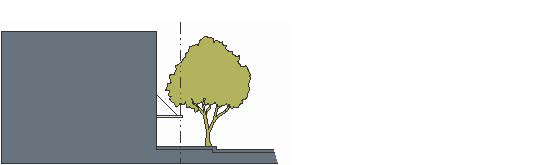
Figure 20.225-10 Storefront/Awning Diagram
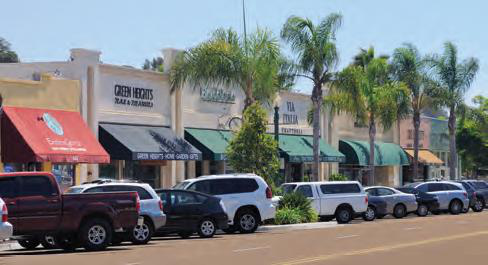
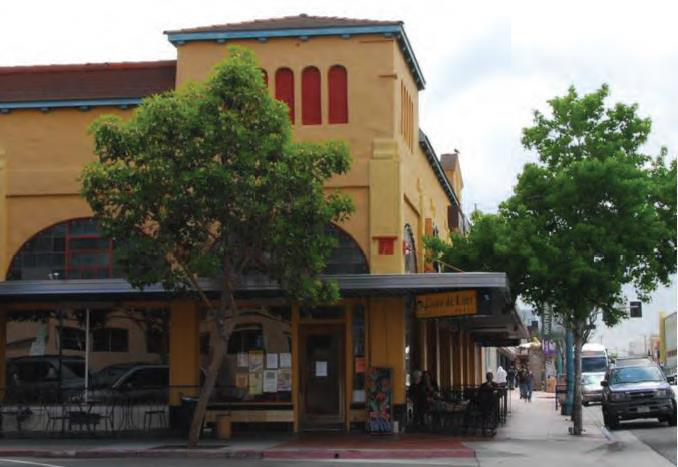
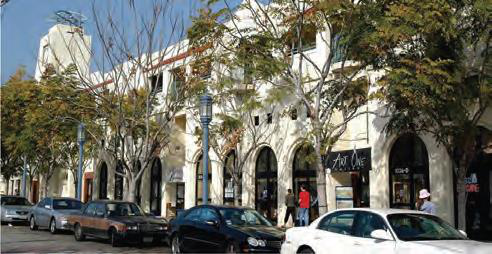
Image 20.225-14 A, B, C Storefront Conditions
Use of glazing, awnings, and individual storefront entrances reinforces the pedestrian-orientation
of the streetscape.
C.
Storefront/Awning. The main façade of the building is placed along the build-to line with the building entrance at the sidewalk grade. Facades facing the street will have substantial glazing and may include a canopy or awning element overhanging the ROW sidewalk; maximum overhang shall not exceed six (6) feet and shall not interfere with planting areas or lanes of travel. The canopy is a structural, cantilevered, shed roof and the awing is canvas or similar material and may be retractable.
This type of frontage is appropriate for ground-floor retail, commercial and live/work uses. The Storefront/Awning frontage type may be used in conjunction with the Forecourt frontage type to create building entries, provide additional glazing, and create variation in wall planes.
Live-work or shopkeeper units should be designed to appear like a commercial storefront, gallery, or urban light industrial compatible to the area it is most affiliated with in character.
D.
Forecourt. The main façade of the building is at or near the build-to line and a small percentage of the facade is setback, a maximum of twenty percent (20%) of street frontage, creating a small court space. The space is intended as an entry court or shared common area for retail or residential units. Planters, low garden walls or low hedges (not to exceed three (3) feet in height), are encouraged to provide a pedestrian-friendly environment and add character to the street edge.
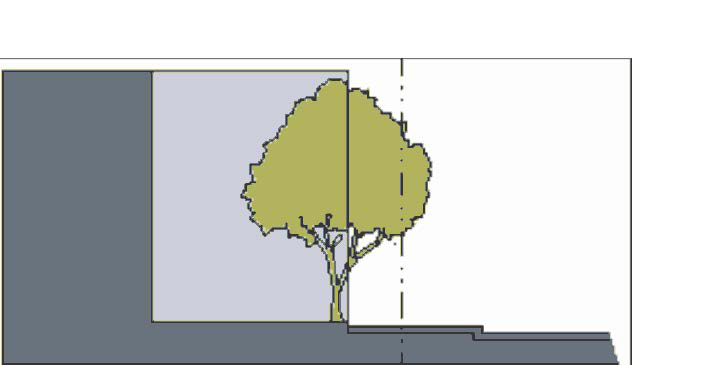
Figure 20.225-11 Forecourt Diagram
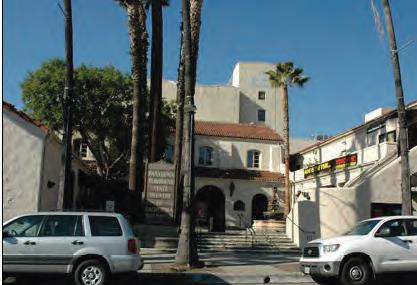
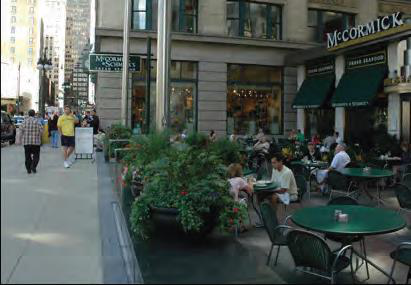
Image 20.225-15 A, B Forecourt Conditions
Forecourts provide variation in massing, increase opportunities for building and storefront
entrances, and provide areas for outdoor dining, events, kiosks and community spaces.
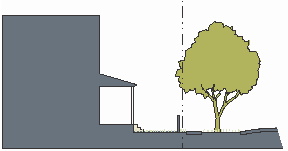
Figure 20.225-12 Porch or Patio Diagram
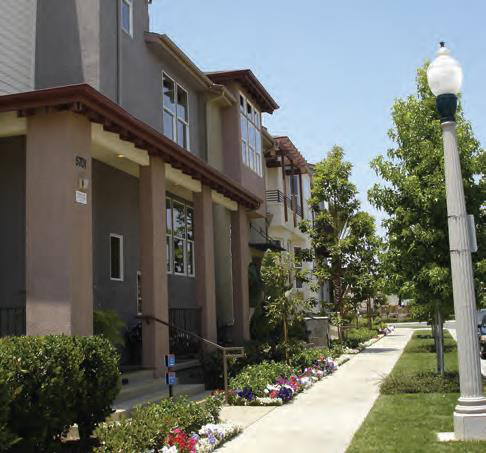
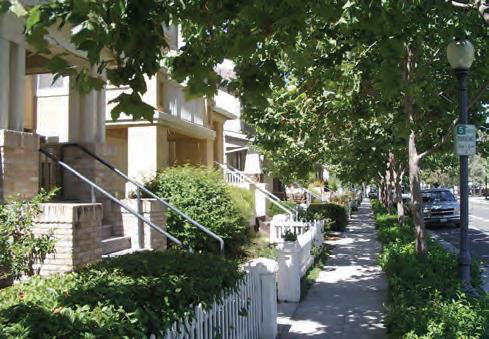
Image 20.225-16 A, B Porch or Patio Conditions
Increase the residential identify of a streetscape and provide separation of private
space from public space.
E.
Porch or Patio. The main façade of the building has a small setback from the build-to line. The resulting front yard is typically very small and can be defined by a fence, hedge, or low courtyard wall, not to exceed three (3) feet in height. The porch can encroach into the setback to the point that the porch extends to the build-to line. The porch can be one (1) or two (2) stories. Where a porch or patio is present, a minimum depth of six (6) feet clear is required, to ensure usability of the space. The design of patio walls should be well integrated into the overall architectural idea and utilize high quality materials. Translucent materials are encouraged to provide a lighter visual barrier between the public and private realm.
Non-residential development utilizing stairs for front entry access shall be in compliance with all ADA accessibility requirements.
F.
Stoop. The main façade of the building is near the build-to line and the elevated stoop addresses the sidewalk. The stoop should be elevated a minimum of twenty-four (24) inches above the sidewalk to ensure privacy within the building. The stairs from the stoop may lead directly to the sidewalk or may be side-loaded. The stoop shall have a minimum dimension of five feet in width and depth. This frontage type is appropriate for residential and live/work uses with minimal setbacks.
Non-residential development utilizing stairs for front entry access shall be in compliance with all ADA accessibility requirements.
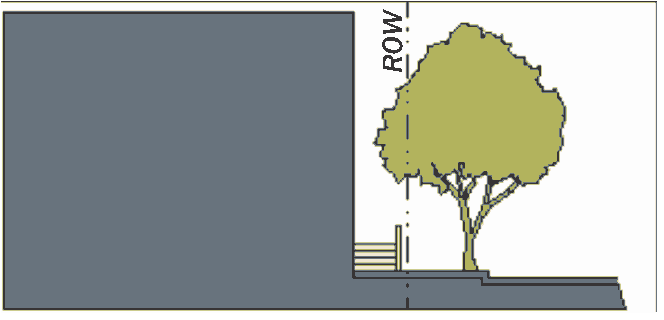
Figure 20.225-13 Stoop Diagram
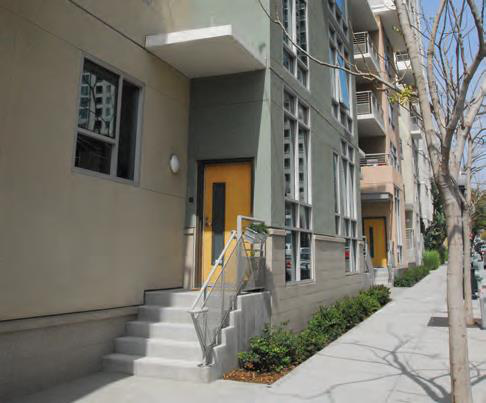
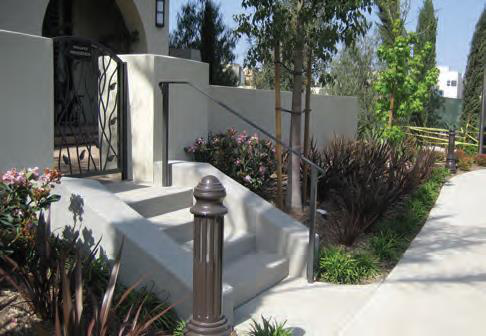
Image 20.225-17 A, B Stoop Conditions
Stoops also increase privacy with a clear delineation between private and public space;
very suitable for residential entries along secondary streets.
Section 20.225.110 - Allowable Mixed Use Land Uses and Permit Requirements
A.
Permit Requirements. Table 20.225-5 identifies the types of land use permits required to establish land uses in the MU-1 and MU-2 Zones consistent with this Zoning Ordinance.
1.
All proposed development projects within the Mixed Use Zones shall be subject to Site Development Review in conjunction with the permit requirements of Table 20.225-5.
B.
Mixed Use Land Uses. Any single parcel or building within the Mixed Use Zones may be permitted to include a single or multiple land uses subject to the permit requirements of the applicable Zone.
1.
Mixed Use property uses are not specified for the MU-3 (SP) and MU-4 (SP) Zones. Permitted land uses for MU-3 (SP) and MU-4 (SP) developments shall be established at the time of Specific Plan adoption. Land uses shall be limited to commercial and industrial uses and shall not include residential components or land uses.
C.
Ground Floor Use Requirements. Figure 20.225-1 identifies Primary, Secondary, and Tertiary Streets applicable to the Mixed Use Zones. In addition to setback requirements, the purpose of these street designations is to further encourage active ground floor land uses in specific areas to provide a vibrant, pedestrian-oriented experience. All buildings with frontage along a Primary or Secondary designated street shall contain ground floor uses identified in the "Ground Floor Use" column of Table 20.225-5. subject to the following minimum requirements.
1.
Along primary streets, eighty percent (80%) of the ground floor frontage shall contain "Ground Floor Uses."
2.
Along secondary streets, sixty percent (60%) of the ground floor frontage shall contain "Ground Floor Uses."
3.
The remainder of the ground floor frontage, and all upper stories, may contain any use subject to permit requirements identified in the "MU-1/MU-2" column of Table 20.225-5.
4.
Along tertiary streets a minimum ground floor use shall not apply.
D.
Restrictions on Floor Area. Business and Professional Offices shall not exceed twenty percent (20%) of the total gross floor area of any mixed use building without Director approval. This calculation and verification of consistency shall be part of Site Development Review and/or the Specific Plan process.
E.
Additional Use Regulations. In addition to the regulations, development standards, and provisions of this Chapter, all land uses are subject to the specific use standards identified in the "Additional Use Regulations" column of Table 20.225-5, refer to the referenced sections for additional operational standards and regulations applicable to the use.
F.
Prohibited Uses. When a use is not specifically listed, that use is prohibited. However, consistent with Section 20.205.030.C (Unlisted or Similar Compatible Uses), the Director shall have the authority to determine whether the proposed use shall be permitted or conditionally permitted based on the finding that the proposed use is similar to and no more detrimental than a particular use permitted in the Zone.
Table 20.225-5
MU-1 and MU-2 Zone Permitted Uses
Notes:
All land uses are subject to the following standards: Chapters 20.300 (Site Planning and General Development), 20.340 (Off-Street Parking and Loading), 20.320 (Signs on Private Property), 20.330 (Water Efficient Landscape Standards), 20.400 (Specific Use Standards). All uses, including, but not limited to, "P", "DP" and
"CUP" must pay applicable Public Facilities Fees and annex into all applicable Community
Facilities Districts.
2. ;hg;Business, including merchandising and sales, shall be conducted entirely within
an enclosed building.
3. ;hg;DP required for new uses within existing buildings and land use renewals; CUP
required for new land use establishment in a new building.
4. ;hg;Businesses where massage is performed as Massage, Accessory Use and Massage
Establishments are permitted in legal, non-conforming commercial shopping centers
when all persons performing massage services possess a current, valid and authentic
certificate issued by the California Massage Therapy Council. Unless otherwise expressly
exempt, all businesses where massage is performed as Massage, Accessory Use and Massage
Establishments shall be subject to Chapter 5.44 and Title 5 of this Municipal Code.
(Ord No. 2017-1443, 6-13-2017; Ord. No. 2021-1512, § 2(Exh. B), 1-11-2022; Ord. No. 2022-1527, § 2(Exh. A), 10-25-2022; Ord. No. 2025-1568, § 2(Exh. B), 12-9-2025)
Section 20.225.120 - Outdoor Space Standards
A.
Required. All new development in the MU-1 and MU-2 Zones is required to provide open space. Types of open space allowed include common outdoor open space, common indoor open space, and private open space subject to the standards of Tables 20.225-6 and 20.225-7.
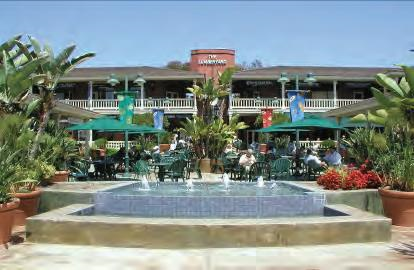
Image 20.225-18 Common Open Space
Common open space is required to provide residential amenities and emphasize open
space features throughout the community. Common open space can be provided in a range
of configurations, amenities and locations.
B.
Common Open Space. Table 20.225-6 shall regulate the required common open space as a percentage of the total project area for all projects in the MU-1 and MU-2 Zones.
1.
Each project shall provide common outdoor space at grade, podium, or roof level.
2.
Public open spaces directly accessible and visible from the public right-of-way are encouraged.
3.
All common outdoor open space areas shall be well designed. Common open space may include rooftop decks, court game areas, tot lots, swimming pools, landscaped areas, community gardens, and courtyards.
4.
Required street setback areas cannot be used to satisfy open space requirements.
C.
Indoor/Private Space. Projects including twenty-one (21) or more residential units shall provide the following:
1.
A community room, sized per Table 20.225-7, shall be located adjacent to and accessible from the common outdoor open space.
2.
The common indoor space shall be accessible through a common corridor and may include active or passive recreational facilities, meeting space, exercise rooms, computer stations, or other activity.
3.
Private open space may include a balcony, patio or roof terrace and shall be limited to access from the private unit.
D.
Configurations. Open space may assume a variety of different forms, but all open spaces should be expansive or uninterrupted, except for paseos or mid-block connections. Paseos or mid-block connections are encouraged throughout the mixed use areas, in order to provide pedestrian access from street frontages to mid-block parking, for expanding retail frontages, and to increase connectivity to open space, parks, or highlight special features.
Table 20.225-6
Common Outdoor Open Space Required as a Percentage of Project Area
Table 20.225-7
Common Indoor/Private Open Space Required
E.
Design Features. All open space, including parks, greenways, paseos, and mid-block connections, shall be well designed and well maintained, with a high quality hardscape material suitable and safe for pedestrian use, pedestrian lighting, and planting, either in the ground, or in planters.
F.
Alternatives. The Director may consider alternate configurations and amounts of open space on a project-specific basis, if such changes are consistent with the intent and goals of the Zoning Ordinance.
(Ord. No. 2025-1568, § 2(Exh. B), 12-9-2025)

