
New Castle City Zoning Code
CHAPTER 17
44 - HISTORIC PRESERVATION IN C-1 COMMERCIAL DISTRICT
17.44.010 - Objectives.
The preservation of buildings shall minimize intervention in the historic building fabric. In the treatment of a historic building, to the maximum extent feasible, preserve those features that remain in good condition.
(Ord. 2001-5 § 2 (part): prior code § 13-04-086 (A))
17.44.020 - Doors and windows.
A.
Intent. The character-defining features of historic windows and doors and their distinctive arrangement on a wall shall be preserved. In addition, new windows and doors shall be in character with the historic building. This is especially applicable on primary facades.
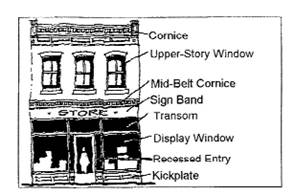
Figure 11—Some of the key features of a historic commercial building typically found in downtown.
B.
Design Standards.
1.
The size and shape of upper story windows shall be preserved.
2.
Transoms located above display windows shall be preserved.
(Ord. 2001-5 § 2 (part): prior code § 13-04-086(B))
17.44.030 - Architectural details.
A.
Intent. Architectural details that establish a historic building's distinct visual character shall be preserved to the maximum extent feasible. If architectural details are damaged beyond repair, their replacement, matching the original detailing, is required.
B.
Design Standards.
1.
The original ornament and detail of the façade, where existing, shall be preserved. (Example: Figure 11)
2.
The kickplate that is found below the display window shall be preserved.
(Ord. 2001-5 § 2 (part): prior code § 13-04-086(C))
17.44.040 - Materials and colors.
A.
Intent. Primary historic building materials shall be preserved in place to the maximum extent feasible. When the material is damaged, then limited replacement, which matches the original, shall be made. Primary historic building materials shall never be covered or subjected to harsh cleaning treatments.
B.
Design Standards.
1.
Original building materials and architectural features shall be preserved in place
to the maximum extent feasible.
Building materials and architectural features contribute significantly to the character
of a historic structure. The distinct characteristics of the primary building material
and features, including the scale of the material unit and its texture and finish,
shall be preserved.
2.
Deteriorated building materials and architectural features shall be repaired rather
than replaced, to the maximum extent feasible.
Original building materials or architectural features may be deteriorated. When deterioration
occurs, repair of the material and any other related problems shall be performed.
3.
Original building materials and architectural features that have deteriorated beyond
repair shall be replaced in kind.
Replacement shall occur only if the existing historic material cannot be reasonably
repaired. In the event replacement is necessary, the new material shall match that
being replaced in design, color, texture and other visual qualities.
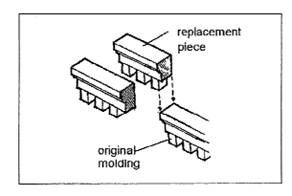
Figure 12—Original architectural features that have deteriorated beyond repair shall be replaced in kind.
4.
Synthetic or composite siding materials shall not be used to cover original building materials or features.
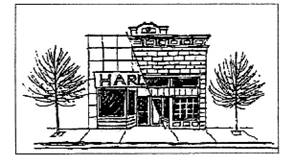
Figure 13—Synthetic siding materials should be removed to reveal original building materials or features to the maximum extent feasible.
5.
Traditional building elements shall be maintained in a manner that will preserve their integrity as character-defining features.
6.
Maintain the original size and shape of the storefront opening.
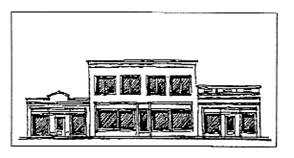
Figure 14—Maintain the original size and shape of the storefront opening.
7.
Maintain the storefront wall at the sidewalk edge for commercial storefront type buildings.
8.
Maintain recessed entries where they exist.
9.
Figures 15 through 20 are examples of buildings in the C-l commercial district of the town, which are to be followed and are incorporated as a part of this chapter for design standards.
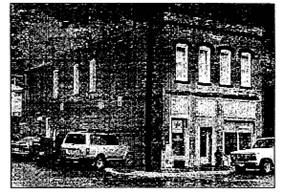
Figure 15—Two-story brick commercial flat roofed bldg. Style: 19th century commercial
(Italianate). Materials: Brick, Stone.
Odd Fellows Hall: 1890;
500 West Main Street
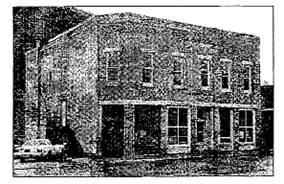
Figure 16—Two-story brick commercial flat roofed corner building. Style: 19th century
commercial. Materials: Brick, Stone, Wood.
Trimble Building: 1890;
303 West Main Street
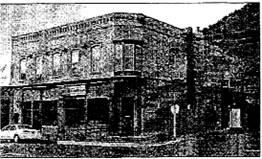
Figure 17—Two-story brick commercial flat-roofed corner bldg. Style: 19th century
comm. (Italianate). Materials: Brick, Stone.
Barry Block: 1893;
502 West Main Street
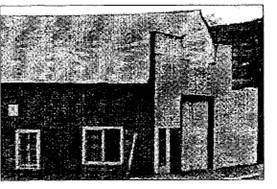
Figure 18—Wood frame, wood-sided, false front, gable- roofed commercial service building.
Style: Vernacular wood frame, false front. Materials: Wood, Brick, Adobe.
Livery Stable: 1890;
503 West Main Street
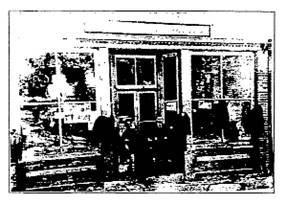
Figure 19—Recessed entry/door way
Ritter & MacRae Dry Goods: 1890;
239 West Main Street
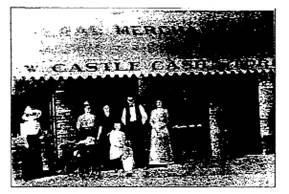
Figure 20—Canvas awning as historically used in the district. New Castle Cash Store:
1890; 500 West Main Street
10.
Figures 21 through 23 are examples by photographs of existing buildings in the C-1 commercial district of the town and other locations, which are considered as not in compliance with the standards for building renovation, remodel, or design and construction as set forth in this chapter for design standards.
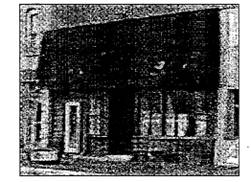
Figure 21—Features not in compliance:
• Mansard-type roof form
• Shingle siding
• Metal frame doors and windows
• Original siding or facing covered over
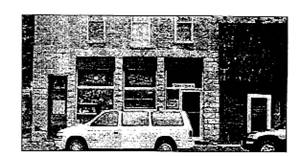
Figure 22—Features not in compliance:
• Metal frame doors and windows
• Recessed entry replaced with doors flush with front of building
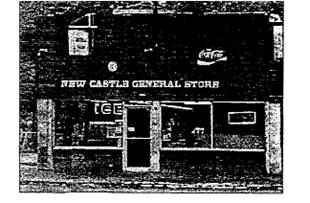
Figure 23—Features not in compliance:
• Metal frame doors and windows
• Transoms covered
• Upper-story windows covered
• Recessed entry replaced with doors flush with front of building
• Original siding and facing covered over
(Ord. 2001-5 § 2 (part): prior code § 13-04-086(D))

