
Millcreek City Zoning Code
18.47 CITY
CENTER OVERLAY ZONE CCOZ
18.47.010 Purpose
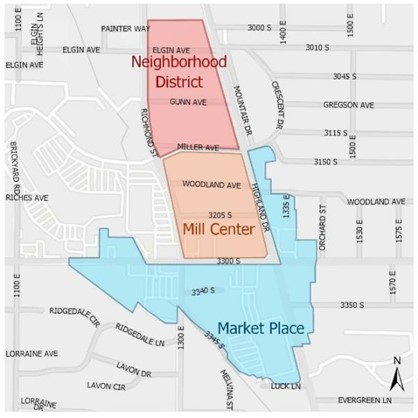
The purpose of the City Center Overlay Zone (CCOZ) is to supplement and modify the standards of the underlying zones to promote the creation of a walkable mixed use city center for Millcreek, and to implement the goals and objectives of the Millcreek City Center Master Plan. The City Center is located approximately between Highland Drive and 1300 East, and 3000 South and along 3300 South and as particularly set forth on the Figure 18.47.1 below and the official Millcreek Zoning Map. The CCOZ is intended to facilitate development that promotes quality growth, fosters harmonious development and outstanding design, increases property values, and creates new retail, residential, and other commercial opportunities.
Repealed & Reenacted by Ord. 25-12 on 4/28/2025
18.47.020 Applicability
This chapter applies to development and uses in the City Center Overlay Zone. Development in the City Center Overlay Zone may also be subject to the requirements set forth in MKZ 18.61, Sensitive Lands. In addition, the following standards apply:
- The use and development of property within CCOZ is also subject to other applicable chapters in the zoning ordinance and the regulations of the underlying zone except where specific regulations are provided in this chapter, including but not limited to applicable health and safety codes, building codes, and engineering standards.
- Standards in other chapters may apply. In the event there is language elsewhere in Title 18 of this code that conflicts with language in this chapter, the CCOZ standards prevail.
- Any new development, exterior remodeling covering more than 50 percent of the building, or building expansions exceeding 15 percent of the gross square footage of the existing building, shall conform to the CCOZ. Conformity shall not be required for maintenance, exterior painting, or interior remodeling of a building. New signs or sign replacements shall also comply with the CCOZ.
- The CCOZ area is composed of three districts: the Neighborhood, the Mill Center, and the Market Place. The CCOZ covers the area as set forth in Figure 18.47.1 City Center Overlay Zone Boundaries.
Figure 18.47.1, City Center Overlay Zone Boundaries
Repealed & Reenacted by Ord. 25-12 on 4/28/2025
18.47.030 Permitted Uses And Conditional Uses
- Permitted uses on any lot in the CCOZ shall be the permitted and conditional uses allowed in the C zone, with the addition of single purpose multiple-household dwellings in the Neighborhood District. Uses in the CCOZ are as determined by the Table 18.47-1 Permitted and Conditional Uses in CCOZ. If a use is not explicitly designated in the table, then the use is prohibited. An applicant seeking a Millcreek Business License may submit a Classification Request by following the procedure as set forth in MKZ 18.15.030 (J), to determine whether a proposed land use aligns with an existing land use listed in Table 18.47-1.
- Uses are subject to the use limitations as set forth in MKZ 18.47.040. Uses shall be located within one of the Building Types identified in this chapter.
- In addition to the uses listed below, any building that meets any one of the following criteria shall be approved using the City’s Conditional Use Process as set forth in MKZ 18.15.030 (A):
- Any proposed building with a total square footage greater than 25,000 square feet,
- Any proposed building with a ground story footprint greater than 15,000 square feet,
- Any proposed building with a height greater than thirty-six feet (36’), excluding height projection allowances as set forth in MKZ 18.72.040.
| Table 18.47-1 Permitted and Conditional Uses in CCOZ | |
| District | Uses |
| Neighborhood | • Dwelling, Multiple Household • Dwelling, Single Household - Attached • Mixed Use • Neighborhood Retail • Neighborhood Service • Office (limited to 2,500 square feet or less, unless the uses are in a building that is located within 200 feet of the corner of a neighborhood street and either Richmond Street or Highland Drive) • Commercial Entertainment (indoor only) • Temporary Uses |
| Mill Center | • Mixed use including residential on upper stories, • Office • Neighborhood or General Retail • Neighborhood or General Service • Commercial Entertainment (indoor only) • Public Uses • Quasi-Public Uses • Commercial Entertainment (indoor only) • Temporary Uses |
| Market Place | • Neighborhood or General Retail • Neighborhood or General Service • Office • Mixed Use • Commercial Entertainment (indoor only) • Temporary Uses |
Repealed & Reenacted by Ord. 25-12 on 4/28/2025
18.47.040 Prohibited Uses And Use Limitations
Certain use prohibitions or use limitations are listed in Table 18.47-2. Such use prohibitions or use limitations apply in addition to the general provision that uses not explicitly designated in the table are prohibited.
| Table 18.47-2 Prohibited Uses and Use Limitations in CCOZ | |
| Uses | Limitations |
| Automobile Service and Repair | Prohibited |
| Car Wash | Prohibited |
| Automobile, Equipment, or Recreational Vehicle Sales or Rental | Prohibited |
| Wireless Telecommunication Facilities | Must be a Wall-Mounted or Roof-Mounted Stealth Facility, subject to the standards set forth in MKZ 18.75, Wireless Telecommunication Facilities. |
| Sexually Oriented Business | Prohibited |
| Pawn Shop | Prohibited |
| Retail Tobacco Specialty Business | Prohibited |
| Residential Uses are permitted by district and within the building types specified in section MKZ 18.47.090, except that the gross floor area of any development located within 250 feet of the northwest corner of Highland Drive on 3300 South and the northeast corner of 1300 East on 3300 South shall contain no more than 25% of the building floor area as residential uses. The 250-foot distance measurement only applies to that same quadrant of the intersection. For the purposes of this chapter, leasing offices, lobbies, required parking, and any required residential amenity spaces are not considered commercial uses. | Shall include mixed uses on corners in the Neighborhood District, and 100% residential buildings are not allowed in the Mill Center and Market Place districts. Residential uses shall include amenities as set forth in MKZ 18.39, Residential Mixed Zone (RM). |
| Rooftop Gardens, Patios, and Amenity Space | Not allowed within 100 feet of a R-1 or R-2 zone boundary in the Neighborhood or Market Place districts, unless the rooftop garden, patio or amenity space is not located above the highest occupied story of a building or is obstructed from view from the zone boundary by at least 20 feet of occupied floor space. |
| Secondhand Store | Limited to a maximum of 2,500 square feet |
| Self-Storage Facility | Prohibited. Self-storage, for residents of the building, as part of and internal to a multiple-household dwelling or mixed use development is allowed, if located on an upper story. |
| Non-Depository Financial Institution | Prohibited |
| Drive-up Window | Not allowed for restaurant or food or beverage services uses in the Neighborhood District. Drive-up windows, order boxes, or access lanes are not allowed to front on Millcreek Common |
| Indoor or Outdoor Gun and Archery Range | Prohibited |
| Fireworks Sales | Prohibited |
| Structured parking, including parking garages and podium parking. | Not allowed to face any street unless wrapped with commercial or office uses on the first story, street facing facade. |
| Sidewalk Dining | Allowed on any street except for alleys and woonerfs, to within 5 feet of the curb |
| Restaurant and Retail uses facing Millcreek Common | Restaurants and retail are the only uses allowed on the first story facing Millcreek Common |
Repealed & Reenacted by Ord. 25-12 on 4/28/2025
18.47.050 Spatial Requirements
- The Tables and Figures in this section establish supplemental bulk and yard regulations for all buildings within CCOZ. These regulations modify and/or supersede any conflicting requirements found in the underlying zone.
- Building Heights - Minimum and maximum heights are as set forth in Table 18.47-3, CCOZ Height Requirements and Figure 18.47.2, CCOZ Building Height Areas.
- Any proposed development that overlaps a defined height line that represents a change in building heights, on the Official Planning and Zoning map, shall use the lower standard or may step up the building height as set forth in the Official Planning and Zoning map, at that height line.
18.47-3 CCOZ Height Requirements Height Requirements Location in Figure 18.47.2 Minimum Maximum East of Highland Drive, north of 3300 South Tan area 12 feet 26 feet North end of the Neighborhood District and south end of the Market Place Yellow area 12 feet 38 feet Various areas along Richmond, Highland near 3300 South, and along 3300 South. This area along Highland Drive is 75 feet wide, as measured from the west ROW line as of the adoption date of the ordinance. Light Orange areas 24 feet 50 feet Areas along Millcreek Common and on the north side of 3300 South, Highland Drive between Chambers Avenue and 3300 South. Dark Orange areas 40 feet 75 feet South Side of 3300 South near the 1300 East Intersection Dark Brown areas 48 feet 75 feet
Figure 18.47.2, CCOZ Building Height Areas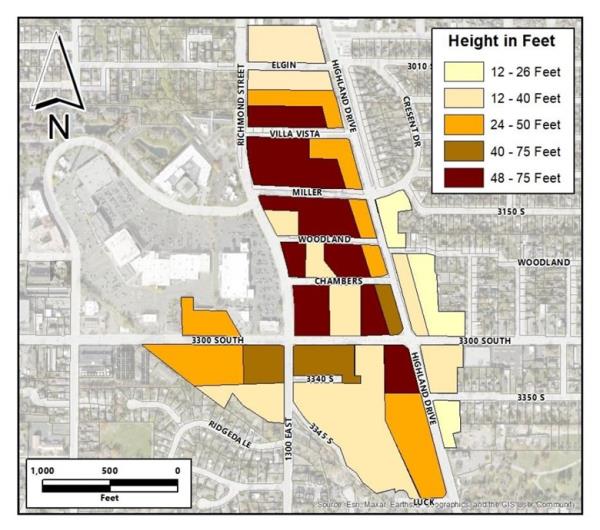
- Spatial Requirements are set forth in Table 18.47-4, CCOZ Spatial Requirements.
Table 18.47-4 CCOZ Spatial Requirements Spatial Requirement CCOZ Minimum Building Height Minimum building heights are described in Figure 18.47.2, CCOZ Building Height Areas and in this table. Maximum Building Height Varies by district . See Figure 18.47.2, CCOZ Building Height Areas. (2) Projections Roof structures for the housing of elevators, stairways, ventilating fans or similar equipment required to operate and maintain the building, and fire or parapet walls, skylights, shade structures (awnings, fabric roof coverings, wood and metal open frame structures, etc.), towers (where required by City ordinances), flagpoles, chimneys, stealth wireless or television installations, theater lofts, solar panels, may be erected above the height limits prescribed in this chapter, but no space above the height limit shall be allowed for the purpose of providing additional habitable floor space. No such structures except towers and solar panels, may be located nearer than 10 feet to edge of the building. The maximum increase in height for the above features shall be 14 feet. Height Transitions and Building Stepbacks Height transitions are required for buildings within 100 feet of an R-1 or R-2 zone. (1)(2)(3) Maximum Lot or Parcel Coverage 80 percent Minimum Lot or Parcel Coverage 50 percent Maximum Front Yard 10 feet, subject to the build-to-line standards established in this chapter. The front yard setback is measured from the ROW line, except in the case of a plaza abutting the street, where the setback is measured from the edge of the plaza furthest from the street. (3)(4) Off-Street Parking Not allowed between the front façade of the building and the curb on the street it fronts. Residential Density No maximum density is established. - Table 18.47-4, CCOZ Spatial Requirements Notes:
- For any development in CCOZ that is directly abutting an R-1 or R-2 zone, the maximum height for structures within 100 feet of the Residential Zone Boundary shall not exceed 30 feet, as measured from the property line abutting the residential zone. If the residential zone abuts the CCOZ at a property line, the setback is measured from that property line. Buildings may step up to the maximum height allowed after the 100-foot transition requirement has been met.
- Building Stepback requirements are set forth in MKZ 18.47.070 (H).
- For the purposes of this chapter, where setbacks are measured from a right-of-way (ROW) containing a fully improved sidewalk, setbacks from a right-of-way shall be measured from the edge of the sidewalk that is directly abutting the public right-of-way.
- Build-to-lines are defined as the line at which construction of a building façade is to occur on a lot or parcel, running parallel to the front property line, and ensuring a uniform or consistent façade line on the street. The flexibility provided in this Chapter is intended to allow for additional sidewalk space and façade variation, seating, for outdoor uses such as restaurants and to promote sidewalk dining.
Repealed & Reenacted by Ord. 25-12 on 4/28/2025
18.47.060 Design Standards
- Landscaping on Public Right-of-Way. Where a development directly abuts a public right-of-way, the development is required to install the street tree, curb, gutter, and sidewalk, pavement matching, streetlights, landscaped planters, and street furniture as set forth in the appropriate street cross section as shown in MKZ 18.47.060 (D) below. This landscaping does not count toward an open space requirement.
- Drive-up Windows as an Accessory Use for Non-Depository Financial Institutions and Eating and Drinking Establishments are permitted as an accessory use in CCOZ, except that Drive-up Windows associated with Eating and Drinking Establishments are not allowed in the Mill Center District and the Neighborhood District. Existing Drive-up windows for Eating and Drinking Establishments in the Mill Center District continue to be a nonconforming use and are regulated pursuant to the standards of MKZ 18.60, Nonconformities. Drive-up Windows are permitted, subject to the following standards, and as illustrated in Figure 18.47.3
- Drive-up windows shall include a canopy or roof that is architecturally integrated and attached to the building and that mirrors the roof form of the primary building.
- Drive-up windows are not permitted on facades that face a right‐of‐way unless existing site or access conditions prohibit a drive through window on a façade that does not face a right‐of‐way.
- In situations where a drive-up window is required on a street facing façade, the building shall incorporate a five‐foot wide landscaped buffer, either sloped to a three foot (3’) tall retaining wall or a minimum three foot (3’) hedge, between the drive‐up lane and the adjacent parking or right‐of‐way.
Figure 18.47.3, Drive -Up Window Requirements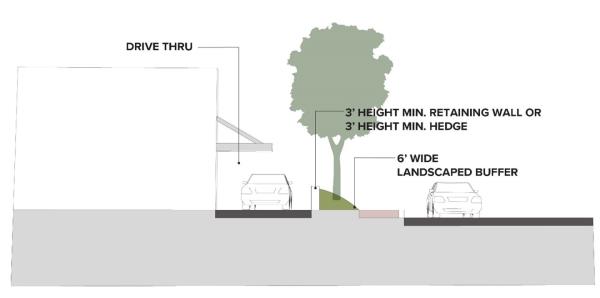
- Requirements for Residential Uses. Except as provided by the standards in this chapter, requirements for any residential use established in CCOZ shall comply with the requirements as set forth in MKZ 18.41, Residential Mixed Zone (RM).
- Street Types. The seven street types identified below are intended to create a specific identity for the City Center District. All public sidewalks shall be colored a consistent color with complimentary accent colors at intersections and mid-block crossings. Exact dimensions and requirements, including sidewalk color and patterns, are subject to approval by Millcreek. For the purposes of this section, where a conflict exists between the streetscape figures and the table requirements for each street type, the requirements in the table shall be interpreted as the standard.
- Highland Drive. Highland Drive serves as the primary eastern collector throughout the district. This street section is characterized by narrow travel lanes, dedicated bike lanes, on-street parking where feasible, generous sidewalks, and curb bulb outs at intersections for traffic calming. The intent is to slow traffic through the district, accommodate all modes of travel and focus on pedestrian connectivity. The typical cross-section for Highland Drive is depicted in Figure 18.47.4 and in Table 18.47-5.
Figure 18.47.4, Typical Cross Section for Highland Drive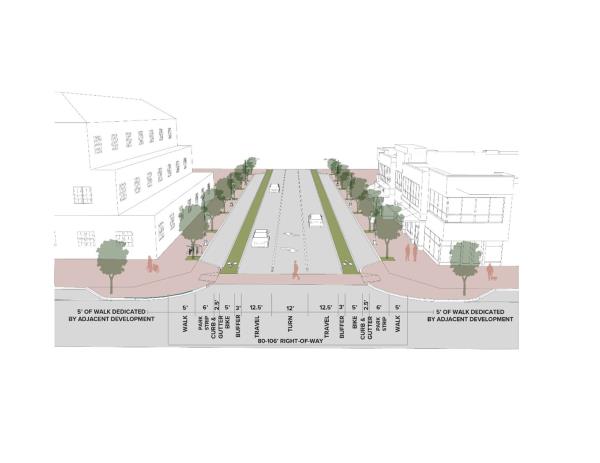
Table 18.47-5 Highland Drive Streetscape Requirements Streetscape Element Requirement Vehicular Zone ROW Width 67 feet Travel Lanes 2 lanes Center Turn Lane 1 lane Lane Width 10.5 feet Center Median Permitted mid-block and low turn demand areas Parking Lanes 7.5 feet On-street parallel required on each side Bicycle Lane 5-foot dedicated bike lanes each side using green thermoplastic or colored concrete Pedestrian Zone Walkways 10-foot minimum attached colored concrete sidewalk on each side with complementary enhanced paving at intersections and mid-block pedestrian crossings (5 feet within ROW, 5 feet dedicated by property owner) Street Buffer Trees in grates within the 10-foot walkway dimension noted above Furnishings Bike racks, seating, lighting, planters Outdoor Dining Outdoor dining & seating areas may include pergolas and/or shade structures that are no taller than 12’ and are permanently installed with footing/foundations. - Richmond/1300 East Boulevard. A minimum of two lanes in each direction with a median turning lane, punctuated with landscaped medians in areas not needing left turns, these streets are envisioned as grand boulevards. The typical cross-section for Richmond/1300 East Boulevard is depicted in Figure 18.47.5 and in Table 18.47-6.
Figure 18.47.5, Typical Cross Section for Richmond/1300 East Boulevard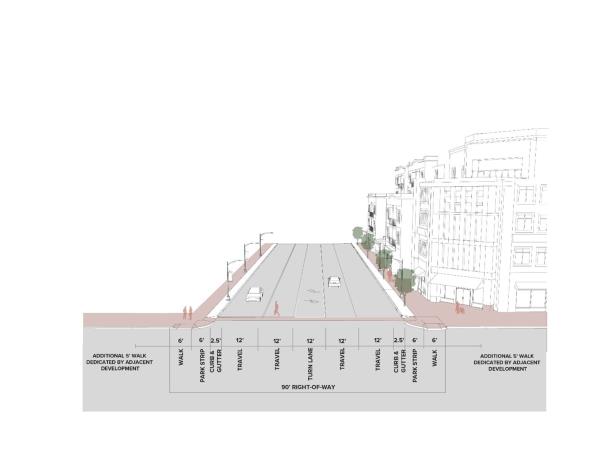
Table 18.47-6 Richmond/1300 East Boulevard Streetscape Requirements Streetscape Element Requirement Vehicular Zone ROW Width 90 feet Travel Lanes 4 lanes Center Turn Lane 1 lane, 12 feet wide Lane Width Permitted except at intersections, 12 feet Center Median No parking on street Parking Lanes 5-foot protected bike lanes each side, using green thermoplastic or colored concrete Pedestrian Zone Walkways 5-foot minimum attached colored concrete sidewalk on each side with complementary enhanced paving at intersections and mid-block pedestrian crossings (5 feet within ROW, 5 feet dedicated by property owner which can be dedicated to City or provided through a public pedestrian easement and can encroach on the setback) Street Buffer 6-foot park strip xeriscape with trees Furnishings Bike racks, bus shelters, lighting - 3300 South Boulevard. This street is controlled by UDOT but plays an important role in the recognition of the City Center and the flow of major volumes of traffic in an east/west direction. To facilitate mobility with the City Center area, protected bike lanes are recommended to create better connections between Highland and Richmond streets. The typical cross-section for Highland Drive is depicted in Figure 18.47.6 and in Table 18.47-7.
Figure 18.47.6, Typical Cross Section for 3300 South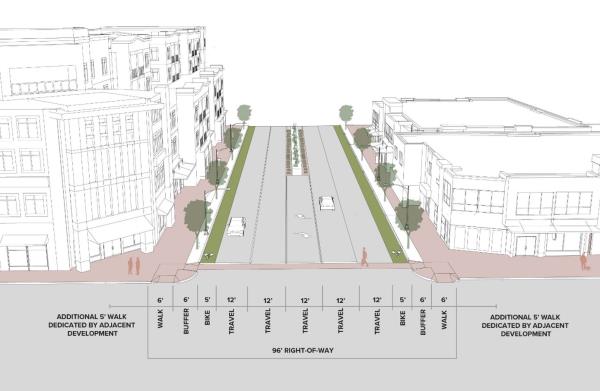
Table 18.47-7 3300 South Boulevard Streetscape Requirements Streetscape Element Requirement Vehicular Zone ROW Width 96 feet Travel Lanes 4 lanes Center Turn Lane None Lane Width 12 feet Center Median Permitted except at intersections, 12 feet Parking Lanes No parking on street Pedestrian Zone Walkways 6-foot minimum attached colored concrete sidewalk on each side with complementary enhanced paving at intersections and mid-block pedestrian crossings (5 feet within ROW, 5 feet dedicated by property owner which can be dedicated to City or provided through a public pedestrian easement and can encroach on the setback) Street Buffer 6-foot park strip xeriscape with trees Furnishings Bike racks, bus shelters, lighting - Neighborhood Streets. Connecting neighborhood streets include all streets that run east and west between Highland and Richmond Street/1300 East through the City Center. These streets are characterized by narrower right-of-way widths with similar goals of accommodating all modes of local traffic. The typical cross-section for neighborhood streets is depicted in Figure 18.47.7 and in Table 18.47-8.
Figure 18.47.7, Typical Cross Section for a Neighborhood Street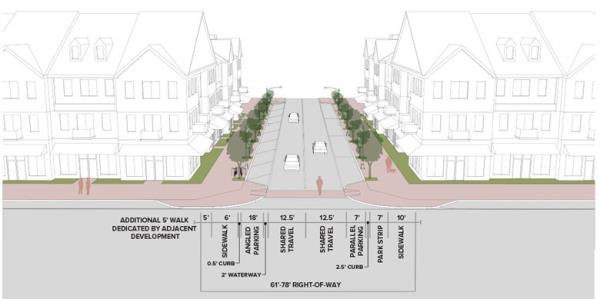
Table 18.47-8 Neighborhood Streetscape Requirements Streetscape Element Requirement Vehicular Zone ROW Width 61 feet to 80 feet Travel Lanes 2 Center Turn Lane None Lane Width 12 feet Center Median Not permitted Parking Lanes 8.5 feet on-street parallel, 18 feet for angled head in, or head out on each side, depending on ROW Bicycle Lane Shared with travel lanes Pedestrian Zone Walkways 5-foot minimum attached sidewalk on each side Street Buffer 6-foot minimum landscape area with trees Furnishings Bike racks, seating, lighting, planters - Millcreek Common Street and Frontage. If vehicular access and parking is provided between any building and Millcreek Common, it must meet the requirements as set forth in Figure 18.47.8 and in Table 18.47-9.
Figure 18.47.8, Typical Cross Section for Millcreek Common Street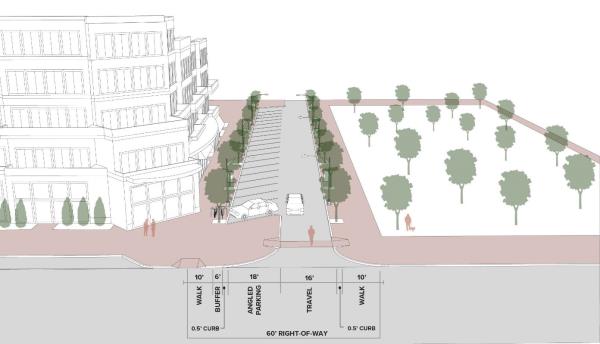
Table 18.47-9 Millcreek Common Streetscape Requirements Streetscape Element Requirement Vehicular Zone ROW Width Varies Travel Lanes 1 Center Turn Lane None Lane Width 16 feet Center Median Not permitted Parking Lanes 8.5 feet On-street parallel parking, both sides – or angled on the building side Bicycle Lane Shared with travel lanes Pedestrian Zone Walkways 10-foot minimum outside edge, 5 feet inside edge Street Buffer 6 feet minimum landscape area, with trees Furnishings Bike racks, seating, lighting, planters, sculptures - Laneway. Laneways are to be used as access to parking, rear loaded buildings, loading and delivery areas, services areas for refuse and utilities at the rear of lots, and as connectors for pedestrians. Laneways are intended to provide shared vehicular access to the rear of buildings that allows the front façade to remain tied to the pedestrian realm. The typical cross-section for a laneway is depicted in Figure 18.47.9 and in Table 18.47-10.
Figure 18.47.9, Typical Cross Section for Laneway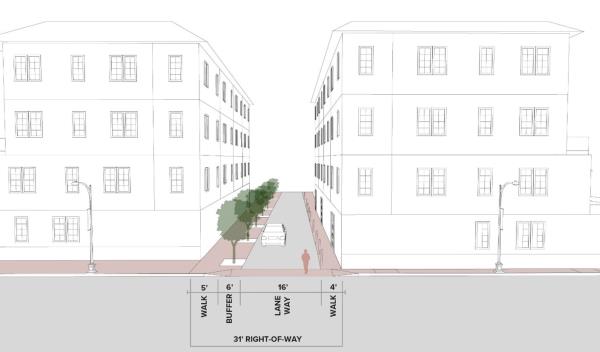
Table 18.47-10 Laneway Streetscape Requirements Streetscape Element Requirement Vehicular Zone ROW Width 30 feet (one way) Travel Lanes 1 Center Turn Lane None Lane Width 16 feet (one-way) Center Median Not permitted Parking Lanes Not permitted Bicycle Lane Shared Pedestrian Zone - shared Walkways 5 feet one side, 4 feet other side Street Buffer 6 feet with tree grates and trees tied to 5-foot walkway, and breakable bollards on 4-foot walkway edge Furnishings None - Woonerf. A shared street promoting for pedestrian and bicycle use over vehicle use but in an undefined manner. No curbs and weaving vehicular ways, punctuated by landscaped islands, help to create a street that is open for all users but in a very low speed, safe, environment. The typical cross-section for a woonerf is depicted in Figure 18.47.10 and in Table 18.47-11.
Figure 18.47.10, Typical Cross Section for Woonerf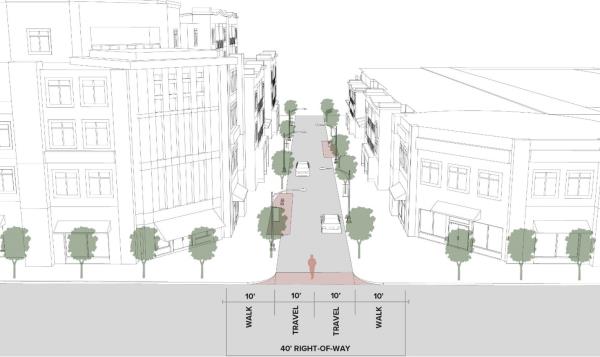
Table 18.47-11 Woonerf Streetscape Requirements Streetscape Element Requirement Vehicular Zone ROW Width 40 feet (two way) Travel Lanes 2 but unmarked other than by pavement distinction Center Turn Lane None Lane Width 10 feet Center Median Not permitted Parking Lanes One side and purposefully restricts traffic flow to one lane Bicycle Lane Shared Pedestrian Zone - shared Walkways 10 feet Street Buffer Regular spaced landscaped islands, with trees Furnishings Seating within the islands
- Highland Drive. Highland Drive serves as the primary eastern collector throughout the district. This street section is characterized by narrow travel lanes, dedicated bike lanes, on-street parking where feasible, generous sidewalks, and curb bulb outs at intersections for traffic calming. The intent is to slow traffic through the district, accommodate all modes of travel and focus on pedestrian connectivity. The typical cross-section for Highland Drive is depicted in Figure 18.47.4 and in Table 18.47-5.
Repealed & Reenacted by Ord. 25-12 on 4/28/2025
Amended by Ord. 26-52 on 7/27/2026
18.47.070 Site Standards
- Corner Lots or Parcels. Corner lots or parcels are deemed to have two front yards. Building corners that face street intersections shall be angled, rounded, setback or otherwise designed to soften the intersection of the perpendicular building facades to ensure vision clearance and create a public space. A corner plaza is required for all street intersections except for internal/mid-block intersections on Neighborhood streets and for laneways and woonerfs, as illustrated in Figure 18.47.11. Mixed Use buildings located on a corner lot or parcel in the Neighborhood District must provide the required minimum first story non-residential uses for one of the two street-facing facades. Streets that require a plaza shall design a minimum of 20 feet wide 15 feet deep usable public plaza space and shall include provisions for shade and protection from inclement weather and seating. For sale art sculpture(s) are encouraged.
Figure 18.47.11, Corner Plaza Illustration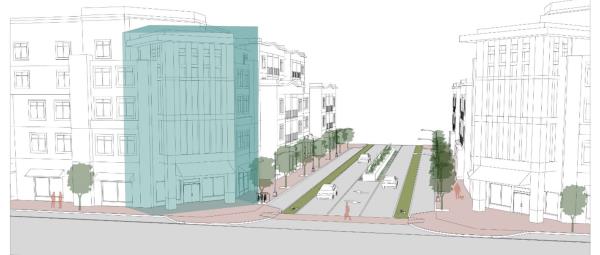
- Front Yard Setback and Build-to-Line. The front yard setback is the build-to-line within 300 feet of all public street intersections within the CCOZ boundary. At least 50 percent of the front elevation of the building(s) must be within 10 feet of the build-to-line, except for the corners specified above. A build-to-line is defined as the line at which construction of a building façade is to occur in a lot or parcel, running parallel to the front property, and ensuring a uniform building facade line on the street.
- Parking requirements are as set forth in MKZ 18.63, Parking and Mobility Standards, except that commercial/ retail, service uses, and office uses shall provide a minimum of 3 parking spaces per 1,000 square feet.
Figure 18.47.12, Typical Off Street Parking Locations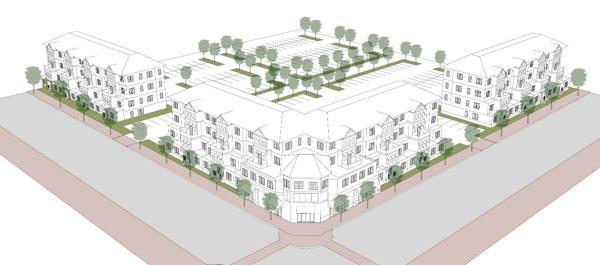
- All off-street and structured/garage parking shall be located to the side or rear of the building to preserve street facing facades for transparency and pedestrian activity, as illustrated in Figure 18.47.12. Structured parking that faces a street shall be wrapped with commercial or office uses. Surface parking lots are not allowed if visible from the adjacent street.
- On-street parking, located on the same side of the street in front of the building housing the businesses, in the form of parallel or angled spaces can account for up to two-thirds of the required commercial, retail, or office parking.
- Bicycle Parking requirements are as set forth in MKZ 18.64, Parking and Mobility Standards.
- Building Length and Facades.
- No new building elevation may exceed 100 feet in length without at least a three-foot (3’) variation in the depth of the façade along the public right-of-way and a two-foot (2’) variation on other facades.
- Residential unit balconies shall not be interpreted to meet this requirement. No single building shall exceed 250 feet in length.
- A separation of a minimum of ten feet is required, which creates a passageway to interior spaces. Such passageways shall be lit, provide a safe pedestrian space and include vegetation in boxes every 30 feet of length.
- As a minimum, building facades shall provide pedestrian plazas every 150 feet of building length to break up long building façades along public rights-of-way.
- The top story of a building shall have architectural differentiation from the other stories of the building and rooflines shall vary every 100 feet, at a minimum.
- For first story uses in the mixed use building type, the appearance of small shops/storefronts with variation in the first story façade every 30 feet is required.
- Building Stepbacks.
- Building Stepbacks along Streets and Property Frontages: For any building or development that is over 40 feet in height or located on properties fronting on the Millcreek Common, 3300 South, Richmond and/or with frontage on Highland Drive, a 20-foot stepback of the building façade, facing any street, is required between the top of the first story and the top of the third story and upper stories. This building stepback shall incorporate one of the two stepback variations:
- A segmented stepback, such as, a 10-foot initial stepback between the first and second stories followed by an additional 10-foot stepback between the second and third stories as depicted in Figure 18.47.13, or;
- A full stepback of 20 feet between the first and third stories, that is utilized as a usable space for building tenants or businesses occupying the building, as depicted in Figure 18.47.14.
- Building Stepbacks along Side and Rear Property Lines: For any building over 40 feet in height, the following building stepbacks apply:
- Rear Property Line. A five-foot (5’) stepback along a façade facing the rear property line is required between the top of the first story and the top of the third story and upper stories. Building setbacks greater than 15 feet in depth from a rear property line are not required to provide a five-foot (5’) building stepback.
- Side Property Line. 10-foot stepback along a façade facing a side property line is required between the top of the first story and the top of the third story and upper stories. Building setbacks greater than 15 feet in depth from a side property line are not required to provide a 10-foot building stepback.
- Stepback Exceptions:
- Exception for Buildings with Corner Plazas. For buildings on corners where a corner plaza is required by MKZ 18.47.070 (A), facades within 30 feet of the edge of the corner plaza are not required to include a building stepback.
- Exception for Commercial Single-Purpose Buildings. Commercial single-purpose buildings are exempt from Stepbacks along Streets and Property Frontages so long as the proposed building is no greater in length than one hundred feet, no greater in depth than eighty feet, has a ground story footprint that is eight-thousand square feet or less, is no greater than 40 feet in building height, and the following additional design standards are met:
- For street-facing building facades, exterior building materials used shall consist of a minimum of 75 percent brick or stone excluding windows, and 25 percent of the exterior building materials may consist of composite materials, or other materials of similar quality, hardiness, and low maintenance characteristics excluding windows. Stucco and EIFS are prohibited for use as materials on any façade visible from a right-of-way.
- First story and ground stories shall be at least 12 feet in height.
- Buildings must have a minimum of at least one entrance to the first story and shall front on the street. Entrance locations fronting the street shall be further articulated by a change in composition materials, color, texture, or pattern, and shall be recessed or projected.
Figure 18.47.13, Segmented Building Stepbacks and Setbacks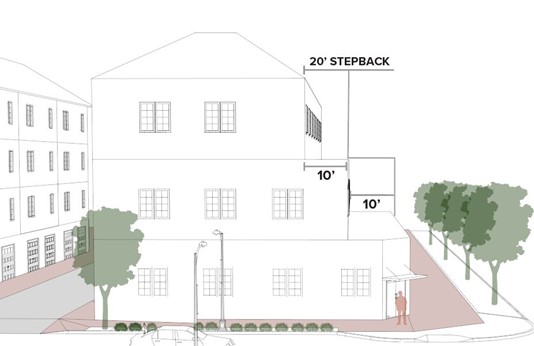
Figure 18.47.14, Full Building Stepbacks and Setbacks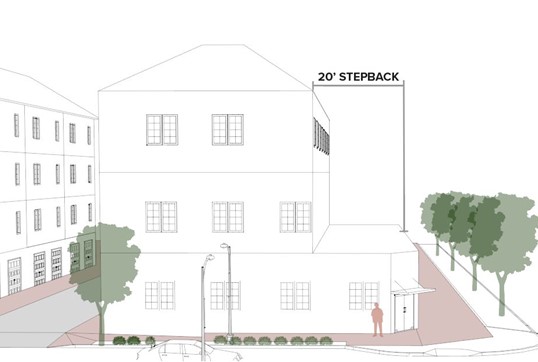
- Building Stepbacks along Streets and Property Frontages: For any building or development that is over 40 feet in height or located on properties fronting on the Millcreek Common, 3300 South, Richmond and/or with frontage on Highland Drive, a 20-foot stepback of the building façade, facing any street, is required between the top of the first story and the top of the third story and upper stories. This building stepback shall incorporate one of the two stepback variations:
- Open Space and Plazas.
- For all development that includes residential uses, the open space requirement is 20 percent of the site.
- This open space requirement shall be fulfilled through rooftops, terraces for general resident use, plazas, and pocket parks.
- The required common open space shall be for general use by the residents of the building and/or the public and be usable land areas that are not occupied by buildings, dwellings, structures, parking areas, streets, public park strips, curb-gutter-sidewalk, driveways, or alleys and shall be accessible by all residents of the development.
- For the purposes of this chapter, gross site area is defined as the total area of the development excluding anything in the public right-of-way.
- For development or redevelopment involving sites that are one acre in size or greater, at least 40 percent of required open space must be in the form of a plaza that is located at the front, corner or side of the building, and open and accessible to the public at all times.
- The following requirements must be met, generally as illustrated in Figure 18.47.15:
- At least 80 percent of the plaza’s perimeter that does not front on vehicular right- of-way shall be lined by building frontages.
- Fully enclosed permanent structures are not permitted.
- Playgrounds are not permitted.
- Minimum pervious surface is 40 percent.
- Maximum pervious surface is 80 percent.
- Must include seating, shade structures, and one tree (2-inch caliper minimum) per 800 square feet of plaza area.
- Special features such as fountains and for sale public art installations are encouraged. Active features should be incorporated into the plaza.
Figure 18.47.15, Typical Plaza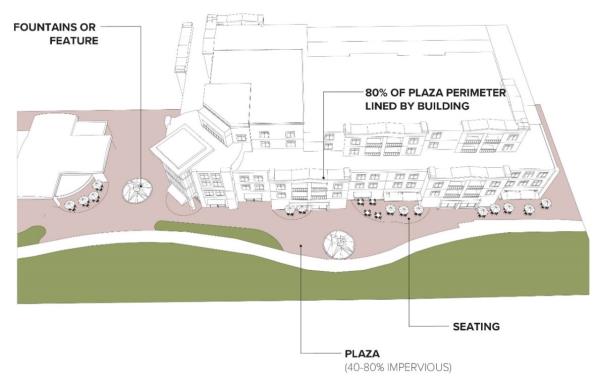
- Pocket Leisure spaces. Residential development involving sites two acres in size or greater shall include a pocket leisure space that fronts on or is easily accessible from a public street, open and accessible to the public at all times, and meets the following requirements, generally as illustrated in Figure 18.47.16:
- Minimum size is 2,500 square feet.
- Maximum size is 20,000 square feet.
- Include a child play structure.
- Must include seating, shade structures, turf, hard surfaces, and one tree (2- inch caliper minimum) per 800 square feet of park area.
Figure 18.47.16, Typical Pocket Leisure Space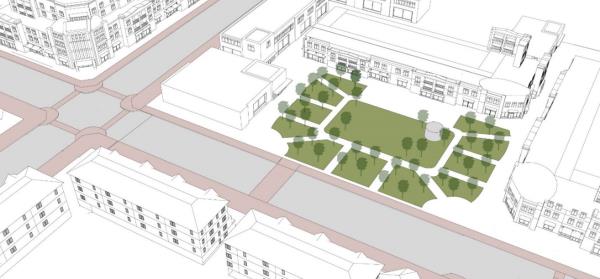
- Substitutions.
- The open space/park requirement may be modified through potential substitutions for any development that faces Millcreek Common or could benefit from contributing to pedestrian connections to the Common, subject to a Development Agreement with the City, following the process for rezones and with Development Agreements as set forth in MKZ 18.15.010 (D). Such substitutions are intended to enhance open spaces and pedestrian connections with features by acquiring or improve land that is destined to become part of the Millcreek Common. The Millcreek Common is the signature open space in the City Center and is a benefit to all development in the City Center, including improved pedestrian connections to the Common.
- In-lieu substitutions are encouraged for the benefit of the City Center by application to the Planning Director, under the following circumstances:
- In-lieu substitutions of land are intended to fulfill the requirements for open/park space and may be allowed when it can be factually established by a qualified land appraiser, that the substituted land is at least equal to or greater in value than the associated development property, as if it were to be fully developed as proposed. The City will determine with the developer the actual property to be appraised, both in the proposed development and in the Millcreek Common. The City will select and employ an appraiser through a contract. The cost of the appraisal shall be borne by the developer, through reimbursement to the City. New appraisals will not be required if recent (within one year) information is readily available.
- Cash in-lieu. the City may determine that in certain situations, accepting cash as an in-lieu substitution, where it can be shown that acceptance of those funds, is more effective in acquiring open space/park land and improving pedestrian connections within the City Center. Cash in-lieu payments shall not be accepted without a qualified appraisal process as per (1) above. The City shall be obligated, in a timely manner, to use the in-lieu funds within the City Center for land purchases, open space, pedestrian system enhancements, and/or park related improvements.
- Any land which has been dedicated, set aside, platted, or otherwise approved as open space, may not be substituted or used for any purpose other than those allowed by this chapter.
- In-lieu substitutions shall be reviewed by the Planning Development Director, through an application, however, final approval of the in-lieu substitution rests with the City Council. Such approvals shall occur prior to issuance of a Final Site Plan approval or a building permit.
- Perimeter Fencing.
- To ensure maximum pedestrian connectivity, fencing between parcels is not required.
- Fencing along the Richmond, 3300 South, Highland Drive and Millcreek Common Street frontages shall be limited to open style fencing that does not exceed three feet in height.
- Privacy and/or security fencing is only allowed to screen unsightly, utility, or vehicle service areas from public right-of-way.
- Fencing along a Neighborhood Street frontage is permitted to define front porches and can consist of wrought iron/similar materials, wood, or composites. Vinyl is prohibited as a fencing material.
- Fences must be a minimum of 50 percent open, have a maximum height of 42 inches and may incorporate a maximum 18-inch-high stone, or brick wall at the base.
- Private Outdoor Lighting and Outdoor Dining.
- Lighting for streets and parking lots on the interior of the development is required.
- All lighting fixtures shall be directed downward with mechanisms to prevent dark sky illumination, as set forth in MKZ 18.68, Outdoor Lighting.
- The applicant shall submit a plan which indicates the type and location of lights in relation to the development and designed for pedestrian/vehicular safety.
- Pedestrian lighting may include bollards, and all lighting shall follow established themes described in this Chapter.
- Minimum average foot-candles for interior streets shall be 0.3 and the fixture height shall not exceed 25 feet. Such fixtures shall be located a minimum of 10 feet from the public right-of-way.
- All parking luminaires, except those required for security, must be extinguished one hour after the end of business hours.
- Street Lighting.
- All streetlights located on 3300 South, Richmond Street/1300 East, and Highland Drive, shall incorporate a luminaire atop a 14-foot pole, as illustrated in Figure 18.47.17. The light shall be low intensity, shielded from uses on adjoining lots or parcels, and directed away from abutting properties, yet lighting the street and an abutting walkway.
Figure 18.47.17, Typical CCOZ Street Light Illustration
- All lighting shall incorporate full cut-off fixtures to minimize light pollution and be dark sky compliant, following the standards as set forth in as set forth in MKZ 18.68, Outdoor Lighting.
- All lighting on Neighborhood streets and Millcreek Common Street shall utilize the streetlight shown in Figure 18.47.17 or a suitable substitute approved by the City. All lighting on Laneways, Woonerfs, and required passages between buildings shall use downward directed sconce styles for wall lighting and lit bollards along the street.
- All streetlights located on 3300 South, Richmond Street/1300 East, and Highland Drive, shall incorporate a luminaire atop a 14-foot pole, as illustrated in Figure 18.47.17. The light shall be low intensity, shielded from uses on adjoining lots or parcels, and directed away from abutting properties, yet lighting the street and an abutting walkway.
- Outdoor Seating and Dining.
- Outdoor seating and dining may be partially or fully covered to extend the outdoor dining experience through the spring and fall months.
- Outdoor patio heaters and misters are permitted. Restaurant tables and chairs may be movable or permanent and should be reflected on the site plan. If alcohol is served, the restaurant will need to provide signage and decorative fencing per the standards of the Salt Lake County Health Department and the Utah Department of Alcoholic Beverage Services.
- Fencing materials shall be limited to metal picket fencing. Any accommodation for dogs shall be subject to the Salt Lake County Health Department regulations, such as the Paws on the Patio HACCP plan.
- Access Between Uses. Vehicular and pedestrian access is required between uses that does not force vehicles/pedestrians out to the abutting streets.
- Signs. Signs are subject to the standards as set forth in MKZ 18.65, Signs, and as provided below:
- Signs are limited to low profile monument signs, externally lit wall signs, projecting signs with a minimum of eight-foot clearance above the ground, and temporary A-frame signs.
- Any projecting sign along the Millcreek Common shall be limited to forty-two inches (42”) in width. Lighting from signs shall be directed downward and comply with dark sky lighting standards.
- Internal illumination for signs is permitted only for individual letters or logos. Size, location, and number limitations are as set forth in MKZ 18.65, Signs.
- Small Wireless Facilities in Rights-of-Way in the City Center Overlay Zone. Small wireless facilities in rights-of-way in the City Center Overlay Zone shall meet the requirements established for Small Wireless Facilities Deployment in MKC Title 16 and shall utilize streetlight poles or intersection semaphore structures for mounting. To the greatest extent possible such installations shall use the materials/colors of the pole they are using and should blend with the streetscape.
Repealed & Reenacted by Ord. 25-12 on 4/28/2025
Amended by Ord. 25-38 on 9/8/2025
18.47.080 Building Standards
- Entrances and Windows.
- Entrances to the first story of buildings shall front on the public street.
- On double or triple frontage lots or parcels, entrances are required where the greatest amount of pedestrian traffic is anticipated.
- When a non-residential use occupies the first story, windows shall constitute at least 50 percent of first story street-facing facades. When a residential use occupies the first story, windows shall constitute at least 33 percent of first story street-facing facades. Windows shall constitute at least 25 percent of all upper-story facades.
- Windows shall be at least 50 percent transparent. Interior lighting is required. Street facing windows that are not on the same façade as the main building entrance, may cover the first story windows with non-advertising window films using a mountain, mill, orchard, or mountain related sports theme.
- Living screens may replace up to 50 percent of the window requirement for the lowest anticipated pedestrian traffic frontage.
- Mirrored windows are not allowed. Any east or west facing windows above the third story shall be non-reflective to prevent glare.
- For any building opposing a residential bedroom window, buildings shall provide window blinds for each opposing window, or reduce the opacity of the window to prevent one side from viewing the other. In no case shall any balconies have a separation from an opposing balcony of less than 10 feet.
- Windows above the first story shall conform to the standards described in Figure 18.47.18 Window Design Standards.
Figure 18.47.18, Window Design Standards.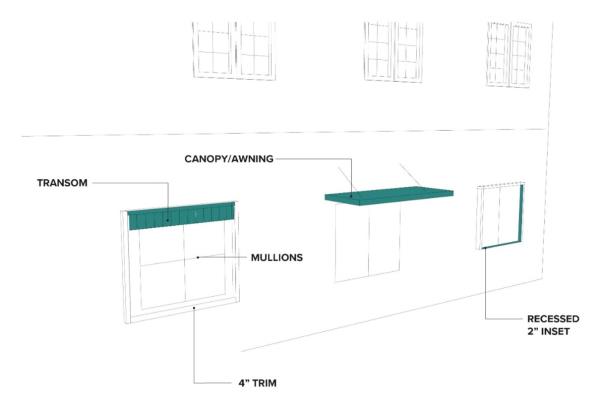
- Awnings.
- Awnings must be cantilevered from the front façade of the building. Such awnings shall be provided in colors that reflect colors incorporated as part of the exterior of the building or the green or blue found in Millcreek’s logo.
- Awnings are required for any buildings facing Millcreek Common Street and on the northwest corner of Highland Drive and 3300 South and the northeast corner of 1300 East and 3300 South.
- All buildings fronting on Millcreek Common shall include a permanent awning, extending a minimum of 10 feet from the storefront/façade to provide shade and refuge from inclement weather.
- Building Materials
- Exterior materials of a durable or resilient nature such as brick, stone, composite materials, or other materials of similar quality, hardiness, and low maintenance characteristics are required.
- New development in the CCOZ, shall incorporate common, locally found materials such as granite, stone, sandstone, and brick as part of the first story of each building for at least 50 percent of the first story, excluding the windows. For the Mill Center District this requirement increases to a minimum of 75 percent for the first story excluding the windows.
- For all Districts, all stories above the first story shall incorporate at least 50 percent of the above specified materials.
- Stucco and EIFS are prohibited for use as materials on any façade visible from a right-of-way.
- Other materials may be considered for soffits, or as accent or unique architectural features.
- Twenty-five year guarantee architectural shingles or other longer-lasting materials are required for roofs.
- Building Massing and Façade Articulation
- All buildings shall be designed to have at least three of the following:
- Visual breaks along the street-facing façade such as horizontal articulation in the plane of the façade by at least two feet (2’).
- Change in height at the top of the building by at least 10 feet for every 100 feet of façade length.
- Changes in materials, color, texture, or pattern for greater than 50 percent of the building facade.
- Indentations/recesses at least 10 feet in depth along the street facing facades at 100-foot intervals.
- Usable terraces (a larger balcony intended as a private resident leisure space) at least 10 feet in depth along the street facing facades.
- Covered walkways on south, east or west facing facades on street(s) other than Millcreek Common Street.
- Except for Millcreek Common facing buildings, columns, or pilasters with a minimum four-inch (4”) horizontal depth from the plane of the façade and spaced at a minimum interval of 50 feet.
- Stepbacks where not otherwise required.
- All buildings shall be designed to have at least three of the following:
- Rooftop Patios and Gardens.
- If a rooftop patio or garden is included as part of a development, the rooftop patio or garden shall include a minimum of 25 percent of its area covered with trees at maturity, or other live plant material to provides overhead shade.
- Seating, tables, outdoor gas barbecues, and shade structures are required.
- All features listed above shall be set back at least 10 feet from the roof edge except solar cells.
- Grow boxes are encouraged. Private roof top park space is encouraged to take advantage of the mountain and valley views but shall not include active play spaces.
- Solar Rooftops. Fifty percent of the entire rooftop space above the highest occupied story of a building shall be covered with solar panels, or, if solar panels are deemed infeasible or inefficient, the building shall be designed to exceed the energy efficiency standards of the current state-adopted International Energy Conservation Code and ASHRAE standards by at least five percent (5%).
- HVAC. All Heating, Ventilating, and Air Conditioning equipment (HVAC) shall be recessed by at least 10 feet from the exterior edge of the building. Such equipment shall be enclosed or screened such that it is not readily recognizable as HVAC equipment.
- Rooftop Cell Service Towers and Overhead and Ground Level Utilities.
- All existing overhead lines shall be located underground as part of any new development in the CCOZ.
- No new development shall exhibit any above ground utility or communication lines.
- Electrical transformer boxes and other large in-ground utility installations shall be either vaulted underground or placed behind a building’s setback or build-to-line and screened from view.
- Rooftop telecommunication equipment is only allowed as a stealth installation. Such facilities shall be made to appear to be an integrated part of the building.
Repealed & Reenacted by Ord. 25-12 on 4/28/2025
Amended by Ord. 25-38 on 9/8/2025
18.47.090 Building Types
- Mixed Use
- Mixed Use Buildings are intended for a mix of primarily residential with commercial/office or commercial and office uses required to be located on the first story, and optional above the first story at or near the front build-to-line with parking to the rear, underground, or podium type. Spatial and use requirements for mixed use buildings are set forth in Table 18.47-12, and are subject to the following additional standards:
- No podium parking may front on Millcreek Common Street.
- Parking structures shall include one 220-volt electric vehicle charging station for every ten stalls.
- This building type may support office, retail, hotel/hospitality, or residential uses mixed either vertically or horizontally.
- For residential units, provide outdoor balconies or patios for 60 percent of the residential units at a minimum of six feet (6’) feet deep and 60 square feet each.
- Provide indoor bike storage or bike lockers.
Figure 18.47.19, Mixed Use Building Illustration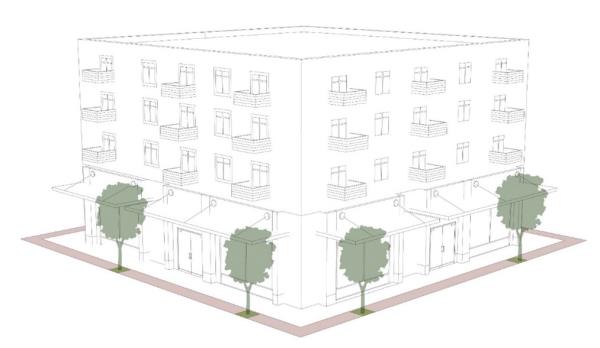
Table 18.47-12 Mixed Use Building Requirements Requirement Type Requirement Front Build-to Zone 0-10 feet Minimum Side Yard Setback 10 feet between buildings, except accessory buildings; or 5 feet from a side property line. Minimum Rear Yard Setback 10 feet, except when abutting a Residential Zone Boundary, where the setback is 25 feet Minimum Height As set forth in Figure 18.47.2 and Table 18.47-3. Maximum Height As set forth in Figure 18.47.2 and Table 18.47-3. Principal Entrance Location Front or corner side of facade Vehicular Access From alley or rear of building Minimum Transparency 50% on ground story Required First Story Uses Office, retail, craftsman industrial or residential (50% must be non-residential use). Any mixed use building that fronts on Millcreek Common Street is required to have retail uses or eating and drinking establishments for 100% of the first story facing that street. Mixed Use buildings located on a corner lot or parcel in the Neighborhood District must provide the required minimum first story non-residential uses for one of the two street-facing facades. Depth of first story non- residential uses Not less than 30 feet, unless at least 40 percent of the habitable floor area of the building consists of nonresidential uses, in which case the depth of first-story non-residential uses can be reduced to not less than 20 feet. Upper Story Uses Any permitted use or conditional use Where Allowed Corners in the Neighborhood District, the entire Mill Center, and the entire Market Place Storefront Width Not to exceed 30 feet
- Office/Commercial/Civic Mixed Use buildings. An Office/Commercial/Civic Mixed Use Building is a building with a minimum of two stories that mixes uses with the primary use of office, retail, civic or commercial use. Office/Commercial/Civic Mixed Use buildings are subject to the spatial and use requirements set forth in Table 18.47-13, and the following additional standards:
Figure 18.47.20, Office/Commercial/Civic Mixed Use Building Illustration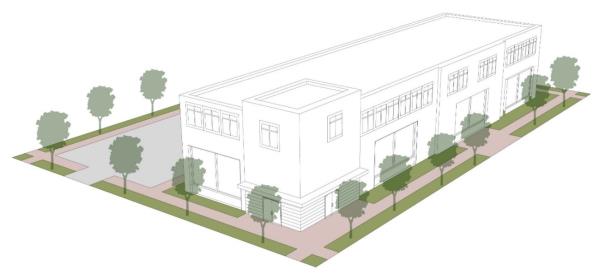
Table 18.47-13 Office/Commercial/Civic Mixed Use Building Requirements Requirement Type Requirement Front Build-to Zone 0-15 feet Minimum Side Yard Setback 10 feet between buildings, except accessory buildings; or 5 feet from a side property line. Minimum Rear Yard Setback 10 feet, except when abutting a Residential Zone Boundary, where the setback is 25 feet Minimum Height As set forth in Figure 18.47.2 and Table 18.47-3. Maximum Height As set forth in Figure 18.47.2 and Table 18.47-3. Principal Entrance Location Front or corner side of facade Vehicular Access From alley or rear or within the building Minimum Transparency 50% on ground story Ground Story Uses Office, Retail, Civic, or Commercial Depth of First Story Uses 30-foot minimum depth Upper Story Uses May vary Where allowed Mill Center, Market Place - Multiple-Household Dwelling. A Multiple-Household Dwelling is a multi-story building that contains residential uses internal to the structure with parking to the rear, in a separate structure or podium style below the building. Multiple Household Buildings are subject to the spatial and use requirements set forth in Table 18.47-14, and the following additional standards:
- Parking structures shall include electric vehicle charging stations as set forth in MKZ 18.63, Parking and Mobility Standards.
- Provide outdoor balconies or patios for 60 percent of the units at a minimum of six feet (6’) deep and sixty square feet each. Provide indoor bike storage or bike lockers.
Figure 18.47.21, Multiple Household Dwelling Building Illustration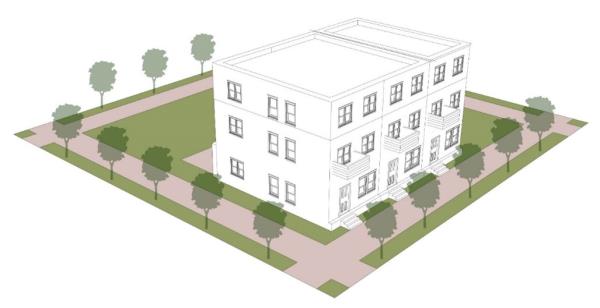
Table 18.47-14 Multiple-Household Dwelling Building Requirements Requirement Type Requirement Front Build-to Zone 0-15 feet Minimum Side Yard Setback 0 feet per unit, 10 feet between buildings, except accessory buildings; or 5 feet from a side property line. Minimum Rear Yard Setback 10 feet, except when abutting a Residential Zone Boundary, where the setback is 25 feet Minimum Height As set forth in Figure 18.47.2 and Table 18.47-3. Maximum Height As set forth in Figure 18.47.2 and Table 18.47-3. Principal Entrance Location Front or corner side of facade Vehicular Access From alley or rear or within the building Minimum Transparency 40% for ground story and 15% for other stories Ground Story Uses For buildings located on corners; office, residential or live/work units, retail, personal services, or residential (50% of the street facing front facades must be non-residential use) Upper Story Uses Residential or parking only Where allowed Neighborhood District
- Townhome. Townhomes are horizontally attached multi-story units in a rowhouse configuration. Townhomes are subject to the spatial and use requirements set forth in Table 18.47-15, and the following additional standards:
- This building type can include live/work units.
- Parking and private garages shall be at the rear of the building allowing the primary façade to front a public street or public green space.
- Provide outdoor balconies or patios for each unit at a minimum of six feet (6’) deep and 60 square feet each.
- Where private garages are proposed, they shall be wired for at least one 220-volt line for electrical vehicle charging.
- Guest parking shall not include any driveway that accesses a garage.
Figure 18.47.22, Townhome Building Illustration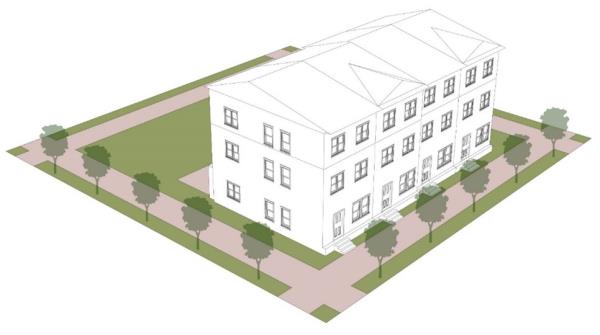
Table 18.47-15 Townhome Building Requirements Requirement Type Requirement Front Build-to Zone 0-15 feet Minimum Side Yard Setback 0 feet per unit, 10 feet between buildings; or 5 feet from a side property line. Minimum Rear Yard Setback 10 feet Minimum Height 2 stories, and as set forth in Figure 18.47.2 and Table 18.47-3. Maximum Height 4 stories, and as set forth in Figure 18.47.2 and Table 18.47-3. Principal Entrance Location Front or corner side of facade Vehicular Access From alley or rear of building Minimum Transparency 15% Ground Story Uses Residential or live/work units Upper Story Uses Residential only Where allowed Neighborhood District
- Adaptive Reuse. There are several existing buildings within the CCOZ that could be reworked for a new use. The following standards are required for adaptive reuses in CCOZ:
- If the character of the existing building is deemed historic or historically significant due to its age or displays a unique architectural style or unique features, as determined by the Planning Director, then reconstruction should attempt to retain as much of the original facade or character of the building as possible.
- Windows shall address the street frontage and encompass at least 50 percent of the first story building facades if structurally feasible.
- Parking shall be located (or relocated) to the rear of the building.
Figure 18.47.23, Adaptive Reuse Building Illustration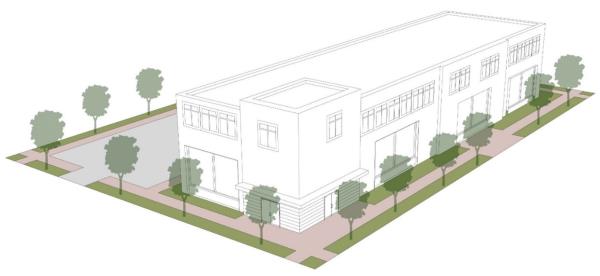
- Commercial Single Purpose buildings. Commercial Single Purpose Buildings are buildings with the primary use being commercial use. Commercial Single Purpose Buildings are subject to the spatial and use requirements set forth in Table 18.47-16.
Figure 18.47.24, Commercial Single Purpose Building Illustration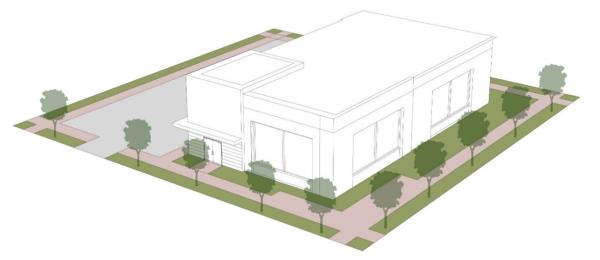
Table 18.47-16 Commercial Single Purpose Building Requirements Requirement Type Requirement Front Build-to Zone 0-15 feet Minimum Side Yard Setback 10 feet between buildings, except accessory buildings; or 5 feet from a side property line. Minimum Rear Yard Setback 10 feet, except when abutting a Residential Zone Boundary, where the setback is 25 feet Minimum Height As set forth in Figure 18.47.2 and Table 18.47-3. Maximum Height As set forth in Figure 18.47.2 and Table 18.47-3, CCOZ Building Height Areas Principal Entrance Location Front or corner side of facade Vehicular Access From alley or rear or within the building Minimum Transparency 50% on ground story Ground Story Uses Commercial Upper Story Uses Commercial Where allowed Mill Center, Market Place
Repealed & Reenacted by Ord. 25-12 on 4/28/2025

