
Millcreek City Zoning Code
18.64 LANDSCAPE
STANDARDS
18.64.010 General Provisions
- Purpose. The landscape design and development standards set forth in this chapter are intended to facilitate water conservation and promote the following:
- More efficient use of water resources;
- Preservation and enhancement of the City's environmental and aesthetic character;
- Promotion of design continuity between adjacent land uses;
- Preservation, enhancement, and expansion of the urban tree canopy;
- Improved management of stormwater runoff;
- Reduction in the absorption and re-generation of heat from paved vehicular parking areas and other impervious surfaces;
- Promotion of screening and buffering between land uses by way of providing adequate vegetation;
- Re-introduction of native and low water use plant species into the developed environment;
- Reduction of landscape maintenance responsibilities and costs.
- Applicability
- All land development applications shall be accompanied by a landscape plan prepared by a licensed Landscape Architect. Building permit applications for individual single-household dwellings require a landscape plan but are exempt from the requirement that it be prepared by a licensed Landscape Architect unless applying for a rebate program. All landscaping within the City shall comply with this section.
- New Development. These landscape standards shall be applied to all new developments in the City including surface or at-grade parking areas and the exterior perimeter of parking structures.
- Existing Development. Development in existence at the effective date of this chapter shall be brought into compliance with these provisions if:
- Commercial, Mixed-use, Multi Household, Manufacturing: The gross floor area of improvements is changed, modified, or expanded by more than 20 percent,
- Single household and/or two-household developments: The gross floor area of improvements is changed, modified, or expanded by 50 percent.
- An existing off-street parking area is expanded by 10 parking stalls.
- Exemptions. The provisions of this chapter do not apply to the following:
- The interior undercover portions of parking structures;
- The interior undercover portions of carports containing 10 parking spaces or fewer
- The interior display areas of vehicle and equipment sales lots;
- The interior areas of vehicle and equipment storage lots;
- Certificate of Occupancy. All required public landscaping improvements shall be installed in accordance with this Chapter, or an improvement assurance guarantee shall be submitted for required Public Landscaping Improvements prior to the issuance of a Certificate of Occupancy. Installation of Public Landscaping Improvements is subject to an improvement assurance guarantee as set forth in MKZ 18.24.060.
- All land development applications shall be accompanied by a landscape plan prepared by a licensed Landscape Architect. Building permit applications for individual single-household dwellings require a landscape plan but are exempt from the requirement that it be prepared by a licensed Landscape Architect unless applying for a rebate program. All landscaping within the City shall comply with this section.
HISTORY
Repealed & Reenacted by Ord. 25-12 on 4/28/2025
Repealed & Reenacted by Ord. 25-12 on 4/28/2025
18.64.020 Water Efficiency Requirements
- Purpose. To ensure more efficient water consumption in establishing and maintaining landscape improvements.
- Landscape Hydrozones. Plants with similar water needs shall be grouped together in Hydrozones as set forth in Table 18.64-1, with no more than 10 percent of plants to be identified as Zone 3 and Zone 4.
- Plant Material Requirements. According to the adopted Millcreek Plant Species List, all plant material used on a site shall be water-conserving and adapted to the local climate..
- Plantings for the intent of food production are exempt from Hydrozone requirements.
Table 18.64-1 Hydrozones HYDRO ZONE IRRIGATION FREQUENCY NOTES Zone 0 Little or no water needed Plant material in Zone 0 and 1 with water use requirement, as noted in the Millcreek Plant Species List, shall be used at the interface between urban areas and natural (non-irrigated) open space Zone 1 Plants require supplemental irrigation once per month Zone 2 Plants require supplemental irrigation twice per month Zone 3 Plants require supplemental irrigation once per week No more than ten percent (10%) of plant material may fall under zone 3 and/or 4 watering frequency Zone 4 Most intensive water-use zone, plants require supplemental irrigation twice per week
- Water Efficient Irrigation System Requirements
- Designer Qualifications. All landscape irrigation plans required with development applications shall be designed by a Landscape Architect licensed to practice in the State of Utah or by a person exempt from professional licensure requirements for the scope of work performed. Building permit applications for individual single-household dwellings are exempt from the designer qualification requirement that they be prepared by a Landscape Architect licensed to practice in the State of Utah.
- Design Standards. The design of irrigation systems required by this chapter are subject to the following standards:
- Drip Irrigation. Drip technology shall be used to the greatest extent possible, and shall be used to irrigate plants in non-turf areas. Drip emitters or a bubbler shall be provided for each tree. Bubblers shall not exceed 1.5gallons per minute per device. Bubblers for trees shall be placed on a separate valve. Filters and end flush valves shall be provided as necessary for drip irrigation lines.
- Overhead Sprinklers. Overhead sprinklers shall only be used for turf grass areas. Stream rotary nozzles shall be placed a minimum of four inches (4”) of height to clear turf. Sprinklers shall have matched precipitation rates with each control valve circuit. Sprinkler heads shall be attached to rigid lateral lines with flexible material (swing joints) to reduce potential for breakage.
- Operation Limits. Irrigation systems shall not be scheduled to operate between the hours of ten (10) a.m. to seven (7) p.m.
- Automatic Controller. All irrigation systems shall include an electric automatic controller capable of utilizing an automatic rain shut-off device and shall not be scheduled to operate between the hours of ten (10) a.m. to seven (7) p.m. to reduce water loss from wind and evaporation.
- Slope Adjustments. On slopes exceeding 30 percent, the irrigation system shall consist of low angle spray heads, drip emitters, or bubblers.
- Elevation Adjustments. Check valves, pressure regulating valves, and pressure compensating heads shall be required where elevation differences will cause low-head drainage.
- Pressure Regulation. A pressure regulating valve shall be installed and maintained by the consumer if the static service pressure exceeds 80 pounds per square inch (psi). The pressure-regulating valve shall be located between the meter and the first point of water use, or first point of division in the pipe, and shall be set at the manufacturer's recommended pressure for the sprinklers.
- Valves. Each valve shall irrigate a landscape with similar site, slope and soil conditions and plant materials with similar watering needs. Turf and non-turf areas shall be irrigated on separate valves. Drip emitters and sprinklers shall be placed on separate valves.
- Operational Efficiency. The minimum efficiency required for irrigation systems established in accordance with the requirements of this chapter is 75 percent for the distribution efficiency for all fixed spray systems and 70 percent distribution efficiency for all rotor systems.
HISTORY
Repealed & Reenacted by Ord. 25-12 on 4/28/2025
Repealed & Reenacted by Ord. 25-12 on 4/28/2025
18.64.030 Landscape Design And Installation Standards
- Applicability. All required site landscape improvements shall be provided in accordance with the following standards.
- Retention of Significant Natural Features.
- Features that are unique to a property, such as but not limited to that property's natural topography, existing vegetation, or riparian features shall be taken into consideration in the planning and design of landscape improvements for that property.
- Existing trees and plants on development sites that are within 100 feet of a natural waterway and that are not identified as an unhealthy or invasive species as indicated by the Millcreek Plant Species List or the Utah Department of Agriculture shall be retained.
- Plant Material Specifications
- Measurements and Specifications. The measurements and specifications for all plant material shall be as set forth in the American Standard for Nursery Stock (ANSI Z60.1-2014) as periodically amended.
- Plant Quality. All plant material shall be healthy, well branched, and well rooted, formed true to variety and species.
- Plant Material. Plant material shall consist of native and regionally adapted species per the Millcreek Plant Species List with selection based on suitability to conditions of the site such as existing plant palette, soil conditions, wildlife habitat, microclimate, water requirements, and the surrounding environment.
- Prohibited Plant Material. Noxious or invasive species as identified by the Millcreek Plant Species List or the Utah Department of Agriculture and Food shall be prohibited from newly installed landscapes.
- Plant Coverage and Growth Rate. The quantity and size of materials planted shall be sufficient to cover 75 percent of designated landscape areas within three years of initial planting.
- Species Diversity. A variety of plant species shall be utilized in all site landscaping. No one species may make up more than 25 percent of the total non-turf plant material within the landscaped area including a diverse range of tree species. Additionally, tree species shall vary as set forth in Table 18.64-.2, Species Diversity:
Table 18.64-2 Species Diversity TOTAL NUMBER OF TREES ON SITE MAXIMUM PERCENT OF ANY ONE SPECIES 19 or fewer 50% 20—39 33% 40 or more 25% - Tree Root Establishment. All trees shall be provided a plant-free mulched area with a minimum radius of four feet (4’) around the trunks in order to expedite tree root establishment.
- Trees in Proximity to Powerlines. Trees planted within 10 feet of overhead powerlines shall have a mature canopy height of less than 25 feet.
- Lawn and Turf Areas. Areas proposed for planting in turf or lawn shall be a minimum of 10 feet wide.
- Mulch. All landscape areas planted with trees, shrubs, perennials, or other groundcover shall be covered with a minimum three-inch (3”) layer of mulch to retain water, inhibit weed growth, and moderate soil temperature. Bare soil is not permitted in any required landscape area.
- Newly planted trees in areas predominantly improved with turf shall be provided a plant-free mulched area with a minimum radius of four feet (4’) around the trunks to protect the trunks from turf-maintenance operations and expedite tree root establishment.
- Nonporous materials (such as plastic) shall not be placed under the mulch. Bare soil is not permitted.
- Root Accommodation. Root barrier collars and root path trenches shall be installed around trees within three feet (3’) of sidewalks to protect the pavement and to ensure healthy tree root growth.
- Plant Size Requirements at Planting. All new and replacement plant material shall meet the following minimum size requirements at planting, as indicated in Table 18.64-3, Plant Size Requirements:
Table 18.64-3 Plant Size Requirements Deciduous Trees two-inch (2”) caliper Ornamental and Flowering Trees two-inch (2”) caliper Evergreen Trees six feet (6’) tall Shrubs five (5) gallon container Perennials and Ornamental Grasses one (1) gallon container - Applicability. In all zones where a front yard is required the entire frontage and depth of that yard area and any side yard area abutting a street shall be landscaped. Visibility at intersecting streets shall be maintained as set forth in MKZ 18.67, Clear View Areas. Parking areas shall not encroach on these minimum required setbacks except as set forth in MKZ 18.63.020, Vehicle Parking Requirements.
- Installation Specifications
- Irrigation System Installer Qualifications. Irrigation Association (IA) certification shall be required for all contractor-installed landscape irrigation systems except where construction observation services are provided by a Landscape Architect licensed to practice in the State of Utah.
- License, Insurance and Bonding Requirements. All installers, designers, and auditors shall meet state and local license, insurance, and bonding requirements and be able to show proof of such.
- Plant Delivery and Installation.
- Plants shall be protected during delivery to prevent leaf desiccation.
- Upon delivery, unplanted trees, shrubs, and other live plants shall be kept in shade, well protected with soil, mulch or other acceptable material and appropriately watered. Plants that have died or show signs of serious deterioration prior to planting shall be replaced.
- All trees and shrubs shall be planted in such a manner as to ensure their survival and to prevent girdling of trunks. This shall include the planting of intact balls, planting at proper depth, properly backfilling, mulching and watering, and the addition of topsoil and mulch around the base of tree or shrub that is designed to accept rain and irrigation around the tree or shrub.
- In order to protect plantings from traffic, de-icing salts, and snow plowing operations, landscaped areas with tree or shrub plantings within six feet (6’) of a paved vehicle parking area or access way shall be raised above such areas by use of curbing or edging or, where depressed for stormwater collection and aquifer recharge, clearly posted for protection during periods of inclement weather.
- Excavation. Site excavation shall be accomplished in accordance with industry standards and applicable ordinance requirements, including but not limited to the Storm Drainage Development and Stormwater Quality requirements as set forth in MKC Title 17.
- Encroachments
- Encroachments to Within Twelve Feet (12’). Off-street parking areas may encroach into required front and street side setback areas such that a minimum depth of not less than 12 feet is maintained.
- Encroachments to Within Eight Feet (8’). Off-street parking areas may encroach into required front and street side setback areas such that a minimum depth of not less than eight feet (8’) is maintained, provided that a contiguous evergreen hedge or decorative wall is placed along the interior edge of the setback area. Wall or hedge shall have a minimum height of thirty-six inches (36”), a maximum height of forty-eight inches (48”) as measured from the adjacent paved parking area.
HISTORY
Repealed & Reenacted by Ord. 25-12 on 4/28/2025
Repealed & Reenacted by Ord. 25-12 on 4/28/2025
18.64.040 Tree Preservation Standards
- Purpose. To maintain the environmental integrity of trees for shade, evapotranspiration, and habitat along with preserving the aesthetic of mature, and healthy vegetation for Millcreek’s streetscapes.
- Applicability. All healthy trees having a DBH of six (6”) in size or larger shall be preserved to the maximum extent feasible. Species identified as noxious or invasive as declared by the Millcreek Plant Species List or the Utah Department of Agriculture and Food are exempt from this requirement.
- Design Standards
- Preserved trees shall be credited toward the satisfaction of the tree planting requirements of this chapter at a rate of 1:1 based on caliper size, except for the replacement of large caliper trees as set forth in Table 18.64-4, Tree Replacement Table. For example, a six-inch (6”) caliper tree preserved shall count toward three (3) two-inch (2”) caliper trees.
- Where existing trees are to be protected during site development or construction activity, the following standards shall apply:
- A fenced tree protection zone shall be established around the dripline of each tree or cluster of trees to be retained with high-visibility materials at a minimum height of four feet (4’).
- The storage or movement of equipment, material, debris, or fill is prohibited within the tree protection zone to minimize soil compaction.
- The cleaning of equipment or material or the storage and disposal of waste material such as paints, oils, solvents, asphalt, concrete, motor oil or any other material harmful to the life of a tree is prohibited within the tree protection zone.
- No cut or fill is permitted within the tree protection zone unless Landscape Architect licensed to practice in the State of Utah or an ISA Certified Arborist has evaluated and approved the disturbance.
- All protected existing trees shall be pruned as specified by an ISA Certified Arborist.
- No damaging attachment, wires, signs, or permits may be fastened to any protected tree.
- Trees being preserved that are located further than 50 feet from the primary area being disturbed by construction may be ribboned off in lieu of erecting protective fencing. This may be accomplished by placing metal t-post stakes a maximum of 50 feet apart and tying ribbon or rope from stake-to-stake along the outside perimeters of such areas being cleared.
- Trees that are killed or damaged beyond healthy restoration during construction shall be replaced at the rate outlined in table 18.64-4.
- The removal of trees is allowed under the following circumstances:
- Where trees have naturally fallen or are determined by an ISA Certified Arborist to be dead or dying.
- Where trees have been diagnosed by an ISA Certified Arborist as unhealthy beyond reasonable rehabilitation.
- Where trees are determined to be potentially harmful to the public health, safety, or welfare.
- Where it has been determined by the City that tree removal is necessary to restore clear visibility at driveways and intersections.
- Plants considered noxious or invasive species as identified in the Millcreek Plant Species List or the Utah Department of Agriculture and Food are not required to meet these requirements.
- Trees having a DBH of six (6”) in size or greater which are removed shall be replaced on the development site at the following rate, except that street trees are to be replaced at a rate of one new tree per tree removed.
- The Planning Director may approve a reduced replacement mitigation plan. To receive a reduced mitigation plan, an applicant must submit a letter from a licensed Utah arborist or landscape architect outlining the specific site and why a reduced replacement rate is required. The following circumstances may warrant a reduced tree mitigation plan:
- Placing the required number of replacement trees on site is not conducive to a sustainable landscape plan for the property in question; or
- Unique soil types, topography, or unusual characteristics of the site will limit the likelihood of successful tree establishment and growth.
- Off-Site replacement. An applicant may request a fee-in-lieu to the Planning Director to meet the tree mitigation standards.
- The applicant may pay a fee in lieu to the Millcreek tree fund that covers the cost to purchase and plant each tree requested,
- The applicant may request to the Planning Director an off site tree replacement transfer to another property. The ‘receiving’ property must submit a signed approval of the transfer and the trees must be planted in accordance with the standards found in MKZ 18.64 Landscape Standards. Trees must be planted prior to the issuance of occupancy for the ‘sending’ property.
- Tree removal prior to land use development. Trees over 6” DBH removed within 12 months prior to the filing a land use application with the city shall count as trees removed and must be replaced in accordance with the standards found in MKZ 18.64.040(C)(9).
- The applicant shall provide documentation of the size, species, and health of the trees removed.
- The city shall use satellite imagery and site inspections to verify the size, species, and health of the trees removed. The city may also use a license arborist to verify the size, species, and health of the removed trees.
- Any fees associated with the verification shall be paid by the applicant.
Table 18.64-4 Tree Replacement Table Tree Replacement Table Tree to be removed Replace with 6” to 12” DBH tree Three trees as 1” to 2” caliper size 13” to 24” DBH tree Six trees at 1” to 2” caliper size 25” to 36” DBH tree Eight trees at 1” to 2” caliper size 37” or larger DBH tree Twelve trees at 1” to 2” caliper size
- Preserved trees shall be credited toward the satisfaction of the tree planting requirements of this chapter at a rate of 1:1 based on caliper size, except for the replacement of large caliper trees as set forth in Table 18.64-4, Tree Replacement Table. For example, a six-inch (6”) caliper tree preserved shall count toward three (3) two-inch (2”) caliper trees.
- Tree Preservation Site Plan Submittal
- Applicants seeking to remove trees as part of a land use application shall submit a tree preservation plan as part of their application, to include the following:
- Plan showing existing and proposed land uses, buildings, parking, utilities, and light poles;
- Plan showing existing trees to be preserved; any trees that will be removed, and health, species, and diameter at breast height of all trees on the property.
- Plan showing location of all required replacement trees on property along with their species and mature size;
- A boundary survey which shall include the location of all easements, building setback lines, nearby zoning district boundaries; and
- A location map showing the location of the property within the City.
- Applicants seeking to remove trees as part of a land use application shall submit a tree preservation plan as part of their application, to include the following:
HISTORY
Repealed & Reenacted by Ord. 25-12 on 4/28/2025
Amended by Ord. 25-38 on 9/8/2025
Amended by Ord. 26-52 on 7/27/2026
Repealed & Reenacted by Ord. 25-12 on 4/28/2025
Amended by Ord. 25-38 on 9/8/2025
Amended by Ord. 26-52 on 7/27/2026
18.64.050 Screening And Buffering
- Purpose. Buffers and screening are intended to minimize conflicts between potentially incompatible land uses and development on abutting property.
- General Design Standards
- All required buffers shall be located along the entire property line between the two uses and entirely on the developing property’s side of the required buffer.
- Parking of vehicles and placement of buildings or structures, except for walls, fences, and landscaping, shall not be allowed in the required buffer.
- Under no circumstances shall a fence be the only screening material as a buffer between land uses. Walls as required for buffering between incompatible uses as described below shall consist of any of the following materials:
- Solid decorative precast concrete panels; or
- Integrally colored and textured block, brick, stone, or masonry.
- Buffer Design Standards
- Buffer Type A, as illustrated in Figure 18.64.1, shall be placed within 10 feet of the property line as site conditions permit and shall consist of trees, shrubs, and ornamental grasses at the following rates per 100 linear feet of buffer:
- Two (2) trees with a minimum mature height of 20 feet, and
- One of the following is required:
- 10 shrubs or large ornamental grasses with a minimum height of five feet (5’).
- A six-foot (6’) high ornamental fence with five (5) shrubs or large ornamental grasses with a minimum height of five feet (5’).
- A six-foot (6’) high wall.
Figure 18.64.1 Buffer Type A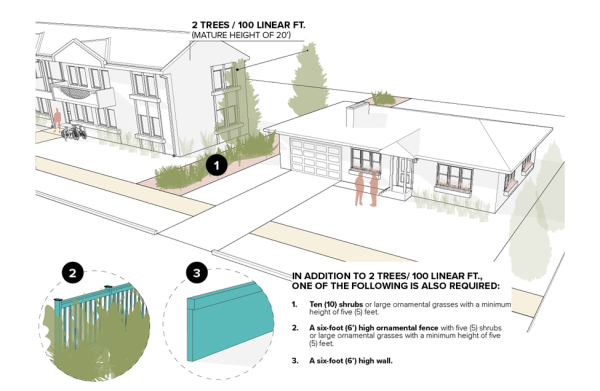
- Buffer Type B, as illustrated in Figure 18.64.2, shall be placed within 10 feet of the property line as site conditions permit and shall consist of trees, shrubs, and ornamental grasses at the following rates per 100 lineal feet of buffer:
- Four (4) trees with a minimum mature height of 20 feet with at least 20 percent being evergreen;
- One of the following is required:
- 20 large shrubs with a minimum mature height of five feet (5’), up to 30 percent can be large ornamental grasses with a minimum mature height of five feet (5’) and 10 small shrubs or ornamental grasses with a minimum mature height of two feet (2’).
- A six-foot (6’) high ornamental fence with 10 large shrubs with a minimum mature height of five feet (5’), up to 30 percent can be large ornamental grasses with a minimum mature height of five feet (5’) and five (5) small shrubs or ornamental grasses with a minimum mature height of two feet (2’).
- A six-foot (6’) high wall.
Figure 18.64.2 Buffer Type B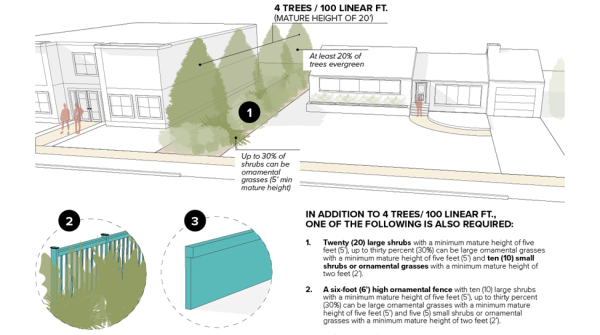
- Buffer Type C, as illustrated by Figure 18.64.3, shall be placed adjacent to the object(s) being screened as site conditions permit and shall consist of a six foot (6’) tall solid fence or wall and trees, shrubs, and ornamental grasses at the following rates per 100 linear feet of buffer:
- Three (3) trees with a minimum mature height of 20 feet with at least 30 percent being evergreen. Items being screened that are less than 20 feet in width do not require trees; and
- 15 large shrubs with a minimum mature height of five feet (5’), up to 30 percent can be large ornamental grasses with a minimum mature height of five feet (5’); and
- 10 small shrubs or ornamental grasses with a minimum mature height of two feet (2’).
Figure 18.64.3 Buffer Type C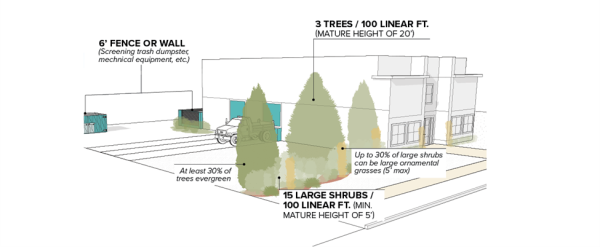
- Buffer Type A, as illustrated in Figure 18.64.1, shall be placed within 10 feet of the property line as site conditions permit and shall consist of trees, shrubs, and ornamental grasses at the following rates per 100 linear feet of buffer:
- Buffer Requirements
- All multiple-household development abutting single-household detached, single-household attached, two-household attached, or three-household attached dwelling uses shall incorporate a Buffer Type B along the perimeter between the two uses.
- All manufacturing and commercial development abutting a residential use shall incorporate a Buffer Type B along the perimeter between the two uses.
- All outdoor storage, service areas, and on-grade mechanical equipment shall be screened with from public view with a Buffer Type C. Site elements that are subject to this provision include but are not limited to the following:
- Air conditioning units;
- Electrical transformers;
- Loading areas and docks;
- Mechanical equipment;
- Outdoor storage areas;
- Public utility transformers;
- Service yards;
- Telephone transformers;
- Trash collection areas;
- Trash dumpsters.
HISTORY
Repealed & Reenacted by Ord. 25-12 on 4/28/2025
Amended by Ord. 25-38 on 9/8/2025
Repealed & Reenacted by Ord. 25-12 on 4/28/2025
Amended by Ord. 25-38 on 9/8/2025
18.64.060 Commercial, Mixed Use, Institutional, Public Or Quasi-Public Use, And Multi-Household Development Landscape Standards
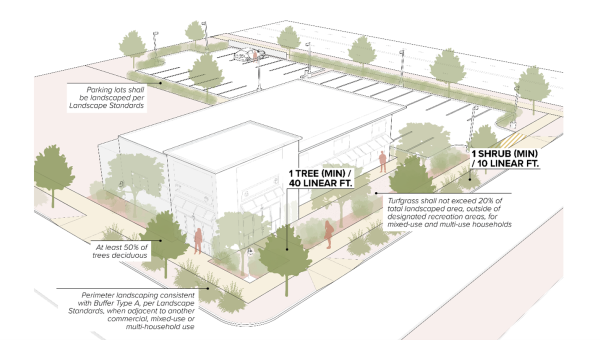
Figure 18.64.4 Commercial, Mixed Use, Institutional, Public or Quasi-Public Use and Multiple-Household General Design Standards
- Purpose. To ensure water conscious landscape improvements that are designed to enhance the overall appearance of the development and integrate the project with adjacent land uses and in the surrounding neighborhood.
- Applicability. All land development of commercial, mixed use, institutional, public or quasi-public uses, and multiple-household uses shall comply with the standards as illustrated in Figure 18.64.4 and as set forth in this section, in addition to the General Landscape Standards outlined in this chapter.
- General Design Standards
- Landscaping is required around the perimeter of the building along facades that face public streets, transportation corridors, or public open spaces. These design standards also apply to building entrances, drop-off and pick up areas, and outdoor dining areas.
- A minimum of one (1) tree shall be provided for every 40 linear feet of building perimeter landscape area. At least 50 percent of required trees shall be deciduous with a shade forming canopy.
- A minimum of one (1) shrub or ornamental grass shall be provided for every 10 linear feet of building perimeter landscape area.
- Landscaping is required around the perimeter of the site, along all side and rear property lines, and around the perimeter of drive-through service facilities at the following rates:
- Consistent with Buffer Type A, as set forth in MKZ 18.64.050 (1), when adjacent to another commercial, mixed use, or multiple-household dwelling use; or
- Consistent with Buffer Type B, as set forth in MKZ 18.64.050 (2), when adjacent to a single-household detached, single-household attached, two-household attached, or three-household attached dwelling use.
- Parking lots shall be landscaped as set forth in MKZ 18.64.100.
- Turfgrass shall only be allowed as functional space for mixed use and multi-household developments. Turfgrass is prohibited for ornamental or aesthetic purposes and may not exceed 20 percent of the total landscaped area, outside of designated recreation areas.
- Landscaping is required around the perimeter of the building along facades that face public streets, transportation corridors, or public open spaces. These design standards also apply to building entrances, drop-off and pick up areas, and outdoor dining areas.
HISTORY
Repealed & Reenacted by Ord. 25-12 on 4/28/2025
Amended by Ord. 25-38 on 9/8/2025
Repealed & Reenacted by Ord. 25-12 on 4/28/2025
Amended by Ord. 25-38 on 9/8/2025
18.64.070 Manufacturing Development Landscape Standards
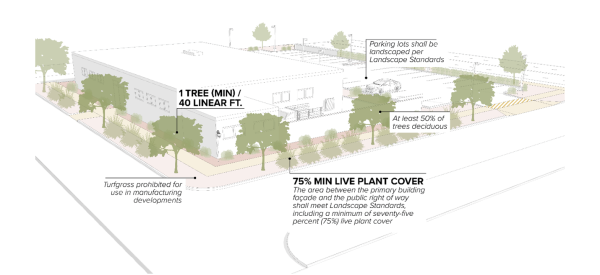
Figure 18.64.5 Manufacturing Development General Design Standards
- Purpose. To ensure landscape improvements are designed primarily at the public facing building entry to be consistent with commercial landscape standards and at the perimeter to screen manufacturing activities from property’s exterior.
- Applicability. All land development for manufacturing uses shall comply with the standards illustrated in Figure 18.64.5 and as set forth in this section, in addition to the General Landscape Standards outlined in this chapter.
- General Design Standards
- Turfgrass is prohibited from being used in manufacturing developments.
- The perimeter of the property shall be landscaped one (1) tree per 40 lineal feet. At least 50 percent of required trees shall be deciduous with a shade-forming canopy.
- The area between the primary building façade and the public right-of-way shall meet the commercial design standards detailed in MKZ 18.64.060 with all landscape areas including a minimum of 75 percent live plant cover.
- Parking lots shall be landscaped as set forth in MKZ Section 18.64.100.
HISTORY
Repealed & Reenacted by Ord. 25-12 on 4/28/2025
Repealed & Reenacted by Ord. 25-12 on 4/28/2025
18.64.080 Single-Household, Two-Household, Three-Household, And Four-Household Residential Landscaping Standards
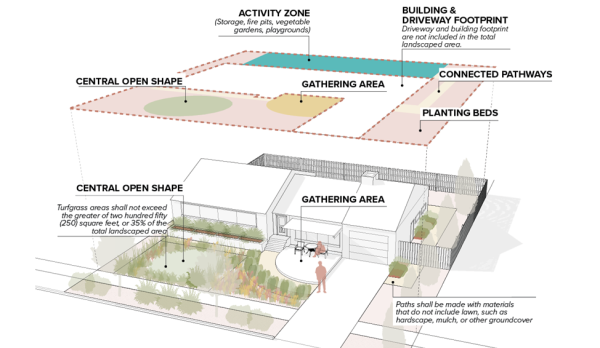
Figure 18.64.6 LocalScape Design Standards
- Purpose. To provide the opportunity for property owners to apply for Landscaping Rebate Programs as outlined by the Central Utah Water Conservancy District.
- Applicability. The standards illustrated in Figure 18.64.6 and set forth in this section apply to all new single-household, two-household, three-household, and four-household residential development and any redevelopment of single-household, two-household, three-household, and four-household residential properties in addition to the General Landscaping Requirements outlined in this Chapter.
- Maximum Impervious Surfaces for Single-Household, Two-Household, Three-Household, and Four-Household Dwellings.
- Except as provided below, no more than 50 percent of the area of a front or corner side yard may be covered with impervious surfaces such as driveways.
- For lots or parcels with less than 60 feet of frontage as measured at the right-of-way line, impervious surfaces used for driveways and permitted parking may exceed the 50 percent limitation if necessary to meet the minimum driveway standards set forth in MKC 14.20.110.
- LocalScape Design Standards. LocalScapes consist of up to five (5) types of landscape elements:
- Central Open Shape. If size permits, the landscaped areas of the front and back yards may include a designed central open shape created by using turfgrass, hardscape, groundcover, gravel, or mulch. The central open shape minimizes angles and extensions that make watering less efficient.
- Turfgrass areas shall not exceed the greater of two 250 square feet, or 35 percent of the property’s total landscaped area.
- A turfgrass central open shape may not be less than 10 feet in width.
- Small residential lots in which the total landscaped area is less than 250 square feet are exempt from the 10 feet minimum width requirement for turfgrass.
- Gathering Areas. Gathering areas shall be constructed of hardscape and placed outside the central open shape. The gathering area may function as the central open shape in a landscape without a turfgrass lawn.
- Activity Zones. Activity zones shall be located outside the central open shape and shall be surfaced with materials other than turfgrass lawn. Vegetable gardens, playground areas, and sport courts are examples of potential activity zones.
- Connecting Pathways. Paths and walkways shall be made of materials other than lawn, such as hardscape, mulch, or other durable materials.
- Planting Beds. Planting beds shall be located outside of the central open shape and may not utilize turfgrass. They shall be surfaced by mulch, rock, gravel, or other similar material where not covered by plantings. A minimum of 75 percent of the planting bed shall be comprised of live plant material.
- Central Open Shape. If size permits, the landscaped areas of the front and back yards may include a designed central open shape created by using turfgrass, hardscape, groundcover, gravel, or mulch. The central open shape minimizes angles and extensions that make watering less efficient.
HISTORY
Repealed & Reenacted by Ord. 25-12 on 4/28/2025
Amended by Ord. 26-52 on 7/27/2026
Repealed & Reenacted by Ord. 25-12 on 4/28/2025
Amended by Ord. 26-52 on 7/27/2026
18.64.090 Streetscape Design Standards
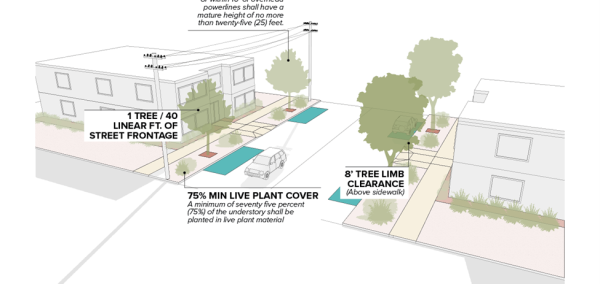
Figure 18.64.7 Streetscape Design Standards
- Purpose. All streetscapes shall be lined with canopy trees to provide shade and include a waterwise and balanced approach to plant material design for year-round visual interest.
- Applicability. The standards illustrated in Figure 18.64.7 and as set forth in this section shall apply to all development abutting Minor Arterial, Major / Minor Collector, and Principal Arterial Streets as well as any single-household subdivisions with frontage along Local Streets as set forth in the Millcreek Transportation Master Plan, in addition to the General Landscape Standards throughout this Chapter.
- Streetscape Design Standards
- Plant Quantities. All landscape areas adjacent to a street (including required park strips) shall be planted and maintained with the following:
- One canopy tree to provide shade per 40 lineal feet of street frontage.
- A minimum of 75 percent of the understory shall be planted in live plant material.
- Street trees shall be planted within a public or private street as set forth in MKC 14.28.070. If the width of the park strip within a public or private street is less than six (6) feet wide, no street trees shall be planted within the street right-of-way, or within 10 feet of the right-of-way line.
- Street trees shall be watered using a drip or deep root irrigation system with irrigation lines sleeved under sidewalks and pavement for ease of maintenance.
- Street trees shall be limbed up to maintain a minimum eight-foot (8’) clearance above all sidewalks.
- Tree species planted under or within 10 feet of overhead powerlines shall have a mature height of no more than 25 feet.
- Streetscape must include curb and gutter as set forth in the Millcreek Standard Plans for Public Works Construction.
- Streetscape must include a detached sidewalk as set forth in the Millcreek Standard Plans for Public Works Construction, unless modified by any other adopted streetscape standard or zoning regulation.
- Where an adopted streetscape standard or zoning regulation requires a continuous hardscape surface between the curb and the building is required. Hardscape can include standard concrete or pervious pavement per Low Impact Development Standards.
- Street tree grates shall have a minimum dimension of five feet (5’) square. Soil volume shall be equivalent to three times the width of the tree’s root ball at the time of planting, which can be achieved by the use of structural cells, suspended pavements, or other methods proposed by a Landscape Architect licensed to practice in the state of Utah under Utah Code Title 58, and as approved by the Planning Director.
- Plant Quantities. All landscape areas adjacent to a street (including required park strips) shall be planted and maintained with the following:
HISTORY
Repealed & Reenacted by Ord. 25-12 on 4/28/2025
Repealed & Reenacted by Ord. 25-12 on 4/28/2025
18.64.100 Parking Lot Landscaping
- Purpose. Parking lot landscaping is intended to break up large expanses of pavement, create shade, screen headlights, and enhance the site’s overall appearance.
- Applicability. All parking lots with ten (10) spaces or more or expansions to parking lots of at least ten (10) spaces shall be subject to the standards as illustrated in Figure 18.64.8 and as set forth in this section.
- General Design Standards
- Interior Parking Lot Landscape.
- A landscape island at the end of each row of parking, with a minimum width of eight feet (8’).
- Each island shall contain one (1) canopy tree per single parking row and two (2) trees per double parking row to provide shade; and
- Understory plantings no taller than three feet (3’) in height to cover a minimum of 75 percent of the island.
- One canopy tree shall be provided for every five (5) spaces or less for a single parking row and every 10 spaces or fewer for a double parking row by way of one of the following methods:
- A landscape island with a minimum width of eight feet (8’) and a length matching the parking stall length;
- A curbed tree diamond with a minimum inside dimension of four feet (4’) square
- If a covered parking canopy is provided, the requirement for a tree every five (5) spaces shall not apply to the parking row covered by the canopy.
- Every other double row of parking spaces shall include a planted median with one (1) shade tree for every five (5) stalls and shall satisfy the following standards:
- Planted medians shall be a minimum of eight feet (8’) wide and contain understory plantings no taller than three feet (3’) in height to cover a minimum of 75 percent of the median.
- If a sidewalk is incorporated into the landscape median, the width of the median shall be as follows:
- Sidewalk down the middle. The planting area shall be five feet (5’) wide on either side of the median with trees staggered on either side of the sidewalk.
- Sidewalk down one side. The planting area shall be a minimum of eight feet (8’) wide with one (1) canopy tree to provide shade for every five (5) parking spaces.
Figure 18.64.8 Interior Parking Lot Landscape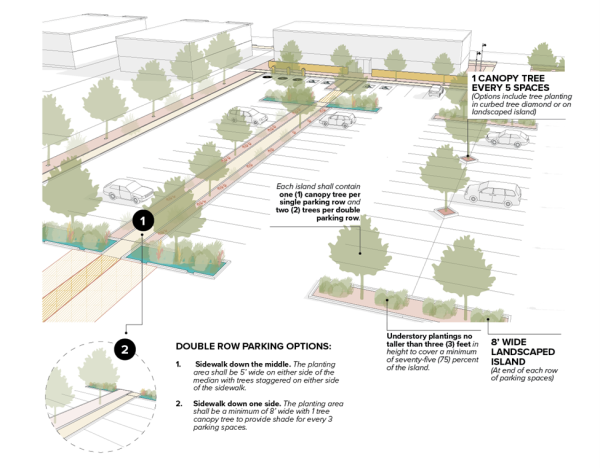
- A landscape island at the end of each row of parking, with a minimum width of eight feet (8’).
- Perimeter Parking Lot Landscape. Perimeter parking lot landscape shall comply with the standards illustrated in Figure 18.64.9 and as set forth in this section:
- A minimum eight-foot (8’) wide landscape area shall be provided at the perimeter of surface parking lots abutting any public right-of-way containing a minimum of one (1) canopy tree to provide shade per 30 lineal feet of required perimeter landscape area.
- Parking spaces facing a street or an institutional or residential use shall screen headlights from view by one of the following methods:
- A hedge of shrubs and ornamental grasses with a minimum height of three feet (3’) for a minimum of 75 percent (75%) of the length of the parking lot;
- A berm with a minimum height of three feet (3’); or
- A masonry wall with a height between three and four feet (3’- 4’) paired with landscape material for at least 50 percent of the length of the landscape area placed on the street side of the wall.
- Pedestrian Accommodation. Stepping stones or graveled pathways shall be dispersed across and along landscape medians to minimize soil compaction and protect plant root zones from pedestrian traffic, as illustrated in Figure 18.64.10.
- All landscaped areas adjacent to parking spaces shall be constructed of a continuous concrete curb as set forth in the Millcreek Standards for Public Works Construction and of no less than six inches (6”) in height.
- Landscape areas used for collecting stormwater runoff shall be constructed of a continuous concrete curb with curb cuts at regular intervals to allow stormwater from an adjacent impervious surface to flow into a depressed infiltration and planting area.
- Where vehicular parking stalls abut landscaping that is not protected by a curb, wheel stops shall be installed at a minimum of two feet (2’) from the edge of that landscaped area.
- Tree and Shrub Distribution within landscape island and medians.
- Trees shall not be planted closer than three feet (3’) to the top back of the curb or the exterior edge of the depressed parking lot landscaped planters, as illustrated in Figure 18.64.10.
- Shrubs shall be situated such that they remain within the confines of the planter at maturity.
- Mulch Required. Organic mulch shall be spread to a minimum depth of three inches (3”) and rock to at least two and one-half inches (2 ½”) in depth in all parking lot landscaped planters.
- Irrigation. Landscape planters within parking areas shall only be irrigated with drip emitter or irrigation systems.
- The property owner shall be responsible for maintaining all landscaping within and adjacent to parking lots.
Figure 18.64.9 Perimeter Parking Lot Landscape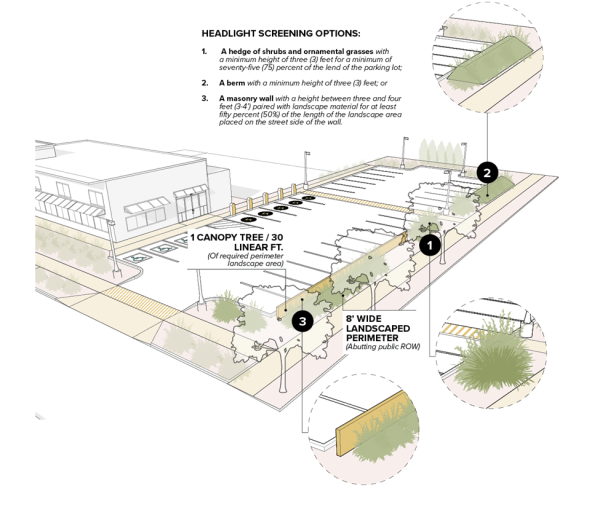
Figure 18.64.10 Pedestrian Accommodation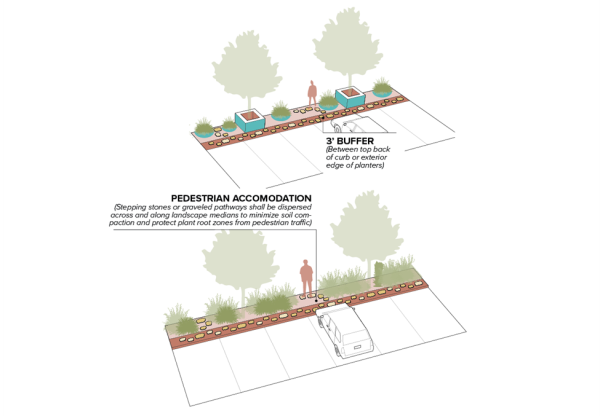
- Interior Parking Lot Landscape.
HISTORY
Repealed & Reenacted by Ord. 25-12 on 4/28/2025
Repealed & Reenacted by Ord. 25-12 on 4/28/2025
18.64.110 Park And Open Space Landscape Standards
- Purpose. Landscaping in parks and open spaces areas that are commonly used by the public for passive and active recreation shall be appropriate to the area’s use and function, respectful of water conservation practices, and include canopy trees to provide shade, shrubs, ground cover, and site furnishings appropriate to the use.
- Applicability. The following requirements shall apply to all new development of public and private parks, pocket parks, detention ponds, trail connections, and common open space areas for public use.
- General Design Standards
- All parks shall be landscaped and programmed to balance plant material with no more than 30 percent of the total landscaped area comprised of plant species falling in Hydrozones 3 and 4.
- All park and open space areas shall include site trees at a rate of at least one (1) canopy tree to provide shade per 5,000 square feet of landscaped area, distributed appropriately throughout the site. Required trees shall be placed in upland areas, above the anticipated high-water mark or floodway of detention ponds or drainage ways.
- Turfgrass shall be used only in high-traffic areas such as sports fields, cemeteries, golf courses, putting greens, and informal play spaces adjacent to playgrounds.
- Park periphery and detention pond areas shall consist of low water or native plant material and grass seed mix.
- Common open spaces and trail connections shall be landscaped with a balance of low water or native plant material and grass seed mix to reduce the need for supplemental irrigation in hard-to-reach areas.
- The retention of native areas for purposes of maintaining viewsheds or healthy existing ecosystems is highly encouraged.
- Existing plant material shall be identified on the landscape plan with a statement explaining how the native area will be protected from construction.
- These areas shall be excluded from the landscape area used to calculate required site trees as set forth in MKZ 18.64.110 (C)(1). Green roofs, garden decks, planted building stepbacks, and other similar landscape elements can count toward the overall open space requirements.
- Parking lots shall be landscaped as set forth in MKZ 18.64.100.
- The development of shared parks, open space, and stormwater detention and retention facilities shall provide a mechanism, such as a homeowners' association and covenants for long-term maintenance of parks, stormwater detention and retention facilities, and common open space, to ensure the continued upkeep of the property.
HISTORY
Repealed & Reenacted by Ord. 25-12 on 4/28/2025
Repealed & Reenacted by Ord. 25-12 on 4/28/2025
18.64.120 Stormwater Detention And Retention Facilities
- Purpose. Stormwater facilities shall be installed to serve a development to promote innovative and effective land and water management techniques that protect and enhance water quality.
- Applicability. All required stormwater detention and retention facilities shall comply with the standards in this section.
- General Design Standards
- Landscaping is required around detention/retention basins and ponds at the following rate:
- One (1) canopy tree to provide shade per 5,000 square feet of detention area, located above the anticipated high-water mark.
- This requirement is in addition to any site perimeter or street tree requirements.
- Minimum storm drainage improvements shall be constructed such that:
- Landscape improvements enhance the function of the facility.
- All facilities shall be seeded with grass appropriate to the function of the area.
- Detention areas may be used for passive and active recreation.
- Areas to be maintained for habitat enhancement shall be seeded with native grasses and wildflowers.
- Landscaping is required around detention/retention basins and ponds at the following rate:
- Low Impact Development
- Low-impact development (LID) techniques as illustrated in Figure 18.64.11 shall be used to better manage stormwater and reduce the size of required detention and retention ponds.
- Low Impact Development can include but is not limited to the following:
- Permeable Pavement. Permeable pavement can consist of porous concrete or permeable concrete pavers.
- Bioswales. Bioswales are vegetated swales planted with various plant species that can tolerate occasional water inundation and serve to transport, store, and allow water infiltration.
- Grassed Swales. Grassed swales are designed to convey water over the ground’s surface to a point of disposal and serve to slow water flow, allowing some particulates to drop out before the water reaches the disposal point.
- Rain Gardens. Rain gardens are small, shallow, depressions planted with a variety of native or ornamental plants that can treat small amounts of runoff to improve water quality.
Figure 18.64.11 Low Impact Development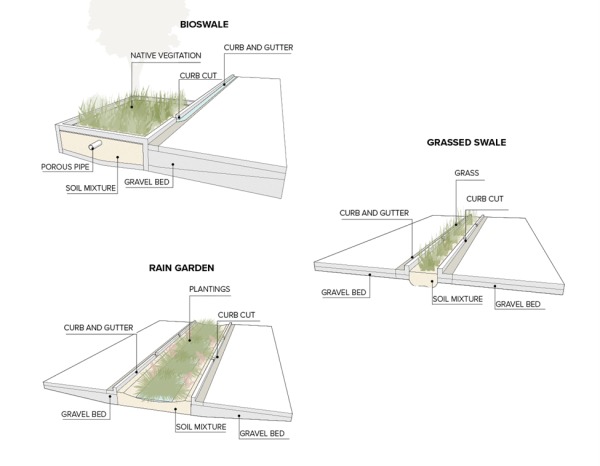
18.64.130 Landscaping Along Natural Waterways
- Purpose. Riparian buffers are essential to mitigate urban runoff from entering natural waterways and provide wildlife corridors. Vegetation can act as a natural barrier that infiltrates excess nutrients.
- Applicability. The following provisions apply to all properties within 100 feet of a natural waterway.
- General Design Standards. Utilization of native riparian plants shall be required within 50 feet of waterways, and shall comply with the following standards:
- Plant selection shall be made from Salt Lake County’s Stream Care Guide. Specifically, plant selection shall correlate with the Foothill and Valley elevations (4,200-6,000 feet).
- Retention of existing plants shall be the preferred landscaping method unless further restoration of native species is deemed necessary due to the following:
- The Millcreek Plant Species List and the Utah Department of Agriculture declare existing plants to be unhealthy or invasive.
- Existing plants do not meet the selection guidance of Salt Lake County’s Stream Care Guide.
- Apply multiple vegetation layers to enhance the habitat and attractiveness of the buffered area.
- To minimize impact in a riparian buffer, pedestrian access paths in the riparian buffer shall be made of decomposed granite, gravel, or other permeable soft surface path material.
- Consider the water and shade tolerance needs of the species planted.
HISTORY
Repealed & Reenacted by Ord. 25-12 on 4/28/2025
Repealed & Reenacted by Ord. 25-12 on 4/28/2025
18.64.140 Landscape Plan Submittal Requirements
- General Provisions
- All applications for a Conditional Use Permit, a Site Plan Approval, or a Site Plan Amendment must be accompanied by a landscape plan package prepared in accordance with the requirements of this chapter.
- Submitted landscape plan packages shall be prepared and certified for compliance with all requirements of this chapter by a Landscape Architect licensed to practice in the State of Utah. A landscape designer certified by the Utah Nursery and Landscape Association may submit a landscape plan package if the certified designer is employed by the contractor installing plantings of the specific project submitted.
- All submitted irrigation plans shall be prepared by a Landscape Architect licensed to practice in the State of Utah or by a person exempt from professional licensure requirements for the scope of work performed.
- Landscape Plan Package Contents
- The landscape plan package shall include at least the following:
- A landscape plan to include the following information:
- Layout of all plant material representing the size of the plants at maturity.
- Detailed plant list identifying common and botanical names of plant species, specified size of all plant material (including trees, shrubs, perennials, and grass species), quantity, and water usage based on the landscape Hydrozones detailed in MKZ 18.64.020 (B).
- Planting notes and detail drawings illustrating methods of installation.
- An irrigation plan to include the following information:
- Layout of point of connection, mainline, laterals, spray heads or drip irrigation area.
- Irrigation notes and detail drawings illustrating methods of installation specifications.
- A landscape plan to include the following information:
- The landscape plan package shall include at least the following:
- Alternative Compliance
- As authorized by this chapter, an alternative landscape plan may be substituted in whole or part for a landscape plan prepared in strict compliance with this chapter’s requirements.
- Alternative Plan Preparation and Submittal. Alternative landscape plans shall be prepared and submitted according to the submittal requirements for a landscape plan package.
- The submittal shall clearly identify and discuss the modifications and alternatives proposed and explain how the plan will better accomplish the purposes and intent of this chapter than a plan strictly complying with the chapter's specified standards.
- Alternative Plan Review Criteria. The qualified professional who prepared the plans shall clearly demonstrate how the alternative plans will:
- Provide exceptional preservation and incorporation of existing site vegetation;
- Provide significant protection of natural areas and features;
- Provide for maximum retention of existing tree canopy cover;
- Create exceptional enhancement of neighborhood continuity and connectivity;
- Provide for extensive accommodation of nonvehicular access and use; and
- Represent greater innovation in site design and plant use.
- Alternative Plan Approval. Upon completion of the review, the Planning Director shall grant final approval to ensure satisfaction of the above criteria.
- As authorized by this chapter, an alternative landscape plan may be substituted in whole or part for a landscape plan prepared in strict compliance with this chapter’s requirements.
- Plan Revisions. The Planning Director shall review and approve any revisions to the landscape plan package in writing prior to commencing construction. The qualified professionals who prepared and submitted the plan revisions shall provide re-certification of compliance with the requirements of this chapter. Substantial revisions to site development plans may require commensurate revisions to associated landscape plans.
- Phasing. Landscape plans for projects proposed for development in multiple phases shall clearly specify the landscape improvements required in conjunction with each phase.
HISTORY
Repealed & Reenacted by Ord. 25-12 on 4/28/2025
Amended by Ord. 26-52 on 7/27/2026
Repealed & Reenacted by Ord. 25-12 on 4/28/2025
Amended by Ord. 26-52 on 7/27/2026
18.64.150 Construction Inspection And Compliance Requirements
- Construction Verification.
- A licensed landscape architect shall provide construction observation and monitoring of all required landscape improvements to ensure compliance with the site’s approved landscape plans.
- A letter of compliance with the landscape plan shall be submitted to the Planning Director to verify installation of required public landscaping improvements prior to bond release.
- Upon issuance of a certificate of occupancy, the property shall comply with the requirements of this chapter, and any re-landscaping that occurs shall be in accordance with the certified landscape plan for the property. If a certificate of occupancy was issued accompanied by an improvement assurance guarantee for the completion of landscaping, the improvement assurance guarantee shall not be released until the property complies this chapter.
- Following construction and prior to issuing an approval for occupancy, a water audit shall be conducted by an IA-certified landscape irrigation auditor. Irrigation system improvements required to comply with this chapter’s requirements shall be provided by the property owner as necessary. The performance audit shall verify the following:
- The irrigation system complies with the minimum standards of this chapter;
- The minimum efficiency required for the irrigation system is 75 percent for the distribution efficiency for all fixed spray systems and 70 percent distribution efficiency for all rotor systems;
- Copies of the auditor's certification of compliance shall be provided to the Planning Director for retention in the project file as well as to the irrigation system designer, installer, and owner/developer of the property; and
- Compliance with this provision is required before the City will issue a bond release.
- The Planning Director reserves the right to perform site inspections at any time and to require corrective measures for installing site landscaping and irrigation system improvements that do not comply with the chapter’s requirements.
- A licensed landscape architect shall provide construction observation and monitoring of all required landscape improvements to ensure compliance with the site’s approved landscape plans.
- Long-Term Viability of Established Landscapes
- Plant Maintenance. The owner, tenant, and any agent shall be jointly and severally responsible for maintaining all landscaping in good condition and free from refuse and debris to present a healthy, neat, and orderly appearance.
- Plant Survival. All plant material shall be regularly maintained in a healthy condition and shall be guaranteed for survival for two years from planting.
- During this period, each plant shall show at least 75 percent healthy growth and shall have the natural characteristic of the plant of its species.
- Any plant found dead or unsatisfactory by the Planning Director during the guarantee period shall be replaced until it has lived through the required two-year survival period.
HISTORY
Repealed & Reenacted by Ord. 25-12 on 4/28/2025
Repealed & Reenacted by Ord. 25-12 on 4/28/2025

